


1193 Résultats
Classification:
livres
livres
Prix:
$45.95
(disponible sur commande)
Résumé:
On connaît Guy Debord pour avoir été poète, cinéaste, artiste, théoricien révolutionnaire, directeur de revue et fondateur de mouvements d’avant-garde. Mais il fut surtout stratège. Qu’entend-on par là? Que la poésie, le cinéma, la théorie, et l’avant-garde furent pour lui les moyens employés dans le cadre d’un conflit contre la société de son temps. Un objet en(...)
$45.95
(disponible sur commande)
Résumé:
On connaît Guy Debord pour avoir été poète, cinéaste, artiste, théoricien révolutionnaire, directeur de revue et fondateur de mouvements d’avant-garde. Mais il fut surtout stratège. Qu’entend-on par là? Que la poésie, le cinéma, la théorie, et l’avant-garde furent pour lui les moyens employés dans le cadre d’un conflit contre la société de son temps. Un objet en(...)
Titre:
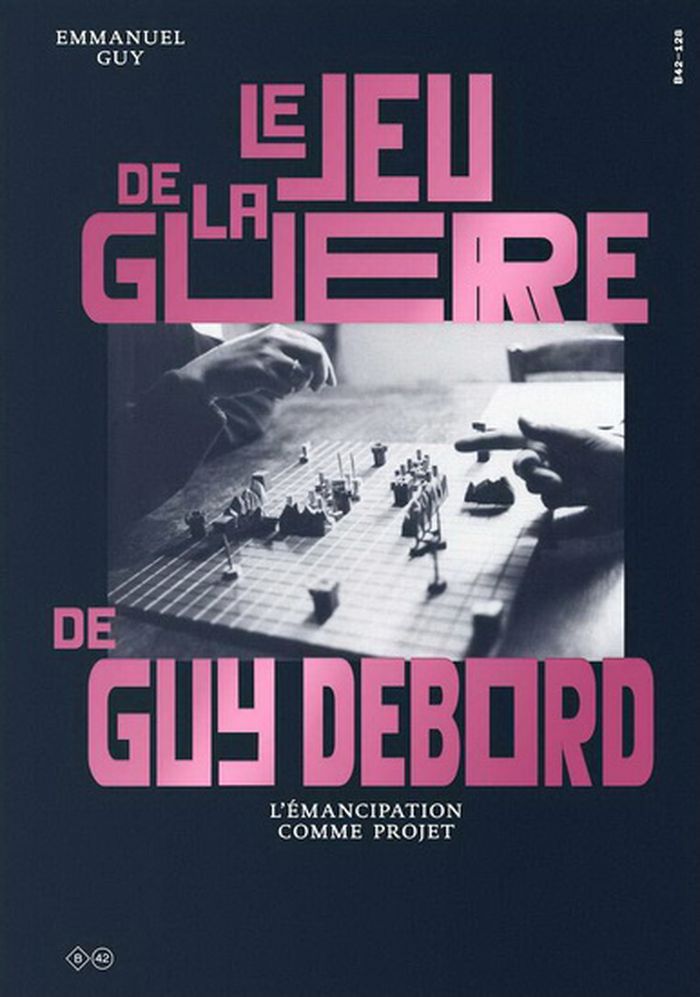
Le jeu de la guerre de Guy Debord : l'émancipation comme projet
Actions:
Prix:
$45.95
(disponible sur commande)
Résumé:
On connaît Guy Debord pour avoir été poète, cinéaste, artiste, théoricien révolutionnaire, directeur de revue et fondateur de mouvements d’avant-garde. Mais il fut surtout stratège. Qu’entend-on par là? Que la poésie, le cinéma, la théorie, et l’avant-garde furent pour lui les moyens employés dans le cadre d’un conflit contre la société de son temps. Un objet en particulier, Le Jeu de la guerre, dont la vocation était d’aiguiser le sens stratégique et la conscience d’une incessante guerre à mener, répond de cet objectif. Debord conçoit dans le milieu des années 1950 un jeu, qui se présente sous la forme d’un plateau quadrillé et de pions représentant les diverses unités d’une armée, qu’il pratique et cherche à diffuser tout au long de sa vie. En tant que modélisation de la guerre, le jeu permet de retrouver la charge critique des recherches situationnistes sur l’espace, la cartographie, les labyrinthes et le ludique en général. À l’heure où le design – qu’il soit d’objets, de systèmes, d’interfaces ou d’expérience – tend à envahir les discours et englober de plus en plus de champs de l’activité créative, technique, sociale et économique, et où l’art peine à penser les conditions de sa validité émancipatrice, Emmanuel Guy propose à travers cette analyse une relecture de l’œuvre critique de Guy Debord sous l’angle de la stratégie. Tiré de sa thèse de doctorat, ce livre offre un regard nouveau sur la vie de l’un des plus grands intellectuels de la deuxième moitié du XXe siècle.
Le jeu de la guerre de Guy Debord : l'émancipation comme projet
Actions:
Prix:
$45.95
(disponible sur commande)
Résumé:
On connaît Guy Debord pour avoir été poète, cinéaste, artiste, théoricien révolutionnaire, directeur de revue et fondateur de mouvements d’avant-garde. Mais il fut surtout stratège. Qu’entend-on par là? Que la poésie, le cinéma, la théorie, et l’avant-garde furent pour lui les moyens employés dans le cadre d’un conflit contre la société de son temps. Un objet en particulier, Le Jeu de la guerre, dont la vocation était d’aiguiser le sens stratégique et la conscience d’une incessante guerre à mener, répond de cet objectif. Debord conçoit dans le milieu des années 1950 un jeu, qui se présente sous la forme d’un plateau quadrillé et de pions représentant les diverses unités d’une armée, qu’il pratique et cherche à diffuser tout au long de sa vie. En tant que modélisation de la guerre, le jeu permet de retrouver la charge critique des recherches situationnistes sur l’espace, la cartographie, les labyrinthes et le ludique en général. À l’heure où le design – qu’il soit d’objets, de systèmes, d’interfaces ou d’expérience – tend à envahir les discours et englober de plus en plus de champs de l’activité créative, technique, sociale et économique, et où l’art peine à penser les conditions de sa validité émancipatrice, Emmanuel Guy propose à travers cette analyse une relecture de l’œuvre critique de Guy Debord sous l’angle de la stratégie. Tiré de sa thèse de doctorat, ce livre offre un regard nouveau sur la vie de l’un des plus grands intellectuels de la deuxième moitié du XXe siècle.
Classification:
livres
livres
Publication:
novembre 2020
novembre 2020
Sujet:
Théorie de l’art
Théorie de l’art
Classification:
livres
livres
Actions:
Prix:
$25.00
(disponible en magasin)
Résumé:
Following ''Institutions by Artists: Volume One'' and the eponymous convention from which both volumes take their name, this second anthology of texts continues the work of unpacking artists’ relationships to—and creation of—a larger set of structures that increasingly regulate, demarcate, and codify contemporary artistic practice: centres of economic and cultural(...)
$25.00
(disponible en magasin)
Résumé:
Following ''Institutions by Artists: Volume One'' and the eponymous convention from which both volumes take their name, this second anthology of texts continues the work of unpacking artists’ relationships to—and creation of—a larger set of structures that increasingly regulate, demarcate, and codify contemporary artistic practice: centres of economic and cultural(...)
Titre:
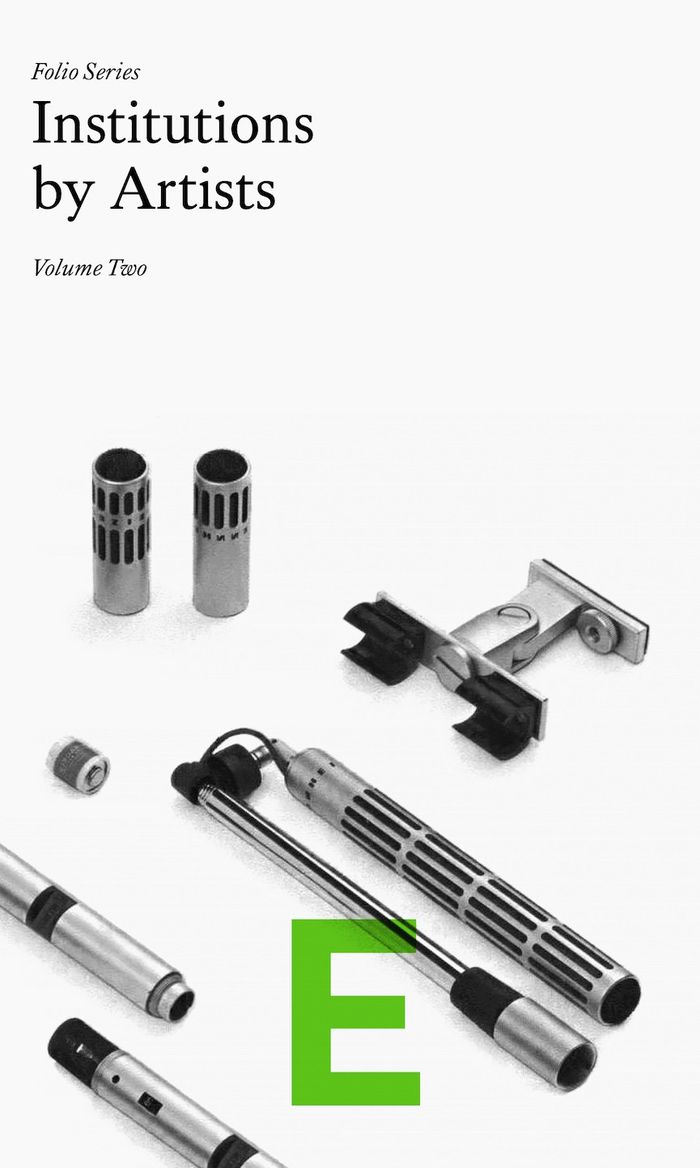
Institutions by Artists: Volume 2
Actions:
Prix:
$25.00
(disponible en magasin)
Résumé:
Following ''Institutions by Artists: Volume One'' and the eponymous convention from which both volumes take their name, this second anthology of texts continues the work of unpacking artists’ relationships to—and creation of—a larger set of structures that increasingly regulate, demarcate, and codify contemporary artistic practice: centres of economic and cultural capital; state and private apparatus; and sites of display, storage and production.
Institutions by Artists: Volume 2
Actions:
Prix:
$25.00
(disponible en magasin)
Résumé:
Following ''Institutions by Artists: Volume One'' and the eponymous convention from which both volumes take their name, this second anthology of texts continues the work of unpacking artists’ relationships to—and creation of—a larger set of structures that increasingly regulate, demarcate, and codify contemporary artistic practice: centres of economic and cultural capital; state and private apparatus; and sites of display, storage and production.
Classification:
livres
livres
Publication:
octobre 2021
octobre 2021
Sujet:
Théorie de l’art
Théorie de l’art
Classification:
livres
livres
Titre:
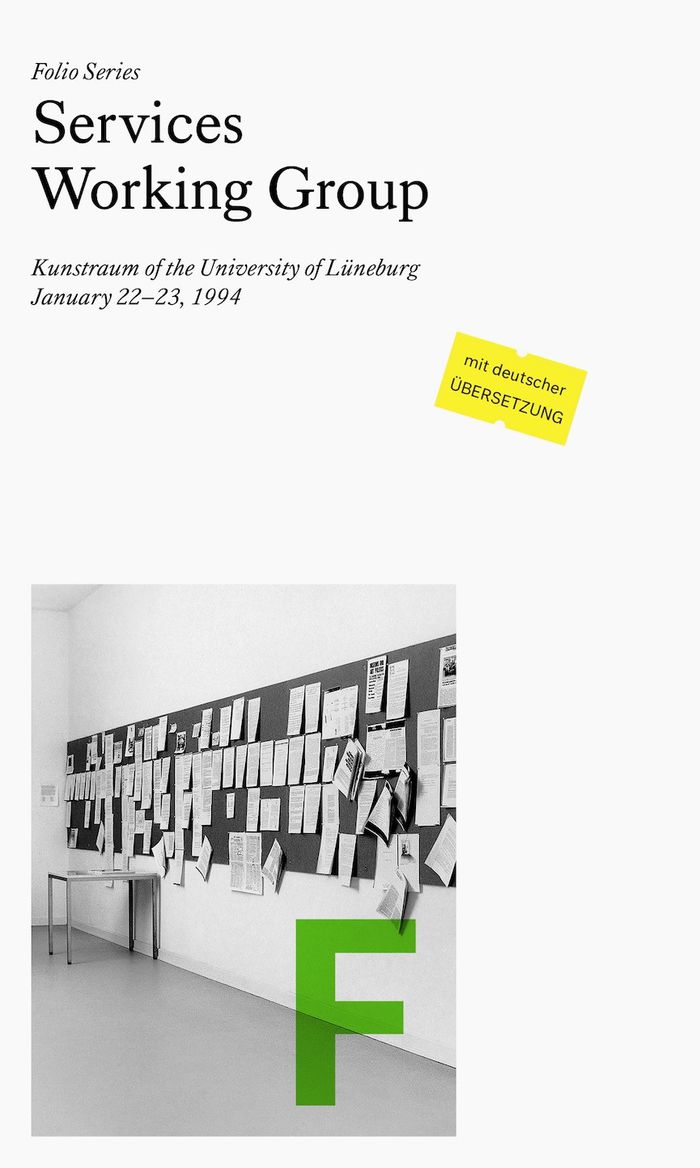
Services Working Group
Services Working Group
Actions:
Prix:
$25.00
(disponible en magasin)
Résumé:
This publication presents complete transcripts from the ground-breaking working group on labour relations and institutional governance in the arts organized in 1994 by Helmut Draxler and Andrea Fraser at the Kunstraum of the University of Lüneburg.
$25.00
(disponible en magasin)
Résumé:
This publication presents complete transcripts from the ground-breaking working group on labour relations and institutional governance in the arts organized in 1994 by Helmut Draxler and Andrea Fraser at the Kunstraum of the University of Lüneburg.
Titre:
Services Working Group
Actions:
Prix:
$25.00
(disponible en magasin)
Résumé:
This publication presents complete transcripts from the ground-breaking working group on labour relations and institutional governance in the arts organized in 1994 by Helmut Draxler and Andrea Fraser at the Kunstraum of the University of Lüneburg.
Services Working Group
Actions:
Prix:
$25.00
(disponible en magasin)
Résumé:
This publication presents complete transcripts from the ground-breaking working group on labour relations and institutional governance in the arts organized in 1994 by Helmut Draxler and Andrea Fraser at the Kunstraum of the University of Lüneburg.
Classification:
livres
livres
Publication:
octobre 2021
octobre 2021
Sujet:
Théorie de l’art
Théorie de l’art
Classification:
livres
livres
Actions:
Prix:
$22.00
(disponible sur commande)
Résumé:
This publication presents four essays and one conversation with contemporary artists and curators from different backgrounds and origins (Jerusalem, Lebanon, Kuwait, USA, Egypt) who discuss their experience of becoming mothers as professionals in the arts, its reality and effects. While their reflections represent a similar strata of art worker in terms of background,(...)
$22.00
(disponible sur commande)
Résumé:
This publication presents four essays and one conversation with contemporary artists and curators from different backgrounds and origins (Jerusalem, Lebanon, Kuwait, USA, Egypt) who discuss their experience of becoming mothers as professionals in the arts, its reality and effects. While their reflections represent a similar strata of art worker in terms of background,(...)
Titre:
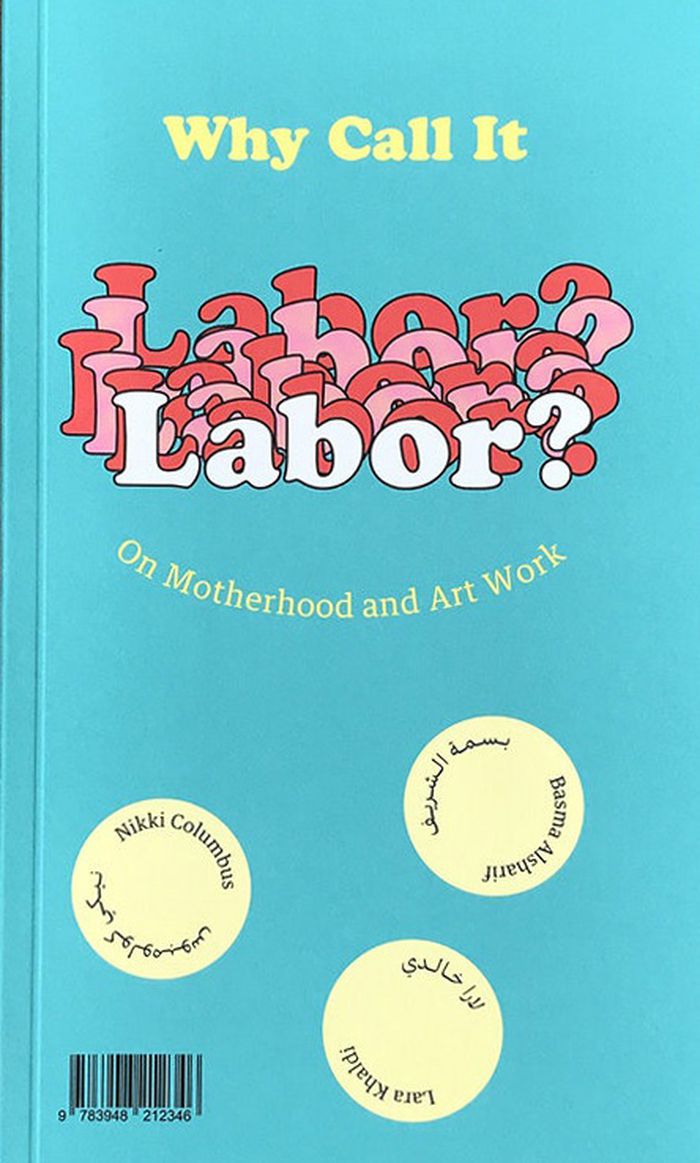
Why call it labor? On motherhood and art work
Actions:
Prix:
$22.00
(disponible sur commande)
Résumé:
This publication presents four essays and one conversation with contemporary artists and curators from different backgrounds and origins (Jerusalem, Lebanon, Kuwait, USA, Egypt) who discuss their experience of becoming mothers as professionals in the arts, its reality and effects. While their reflections represent a similar strata of art worker in terms of background, class, and career trajectory, the impact of instruments of patriarchy on rendering maternity invisible that they describe is recognizable and insidious.
Why call it labor? On motherhood and art work
Actions:
Prix:
$22.00
(disponible sur commande)
Résumé:
This publication presents four essays and one conversation with contemporary artists and curators from different backgrounds and origins (Jerusalem, Lebanon, Kuwait, USA, Egypt) who discuss their experience of becoming mothers as professionals in the arts, its reality and effects. While their reflections represent a similar strata of art worker in terms of background, class, and career trajectory, the impact of instruments of patriarchy on rendering maternity invisible that they describe is recognizable and insidious.
Classification:
livres
livres
Publication:
octobre 2021
octobre 2021
Sujet:
Théorie de l’art
Théorie de l’art
Classification:
livres
livres
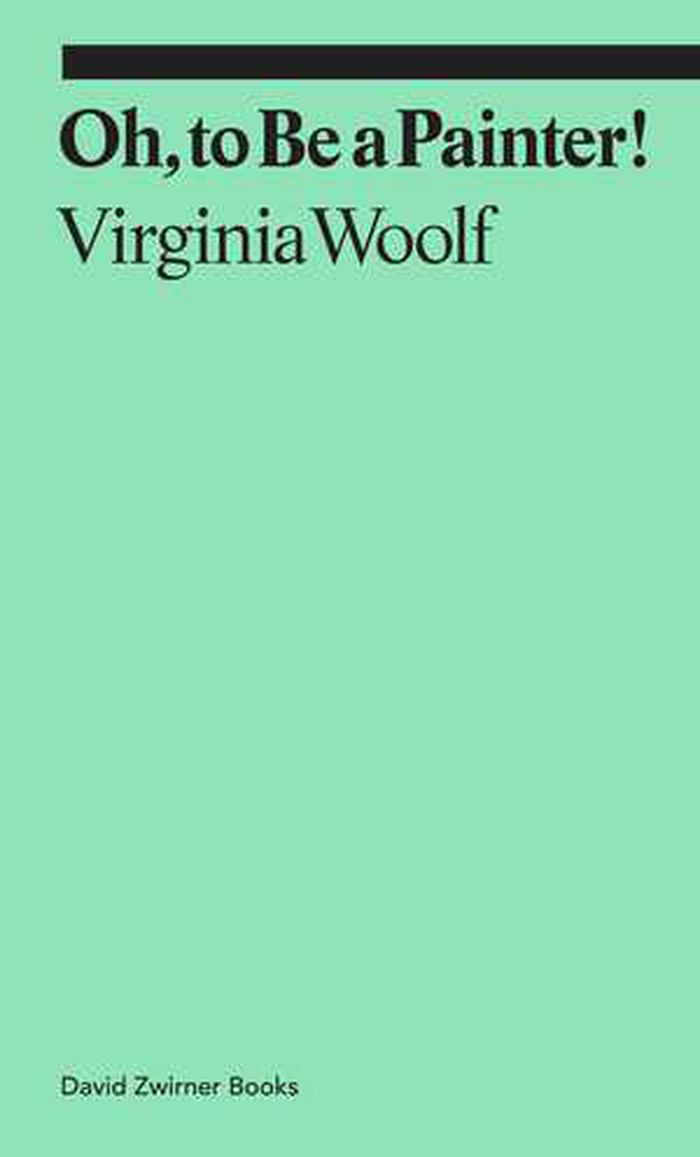
Titre:
Oh, to be a painter!
Oh, to be a painter!
Actions:
Prix:
$20.00
(disponible sur commande)
Résumé:
Despite wide interest in Woolf’s writings, and in the artists and art critics in her Bloomsbury circle, there is no accessible edition or selection of essays dedicated to her writings on art. This volume collects her longest essay on painting, “Walter Sickert: A Conversation” (1934), alongside shorter essays and reviews, including “Pictures and Portraits” (1920) and(...)
$20.00
(disponible sur commande)
Résumé:
Despite wide interest in Woolf’s writings, and in the artists and art critics in her Bloomsbury circle, there is no accessible edition or selection of essays dedicated to her writings on art. This volume collects her longest essay on painting, “Walter Sickert: A Conversation” (1934), alongside shorter essays and reviews, including “Pictures and Portraits” (1920) and(...)
Titre:
Oh, to be a painter!
Actions:
Prix:
$20.00
(disponible sur commande)
Résumé:
Despite wide interest in Woolf’s writings, and in the artists and art critics in her Bloomsbury circle, there is no accessible edition or selection of essays dedicated to her writings on art. This volume collects her longest essay on painting, “Walter Sickert: A Conversation” (1934), alongside shorter essays and reviews, including “Pictures and Portraits” (1920) and “Pictures” (1925).
Oh, to be a painter!
Actions:
Prix:
$20.00
(disponible sur commande)
Résumé:
Despite wide interest in Woolf’s writings, and in the artists and art critics in her Bloomsbury circle, there is no accessible edition or selection of essays dedicated to her writings on art. This volume collects her longest essay on painting, “Walter Sickert: A Conversation” (1934), alongside shorter essays and reviews, including “Pictures and Portraits” (1920) and “Pictures” (1925).
Classification:
livres
livres
Publication:
novembre 2021
novembre 2021
Sujet:
Théorie de l’art
Théorie de l’art
Classification:
livres
livres
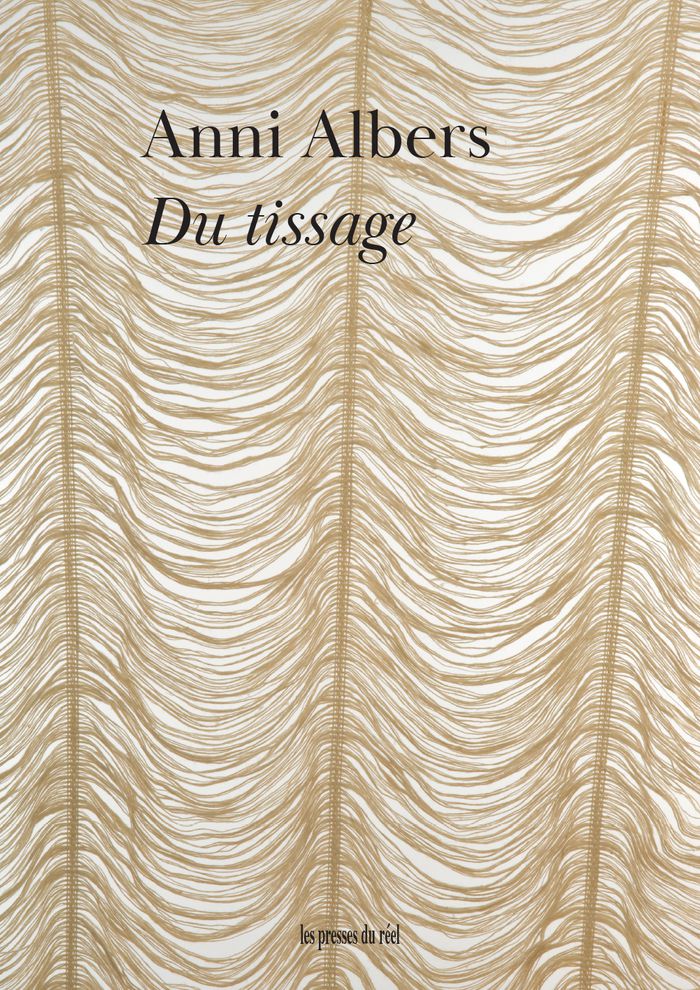
Titre:
Du tissage
Du tissage
Actions:
Prix:
$48.95
(disponible sur commande)
Résumé:
Rédigé par l'une des pionnières de l'art textile au XXe siècle, cet ouvrage illustré offre une brillante méditation sur l'art du tissage, son histoire, ses outils et ses techniques, et sur ses conséquences pour le design moderne (nouvelle édition augmentée, avec trois textes critiques et des illustrations en couleur).
$48.95
(disponible sur commande)
Résumé:
Rédigé par l'une des pionnières de l'art textile au XXe siècle, cet ouvrage illustré offre une brillante méditation sur l'art du tissage, son histoire, ses outils et ses techniques, et sur ses conséquences pour le design moderne (nouvelle édition augmentée, avec trois textes critiques et des illustrations en couleur).
Titre:
Du tissage
Actions:
Prix:
$48.95
(disponible sur commande)
Résumé:
Rédigé par l'une des pionnières de l'art textile au XXe siècle, cet ouvrage illustré offre une brillante méditation sur l'art du tissage, son histoire, ses outils et ses techniques, et sur ses conséquences pour le design moderne (nouvelle édition augmentée, avec trois textes critiques et des illustrations en couleur).
Du tissage
Actions:
Prix:
$48.95
(disponible sur commande)
Résumé:
Rédigé par l'une des pionnières de l'art textile au XXe siècle, cet ouvrage illustré offre une brillante méditation sur l'art du tissage, son histoire, ses outils et ses techniques, et sur ses conséquences pour le design moderne (nouvelle édition augmentée, avec trois textes critiques et des illustrations en couleur).
Classification:
livres
livres
Publication:
septembre 2021
septembre 2021
Sujet:
Théorie de l’art
Théorie de l’art
Classification:
livres
livres
Prix:
$44.00
(disponible sur commande)
Résumé:
This unprecedented collection compiles the writings of artist and poet Jesse Murry (1948–93), an extraordinary thinker who believed in the capacity of painting to hold the complexity of human meaning. Painting Is a Supreme Fiction brings together Murry’s published art criticism with previously unpublished philosophical writing and poetry from 1980 to his tragic death from(...)
$44.00
(disponible sur commande)
Résumé:
This unprecedented collection compiles the writings of artist and poet Jesse Murry (1948–93), an extraordinary thinker who believed in the capacity of painting to hold the complexity of human meaning. Painting Is a Supreme Fiction brings together Murry’s published art criticism with previously unpublished philosophical writing and poetry from 1980 to his tragic death from(...)
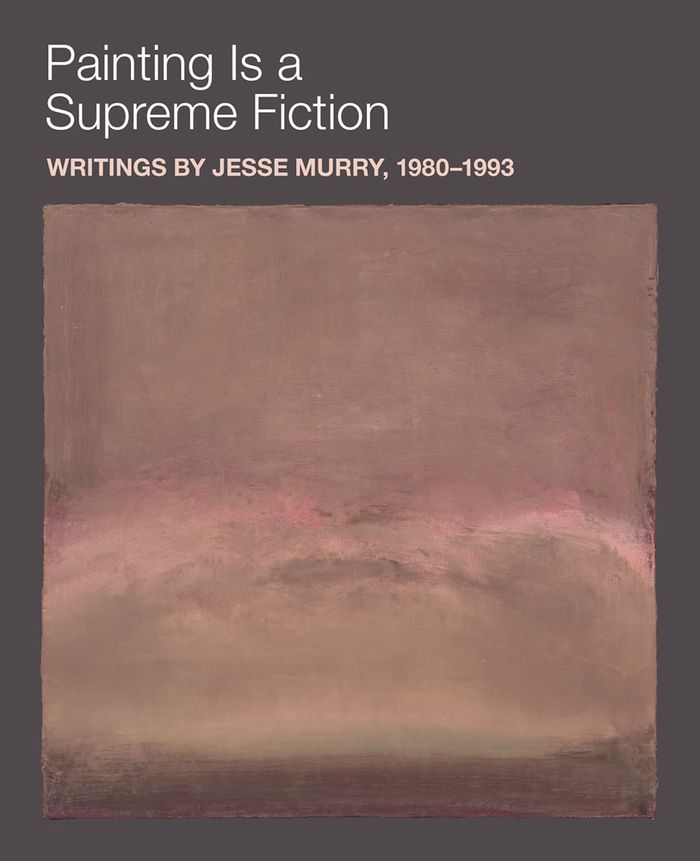
Titre:
Painting is a supreme fiction: Writings by Jesse Murry
Actions:
Prix:
$44.00
(disponible sur commande)
Résumé:
This unprecedented collection compiles the writings of artist and poet Jesse Murry (1948–93), an extraordinary thinker who believed in the capacity of painting to hold the complexity of human meaning. Painting Is a Supreme Fiction brings together Murry’s published art criticism with previously unpublished philosophical writing and poetry from 1980 to his tragic death from AIDS-related illness at the age of 44. The result is a portrait of an original mind who sought to unite the histories of Romantic landscape painting with the realities of Black experience through ''a belief in the restorative and creative powers of the imagination.'' No artist before occupied the exact intersections Murry created through his work, which aimed to reclaim ''painting as a poetic act amid the ''death of painting'' discourse of the 1980s. In addition to Murry’s writings, this volume also includes reproductions of selected paintings; excerpts from a a pair of panel discussions on art criticism and expressionism that took place in 1980; as well as transcriptions of two of the artist's notebooks, in which the spatialization of the words across the page approaches the condition of thought. ''Painting is a supreme fiction'' presents Jesse Murry in his own words, offering intimate access to this remarkable figure.
Painting is a supreme fiction: Writings by Jesse Murry
Actions:
Prix:
$44.00
(disponible sur commande)
Résumé:
This unprecedented collection compiles the writings of artist and poet Jesse Murry (1948–93), an extraordinary thinker who believed in the capacity of painting to hold the complexity of human meaning. Painting Is a Supreme Fiction brings together Murry’s published art criticism with previously unpublished philosophical writing and poetry from 1980 to his tragic death from AIDS-related illness at the age of 44. The result is a portrait of an original mind who sought to unite the histories of Romantic landscape painting with the realities of Black experience through ''a belief in the restorative and creative powers of the imagination.'' No artist before occupied the exact intersections Murry created through his work, which aimed to reclaim ''painting as a poetic act amid the ''death of painting'' discourse of the 1980s. In addition to Murry’s writings, this volume also includes reproductions of selected paintings; excerpts from a a pair of panel discussions on art criticism and expressionism that took place in 1980; as well as transcriptions of two of the artist's notebooks, in which the spatialization of the words across the page approaches the condition of thought. ''Painting is a supreme fiction'' presents Jesse Murry in his own words, offering intimate access to this remarkable figure.
Classification:
livres
livres
Publication:
septembre 2021
septembre 2021
Sujet:
Théorie de l’art
Théorie de l’art
Classification:
livres
livres
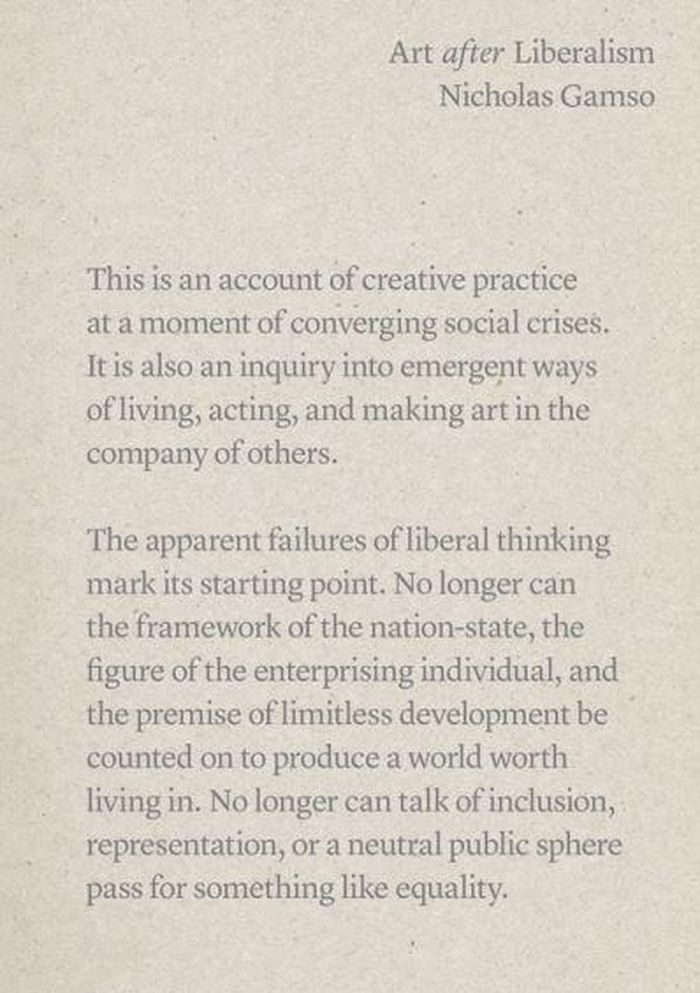
Titre:
Art after liberalism
Art after liberalism
Actions:
Prix:
$27.00
(disponible sur commande)
Résumé:
This publication is an account of creative practice at a moment of converging social crises. It is also an inquiry into emergent ways of living, acting, and making art in the company of others. The apparent failures of liberal thinking mark its starting point. No longer can the framework of the nation-state, the figure of the enterprising individual, and the premise of(...)
$27.00
(disponible sur commande)
Résumé:
This publication is an account of creative practice at a moment of converging social crises. It is also an inquiry into emergent ways of living, acting, and making art in the company of others. The apparent failures of liberal thinking mark its starting point. No longer can the framework of the nation-state, the figure of the enterprising individual, and the premise of(...)
Titre:
Art after liberalism
Actions:
Prix:
$27.00
(disponible sur commande)
Résumé:
This publication is an account of creative practice at a moment of converging social crises. It is also an inquiry into emergent ways of living, acting, and making art in the company of others. The apparent failures of liberal thinking mark its starting point. No longer can the framework of the nation-state, the figure of the enterprising individual, and the premise of limitless development be counted on to produce a world worth living in. No longer can talk of inclusion, representation, or a neutral public sphere pass for something like equality. It is increasingly clear that these commonplace liberal conceptions have failed to improve life in any lasting way. In fact, they conceal fundamental connections to enslavement, conscription, colonization, moral debt, and ecological devastation. Now we must decide what comes after.
Art after liberalism
Actions:
Prix:
$27.00
(disponible sur commande)
Résumé:
This publication is an account of creative practice at a moment of converging social crises. It is also an inquiry into emergent ways of living, acting, and making art in the company of others. The apparent failures of liberal thinking mark its starting point. No longer can the framework of the nation-state, the figure of the enterprising individual, and the premise of limitless development be counted on to produce a world worth living in. No longer can talk of inclusion, representation, or a neutral public sphere pass for something like equality. It is increasingly clear that these commonplace liberal conceptions have failed to improve life in any lasting way. In fact, they conceal fundamental connections to enslavement, conscription, colonization, moral debt, and ecological devastation. Now we must decide what comes after.
Classification:
livres
livres
Publication:
novembre 2021
novembre 2021
Sujet:
Théorie de l’art
Théorie de l’art
Classification:
livres
livres
Actions:
Prix:
$38.50
(disponible sur commande)
Résumé:
The People’s Action against the Nordic Áltá-Guovdageaidnu Waterway (c. 1978-82) radically shook the course of history in the region. Its call to ''let the river live'' clamored against the construction of a large dam across the Alltáeatnu river in Norway. The action grew to an unexpectedly broad movement of solidarity across civil society—Sámi and Norwegian, as well as(...)
$38.50
(disponible sur commande)
Résumé:
The People’s Action against the Nordic Áltá-Guovdageaidnu Waterway (c. 1978-82) radically shook the course of history in the region. Its call to ''let the river live'' clamored against the construction of a large dam across the Alltáeatnu river in Norway. The action grew to an unexpectedly broad movement of solidarity across civil society—Sámi and Norwegian, as well as(...)
Sujet:
Théorie de l’art
Théorie de l’art
Publication:
février 2021
février 2021
Titre:
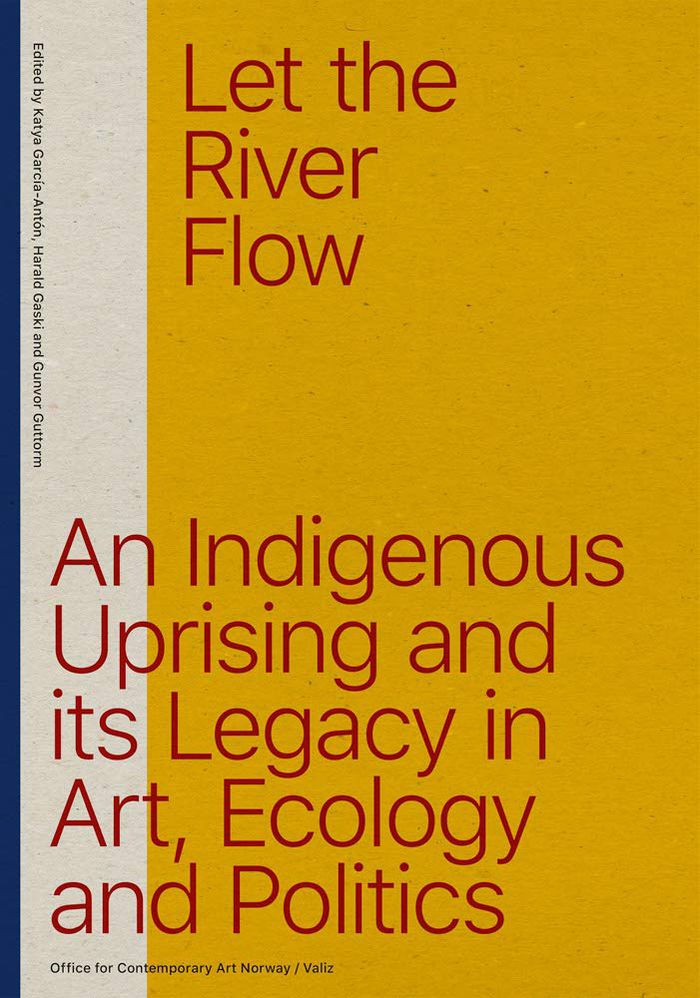
Let the river flow: An eco-indigenous uprising and its legacies in art and politics
Actions:
Prix:
$38.50
(disponible sur commande)
Résumé:
The People’s Action against the Nordic Áltá-Guovdageaidnu Waterway (c. 1978-82) radically shook the course of history in the region. Its call to ''let the river live'' clamored against the construction of a large dam across the Alltáeatnu river in Norway. The action grew to an unexpectedly broad movement of solidarity across civil society—Sámi and Norwegian, as well as Indigenous and non-Indigenous peoples internationally—in which Sámi artists played a pivotal role. ''Let the river flow'' takes this eco-Indigenous rebellion, the first in Europe and inspirational worldwide, to reflect on events at the time and their correlations with international artists’ eco actions today. It is conceived as a reader, and addresses innovations in political organizing, new influences of Indigenous thinking on contemporary politics and the centrality of artists within the constellation of these activities. It also considers other Indigenous artists’ protests that happened in parallel to the actions mentioned.
Let the river flow: An eco-indigenous uprising and its legacies in art and politics
Actions:
Prix:
$38.50
(disponible sur commande)
Résumé:
The People’s Action against the Nordic Áltá-Guovdageaidnu Waterway (c. 1978-82) radically shook the course of history in the region. Its call to ''let the river live'' clamored against the construction of a large dam across the Alltáeatnu river in Norway. The action grew to an unexpectedly broad movement of solidarity across civil society—Sámi and Norwegian, as well as Indigenous and non-Indigenous peoples internationally—in which Sámi artists played a pivotal role. ''Let the river flow'' takes this eco-Indigenous rebellion, the first in Europe and inspirational worldwide, to reflect on events at the time and their correlations with international artists’ eco actions today. It is conceived as a reader, and addresses innovations in political organizing, new influences of Indigenous thinking on contemporary politics and the centrality of artists within the constellation of these activities. It also considers other Indigenous artists’ protests that happened in parallel to the actions mentioned.
Classification:
livres
livres
Publication:
février 2021
février 2021
Sujet:
Théorie de l’art
Théorie de l’art
Classification:
livres
livres
Actions:
Prix:
$59.95
(disponible sur commande)
Résumé:
This study of the role that graphic design played in American art of the 1960s and 1970s focuses on the work of George Maciunas, Ed Ruscha, and Sheila Levrant de Bretteville. Examining how each of these artists utilized typography, materiality, and other graphic design aesthetics, Benoît Buquet reveals the importance of graphic design in creating a sense of coherence(...)
$59.95
(disponible sur commande)
Résumé:
This study of the role that graphic design played in American art of the 1960s and 1970s focuses on the work of George Maciunas, Ed Ruscha, and Sheila Levrant de Bretteville. Examining how each of these artists utilized typography, materiality, and other graphic design aesthetics, Benoît Buquet reveals the importance of graphic design in creating a sense of coherence(...)
Titre:
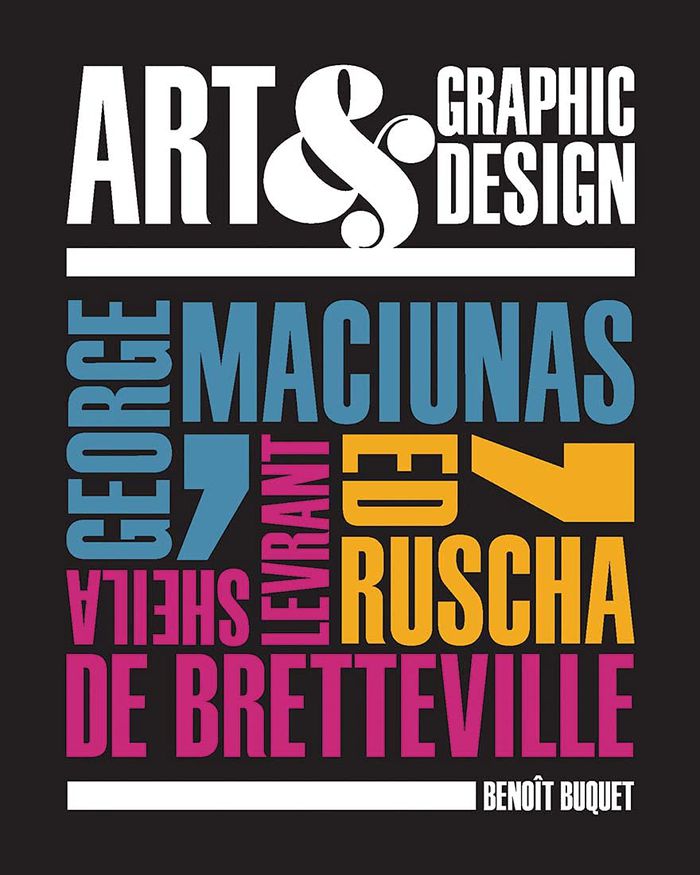
Art & Graphic Design: George Maciunas, Ed Rusche, Sheila Levrant de Bretteville
Actions:
Prix:
$59.95
(disponible sur commande)
Résumé:
This study of the role that graphic design played in American art of the 1960s and 1970s focuses on the work of George Maciunas, Ed Ruscha, and Sheila Levrant de Bretteville. Examining how each of these artists utilized typography, materiality, and other graphic design aesthetics, Benoît Buquet reveals the importance of graphic design in creating a sense of coherence within the disparate international group of Fluxus artists, an elusiveness and resistance to categorization that defined much of Ruscha’s brand of Pop Art, and an open and participatory visual identity for a range of feminist art practices. Rigorous and compelling scholarship and a copious illustration program that presents insightful juxtapositions of objects—some of which have never been discussed before—combine to shed new light on a period of abundant creativity and cultural transition in American art and the intimate, though often overlooked, entwinement between art and graphic design.
Art & Graphic Design: George Maciunas, Ed Rusche, Sheila Levrant de Bretteville
Actions:
Prix:
$59.95
(disponible sur commande)
Résumé:
This study of the role that graphic design played in American art of the 1960s and 1970s focuses on the work of George Maciunas, Ed Ruscha, and Sheila Levrant de Bretteville. Examining how each of these artists utilized typography, materiality, and other graphic design aesthetics, Benoît Buquet reveals the importance of graphic design in creating a sense of coherence within the disparate international group of Fluxus artists, an elusiveness and resistance to categorization that defined much of Ruscha’s brand of Pop Art, and an open and participatory visual identity for a range of feminist art practices. Rigorous and compelling scholarship and a copious illustration program that presents insightful juxtapositions of objects—some of which have never been discussed before—combine to shed new light on a period of abundant creativity and cultural transition in American art and the intimate, though often overlooked, entwinement between art and graphic design.
Classification:
livres
livres
Publication:
novembre 2021
novembre 2021
Sujet:
Théorie de l’art
Théorie de l’art


