


1193 Résultats
Classification:
livres
livres
Actions:
Prix:
$19.95
(disponible sur commande)
Résumé:
One of the defining paintings of British Pop art, Richard Hamilton's Swingeing London 67(f) depicts two men--Mick Jagger and Hamilton's art dealer, Robert Fraser--handcuffed together in the back of a police van. The image is taken from a newspaper photograph that shows the two being driven from Lewes prison to Chichester Magistrates Court following their June 1967(...)
$19.95
(disponible sur commande)
Résumé:
One of the defining paintings of British Pop art, Richard Hamilton's Swingeing London 67(f) depicts two men--Mick Jagger and Hamilton's art dealer, Robert Fraser--handcuffed together in the back of a police van. The image is taken from a newspaper photograph that shows the two being driven from Lewes prison to Chichester Magistrates Court following their June 1967(...)
Titre:
Richard Hamilton: Swingeing London 67 (f)
Actions:
Prix:
$19.95
(disponible sur commande)
Résumé:
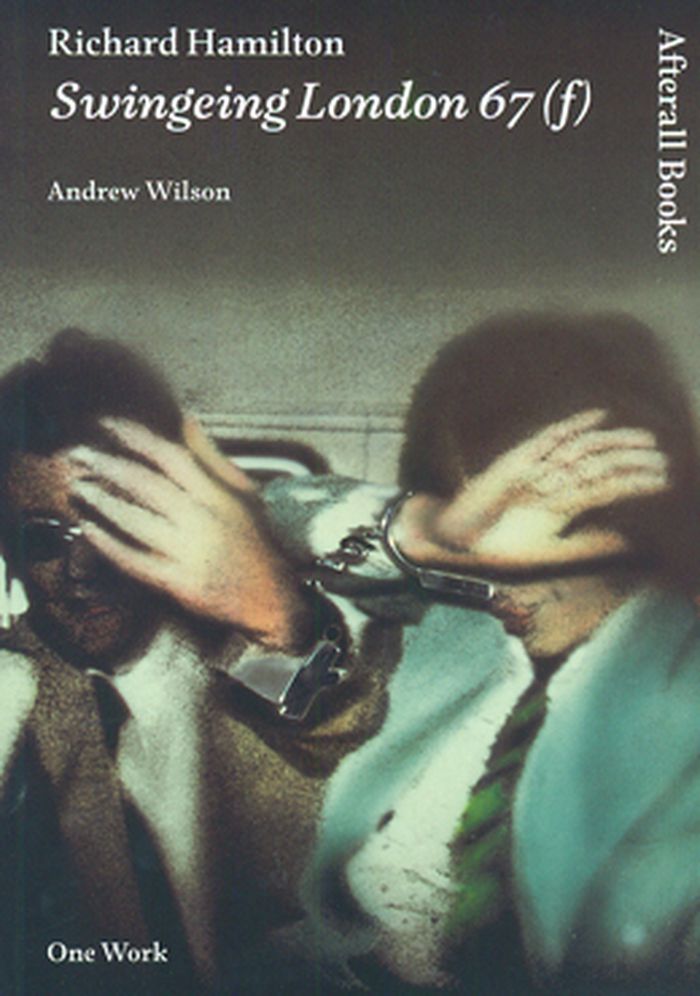
One of the defining paintings of British Pop art, Richard Hamilton's Swingeing London 67(f) depicts two men--Mick Jagger and Hamilton's art dealer, Robert Fraser--handcuffed together in the back of a police van. The image is taken from a newspaper photograph that shows the two being driven from Lewes prison to Chichester Magistrates Court following their June 1967 arrest for possession of drugs. Andrew Wilson views Swingeing London 67 (f) as history painting, to be understood in the context of the struggle against the British state's attempt--aided and abetted by the popular press--to repress any expression of personal liberation. Hamilton's Pop art idiom of figuration and media images was his way of refusing the demands of an old aesthetic order.
Richard Hamilton: Swingeing London 67 (f)
Actions:
Prix:
$19.95
(disponible sur commande)
Résumé:
One of the defining paintings of British Pop art, Richard Hamilton's Swingeing London 67(f) depicts two men--Mick Jagger and Hamilton's art dealer, Robert Fraser--handcuffed together in the back of a police van. The image is taken from a newspaper photograph that shows the two being driven from Lewes prison to Chichester Magistrates Court following their June 1967 arrest for possession of drugs. Andrew Wilson views Swingeing London 67 (f) as history painting, to be understood in the context of the struggle against the British state's attempt--aided and abetted by the popular press--to repress any expression of personal liberation. Hamilton's Pop art idiom of figuration and media images was his way of refusing the demands of an old aesthetic order.
Classification:
livres
livres
Publication:
septembre 2011
septembre 2011
Sujet:
Théorie de l’art
Théorie de l’art
Classification:
livres
livres
Prix:
$39.95
(disponible sur commande)
Résumé:
Institutional critique is an artistic practice that reflects critically on its own housing in galleries and museums and on the concept and social function of art itself. Such concerns have always been a part of modern art but took on new urgency at the end of the 1960s, when -driven by the social up heaval of the time and enabled by the tools and techniques of conceptual(...)
$39.95
(disponible sur commande)
Résumé:
Institutional critique is an artistic practice that reflects critically on its own housing in galleries and museums and on the concept and social function of art itself. Such concerns have always been a part of modern art but took on new urgency at the end of the 1960s, when -driven by the social up heaval of the time and enabled by the tools and techniques of conceptual(...)
Titre:
Institutional critique : an anthology of artists' writings
Actions:
Prix:
$39.95
(disponible sur commande)
Résumé:
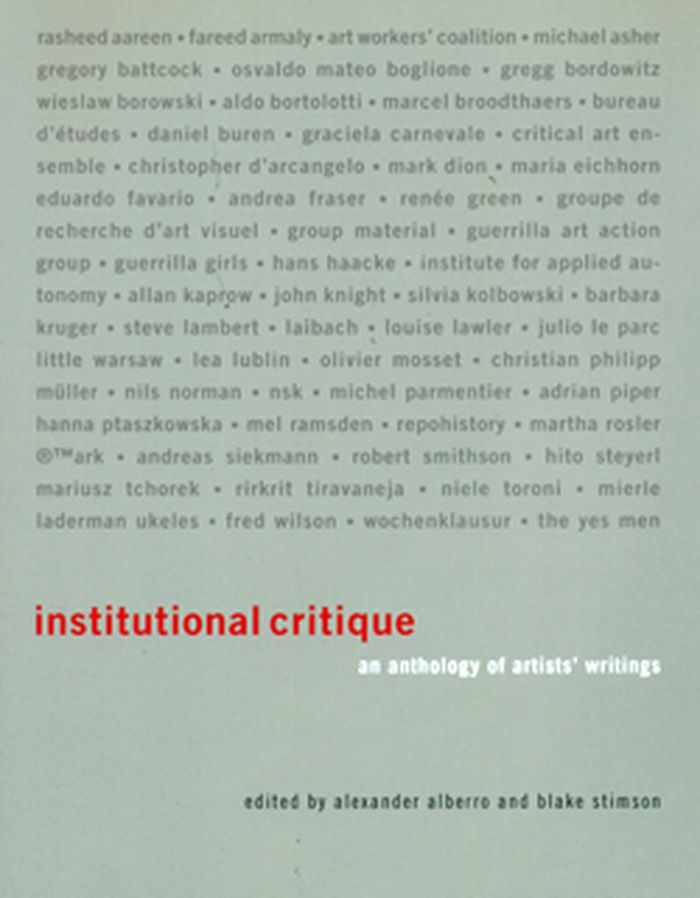
Institutional critique is an artistic practice that reflects critically on its own housing in galleries and museums and on the concept and social function of art itself. Such concerns have always been a part of modern art but took on new urgency at the end of the 1960s, when -driven by the social up heaval of the time and enabled by the tools and techniques of conceptual art - institutional critique emerged as a genre. This anthology traces the development of institutional critique as an artistic concern from the 1960's to the present by gathering writings and representative art projects of artists from across Europe and throughout the Americas who developed and extended the genre.
Institutional critique : an anthology of artists' writings
Actions:
Prix:
$39.95
(disponible sur commande)
Résumé:
Institutional critique is an artistic practice that reflects critically on its own housing in galleries and museums and on the concept and social function of art itself. Such concerns have always been a part of modern art but took on new urgency at the end of the 1960s, when -driven by the social up heaval of the time and enabled by the tools and techniques of conceptual art - institutional critique emerged as a genre. This anthology traces the development of institutional critique as an artistic concern from the 1960's to the present by gathering writings and representative art projects of artists from across Europe and throughout the Americas who developed and extended the genre.
Classification:
livres
livres
Publication:
octobre 2011
octobre 2011
Sujet:
Théorie de l’art
Théorie de l’art
Classification:
livres
livres
Titre:
Imagery in the 21st century
Imagery in the 21st century
Actions:
Prix:
$44.95
(disponible en magasin)
Résumé:
We are surrounded by images as never before: on Flickr, Facebook, and YouTube; on thousands of television channels; in digital games and virtual worlds; in media art and science. Without new efforts to visualize complex ideas, structures, and systems, today’s informatio explosion would be unmanageable. The digital image represents endless options for manipulation; images(...)
$44.95
(disponible en magasin)
Résumé:
We are surrounded by images as never before: on Flickr, Facebook, and YouTube; on thousands of television channels; in digital games and virtual worlds; in media art and science. Without new efforts to visualize complex ideas, structures, and systems, today’s informatio explosion would be unmanageable. The digital image represents endless options for manipulation; images(...)
Titre:
Imagery in the 21st century
Actions:
Prix:
$44.95
(disponible en magasin)
Résumé:
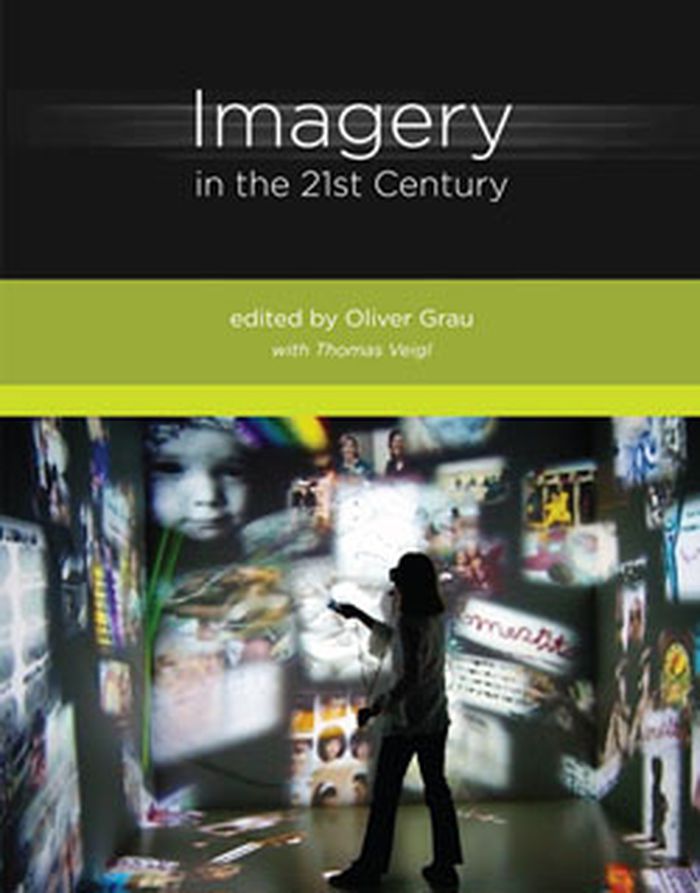
We are surrounded by images as never before: on Flickr, Facebook, and YouTube; on thousands of television channels; in digital games and virtual worlds; in media art and science. Without new efforts to visualize complex ideas, structures, and systems, today’s informatio explosion would be unmanageable. The digital image represents endless options for manipulation; images seem capable of changing interactively or even autonomously. This volume offers systematic and interdisciplinary reflections on these new image worlds and new analytical approaches to the visual. This publication examines this revolution in various fields, with researchers from the natural sciences and the humanities meeting to achieve a deeper understanding of the meaning and impact of the image in our time. The contributors explore and discuss new critical terms of multidisciplinary scope, from database economy to the dramaturgy of hypermedia, from visualizations in neurosciences to the image in bio art. They consider the power of the image in the development of human consciousness, pursue new definitions of visual phenomena, and examine new tools for image research and visual analysis. The goal is to expand visual competence in investigating new visual worlds and to build cross-disciplinary exchanges among the arts, humanities, and natural sciences.
Imagery in the 21st century
Actions:
Prix:
$44.95
(disponible en magasin)
Résumé:
We are surrounded by images as never before: on Flickr, Facebook, and YouTube; on thousands of television channels; in digital games and virtual worlds; in media art and science. Without new efforts to visualize complex ideas, structures, and systems, today’s informatio explosion would be unmanageable. The digital image represents endless options for manipulation; images seem capable of changing interactively or even autonomously. This volume offers systematic and interdisciplinary reflections on these new image worlds and new analytical approaches to the visual. This publication examines this revolution in various fields, with researchers from the natural sciences and the humanities meeting to achieve a deeper understanding of the meaning and impact of the image in our time. The contributors explore and discuss new critical terms of multidisciplinary scope, from database economy to the dramaturgy of hypermedia, from visualizations in neurosciences to the image in bio art. They consider the power of the image in the development of human consciousness, pursue new definitions of visual phenomena, and examine new tools for image research and visual analysis. The goal is to expand visual competence in investigating new visual worlds and to build cross-disciplinary exchanges among the arts, humanities, and natural sciences.
Classification:
livres
livres
Publication:
septembre 2011
septembre 2011
Sujet:
Théorie de l’art
Théorie de l’art
Classification:
livres
livres
Prix:
$18.00
(disponible sur commande)
Résumé:
I Swear I Saw This records visionary anthropologist Michael Taussig’s reflections on the fieldwork notebooks he kept through forty years of travels in Colombia. Taking as a starting point a drawing he made in Medellin in 2006—as well as its caption, “I swear I saw this”—Taussig considers the fieldwork notebook as a type of modernist literature and the place where writers(...)
$18.00
(disponible sur commande)
Résumé:
I Swear I Saw This records visionary anthropologist Michael Taussig’s reflections on the fieldwork notebooks he kept through forty years of travels in Colombia. Taking as a starting point a drawing he made in Medellin in 2006—as well as its caption, “I swear I saw this”—Taussig considers the fieldwork notebook as a type of modernist literature and the place where writers(...)
Titre:
I swear I saw this: drawings in fieldwork notebooks, namely my own
Actions:
Prix:
$18.00
(disponible sur commande)
Résumé:
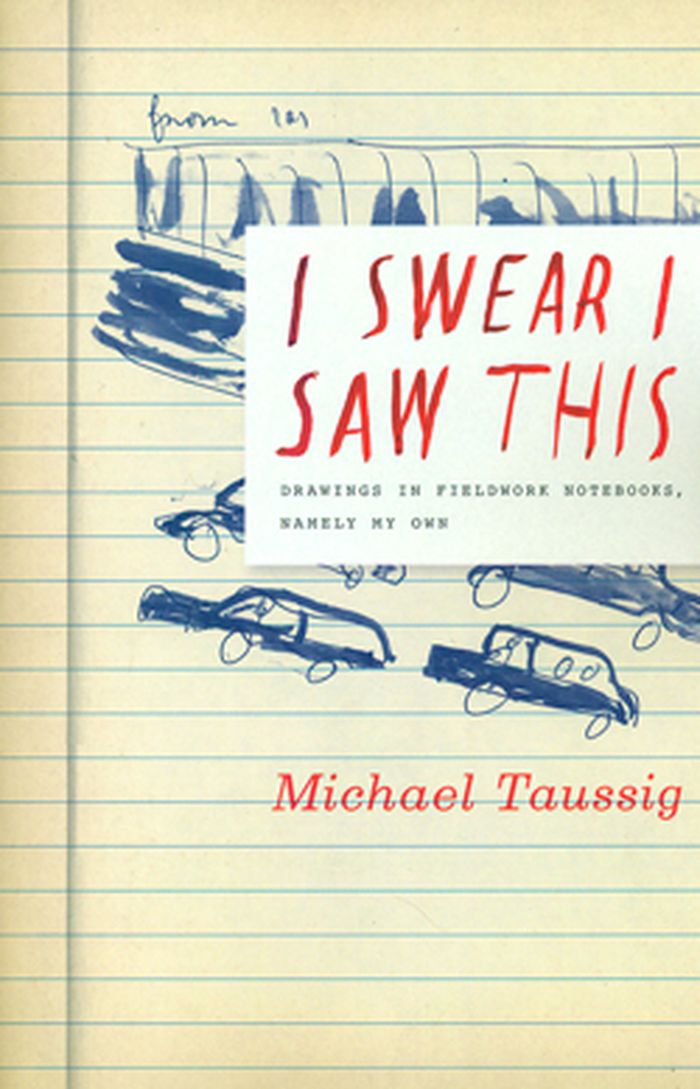
I Swear I Saw This records visionary anthropologist Michael Taussig’s reflections on the fieldwork notebooks he kept through forty years of travels in Colombia. Taking as a starting point a drawing he made in Medellin in 2006—as well as its caption, “I swear I saw this”—Taussig considers the fieldwork notebook as a type of modernist literature and the place where writers and other creators first work out the imaginative logic of discovery.
I swear I saw this: drawings in fieldwork notebooks, namely my own
Actions:
Prix:
$18.00
(disponible sur commande)
Résumé:
I Swear I Saw This records visionary anthropologist Michael Taussig’s reflections on the fieldwork notebooks he kept through forty years of travels in Colombia. Taking as a starting point a drawing he made in Medellin in 2006—as well as its caption, “I swear I saw this”—Taussig considers the fieldwork notebook as a type of modernist literature and the place where writers and other creators first work out the imaginative logic of discovery.
Classification:
livres
livres
Publication:
décembre 2011
décembre 2011
Sujet:
Théorie de l’art
Théorie de l’art
Classification:
livres
livres
Prix:
$44.95
(disponible sur commande)
Résumé:
This book attempts to chart the history of art and its interaction with written language. It examines the use of words (or language) in many genres of art – most often painting, but including prints, the book as art, sculpture, installation, and performance. This book asks what does it mean when a painting is 'invaded' by language? How do the two forms converse and(...)
$44.95
(disponible sur commande)
Résumé:
This book attempts to chart the history of art and its interaction with written language. It examines the use of words (or language) in many genres of art – most often painting, but including prints, the book as art, sculpture, installation, and performance. This book asks what does it mean when a painting is 'invaded' by language? How do the two forms converse and(...)
Sujet:
Théorie de l’art
Théorie de l’art
Publication:
septembre 2011
septembre 2011
Titre:
Art, word and image : 2,000 years of visual/textual interaction
Actions:
Prix:
$44.95
(disponible sur commande)
Résumé:
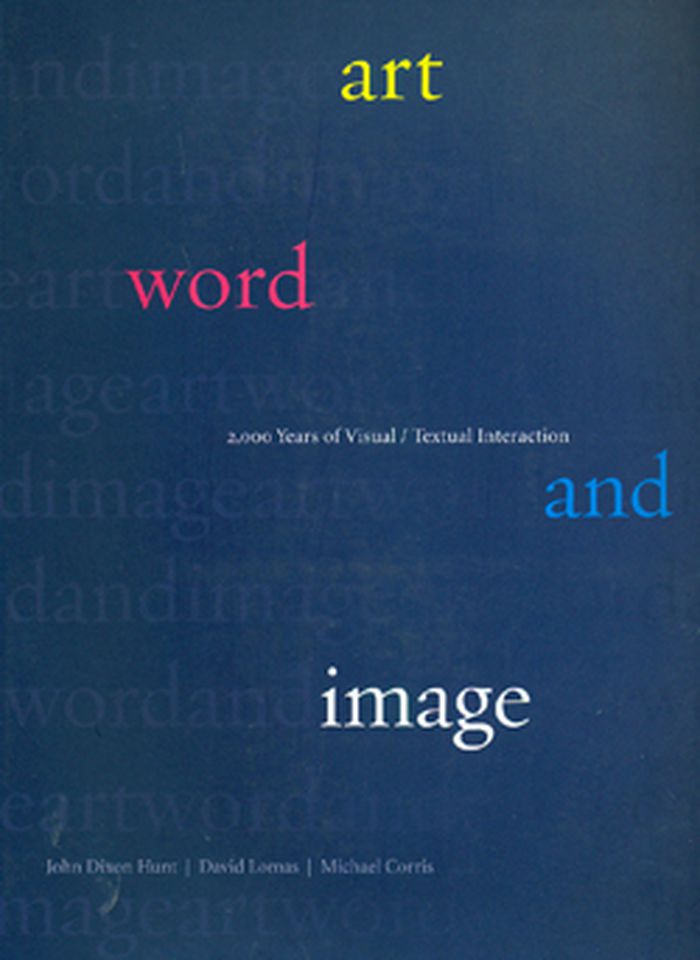
This book attempts to chart the history of art and its interaction with written language. It examines the use of words (or language) in many genres of art – most often painting, but including prints, the book as art, sculpture, installation, and performance. This book asks what does it mean when a painting is 'invaded' by language? How do the two forms converse and combine, and what messages are intended for the viewer? In addition, other important themes that are also addressed include the naming or titling of paintings, the uses of narrative in art, and the literary connections and aspirations of artists. The book is constructed around three wide-ranging essays by John Dixon Hunt, David Lomas and Michael Corris. These essays discuss the use and significance of words in art – from Classical Greece and Assyria, through to the Middle Ages and the Renaissance, to modern times and today’s digital media, where the words and image question has become a central issue. The essays cover a variety of movements (Pre-Raphaelites, Cubists, Surrealists, and Lettrists, for example) and many artists, among them Duchamp, Picasso, Ernst, Twombly, Michaux, Warhol and Kruger. The book also includes ‘spotlight’ essays on artists whose work engages substantially with questions of word and image: Blake, Klee, Schwitters, Haack, Pettibon, McCahon and Walla. With contributions by Jeremy Adler, Stephen Barber, Rex Butler and Laurence Simmons, Michael Corris, John Dixon Hunt, Michael R. Leaman, David Lomas, Joseph Viscomi, Hamza Walker, Barbara Weyandt and Michael White.
Art, word and image : 2,000 years of visual/textual interaction
Actions:
Prix:
$44.95
(disponible sur commande)
Résumé:
This book attempts to chart the history of art and its interaction with written language. It examines the use of words (or language) in many genres of art – most often painting, but including prints, the book as art, sculpture, installation, and performance. This book asks what does it mean when a painting is 'invaded' by language? How do the two forms converse and combine, and what messages are intended for the viewer? In addition, other important themes that are also addressed include the naming or titling of paintings, the uses of narrative in art, and the literary connections and aspirations of artists. The book is constructed around three wide-ranging essays by John Dixon Hunt, David Lomas and Michael Corris. These essays discuss the use and significance of words in art – from Classical Greece and Assyria, through to the Middle Ages and the Renaissance, to modern times and today’s digital media, where the words and image question has become a central issue. The essays cover a variety of movements (Pre-Raphaelites, Cubists, Surrealists, and Lettrists, for example) and many artists, among them Duchamp, Picasso, Ernst, Twombly, Michaux, Warhol and Kruger. The book also includes ‘spotlight’ essays on artists whose work engages substantially with questions of word and image: Blake, Klee, Schwitters, Haack, Pettibon, McCahon and Walla. With contributions by Jeremy Adler, Stephen Barber, Rex Butler and Laurence Simmons, Michael Corris, John Dixon Hunt, Michael R. Leaman, David Lomas, Joseph Viscomi, Hamza Walker, Barbara Weyandt and Michael White.
Classification:
livres
livres
Publication:
septembre 2011
septembre 2011
Sujet:
Théorie de l’art
Théorie de l’art
Classification:
livres
livres
Actions:
Prix:
$49.00
(disponible sur commande)
Résumé:
In the heady and hallucinogenic days of the 1960s and '70s, a diverse range of artists and creative individuals based in the American West -from the Pacific coast to the Rocky Mountains and the Southwest - broke the barriers between art and lifestyle and embraced the new, hybrid sensibilities of the countercultural movement. In "West of Center," Elissa Auther and Adam(...)
$49.00
(disponible sur commande)
Résumé:
In the heady and hallucinogenic days of the 1960s and '70s, a diverse range of artists and creative individuals based in the American West -from the Pacific coast to the Rocky Mountains and the Southwest - broke the barriers between art and lifestyle and embraced the new, hybrid sensibilities of the countercultural movement. In "West of Center," Elissa Auther and Adam(...)
Titre:
West of center : art and the counterculture experiment in America, 1965-1977
Actions:
Prix:
$49.00
(disponible sur commande)
Résumé:
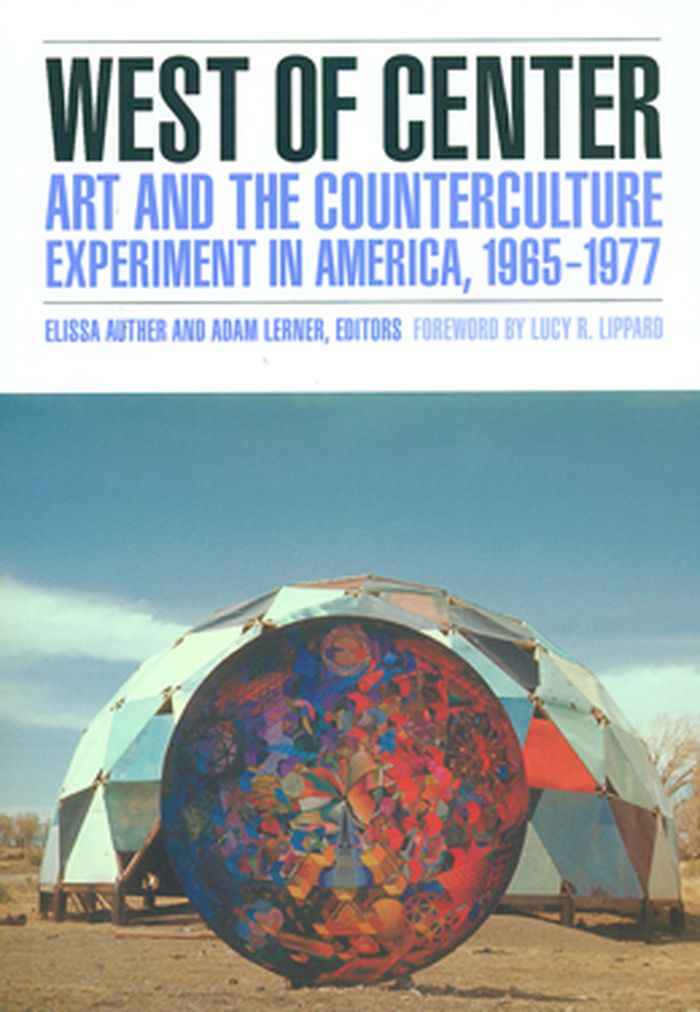
In the heady and hallucinogenic days of the 1960s and '70s, a diverse range of artists and creative individuals based in the American West -from the Pacific coast to the Rocky Mountains and the Southwest - broke the barriers between art and lifestyle and embraced the new, hybrid sensibilities of the countercultural movement. In "West of Center," Elissa Auther and Adam Lerner bring together a prominent group of scholars to elaborate the historical and artistic significance of these counterculture projects within the broader narrative of postwar American art, which skews heavily toward New York's avant-garde art scene. A companion to an exhibition originating at the Museum of Contemporary Art Denver, this book illuminates how, in the western United States, the counterculture's unique integration of art practices, political action, and collaborative life activities serves as a linchpin connecting postwar and contemporary artistic endeavors.
West of center : art and the counterculture experiment in America, 1965-1977
Actions:
Prix:
$49.00
(disponible sur commande)
Résumé:
In the heady and hallucinogenic days of the 1960s and '70s, a diverse range of artists and creative individuals based in the American West -from the Pacific coast to the Rocky Mountains and the Southwest - broke the barriers between art and lifestyle and embraced the new, hybrid sensibilities of the countercultural movement. In "West of Center," Elissa Auther and Adam Lerner bring together a prominent group of scholars to elaborate the historical and artistic significance of these counterculture projects within the broader narrative of postwar American art, which skews heavily toward New York's avant-garde art scene. A companion to an exhibition originating at the Museum of Contemporary Art Denver, this book illuminates how, in the western United States, the counterculture's unique integration of art practices, political action, and collaborative life activities serves as a linchpin connecting postwar and contemporary artistic endeavors.
Classification:
livres
livres
Publication:
janvier 2012
janvier 2012
Sujet:
Théorie de l’art
Théorie de l’art
Classification:
livres
livres
Actions:
Prix:
$27.50
(disponible sur commande)
Résumé:
From property deeds to shipping containers to wearable shelters to virtual spaces: what does it mean to draw a spatial boundary? To be at home? In a world in which notions of place are constantly changing, Jennifer Johung looks at new constructions of staying in place--in contemporary site-specific art, digital media, portable architecture, and various other imaginable(...)
$27.50
(disponible sur commande)
Résumé:
From property deeds to shipping containers to wearable shelters to virtual spaces: what does it mean to draw a spatial boundary? To be at home? In a world in which notions of place are constantly changing, Jennifer Johung looks at new constructions of staying in place--in contemporary site-specific art, digital media, portable architecture, and various other imaginable(...)
Titre:
Replacing home: From primordial hut to digital network in contemporary art
Actions:
Prix:
$27.50
(disponible sur commande)
Résumé:
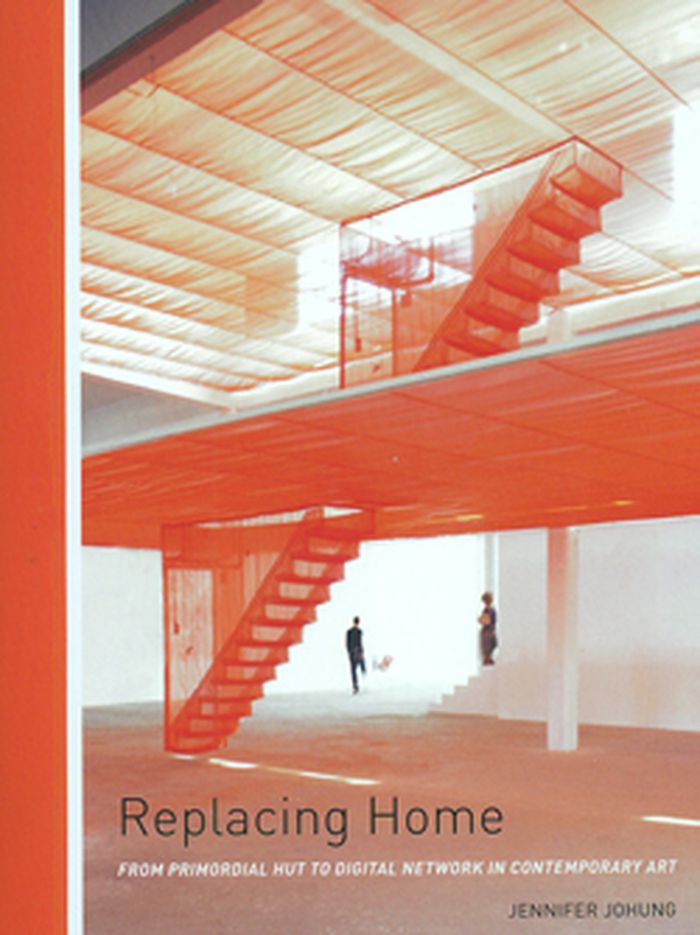
From property deeds to shipping containers to wearable shelters to virtual spaces: what does it mean to draw a spatial boundary? To be at home? In a world in which notions of place are constantly changing, Jennifer Johung looks at new constructions of staying in place--in contemporary site-specific art, digital media, portable architecture, and various other imaginable shelters and sites.
Replacing home: From primordial hut to digital network in contemporary art
Actions:
Prix:
$27.50
(disponible sur commande)
Résumé:
From property deeds to shipping containers to wearable shelters to virtual spaces: what does it mean to draw a spatial boundary? To be at home? In a world in which notions of place are constantly changing, Jennifer Johung looks at new constructions of staying in place--in contemporary site-specific art, digital media, portable architecture, and various other imaginable shelters and sites.
Classification:
livres
livres
Publication:
janvier 2012
janvier 2012
Sujet:
Théorie de l’art
Théorie de l’art
Classification:
livres
livres
Titre:
Le livre des symboles
Le livre des symboles
Actions:
Prix:
$44.95
(disponible sur commande)
Résumé:
Le Livre des symboles allie essais originaux et incisifs sur des symboles particuliers à des images représentatives provenant de tous les horizons et de toutes les époques de l'histoire. Les textes très accessibles s'associent de façon originale à près de 800 images en couleur pour transmettre les dimensions voilées du sens. Chacun de ces quelques 350 essais examine les(...)
$44.95
(disponible sur commande)
Résumé:
Le Livre des symboles allie essais originaux et incisifs sur des symboles particuliers à des images représentatives provenant de tous les horizons et de toutes les époques de l'histoire. Les textes très accessibles s'associent de façon originale à près de 800 images en couleur pour transmettre les dimensions voilées du sens. Chacun de ces quelques 350 essais examine les(...)
Titre:
Le livre des symboles
Actions:
Prix:
$44.95
(disponible sur commande)
Résumé:
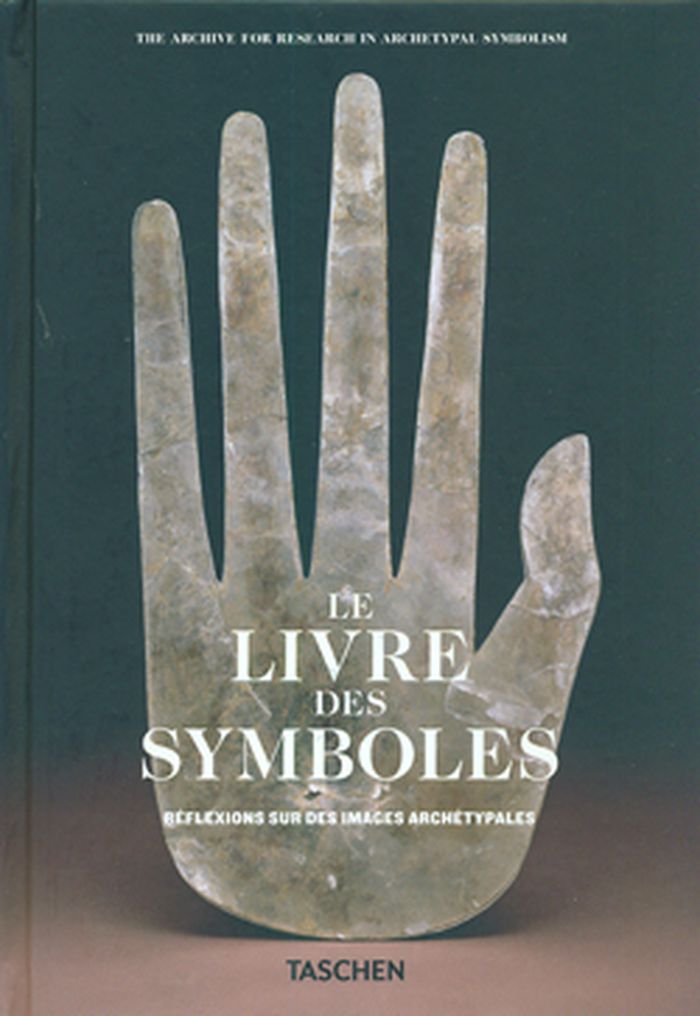
Le Livre des symboles allie essais originaux et incisifs sur des symboles particuliers à des images représentatives provenant de tous les horizons et de toutes les époques de l'histoire. Les textes très accessibles s'associent de façon originale à près de 800 images en couleur pour transmettre les dimensions voilées du sens. Chacun de ces quelques 350 essais examine les origines psychiques d'un symbole donné et la manière dont il évoque les processus et dynamiques psychiques. Les racines étymologiques, les jeux d'opposition, le paradoxe et l'ombre, les différentes manières dont les diverses cultures ont fait naître une image symbolique: tous ces facteurs sont pris en compte. Rédigés par des auteurs spécialisés dans les domaines de la psychologie, de la religion, de l'art, de la littérature et de la mythologie comparée, les essais entrent en résonance de manière à refléter les correspondances inattendues de la psyché. Il n'existe pas de définitions immuables, qui auraient tendance à écraser les symboles; un symbole encore essentiel demeure partiellement inconnu, attire notre attention et s'offre sous de nouvelles manifestations et de nouveaux sens au cours du temps. Plutôt que de proposer de simples catégories, le Livre des symboles met en lumière la manière dont on passe de l'expérience visuelle d'une image symbolique dans l'art, la religion, la vie ou les rêves, à l'expérience directe de ses résonances personnelles et psychologiques.
Le livre des symboles
Actions:
Prix:
$44.95
(disponible sur commande)
Résumé:
Le Livre des symboles allie essais originaux et incisifs sur des symboles particuliers à des images représentatives provenant de tous les horizons et de toutes les époques de l'histoire. Les textes très accessibles s'associent de façon originale à près de 800 images en couleur pour transmettre les dimensions voilées du sens. Chacun de ces quelques 350 essais examine les origines psychiques d'un symbole donné et la manière dont il évoque les processus et dynamiques psychiques. Les racines étymologiques, les jeux d'opposition, le paradoxe et l'ombre, les différentes manières dont les diverses cultures ont fait naître une image symbolique: tous ces facteurs sont pris en compte. Rédigés par des auteurs spécialisés dans les domaines de la psychologie, de la religion, de l'art, de la littérature et de la mythologie comparée, les essais entrent en résonance de manière à refléter les correspondances inattendues de la psyché. Il n'existe pas de définitions immuables, qui auraient tendance à écraser les symboles; un symbole encore essentiel demeure partiellement inconnu, attire notre attention et s'offre sous de nouvelles manifestations et de nouveaux sens au cours du temps. Plutôt que de proposer de simples catégories, le Livre des symboles met en lumière la manière dont on passe de l'expérience visuelle d'une image symbolique dans l'art, la religion, la vie ou les rêves, à l'expérience directe de ses résonances personnelles et psychologiques.
Classification:
livres
livres
Publication:
septembre 2011
septembre 2011
Sujet:
Théorie de l’art
Théorie de l’art
Classification:
livres
livres
Prix:
$32.00
(disponible sur commande)
Résumé:
The conditions of alienation and exclusion are inextricably linked to the experience of the migrant. This ground-breaking volume explores both the increasing emergence of the theme of migration as a dominant subject matter in art as well as the ways in which the varied mobilities of a globalized world have radically reshaped art's conditions of production, reception, and(...)
$32.00
(disponible sur commande)
Résumé:
The conditions of alienation and exclusion are inextricably linked to the experience of the migrant. This ground-breaking volume explores both the increasing emergence of the theme of migration as a dominant subject matter in art as well as the ways in which the varied mobilities of a globalized world have radically reshaped art's conditions of production, reception, and(...)
Titre:
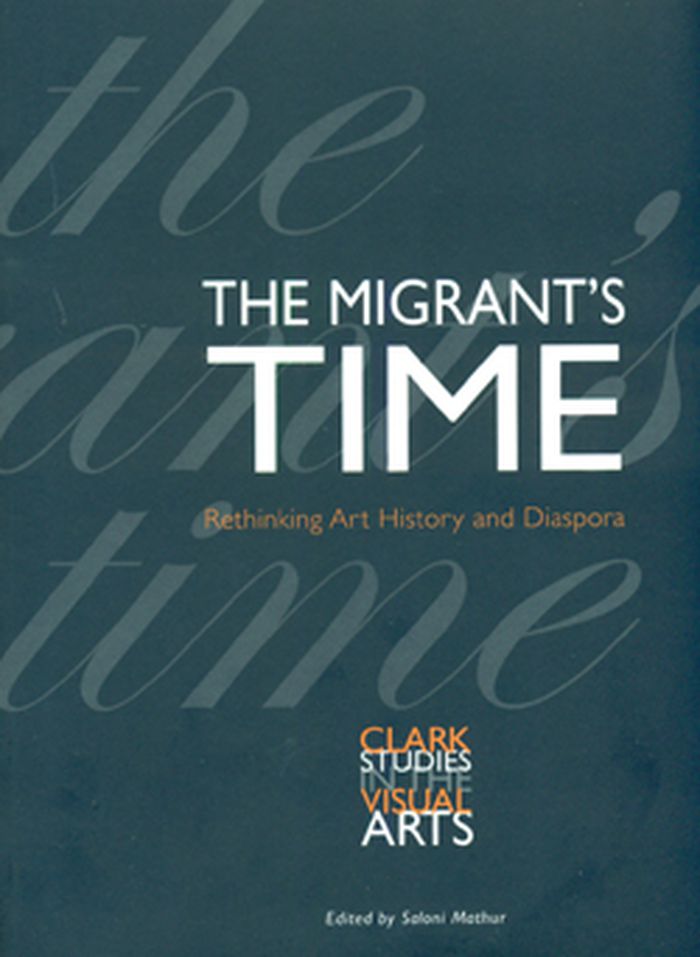
The migrant's time: rethinking art history and diaspora
Actions:
Prix:
$32.00
(disponible sur commande)
Résumé:
The conditions of alienation and exclusion are inextricably linked to the experience of the migrant. This ground-breaking volume explores both the increasing emergence of the theme of migration as a dominant subject matter in art as well as the ways in which the varied mobilities of a globalized world have radically reshaped art's conditions of production, reception, and display. In a wide-ranging selection of essays, fourteen distinguished scholars in the fields of visual studies, art history, literary studies, global studies, and art criticism explore the universality of conditions of global migration and interdependence, inviting a rethinking of existing perspectives in postcolonial, transnational, and diaspora studies, and laying the foundation for empirical and theoretical directions beyond the terms of these traditional frameworks.
The migrant's time: rethinking art history and diaspora
Actions:
Prix:
$32.00
(disponible sur commande)
Résumé:
The conditions of alienation and exclusion are inextricably linked to the experience of the migrant. This ground-breaking volume explores both the increasing emergence of the theme of migration as a dominant subject matter in art as well as the ways in which the varied mobilities of a globalized world have radically reshaped art's conditions of production, reception, and display. In a wide-ranging selection of essays, fourteen distinguished scholars in the fields of visual studies, art history, literary studies, global studies, and art criticism explore the universality of conditions of global migration and interdependence, inviting a rethinking of existing perspectives in postcolonial, transnational, and diaspora studies, and laying the foundation for empirical and theoretical directions beyond the terms of these traditional frameworks.
Classification:
livres
livres
Publication:
septembre 2011
septembre 2011
Sujet:
Théorie de l’art
Théorie de l’art
Classification:
livres
livres
Titre:
La déshumanisation de l'art
La déshumanisation de l'art
Actions:
Prix:
$10.95
(disponible sur commande)
Résumé:
"Si le nouvel art n'est pas intelligible à tout le monde, cela signifie que ses ressorts ne sont pas ceux du genre humain. Ce n'est pas un art pour les hommes en général, mais pour une classe très particulière d'hommes qui, même s'ils ne valent pas plus que les autres, sont de toute évidence différents." Jean Cassou disait d'Ortega y Gasset qu'il ne craignait pas la(...)
$10.95
(disponible sur commande)
Résumé:
"Si le nouvel art n'est pas intelligible à tout le monde, cela signifie que ses ressorts ne sont pas ceux du genre humain. Ce n'est pas un art pour les hommes en général, mais pour une classe très particulière d'hommes qui, même s'ils ne valent pas plus que les autres, sont de toute évidence différents." Jean Cassou disait d'Ortega y Gasset qu'il ne craignait pas la(...)
Titre:
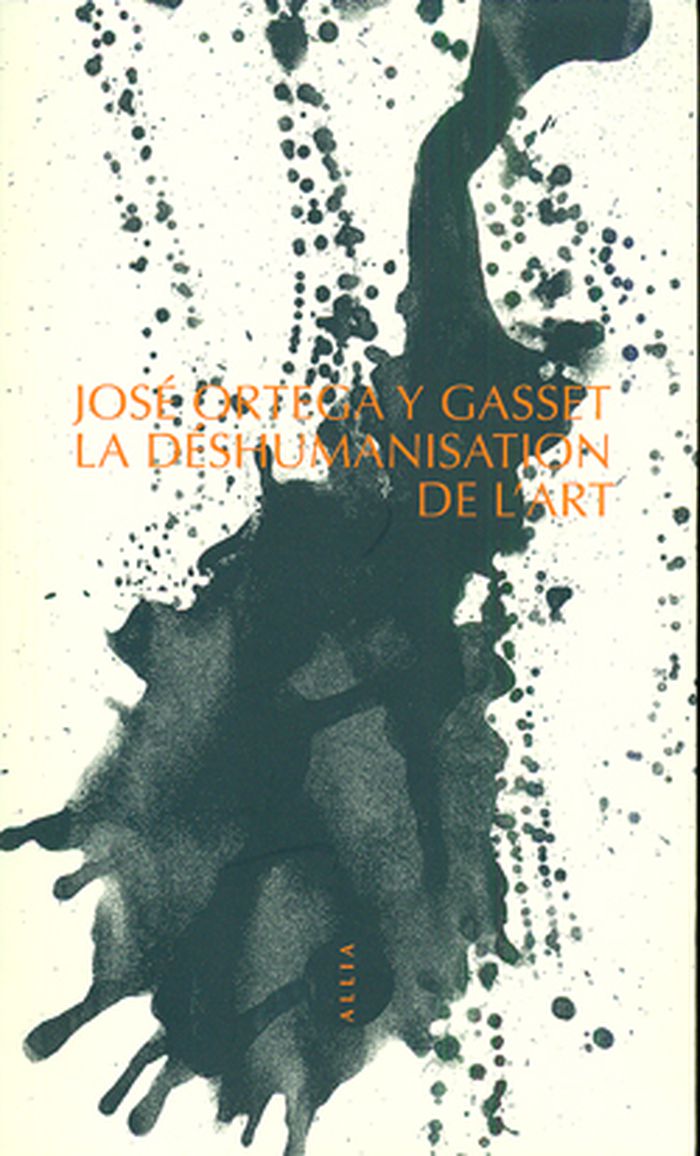
La déshumanisation de l'art
Actions:
Prix:
$10.95
(disponible sur commande)
Résumé:
"Si le nouvel art n'est pas intelligible à tout le monde, cela signifie que ses ressorts ne sont pas ceux du genre humain. Ce n'est pas un art pour les hommes en général, mais pour une classe très particulière d'hommes qui, même s'ils ne valent pas plus que les autres, sont de toute évidence différents." Jean Cassou disait d'Ortega y Gasset qu'il ne craignait pas la frivolité, voire la recherchait. Ce n'est pas le moindre des paradoxes, quand on lit ce texte-ci, mélange de critique "sérieuse" et de fascination-répulsion pour un art désormais futile aux yeux de l'auteur. Ortega y Gasset s'attaque en effet à une tendance de l'art de l'époque (ce texte est publié pour la première fois en 1925) à éliminer la figure humaine de ses sujets au point de devenir autocritique, voire un jeu entre artistes. Cela conduit à le rendre impopulaire. Dégagé du sérieux et de tout pathos, l'art perd sa transcendance au profit de la superficialité, du divertissement. Il est désormais élitiste, il exclut les masses. Il est le symptôme d'une crise culturelle, qui annonce la décadence d'une société de plus en plus tournée vers le spectacle. En effet, l'art finit par se vider de tout contenu: "Tout comme dans un système de miroirs qui se réfléchissent indéfiniment les uns dans les autres, aucune forme n'est la dernière. Toutes sont moquées et réduites à pure image."
La déshumanisation de l'art
Actions:
Prix:
$10.95
(disponible sur commande)
Résumé:
"Si le nouvel art n'est pas intelligible à tout le monde, cela signifie que ses ressorts ne sont pas ceux du genre humain. Ce n'est pas un art pour les hommes en général, mais pour une classe très particulière d'hommes qui, même s'ils ne valent pas plus que les autres, sont de toute évidence différents." Jean Cassou disait d'Ortega y Gasset qu'il ne craignait pas la frivolité, voire la recherchait. Ce n'est pas le moindre des paradoxes, quand on lit ce texte-ci, mélange de critique "sérieuse" et de fascination-répulsion pour un art désormais futile aux yeux de l'auteur. Ortega y Gasset s'attaque en effet à une tendance de l'art de l'époque (ce texte est publié pour la première fois en 1925) à éliminer la figure humaine de ses sujets au point de devenir autocritique, voire un jeu entre artistes. Cela conduit à le rendre impopulaire. Dégagé du sérieux et de tout pathos, l'art perd sa transcendance au profit de la superficialité, du divertissement. Il est désormais élitiste, il exclut les masses. Il est le symptôme d'une crise culturelle, qui annonce la décadence d'une société de plus en plus tournée vers le spectacle. En effet, l'art finit par se vider de tout contenu: "Tout comme dans un système de miroirs qui se réfléchissent indéfiniment les uns dans les autres, aucune forme n'est la dernière. Toutes sont moquées et réduites à pure image."
Classification:
livres
livres
Publication:
septembre 2011
septembre 2011
Sujet:
Théorie de l’art
Théorie de l’art


