


1193 Résultats
Classification:
livres
livres
Actions:
Prix:
$20.00
(disponible sur commande)
Résumé:
Artist-run initiatives in North America provided a space for the presentation and legitimization of experimental work and for the assertion of socially progressive and politically radical ideas and questions. In making such spaces available, artist-run initiatives have operated alternately as flash points for heated debates and controversies, as well as platforms for(...)
$20.00
(disponible sur commande)
Résumé:
Artist-run initiatives in North America provided a space for the presentation and legitimization of experimental work and for the assertion of socially progressive and politically radical ideas and questions. In making such spaces available, artist-run initiatives have operated alternately as flash points for heated debates and controversies, as well as platforms for(...)
Titre:
Institutions by artists: volume one
Actions:
Prix:
$20.00
(disponible sur commande)
Résumé:
Artist-run initiatives in North America provided a space for the presentation and legitimization of experimental work and for the assertion of socially progressive and politically radical ideas and questions. In making such spaces available, artist-run initiatives have operated alternately as flash points for heated debates and controversies, as well as platforms for social understanding and remaining for their audiences.
Institutions by artists: volume one
Actions:
Prix:
$20.00
(disponible sur commande)
Résumé:
Artist-run initiatives in North America provided a space for the presentation and legitimization of experimental work and for the assertion of socially progressive and politically radical ideas and questions. In making such spaces available, artist-run initiatives have operated alternately as flash points for heated debates and controversies, as well as platforms for social understanding and remaining for their audiences.
Classification:
livres
livres
Publication:
septembre 2012
septembre 2012
Sujet:
Théorie de l’art
Théorie de l’art
Classification:
livres
livres
Actions:
Prix:
$30.95
(disponible en magasin)
Résumé:
When does an artists creation become art, and where? Does it occur in the solitary confines of an artists studio, or does it require the context of an art gallerys white cube? Studio and Cube is author Brian O'Dohertys long-awaited follow-up to his seminal 1976 essays for Artforum, republished in 1999 as Inside the White Cube : The Ideology of the Gallery Space. In Studio(...)
$30.95
(disponible en magasin)
Résumé:
When does an artists creation become art, and where? Does it occur in the solitary confines of an artists studio, or does it require the context of an art gallerys white cube? Studio and Cube is author Brian O'Dohertys long-awaited follow-up to his seminal 1976 essays for Artforum, republished in 1999 as Inside the White Cube : The Ideology of the Gallery Space. In Studio(...)
Publication:
novembre 2012
novembre 2012
Titre:
Studio and cube : on the relationship between where art is made and where art is displayed
Actions:
Prix:
$30.95
(disponible en magasin)
Résumé:
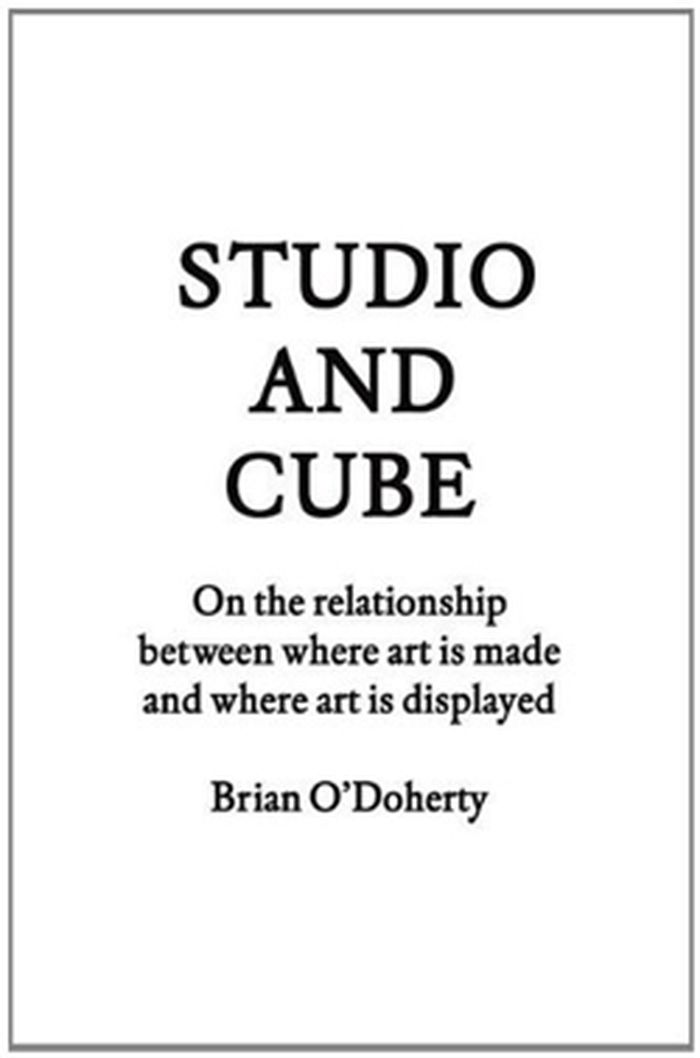
When does an artists creation become art, and where? Does it occur in the solitary confines of an artists studio, or does it require the context of an art gallerys white cube? Studio and Cube is author Brian O'Dohertys long-awaited follow-up to his seminal 1976 essays for Artforum, republished in 1999 as Inside the White Cube : The Ideology of the Gallery Space. In Studio and Cube, now available in paperback, O'Doherty expands his interpretation to include the artists studio, tracking the relationship between the artwork and the artist from Vermeer through late modernism.
Studio and cube : on the relationship between where art is made and where art is displayed
Actions:
Prix:
$30.95
(disponible en magasin)
Résumé:
When does an artists creation become art, and where? Does it occur in the solitary confines of an artists studio, or does it require the context of an art gallerys white cube? Studio and Cube is author Brian O'Dohertys long-awaited follow-up to his seminal 1976 essays for Artforum, republished in 1999 as Inside the White Cube : The Ideology of the Gallery Space. In Studio and Cube, now available in paperback, O'Doherty expands his interpretation to include the artists studio, tracking the relationship between the artwork and the artist from Vermeer through late modernism.
Classification:
livres
livres
Publication:
novembre 2012
novembre 2012
Classification:
livres
livres
Actions:
Prix:
$16.95
(disponible sur commande)
Résumé:
Paul Virilio a collaboré avec la Fondation Cartier pour l’art contemporain à de nombreuses reprises. Il a ainsi participé aux expositions Vraiment Faux (1988), La Vitesse (1991), Azur (1993), 1 monde réel (1999), Le désert (2000), Marc Newson, Kelvin 40 (2004), ainsi qu’à la conception de Ce qui arrive (2002) et Terre Natale (2008). La Pensée exposée. Textes et(...)
$16.95
(disponible sur commande)
Résumé:
Paul Virilio a collaboré avec la Fondation Cartier pour l’art contemporain à de nombreuses reprises. Il a ainsi participé aux expositions Vraiment Faux (1988), La Vitesse (1991), Azur (1993), 1 monde réel (1999), Le désert (2000), Marc Newson, Kelvin 40 (2004), ainsi qu’à la conception de Ce qui arrive (2002) et Terre Natale (2008). La Pensée exposée. Textes et(...)
Titre:
La pensée exposée: textes et entretiens
Actions:
Prix:
$16.95
(disponible sur commande)
Résumé:
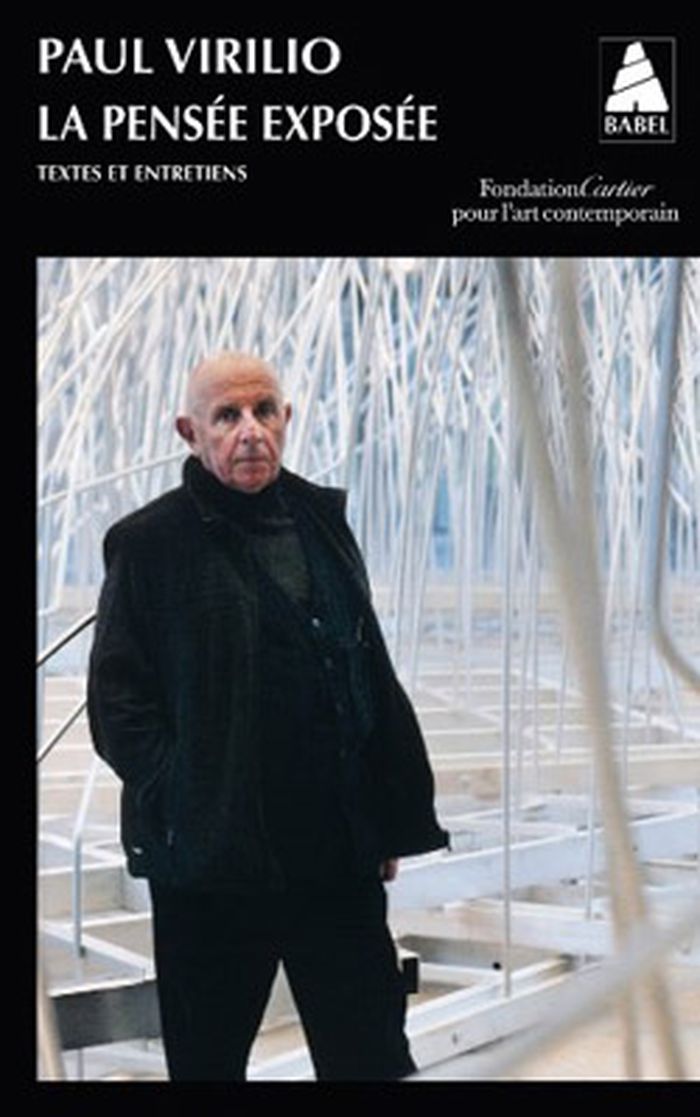
Paul Virilio a collaboré avec la Fondation Cartier pour l’art contemporain à de nombreuses reprises. Il a ainsi participé aux expositions Vraiment Faux (1988), La Vitesse (1991), Azur (1993), 1 monde réel (1999), Le désert (2000), Marc Newson, Kelvin 40 (2004), ainsi qu’à la conception de Ce qui arrive (2002) et Terre Natale (2008). La Pensée exposée. Textes et entretiens, coédité avec la Fondation Cartier pour l’art contemporain à Paris, réunit sous format poche l’ensemble des textes écrits par Paul Virilio à l’occasion de ses collaborations avec la Fondation Cartier. Fruit de plus de vingt ans d’échanges, cet ouvrage propose des textes critiques et des entretiens avec des artistes tels que Raymond Depardon, Andrei Ujica et Mœbius, et met ainsi en évidence la pensée visionnaire de cet essayiste dont les textes sont toujours d’une incroyable actualité.
La pensée exposée: textes et entretiens
Actions:
Prix:
$16.95
(disponible sur commande)
Résumé:
Paul Virilio a collaboré avec la Fondation Cartier pour l’art contemporain à de nombreuses reprises. Il a ainsi participé aux expositions Vraiment Faux (1988), La Vitesse (1991), Azur (1993), 1 monde réel (1999), Le désert (2000), Marc Newson, Kelvin 40 (2004), ainsi qu’à la conception de Ce qui arrive (2002) et Terre Natale (2008). La Pensée exposée. Textes et entretiens, coédité avec la Fondation Cartier pour l’art contemporain à Paris, réunit sous format poche l’ensemble des textes écrits par Paul Virilio à l’occasion de ses collaborations avec la Fondation Cartier. Fruit de plus de vingt ans d’échanges, cet ouvrage propose des textes critiques et des entretiens avec des artistes tels que Raymond Depardon, Andrei Ujica et Mœbius, et met ainsi en évidence la pensée visionnaire de cet essayiste dont les textes sont toujours d’une incroyable actualité.
Classification:
livres
livres
Publication:
août 2012
août 2012
Sujet:
Théorie de l’art
Théorie de l’art
Classification:
livres
livres
Prix:
$41.95
(disponible sur commande)
Résumé:
Art is big business, with some artists able to command huge sums of money for their works, while the vast majority are ignored or dismissed by critics. This book shows that these marginalised artists, the 'dark matter' of the art world, are essential to the survival of the mainstream and that they frequently organize in opposition to it. Gregory Sholette, a(...)
$41.95
(disponible sur commande)
Résumé:
Art is big business, with some artists able to command huge sums of money for their works, while the vast majority are ignored or dismissed by critics. This book shows that these marginalised artists, the 'dark matter' of the art world, are essential to the survival of the mainstream and that they frequently organize in opposition to it. Gregory Sholette, a(...)
Titre:
Dark matter: art and politics in the age of enterprise culture
Actions:
Prix:
$41.95
(disponible sur commande)
Résumé:
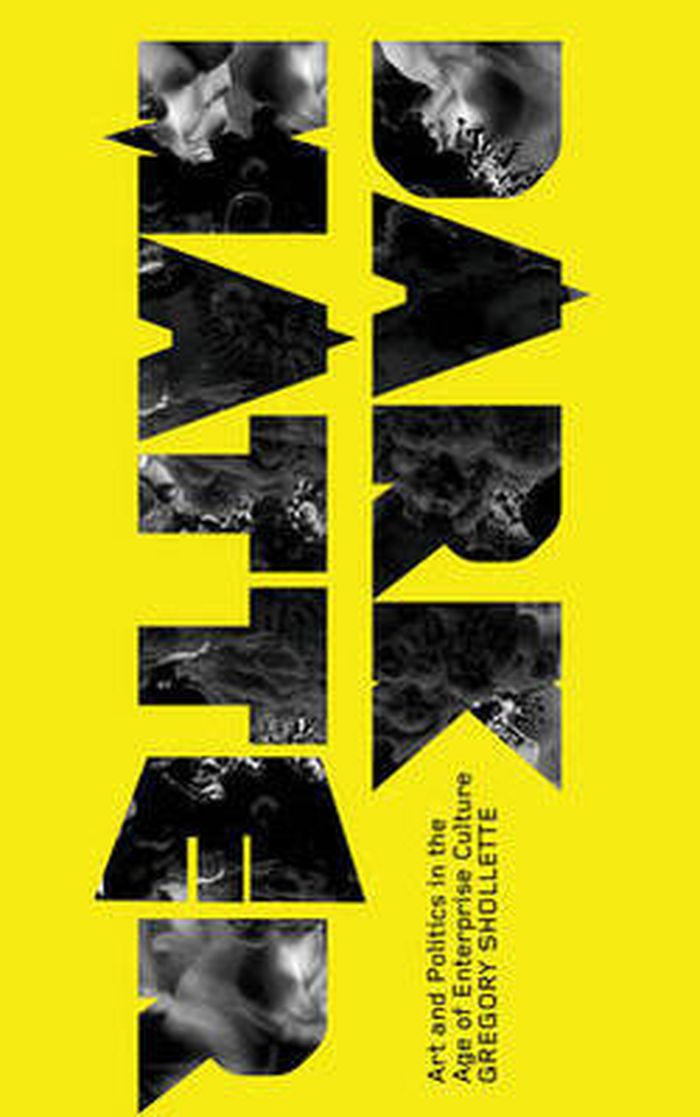
Art is big business, with some artists able to command huge sums of money for their works, while the vast majority are ignored or dismissed by critics. This book shows that these marginalised artists, the 'dark matter' of the art world, are essential to the survival of the mainstream and that they frequently organize in opposition to it. Gregory Sholette, a politically engaged artist, argues that imagination and creativity in the art world originate thrive in the non-commercial sector shut off from prestigious galleries and champagne receptions. This broader creative culture feeds the mainstream with new forms and styles that can be commodified and used to sustain the few artists admitted into the elite. This dependency, and the advent of inexpensive communication, audio and video technology, has allowed this 'dark matter' of the alternative art world to increasingly subvert the mainstream and intervene politically as both new and old forms of non-capitalist, public art. This book is essential for anyone interested in interventionist art, collectivism, and the political economy of the art world.
Dark matter: art and politics in the age of enterprise culture
Actions:
Prix:
$41.95
(disponible sur commande)
Résumé:
Art is big business, with some artists able to command huge sums of money for their works, while the vast majority are ignored or dismissed by critics. This book shows that these marginalised artists, the 'dark matter' of the art world, are essential to the survival of the mainstream and that they frequently organize in opposition to it. Gregory Sholette, a politically engaged artist, argues that imagination and creativity in the art world originate thrive in the non-commercial sector shut off from prestigious galleries and champagne receptions. This broader creative culture feeds the mainstream with new forms and styles that can be commodified and used to sustain the few artists admitted into the elite. This dependency, and the advent of inexpensive communication, audio and video technology, has allowed this 'dark matter' of the alternative art world to increasingly subvert the mainstream and intervene politically as both new and old forms of non-capitalist, public art. This book is essential for anyone interested in interventionist art, collectivism, and the political economy of the art world.
Classification:
livres
livres
Publication:
décembre 2010
décembre 2010
Sujet:
Théorie de l’art
Théorie de l’art
Classification:
livres
livres
Actions:
Prix:
$49.95
(disponible sur commande)
Résumé:
The end of the eighteenth century saw the start of a new craze in Europe: tiny portraits of single eyes that were exchanged by lovers or family members. Worn as brooches or pendants, these minuscule eyes served the same emotional need as more conventional mementoes, such as lockets containing a coil of a loved one’s hair. The fashion lasted only a few decades, and by the(...)
$49.95
(disponible sur commande)
Résumé:
The end of the eighteenth century saw the start of a new craze in Europe: tiny portraits of single eyes that were exchanged by lovers or family members. Worn as brooches or pendants, these minuscule eyes served the same emotional need as more conventional mementoes, such as lockets containing a coil of a loved one’s hair. The fashion lasted only a few decades, and by the(...)
Titre:
Treasuring the gaze : intimate vision in the late eighteeth-century eye miniature
Actions:
Prix:
$49.95
(disponible sur commande)
Résumé:
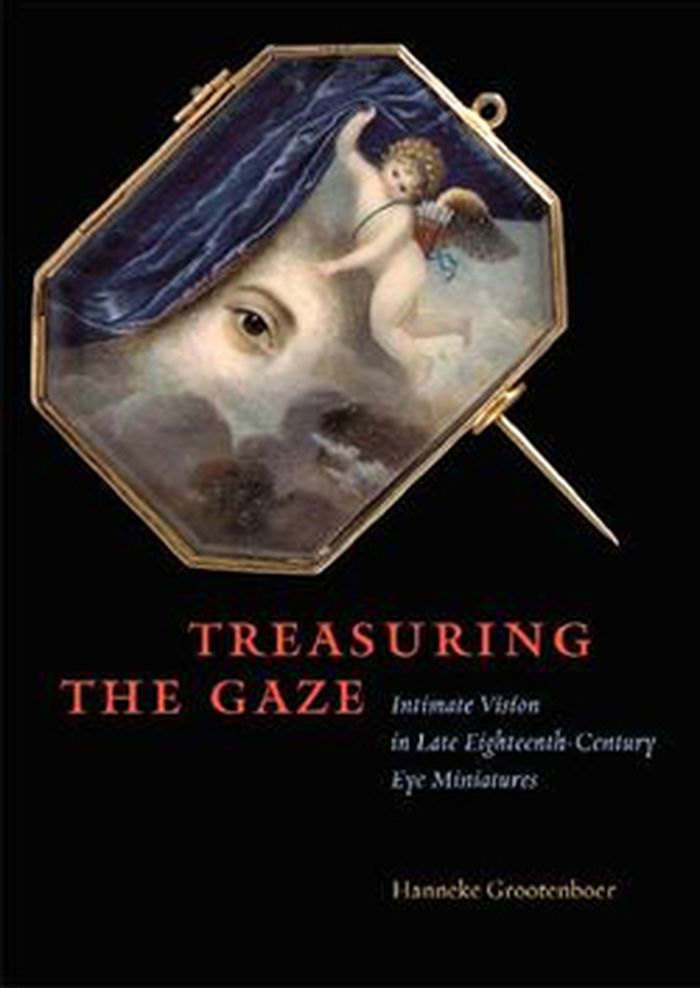
The end of the eighteenth century saw the start of a new craze in Europe: tiny portraits of single eyes that were exchanged by lovers or family members. Worn as brooches or pendants, these minuscule eyes served the same emotional need as more conventional mementoes, such as lockets containing a coil of a loved one’s hair. The fashion lasted only a few decades, and by the early 1800s eye miniatures had faded into oblivion. Unearthing these portraits in Treasuring the Gaze, Hanneke Grootenboer proposes that the rage for eye miniatures—and their abrupt disappearance—reveals a knot in the unfolding of the history of vision.
Treasuring the gaze : intimate vision in the late eighteeth-century eye miniature
Actions:
Prix:
$49.95
(disponible sur commande)
Résumé:
The end of the eighteenth century saw the start of a new craze in Europe: tiny portraits of single eyes that were exchanged by lovers or family members. Worn as brooches or pendants, these minuscule eyes served the same emotional need as more conventional mementoes, such as lockets containing a coil of a loved one’s hair. The fashion lasted only a few decades, and by the early 1800s eye miniatures had faded into oblivion. Unearthing these portraits in Treasuring the Gaze, Hanneke Grootenboer proposes that the rage for eye miniatures—and their abrupt disappearance—reveals a knot in the unfolding of the history of vision.
Classification:
livres
livres
Publication:
décembre 2012
décembre 2012
Sujet:
Théorie de l’art
Théorie de l’art
Classification:
livres
livres
Actions:
Prix:
$27.95
(disponible sur commande)
Résumé:
Since Marcel Duchamp created his “readymades” a century ago, the practice of incorporating commodity objects into art has become ever more pervasive. Uncommon Goods traces one particularly important aspect of that progression: the shift in artistic concern toward the hidden ethical dimensions of global commerce. Jaimey Hamilton Faris discusses the work of, among many(...)
$27.95
(disponible sur commande)
Résumé:
Since Marcel Duchamp created his “readymades” a century ago, the practice of incorporating commodity objects into art has become ever more pervasive. Uncommon Goods traces one particularly important aspect of that progression: the shift in artistic concern toward the hidden ethical dimensions of global commerce. Jaimey Hamilton Faris discusses the work of, among many(...)
Titre:
Uncommon goods: global dimensions of the readymade
Actions:
Prix:
$27.95
(disponible sur commande)
Résumé:
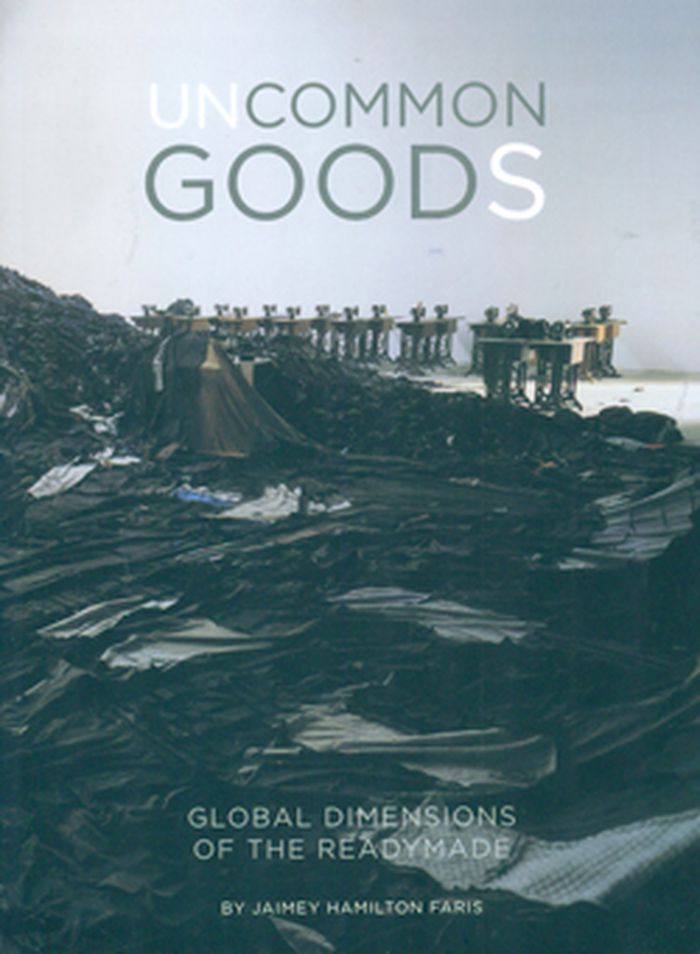
Since Marcel Duchamp created his “readymades” a century ago, the practice of incorporating commodity objects into art has become ever more pervasive. Uncommon Goods traces one particularly important aspect of that progression: the shift in artistic concern toward the hidden ethical dimensions of global commerce. Jaimey Hamilton Faris discusses the work of, among many others, Ai Weiwei, Cory Arcangel, Thomas Hirschhorn, and Santiago Sierra, reading their artistic explorations as overlapping with debates about how common goods hold us and our world in common.
Uncommon goods: global dimensions of the readymade
Actions:
Prix:
$27.95
(disponible sur commande)
Résumé:
Since Marcel Duchamp created his “readymades” a century ago, the practice of incorporating commodity objects into art has become ever more pervasive. Uncommon Goods traces one particularly important aspect of that progression: the shift in artistic concern toward the hidden ethical dimensions of global commerce. Jaimey Hamilton Faris discusses the work of, among many others, Ai Weiwei, Cory Arcangel, Thomas Hirschhorn, and Santiago Sierra, reading their artistic explorations as overlapping with debates about how common goods hold us and our world in common.
Classification:
livres
livres
Publication:
octobre 2012
octobre 2012
Sujet:
Théorie de l’art
Théorie de l’art
Classification:
livres
livres
Actions:
Prix:
$44.95
(disponible sur commande)
Résumé:
Jeffrey L. Kosky focuses on a handful of artists — Walter De Maria, Diller + Scofidio, James Turrell, and Andy Goldworthy to show how they introduce spaces hospitable to mystery and wonder, redemption and revelation, and transcendence and creation. What might be thought of as religious longings, he argues, are crucial aspects of enchanting secularity when developed(...)
$44.95
(disponible sur commande)
Résumé:
Jeffrey L. Kosky focuses on a handful of artists — Walter De Maria, Diller + Scofidio, James Turrell, and Andy Goldworthy to show how they introduce spaces hospitable to mystery and wonder, redemption and revelation, and transcendence and creation. What might be thought of as religious longings, he argues, are crucial aspects of enchanting secularity when developed(...)
Titre:
Arts of wonder : enchanting secularity - Walter de Maria, Diller + Scofidio, James Turelle, Andy Goldsworthy
Actions:
Prix:
$44.95
(disponible sur commande)
Résumé:
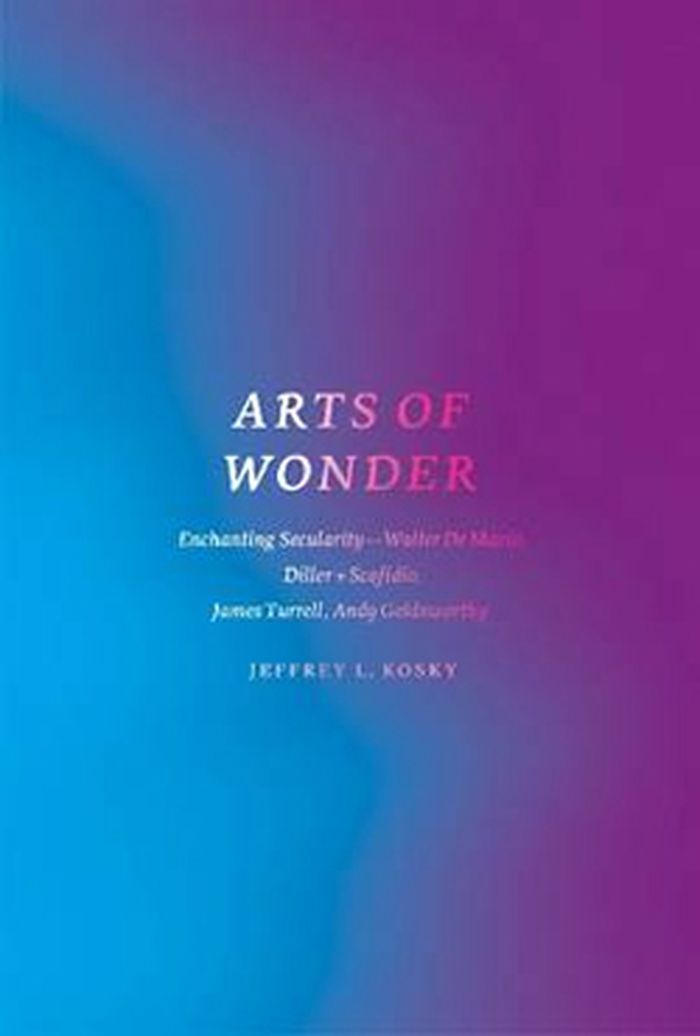
Jeffrey L. Kosky focuses on a handful of artists — Walter De Maria, Diller + Scofidio, James Turrell, and Andy Goldworthy to show how they introduce spaces hospitable to mystery and wonder, redemption and revelation, and transcendence and creation. What might be thought of as religious longings, he argues, are crucial aspects of enchanting secularity when developed through encounters with these works of art. Developing a model of religion that might be significant to secular culture, Kosky shows how this model can be employed to deepen interpretation of the art we usually view as representing secular modernity.
Arts of wonder : enchanting secularity - Walter de Maria, Diller + Scofidio, James Turelle, Andy Goldsworthy
Actions:
Prix:
$44.95
(disponible sur commande)
Résumé:
Jeffrey L. Kosky focuses on a handful of artists — Walter De Maria, Diller + Scofidio, James Turrell, and Andy Goldworthy to show how they introduce spaces hospitable to mystery and wonder, redemption and revelation, and transcendence and creation. What might be thought of as religious longings, he argues, are crucial aspects of enchanting secularity when developed through encounters with these works of art. Developing a model of religion that might be significant to secular culture, Kosky shows how this model can be employed to deepen interpretation of the art we usually view as representing secular modernity.
Classification:
livres
livres
Publication:
décembre 2012
décembre 2012
Sujet:
Théorie de l’art
Théorie de l’art
Classification:
livres
livres
Prix:
$44.95
(disponible sur commande)
Résumé:
Ce livre réunit 79 conversations avec des artistes, des écrivains, des architectes, des musiciens, des philosophes, des photographes, des designers, des scientifiques et des cinéastes, menées depuis le début des années 90 par Hans Ulrich Obrist. En suivant le modèle encyclopédique de l'entretien conçu comme un fructueux échange d'idées, ces Conversations dessinent un(...)
$44.95
(disponible sur commande)
Résumé:
Ce livre réunit 79 conversations avec des artistes, des écrivains, des architectes, des musiciens, des philosophes, des photographes, des designers, des scientifiques et des cinéastes, menées depuis le début des années 90 par Hans Ulrich Obrist. En suivant le modèle encyclopédique de l'entretien conçu comme un fructueux échange d'idées, ces Conversations dessinent un(...)
Titre:
Hans Ulrich Obrist : conversations (édition française)
Actions:
Prix:
$44.95
(disponible sur commande)
Résumé:
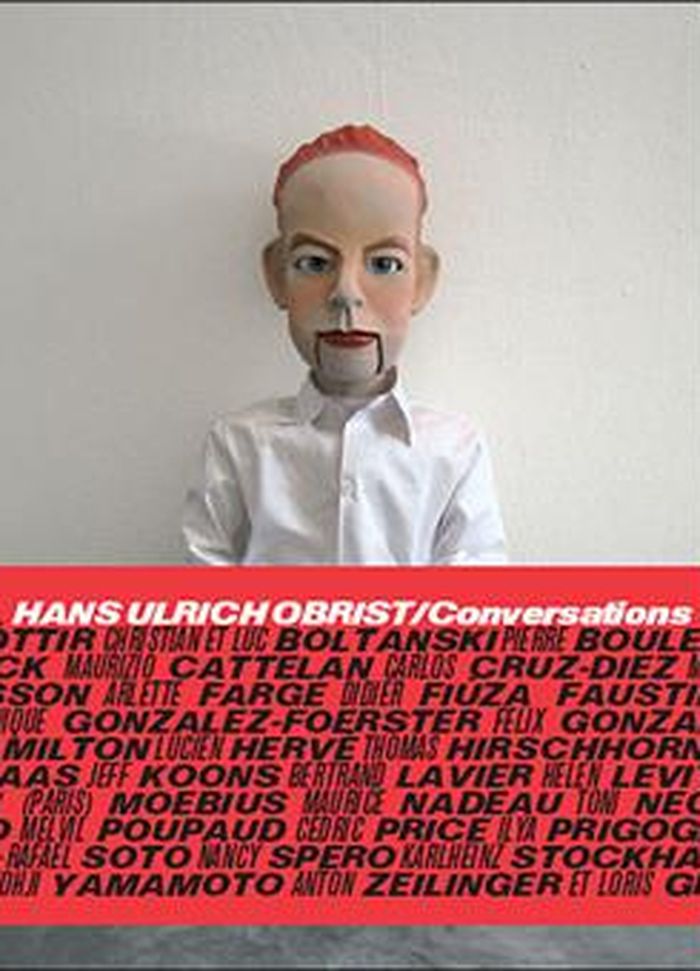
Ce livre réunit 79 conversations avec des artistes, des écrivains, des architectes, des musiciens, des philosophes, des photographes, des designers, des scientifiques et des cinéastes, menées depuis le début des années 90 par Hans Ulrich Obrist. En suivant le modèle encyclopédique de l'entretien conçu comme un fructueux échange d'idées, ces Conversations dessinent un paysage de trajectoires, de pensées, de projets, de faits et de récits qui produisent une histoire inédite de l'art et de la culture au tournant du XXe et du XXIe siècle.
Hans Ulrich Obrist : conversations (édition française)
Actions:
Prix:
$44.95
(disponible sur commande)
Résumé:
Ce livre réunit 79 conversations avec des artistes, des écrivains, des architectes, des musiciens, des philosophes, des photographes, des designers, des scientifiques et des cinéastes, menées depuis le début des années 90 par Hans Ulrich Obrist. En suivant le modèle encyclopédique de l'entretien conçu comme un fructueux échange d'idées, ces Conversations dessinent un paysage de trajectoires, de pensées, de projets, de faits et de récits qui produisent une histoire inédite de l'art et de la culture au tournant du XXe et du XXIe siècle.
Classification:
livres
livres
Publication:
septembre 2012
septembre 2012
Sujet:
Théorie de l’art
Théorie de l’art
Classification:
livres
livres

Actions:
Prix:
$23.00
(disponible sur commande)
Résumé:
Based on John Dewey's lectures on esthetics, delivered as the first William James Lecturer at Harvard in 1932, Art as Experience has grown to be considered internationally as the most distinguished work ever written by an American on the formal structure and characteristic effects of all the arts: architecture, sculpture, painting, music, and literature.
$23.00
(disponible sur commande)
Résumé:
Based on John Dewey's lectures on esthetics, delivered as the first William James Lecturer at Harvard in 1932, Art as Experience has grown to be considered internationally as the most distinguished work ever written by an American on the formal structure and characteristic effects of all the arts: architecture, sculpture, painting, music, and literature.
Titre:
John Dewey : art as experience
Actions:
Prix:
$23.00
(disponible sur commande)
Résumé:
Based on John Dewey's lectures on esthetics, delivered as the first William James Lecturer at Harvard in 1932, Art as Experience has grown to be considered internationally as the most distinguished work ever written by an American on the formal structure and characteristic effects of all the arts: architecture, sculpture, painting, music, and literature.
John Dewey : art as experience
Actions:
Prix:
$23.00
(disponible sur commande)
Résumé:
Based on John Dewey's lectures on esthetics, delivered as the first William James Lecturer at Harvard in 1932, Art as Experience has grown to be considered internationally as the most distinguished work ever written by an American on the formal structure and characteristic effects of all the arts: architecture, sculpture, painting, music, and literature.
Classification:
livres
livres
Publication:
octobre 2012
octobre 2012
Sujet:
Théorie de l’art
Théorie de l’art
Classification:
livres
livres
Actions:
Prix:
$27.00
(disponible sur commande)
Résumé:
Gerhard Richter’s ongoing, encyclopedic Atlas project began in 1964, and now comprises more than 5,000 gridded photographs, diagrams, drawings and sketches. As an image archive, work tool and artist’s book, Atlas sits at the very heart of Richter’s practice, offering a massive summation of his masterful explorations of the tensions between photography and painting,(...)
$27.00
(disponible sur commande)
Résumé:
Gerhard Richter’s ongoing, encyclopedic Atlas project began in 1964, and now comprises more than 5,000 gridded photographs, diagrams, drawings and sketches. As an image archive, work tool and artist’s book, Atlas sits at the very heart of Richter’s practice, offering a massive summation of his masterful explorations of the tensions between photography and painting,(...)
Titre:
Gerhard Richter: Atlas, the reader
Actions:
Prix:
$27.00
(disponible sur commande)
Résumé:
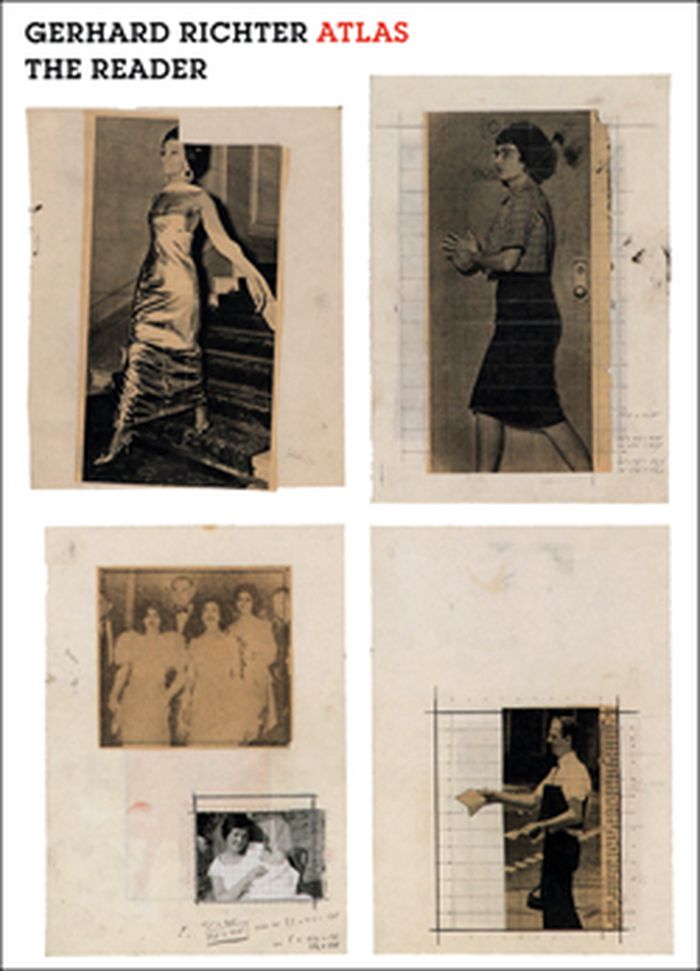
Gerhard Richter’s ongoing, encyclopedic Atlas project began in 1964, and now comprises more than 5,000 gridded photographs, diagrams, drawings and sketches. As an image archive, work tool and artist’s book, Atlas sits at the very heart of Richter’s practice, offering a massive summation of his masterful explorations of the tensions between photography and painting, history and memory, perception and representation. As a publication, Atlas has gone through numerous editions, each new volume expanding on the previous with elaborations of persistent themes. This book provides a critical tool for navigating Atlas, bringing together Richter’s own writings alongside commentaries by the art historians and curators Armin Zweite, Jean-François Chevrier, Benjamin H.D. Buchloh, Lynne Cooke and Helmut Friedel. Originally published in 2003 to coincide with the Whitechapel Gallery’s exhibition Gerhard Richter: Atlas, this updated edition also includes a review of the exhibition by Adrian Searle.
Gerhard Richter: Atlas, the reader
Actions:
Prix:
$27.00
(disponible sur commande)
Résumé:
Gerhard Richter’s ongoing, encyclopedic Atlas project began in 1964, and now comprises more than 5,000 gridded photographs, diagrams, drawings and sketches. As an image archive, work tool and artist’s book, Atlas sits at the very heart of Richter’s practice, offering a massive summation of his masterful explorations of the tensions between photography and painting, history and memory, perception and representation. As a publication, Atlas has gone through numerous editions, each new volume expanding on the previous with elaborations of persistent themes. This book provides a critical tool for navigating Atlas, bringing together Richter’s own writings alongside commentaries by the art historians and curators Armin Zweite, Jean-François Chevrier, Benjamin H.D. Buchloh, Lynne Cooke and Helmut Friedel. Originally published in 2003 to coincide with the Whitechapel Gallery’s exhibition Gerhard Richter: Atlas, this updated edition also includes a review of the exhibition by Adrian Searle.
Classification:
livres
livres
Publication:
octobre 2012
octobre 2012
Sujet:
Théorie de l’art
Théorie de l’art


