


1912 Résultats
Classification:
livres
livres
Actions:
Prix:
$32.95
(disponible sur commande)
Résumé:
Ce livre permet de cerner tous les ingrédients de la production urbaine à travers l'exemple de la première ville moderne d'Europe : Ferrare, restructurée par Biagio Rossetti au XVIe siècle. " Voir la ville " implique d'observer l'ensemble du processus de planification au coeur des structures urbaines comme une oeuvre d'art, avec l'émergence d'éléments architectoniques(...)
$32.95
(disponible sur commande)
Résumé:
Ce livre permet de cerner tous les ingrédients de la production urbaine à travers l'exemple de la première ville moderne d'Europe : Ferrare, restructurée par Biagio Rossetti au XVIe siècle. " Voir la ville " implique d'observer l'ensemble du processus de planification au coeur des structures urbaines comme une oeuvre d'art, avec l'émergence d'éléments architectoniques(...)
Titre:
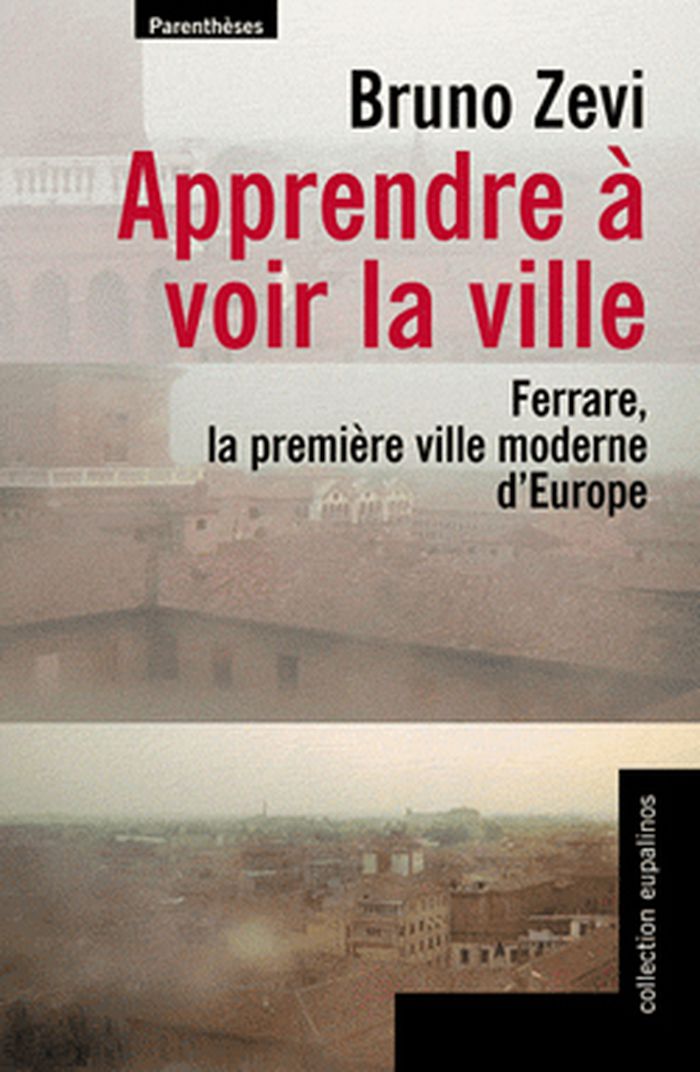
Apprendre à voir la ville: Ferrare, la première ville moderne d'Europe
Actions:
Prix:
$32.95
(disponible sur commande)
Résumé:
Ce livre permet de cerner tous les ingrédients de la production urbaine à travers l'exemple de la première ville moderne d'Europe : Ferrare, restructurée par Biagio Rossetti au XVIe siècle. " Voir la ville " implique d'observer l'ensemble du processus de planification au coeur des structures urbaines comme une oeuvre d'art, avec l'émergence d'éléments architectoniques telles que la place et la rue, dans une sorte de poétique de l'angle et de l'inachevé.
Apprendre à voir la ville: Ferrare, la première ville moderne d'Europe
Actions:
Prix:
$32.95
(disponible sur commande)
Résumé:
Ce livre permet de cerner tous les ingrédients de la production urbaine à travers l'exemple de la première ville moderne d'Europe : Ferrare, restructurée par Biagio Rossetti au XVIe siècle. " Voir la ville " implique d'observer l'ensemble du processus de planification au coeur des structures urbaines comme une oeuvre d'art, avec l'émergence d'éléments architectoniques telles que la place et la rue, dans une sorte de poétique de l'angle et de l'inachevé.
Classification:
livres
livres
Publication:
mars 2011
mars 2011
Sujet:
Théorie de l’urbanisme
Théorie de l’urbanisme
Classification:
livres
livres
Prix:
$16.95
(disponible sur commande)
Résumé:
James Howard Kunstler is best known for his unflinching commentary on the collapse of the American dream in the face of the reality of Peak Oil. Written as a long-form conversational interview, The Kunstler Cast explores urban planning, architecture, transportation, energy, society and culture from the perspective of an 'embedded' reporter on the Kunstler beat.
$16.95
(disponible sur commande)
Résumé:
James Howard Kunstler is best known for his unflinching commentary on the collapse of the American dream in the face of the reality of Peak Oil. Written as a long-form conversational interview, The Kunstler Cast explores urban planning, architecture, transportation, energy, society and culture from the perspective of an 'embedded' reporter on the Kunstler beat.
Titre:
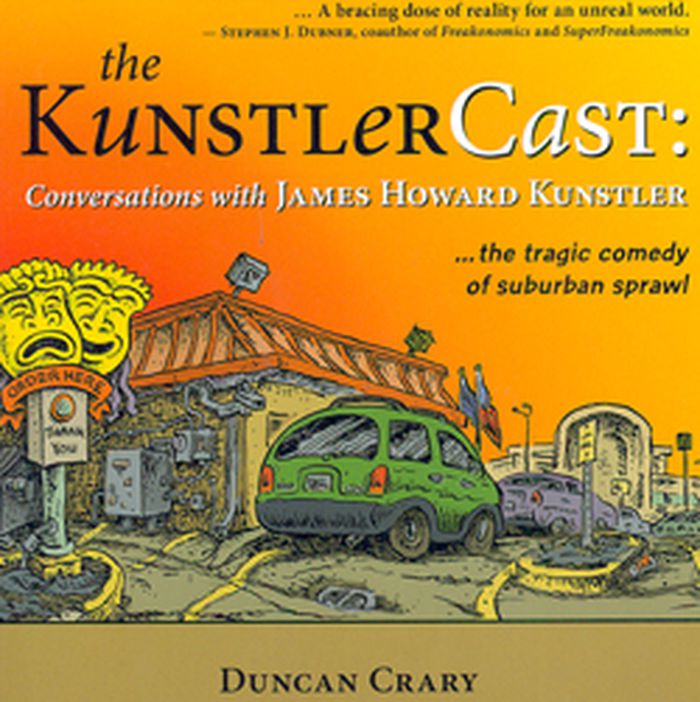
The Kunstler Cast: conversations with James Howard Kunstler
Actions:
Prix:
$16.95
(disponible sur commande)
Résumé:
James Howard Kunstler is best known for his unflinching commentary on the collapse of the American dream in the face of the reality of Peak Oil. Written as a long-form conversational interview, The Kunstler Cast explores urban planning, architecture, transportation, energy, society and culture from the perspective of an 'embedded' reporter on the Kunstler beat.
The Kunstler Cast: conversations with James Howard Kunstler
Actions:
Prix:
$16.95
(disponible sur commande)
Résumé:
James Howard Kunstler is best known for his unflinching commentary on the collapse of the American dream in the face of the reality of Peak Oil. Written as a long-form conversational interview, The Kunstler Cast explores urban planning, architecture, transportation, energy, society and culture from the perspective of an 'embedded' reporter on the Kunstler beat.
Classification:
livres
livres
Publication:
août 2011
août 2011
Sujet:
Théorie de l’urbanisme
Théorie de l’urbanisme
Classification:
livres
livres
Actions:
Prix:
$29.95
(disponible sur commande)
Résumé:
From a youth spent in different cities of the world, to his beginnings as an architect in Toronto, the author has long recognized that cities at their best provide much of what we seek in a place to call home. Community, places of culture and business that we can walk to, mass transit and a wealth of amenities that couldn't be supported without a city's density: the(...)
$29.95
(disponible sur commande)
Résumé:
From a youth spent in different cities of the world, to his beginnings as an architect in Toronto, the author has long recognized that cities at their best provide much of what we seek in a place to call home. Community, places of culture and business that we can walk to, mass transit and a wealth of amenities that couldn't be supported without a city's density: the(...)
Titre:
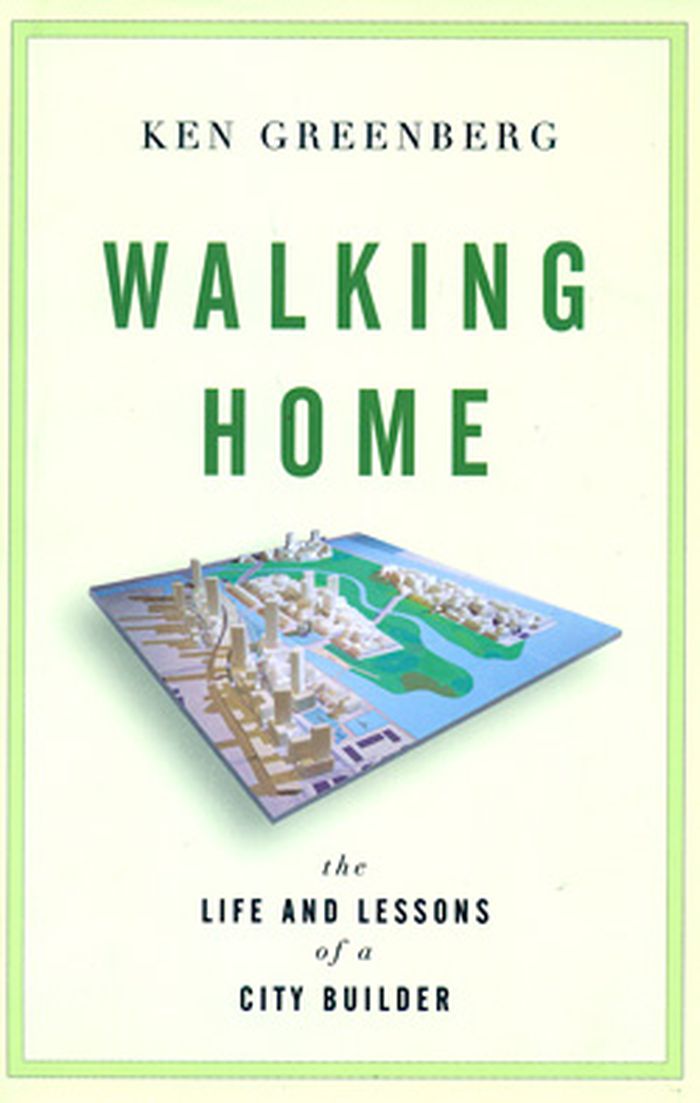
Walking home: the life and lessons of a city builder
Actions:
Prix:
$29.95
(disponible sur commande)
Résumé:
From a youth spent in different cities of the world, to his beginnings as an architect in Toronto, the author has long recognized that cities at their best provide much of what we seek in a place to call home. Community, places of culture and business that we can walk to, mass transit and a wealth of amenities that couldn't be supported without a city's density: the mid-century drive to suburbanization deprived us of these inherent advantages of urban living. The realization of this loss, in tandem with pressing recent concerns about energy scarcity and global warming, has made us see cities with fresh eyes and a growing understanding that they can provide us with an unparalleled measure of sustainability. This publication explains how turning the world's urban spaces back into places that can give us not only a platform to face the challenges of the future, but also a place we can call, with pride and satisfaction, home.
Walking home: the life and lessons of a city builder
Actions:
Prix:
$29.95
(disponible sur commande)
Résumé:
From a youth spent in different cities of the world, to his beginnings as an architect in Toronto, the author has long recognized that cities at their best provide much of what we seek in a place to call home. Community, places of culture and business that we can walk to, mass transit and a wealth of amenities that couldn't be supported without a city's density: the mid-century drive to suburbanization deprived us of these inherent advantages of urban living. The realization of this loss, in tandem with pressing recent concerns about energy scarcity and global warming, has made us see cities with fresh eyes and a growing understanding that they can provide us with an unparalleled measure of sustainability. This publication explains how turning the world's urban spaces back into places that can give us not only a platform to face the challenges of the future, but also a place we can call, with pride and satisfaction, home.
Classification:
livres
livres
Publication:
mai 2011
mai 2011
Sujet:
Théorie de l’urbanisme
Théorie de l’urbanisme
Classification:
livres
livres
Actions:
Prix:
$21.95
(disponible sur commande)
Résumé:
Mumbai Fables explores the mythic inner life of this city as seen by its inhabitants, journalists, planners, writers, artists, filmmakers, and political activists. In this cultural history of one of the world's most important urban centers, Gyan Prakash unearths the stories behind its history, viewing Mumbai through its turning points and kaleidoscopic ideas, comic book(...)
$21.95
(disponible sur commande)
Résumé:
Mumbai Fables explores the mythic inner life of this city as seen by its inhabitants, journalists, planners, writers, artists, filmmakers, and political activists. In this cultural history of one of the world's most important urban centers, Gyan Prakash unearths the stories behind its history, viewing Mumbai through its turning points and kaleidoscopic ideas, comic book(...)
Titre:
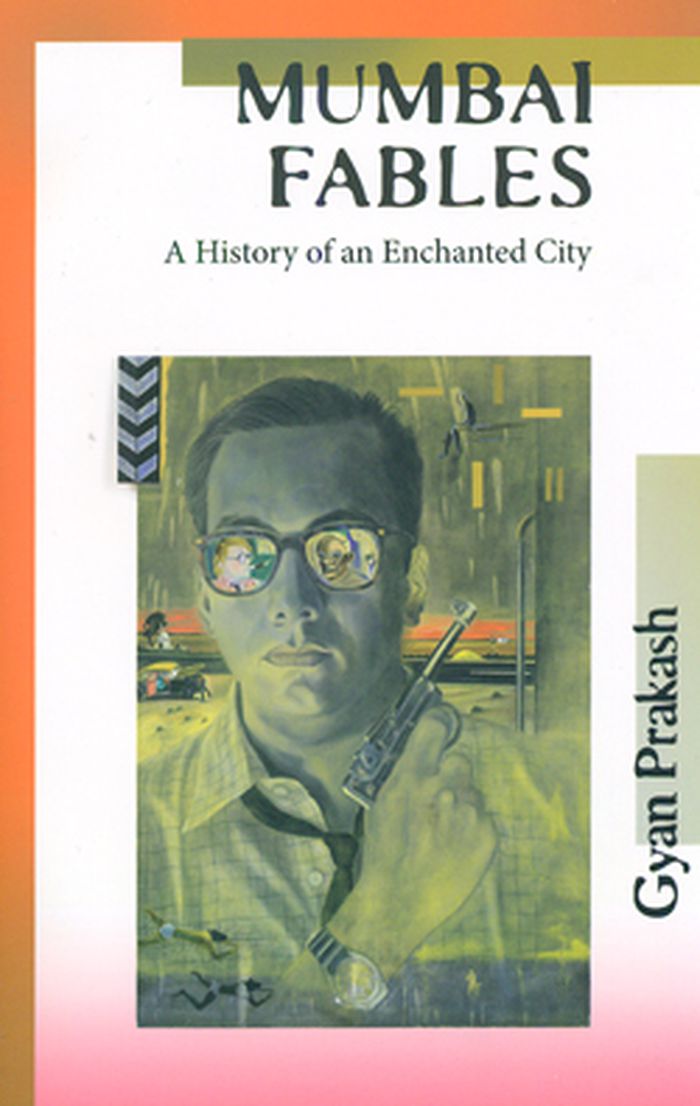
Mumbai fables: history of an enchanted city
Actions:
Prix:
$21.95
(disponible sur commande)
Résumé:
Mumbai Fables explores the mythic inner life of this city as seen by its inhabitants, journalists, planners, writers, artists, filmmakers, and political activists. In this cultural history of one of the world's most important urban centers, Gyan Prakash unearths the stories behind its history, viewing Mumbai through its turning points and kaleidoscopic ideas, comic book heroes, and famous scandals - the history behind Mumbai's stories of opportunity and oppression, of fabulous wealth and grinding poverty, of cosmopolitan desires and nativist energies.
Mumbai fables: history of an enchanted city
Actions:
Prix:
$21.95
(disponible sur commande)
Résumé:
Mumbai Fables explores the mythic inner life of this city as seen by its inhabitants, journalists, planners, writers, artists, filmmakers, and political activists. In this cultural history of one of the world's most important urban centers, Gyan Prakash unearths the stories behind its history, viewing Mumbai through its turning points and kaleidoscopic ideas, comic book heroes, and famous scandals - the history behind Mumbai's stories of opportunity and oppression, of fabulous wealth and grinding poverty, of cosmopolitan desires and nativist energies.
Classification:
livres
livres
Publication:
novembre 2011
novembre 2011
Sujet:
Théorie de l’urbanisme
Théorie de l’urbanisme
Classification:
livres
livres
Actions:
Prix:
$30.95
(disponible sur commande)
Résumé:
Urban Identity is the second issue in the Learning from Place series that draws upon the wealth of experience in the Academy of Urbanism. This edition deals with the subject of urban identity and character. Why is it that all modern towns and cities look the same, as they become dominated by identikit buildings, multi-national corporations, even arbitrarily imposed urban(...)
$30.95
(disponible sur commande)
Résumé:
Urban Identity is the second issue in the Learning from Place series that draws upon the wealth of experience in the Academy of Urbanism. This edition deals with the subject of urban identity and character. Why is it that all modern towns and cities look the same, as they become dominated by identikit buildings, multi-national corporations, even arbitrarily imposed urban(...)
Sujet:
Théorie de l’urbanisme
Théorie de l’urbanisme
Publication:
juin 2011
juin 2011
Titre:
Urban identity ; learning from place 2
Actions:
Prix:
$30.95
(disponible sur commande)
Résumé:
Urban Identity is the second issue in the Learning from Place series that draws upon the wealth of experience in the Academy of Urbanism. This edition deals with the subject of urban identity and character. Why is it that all modern towns and cities look the same, as they become dominated by identikit buildings, multi-national corporations, even arbitrarily imposed urban design rules? How can we preserve and foster the sense of local identity and character that so value without falling into the trap of historical pastiche? Four urban thinkers take this theme as the staring point for chapters on urban identity. The classical architect Robert Adam delivers a broadside to modern architecture that he sees as the multi-national face of globalism. The Architect and academic John Worthington ponders the difference between how a place is seen, its identity and how it wants to be seen, its brand. While the architects Anthony Reddy from Ireland and Frank Walker from Scotland explore the notion of local and national identity in architecture and design.
Urban identity ; learning from place 2
Actions:
Prix:
$30.95
(disponible sur commande)
Résumé:
Urban Identity is the second issue in the Learning from Place series that draws upon the wealth of experience in the Academy of Urbanism. This edition deals with the subject of urban identity and character. Why is it that all modern towns and cities look the same, as they become dominated by identikit buildings, multi-national corporations, even arbitrarily imposed urban design rules? How can we preserve and foster the sense of local identity and character that so value without falling into the trap of historical pastiche? Four urban thinkers take this theme as the staring point for chapters on urban identity. The classical architect Robert Adam delivers a broadside to modern architecture that he sees as the multi-national face of globalism. The Architect and academic John Worthington ponders the difference between how a place is seen, its identity and how it wants to be seen, its brand. While the architects Anthony Reddy from Ireland and Frank Walker from Scotland explore the notion of local and national identity in architecture and design.
Classification:
livres
livres
Publication:
juin 2011
juin 2011
Sujet:
Théorie de l’urbanisme
Théorie de l’urbanisme
Classification:
livres
livres
Actions:
Prix:
$53.95
(disponible sur commande)
Résumé:
Ron Kasprisin has written a book for students of planning and urban design that reconnects the process of designing with outcomes on the ground, and puts thinking about design back at the heart of what planners do. The book identifies the elements and principles of composition and explores compositional order and structure as they relate to the meaning and functionality(...)
$53.95
(disponible sur commande)
Résumé:
Ron Kasprisin has written a book for students of planning and urban design that reconnects the process of designing with outcomes on the ground, and puts thinking about design back at the heart of what planners do. The book identifies the elements and principles of composition and explores compositional order and structure as they relate to the meaning and functionality(...)
Titre:
Urban design: the composition of complexity
Actions:
Prix:
$53.95
(disponible sur commande)
Résumé:
Ron Kasprisin has written a book for students of planning and urban design that reconnects the process of designing with outcomes on the ground, and puts thinking about design back at the heart of what planners do. The book identifies the elements and principles of composition and explores compositional order and structure as they relate to the meaning and functionality of cities. It discusses new directions and methods, outlines the importance of both buildings and the open spaces between them. Mixing accessible theory, practical examples and carefully designed exercises in composition from simple to complex settings, this publication is a textbook for classrooms and design studios across the full spectrum of planning and urban studies fields. Not only filled with illustrations and graphics of projects, it gives students tools to enable them to sketch, draw, design and above all, to think.
Urban design: the composition of complexity
Actions:
Prix:
$53.95
(disponible sur commande)
Résumé:
Ron Kasprisin has written a book for students of planning and urban design that reconnects the process of designing with outcomes on the ground, and puts thinking about design back at the heart of what planners do. The book identifies the elements and principles of composition and explores compositional order and structure as they relate to the meaning and functionality of cities. It discusses new directions and methods, outlines the importance of both buildings and the open spaces between them. Mixing accessible theory, practical examples and carefully designed exercises in composition from simple to complex settings, this publication is a textbook for classrooms and design studios across the full spectrum of planning and urban studies fields. Not only filled with illustrations and graphics of projects, it gives students tools to enable them to sketch, draw, design and above all, to think.
Classification:
livres
livres
Publication:
juillet 2011
juillet 2011
Sujet:
Théorie de l’urbanisme
Théorie de l’urbanisme
Classification:
livres
livres
Titre:
Perverse cities
Perverse cities
Actions:
Prix:
$39.95
(disponible sur commande)
Résumé:
Urban sprawl -- low-density subdivisions and business parks, big box stores and mega-malls -- has increasingly come to define city growth despite decades of planning and policy. Urban planning has focused on curbing sprawl by treating its symptoms -- aiming to regulate more compact, livable urban forms into being. Most urbanists view sprawl as an expensive and(...)
$39.95
(disponible sur commande)
Résumé:
Urban sprawl -- low-density subdivisions and business parks, big box stores and mega-malls -- has increasingly come to define city growth despite decades of planning and policy. Urban planning has focused on curbing sprawl by treating its symptoms -- aiming to regulate more compact, livable urban forms into being. Most urbanists view sprawl as an expensive and(...)
Titre:
Perverse cities
Actions:
Prix:
$39.95
(disponible sur commande)
Résumé:
Urban sprawl -- low-density subdivisions and business parks, big box stores and mega-malls -- has increasingly come to define city growth despite decades of planning and policy. Urban planning has focused on curbing sprawl by treating its symptoms -- aiming to regulate more compact, livable urban forms into being. Most urbanists view sprawl as an expensive and unsustainable pattern of development. Yet a few defend it as the natural expression of the market neutrally responding to consumer demand and as a reflection of consumers’ lifestyle preferences. In Perverse Cities, Pamela Blais argues that both views fail to recognize market distortions and flawed policy that drive sprawl. She shows that, as a result of crude public policies, a wide range of urban goods and services are subject to inaccurate price signals, including housing, non-residential properties, transportation and utilities. Mis-pricing creates hidden, "perverse" subsidies and incentives that promote sprawl while discouraging more efficient and sustainable urban forms -- clearly not what most planners and environmentalists have in mind. Perverse Cities makes the case that accurate pricing and better policy are fundamental to curbing sprawl and shows how this can be achieved in practice through a range of market-oriented tools that promote efficient, sustainable cities.
Perverse cities
Actions:
Prix:
$39.95
(disponible sur commande)
Résumé:
Urban sprawl -- low-density subdivisions and business parks, big box stores and mega-malls -- has increasingly come to define city growth despite decades of planning and policy. Urban planning has focused on curbing sprawl by treating its symptoms -- aiming to regulate more compact, livable urban forms into being. Most urbanists view sprawl as an expensive and unsustainable pattern of development. Yet a few defend it as the natural expression of the market neutrally responding to consumer demand and as a reflection of consumers’ lifestyle preferences. In Perverse Cities, Pamela Blais argues that both views fail to recognize market distortions and flawed policy that drive sprawl. She shows that, as a result of crude public policies, a wide range of urban goods and services are subject to inaccurate price signals, including housing, non-residential properties, transportation and utilities. Mis-pricing creates hidden, "perverse" subsidies and incentives that promote sprawl while discouraging more efficient and sustainable urban forms -- clearly not what most planners and environmentalists have in mind. Perverse Cities makes the case that accurate pricing and better policy are fundamental to curbing sprawl and shows how this can be achieved in practice through a range of market-oriented tools that promote efficient, sustainable cities.
Classification:
livres
livres
Publication:
avril 2011
avril 2011
Sujet:
Théorie de l’urbanisme
Théorie de l’urbanisme
Classification:
livres
livres
Prix:
$35.00
(disponible sur commande)
Résumé:
The Natural City explores how to integrate the natural environment into healthy urban centres from philosophical, religious, socio-political, and planning perspectives. Recognizing the need to better link the humanities with public policy, The Natural City offers unique insights for the development of an alternative vision of urban life.
$35.00
(disponible sur commande)
Résumé:
The Natural City explores how to integrate the natural environment into healthy urban centres from philosophical, religious, socio-political, and planning perspectives. Recognizing the need to better link the humanities with public policy, The Natural City offers unique insights for the development of an alternative vision of urban life.
Publication:
octobre 2011
octobre 2011
Titre:
The natural city: Re-envisioning the built environment
Actions:
Prix:
$35.00
(disponible sur commande)
Résumé:
The Natural City explores how to integrate the natural environment into healthy urban centres from philosophical, religious, socio-political, and planning perspectives. Recognizing the need to better link the humanities with public policy, The Natural City offers unique insights for the development of an alternative vision of urban life.
The natural city: Re-envisioning the built environment
Actions:
Prix:
$35.00
(disponible sur commande)
Résumé:
The Natural City explores how to integrate the natural environment into healthy urban centres from philosophical, religious, socio-political, and planning perspectives. Recognizing the need to better link the humanities with public policy, The Natural City offers unique insights for the development of an alternative vision of urban life.
Classification:
livres
livres
Publication:
octobre 2011
octobre 2011
Classification:
livres
livres
Actions:
Prix:
$30.95
(disponible sur commande)
Résumé:
Drawing on his professional experience of almost sixty years, Jacobs guides the reader through the lessons he's learnt as a planner and lover of cities. Cities from Brazil, Italy, India, Japan, China and the US are featured. Written with a engaging, humorous tone and Jacobs' own drawings, this publication transfers lessons on city design, building and urban change to all(...)
$30.95
(disponible sur commande)
Résumé:
Drawing on his professional experience of almost sixty years, Jacobs guides the reader through the lessons he's learnt as a planner and lover of cities. Cities from Brazil, Italy, India, Japan, China and the US are featured. Written with a engaging, humorous tone and Jacobs' own drawings, this publication transfers lessons on city design, building and urban change to all(...)
Titre:
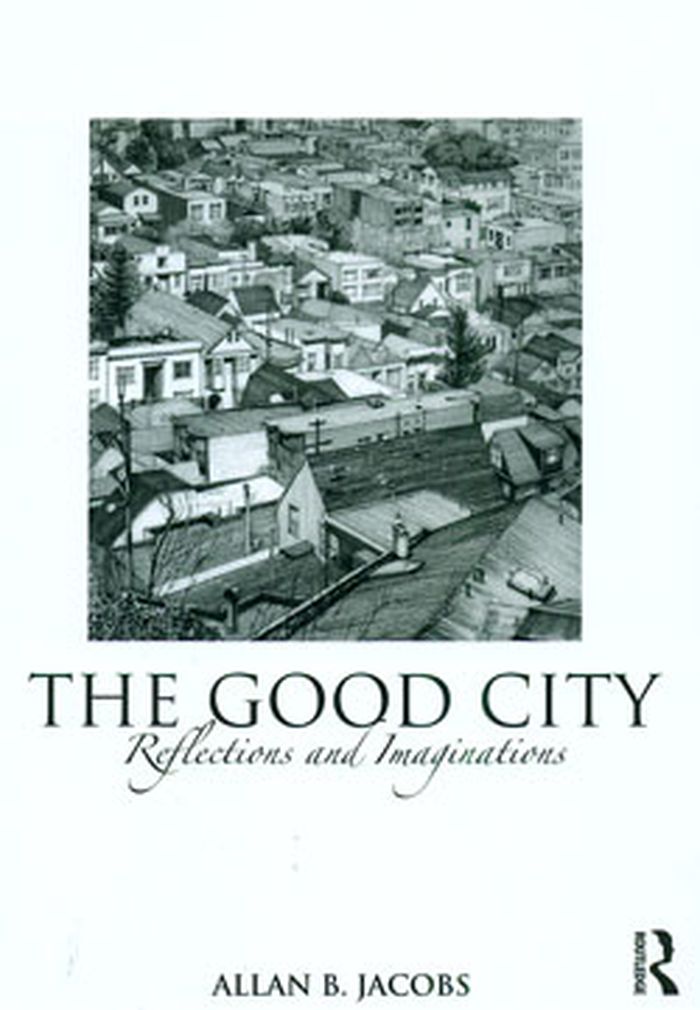
The good city: reflections and imaginations
Actions:
Prix:
$30.95
(disponible sur commande)
Résumé:
Drawing on his professional experience of almost sixty years, Jacobs guides the reader through the lessons he's learnt as a planner and lover of cities. Cities from Brazil, Italy, India, Japan, China and the US are featured. Written with a engaging, humorous tone and Jacobs' own drawings, this publication transfers lessons on city design, building and urban change to all those willing to help cities become the beautiful places they should be - and encourages all inhabitants to learn to appreciate and explore their own cities.
The good city: reflections and imaginations
Actions:
Prix:
$30.95
(disponible sur commande)
Résumé:
Drawing on his professional experience of almost sixty years, Jacobs guides the reader through the lessons he's learnt as a planner and lover of cities. Cities from Brazil, Italy, India, Japan, China and the US are featured. Written with a engaging, humorous tone and Jacobs' own drawings, this publication transfers lessons on city design, building and urban change to all those willing to help cities become the beautiful places they should be - and encourages all inhabitants to learn to appreciate and explore their own cities.
Classification:
livres
livres
Publication:
avril 2011
avril 2011
Sujet:
Théorie de l’urbanisme
Théorie de l’urbanisme
Classification:
livres
livres
Actions:
Prix:
$24.95
(disponible sur commande)
Résumé:
Présentation générale de l'urbanisme et de ses enjeux en matière d'amènagement du territoire.
$24.95
(disponible sur commande)
Résumé:
Présentation générale de l'urbanisme et de ses enjeux en matière d'amènagement du territoire.
Titre:
Les 101 mots de l'urbanisme à l'usage de tous
Actions:
Prix:
$24.95
(disponible sur commande)
Résumé:
Présentation générale de l'urbanisme et de ses enjeux en matière d'amènagement du territoire.
Les 101 mots de l'urbanisme à l'usage de tous
Actions:
Prix:
$24.95
(disponible sur commande)
Résumé:
Présentation générale de l'urbanisme et de ses enjeux en matière d'amènagement du territoire.
Classification:
livres
livres
Publication:
juillet 2011
juillet 2011
Sujet:
Théorie de l’urbanisme
Théorie de l’urbanisme


