


1912 Résultats
Classification:
livres
livres
Actions:
Prix:
$28.00
(disponible sur commande)
Résumé:
Founded by Winy Maas, The Why Factory concentrates on the production of models and visualizations for future cities. It runs independent research projects, PhD programs, architecture and urbanism studios, postgraduate studios at the Berlage Institute in Rotterdam, and workshops and debates. One component of the thinktank is publishing a series of books and producing(...)
$28.00
(disponible sur commande)
Résumé:
Founded by Winy Maas, The Why Factory concentrates on the production of models and visualizations for future cities. It runs independent research projects, PhD programs, architecture and urbanism studios, postgraduate studios at the Berlage Institute in Rotterdam, and workshops and debates. One component of the thinktank is publishing a series of books and producing(...)
Titre:
The Why Factor(y) and the futur city
Actions:
Prix:
$28.00
(disponible sur commande)
Résumé:
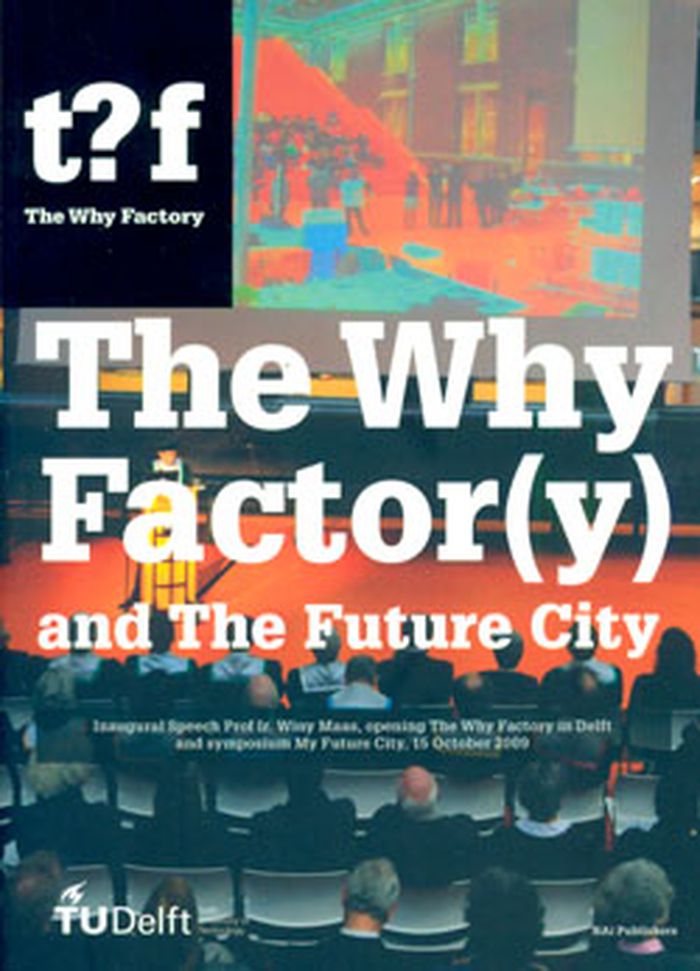
Founded by Winy Maas, The Why Factory concentrates on the production of models and visualizations for future cities. It runs independent research projects, PhD programs, architecture and urbanism studios, postgraduate studios at the Berlage Institute in Rotterdam, and workshops and debates. One component of the thinktank is publishing a series of books and producing films. This volume is based on Maas' inaugural address upon assuming the position of Chair of Architecture and Urban Design at Delft University of Technology in 2009. It also includes transcripts and addresses from “My Future City,” a Why Factory symposium, in which students, architects, urban planners, philosophers, politicians and engineers shared their visions for the city of the future.
The Why Factor(y) and the futur city
Actions:
Prix:
$28.00
(disponible sur commande)
Résumé:
Founded by Winy Maas, The Why Factory concentrates on the production of models and visualizations for future cities. It runs independent research projects, PhD programs, architecture and urbanism studios, postgraduate studios at the Berlage Institute in Rotterdam, and workshops and debates. One component of the thinktank is publishing a series of books and producing films. This volume is based on Maas' inaugural address upon assuming the position of Chair of Architecture and Urban Design at Delft University of Technology in 2009. It also includes transcripts and addresses from “My Future City,” a Why Factory symposium, in which students, architects, urban planners, philosophers, politicians and engineers shared their visions for the city of the future.
Classification:
livres
livres
Publication:
août 2011
août 2011
Sujet:
Théorie de l’urbanisme
Théorie de l’urbanisme
Classification:
livres
livres
Actions:
Prix:
$31.95
(disponible sur commande)
Résumé:
In distressed urban neighborhoods where residential segregation concentrates poverty, liquor stores outnumber supermarkets, toxic sites are next to playgrounds, and more money is spent on prisons than schools, residents also suffer disproportionately from disease and premature death. Recognizing that city environments and the planning processes that shape them are(...)
$31.95
(disponible sur commande)
Résumé:
In distressed urban neighborhoods where residential segregation concentrates poverty, liquor stores outnumber supermarkets, toxic sites are next to playgrounds, and more money is spent on prisons than schools, residents also suffer disproportionately from disease and premature death. Recognizing that city environments and the planning processes that shape them are(...)
Titre:
Toward the healthy city: people, places, and the politics of urban planning
Actions:
Prix:
$31.95
(disponible sur commande)
Résumé:
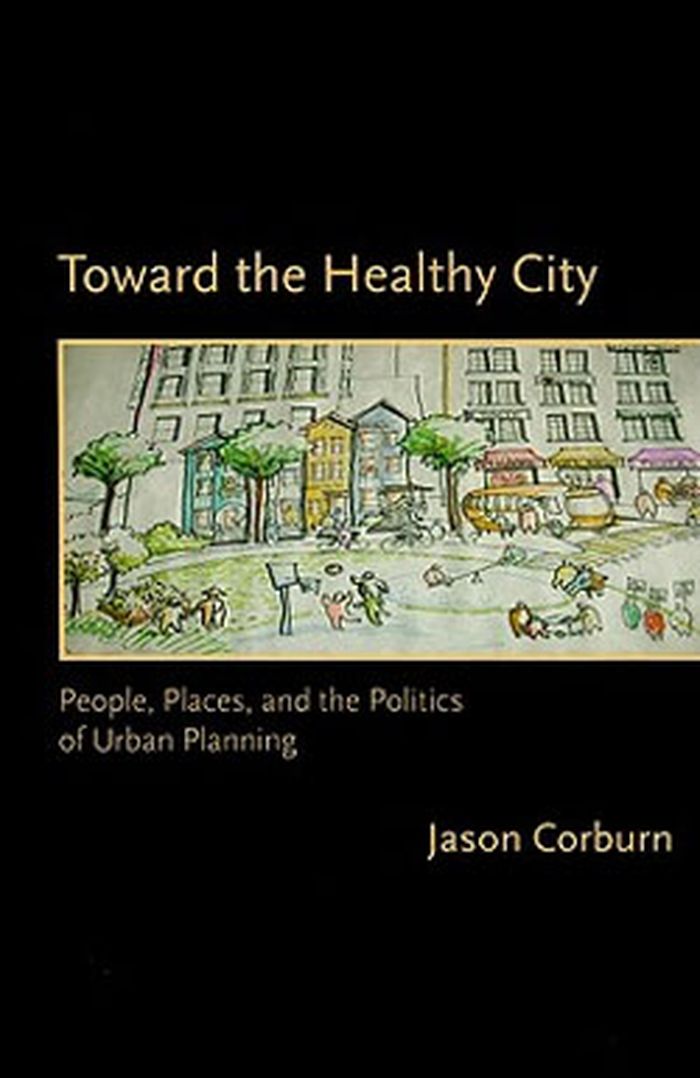
In distressed urban neighborhoods where residential segregation concentrates poverty, liquor stores outnumber supermarkets, toxic sites are next to playgrounds, and more money is spent on prisons than schools, residents also suffer disproportionately from disease and premature death. Recognizing that city environments and the planning processes that shape them are powerful determinants of population health, urban planners today are beginning to take on the added challenge of revitalizing neglected urban neighborhoods in ways that improve health and promote greater equity. In this book, Jason Corburn argues that city planning must return to its roots in public health and social justice. To show healthy city planning in action, Corburn examines collaborations between government agencies and community coalitions in the San Francisco Bay area, including efforts to link environmental justice, residents' chronic illnesses, housing and real estate development projects, and planning processes with public health.
Toward the healthy city: people, places, and the politics of urban planning
Actions:
Prix:
$31.95
(disponible sur commande)
Résumé:
In distressed urban neighborhoods where residential segregation concentrates poverty, liquor stores outnumber supermarkets, toxic sites are next to playgrounds, and more money is spent on prisons than schools, residents also suffer disproportionately from disease and premature death. Recognizing that city environments and the planning processes that shape them are powerful determinants of population health, urban planners today are beginning to take on the added challenge of revitalizing neglected urban neighborhoods in ways that improve health and promote greater equity. In this book, Jason Corburn argues that city planning must return to its roots in public health and social justice. To show healthy city planning in action, Corburn examines collaborations between government agencies and community coalitions in the San Francisco Bay area, including efforts to link environmental justice, residents' chronic illnesses, housing and real estate development projects, and planning processes with public health.
Classification:
livres
livres
Publication:
juillet 2009
juillet 2009
Sujet:
Théorie de l’urbanisme
Théorie de l’urbanisme
Classification:
livres
livres
Actions:
Prix:
$66.95
(disponible sur commande)
Résumé:
101 Things that Open and Close the City. 50 leading experts provide tools for analyzing how the Open City is made and unmade. Urban History 101 teaches us that the built environment is not the product of invisible, uncontrollable market forces, but of human-made tools that could have been used differently (or not at all). The Arsenal of Exclusion & Inclusion is an(...)
$66.95
(disponible sur commande)
Résumé:
101 Things that Open and Close the City. 50 leading experts provide tools for analyzing how the Open City is made and unmade. Urban History 101 teaches us that the built environment is not the product of invisible, uncontrollable market forces, but of human-made tools that could have been used differently (or not at all). The Arsenal of Exclusion & Inclusion is an(...)
Titre:
Arsenal of exclusion/inclusion: 101 things that open and close the city
Actions:
Prix:
$66.95
(disponible sur commande)
Résumé:
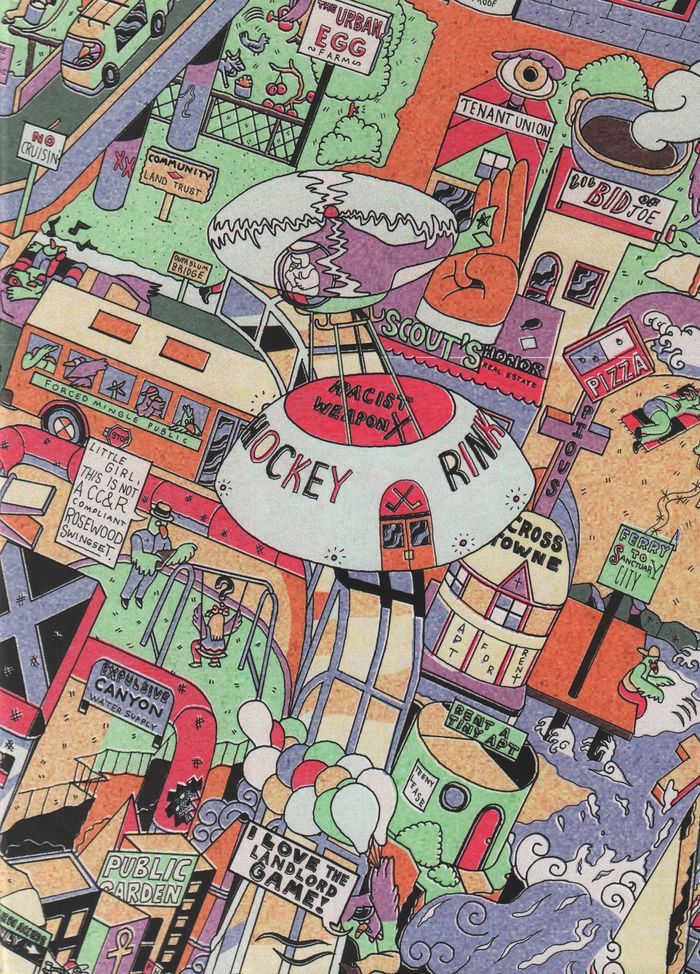
101 Things that Open and Close the City. 50 leading experts provide tools for analyzing how the Open City is made and unmade. Urban History 101 teaches us that the built environment is not the product of invisible, uncontrollable market forces, but of human-made tools that could have been used differently (or not at all). The Arsenal of Exclusion & Inclusion is an encyclopedia of the human-made tools used by architects, planners, policy-makers, developers, real estate brokers, activists, and other urban actors in the United States to restrict or increase access to the spaces of our cities and suburbs. The Arsenal of Exclusion & Inclusion inventories these tools—or what we call weapons—examines how they have been used, and speculates about how they might be deployed (or retired) to make more open cities in which more people feel welcome in more spaces.
Arsenal of exclusion/inclusion: 101 things that open and close the city
Actions:
Prix:
$66.95
(disponible sur commande)
Résumé:
101 Things that Open and Close the City. 50 leading experts provide tools for analyzing how the Open City is made and unmade. Urban History 101 teaches us that the built environment is not the product of invisible, uncontrollable market forces, but of human-made tools that could have been used differently (or not at all). The Arsenal of Exclusion & Inclusion is an encyclopedia of the human-made tools used by architects, planners, policy-makers, developers, real estate brokers, activists, and other urban actors in the United States to restrict or increase access to the spaces of our cities and suburbs. The Arsenal of Exclusion & Inclusion inventories these tools—or what we call weapons—examines how they have been used, and speculates about how they might be deployed (or retired) to make more open cities in which more people feel welcome in more spaces.
Classification:
livres
livres
Publication:
juin 2017
juin 2017
Classification:
livres
livres
Prix:
$46.95
(disponible sur commande)
Résumé:
Cet ouvrage présente les travaux français et étrangers sur l'effet de coupure en milieu urbain. Il explique également pourquoi la monétarisation de cette nuisance est si difficile, élabore des outils concrets d'analyse et de cartographie, révèle le rôle clef de la vitesse qui en est à l'origine et souligne les effets pervers des solutions sectorielles à courte vue, tout(...)
$46.95
(disponible sur commande)
Résumé:
Cet ouvrage présente les travaux français et étrangers sur l'effet de coupure en milieu urbain. Il explique également pourquoi la monétarisation de cette nuisance est si difficile, élabore des outils concrets d'analyse et de cartographie, révèle le rôle clef de la vitesse qui en est à l'origine et souligne les effets pervers des solutions sectorielles à courte vue, tout(...)
Titre:
La ville morcelée : effets de coupure en milieu urbain
Actions:
Prix:
$46.95
(disponible sur commande)
Résumé:
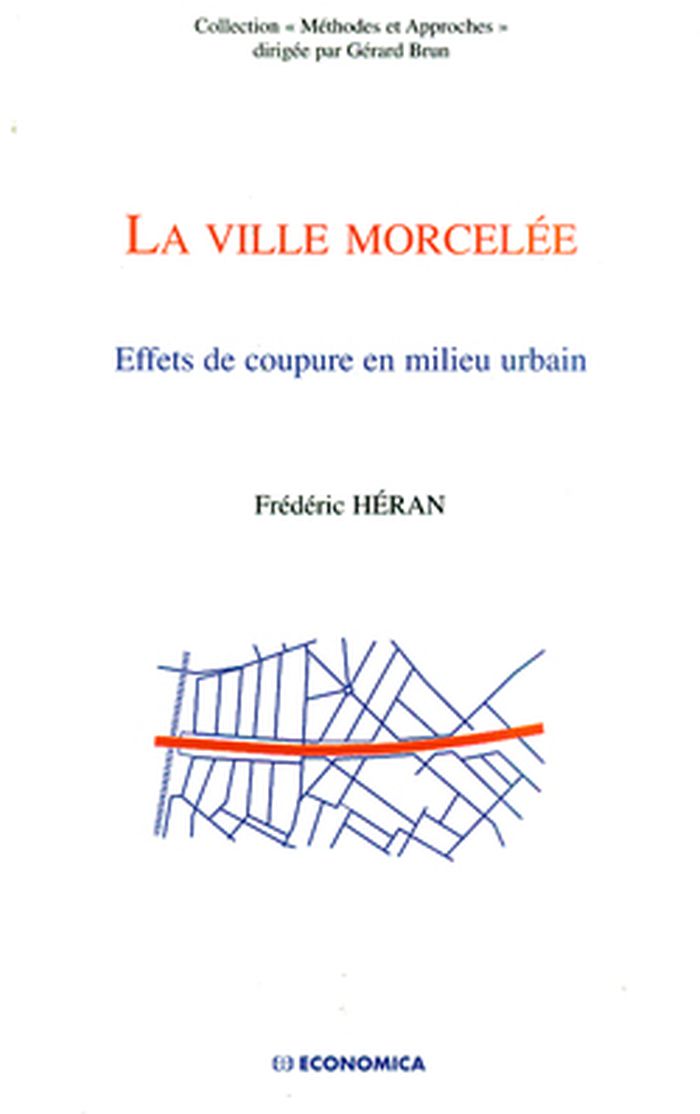
Cet ouvrage présente les travaux français et étrangers sur l'effet de coupure en milieu urbain. Il explique également pourquoi la monétarisation de cette nuisance est si difficile, élabore des outils concrets d'analyse et de cartographie, révèle le rôle clef de la vitesse qui en est à l'origine et souligne les effets pervers des solutions sectorielles à courte vue, tout en préconisant au contraire une approche réconciliant la voie et la ville.
La ville morcelée : effets de coupure en milieu urbain
Actions:
Prix:
$46.95
(disponible sur commande)
Résumé:
Cet ouvrage présente les travaux français et étrangers sur l'effet de coupure en milieu urbain. Il explique également pourquoi la monétarisation de cette nuisance est si difficile, élabore des outils concrets d'analyse et de cartographie, révèle le rôle clef de la vitesse qui en est à l'origine et souligne les effets pervers des solutions sectorielles à courte vue, tout en préconisant au contraire une approche réconciliant la voie et la ville.
Classification:
livres
livres
Publication:
juillet 2011
juillet 2011
Sujet:
Théorie de l’urbanisme
Théorie de l’urbanisme
Classification:
livres
livres
Actions:
Prix:
$42.00
(disponible sur commande)
Résumé:
For the first time in the history of our planet, more than half the population-3.3 billion people-is now living in cities. City is the ultimate guidebook to our urban centers-the signature unit of human civilization. With erudite prose and carefully chosen illustrations, this work of metatourism explores what cities are and how they work. It covers history, customs and(...)
$42.00
(disponible sur commande)
Résumé:
For the first time in the history of our planet, more than half the population-3.3 billion people-is now living in cities. City is the ultimate guidebook to our urban centers-the signature unit of human civilization. With erudite prose and carefully chosen illustrations, this work of metatourism explores what cities are and how they work. It covers history, customs and(...)
Titre:
City : a guidebook for the urban age
Actions:
Prix:
$42.00
(disponible sur commande)
Résumé:
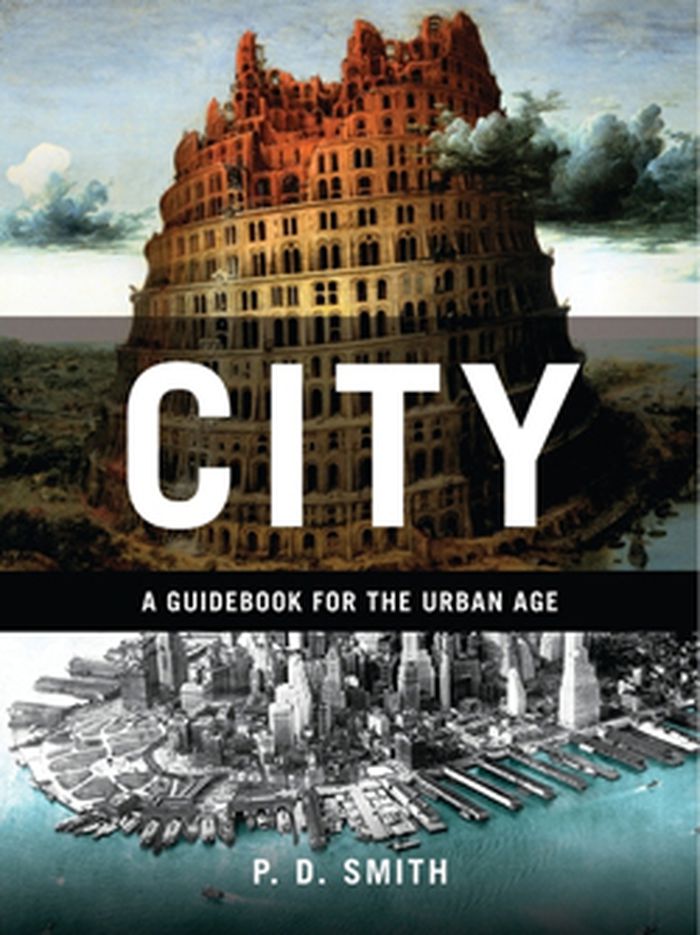
For the first time in the history of our planet, more than half the population-3.3 billion people-is now living in cities. City is the ultimate guidebook to our urban centers-the signature unit of human civilization. With erudite prose and carefully chosen illustrations, this work of metatourism explores what cities are and how they work. It covers history, customs and language, districts, transport, money, work, shops and markets, and tourist sites, creating a detailed portrait of the city through history and into the future. The urban explorer will revel in essays on downtowns, suburbs, shantytowns and favelas, graffiti, skylines, crime, the theater, street food, sport, eco-cities, and sacred sites, as well as mini essays on the Tower of Babel, flash mobs, ghettos, skateboarding, and SimCity, among many others. Drawing on a vast range of examples from across the world and throughout history, City is extensively illustrated with full-color photographs, maps, and other images.
City : a guidebook for the urban age
Actions:
Prix:
$42.00
(disponible sur commande)
Résumé:
For the first time in the history of our planet, more than half the population-3.3 billion people-is now living in cities. City is the ultimate guidebook to our urban centers-the signature unit of human civilization. With erudite prose and carefully chosen illustrations, this work of metatourism explores what cities are and how they work. It covers history, customs and language, districts, transport, money, work, shops and markets, and tourist sites, creating a detailed portrait of the city through history and into the future. The urban explorer will revel in essays on downtowns, suburbs, shantytowns and favelas, graffiti, skylines, crime, the theater, street food, sport, eco-cities, and sacred sites, as well as mini essays on the Tower of Babel, flash mobs, ghettos, skateboarding, and SimCity, among many others. Drawing on a vast range of examples from across the world and throughout history, City is extensively illustrated with full-color photographs, maps, and other images.
Classification:
livres
livres
Publication:
novembre 2011
novembre 2011
Sujet:
Théorie de l’urbanisme
Théorie de l’urbanisme
Classification:
livres
livres
Actions:
Prix:
$29.95
(disponible sur commande)
Résumé:
Cities speak, and this little book helps us understand their language. Considering the urban landscape not from the abstract perspective of an urbanplanner but from the viewpoint of an attentive observer, Urban Code offers 100 "lessons" - maxims, observations, and bite -size truths, followed by shortessays - that teach us how to read the city. This is a user's guide to(...)
$29.95
(disponible sur commande)
Résumé:
Cities speak, and this little book helps us understand their language. Considering the urban landscape not from the abstract perspective of an urbanplanner but from the viewpoint of an attentive observer, Urban Code offers 100 "lessons" - maxims, observations, and bite -size truths, followed by shortessays - that teach us how to read the city. This is a user's guide to(...)
Titre:
Urban code: 100 lessons for understanding the city
Actions:
Prix:
$29.95
(disponible sur commande)
Résumé:
Cities speak, and this little book helps us understand their language. Considering the urban landscape not from the abstract perspective of an urbanplanner but from the viewpoint of an attentive observer, Urban Code offers 100 "lessons" - maxims, observations, and bite -size truths, followed by shortessays - that teach us how to read the city. This is a user's guide to the city, aprimer of urban literacy, at the pedestrian level.
Urban code: 100 lessons for understanding the city
Actions:
Prix:
$29.95
(disponible sur commande)
Résumé:
Cities speak, and this little book helps us understand their language. Considering the urban landscape not from the abstract perspective of an urbanplanner but from the viewpoint of an attentive observer, Urban Code offers 100 "lessons" - maxims, observations, and bite -size truths, followed by shortessays - that teach us how to read the city. This is a user's guide to the city, aprimer of urban literacy, at the pedestrian level.
Classification:
livres
livres
Publication:
octobre 2011
octobre 2011
Sujet:
Théorie de l’urbanisme
Théorie de l’urbanisme
Classification:
livres
livres
Prix:
$37.95
(disponible sur commande)
Résumé:
By the end of the twentieth century, America’s suburbs contained more office space than its central cities. Many of these corporate workplaces were surrounded, somewhat incongruously, by verdant vistas of broad lawns and leafy trees. In Pastoral Capitalism, Louise Mozingo describes the evolution of these central (but often ignored) features of postwar urbanism in the(...)
$37.95
(disponible sur commande)
Résumé:
By the end of the twentieth century, America’s suburbs contained more office space than its central cities. Many of these corporate workplaces were surrounded, somewhat incongruously, by verdant vistas of broad lawns and leafy trees. In Pastoral Capitalism, Louise Mozingo describes the evolution of these central (but often ignored) features of postwar urbanism in the(...)
Titre:
Pastoral capitalism: A history of suburban corporate landscapes
Actions:
Prix:
$37.95
(disponible sur commande)
Résumé:
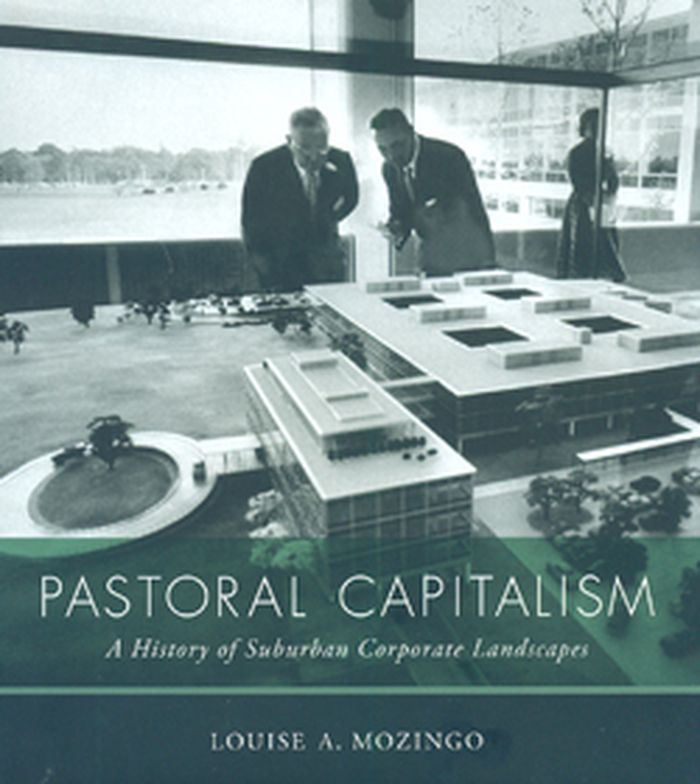
By the end of the twentieth century, America’s suburbs contained more office space than its central cities. Many of these corporate workplaces were surrounded, somewhat incongruously, by verdant vistas of broad lawns and leafy trees. In Pastoral Capitalism, Louise Mozingo describes the evolution of these central (but often ignored) features of postwar urbanism in the context of the modern capitalist enterprise. This book offers an indispensible chapter in urban history, examining not only the design of corporate landscapes but also the economic, social, and cultural models that determined their form.
Pastoral capitalism: A history of suburban corporate landscapes
Actions:
Prix:
$37.95
(disponible sur commande)
Résumé:
By the end of the twentieth century, America’s suburbs contained more office space than its central cities. Many of these corporate workplaces were surrounded, somewhat incongruously, by verdant vistas of broad lawns and leafy trees. In Pastoral Capitalism, Louise Mozingo describes the evolution of these central (but often ignored) features of postwar urbanism in the context of the modern capitalist enterprise. This book offers an indispensible chapter in urban history, examining not only the design of corporate landscapes but also the economic, social, and cultural models that determined their form.
Classification:
livres
livres
Publication:
juillet 2011
juillet 2011
Classification:
livres
livres
Actions:
Prix:
$24.95
(disponible sur commande)
Résumé:
As the world becomes more interconnected through travel and electronic communication, many believe that physical places will become less important. But as Mario Polèse argues in The Wealth and Poverty of Regions, geography will matter more than ever before in a world where distance is allegedly dead. This provocative book surveys the globe, from London and Cape(...)
$24.95
(disponible sur commande)
Résumé:
As the world becomes more interconnected through travel and electronic communication, many believe that physical places will become less important. But as Mario Polèse argues in The Wealth and Poverty of Regions, geography will matter more than ever before in a world where distance is allegedly dead. This provocative book surveys the globe, from London and Cape(...)
Titre:
The wealth & poverty of regions: why cities matter
Actions:
Prix:
$24.95
(disponible sur commande)
Résumé:
As the world becomes more interconnected through travel and electronic communication, many believe that physical places will become less important. But as Mario Polèse argues in The Wealth and Poverty of Regions, geography will matter more than ever before in a world where distance is allegedly dead. This provocative book surveys the globe, from London and Cape Town to New York and Beijing, contending that regions rise—or fall—due to their location, not only within nations but also on the world map. Polèse reveals how concentrations of industries and populations in specific locales often result in minor advantages that accumulate over time, resulting in reduced prices, improved transportation networks, increased diversity, and not least of all, “buzz”—the excitement and vitality that attracts ambitious people. The Wealth and Poverty of Regions maps out how a heady mix of size, infrastructure, proximity, and cost will determine which urban centers become the thriving metropolises of the future, and which become the deserted cities of the past. Engagingly written, the book provides insight to the past, present, and future of regions.
The wealth & poverty of regions: why cities matter
Actions:
Prix:
$24.95
(disponible sur commande)
Résumé:
As the world becomes more interconnected through travel and electronic communication, many believe that physical places will become less important. But as Mario Polèse argues in The Wealth and Poverty of Regions, geography will matter more than ever before in a world where distance is allegedly dead. This provocative book surveys the globe, from London and Cape Town to New York and Beijing, contending that regions rise—or fall—due to their location, not only within nations but also on the world map. Polèse reveals how concentrations of industries and populations in specific locales often result in minor advantages that accumulate over time, resulting in reduced prices, improved transportation networks, increased diversity, and not least of all, “buzz”—the excitement and vitality that attracts ambitious people. The Wealth and Poverty of Regions maps out how a heady mix of size, infrastructure, proximity, and cost will determine which urban centers become the thriving metropolises of the future, and which become the deserted cities of the past. Engagingly written, the book provides insight to the past, present, and future of regions.
Classification:
livres
livres
Publication:
août 2011
août 2011
Sujet:
Théorie de l’urbanisme
Théorie de l’urbanisme
Classification:
livres
livres
Actions:
Prix:
$26.95
(disponible sur commande)
Résumé:
The Salton Sea is a man-made catastrophe, redolent with the smell of algae and decomposing fish. Nevertheless, the lake's vast, placid expanses continue to attract birdwatchers, tourists and artists. In Greetings from the Salton Sea, photographer Kim Stringfellow explores the history of California's largest lake from its disastrous beginnings—the "sea" was formed when(...)
$26.95
(disponible sur commande)
Résumé:
The Salton Sea is a man-made catastrophe, redolent with the smell of algae and decomposing fish. Nevertheless, the lake's vast, placid expanses continue to attract birdwatchers, tourists and artists. In Greetings from the Salton Sea, photographer Kim Stringfellow explores the history of California's largest lake from its disastrous beginnings—the "sea" was formed when(...)
Titre:
Greetings from the Salton Sea: folly and intervention in the southern California landscape, 1905-2005
Actions:
Prix:
$26.95
(disponible sur commande)
Résumé:
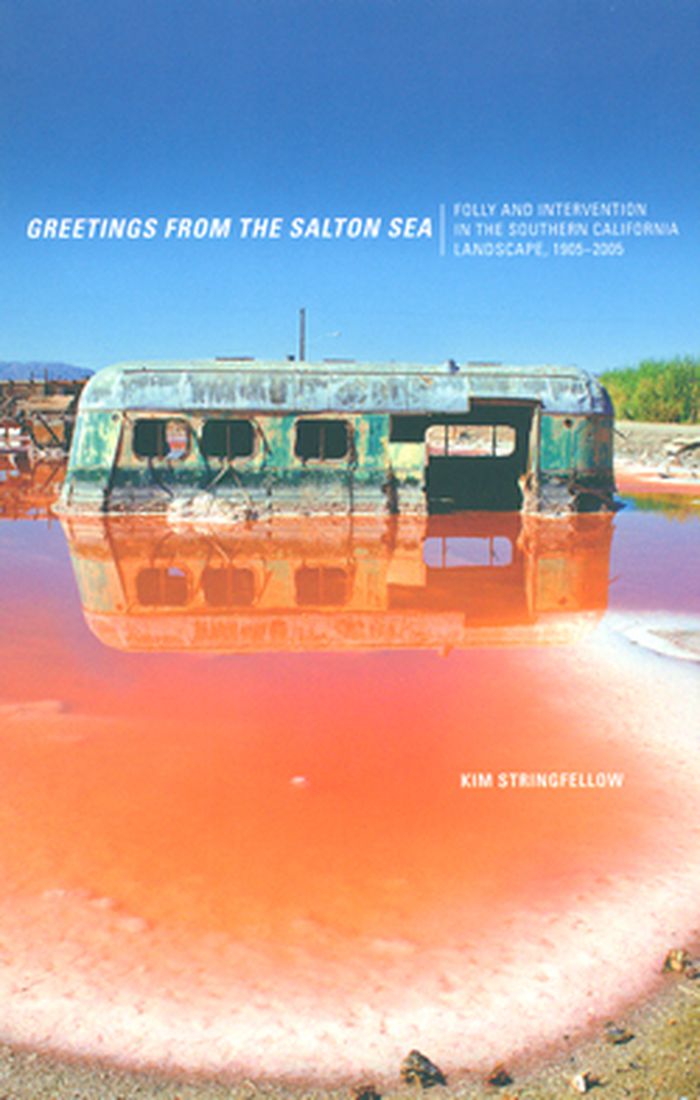
The Salton Sea is a man-made catastrophe, redolent with the smell of algae and decomposing fish. Nevertheless, the lake's vast, placid expanses continue to attract birdwatchers, tourists and artists. In Greetings from the Salton Sea, photographer Kim Stringfellow explores the history of California's largest lake from its disastrous beginnings—the "sea" was formed when Colorado River levees broke and spilled into a depression 280 feet below sea level—to its heyday as a desert paradise in the 1950s and its current state as an environmental battleground. Like the 400-plus species of birds that use the lake as a halfway point in their annual migration, developers flocked to the water too: they planted palm trees, built golf courses, and hired showstoppers such as the Beach Boys to perform at area resorts. These days, politicians seek to redirect the lake's only source of replenishment—agricultural runoff from surrounding farms—to water golf courses and green lawns elsewhere. Greetings from the Salton Sea's photographs capture the war among policymakers, environmentalists, developers, and the individuals still living along the lake's shores. As Stringfellow aptly documents, it is a war for water and, ultimately, for existence.
Greetings from the Salton Sea: folly and intervention in the southern California landscape, 1905-2005
Actions:
Prix:
$26.95
(disponible sur commande)
Résumé:
The Salton Sea is a man-made catastrophe, redolent with the smell of algae and decomposing fish. Nevertheless, the lake's vast, placid expanses continue to attract birdwatchers, tourists and artists. In Greetings from the Salton Sea, photographer Kim Stringfellow explores the history of California's largest lake from its disastrous beginnings—the "sea" was formed when Colorado River levees broke and spilled into a depression 280 feet below sea level—to its heyday as a desert paradise in the 1950s and its current state as an environmental battleground. Like the 400-plus species of birds that use the lake as a halfway point in their annual migration, developers flocked to the water too: they planted palm trees, built golf courses, and hired showstoppers such as the Beach Boys to perform at area resorts. These days, politicians seek to redirect the lake's only source of replenishment—agricultural runoff from surrounding farms—to water golf courses and green lawns elsewhere. Greetings from the Salton Sea's photographs capture the war among policymakers, environmentalists, developers, and the individuals still living along the lake's shores. As Stringfellow aptly documents, it is a war for water and, ultimately, for existence.
Classification:
livres
livres
Publication:
octobre 2011
octobre 2011
Sujet:
Théorie de l’urbanisme
Théorie de l’urbanisme
Classification:
livres
livres
Titre:
Tokyo vertigo: extreme-city
Tokyo vertigo: extreme-city
Actions:
Prix:
$27.00
(disponible sur commande)
Résumé:
From the narrow alleyways of the Golden Gai to the flashing ads and jumbotrons of the Shibuya street crossings to the skyscrapers of Shinjuku and the cartoon billboards of the Akiba, Tokyo is an intensely visual and mesmerizing city. In Tokyo Vertigo, Stephen Barber focuses upon filmic, photographic, and media cultures as well as its urban history of destruction and(...)
$27.00
(disponible sur commande)
Résumé:
From the narrow alleyways of the Golden Gai to the flashing ads and jumbotrons of the Shibuya street crossings to the skyscrapers of Shinjuku and the cartoon billboards of the Akiba, Tokyo is an intensely visual and mesmerizing city. In Tokyo Vertigo, Stephen Barber focuses upon filmic, photographic, and media cultures as well as its urban history of destruction and(...)
Titre:
Tokyo vertigo: extreme-city
Actions:
Prix:
$27.00
(disponible sur commande)
Résumé:
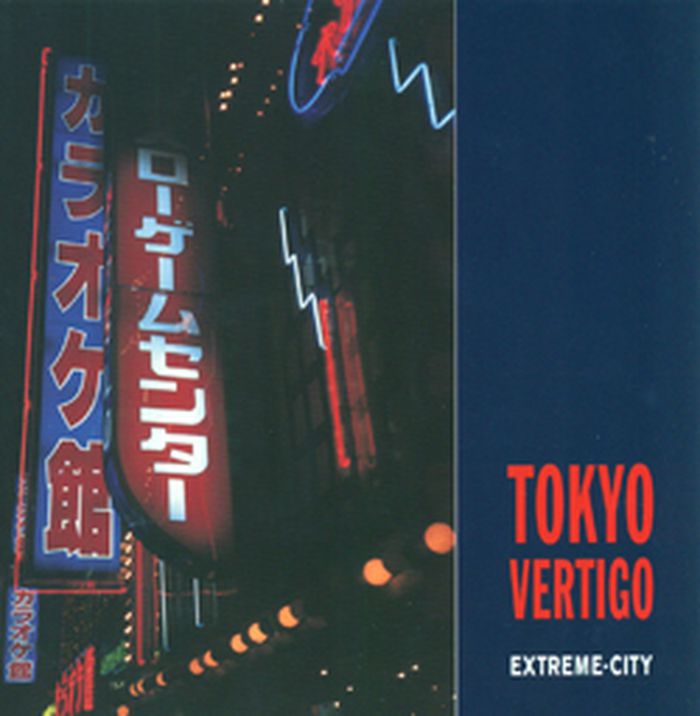
From the narrow alleyways of the Golden Gai to the flashing ads and jumbotrons of the Shibuya street crossings to the skyscrapers of Shinjuku and the cartoon billboards of the Akiba, Tokyo is an intensely visual and mesmerizing city. In Tokyo Vertigo, Stephen Barber focuses upon filmic, photographic, and media cultures as well as its urban history of destruction and reconfiguration. Dividing his analysis into three parts, Barber first interrogates the disparate urban zones of Tokyo, from the districts of Shinjuku and Shibuya to the desolate peripheries where the megalopolis falls apart. He then examines Tokyo's sexual and media cultures, through which the city's compulsive fascinations and obsessions exert their power. Finally, he looks at the ways in which European culture collides with Tokyo's urban formations, often generating unprecedented hybrid images and texts. An anti-guidebook that intimately reveals the visual culture of this city in constant flux, Tokyo Vertigo includes original photographs by Romain Slocombe and a range of photographic art-works from the 1950s to the 2010s that exemplify the intensity and spectacle of the city.
Tokyo vertigo: extreme-city
Actions:
Prix:
$27.00
(disponible sur commande)
Résumé:
From the narrow alleyways of the Golden Gai to the flashing ads and jumbotrons of the Shibuya street crossings to the skyscrapers of Shinjuku and the cartoon billboards of the Akiba, Tokyo is an intensely visual and mesmerizing city. In Tokyo Vertigo, Stephen Barber focuses upon filmic, photographic, and media cultures as well as its urban history of destruction and reconfiguration. Dividing his analysis into three parts, Barber first interrogates the disparate urban zones of Tokyo, from the districts of Shinjuku and Shibuya to the desolate peripheries where the megalopolis falls apart. He then examines Tokyo's sexual and media cultures, through which the city's compulsive fascinations and obsessions exert their power. Finally, he looks at the ways in which European culture collides with Tokyo's urban formations, often generating unprecedented hybrid images and texts. An anti-guidebook that intimately reveals the visual culture of this city in constant flux, Tokyo Vertigo includes original photographs by Romain Slocombe and a range of photographic art-works from the 1950s to the 2010s that exemplify the intensity and spectacle of the city.
Classification:
livres
livres
Publication:
septembre 2011
septembre 2011
Sujet:
Théorie de l’urbanisme
Théorie de l’urbanisme


