


1923 Résultats
Classification:
livres
livres
Actions:
Prix:
$51.95
(disponible sur commande)
Résumé:
Established as beachheads of foreign influence along coastal China during the mid-nineteenth century, the twelve Treaty Ports – Shanghai, Dalian, Fuzhou, Guangzhou, Hankou, Harbin, Nanjing, Ningbo, Shantou, Tianjin, Tsingtao and Xiamen – can be considered from a number of perspectives. This book examines the evolving contextual changes in the Treaty Ports over the(...)
$51.95
(disponible sur commande)
Résumé:
Established as beachheads of foreign influence along coastal China during the mid-nineteenth century, the twelve Treaty Ports – Shanghai, Dalian, Fuzhou, Guangzhou, Hankou, Harbin, Nanjing, Ningbo, Shantou, Tianjin, Tsingtao and Xiamen – can be considered from a number of perspectives. This book examines the evolving contextual changes in the Treaty Ports over the(...)
Publication:
avril 2012
avril 2012
Titre:
The urban design of concession
Actions:
Prix:
$51.95
(disponible sur commande)
Résumé:
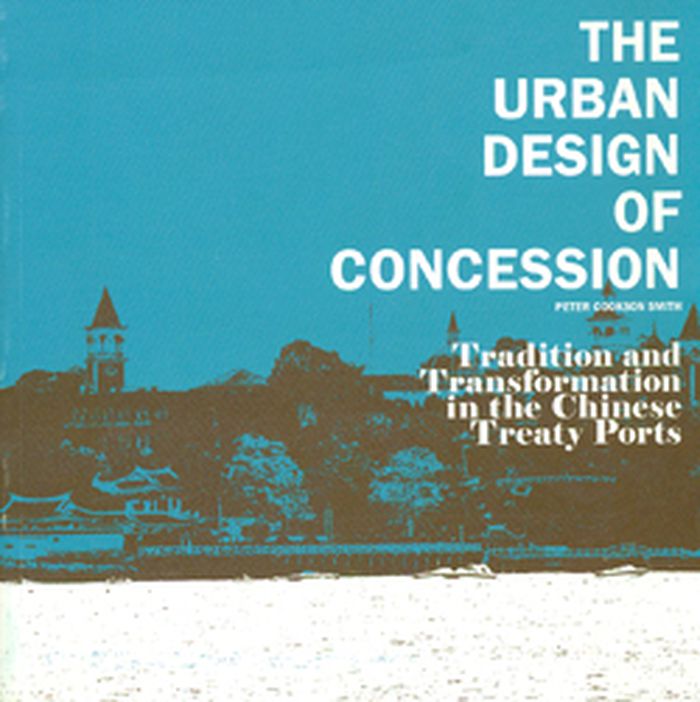
Established as beachheads of foreign influence along coastal China during the mid-nineteenth century, the twelve Treaty Ports – Shanghai, Dalian, Fuzhou, Guangzhou, Hankou, Harbin, Nanjing, Ningbo, Shantou, Tianjin, Tsingtao and Xiamen – can be considered from a number of perspectives. This book examines the evolving contextual changes in the Treaty Ports over the past 150 years. It illustrates through writing and line sketches, the imprints on the modernizing cities of older places and spaces from these early times, which have left a residue of physical traces in terms of plan forms, streets and building groups.
The urban design of concession
Actions:
Prix:
$51.95
(disponible sur commande)
Résumé:
Established as beachheads of foreign influence along coastal China during the mid-nineteenth century, the twelve Treaty Ports – Shanghai, Dalian, Fuzhou, Guangzhou, Hankou, Harbin, Nanjing, Ningbo, Shantou, Tianjin, Tsingtao and Xiamen – can be considered from a number of perspectives. This book examines the evolving contextual changes in the Treaty Ports over the past 150 years. It illustrates through writing and line sketches, the imprints on the modernizing cities of older places and spaces from these early times, which have left a residue of physical traces in terms of plan forms, streets and building groups.
Classification:
livres
livres
Publication:
avril 2012
avril 2012
Classification:
livres
livres
Actions:
Prix:
$82.00
(disponible sur commande)
Résumé:
Invaluable guide to transforming the way we think about designing sustainable, transit-orientated cities.
$82.00
(disponible sur commande)
Résumé:
Invaluable guide to transforming the way we think about designing sustainable, transit-orientated cities.
Titre:
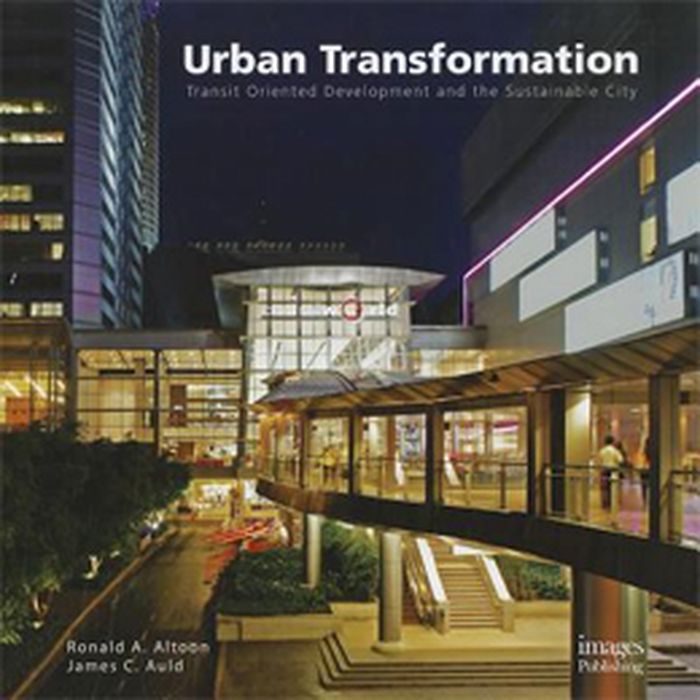
Urban transformation : transit oriented development and the sustainable city
Actions:
Prix:
$82.00
(disponible sur commande)
Résumé:
Invaluable guide to transforming the way we think about designing sustainable, transit-orientated cities.
Urban transformation : transit oriented development and the sustainable city
Actions:
Prix:
$82.00
(disponible sur commande)
Résumé:
Invaluable guide to transforming the way we think about designing sustainable, transit-orientated cities.
Classification:
livres
livres
Publication:
janvier 2012
janvier 2012
Sujet:
Théorie de l’urbanisme
Théorie de l’urbanisme
Classification:
livres
livres
Titre:
Un philosophe en ville
Un philosophe en ville
Actions:
Prix:
$17.95
(disponible sur commande)
Résumé:
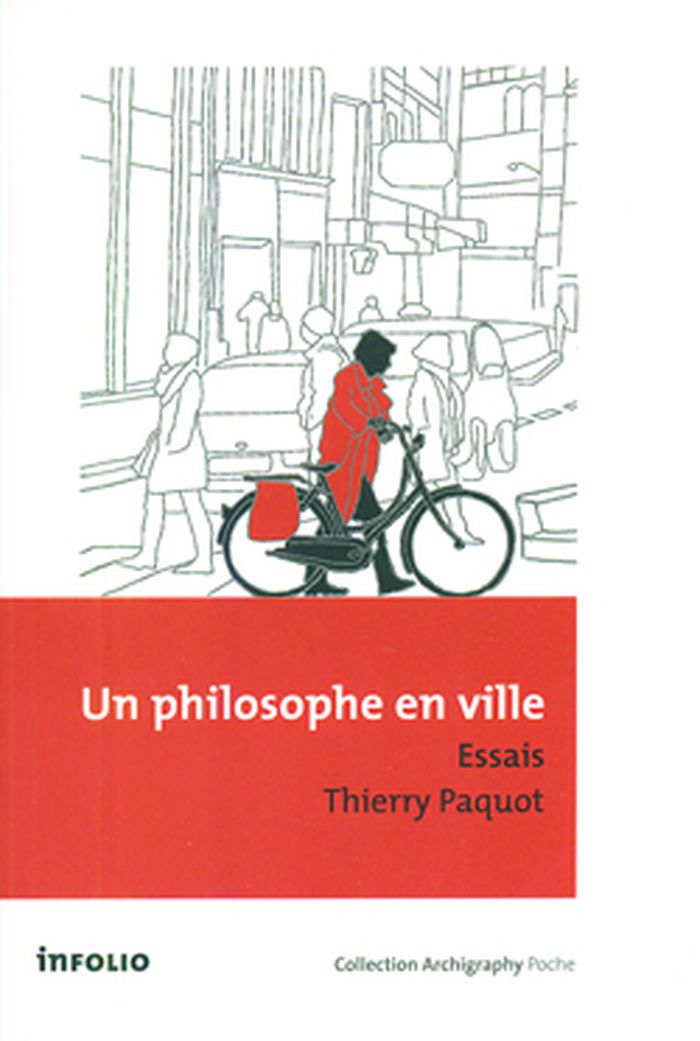
Après avoir dressé un état des lieux Thierry Paquot explore ici une philosophie appliquée à l'architecture et à la ville à travers plusieurs thématiques la ville diffuse la transparence architecturale, l'énergie, les saisons et il analyse diverses situations citadines la banlieue, l'hospitalité, la marche...
$17.95
(disponible sur commande)
Résumé:
Après avoir dressé un état des lieux Thierry Paquot explore ici une philosophie appliquée à l'architecture et à la ville à travers plusieurs thématiques la ville diffuse la transparence architecturale, l'énergie, les saisons et il analyse diverses situations citadines la banlieue, l'hospitalité, la marche...
Titre:
Un philosophe en ville
Actions:
Prix:
$17.95
(disponible sur commande)
Résumé:
Après avoir dressé un état des lieux Thierry Paquot explore ici une philosophie appliquée à l'architecture et à la ville à travers plusieurs thématiques la ville diffuse la transparence architecturale, l'énergie, les saisons et il analyse diverses situations citadines la banlieue, l'hospitalité, la marche...
Un philosophe en ville
Actions:
Prix:
$17.95
(disponible sur commande)
Résumé:
Après avoir dressé un état des lieux Thierry Paquot explore ici une philosophie appliquée à l'architecture et à la ville à travers plusieurs thématiques la ville diffuse la transparence architecturale, l'énergie, les saisons et il analyse diverses situations citadines la banlieue, l'hospitalité, la marche...
Classification:
livres
livres
Publication:
février 2012
février 2012
Sujet:
Théorie de l’urbanisme
Théorie de l’urbanisme
Classification:
livres
livres
Prix:
$42.50
(disponible sur commande)
Résumé:
Dans le contexte d'une économie de l'immatériel et de la connaissance, les nouveaux moteurs économiques sont les services aux entreprises, qui s'implantent généralement dans les métropoles. Quel développement alors pour les villes moyennes ? Doivent-elles copier le mode métropolitain ? Quel avenir pour celles qui échoueraient ? Leurs fonctions traditionnelles(...)
$42.50
(disponible sur commande)
Résumé:
Dans le contexte d'une économie de l'immatériel et de la connaissance, les nouveaux moteurs économiques sont les services aux entreprises, qui s'implantent généralement dans les métropoles. Quel développement alors pour les villes moyennes ? Doivent-elles copier le mode métropolitain ? Quel avenir pour celles qui échoueraient ? Leurs fonctions traditionnelles(...)
Titre:
Villes moyennes et services aux entreprises: enjeux et stratégies
Actions:
Prix:
$42.50
(disponible sur commande)
Résumé:
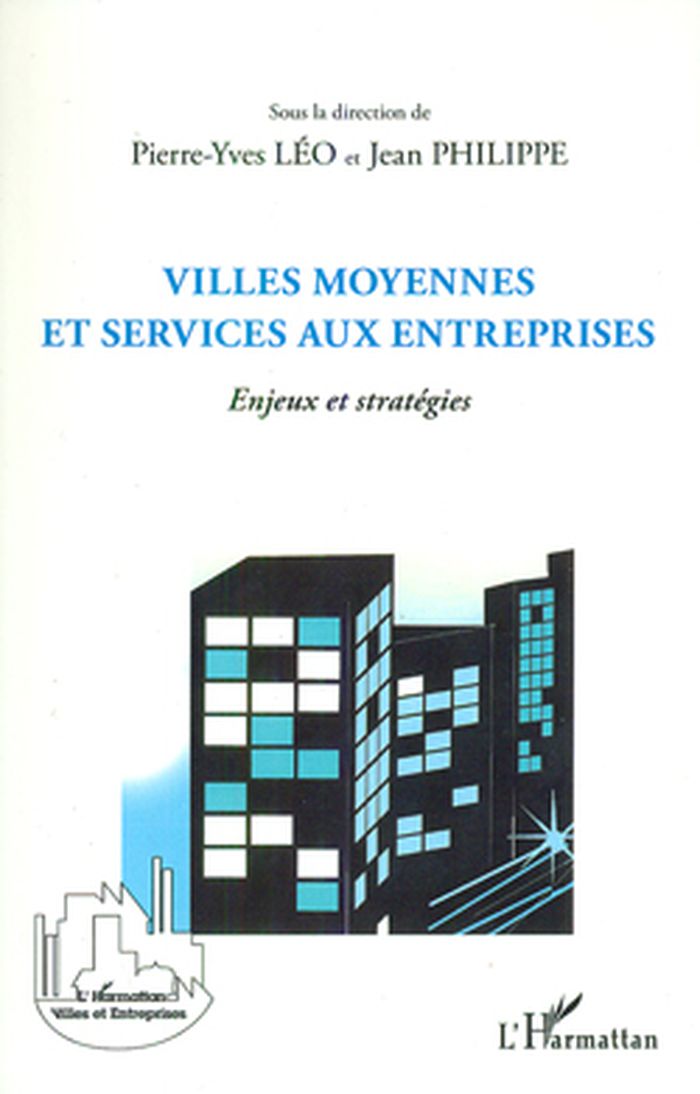
Dans le contexte d'une économie de l'immatériel et de la connaissance, les nouveaux moteurs économiques sont les services aux entreprises, qui s'implantent généralement dans les métropoles. Quel développement alors pour les villes moyennes ? Doivent-elles copier le mode métropolitain ? Quel avenir pour celles qui échoueraient ? Leurs fonctions traditionnelles peuvent-elles suffire à leur développement, ou sont-elles destinées à devenir des centres de consommation et de résidence, à l'écart des grandes mutations économiques ? Cet ouvrage aborde cette problématique de plusieurs façons: certains chapitres analysent systématiquement l'ensemble des villes moyennes françaises, d'autres étudient plus en détail des contextes particuliers, soit urbains, soit sectoriels et régionaux.
Villes moyennes et services aux entreprises: enjeux et stratégies
Actions:
Prix:
$42.50
(disponible sur commande)
Résumé:
Dans le contexte d'une économie de l'immatériel et de la connaissance, les nouveaux moteurs économiques sont les services aux entreprises, qui s'implantent généralement dans les métropoles. Quel développement alors pour les villes moyennes ? Doivent-elles copier le mode métropolitain ? Quel avenir pour celles qui échoueraient ? Leurs fonctions traditionnelles peuvent-elles suffire à leur développement, ou sont-elles destinées à devenir des centres de consommation et de résidence, à l'écart des grandes mutations économiques ? Cet ouvrage aborde cette problématique de plusieurs façons: certains chapitres analysent systématiquement l'ensemble des villes moyennes françaises, d'autres étudient plus en détail des contextes particuliers, soit urbains, soit sectoriels et régionaux.
Classification:
livres
livres
Publication:
février 2012
février 2012
Sujet:
Théorie de l’urbanisme
Théorie de l’urbanisme
Classification:
livres
livres
Prix:
$27.95
(disponible sur commande)
Résumé:
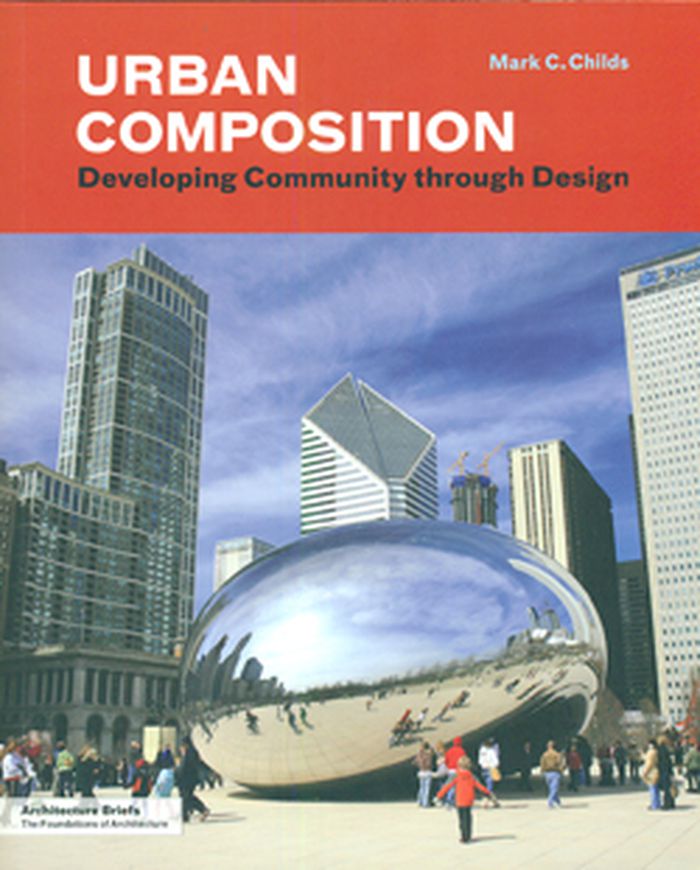
Urban Composition introduces essential ways in which the architects, planners, artists and engineers of individual projects can fulfill their public trust to help make great urban places.
$27.95
(disponible sur commande)
Résumé:
Urban Composition introduces essential ways in which the architects, planners, artists and engineers of individual projects can fulfill their public trust to help make great urban places.
Titre:
Urban composition: Developing community through design
Actions:
Prix:
$27.95
(disponible sur commande)
Résumé:
Urban Composition introduces essential ways in which the architects, planners, artists and engineers of individual projects can fulfill their public trust to help make great urban places.
Urban composition: Developing community through design
Actions:
Prix:
$27.95
(disponible sur commande)
Résumé:
Urban Composition introduces essential ways in which the architects, planners, artists and engineers of individual projects can fulfill their public trust to help make great urban places.
Classification:
livres
livres
Publication:
avril 2012
avril 2012
Sujet:
Théorie de l’urbanisme
Théorie de l’urbanisme
Classification:
livres
livres

Actions:
Prix:
$39.00
(disponible sur commande)
Résumé:
This publication examines urban environments, how they are born, change and die, and offers fresh approaches to unlocking our cities' great potential. More than half of the world's population lives in a city and that number stands to increase. Crafted with the tools gleaned during the author's 40 years of working as an architect around the world, Fain's message could(...)
$39.00
(disponible sur commande)
Résumé:
This publication examines urban environments, how they are born, change and die, and offers fresh approaches to unlocking our cities' great potential. More than half of the world's population lives in a city and that number stands to increase. Crafted with the tools gleaned during the author's 40 years of working as an architect around the world, Fain's message could(...)
Titre:
If cars could talk : essays on urbanism
Actions:
Prix:
$39.00
(disponible sur commande)
Résumé:
This publication examines urban environments, how they are born, change and die, and offers fresh approaches to unlocking our cities' great potential. More than half of the world's population lives in a city and that number stands to increase. Crafted with the tools gleaned during the author's 40 years of working as an architect around the world, Fain's message could not be more timely.
If cars could talk : essays on urbanism
Actions:
Prix:
$39.00
(disponible sur commande)
Résumé:
This publication examines urban environments, how they are born, change and die, and offers fresh approaches to unlocking our cities' great potential. More than half of the world's population lives in a city and that number stands to increase. Crafted with the tools gleaned during the author's 40 years of working as an architect around the world, Fain's message could not be more timely.
Classification:
livres
livres
Publication:
mars 2012
mars 2012
Sujet:
Théorie de l’urbanisme
Théorie de l’urbanisme
Classification:
livres
livres
Actions:
Prix:
$30.95
(disponible sur commande)
Résumé:
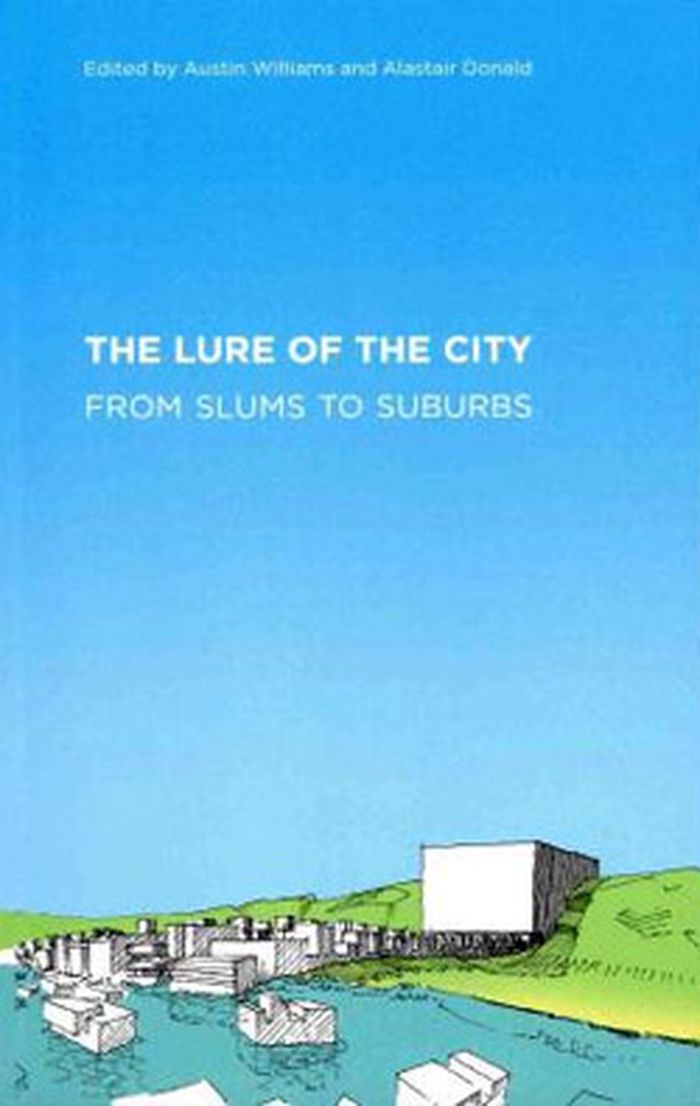
In The Lure of the City, Austin Williams and Alastair Donald explore the potential of cities to meet the economic, social, and political challenges of the current age. This book seeks to examine the dynamics of urban life, showing that new opportunities can be maximized and social advances realized in existing and emerging urban centers. It explores both the planned and(...)
$30.95
(disponible sur commande)
Résumé:
In The Lure of the City, Austin Williams and Alastair Donald explore the potential of cities to meet the economic, social, and political challenges of the current age. This book seeks to examine the dynamics of urban life, showing that new opportunities can be maximized and social advances realized in existing and emerging urban centers. It explores both the planned and(...)
Titre:
The lure of the city: from slums to suburbs
Actions:
Prix:
$30.95
(disponible sur commande)
Résumé:
In The Lure of the City, Austin Williams and Alastair Donald explore the potential of cities to meet the economic, social, and political challenges of the current age. This book seeks to examine the dynamics of urban life, showing that new opportunities can be maximized and social advances realized in existing and emerging urban centers. It explores both the planned and organic nature of urban developments and the impacts and aspirations of the people who live and work in them.
The lure of the city: from slums to suburbs
Actions:
Prix:
$30.95
(disponible sur commande)
Résumé:
In The Lure of the City, Austin Williams and Alastair Donald explore the potential of cities to meet the economic, social, and political challenges of the current age. This book seeks to examine the dynamics of urban life, showing that new opportunities can be maximized and social advances realized in existing and emerging urban centers. It explores both the planned and organic nature of urban developments and the impacts and aspirations of the people who live and work in them.
Classification:
livres
livres
Publication:
janvier 2012
janvier 2012
Sujet:
Théorie de l’urbanisme
Théorie de l’urbanisme
Classification:
livres
livres
Actions:
Prix:
$51.95
(disponible sur commande)
Résumé:
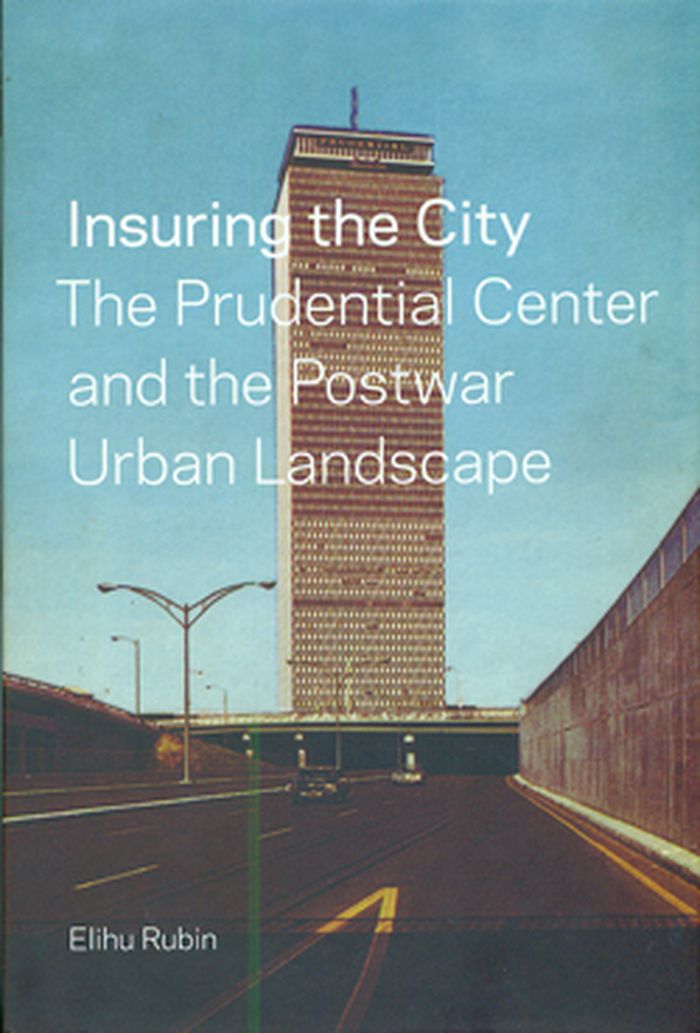
The Prudential Center anchors the Boston skyline with its tall, gray tower. Though unassuming architecturally, it is a historical beacon, representing a midcentury moment when insurance companies such as Prudential were particularly aware of how their physical presence and civic engagement reflected upon their intangible product: financial security. Looking to New York's(...)
$51.95
(disponible sur commande)
Résumé:
The Prudential Center anchors the Boston skyline with its tall, gray tower. Though unassuming architecturally, it is a historical beacon, representing a midcentury moment when insurance companies such as Prudential were particularly aware of how their physical presence and civic engagement reflected upon their intangible product: financial security. Looking to New York's(...)
Titre:
Insuring the city: the Prudential Center and the Postwar urban landscape
Actions:
Prix:
$51.95
(disponible sur commande)
Résumé:
The Prudential Center anchors the Boston skyline with its tall, gray tower. Though unassuming architecturally, it is a historical beacon, representing a midcentury moment when insurance companies such as Prudential were particularly aware of how their physical presence and civic engagement reflected upon their intangible product: financial security. Looking to New York's Rockefeller Center, the creators of the Prudential Center aspired to use real estate development as a tool toward civic achievement, reinvigorating central Boston and integrating a large complex of buildings with new infrastructure for the automobile. Architectural historian Elihu Rubin tells the full story of "The Pru", placing it within the political, economic, and architectural contexts of the period. The Prudential Center played a pivotal role in the economic redevelopment of Boston and was arguably one of the most significant urban developments of the 1950s and '60s. It is an important story, and one that provides great insight into the evolution of the modern city in postwar America.
Insuring the city: the Prudential Center and the Postwar urban landscape
Actions:
Prix:
$51.95
(disponible sur commande)
Résumé:
The Prudential Center anchors the Boston skyline with its tall, gray tower. Though unassuming architecturally, it is a historical beacon, representing a midcentury moment when insurance companies such as Prudential were particularly aware of how their physical presence and civic engagement reflected upon their intangible product: financial security. Looking to New York's Rockefeller Center, the creators of the Prudential Center aspired to use real estate development as a tool toward civic achievement, reinvigorating central Boston and integrating a large complex of buildings with new infrastructure for the automobile. Architectural historian Elihu Rubin tells the full story of "The Pru", placing it within the political, economic, and architectural contexts of the period. The Prudential Center played a pivotal role in the economic redevelopment of Boston and was arguably one of the most significant urban developments of the 1950s and '60s. It is an important story, and one that provides great insight into the evolution of the modern city in postwar America.
Classification:
livres
livres
Publication:
mai 2012
mai 2012
Sujet:
Théorie de l’urbanisme
Théorie de l’urbanisme
Classification:
livres
livres
Titre:
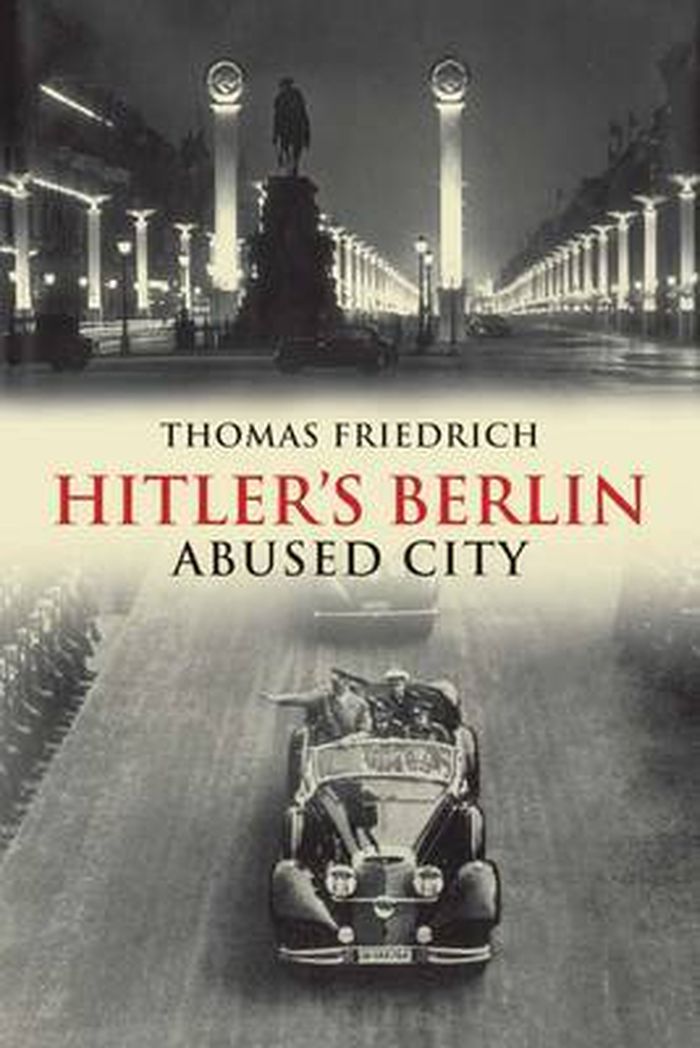
Hitler'S Berlin: abused city
Hitler'S Berlin: abused city
Actions:
Prix:
$49.95
(disponible sur commande)
Résumé:
From his first visit to Berlin in 1916, Hitler was preoccupied and fascinated by Germany''s great capital city. In this vivid and entirely new account of Hitler''s relationship with Berlin, Thomas Friedrich explores how Hitler identified with the city, how his political aspirations were reflected in architectural aspirations for the capital, and how Berlin surprisingly(...)
$49.95
(disponible sur commande)
Résumé:
From his first visit to Berlin in 1916, Hitler was preoccupied and fascinated by Germany''s great capital city. In this vivid and entirely new account of Hitler''s relationship with Berlin, Thomas Friedrich explores how Hitler identified with the city, how his political aspirations were reflected in architectural aspirations for the capital, and how Berlin surprisingly(...)
Titre:
Hitler'S Berlin: abused city
Actions:
Prix:
$49.95
(disponible sur commande)
Résumé:
From his first visit to Berlin in 1916, Hitler was preoccupied and fascinated by Germany''s great capital city. In this vivid and entirely new account of Hitler''s relationship with Berlin, Thomas Friedrich explores how Hitler identified with the city, how his political aspirations were reflected in architectural aspirations for the capital, and how Berlin surprisingly influenced the development of Hitler''s political ideas. A leading expert on the twentieth-century history of Berlin, Friedrich employs new and little-known German sources to track Hitler''s attitudes and plans for the city. Even while he despised both the cosmopolitan culture of the Weimar Republic and the profound Jewish influence on the city, Hitler was drawn to the grandiosity of its architecture and its imperial spirit. He dreamed of transforming Berlin into a capital that would reflect his autocracy, and he used the city for such varied purposes as testing his anti-Semitic policies and demonstrating the might of the Third Reich. Illuminating Berlin's burdened years under Nazi subjection, Friedrich offers new understandings of Hitler and his politics, architectural views, and artistic opinions.
Hitler'S Berlin: abused city
Actions:
Prix:
$49.95
(disponible sur commande)
Résumé:
From his first visit to Berlin in 1916, Hitler was preoccupied and fascinated by Germany''s great capital city. In this vivid and entirely new account of Hitler''s relationship with Berlin, Thomas Friedrich explores how Hitler identified with the city, how his political aspirations were reflected in architectural aspirations for the capital, and how Berlin surprisingly influenced the development of Hitler''s political ideas. A leading expert on the twentieth-century history of Berlin, Friedrich employs new and little-known German sources to track Hitler''s attitudes and plans for the city. Even while he despised both the cosmopolitan culture of the Weimar Republic and the profound Jewish influence on the city, Hitler was drawn to the grandiosity of its architecture and its imperial spirit. He dreamed of transforming Berlin into a capital that would reflect his autocracy, and he used the city for such varied purposes as testing his anti-Semitic policies and demonstrating the might of the Third Reich. Illuminating Berlin's burdened years under Nazi subjection, Friedrich offers new understandings of Hitler and his politics, architectural views, and artistic opinions.
Classification:
livres
livres
Publication:
février 2012
février 2012
Sujet:
Théorie de l’urbanisme
Théorie de l’urbanisme
Classification:
livres
livres
Prix:
$21.00
(disponible sur commande)
Résumé:
Taking Henri Lefebvres 1967 essay, The Right to the City, as his jumping-off point, Harvey (Social Justice and the City) examines real estate booms and busts and predation on vulnerable populations; commodification of culture; neo-liberal capitalist dominance; and urban uprisings, from the Paris Commune to the massive 2006 protest against U.S. anti-immigrant policies to(...)
$21.00
(disponible sur commande)
Résumé:
Taking Henri Lefebvres 1967 essay, The Right to the City, as his jumping-off point, Harvey (Social Justice and the City) examines real estate booms and busts and predation on vulnerable populations; commodification of culture; neo-liberal capitalist dominance; and urban uprisings, from the Paris Commune to the massive 2006 protest against U.S. anti-immigrant policies to(...)
Titre:
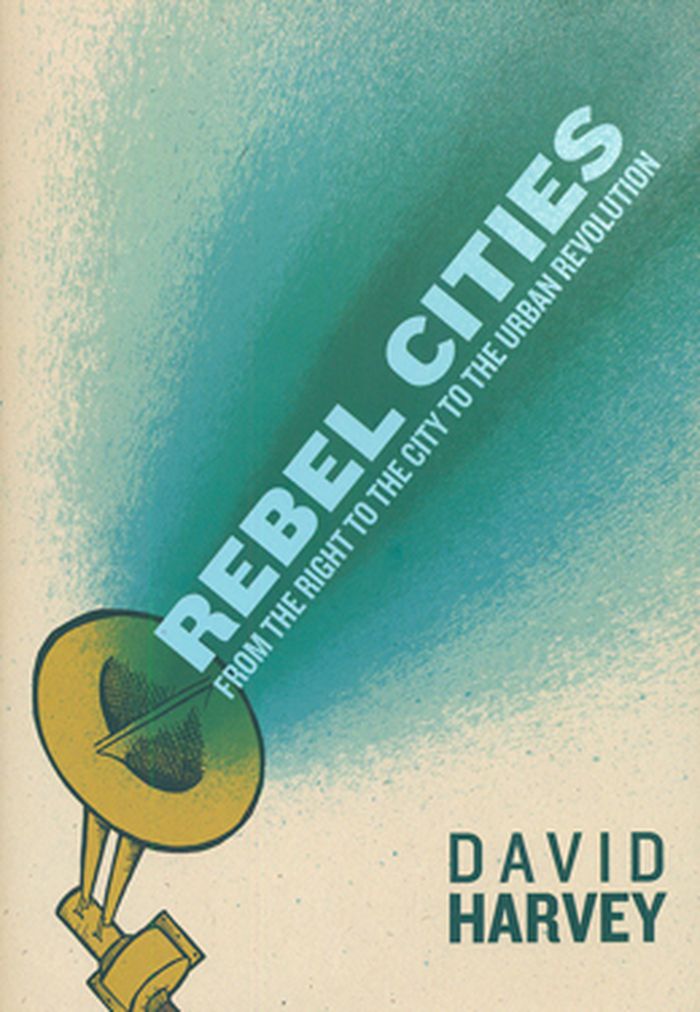
Rebel cities : from the right to the city to the urban revolution
Actions:
Prix:
$21.00
(disponible sur commande)
Résumé:
Taking Henri Lefebvres 1967 essay, The Right to the City, as his jumping-off point, Harvey (Social Justice and the City) examines real estate booms and busts and predation on vulnerable populations; commodification of culture; neo-liberal capitalist dominance; and urban uprisings, from the Paris Commune to the massive 2006 protest against U.S. anti-immigrant policies to urbanized peasants and mineworkers in El Alto, Bolivia, who organized themselves and instigated a progressive Bolivian government. He asks: Is there something about the urban process and the urban experience... under capitalism, that, in itself, has the potential to ground anti-capitalist struggles?
Rebel cities : from the right to the city to the urban revolution
Actions:
Prix:
$21.00
(disponible sur commande)
Résumé:
Taking Henri Lefebvres 1967 essay, The Right to the City, as his jumping-off point, Harvey (Social Justice and the City) examines real estate booms and busts and predation on vulnerable populations; commodification of culture; neo-liberal capitalist dominance; and urban uprisings, from the Paris Commune to the massive 2006 protest against U.S. anti-immigrant policies to urbanized peasants and mineworkers in El Alto, Bolivia, who organized themselves and instigated a progressive Bolivian government. He asks: Is there something about the urban process and the urban experience... under capitalism, that, in itself, has the potential to ground anti-capitalist struggles?
Classification:
livres
livres
Publication:
avril 2012
avril 2012
Sujet:
Théorie de l’urbanisme
Théorie de l’urbanisme


