


448 Résultats
Classification:
livres
livres
Prix:
$56.50
(disponible sur commande)
Résumé:
In a time of rampant natural disasters and urgent concerns about global environmental change, this exhibition demonstrates the ways in which the most interesting and engaging contemporary artists view the natural world. Shattering the stereotypes of landscape and nature photography, the thirty-nine international artists included in this survey boldly examine new concepts(...)
$56.50
(disponible sur commande)
Résumé:
In a time of rampant natural disasters and urgent concerns about global environmental change, this exhibition demonstrates the ways in which the most interesting and engaging contemporary artists view the natural world. Shattering the stereotypes of landscape and nature photography, the thirty-nine international artists included in this survey boldly examine new concepts(...)
Titre:
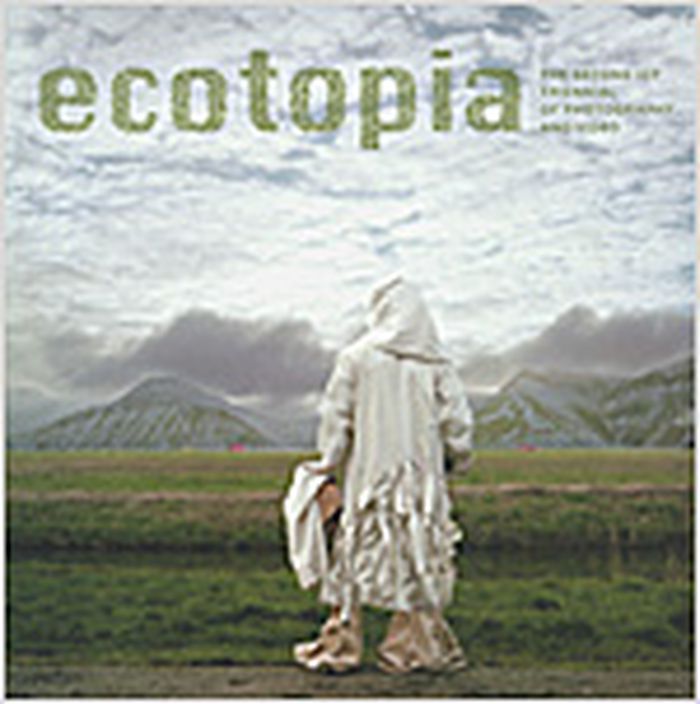
Ecotopia : the second ICP trennial of photography and video
Actions:
Prix:
$56.50
(disponible sur commande)
Résumé:
In a time of rampant natural disasters and urgent concerns about global environmental change, this exhibition demonstrates the ways in which the most interesting and engaging contemporary artists view the natural world. Shattering the stereotypes of landscape and nature photography, the thirty-nine international artists included in this survey boldly examine new concepts of the natural sphere occasioned by twenty-first-century technologies; images of destructive ecological engagement; and visions of our future interactions with the environment. Considering nature in the broadest sense, this exhibition reflects new perspectives on the planet that sustains, enchants, and—increasingly—frightens us.
Ecotopia : the second ICP trennial of photography and video
Actions:
Prix:
$56.50
(disponible sur commande)
Résumé:
In a time of rampant natural disasters and urgent concerns about global environmental change, this exhibition demonstrates the ways in which the most interesting and engaging contemporary artists view the natural world. Shattering the stereotypes of landscape and nature photography, the thirty-nine international artists included in this survey boldly examine new concepts of the natural sphere occasioned by twenty-first-century technologies; images of destructive ecological engagement; and visions of our future interactions with the environment. Considering nature in the broadest sense, this exhibition reflects new perspectives on the planet that sustains, enchants, and—increasingly—frightens us.
Classification:
livres
livres
Publication:
janvier 1900, New York
janvier 1900, New York
Sujet:
Théorie de la photographie
Théorie de la photographie
Classification:
livres
livres
Titre:
The nature of photographs
The nature of photographs
Actions:
Prix:
$49.95
(disponible sur commande)
Résumé:
The Nature of Photographs is the essential primer of photography, not only for students but for anyone with an interest in the medium. In this book, Shore explores ways of understanding photographs from all periods and of all types - from iconic images to found photographs, from negatives to digital files. Its aim is not to explore photographic content – the subject of an(...)
$49.95
(disponible sur commande)
Résumé:
The Nature of Photographs is the essential primer of photography, not only for students but for anyone with an interest in the medium. In this book, Shore explores ways of understanding photographs from all periods and of all types - from iconic images to found photographs, from negatives to digital files. Its aim is not to explore photographic content – the subject of an(...)
Titre:
The nature of photographs
Actions:
Prix:
$49.95
(disponible sur commande)
Résumé:
The Nature of Photographs is the essential primer of photography, not only for students but for anyone with an interest in the medium. In this book, Shore explores ways of understanding photographs from all periods and of all types - from iconic images to found photographs, from negatives to digital files. Its aim is not to explore photographic content – the subject of an image – but to describe the physical and formal attributes of a photographic print, the very elements that form the tools a photographer uses to define and interpret that content. By teaching us how to look at photographs and helping us to see the world the way the photographer may have seen it, Shore also teaches us a way of looking at the world around us.
The nature of photographs
Actions:
Prix:
$49.95
(disponible sur commande)
Résumé:
The Nature of Photographs is the essential primer of photography, not only for students but for anyone with an interest in the medium. In this book, Shore explores ways of understanding photographs from all periods and of all types - from iconic images to found photographs, from negatives to digital files. Its aim is not to explore photographic content – the subject of an image – but to describe the physical and formal attributes of a photographic print, the very elements that form the tools a photographer uses to define and interpret that content. By teaching us how to look at photographs and helping us to see the world the way the photographer may have seen it, Shore also teaches us a way of looking at the world around us.
Classification:
livres
livres
Publication:
novembre 2006, New York
novembre 2006, New York
Sujet:
Théorie de la photographie
Théorie de la photographie
Classification:
livres
livres
Actions:
Prix:
$89.95
(disponible sur commande)
Résumé:
Including in this book are the works of 121 artists from 40 different countries as selected by 79 curators, critics and artists.
$89.95
(disponible sur commande)
Résumé:
Including in this book are the works of 121 artists from 40 different countries as selected by 79 curators, critics and artists.
Titre:
Vitamin Ph : new perspectives in photography
Actions:
Prix:
$89.95
(disponible sur commande)
Résumé:
Including in this book are the works of 121 artists from 40 different countries as selected by 79 curators, critics and artists.
Vitamin Ph : new perspectives in photography
Actions:
Prix:
$89.95
(disponible sur commande)
Résumé:
Including in this book are the works of 121 artists from 40 different countries as selected by 79 curators, critics and artists.
Classification:
livres
livres
Publication:
septembre 2006, London, New York
septembre 2006, London, New York
Sujet:
Théorie de la photographie
Théorie de la photographie
Classification:
livres
livres
Actions:
Prix:
$81.95
(disponible sur commande)
Résumé:
Before the late 1960s, few museums or collectors acquired photographs or considered the medium as an art form. The moment arrived, however, when photography’s profile ascended and the medium began to gain widespread acceptance in the art world as an art form engaged with issues that were central to contemporary art. This was precisely the moment of greatest growth for the(...)
$81.95
(disponible sur commande)
Résumé:
Before the late 1960s, few museums or collectors acquired photographs or considered the medium as an art form. The moment arrived, however, when photography’s profile ascended and the medium began to gain widespread acceptance in the art world as an art form engaged with issues that were central to contemporary art. This was precisely the moment of greatest growth for the(...)
Sujet:
Théorie de la photographie
Théorie de la photographie
Publication:
septembre 2006, New Haven / London
septembre 2006, New Haven / London
Titre:
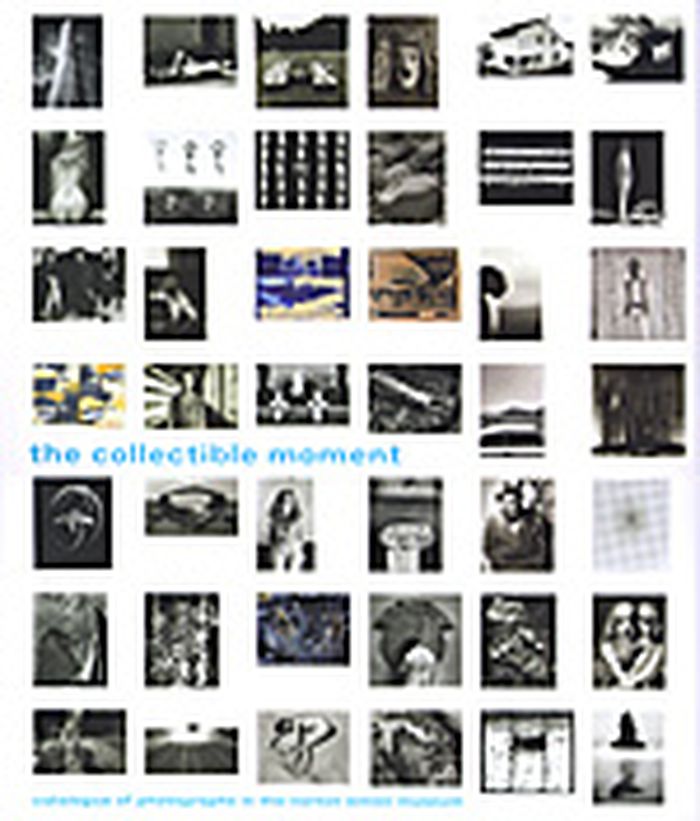
The collectible moment : catalogue of photographs in the Norton Simon Museum
Actions:
Prix:
$81.95
(disponible sur commande)
Résumé:
Before the late 1960s, few museums or collectors acquired photographs or considered the medium as an art form. The moment arrived, however, when photography’s profile ascended and the medium began to gain widespread acceptance in the art world as an art form engaged with issues that were central to contemporary art. This was precisely the moment of greatest growth for the collection presented here. This catalogue publishes for the first time the 548 photographs in the Norton Simon Museum of Art collection, more than 90 per cent of which were acquired during that fascinating moment of transition in the history of photography, 1969 to 1974. In "The Collectible Moment" Therese Mulligan outlines the character, quality, and importance of the Norton Simon collection, and Gloria Williams Sander explores the history of the Museum’s photography department in the context of the local art organizations in general and community of photographers specifically. First-person recollections by a number of important figures in the world of photography provide immediate and vivid accounts of the period and the photo artists of this important historical moment.
The collectible moment : catalogue of photographs in the Norton Simon Museum
Actions:
Prix:
$81.95
(disponible sur commande)
Résumé:
Before the late 1960s, few museums or collectors acquired photographs or considered the medium as an art form. The moment arrived, however, when photography’s profile ascended and the medium began to gain widespread acceptance in the art world as an art form engaged with issues that were central to contemporary art. This was precisely the moment of greatest growth for the collection presented here. This catalogue publishes for the first time the 548 photographs in the Norton Simon Museum of Art collection, more than 90 per cent of which were acquired during that fascinating moment of transition in the history of photography, 1969 to 1974. In "The Collectible Moment" Therese Mulligan outlines the character, quality, and importance of the Norton Simon collection, and Gloria Williams Sander explores the history of the Museum’s photography department in the context of the local art organizations in general and community of photographers specifically. First-person recollections by a number of important figures in the world of photography provide immediate and vivid accounts of the period and the photo artists of this important historical moment.
Classification:
livres
livres
Publication:
septembre 2006, New Haven / London
septembre 2006, New Haven / London
Sujet:
Théorie de la photographie
Théorie de la photographie
Classification:
livres
livres

Prix:
$65.00
(disponible sur commande)
Résumé:
The Getty presents "Where We Live: Photographs from the Berman Collection", at the J. Paul Getty Museum, the Getty Center, October 24, 2006-February 25, 2007. The exhibition showcases the richness of American color photography in nearly 170 works by 24 important contemporary artists, and includes works that will be shown for the first time. "Where We Live" draws from(...)
$65.00
(disponible sur commande)
Résumé:
The Getty presents "Where We Live: Photographs from the Berman Collection", at the J. Paul Getty Museum, the Getty Center, October 24, 2006-February 25, 2007. The exhibition showcases the richness of American color photography in nearly 170 works by 24 important contemporary artists, and includes works that will be shown for the first time. "Where We Live" draws from(...)
Sujet:
Théorie de la photographie
Théorie de la photographie
Publication:
octobre 2006, Los Angeles
octobre 2006, Los Angeles
Titre:
Where we live : photographs of America from the Berman collection
Actions:
Prix:
$65.00
(disponible sur commande)
Résumé:
The Getty presents "Where We Live: Photographs from the Berman Collection", at the J. Paul Getty Museum, the Getty Center, October 24, 2006-February 25, 2007. The exhibition showcases the richness of American color photography in nearly 170 works by 24 important contemporary artists, and includes works that will be shown for the first time. "Where We Live" draws from nearly 500 examples of postwar American photography donated by the Bermans to the Museum over the past eight years. The photographs that the Bermans have donated to the Getty form an archive of late 20th-century American life. The presentation marks the opening of the Getty Museum's new and expanded suite of galleries devoted to photographs, reflecting the importance of the art form in the Getty's collection.
Where we live : photographs of America from the Berman collection
Actions:
Prix:
$65.00
(disponible sur commande)
Résumé:
The Getty presents "Where We Live: Photographs from the Berman Collection", at the J. Paul Getty Museum, the Getty Center, October 24, 2006-February 25, 2007. The exhibition showcases the richness of American color photography in nearly 170 works by 24 important contemporary artists, and includes works that will be shown for the first time. "Where We Live" draws from nearly 500 examples of postwar American photography donated by the Bermans to the Museum over the past eight years. The photographs that the Bermans have donated to the Getty form an archive of late 20th-century American life. The presentation marks the opening of the Getty Museum's new and expanded suite of galleries devoted to photographs, reflecting the importance of the art form in the Getty's collection.
Classification:
livres
livres
Publication:
octobre 2006, Los Angeles
octobre 2006, Los Angeles
Sujet:
Théorie de la photographie
Théorie de la photographie
Classification:
livres
livres
Actions:
Prix:
$79.95
(disponible sur commande)
Résumé:
The hour of twilight expresses the limit between the familiar and the unknown; the comfortable and the dangerous - an uncertain threshold between hope and fear. This otherworldly quality has inspired artists, who strive to record and replicate the ambiguity of the moment between night and day. At dusk, the colour and quality of light changes rapidly and dramatically and(...)
$79.95
(disponible sur commande)
Résumé:
The hour of twilight expresses the limit between the familiar and the unknown; the comfortable and the dangerous - an uncertain threshold between hope and fear. This otherworldly quality has inspired artists, who strive to record and replicate the ambiguity of the moment between night and day. At dusk, the colour and quality of light changes rapidly and dramatically and(...)
Sujet:
Théorie de la photographie
Théorie de la photographie
Publication:
octobre 2006, New York
octobre 2006, New York
Titre:
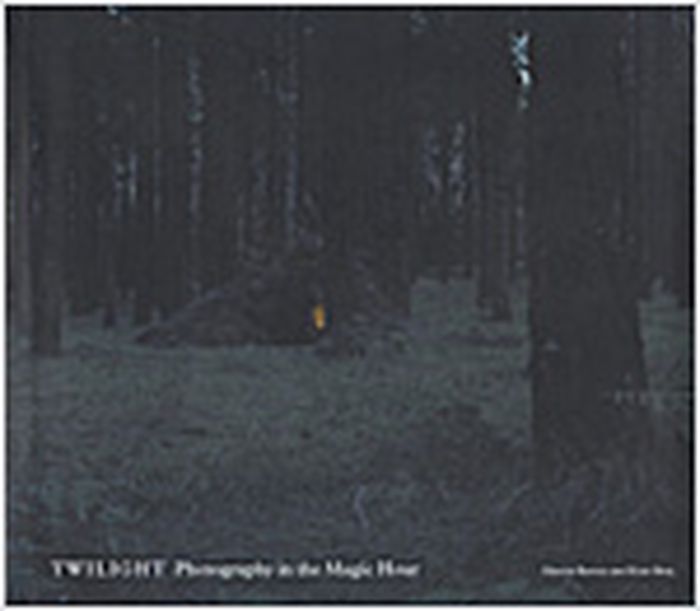
Twilight : photography in the magic hour
Actions:
Prix:
$79.95
(disponible sur commande)
Résumé:
The hour of twilight expresses the limit between the familiar and the unknown; the comfortable and the dangerous - an uncertain threshold between hope and fear. This otherworldly quality has inspired artists, who strive to record and replicate the ambiguity of the moment between night and day. At dusk, the colour and quality of light changes rapidly and dramatically and is therefore a significant and poignant time for photographers in particular. In recent years, an increasing number of artists have photographed in the twilight hour to explore its optical effects and psychological implications. This exhibition will focus on contemporary photography and video and is the first to explore the theme of twilight in this way. It will include work by both established and emerging artists from around the world including Philip-Lorca di Corcia, Gregory Crewdson, Bill Henson, Robert Adams, Chrystel Lebas, Liang Yue and Ori Gersht.
Twilight : photography in the magic hour
Actions:
Prix:
$79.95
(disponible sur commande)
Résumé:
The hour of twilight expresses the limit between the familiar and the unknown; the comfortable and the dangerous - an uncertain threshold between hope and fear. This otherworldly quality has inspired artists, who strive to record and replicate the ambiguity of the moment between night and day. At dusk, the colour and quality of light changes rapidly and dramatically and is therefore a significant and poignant time for photographers in particular. In recent years, an increasing number of artists have photographed in the twilight hour to explore its optical effects and psychological implications. This exhibition will focus on contemporary photography and video and is the first to explore the theme of twilight in this way. It will include work by both established and emerging artists from around the world including Philip-Lorca di Corcia, Gregory Crewdson, Bill Henson, Robert Adams, Chrystel Lebas, Liang Yue and Ori Gersht.
Classification:
livres
livres
Publication:
octobre 2006, New York
octobre 2006, New York
Sujet:
Théorie de la photographie
Théorie de la photographie
Classification:
livres
livres
Prix:
$57.95
(disponible sur commande)
Résumé:
De la guerre 1914-1918 témoignent de multiples photographies : la violence des assauts, leurs effrayants résultats s'y inscrivent entre noir et blanc dans toutes ces nuances de gris qu'on accorde si aisément, culturellement, aux visions dramatiques. Mais d'autres images existent, moins connues parce que moins montrées et reproduites, qui rendent à cette guerre ses(...)
$57.95
(disponible sur commande)
Résumé:
De la guerre 1914-1918 témoignent de multiples photographies : la violence des assauts, leurs effrayants résultats s'y inscrivent entre noir et blanc dans toutes ces nuances de gris qu'on accorde si aisément, culturellement, aux visions dramatiques. Mais d'autres images existent, moins connues parce que moins montrées et reproduites, qui rendent à cette guerre ses(...)
Sujet:
Théorie de la photographie
Théorie de la photographie
Publication:
mai 2006, Paris
mai 2006, Paris
Titre:
Couleurs de guerre : autochromes 1914-1918 Reims & La Marne
Actions:
Prix:
$57.95
(disponible sur commande)
Résumé:
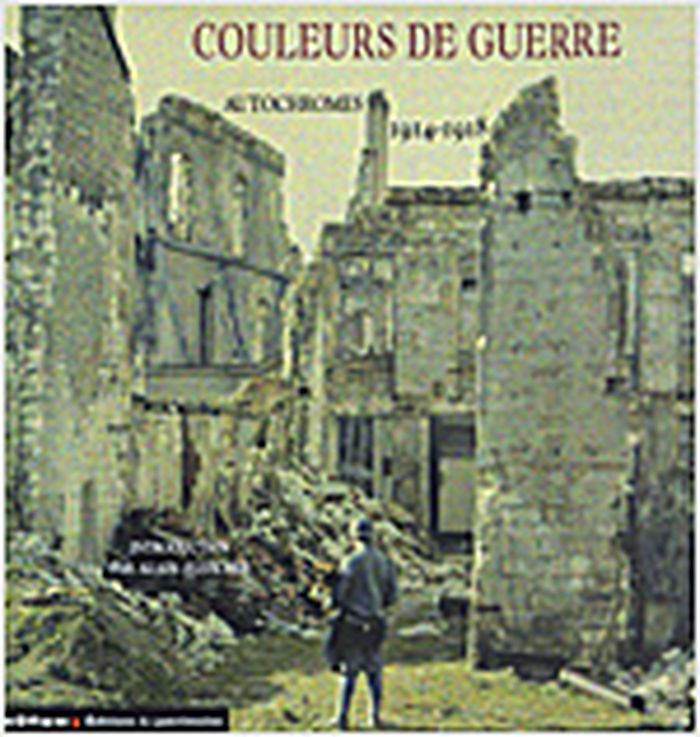
De la guerre 1914-1918 témoignent de multiples photographies : la violence des assauts, leurs effrayants résultats s'y inscrivent entre noir et blanc dans toutes ces nuances de gris qu'on accorde si aisément, culturellement, aux visions dramatiques. Mais d'autres images existent, moins connues parce que moins montrées et reproduites, qui rendent à cette guerre ses couleurs. Des couleurs étonnamment préservées, grâce au procédé autochrome mis au point par les frères Lumière, comme on peut en juger par les photographies de cet album consacré à la bataille de la Marne, au front de Champagne et à la ville de Reims. Dans cette zone de combats très emblématique du conflit travaillèrent, avec ce même procédé autochrome, des photographes aussi bien français qu'allemand : Jules Gervais-Courtellemont (1863-1931), Hans Hildenbrand (1870-1957), Paul Castelnau (1880-1944) et Fernand Cuville (1887-1927). Introduction par Alain Fleischer.
Couleurs de guerre : autochromes 1914-1918 Reims & La Marne
Actions:
Prix:
$57.95
(disponible sur commande)
Résumé:
De la guerre 1914-1918 témoignent de multiples photographies : la violence des assauts, leurs effrayants résultats s'y inscrivent entre noir et blanc dans toutes ces nuances de gris qu'on accorde si aisément, culturellement, aux visions dramatiques. Mais d'autres images existent, moins connues parce que moins montrées et reproduites, qui rendent à cette guerre ses couleurs. Des couleurs étonnamment préservées, grâce au procédé autochrome mis au point par les frères Lumière, comme on peut en juger par les photographies de cet album consacré à la bataille de la Marne, au front de Champagne et à la ville de Reims. Dans cette zone de combats très emblématique du conflit travaillèrent, avec ce même procédé autochrome, des photographes aussi bien français qu'allemand : Jules Gervais-Courtellemont (1863-1931), Hans Hildenbrand (1870-1957), Paul Castelnau (1880-1944) et Fernand Cuville (1887-1927). Introduction par Alain Fleischer.
Classification:
livres
livres
Publication:
mai 2006, Paris
mai 2006, Paris
Sujet:
Théorie de la photographie
Théorie de la photographie
Classification:
livres
livres
Actions:
Prix:
$99.95
(disponible sur commande)
Résumé:
This volume includes over 200 publications carefully selected by Martin Parr and the critic and curator Gerry Badger. All the books are accompanied by extensive commentaries by Badger and are illustrated as three-dimensional objects, providing a true sense of them as art works in their own right.
$99.95
(disponible sur commande)
Résumé:
This volume includes over 200 publications carefully selected by Martin Parr and the critic and curator Gerry Badger. All the books are accompanied by extensive commentaries by Badger and are illustrated as three-dimensional objects, providing a true sense of them as art works in their own right.
Sujet:
Théorie de la photographie
Théorie de la photographie
Publication:
octobre 2006, London
octobre 2006, London
Titre:
The photobook : a history, volume II
Actions:
Prix:
$99.95
(disponible sur commande)
Résumé:
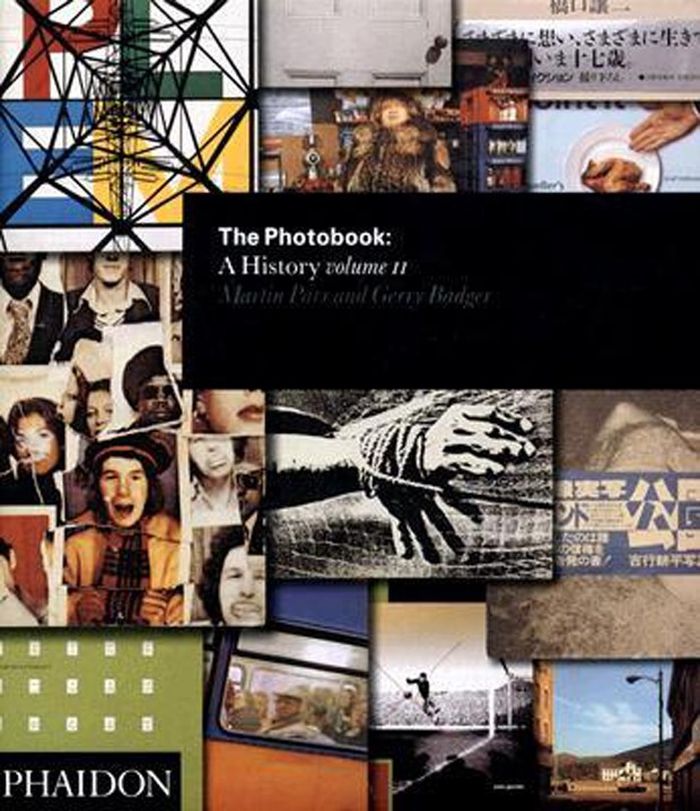
This volume includes over 200 publications carefully selected by Martin Parr and the critic and curator Gerry Badger. All the books are accompanied by extensive commentaries by Badger and are illustrated as three-dimensional objects, providing a true sense of them as art works in their own right.
The photobook : a history, volume II
Actions:
Prix:
$99.95
(disponible sur commande)
Résumé:
This volume includes over 200 publications carefully selected by Martin Parr and the critic and curator Gerry Badger. All the books are accompanied by extensive commentaries by Badger and are illustrated as three-dimensional objects, providing a true sense of them as art works in their own right.
Classification:
livres
livres
Publication:
octobre 2006, London
octobre 2006, London
Sujet:
Théorie de la photographie
Théorie de la photographie
Classification:
livres
livres
Actions:
Prix:
$39.95
(disponible sur commande)
Résumé:
" Image and inscription " answers the question “ What is photography becoming? ” Through essays and artists’ projects, this edition explores the innovation, drift, rupture and revelation of emerging photo-based art-making.
$39.95
(disponible sur commande)
Résumé:
" Image and inscription " answers the question “ What is photography becoming? ” Through essays and artists’ projects, this edition explores the innovation, drift, rupture and revelation of emerging photo-based art-making.
Titre:
Image and inscription : an anthology of contemporary Canadian photography
Actions:
Prix:
$39.95
(disponible sur commande)
Résumé:
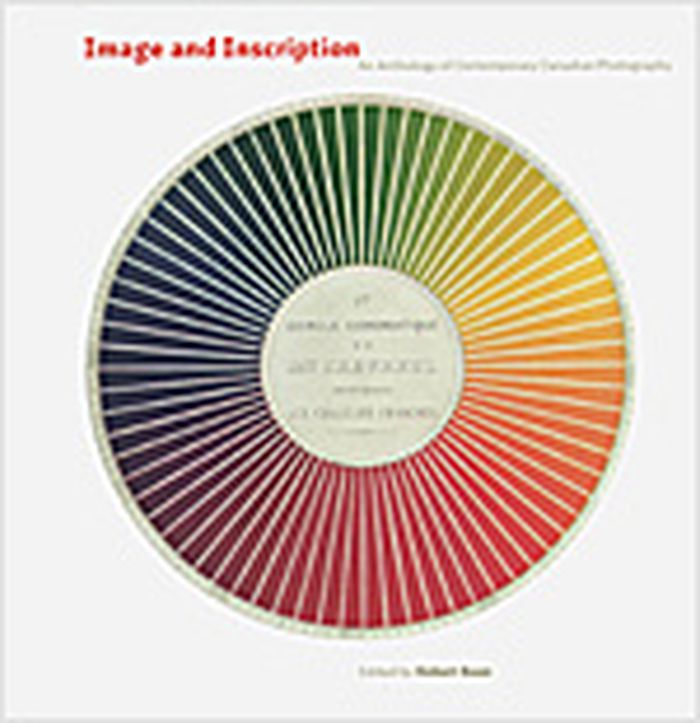
" Image and inscription " answers the question “ What is photography becoming? ” Through essays and artists’ projects, this edition explores the innovation, drift, rupture and revelation of emerging photo-based art-making.
Image and inscription : an anthology of contemporary Canadian photography
Actions:
Prix:
$39.95
(disponible sur commande)
Résumé:
" Image and inscription " answers the question “ What is photography becoming? ” Through essays and artists’ projects, this edition explores the innovation, drift, rupture and revelation of emerging photo-based art-making.
Classification:
livres
livres
Publication:
janvier 1900, Toronto
janvier 1900, Toronto
Sujet:
Théorie de la photographie
Théorie de la photographie
Classification:
livres
livres
Actions:
Prix:
$25.95
(disponible sur commande)
Résumé:
Catalogue from the exhibition at the RIBA, London.
$25.95
(disponible sur commande)
Résumé:
Catalogue from the exhibition at the RIBA, London.
Titre:
Photography takes command : the camera and British architecture 1890-1939
Actions:
Prix:
$25.95
(disponible sur commande)
Résumé:
Catalogue from the exhibition at the RIBA, London.
Photography takes command : the camera and British architecture 1890-1939
Actions:
Prix:
$25.95
(disponible sur commande)
Résumé:
Catalogue from the exhibition at the RIBA, London.
Classification:
livres
livres
Publication:
janvier 1994, London
janvier 1994, London
Sujet:
Théorie de la photographie
Théorie de la photographie


