


1923 Résultats
Classification:
livres
livres
Actions:
Prix:
$34.95
(disponible sur commande)
Résumé:
The lived experience of cities has long been defined by motion. As urban dwellers travel to work, home, and play they carve random or predictable pathways across neighbourhoods and districts. This book investigates the urban capacity for movement, the city as a space of circulation, by taking into account not only the physical displacement of people but the circulation of(...)
$34.95
(disponible sur commande)
Résumé:
The lived experience of cities has long been defined by motion. As urban dwellers travel to work, home, and play they carve random or predictable pathways across neighbourhoods and districts. This book investigates the urban capacity for movement, the city as a space of circulation, by taking into account not only the physical displacement of people but the circulation of(...)
Titre:
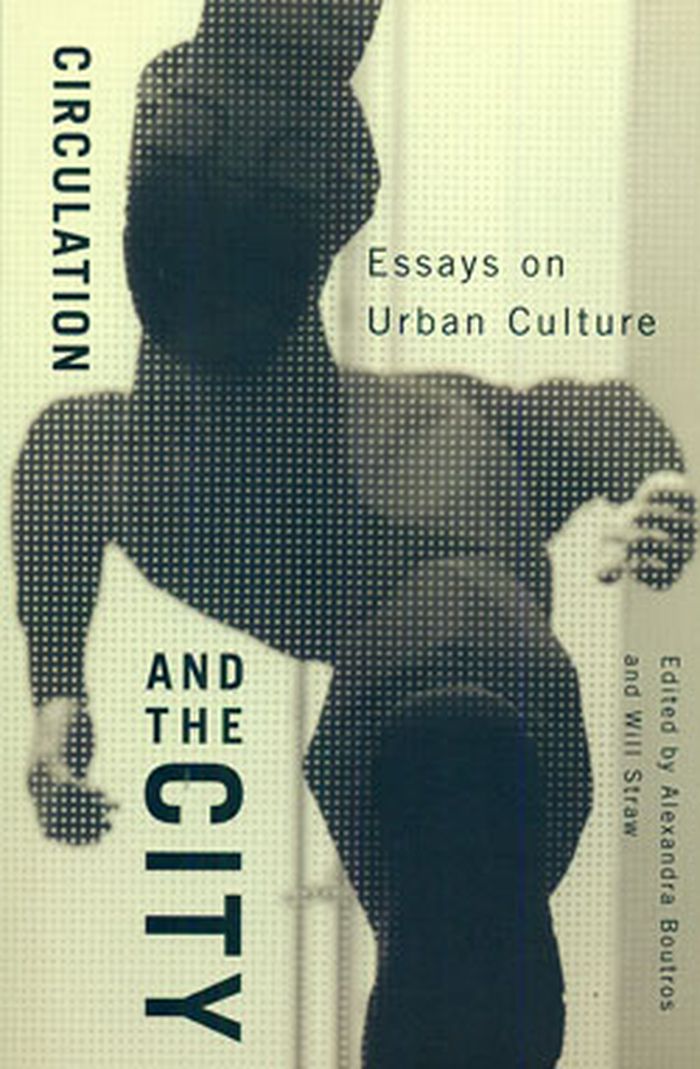
Circulation and the city : essays on urban culture
Actions:
Prix:
$34.95
(disponible sur commande)
Résumé:
The lived experience of cities has long been defined by motion. As urban dwellers travel to work, home, and play they carve random or predictable pathways across neighbourhoods and districts. This book investigates the urban capacity for movement, the city as a space of circulation, by taking into account not only the physical displacement of people but the circulation of cultures, things, and ideas. A series of case studies examine a range of topics, including neighbourhood gentrification, subway busking, yard sales, electronic waste, and language, refining the touchstone principle of circulation for the study of urban culture, both materially and theoretically. Contributors employ a variety of disciplinary approaches to create a richly varied picture of the multiple trajectories and effects of movement in the city.
Circulation and the city : essays on urban culture
Actions:
Prix:
$34.95
(disponible sur commande)
Résumé:
The lived experience of cities has long been defined by motion. As urban dwellers travel to work, home, and play they carve random or predictable pathways across neighbourhoods and districts. This book investigates the urban capacity for movement, the city as a space of circulation, by taking into account not only the physical displacement of people but the circulation of cultures, things, and ideas. A series of case studies examine a range of topics, including neighbourhood gentrification, subway busking, yard sales, electronic waste, and language, refining the touchstone principle of circulation for the study of urban culture, both materially and theoretically. Contributors employ a variety of disciplinary approaches to create a richly varied picture of the multiple trajectories and effects of movement in the city.
Classification:
livres
livres
Publication:
août 2010
août 2010
Sujet:
Théorie de l’urbanisme
Théorie de l’urbanisme
Classification:
livres
livres

Prix:
$58.00
(disponible sur commande)
Résumé:
When the levees broke in August 2005 as a result of Hurricane Katrina, 80 percent of the city of New Orleans was flooded, with a loss of 134,000 homes and 986 lives. In particular, the devastation hit the vulnerable communities the hardest: the old, the poor and the African American. The disaster exposed the hideous inequality of the city. In response to the disaster(...)
$58.00
(disponible sur commande)
Résumé:
When the levees broke in August 2005 as a result of Hurricane Katrina, 80 percent of the city of New Orleans was flooded, with a loss of 134,000 homes and 986 lives. In particular, the devastation hit the vulnerable communities the hardest: the old, the poor and the African American. The disaster exposed the hideous inequality of the city. In response to the disaster(...)
Titre:
New Orleans under reconstruction: the crisis of planning
Actions:
Prix:
$58.00
(disponible sur commande)
Résumé:
When the levees broke in August 2005 as a result of Hurricane Katrina, 80 percent of the city of New Orleans was flooded, with a loss of 134,000 homes and 986 lives. In particular, the devastation hit the vulnerable communities the hardest: the old, the poor and the African American. The disaster exposed the hideous inequality of the city. In response to the disaster numerous plans, designs and projects were proposed.This book gathers together the variety of responses from politicians, writers, architects and planners and searches for the answers of one of the most important issues of our age: How can we plan for the future, creating a more robust and equal place?
New Orleans under reconstruction: the crisis of planning
Actions:
Prix:
$58.00
(disponible sur commande)
Résumé:
When the levees broke in August 2005 as a result of Hurricane Katrina, 80 percent of the city of New Orleans was flooded, with a loss of 134,000 homes and 986 lives. In particular, the devastation hit the vulnerable communities the hardest: the old, the poor and the African American. The disaster exposed the hideous inequality of the city. In response to the disaster numerous plans, designs and projects were proposed.This book gathers together the variety of responses from politicians, writers, architects and planners and searches for the answers of one of the most important issues of our age: How can we plan for the future, creating a more robust and equal place?
Classification:
livres
livres
Publication:
septembre 2014
septembre 2014
Sujet:
Théorie de l’urbanisme
Théorie de l’urbanisme
Classification:
livres
livres
Actions:
Prix:
$47.95
(disponible sur commande)
Résumé:
New York se modernise constamment et a inventé depuis longtemps des règles d'urbanisme pour dynamiser son territoire et doper son attractivité. Les années Bloomberg (2002-2013) n'y ont pas dérogé, et la ville s'est réenchantée, avec des trottoirs gagnés sur la voiture, des pistes cyclables, des cafés sur les trottoirs, des parcs le long des fleuves - à Manhattan comme(...)
$47.95
(disponible sur commande)
Résumé:
New York se modernise constamment et a inventé depuis longtemps des règles d'urbanisme pour dynamiser son territoire et doper son attractivité. Les années Bloomberg (2002-2013) n'y ont pas dérogé, et la ville s'est réenchantée, avec des trottoirs gagnés sur la voiture, des pistes cyclables, des cafés sur les trottoirs, des parcs le long des fleuves - à Manhattan comme(...)
Sujet:
Théorie de l’urbanisme
Théorie de l’urbanisme
Publication:
septembre 2014
septembre 2014
Titre:
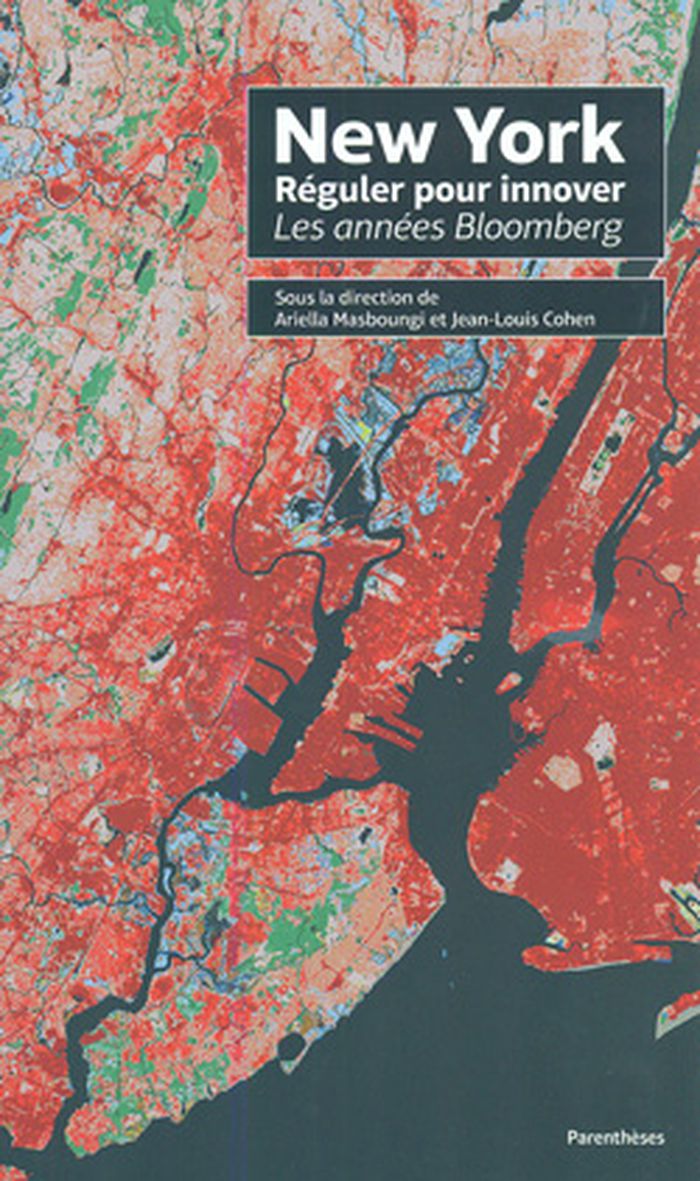
New York, réguler pour innover: les années Bloomberg
Actions:
Prix:
$47.95
(disponible sur commande)
Résumé:
New York se modernise constamment et a inventé depuis longtemps des règles d'urbanisme pour dynamiser son territoire et doper son attractivité. Les années Bloomberg (2002-2013) n'y ont pas dérogé, et la ville s'est réenchantée, avec des trottoirs gagnés sur la voiture, des pistes cyclables, des cafés sur les trottoirs, des parcs le long des fleuves - à Manhattan comme dans tous les boroughs... Au-delà de l'engouement pour la High Line, promenade aérienne, au-delà du succès de la walkable city, des édifices innovants et de la reconquête des rives, PIaNYC 2030, programme d'ensemble d'un New York durable, innove par une charte thématique remplaçant les plans et une doctrine tenant lieu de prévisions, cela en période d'incertitudes croissantes.
New York, réguler pour innover: les années Bloomberg
Actions:
Prix:
$47.95
(disponible sur commande)
Résumé:
New York se modernise constamment et a inventé depuis longtemps des règles d'urbanisme pour dynamiser son territoire et doper son attractivité. Les années Bloomberg (2002-2013) n'y ont pas dérogé, et la ville s'est réenchantée, avec des trottoirs gagnés sur la voiture, des pistes cyclables, des cafés sur les trottoirs, des parcs le long des fleuves - à Manhattan comme dans tous les boroughs... Au-delà de l'engouement pour la High Line, promenade aérienne, au-delà du succès de la walkable city, des édifices innovants et de la reconquête des rives, PIaNYC 2030, programme d'ensemble d'un New York durable, innove par une charte thématique remplaçant les plans et une doctrine tenant lieu de prévisions, cela en période d'incertitudes croissantes.
Classification:
livres
livres
Publication:
septembre 2014
septembre 2014
Sujet:
Théorie de l’urbanisme
Théorie de l’urbanisme
Classification:
livres
livres

Prix:
$39.95
(disponible sur commande)
Résumé:
Dans La maison, la ville et les gens Jean-Nicolas Orhon troque sa caméra contre une plume pour nous livrer, sous la forme d’un carnet de voyage et tournage rétrospectif, son expérience et ses réflexions de documentariste, de citoyen, d’homme. En parallèle, le chercheur Nicolas Reeves, qui a accompagné Jean-Nicolas Orhon dans plusieurs de ses voyages, nous livre une(...)
$39.95
(disponible sur commande)
Résumé:
Dans La maison, la ville et les gens Jean-Nicolas Orhon troque sa caméra contre une plume pour nous livrer, sous la forme d’un carnet de voyage et tournage rétrospectif, son expérience et ses réflexions de documentariste, de citoyen, d’homme. En parallèle, le chercheur Nicolas Reeves, qui a accompagné Jean-Nicolas Orhon dans plusieurs de ses voyages, nous livre une(...)
Titre:
La maison, la ville et les gens: le phénomène des bidonvilles
Actions:
Prix:
$39.95
(disponible sur commande)
Résumé:
Dans La maison, la ville et les gens Jean-Nicolas Orhon troque sa caméra contre une plume pour nous livrer, sous la forme d’un carnet de voyage et tournage rétrospectif, son expérience et ses réflexions de documentariste, de citoyen, d’homme. En parallèle, le chercheur Nicolas Reeves, qui a accompagné Jean-Nicolas Orhon dans plusieurs de ses voyages, nous livre une réflexion parsemée d’anecdotes, sur les solutions trouvées par les habitants pour réussir à vivre ensemble dans un espace restreint aux ressources limitées. Au fil de plus de 150 photographies couleur prises au fil des voyages, le lecteur entre dans le quotidien des habitants de onze bidonvilles à travers le monde.
La maison, la ville et les gens: le phénomène des bidonvilles
Actions:
Prix:
$39.95
(disponible sur commande)
Résumé:
Dans La maison, la ville et les gens Jean-Nicolas Orhon troque sa caméra contre une plume pour nous livrer, sous la forme d’un carnet de voyage et tournage rétrospectif, son expérience et ses réflexions de documentariste, de citoyen, d’homme. En parallèle, le chercheur Nicolas Reeves, qui a accompagné Jean-Nicolas Orhon dans plusieurs de ses voyages, nous livre une réflexion parsemée d’anecdotes, sur les solutions trouvées par les habitants pour réussir à vivre ensemble dans un espace restreint aux ressources limitées. Au fil de plus de 150 photographies couleur prises au fil des voyages, le lecteur entre dans le quotidien des habitants de onze bidonvilles à travers le monde.
Classification:
livres
livres
Publication:
septembre 2014
septembre 2014
Sujet:
Théorie de l’urbanisme
Théorie de l’urbanisme
Classification:
livres
livres
Actions:
Prix:
$25.95
(disponible sur commande)
Résumé:
Par le biais d’une conversation, comme par le choix d’une anthologie de textes, Yann Nussaume nous donne à lire l’oeuvre de Tadao Andô, l’un des grands maîtres de l’architecture japonaise, lauréat du prestigieux prix Pritzker en 1995. Cet architecte développe une réflexion essentielle sur le sens de l’être au monde, de l’habiter, des liens entre bâti et paysage. Face à la(...)
$25.95
(disponible sur commande)
Résumé:
Par le biais d’une conversation, comme par le choix d’une anthologie de textes, Yann Nussaume nous donne à lire l’oeuvre de Tadao Andô, l’un des grands maîtres de l’architecture japonaise, lauréat du prestigieux prix Pritzker en 1995. Cet architecte développe une réflexion essentielle sur le sens de l’être au monde, de l’habiter, des liens entre bâti et paysage. Face à la(...)
Titre:
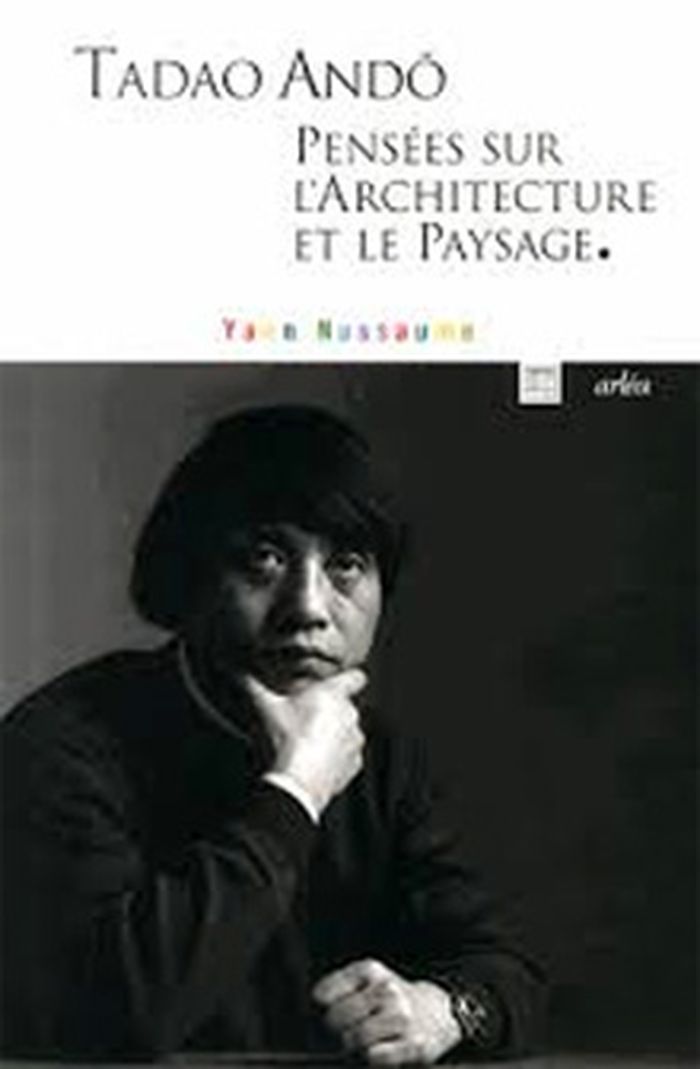
Tadao Andô: pensées sur l'architecture et le paysage
Actions:
Prix:
$25.95
(disponible sur commande)
Résumé:
Par le biais d’une conversation, comme par le choix d’une anthologie de textes, Yann Nussaume nous donne à lire l’oeuvre de Tadao Andô, l’un des grands maîtres de l’architecture japonaise, lauréat du prestigieux prix Pritzker en 1995. Cet architecte développe une réflexion essentielle sur le sens de l’être au monde, de l’habiter, des liens entre bâti et paysage. Face à la crise environnementale, il élève les consciences en proposant de confronter ses contemporains à ce qu’il appelle une nature rendue abstraite : la lumière rendue abstraite, l’eau rendue abstraite, le vent rendu abstrait.
Tadao Andô: pensées sur l'architecture et le paysage
Actions:
Prix:
$25.95
(disponible sur commande)
Résumé:
Par le biais d’une conversation, comme par le choix d’une anthologie de textes, Yann Nussaume nous donne à lire l’oeuvre de Tadao Andô, l’un des grands maîtres de l’architecture japonaise, lauréat du prestigieux prix Pritzker en 1995. Cet architecte développe une réflexion essentielle sur le sens de l’être au monde, de l’habiter, des liens entre bâti et paysage. Face à la crise environnementale, il élève les consciences en proposant de confronter ses contemporains à ce qu’il appelle une nature rendue abstraite : la lumière rendue abstraite, l’eau rendue abstraite, le vent rendu abstrait.
Classification:
livres
livres
Publication:
octobre 2014
octobre 2014
Sujet:
Théorie de l’urbanisme
Théorie de l’urbanisme
Classification:
livres
livres
Actions:
Prix:
$69.00
(disponible sur commande)
Résumé:
Depuis les années 1980, la question de la qualité des espaces publics est devenue un objet significatif des débats et des pratiques d'aménagement. Mais au delà de la mise en ordre et du lissage de l'espace, comment les usages, les pratiques et représentations des habitants sont-ils pris en compte par les maîtres d'ouvrage et les concepteurs ? La ville "juste", dont les(...)
$69.00
(disponible sur commande)
Résumé:
Depuis les années 1980, la question de la qualité des espaces publics est devenue un objet significatif des débats et des pratiques d'aménagement. Mais au delà de la mise en ordre et du lissage de l'espace, comment les usages, les pratiques et représentations des habitants sont-ils pris en compte par les maîtres d'ouvrage et les concepteurs ? La ville "juste", dont les(...)
Titre:
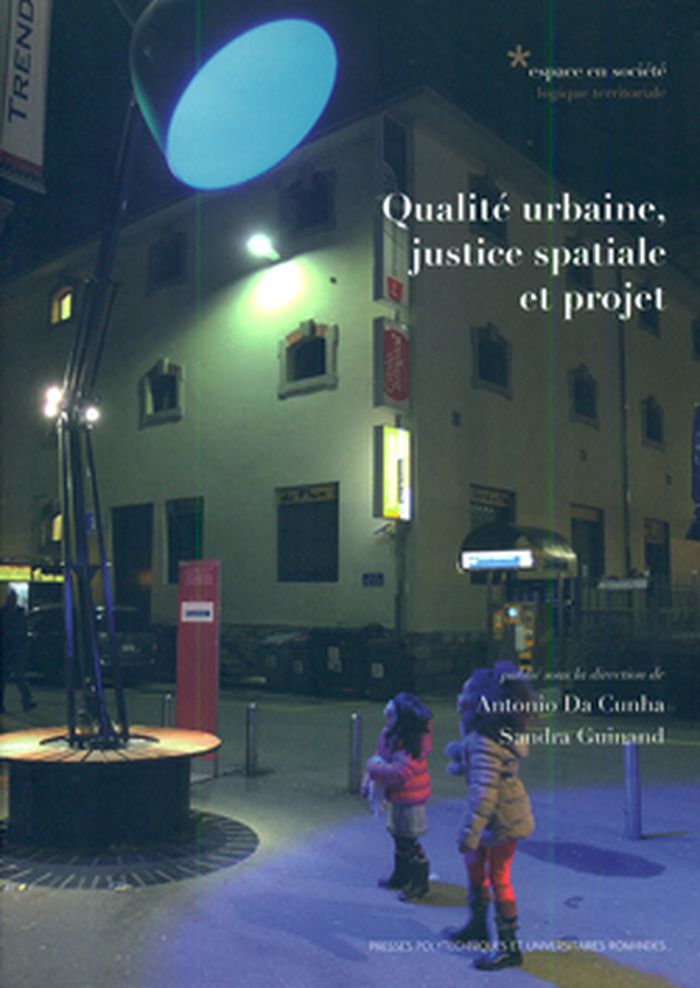
Qualité urbaine, justice spatiale et projet
Actions:
Prix:
$69.00
(disponible sur commande)
Résumé:
Depuis les années 1980, la question de la qualité des espaces publics est devenue un objet significatif des débats et des pratiques d'aménagement. Mais au delà de la mise en ordre et du lissage de l'espace, comment les usages, les pratiques et représentations des habitants sont-ils pris en compte par les maîtres d'ouvrage et les concepteurs ? La ville "juste", dont les qualités seraient équitablement partagées par tous, est-elle une utopie ? Comment faire en sorte que les projets urbains reflètent les aspirations de l'ensemble des groupes sociaux ?
Qualité urbaine, justice spatiale et projet
Actions:
Prix:
$69.00
(disponible sur commande)
Résumé:
Depuis les années 1980, la question de la qualité des espaces publics est devenue un objet significatif des débats et des pratiques d'aménagement. Mais au delà de la mise en ordre et du lissage de l'espace, comment les usages, les pratiques et représentations des habitants sont-ils pris en compte par les maîtres d'ouvrage et les concepteurs ? La ville "juste", dont les qualités seraient équitablement partagées par tous, est-elle une utopie ? Comment faire en sorte que les projets urbains reflètent les aspirations de l'ensemble des groupes sociaux ?
Classification:
livres
livres
Publication:
octobre 2014
octobre 2014
Sujet:
Théorie de l’urbanisme
Théorie de l’urbanisme
Classification:
livres
livres
Titre:
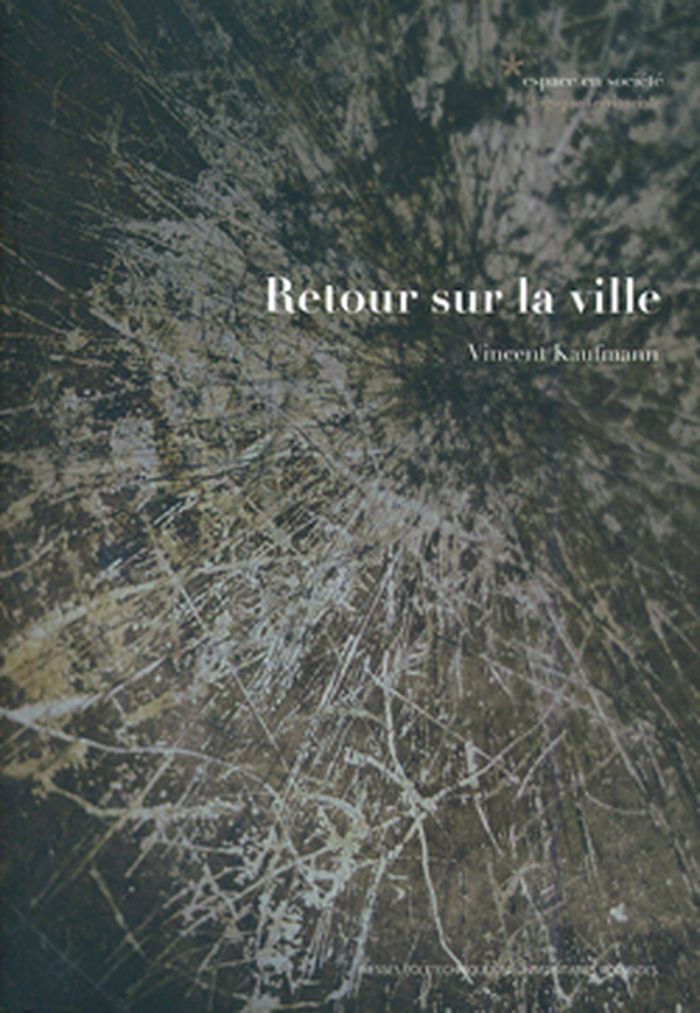
Retour sur la ville
Retour sur la ville
Actions:
Prix:
$61.00
(disponible sur commande)
Résumé:
Le phénomène urbain a entamé une profonde mutation sous l'effet ries potentiels de vitesse rendus possibles par les systèmes de transport et (le communication à distance. et dont l'impact sur la société et ses territoires est considérable. Ces technologies ont été plébiscitées par la population, qui les utilise aujourd'hui de façon intensive. Cet ouvrage se propose(...)
$61.00
(disponible sur commande)
Résumé:
Le phénomène urbain a entamé une profonde mutation sous l'effet ries potentiels de vitesse rendus possibles par les systèmes de transport et (le communication à distance. et dont l'impact sur la société et ses territoires est considérable. Ces technologies ont été plébiscitées par la population, qui les utilise aujourd'hui de façon intensive. Cet ouvrage se propose(...)
Titre:
Retour sur la ville
Actions:
Prix:
$61.00
(disponible sur commande)
Résumé:
Le phénomène urbain a entamé une profonde mutation sous l'effet ries potentiels de vitesse rendus possibles par les systèmes de transport et (le communication à distance. et dont l'impact sur la société et ses territoires est considérable. Ces technologies ont été plébiscitées par la population, qui les utilise aujourd'hui de façon intensive. Cet ouvrage se propose d'explorer ce qui fait la persistance de la ville contemporaine à partir de la mobilité.
Retour sur la ville
Actions:
Prix:
$61.00
(disponible sur commande)
Résumé:
Le phénomène urbain a entamé une profonde mutation sous l'effet ries potentiels de vitesse rendus possibles par les systèmes de transport et (le communication à distance. et dont l'impact sur la société et ses territoires est considérable. Ces technologies ont été plébiscitées par la population, qui les utilise aujourd'hui de façon intensive. Cet ouvrage se propose d'explorer ce qui fait la persistance de la ville contemporaine à partir de la mobilité.
Classification:
livres
livres
Publication:
octobre 2014
octobre 2014
Sujet:
Théorie de l’urbanisme
Théorie de l’urbanisme
Classification:
livres
livres
Actions:
Prix:
$42.00
(disponible sur commande)
Résumé:
Cet essai critique ose la question suivante: la "durabilité", intégrée dans les logiques économiques de croissance. ne reproduit-elle pas le même schéma pédagogique et descendant envers les habitants qu'imposait en son temps la "modernité"? L'"homme durable" des écoquartiers actuels ne succède-t-il pas ainsi à l' "homme moderne", si cher à Le Corbusier et aux Grands(...)
$42.00
(disponible sur commande)
Résumé:
Cet essai critique ose la question suivante: la "durabilité", intégrée dans les logiques économiques de croissance. ne reproduit-elle pas le même schéma pédagogique et descendant envers les habitants qu'imposait en son temps la "modernité"? L'"homme durable" des écoquartiers actuels ne succède-t-il pas ainsi à l' "homme moderne", si cher à Le Corbusier et aux Grands(...)
Publication:
octobre 2014
octobre 2014
Titre:
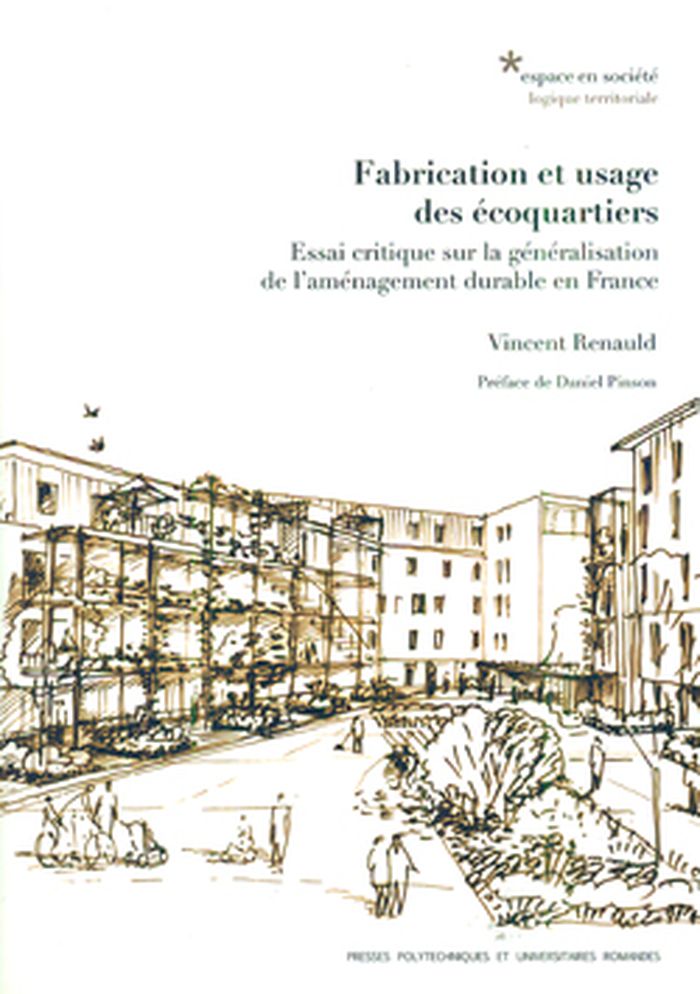
Fabrication et usage des écoquartiers: essai critique sur la généralisation de l'aménagement durable en France
Actions:
Prix:
$42.00
(disponible sur commande)
Résumé:
Cet essai critique ose la question suivante: la "durabilité", intégrée dans les logiques économiques de croissance. ne reproduit-elle pas le même schéma pédagogique et descendant envers les habitants qu'imposait en son temps la "modernité"? L'"homme durable" des écoquartiers actuels ne succède-t-il pas ainsi à l' "homme moderne", si cher à Le Corbusier et aux Grands Ensembles des années 1960 ? Un ouvrage passionnant et surprenant, qui pour la première fois, convoque le monde idyllique vanté par les prescripteurs des écoquartiers puis le confronte à la réalité vécue par ses habitants. Il intéressera les professionnels et praticiens de l'architecture et de l'urbanisme, et plus généralement tous les citoyens intéressés pal- le développement durable et les questions qu'il soulève.
Fabrication et usage des écoquartiers: essai critique sur la généralisation de l'aménagement durable en France
Actions:
Prix:
$42.00
(disponible sur commande)
Résumé:
Cet essai critique ose la question suivante: la "durabilité", intégrée dans les logiques économiques de croissance. ne reproduit-elle pas le même schéma pédagogique et descendant envers les habitants qu'imposait en son temps la "modernité"? L'"homme durable" des écoquartiers actuels ne succède-t-il pas ainsi à l' "homme moderne", si cher à Le Corbusier et aux Grands Ensembles des années 1960 ? Un ouvrage passionnant et surprenant, qui pour la première fois, convoque le monde idyllique vanté par les prescripteurs des écoquartiers puis le confronte à la réalité vécue par ses habitants. Il intéressera les professionnels et praticiens de l'architecture et de l'urbanisme, et plus généralement tous les citoyens intéressés pal- le développement durable et les questions qu'il soulève.
Classification:
livres
livres
Publication:
octobre 2014
octobre 2014
Classification:
livres
livres
Actions:
Prix:
$71.95
(disponible sur commande)
Résumé:
This book provides a key critical statement on mid-twentieth century urban design and city planning, focused principally upon the period between the start of the Second World War to the mid-sixties. The various figures and currents covered here represent a largely overlooked field within the history of 20th century urbanism.
$71.95
(disponible sur commande)
Résumé:
This book provides a key critical statement on mid-twentieth century urban design and city planning, focused principally upon the period between the start of the Second World War to the mid-sixties. The various figures and currents covered here represent a largely overlooked field within the history of 20th century urbanism.
Sujet:
Théorie de l’urbanisme
Théorie de l’urbanisme
Publication:
octobre 2014
octobre 2014
Titre:
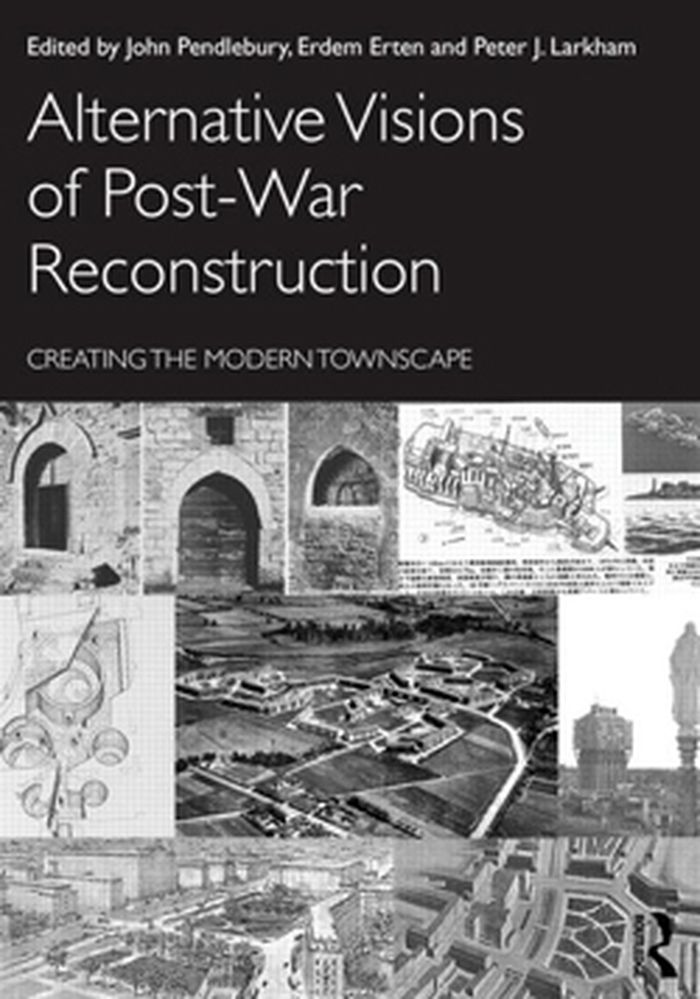
Alternative visions of post-war reconstruction
Actions:
Prix:
$71.95
(disponible sur commande)
Résumé:
This book provides a key critical statement on mid-twentieth century urban design and city planning, focused principally upon the period between the start of the Second World War to the mid-sixties. The various figures and currents covered here represent a largely overlooked field within the history of 20th century urbanism.
Alternative visions of post-war reconstruction
Actions:
Prix:
$71.95
(disponible sur commande)
Résumé:
This book provides a key critical statement on mid-twentieth century urban design and city planning, focused principally upon the period between the start of the Second World War to the mid-sixties. The various figures and currents covered here represent a largely overlooked field within the history of 20th century urbanism.
Classification:
livres
livres
Publication:
octobre 2014
octobre 2014
Sujet:
Théorie de l’urbanisme
Théorie de l’urbanisme
Classification:
livres
livres
Actions:
Prix:
$85.95
(disponible sur commande)
Résumé:
Small and mid-sized suburban towns house two-thirds of the world’s population and current modes of planning for these municipalities are facing challenges of both philosophy and form. Common approaches that have prevailed in past decades no longer sustain new demands and require innovative thinking. Rather than dismissing small and mid-sized towns as unattractive suburban(...)
$85.95
(disponible sur commande)
Résumé:
Small and mid-sized suburban towns house two-thirds of the world’s population and current modes of planning for these municipalities are facing challenges of both philosophy and form. Common approaches that have prevailed in past decades no longer sustain new demands and require innovative thinking. Rather than dismissing small and mid-sized towns as unattractive suburban(...)
Titre:
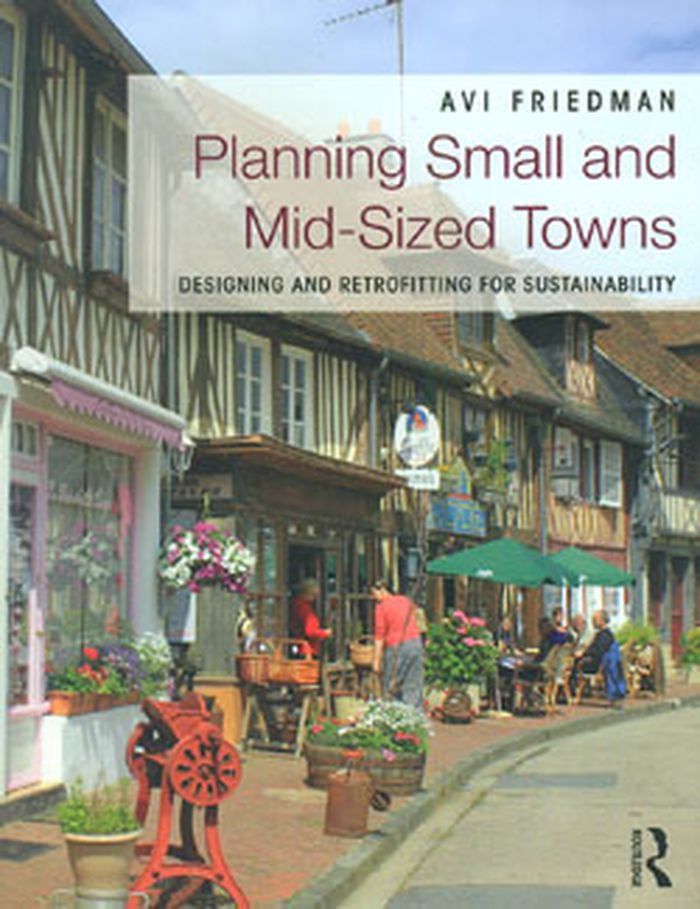
Planning Small and mid-sized towns: designing and retrofitting for sustainability
Actions:
Prix:
$85.95
(disponible sur commande)
Résumé:
Small and mid-sized suburban towns house two-thirds of the world’s population and current modes of planning for these municipalities are facing challenges of both philosophy and form. Common approaches that have prevailed in past decades no longer sustain new demands and require innovative thinking. Rather than dismissing small and mid-sized towns as unattractive suburban sprawl, Planning Small and Mid-Sized Towns offers ideas and methods on how small isolated and edge towns can be designed and retooled into sustainable, affordable and adaptable communities.
Planning Small and mid-sized towns: designing and retrofitting for sustainability
Actions:
Prix:
$85.95
(disponible sur commande)
Résumé:
Small and mid-sized suburban towns house two-thirds of the world’s population and current modes of planning for these municipalities are facing challenges of both philosophy and form. Common approaches that have prevailed in past decades no longer sustain new demands and require innovative thinking. Rather than dismissing small and mid-sized towns as unattractive suburban sprawl, Planning Small and Mid-Sized Towns offers ideas and methods on how small isolated and edge towns can be designed and retooled into sustainable, affordable and adaptable communities.
Classification:
livres
livres
Publication:
septembre 2014
septembre 2014
Sujet:
Théorie de l’urbanisme
Théorie de l’urbanisme


