


64 Résultats
Classification:
livres
livres
Actions:
Prix:
$36.95
(disponible en magasin)
Résumé:
Ice animates the look and feel of climate change. It is melting faster than ever before, causing social upheaval among northern coastal communities and disrupting a more southern, temperate world as sea levels rise. Economic, academic, and activist stakeholders are increasingly focused on the unsettling potential of ice as they plan for a future shaped by rapid(...)
$36.95
(disponible en magasin)
Résumé:
Ice animates the look and feel of climate change. It is melting faster than ever before, causing social upheaval among northern coastal communities and disrupting a more southern, temperate world as sea levels rise. Economic, academic, and activist stakeholders are increasingly focused on the unsettling potential of ice as they plan for a future shaped by rapid(...)
Titre:
Ice geographies: The colonial politics of race and indigeneity in the Arctic
Actions:
Prix:
$36.95
(disponible en magasin)
Résumé:
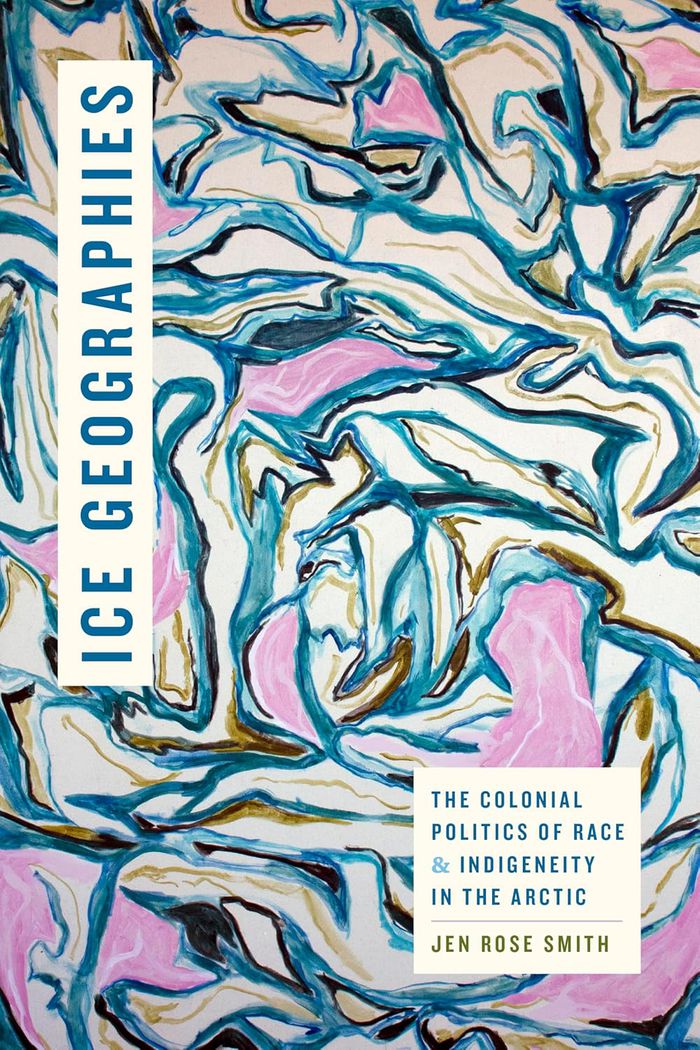
Ice animates the look and feel of climate change. It is melting faster than ever before, causing social upheaval among northern coastal communities and disrupting a more southern, temperate world as sea levels rise. Economic, academic, and activist stakeholders are increasingly focused on the unsettling potential of ice as they plan for a future shaped by rapid transformation. Yet, in "Ice geographies," Jen Rose Smith demonstrates that ice has always been at the center of making sense of the world. Ice as homeland is often at the heart of Arctic and sub-Arctic ontologies, cosmologies, and Native politics. Reflections on ice have also long been a constitutive element of Western political thought, but it often privileges a pristine or empty "nature" stripped of power relations. Smith centers ice to study race and indigeneity by investigating ice relations as sites and sources of analysis that are bound up with colonial and racial formations as well as ice geographies beyond those formations. Smith asks, How is ice a racialized geography and imaginary, and how does it also exceed those frameworks?
Ice geographies: The colonial politics of race and indigeneity in the Arctic
Actions:
Prix:
$36.95
(disponible en magasin)
Résumé:
Ice animates the look and feel of climate change. It is melting faster than ever before, causing social upheaval among northern coastal communities and disrupting a more southern, temperate world as sea levels rise. Economic, academic, and activist stakeholders are increasingly focused on the unsettling potential of ice as they plan for a future shaped by rapid transformation. Yet, in "Ice geographies," Jen Rose Smith demonstrates that ice has always been at the center of making sense of the world. Ice as homeland is often at the heart of Arctic and sub-Arctic ontologies, cosmologies, and Native politics. Reflections on ice have also long been a constitutive element of Western political thought, but it often privileges a pristine or empty "nature" stripped of power relations. Smith centers ice to study race and indigeneity by investigating ice relations as sites and sources of analysis that are bound up with colonial and racial formations as well as ice geographies beyond those formations. Smith asks, How is ice a racialized geography and imaginary, and how does it also exceed those frameworks?
Classification:
livres
livres
Publication:
mai 2025
mai 2025
Classification:
livres
livres
Actions:
Prix:
$51.50
(disponible en magasin)
Résumé:
With more than fifty contributors, ''Indigenous critical reflections on traditional ecological knowledge'' offers important perspectives by Indigenous Peoples on Traditional Ecological Knowledge and Indigenous value systems. The book aims to educate and inspire readers about the importance of decolonizing how Indigenous Knowledges are considered and used outside of Native(...)
$51.50
(disponible en magasin)
Résumé:
With more than fifty contributors, ''Indigenous critical reflections on traditional ecological knowledge'' offers important perspectives by Indigenous Peoples on Traditional Ecological Knowledge and Indigenous value systems. The book aims to educate and inspire readers about the importance of decolonizing how Indigenous Knowledges are considered and used outside of Native(...)
Titre:
Indigenous critical reflections on traditional ecological knowledge
Actions:
Prix:
$51.50
(disponible en magasin)
Résumé:
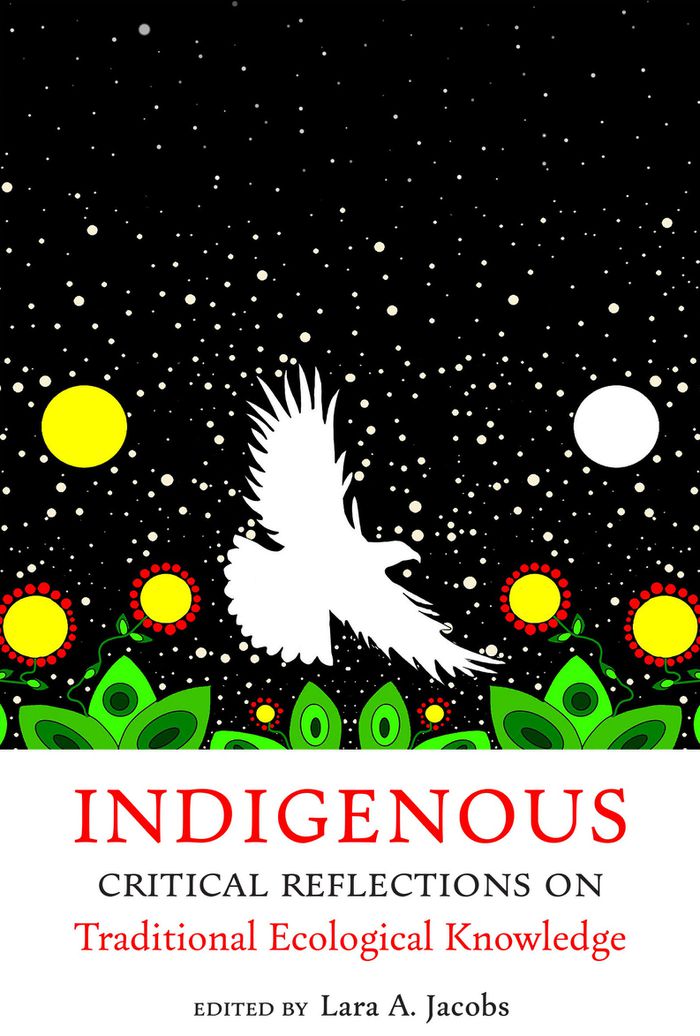
With more than fifty contributors, ''Indigenous critical reflections on traditional ecological knowledge'' offers important perspectives by Indigenous Peoples on Traditional Ecological Knowledge and Indigenous value systems. The book aims to educate and inspire readers about the importance of decolonizing how Indigenous Knowledges are considered and used outside of Native communities. By including the work of Indigenous storytellers, poets, and scholars from around the globe, editor Lara Jacobs and chapter authors effectively explore the Indigenous value systems-relationships, reciprocity, and responsibility-that are fundamental to Indigenous Knowledge systems and cultures. Indigenous languages and positionality statements are featured for each of the contributors to frame their cultural and geographical background and to allow each Indigenous voice to lead discussions and contribute critical discourse to the literature on Indigenous Knowledges and value systems. By creating space for each of these individual voices, this volume challenges colonial extraction norms and highlights the importance of decolonial methods in understanding and protecting Indigenous Knowledges.
Indigenous critical reflections on traditional ecological knowledge
Actions:
Prix:
$51.50
(disponible en magasin)
Résumé:
With more than fifty contributors, ''Indigenous critical reflections on traditional ecological knowledge'' offers important perspectives by Indigenous Peoples on Traditional Ecological Knowledge and Indigenous value systems. The book aims to educate and inspire readers about the importance of decolonizing how Indigenous Knowledges are considered and used outside of Native communities. By including the work of Indigenous storytellers, poets, and scholars from around the globe, editor Lara Jacobs and chapter authors effectively explore the Indigenous value systems-relationships, reciprocity, and responsibility-that are fundamental to Indigenous Knowledge systems and cultures. Indigenous languages and positionality statements are featured for each of the contributors to frame their cultural and geographical background and to allow each Indigenous voice to lead discussions and contribute critical discourse to the literature on Indigenous Knowledges and value systems. By creating space for each of these individual voices, this volume challenges colonial extraction norms and highlights the importance of decolonial methods in understanding and protecting Indigenous Knowledges.
Classification:
livres
livres
Publication:
juin 2025
juin 2025
Sujet:
Autochtone
Autochtone
Classification:
livres
livres
Actions:
Prix:
$48.00
(disponible sur commande)
Résumé:
''Indigenous Currencies'' follows dynamic stories of currency as a meaning-making communication technology. Settler economies regard currency as their own invention, casting Indigenous systems of value, exchange, and data stewardship as incompatible with contemporary markets. In this book, Ashley Cordes refutes such claims and describes a long history of Indigenous(...)
$48.00
(disponible sur commande)
Résumé:
''Indigenous Currencies'' follows dynamic stories of currency as a meaning-making communication technology. Settler economies regard currency as their own invention, casting Indigenous systems of value, exchange, and data stewardship as incompatible with contemporary markets. In this book, Ashley Cordes refutes such claims and describes a long history of Indigenous(...)
Titre:
Indigenous currencies: Leaving some for the rest in the Digital Age
Actions:
Prix:
$48.00
(disponible sur commande)
Résumé:
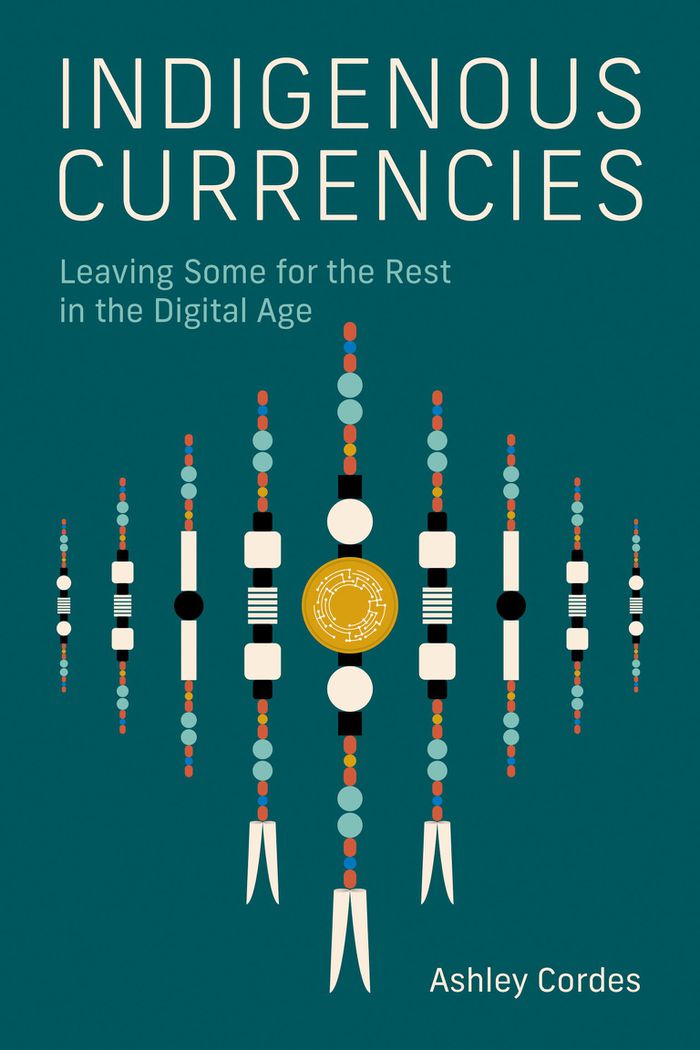
''Indigenous Currencies'' follows dynamic stories of currency as a meaning-making communication technology. Settler economies regard currency as their own invention, casting Indigenous systems of value, exchange, and data stewardship as incompatible with contemporary markets. In this book, Ashley Cordes refutes such claims and describes a long history of Indigenous innovation in currencies, including wampum, dentalium, beads, and, more recently, the cryptocurrency MazaCoin. By looking closely at how currencies developed over time through intercultural communication, Cordes argues that Indigenous currencies transcend the scope of economic value, revealing the cultural, social, and political context of what it means to exchange.
Indigenous currencies: Leaving some for the rest in the Digital Age
Actions:
Prix:
$48.00
(disponible sur commande)
Résumé:
''Indigenous Currencies'' follows dynamic stories of currency as a meaning-making communication technology. Settler economies regard currency as their own invention, casting Indigenous systems of value, exchange, and data stewardship as incompatible with contemporary markets. In this book, Ashley Cordes refutes such claims and describes a long history of Indigenous innovation in currencies, including wampum, dentalium, beads, and, more recently, the cryptocurrency MazaCoin. By looking closely at how currencies developed over time through intercultural communication, Cordes argues that Indigenous currencies transcend the scope of economic value, revealing the cultural, social, and political context of what it means to exchange.
Classification:
livres
livres
Publication:
juin 2025
juin 2025
Sujet:
Autochtone
Autochtone
Classification:
livres
livres

Actions:
Prix:
$44.95
(disponible en magasin)
Résumé:
Construit à partir d’entretiens donnés par Ailton Krenak sur une période de quarante ans, cet ouvrage raconte un chapitre essentiel de l’histoire du Brésil : celui du réveil politique des peuples autochtones à la fin des années 1970. Lui-même survivant d’un peuple massacré jusqu’à la limite de l’extinction par la colonisation avant de devenir un acteur de premier plan du(...)
$44.95
(disponible en magasin)
Résumé:
Construit à partir d’entretiens donnés par Ailton Krenak sur une période de quarante ans, cet ouvrage raconte un chapitre essentiel de l’histoire du Brésil : celui du réveil politique des peuples autochtones à la fin des années 1970. Lui-même survivant d’un peuple massacré jusqu’à la limite de l’extinction par la colonisation avant de devenir un acteur de premier plan du(...)
Titre:
Le réveil des peuples de la terre
Actions:
Prix:
$44.95
(disponible en magasin)
Résumé:
Construit à partir d’entretiens donnés par Ailton Krenak sur une période de quarante ans, cet ouvrage raconte un chapitre essentiel de l’histoire du Brésil : celui du réveil politique des peuples autochtones à la fin des années 1970. Lui-même survivant d’un peuple massacré jusqu’à la limite de l’extinction par la colonisation avant de devenir un acteur de premier plan du mouvement, Ailton Krenak nous emporte, au fil de ces entretiens, dans cette incroyable expérience d’organisation des peuples autochtones pour défendre leurs droits, depuis la période de la dictature dans les années 1970, jusqu’à l’arrivée de Jair Bolsonaro au pouvoir, en passant par l’époque exaltante de la refondation démocratique du pays dans les années 1980. Ces témoignages livrent également une analyse fulgurante de l’histoire récente de la colonisation du Brésil et des modèles d’invasion de l’Amazonie au moment même où celle-ci faisait irruption sur la scène internationale comme un enjeu écologique planétaire. En cela, ce livre ne représente pas simplement un document historique remarquable, il est aussi une réflexion sur le monde occidental et un appel à penser de nouvelles alliances pour faire face au front de destruction qui menace toutes les formes de vie sur Terre.
Le réveil des peuples de la terre
Actions:
Prix:
$44.95
(disponible en magasin)
Résumé:
Construit à partir d’entretiens donnés par Ailton Krenak sur une période de quarante ans, cet ouvrage raconte un chapitre essentiel de l’histoire du Brésil : celui du réveil politique des peuples autochtones à la fin des années 1970. Lui-même survivant d’un peuple massacré jusqu’à la limite de l’extinction par la colonisation avant de devenir un acteur de premier plan du mouvement, Ailton Krenak nous emporte, au fil de ces entretiens, dans cette incroyable expérience d’organisation des peuples autochtones pour défendre leurs droits, depuis la période de la dictature dans les années 1970, jusqu’à l’arrivée de Jair Bolsonaro au pouvoir, en passant par l’époque exaltante de la refondation démocratique du pays dans les années 1980. Ces témoignages livrent également une analyse fulgurante de l’histoire récente de la colonisation du Brésil et des modèles d’invasion de l’Amazonie au moment même où celle-ci faisait irruption sur la scène internationale comme un enjeu écologique planétaire. En cela, ce livre ne représente pas simplement un document historique remarquable, il est aussi une réflexion sur le monde occidental et un appel à penser de nouvelles alliances pour faire face au front de destruction qui menace toutes les formes de vie sur Terre.
Classification:
livres
livres
Publication:
juin 2025
juin 2025
Sujet:
Autochtone
Autochtone
Classification:
livres
livres
Titre:
Living as nature?
Living as nature?
Actions:
Prix:
$17.00
(disponible sur commande)
Résumé:
In a world where artificial intelligence has and increasingly important place in our daily lives, and more and more of our time is spent on screens, what does "Living as Nature" mean anymore? We wanted to answer this question in a two eyed seeing approach, a term coined by Mi’kmaw elder Albert Marshall referring to seeing from one eye with strengths of Indigenous ways of(...)
$17.00
(disponible sur commande)
Résumé:
In a world where artificial intelligence has and increasingly important place in our daily lives, and more and more of our time is spent on screens, what does "Living as Nature" mean anymore? We wanted to answer this question in a two eyed seeing approach, a term coined by Mi’kmaw elder Albert Marshall referring to seeing from one eye with strengths of Indigenous ways of(...)
Publication:
septembre 2025
septembre 2025
Titre:
Living as nature?
Actions:
Prix:
$17.00
(disponible sur commande)
Résumé:
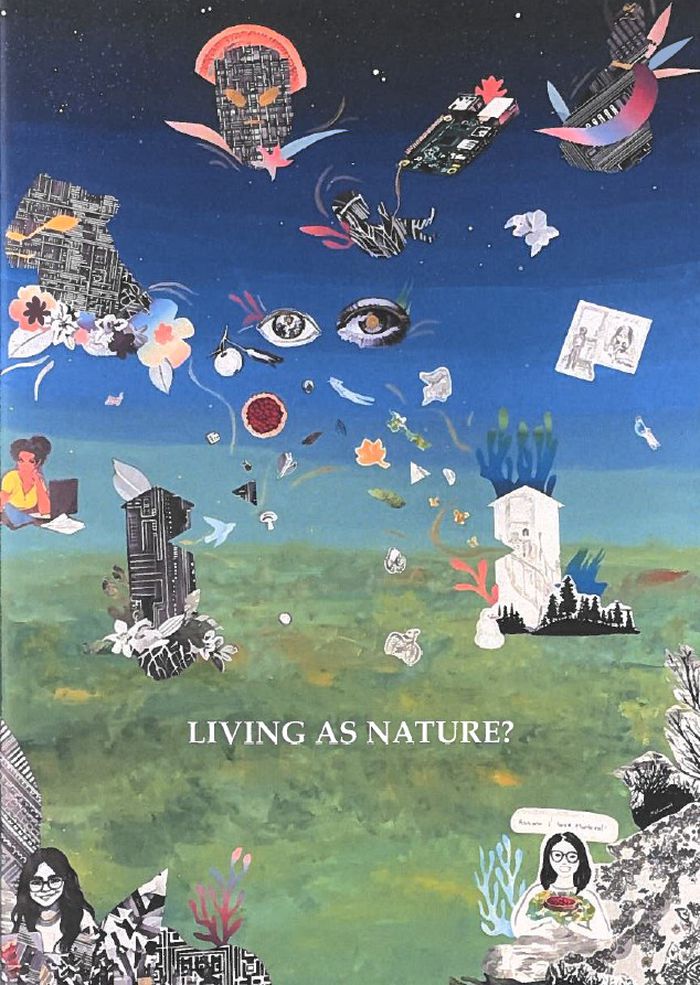
In a world where artificial intelligence has and increasingly important place in our daily lives, and more and more of our time is spent on screens, what does "Living as Nature" mean anymore? We wanted to answer this question in a two eyed seeing approach, a term coined by Mi’kmaw elder Albert Marshall referring to seeing from one eye with strengths of Indigenous ways of knowing, and from the other eye with the strengths of Western ways of knowing, and to use both of these eyes together to move forward. This can be seen through the pairing of Wendat values and the principles of the Montréal Declaration for a Responsible Development of Artificial Intelligence. We offer a mirrored reflection on this topic, from the perspectives of a researcher in AI for biodiversity conservation (Mélisande) and an Indigenous landscape architect (Carling): How can AI researchers working on applications in biodiversity reconcile Western science with Indigenous knowledge and ways of knowing of "Living as Nature?"
Living as nature?
Actions:
Prix:
$17.00
(disponible sur commande)
Résumé:
In a world where artificial intelligence has and increasingly important place in our daily lives, and more and more of our time is spent on screens, what does "Living as Nature" mean anymore? We wanted to answer this question in a two eyed seeing approach, a term coined by Mi’kmaw elder Albert Marshall referring to seeing from one eye with strengths of Indigenous ways of knowing, and from the other eye with the strengths of Western ways of knowing, and to use both of these eyes together to move forward. This can be seen through the pairing of Wendat values and the principles of the Montréal Declaration for a Responsible Development of Artificial Intelligence. We offer a mirrored reflection on this topic, from the perspectives of a researcher in AI for biodiversity conservation (Mélisande) and an Indigenous landscape architect (Carling): How can AI researchers working on applications in biodiversity reconcile Western science with Indigenous knowledge and ways of knowing of "Living as Nature?"
Classification:
livres
livres
Publication:
septembre 2025
septembre 2025
Classification:
livres
livres
Actions:
Prix:
$44.95
(disponible sur commande)
Résumé:
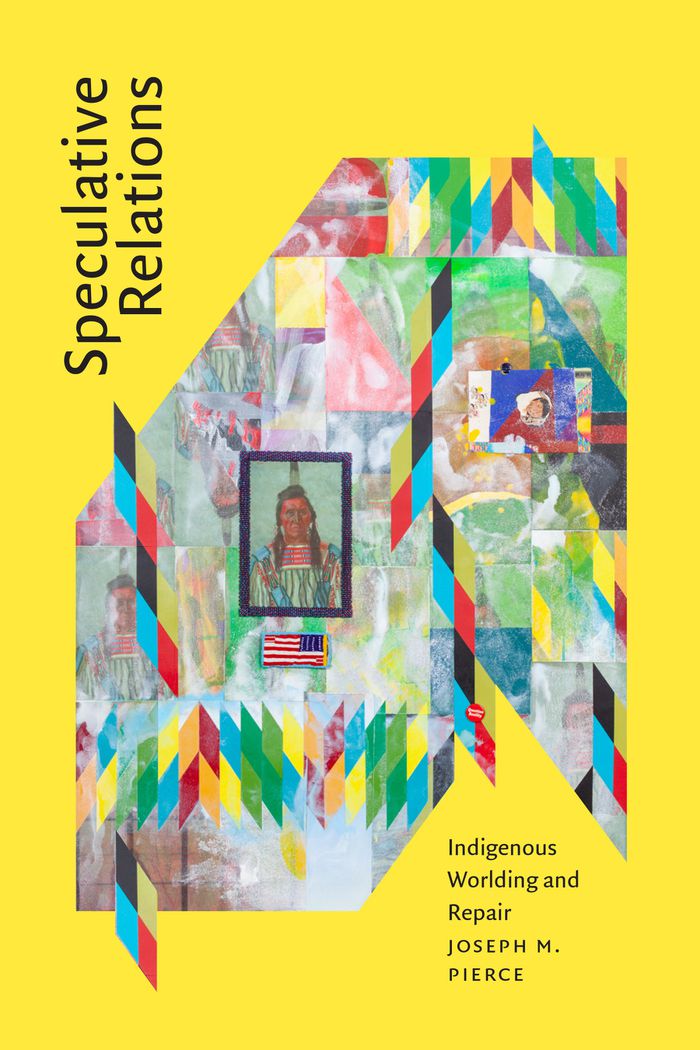
Indigenous relations are often described in anthropological terms, or as expressions of timeless, unchanging kinship ties. In ''Speculative Relations'', Joseph M. Pierce challenges this view, considering the potential of these relations as a means of repairing the damages of history. Pierce approaches Indigenous art and culture not as objects of study, but through(...)
$44.95
(disponible sur commande)
Résumé:
Indigenous relations are often described in anthropological terms, or as expressions of timeless, unchanging kinship ties. In ''Speculative Relations'', Joseph M. Pierce challenges this view, considering the potential of these relations as a means of repairing the damages of history. Pierce approaches Indigenous art and culture not as objects of study, but through(...)
Titre:
Speculative relations: Indigenous worling and repair
Actions:
Prix:
$44.95
(disponible sur commande)
Résumé:
Indigenous relations are often described in anthropological terms, or as expressions of timeless, unchanging kinship ties. In ''Speculative Relations'', Joseph M. Pierce challenges this view, considering the potential of these relations as a means of repairing the damages of history. Pierce approaches Indigenous art and culture not as objects of study, but through relations committed to reciprocity and care for human and more-than-human beings. Drawing on Cherokee thinking, Indigenous queer theory, literary and cultural studies, and art criticism, he illuminates pathways for understanding and resisting the ongoing damages of colonialism while pointing to future worlds and imaginaries that breathe life into Indigenous thought and practice. Analyzing a range of materials—from photography, literature, and sculpture to film and ethnography—Pierce reveals how speculation, as a form of situated knowledge production, can repair and reimagine the worlds that colonialism sought to destroy. In doing so, Pierce highlights how gestures, poetics, and embodiment can uphold tradition and harness the imaginative power of speculation to create pathways for living in good relations.
Speculative relations: Indigenous worling and repair
Actions:
Prix:
$44.95
(disponible sur commande)
Résumé:
Indigenous relations are often described in anthropological terms, or as expressions of timeless, unchanging kinship ties. In ''Speculative Relations'', Joseph M. Pierce challenges this view, considering the potential of these relations as a means of repairing the damages of history. Pierce approaches Indigenous art and culture not as objects of study, but through relations committed to reciprocity and care for human and more-than-human beings. Drawing on Cherokee thinking, Indigenous queer theory, literary and cultural studies, and art criticism, he illuminates pathways for understanding and resisting the ongoing damages of colonialism while pointing to future worlds and imaginaries that breathe life into Indigenous thought and practice. Analyzing a range of materials—from photography, literature, and sculpture to film and ethnography—Pierce reveals how speculation, as a form of situated knowledge production, can repair and reimagine the worlds that colonialism sought to destroy. In doing so, Pierce highlights how gestures, poetics, and embodiment can uphold tradition and harness the imaginative power of speculation to create pathways for living in good relations.
Classification:
livres
livres
Publication:
août 2025
août 2025
Sujet:
Autochtone
Autochtone
Classification:
livres
livres
Titre:
Theory of water
Theory of water
Actions:
Prix:
$22.00
(disponible en magasin)
Résumé:
For many years, Leanne Betasamosake Simpson has found refuge in skiing—in all kinds of weather across different forms of terrain, often following the trail beside a beloved creek near her home. Recently, as she skimmed along this path and meditated on our world's uncertainty—including environmental devastation, the rise of authoritarianism, and the effects of ongoing(...)
$22.00
(disponible en magasin)
Résumé:
For many years, Leanne Betasamosake Simpson has found refuge in skiing—in all kinds of weather across different forms of terrain, often following the trail beside a beloved creek near her home. Recently, as she skimmed along this path and meditated on our world's uncertainty—including environmental devastation, the rise of authoritarianism, and the effects of ongoing(...)
Titre:
Theory of water
Actions:
Prix:
$22.00
(disponible en magasin)
Résumé:
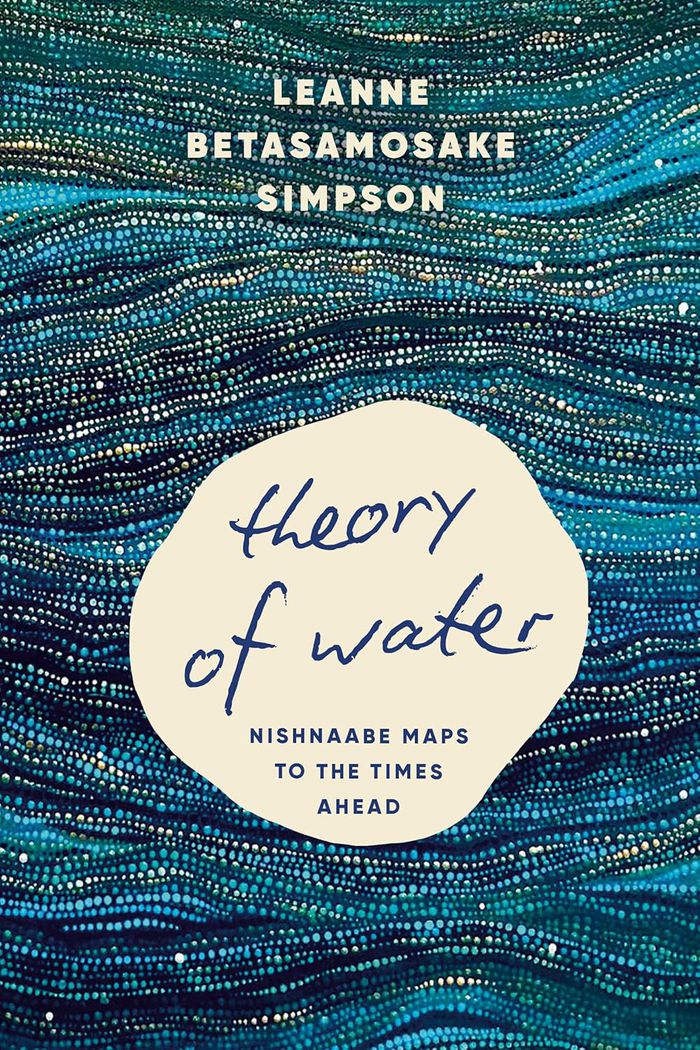
For many years, Leanne Betasamosake Simpson has found refuge in skiing—in all kinds of weather across different forms of terrain, often following the trail beside a beloved creek near her home. Recently, as she skimmed along this path and meditated on our world's uncertainty—including environmental devastation, the rise of authoritarianism, and the effects of ongoing social injustice—her mind turned to the ice beside her, and the snow beneath her feet. And she asked herself: What might it mean to truly listen to water? To know not only the land on which we live, but the water that surrounds and inhabits us? To coexist with and alongside water? So begins this renowned writer's quest to discover, understand, and trace the historical and cultural interactions of Indigenous peoples with water in all its forms. On her journey, she reflects on the teachings, traditions, stories, and creative work of others in her community—particularly those of her longtime friend Doug Williams, an Elder whose presence suffuses these pages; reads deeply the words of thinkers from other communities whose writing expands her own; and begins to shape a "Theory of Water" that reimagines relationships among all beings and life-forces.
Theory of water
Actions:
Prix:
$22.00
(disponible en magasin)
Résumé:
For many years, Leanne Betasamosake Simpson has found refuge in skiing—in all kinds of weather across different forms of terrain, often following the trail beside a beloved creek near her home. Recently, as she skimmed along this path and meditated on our world's uncertainty—including environmental devastation, the rise of authoritarianism, and the effects of ongoing social injustice—her mind turned to the ice beside her, and the snow beneath her feet. And she asked herself: What might it mean to truly listen to water? To know not only the land on which we live, but the water that surrounds and inhabits us? To coexist with and alongside water? So begins this renowned writer's quest to discover, understand, and trace the historical and cultural interactions of Indigenous peoples with water in all its forms. On her journey, she reflects on the teachings, traditions, stories, and creative work of others in her community—particularly those of her longtime friend Doug Williams, an Elder whose presence suffuses these pages; reads deeply the words of thinkers from other communities whose writing expands her own; and begins to shape a "Theory of Water" that reimagines relationships among all beings and life-forces.
Classification:
livres
livres
Publication:
mars 2026
mars 2026
Sujet:
Autochtone
Autochtone
Classification:
livres
livres
Prix:
$27.95
(disponible sur commande)
Résumé:
As early as the end of the 19th century, anarchists such as Peter Kropotkin and Élisée Reclus became interested in indigenous peoples, many of whom they saw as societies without a state or private property, living a form of communism. Thinkers such as David Graeber and John Holloway have continued this tradition of engagement with the practices of indigenous societies and(...)
$27.95
(disponible sur commande)
Résumé:
As early as the end of the 19th century, anarchists such as Peter Kropotkin and Élisée Reclus became interested in indigenous peoples, many of whom they saw as societies without a state or private property, living a form of communism. Thinkers such as David Graeber and John Holloway have continued this tradition of engagement with the practices of indigenous societies and(...)
Titre:
Anarcho-Indigenism: Conversations on land and freedom
Actions:
Prix:
$27.95
(disponible sur commande)
Résumé:
As early as the end of the 19th century, anarchists such as Peter Kropotkin and Élisée Reclus became interested in indigenous peoples, many of whom they saw as societies without a state or private property, living a form of communism. Thinkers such as David Graeber and John Holloway have continued this tradition of engagement with the practices of indigenous societies and their politics. There has also been a long history of (often imperfect) collaboration between anarchists and indigenous activists, over land rights and environmental issues, including recent high-profile anti-pipeline campaigns. ''Anarcho-Indigenism'' is a dialogue between anarchism and indigenous politics, featuring interviews from indigenous contributors Véronique Hébert, Gord Hill, Freda Huson, J. Kehaulani Kauanui, Clifton Ariwakehte Nicholas and Toghestiy, as well as the Marxist scholar specialist in indigenous people’s history and politics, Roxanne Dunbar-Ortiz. The contributors reveal what indigenous thought and traditions and anarchism have in common, without denying the scars left by colonialism even within this anti-authoritarian movement. They ultimately offer a vision of the world that combines anti-colonialism, feminism, ecology, anti-capitalism and anti-statism.
Anarcho-Indigenism: Conversations on land and freedom
Actions:
Prix:
$27.95
(disponible sur commande)
Résumé:
As early as the end of the 19th century, anarchists such as Peter Kropotkin and Élisée Reclus became interested in indigenous peoples, many of whom they saw as societies without a state or private property, living a form of communism. Thinkers such as David Graeber and John Holloway have continued this tradition of engagement with the practices of indigenous societies and their politics. There has also been a long history of (often imperfect) collaboration between anarchists and indigenous activists, over land rights and environmental issues, including recent high-profile anti-pipeline campaigns. ''Anarcho-Indigenism'' is a dialogue between anarchism and indigenous politics, featuring interviews from indigenous contributors Véronique Hébert, Gord Hill, Freda Huson, J. Kehaulani Kauanui, Clifton Ariwakehte Nicholas and Toghestiy, as well as the Marxist scholar specialist in indigenous people’s history and politics, Roxanne Dunbar-Ortiz. The contributors reveal what indigenous thought and traditions and anarchism have in common, without denying the scars left by colonialism even within this anti-authoritarian movement. They ultimately offer a vision of the world that combines anti-colonialism, feminism, ecology, anti-capitalism and anti-statism.
Classification:
livres
livres
Publication:
septembre 2023
septembre 2023
Sujet:
Autochtone
Autochtone
Classification:
livres
livres
Actions:
Prix:
$34.00
(disponible sur commande)
Résumé:
Comment penser le territoire autrement? Comment accueillir les savoirs autochtones sans les traduire ni les réduire? Comment faire dialoguer poésie et géographie? Ce livre s'adresse à celles et ceux qui souhaitent dépasser les frontières disciplinaires et les cloisonnements culturels pour explorer un monde vivant, sensible et réconcilié. Ecrire le territoire : dialogue(...)
$34.00
(disponible sur commande)
Résumé:
Comment penser le territoire autrement? Comment accueillir les savoirs autochtones sans les traduire ni les réduire? Comment faire dialoguer poésie et géographie? Ce livre s'adresse à celles et ceux qui souhaitent dépasser les frontières disciplinaires et les cloisonnements culturels pour explorer un monde vivant, sensible et réconcilié. Ecrire le territoire : dialogue(...)
Titre:
Écrire le territoire: Dialogue entre géographie libertaire et littérature innu
Actions:
Prix:
$34.00
(disponible sur commande)
Résumé:
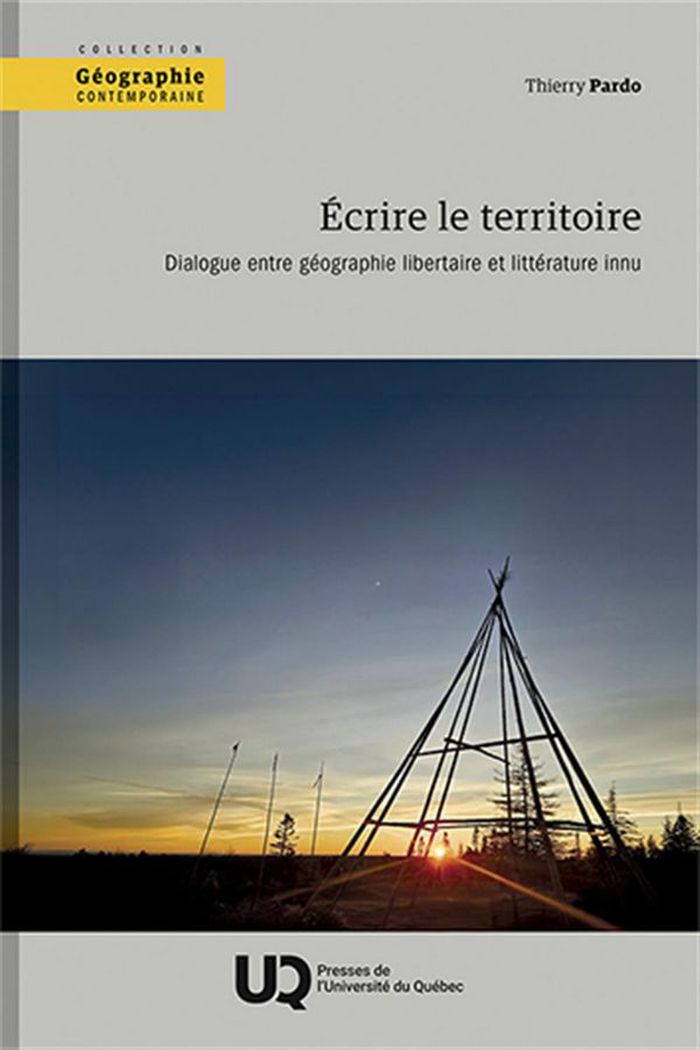
Comment penser le territoire autrement? Comment accueillir les savoirs autochtones sans les traduire ni les réduire? Comment faire dialoguer poésie et géographie? Ce livre s'adresse à celles et ceux qui souhaitent dépasser les frontières disciplinaires et les cloisonnements culturels pour explorer un monde vivant, sensible et réconcilié. Ecrire le territoire : dialogue entre géographie libertaire et littérature innu propose une rencontre inédite entre la géographie libertaire – celle des géographes engagés, amis de la Terre et des cultures vernaculaires – et la littérature innu contemporaine, porteuse d'une expérience poétique et incarnée de l'espace. A travers un corpus de poésies et d'essais mis en miroir, Thierry Pardo nous invite à une lecture où le vécu devient vecteur de connaissance. Ce dialogue entre deux traditions d'écriture, séparées par l'histoire, mais réunies par une même attention au monde, participe à un déplacement paradigmatique : celui qui permet enfin de recevoir la parole autochtone sans la soumettre aux critères de validation imposés par les institutions savantes. Ce livre est une invitation à penser avec le territoire, à écouter ses voix multiples, et à reconnaître dans l'expression libre et poétique une géographie profondément humaine.
Écrire le territoire: Dialogue entre géographie libertaire et littérature innu
Actions:
Prix:
$34.00
(disponible sur commande)
Résumé:
Comment penser le territoire autrement? Comment accueillir les savoirs autochtones sans les traduire ni les réduire? Comment faire dialoguer poésie et géographie? Ce livre s'adresse à celles et ceux qui souhaitent dépasser les frontières disciplinaires et les cloisonnements culturels pour explorer un monde vivant, sensible et réconcilié. Ecrire le territoire : dialogue entre géographie libertaire et littérature innu propose une rencontre inédite entre la géographie libertaire – celle des géographes engagés, amis de la Terre et des cultures vernaculaires – et la littérature innu contemporaine, porteuse d'une expérience poétique et incarnée de l'espace. A travers un corpus de poésies et d'essais mis en miroir, Thierry Pardo nous invite à une lecture où le vécu devient vecteur de connaissance. Ce dialogue entre deux traditions d'écriture, séparées par l'histoire, mais réunies par une même attention au monde, participe à un déplacement paradigmatique : celui qui permet enfin de recevoir la parole autochtone sans la soumettre aux critères de validation imposés par les institutions savantes. Ce livre est une invitation à penser avec le territoire, à écouter ses voix multiples, et à reconnaître dans l'expression libre et poétique une géographie profondément humaine.
Classification:
livres
livres
Publication:
mai 2026
mai 2026
Sujet:
Autochtone
Autochtone
Classification:
livres
livres
Actions:
Prix:
$48.95
(disponible en magasin)
Résumé:
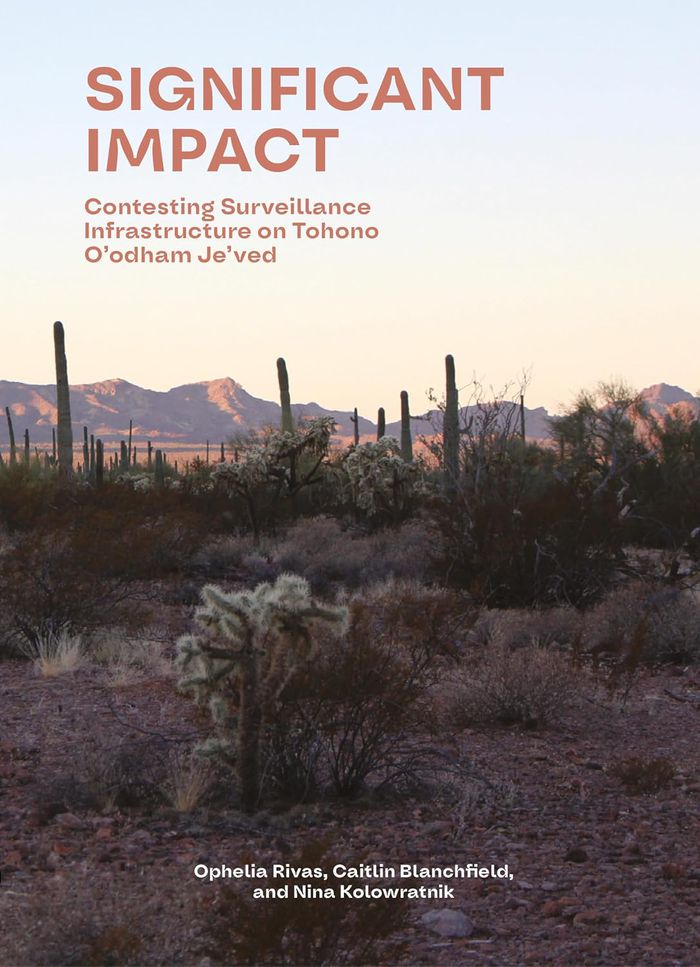
This book brings together stories, essays, and narrative cartography in a counter environmental assessment to document and describe the effects of surveillance infrastructure on the Tohono O’odham Nation—a Native American reservation on the United States-Mexico border. A collaboration between O’odham Elder Ophelia Rivas, human rights scholar Nina Valerie Kolowratnik, and(...)
$48.95
(disponible en magasin)
Résumé:
This book brings together stories, essays, and narrative cartography in a counter environmental assessment to document and describe the effects of surveillance infrastructure on the Tohono O’odham Nation—a Native American reservation on the United States-Mexico border. A collaboration between O’odham Elder Ophelia Rivas, human rights scholar Nina Valerie Kolowratnik, and(...)
Titre:
Significant Impact: Assessing Surveillance Infrastructures on Tohono O'odham Je'ved
Actions:
Prix:
$48.95
(disponible en magasin)
Résumé:
This book brings together stories, essays, and narrative cartography in a counter environmental assessment to document and describe the effects of surveillance infrastructure on the Tohono O’odham Nation—a Native American reservation on the United States-Mexico border. A collaboration between O’odham Elder Ophelia Rivas, human rights scholar Nina Valerie Kolowratnik, and architectural historian Caitlin Blanchfield, the book advocates against militarized infrastructures on Indigenous lands and challenges common protocols of environmental review, along with the Western frameworks of scientific classification and property embedded in them. The project makes visible the impact of surveillance when considered through Indigenous sovereignty and an O’odham epistemology of land. It offers a visual language that is sensitive to secrecy protocols within Traditional Knowledge and that challenges the colonial biases of Western cartography.
Significant Impact: Assessing Surveillance Infrastructures on Tohono O'odham Je'ved
Actions:
Prix:
$48.95
(disponible en magasin)
Résumé:
This book brings together stories, essays, and narrative cartography in a counter environmental assessment to document and describe the effects of surveillance infrastructure on the Tohono O’odham Nation—a Native American reservation on the United States-Mexico border. A collaboration between O’odham Elder Ophelia Rivas, human rights scholar Nina Valerie Kolowratnik, and architectural historian Caitlin Blanchfield, the book advocates against militarized infrastructures on Indigenous lands and challenges common protocols of environmental review, along with the Western frameworks of scientific classification and property embedded in them. The project makes visible the impact of surveillance when considered through Indigenous sovereignty and an O’odham epistemology of land. It offers a visual language that is sensitive to secrecy protocols within Traditional Knowledge and that challenges the colonial biases of Western cartography.
Classification:
livres
livres
Publication:
août 2026
août 2026
Sujet:
Autochtone
Autochtone


