


736 Résultats
Classification:
expositions
expositions
Actions:
Description:
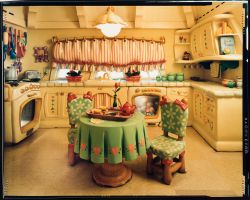
Réalisme et illusion : Photographies des parcs thématiques de Disney par Catherine Wagner présente un essai visuel des quatre parcs thématiques de Disney situés à Anaheim (Californie), à Orlando (Floride), à Tokyo et à Paris. Fascinée par la place prépondérante de l’illusion dans la conception et l’aménagement des parcs, Catherine Wagner désirait ajouter « une couche(...)
Réalisme et illusion : Photographies des parcs thématiques de Disney par Catherine Wagner présente un essai visuel des quatre parcs thématiques de Disney situés à Anaheim (Californie), à Orlando (Floride), à Tokyo et à Paris. Fascinée par la place prépondérante de l’illusion dans la conception et l’aménagement des parcs, Catherine Wagner désirait ajouter « une couche(...)
Localisation:
Salle octogonale
Salle octogonale
Date:
17 juin 1997 au 28 septembre 1997
17 juin 1997 au 28 septembre 1997
Titre:
Réalisme et illusion : photographies des parcs thématiques de Disney par Catherine Wagner
Actions:
Description:
Réalisme et illusion : Photographies des parcs thématiques de Disney par Catherine Wagner présente un essai visuel des quatre parcs thématiques de Disney situés à Anaheim (Californie), à Orlando (Floride), à Tokyo et à Paris. Fascinée par la place prépondérante de l’illusion dans la conception et l’aménagement des parcs, Catherine Wagner désirait ajouter « une couche(...)
Réalisme et illusion : photographies des parcs thématiques de Disney par Catherine Wagner
Actions:
Description:
Réalisme et illusion : Photographies des parcs thématiques de Disney par Catherine Wagner présente un essai visuel des quatre parcs thématiques de Disney situés à Anaheim (Californie), à Orlando (Floride), à Tokyo et à Paris. Fascinée par la place prépondérante de l’illusion dans la conception et l’aménagement des parcs, Catherine Wagner désirait ajouter « une couche(...)
Classification:
expositions
expositions
Date:
17 juin 1997 au
28 septembre 1997
17 juin 1997 au
28 septembre 1997
Localisation:
Salle octogonale
Salle octogonale
Classification:
expositions
expositions
Titre:
Miroirs / Mirrors
Miroirs / Mirrors
Actions:
Description:
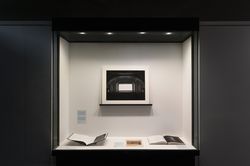
Miroirs/ Mirrors prend forme à travers un dialogue indirect avec l’exposition L’histoire, par ailleurs: Go Hasegawa, Kersten Geers, David Van Severen, qui prend racine dans les références et les résonnances partagées entre les travaux de deux pratiques contemporaines mises en présence de l’histoire. Alors que L’histoire, par ailleurs se fonde sur limpression que lon a du(...)
Miroirs/ Mirrors prend forme à travers un dialogue indirect avec l’exposition L’histoire, par ailleurs: Go Hasegawa, Kersten Geers, David Van Severen, qui prend racine dans les références et les résonnances partagées entre les travaux de deux pratiques contemporaines mises en présence de l’histoire. Alors que L’histoire, par ailleurs se fonde sur limpression que lon a du(...)
Localisation:
Vitrines
Vitrines
Date:
22 juin 2017 au 14 janvier 2018
22 juin 2017 au 14 janvier 2018
Titre:
Miroirs / Mirrors
Actions:
Description:
Miroirs/ Mirrors prend forme à travers un dialogue indirect avec l’exposition L’histoire, par ailleurs: Go Hasegawa, Kersten Geers, David Van Severen, qui prend racine dans les références et les résonnances partagées entre les travaux de deux pratiques contemporaines mises en présence de l’histoire. Alors que L’histoire, par ailleurs se fonde sur limpression que lon a du(...)
Miroirs / Mirrors
Actions:
Description:
Miroirs/ Mirrors prend forme à travers un dialogue indirect avec l’exposition L’histoire, par ailleurs: Go Hasegawa, Kersten Geers, David Van Severen, qui prend racine dans les références et les résonnances partagées entre les travaux de deux pratiques contemporaines mises en présence de l’histoire. Alors que L’histoire, par ailleurs se fonde sur limpression que lon a du(...)
Classification:
expositions
expositions
Date:
22 juin 2017 au
14 janvier 2018
22 juin 2017 au
14 janvier 2018
Localisation:
Vitrines
Vitrines
Niveau de description archivistique:
Sous-série
Sous-série
Numéro de référence:
CI001.S1.D3
Description:
The urban and public architecture of Hubert Rohault de Fleury is insightful concerning both the stylistic directions of utilitarian architecture in France and the structure and role of the government architectural services (1) in the Empire and the Restoration. The drawings in the CCA collection depict built and unbuilt projects undertaken in the context of Hubert's positions in the government architectural services as well as private commissions. Hubert's principal official positions related to three branches of the French government: the Préfecture de la police, the Conseil général des hospices and the Conseil des Bâtiments Civils, a "division" of the Ministère de l'interieur. Hubert's work for the Préfecture de la police (which was also responsible for the gendarmerie and the sapeurs-pompiers barracks) is represented in the CCA collection by projects for four gendarmerie barracks (1821-1830) and alterations to the Préfecture de la Police (1833 ?) and nearby prison in Paris (1819)(DR1974:0002:016:001-070 / DR1974:0002:011:001-089 and DR1974:0002: 015:001-070). The drawings in these albums emphasize the planning (or re-arrangement) of the interior spaces. The album for the Préfecture de la police also includes record drawings for prisons in England and France as background material for Hubert's work and/or related to reports for the Conseil des Bâtiments Civils, which had an active role in the design of prisons throughout France during the early years of the nineteenth century (2). Although the CCA collection has no drawings directly related to Hubert's position as the architecte des hospices (3), drawings and prints are included for his earlier ideal hospitals (ca. 1810) (DR1974:0002:008:001-077). These projects continue the late 17th and 18th century tradition of monumental geometrically laid-out ideal hospitals. This album also contains prints and drawings of medical buildings by other architects (probably reference material), and drawings of Hubert's unexecuted proposal for the re-development of the École de médecine (Paris) and the surrounding buildings and urban spaces. Hubert was the architecte de l'École de medicine (4); a position that probably related to his work for the Ministère d'Interieur, which would have been responsible for this building. In general, Hubert's role and responsibilities within the Ministère de l'interieur and the associated Conseil de Bâtiment Civils (especially prior to his appointment to the position of inspecteur gènèral in 1830) are the least clear of his government positions. In addition to the École de medicine album, two other albums contain projects relating to the Ministère de l'Interieur: two proposals for Place Louis XV commissioned by the Ministre de l'interieur, Duc Decazes in 1821 (DR1974:0002:037:001-031), and drawings for the conversion or renovation of several Parisian hôtel particuliers (probably between 1810 and ca. 1820) including those used by the Ministère de l'interieur, Ministère de la Guerre and the Ministère des affaires étrangères (DR1974:0002;011:001-089). On other government commission of significance is represented in the CCA collection. In 1819, Hubert Rohault de Fleury in collaboration with Etienne Hyppolite Godde was commissioned to direct the restoration of the Thermes de Julien located under the Hôtel de Cluny. The CCA collection includes several letters and drawings, and a report related to this commission (DR1974:0002 :037:001-031). Hubert's private urban projects, mostly commissioned by private entrepreneurs or societies, were concerned with the expansion of the infrastructure of Paris and the surrounding communities as well as, to some extent, larger issues of urban development. One album contains projects dating from between 1819 and 1836 related horses - an essential part of 19th century urban life (5): a stud-farm (Haras de Madrid, Bois de Boulogne), an auction house and an infirmary (Clos St. Charles, Clos d'équarrissage, fôret de Bondy) and three slaughterhouses (Plaine de Grenelle, an unnamed project and La Villete (6))(DR1974:0002:014:001-104). These album also includes developmental studies for a new quartier of Paris - Nouveau Quartier Poissonière (the site of today's 10e arrondissement). A second album (ca. 1825) includes designs for a "maison de blanchisseur", an "entrepot de vins" with adjacent "guingette" and designs for structures at Parc de Clichy - a reservoir, a washhouse and a manège (DR1974:0002:009:001-079) (7). The drawings in these albums are particularly informative regarding the materials, structures and mechanical systems utilized. As with most of his government commissions, for these buildings, Hubert adopted a sparse architectural syntax of pared-down classical motifs and regimented plans grounded in the ideas of Durand and commonly used in utilitarian buildings during the 19th century. (1) These are discussed in some detail in Chapter 2 of David Van Zanten, 'Building Paris' (Cambridge: Cambridge University Press, 1994). (2) Van Zanten, 'Building Paris', 51-52. (3) The Cabinet des Estampes at the Musée Carnavalet in Paris has drawings related to Hubert's work for the Conseil général des hospices. (4) Evidence of this position is based on inscriptions on drawings in album, DR1974:0002:008:001-77. (5) Bergdoll, 4. (6) The La Villete slaughterhouse was designed by Charles Rohault de Fleury. (7) The source(s) of these commissions is unknown.
CI001.S1.D3
Description:
The urban and public architecture of Hubert Rohault de Fleury is insightful concerning both the stylistic directions of utilitarian architecture in France and the structure and role of the government architectural services (1) in the Empire and the Restoration. The drawings in the CCA collection depict built and unbuilt projects undertaken in the context of Hubert's positions in the government architectural services as well as private commissions. Hubert's principal official positions related to three branches of the French government: the Préfecture de la police, the Conseil général des hospices and the Conseil des Bâtiments Civils, a "division" of the Ministère de l'interieur. Hubert's work for the Préfecture de la police (which was also responsible for the gendarmerie and the sapeurs-pompiers barracks) is represented in the CCA collection by projects for four gendarmerie barracks (1821-1830) and alterations to the Préfecture de la Police (1833 ?) and nearby prison in Paris (1819)(DR1974:0002:016:001-070 / DR1974:0002:011:001-089 and DR1974:0002: 015:001-070). The drawings in these albums emphasize the planning (or re-arrangement) of the interior spaces. The album for the Préfecture de la police also includes record drawings for prisons in England and France as background material for Hubert's work and/or related to reports for the Conseil des Bâtiments Civils, which had an active role in the design of prisons throughout France during the early years of the nineteenth century (2). Although the CCA collection has no drawings directly related to Hubert's position as the architecte des hospices (3), drawings and prints are included for his earlier ideal hospitals (ca. 1810) (DR1974:0002:008:001-077). These projects continue the late 17th and 18th century tradition of monumental geometrically laid-out ideal hospitals. This album also contains prints and drawings of medical buildings by other architects (probably reference material), and drawings of Hubert's unexecuted proposal for the re-development of the École de médecine (Paris) and the surrounding buildings and urban spaces. Hubert was the architecte de l'École de medicine (4); a position that probably related to his work for the Ministère d'Interieur, which would have been responsible for this building. In general, Hubert's role and responsibilities within the Ministère de l'interieur and the associated Conseil de Bâtiment Civils (especially prior to his appointment to the position of inspecteur gènèral in 1830) are the least clear of his government positions. In addition to the École de medicine album, two other albums contain projects relating to the Ministère de l'Interieur: two proposals for Place Louis XV commissioned by the Ministre de l'interieur, Duc Decazes in 1821 (DR1974:0002:037:001-031), and drawings for the conversion or renovation of several Parisian hôtel particuliers (probably between 1810 and ca. 1820) including those used by the Ministère de l'interieur, Ministère de la Guerre and the Ministère des affaires étrangères (DR1974:0002;011:001-089). On other government commission of significance is represented in the CCA collection. In 1819, Hubert Rohault de Fleury in collaboration with Etienne Hyppolite Godde was commissioned to direct the restoration of the Thermes de Julien located under the Hôtel de Cluny. The CCA collection includes several letters and drawings, and a report related to this commission (DR1974:0002 :037:001-031). Hubert's private urban projects, mostly commissioned by private entrepreneurs or societies, were concerned with the expansion of the infrastructure of Paris and the surrounding communities as well as, to some extent, larger issues of urban development. One album contains projects dating from between 1819 and 1836 related horses - an essential part of 19th century urban life (5): a stud-farm (Haras de Madrid, Bois de Boulogne), an auction house and an infirmary (Clos St. Charles, Clos d'équarrissage, fôret de Bondy) and three slaughterhouses (Plaine de Grenelle, an unnamed project and La Villete (6))(DR1974:0002:014:001-104). These album also includes developmental studies for a new quartier of Paris - Nouveau Quartier Poissonière (the site of today's 10e arrondissement). A second album (ca. 1825) includes designs for a "maison de blanchisseur", an "entrepot de vins" with adjacent "guingette" and designs for structures at Parc de Clichy - a reservoir, a washhouse and a manège (DR1974:0002:009:001-079) (7). The drawings in these albums are particularly informative regarding the materials, structures and mechanical systems utilized. As with most of his government commissions, for these buildings, Hubert adopted a sparse architectural syntax of pared-down classical motifs and regimented plans grounded in the ideas of Durand and commonly used in utilitarian buildings during the 19th century. (1) These are discussed in some detail in Chapter 2 of David Van Zanten, 'Building Paris' (Cambridge: Cambridge University Press, 1994). (2) Van Zanten, 'Building Paris', 51-52. (3) The Cabinet des Estampes at the Musée Carnavalet in Paris has drawings related to Hubert's work for the Conseil général des hospices. (4) Evidence of this position is based on inscriptions on drawings in album, DR1974:0002:008:001-77. (5) Bergdoll, 4. (6) The La Villete slaughterhouse was designed by Charles Rohault de Fleury. (7) The source(s) of these commissions is unknown.
Personnes et institutions:
Date:
1754-1875
1754-1875
Titre:
Public and Urban architecture
CI001.S1.D3
Description:
The urban and public architecture of Hubert Rohault de Fleury is insightful concerning both the stylistic directions of utilitarian architecture in France and the structure and role of the government architectural services (1) in the Empire and the Restoration. The drawings in the CCA collection depict built and unbuilt projects undertaken in the context of Hubert's positions in the government architectural services as well as private commissions. Hubert's principal official positions related to three branches of the French government: the Préfecture de la police, the Conseil général des hospices and the Conseil des Bâtiments Civils, a "division" of the Ministère de l'interieur. Hubert's work for the Préfecture de la police (which was also responsible for the gendarmerie and the sapeurs-pompiers barracks) is represented in the CCA collection by projects for four gendarmerie barracks (1821-1830) and alterations to the Préfecture de la Police (1833 ?) and nearby prison in Paris (1819)(DR1974:0002:016:001-070 / DR1974:0002:011:001-089 and DR1974:0002: 015:001-070). The drawings in these albums emphasize the planning (or re-arrangement) of the interior spaces. The album for the Préfecture de la police also includes record drawings for prisons in England and France as background material for Hubert's work and/or related to reports for the Conseil des Bâtiments Civils, which had an active role in the design of prisons throughout France during the early years of the nineteenth century (2). Although the CCA collection has no drawings directly related to Hubert's position as the architecte des hospices (3), drawings and prints are included for his earlier ideal hospitals (ca. 1810) (DR1974:0002:008:001-077). These projects continue the late 17th and 18th century tradition of monumental geometrically laid-out ideal hospitals. This album also contains prints and drawings of medical buildings by other architects (probably reference material), and drawings of Hubert's unexecuted proposal for the re-development of the École de médecine (Paris) and the surrounding buildings and urban spaces. Hubert was the architecte de l'École de medicine (4); a position that probably related to his work for the Ministère d'Interieur, which would have been responsible for this building. In general, Hubert's role and responsibilities within the Ministère de l'interieur and the associated Conseil de Bâtiment Civils (especially prior to his appointment to the position of inspecteur gènèral in 1830) are the least clear of his government positions. In addition to the École de medicine album, two other albums contain projects relating to the Ministère de l'Interieur: two proposals for Place Louis XV commissioned by the Ministre de l'interieur, Duc Decazes in 1821 (DR1974:0002:037:001-031), and drawings for the conversion or renovation of several Parisian hôtel particuliers (probably between 1810 and ca. 1820) including those used by the Ministère de l'interieur, Ministère de la Guerre and the Ministère des affaires étrangères (DR1974:0002;011:001-089). On other government commission of significance is represented in the CCA collection. In 1819, Hubert Rohault de Fleury in collaboration with Etienne Hyppolite Godde was commissioned to direct the restoration of the Thermes de Julien located under the Hôtel de Cluny. The CCA collection includes several letters and drawings, and a report related to this commission (DR1974:0002 :037:001-031). Hubert's private urban projects, mostly commissioned by private entrepreneurs or societies, were concerned with the expansion of the infrastructure of Paris and the surrounding communities as well as, to some extent, larger issues of urban development. One album contains projects dating from between 1819 and 1836 related horses - an essential part of 19th century urban life (5): a stud-farm (Haras de Madrid, Bois de Boulogne), an auction house and an infirmary (Clos St. Charles, Clos d'équarrissage, fôret de Bondy) and three slaughterhouses (Plaine de Grenelle, an unnamed project and La Villete (6))(DR1974:0002:014:001-104). These album also includes developmental studies for a new quartier of Paris - Nouveau Quartier Poissonière (the site of today's 10e arrondissement). A second album (ca. 1825) includes designs for a "maison de blanchisseur", an "entrepot de vins" with adjacent "guingette" and designs for structures at Parc de Clichy - a reservoir, a washhouse and a manège (DR1974:0002:009:001-079) (7). The drawings in these albums are particularly informative regarding the materials, structures and mechanical systems utilized. As with most of his government commissions, for these buildings, Hubert adopted a sparse architectural syntax of pared-down classical motifs and regimented plans grounded in the ideas of Durand and commonly used in utilitarian buildings during the 19th century. (1) These are discussed in some detail in Chapter 2 of David Van Zanten, 'Building Paris' (Cambridge: Cambridge University Press, 1994). (2) Van Zanten, 'Building Paris', 51-52. (3) The Cabinet des Estampes at the Musée Carnavalet in Paris has drawings related to Hubert's work for the Conseil général des hospices. (4) Evidence of this position is based on inscriptions on drawings in album, DR1974:0002:008:001-77. (5) Bergdoll, 4. (6) The La Villete slaughterhouse was designed by Charles Rohault de Fleury. (7) The source(s) of these commissions is unknown.
Public and Urban architecture
CI001.S1.D3
Description:
The urban and public architecture of Hubert Rohault de Fleury is insightful concerning both the stylistic directions of utilitarian architecture in France and the structure and role of the government architectural services (1) in the Empire and the Restoration. The drawings in the CCA collection depict built and unbuilt projects undertaken in the context of Hubert's positions in the government architectural services as well as private commissions. Hubert's principal official positions related to three branches of the French government: the Préfecture de la police, the Conseil général des hospices and the Conseil des Bâtiments Civils, a "division" of the Ministère de l'interieur. Hubert's work for the Préfecture de la police (which was also responsible for the gendarmerie and the sapeurs-pompiers barracks) is represented in the CCA collection by projects for four gendarmerie barracks (1821-1830) and alterations to the Préfecture de la Police (1833 ?) and nearby prison in Paris (1819)(DR1974:0002:016:001-070 / DR1974:0002:011:001-089 and DR1974:0002: 015:001-070). The drawings in these albums emphasize the planning (or re-arrangement) of the interior spaces. The album for the Préfecture de la police also includes record drawings for prisons in England and France as background material for Hubert's work and/or related to reports for the Conseil des Bâtiments Civils, which had an active role in the design of prisons throughout France during the early years of the nineteenth century (2). Although the CCA collection has no drawings directly related to Hubert's position as the architecte des hospices (3), drawings and prints are included for his earlier ideal hospitals (ca. 1810) (DR1974:0002:008:001-077). These projects continue the late 17th and 18th century tradition of monumental geometrically laid-out ideal hospitals. This album also contains prints and drawings of medical buildings by other architects (probably reference material), and drawings of Hubert's unexecuted proposal for the re-development of the École de médecine (Paris) and the surrounding buildings and urban spaces. Hubert was the architecte de l'École de medicine (4); a position that probably related to his work for the Ministère d'Interieur, which would have been responsible for this building. In general, Hubert's role and responsibilities within the Ministère de l'interieur and the associated Conseil de Bâtiment Civils (especially prior to his appointment to the position of inspecteur gènèral in 1830) are the least clear of his government positions. In addition to the École de medicine album, two other albums contain projects relating to the Ministère de l'Interieur: two proposals for Place Louis XV commissioned by the Ministre de l'interieur, Duc Decazes in 1821 (DR1974:0002:037:001-031), and drawings for the conversion or renovation of several Parisian hôtel particuliers (probably between 1810 and ca. 1820) including those used by the Ministère de l'interieur, Ministère de la Guerre and the Ministère des affaires étrangères (DR1974:0002;011:001-089). On other government commission of significance is represented in the CCA collection. In 1819, Hubert Rohault de Fleury in collaboration with Etienne Hyppolite Godde was commissioned to direct the restoration of the Thermes de Julien located under the Hôtel de Cluny. The CCA collection includes several letters and drawings, and a report related to this commission (DR1974:0002 :037:001-031). Hubert's private urban projects, mostly commissioned by private entrepreneurs or societies, were concerned with the expansion of the infrastructure of Paris and the surrounding communities as well as, to some extent, larger issues of urban development. One album contains projects dating from between 1819 and 1836 related horses - an essential part of 19th century urban life (5): a stud-farm (Haras de Madrid, Bois de Boulogne), an auction house and an infirmary (Clos St. Charles, Clos d'équarrissage, fôret de Bondy) and three slaughterhouses (Plaine de Grenelle, an unnamed project and La Villete (6))(DR1974:0002:014:001-104). These album also includes developmental studies for a new quartier of Paris - Nouveau Quartier Poissonière (the site of today's 10e arrondissement). A second album (ca. 1825) includes designs for a "maison de blanchisseur", an "entrepot de vins" with adjacent "guingette" and designs for structures at Parc de Clichy - a reservoir, a washhouse and a manège (DR1974:0002:009:001-079) (7). The drawings in these albums are particularly informative regarding the materials, structures and mechanical systems utilized. As with most of his government commissions, for these buildings, Hubert adopted a sparse architectural syntax of pared-down classical motifs and regimented plans grounded in the ideas of Durand and commonly used in utilitarian buildings during the 19th century. (1) These are discussed in some detail in Chapter 2 of David Van Zanten, 'Building Paris' (Cambridge: Cambridge University Press, 1994). (2) Van Zanten, 'Building Paris', 51-52. (3) The Cabinet des Estampes at the Musée Carnavalet in Paris has drawings related to Hubert's work for the Conseil général des hospices. (4) Evidence of this position is based on inscriptions on drawings in album, DR1974:0002:008:001-77. (5) Bergdoll, 4. (6) The La Villete slaughterhouse was designed by Charles Rohault de Fleury. (7) The source(s) of these commissions is unknown.
Niveau de description archivistique:
File 3
File 3
Date:
1754-1875
1754-1875
Personnes et institutions:
Classification:
dessins, documents textuels, oeuvres d'art
dessins, documents textuels, oeuvres d'art
Actions:
Numéro de référence:
DR1974:0002:011:001-089
Description:
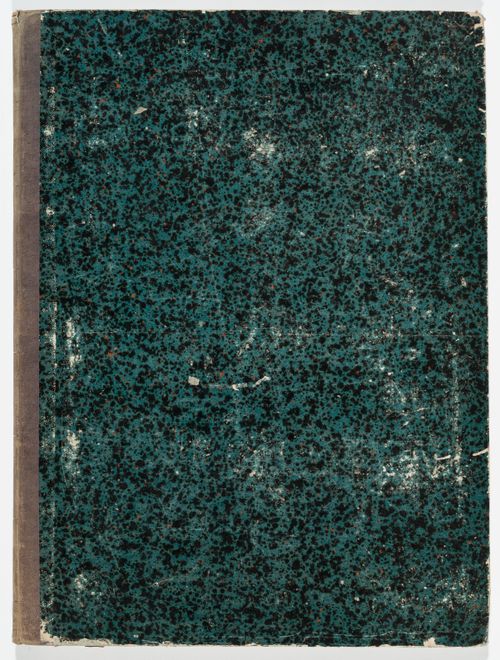
- This album contains mostly design development and presentation drawings for the conversion or renovation of several Parisan hôtel particuliers by Hubert Rohault de Fleury, and for the Rohault de Fleury family house, 12-14 rue d'Aguesseau, Paris. Also included are four prints of British country seats. The drawings - mostly plans - for hôtel particuliers include: alterations to the Hôtel du ministère de la Guerre, perhaps the initial conversion of the Hôtel du Maine into government offices (DR1974:0002:011:003 - DR1974:0002:011:005); alterations to Hôtel de Rothelin-Charolais (Hôtel de Conti) as offices for the Ministère de l'intérieur (DR1974:0002:011:006 - DR1974:0002:011:009); the conversion of Hôtel de Soyécourt into gendarmerie barracks (DR1974:0002:011:017 - DR1974:0002:011:027 and DR1974:0002:011:089); and the alterations to Hôtel de la Colonnade (Grand and Petit Hôtels de Wagram) as offices for the Ministère des affaires étrangères (DR1974:0002:011:028 - DR1974:0002:011:042). Letter DR1974:0002:011:037 R/V apparently concerns the alterations to Hôtel de la Colonnade. The album contains drawings for several other hôtels - Hôtel de Lorge, Petit hôtel de Nivernais, Hôtel de Bouillon, and an hôtel on rue des Quatre-Fils. The purpose of these drawings has not been determined. Drawings for the Rohault de Fleury family house include: 22 graphite design development drawings with dimensions, calculations and notes - mostly plans and elevations; seven finished watercolour presentation drawings - plans, sections and elevations; two interior perspectives; and one drawing for the roof structures (DR1974:0002:011:050 - DR1974:0002:011:083). The coloured sections and the interior perspective drawings show the Empire style interior decoration, including furnishings (DR1974:0002:011:080 - DR1974:0002:011:082 R and DR1974:0002:011:083 R). The four prints are part of a series of views of English country seats by William Henry Toms after Thomas Badeslade and William Winstanley printed during the mid 18th century: Hawarden Castle and the adjacent Broadlane Hall, Wales, seat of Sir John Glynne; Erddig (house), Wales, seat of Simon Yorke; Hather Thorpe (house), Lincolnshire, England, seat of Sir Michael Newton; and Rushton Hall, Northamptonshire, England, seat of Viscount Cullen (DR1974:0002:011:085 - DR1974:0002:011:088). The album also includes: three drawings for a château for M. le marquis de la Sainte-Aulaire, designed by Perrot, the first of which is possibly for proposed additions by Hubert Rohault de Fleury (DR1974:0002:011:013); an elevation for a temporary altar; a cost estimate for a country cottage; six drawings for an unidentified country house; and a site plan of the village [?] and vicinity of Chailly, France for Mr. Pierre Jacques Le Roy.
DR1974:0002:011:001-089
Description:
- This album contains mostly design development and presentation drawings for the conversion or renovation of several Parisan hôtel particuliers by Hubert Rohault de Fleury, and for the Rohault de Fleury family house, 12-14 rue d'Aguesseau, Paris. Also included are four prints of British country seats. The drawings - mostly plans - for hôtel particuliers include: alterations to the Hôtel du ministère de la Guerre, perhaps the initial conversion of the Hôtel du Maine into government offices (DR1974:0002:011:003 - DR1974:0002:011:005); alterations to Hôtel de Rothelin-Charolais (Hôtel de Conti) as offices for the Ministère de l'intérieur (DR1974:0002:011:006 - DR1974:0002:011:009); the conversion of Hôtel de Soyécourt into gendarmerie barracks (DR1974:0002:011:017 - DR1974:0002:011:027 and DR1974:0002:011:089); and the alterations to Hôtel de la Colonnade (Grand and Petit Hôtels de Wagram) as offices for the Ministère des affaires étrangères (DR1974:0002:011:028 - DR1974:0002:011:042). Letter DR1974:0002:011:037 R/V apparently concerns the alterations to Hôtel de la Colonnade. The album contains drawings for several other hôtels - Hôtel de Lorge, Petit hôtel de Nivernais, Hôtel de Bouillon, and an hôtel on rue des Quatre-Fils. The purpose of these drawings has not been determined. Drawings for the Rohault de Fleury family house include: 22 graphite design development drawings with dimensions, calculations and notes - mostly plans and elevations; seven finished watercolour presentation drawings - plans, sections and elevations; two interior perspectives; and one drawing for the roof structures (DR1974:0002:011:050 - DR1974:0002:011:083). The coloured sections and the interior perspective drawings show the Empire style interior decoration, including furnishings (DR1974:0002:011:080 - DR1974:0002:011:082 R and DR1974:0002:011:083 R). The four prints are part of a series of views of English country seats by William Henry Toms after Thomas Badeslade and William Winstanley printed during the mid 18th century: Hawarden Castle and the adjacent Broadlane Hall, Wales, seat of Sir John Glynne; Erddig (house), Wales, seat of Simon Yorke; Hather Thorpe (house), Lincolnshire, England, seat of Sir Michael Newton; and Rushton Hall, Northamptonshire, England, seat of Viscount Cullen (DR1974:0002:011:085 - DR1974:0002:011:088). The album also includes: three drawings for a château for M. le marquis de la Sainte-Aulaire, designed by Perrot, the first of which is possibly for proposed additions by Hubert Rohault de Fleury (DR1974:0002:011:013); an elevation for a temporary altar; a cost estimate for a country cottage; six drawings for an unidentified country house; and a site plan of the village [?] and vicinity of Chailly, France for Mr. Pierre Jacques Le Roy.
Personnes et institutions:
Sujet:
architecture, architecture de paysage, architecture temporaire, design d'intérieur, militaire, topographique
architecture, architecture de paysage, architecture temporaire, design d'intérieur, militaire, topographique
Date:
1755-1849, manuscripts written between 1792-1849, printed between ca. 1740-1849
1755-1849, manuscripts written between 1792-1849, printed between ca. 1740-1849
Titre:
Album of drawings for alterations to several Parisian hôtel particuliers and the Rohault de Fleury family house, rue d'Aguesseau, Paris, and of prints of English country seats
Actions:
DR1974:0002:011:001-089
Description:
- This album contains mostly design development and presentation drawings for the conversion or renovation of several Parisan hôtel particuliers by Hubert Rohault de Fleury, and for the Rohault de Fleury family house, 12-14 rue d'Aguesseau, Paris. Also included are four prints of British country seats. The drawings - mostly plans - for hôtel particuliers include: alterations to the Hôtel du ministère de la Guerre, perhaps the initial conversion of the Hôtel du Maine into government offices (DR1974:0002:011:003 - DR1974:0002:011:005); alterations to Hôtel de Rothelin-Charolais (Hôtel de Conti) as offices for the Ministère de l'intérieur (DR1974:0002:011:006 - DR1974:0002:011:009); the conversion of Hôtel de Soyécourt into gendarmerie barracks (DR1974:0002:011:017 - DR1974:0002:011:027 and DR1974:0002:011:089); and the alterations to Hôtel de la Colonnade (Grand and Petit Hôtels de Wagram) as offices for the Ministère des affaires étrangères (DR1974:0002:011:028 - DR1974:0002:011:042). Letter DR1974:0002:011:037 R/V apparently concerns the alterations to Hôtel de la Colonnade. The album contains drawings for several other hôtels - Hôtel de Lorge, Petit hôtel de Nivernais, Hôtel de Bouillon, and an hôtel on rue des Quatre-Fils. The purpose of these drawings has not been determined. Drawings for the Rohault de Fleury family house include: 22 graphite design development drawings with dimensions, calculations and notes - mostly plans and elevations; seven finished watercolour presentation drawings - plans, sections and elevations; two interior perspectives; and one drawing for the roof structures (DR1974:0002:011:050 - DR1974:0002:011:083). The coloured sections and the interior perspective drawings show the Empire style interior decoration, including furnishings (DR1974:0002:011:080 - DR1974:0002:011:082 R and DR1974:0002:011:083 R). The four prints are part of a series of views of English country seats by William Henry Toms after Thomas Badeslade and William Winstanley printed during the mid 18th century: Hawarden Castle and the adjacent Broadlane Hall, Wales, seat of Sir John Glynne; Erddig (house), Wales, seat of Simon Yorke; Hather Thorpe (house), Lincolnshire, England, seat of Sir Michael Newton; and Rushton Hall, Northamptonshire, England, seat of Viscount Cullen (DR1974:0002:011:085 - DR1974:0002:011:088). The album also includes: three drawings for a château for M. le marquis de la Sainte-Aulaire, designed by Perrot, the first of which is possibly for proposed additions by Hubert Rohault de Fleury (DR1974:0002:011:013); an elevation for a temporary altar; a cost estimate for a country cottage; six drawings for an unidentified country house; and a site plan of the village [?] and vicinity of Chailly, France for Mr. Pierre Jacques Le Roy.
Album of drawings for alterations to several Parisian hôtel particuliers and the Rohault de Fleury family house, rue d'Aguesseau, Paris, and of prints of English country seats
Actions:
DR1974:0002:011:001-089
Description:
- This album contains mostly design development and presentation drawings for the conversion or renovation of several Parisan hôtel particuliers by Hubert Rohault de Fleury, and for the Rohault de Fleury family house, 12-14 rue d'Aguesseau, Paris. Also included are four prints of British country seats. The drawings - mostly plans - for hôtel particuliers include: alterations to the Hôtel du ministère de la Guerre, perhaps the initial conversion of the Hôtel du Maine into government offices (DR1974:0002:011:003 - DR1974:0002:011:005); alterations to Hôtel de Rothelin-Charolais (Hôtel de Conti) as offices for the Ministère de l'intérieur (DR1974:0002:011:006 - DR1974:0002:011:009); the conversion of Hôtel de Soyécourt into gendarmerie barracks (DR1974:0002:011:017 - DR1974:0002:011:027 and DR1974:0002:011:089); and the alterations to Hôtel de la Colonnade (Grand and Petit Hôtels de Wagram) as offices for the Ministère des affaires étrangères (DR1974:0002:011:028 - DR1974:0002:011:042). Letter DR1974:0002:011:037 R/V apparently concerns the alterations to Hôtel de la Colonnade. The album contains drawings for several other hôtels - Hôtel de Lorge, Petit hôtel de Nivernais, Hôtel de Bouillon, and an hôtel on rue des Quatre-Fils. The purpose of these drawings has not been determined. Drawings for the Rohault de Fleury family house include: 22 graphite design development drawings with dimensions, calculations and notes - mostly plans and elevations; seven finished watercolour presentation drawings - plans, sections and elevations; two interior perspectives; and one drawing for the roof structures (DR1974:0002:011:050 - DR1974:0002:011:083). The coloured sections and the interior perspective drawings show the Empire style interior decoration, including furnishings (DR1974:0002:011:080 - DR1974:0002:011:082 R and DR1974:0002:011:083 R). The four prints are part of a series of views of English country seats by William Henry Toms after Thomas Badeslade and William Winstanley printed during the mid 18th century: Hawarden Castle and the adjacent Broadlane Hall, Wales, seat of Sir John Glynne; Erddig (house), Wales, seat of Simon Yorke; Hather Thorpe (house), Lincolnshire, England, seat of Sir Michael Newton; and Rushton Hall, Northamptonshire, England, seat of Viscount Cullen (DR1974:0002:011:085 - DR1974:0002:011:088). The album also includes: three drawings for a château for M. le marquis de la Sainte-Aulaire, designed by Perrot, the first of which is possibly for proposed additions by Hubert Rohault de Fleury (DR1974:0002:011:013); an elevation for a temporary altar; a cost estimate for a country cottage; six drawings for an unidentified country house; and a site plan of the village [?] and vicinity of Chailly, France for Mr. Pierre Jacques Le Roy.
Classification:
dessins, documents textuels, oeuvres d'art
dessins, documents textuels, oeuvres d'art
Date:
1755-1849, manuscripts written between 1792-1849, printed between ca. 1740-1849
1755-1849, manuscripts written between 1792-1849, printed between ca. 1740-1849
Personnes et institutions:
Sujet:
architecture, architecture de paysage, architecture temporaire, design d'intérieur, militaire, topographique
architecture, architecture de paysage, architecture temporaire, design d'intérieur, militaire, topographique
Niveau de description archivistique:
Sous-série
Sous-série
Titre:
Opera Houses
Opera Houses
Numéro de référence:
CI001.S2.D3
Description:
Charles Rohault de Fleury's sustained involvement with the design of opera houses began with his appointment in 1846 as official architect of the existing Salle Le Pelletier, home to the *Paris Opera, and continued until an open competition was called in 1860 (Charles Garnier won this competition). During this period Rohault de Fleury submitted numerous proposals to replace theprovisional Salle Le Pelletier with a structure more appropriate to the grandeur and importance of France's national opera company. The CCA collection contains four projects related to his work for the Paris opera: two early projects (1846 and 1847) and one later one (1859) for a newopera house, and a portfolio of lithographs and drawings related to alterations and repairs to Salle Le Pelletier (1850-1854). The collection also includes Charles' earliest theatre project, a comprehensive plan for an opera house and surrounding infrastructure for the Theatre Royal Italien opera company (1838-1840), and an album containing drawings and prints of antique and contemporary theatres (1839-1854?). Charles' first project was for the Theatre Royal Italien opera company whose previous home, the Salle Favart, had burned down on the night of January 14 1838. The CCA collection contains an album of presentation drawings for a new theatre located on rue de la Paix with boutiques in the adjacent 'passages' (DR1974:0002:019:001-023). A second album consists of site plans including proposed 'maisons à loyers' (apartment buildings) and documents relating to the cost estimates and rental income for the entire project (DR1974:0002:036:001-016). The architectural style and interior arrangement of the theatre is heavily indebted to Francois Debret's Salle Le Pelletier. Charles' originality lies more in his conception of the social and economic role of the theatre in relation and integration, to its surrounding urban fabric. An explanation of the entire Theatre Royal Italien project, and Charles' role as architect in it, is found in two proposal letters (located in the Avery Library, Columbia University, NY) written by the entrepreneur Eugene Lecomte to the Minister of the Interior, Comte Duchatel, on May 15 and October 31 1839 (1). Charles' album of drawings at the CCA for the theatre and some of the cost and rental estimates are probably presentation copies directly related to the first letter, and most likely submitted to the Minister of the Interior. Charles' project was never executed, and the Italian opera company eventualy found a permanent home in the existing Salle Ventadour (1841). However, the inclusive nature of the Théâtre Royal Italien proposal, with its stress on urban development and contextuality, continued to play a seminal role in his later Paris Opera projects. Upon replacing Francois Debret as architect of Salle Le Pelletier in 1846, Charles proposed nine possible locations (site plans) for a new opera house for the Paris Opera (*Academie Royale de Musique) and, in the following year (1847) prepared a portfolio of drawings for the actual structure with an accompanying seven-page manuscript describing the project. Although executed in successive years, the site plans and 1847 drawings are conceptually related. Both components were undertaken in response to offical interest in a public competition that was never implemented (2)(3). The CCA has two sets of the nine site plans proposed in 1846 (DR1974:0002:036:001-016), one containing transfer lithographed site plans with a written analysis and cost estimate for each of the proposed locations, and the other with only the site plans (similar sets are located in the 'Archives Nationales' in France). They indicate that Charles, (heavily influenced by his Théâtre Royal Italien project) preferred the Rue de la Paix location (siteplan #3) for the new opera house. Although site plan number six, Boulevard des Capucines, was not favoured at this date, it is highly prophetic as it was the location officially chosen in 1860 for the new opera house. Apparently unique to the CCA collection is the 1847 manuscript and portfolio of drawings for the proposed opera house (DR1974:0002:036:001-016). The manuscript is both an indepth review of the requirements for a national opera house and a guide to his portfolio of drawings. Charles' conception and design continued to be strongly influenced by Debret's Salle Lepelletier, as well as his own Théâtre Italien project, and various antique and contemporary opera houses and theatres. Many of the French and Italian sources mentioned in the manuscript are collected in an album (DR1974:0002:010:001-048) as references for his own designs (4). As official architect of Salle Le pelletier, Charles was also responsible for repairs, restorations, and alterations to the existing structure. The drawings and transfer lithographs in the CCA collection (DR1974:0002:036:001-016) are primarily dated 1854, and relate to documented repair and restoration projects undertaken during this period (5)(6). The CCA collection has the presentation drawings and lithographs for the later 1859 project (DR1974:0002:027:001-027) for the Paris opera (*Theatre Imperiale de l'opera) that were sent to Achille Fould, the Minister of State. This project is probably a counterpart to a similiar one that he submitted to the Prefect of the Seine, Baron Haussmann, in the same year (7). Site plans show the opera house on an irregular polygonal site facing Boulevard des Capucines. The placement of the 'maisons à loyers' on the rear of the site reflects Charles' continued emphasis on integrating his opera projects into the surrounding urban context. In 1859, it appeared that Charles was favoured to build the new opera house. But late in the following year, a public competition was called in which Charles Garnier emerged as the victor. Although Charles did not build the final structure, his numerous projects, as exemplified in the CCA collection, were of prime importance in determining the location, configuration, and plan of the Place de l'Opera (8). * The 'Paris Opera' was France's national opera, and thus its name changed numerous times throughout its history according to altering perceptions of its role in French culture and/or changes in political regimes. For reasons of clarity, the national opera will be referred to as the Paris Opera. The names indicated in brackets with a star refer to the proper name of the opera company at the date of the project. (1) Eugene Le Comte, "Projet de Salle rue de la Paix, pour le Théâtre Royal Italien: Lettres à Monsieur le Ministre de l'Intérieur, en date des 15 mai et 31octobre 1839" (Paris: P. Dupont, 1839). (2) Christopher Curtis Mead, "Charles Garnier's Paris Opera and the Renaissance of Classicism in Nineteenth century French Architecture", 3 vols. (PhD thesis; Philadelphia: University of Pennsylvania, 1986), p. 234 and p. 956, fn. 30. (3) Monika Steinhauser, "Die Architektur des Pariser Oper" (Munich: Prestel Verlag, 1969), p. 45, fns. 143 and 144. (4) Barry Bergdoll, "Charles Rohault de Fleury: Part Three: Theatres and the Opera house", 'CCA Research Report', n.d., p. 3. (5) Larousse XIXth Century, s.v. "Rohault de Fleury, Charles". (6) Mead, p. 238. (7) Oeuvres de C. Rohault de Fleury, architecte" (Paris: Librarie centrale d'architecture, 1884).. (8) Macmillan, s.v. "Rohault de Fleury Familly".
CI001.S2.D3
Description:
Charles Rohault de Fleury's sustained involvement with the design of opera houses began with his appointment in 1846 as official architect of the existing Salle Le Pelletier, home to the *Paris Opera, and continued until an open competition was called in 1860 (Charles Garnier won this competition). During this period Rohault de Fleury submitted numerous proposals to replace theprovisional Salle Le Pelletier with a structure more appropriate to the grandeur and importance of France's national opera company. The CCA collection contains four projects related to his work for the Paris opera: two early projects (1846 and 1847) and one later one (1859) for a newopera house, and a portfolio of lithographs and drawings related to alterations and repairs to Salle Le Pelletier (1850-1854). The collection also includes Charles' earliest theatre project, a comprehensive plan for an opera house and surrounding infrastructure for the Theatre Royal Italien opera company (1838-1840), and an album containing drawings and prints of antique and contemporary theatres (1839-1854?). Charles' first project was for the Theatre Royal Italien opera company whose previous home, the Salle Favart, had burned down on the night of January 14 1838. The CCA collection contains an album of presentation drawings for a new theatre located on rue de la Paix with boutiques in the adjacent 'passages' (DR1974:0002:019:001-023). A second album consists of site plans including proposed 'maisons à loyers' (apartment buildings) and documents relating to the cost estimates and rental income for the entire project (DR1974:0002:036:001-016). The architectural style and interior arrangement of the theatre is heavily indebted to Francois Debret's Salle Le Pelletier. Charles' originality lies more in his conception of the social and economic role of the theatre in relation and integration, to its surrounding urban fabric. An explanation of the entire Theatre Royal Italien project, and Charles' role as architect in it, is found in two proposal letters (located in the Avery Library, Columbia University, NY) written by the entrepreneur Eugene Lecomte to the Minister of the Interior, Comte Duchatel, on May 15 and October 31 1839 (1). Charles' album of drawings at the CCA for the theatre and some of the cost and rental estimates are probably presentation copies directly related to the first letter, and most likely submitted to the Minister of the Interior. Charles' project was never executed, and the Italian opera company eventualy found a permanent home in the existing Salle Ventadour (1841). However, the inclusive nature of the Théâtre Royal Italien proposal, with its stress on urban development and contextuality, continued to play a seminal role in his later Paris Opera projects. Upon replacing Francois Debret as architect of Salle Le Pelletier in 1846, Charles proposed nine possible locations (site plans) for a new opera house for the Paris Opera (*Academie Royale de Musique) and, in the following year (1847) prepared a portfolio of drawings for the actual structure with an accompanying seven-page manuscript describing the project. Although executed in successive years, the site plans and 1847 drawings are conceptually related. Both components were undertaken in response to offical interest in a public competition that was never implemented (2)(3). The CCA has two sets of the nine site plans proposed in 1846 (DR1974:0002:036:001-016), one containing transfer lithographed site plans with a written analysis and cost estimate for each of the proposed locations, and the other with only the site plans (similar sets are located in the 'Archives Nationales' in France). They indicate that Charles, (heavily influenced by his Théâtre Royal Italien project) preferred the Rue de la Paix location (siteplan #3) for the new opera house. Although site plan number six, Boulevard des Capucines, was not favoured at this date, it is highly prophetic as it was the location officially chosen in 1860 for the new opera house. Apparently unique to the CCA collection is the 1847 manuscript and portfolio of drawings for the proposed opera house (DR1974:0002:036:001-016). The manuscript is both an indepth review of the requirements for a national opera house and a guide to his portfolio of drawings. Charles' conception and design continued to be strongly influenced by Debret's Salle Lepelletier, as well as his own Théâtre Italien project, and various antique and contemporary opera houses and theatres. Many of the French and Italian sources mentioned in the manuscript are collected in an album (DR1974:0002:010:001-048) as references for his own designs (4). As official architect of Salle Le pelletier, Charles was also responsible for repairs, restorations, and alterations to the existing structure. The drawings and transfer lithographs in the CCA collection (DR1974:0002:036:001-016) are primarily dated 1854, and relate to documented repair and restoration projects undertaken during this period (5)(6). The CCA collection has the presentation drawings and lithographs for the later 1859 project (DR1974:0002:027:001-027) for the Paris opera (*Theatre Imperiale de l'opera) that were sent to Achille Fould, the Minister of State. This project is probably a counterpart to a similiar one that he submitted to the Prefect of the Seine, Baron Haussmann, in the same year (7). Site plans show the opera house on an irregular polygonal site facing Boulevard des Capucines. The placement of the 'maisons à loyers' on the rear of the site reflects Charles' continued emphasis on integrating his opera projects into the surrounding urban context. In 1859, it appeared that Charles was favoured to build the new opera house. But late in the following year, a public competition was called in which Charles Garnier emerged as the victor. Although Charles did not build the final structure, his numerous projects, as exemplified in the CCA collection, were of prime importance in determining the location, configuration, and plan of the Place de l'Opera (8). * The 'Paris Opera' was France's national opera, and thus its name changed numerous times throughout its history according to altering perceptions of its role in French culture and/or changes in political regimes. For reasons of clarity, the national opera will be referred to as the Paris Opera. The names indicated in brackets with a star refer to the proper name of the opera company at the date of the project. (1) Eugene Le Comte, "Projet de Salle rue de la Paix, pour le Théâtre Royal Italien: Lettres à Monsieur le Ministre de l'Intérieur, en date des 15 mai et 31octobre 1839" (Paris: P. Dupont, 1839). (2) Christopher Curtis Mead, "Charles Garnier's Paris Opera and the Renaissance of Classicism in Nineteenth century French Architecture", 3 vols. (PhD thesis; Philadelphia: University of Pennsylvania, 1986), p. 234 and p. 956, fn. 30. (3) Monika Steinhauser, "Die Architektur des Pariser Oper" (Munich: Prestel Verlag, 1969), p. 45, fns. 143 and 144. (4) Barry Bergdoll, "Charles Rohault de Fleury: Part Three: Theatres and the Opera house", 'CCA Research Report', n.d., p. 3. (5) Larousse XIXth Century, s.v. "Rohault de Fleury, Charles". (6) Mead, p. 238. (7) Oeuvres de C. Rohault de Fleury, architecte" (Paris: Librarie centrale d'architecture, 1884).. (8) Macmillan, s.v. "Rohault de Fleury Familly".
Personnes et institutions:
Date:
1717-1868
1717-1868
Titre:
Opera Houses
CI001.S2.D3
Description:
Charles Rohault de Fleury's sustained involvement with the design of opera houses began with his appointment in 1846 as official architect of the existing Salle Le Pelletier, home to the *Paris Opera, and continued until an open competition was called in 1860 (Charles Garnier won this competition). During this period Rohault de Fleury submitted numerous proposals to replace theprovisional Salle Le Pelletier with a structure more appropriate to the grandeur and importance of France's national opera company. The CCA collection contains four projects related to his work for the Paris opera: two early projects (1846 and 1847) and one later one (1859) for a newopera house, and a portfolio of lithographs and drawings related to alterations and repairs to Salle Le Pelletier (1850-1854). The collection also includes Charles' earliest theatre project, a comprehensive plan for an opera house and surrounding infrastructure for the Theatre Royal Italien opera company (1838-1840), and an album containing drawings and prints of antique and contemporary theatres (1839-1854?). Charles' first project was for the Theatre Royal Italien opera company whose previous home, the Salle Favart, had burned down on the night of January 14 1838. The CCA collection contains an album of presentation drawings for a new theatre located on rue de la Paix with boutiques in the adjacent 'passages' (DR1974:0002:019:001-023). A second album consists of site plans including proposed 'maisons à loyers' (apartment buildings) and documents relating to the cost estimates and rental income for the entire project (DR1974:0002:036:001-016). The architectural style and interior arrangement of the theatre is heavily indebted to Francois Debret's Salle Le Pelletier. Charles' originality lies more in his conception of the social and economic role of the theatre in relation and integration, to its surrounding urban fabric. An explanation of the entire Theatre Royal Italien project, and Charles' role as architect in it, is found in two proposal letters (located in the Avery Library, Columbia University, NY) written by the entrepreneur Eugene Lecomte to the Minister of the Interior, Comte Duchatel, on May 15 and October 31 1839 (1). Charles' album of drawings at the CCA for the theatre and some of the cost and rental estimates are probably presentation copies directly related to the first letter, and most likely submitted to the Minister of the Interior. Charles' project was never executed, and the Italian opera company eventualy found a permanent home in the existing Salle Ventadour (1841). However, the inclusive nature of the Théâtre Royal Italien proposal, with its stress on urban development and contextuality, continued to play a seminal role in his later Paris Opera projects. Upon replacing Francois Debret as architect of Salle Le Pelletier in 1846, Charles proposed nine possible locations (site plans) for a new opera house for the Paris Opera (*Academie Royale de Musique) and, in the following year (1847) prepared a portfolio of drawings for the actual structure with an accompanying seven-page manuscript describing the project. Although executed in successive years, the site plans and 1847 drawings are conceptually related. Both components were undertaken in response to offical interest in a public competition that was never implemented (2)(3). The CCA has two sets of the nine site plans proposed in 1846 (DR1974:0002:036:001-016), one containing transfer lithographed site plans with a written analysis and cost estimate for each of the proposed locations, and the other with only the site plans (similar sets are located in the 'Archives Nationales' in France). They indicate that Charles, (heavily influenced by his Théâtre Royal Italien project) preferred the Rue de la Paix location (siteplan #3) for the new opera house. Although site plan number six, Boulevard des Capucines, was not favoured at this date, it is highly prophetic as it was the location officially chosen in 1860 for the new opera house. Apparently unique to the CCA collection is the 1847 manuscript and portfolio of drawings for the proposed opera house (DR1974:0002:036:001-016). The manuscript is both an indepth review of the requirements for a national opera house and a guide to his portfolio of drawings. Charles' conception and design continued to be strongly influenced by Debret's Salle Lepelletier, as well as his own Théâtre Italien project, and various antique and contemporary opera houses and theatres. Many of the French and Italian sources mentioned in the manuscript are collected in an album (DR1974:0002:010:001-048) as references for his own designs (4). As official architect of Salle Le pelletier, Charles was also responsible for repairs, restorations, and alterations to the existing structure. The drawings and transfer lithographs in the CCA collection (DR1974:0002:036:001-016) are primarily dated 1854, and relate to documented repair and restoration projects undertaken during this period (5)(6). The CCA collection has the presentation drawings and lithographs for the later 1859 project (DR1974:0002:027:001-027) for the Paris opera (*Theatre Imperiale de l'opera) that were sent to Achille Fould, the Minister of State. This project is probably a counterpart to a similiar one that he submitted to the Prefect of the Seine, Baron Haussmann, in the same year (7). Site plans show the opera house on an irregular polygonal site facing Boulevard des Capucines. The placement of the 'maisons à loyers' on the rear of the site reflects Charles' continued emphasis on integrating his opera projects into the surrounding urban context. In 1859, it appeared that Charles was favoured to build the new opera house. But late in the following year, a public competition was called in which Charles Garnier emerged as the victor. Although Charles did not build the final structure, his numerous projects, as exemplified in the CCA collection, were of prime importance in determining the location, configuration, and plan of the Place de l'Opera (8). * The 'Paris Opera' was France's national opera, and thus its name changed numerous times throughout its history according to altering perceptions of its role in French culture and/or changes in political regimes. For reasons of clarity, the national opera will be referred to as the Paris Opera. The names indicated in brackets with a star refer to the proper name of the opera company at the date of the project. (1) Eugene Le Comte, "Projet de Salle rue de la Paix, pour le Théâtre Royal Italien: Lettres à Monsieur le Ministre de l'Intérieur, en date des 15 mai et 31octobre 1839" (Paris: P. Dupont, 1839). (2) Christopher Curtis Mead, "Charles Garnier's Paris Opera and the Renaissance of Classicism in Nineteenth century French Architecture", 3 vols. (PhD thesis; Philadelphia: University of Pennsylvania, 1986), p. 234 and p. 956, fn. 30. (3) Monika Steinhauser, "Die Architektur des Pariser Oper" (Munich: Prestel Verlag, 1969), p. 45, fns. 143 and 144. (4) Barry Bergdoll, "Charles Rohault de Fleury: Part Three: Theatres and the Opera house", 'CCA Research Report', n.d., p. 3. (5) Larousse XIXth Century, s.v. "Rohault de Fleury, Charles". (6) Mead, p. 238. (7) Oeuvres de C. Rohault de Fleury, architecte" (Paris: Librarie centrale d'architecture, 1884).. (8) Macmillan, s.v. "Rohault de Fleury Familly".
Opera Houses
CI001.S2.D3
Description:
Charles Rohault de Fleury's sustained involvement with the design of opera houses began with his appointment in 1846 as official architect of the existing Salle Le Pelletier, home to the *Paris Opera, and continued until an open competition was called in 1860 (Charles Garnier won this competition). During this period Rohault de Fleury submitted numerous proposals to replace theprovisional Salle Le Pelletier with a structure more appropriate to the grandeur and importance of France's national opera company. The CCA collection contains four projects related to his work for the Paris opera: two early projects (1846 and 1847) and one later one (1859) for a newopera house, and a portfolio of lithographs and drawings related to alterations and repairs to Salle Le Pelletier (1850-1854). The collection also includes Charles' earliest theatre project, a comprehensive plan for an opera house and surrounding infrastructure for the Theatre Royal Italien opera company (1838-1840), and an album containing drawings and prints of antique and contemporary theatres (1839-1854?). Charles' first project was for the Theatre Royal Italien opera company whose previous home, the Salle Favart, had burned down on the night of January 14 1838. The CCA collection contains an album of presentation drawings for a new theatre located on rue de la Paix with boutiques in the adjacent 'passages' (DR1974:0002:019:001-023). A second album consists of site plans including proposed 'maisons à loyers' (apartment buildings) and documents relating to the cost estimates and rental income for the entire project (DR1974:0002:036:001-016). The architectural style and interior arrangement of the theatre is heavily indebted to Francois Debret's Salle Le Pelletier. Charles' originality lies more in his conception of the social and economic role of the theatre in relation and integration, to its surrounding urban fabric. An explanation of the entire Theatre Royal Italien project, and Charles' role as architect in it, is found in two proposal letters (located in the Avery Library, Columbia University, NY) written by the entrepreneur Eugene Lecomte to the Minister of the Interior, Comte Duchatel, on May 15 and October 31 1839 (1). Charles' album of drawings at the CCA for the theatre and some of the cost and rental estimates are probably presentation copies directly related to the first letter, and most likely submitted to the Minister of the Interior. Charles' project was never executed, and the Italian opera company eventualy found a permanent home in the existing Salle Ventadour (1841). However, the inclusive nature of the Théâtre Royal Italien proposal, with its stress on urban development and contextuality, continued to play a seminal role in his later Paris Opera projects. Upon replacing Francois Debret as architect of Salle Le Pelletier in 1846, Charles proposed nine possible locations (site plans) for a new opera house for the Paris Opera (*Academie Royale de Musique) and, in the following year (1847) prepared a portfolio of drawings for the actual structure with an accompanying seven-page manuscript describing the project. Although executed in successive years, the site plans and 1847 drawings are conceptually related. Both components were undertaken in response to offical interest in a public competition that was never implemented (2)(3). The CCA has two sets of the nine site plans proposed in 1846 (DR1974:0002:036:001-016), one containing transfer lithographed site plans with a written analysis and cost estimate for each of the proposed locations, and the other with only the site plans (similar sets are located in the 'Archives Nationales' in France). They indicate that Charles, (heavily influenced by his Théâtre Royal Italien project) preferred the Rue de la Paix location (siteplan #3) for the new opera house. Although site plan number six, Boulevard des Capucines, was not favoured at this date, it is highly prophetic as it was the location officially chosen in 1860 for the new opera house. Apparently unique to the CCA collection is the 1847 manuscript and portfolio of drawings for the proposed opera house (DR1974:0002:036:001-016). The manuscript is both an indepth review of the requirements for a national opera house and a guide to his portfolio of drawings. Charles' conception and design continued to be strongly influenced by Debret's Salle Lepelletier, as well as his own Théâtre Italien project, and various antique and contemporary opera houses and theatres. Many of the French and Italian sources mentioned in the manuscript are collected in an album (DR1974:0002:010:001-048) as references for his own designs (4). As official architect of Salle Le pelletier, Charles was also responsible for repairs, restorations, and alterations to the existing structure. The drawings and transfer lithographs in the CCA collection (DR1974:0002:036:001-016) are primarily dated 1854, and relate to documented repair and restoration projects undertaken during this period (5)(6). The CCA collection has the presentation drawings and lithographs for the later 1859 project (DR1974:0002:027:001-027) for the Paris opera (*Theatre Imperiale de l'opera) that were sent to Achille Fould, the Minister of State. This project is probably a counterpart to a similiar one that he submitted to the Prefect of the Seine, Baron Haussmann, in the same year (7). Site plans show the opera house on an irregular polygonal site facing Boulevard des Capucines. The placement of the 'maisons à loyers' on the rear of the site reflects Charles' continued emphasis on integrating his opera projects into the surrounding urban context. In 1859, it appeared that Charles was favoured to build the new opera house. But late in the following year, a public competition was called in which Charles Garnier emerged as the victor. Although Charles did not build the final structure, his numerous projects, as exemplified in the CCA collection, were of prime importance in determining the location, configuration, and plan of the Place de l'Opera (8). * The 'Paris Opera' was France's national opera, and thus its name changed numerous times throughout its history according to altering perceptions of its role in French culture and/or changes in political regimes. For reasons of clarity, the national opera will be referred to as the Paris Opera. The names indicated in brackets with a star refer to the proper name of the opera company at the date of the project. (1) Eugene Le Comte, "Projet de Salle rue de la Paix, pour le Théâtre Royal Italien: Lettres à Monsieur le Ministre de l'Intérieur, en date des 15 mai et 31octobre 1839" (Paris: P. Dupont, 1839). (2) Christopher Curtis Mead, "Charles Garnier's Paris Opera and the Renaissance of Classicism in Nineteenth century French Architecture", 3 vols. (PhD thesis; Philadelphia: University of Pennsylvania, 1986), p. 234 and p. 956, fn. 30. (3) Monika Steinhauser, "Die Architektur des Pariser Oper" (Munich: Prestel Verlag, 1969), p. 45, fns. 143 and 144. (4) Barry Bergdoll, "Charles Rohault de Fleury: Part Three: Theatres and the Opera house", 'CCA Research Report', n.d., p. 3. (5) Larousse XIXth Century, s.v. "Rohault de Fleury, Charles". (6) Mead, p. 238. (7) Oeuvres de C. Rohault de Fleury, architecte" (Paris: Librarie centrale d'architecture, 1884).. (8) Macmillan, s.v. "Rohault de Fleury Familly".
Niveau de description archivistique:
File 3
File 3
Date:
1717-1868
1717-1868
Personnes et institutions:
Classification:
périodiques
périodiques
Titre:
Interieur/Industrial design.
Interieur/Industrial design.
Actions:
Exemplaires:
Description:
volumes illustrations 30 cm
Description:
volumes illustrations 30 cm
Auteur:
Sujet:
Publication:
[Zürich] Vereinigung Schweizer Innenarchitekten.
[Zürich] Vereinigung Schweizer Innenarchitekten.
Classification:
périodiques
périodiques
Publication:
[Zürich] Vereinigung Schweizer Innenarchitekten.
[Zürich] Vereinigung Schweizer Innenarchitekten.
Auteur:
Sujet:
Classification:
archives
archives
Actions:
Exemplaires:
Description:
8 items : illustrations (some color), portraits ; in folder 31 cm
Description:
8 items : illustrations (some color), portraits ; in folder 31 cm
Auteur:
Sujet:
Titre:
Interieur 96 : Europe's largest and most selective design Biennial : information kit, 1996.
Actions:
Exemplaires:
Description:
8 items : illustrations (some color), portraits ; in folder 31 cm
Interieur 96 : Europe's largest and most selective design Biennial : information kit, 1996.
Actions:
Exemplaires:
Description:
8 items : illustrations (some color), portraits ; in folder 31 cm
Classification:
archives
archives
Auteur:
Sujet:
Classification:
périodiques
périodiques
Titre:
Interieur.
Interieur.
Actions:
Exemplaires:
Description:
1 volume : illustrations ; 30 cm
Description:
1 volume : illustrations ; 30 cm
Sujet:
Publication:
Den Haag : Sdu Uitgevers, [2009]-
Den Haag : Sdu Uitgevers, [2009]-
Classification:
périodiques
périodiques
Publication:
Den Haag : Sdu Uitgevers, [2009]-
Den Haag : Sdu Uitgevers, [2009]-
Sujet:
Classification:
livres
livres
Actions:
Exemplaires:
Description:
191 pages : illustrations ; 32 cm
Description:
191 pages : illustrations ; 32 cm
Auteur:
Sujet:
Publication:
[Paris] : Chêne, ©1999.
[Paris] : Chêne, ©1999.
Titre:
Intérieur extérieur : les architectes et leur maison / texte, Jean-Louis André ; photographies, Eric Morin ; avec la collaboration de Sylvie Bouron.
Actions:
Exemplaires:
Description:
191 pages : illustrations ; 32 cm
Intérieur extérieur : les architectes et leur maison / texte, Jean-Louis André ; photographies, Eric Morin ; avec la collaboration de Sylvie Bouron.
Actions:
Exemplaires:
Description:
191 pages : illustrations ; 32 cm
Classification:
livres
livres
Publication:
[Paris] : Chêne, ©1999.
[Paris] : Chêne, ©1999.
Auteur:
Sujet:
Classification:
archives
archives
Actions:
Exemplaires:
Description:
6 items : illustrations (some color), portraits ; 33 cm or smaller (folded)
Description:
6 items : illustrations (some color), portraits ; 33 cm or smaller (folded)
Auteur:
Sujet:
Titre:
Interieur 08 : 21st International Biennale = 21e Biennale Interieur : information kit, 2008.
Actions:
Exemplaires:
Description:
6 items : illustrations (some color), portraits ; 33 cm or smaller (folded)
Interieur 08 : 21st International Biennale = 21e Biennale Interieur : information kit, 2008.
Actions:
Exemplaires:
Description:
6 items : illustrations (some color), portraits ; 33 cm or smaller (folded)
Classification:
archives
archives
Auteur:
Sujet:


