


1009 Résultats
Classification:
livres
livres
Actions:
Prix:
$45.00
(disponible sur commande)
Résumé:
Kenojuak Ashevak shot to fame in 1970 when Canada Post printed The Enchanted Owl, a print of a black-and-red plumed nocturnal bird, on a postage stamp. She later became known as the magic-marker-wielding "grandmother of Inuit art," famous for her fluid graphic storytelling and her stunning depictions of wildlife. She was a defining figure in Inuit art and one of the first(...)
$45.00
(disponible sur commande)
Résumé:
Kenojuak Ashevak shot to fame in 1970 when Canada Post printed The Enchanted Owl, a print of a black-and-red plumed nocturnal bird, on a postage stamp. She later became known as the magic-marker-wielding "grandmother of Inuit art," famous for her fluid graphic storytelling and her stunning depictions of wildlife. She was a defining figure in Inuit art and one of the first(...)
Publication:
mai 2018
mai 2018
Titre:
Tunirrusiangit: Kenojuak Ashevak and Tim Pitsiulak
Actions:
Prix:
$45.00
(disponible sur commande)
Résumé:
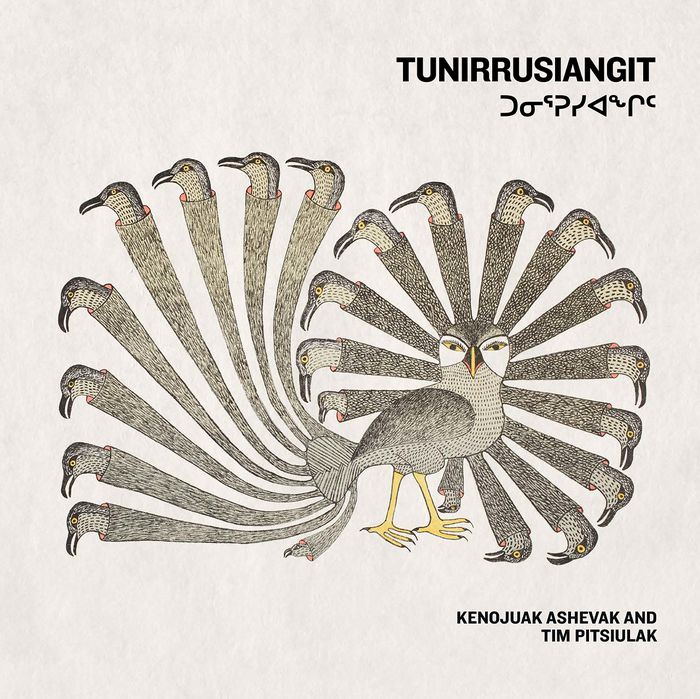
Kenojuak Ashevak shot to fame in 1970 when Canada Post printed The Enchanted Owl, a print of a black-and-red plumed nocturnal bird, on a postage stamp. She later became known as the magic-marker-wielding "grandmother of Inuit art," famous for her fluid graphic storytelling and her stunning depictions of wildlife. She was a defining figure in Inuit art and one of the first Indigenous artists to be embraced as a contemporary Canadian artist. Ashevak's legacy inspired her nephew, Timootee (Tim) Pitsiulak, to take up drawing at the Kinngait Studios. In his relatively short career, he became a popular figure, known for drawing animal figures with a hunter's precision and capturing the technological presence of the South in Nunavut. Tunirrusiangit, "their gifts" or "what they gave" in Inuktitut, celebrates the achievements of two remarkable artists who challenged the parameters of tradition while consistently articulating a compelling vision of the Inuit world view. Published to coincide with a major exhibition at the Art Gallery of Ontario, opening on 16 June and continuing until late August, ''Tunirrusiangit'' features more than 60 reproductions of paintings, drawings, and documentary photographs. Completing the book are essays by contemporary artists and curators Jocelyn Piirainen, Anna Hudson, Georgiana Uhlyarik, Koomuatuk Curley, Laakkuluk Williamson Bathory, and Taqralik Partridge that address both the past and future of Inuit identity.
Tunirrusiangit: Kenojuak Ashevak and Tim Pitsiulak
Actions:
Prix:
$45.00
(disponible sur commande)
Résumé:
Kenojuak Ashevak shot to fame in 1970 when Canada Post printed The Enchanted Owl, a print of a black-and-red plumed nocturnal bird, on a postage stamp. She later became known as the magic-marker-wielding "grandmother of Inuit art," famous for her fluid graphic storytelling and her stunning depictions of wildlife. She was a defining figure in Inuit art and one of the first Indigenous artists to be embraced as a contemporary Canadian artist. Ashevak's legacy inspired her nephew, Timootee (Tim) Pitsiulak, to take up drawing at the Kinngait Studios. In his relatively short career, he became a popular figure, known for drawing animal figures with a hunter's precision and capturing the technological presence of the South in Nunavut. Tunirrusiangit, "their gifts" or "what they gave" in Inuktitut, celebrates the achievements of two remarkable artists who challenged the parameters of tradition while consistently articulating a compelling vision of the Inuit world view. Published to coincide with a major exhibition at the Art Gallery of Ontario, opening on 16 June and continuing until late August, ''Tunirrusiangit'' features more than 60 reproductions of paintings, drawings, and documentary photographs. Completing the book are essays by contemporary artists and curators Jocelyn Piirainen, Anna Hudson, Georgiana Uhlyarik, Koomuatuk Curley, Laakkuluk Williamson Bathory, and Taqralik Partridge that address both the past and future of Inuit identity.
Classification:
livres
livres
Publication:
mai 2018
mai 2018
Classification:
livres
livres
Actions:
Prix:
$90.00
(disponible sur commande)
Résumé:
In 2003, Frank Gohlke and Joel Sternfeld were commissioned to photograph one of the densest concentrations of ethnic diversity in the world, the borough of Queens in New York City. After more than a year of photographing everything from corner bodegas to the borough’s boundaries, Gohlke and Sternfeld had not only captured the complicated dynamic that sustains Queens and(...)
$90.00
(disponible sur commande)
Résumé:
In 2003, Frank Gohlke and Joel Sternfeld were commissioned to photograph one of the densest concentrations of ethnic diversity in the world, the borough of Queens in New York City. After more than a year of photographing everything from corner bodegas to the borough’s boundaries, Gohlke and Sternfeld had not only captured the complicated dynamic that sustains Queens and(...)
Titre:
Frank Gohlke & Joel Sternfeld: landscape of longing
Actions:
Prix:
$90.00
(disponible sur commande)
Résumé:
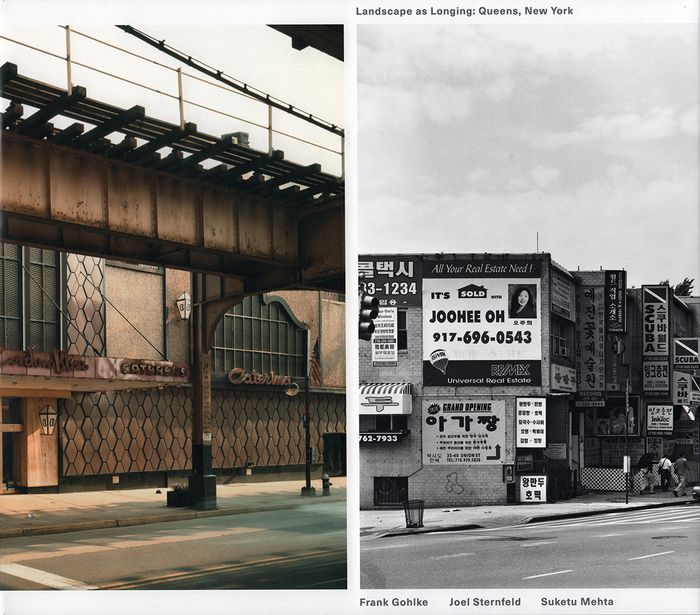
In 2003, Frank Gohlke and Joel Sternfeld were commissioned to photograph one of the densest concentrations of ethnic diversity in the world, the borough of Queens in New York City. After more than a year of photographing everything from corner bodegas to the borough’s boundaries, Gohlke and Sternfeld had not only captured the complicated dynamic that sustains Queens and its myriad communities; they had also evolved a unique theory of landscape photography in which landscape is a visible manifestation of the invisible emotions of its inhabitants. The collection inherits the strength of each photographer’s eye. Gohlke’s Queens consists of streets, houses, fences, gardens, parklands, shorelines, and waste spaces, the territory where human arrangement contends endlessly with the forces that undo it: unruly vegetation, weather, rot, decay, and the “creative destruction” of a voracious commercial culture. Sternfeld focuses on the indigenous shops, restaurants, mosques and temples that make a walk in Queens feel like a walk in Thailand, India or Peru—or all of them at once. Often tucked into homes or converted factories, these places signify a home country, or perhaps a home country that exists more in the mind than in actuality. In conjunction with an essay by the acclaimed writer Suketu Mehta, this book is a powerful instrument for understanding a landscape that seems to defy interpretation. Gohlke and Sternfeld successfully make the dizzying patchwork of Queens accessible and visible.
Frank Gohlke & Joel Sternfeld: landscape of longing
Actions:
Prix:
$90.00
(disponible sur commande)
Résumé:
In 2003, Frank Gohlke and Joel Sternfeld were commissioned to photograph one of the densest concentrations of ethnic diversity in the world, the borough of Queens in New York City. After more than a year of photographing everything from corner bodegas to the borough’s boundaries, Gohlke and Sternfeld had not only captured the complicated dynamic that sustains Queens and its myriad communities; they had also evolved a unique theory of landscape photography in which landscape is a visible manifestation of the invisible emotions of its inhabitants. The collection inherits the strength of each photographer’s eye. Gohlke’s Queens consists of streets, houses, fences, gardens, parklands, shorelines, and waste spaces, the territory where human arrangement contends endlessly with the forces that undo it: unruly vegetation, weather, rot, decay, and the “creative destruction” of a voracious commercial culture. Sternfeld focuses on the indigenous shops, restaurants, mosques and temples that make a walk in Queens feel like a walk in Thailand, India or Peru—or all of them at once. Often tucked into homes or converted factories, these places signify a home country, or perhaps a home country that exists more in the mind than in actuality. In conjunction with an essay by the acclaimed writer Suketu Mehta, this book is a powerful instrument for understanding a landscape that seems to defy interpretation. Gohlke and Sternfeld successfully make the dizzying patchwork of Queens accessible and visible.
Classification:
livres
livres
Publication:
décembre 2016
décembre 2016
Sujet:
Monographies photo
Monographies photo
Classification:
périodiques
périodiques
Actions:
Prix:
$36.00
(disponible sur commande)
Résumé:
The modern design and perception of the public domain is to a large degree determined by the tension between different memories - individual and collective, old and new, indigenous and immigrant. This makes memory a topical theme in the public domain, and its content, management and place are in urgent need of renewed consideration. How can one actively make use of the(...)
$36.00
(disponible sur commande)
Résumé:
The modern design and perception of the public domain is to a large degree determined by the tension between different memories - individual and collective, old and new, indigenous and immigrant. This makes memory a topical theme in the public domain, and its content, management and place are in urgent need of renewed consideration. How can one actively make use of the(...)
Titre:
Open 7 (no)memory : storing and recalling in contemporary art and culture
Actions:
Prix:
$36.00
(disponible sur commande)
Résumé:
The modern design and perception of the public domain is to a large degree determined by the tension between different memories - individual and collective, old and new, indigenous and immigrant. This makes memory a topical theme in the public domain, and its content, management and place are in urgent need of renewed consideration. How can one actively make use of the information that is stored in modern-day 'places of memory'? What role does art play in this? Is collective memory even a possibility these days? How can cultural heritage be made accessible without transforming city and countryside into one big open-air museum? And what are the implications of new media and digital storage technologies for the social and historical processes of preserving and remembering? Rudi Laermans analyses the modern-day 'heritage regime'. Frank van Vree examines the role of the contemporary monument. Cor Wagenaar advocates the introduction of time as an instrument for the Belvedere Policy. Wolfgang Ernst considers how the archive becomes a literal metaphor in a digital culture. Nico Bick photographed various archives. Jorinde Seijdel takes a closer look at the visual archive of Bill Gates. Sven Lütticken writes about the conspiracy of openness that is apparently at work in the mass media. Geert Lovink interviews artist and archivist Tjebbe van Tijen. Artists' contributions from Joke Robaard, Nico Dockx, Hans Aarsman, Arnoud Holleman and Barbara Visser. Other contributions by Henk Oosterling, Brigitte van der Sande, Stef Scagliola, Jordan Crandall and Paul Meurs.
Open 7 (no)memory : storing and recalling in contemporary art and culture
Actions:
Prix:
$36.00
(disponible sur commande)
Résumé:
The modern design and perception of the public domain is to a large degree determined by the tension between different memories - individual and collective, old and new, indigenous and immigrant. This makes memory a topical theme in the public domain, and its content, management and place are in urgent need of renewed consideration. How can one actively make use of the information that is stored in modern-day 'places of memory'? What role does art play in this? Is collective memory even a possibility these days? How can cultural heritage be made accessible without transforming city and countryside into one big open-air museum? And what are the implications of new media and digital storage technologies for the social and historical processes of preserving and remembering? Rudi Laermans analyses the modern-day 'heritage regime'. Frank van Vree examines the role of the contemporary monument. Cor Wagenaar advocates the introduction of time as an instrument for the Belvedere Policy. Wolfgang Ernst considers how the archive becomes a literal metaphor in a digital culture. Nico Bick photographed various archives. Jorinde Seijdel takes a closer look at the visual archive of Bill Gates. Sven Lütticken writes about the conspiracy of openness that is apparently at work in the mass media. Geert Lovink interviews artist and archivist Tjebbe van Tijen. Artists' contributions from Joke Robaard, Nico Dockx, Hans Aarsman, Arnoud Holleman and Barbara Visser. Other contributions by Henk Oosterling, Brigitte van der Sande, Stef Scagliola, Jordan Crandall and Paul Meurs.
Classification:
périodiques
périodiques
Publication:
janvier 1900, Rotterdam
janvier 1900, Rotterdam
Sujet:
Revues
Revues
Classification:
livres
livres
Actions:
Prix:
$29.95
(disponible sur commande)
Résumé:
Moving the critical debate about photography away from its current Euro-American centre of gravity, "Photography’s Other Histories" breaks with the notion that photographic history is best seen as the explosion of a Western technology advanced by the work of singular individuals. This collection presents a different account, describing photography as a globally(...)
$29.95
(disponible sur commande)
Résumé:
Moving the critical debate about photography away from its current Euro-American centre of gravity, "Photography’s Other Histories" breaks with the notion that photographic history is best seen as the explosion of a Western technology advanced by the work of singular individuals. This collection presents a different account, describing photography as a globally(...)
Sujet:
Théorie de la photographie
Théorie de la photographie
Publication:
mars 2003, Durham, N.C.
mars 2003, Durham, N.C.
Titre:
Photography's other histories
Actions:
Prix:
$29.95
(disponible sur commande)
Résumé:
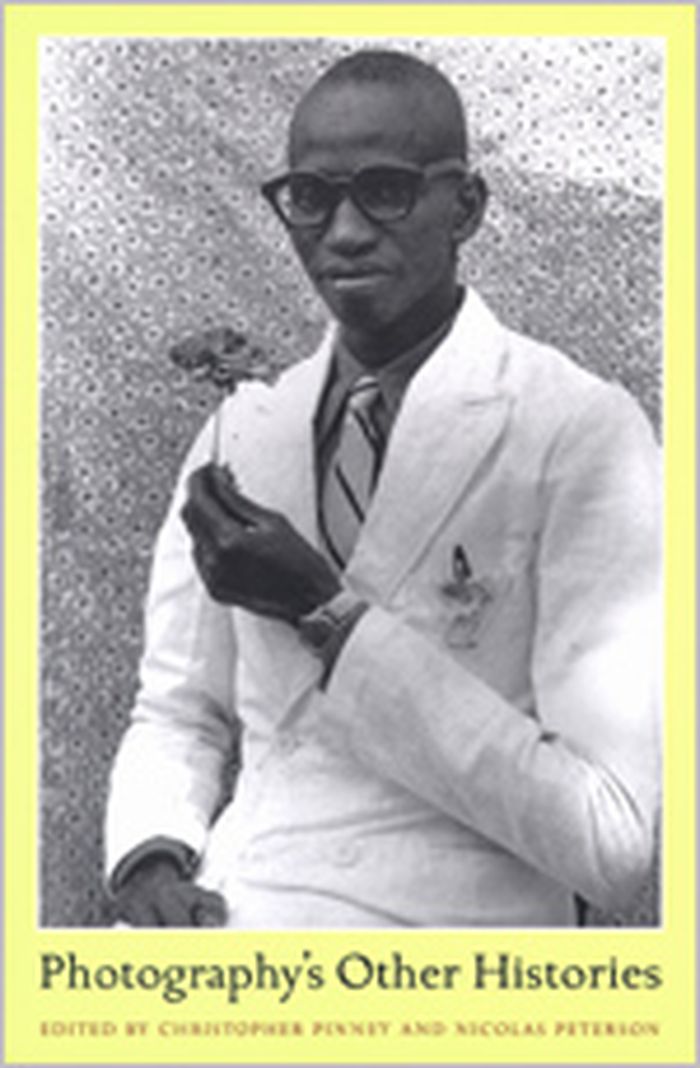
Moving the critical debate about photography away from its current Euro-American centre of gravity, "Photography’s Other Histories" breaks with the notion that photographic history is best seen as the explosion of a Western technology advanced by the work of singular individuals. This collection presents a different account, describing photography as a globally disseminated and locally appropriated medium. Essays firmly grounded in photographic practice — in the actual making of pictures — suggest the extraordinary diversity of nonwestern photography "Photography’s Other Histories" explores from a variety of geographic, cultural, and historic perspectives the role of photography in raising historical consciousness. It includes two first-person pieces by indigenous Australians and one by a Seminole/Muskogee/Diné artist. Some of the essays analyze representations of colonial subjects—from the limited ways Westerners have depicted Navajos to Japanese photos recording the occupation of Manchuria and from the changing nature of the "contract" between Aboriginal subjects and photographers to the surprising range of cultural influences evident in the photographs colonialist F. R. Barton took in New Guinea in the late 1800s and early 1900s. Focusing on photographic self-fashioning and the development of vernacular modernisms, other essays highlight the visionary quality of much popular photography. Case studies centered in early-twentieth-century Peru and contemporary India, Kenya, and Nigeria chronicle the diverse practices that have flourished in postcolonial societies. "Photography’s Other Histories" recasts popular photography around the world, as not simply reproducing culture but creating it.
Photography's other histories
Actions:
Prix:
$29.95
(disponible sur commande)
Résumé:
Moving the critical debate about photography away from its current Euro-American centre of gravity, "Photography’s Other Histories" breaks with the notion that photographic history is best seen as the explosion of a Western technology advanced by the work of singular individuals. This collection presents a different account, describing photography as a globally disseminated and locally appropriated medium. Essays firmly grounded in photographic practice — in the actual making of pictures — suggest the extraordinary diversity of nonwestern photography "Photography’s Other Histories" explores from a variety of geographic, cultural, and historic perspectives the role of photography in raising historical consciousness. It includes two first-person pieces by indigenous Australians and one by a Seminole/Muskogee/Diné artist. Some of the essays analyze representations of colonial subjects—from the limited ways Westerners have depicted Navajos to Japanese photos recording the occupation of Manchuria and from the changing nature of the "contract" between Aboriginal subjects and photographers to the surprising range of cultural influences evident in the photographs colonialist F. R. Barton took in New Guinea in the late 1800s and early 1900s. Focusing on photographic self-fashioning and the development of vernacular modernisms, other essays highlight the visionary quality of much popular photography. Case studies centered in early-twentieth-century Peru and contemporary India, Kenya, and Nigeria chronicle the diverse practices that have flourished in postcolonial societies. "Photography’s Other Histories" recasts popular photography around the world, as not simply reproducing culture but creating it.
Classification:
livres
livres
Publication:
mars 2003, Durham, N.C.
mars 2003, Durham, N.C.
Sujet:
Théorie de la photographie
Théorie de la photographie
Classification:
livres
livres
Actions:
Prix:
$75.00
(disponible en magasin)
Résumé:
Curated and written by her great-nieces, who lived in the house throughout their lives, this book offers an unparalleled glimpse into Frida Kahlo, opening a new perspective into this iconic artist’s family home and refuge. Casa Kahlo was more than a second home—it was a place where Frida could truly be herself away from the house she shared with her husband, the artist(...)
$75.00
(disponible en magasin)
Résumé:
Curated and written by her great-nieces, who lived in the house throughout their lives, this book offers an unparalleled glimpse into Frida Kahlo, opening a new perspective into this iconic artist’s family home and refuge. Casa Kahlo was more than a second home—it was a place where Frida could truly be herself away from the house she shared with her husband, the artist(...)
Publication:
avril 2026
avril 2026
Titre:
Casa Kahlo: Frida Kahlo's home and sanctuary
Actions:
Prix:
$75.00
(disponible en magasin)
Résumé:
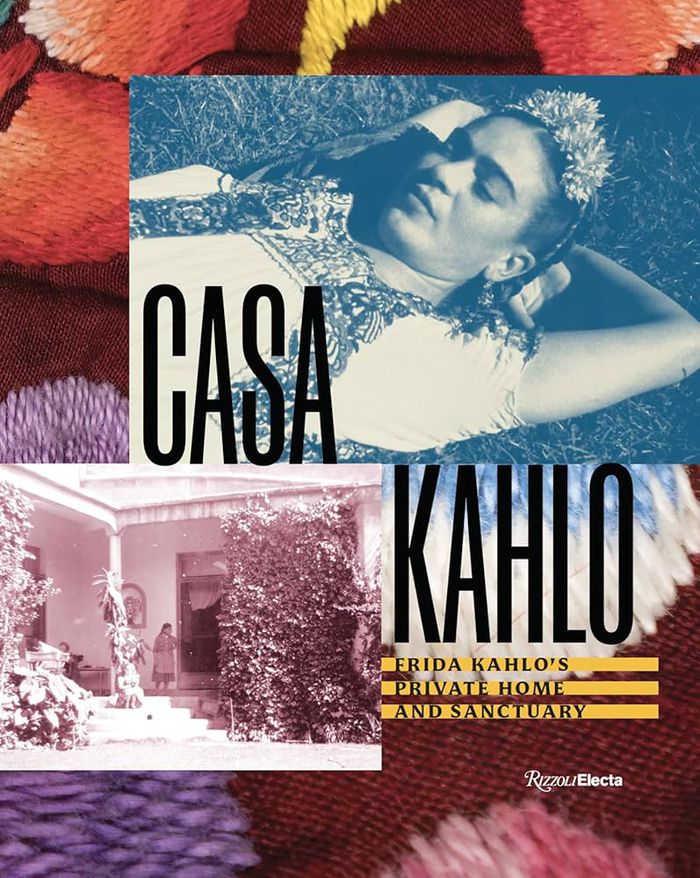
Curated and written by her great-nieces, who lived in the house throughout their lives, this book offers an unparalleled glimpse into Frida Kahlo, opening a new perspective into this iconic artist’s family home and refuge. Casa Kahlo was more than a second home—it was a place where Frida could truly be herself away from the house she shared with her husband, the artist Diego Rivera. At Casa Kahlo—surrounded by her artistic family and the vibrant Indigenous culture she immersed herself in—she spent time with her closest confidantes (her sisters), her friends, and her lovers. The house also served as an additional studio space for Kahlo where she taught art classes to a legion of loyal students who referred to themselves as Los Fridos. Remarkably, Casa Kahlo has been occupied by Frida’s family since they bought the house in 1930. Meticulously documenting the interiors, this book features a rich array of personal items and never-before-published letters and postcards to her sisters, her mother, and her most beloved niece Isolda. Hundreds of personal items offer an intimate view into her artistic environment and personal life: from her early drawings and paintings (including the first painting she showed Rivera at eighteen years old) to later drawings; her distinctive jewelry and clothing; key documents, including her birth and marriage certificates; artworks; and keepsakes ranging from dolls to her taxidermy butterfly collection.
Casa Kahlo: Frida Kahlo's home and sanctuary
Actions:
Prix:
$75.00
(disponible en magasin)
Résumé:
Curated and written by her great-nieces, who lived in the house throughout their lives, this book offers an unparalleled glimpse into Frida Kahlo, opening a new perspective into this iconic artist’s family home and refuge. Casa Kahlo was more than a second home—it was a place where Frida could truly be herself away from the house she shared with her husband, the artist Diego Rivera. At Casa Kahlo—surrounded by her artistic family and the vibrant Indigenous culture she immersed herself in—she spent time with her closest confidantes (her sisters), her friends, and her lovers. The house also served as an additional studio space for Kahlo where she taught art classes to a legion of loyal students who referred to themselves as Los Fridos. Remarkably, Casa Kahlo has been occupied by Frida’s family since they bought the house in 1930. Meticulously documenting the interiors, this book features a rich array of personal items and never-before-published letters and postcards to her sisters, her mother, and her most beloved niece Isolda. Hundreds of personal items offer an intimate view into her artistic environment and personal life: from her early drawings and paintings (including the first painting she showed Rivera at eighteen years old) to later drawings; her distinctive jewelry and clothing; key documents, including her birth and marriage certificates; artworks; and keepsakes ranging from dolls to her taxidermy butterfly collection.
Classification:
livres
livres
Publication:
avril 2026
avril 2026
Classification:
livres
livres
Titre:
Before Central Park
Before Central Park
Actions:
Prix:
$40.00
(disponible sur commande)
Résumé:
With more than eight hundred sprawling green acres in the middle of one of the world's densest cities, Central Park is an urban masterpiece. Designed in the middle of the nineteenth century by the landscape architects Frederick Law Olmsted and Calvert Vaux, it is a model for city parks worldwide. But before it became Central Park, the land was the site of farms,(...)
$40.00
(disponible sur commande)
Résumé:
With more than eight hundred sprawling green acres in the middle of one of the world's densest cities, Central Park is an urban masterpiece. Designed in the middle of the nineteenth century by the landscape architects Frederick Law Olmsted and Calvert Vaux, it is a model for city parks worldwide. But before it became Central Park, the land was the site of farms,(...)
Titre:
Before Central Park
Actions:
Prix:
$40.00
(disponible sur commande)
Résumé:
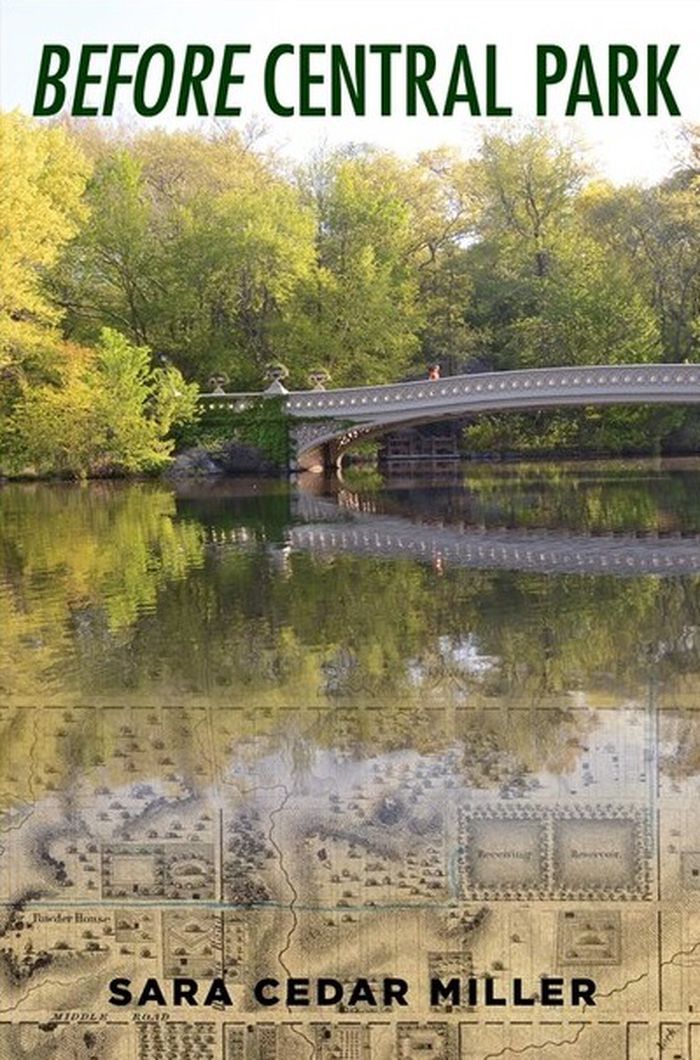
With more than eight hundred sprawling green acres in the middle of one of the world's densest cities, Central Park is an urban masterpiece. Designed in the middle of the nineteenth century by the landscape architects Frederick Law Olmsted and Calvert Vaux, it is a model for city parks worldwide. But before it became Central Park, the land was the site of farms, businesses, churches, wars, and burial grounds--and home to many different kinds of New Yorkers. This book is the authoritative account of the place that would become Central Park. From the first Dutch family to settle on the land through the political crusade to create America's first major urban park, Sara Cedar Miller chronicles two and a half centuries of history. She tells the stories of Indigenous hunters, enslaved people and enslavers, American patriots and British loyalists, the Black landowners of Seneca Village, Irish pig farmers, tavern owners, Catholic sisters, Jewish protesters, and more. Miller unveils a British fortification and camp during the Revolutionary War, a suburban retreat from the yellow fever epidemics at the turn of the nineteenth century, and the properties that a group of free Black Americans used to secure their right to vote. Tales of political chicanery, real estate speculation, cons, and scams stand alongside democratic idealism, the striving of immigrants, and powerfully human lives. ''Before Central Park'' shows how much of the history of early America is still etched upon the landscapes of Central Park today.
Before Central Park
Actions:
Prix:
$40.00
(disponible sur commande)
Résumé:
With more than eight hundred sprawling green acres in the middle of one of the world's densest cities, Central Park is an urban masterpiece. Designed in the middle of the nineteenth century by the landscape architects Frederick Law Olmsted and Calvert Vaux, it is a model for city parks worldwide. But before it became Central Park, the land was the site of farms, businesses, churches, wars, and burial grounds--and home to many different kinds of New Yorkers. This book is the authoritative account of the place that would become Central Park. From the first Dutch family to settle on the land through the political crusade to create America's first major urban park, Sara Cedar Miller chronicles two and a half centuries of history. She tells the stories of Indigenous hunters, enslaved people and enslavers, American patriots and British loyalists, the Black landowners of Seneca Village, Irish pig farmers, tavern owners, Catholic sisters, Jewish protesters, and more. Miller unveils a British fortification and camp during the Revolutionary War, a suburban retreat from the yellow fever epidemics at the turn of the nineteenth century, and the properties that a group of free Black Americans used to secure their right to vote. Tales of political chicanery, real estate speculation, cons, and scams stand alongside democratic idealism, the striving of immigrants, and powerfully human lives. ''Before Central Park'' shows how much of the history of early America is still etched upon the landscapes of Central Park today.
Classification:
livres
livres
Publication:
mai 2022
mai 2022
Sujet:
Théorie du paysage
Théorie du paysage
Classification:
livres
livres
Actions:
Prix:
$60.00
(disponible sur commande)
Résumé:
The 1931 international colonial exposition in Paris was a demonstration of French colonial policy, colonial architecture and urban planning, and the scientific and philosophical theories that justified colonialism. The exposition displayed the people, material(...)
$60.00
(disponible sur commande)
Résumé:
The 1931 international colonial exposition in Paris was a demonstration of French colonial policy, colonial architecture and urban planning, and the scientific and philosophical theories that justified colonialism. The exposition displayed the people, material(...)
Publication:
avril 2000, Cambridge
avril 2000, Cambridge
Titre:
Hybrid modernities : architecture and representation at the 1931 colonial exposition, Paris
Actions:
Prix:
$60.00
(disponible sur commande)
Résumé:
The 1931 international colonial exposition in Paris was a demonstration of French colonial policy, colonial architecture and urban planning, and the scientific and philosophical theories that justified colonialism. The exposition displayed the people, material culture, raw materials, manufactured goods, and arts of the global colonial empires. Yet the event gave a contradictory message of the colonies as the "Orient"--the site of rampant sensuality, decadence, and irrationality--and as the laboratory of Western rationality. In "Hybrid modernities", Patricia Morton shows how the exposition failed to keep colonialism's two spheres separate, instead creating hybrids of French and native culture. At the exposition, French pavilions demonstrated Europe's sophistication in art deco style, while the colonial pavilions were "authentic" native environments for displaying indigenous peoples and artifacts from the colonies. The authenticity of these pavilions' exteriors was contradicted by vaguely exotic interiors filled with didactic exhibition stands and dioramas. Intended to maintain a segregation of colonized and colonizer, the colonial pavilions instead were mixtures of European and native architecture. Anticolonial resistance erupted around the Exposition in the form of protests, anticolonial tracts, and a countercolonial exposition produced by the Surrealists. Thus the Exposition occupied a "middle region" of experience where the norms, rules, and systems of French colonialism both emerged and broke down, unsustainable because of their internal contradictions. As Morton shows, the effort to segregate France and her colonies failed, both at the colonial exposition and in greater France, because it was constantly undermined by the hybrids that modern colonialism itself produced.
Hybrid modernities : architecture and representation at the 1931 colonial exposition, Paris
Actions:
Prix:
$60.00
(disponible sur commande)
Résumé:
The 1931 international colonial exposition in Paris was a demonstration of French colonial policy, colonial architecture and urban planning, and the scientific and philosophical theories that justified colonialism. The exposition displayed the people, material culture, raw materials, manufactured goods, and arts of the global colonial empires. Yet the event gave a contradictory message of the colonies as the "Orient"--the site of rampant sensuality, decadence, and irrationality--and as the laboratory of Western rationality. In "Hybrid modernities", Patricia Morton shows how the exposition failed to keep colonialism's two spheres separate, instead creating hybrids of French and native culture. At the exposition, French pavilions demonstrated Europe's sophistication in art deco style, while the colonial pavilions were "authentic" native environments for displaying indigenous peoples and artifacts from the colonies. The authenticity of these pavilions' exteriors was contradicted by vaguely exotic interiors filled with didactic exhibition stands and dioramas. Intended to maintain a segregation of colonized and colonizer, the colonial pavilions instead were mixtures of European and native architecture. Anticolonial resistance erupted around the Exposition in the form of protests, anticolonial tracts, and a countercolonial exposition produced by the Surrealists. Thus the Exposition occupied a "middle region" of experience where the norms, rules, and systems of French colonialism both emerged and broke down, unsustainable because of their internal contradictions. As Morton shows, the effort to segregate France and her colonies failed, both at the colonial exposition and in greater France, because it was constantly undermined by the hybrids that modern colonialism itself produced.
Classification:
livres
livres
Publication:
avril 2000, Cambridge
avril 2000, Cambridge
Classification:
livres
livres
Actions:
Prix:
$39.95
(disponible sur commande)
Résumé:
The 1931 international colonial exposition in Paris was a demonstration of French colonial policy, colonial architecture and urban planning, and the scientific and philosophical theories that justified colonialism. The exposition displayed the people, material culture, raw materials,(...)
$39.95
(disponible sur commande)
Résumé:
The 1931 international colonial exposition in Paris was a demonstration of French colonial policy, colonial architecture and urban planning, and the scientific and philosophical theories that justified colonialism. The exposition displayed the people, material culture, raw materials,(...)
Publication:
avril 2003, Cambridge / London
avril 2003, Cambridge / London
Titre:
Hybrid modernities : architecture and representation at the 1931 colonial exposition, Paris
Actions:
Prix:
$39.95
(disponible sur commande)
Résumé:
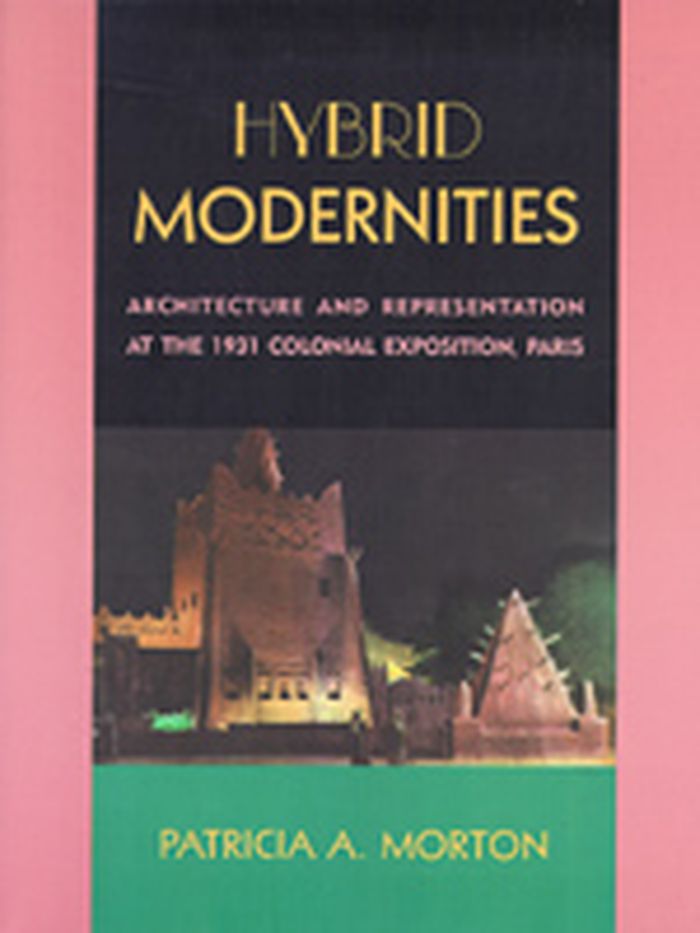
The 1931 international colonial exposition in Paris was a demonstration of French colonial policy, colonial architecture and urban planning, and the scientific and philosophical theories that justified colonialism. The exposition displayed the people, material culture, raw materials, manufactured goods, and arts of the global colonial empires. Yet the event gave a contradictory message of the colonies as the "Orient"--the site of rampant sensuality, decadence, and irrationality--and as the laboratory of Western rationality. In "Hybrid modernities", Patricia Morton shows how the exposition failed to keep colonialism's two spheres separate, instead creating hybrids of French and native culture. At the exposition, French pavilions demonstrated Europe's sophistication in art deco style, while the colonial pavilions were "authentic" native environments for displaying indigenous peoples and artifacts from the colonies. The authenticity of these pavilions' exteriors was contradicted by vaguely exotic interiors filled with didactic exhibition stands and dioramas. Intended to maintain a segregation of colonized and colonizer, the colonial pavilions instead were mixtures of European and native architecture. Anticolonial resistance erupted around the Exposition in the form of protests, anticolonial tracts, and a countercolonial exposition produced by the Surrealists. Thus the Exposition occupied a "middle region" of experience where the norms, rules, and systems of French colonialism both emerged and broke down, unsustainable because of their internal contradictions. As Morton shows, the effort to segregate France and her colonies failed, both at the colonial exposition and in greater France, because it was constantly undermined by the hybrids that modern colonialism itself produced.
Hybrid modernities : architecture and representation at the 1931 colonial exposition, Paris
Actions:
Prix:
$39.95
(disponible sur commande)
Résumé:
The 1931 international colonial exposition in Paris was a demonstration of French colonial policy, colonial architecture and urban planning, and the scientific and philosophical theories that justified colonialism. The exposition displayed the people, material culture, raw materials, manufactured goods, and arts of the global colonial empires. Yet the event gave a contradictory message of the colonies as the "Orient"--the site of rampant sensuality, decadence, and irrationality--and as the laboratory of Western rationality. In "Hybrid modernities", Patricia Morton shows how the exposition failed to keep colonialism's two spheres separate, instead creating hybrids of French and native culture. At the exposition, French pavilions demonstrated Europe's sophistication in art deco style, while the colonial pavilions were "authentic" native environments for displaying indigenous peoples and artifacts from the colonies. The authenticity of these pavilions' exteriors was contradicted by vaguely exotic interiors filled with didactic exhibition stands and dioramas. Intended to maintain a segregation of colonized and colonizer, the colonial pavilions instead were mixtures of European and native architecture. Anticolonial resistance erupted around the Exposition in the form of protests, anticolonial tracts, and a countercolonial exposition produced by the Surrealists. Thus the Exposition occupied a "middle region" of experience where the norms, rules, and systems of French colonialism both emerged and broke down, unsustainable because of their internal contradictions. As Morton shows, the effort to segregate France and her colonies failed, both at the colonial exposition and in greater France, because it was constantly undermined by the hybrids that modern colonialism itself produced.
Classification:
livres
livres
Publication:
avril 2003, Cambridge / London
avril 2003, Cambridge / London
Classification:
livres
livres
Actions:
Prix:
$39.95
(disponible sur commande)
Résumé:
For generations, our remote ancestors have been cast as primitive and childlike--either free and equal innocents, or thuggish and warlike. Civilization, we are told, could only be achieved by sacrificing those original freedoms, or alternatively, by taming our baser instincts. Graeber and Wengrow show how such theories first emerged in the eighteenth century as a(...)
$39.95
(disponible sur commande)
Résumé:
For generations, our remote ancestors have been cast as primitive and childlike--either free and equal innocents, or thuggish and warlike. Civilization, we are told, could only be achieved by sacrificing those original freedoms, or alternatively, by taming our baser instincts. Graeber and Wengrow show how such theories first emerged in the eighteenth century as a(...)
Titre:
The dawn of everything: a new history of humanity
Actions:
Prix:
$39.95
(disponible sur commande)
Résumé:
For generations, our remote ancestors have been cast as primitive and childlike--either free and equal innocents, or thuggish and warlike. Civilization, we are told, could only be achieved by sacrificing those original freedoms, or alternatively, by taming our baser instincts. Graeber and Wengrow show how such theories first emerged in the eighteenth century as a conservative reaction to powerful critiques of European society posed by Indigenous observers and intellectuals. Revisiting this encounter has startling implications for how we make sense of human history today, including the origins of farming, property, cities, democracy, slavery, and civilization itself. Drawing on path-breaking research in archaeology and anthropology, the authors show how history becomes a far more interesting place once we learn to throw off our conceptual shackles and perceive what's really there. If humans did not spend 95% of their evolutionary past in tiny bands of hunter-gatherers, what were they doing all that time? If agriculture, and cities, did not mean a plunge into hierarchy and domination, then what kinds of social and economic organization did they lead to? What was really happening during the periods that we usually describe as the emergence of "the state"? The answers are often unexpected, and suggest that the course of human history may be less set in stone, and more full of playful, hopeful possibilities, than we tend to assume. ''The dawn of everything'' fundamentally transforms our understanding of the human past and offers a path toward imagining new forms of freedom, new ways of organizing society. This is a monumental book of formidable intellectual range, animated by curiosity, moral vision, and a faith in the power of direct action.
The dawn of everything: a new history of humanity
Actions:
Prix:
$39.95
(disponible sur commande)
Résumé:
For generations, our remote ancestors have been cast as primitive and childlike--either free and equal innocents, or thuggish and warlike. Civilization, we are told, could only be achieved by sacrificing those original freedoms, or alternatively, by taming our baser instincts. Graeber and Wengrow show how such theories first emerged in the eighteenth century as a conservative reaction to powerful critiques of European society posed by Indigenous observers and intellectuals. Revisiting this encounter has startling implications for how we make sense of human history today, including the origins of farming, property, cities, democracy, slavery, and civilization itself. Drawing on path-breaking research in archaeology and anthropology, the authors show how history becomes a far more interesting place once we learn to throw off our conceptual shackles and perceive what's really there. If humans did not spend 95% of their evolutionary past in tiny bands of hunter-gatherers, what were they doing all that time? If agriculture, and cities, did not mean a plunge into hierarchy and domination, then what kinds of social and economic organization did they lead to? What was really happening during the periods that we usually describe as the emergence of "the state"? The answers are often unexpected, and suggest that the course of human history may be less set in stone, and more full of playful, hopeful possibilities, than we tend to assume. ''The dawn of everything'' fundamentally transforms our understanding of the human past and offers a path toward imagining new forms of freedom, new ways of organizing society. This is a monumental book of formidable intellectual range, animated by curiosity, moral vision, and a faith in the power of direct action.
Classification:
livres
livres
Publication:
octobre 2021
octobre 2021
Sujet:
Social
Social


