


1053 Résultats
Classification:
livres
livres
Actions:
Prix:
$39.95
(disponible sur commande)
Résumé:
When #BlackLivesMatter emerged in 2013, it animated the most consequential Black-led mobilization since the civil rights and Black power era. Today, the hashtag turned rallying cry is but one expression of a radical reorientation toward Black politics, protest, and political thought. To Build a Black Future examines the spirit and significance of this insurgency, offering(...)
$39.95
(disponible sur commande)
Résumé:
When #BlackLivesMatter emerged in 2013, it animated the most consequential Black-led mobilization since the civil rights and Black power era. Today, the hashtag turned rallying cry is but one expression of a radical reorientation toward Black politics, protest, and political thought. To Build a Black Future examines the spirit and significance of this insurgency, offering(...)
Titre:
To build a black future: The radical politics of joy, pain and care
Actions:
Prix:
$39.95
(disponible sur commande)
Résumé:
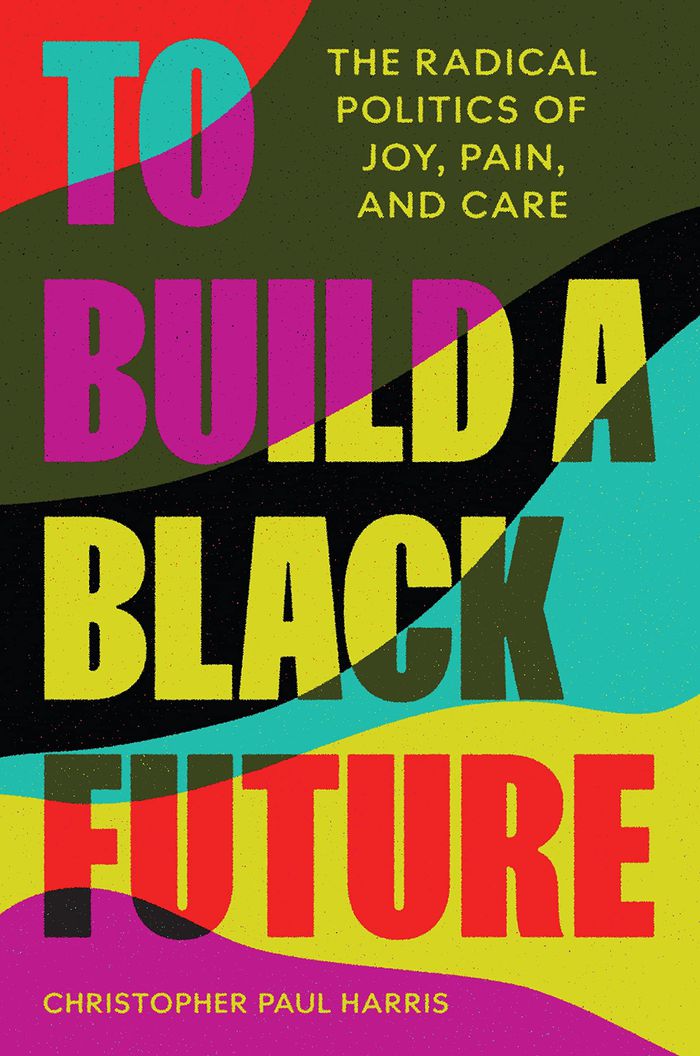
When #BlackLivesMatter emerged in 2013, it animated the most consequential Black-led mobilization since the civil rights and Black power era. Today, the hashtag turned rallying cry is but one expression of a radical reorientation toward Black politics, protest, and political thought. To Build a Black Future examines the spirit and significance of this insurgency, offering a revelatory account of a new political culture?responsive to pain, suffused with joy, and premised on care?emerging from the centuries-long arc of Black rebellion, a tradition that traces back to the Black slave. Drawing on his own experiences as an activist and organizer, Christopher Paul Harris takes readers inside the Movement for Black Lives (M4BL) to chart the propulsive trajectory of Black politics and thought from the Middle Passage to the present historical moment. Carefully attending to the social forces that produce Black struggle and the contradictions that arise within it, Harris illustrates how M4BL gives voice to an abolitionist praxis that bridges the past, present, and future, outlining a political project at once directed inward to the Black community while issuing an outward challenge to the world. Essential reading for the age of #BlackLivesMatter, this visionary and provocative book reveals how the radical politics of joy, pain, and care, in sharp contrast to liberal political thought, can build a Black future that transcends ideology and pushes the boundaries of our political imagination.
To build a black future: The radical politics of joy, pain and care
Actions:
Prix:
$39.95
(disponible sur commande)
Résumé:
When #BlackLivesMatter emerged in 2013, it animated the most consequential Black-led mobilization since the civil rights and Black power era. Today, the hashtag turned rallying cry is but one expression of a radical reorientation toward Black politics, protest, and political thought. To Build a Black Future examines the spirit and significance of this insurgency, offering a revelatory account of a new political culture?responsive to pain, suffused with joy, and premised on care?emerging from the centuries-long arc of Black rebellion, a tradition that traces back to the Black slave. Drawing on his own experiences as an activist and organizer, Christopher Paul Harris takes readers inside the Movement for Black Lives (M4BL) to chart the propulsive trajectory of Black politics and thought from the Middle Passage to the present historical moment. Carefully attending to the social forces that produce Black struggle and the contradictions that arise within it, Harris illustrates how M4BL gives voice to an abolitionist praxis that bridges the past, present, and future, outlining a political project at once directed inward to the Black community while issuing an outward challenge to the world. Essential reading for the age of #BlackLivesMatter, this visionary and provocative book reveals how the radical politics of joy, pain, and care, in sharp contrast to liberal political thought, can build a Black future that transcends ideology and pushes the boundaries of our political imagination.
Classification:
livres
livres
Publication:
septembre 2023
septembre 2023
Sujet:
Social
Social
Classification:
livres
livres
Titre:
When America became suburban
When America became suburban
Actions:
Prix:
$23.95
(disponible sur commande)
Résumé:
In the decades after World War II, the United States became the most prosperous nation in the world and a superpower whose dominance was symbolized by the American suburbs. Spurred by the decline of its industrial cities and by mass suburbanization, people imagined a new national identity—one that emphasized consumerism, social mobility, and a suburban lifestyle. The(...)
$23.95
(disponible sur commande)
Résumé:
In the decades after World War II, the United States became the most prosperous nation in the world and a superpower whose dominance was symbolized by the American suburbs. Spurred by the decline of its industrial cities and by mass suburbanization, people imagined a new national identity—one that emphasized consumerism, social mobility, and a suburban lifestyle. The(...)
Titre:
When America became suburban
Actions:
Prix:
$23.95
(disponible sur commande)
Résumé:
In the decades after World War II, the United States became the most prosperous nation in the world and a superpower whose dominance was symbolized by the American suburbs. Spurred by the decline of its industrial cities and by mass suburbanization, people imagined a new national identity—one that emphasized consumerism, social mobility, and a suburban lifestyle. The urbanity of the city was lost. In "When America became suburban", Robert A. Beauregard examines this historic intersection of urban decline, mass suburbanization, domestic prosperity, and U.S. global aspirations as it unfolded from 1945 to the mid-1970s. Suburban expansion and the subsequent emergence of sprawling Sunbelt cities transformed every aspect of American society. Assessing the global implications of America’s suburban way of life as evidence of the superiority of capitalist democracy, Beauregard traces how the suburban ideology enabled America to distinguish itself from both the Communist bloc and Western Europe, thereby deepening its claim of exceptionalism on the world-historical stage. Placing the decline of America’s industrial cities and the rise of vast suburban housing and retail spaces into a cultural, political, and global context, Beauregard illuminates how these phenomena contributed to a changing notion of America’s identity at home and abroad. "When America became suburban" brings to light the profound implications of de-urbanization: from the siphoning of investments from the cities and the effect on the quality of life for those left behind to a profound shift in national identity.
When America became suburban
Actions:
Prix:
$23.95
(disponible sur commande)
Résumé:
In the decades after World War II, the United States became the most prosperous nation in the world and a superpower whose dominance was symbolized by the American suburbs. Spurred by the decline of its industrial cities and by mass suburbanization, people imagined a new national identity—one that emphasized consumerism, social mobility, and a suburban lifestyle. The urbanity of the city was lost. In "When America became suburban", Robert A. Beauregard examines this historic intersection of urban decline, mass suburbanization, domestic prosperity, and U.S. global aspirations as it unfolded from 1945 to the mid-1970s. Suburban expansion and the subsequent emergence of sprawling Sunbelt cities transformed every aspect of American society. Assessing the global implications of America’s suburban way of life as evidence of the superiority of capitalist democracy, Beauregard traces how the suburban ideology enabled America to distinguish itself from both the Communist bloc and Western Europe, thereby deepening its claim of exceptionalism on the world-historical stage. Placing the decline of America’s industrial cities and the rise of vast suburban housing and retail spaces into a cultural, political, and global context, Beauregard illuminates how these phenomena contributed to a changing notion of America’s identity at home and abroad. "When America became suburban" brings to light the profound implications of de-urbanization: from the siphoning of investments from the cities and the effect on the quality of life for those left behind to a profound shift in national identity.
Classification:
livres
livres
Publication:
septembre 2006, Minneapolis, London
septembre 2006, Minneapolis, London
Sujet:
Banlieues
Banlieues
Classification:
livres
livres
Actions:
Prix:
$41.95
(disponible sur commande)
Résumé:
Propaganda art—whether a depiction of joyous workers in the style of socialist realism or a film directed by Steve Bannon—delivers a message. But, as Jonas Staal argues in this illuminating and timely book, propaganda does not merely make a political point; it aims to construct reality itself. Political regimes have shaped our world according to their interests and(...)
$41.95
(disponible sur commande)
Résumé:
Propaganda art—whether a depiction of joyous workers in the style of socialist realism or a film directed by Steve Bannon—delivers a message. But, as Jonas Staal argues in this illuminating and timely book, propaganda does not merely make a political point; it aims to construct reality itself. Political regimes have shaped our world according to their interests and(...)
Titre:
Propaganda art in the 21st century
Actions:
Prix:
$41.95
(disponible sur commande)
Résumé:
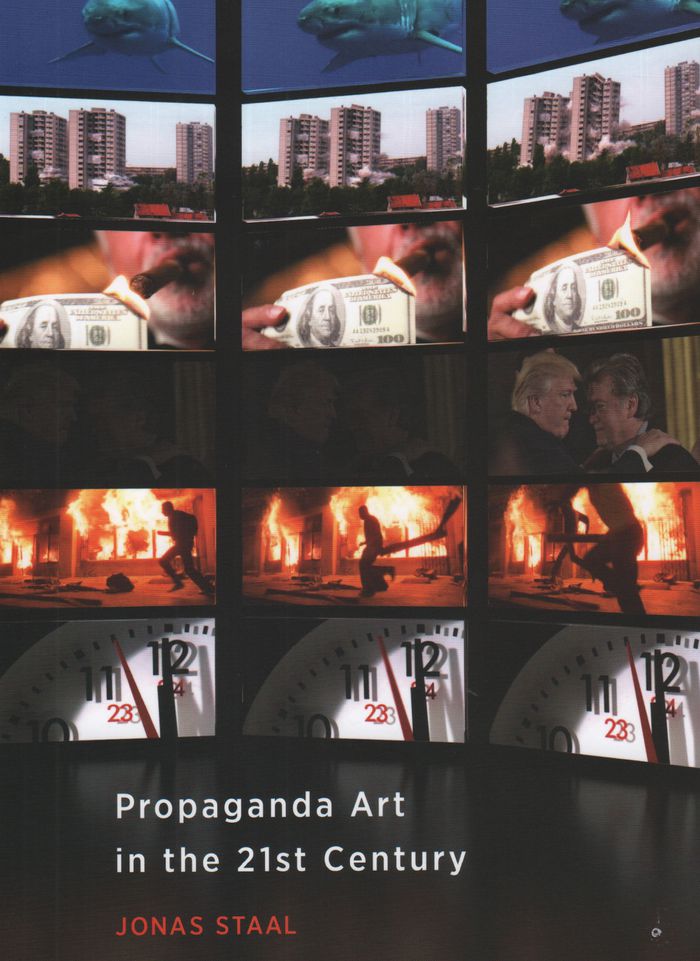
Propaganda art—whether a depiction of joyous workers in the style of socialist realism or a film directed by Steve Bannon—delivers a message. But, as Jonas Staal argues in this illuminating and timely book, propaganda does not merely make a political point; it aims to construct reality itself. Political regimes have shaped our world according to their interests and ideology; today, popular mass movements push back by constructing other worlds with their own propagandas. Staal shows that propaganda is not a relic of a totalitarian past but occurs today even in liberal democracies. He considers different historical forms of propaganda art, from avant-garde to totalitarian and modernist, and he investigates the us versus them dichotomy promoted in War on Terror propaganda art—describing, among other things, a fictional scenario from the Department of Homeland Security, acted out in real time, and military training via videogame. He discusses artistic and cultural productions developed by such popular mass movements of the twenty-first century as the Occupy, activism by and in support of undocumented migrants and refugees, and struggles for liberation in such countries as Mali and Syria. Staal, both a scholar of propaganda and a self-described propaganda artist, proposes a new model of emancipatory propaganda art—one that acknowledges the relation between art and power and takes both an aesthetic and a political position in the practice of world-making.
Propaganda art in the 21st century
Actions:
Prix:
$41.95
(disponible sur commande)
Résumé:
Propaganda art—whether a depiction of joyous workers in the style of socialist realism or a film directed by Steve Bannon—delivers a message. But, as Jonas Staal argues in this illuminating and timely book, propaganda does not merely make a political point; it aims to construct reality itself. Political regimes have shaped our world according to their interests and ideology; today, popular mass movements push back by constructing other worlds with their own propagandas. Staal shows that propaganda is not a relic of a totalitarian past but occurs today even in liberal democracies. He considers different historical forms of propaganda art, from avant-garde to totalitarian and modernist, and he investigates the us versus them dichotomy promoted in War on Terror propaganda art—describing, among other things, a fictional scenario from the Department of Homeland Security, acted out in real time, and military training via videogame. He discusses artistic and cultural productions developed by such popular mass movements of the twenty-first century as the Occupy, activism by and in support of undocumented migrants and refugees, and struggles for liberation in such countries as Mali and Syria. Staal, both a scholar of propaganda and a self-described propaganda artist, proposes a new model of emancipatory propaganda art—one that acknowledges the relation between art and power and takes both an aesthetic and a political position in the practice of world-making.
Classification:
livres
livres
Publication:
septembre 2019
septembre 2019
Sujet:
Théorie de l’art
Théorie de l’art
Classification:
livres
livres
Actions:
Prix:
$35.95
(disponible sur commande)
Résumé:
A leading activist museum director explains why museums are at the center of a political storm and how they can be reimagined. In an age of protest, cultural institutions have come under fire. Protestors have mobilized against sources of museum funding, as happened at the Metropolitan Museum, and against board appointments, forcing tear gas manufacturer Warren Kanders to(...)
$35.95
(disponible sur commande)
Résumé:
A leading activist museum director explains why museums are at the center of a political storm and how they can be reimagined. In an age of protest, cultural institutions have come under fire. Protestors have mobilized against sources of museum funding, as happened at the Metropolitan Museum, and against board appointments, forcing tear gas manufacturer Warren Kanders to(...)
Titre:
Culture strike: art and museums in an age of protest
Actions:
Prix:
$35.95
(disponible sur commande)
Résumé:
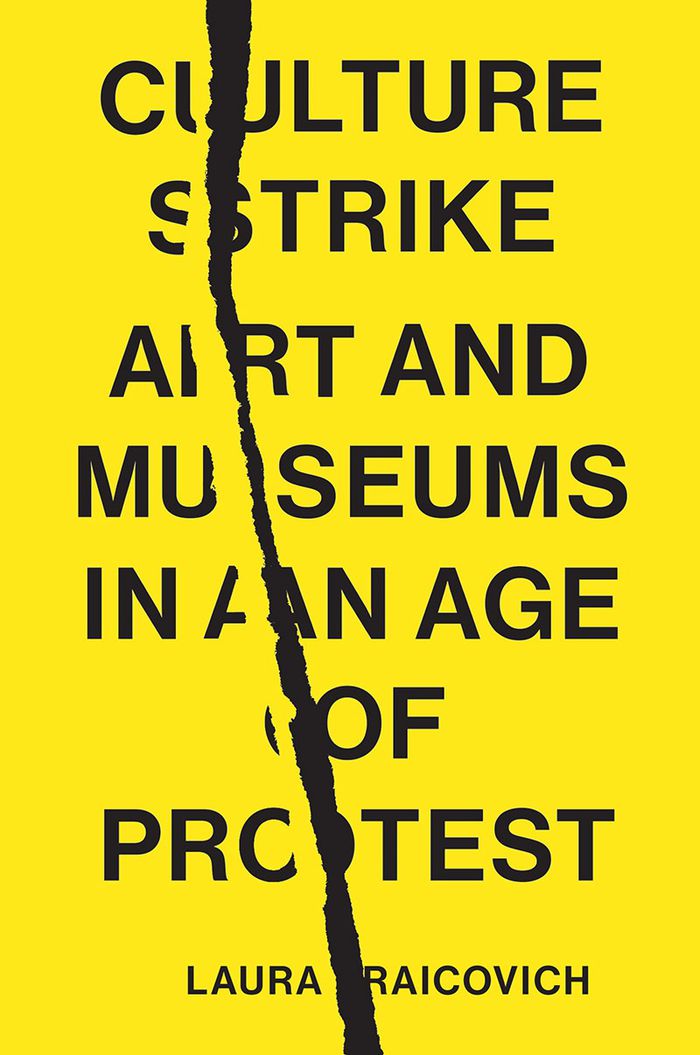
A leading activist museum director explains why museums are at the center of a political storm and how they can be reimagined. In an age of protest, cultural institutions have come under fire. Protestors have mobilized against sources of museum funding, as happened at the Metropolitan Museum, and against board appointments, forcing tear gas manufacturer Warren Kanders to resign at the Whitney. That is to say nothing of demonstrations against exhibitions and artworks. Protests have roiled institutions across the world, from the Abu Dhabi Guggenheim to the Akron Art Museum. A popular expectation has grown that galleries and museums should work for social change. As Director of the Queens Museum, Laura Raicovich helped turn that New York muni- cipal institution into a public commons for art and activism, organizing high-powered exhibitions that doubled as political protests. Then in January 2018, she resigned, after a dispute with the Queens Museum board and city officials. This public controversy followed the museum’s responses to Donald Trump’s election, including her objections to the Israeli government using the museum for an event featuring Vice President Mike Pence. In this lucid and accessible book, Raicovich examines some of the key museum flashpoints and provides historical context for the current controversies. She shows how art museums arose as colonial institutions bearing an ideology of neutrality that masks their role in upholding conservative, capitalist values. And she suggests ways museums can be reinvented to serve better, public ends.
Culture strike: art and museums in an age of protest
Actions:
Prix:
$35.95
(disponible sur commande)
Résumé:
A leading activist museum director explains why museums are at the center of a political storm and how they can be reimagined. In an age of protest, cultural institutions have come under fire. Protestors have mobilized against sources of museum funding, as happened at the Metropolitan Museum, and against board appointments, forcing tear gas manufacturer Warren Kanders to resign at the Whitney. That is to say nothing of demonstrations against exhibitions and artworks. Protests have roiled institutions across the world, from the Abu Dhabi Guggenheim to the Akron Art Museum. A popular expectation has grown that galleries and museums should work for social change. As Director of the Queens Museum, Laura Raicovich helped turn that New York muni- cipal institution into a public commons for art and activism, organizing high-powered exhibitions that doubled as political protests. Then in January 2018, she resigned, after a dispute with the Queens Museum board and city officials. This public controversy followed the museum’s responses to Donald Trump’s election, including her objections to the Israeli government using the museum for an event featuring Vice President Mike Pence. In this lucid and accessible book, Raicovich examines some of the key museum flashpoints and provides historical context for the current controversies. She shows how art museums arose as colonial institutions bearing an ideology of neutrality that masks their role in upholding conservative, capitalist values. And she suggests ways museums can be reinvented to serve better, public ends.
Classification:
livres
livres
Publication:
juin 2021
juin 2021
Sujet:
Muséologie
Muséologie
Classification:
livres
livres
Prix:
$75.00
(disponible sur commande)
Résumé:
The retro-futuristic epoch is one of the most visually spectacular in architecture's history. This book compiles radical ideas and visionary structures. The notion of utopia proves as diverse as it does universal. From exuberant master plans to singular architectural expressions, the rise of the utopian architectural movement in the 1960s and 1970s represents a critical(...)
$75.00
(disponible sur commande)
Résumé:
The retro-futuristic epoch is one of the most visually spectacular in architecture's history. This book compiles radical ideas and visionary structures. The notion of utopia proves as diverse as it does universal. From exuberant master plans to singular architectural expressions, the rise of the utopian architectural movement in the 1960s and 1970s represents a critical(...)
Titre:
The tale of tomorrow: utopian architecture in the modernist realm
Actions:
Prix:
$75.00
(disponible sur commande)
Résumé:
The retro-futuristic epoch is one of the most visually spectacular in architecture's history. This book compiles radical ideas and visionary structures. The notion of utopia proves as diverse as it does universal. From exuberant master plans to singular architectural expressions, the rise of the utopian architectural movement in the 1960s and 1970s represents a critical shift in ideology away from mid-century traditionalism. This period shakes off the conformity and conventions of the 1950s in favor of a more experimental post-war agenda. Marked by groundbreaking reinterpretations of both the single family house as well as more large scale developments, the embrace of utopian and generally progressive thinking mirrored the cultural revolution of the times. These daring, charming, futuristic, and hopeful designs were not isolated to a particular part of the world. Visionary voices longing for a fresh approach to architecture began appearing across France, Japan, the United States, and beyond. The Tale of Tomorrow documents this prolific era in architecture--a time when anything felt possible as architects began to think further and further outside the box. 'The Tale of Tomorrow' focuses exclusively on built manifestations of utopian ideas. Highlighting well-known projects as well as the more obscure, the collection of utopian approaches compiled here maintain their visual power and infectious optimism nearly half a century later. These experimental structures, both large and small, appear in everyday places in stark contrast to their far-from-utopian contexts.
The tale of tomorrow: utopian architecture in the modernist realm
Actions:
Prix:
$75.00
(disponible sur commande)
Résumé:
The retro-futuristic epoch is one of the most visually spectacular in architecture's history. This book compiles radical ideas and visionary structures. The notion of utopia proves as diverse as it does universal. From exuberant master plans to singular architectural expressions, the rise of the utopian architectural movement in the 1960s and 1970s represents a critical shift in ideology away from mid-century traditionalism. This period shakes off the conformity and conventions of the 1950s in favor of a more experimental post-war agenda. Marked by groundbreaking reinterpretations of both the single family house as well as more large scale developments, the embrace of utopian and generally progressive thinking mirrored the cultural revolution of the times. These daring, charming, futuristic, and hopeful designs were not isolated to a particular part of the world. Visionary voices longing for a fresh approach to architecture began appearing across France, Japan, the United States, and beyond. The Tale of Tomorrow documents this prolific era in architecture--a time when anything felt possible as architects began to think further and further outside the box. 'The Tale of Tomorrow' focuses exclusively on built manifestations of utopian ideas. Highlighting well-known projects as well as the more obscure, the collection of utopian approaches compiled here maintain their visual power and infectious optimism nearly half a century later. These experimental structures, both large and small, appear in everyday places in stark contrast to their far-from-utopian contexts.
Classification:
livres
livres
Publication:
avril 2015
avril 2015
Sujet:
Architecture expérimentale
Architecture expérimentale
Classification:
livres
livres
Actions:
Exemplaires:
Description:
xi, 447 pages : illustrations (some color) ; 29 cm.
Description:
xi, 447 pages : illustrations (some color) ; 29 cm.
Auteur:
Sujet:
Publication:
London : Harvey Miller Publishers, ©2008.
London : Harvey Miller Publishers, ©2008.
Titre:
Giotto and the Arena Chapel : art, architecture & experience / Laura Jacobus.
Actions:
Exemplaires:
Description:
xi, 447 pages : illustrations (some color) ; 29 cm.
Giotto and the Arena Chapel : art, architecture & experience / Laura Jacobus.
Actions:
Exemplaires:
Description:
xi, 447 pages : illustrations (some color) ; 29 cm.
Classification:
livres
livres
Publication:
London : Harvey Miller Publishers, ©2008.
London : Harvey Miller Publishers, ©2008.
Auteur:
Sujet:
Classification:
livres
livres
Actions:
Description:
1 online resource (274 pages) : illustrations
Auteur:
Sujet:
Publication:
Amsterdam : Amsterdam University Press, [2008], ©2008
Amsterdam : Amsterdam University Press, [2008], ©2008
Titre:
Transfigurations : violence, death and masculinity in American cinema / Asbjørn Grønstad.
Actions:
Description:
1 online resource (274 pages) : illustrations
Transfigurations : violence, death and masculinity in American cinema / Asbjørn Grønstad.
Actions:
Description:
1 online resource (274 pages) : illustrations
Classification:
livres
livres
Publication:
Amsterdam : Amsterdam University Press, [2008], ©2008
Amsterdam : Amsterdam University Press, [2008], ©2008
Auteur:
Sujet:
Classification:
livres
livres
Prix:
$63.95
(disponible sur commande)
Résumé:
Robert Smithson (1938–1973) produced his best-known work during the 1960s and early 1970s, a period in which the boundaries of the art world and the objectives of art-making were questioned perhaps more consistently and thoroughly than any time before or since. In "Robert Smithson", Ann Reynolds elucidates the complexity of Smithson’s work and thought by placing them in(...)
$63.95
(disponible sur commande)
Résumé:
Robert Smithson (1938–1973) produced his best-known work during the 1960s and early 1970s, a period in which the boundaries of the art world and the objectives of art-making were questioned perhaps more consistently and thoroughly than any time before or since. In "Robert Smithson", Ann Reynolds elucidates the complexity of Smithson’s work and thought by placing them in(...)
Publication:
novembre 2002, Cambridge, Mass.
novembre 2002, Cambridge, Mass.
Titre:
Robert Smithson : learning from New Jersey and elsewhere
Actions:
Prix:
$63.95
(disponible sur commande)
Résumé:
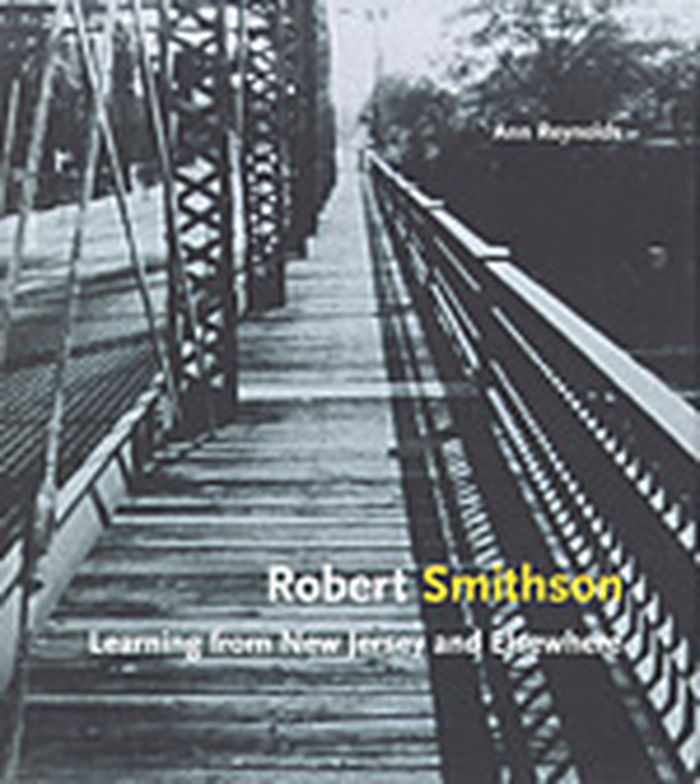
Robert Smithson (1938–1973) produced his best-known work during the 1960s and early 1970s, a period in which the boundaries of the art world and the objectives of art-making were questioned perhaps more consistently and thoroughly than any time before or since. In "Robert Smithson", Ann Reynolds elucidates the complexity of Smithson’s work and thought by placing them in their historical context, a context greatly enhanced by the vast archival materials that Smithson’s widow, Nancy Holt, donated to the Archives of American Art in 1987. The archive provides Reynolds with the remnants of Smithson’s working life--magazines, postcards from other artists, notebooks, and perhaps most important, his library--from which she reconstructs the physical and conceptual world that Smithson inhabited. Reynolds explores the relation of Smithson’s art-making, thinking about art-making, writing, and interaction with other artists to the articulated ideology and discreet assumptions that determined the parameters of artistic practice of the time. A central focus of Reynolds’s analysis is Smithson’s fascination with the blind spots at the center of established ways of seeing and thinking about culture. For Smithson, New Jersey was such a blind spot, and he returned there again and again, alone and with fellow artists, to make art that, through its location alone, undermined assumptions about what and, more important, where, art should be. For those who guarded the integrity of the established art world, New Jersey was "elsewhere"; but for Smithson, "elsewheres" were the defining, if often forgotten, locations on the map of contemporary culture.
Robert Smithson : learning from New Jersey and elsewhere
Actions:
Prix:
$63.95
(disponible sur commande)
Résumé:
Robert Smithson (1938–1973) produced his best-known work during the 1960s and early 1970s, a period in which the boundaries of the art world and the objectives of art-making were questioned perhaps more consistently and thoroughly than any time before or since. In "Robert Smithson", Ann Reynolds elucidates the complexity of Smithson’s work and thought by placing them in their historical context, a context greatly enhanced by the vast archival materials that Smithson’s widow, Nancy Holt, donated to the Archives of American Art in 1987. The archive provides Reynolds with the remnants of Smithson’s working life--magazines, postcards from other artists, notebooks, and perhaps most important, his library--from which she reconstructs the physical and conceptual world that Smithson inhabited. Reynolds explores the relation of Smithson’s art-making, thinking about art-making, writing, and interaction with other artists to the articulated ideology and discreet assumptions that determined the parameters of artistic practice of the time. A central focus of Reynolds’s analysis is Smithson’s fascination with the blind spots at the center of established ways of seeing and thinking about culture. For Smithson, New Jersey was such a blind spot, and he returned there again and again, alone and with fellow artists, to make art that, through its location alone, undermined assumptions about what and, more important, where, art should be. For those who guarded the integrity of the established art world, New Jersey was "elsewhere"; but for Smithson, "elsewheres" were the defining, if often forgotten, locations on the map of contemporary culture.
Classification:
livres
livres
Publication:
novembre 2002, Cambridge, Mass.
novembre 2002, Cambridge, Mass.
Classification:
livres
livres
Actions:
Prix:
$80.00
(disponible sur commande)
Résumé:
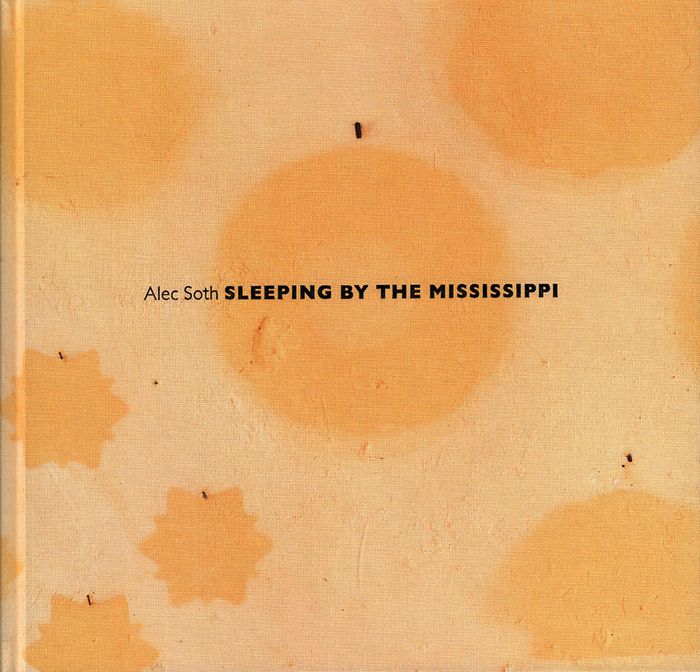
"Sleeping by the Mississippi" by Alec Soth is one of the defining publications in the photobook era. First published by Steidl in 2004, it was Soth’s first book, sold through three editions, and established him as one of the leading lights of contemporary photographic practice. This MACK edition launches to coincide with the first exhibition in London dedicated to the(...)
$80.00
(disponible sur commande)
Résumé:
"Sleeping by the Mississippi" by Alec Soth is one of the defining publications in the photobook era. First published by Steidl in 2004, it was Soth’s first book, sold through three editions, and established him as one of the leading lights of contemporary photographic practice. This MACK edition launches to coincide with the first exhibition in London dedicated to the(...)
Titre:
Alec Soth : sleeping by the Mississippi
Actions:
Prix:
$80.00
(disponible sur commande)
Résumé:
"Sleeping by the Mississippi" by Alec Soth is one of the defining publications in the photobook era. First published by Steidl in 2004, it was Soth’s first book, sold through three editions, and established him as one of the leading lights of contemporary photographic practice. This MACK edition launches to coincide with the first exhibition in London dedicated to the series at Beetles+Huxley gallery, and includes two new photographs that were not included in the previous versions of the book. Evolving from a series of road trips along the Mississippi River, "Sleeping by the Mississippi" captures America’s iconic yet oft-neglected ‘third coast’. Soth’s richly descriptive, large-format colour photographs present an eclectic mix of individuals, landscapes, and interiors. Sensuous in detail and raw in subject, Sleeping by the Mississippi elicits a consistent mood of loneliness, longing, and reverie. ‘In the book’s 46 ruthlessly edited pictures’, writes Anne Wilkes Tucker in the original essay published in the book, ‘Soth alludes to illness, procreation, race, crime, learning, art, music, death, religion, redemption, politics, and cheap sex.’ Like Robert Frank’s classic "The Americans", "Sleeping by the Mississippi" merges a documentary style with poetic sensibility. The Mississippi is less the subject of the book than its organizing structure. Not bound by a rigid concept or ideology, the series is created out of a quintessentially American spirit of wanderlust. Thirteen years since the book was first published, the artist’s lyrical view has undoubtedly acquired a nuanced significance – one in which hope, fear, desire and regret coalesce in the evocative journey along this mythic river.
Alec Soth : sleeping by the Mississippi
Actions:
Prix:
$80.00
(disponible sur commande)
Résumé:
"Sleeping by the Mississippi" by Alec Soth is one of the defining publications in the photobook era. First published by Steidl in 2004, it was Soth’s first book, sold through three editions, and established him as one of the leading lights of contemporary photographic practice. This MACK edition launches to coincide with the first exhibition in London dedicated to the series at Beetles+Huxley gallery, and includes two new photographs that were not included in the previous versions of the book. Evolving from a series of road trips along the Mississippi River, "Sleeping by the Mississippi" captures America’s iconic yet oft-neglected ‘third coast’. Soth’s richly descriptive, large-format colour photographs present an eclectic mix of individuals, landscapes, and interiors. Sensuous in detail and raw in subject, Sleeping by the Mississippi elicits a consistent mood of loneliness, longing, and reverie. ‘In the book’s 46 ruthlessly edited pictures’, writes Anne Wilkes Tucker in the original essay published in the book, ‘Soth alludes to illness, procreation, race, crime, learning, art, music, death, religion, redemption, politics, and cheap sex.’ Like Robert Frank’s classic "The Americans", "Sleeping by the Mississippi" merges a documentary style with poetic sensibility. The Mississippi is less the subject of the book than its organizing structure. Not bound by a rigid concept or ideology, the series is created out of a quintessentially American spirit of wanderlust. Thirteen years since the book was first published, the artist’s lyrical view has undoubtedly acquired a nuanced significance – one in which hope, fear, desire and regret coalesce in the evocative journey along this mythic river.
Classification:
livres
livres
Publication:
septembre 2017
septembre 2017
Sujet:
Monographies photo
Monographies photo
Classification:
livres
livres
Prix:
$74.95
(disponible sur commande)
Résumé:
This lavishly illustrated book looks at the art and architecture of episcopal palaces as expressions of power and ideology. Tracing the history of the bishop's residence in the urban centers of northern Italy over the Middle Ages, Maureen C. Miller asks why this once(...)
$74.95
(disponible sur commande)
Résumé:
This lavishly illustrated book looks at the art and architecture of episcopal palaces as expressions of power and ideology. Tracing the history of the bishop's residence in the urban centers of northern Italy over the Middle Ages, Maureen C. Miller asks why this once(...)
Titre:
The bishop's palace : architecture and authority in medieval Italy
Actions:
Prix:
$74.95
(disponible sur commande)
Résumé:
This lavishly illustrated book looks at the art and architecture of episcopal palaces as expressions of power and ideology. Tracing the history of the bishop's residence in the urban centers of northern Italy over the Middle Ages, Maureen C. Miller asks why this once rudimentary and highly fortified structure called a domus became a complex and elegant "palace" (palatium) by the late twelfth century. Miller argues that the change reflects both the emergence of a distinct clerical culture and the attempts of bishops to maintain authority in public life. She relates both to the Gregorian reform movement, which set new standards for clerical deportment and at the same time undercut episcopal claims to secular power. As bishops lost temporal authority in their cities to emerging communal governments, they compensated architecturally and competed with the communes for visual and spatial dominance in the urban center. This rivalry left indelible marks on the layout and character of Italian cities. Moreover, Miller contends, this struggle for power had highly significant, but mixed, results for western Christianity. On the one hand, as bishops lost direct governing authority in their cities, they devised ways to retain status, influence, and power through cultural practices. This response to loss was highly creative. On the other hand, their loss of secular control led bishops to emphasize their spiritual powers and to use them to obtain temporal ends. The coercive use of spiritual authority contributed to the emergence of a "persecuting society" in the central Middle Ages.
The bishop's palace : architecture and authority in medieval Italy
Actions:
Prix:
$74.95
(disponible sur commande)
Résumé:
This lavishly illustrated book looks at the art and architecture of episcopal palaces as expressions of power and ideology. Tracing the history of the bishop's residence in the urban centers of northern Italy over the Middle Ages, Maureen C. Miller asks why this once rudimentary and highly fortified structure called a domus became a complex and elegant "palace" (palatium) by the late twelfth century. Miller argues that the change reflects both the emergence of a distinct clerical culture and the attempts of bishops to maintain authority in public life. She relates both to the Gregorian reform movement, which set new standards for clerical deportment and at the same time undercut episcopal claims to secular power. As bishops lost temporal authority in their cities to emerging communal governments, they compensated architecturally and competed with the communes for visual and spatial dominance in the urban center. This rivalry left indelible marks on the layout and character of Italian cities. Moreover, Miller contends, this struggle for power had highly significant, but mixed, results for western Christianity. On the one hand, as bishops lost direct governing authority in their cities, they devised ways to retain status, influence, and power through cultural practices. This response to loss was highly creative. On the other hand, their loss of secular control led bishops to emphasize their spiritual powers and to use them to obtain temporal ends. The coercive use of spiritual authority contributed to the emergence of a "persecuting society" in the central Middle Ages.
Classification:
livres
livres
Publication:
mai 2000, Ithaca
mai 2000, Ithaca
Sujet:
Histoire jusqu’à 1900
Histoire jusqu’à 1900


