


1046 Résultats
Classification:
livres
livres
Prix:
$60.00
(disponible sur commande)
Résumé:
In the 1950s, the figure of the arrow had a strange kind of ubiquity in architectural drawings, publications, and advertisements, symbolizing everything from the circulation of cold and warm air in a kitchen fridge to the flow of traffic in assorted New Towns. Twenty-five years earlier there were barely any arrows within architectural publications, and 15 years later they(...)
$60.00
(disponible sur commande)
Résumé:
In the 1950s, the figure of the arrow had a strange kind of ubiquity in architectural drawings, publications, and advertisements, symbolizing everything from the circulation of cold and warm air in a kitchen fridge to the flow of traffic in assorted New Towns. Twenty-five years earlier there were barely any arrows within architectural publications, and 15 years later they(...)
Titre:
On arrows: Essays in British architecture and its environments
Actions:
Prix:
$60.00
(disponible sur commande)
Résumé:
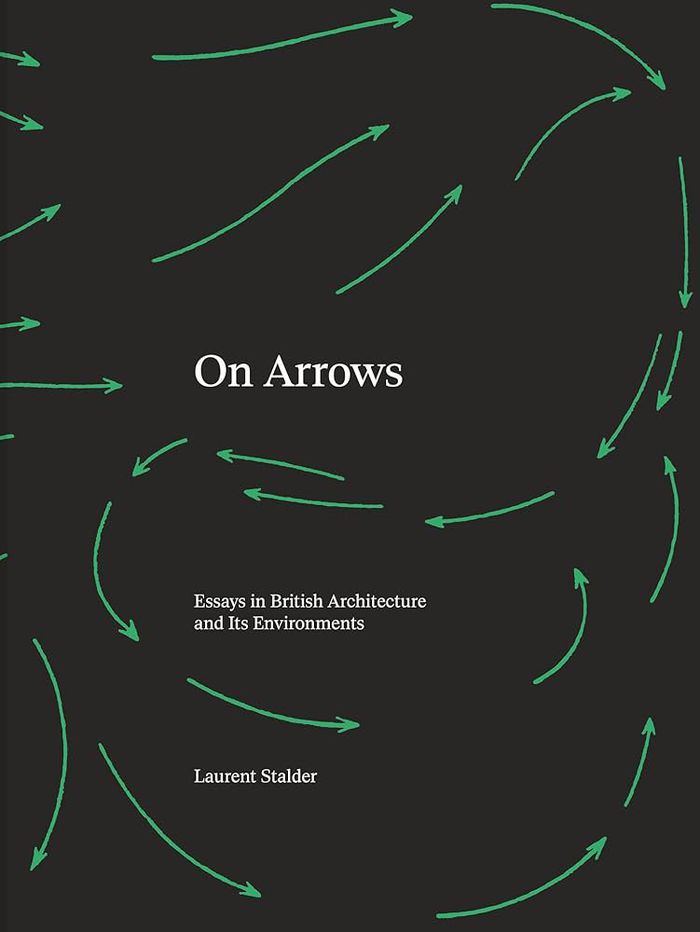
In the 1950s, the figure of the arrow had a strange kind of ubiquity in architectural drawings, publications, and advertisements, symbolizing everything from the circulation of cold and warm air in a kitchen fridge to the flow of traffic in assorted New Towns. Twenty-five years earlier there were barely any arrows within architectural publications, and 15 years later they had all but disappeared. In ''On Arrows'', Laurent Stalder looks back at the near past to trace the idea of performance in architecture by following this pervasive yet relatively unnoticed figure within the history of British architecture. During its short, intense period of use, the arrow pointed beyond any one singular author, typology, or scale, to the operative dimension of architecture and its environments, working both as an appropriate representational technique and a concrete tool for design. Stalder uses the arrow to move through the different dimensions of performance, mapping out the changing set of constellations that made up postwar British architecture and its environments: the constructive aspects, structural properties, infrastructural innovations, spatial challenges as well as their aesthetic and practical consequences. It is the arrow, he writes, that brings together debates from within different disciplines—from building physics, to sociology, structural design, and historiography, inscribed as they are in the materials, spaces, and buildings that are all too often considered in isolation from one another.
On arrows: Essays in British architecture and its environments
Actions:
Prix:
$60.00
(disponible sur commande)
Résumé:
In the 1950s, the figure of the arrow had a strange kind of ubiquity in architectural drawings, publications, and advertisements, symbolizing everything from the circulation of cold and warm air in a kitchen fridge to the flow of traffic in assorted New Towns. Twenty-five years earlier there were barely any arrows within architectural publications, and 15 years later they had all but disappeared. In ''On Arrows'', Laurent Stalder looks back at the near past to trace the idea of performance in architecture by following this pervasive yet relatively unnoticed figure within the history of British architecture. During its short, intense period of use, the arrow pointed beyond any one singular author, typology, or scale, to the operative dimension of architecture and its environments, working both as an appropriate representational technique and a concrete tool for design. Stalder uses the arrow to move through the different dimensions of performance, mapping out the changing set of constellations that made up postwar British architecture and its environments: the constructive aspects, structural properties, infrastructural innovations, spatial challenges as well as their aesthetic and practical consequences. It is the arrow, he writes, that brings together debates from within different disciplines—from building physics, to sociology, structural design, and historiography, inscribed as they are in the materials, spaces, and buildings that are all too often considered in isolation from one another.
Classification:
livres
livres
Publication:
janvier 2025
janvier 2025
Sujet:
Théorie de l’architecture
Théorie de l’architecture
Classification:
livres
livres
Actions:
Prix:
$36.95
(disponible sur commande)
Résumé:
By United Nations estimates, 60 percent of the world's population will be urban by 2030. With the increasing speed of urbanization, especially in the developing world, scholars are now rethinking standard concepts and histories of modern cities. "The Spaces of the Modern City" historicizes the contemporary discussion of urbanism, highlighting the local and global breadth(...)
$36.95
(disponible sur commande)
Résumé:
By United Nations estimates, 60 percent of the world's population will be urban by 2030. With the increasing speed of urbanization, especially in the developing world, scholars are now rethinking standard concepts and histories of modern cities. "The Spaces of the Modern City" historicizes the contemporary discussion of urbanism, highlighting the local and global breadth(...)
Sujet:
Théorie de l’urbanisme
Théorie de l’urbanisme
Publication:
février 2008, Princeton, Oxford
février 2008, Princeton, Oxford
Titre:
The Spaces of the Modern city : imaginaries, politics, and everyday life
Actions:
Prix:
$36.95
(disponible sur commande)
Résumé:
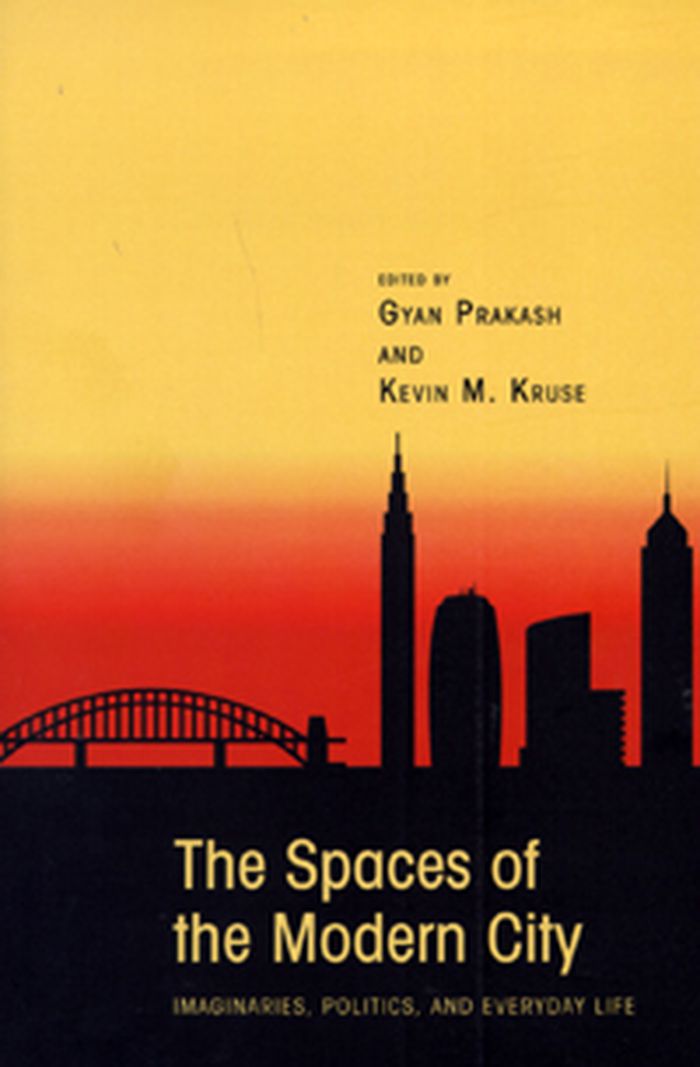
By United Nations estimates, 60 percent of the world's population will be urban by 2030. With the increasing speed of urbanization, especially in the developing world, scholars are now rethinking standard concepts and histories of modern cities. "The Spaces of the Modern City" historicizes the contemporary discussion of urbanism, highlighting the local and global breadth of the city landscape. This interdisciplinary collection examines how the city develops in the interactions of space and imagination. The essays focus on issues such as street design in Vienna, the motion picture industry in Los Angeles, architecture in Marseilles and Algiers, and the kaleidoscopic paradox of post-apartheid Johannesburg. They explore the nature of spatial politics, examining the disparate worlds of eighteenth-century Baghdad, nineteenth-century Morelia, Cold War-era West Berlin, and postwar Los Angeles. They also show the meaning of everyday spaces to urban life, illuminating issues such as crime in metropolitan London, youth culture in Dakar, "memory projects" in Tokyo, and Bombay cinema. Informed by a range of theoretical writings, this collection offers a fresh and truly global perspective on the nature of the modern city. The contributors are Sheila Crane, Belinda Davis, Mamadou Diouf, Philip J. Ethington, David Frisby, Christina M. Jiménez, Dina Rizk Khoury, Ranjani Mazumdar, Frank Mort, Martin Murray, Jordan Sand, and Sarah Schrank.
The Spaces of the Modern city : imaginaries, politics, and everyday life
Actions:
Prix:
$36.95
(disponible sur commande)
Résumé:
By United Nations estimates, 60 percent of the world's population will be urban by 2030. With the increasing speed of urbanization, especially in the developing world, scholars are now rethinking standard concepts and histories of modern cities. "The Spaces of the Modern City" historicizes the contemporary discussion of urbanism, highlighting the local and global breadth of the city landscape. This interdisciplinary collection examines how the city develops in the interactions of space and imagination. The essays focus on issues such as street design in Vienna, the motion picture industry in Los Angeles, architecture in Marseilles and Algiers, and the kaleidoscopic paradox of post-apartheid Johannesburg. They explore the nature of spatial politics, examining the disparate worlds of eighteenth-century Baghdad, nineteenth-century Morelia, Cold War-era West Berlin, and postwar Los Angeles. They also show the meaning of everyday spaces to urban life, illuminating issues such as crime in metropolitan London, youth culture in Dakar, "memory projects" in Tokyo, and Bombay cinema. Informed by a range of theoretical writings, this collection offers a fresh and truly global perspective on the nature of the modern city. The contributors are Sheila Crane, Belinda Davis, Mamadou Diouf, Philip J. Ethington, David Frisby, Christina M. Jiménez, Dina Rizk Khoury, Ranjani Mazumdar, Frank Mort, Martin Murray, Jordan Sand, and Sarah Schrank.
Classification:
livres
livres
Publication:
février 2008, Princeton, Oxford
février 2008, Princeton, Oxford
Sujet:
Théorie de l’urbanisme
Théorie de l’urbanisme
Classification:
livres
livres
Actions:
Prix:
$60.00
(disponible sur commande)
Résumé:
Garden design in the twentieth century ranges from Victorian-era examples to the age of Land Art. This span results in an extraordinarily varied survey—from Europe to South America, from Japan to the United States—including work by garden and landscape designers whose names are familiar to both lovers and scholars of the modern garden: Robinson, Jekyll, Jensen, Farrand,(...)
$60.00
(disponible sur commande)
Résumé:
Garden design in the twentieth century ranges from Victorian-era examples to the age of Land Art. This span results in an extraordinarily varied survey—from Europe to South America, from Japan to the United States—including work by garden and landscape designers whose names are familiar to both lovers and scholars of the modern garden: Robinson, Jekyll, Jensen, Farrand,(...)
Titre:
Modern garden design : innovation since 1900
Actions:
Prix:
$60.00
(disponible sur commande)
Résumé:
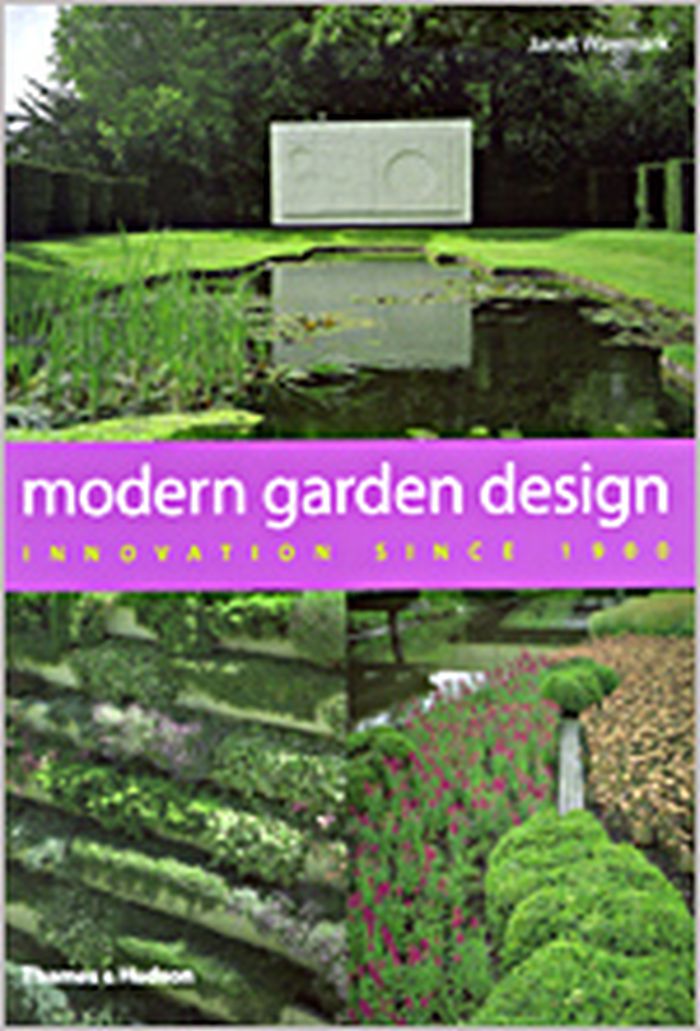
Garden design in the twentieth century ranges from Victorian-era examples to the age of Land Art. This span results in an extraordinarily varied survey—from Europe to South America, from Japan to the United States—including work by garden and landscape designers whose names are familiar to both lovers and scholars of the modern garden: Robinson, Jekyll, Jensen, Farrand, Sessions, Mawson, Church, Sørensen, and Jellicoe. Janet Waymark traces the revolutionary changes brought about in the postwar period by the Harvard Rebels—Eckbo, Rose, and Kiley—and examines the impact of Noguchi, Burle Marx, Barragán, and others, as well as the powerful international influence of Scandinavian landscape architects and designers. The garden city is also given close attention, from its beginnings in late Victorian Britain, through the Greenbelt Towns in the American Midwest, to the latest regeneration of urban centers worldwide. A long line of artists and architects of international renown have earned a place in the history of the modern garden: Monet, Le Corbusier, Mondrian, Wright, Mies van der Rohe, and Gaudí, among others. Land artists, such as Michael Heizer, Robert Smithson, Patricia Johanson, and Kathryn Gustafson in America and Richard Long, Andy Goldsworthy, and Ian Hamilton Finlay in the UK, have brought new ways of thinking about landscape and the garden into the twenty-first century.
Modern garden design : innovation since 1900
Actions:
Prix:
$60.00
(disponible sur commande)
Résumé:
Garden design in the twentieth century ranges from Victorian-era examples to the age of Land Art. This span results in an extraordinarily varied survey—from Europe to South America, from Japan to the United States—including work by garden and landscape designers whose names are familiar to both lovers and scholars of the modern garden: Robinson, Jekyll, Jensen, Farrand, Sessions, Mawson, Church, Sørensen, and Jellicoe. Janet Waymark traces the revolutionary changes brought about in the postwar period by the Harvard Rebels—Eckbo, Rose, and Kiley—and examines the impact of Noguchi, Burle Marx, Barragán, and others, as well as the powerful international influence of Scandinavian landscape architects and designers. The garden city is also given close attention, from its beginnings in late Victorian Britain, through the Greenbelt Towns in the American Midwest, to the latest regeneration of urban centers worldwide. A long line of artists and architects of international renown have earned a place in the history of the modern garden: Monet, Le Corbusier, Mondrian, Wright, Mies van der Rohe, and Gaudí, among others. Land artists, such as Michael Heizer, Robert Smithson, Patricia Johanson, and Kathryn Gustafson in America and Richard Long, Andy Goldsworthy, and Ian Hamilton Finlay in the UK, have brought new ways of thinking about landscape and the garden into the twenty-first century.
Classification:
livres
livres
Publication:
mai 2003, New York
mai 2003, New York
Sujet:
Jardins
Jardins
Classification:
livres
livres
Actions:
Prix:
$51.95
(disponible sur commande)
Résumé:
"The Organizational Complex" is a historical and theoretical analysis of corporate architecture in the United States after the Second World War. Its title refers to the aesthetic and technological extension of the military-industrial complex, in which architecture, computers, and corporations formed a network of objects, images, and discourses that realigned social(...)
$51.95
(disponible sur commande)
Résumé:
"The Organizational Complex" is a historical and theoretical analysis of corporate architecture in the United States after the Second World War. Its title refers to the aesthetic and technological extension of the military-industrial complex, in which architecture, computers, and corporations formed a network of objects, images, and discourses that realigned social(...)
Sujet:
Théorie de l’architecture
Théorie de l’architecture
Publication:
juillet 2003, Cambridge, Massachusetts
juillet 2003, Cambridge, Massachusetts
Titre:
The organizational complex : architecture, media, and corporate space
Actions:
Prix:
$51.95
(disponible sur commande)
Résumé:
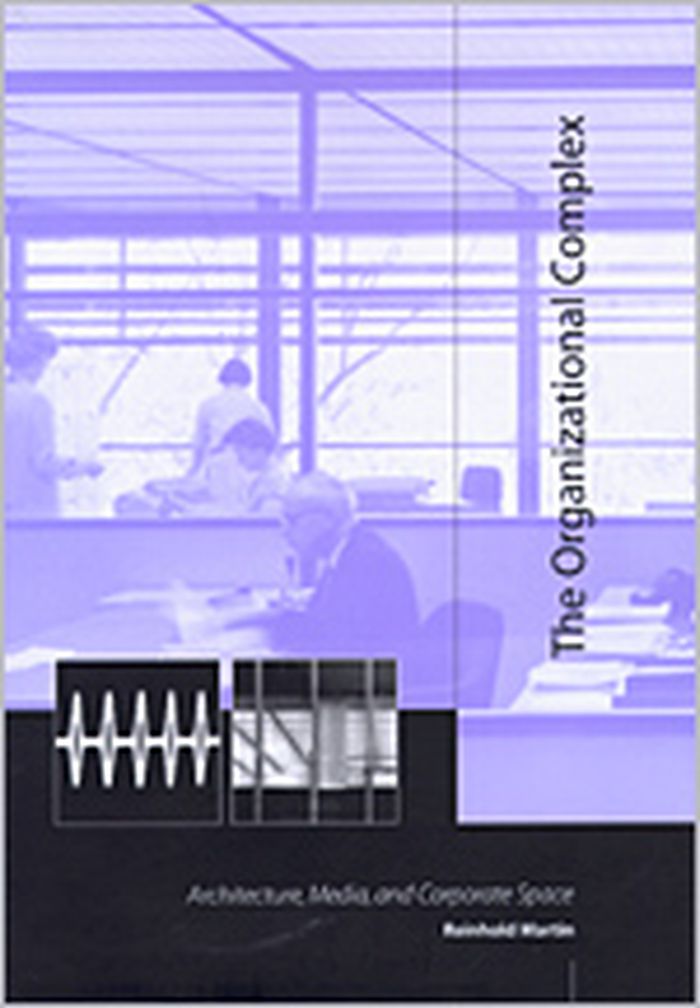
"The Organizational Complex" is a historical and theoretical analysis of corporate architecture in the United States after the Second World War. Its title refers to the aesthetic and technological extension of the military-industrial complex, in which architecture, computers, and corporations formed a network of objects, images, and discourses that realigned social relations and transformed the postwar landscape. In-depth case studies of architect Eero Saarinen's work for General Motors, IBM, and Bell Laboratories and analyses of office buildings designed by Skidmore, Owings & Merrill trace the emergence of a systems-based model of organization in architecture, in which the modular curtain wall acts as both an organizational device and a carrier of the corporate image. Such an image--of the corporation as a flexible, integrated system--is seen to correspond with a "humanization" of corporate life, as corporations decentralize both spatially and administratively. Parallel analyses follow the assimilation of cybernetics into aesthetics in the writings of artist and visual theorist Gyorgy Kepes, as art merges with techno-science in the service of a dynamic new "pattern-seeing." Image and system thus converge in the organizational complex, while top-down power dissolves into networked, pattern-based control. Architecture, as one among many media technologies, supplies the patterns--images of organic integration designed to regulate new and unstable human-machine assemblages.
The organizational complex : architecture, media, and corporate space
Actions:
Prix:
$51.95
(disponible sur commande)
Résumé:
"The Organizational Complex" is a historical and theoretical analysis of corporate architecture in the United States after the Second World War. Its title refers to the aesthetic and technological extension of the military-industrial complex, in which architecture, computers, and corporations formed a network of objects, images, and discourses that realigned social relations and transformed the postwar landscape. In-depth case studies of architect Eero Saarinen's work for General Motors, IBM, and Bell Laboratories and analyses of office buildings designed by Skidmore, Owings & Merrill trace the emergence of a systems-based model of organization in architecture, in which the modular curtain wall acts as both an organizational device and a carrier of the corporate image. Such an image--of the corporation as a flexible, integrated system--is seen to correspond with a "humanization" of corporate life, as corporations decentralize both spatially and administratively. Parallel analyses follow the assimilation of cybernetics into aesthetics in the writings of artist and visual theorist Gyorgy Kepes, as art merges with techno-science in the service of a dynamic new "pattern-seeing." Image and system thus converge in the organizational complex, while top-down power dissolves into networked, pattern-based control. Architecture, as one among many media technologies, supplies the patterns--images of organic integration designed to regulate new and unstable human-machine assemblages.
Classification:
livres
livres
Publication:
juillet 2003, Cambridge, Massachusetts
juillet 2003, Cambridge, Massachusetts
Sujet:
Théorie de l’architecture
Théorie de l’architecture
Classification:
livres
livres
Actions:
Prix:
$42.00
(disponible sur commande)
Résumé:
Aline B. Louchheim (1914–1972) was an art critic on assignment for the New York Times in 1953 when she first met the Finnish-American architect Eero Saarinen. She would become his wife and the driving force behind his rise to critical prominence. ''When Eero met his match'' draws on the couple’s personal correspondence to reconstruct the early days of their thrilling(...)
$42.00
(disponible sur commande)
Résumé:
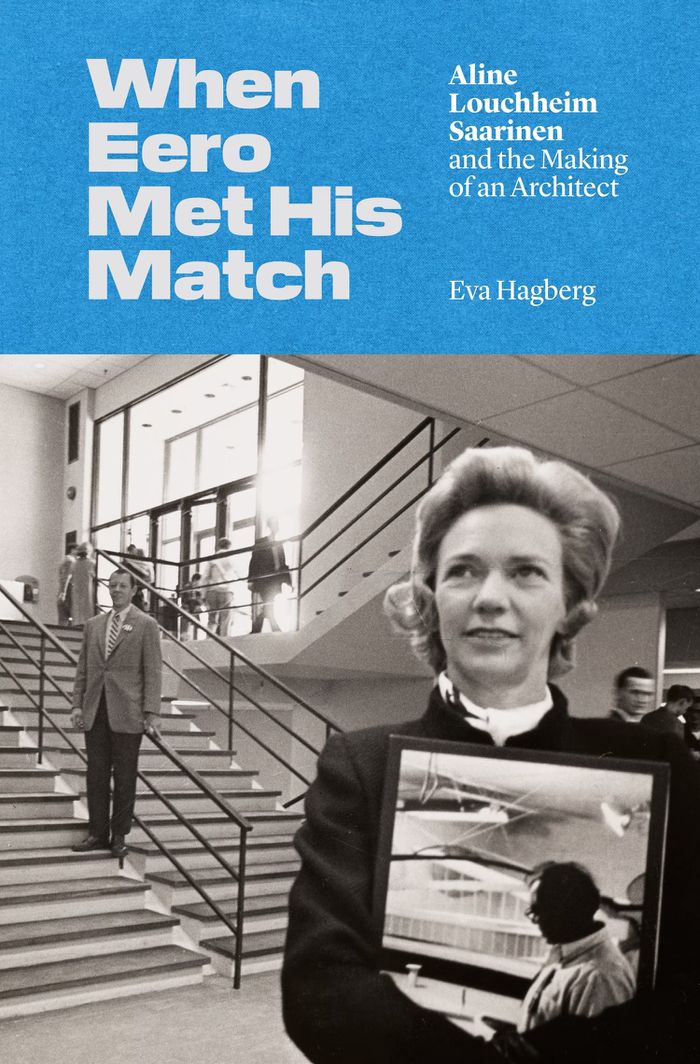
Aline B. Louchheim (1914–1972) was an art critic on assignment for the New York Times in 1953 when she first met the Finnish-American architect Eero Saarinen. She would become his wife and the driving force behind his rise to critical prominence. ''When Eero met his match'' draws on the couple’s personal correspondence to reconstruct the early days of their thrilling(...)
Titre:
When Eero met his match: Aline Louchheim Saarinen and the making of an architect
Actions:
Prix:
$42.00
(disponible sur commande)
Résumé:
Aline B. Louchheim (1914–1972) was an art critic on assignment for the New York Times in 1953 when she first met the Finnish-American architect Eero Saarinen. She would become his wife and the driving force behind his rise to critical prominence. ''When Eero met his match'' draws on the couple’s personal correspondence to reconstruct the early days of their thrilling courtship and traces Louchheim’s gradual takeover of Saarinen’s public narrative in the 1950s, the decade when his career soared to unprecedented heights. Drawing on her own experiences as an architecture journalist on the receiving end of press pitches and then as a secret publicist for high-end architects, Eva Hagberg paints an unforgettable portrait of Louchheim while revealing the inner workings of a media world that has always relied on secrecy, friendship, and the exchange of favors. She describes how Louchheim codified the practices of architectural publicity that have become widely adopted today, and shows how, without Louchheim as his wife and publicist, Saarinen’s work would not have been nearly as well known. Providing a new understanding of postwar architectural history in the United States, ''When Eero met his match'' is both a poignant love story and a superb biographical study that challenges us to reconsider the relationship between fame and media representation, and the ways the narratives of others can become our own.
When Eero met his match: Aline Louchheim Saarinen and the making of an architect
Actions:
Prix:
$42.00
(disponible sur commande)
Résumé:
Aline B. Louchheim (1914–1972) was an art critic on assignment for the New York Times in 1953 when she first met the Finnish-American architect Eero Saarinen. She would become his wife and the driving force behind his rise to critical prominence. ''When Eero met his match'' draws on the couple’s personal correspondence to reconstruct the early days of their thrilling courtship and traces Louchheim’s gradual takeover of Saarinen’s public narrative in the 1950s, the decade when his career soared to unprecedented heights. Drawing on her own experiences as an architecture journalist on the receiving end of press pitches and then as a secret publicist for high-end architects, Eva Hagberg paints an unforgettable portrait of Louchheim while revealing the inner workings of a media world that has always relied on secrecy, friendship, and the exchange of favors. She describes how Louchheim codified the practices of architectural publicity that have become widely adopted today, and shows how, without Louchheim as his wife and publicist, Saarinen’s work would not have been nearly as well known. Providing a new understanding of postwar architectural history in the United States, ''When Eero met his match'' is both a poignant love story and a superb biographical study that challenges us to reconsider the relationship between fame and media representation, and the ways the narratives of others can become our own.
Classification:
livres
livres
Publication:
septembre 2022
septembre 2022
Sujet:
Théorie de l’architecture
Théorie de l’architecture
Classification:
livres
livres
Actions:
Prix:
$77.00
(disponible sur commande)
Résumé:
Established by Riek Bakker and Ank Bleeker in 1977, the Bakker & Bleeker Bureau has functioned as a laboratory for the landscape design and urban planning community. Operating as Bureau B+B since 1990, the office has always taken an interdisciplinary approach, employing not just landscape architects and urban planners but also land development experts, architects and(...)
$77.00
(disponible sur commande)
Résumé:
Established by Riek Bakker and Ank Bleeker in 1977, the Bakker & Bleeker Bureau has functioned as a laboratory for the landscape design and urban planning community. Operating as Bureau B+B since 1990, the office has always taken an interdisciplinary approach, employing not just landscape architects and urban planners but also land development experts, architects and(...)
Titre:
Bureau B+B : urbanism and landscape architecture, collective genius 1977-2010
Actions:
Prix:
$77.00
(disponible sur commande)
Résumé:
Established by Riek Bakker and Ank Bleeker in 1977, the Bakker & Bleeker Bureau has functioned as a laboratory for the landscape design and urban planning community. Operating as Bureau B+B since 1990, the office has always taken an interdisciplinary approach, employing not just landscape architects and urban planners but also land development experts, architects and industrial designers. It has served as an incubator for some of the Netherlands' leading creative professionals : Winy Maas, Adriaan Geuze, Michael van Gessel, West 8, Karres en Brands and Rietveld Landscape, amog others. The development of Bureau B+B coincides with the emancipation of Dutch postwar landscape architecture and urbanism; self-assured and autonomous, the Bureau soon ranked among the world’s foremost urban institutes, thanks among other things to its design for the Parc de la Villette in Paris (1982), a commission won ex aequo with designers such as Rem Koolhaas and Bernard Tschumi. The bureau has always been interdisciplinary, employing landscape architects, urban planners, architects, land development experts and industrial designers. This publication presents a generous selection from its 1,500 projects, including the Dutch Pavilion for the World Expo 2000 in Hanover, the Waldpark in Potsdam and the Wollefoppenpark in Rotterdam. The book features essays on the Bureau's practice over three decades, focusing on its core qualities of analytical craftsmanship and experimental rigor.
Bureau B+B : urbanism and landscape architecture, collective genius 1977-2010
Actions:
Prix:
$77.00
(disponible sur commande)
Résumé:
Established by Riek Bakker and Ank Bleeker in 1977, the Bakker & Bleeker Bureau has functioned as a laboratory for the landscape design and urban planning community. Operating as Bureau B+B since 1990, the office has always taken an interdisciplinary approach, employing not just landscape architects and urban planners but also land development experts, architects and industrial designers. It has served as an incubator for some of the Netherlands' leading creative professionals : Winy Maas, Adriaan Geuze, Michael van Gessel, West 8, Karres en Brands and Rietveld Landscape, amog others. The development of Bureau B+B coincides with the emancipation of Dutch postwar landscape architecture and urbanism; self-assured and autonomous, the Bureau soon ranked among the world’s foremost urban institutes, thanks among other things to its design for the Parc de la Villette in Paris (1982), a commission won ex aequo with designers such as Rem Koolhaas and Bernard Tschumi. The bureau has always been interdisciplinary, employing landscape architects, urban planners, architects, land development experts and industrial designers. This publication presents a generous selection from its 1,500 projects, including the Dutch Pavilion for the World Expo 2000 in Hanover, the Waldpark in Potsdam and the Wollefoppenpark in Rotterdam. The book features essays on the Bureau's practice over three decades, focusing on its core qualities of analytical craftsmanship and experimental rigor.
Classification:
livres
livres
Publication:
février 2011
février 2011
Sujet:
Architecture, monographies
Architecture, monographies
Classification:
livres
livres
Prix:
$85.00
(disponible sur commande)
Résumé:
How can housing better meet people’s diverse and changing needs? Moving away from the focus on capsule architecture that dominates so many studies of Japan’s Metabolist architects, ''Digesting Metabolism'' investigates the impact on Japanese housing of Le Corbusier’s idea of 'artificial land,' perhaps architecture’s most famous concept that the fewest number of people(...)
$85.00
(disponible sur commande)
Résumé:
How can housing better meet people’s diverse and changing needs? Moving away from the focus on capsule architecture that dominates so many studies of Japan’s Metabolist architects, ''Digesting Metabolism'' investigates the impact on Japanese housing of Le Corbusier’s idea of 'artificial land,' perhaps architecture’s most famous concept that the fewest number of people(...)
Titre:
Digesting Metabolism: Artificial land in Japan 1954-2202
Actions:
Prix:
$85.00
(disponible sur commande)
Résumé:
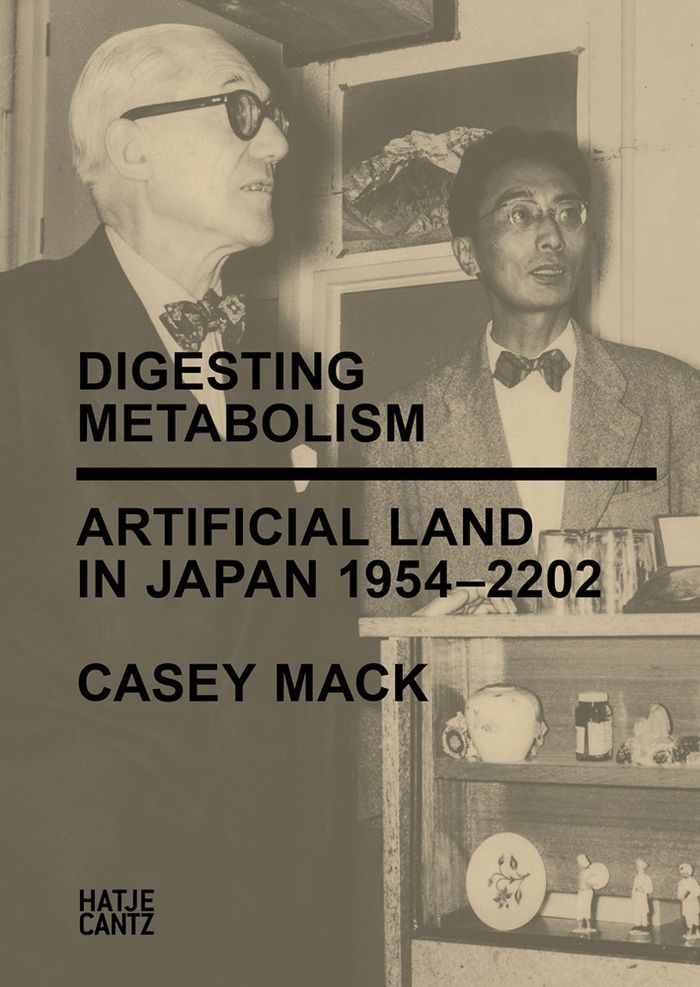
How can housing better meet people’s diverse and changing needs? Moving away from the focus on capsule architecture that dominates so many studies of Japan’s Metabolist architects, ''Digesting Metabolism'' investigates the impact on Japanese housing of Le Corbusier’s idea of 'artificial land,' perhaps architecture’s most famous concept that the fewest number of people have heard of. Long buried by the term 'megastructure' that it inspired, artificial land joins the individual and collective, envisioning housing as stacked platforms of plots for building freestanding homes of all variety. This book explores in detail 11 Japanese projects that translate this dream of durability combined with flexibility into built reality, illuminating its appeal for a nation whose existing land—from both earthquakes and cost—is highly unstable. First introduced to Japan in 1954 by Le Corbusier’s protégé, Takamasa Yosizaka, artificial land is essential to the Metabolists who debuted in Tokyo in 1960, with it sparking their desire to add ''a time factor into city planning.'' Yet artificial land has had a hold on Japan’s metabolic imagination well beyond the ‘60s, promising domestic satisfaction and environmental resilience from the postwar period to today’s government policies. ''Digesting Metabolism'' uncovers this unique Japanese history and its possible future, finding examples of infrastructure, adaptation and dweller control that challenge commodified models of housing around the world.
Digesting Metabolism: Artificial land in Japan 1954-2202
Actions:
Prix:
$85.00
(disponible sur commande)
Résumé:
How can housing better meet people’s diverse and changing needs? Moving away from the focus on capsule architecture that dominates so many studies of Japan’s Metabolist architects, ''Digesting Metabolism'' investigates the impact on Japanese housing of Le Corbusier’s idea of 'artificial land,' perhaps architecture’s most famous concept that the fewest number of people have heard of. Long buried by the term 'megastructure' that it inspired, artificial land joins the individual and collective, envisioning housing as stacked platforms of plots for building freestanding homes of all variety. This book explores in detail 11 Japanese projects that translate this dream of durability combined with flexibility into built reality, illuminating its appeal for a nation whose existing land—from both earthquakes and cost—is highly unstable. First introduced to Japan in 1954 by Le Corbusier’s protégé, Takamasa Yosizaka, artificial land is essential to the Metabolists who debuted in Tokyo in 1960, with it sparking their desire to add ''a time factor into city planning.'' Yet artificial land has had a hold on Japan’s metabolic imagination well beyond the ‘60s, promising domestic satisfaction and environmental resilience from the postwar period to today’s government policies. ''Digesting Metabolism'' uncovers this unique Japanese history and its possible future, finding examples of infrastructure, adaptation and dweller control that challenge commodified models of housing around the world.
Classification:
livres
livres
Publication:
novembre 2022
novembre 2022
Sujet:
Modernisme
Modernisme
Classification:
livres
livres
Prix:
$41.99
(disponible en magasin)
Résumé:
Americans spend, on average, 90 percent of their lives indoors, with two-thirds of that time spent in their homes. Globally, the construction and maintenance of residential buildings account for a staggering portion of carbon emissions. In this timely and fascinating work, architect and urban-planning scholar Stefan Al deftly weaves together archaeology, engineering,(...)
$41.99
(disponible en magasin)
Résumé:
Americans spend, on average, 90 percent of their lives indoors, with two-thirds of that time spent in their homes. Globally, the construction and maintenance of residential buildings account for a staggering portion of carbon emissions. In this timely and fascinating work, architect and urban-planning scholar Stefan Al deftly weaves together archaeology, engineering,(...)
Titre:
Dwelling on Earth: the past and future of the places we call home
Actions:
Prix:
$41.99
(disponible en magasin)
Résumé:
Americans spend, on average, 90 percent of their lives indoors, with two-thirds of that time spent in their homes. Globally, the construction and maintenance of residential buildings account for a staggering portion of carbon emissions. In this timely and fascinating work, architect and urban-planning scholar Stefan Al deftly weaves together archaeology, engineering, social history, and environmental science to explain how our homes have developed through the ages and in turn shaped civilization and the planet itself. From tiny pit-houses in the Levant and Mesoamerica thousands of years ago to soaring skyscrapers in Dubai, New York, and Shanghai today, ''Dwelling on Earth'' takes readers on a swift and absorbing tour of the evolution of human habitation. Whisking readers from ancient Pompeii to contemporary Hong Kong, industrial-age Liverpool to postwar Levittown, Al shows how our choices in housing have both reflected and affected ideas about gender roles, privacy, and comfort. Discover how seemingly mundane elements—like door-knockers and corridors—have altered everyday interactions, and how material choices have remade the planet's surface. He also confronts the darker side of domesticity, exposing the unintended consequences of our architectural choices across millennia, including smoke-filled Neolithic dwellings, deadly fires in crowded Roman apartment buildings, and worsening social isolation in car-dependent suburbs. Finally, he examines the myths and reality of future housing, including 3D-printed homes and space architecture built by robots.
Dwelling on Earth: the past and future of the places we call home
Actions:
Prix:
$41.99
(disponible en magasin)
Résumé:
Americans spend, on average, 90 percent of their lives indoors, with two-thirds of that time spent in their homes. Globally, the construction and maintenance of residential buildings account for a staggering portion of carbon emissions. In this timely and fascinating work, architect and urban-planning scholar Stefan Al deftly weaves together archaeology, engineering, social history, and environmental science to explain how our homes have developed through the ages and in turn shaped civilization and the planet itself. From tiny pit-houses in the Levant and Mesoamerica thousands of years ago to soaring skyscrapers in Dubai, New York, and Shanghai today, ''Dwelling on Earth'' takes readers on a swift and absorbing tour of the evolution of human habitation. Whisking readers from ancient Pompeii to contemporary Hong Kong, industrial-age Liverpool to postwar Levittown, Al shows how our choices in housing have both reflected and affected ideas about gender roles, privacy, and comfort. Discover how seemingly mundane elements—like door-knockers and corridors—have altered everyday interactions, and how material choices have remade the planet's surface. He also confronts the darker side of domesticity, exposing the unintended consequences of our architectural choices across millennia, including smoke-filled Neolithic dwellings, deadly fires in crowded Roman apartment buildings, and worsening social isolation in car-dependent suburbs. Finally, he examines the myths and reality of future housing, including 3D-printed homes and space architecture built by robots.
Classification:
livres
livres
Publication:
avril 2026
avril 2026
Sujet:
Social
Social
Classification:
livres
livres
Prix:
$72.50
(disponible en magasin)
Résumé:
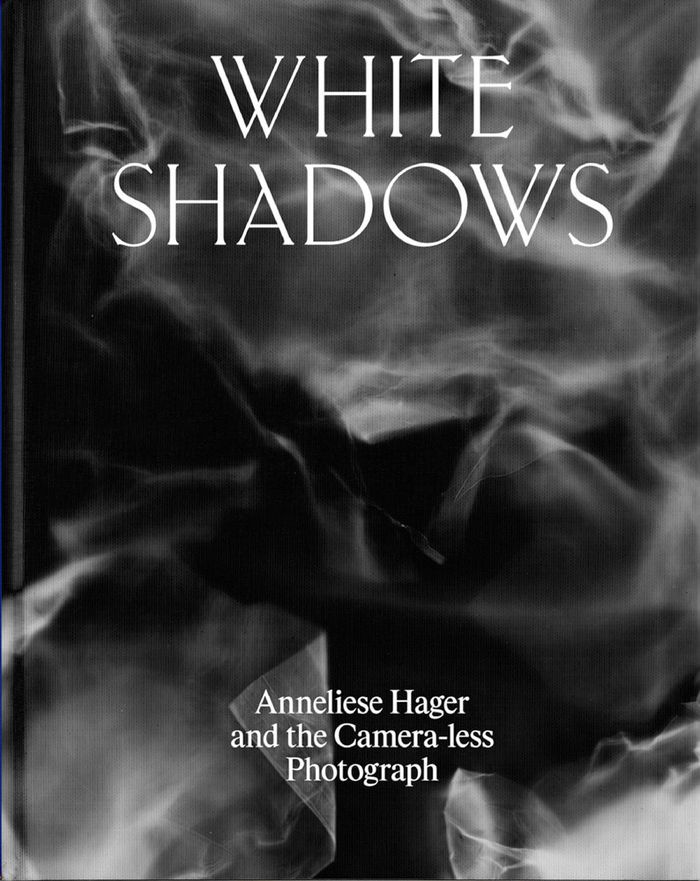
This publication introduces the untold story of German artist and poet Anneliese Hager. Active from the 1930s to the 1960s, Hager began her photographic experimentation in Germany during the Nazi censure of modern art. Her preferred medium was the cameraless photograph, or photogram—an image made by placing objects directly on (or in close proximity to) a light-sensitive(...)
$72.50
(disponible en magasin)
Résumé:
This publication introduces the untold story of German artist and poet Anneliese Hager. Active from the 1930s to the 1960s, Hager began her photographic experimentation in Germany during the Nazi censure of modern art. Her preferred medium was the cameraless photograph, or photogram—an image made by placing objects directly on (or in close proximity to) a light-sensitive(...)
Titre:
White shadows: Anneliese Hager and the camera-less photograph
Actions:
Prix:
$72.50
(disponible en magasin)
Résumé:
This publication introduces the untold story of German artist and poet Anneliese Hager. Active from the 1930s to the 1960s, Hager began her photographic experimentation in Germany during the Nazi censure of modern art. Her preferred medium was the cameraless photograph, or photogram—an image made by placing objects directly on (or in close proximity to) a light-sensitive surface and exposing the assembled material to light. In its final form, a photogram is a one-of-a-kind work that reverses light and dark: the longer the paper is covered, and hence unexposed, the brighter the covered parts will be, and vice versa. Hager called these bright areas "white shadows." Hager’s photograms offer a more inclusive history of the medium, synthesizing the technique’s 20th-century avant-garde trajectory (best known in the work of László Moholy-Nagy and Man Ray) and its 19th-century prehistories in the realm of science and in practices such as the making of silhouettes, collage and textile arts—pursuits often coded feminine. In 1945, all Hager’s existing artwork was destroyed in the bombing of Dresden during World War II. This book offers an unprecedented reconstruction of her development and postwar creation of otherworldly, Surrealist visions in photograms and poems, a selection of which appear here in English for the first time. For Hager, the photogram was significant for its provocative tonal inversions and surprising chance effects, but also for what emerges from the dark.
White shadows: Anneliese Hager and the camera-less photograph
Actions:
Prix:
$72.50
(disponible en magasin)
Résumé:
This publication introduces the untold story of German artist and poet Anneliese Hager. Active from the 1930s to the 1960s, Hager began her photographic experimentation in Germany during the Nazi censure of modern art. Her preferred medium was the cameraless photograph, or photogram—an image made by placing objects directly on (or in close proximity to) a light-sensitive surface and exposing the assembled material to light. In its final form, a photogram is a one-of-a-kind work that reverses light and dark: the longer the paper is covered, and hence unexposed, the brighter the covered parts will be, and vice versa. Hager called these bright areas "white shadows." Hager’s photograms offer a more inclusive history of the medium, synthesizing the technique’s 20th-century avant-garde trajectory (best known in the work of László Moholy-Nagy and Man Ray) and its 19th-century prehistories in the realm of science and in practices such as the making of silhouettes, collage and textile arts—pursuits often coded feminine. In 1945, all Hager’s existing artwork was destroyed in the bombing of Dresden during World War II. This book offers an unprecedented reconstruction of her development and postwar creation of otherworldly, Surrealist visions in photograms and poems, a selection of which appear here in English for the first time. For Hager, the photogram was significant for its provocative tonal inversions and surprising chance effects, but also for what emerges from the dark.
Classification:
livres
livres
Publication:
novembre 2023
novembre 2023
Sujet:
Monographies photo
Monographies photo
Classification:
livres
livres
Prix:
$32.95
(disponible sur commande)
Résumé:
In 1949, the forest magnate, H.R. MacMillan, opened an exhibition at the Vancouver Art Gallery entitled “Design for Living,” a show which brought together design and artistic communities to create four imaginary households for postwar Vancouverites. It also heralded an unprecedented level of cooperation between the province’s industry and its artists and craftspeople – a(...)
$32.95
(disponible sur commande)
Résumé:
In 1949, the forest magnate, H.R. MacMillan, opened an exhibition at the Vancouver Art Gallery entitled “Design for Living,” a show which brought together design and artistic communities to create four imaginary households for postwar Vancouverites. It also heralded an unprecedented level of cooperation between the province’s industry and its artists and craftspeople – a(...)
Titre:
A Modern life : art and design in British Columbia, 1945-1960
Actions:
Prix:
$32.95
(disponible sur commande)
Résumé:
In 1949, the forest magnate, H.R. MacMillan, opened an exhibition at the Vancouver Art Gallery entitled “Design for Living,” a show which brought together design and artistic communities to create four imaginary households for postwar Vancouverites. It also heralded an unprecedented level of cooperation between the province’s industry and its artists and craftspeople – a relationship that seemed to hold great promise for the development of art, furniture, and craft in B.C. The celebration of the cooperative spirit between “architects, artists and designers,” between “potters, weavers and gardeners” is central to "A Modern Life", which examines the coming together of what were often very separate disciplines in post-World War II British Columbia, as well as the trend-setting design and use of materials that developed in the province, and the impact these had on the more traditional art community. "A Modern Life", demonstrates that the ideas of the artistic and design community as a whole during this vibrant period – an era of optimism and promise for the future, in a province that had reason to believe passionately in what was to come – have a continued relevance and importance for our understanding of the history of this community and the relationship of the built environment to the extraordinary landscape of British Columbia. With essays by Rachel Chinnery on ceramics, Scott Watson on fine arts, Alan Elder on collaboration, Allan Collier on wood and design, and Sherry McKay on architecture.
A Modern life : art and design in British Columbia, 1945-1960
Actions:
Prix:
$32.95
(disponible sur commande)
Résumé:
In 1949, the forest magnate, H.R. MacMillan, opened an exhibition at the Vancouver Art Gallery entitled “Design for Living,” a show which brought together design and artistic communities to create four imaginary households for postwar Vancouverites. It also heralded an unprecedented level of cooperation between the province’s industry and its artists and craftspeople – a relationship that seemed to hold great promise for the development of art, furniture, and craft in B.C. The celebration of the cooperative spirit between “architects, artists and designers,” between “potters, weavers and gardeners” is central to "A Modern Life", which examines the coming together of what were often very separate disciplines in post-World War II British Columbia, as well as the trend-setting design and use of materials that developed in the province, and the impact these had on the more traditional art community. "A Modern Life", demonstrates that the ideas of the artistic and design community as a whole during this vibrant period – an era of optimism and promise for the future, in a province that had reason to believe passionately in what was to come – have a continued relevance and importance for our understanding of the history of this community and the relationship of the built environment to the extraordinary landscape of British Columbia. With essays by Rachel Chinnery on ceramics, Scott Watson on fine arts, Alan Elder on collaboration, Allan Collier on wood and design, and Sherry McKay on architecture.
Classification:
livres
livres
Publication:
octobre 2004, Vancouver
octobre 2004, Vancouver
Sujet:
Architecture du Canada
Architecture du Canada


