


1091 Résultats
Classification:
livres
livres
Actions:
Prix:
$43.95
(disponible sur commande)
Résumé:
The events that took place on September 11, 2001, in New York City are the background for a series of essays exploring the response of different cities at different times to natural or man-made disaster. How have cities coped with cataclysmic change in the urban fabric both physically and psychologically? How have they memorialized what they have lost, and how have they(...)
$43.95
(disponible sur commande)
Résumé:
The events that took place on September 11, 2001, in New York City are the background for a series of essays exploring the response of different cities at different times to natural or man-made disaster. How have cities coped with cataclysmic change in the urban fabric both physically and psychologically? How have they memorialized what they have lost, and how have they(...)
Titre:
Out of ground zero : case studies in urban renewal
Actions:
Prix:
$43.95
(disponible sur commande)
Résumé:
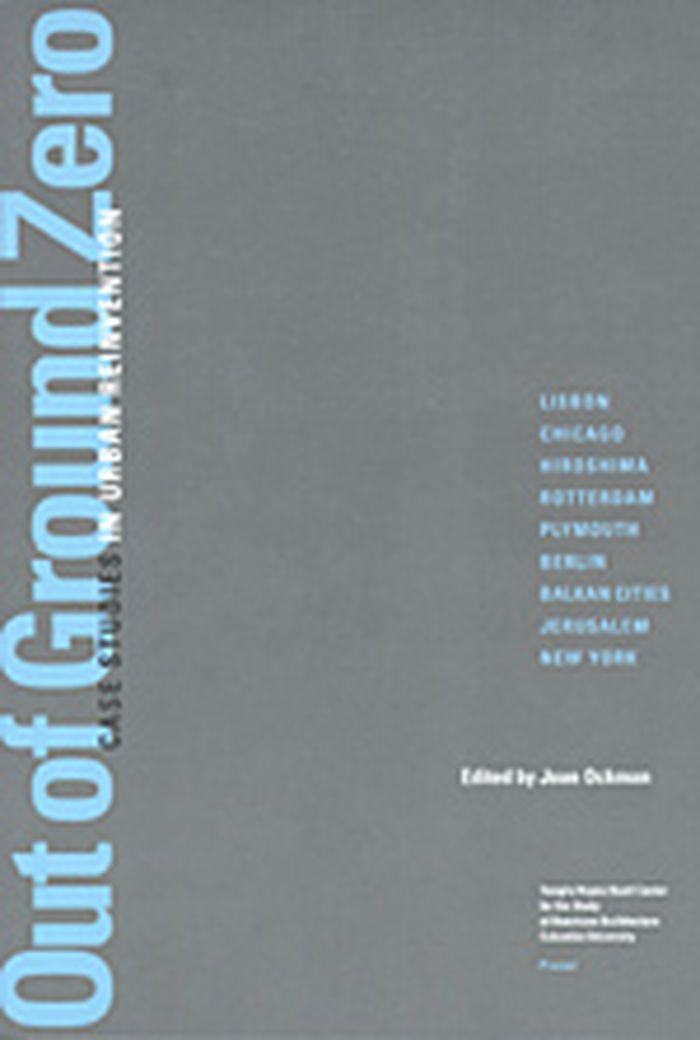
The events that took place on September 11, 2001, in New York City are the background for a series of essays exploring the response of different cities at different times to natural or man-made disaster. How have cities coped with cataclysmic change in the urban fabric both physically and psychologically? How have they memorialized what they have lost, and how have they imagined their future? What have been the effects, in both the short and long term, of these efforts to rebuild the city? From the devastating earthquake that shook Lisbon in 1755 to the Great Chicago fire in 1871; from the bombing of Hiroshima to the destruction of Rotterdam and Plymouth during the second World War; from the cities and towns ravaged by the Bosnian War to the symbolism of the Dome of the Rock in Jerusalem - this book offers varying perspectives on how cities have responded to catastrophic disasters. Following these case studies is a history of destruction and rebuilding in Manhattan, and a reflection on the role of cities in sustaining democratic culture concludes the book. Contributors to this volume include leading urban theorists, architectural historians, cultural critics, architects, and a film-maker.
Out of ground zero : case studies in urban renewal
Actions:
Prix:
$43.95
(disponible sur commande)
Résumé:
The events that took place on September 11, 2001, in New York City are the background for a series of essays exploring the response of different cities at different times to natural or man-made disaster. How have cities coped with cataclysmic change in the urban fabric both physically and psychologically? How have they memorialized what they have lost, and how have they imagined their future? What have been the effects, in both the short and long term, of these efforts to rebuild the city? From the devastating earthquake that shook Lisbon in 1755 to the Great Chicago fire in 1871; from the bombing of Hiroshima to the destruction of Rotterdam and Plymouth during the second World War; from the cities and towns ravaged by the Bosnian War to the symbolism of the Dome of the Rock in Jerusalem - this book offers varying perspectives on how cities have responded to catastrophic disasters. Following these case studies is a history of destruction and rebuilding in Manhattan, and a reflection on the role of cities in sustaining democratic culture concludes the book. Contributors to this volume include leading urban theorists, architectural historians, cultural critics, architects, and a film-maker.
Classification:
livres
livres
Publication:
octobre 2002, New York / Munich
octobre 2002, New York / Munich
Sujet:
Théorie de l’urbanisme
Théorie de l’urbanisme
Classification:
périodiques
périodiques
Actions:
Prix:
$45.00
(disponible sur commande)
Résumé:
Le toit, 5e façade : Dessine-moi un toit, par Nils Ballhausen ; Combles viennois, Vienne, Autriche. Holodeck, Marlies Breus , Michael Ogertschnig ; Surélévation d’un immeuble du xixe, Vienne, Autriche, Rüdiger Lainer ; Penthouses sur le Piper Building, Londres, Royaume-Uni, d’Avoine , Pierre ; Reconversion en logements d’une usine de briqettes de lignite, Frechen,(...)
$45.00
(disponible sur commande)
Résumé:
Le toit, 5e façade : Dessine-moi un toit, par Nils Ballhausen ; Combles viennois, Vienne, Autriche. Holodeck, Marlies Breus , Michael Ogertschnig ; Surélévation d’un immeuble du xixe, Vienne, Autriche, Rüdiger Lainer ; Penthouses sur le Piper Building, Londres, Royaume-Uni, d’Avoine , Pierre ; Reconversion en logements d’une usine de briqettes de lignite, Frechen,(...)
Titre:
L'architecture d'aujourd'hui 364 : le toit, 5è façade - the roof, 5th façade
Actions:
Prix:
$45.00
(disponible sur commande)
Résumé:
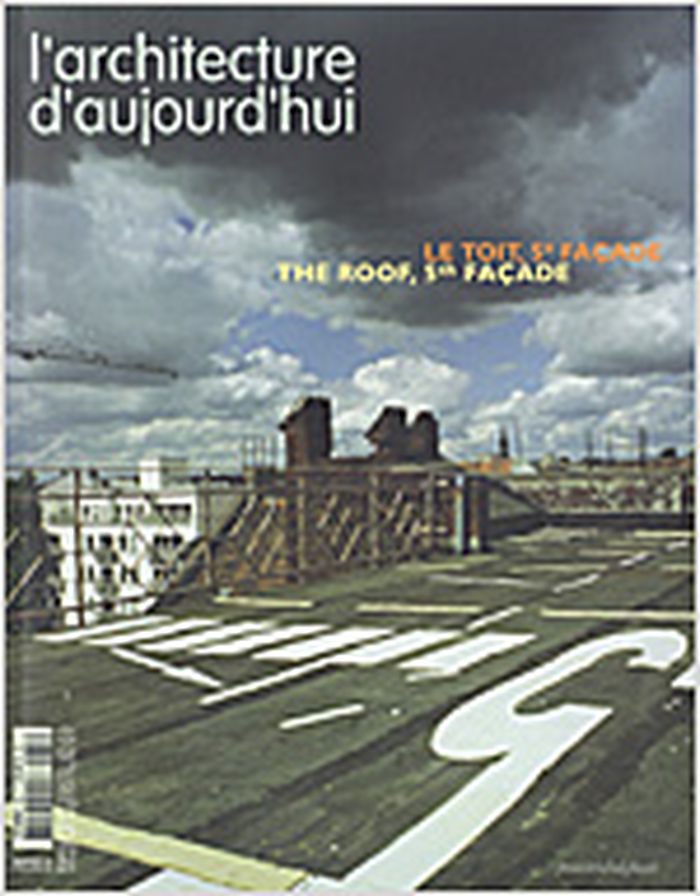
Le toit, 5e façade : Dessine-moi un toit, par Nils Ballhausen ; Combles viennois, Vienne, Autriche. Holodeck, Marlies Breus , Michael Ogertschnig ; Surélévation d’un immeuble du xixe, Vienne, Autriche, Rüdiger Lainer ; Penthouses sur le Piper Building, Londres, Royaume-Uni, d’Avoine , Pierre ; Reconversion en logements d’une usine de briqettes de lignite, Frechen, Allemagne, Astoc ; Extension d’une maison, La Garenne-Colombes, Hauts-de-Seine, France, In situ ; Riverbank State Park. Tout un parc sur un toit, Manhattan, Etats-Unis, par Susan Grayson ; Centre du campus, université Ewha, Séoul, Corée, Dominique Perrault ; École élémentaire et collège, Holzkirchen, Bavière, Allemagne, rheinpark_Architeckten ; Marie-Curie Gymnasium, Dallgow-Döberitz, Allemagne, Grüntuch , Ernst ; Assemblée nationale du pays de Galles, Cardiff, Royaume-Uni, Richard Rogers Partnership ; Projets bordelais, Bertrand Nivelle ; Pèlerinage de Shikoku, par Ariane Wilson, Aude Lerpinière. Portfolio : Rénovation de l’Odéon, Paris, France. Actualités: Bétons architectoniques, Station de traitement d’eau industrielle, Valenton, France ; Enveloppe hqe, contenu ludique. Médiathèque, Sainte-Luce-sur-Loire , Sainte-Luce-sur-Loire , France ; Eaux pluviales hqe. Bâtiment Icade-emgp, Aubervilliers, Aubervilliers, France. Enquête : Terre cuite véritable. Tuiles anciennes et nouvelles ; Confort visuel et confort climatique. Des couleurs et des performances de verre ; Façade active thermodynamique et photovoltaïque.
L'architecture d'aujourd'hui 364 : le toit, 5è façade - the roof, 5th façade
Actions:
Prix:
$45.00
(disponible sur commande)
Résumé:
Le toit, 5e façade : Dessine-moi un toit, par Nils Ballhausen ; Combles viennois, Vienne, Autriche. Holodeck, Marlies Breus , Michael Ogertschnig ; Surélévation d’un immeuble du xixe, Vienne, Autriche, Rüdiger Lainer ; Penthouses sur le Piper Building, Londres, Royaume-Uni, d’Avoine , Pierre ; Reconversion en logements d’une usine de briqettes de lignite, Frechen, Allemagne, Astoc ; Extension d’une maison, La Garenne-Colombes, Hauts-de-Seine, France, In situ ; Riverbank State Park. Tout un parc sur un toit, Manhattan, Etats-Unis, par Susan Grayson ; Centre du campus, université Ewha, Séoul, Corée, Dominique Perrault ; École élémentaire et collège, Holzkirchen, Bavière, Allemagne, rheinpark_Architeckten ; Marie-Curie Gymnasium, Dallgow-Döberitz, Allemagne, Grüntuch , Ernst ; Assemblée nationale du pays de Galles, Cardiff, Royaume-Uni, Richard Rogers Partnership ; Projets bordelais, Bertrand Nivelle ; Pèlerinage de Shikoku, par Ariane Wilson, Aude Lerpinière. Portfolio : Rénovation de l’Odéon, Paris, France. Actualités: Bétons architectoniques, Station de traitement d’eau industrielle, Valenton, France ; Enveloppe hqe, contenu ludique. Médiathèque, Sainte-Luce-sur-Loire , Sainte-Luce-sur-Loire , France ; Eaux pluviales hqe. Bâtiment Icade-emgp, Aubervilliers, Aubervilliers, France. Enquête : Terre cuite véritable. Tuiles anciennes et nouvelles ; Confort visuel et confort climatique. Des couleurs et des performances de verre ; Façade active thermodynamique et photovoltaïque.
Classification:
périodiques
périodiques
Publication:
septembre 2006, Paris
septembre 2006, Paris
Sujet:
Revues
Revues
Classification:
livres
livres

Actions:
Prix:
$62.95
(disponible sur commande)
Résumé:
La terre est le matériau de construction le plus naturel, immédiatement à disposition et recyclable, ne nécessitant souvent que peu de transformations et donc énergétiquement avantageux. Les Anciens ne s'y trompèrent pas, comme en témoignent les ziggourats mésopotamiennes ou la pyramide de Sésostris Il en Égypte, dont seul subsiste le coeur de briques en terre crue.(...)
$62.95
(disponible sur commande)
Résumé:
La terre est le matériau de construction le plus naturel, immédiatement à disposition et recyclable, ne nécessitant souvent que peu de transformations et donc énergétiquement avantageux. Les Anciens ne s'y trompèrent pas, comme en témoignent les ziggourats mésopotamiennes ou la pyramide de Sésostris Il en Égypte, dont seul subsiste le coeur de briques en terre crue.(...)
Titre:
Bâtir en terre : du grain de sable à l'architecture
Actions:
Prix:
$62.95
(disponible sur commande)
Résumé:
La terre est le matériau de construction le plus naturel, immédiatement à disposition et recyclable, ne nécessitant souvent que peu de transformations et donc énergétiquement avantageux. Les Anciens ne s'y trompèrent pas, comme en témoignent les ziggourats mésopotamiennes ou la pyramide de Sésostris Il en Égypte, dont seul subsiste le coeur de briques en terre crue. Publié à l'occasion de l'exposition "Ma terre première" , d'abord présentée à la Cité des sciences et de l'industrie, ce livre part à la découverte de l'exceptionnel patrimoine en terre, de le mythique Shibam au Yémen, la "Manhattan" du désert, jusqu' aux étranges habitations collectives des Hakkas en Chine, en passant par les cases des obus du Cameroun. Il n'oublie pas pour autant l'habitat rural européen, ni les prouesses des architectes contemporains, fascinés par les qualités du matériau. De fait, les propretés physico-chimiques de la terre, véritable "béton naturel", sont inestimables pour la construction : l'ouvrage propose de comprendre pourquoi grâce à des expériences simples et ludiques. D'autant que de cette compréhension pourraient surgir des pistes pour développer des alternatives aux matériaux industriels qui, comme le ciment, posent aujourd'hui de graves problèmes environnementaux.
Bâtir en terre : du grain de sable à l'architecture
Actions:
Prix:
$62.95
(disponible sur commande)
Résumé:
La terre est le matériau de construction le plus naturel, immédiatement à disposition et recyclable, ne nécessitant souvent que peu de transformations et donc énergétiquement avantageux. Les Anciens ne s'y trompèrent pas, comme en témoignent les ziggourats mésopotamiennes ou la pyramide de Sésostris Il en Égypte, dont seul subsiste le coeur de briques en terre crue. Publié à l'occasion de l'exposition "Ma terre première" , d'abord présentée à la Cité des sciences et de l'industrie, ce livre part à la découverte de l'exceptionnel patrimoine en terre, de le mythique Shibam au Yémen, la "Manhattan" du désert, jusqu' aux étranges habitations collectives des Hakkas en Chine, en passant par les cases des obus du Cameroun. Il n'oublie pas pour autant l'habitat rural européen, ni les prouesses des architectes contemporains, fascinés par les qualités du matériau. De fait, les propretés physico-chimiques de la terre, véritable "béton naturel", sont inestimables pour la construction : l'ouvrage propose de comprendre pourquoi grâce à des expériences simples et ludiques. D'autant que de cette compréhension pourraient surgir des pistes pour développer des alternatives aux matériaux industriels qui, comme le ciment, posent aujourd'hui de graves problèmes environnementaux.
Classification:
livres
livres
Publication:
janvier 2009
janvier 2009
Sujet:
Architecture écologique
Architecture écologique
Classification:
livres
livres
Titre:
Walker Evans
Walker Evans
Actions:
Prix:
$37.50
(disponible sur commande)
Résumé:
Walker Evans (1903-1975) is best known for documenting the people and living conditions of the American South during the Great Depression. But his photographic accomplishments were much broader than these famous images: modernist views of New York City, such as his Flatiron Building, New York (1928-29) and Brooklyn Bridge (1929); architectural studies of Victorian homes(...)
$37.50
(disponible sur commande)
Résumé:
Walker Evans (1903-1975) is best known for documenting the people and living conditions of the American South during the Great Depression. But his photographic accomplishments were much broader than these famous images: modernist views of New York City, such as his Flatiron Building, New York (1928-29) and Brooklyn Bridge (1929); architectural studies of Victorian homes(...)
Titre:
Walker Evans
Actions:
Prix:
$37.50
(disponible sur commande)
Résumé:
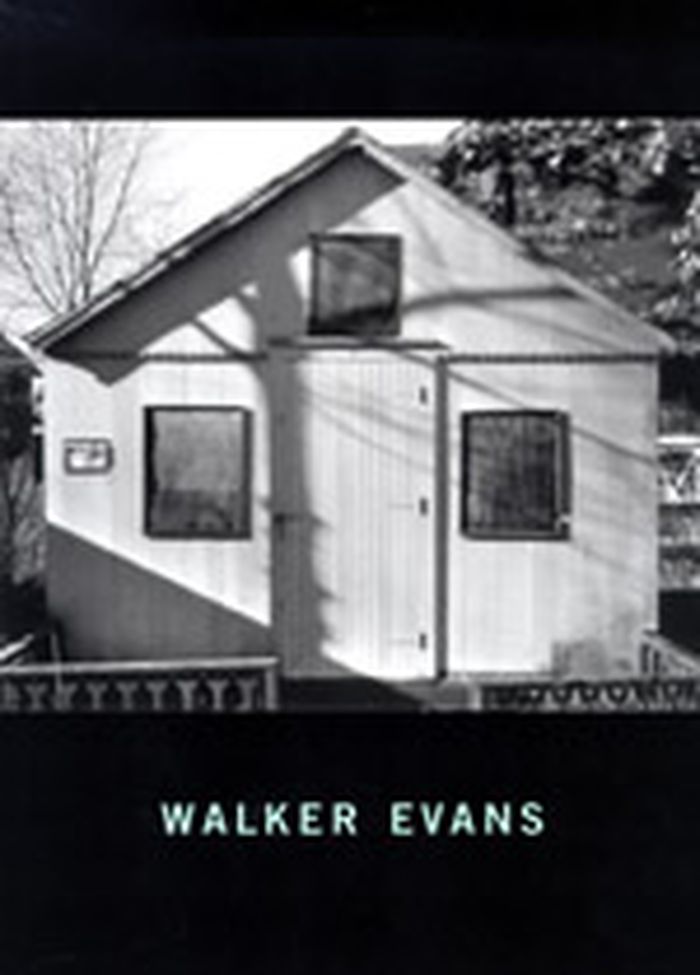
Walker Evans (1903-1975) is best known for documenting the people and living conditions of the American South during the Great Depression. But his photographic accomplishments were much broader than these famous images: modernist views of New York City, such as his Flatiron Building, New York (1928-29) and Brooklyn Bridge (1929); architectural studies of Victorian homes and other buildings in Boston, Cape Cod, Saratoga Springs, and small towns in upstate New York; a series of spontaneous and surreptitious portraits taken on the Manhattan subway; scenes from Cuba in the 1930s; and his commercial assignments as a staff photographer and writer for Fortune magazine. The familiar work from his Farm Security Administration project is also here-views of the rural South immortalized in his collaborative book with James Agee, Let Us Now Praise Famous Men, along with urban images from New Orleans and Savannah. Essays by Christian A. Peterson, associate curator of photography at The Minneapolis Institute of Arts, describe Evans's photographic vision and include information about the acquisition history of many of the photographs in this book. Illustrated with almost one hundred high-quality black-and-white photographs, Walker Evans presents the full breadth of Evans's expansive and varied photographic art.
Walker Evans
Actions:
Prix:
$37.50
(disponible sur commande)
Résumé:
Walker Evans (1903-1975) is best known for documenting the people and living conditions of the American South during the Great Depression. But his photographic accomplishments were much broader than these famous images: modernist views of New York City, such as his Flatiron Building, New York (1928-29) and Brooklyn Bridge (1929); architectural studies of Victorian homes and other buildings in Boston, Cape Cod, Saratoga Springs, and small towns in upstate New York; a series of spontaneous and surreptitious portraits taken on the Manhattan subway; scenes from Cuba in the 1930s; and his commercial assignments as a staff photographer and writer for Fortune magazine. The familiar work from his Farm Security Administration project is also here-views of the rural South immortalized in his collaborative book with James Agee, Let Us Now Praise Famous Men, along with urban images from New Orleans and Savannah. Essays by Christian A. Peterson, associate curator of photography at The Minneapolis Institute of Arts, describe Evans's photographic vision and include information about the acquisition history of many of the photographs in this book. Illustrated with almost one hundred high-quality black-and-white photographs, Walker Evans presents the full breadth of Evans's expansive and varied photographic art.
Classification:
livres
livres
Publication:
juillet 2003, Minneapolis
juillet 2003, Minneapolis
Sujet:
Monographies photo
Monographies photo
Classification:
livres
livres
Actions:
Prix:
$35.00
(disponible sur commande)
Résumé:
"I trace my ancestry back to the Mayflower," writes Andrew S. Dolkart. "Not to the legendary ship that brought the Pilgrims to Plymouth, Massachusetts, in 1620, but to the more prosaic tenement on the southeast corner of East Broadway and Clinton Street named the Mayflower, where my father was born in 1914 to Russian-Jewish immigrants." For Dolkart, the experience of(...)
$35.00
(disponible sur commande)
Résumé:
"I trace my ancestry back to the Mayflower," writes Andrew S. Dolkart. "Not to the legendary ship that brought the Pilgrims to Plymouth, Massachusetts, in 1620, but to the more prosaic tenement on the southeast corner of East Broadway and Clinton Street named the Mayflower, where my father was born in 1914 to Russian-Jewish immigrants." For Dolkart, the experience of(...)
Publication:
juin 2006, Santa fe, Staunton
juin 2006, Santa fe, Staunton
Titre:
Biography of a tenement house : an architectural history of 97 Orchard Street
Actions:
Prix:
$35.00
(disponible sur commande)
Résumé:
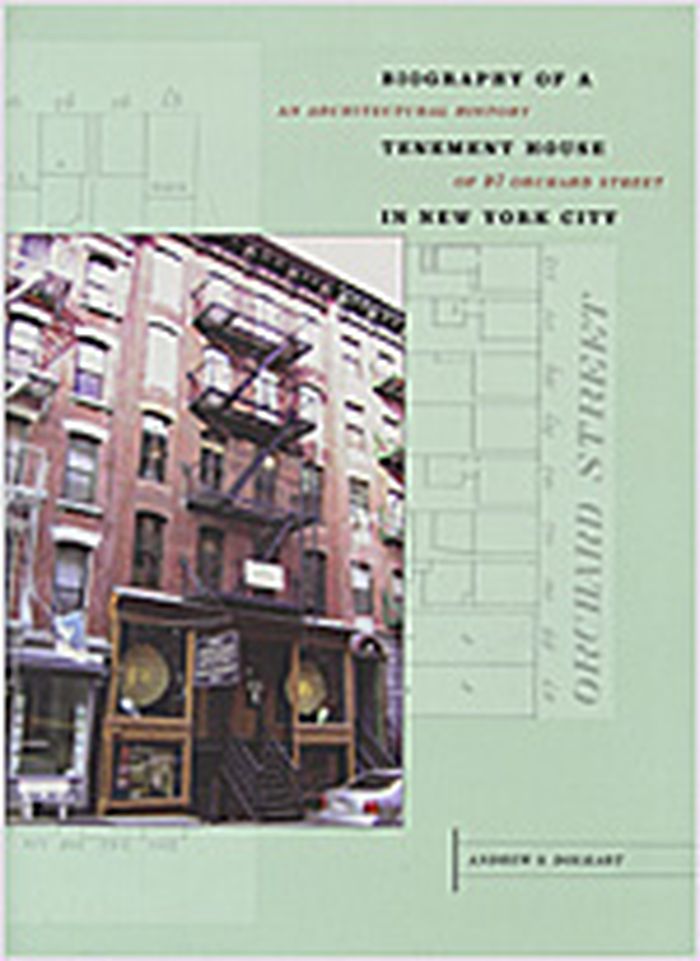
"I trace my ancestry back to the Mayflower," writes Andrew S. Dolkart. "Not to the legendary ship that brought the Pilgrims to Plymouth, Massachusetts, in 1620, but to the more prosaic tenement on the southeast corner of East Broadway and Clinton Street named the Mayflower, where my father was born in 1914 to Russian-Jewish immigrants." For Dolkart, the experience of being raised in a tenement became a metaphor for the life that was afforded countless thousands of other immigrant children growing up in Lower Manhattan during the past century and more. Dolkart presents for us a precise and informative biography of a typical tenement house in New York City that became, in 1988, the site for the Lower East Side Tenement Museum. Dolkart documents, analyzes, and interprets the architectural and social history of this building at 97 Orchard Street, starting in the 1860s when it was erected, moving on to the late nineteenth and early twentieth centuries when the neighborhood started to change, and concluding in the present day as the building is reincarnated as the museum. This book is a lasting tribute to the legacy of immigrants and their children, who were part of the transformation of New York City and the fabric of everyday American urban life.
Biography of a tenement house : an architectural history of 97 Orchard Street
Actions:
Prix:
$35.00
(disponible sur commande)
Résumé:
"I trace my ancestry back to the Mayflower," writes Andrew S. Dolkart. "Not to the legendary ship that brought the Pilgrims to Plymouth, Massachusetts, in 1620, but to the more prosaic tenement on the southeast corner of East Broadway and Clinton Street named the Mayflower, where my father was born in 1914 to Russian-Jewish immigrants." For Dolkart, the experience of being raised in a tenement became a metaphor for the life that was afforded countless thousands of other immigrant children growing up in Lower Manhattan during the past century and more. Dolkart presents for us a precise and informative biography of a typical tenement house in New York City that became, in 1988, the site for the Lower East Side Tenement Museum. Dolkart documents, analyzes, and interprets the architectural and social history of this building at 97 Orchard Street, starting in the 1860s when it was erected, moving on to the late nineteenth and early twentieth centuries when the neighborhood started to change, and concluding in the present day as the building is reincarnated as the museum. This book is a lasting tribute to the legacy of immigrants and their children, who were part of the transformation of New York City and the fabric of everyday American urban life.
Classification:
livres
livres
Publication:
juin 2006, Santa fe, Staunton
juin 2006, Santa fe, Staunton
Classification:
livres
livres
Actions:
Prix:
$69.95
(disponible sur commande)
Résumé:
American cities entered a new phase when, beginning in the 1950s, artists and developers looked upon a decaying industrial zone in Lower Manhattan and saw, not blight, but opportunity: cheap rents, lax regulation, and wide open spaces. Thus, SoHo was born. From 1960 to 1980, residents transformed the industrial neighborhood into an artist district, creating the conditions(...)
$69.95
(disponible sur commande)
Résumé:
American cities entered a new phase when, beginning in the 1950s, artists and developers looked upon a decaying industrial zone in Lower Manhattan and saw, not blight, but opportunity: cheap rents, lax regulation, and wide open spaces. Thus, SoHo was born. From 1960 to 1980, residents transformed the industrial neighborhood into an artist district, creating the conditions(...)
Titre:
The lofts of SoHo: gentrification, art and industry in New York 1950-1980
Actions:
Prix:
$69.95
(disponible sur commande)
Résumé:
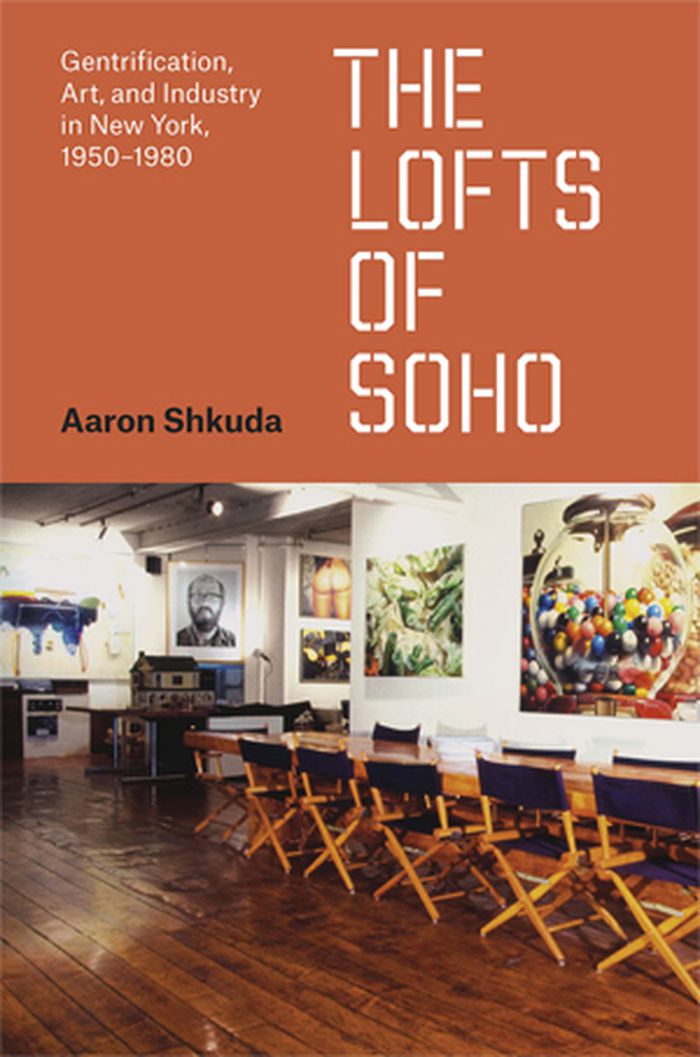
American cities entered a new phase when, beginning in the 1950s, artists and developers looked upon a decaying industrial zone in Lower Manhattan and saw, not blight, but opportunity: cheap rents, lax regulation, and wide open spaces. Thus, SoHo was born. From 1960 to 1980, residents transformed the industrial neighborhood into an artist district, creating the conditions under which it evolved into an upper-income, gentrified area. Introducing the idea—still potent in city planning today—that art could be harnessed to drive municipal prosperity, SoHo was the forerunner of gentrified districts in cities nationwide, spawning the notion of the creative class. In The Lofts of SoHo, Aaron Shkuda studies the transition of the district from industrial space to artists’ enclave to affluent residential area, focusing on the legacy of urban renewal in and around SoHo and the growth of artist-led redevelopment. Shkuda explores conflicts between residents and property owners and analyzes the city’s embrace of the once-illegal loft conversion as an urban development strategy. As Shkuda explains, artists eventually lost control of SoHo’s development, but over several decades they nonetheless forced scholars, policymakers, and the general public to take them seriously as critical actors in the twentieth-century American city.
The lofts of SoHo: gentrification, art and industry in New York 1950-1980
Actions:
Prix:
$69.95
(disponible sur commande)
Résumé:
American cities entered a new phase when, beginning in the 1950s, artists and developers looked upon a decaying industrial zone in Lower Manhattan and saw, not blight, but opportunity: cheap rents, lax regulation, and wide open spaces. Thus, SoHo was born. From 1960 to 1980, residents transformed the industrial neighborhood into an artist district, creating the conditions under which it evolved into an upper-income, gentrified area. Introducing the idea—still potent in city planning today—that art could be harnessed to drive municipal prosperity, SoHo was the forerunner of gentrified districts in cities nationwide, spawning the notion of the creative class. In The Lofts of SoHo, Aaron Shkuda studies the transition of the district from industrial space to artists’ enclave to affluent residential area, focusing on the legacy of urban renewal in and around SoHo and the growth of artist-led redevelopment. Shkuda explores conflicts between residents and property owners and analyzes the city’s embrace of the once-illegal loft conversion as an urban development strategy. As Shkuda explains, artists eventually lost control of SoHo’s development, but over several decades they nonetheless forced scholars, policymakers, and the general public to take them seriously as critical actors in the twentieth-century American city.
Classification:
livres
livres
Publication:
avril 2016
avril 2016
Sujet:
Théorie de l’urbanisme
Théorie de l’urbanisme
Classification:
livres
livres
Titre:
Vacant Spaces NY
Vacant Spaces NY
Actions:
Prix:
$80.00
(disponible sur commande)
Résumé:
This project began by walking around our neighborhood noticing empty storefronts. Once we saw them, they were everywhere. They followed us, appearing quietly throughout New York City. Many with no signage, no “for rent,” no “coming soon.” Usually empty, sometimes dusty, sometimes with brown paper covering the glass. Now, vacancy has only increased. In the densest city in(...)
$80.00
(disponible sur commande)
Résumé:
This project began by walking around our neighborhood noticing empty storefronts. Once we saw them, they were everywhere. They followed us, appearing quietly throughout New York City. Many with no signage, no “for rent,” no “coming soon.” Usually empty, sometimes dusty, sometimes with brown paper covering the glass. Now, vacancy has only increased. In the densest city in(...)
Sujet:
Architecture, monographies
Architecture, monographies
Publication:
octobre 2021
octobre 2021
Titre:
Vacant Spaces NY
Actions:
Prix:
$80.00
(disponible sur commande)
Résumé:
This project began by walking around our neighborhood noticing empty storefronts. Once we saw them, they were everywhere. They followed us, appearing quietly throughout New York City. Many with no signage, no “for rent,” no “coming soon.” Usually empty, sometimes dusty, sometimes with brown paper covering the glass. Now, vacancy has only increased. In the densest city in the United States. During a housing crisis. Throughout a pandemic. The quantity of vacant spaces is anyone’s best guess. It’s only partially documented. They hide in plain sight. This volume is organized from large to small, general to specific. It begins by looking at vacancy within the United States and continues down to each Manhattan neighborhood, where we zoom into specific vacant spaces, where we have provided as case studies that imagine some possibilities for transforming current vacant spaces into housing or social services. There is also a section on Covid 19, which infiltrated New York during our research. As a whole, this document is not meant to provide specific solutions. The data is incomplete. Case studies are limited. We are not policy experts or data analysts or urban planners. Instead, it is simply meant to show something we have taken for granted, vacant spaces, taking part in a collective process of imagining a better city.
Vacant Spaces NY
Actions:
Prix:
$80.00
(disponible sur commande)
Résumé:
This project began by walking around our neighborhood noticing empty storefronts. Once we saw them, they were everywhere. They followed us, appearing quietly throughout New York City. Many with no signage, no “for rent,” no “coming soon.” Usually empty, sometimes dusty, sometimes with brown paper covering the glass. Now, vacancy has only increased. In the densest city in the United States. During a housing crisis. Throughout a pandemic. The quantity of vacant spaces is anyone’s best guess. It’s only partially documented. They hide in plain sight. This volume is organized from large to small, general to specific. It begins by looking at vacancy within the United States and continues down to each Manhattan neighborhood, where we zoom into specific vacant spaces, where we have provided as case studies that imagine some possibilities for transforming current vacant spaces into housing or social services. There is also a section on Covid 19, which infiltrated New York during our research. As a whole, this document is not meant to provide specific solutions. The data is incomplete. Case studies are limited. We are not policy experts or data analysts or urban planners. Instead, it is simply meant to show something we have taken for granted, vacant spaces, taking part in a collective process of imagining a better city.
Classification:
livres
livres
Publication:
octobre 2021
octobre 2021
Sujet:
Architecture, monographies
Architecture, monographies
Classification:
périodiques
périodiques
Actions:
Prix:
$23.50
(disponible sur commande)
Résumé:
Fifty years ago, in 1964, Minoru Yamasaki’s proposed design for the World Trade Center was first revealed to the public. Rising far above the Lower Manhattan skyline, the Twin Towers—centerpieces of the original World Trade Center complex—were intended, in the words of their architect, to “become a living representation of man’s belief in humanity.” From the beginning,(...)
$23.50
(disponible sur commande)
Résumé:
Fifty years ago, in 1964, Minoru Yamasaki’s proposed design for the World Trade Center was first revealed to the public. Rising far above the Lower Manhattan skyline, the Twin Towers—centerpieces of the original World Trade Center complex—were intended, in the words of their architect, to “become a living representation of man’s belief in humanity.” From the beginning,(...)
Titre:
CLOG 12 2014: World Trade Center
Actions:
Prix:
$23.50
(disponible sur commande)
Résumé:
Fifty years ago, in 1964, Minoru Yamasaki’s proposed design for the World Trade Center was first revealed to the public. Rising far above the Lower Manhattan skyline, the Twin Towers—centerpieces of the original World Trade Center complex—were intended, in the words of their architect, to “become a living representation of man’s belief in humanity.” From the beginning, the project was not without controversy. Positioned at the confluence of several transportation routes, an entire district known as “Radio Row” would be claimed through eminent domain and demolished to make way for the new center of commerce. The abstract—arguably overpowering—design invited fierce criticism. Nevertheless, Yamasaki and associate architects Emery Roth & Sons would devote over a decade to the design and construction of the World Trade Center, which proved significant not only as an urban renewal project, but also as an architectural and engineering marvel. By the time of their destruction, the Twin Towers were one of New York City’s most prominent icons. With the new World Trade Center slowly approaching completion, the importance and irreplaceability of the original becomes more evident. CLOG will therefore critically examine that which has forever been lost: the World Trade Center, Dedicated April 4, 1973.
CLOG 12 2014: World Trade Center
Actions:
Prix:
$23.50
(disponible sur commande)
Résumé:
Fifty years ago, in 1964, Minoru Yamasaki’s proposed design for the World Trade Center was first revealed to the public. Rising far above the Lower Manhattan skyline, the Twin Towers—centerpieces of the original World Trade Center complex—were intended, in the words of their architect, to “become a living representation of man’s belief in humanity.” From the beginning, the project was not without controversy. Positioned at the confluence of several transportation routes, an entire district known as “Radio Row” would be claimed through eminent domain and demolished to make way for the new center of commerce. The abstract—arguably overpowering—design invited fierce criticism. Nevertheless, Yamasaki and associate architects Emery Roth & Sons would devote over a decade to the design and construction of the World Trade Center, which proved significant not only as an urban renewal project, but also as an architectural and engineering marvel. By the time of their destruction, the Twin Towers were one of New York City’s most prominent icons. With the new World Trade Center slowly approaching completion, the importance and irreplaceability of the original becomes more evident. CLOG will therefore critically examine that which has forever been lost: the World Trade Center, Dedicated April 4, 1973.
Classification:
périodiques
périodiques
Publication:
janvier 2015
janvier 2015
Sujet:
Revues
Revues
Classification:
livres
livres
Titre:
Never built New York
Never built New York
Actions:
Prix:
$70.00
(disponible sur commande)
Résumé:
New York towers among world capitals, but the city we know might have reached even more stellar heights, or burrowed into more destructive depths, had the ideas of its greatest dreamers progressed beyond the drawing board. What is wonderfully grand might easily have been ingloriously grandiose; equally, what is blandly unremarkable might have become delightfully(...)
$70.00
(disponible sur commande)
Résumé:
New York towers among world capitals, but the city we know might have reached even more stellar heights, or burrowed into more destructive depths, had the ideas of its greatest dreamers progressed beyond the drawing board. What is wonderfully grand might easily have been ingloriously grandiose; equally, what is blandly unremarkable might have become delightfully(...)
Titre:
Never built New York
Actions:
Prix:
$70.00
(disponible sur commande)
Résumé:
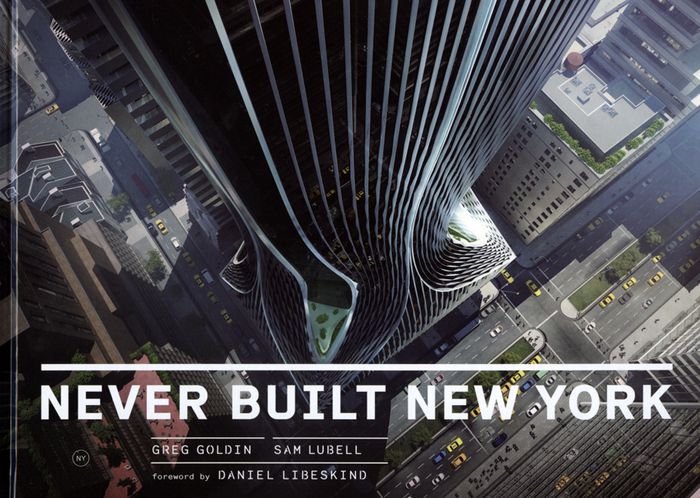
New York towers among world capitals, but the city we know might have reached even more stellar heights, or burrowed into more destructive depths, had the ideas of its greatest dreamers progressed beyond the drawing board. What is wonderfully grand might easily have been ingloriously grandiose; equally, what is blandly unremarkable might have become delightfully provocative.Nearly 200 proposals spanning 200 years encompass bridges, skyscrapers, master plans, parks, transit schemes, amusements, airports, plans to fill in rivers and extend Manhattan, and much, much more. Included are alternate visions for Central Park, Columbus Circle, Lincoln Center, MoMA, the UN, Grand Central Terminal, the World Trade Center site and other highlights such as: Alfred Ely Beach’s system of airtight subway cars propelled via atmospheric pressure; Frank Lloyd Wright’s last project, his Key Plan for Ellis Island, on which he would have developed his dream city; Buckminster Fuller’s design for Brooklyn’s Dodger Stadium, complete with giant geodesic dome to shield players and fans from the rain; developer William Zeckendorf’s Rooftop Airport, perched on steel columns 200 feet above street level, spanning from 24th to 71st Street, Ninth Avenue to the Hudson River; John Johansen’s Leapfrog City proposal to create an entirely new neighborhood atop the tenements of East Harlem; and Stephen Holl’s Bridge of Houses, offering options from SROs to modest studios to luxury apartments on a segment of what is now the High Line.
Never built New York
Actions:
Prix:
$70.00
(disponible sur commande)
Résumé:
New York towers among world capitals, but the city we know might have reached even more stellar heights, or burrowed into more destructive depths, had the ideas of its greatest dreamers progressed beyond the drawing board. What is wonderfully grand might easily have been ingloriously grandiose; equally, what is blandly unremarkable might have become delightfully provocative.Nearly 200 proposals spanning 200 years encompass bridges, skyscrapers, master plans, parks, transit schemes, amusements, airports, plans to fill in rivers and extend Manhattan, and much, much more. Included are alternate visions for Central Park, Columbus Circle, Lincoln Center, MoMA, the UN, Grand Central Terminal, the World Trade Center site and other highlights such as: Alfred Ely Beach’s system of airtight subway cars propelled via atmospheric pressure; Frank Lloyd Wright’s last project, his Key Plan for Ellis Island, on which he would have developed his dream city; Buckminster Fuller’s design for Brooklyn’s Dodger Stadium, complete with giant geodesic dome to shield players and fans from the rain; developer William Zeckendorf’s Rooftop Airport, perched on steel columns 200 feet above street level, spanning from 24th to 71st Street, Ninth Avenue to the Hudson River; John Johansen’s Leapfrog City proposal to create an entirely new neighborhood atop the tenements of East Harlem; and Stephen Holl’s Bridge of Houses, offering options from SROs to modest studios to luxury apartments on a segment of what is now the High Line.
Classification:
livres
livres
Publication:
octobre 2016
octobre 2016
Sujet:
Architecture contemporaine
Architecture contemporaine
Classification:
livres
livres
Actions:
Prix:
$74.00
(disponible sur commande)
Résumé:
Once the world’s tallest skyscraper, the Woolworth Building is noted for its striking but incongruous synthesis of Beaux-Arts architecture, fanciful Gothic ornamentation, and audacious steel-framed engineering. Here, in the first history of this great urban landmark, Gail Fenske argues that its design serves as a compelling lens through which to view the distinctive urban(...)
$74.00
(disponible sur commande)
Résumé:
Once the world’s tallest skyscraper, the Woolworth Building is noted for its striking but incongruous synthesis of Beaux-Arts architecture, fanciful Gothic ornamentation, and audacious steel-framed engineering. Here, in the first history of this great urban landmark, Gail Fenske argues that its design serves as a compelling lens through which to view the distinctive urban(...)
Titre:
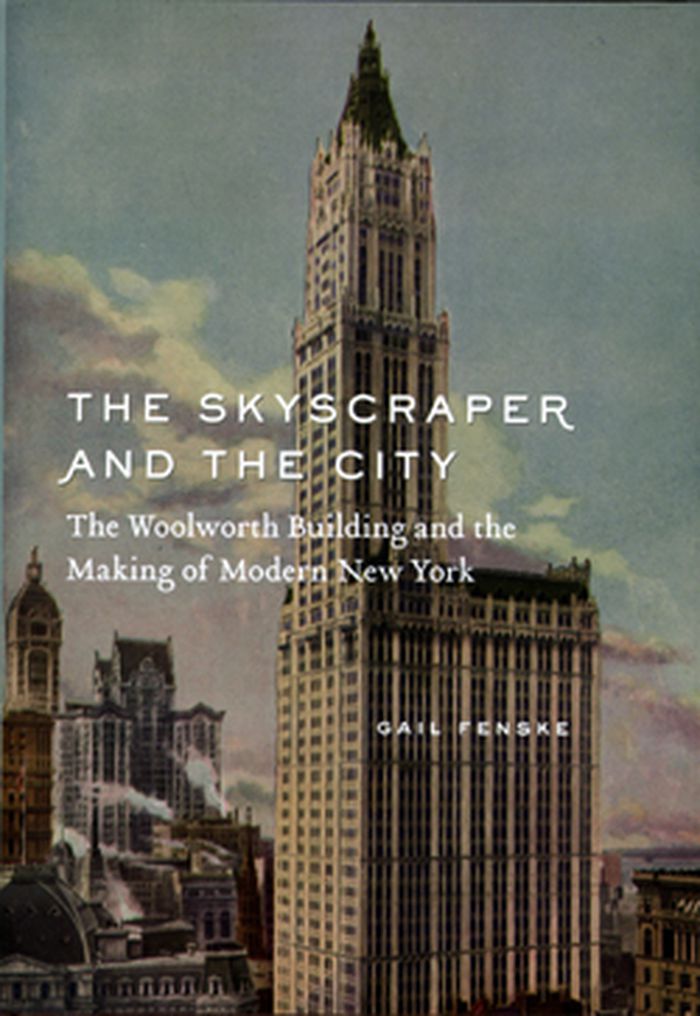
The skyscraper and the city: the woolworth building and the making of modern New York
Actions:
Prix:
$74.00
(disponible sur commande)
Résumé:
Once the world’s tallest skyscraper, the Woolworth Building is noted for its striking but incongruous synthesis of Beaux-Arts architecture, fanciful Gothic ornamentation, and audacious steel-framed engineering. Here, in the first history of this great urban landmark, Gail Fenske argues that its design serves as a compelling lens through which to view the distinctive urban culture of Progressive-era New York. Fenske shows here that the building’s multiplicity of meanings reflected the cultural contradictions that defined New York City’s modernity. For Frank Woolworth—founder of the famous five-and-dime store chain—the building served as a towering trademark, for advocates of the City Beautiful movement it suggested a majestic hotel de ville, for technological enthusiasts it represented the boldest of experiments in vertical construction, and for tenants it provided an evocative setting for high-style consumption. Tourists, meanwhile, experienced a spectacular sightseeing destination and avant-garde artists discovered a twentieth-century future. In emphasizing this faceted significance, Fenske illuminates the process of conceiving, financing, and constructing skyscrapers as well as the mass phenomena of consumerism, marketing, news media, and urban spectatorship that surround them. As the representative example of the skyscraper as a “cathedral of commerce,” the Woolworth Building remains a commanding presence in the skyline of lower Manhattan, and the generously illustrated Skyscraper and the City is a worthy testament to its importance in American culture.
The skyscraper and the city: the woolworth building and the making of modern New York
Actions:
Prix:
$74.00
(disponible sur commande)
Résumé:
Once the world’s tallest skyscraper, the Woolworth Building is noted for its striking but incongruous synthesis of Beaux-Arts architecture, fanciful Gothic ornamentation, and audacious steel-framed engineering. Here, in the first history of this great urban landmark, Gail Fenske argues that its design serves as a compelling lens through which to view the distinctive urban culture of Progressive-era New York. Fenske shows here that the building’s multiplicity of meanings reflected the cultural contradictions that defined New York City’s modernity. For Frank Woolworth—founder of the famous five-and-dime store chain—the building served as a towering trademark, for advocates of the City Beautiful movement it suggested a majestic hotel de ville, for technological enthusiasts it represented the boldest of experiments in vertical construction, and for tenants it provided an evocative setting for high-style consumption. Tourists, meanwhile, experienced a spectacular sightseeing destination and avant-garde artists discovered a twentieth-century future. In emphasizing this faceted significance, Fenske illuminates the process of conceiving, financing, and constructing skyscrapers as well as the mass phenomena of consumerism, marketing, news media, and urban spectatorship that surround them. As the representative example of the skyscraper as a “cathedral of commerce,” the Woolworth Building remains a commanding presence in the skyline of lower Manhattan, and the generously illustrated Skyscraper and the City is a worthy testament to its importance in American culture.
Classification:
livres
livres
Publication:
mai 2008, Chicago, London
mai 2008, Chicago, London
Sujet:
Gratte-ciels
Gratte-ciels


