


35831 Résultats
Classification:
expositions
expositions
Actions:
Description:
Influencés par une science naissante, la physiologie, les médecins de l’ère victorienne sont convaincus que la maison, au même titre qu’un organisme vivant, peut être malade, et qu’une recherche méthodique de l’hygiène à la maison est indissociable d’une architecture salubre. L’exposition Corpus sanum in domo sano (un corps sain dans une maison saine) s’intéresse au rôle(...)
Influencés par une science naissante, la physiologie, les médecins de l’ère victorienne sont convaincus que la maison, au même titre qu’un organisme vivant, peut être malade, et qu’une recherche méthodique de l’hygiène à la maison est indissociable d’une architecture salubre. L’exposition Corpus sanum in domo sano (un corps sain dans une maison saine) s’intéresse au rôle(...)
Localisation:
Vitrines
Vitrines
Date:
13 novembre 1991 au 16 février 1992
13 novembre 1991 au 16 février 1992
Titre:
Corpus sanum in domo sano : l'architecture du mouvement en faveur de la salubrité domestique, 1870-1914
Actions:
Description:
Influencés par une science naissante, la physiologie, les médecins de l’ère victorienne sont convaincus que la maison, au même titre qu’un organisme vivant, peut être malade, et qu’une recherche méthodique de l’hygiène à la maison est indissociable d’une architecture salubre. L’exposition Corpus sanum in domo sano (un corps sain dans une maison saine) s’intéresse au rôle(...)
Corpus sanum in domo sano : l'architecture du mouvement en faveur de la salubrité domestique, 1870-1914
Actions:
Description:
Influencés par une science naissante, la physiologie, les médecins de l’ère victorienne sont convaincus que la maison, au même titre qu’un organisme vivant, peut être malade, et qu’une recherche méthodique de l’hygiène à la maison est indissociable d’une architecture salubre. L’exposition Corpus sanum in domo sano (un corps sain dans une maison saine) s’intéresse au rôle(...)
Classification:
expositions
expositions
Date:
13 novembre 1991 au
16 février 1992
13 novembre 1991 au
16 février 1992
Localisation:
Vitrines
Vitrines
Classification:
expositions
expositions
Actions:
Description:
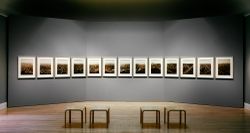
Centrée sur les panoramas photographiques d’Eadweard Muybridge, l’exposition examine les images du San Francisco des années 1850 à 1880, époque où la ville a connu une croissance phénoménale. L’exposition met l’oeuvre de Muybridge en contexte à l’aide des panoramas constitués de plusieurs daguerréotypes, des panoramas photographiques (y compris des jeux d’images(...)
Centrée sur les panoramas photographiques d’Eadweard Muybridge, l’exposition examine les images du San Francisco des années 1850 à 1880, époque où la ville a connu une croissance phénoménale. L’exposition met l’oeuvre de Muybridge en contexte à l’aide des panoramas constitués de plusieurs daguerréotypes, des panoramas photographiques (y compris des jeux d’images(...)
Localisation:
Salles principales
Salles principales
Date:
31 mars 1993 au 25 juillet 1993
31 mars 1993 au 25 juillet 1993
Titre:
Eadweard Muybridge et le panorama photographique de San Francisco, 1850-1880
Actions:
Description:
Centrée sur les panoramas photographiques d’Eadweard Muybridge, l’exposition examine les images du San Francisco des années 1850 à 1880, époque où la ville a connu une croissance phénoménale. L’exposition met l’oeuvre de Muybridge en contexte à l’aide des panoramas constitués de plusieurs daguerréotypes, des panoramas photographiques (y compris des jeux d’images(...)
Eadweard Muybridge et le panorama photographique de San Francisco, 1850-1880
Actions:
Description:
Centrée sur les panoramas photographiques d’Eadweard Muybridge, l’exposition examine les images du San Francisco des années 1850 à 1880, époque où la ville a connu une croissance phénoménale. L’exposition met l’oeuvre de Muybridge en contexte à l’aide des panoramas constitués de plusieurs daguerréotypes, des panoramas photographiques (y compris des jeux d’images(...)
Classification:
expositions
expositions
Date:
31 mars 1993 au
25 juillet 1993
31 mars 1993 au
25 juillet 1993
Localisation:
Salles principales
Salles principales
Classification:
événements
événements
Actions:
Description:
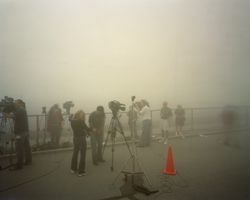
Robert Burley, boursier, chercheur principal de la fondation Mellon du CCA et professeur adjoint à la Ryerson University, présente sa conférence « The Architecture of Photography in an Age of Obsolescence». Le programme pour boursiers et chercheurs principaux de la fondation Mellon du CCA a été mis sur pied en 2001 afin d’encourager la recherche de pointe en histoire et(...)
Robert Burley, boursier, chercheur principal de la fondation Mellon du CCA et professeur adjoint à la Ryerson University, présente sa conférence « The Architecture of Photography in an Age of Obsolescence». Le programme pour boursiers et chercheurs principaux de la fondation Mellon du CCA a été mis sur pied en 2001 afin d’encourager la recherche de pointe en histoire et(...)
Localisation:
Théâtre Paul-Desmarais
Théâtre Paul-Desmarais
Date:
16 septembre 2010, 18h
16 septembre 2010, 18h
Titre:
Robert Burley : « The Architecture of Photography in an Age of Obsolescence »
Actions:
Description:
Robert Burley, boursier, chercheur principal de la fondation Mellon du CCA et professeur adjoint à la Ryerson University, présente sa conférence « The Architecture of Photography in an Age of Obsolescence». Le programme pour boursiers et chercheurs principaux de la fondation Mellon du CCA a été mis sur pied en 2001 afin d’encourager la recherche de pointe en histoire et(...)
Robert Burley : « The Architecture of Photography in an Age of Obsolescence »
Actions:
Description:
Robert Burley, boursier, chercheur principal de la fondation Mellon du CCA et professeur adjoint à la Ryerson University, présente sa conférence « The Architecture of Photography in an Age of Obsolescence». Le programme pour boursiers et chercheurs principaux de la fondation Mellon du CCA a été mis sur pied en 2001 afin d’encourager la recherche de pointe en histoire et(...)
Classification:
événements
événements
Date:
16 septembre 2010
18h
16 septembre 2010
18h
Localisation:
Théâtre Paul-Desmarais
Théâtre Paul-Desmarais
Classification:
documents textuels
documents textuels
Numéro de référence:
ARCH258487
Description:
Publications diverses, incluant le premier rapport au conseil municipal de la Commission d'étude des problèmes de la circulation et du transport, le rapport annuel de « Les Parcs de Montréal » (1958), « Montréal et son service des travaux publics ». Comprend aussi 2 plans de Montréal (centre-ville/Square Victoria), une carte de Québec, des coupures de presse sur l'urbanisme, et une brochure du métro.
ARCH258487
Description:
Publications diverses, incluant le premier rapport au conseil municipal de la Commission d'étude des problèmes de la circulation et du transport, le rapport annuel de « Les Parcs de Montréal » (1958), « Montréal et son service des travaux publics ». Comprend aussi 2 plans de Montréal (centre-ville/Square Victoria), une carte de Québec, des coupures de presse sur l'urbanisme, et une brochure du métro.
Personnes et institutions:
Date:
1947-1958
1947-1958
Titre:
Publications diverses principalement relatives à la Ville de Montréal
Actions:
ARCH258487
Description:
Publications diverses, incluant le premier rapport au conseil municipal de la Commission d'étude des problèmes de la circulation et du transport, le rapport annuel de « Les Parcs de Montréal » (1958), « Montréal et son service des travaux publics ». Comprend aussi 2 plans de Montréal (centre-ville/Square Victoria), une carte de Québec, des coupures de presse sur l'urbanisme, et une brochure du métro.
Publications diverses principalement relatives à la Ville de Montréal
Actions:
ARCH258487
Description:
Publications diverses, incluant le premier rapport au conseil municipal de la Commission d'étude des problèmes de la circulation et du transport, le rapport annuel de « Les Parcs de Montréal » (1958), « Montréal et son service des travaux publics ». Comprend aussi 2 plans de Montréal (centre-ville/Square Victoria), une carte de Québec, des coupures de presse sur l'urbanisme, et une brochure du métro.
Classification:
documents textuels
documents textuels
Date:
1947-1958
1947-1958
Personnes et institutions:
Classification:
événements
événements
Actions:
Description:
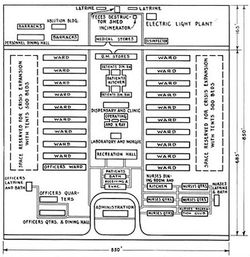
Geoff Manaugh se penche sur le design urbain dans le contexte d’études épidémiologiques, de pandémies et de quarantaines, à la lumière des mesures prises par les centres de contrôle et de prévention des maladies (CDC) mis en place par le gouvernement des États-Unis. Geoff Manaugh est l’auteur de BLDGBLOG et de The BLDGBLOG Book et il collabore régulièrement à titre(...)
Geoff Manaugh se penche sur le design urbain dans le contexte d’études épidémiologiques, de pandémies et de quarantaines, à la lumière des mesures prises par les centres de contrôle et de prévention des maladies (CDC) mis en place par le gouvernement des États-Unis. Geoff Manaugh est l’auteur de BLDGBLOG et de The BLDGBLOG Book et il collabore régulièrement à titre(...)
Localisation:
Théâtre Paul-Desmarais
Théâtre Paul-Desmarais
Date:
22 octobre 2009 , 19h
22 octobre 2009 , 19h
Titre:
Geoff Manaugh : Cities of the CDC
Actions:
Description:
Geoff Manaugh se penche sur le design urbain dans le contexte d’études épidémiologiques, de pandémies et de quarantaines, à la lumière des mesures prises par les centres de contrôle et de prévention des maladies (CDC) mis en place par le gouvernement des États-Unis. Geoff Manaugh est l’auteur de BLDGBLOG et de The BLDGBLOG Book et il collabore régulièrement à titre(...)
Geoff Manaugh : Cities of the CDC
Actions:
Description:
Geoff Manaugh se penche sur le design urbain dans le contexte d’études épidémiologiques, de pandémies et de quarantaines, à la lumière des mesures prises par les centres de contrôle et de prévention des maladies (CDC) mis en place par le gouvernement des États-Unis. Geoff Manaugh est l’auteur de BLDGBLOG et de The BLDGBLOG Book et il collabore régulièrement à titre(...)
Classification:
événements
événements
Date:
22 octobre 2009
19h
22 octobre 2009
19h
Localisation:
Théâtre Paul-Desmarais
Théâtre Paul-Desmarais
Classification:
événements
événements
Actions:
Description:
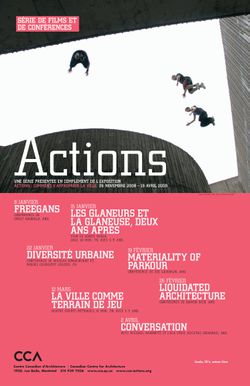
Michael Rakowitz, artiste basé à Chicago, discute avec Luca Stasi de Recetas Urbanas de leurs projets divers. Les œuvres de Michael Rakowitz explorent les concepts de l’habitat nomade et de l’appropriation urbaine, tandis que ceux de Recetas Urbanas proposent des stratégies de logement et de rénovation urbaine en tirant parti de certains vides juridiques pour pratiquer(...)
Michael Rakowitz, artiste basé à Chicago, discute avec Luca Stasi de Recetas Urbanas de leurs projets divers. Les œuvres de Michael Rakowitz explorent les concepts de l’habitat nomade et de l’appropriation urbaine, tandis que ceux de Recetas Urbanas proposent des stratégies de logement et de rénovation urbaine en tirant parti de certains vides juridiques pour pratiquer(...)
Localisation:
Théâtre Paul-Desmarais
Théâtre Paul-Desmarais
Date:
2 avril 2009
2 avril 2009
Titre:
Michael Rakowitz et Luca Stasi de Recetas Urbanas
Actions:
Description:
Michael Rakowitz, artiste basé à Chicago, discute avec Luca Stasi de Recetas Urbanas de leurs projets divers. Les œuvres de Michael Rakowitz explorent les concepts de l’habitat nomade et de l’appropriation urbaine, tandis que ceux de Recetas Urbanas proposent des stratégies de logement et de rénovation urbaine en tirant parti de certains vides juridiques pour pratiquer(...)
Michael Rakowitz et Luca Stasi de Recetas Urbanas
Actions:
Description:
Michael Rakowitz, artiste basé à Chicago, discute avec Luca Stasi de Recetas Urbanas de leurs projets divers. Les œuvres de Michael Rakowitz explorent les concepts de l’habitat nomade et de l’appropriation urbaine, tandis que ceux de Recetas Urbanas proposent des stratégies de logement et de rénovation urbaine en tirant parti de certains vides juridiques pour pratiquer(...)
Classification:
événements
événements
Date:
2 avril 2009
2 avril 2009
Localisation:
Théâtre Paul-Desmarais
Théâtre Paul-Desmarais
Classification:
événements
événements
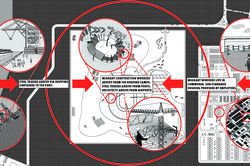
Description:
Mabel O. Wilson et Jordan Carver présentent le projet de plaidoyer en cours intitulé « Who Builds Your Architecture ? » (WBYA?), qui demande aux architectes et aux professionnels des disciplines associées de mieux comprendre comment la production de bâtiments lie leurs pratiques aux travailleurs migrants de la construction qui construisent leur design. WBYA?, un groupe de(...)
Mabel O. Wilson et Jordan Carver présentent le projet de plaidoyer en cours intitulé « Who Builds Your Architecture ? » (WBYA?), qui demande aux architectes et aux professionnels des disciplines associées de mieux comprendre comment la production de bâtiments lie leurs pratiques aux travailleurs migrants de la construction qui construisent leur design. WBYA?, un groupe de(...)
Date:
28 janvier 2016
28 janvier 2016
Titre:
Pratiquer le plaidoyer : Who Builds Your Architecture?
Actions:
Description:
Mabel O. Wilson et Jordan Carver présentent le projet de plaidoyer en cours intitulé « Who Builds Your Architecture ? » (WBYA?), qui demande aux architectes et aux professionnels des disciplines associées de mieux comprendre comment la production de bâtiments lie leurs pratiques aux travailleurs migrants de la construction qui construisent leur design. WBYA?, un groupe de(...)
Pratiquer le plaidoyer : Who Builds Your Architecture?
Actions:
Description:
Mabel O. Wilson et Jordan Carver présentent le projet de plaidoyer en cours intitulé « Who Builds Your Architecture ? » (WBYA?), qui demande aux architectes et aux professionnels des disciplines associées de mieux comprendre comment la production de bâtiments lie leurs pratiques aux travailleurs migrants de la construction qui construisent leur design. WBYA?, un groupe de(...)
Classification:
événements
événements
Date:
28 janvier 2016
28 janvier 2016
Classification:
événements
événements
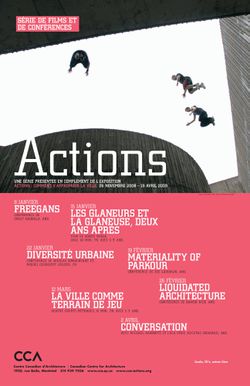
Titre:
Liquidated Architecture
Liquidated Architecture
Actions:
Description:
Damon Rich, urbaniste et designer américain, analyse le lien entre la politique, l’architecture et l’histoire. Ses recherches concernent essentiellement l’analyse de l’évolution du marché immobilier à travers l’étude de cas de saisies, d’hypothèques, de construction et de zonage. Il est également impliqué au Center for Urban Pedagogy (CUP), une organisation basée à(...)
Damon Rich, urbaniste et designer américain, analyse le lien entre la politique, l’architecture et l’histoire. Ses recherches concernent essentiellement l’analyse de l’évolution du marché immobilier à travers l’étude de cas de saisies, d’hypothèques, de construction et de zonage. Il est également impliqué au Center for Urban Pedagogy (CUP), une organisation basée à(...)
Localisation:
Théâtre Paul-Desmarais
Théâtre Paul-Desmarais
Date:
26 février 2009
26 février 2009
Titre:
Liquidated Architecture
Actions:
Description:
Damon Rich, urbaniste et designer américain, analyse le lien entre la politique, l’architecture et l’histoire. Ses recherches concernent essentiellement l’analyse de l’évolution du marché immobilier à travers l’étude de cas de saisies, d’hypothèques, de construction et de zonage. Il est également impliqué au Center for Urban Pedagogy (CUP), une organisation basée à(...)
Liquidated Architecture
Actions:
Description:
Damon Rich, urbaniste et designer américain, analyse le lien entre la politique, l’architecture et l’histoire. Ses recherches concernent essentiellement l’analyse de l’évolution du marché immobilier à travers l’étude de cas de saisies, d’hypothèques, de construction et de zonage. Il est également impliqué au Center for Urban Pedagogy (CUP), une organisation basée à(...)
Classification:
événements
événements
Date:
26 février 2009
26 février 2009
Localisation:
Théâtre Paul-Desmarais
Théâtre Paul-Desmarais
Niveau de description archivistique:
Série(s)
Série(s)
Titre:
Project records from Mr. Koz
Project records from Mr. Koz
Numéro de référence:
AP168.S2
Description:
The Project records from Mr. Koz series, 1996, consists of records produced by Seiichi Kozu of Studio KOZ, a local architect who managed the physical construction and installation of Denari’s show “Interrupted Projections” at Gallery MA in Tokyo, Japan. The series consists of 20 drawings and/or reprographic copies, 19 layouts, 16 slides, and a small amount of promotional material including three posters and one promotional pamphlet. Records date from 1996. For Interrupted Projections, in collaboration with Tokyo-based architect Seiichi Kozu (Mr. Koz) of Studio KOZ, Denari used traditional construction techniques to build a structure inside the gallery space that blended floor, wall and ceiling into a continuous curved surface. This surface displayed printed logos for fictional corporations, designed specifically for the exhibition. The majority of drawings and reprographic copies in the series relate to the construction of the principal architectural installation built on the third floor of Gallery MA. This includes plans and sections for the third floor, as well as working drawings that detail specifications such as dimensions, materials, layouts, and assembly techniques. The series also contains a set of five drawings that include first and second floor plans and sections of Gallery MA. The majority of writing on the drawings is Japanese, aside from one reprographic copy with third floor plans and sections that contains notes in English about elements of the installation such as lighting and the placement and size of fictional company logos. Photographic materials in the series comprise 16 slides that contain images of the built installation, as well as images of the exhibition open to the public, including slides of visitors interacting with the NaviCam. The series also includes printed layouts of the 3D digital renderings for the Interrupted Projections model alongside a pantone sheet, which were used as a reference during the construction process. Promotional material in the series includes three small posters for the exhibition, as well as a brochure that highlights selected works from the show.
AP168.S2
Description:
The Project records from Mr. Koz series, 1996, consists of records produced by Seiichi Kozu of Studio KOZ, a local architect who managed the physical construction and installation of Denari’s show “Interrupted Projections” at Gallery MA in Tokyo, Japan. The series consists of 20 drawings and/or reprographic copies, 19 layouts, 16 slides, and a small amount of promotional material including three posters and one promotional pamphlet. Records date from 1996. For Interrupted Projections, in collaboration with Tokyo-based architect Seiichi Kozu (Mr. Koz) of Studio KOZ, Denari used traditional construction techniques to build a structure inside the gallery space that blended floor, wall and ceiling into a continuous curved surface. This surface displayed printed logos for fictional corporations, designed specifically for the exhibition. The majority of drawings and reprographic copies in the series relate to the construction of the principal architectural installation built on the third floor of Gallery MA. This includes plans and sections for the third floor, as well as working drawings that detail specifications such as dimensions, materials, layouts, and assembly techniques. The series also contains a set of five drawings that include first and second floor plans and sections of Gallery MA. The majority of writing on the drawings is Japanese, aside from one reprographic copy with third floor plans and sections that contains notes in English about elements of the installation such as lighting and the placement and size of fictional company logos. Photographic materials in the series comprise 16 slides that contain images of the built installation, as well as images of the exhibition open to the public, including slides of visitors interacting with the NaviCam. The series also includes printed layouts of the 3D digital renderings for the Interrupted Projections model alongside a pantone sheet, which were used as a reference during the construction process. Promotional material in the series includes three small posters for the exhibition, as well as a brochure that highlights selected works from the show.
Personnes et institutions:
Date:
1996
1996
Titre:
Project records from Mr. Koz
Actions:
AP168.S2
Description:
The Project records from Mr. Koz series, 1996, consists of records produced by Seiichi Kozu of Studio KOZ, a local architect who managed the physical construction and installation of Denari’s show “Interrupted Projections” at Gallery MA in Tokyo, Japan. The series consists of 20 drawings and/or reprographic copies, 19 layouts, 16 slides, and a small amount of promotional material including three posters and one promotional pamphlet. Records date from 1996. For Interrupted Projections, in collaboration with Tokyo-based architect Seiichi Kozu (Mr. Koz) of Studio KOZ, Denari used traditional construction techniques to build a structure inside the gallery space that blended floor, wall and ceiling into a continuous curved surface. This surface displayed printed logos for fictional corporations, designed specifically for the exhibition. The majority of drawings and reprographic copies in the series relate to the construction of the principal architectural installation built on the third floor of Gallery MA. This includes plans and sections for the third floor, as well as working drawings that detail specifications such as dimensions, materials, layouts, and assembly techniques. The series also contains a set of five drawings that include first and second floor plans and sections of Gallery MA. The majority of writing on the drawings is Japanese, aside from one reprographic copy with third floor plans and sections that contains notes in English about elements of the installation such as lighting and the placement and size of fictional company logos. Photographic materials in the series comprise 16 slides that contain images of the built installation, as well as images of the exhibition open to the public, including slides of visitors interacting with the NaviCam. The series also includes printed layouts of the 3D digital renderings for the Interrupted Projections model alongside a pantone sheet, which were used as a reference during the construction process. Promotional material in the series includes three small posters for the exhibition, as well as a brochure that highlights selected works from the show.
Project records from Mr. Koz
Actions:
AP168.S2
Description:
The Project records from Mr. Koz series, 1996, consists of records produced by Seiichi Kozu of Studio KOZ, a local architect who managed the physical construction and installation of Denari’s show “Interrupted Projections” at Gallery MA in Tokyo, Japan. The series consists of 20 drawings and/or reprographic copies, 19 layouts, 16 slides, and a small amount of promotional material including three posters and one promotional pamphlet. Records date from 1996. For Interrupted Projections, in collaboration with Tokyo-based architect Seiichi Kozu (Mr. Koz) of Studio KOZ, Denari used traditional construction techniques to build a structure inside the gallery space that blended floor, wall and ceiling into a continuous curved surface. This surface displayed printed logos for fictional corporations, designed specifically for the exhibition. The majority of drawings and reprographic copies in the series relate to the construction of the principal architectural installation built on the third floor of Gallery MA. This includes plans and sections for the third floor, as well as working drawings that detail specifications such as dimensions, materials, layouts, and assembly techniques. The series also contains a set of five drawings that include first and second floor plans and sections of Gallery MA. The majority of writing on the drawings is Japanese, aside from one reprographic copy with third floor plans and sections that contains notes in English about elements of the installation such as lighting and the placement and size of fictional company logos. Photographic materials in the series comprise 16 slides that contain images of the built installation, as well as images of the exhibition open to the public, including slides of visitors interacting with the NaviCam. The series also includes printed layouts of the 3D digital renderings for the Interrupted Projections model alongside a pantone sheet, which were used as a reference during the construction process. Promotional material in the series includes three small posters for the exhibition, as well as a brochure that highlights selected works from the show.
Niveau de description archivistique:
Series
Series
Date:
1996
1996
Personnes et institutions:
Classification:
documents textuels
documents textuels
Numéro de référence:
ARCH258925
Description:
Correspondance avec les fournisseurs, le Cabinet du Ministre des Travaux Publics, et Jacques Gréber, architecte, incluant des dessins de détail, des bleus pliés, des notes et calculs, relatifs à l'électricité, à l'acoustique, et des rapports d'inspection. Comprend aussi un dossier de la documentation photographique.
ARCH258925
Description:
Correspondance avec les fournisseurs, le Cabinet du Ministre des Travaux Publics, et Jacques Gréber, architecte, incluant des dessins de détail, des bleus pliés, des notes et calculs, relatifs à l'électricité, à l'acoustique, et des rapports d'inspection. Comprend aussi un dossier de la documentation photographique.
Personnes et institutions:
Date:
1937-1940
1937-1940
Titre:
Correspondance avec les fournisseurs, clients et architecte, notes et rapports
Actions:
ARCH258925
Description:
Correspondance avec les fournisseurs, le Cabinet du Ministre des Travaux Publics, et Jacques Gréber, architecte, incluant des dessins de détail, des bleus pliés, des notes et calculs, relatifs à l'électricité, à l'acoustique, et des rapports d'inspection. Comprend aussi un dossier de la documentation photographique.
Correspondance avec les fournisseurs, clients et architecte, notes et rapports
Actions:
ARCH258925
Description:
Correspondance avec les fournisseurs, le Cabinet du Ministre des Travaux Publics, et Jacques Gréber, architecte, incluant des dessins de détail, des bleus pliés, des notes et calculs, relatifs à l'électricité, à l'acoustique, et des rapports d'inspection. Comprend aussi un dossier de la documentation photographique.
Classification:
documents textuels
documents textuels
Date:
1937-1940
1937-1940
Personnes et institutions:


