


7509 Résultats
Classification:
documents textuels
documents textuels
Numéro de référence:
AP197.S1.SS9.002
Description:
This box is comprised of notes, drafts, articles, interviews, conference addresses by Kenneth Frampton. The materials are organized alphabetically by either title or the architect's last name, from A-FO. Subjects and architects explored in these texts include: the Patkau Architects's Agosta House; Tadao Ando; Demetri and Suzana Antonakakis; ULM; architectural design; architecture as a humanistic discipline; architecture vs. art; Hannah Arendt; Wiel Arets; Emre Arolat; the avant-garde; Barcelona; basque architecture; Anatole de Baudot; Salvatore Bisogni; Mario Botta; the British Library; Angelo Bucci; William Butterfield; James Carpenter; la Casa Cooper; Alan Colquhuon; Casco Centrale; Charles Correa; constructivism; Czech architecture; the Duetsche Werkbund; developments in contemporary architecture; architectural education; Peter Eisenman; Shushei Endo; English architecture; and Arthur Erikson.
AP197.S1.SS9.002
Description:
This box is comprised of notes, drafts, articles, interviews, conference addresses by Kenneth Frampton. The materials are organized alphabetically by either title or the architect's last name, from A-FO. Subjects and architects explored in these texts include: the Patkau Architects's Agosta House; Tadao Ando; Demetri and Suzana Antonakakis; ULM; architectural design; architecture as a humanistic discipline; architecture vs. art; Hannah Arendt; Wiel Arets; Emre Arolat; the avant-garde; Barcelona; basque architecture; Anatole de Baudot; Salvatore Bisogni; Mario Botta; the British Library; Angelo Bucci; William Butterfield; James Carpenter; la Casa Cooper; Alan Colquhuon; Casco Centrale; Charles Correa; constructivism; Czech architecture; the Duetsche Werkbund; developments in contemporary architecture; architectural education; Peter Eisenman; Shushei Endo; English architecture; and Arthur Erikson.
Personnes et institutions:
Date:
1965-2015
1965-2015
Titre:
Kenneth Frampton texts, articles and notes A-FO
Actions:
AP197.S1.SS9.002
Description:
This box is comprised of notes, drafts, articles, interviews, conference addresses by Kenneth Frampton. The materials are organized alphabetically by either title or the architect's last name, from A-FO. Subjects and architects explored in these texts include: the Patkau Architects's Agosta House; Tadao Ando; Demetri and Suzana Antonakakis; ULM; architectural design; architecture as a humanistic discipline; architecture vs. art; Hannah Arendt; Wiel Arets; Emre Arolat; the avant-garde; Barcelona; basque architecture; Anatole de Baudot; Salvatore Bisogni; Mario Botta; the British Library; Angelo Bucci; William Butterfield; James Carpenter; la Casa Cooper; Alan Colquhuon; Casco Centrale; Charles Correa; constructivism; Czech architecture; the Duetsche Werkbund; developments in contemporary architecture; architectural education; Peter Eisenman; Shushei Endo; English architecture; and Arthur Erikson.
Kenneth Frampton texts, articles and notes A-FO
Actions:
AP197.S1.SS9.002
Description:
This box is comprised of notes, drafts, articles, interviews, conference addresses by Kenneth Frampton. The materials are organized alphabetically by either title or the architect's last name, from A-FO. Subjects and architects explored in these texts include: the Patkau Architects's Agosta House; Tadao Ando; Demetri and Suzana Antonakakis; ULM; architectural design; architecture as a humanistic discipline; architecture vs. art; Hannah Arendt; Wiel Arets; Emre Arolat; the avant-garde; Barcelona; basque architecture; Anatole de Baudot; Salvatore Bisogni; Mario Botta; the British Library; Angelo Bucci; William Butterfield; James Carpenter; la Casa Cooper; Alan Colquhuon; Casco Centrale; Charles Correa; constructivism; Czech architecture; the Duetsche Werkbund; developments in contemporary architecture; architectural education; Peter Eisenman; Shushei Endo; English architecture; and Arthur Erikson.
Classification:
documents textuels
documents textuels
Date:
1965-2015
1965-2015
Personnes et institutions:
Classification:
événements
événements
Titre:
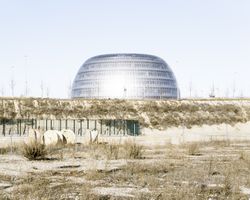
L'enseignement de... Madrid
L'enseignement de... Madrid
Actions:
Description:
Au lendemain de la tragique crise économique mondiale, l’Espagne fait actuellement les frais d’une absence totale de politique urbanistique, particulièrement en ce qui concerne les réglementations visant l’industrie de la construction. Le resserrement du crédit qui freina la frénésie de construction laissa dans son sillage un vaste territoire de construction inachevées.(...)
Au lendemain de la tragique crise économique mondiale, l’Espagne fait actuellement les frais d’une absence totale de politique urbanistique, particulièrement en ce qui concerne les réglementations visant l’industrie de la construction. Le resserrement du crédit qui freina la frénésie de construction laissa dans son sillage un vaste territoire de construction inachevées.(...)
Localisation:
Théâtre Paul-Desmarais
Théâtre Paul-Desmarais
Date:
4 décembre 2014 , 18h
4 décembre 2014 , 18h
Titre:
L'enseignement de... Madrid
Actions:
Description:
Au lendemain de la tragique crise économique mondiale, l’Espagne fait actuellement les frais d’une absence totale de politique urbanistique, particulièrement en ce qui concerne les réglementations visant l’industrie de la construction. Le resserrement du crédit qui freina la frénésie de construction laissa dans son sillage un vaste territoire de construction inachevées.(...)
L'enseignement de... Madrid
Actions:
Description:
Au lendemain de la tragique crise économique mondiale, l’Espagne fait actuellement les frais d’une absence totale de politique urbanistique, particulièrement en ce qui concerne les réglementations visant l’industrie de la construction. Le resserrement du crédit qui freina la frénésie de construction laissa dans son sillage un vaste territoire de construction inachevées.(...)
Classification:
événements
événements
Date:
4 décembre 2014
18h
4 décembre 2014
18h
Localisation:
Théâtre Paul-Desmarais
Théâtre Paul-Desmarais
Classification:
événements
événements
Actions:
Description:
Alors que le climat de la Terre atteint un état d’instabilité constante, la prise de conscience de l’impact du réchauffement planétaire sur les droits de l’homme et l’augmentation des conflits sociaux, ne fait que s’accentuer. Une moindre attention a été accordée aux façons dont la violence politique et l’abus de droits humains, dans le passé comme dans le présent,(...)
Alors que le climat de la Terre atteint un état d’instabilité constante, la prise de conscience de l’impact du réchauffement planétaire sur les droits de l’homme et l’augmentation des conflits sociaux, ne fait que s’accentuer. Une moindre attention a été accordée aux façons dont la violence politique et l’abus de droits humains, dans le passé comme dans le présent,(...)
Localisation:
Théâtre Paul-Demarais
Théâtre Paul-Demarais
Date:
1 décembre 2016, 18h
1 décembre 2016, 18h
Titre:
Dans les frontières du changement climatique (Vers une politique des droits non humains)
Actions:
Description:
Alors que le climat de la Terre atteint un état d’instabilité constante, la prise de conscience de l’impact du réchauffement planétaire sur les droits de l’homme et l’augmentation des conflits sociaux, ne fait que s’accentuer. Une moindre attention a été accordée aux façons dont la violence politique et l’abus de droits humains, dans le passé comme dans le présent,(...)
Dans les frontières du changement climatique (Vers une politique des droits non humains)
Actions:
Description:
Alors que le climat de la Terre atteint un état d’instabilité constante, la prise de conscience de l’impact du réchauffement planétaire sur les droits de l’homme et l’augmentation des conflits sociaux, ne fait que s’accentuer. Une moindre attention a été accordée aux façons dont la violence politique et l’abus de droits humains, dans le passé comme dans le présent,(...)
Classification:
événements
événements
Date:
1 décembre 2016
18h
1 décembre 2016
18h
Localisation:
Théâtre Paul-Demarais
Théâtre Paul-Demarais
Classification:
événements
événements
Titre:
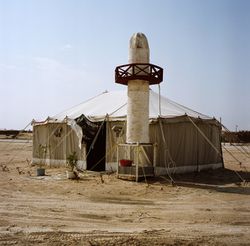
L’enseignement de… Bahreïn
L’enseignement de… Bahreïn
Actions:
Description:
Noura al Sayeh présente la troisième conférence de la série L’enseignement du… Moyen-Orient. La présentation portera sur la documentation photographique de la côte de Bahreïn par le photographe Camille Zakharia. Les transformations des 30 dernières années ont redessiné le paysage urbain bahreïni et entraîné le développement d’une culture vernaculaire contemporaine. On y(...)
Noura al Sayeh présente la troisième conférence de la série L’enseignement du… Moyen-Orient. La présentation portera sur la documentation photographique de la côte de Bahreïn par le photographe Camille Zakharia. Les transformations des 30 dernières années ont redessiné le paysage urbain bahreïni et entraîné le développement d’une culture vernaculaire contemporaine. On y(...)
Localisation:
Théâtre Paul-Desmarais
Théâtre Paul-Desmarais
Date:
6 octobre 2011 , 19h
6 octobre 2011 , 19h
Titre:
L’enseignement de… Bahreïn
Actions:
Description:
Noura al Sayeh présente la troisième conférence de la série L’enseignement du… Moyen-Orient. La présentation portera sur la documentation photographique de la côte de Bahreïn par le photographe Camille Zakharia. Les transformations des 30 dernières années ont redessiné le paysage urbain bahreïni et entraîné le développement d’une culture vernaculaire contemporaine. On y(...)
L’enseignement de… Bahreïn
Actions:
Description:
Noura al Sayeh présente la troisième conférence de la série L’enseignement du… Moyen-Orient. La présentation portera sur la documentation photographique de la côte de Bahreïn par le photographe Camille Zakharia. Les transformations des 30 dernières années ont redessiné le paysage urbain bahreïni et entraîné le développement d’une culture vernaculaire contemporaine. On y(...)
Classification:
événements
événements
Date:
6 octobre 2011
19h
6 octobre 2011
19h
Localisation:
Théâtre Paul-Desmarais
Théâtre Paul-Desmarais
Classification:
événements
événements
Actions:
Description:
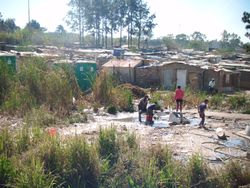
Olumuyiwa Adegun, chercheur en résidence 2016, présente ses recherches : Les villes d’Europe au XIXe siècle, à l’instar des villes d’Afrique aujourd’hui, ont souffert de graves problèmes de logement. Les bidonvilles ont marqué Berlin et Paris, tout comme dans les dernières décennies, le logement informel est devenu un trait particulier de Nairobi et de Johannesburg.(...)
Olumuyiwa Adegun, chercheur en résidence 2016, présente ses recherches : Les villes d’Europe au XIXe siècle, à l’instar des villes d’Afrique aujourd’hui, ont souffert de graves problèmes de logement. Les bidonvilles ont marqué Berlin et Paris, tout comme dans les dernières décennies, le logement informel est devenu un trait particulier de Nairobi et de Johannesburg.(...)
Localisation:
Maison Shaughnessy
Maison Shaughnessy
Date:
4 août 2016, 18h
4 août 2016, 18h
Titre:
Séminaire de chercheur en résidence : Olumuyiwa Adegun
Actions:
Description:
Olumuyiwa Adegun, chercheur en résidence 2016, présente ses recherches : Les villes d’Europe au XIXe siècle, à l’instar des villes d’Afrique aujourd’hui, ont souffert de graves problèmes de logement. Les bidonvilles ont marqué Berlin et Paris, tout comme dans les dernières décennies, le logement informel est devenu un trait particulier de Nairobi et de Johannesburg.(...)
Séminaire de chercheur en résidence : Olumuyiwa Adegun
Actions:
Description:
Olumuyiwa Adegun, chercheur en résidence 2016, présente ses recherches : Les villes d’Europe au XIXe siècle, à l’instar des villes d’Afrique aujourd’hui, ont souffert de graves problèmes de logement. Les bidonvilles ont marqué Berlin et Paris, tout comme dans les dernières décennies, le logement informel est devenu un trait particulier de Nairobi et de Johannesburg.(...)
Classification:
événements
événements
Date:
4 août 2016
18h
4 août 2016
18h
Localisation:
Maison Shaughnessy
Maison Shaughnessy
Niveau de description archivistique:
Projet
Projet
Titre:
Lightweight Enclosures Unit
Lightweight Enclosures Unit
Numéro de référence:
AP144.S2.D79
Description:
File documents the work of the Lightweight Enclosures Unit (LEU) which was set up by Frank Newby and Cedric Price after their completion of a UK government research programme into air structures in 1969 (see Air Structures Research AP144.S2.D63). The work of LEU included research and design into the social, economic and structural development of lightweight enclosures. The LEU published a bibliography for the industry on air structures in 1972 titled 'Air Structures Bibliography, B0001-0069 and B0070-0119. It also helped produce the report BS6661:1986 'Design, construction and maintenance of single-skin air supported structures', and reviewed lightweight enclosures in AD 8/71, p 465. LEU was commissioned to write 'Air Support Structures: BSI Draft for Development Code of Practice' (DD50). This work is documented in DOE Air Structure (AP144.S2.D91). Frank Newby continued to work on the review of DD50 up until the 1980s. Material in this file was produced between 1956 and 1993. Group DR2004:1356 contains a 1973 drawing attributed to Pierre Martin for S.A.S. (Lausanne). Group DR2004:1353 contains reference drawings by architect Rurik Ekstrom, for Antioch Pneumatic Campus, Columbia Maryland (1972). Group DR2004:0132 contains material that relates to 'Air Structures' a conference on Antioch Campus in Columbia, Maryland, US May 22-34, 1973. DR2004:0135 contains publications by Frei Otto and the Institute of Lightweight Structures at the University of Stuttgart, and a transcript of an Air Structures Lecture, presented in Maryland, possibly by Cedric Price. DR2004:0137, DR2004:0139, and DR2004:0141 contain materials that relate to DD50 'Draft for Development: Air Supported Structures' for British Standards Institution, 1976 (see DOE Air Structure AP144.S2.D91). DR2004:0142 contains papers from the 'International Symposium on Pneumatic Structures' - Delft, 1972. DR2004:0145 contains material on 'Pneuma Jam'. DR2004:0146 contains material that relates to Christo (1973 projects). Group DR2004:0127 contains material that relates to Christo and his project, Valley Curtain. The group DR2004:0159 contains materials from the following manufacturers: Kurashiki Rayon Co., Ltd; Krupp Universalbau; Kleyer; Kellbro Construction Ltd; AEI; Norris Brothers Limited; Kaltenbach; Irvin Industries Ltd; Gotthard; Graydon; Gourock; Goodyear; Firestone; Environmental Structures; English Electric; Dynamit Nobel; Dunlop; Williaam Cox; Cidair; Birdair Structures Inc.; Frankenstein Beaufort; Barracuda; Air-Tech Industries, Inc.; Air Inflatable Products Company; Airco; M.L. Aviation; M.U.S.T.; Plasteco Milano; P.N. Structures; Polydrom; Peter Potter Ltd; RFD-GQ limited; RP Structures Ltd; Scanhover; Seattle Tent & Awning Company; Sheltair; Stromeyer; C.F. Taylor; O. Van Den Buys; and John Edgington & Co. Ltd. File contains conceptual drawings, reference drawings, photographic materials, a poster, and textual records.
AP144.S2.D79
Description:
File documents the work of the Lightweight Enclosures Unit (LEU) which was set up by Frank Newby and Cedric Price after their completion of a UK government research programme into air structures in 1969 (see Air Structures Research AP144.S2.D63). The work of LEU included research and design into the social, economic and structural development of lightweight enclosures. The LEU published a bibliography for the industry on air structures in 1972 titled 'Air Structures Bibliography, B0001-0069 and B0070-0119. It also helped produce the report BS6661:1986 'Design, construction and maintenance of single-skin air supported structures', and reviewed lightweight enclosures in AD 8/71, p 465. LEU was commissioned to write 'Air Support Structures: BSI Draft for Development Code of Practice' (DD50). This work is documented in DOE Air Structure (AP144.S2.D91). Frank Newby continued to work on the review of DD50 up until the 1980s. Material in this file was produced between 1956 and 1993. Group DR2004:1356 contains a 1973 drawing attributed to Pierre Martin for S.A.S. (Lausanne). Group DR2004:1353 contains reference drawings by architect Rurik Ekstrom, for Antioch Pneumatic Campus, Columbia Maryland (1972). Group DR2004:0132 contains material that relates to 'Air Structures' a conference on Antioch Campus in Columbia, Maryland, US May 22-34, 1973. DR2004:0135 contains publications by Frei Otto and the Institute of Lightweight Structures at the University of Stuttgart, and a transcript of an Air Structures Lecture, presented in Maryland, possibly by Cedric Price. DR2004:0137, DR2004:0139, and DR2004:0141 contain materials that relate to DD50 'Draft for Development: Air Supported Structures' for British Standards Institution, 1976 (see DOE Air Structure AP144.S2.D91). DR2004:0142 contains papers from the 'International Symposium on Pneumatic Structures' - Delft, 1972. DR2004:0145 contains material on 'Pneuma Jam'. DR2004:0146 contains material that relates to Christo (1973 projects). Group DR2004:0127 contains material that relates to Christo and his project, Valley Curtain. The group DR2004:0159 contains materials from the following manufacturers: Kurashiki Rayon Co., Ltd; Krupp Universalbau; Kleyer; Kellbro Construction Ltd; AEI; Norris Brothers Limited; Kaltenbach; Irvin Industries Ltd; Gotthard; Graydon; Gourock; Goodyear; Firestone; Environmental Structures; English Electric; Dynamit Nobel; Dunlop; Williaam Cox; Cidair; Birdair Structures Inc.; Frankenstein Beaufort; Barracuda; Air-Tech Industries, Inc.; Air Inflatable Products Company; Airco; M.L. Aviation; M.U.S.T.; Plasteco Milano; P.N. Structures; Polydrom; Peter Potter Ltd; RFD-GQ limited; RP Structures Ltd; Scanhover; Seattle Tent & Awning Company; Sheltair; Stromeyer; C.F. Taylor; O. Van Den Buys; and John Edgington & Co. Ltd. File contains conceptual drawings, reference drawings, photographic materials, a poster, and textual records.
Personnes et institutions:
Date:
1956-1995, predominant 1969-1986
1956-1995, predominant 1969-1986
Titre:
Lightweight Enclosures Unit
Actions:
AP144.S2.D79
Description:
File documents the work of the Lightweight Enclosures Unit (LEU) which was set up by Frank Newby and Cedric Price after their completion of a UK government research programme into air structures in 1969 (see Air Structures Research AP144.S2.D63). The work of LEU included research and design into the social, economic and structural development of lightweight enclosures. The LEU published a bibliography for the industry on air structures in 1972 titled 'Air Structures Bibliography, B0001-0069 and B0070-0119. It also helped produce the report BS6661:1986 'Design, construction and maintenance of single-skin air supported structures', and reviewed lightweight enclosures in AD 8/71, p 465. LEU was commissioned to write 'Air Support Structures: BSI Draft for Development Code of Practice' (DD50). This work is documented in DOE Air Structure (AP144.S2.D91). Frank Newby continued to work on the review of DD50 up until the 1980s. Material in this file was produced between 1956 and 1993. Group DR2004:1356 contains a 1973 drawing attributed to Pierre Martin for S.A.S. (Lausanne). Group DR2004:1353 contains reference drawings by architect Rurik Ekstrom, for Antioch Pneumatic Campus, Columbia Maryland (1972). Group DR2004:0132 contains material that relates to 'Air Structures' a conference on Antioch Campus in Columbia, Maryland, US May 22-34, 1973. DR2004:0135 contains publications by Frei Otto and the Institute of Lightweight Structures at the University of Stuttgart, and a transcript of an Air Structures Lecture, presented in Maryland, possibly by Cedric Price. DR2004:0137, DR2004:0139, and DR2004:0141 contain materials that relate to DD50 'Draft for Development: Air Supported Structures' for British Standards Institution, 1976 (see DOE Air Structure AP144.S2.D91). DR2004:0142 contains papers from the 'International Symposium on Pneumatic Structures' - Delft, 1972. DR2004:0145 contains material on 'Pneuma Jam'. DR2004:0146 contains material that relates to Christo (1973 projects). Group DR2004:0127 contains material that relates to Christo and his project, Valley Curtain. The group DR2004:0159 contains materials from the following manufacturers: Kurashiki Rayon Co., Ltd; Krupp Universalbau; Kleyer; Kellbro Construction Ltd; AEI; Norris Brothers Limited; Kaltenbach; Irvin Industries Ltd; Gotthard; Graydon; Gourock; Goodyear; Firestone; Environmental Structures; English Electric; Dynamit Nobel; Dunlop; Williaam Cox; Cidair; Birdair Structures Inc.; Frankenstein Beaufort; Barracuda; Air-Tech Industries, Inc.; Air Inflatable Products Company; Airco; M.L. Aviation; M.U.S.T.; Plasteco Milano; P.N. Structures; Polydrom; Peter Potter Ltd; RFD-GQ limited; RP Structures Ltd; Scanhover; Seattle Tent & Awning Company; Sheltair; Stromeyer; C.F. Taylor; O. Van Den Buys; and John Edgington & Co. Ltd. File contains conceptual drawings, reference drawings, photographic materials, a poster, and textual records.
Lightweight Enclosures Unit
Actions:
AP144.S2.D79
Description:
File documents the work of the Lightweight Enclosures Unit (LEU) which was set up by Frank Newby and Cedric Price after their completion of a UK government research programme into air structures in 1969 (see Air Structures Research AP144.S2.D63). The work of LEU included research and design into the social, economic and structural development of lightweight enclosures. The LEU published a bibliography for the industry on air structures in 1972 titled 'Air Structures Bibliography, B0001-0069 and B0070-0119. It also helped produce the report BS6661:1986 'Design, construction and maintenance of single-skin air supported structures', and reviewed lightweight enclosures in AD 8/71, p 465. LEU was commissioned to write 'Air Support Structures: BSI Draft for Development Code of Practice' (DD50). This work is documented in DOE Air Structure (AP144.S2.D91). Frank Newby continued to work on the review of DD50 up until the 1980s. Material in this file was produced between 1956 and 1993. Group DR2004:1356 contains a 1973 drawing attributed to Pierre Martin for S.A.S. (Lausanne). Group DR2004:1353 contains reference drawings by architect Rurik Ekstrom, for Antioch Pneumatic Campus, Columbia Maryland (1972). Group DR2004:0132 contains material that relates to 'Air Structures' a conference on Antioch Campus in Columbia, Maryland, US May 22-34, 1973. DR2004:0135 contains publications by Frei Otto and the Institute of Lightweight Structures at the University of Stuttgart, and a transcript of an Air Structures Lecture, presented in Maryland, possibly by Cedric Price. DR2004:0137, DR2004:0139, and DR2004:0141 contain materials that relate to DD50 'Draft for Development: Air Supported Structures' for British Standards Institution, 1976 (see DOE Air Structure AP144.S2.D91). DR2004:0142 contains papers from the 'International Symposium on Pneumatic Structures' - Delft, 1972. DR2004:0145 contains material on 'Pneuma Jam'. DR2004:0146 contains material that relates to Christo (1973 projects). Group DR2004:0127 contains material that relates to Christo and his project, Valley Curtain. The group DR2004:0159 contains materials from the following manufacturers: Kurashiki Rayon Co., Ltd; Krupp Universalbau; Kleyer; Kellbro Construction Ltd; AEI; Norris Brothers Limited; Kaltenbach; Irvin Industries Ltd; Gotthard; Graydon; Gourock; Goodyear; Firestone; Environmental Structures; English Electric; Dynamit Nobel; Dunlop; Williaam Cox; Cidair; Birdair Structures Inc.; Frankenstein Beaufort; Barracuda; Air-Tech Industries, Inc.; Air Inflatable Products Company; Airco; M.L. Aviation; M.U.S.T.; Plasteco Milano; P.N. Structures; Polydrom; Peter Potter Ltd; RFD-GQ limited; RP Structures Ltd; Scanhover; Seattle Tent & Awning Company; Sheltair; Stromeyer; C.F. Taylor; O. Van Den Buys; and John Edgington & Co. Ltd. File contains conceptual drawings, reference drawings, photographic materials, a poster, and textual records.
Niveau de description archivistique:
File 79
File 79
Date:
1956-1995, predominant 1969-1986
1956-1995, predominant 1969-1986
Personnes et institutions:
Classification:
événements
événements
Actions:
Description:
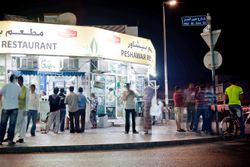
Yasser Elsheshtawy présente la deuxième conférence de la série L’enseignement du… Moyen-Orient.Si l’on présente souvent Dubaï comme un terrain de jeu pour les privilégiés, un lieu de consommation à outrance parfaitement assumé ou un cas d’étude par excellence de l’exploitation capitaliste, de tels portraits ne montrent finalement qu’une seule facette de la ville. La(...)
Yasser Elsheshtawy présente la deuxième conférence de la série L’enseignement du… Moyen-Orient.Si l’on présente souvent Dubaï comme un terrain de jeu pour les privilégiés, un lieu de consommation à outrance parfaitement assumé ou un cas d’étude par excellence de l’exploitation capitaliste, de tels portraits ne montrent finalement qu’une seule facette de la ville. La(...)
Localisation:
Théâtre Paul-Desmarais
Théâtre Paul-Desmarais
Date:
29 septembre 2011 , 19h
29 septembre 2011 , 19h
Titre:
L'enseignement de... Dubaï : Yasser Elsheshtawy
Actions:
Description:
Yasser Elsheshtawy présente la deuxième conférence de la série L’enseignement du… Moyen-Orient.Si l’on présente souvent Dubaï comme un terrain de jeu pour les privilégiés, un lieu de consommation à outrance parfaitement assumé ou un cas d’étude par excellence de l’exploitation capitaliste, de tels portraits ne montrent finalement qu’une seule facette de la ville. La(...)
L'enseignement de... Dubaï : Yasser Elsheshtawy
Actions:
Description:
Yasser Elsheshtawy présente la deuxième conférence de la série L’enseignement du… Moyen-Orient.Si l’on présente souvent Dubaï comme un terrain de jeu pour les privilégiés, un lieu de consommation à outrance parfaitement assumé ou un cas d’étude par excellence de l’exploitation capitaliste, de tels portraits ne montrent finalement qu’une seule facette de la ville. La(...)
Classification:
événements
événements
Date:
29 septembre 2011
19h
29 septembre 2011
19h
Localisation:
Théâtre Paul-Desmarais
Théâtre Paul-Desmarais
Niveau de description archivistique:
Projet
Projet
Numéro de référence:
AP018.S1.1969.PR01
Description:
This project series documents the expansion of the Art Gallery of Ontario (AGO) in Toronto from 1969-1974. The office identified the project as number 69006. This project consisted of the vast expansion of the AGO that began in 1969, which largely came about due to a multi-million dollar donation from English sculpture Henry Moore. Most prominent in this project was the design and construction of the Henry Moore Sculpture Centre, a new gallery to house the extensive artworks of Henry Moore in the AGO’s collection. This included $15 million’s worth of art that Moore donated at the start of the project. The project was made up of two phases. The first included construction of the Henry Moore Sculpture Centre, the Sam and Ayala Zacks Wing, a link to the pre-existing Grange mansion, and updates to the art gallery’s finishes. The second phase proposed additional updates to existing finishes. By the end of this project, the architects had also added a public lounge, dining room and cafeteria, a members’ lounge, lecture areas (including the Henry Moore Lecture Hall), classrooms, and spaces for the gallery’s special services. The work was further divided into 4 physical areas of the art gallery (A, B, C and D) and the drawings for this project reflect this division. Before this work had been completed, a “Stage II” to the expansion had already been approved by the owners (Stage II is also included in this fonds, see AP018.S1.1972.PR08). In the documentation, this project was originally called the Henry Moore Sculpture Centre, Art Gallery of Ontario, Expansion Phases 1 and 2. However, as multiple stages to the expansion developed later on, this project eventually became known as the Stage I Expansion. While the project contract was originally given to John B. Parkin Associates, John C. Parkin continued the project under his new firm, Parkin Architects Planners, after parting ways with partner John B. Parkin in 1971. The project is recorded through drawings, textual records, and mounted photographs dating from 1968-1986. There are numerous original drawings showing the design development of the new galleries. Two presentation boards show photographs of the project model. The textual records consist of correspondence with contractors and clients, inspection and other site reports, specifications, contract data, consultancy records, schedules, change orders, financial documentation, conference reports, area calculations, research materials, detail planning records, and project notebooks. Box AP018.S1.1969.PR01.007 contains an index to the textual records, which was created by the office. This project series also contains one box of textual documentation that spans across multiple project series related to the AGO expansion within this fonds (see AP018.S1.1969.PR01.044). This includes press releases, newspaper articles, project proposals and studies, correspondence with Henry Moore, meeting minutes and reports.
AP018.S1.1969.PR01
Description:
This project series documents the expansion of the Art Gallery of Ontario (AGO) in Toronto from 1969-1974. The office identified the project as number 69006. This project consisted of the vast expansion of the AGO that began in 1969, which largely came about due to a multi-million dollar donation from English sculpture Henry Moore. Most prominent in this project was the design and construction of the Henry Moore Sculpture Centre, a new gallery to house the extensive artworks of Henry Moore in the AGO’s collection. This included $15 million’s worth of art that Moore donated at the start of the project. The project was made up of two phases. The first included construction of the Henry Moore Sculpture Centre, the Sam and Ayala Zacks Wing, a link to the pre-existing Grange mansion, and updates to the art gallery’s finishes. The second phase proposed additional updates to existing finishes. By the end of this project, the architects had also added a public lounge, dining room and cafeteria, a members’ lounge, lecture areas (including the Henry Moore Lecture Hall), classrooms, and spaces for the gallery’s special services. The work was further divided into 4 physical areas of the art gallery (A, B, C and D) and the drawings for this project reflect this division. Before this work had been completed, a “Stage II” to the expansion had already been approved by the owners (Stage II is also included in this fonds, see AP018.S1.1972.PR08). In the documentation, this project was originally called the Henry Moore Sculpture Centre, Art Gallery of Ontario, Expansion Phases 1 and 2. However, as multiple stages to the expansion developed later on, this project eventually became known as the Stage I Expansion. While the project contract was originally given to John B. Parkin Associates, John C. Parkin continued the project under his new firm, Parkin Architects Planners, after parting ways with partner John B. Parkin in 1971. The project is recorded through drawings, textual records, and mounted photographs dating from 1968-1986. There are numerous original drawings showing the design development of the new galleries. Two presentation boards show photographs of the project model. The textual records consist of correspondence with contractors and clients, inspection and other site reports, specifications, contract data, consultancy records, schedules, change orders, financial documentation, conference reports, area calculations, research materials, detail planning records, and project notebooks. Box AP018.S1.1969.PR01.007 contains an index to the textual records, which was created by the office. This project series also contains one box of textual documentation that spans across multiple project series related to the AGO expansion within this fonds (see AP018.S1.1969.PR01.044). This includes press releases, newspaper articles, project proposals and studies, correspondence with Henry Moore, meeting minutes and reports.
Personnes et institutions:
Date:
1968-1986
1968-1986
Titre:
Henry Moore Sculpture Centre, Art Gallery of Ontario, Stage I Expansion, Toronto (1969-1974)
Actions:
AP018.S1.1969.PR01
Description:
This project series documents the expansion of the Art Gallery of Ontario (AGO) in Toronto from 1969-1974. The office identified the project as number 69006. This project consisted of the vast expansion of the AGO that began in 1969, which largely came about due to a multi-million dollar donation from English sculpture Henry Moore. Most prominent in this project was the design and construction of the Henry Moore Sculpture Centre, a new gallery to house the extensive artworks of Henry Moore in the AGO’s collection. This included $15 million’s worth of art that Moore donated at the start of the project. The project was made up of two phases. The first included construction of the Henry Moore Sculpture Centre, the Sam and Ayala Zacks Wing, a link to the pre-existing Grange mansion, and updates to the art gallery’s finishes. The second phase proposed additional updates to existing finishes. By the end of this project, the architects had also added a public lounge, dining room and cafeteria, a members’ lounge, lecture areas (including the Henry Moore Lecture Hall), classrooms, and spaces for the gallery’s special services. The work was further divided into 4 physical areas of the art gallery (A, B, C and D) and the drawings for this project reflect this division. Before this work had been completed, a “Stage II” to the expansion had already been approved by the owners (Stage II is also included in this fonds, see AP018.S1.1972.PR08). In the documentation, this project was originally called the Henry Moore Sculpture Centre, Art Gallery of Ontario, Expansion Phases 1 and 2. However, as multiple stages to the expansion developed later on, this project eventually became known as the Stage I Expansion. While the project contract was originally given to John B. Parkin Associates, John C. Parkin continued the project under his new firm, Parkin Architects Planners, after parting ways with partner John B. Parkin in 1971. The project is recorded through drawings, textual records, and mounted photographs dating from 1968-1986. There are numerous original drawings showing the design development of the new galleries. Two presentation boards show photographs of the project model. The textual records consist of correspondence with contractors and clients, inspection and other site reports, specifications, contract data, consultancy records, schedules, change orders, financial documentation, conference reports, area calculations, research materials, detail planning records, and project notebooks. Box AP018.S1.1969.PR01.007 contains an index to the textual records, which was created by the office. This project series also contains one box of textual documentation that spans across multiple project series related to the AGO expansion within this fonds (see AP018.S1.1969.PR01.044). This includes press releases, newspaper articles, project proposals and studies, correspondence with Henry Moore, meeting minutes and reports.
Henry Moore Sculpture Centre, Art Gallery of Ontario, Stage I Expansion, Toronto (1969-1974)
Actions:
AP018.S1.1969.PR01
Description:
This project series documents the expansion of the Art Gallery of Ontario (AGO) in Toronto from 1969-1974. The office identified the project as number 69006. This project consisted of the vast expansion of the AGO that began in 1969, which largely came about due to a multi-million dollar donation from English sculpture Henry Moore. Most prominent in this project was the design and construction of the Henry Moore Sculpture Centre, a new gallery to house the extensive artworks of Henry Moore in the AGO’s collection. This included $15 million’s worth of art that Moore donated at the start of the project. The project was made up of two phases. The first included construction of the Henry Moore Sculpture Centre, the Sam and Ayala Zacks Wing, a link to the pre-existing Grange mansion, and updates to the art gallery’s finishes. The second phase proposed additional updates to existing finishes. By the end of this project, the architects had also added a public lounge, dining room and cafeteria, a members’ lounge, lecture areas (including the Henry Moore Lecture Hall), classrooms, and spaces for the gallery’s special services. The work was further divided into 4 physical areas of the art gallery (A, B, C and D) and the drawings for this project reflect this division. Before this work had been completed, a “Stage II” to the expansion had already been approved by the owners (Stage II is also included in this fonds, see AP018.S1.1972.PR08). In the documentation, this project was originally called the Henry Moore Sculpture Centre, Art Gallery of Ontario, Expansion Phases 1 and 2. However, as multiple stages to the expansion developed later on, this project eventually became known as the Stage I Expansion. While the project contract was originally given to John B. Parkin Associates, John C. Parkin continued the project under his new firm, Parkin Architects Planners, after parting ways with partner John B. Parkin in 1971. The project is recorded through drawings, textual records, and mounted photographs dating from 1968-1986. There are numerous original drawings showing the design development of the new galleries. Two presentation boards show photographs of the project model. The textual records consist of correspondence with contractors and clients, inspection and other site reports, specifications, contract data, consultancy records, schedules, change orders, financial documentation, conference reports, area calculations, research materials, detail planning records, and project notebooks. Box AP018.S1.1969.PR01.007 contains an index to the textual records, which was created by the office. This project series also contains one box of textual documentation that spans across multiple project series related to the AGO expansion within this fonds (see AP018.S1.1969.PR01.044). This includes press releases, newspaper articles, project proposals and studies, correspondence with Henry Moore, meeting minutes and reports.
Niveau de description archivistique:
Project
Project
Date:
1968-1986
1968-1986
Personnes et institutions:
Classification:
événements
événements
Titre:
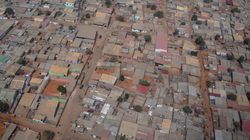
L'enseignement de... Luanda
L'enseignement de... Luanda
Actions:
Description:
Comptant plus de cinq millions d’habitants, la métropole Luanda est la troisième plus grande ville lusophone au monde, après São Paulo et Rio de Janeiro. L’architecte et chercheur Paulo Moreira propose des approches urbanistiques différentes fondées sur la recherche en cours effectuée à Chicala, un quartier informel de Luanda directement relié aux secteurs commerciaux et(...)
Comptant plus de cinq millions d’habitants, la métropole Luanda est la troisième plus grande ville lusophone au monde, après São Paulo et Rio de Janeiro. L’architecte et chercheur Paulo Moreira propose des approches urbanistiques différentes fondées sur la recherche en cours effectuée à Chicala, un quartier informel de Luanda directement relié aux secteurs commerciaux et(...)
Localisation:
Théâtre Paul-Desmarais
Théâtre Paul-Desmarais
Date:
1 novembre 2012 , 19h
1 novembre 2012 , 19h
Titre:
L'enseignement de... Luanda
Actions:
Description:
Comptant plus de cinq millions d’habitants, la métropole Luanda est la troisième plus grande ville lusophone au monde, après São Paulo et Rio de Janeiro. L’architecte et chercheur Paulo Moreira propose des approches urbanistiques différentes fondées sur la recherche en cours effectuée à Chicala, un quartier informel de Luanda directement relié aux secteurs commerciaux et(...)
L'enseignement de... Luanda
Actions:
Description:
Comptant plus de cinq millions d’habitants, la métropole Luanda est la troisième plus grande ville lusophone au monde, après São Paulo et Rio de Janeiro. L’architecte et chercheur Paulo Moreira propose des approches urbanistiques différentes fondées sur la recherche en cours effectuée à Chicala, un quartier informel de Luanda directement relié aux secteurs commerciaux et(...)
Classification:
événements
événements
Date:
1 novembre 2012
19h
1 novembre 2012
19h
Localisation:
Théâtre Paul-Desmarais
Théâtre Paul-Desmarais
Niveau de description archivistique:
Projet
Projet
Numéro de référence:
AP194.S1.1995.PR01
Description:
Project records consist of records documenting the three phases of the Synthetic Landscape project (1995-2000) as worked on by Johan Bettum and OCEAN North. The project was initially developed and submitted in 1995 for the Membrane Design International Competition held in Japan by the Taiyo Kogyo Corporation. The entry showcases a children’s playscape in the setting of Oslo’s Tøyen Park, joining both its urban surroundings and its natural landscape into a synthetic space. Afterwards, the project was exhibited at the Architecture Association (AA) in London, where Johan Bettum and Kivi Sotamaa met. This eventually led to Bettum and Sotamaa collaborating on projects, along with their respective OCEAN teams in Oslo and Helsinki. The Synthetic Landscape project continued as a research project, with a second phase in 1996 and a third phase which ran from 1997 through 2000 and integrated design methods (particle streaming, Channelling Systems) from the work made on the Töölö and Jyväskylä projects. In the third phase, a pavilion was also added to the setting. Aside from one drawing, all records for this project are in a digital format. Drawings and models from phase 1 show parts or the whole of a shell-like structure. A color scheme seems to be associated to the different components of the structure. A report on phases 1 and 2 discusses the use of synthetic and composite materials for the structure, explaining the concept for the site. Phase 2 textual records include a working plan, site charts and program. Additional drawings and models show an evolution in the shape of the landscape. Most records are related to the third phase of Synthetic Landscape. They are largely drawings and models showing textures and coloured grafts used in the design process, section and surfaces studies, as well as site plans. Other files of the third phase consist of animated renderings of Channelling Systems studies within the Synthetic Landscape topology, saved as Quicktime MOV files. Additionally, the third phase of Synthetic Landscape has files related to the FEM (finite element method) analysis process utilized in the project’s engineering. This particular section includes raster images showing vectorial drawings and data appearing to be surface studies. These were likely created with the software Mathematica. The bulk of textual documentation on the project’s scope and outcomes may be found in AP194.S1.1995.PR01.001 for phases 1 and 2, and in AP194.S1.1995.PR01.005 for phase 3. The latter file also contains documentation related to a grant application to The Research Council of Norway; a proposal for a conference and exhibition at the AA; and administrative records such as budgets, correspondence, invoices, progress reports, meeting agendas and minutes. For all project phases, records related to the design process consist of CAD models saved in a variety of modelling formats (iges, fmz, dgn, 3dm, dxf) as well as raster or vector images (tiff, jpeg, png, eps, pict, etc.). In some cases, only these raster or vector images of the original CAD drawings are present in the archive.
AP194.S1.1995.PR01
Description:
Project records consist of records documenting the three phases of the Synthetic Landscape project (1995-2000) as worked on by Johan Bettum and OCEAN North. The project was initially developed and submitted in 1995 for the Membrane Design International Competition held in Japan by the Taiyo Kogyo Corporation. The entry showcases a children’s playscape in the setting of Oslo’s Tøyen Park, joining both its urban surroundings and its natural landscape into a synthetic space. Afterwards, the project was exhibited at the Architecture Association (AA) in London, where Johan Bettum and Kivi Sotamaa met. This eventually led to Bettum and Sotamaa collaborating on projects, along with their respective OCEAN teams in Oslo and Helsinki. The Synthetic Landscape project continued as a research project, with a second phase in 1996 and a third phase which ran from 1997 through 2000 and integrated design methods (particle streaming, Channelling Systems) from the work made on the Töölö and Jyväskylä projects. In the third phase, a pavilion was also added to the setting. Aside from one drawing, all records for this project are in a digital format. Drawings and models from phase 1 show parts or the whole of a shell-like structure. A color scheme seems to be associated to the different components of the structure. A report on phases 1 and 2 discusses the use of synthetic and composite materials for the structure, explaining the concept for the site. Phase 2 textual records include a working plan, site charts and program. Additional drawings and models show an evolution in the shape of the landscape. Most records are related to the third phase of Synthetic Landscape. They are largely drawings and models showing textures and coloured grafts used in the design process, section and surfaces studies, as well as site plans. Other files of the third phase consist of animated renderings of Channelling Systems studies within the Synthetic Landscape topology, saved as Quicktime MOV files. Additionally, the third phase of Synthetic Landscape has files related to the FEM (finite element method) analysis process utilized in the project’s engineering. This particular section includes raster images showing vectorial drawings and data appearing to be surface studies. These were likely created with the software Mathematica. The bulk of textual documentation on the project’s scope and outcomes may be found in AP194.S1.1995.PR01.001 for phases 1 and 2, and in AP194.S1.1995.PR01.005 for phase 3. The latter file also contains documentation related to a grant application to The Research Council of Norway; a proposal for a conference and exhibition at the AA; and administrative records such as budgets, correspondence, invoices, progress reports, meeting agendas and minutes. For all project phases, records related to the design process consist of CAD models saved in a variety of modelling formats (iges, fmz, dgn, 3dm, dxf) as well as raster or vector images (tiff, jpeg, png, eps, pict, etc.). In some cases, only these raster or vector images of the original CAD drawings are present in the archive.
Personnes et institutions:
Date:
1995-2000
1995-2000
Titre:
Synthetic Landscape research project, Oslo, Norway (1995-2000)
Actions:
AP194.S1.1995.PR01
Description:
Project records consist of records documenting the three phases of the Synthetic Landscape project (1995-2000) as worked on by Johan Bettum and OCEAN North. The project was initially developed and submitted in 1995 for the Membrane Design International Competition held in Japan by the Taiyo Kogyo Corporation. The entry showcases a children’s playscape in the setting of Oslo’s Tøyen Park, joining both its urban surroundings and its natural landscape into a synthetic space. Afterwards, the project was exhibited at the Architecture Association (AA) in London, where Johan Bettum and Kivi Sotamaa met. This eventually led to Bettum and Sotamaa collaborating on projects, along with their respective OCEAN teams in Oslo and Helsinki. The Synthetic Landscape project continued as a research project, with a second phase in 1996 and a third phase which ran from 1997 through 2000 and integrated design methods (particle streaming, Channelling Systems) from the work made on the Töölö and Jyväskylä projects. In the third phase, a pavilion was also added to the setting. Aside from one drawing, all records for this project are in a digital format. Drawings and models from phase 1 show parts or the whole of a shell-like structure. A color scheme seems to be associated to the different components of the structure. A report on phases 1 and 2 discusses the use of synthetic and composite materials for the structure, explaining the concept for the site. Phase 2 textual records include a working plan, site charts and program. Additional drawings and models show an evolution in the shape of the landscape. Most records are related to the third phase of Synthetic Landscape. They are largely drawings and models showing textures and coloured grafts used in the design process, section and surfaces studies, as well as site plans. Other files of the third phase consist of animated renderings of Channelling Systems studies within the Synthetic Landscape topology, saved as Quicktime MOV files. Additionally, the third phase of Synthetic Landscape has files related to the FEM (finite element method) analysis process utilized in the project’s engineering. This particular section includes raster images showing vectorial drawings and data appearing to be surface studies. These were likely created with the software Mathematica. The bulk of textual documentation on the project’s scope and outcomes may be found in AP194.S1.1995.PR01.001 for phases 1 and 2, and in AP194.S1.1995.PR01.005 for phase 3. The latter file also contains documentation related to a grant application to The Research Council of Norway; a proposal for a conference and exhibition at the AA; and administrative records such as budgets, correspondence, invoices, progress reports, meeting agendas and minutes. For all project phases, records related to the design process consist of CAD models saved in a variety of modelling formats (iges, fmz, dgn, 3dm, dxf) as well as raster or vector images (tiff, jpeg, png, eps, pict, etc.). In some cases, only these raster or vector images of the original CAD drawings are present in the archive.
Synthetic Landscape research project, Oslo, Norway (1995-2000)
Actions:
AP194.S1.1995.PR01
Description:
Project records consist of records documenting the three phases of the Synthetic Landscape project (1995-2000) as worked on by Johan Bettum and OCEAN North. The project was initially developed and submitted in 1995 for the Membrane Design International Competition held in Japan by the Taiyo Kogyo Corporation. The entry showcases a children’s playscape in the setting of Oslo’s Tøyen Park, joining both its urban surroundings and its natural landscape into a synthetic space. Afterwards, the project was exhibited at the Architecture Association (AA) in London, where Johan Bettum and Kivi Sotamaa met. This eventually led to Bettum and Sotamaa collaborating on projects, along with their respective OCEAN teams in Oslo and Helsinki. The Synthetic Landscape project continued as a research project, with a second phase in 1996 and a third phase which ran from 1997 through 2000 and integrated design methods (particle streaming, Channelling Systems) from the work made on the Töölö and Jyväskylä projects. In the third phase, a pavilion was also added to the setting. Aside from one drawing, all records for this project are in a digital format. Drawings and models from phase 1 show parts or the whole of a shell-like structure. A color scheme seems to be associated to the different components of the structure. A report on phases 1 and 2 discusses the use of synthetic and composite materials for the structure, explaining the concept for the site. Phase 2 textual records include a working plan, site charts and program. Additional drawings and models show an evolution in the shape of the landscape. Most records are related to the third phase of Synthetic Landscape. They are largely drawings and models showing textures and coloured grafts used in the design process, section and surfaces studies, as well as site plans. Other files of the third phase consist of animated renderings of Channelling Systems studies within the Synthetic Landscape topology, saved as Quicktime MOV files. Additionally, the third phase of Synthetic Landscape has files related to the FEM (finite element method) analysis process utilized in the project’s engineering. This particular section includes raster images showing vectorial drawings and data appearing to be surface studies. These were likely created with the software Mathematica. The bulk of textual documentation on the project’s scope and outcomes may be found in AP194.S1.1995.PR01.001 for phases 1 and 2, and in AP194.S1.1995.PR01.005 for phase 3. The latter file also contains documentation related to a grant application to The Research Council of Norway; a proposal for a conference and exhibition at the AA; and administrative records such as budgets, correspondence, invoices, progress reports, meeting agendas and minutes. For all project phases, records related to the design process consist of CAD models saved in a variety of modelling formats (iges, fmz, dgn, 3dm, dxf) as well as raster or vector images (tiff, jpeg, png, eps, pict, etc.). In some cases, only these raster or vector images of the original CAD drawings are present in the archive.
Niveau de description archivistique:
Project
Project
Date:
1995-2000
1995-2000
Personnes et institutions:


