


5201 Résultats
Classification:
expositions
expositions
Actions:
Description:
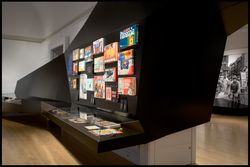
1973 : Désolé, plus d’essence analyse l’innovation architecturale à laquelle a donné naissance la crise énergétique de 1973, alors que la valeur du baril de pétrole augmentait de façon exponentielle, donnant lieu à des bouleversements économiques, politiques et sociaux dans de nombreux pays. Présentant plus de 350 objets – dessins d’architecture, photographies,(...)
1973 : Désolé, plus d’essence analyse l’innovation architecturale à laquelle a donné naissance la crise énergétique de 1973, alors que la valeur du baril de pétrole augmentait de façon exponentielle, donnant lieu à des bouleversements économiques, politiques et sociaux dans de nombreux pays. Présentant plus de 350 objets – dessins d’architecture, photographies,(...)
Localisation:
Salles principales Mot(s)-clé(s):
1973, désolé plus d'essence, crise du pétrole, énergie, environnement
Salles principales Mot(s)-clé(s):
1973, désolé plus d'essence, crise du pétrole, énergie, environnement
Date:
7 novembre 2007 au 20 avril 2008
7 novembre 2007 au 20 avril 2008
Titre:
1973 : désolé, plus d’essence
Actions:
Description:
1973 : Désolé, plus d’essence analyse l’innovation architecturale à laquelle a donné naissance la crise énergétique de 1973, alors que la valeur du baril de pétrole augmentait de façon exponentielle, donnant lieu à des bouleversements économiques, politiques et sociaux dans de nombreux pays. Présentant plus de 350 objets – dessins d’architecture, photographies,(...)
1973 : désolé, plus d’essence
Actions:
Description:
1973 : Désolé, plus d’essence analyse l’innovation architecturale à laquelle a donné naissance la crise énergétique de 1973, alors que la valeur du baril de pétrole augmentait de façon exponentielle, donnant lieu à des bouleversements économiques, politiques et sociaux dans de nombreux pays. Présentant plus de 350 objets – dessins d’architecture, photographies,(...)
Classification:
expositions
expositions
Date:
7 novembre 2007 au
20 avril 2008
7 novembre 2007 au
20 avril 2008
Localisation:
Salles principales Mot(s)-clé(s):
1973, désolé plus d'essence, crise du pétrole, énergie, environnement
Salles principales Mot(s)-clé(s):
1973, désolé plus d'essence, crise du pétrole, énergie, environnement
Niveau de description archivistique:
Sous-série
Sous-série
Titre:
Opera Houses
Opera Houses
Numéro de référence:
CI001.S2.D3
Description:
Charles Rohault de Fleury's sustained involvement with the design of opera houses began with his appointment in 1846 as official architect of the existing Salle Le Pelletier, home to the *Paris Opera, and continued until an open competition was called in 1860 (Charles Garnier won this competition). During this period Rohault de Fleury submitted numerous proposals to replace theprovisional Salle Le Pelletier with a structure more appropriate to the grandeur and importance of France's national opera company. The CCA collection contains four projects related to his work for the Paris opera: two early projects (1846 and 1847) and one later one (1859) for a newopera house, and a portfolio of lithographs and drawings related to alterations and repairs to Salle Le Pelletier (1850-1854). The collection also includes Charles' earliest theatre project, a comprehensive plan for an opera house and surrounding infrastructure for the Theatre Royal Italien opera company (1838-1840), and an album containing drawings and prints of antique and contemporary theatres (1839-1854?). Charles' first project was for the Theatre Royal Italien opera company whose previous home, the Salle Favart, had burned down on the night of January 14 1838. The CCA collection contains an album of presentation drawings for a new theatre located on rue de la Paix with boutiques in the adjacent 'passages' (DR1974:0002:019:001-023). A second album consists of site plans including proposed 'maisons à loyers' (apartment buildings) and documents relating to the cost estimates and rental income for the entire project (DR1974:0002:036:001-016). The architectural style and interior arrangement of the theatre is heavily indebted to Francois Debret's Salle Le Pelletier. Charles' originality lies more in his conception of the social and economic role of the theatre in relation and integration, to its surrounding urban fabric. An explanation of the entire Theatre Royal Italien project, and Charles' role as architect in it, is found in two proposal letters (located in the Avery Library, Columbia University, NY) written by the entrepreneur Eugene Lecomte to the Minister of the Interior, Comte Duchatel, on May 15 and October 31 1839 (1). Charles' album of drawings at the CCA for the theatre and some of the cost and rental estimates are probably presentation copies directly related to the first letter, and most likely submitted to the Minister of the Interior. Charles' project was never executed, and the Italian opera company eventualy found a permanent home in the existing Salle Ventadour (1841). However, the inclusive nature of the Théâtre Royal Italien proposal, with its stress on urban development and contextuality, continued to play a seminal role in his later Paris Opera projects. Upon replacing Francois Debret as architect of Salle Le Pelletier in 1846, Charles proposed nine possible locations (site plans) for a new opera house for the Paris Opera (*Academie Royale de Musique) and, in the following year (1847) prepared a portfolio of drawings for the actual structure with an accompanying seven-page manuscript describing the project. Although executed in successive years, the site plans and 1847 drawings are conceptually related. Both components were undertaken in response to offical interest in a public competition that was never implemented (2)(3). The CCA has two sets of the nine site plans proposed in 1846 (DR1974:0002:036:001-016), one containing transfer lithographed site plans with a written analysis and cost estimate for each of the proposed locations, and the other with only the site plans (similar sets are located in the 'Archives Nationales' in France). They indicate that Charles, (heavily influenced by his Théâtre Royal Italien project) preferred the Rue de la Paix location (siteplan #3) for the new opera house. Although site plan number six, Boulevard des Capucines, was not favoured at this date, it is highly prophetic as it was the location officially chosen in 1860 for the new opera house. Apparently unique to the CCA collection is the 1847 manuscript and portfolio of drawings for the proposed opera house (DR1974:0002:036:001-016). The manuscript is both an indepth review of the requirements for a national opera house and a guide to his portfolio of drawings. Charles' conception and design continued to be strongly influenced by Debret's Salle Lepelletier, as well as his own Théâtre Italien project, and various antique and contemporary opera houses and theatres. Many of the French and Italian sources mentioned in the manuscript are collected in an album (DR1974:0002:010:001-048) as references for his own designs (4). As official architect of Salle Le pelletier, Charles was also responsible for repairs, restorations, and alterations to the existing structure. The drawings and transfer lithographs in the CCA collection (DR1974:0002:036:001-016) are primarily dated 1854, and relate to documented repair and restoration projects undertaken during this period (5)(6). The CCA collection has the presentation drawings and lithographs for the later 1859 project (DR1974:0002:027:001-027) for the Paris opera (*Theatre Imperiale de l'opera) that were sent to Achille Fould, the Minister of State. This project is probably a counterpart to a similiar one that he submitted to the Prefect of the Seine, Baron Haussmann, in the same year (7). Site plans show the opera house on an irregular polygonal site facing Boulevard des Capucines. The placement of the 'maisons à loyers' on the rear of the site reflects Charles' continued emphasis on integrating his opera projects into the surrounding urban context. In 1859, it appeared that Charles was favoured to build the new opera house. But late in the following year, a public competition was called in which Charles Garnier emerged as the victor. Although Charles did not build the final structure, his numerous projects, as exemplified in the CCA collection, were of prime importance in determining the location, configuration, and plan of the Place de l'Opera (8). * The 'Paris Opera' was France's national opera, and thus its name changed numerous times throughout its history according to altering perceptions of its role in French culture and/or changes in political regimes. For reasons of clarity, the national opera will be referred to as the Paris Opera. The names indicated in brackets with a star refer to the proper name of the opera company at the date of the project. (1) Eugene Le Comte, "Projet de Salle rue de la Paix, pour le Théâtre Royal Italien: Lettres à Monsieur le Ministre de l'Intérieur, en date des 15 mai et 31octobre 1839" (Paris: P. Dupont, 1839). (2) Christopher Curtis Mead, "Charles Garnier's Paris Opera and the Renaissance of Classicism in Nineteenth century French Architecture", 3 vols. (PhD thesis; Philadelphia: University of Pennsylvania, 1986), p. 234 and p. 956, fn. 30. (3) Monika Steinhauser, "Die Architektur des Pariser Oper" (Munich: Prestel Verlag, 1969), p. 45, fns. 143 and 144. (4) Barry Bergdoll, "Charles Rohault de Fleury: Part Three: Theatres and the Opera house", 'CCA Research Report', n.d., p. 3. (5) Larousse XIXth Century, s.v. "Rohault de Fleury, Charles". (6) Mead, p. 238. (7) Oeuvres de C. Rohault de Fleury, architecte" (Paris: Librarie centrale d'architecture, 1884).. (8) Macmillan, s.v. "Rohault de Fleury Familly".
CI001.S2.D3
Description:
Charles Rohault de Fleury's sustained involvement with the design of opera houses began with his appointment in 1846 as official architect of the existing Salle Le Pelletier, home to the *Paris Opera, and continued until an open competition was called in 1860 (Charles Garnier won this competition). During this period Rohault de Fleury submitted numerous proposals to replace theprovisional Salle Le Pelletier with a structure more appropriate to the grandeur and importance of France's national opera company. The CCA collection contains four projects related to his work for the Paris opera: two early projects (1846 and 1847) and one later one (1859) for a newopera house, and a portfolio of lithographs and drawings related to alterations and repairs to Salle Le Pelletier (1850-1854). The collection also includes Charles' earliest theatre project, a comprehensive plan for an opera house and surrounding infrastructure for the Theatre Royal Italien opera company (1838-1840), and an album containing drawings and prints of antique and contemporary theatres (1839-1854?). Charles' first project was for the Theatre Royal Italien opera company whose previous home, the Salle Favart, had burned down on the night of January 14 1838. The CCA collection contains an album of presentation drawings for a new theatre located on rue de la Paix with boutiques in the adjacent 'passages' (DR1974:0002:019:001-023). A second album consists of site plans including proposed 'maisons à loyers' (apartment buildings) and documents relating to the cost estimates and rental income for the entire project (DR1974:0002:036:001-016). The architectural style and interior arrangement of the theatre is heavily indebted to Francois Debret's Salle Le Pelletier. Charles' originality lies more in his conception of the social and economic role of the theatre in relation and integration, to its surrounding urban fabric. An explanation of the entire Theatre Royal Italien project, and Charles' role as architect in it, is found in two proposal letters (located in the Avery Library, Columbia University, NY) written by the entrepreneur Eugene Lecomte to the Minister of the Interior, Comte Duchatel, on May 15 and October 31 1839 (1). Charles' album of drawings at the CCA for the theatre and some of the cost and rental estimates are probably presentation copies directly related to the first letter, and most likely submitted to the Minister of the Interior. Charles' project was never executed, and the Italian opera company eventualy found a permanent home in the existing Salle Ventadour (1841). However, the inclusive nature of the Théâtre Royal Italien proposal, with its stress on urban development and contextuality, continued to play a seminal role in his later Paris Opera projects. Upon replacing Francois Debret as architect of Salle Le Pelletier in 1846, Charles proposed nine possible locations (site plans) for a new opera house for the Paris Opera (*Academie Royale de Musique) and, in the following year (1847) prepared a portfolio of drawings for the actual structure with an accompanying seven-page manuscript describing the project. Although executed in successive years, the site plans and 1847 drawings are conceptually related. Both components were undertaken in response to offical interest in a public competition that was never implemented (2)(3). The CCA has two sets of the nine site plans proposed in 1846 (DR1974:0002:036:001-016), one containing transfer lithographed site plans with a written analysis and cost estimate for each of the proposed locations, and the other with only the site plans (similar sets are located in the 'Archives Nationales' in France). They indicate that Charles, (heavily influenced by his Théâtre Royal Italien project) preferred the Rue de la Paix location (siteplan #3) for the new opera house. Although site plan number six, Boulevard des Capucines, was not favoured at this date, it is highly prophetic as it was the location officially chosen in 1860 for the new opera house. Apparently unique to the CCA collection is the 1847 manuscript and portfolio of drawings for the proposed opera house (DR1974:0002:036:001-016). The manuscript is both an indepth review of the requirements for a national opera house and a guide to his portfolio of drawings. Charles' conception and design continued to be strongly influenced by Debret's Salle Lepelletier, as well as his own Théâtre Italien project, and various antique and contemporary opera houses and theatres. Many of the French and Italian sources mentioned in the manuscript are collected in an album (DR1974:0002:010:001-048) as references for his own designs (4). As official architect of Salle Le pelletier, Charles was also responsible for repairs, restorations, and alterations to the existing structure. The drawings and transfer lithographs in the CCA collection (DR1974:0002:036:001-016) are primarily dated 1854, and relate to documented repair and restoration projects undertaken during this period (5)(6). The CCA collection has the presentation drawings and lithographs for the later 1859 project (DR1974:0002:027:001-027) for the Paris opera (*Theatre Imperiale de l'opera) that were sent to Achille Fould, the Minister of State. This project is probably a counterpart to a similiar one that he submitted to the Prefect of the Seine, Baron Haussmann, in the same year (7). Site plans show the opera house on an irregular polygonal site facing Boulevard des Capucines. The placement of the 'maisons à loyers' on the rear of the site reflects Charles' continued emphasis on integrating his opera projects into the surrounding urban context. In 1859, it appeared that Charles was favoured to build the new opera house. But late in the following year, a public competition was called in which Charles Garnier emerged as the victor. Although Charles did not build the final structure, his numerous projects, as exemplified in the CCA collection, were of prime importance in determining the location, configuration, and plan of the Place de l'Opera (8). * The 'Paris Opera' was France's national opera, and thus its name changed numerous times throughout its history according to altering perceptions of its role in French culture and/or changes in political regimes. For reasons of clarity, the national opera will be referred to as the Paris Opera. The names indicated in brackets with a star refer to the proper name of the opera company at the date of the project. (1) Eugene Le Comte, "Projet de Salle rue de la Paix, pour le Théâtre Royal Italien: Lettres à Monsieur le Ministre de l'Intérieur, en date des 15 mai et 31octobre 1839" (Paris: P. Dupont, 1839). (2) Christopher Curtis Mead, "Charles Garnier's Paris Opera and the Renaissance of Classicism in Nineteenth century French Architecture", 3 vols. (PhD thesis; Philadelphia: University of Pennsylvania, 1986), p. 234 and p. 956, fn. 30. (3) Monika Steinhauser, "Die Architektur des Pariser Oper" (Munich: Prestel Verlag, 1969), p. 45, fns. 143 and 144. (4) Barry Bergdoll, "Charles Rohault de Fleury: Part Three: Theatres and the Opera house", 'CCA Research Report', n.d., p. 3. (5) Larousse XIXth Century, s.v. "Rohault de Fleury, Charles". (6) Mead, p. 238. (7) Oeuvres de C. Rohault de Fleury, architecte" (Paris: Librarie centrale d'architecture, 1884).. (8) Macmillan, s.v. "Rohault de Fleury Familly".
Personnes et institutions:
Date:
1717-1868
1717-1868
Titre:
Opera Houses
CI001.S2.D3
Description:
Charles Rohault de Fleury's sustained involvement with the design of opera houses began with his appointment in 1846 as official architect of the existing Salle Le Pelletier, home to the *Paris Opera, and continued until an open competition was called in 1860 (Charles Garnier won this competition). During this period Rohault de Fleury submitted numerous proposals to replace theprovisional Salle Le Pelletier with a structure more appropriate to the grandeur and importance of France's national opera company. The CCA collection contains four projects related to his work for the Paris opera: two early projects (1846 and 1847) and one later one (1859) for a newopera house, and a portfolio of lithographs and drawings related to alterations and repairs to Salle Le Pelletier (1850-1854). The collection also includes Charles' earliest theatre project, a comprehensive plan for an opera house and surrounding infrastructure for the Theatre Royal Italien opera company (1838-1840), and an album containing drawings and prints of antique and contemporary theatres (1839-1854?). Charles' first project was for the Theatre Royal Italien opera company whose previous home, the Salle Favart, had burned down on the night of January 14 1838. The CCA collection contains an album of presentation drawings for a new theatre located on rue de la Paix with boutiques in the adjacent 'passages' (DR1974:0002:019:001-023). A second album consists of site plans including proposed 'maisons à loyers' (apartment buildings) and documents relating to the cost estimates and rental income for the entire project (DR1974:0002:036:001-016). The architectural style and interior arrangement of the theatre is heavily indebted to Francois Debret's Salle Le Pelletier. Charles' originality lies more in his conception of the social and economic role of the theatre in relation and integration, to its surrounding urban fabric. An explanation of the entire Theatre Royal Italien project, and Charles' role as architect in it, is found in two proposal letters (located in the Avery Library, Columbia University, NY) written by the entrepreneur Eugene Lecomte to the Minister of the Interior, Comte Duchatel, on May 15 and October 31 1839 (1). Charles' album of drawings at the CCA for the theatre and some of the cost and rental estimates are probably presentation copies directly related to the first letter, and most likely submitted to the Minister of the Interior. Charles' project was never executed, and the Italian opera company eventualy found a permanent home in the existing Salle Ventadour (1841). However, the inclusive nature of the Théâtre Royal Italien proposal, with its stress on urban development and contextuality, continued to play a seminal role in his later Paris Opera projects. Upon replacing Francois Debret as architect of Salle Le Pelletier in 1846, Charles proposed nine possible locations (site plans) for a new opera house for the Paris Opera (*Academie Royale de Musique) and, in the following year (1847) prepared a portfolio of drawings for the actual structure with an accompanying seven-page manuscript describing the project. Although executed in successive years, the site plans and 1847 drawings are conceptually related. Both components were undertaken in response to offical interest in a public competition that was never implemented (2)(3). The CCA has two sets of the nine site plans proposed in 1846 (DR1974:0002:036:001-016), one containing transfer lithographed site plans with a written analysis and cost estimate for each of the proposed locations, and the other with only the site plans (similar sets are located in the 'Archives Nationales' in France). They indicate that Charles, (heavily influenced by his Théâtre Royal Italien project) preferred the Rue de la Paix location (siteplan #3) for the new opera house. Although site plan number six, Boulevard des Capucines, was not favoured at this date, it is highly prophetic as it was the location officially chosen in 1860 for the new opera house. Apparently unique to the CCA collection is the 1847 manuscript and portfolio of drawings for the proposed opera house (DR1974:0002:036:001-016). The manuscript is both an indepth review of the requirements for a national opera house and a guide to his portfolio of drawings. Charles' conception and design continued to be strongly influenced by Debret's Salle Lepelletier, as well as his own Théâtre Italien project, and various antique and contemporary opera houses and theatres. Many of the French and Italian sources mentioned in the manuscript are collected in an album (DR1974:0002:010:001-048) as references for his own designs (4). As official architect of Salle Le pelletier, Charles was also responsible for repairs, restorations, and alterations to the existing structure. The drawings and transfer lithographs in the CCA collection (DR1974:0002:036:001-016) are primarily dated 1854, and relate to documented repair and restoration projects undertaken during this period (5)(6). The CCA collection has the presentation drawings and lithographs for the later 1859 project (DR1974:0002:027:001-027) for the Paris opera (*Theatre Imperiale de l'opera) that were sent to Achille Fould, the Minister of State. This project is probably a counterpart to a similiar one that he submitted to the Prefect of the Seine, Baron Haussmann, in the same year (7). Site plans show the opera house on an irregular polygonal site facing Boulevard des Capucines. The placement of the 'maisons à loyers' on the rear of the site reflects Charles' continued emphasis on integrating his opera projects into the surrounding urban context. In 1859, it appeared that Charles was favoured to build the new opera house. But late in the following year, a public competition was called in which Charles Garnier emerged as the victor. Although Charles did not build the final structure, his numerous projects, as exemplified in the CCA collection, were of prime importance in determining the location, configuration, and plan of the Place de l'Opera (8). * The 'Paris Opera' was France's national opera, and thus its name changed numerous times throughout its history according to altering perceptions of its role in French culture and/or changes in political regimes. For reasons of clarity, the national opera will be referred to as the Paris Opera. The names indicated in brackets with a star refer to the proper name of the opera company at the date of the project. (1) Eugene Le Comte, "Projet de Salle rue de la Paix, pour le Théâtre Royal Italien: Lettres à Monsieur le Ministre de l'Intérieur, en date des 15 mai et 31octobre 1839" (Paris: P. Dupont, 1839). (2) Christopher Curtis Mead, "Charles Garnier's Paris Opera and the Renaissance of Classicism in Nineteenth century French Architecture", 3 vols. (PhD thesis; Philadelphia: University of Pennsylvania, 1986), p. 234 and p. 956, fn. 30. (3) Monika Steinhauser, "Die Architektur des Pariser Oper" (Munich: Prestel Verlag, 1969), p. 45, fns. 143 and 144. (4) Barry Bergdoll, "Charles Rohault de Fleury: Part Three: Theatres and the Opera house", 'CCA Research Report', n.d., p. 3. (5) Larousse XIXth Century, s.v. "Rohault de Fleury, Charles". (6) Mead, p. 238. (7) Oeuvres de C. Rohault de Fleury, architecte" (Paris: Librarie centrale d'architecture, 1884).. (8) Macmillan, s.v. "Rohault de Fleury Familly".
Opera Houses
CI001.S2.D3
Description:
Charles Rohault de Fleury's sustained involvement with the design of opera houses began with his appointment in 1846 as official architect of the existing Salle Le Pelletier, home to the *Paris Opera, and continued until an open competition was called in 1860 (Charles Garnier won this competition). During this period Rohault de Fleury submitted numerous proposals to replace theprovisional Salle Le Pelletier with a structure more appropriate to the grandeur and importance of France's national opera company. The CCA collection contains four projects related to his work for the Paris opera: two early projects (1846 and 1847) and one later one (1859) for a newopera house, and a portfolio of lithographs and drawings related to alterations and repairs to Salle Le Pelletier (1850-1854). The collection also includes Charles' earliest theatre project, a comprehensive plan for an opera house and surrounding infrastructure for the Theatre Royal Italien opera company (1838-1840), and an album containing drawings and prints of antique and contemporary theatres (1839-1854?). Charles' first project was for the Theatre Royal Italien opera company whose previous home, the Salle Favart, had burned down on the night of January 14 1838. The CCA collection contains an album of presentation drawings for a new theatre located on rue de la Paix with boutiques in the adjacent 'passages' (DR1974:0002:019:001-023). A second album consists of site plans including proposed 'maisons à loyers' (apartment buildings) and documents relating to the cost estimates and rental income for the entire project (DR1974:0002:036:001-016). The architectural style and interior arrangement of the theatre is heavily indebted to Francois Debret's Salle Le Pelletier. Charles' originality lies more in his conception of the social and economic role of the theatre in relation and integration, to its surrounding urban fabric. An explanation of the entire Theatre Royal Italien project, and Charles' role as architect in it, is found in two proposal letters (located in the Avery Library, Columbia University, NY) written by the entrepreneur Eugene Lecomte to the Minister of the Interior, Comte Duchatel, on May 15 and October 31 1839 (1). Charles' album of drawings at the CCA for the theatre and some of the cost and rental estimates are probably presentation copies directly related to the first letter, and most likely submitted to the Minister of the Interior. Charles' project was never executed, and the Italian opera company eventualy found a permanent home in the existing Salle Ventadour (1841). However, the inclusive nature of the Théâtre Royal Italien proposal, with its stress on urban development and contextuality, continued to play a seminal role in his later Paris Opera projects. Upon replacing Francois Debret as architect of Salle Le Pelletier in 1846, Charles proposed nine possible locations (site plans) for a new opera house for the Paris Opera (*Academie Royale de Musique) and, in the following year (1847) prepared a portfolio of drawings for the actual structure with an accompanying seven-page manuscript describing the project. Although executed in successive years, the site plans and 1847 drawings are conceptually related. Both components were undertaken in response to offical interest in a public competition that was never implemented (2)(3). The CCA has two sets of the nine site plans proposed in 1846 (DR1974:0002:036:001-016), one containing transfer lithographed site plans with a written analysis and cost estimate for each of the proposed locations, and the other with only the site plans (similar sets are located in the 'Archives Nationales' in France). They indicate that Charles, (heavily influenced by his Théâtre Royal Italien project) preferred the Rue de la Paix location (siteplan #3) for the new opera house. Although site plan number six, Boulevard des Capucines, was not favoured at this date, it is highly prophetic as it was the location officially chosen in 1860 for the new opera house. Apparently unique to the CCA collection is the 1847 manuscript and portfolio of drawings for the proposed opera house (DR1974:0002:036:001-016). The manuscript is both an indepth review of the requirements for a national opera house and a guide to his portfolio of drawings. Charles' conception and design continued to be strongly influenced by Debret's Salle Lepelletier, as well as his own Théâtre Italien project, and various antique and contemporary opera houses and theatres. Many of the French and Italian sources mentioned in the manuscript are collected in an album (DR1974:0002:010:001-048) as references for his own designs (4). As official architect of Salle Le pelletier, Charles was also responsible for repairs, restorations, and alterations to the existing structure. The drawings and transfer lithographs in the CCA collection (DR1974:0002:036:001-016) are primarily dated 1854, and relate to documented repair and restoration projects undertaken during this period (5)(6). The CCA collection has the presentation drawings and lithographs for the later 1859 project (DR1974:0002:027:001-027) for the Paris opera (*Theatre Imperiale de l'opera) that were sent to Achille Fould, the Minister of State. This project is probably a counterpart to a similiar one that he submitted to the Prefect of the Seine, Baron Haussmann, in the same year (7). Site plans show the opera house on an irregular polygonal site facing Boulevard des Capucines. The placement of the 'maisons à loyers' on the rear of the site reflects Charles' continued emphasis on integrating his opera projects into the surrounding urban context. In 1859, it appeared that Charles was favoured to build the new opera house. But late in the following year, a public competition was called in which Charles Garnier emerged as the victor. Although Charles did not build the final structure, his numerous projects, as exemplified in the CCA collection, were of prime importance in determining the location, configuration, and plan of the Place de l'Opera (8). * The 'Paris Opera' was France's national opera, and thus its name changed numerous times throughout its history according to altering perceptions of its role in French culture and/or changes in political regimes. For reasons of clarity, the national opera will be referred to as the Paris Opera. The names indicated in brackets with a star refer to the proper name of the opera company at the date of the project. (1) Eugene Le Comte, "Projet de Salle rue de la Paix, pour le Théâtre Royal Italien: Lettres à Monsieur le Ministre de l'Intérieur, en date des 15 mai et 31octobre 1839" (Paris: P. Dupont, 1839). (2) Christopher Curtis Mead, "Charles Garnier's Paris Opera and the Renaissance of Classicism in Nineteenth century French Architecture", 3 vols. (PhD thesis; Philadelphia: University of Pennsylvania, 1986), p. 234 and p. 956, fn. 30. (3) Monika Steinhauser, "Die Architektur des Pariser Oper" (Munich: Prestel Verlag, 1969), p. 45, fns. 143 and 144. (4) Barry Bergdoll, "Charles Rohault de Fleury: Part Three: Theatres and the Opera house", 'CCA Research Report', n.d., p. 3. (5) Larousse XIXth Century, s.v. "Rohault de Fleury, Charles". (6) Mead, p. 238. (7) Oeuvres de C. Rohault de Fleury, architecte" (Paris: Librarie centrale d'architecture, 1884).. (8) Macmillan, s.v. "Rohault de Fleury Familly".
Niveau de description archivistique:
File 3
File 3
Date:
1717-1868
1717-1868
Personnes et institutions:
Classification:
photographies
photographies
Numéro de référence:
DR2012:0012:089:006
Description:
Ring binder containing slides and transparencies related to the following projects: - Une construction à Québec 1989 (81 slides, including 10 duplicates and 6 transparencies); - The garden of a garden, Halifax 1993 (11 slides); - Canada memorial, Green park, London 1993 (5 slides, 1 transparency); - Une oeuvre d'art public à la place de l'Assemblée nationale, Québec, 1999-2000 (19 slides, including 15 duplicates); - Usines, poteaux, maisons, drapeaux, Montréal 2000 (2 slides); - Unidentified, 2003 (2 slides). Binder labelled: PUBLIC ART ORIGINAL SLIDES / 1
DR2012:0012:089:006
Description:
Ring binder containing slides and transparencies related to the following projects: - Une construction à Québec 1989 (81 slides, including 10 duplicates and 6 transparencies); - The garden of a garden, Halifax 1993 (11 slides); - Canada memorial, Green park, London 1993 (5 slides, 1 transparency); - Une oeuvre d'art public à la place de l'Assemblée nationale, Québec, 1999-2000 (19 slides, including 15 duplicates); - Usines, poteaux, maisons, drapeaux, Montréal 2000 (2 slides); - Unidentified, 2003 (2 slides). Binder labelled: PUBLIC ART ORIGINAL SLIDES / 1
Personnes et institutions:
Date:
1989-2003
1989-2003
Titre:
Photographs of various public art projects by Melvin Charney
Actions:
DR2012:0012:089:006
Description:
Ring binder containing slides and transparencies related to the following projects: - Une construction à Québec 1989 (81 slides, including 10 duplicates and 6 transparencies); - The garden of a garden, Halifax 1993 (11 slides); - Canada memorial, Green park, London 1993 (5 slides, 1 transparency); - Une oeuvre d'art public à la place de l'Assemblée nationale, Québec, 1999-2000 (19 slides, including 15 duplicates); - Usines, poteaux, maisons, drapeaux, Montréal 2000 (2 slides); - Unidentified, 2003 (2 slides). Binder labelled: PUBLIC ART ORIGINAL SLIDES / 1
Photographs of various public art projects by Melvin Charney
Actions:
DR2012:0012:089:006
Description:
Ring binder containing slides and transparencies related to the following projects: - Une construction à Québec 1989 (81 slides, including 10 duplicates and 6 transparencies); - The garden of a garden, Halifax 1993 (11 slides); - Canada memorial, Green park, London 1993 (5 slides, 1 transparency); - Une oeuvre d'art public à la place de l'Assemblée nationale, Québec, 1999-2000 (19 slides, including 15 duplicates); - Usines, poteaux, maisons, drapeaux, Montréal 2000 (2 slides); - Unidentified, 2003 (2 slides). Binder labelled: PUBLIC ART ORIGINAL SLIDES / 1
Classification:
photographies
photographies
Date:
1989-2003
1989-2003
Personnes et institutions:
Classification:
expositions
expositions
Description:
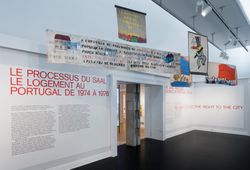
Issu de la révolution portugaise du 25 avril 1974, le SAAL ― Serviço Ambulatório de Apoio Local (Service ambulant de soutien local) ― fut une expérience architecturale et politique pionnière conçue afin d’adresser le manque de logement et les conditions de vie pauvres de nombreuses villes portugaises. On ne peut pas parler d’un seul SAAL : ses initiatives et résultats(...)
Issu de la révolution portugaise du 25 avril 1974, le SAAL ― Serviço Ambulatório de Apoio Local (Service ambulant de soutien local) ― fut une expérience architecturale et politique pionnière conçue afin d’adresser le manque de logement et les conditions de vie pauvres de nombreuses villes portugaises. On ne peut pas parler d’un seul SAAL : ses initiatives et résultats(...)
Localisation:
Salles principales
Salles principales
Date:
12 mai 2015 au 4 octobre 2015
12 mai 2015 au 4 octobre 2015
Titre:
Le processus du SAAL : Le logement au Portugal de 1974 à 1976-
Actions:
Description:
Issu de la révolution portugaise du 25 avril 1974, le SAAL ― Serviço Ambulatório de Apoio Local (Service ambulant de soutien local) ― fut une expérience architecturale et politique pionnière conçue afin d’adresser le manque de logement et les conditions de vie pauvres de nombreuses villes portugaises. On ne peut pas parler d’un seul SAAL : ses initiatives et résultats(...)
Le processus du SAAL : Le logement au Portugal de 1974 à 1976-
Actions:
Description:
Issu de la révolution portugaise du 25 avril 1974, le SAAL ― Serviço Ambulatório de Apoio Local (Service ambulant de soutien local) ― fut une expérience architecturale et politique pionnière conçue afin d’adresser le manque de logement et les conditions de vie pauvres de nombreuses villes portugaises. On ne peut pas parler d’un seul SAAL : ses initiatives et résultats(...)
Classification:
expositions
expositions
Date:
12 mai 2015 au
4 octobre 2015
12 mai 2015 au
4 octobre 2015
Localisation:
Salles principales
Salles principales
Niveau de description archivistique:
Sous-série
Sous-série
Numéro de référence:
CI001.S1.D3
Description:
The urban and public architecture of Hubert Rohault de Fleury is insightful concerning both the stylistic directions of utilitarian architecture in France and the structure and role of the government architectural services (1) in the Empire and the Restoration. The drawings in the CCA collection depict built and unbuilt projects undertaken in the context of Hubert's positions in the government architectural services as well as private commissions. Hubert's principal official positions related to three branches of the French government: the Préfecture de la police, the Conseil général des hospices and the Conseil des Bâtiments Civils, a "division" of the Ministère de l'interieur. Hubert's work for the Préfecture de la police (which was also responsible for the gendarmerie and the sapeurs-pompiers barracks) is represented in the CCA collection by projects for four gendarmerie barracks (1821-1830) and alterations to the Préfecture de la Police (1833 ?) and nearby prison in Paris (1819)(DR1974:0002:016:001-070 / DR1974:0002:011:001-089 and DR1974:0002: 015:001-070). The drawings in these albums emphasize the planning (or re-arrangement) of the interior spaces. The album for the Préfecture de la police also includes record drawings for prisons in England and France as background material for Hubert's work and/or related to reports for the Conseil des Bâtiments Civils, which had an active role in the design of prisons throughout France during the early years of the nineteenth century (2). Although the CCA collection has no drawings directly related to Hubert's position as the architecte des hospices (3), drawings and prints are included for his earlier ideal hospitals (ca. 1810) (DR1974:0002:008:001-077). These projects continue the late 17th and 18th century tradition of monumental geometrically laid-out ideal hospitals. This album also contains prints and drawings of medical buildings by other architects (probably reference material), and drawings of Hubert's unexecuted proposal for the re-development of the École de médecine (Paris) and the surrounding buildings and urban spaces. Hubert was the architecte de l'École de medicine (4); a position that probably related to his work for the Ministère d'Interieur, which would have been responsible for this building. In general, Hubert's role and responsibilities within the Ministère de l'interieur and the associated Conseil de Bâtiment Civils (especially prior to his appointment to the position of inspecteur gènèral in 1830) are the least clear of his government positions. In addition to the École de medicine album, two other albums contain projects relating to the Ministère de l'Interieur: two proposals for Place Louis XV commissioned by the Ministre de l'interieur, Duc Decazes in 1821 (DR1974:0002:037:001-031), and drawings for the conversion or renovation of several Parisian hôtel particuliers (probably between 1810 and ca. 1820) including those used by the Ministère de l'interieur, Ministère de la Guerre and the Ministère des affaires étrangères (DR1974:0002;011:001-089). On other government commission of significance is represented in the CCA collection. In 1819, Hubert Rohault de Fleury in collaboration with Etienne Hyppolite Godde was commissioned to direct the restoration of the Thermes de Julien located under the Hôtel de Cluny. The CCA collection includes several letters and drawings, and a report related to this commission (DR1974:0002 :037:001-031). Hubert's private urban projects, mostly commissioned by private entrepreneurs or societies, were concerned with the expansion of the infrastructure of Paris and the surrounding communities as well as, to some extent, larger issues of urban development. One album contains projects dating from between 1819 and 1836 related horses - an essential part of 19th century urban life (5): a stud-farm (Haras de Madrid, Bois de Boulogne), an auction house and an infirmary (Clos St. Charles, Clos d'équarrissage, fôret de Bondy) and three slaughterhouses (Plaine de Grenelle, an unnamed project and La Villete (6))(DR1974:0002:014:001-104). These album also includes developmental studies for a new quartier of Paris - Nouveau Quartier Poissonière (the site of today's 10e arrondissement). A second album (ca. 1825) includes designs for a "maison de blanchisseur", an "entrepot de vins" with adjacent "guingette" and designs for structures at Parc de Clichy - a reservoir, a washhouse and a manège (DR1974:0002:009:001-079) (7). The drawings in these albums are particularly informative regarding the materials, structures and mechanical systems utilized. As with most of his government commissions, for these buildings, Hubert adopted a sparse architectural syntax of pared-down classical motifs and regimented plans grounded in the ideas of Durand and commonly used in utilitarian buildings during the 19th century. (1) These are discussed in some detail in Chapter 2 of David Van Zanten, 'Building Paris' (Cambridge: Cambridge University Press, 1994). (2) Van Zanten, 'Building Paris', 51-52. (3) The Cabinet des Estampes at the Musée Carnavalet in Paris has drawings related to Hubert's work for the Conseil général des hospices. (4) Evidence of this position is based on inscriptions on drawings in album, DR1974:0002:008:001-77. (5) Bergdoll, 4. (6) The La Villete slaughterhouse was designed by Charles Rohault de Fleury. (7) The source(s) of these commissions is unknown.
CI001.S1.D3
Description:
The urban and public architecture of Hubert Rohault de Fleury is insightful concerning both the stylistic directions of utilitarian architecture in France and the structure and role of the government architectural services (1) in the Empire and the Restoration. The drawings in the CCA collection depict built and unbuilt projects undertaken in the context of Hubert's positions in the government architectural services as well as private commissions. Hubert's principal official positions related to three branches of the French government: the Préfecture de la police, the Conseil général des hospices and the Conseil des Bâtiments Civils, a "division" of the Ministère de l'interieur. Hubert's work for the Préfecture de la police (which was also responsible for the gendarmerie and the sapeurs-pompiers barracks) is represented in the CCA collection by projects for four gendarmerie barracks (1821-1830) and alterations to the Préfecture de la Police (1833 ?) and nearby prison in Paris (1819)(DR1974:0002:016:001-070 / DR1974:0002:011:001-089 and DR1974:0002: 015:001-070). The drawings in these albums emphasize the planning (or re-arrangement) of the interior spaces. The album for the Préfecture de la police also includes record drawings for prisons in England and France as background material for Hubert's work and/or related to reports for the Conseil des Bâtiments Civils, which had an active role in the design of prisons throughout France during the early years of the nineteenth century (2). Although the CCA collection has no drawings directly related to Hubert's position as the architecte des hospices (3), drawings and prints are included for his earlier ideal hospitals (ca. 1810) (DR1974:0002:008:001-077). These projects continue the late 17th and 18th century tradition of monumental geometrically laid-out ideal hospitals. This album also contains prints and drawings of medical buildings by other architects (probably reference material), and drawings of Hubert's unexecuted proposal for the re-development of the École de médecine (Paris) and the surrounding buildings and urban spaces. Hubert was the architecte de l'École de medicine (4); a position that probably related to his work for the Ministère d'Interieur, which would have been responsible for this building. In general, Hubert's role and responsibilities within the Ministère de l'interieur and the associated Conseil de Bâtiment Civils (especially prior to his appointment to the position of inspecteur gènèral in 1830) are the least clear of his government positions. In addition to the École de medicine album, two other albums contain projects relating to the Ministère de l'Interieur: two proposals for Place Louis XV commissioned by the Ministre de l'interieur, Duc Decazes in 1821 (DR1974:0002:037:001-031), and drawings for the conversion or renovation of several Parisian hôtel particuliers (probably between 1810 and ca. 1820) including those used by the Ministère de l'interieur, Ministère de la Guerre and the Ministère des affaires étrangères (DR1974:0002;011:001-089). On other government commission of significance is represented in the CCA collection. In 1819, Hubert Rohault de Fleury in collaboration with Etienne Hyppolite Godde was commissioned to direct the restoration of the Thermes de Julien located under the Hôtel de Cluny. The CCA collection includes several letters and drawings, and a report related to this commission (DR1974:0002 :037:001-031). Hubert's private urban projects, mostly commissioned by private entrepreneurs or societies, were concerned with the expansion of the infrastructure of Paris and the surrounding communities as well as, to some extent, larger issues of urban development. One album contains projects dating from between 1819 and 1836 related horses - an essential part of 19th century urban life (5): a stud-farm (Haras de Madrid, Bois de Boulogne), an auction house and an infirmary (Clos St. Charles, Clos d'équarrissage, fôret de Bondy) and three slaughterhouses (Plaine de Grenelle, an unnamed project and La Villete (6))(DR1974:0002:014:001-104). These album also includes developmental studies for a new quartier of Paris - Nouveau Quartier Poissonière (the site of today's 10e arrondissement). A second album (ca. 1825) includes designs for a "maison de blanchisseur", an "entrepot de vins" with adjacent "guingette" and designs for structures at Parc de Clichy - a reservoir, a washhouse and a manège (DR1974:0002:009:001-079) (7). The drawings in these albums are particularly informative regarding the materials, structures and mechanical systems utilized. As with most of his government commissions, for these buildings, Hubert adopted a sparse architectural syntax of pared-down classical motifs and regimented plans grounded in the ideas of Durand and commonly used in utilitarian buildings during the 19th century. (1) These are discussed in some detail in Chapter 2 of David Van Zanten, 'Building Paris' (Cambridge: Cambridge University Press, 1994). (2) Van Zanten, 'Building Paris', 51-52. (3) The Cabinet des Estampes at the Musée Carnavalet in Paris has drawings related to Hubert's work for the Conseil général des hospices. (4) Evidence of this position is based on inscriptions on drawings in album, DR1974:0002:008:001-77. (5) Bergdoll, 4. (6) The La Villete slaughterhouse was designed by Charles Rohault de Fleury. (7) The source(s) of these commissions is unknown.
Personnes et institutions:
Date:
1754-1875
1754-1875
Titre:
Public and Urban architecture
CI001.S1.D3
Description:
The urban and public architecture of Hubert Rohault de Fleury is insightful concerning both the stylistic directions of utilitarian architecture in France and the structure and role of the government architectural services (1) in the Empire and the Restoration. The drawings in the CCA collection depict built and unbuilt projects undertaken in the context of Hubert's positions in the government architectural services as well as private commissions. Hubert's principal official positions related to three branches of the French government: the Préfecture de la police, the Conseil général des hospices and the Conseil des Bâtiments Civils, a "division" of the Ministère de l'interieur. Hubert's work for the Préfecture de la police (which was also responsible for the gendarmerie and the sapeurs-pompiers barracks) is represented in the CCA collection by projects for four gendarmerie barracks (1821-1830) and alterations to the Préfecture de la Police (1833 ?) and nearby prison in Paris (1819)(DR1974:0002:016:001-070 / DR1974:0002:011:001-089 and DR1974:0002: 015:001-070). The drawings in these albums emphasize the planning (or re-arrangement) of the interior spaces. The album for the Préfecture de la police also includes record drawings for prisons in England and France as background material for Hubert's work and/or related to reports for the Conseil des Bâtiments Civils, which had an active role in the design of prisons throughout France during the early years of the nineteenth century (2). Although the CCA collection has no drawings directly related to Hubert's position as the architecte des hospices (3), drawings and prints are included for his earlier ideal hospitals (ca. 1810) (DR1974:0002:008:001-077). These projects continue the late 17th and 18th century tradition of monumental geometrically laid-out ideal hospitals. This album also contains prints and drawings of medical buildings by other architects (probably reference material), and drawings of Hubert's unexecuted proposal for the re-development of the École de médecine (Paris) and the surrounding buildings and urban spaces. Hubert was the architecte de l'École de medicine (4); a position that probably related to his work for the Ministère d'Interieur, which would have been responsible for this building. In general, Hubert's role and responsibilities within the Ministère de l'interieur and the associated Conseil de Bâtiment Civils (especially prior to his appointment to the position of inspecteur gènèral in 1830) are the least clear of his government positions. In addition to the École de medicine album, two other albums contain projects relating to the Ministère de l'Interieur: two proposals for Place Louis XV commissioned by the Ministre de l'interieur, Duc Decazes in 1821 (DR1974:0002:037:001-031), and drawings for the conversion or renovation of several Parisian hôtel particuliers (probably between 1810 and ca. 1820) including those used by the Ministère de l'interieur, Ministère de la Guerre and the Ministère des affaires étrangères (DR1974:0002;011:001-089). On other government commission of significance is represented in the CCA collection. In 1819, Hubert Rohault de Fleury in collaboration with Etienne Hyppolite Godde was commissioned to direct the restoration of the Thermes de Julien located under the Hôtel de Cluny. The CCA collection includes several letters and drawings, and a report related to this commission (DR1974:0002 :037:001-031). Hubert's private urban projects, mostly commissioned by private entrepreneurs or societies, were concerned with the expansion of the infrastructure of Paris and the surrounding communities as well as, to some extent, larger issues of urban development. One album contains projects dating from between 1819 and 1836 related horses - an essential part of 19th century urban life (5): a stud-farm (Haras de Madrid, Bois de Boulogne), an auction house and an infirmary (Clos St. Charles, Clos d'équarrissage, fôret de Bondy) and three slaughterhouses (Plaine de Grenelle, an unnamed project and La Villete (6))(DR1974:0002:014:001-104). These album also includes developmental studies for a new quartier of Paris - Nouveau Quartier Poissonière (the site of today's 10e arrondissement). A second album (ca. 1825) includes designs for a "maison de blanchisseur", an "entrepot de vins" with adjacent "guingette" and designs for structures at Parc de Clichy - a reservoir, a washhouse and a manège (DR1974:0002:009:001-079) (7). The drawings in these albums are particularly informative regarding the materials, structures and mechanical systems utilized. As with most of his government commissions, for these buildings, Hubert adopted a sparse architectural syntax of pared-down classical motifs and regimented plans grounded in the ideas of Durand and commonly used in utilitarian buildings during the 19th century. (1) These are discussed in some detail in Chapter 2 of David Van Zanten, 'Building Paris' (Cambridge: Cambridge University Press, 1994). (2) Van Zanten, 'Building Paris', 51-52. (3) The Cabinet des Estampes at the Musée Carnavalet in Paris has drawings related to Hubert's work for the Conseil général des hospices. (4) Evidence of this position is based on inscriptions on drawings in album, DR1974:0002:008:001-77. (5) Bergdoll, 4. (6) The La Villete slaughterhouse was designed by Charles Rohault de Fleury. (7) The source(s) of these commissions is unknown.
Public and Urban architecture
CI001.S1.D3
Description:
The urban and public architecture of Hubert Rohault de Fleury is insightful concerning both the stylistic directions of utilitarian architecture in France and the structure and role of the government architectural services (1) in the Empire and the Restoration. The drawings in the CCA collection depict built and unbuilt projects undertaken in the context of Hubert's positions in the government architectural services as well as private commissions. Hubert's principal official positions related to three branches of the French government: the Préfecture de la police, the Conseil général des hospices and the Conseil des Bâtiments Civils, a "division" of the Ministère de l'interieur. Hubert's work for the Préfecture de la police (which was also responsible for the gendarmerie and the sapeurs-pompiers barracks) is represented in the CCA collection by projects for four gendarmerie barracks (1821-1830) and alterations to the Préfecture de la Police (1833 ?) and nearby prison in Paris (1819)(DR1974:0002:016:001-070 / DR1974:0002:011:001-089 and DR1974:0002: 015:001-070). The drawings in these albums emphasize the planning (or re-arrangement) of the interior spaces. The album for the Préfecture de la police also includes record drawings for prisons in England and France as background material for Hubert's work and/or related to reports for the Conseil des Bâtiments Civils, which had an active role in the design of prisons throughout France during the early years of the nineteenth century (2). Although the CCA collection has no drawings directly related to Hubert's position as the architecte des hospices (3), drawings and prints are included for his earlier ideal hospitals (ca. 1810) (DR1974:0002:008:001-077). These projects continue the late 17th and 18th century tradition of monumental geometrically laid-out ideal hospitals. This album also contains prints and drawings of medical buildings by other architects (probably reference material), and drawings of Hubert's unexecuted proposal for the re-development of the École de médecine (Paris) and the surrounding buildings and urban spaces. Hubert was the architecte de l'École de medicine (4); a position that probably related to his work for the Ministère d'Interieur, which would have been responsible for this building. In general, Hubert's role and responsibilities within the Ministère de l'interieur and the associated Conseil de Bâtiment Civils (especially prior to his appointment to the position of inspecteur gènèral in 1830) are the least clear of his government positions. In addition to the École de medicine album, two other albums contain projects relating to the Ministère de l'Interieur: two proposals for Place Louis XV commissioned by the Ministre de l'interieur, Duc Decazes in 1821 (DR1974:0002:037:001-031), and drawings for the conversion or renovation of several Parisian hôtel particuliers (probably between 1810 and ca. 1820) including those used by the Ministère de l'interieur, Ministère de la Guerre and the Ministère des affaires étrangères (DR1974:0002;011:001-089). On other government commission of significance is represented in the CCA collection. In 1819, Hubert Rohault de Fleury in collaboration with Etienne Hyppolite Godde was commissioned to direct the restoration of the Thermes de Julien located under the Hôtel de Cluny. The CCA collection includes several letters and drawings, and a report related to this commission (DR1974:0002 :037:001-031). Hubert's private urban projects, mostly commissioned by private entrepreneurs or societies, were concerned with the expansion of the infrastructure of Paris and the surrounding communities as well as, to some extent, larger issues of urban development. One album contains projects dating from between 1819 and 1836 related horses - an essential part of 19th century urban life (5): a stud-farm (Haras de Madrid, Bois de Boulogne), an auction house and an infirmary (Clos St. Charles, Clos d'équarrissage, fôret de Bondy) and three slaughterhouses (Plaine de Grenelle, an unnamed project and La Villete (6))(DR1974:0002:014:001-104). These album also includes developmental studies for a new quartier of Paris - Nouveau Quartier Poissonière (the site of today's 10e arrondissement). A second album (ca. 1825) includes designs for a "maison de blanchisseur", an "entrepot de vins" with adjacent "guingette" and designs for structures at Parc de Clichy - a reservoir, a washhouse and a manège (DR1974:0002:009:001-079) (7). The drawings in these albums are particularly informative regarding the materials, structures and mechanical systems utilized. As with most of his government commissions, for these buildings, Hubert adopted a sparse architectural syntax of pared-down classical motifs and regimented plans grounded in the ideas of Durand and commonly used in utilitarian buildings during the 19th century. (1) These are discussed in some detail in Chapter 2 of David Van Zanten, 'Building Paris' (Cambridge: Cambridge University Press, 1994). (2) Van Zanten, 'Building Paris', 51-52. (3) The Cabinet des Estampes at the Musée Carnavalet in Paris has drawings related to Hubert's work for the Conseil général des hospices. (4) Evidence of this position is based on inscriptions on drawings in album, DR1974:0002:008:001-77. (5) Bergdoll, 4. (6) The La Villete slaughterhouse was designed by Charles Rohault de Fleury. (7) The source(s) of these commissions is unknown.
Niveau de description archivistique:
File 3
File 3
Date:
1754-1875
1754-1875
Personnes et institutions:
Classification:
archives
Niveau de description archivistique:
Fonds
archives
Niveau de description archivistique:
Fonds
Titre:
Fonds Jean Michaud
Fonds Jean Michaud
Numéro de référence:
AP012
Résumé:
Le Fonds Jean Michaud est constitué autour de 5 projets étudiants, 79 projets professionnels, 6 projets non identifiés, 13 projets réalisés par d'autres architectes, ainsi que divers documents visuels et textuels. Les projets de l'architecte sont répartis en 42 projets résidentiels, 4 pour les loisirs et l'animation sociale, 9 éducatifs, 7 commerciaux et administratifs, 3 industriels et manufacturiers, 1 pour le transport routier, 9 gouvernementales, 1 médical, 2 religieux et 1 projet d'aménagement urbain. Ces projets sont principalement concentrés dans quatre régions du Québec. Il y en a 29 dans la région de Montréal (incluant Laval et Vaudreuil-Dorion; dont 17 à Montréal), 20 dans la région du Bas-Saint-Laurent et Gaspésie (11 à Rimouski), 12 en Montérégie (8 à Saint-Marc-sur-Richelieu) et 7 dans les Laurentides. Le fonds Jean Michaud comprend 1613 dessins, 959 reprographies, 271 documents photographiques, 43 documents graphiques, 1 maquette, ainsi que 2.805 m.l. de documents textuels. Ces documents ont été principalement produits entre 1950 et 1970.
AP012
Résumé:
Le Fonds Jean Michaud est constitué autour de 5 projets étudiants, 79 projets professionnels, 6 projets non identifiés, 13 projets réalisés par d'autres architectes, ainsi que divers documents visuels et textuels. Les projets de l'architecte sont répartis en 42 projets résidentiels, 4 pour les loisirs et l'animation sociale, 9 éducatifs, 7 commerciaux et administratifs, 3 industriels et manufacturiers, 1 pour le transport routier, 9 gouvernementales, 1 médical, 2 religieux et 1 projet d'aménagement urbain. Ces projets sont principalement concentrés dans quatre régions du Québec. Il y en a 29 dans la région de Montréal (incluant Laval et Vaudreuil-Dorion; dont 17 à Montréal), 20 dans la région du Bas-Saint-Laurent et Gaspésie (11 à Rimouski), 12 en Montérégie (8 à Saint-Marc-sur-Richelieu) et 7 dans les Laurentides. Le fonds Jean Michaud comprend 1613 dessins, 959 reprographies, 271 documents photographiques, 43 documents graphiques, 1 maquette, ainsi que 2.805 m.l. de documents textuels. Ces documents ont été principalement produits entre 1950 et 1970.
Personnes et institutions:
Date:
1852, 1916, 1938-1981, surtout 1950-1974
1852, 1916, 1938-1981, surtout 1950-1974
Titre:
Fonds Jean Michaud
Actions:
AP012
Résumé:
Le Fonds Jean Michaud est constitué autour de 5 projets étudiants, 79 projets professionnels, 6 projets non identifiés, 13 projets réalisés par d'autres architectes, ainsi que divers documents visuels et textuels. Les projets de l'architecte sont répartis en 42 projets résidentiels, 4 pour les loisirs et l'animation sociale, 9 éducatifs, 7 commerciaux et administratifs, 3 industriels et manufacturiers, 1 pour le transport routier, 9 gouvernementales, 1 médical, 2 religieux et 1 projet d'aménagement urbain. Ces projets sont principalement concentrés dans quatre régions du Québec. Il y en a 29 dans la région de Montréal (incluant Laval et Vaudreuil-Dorion; dont 17 à Montréal), 20 dans la région du Bas-Saint-Laurent et Gaspésie (11 à Rimouski), 12 en Montérégie (8 à Saint-Marc-sur-Richelieu) et 7 dans les Laurentides. Le fonds Jean Michaud comprend 1613 dessins, 959 reprographies, 271 documents photographiques, 43 documents graphiques, 1 maquette, ainsi que 2.805 m.l. de documents textuels. Ces documents ont été principalement produits entre 1950 et 1970.
Fonds Jean Michaud
Actions:
AP012
Résumé:
Le Fonds Jean Michaud est constitué autour de 5 projets étudiants, 79 projets professionnels, 6 projets non identifiés, 13 projets réalisés par d'autres architectes, ainsi que divers documents visuels et textuels. Les projets de l'architecte sont répartis en 42 projets résidentiels, 4 pour les loisirs et l'animation sociale, 9 éducatifs, 7 commerciaux et administratifs, 3 industriels et manufacturiers, 1 pour le transport routier, 9 gouvernementales, 1 médical, 2 religieux et 1 projet d'aménagement urbain. Ces projets sont principalement concentrés dans quatre régions du Québec. Il y en a 29 dans la région de Montréal (incluant Laval et Vaudreuil-Dorion; dont 17 à Montréal), 20 dans la région du Bas-Saint-Laurent et Gaspésie (11 à Rimouski), 12 en Montérégie (8 à Saint-Marc-sur-Richelieu) et 7 dans les Laurentides. Le fonds Jean Michaud comprend 1613 dessins, 959 reprographies, 271 documents photographiques, 43 documents graphiques, 1 maquette, ainsi que 2.805 m.l. de documents textuels. Ces documents ont été principalement produits entre 1950 et 1970.
Classification:
archives
Niveau de description archivistique:
Fonds
archives
Niveau de description archivistique:
Fonds
Date:
1852, 1916, 1938-1981, surtout 1950-1974
1852, 1916, 1938-1981, surtout 1950-1974
Personnes et institutions:
Classification:
graphique
graphique
Numéro de référence:
DR2012:0015:027
Description:
Portfolio containing ephemera and posters advertising the following conferences, events, and exhibitions: - mailout/poster for a Frank Stella exhibition at Leo Castelli Gallery, New York; - mailout/poster for an exhibition at the Hyde Park Art Centre, Chicago; - posters for the 7th Venice biennale of architeture; - poster for the 1. Kolloquium Funktionialismus, Hamburg; - poster for a Jean Rustin exhibition at Maison de la culture et des loisirs; - signed poster for a Ric Evans exhibition, at David Mirvish Books, Toronto; - poster for an Edward Keinholz exhibition, London; - poster for a Frank Auerbach exhibition at the 42nd Venice Biennale; - paper placemat of the Taj Mahal; - poster of Hindu deities; - poster for Perspecta, the Yale School of design journal, in which Melvin Charney's article, Experimental strategies: notes for environmental design, appeared in the 11th edition; - poster of Albrecht Dürer's Rhinoceros; - mailout/poster for a Roy Lichtenstein exhibition at Leo Castelli gallery; - poster for a Pierre Alechinsky exhibition, in Brussels; - poster for an exhibition on Pliny the Younger's La villa Laurentine, Paris; - poster for an exhibition, Places and monuments, in Paris; - poster for an event at George Gund Hall, Harvard; - posters for the exhibition, Rothmans salutes citysite sculpture, Visual Arts Ontario, Toronto (Melvin Charney participated); - poster for event, Coop Himmelblau: der Engel des Tons; - poster, "Seize the time"; - poster, "Meeting solidarité Chili"; - poster for Don Judd exhibition at Leo Castelli Gallery, New York; - posters for Aurora Borealis event at le Centre international d'art contemporain de Montréal (Melvin Charney participated); - poster for James Stirling exhibition at Riba Heinz Gallery, London; - untitled poster; - poster for political demonstration, UQAM; - poster for Joe Zucker exhibition, Combinations, at Holly Solomon Gallery, New York; - poster, "The drifting acropolis"; - poster for Lucas Samaras exhibition, Reconstructions, boxes, and photo-transformations, at Richard Grey Gallery, Chicago; - poster for Erica Lennard exhibition, Les femmes, les soeurs, at Agatha Gaillard Gallery, Paris.
DR2012:0015:027
Description:
Portfolio containing ephemera and posters advertising the following conferences, events, and exhibitions: - mailout/poster for a Frank Stella exhibition at Leo Castelli Gallery, New York; - mailout/poster for an exhibition at the Hyde Park Art Centre, Chicago; - posters for the 7th Venice biennale of architeture; - poster for the 1. Kolloquium Funktionialismus, Hamburg; - poster for a Jean Rustin exhibition at Maison de la culture et des loisirs; - signed poster for a Ric Evans exhibition, at David Mirvish Books, Toronto; - poster for an Edward Keinholz exhibition, London; - poster for a Frank Auerbach exhibition at the 42nd Venice Biennale; - paper placemat of the Taj Mahal; - poster of Hindu deities; - poster for Perspecta, the Yale School of design journal, in which Melvin Charney's article, Experimental strategies: notes for environmental design, appeared in the 11th edition; - poster of Albrecht Dürer's Rhinoceros; - mailout/poster for a Roy Lichtenstein exhibition at Leo Castelli gallery; - poster for a Pierre Alechinsky exhibition, in Brussels; - poster for an exhibition on Pliny the Younger's La villa Laurentine, Paris; - poster for an exhibition, Places and monuments, in Paris; - poster for an event at George Gund Hall, Harvard; - posters for the exhibition, Rothmans salutes citysite sculpture, Visual Arts Ontario, Toronto (Melvin Charney participated); - poster for event, Coop Himmelblau: der Engel des Tons; - poster, "Seize the time"; - poster, "Meeting solidarité Chili"; - poster for Don Judd exhibition at Leo Castelli Gallery, New York; - posters for Aurora Borealis event at le Centre international d'art contemporain de Montréal (Melvin Charney participated); - poster for James Stirling exhibition at Riba Heinz Gallery, London; - untitled poster; - poster for political demonstration, UQAM; - poster for Joe Zucker exhibition, Combinations, at Holly Solomon Gallery, New York; - poster, "The drifting acropolis"; - poster for Lucas Samaras exhibition, Reconstructions, boxes, and photo-transformations, at Richard Grey Gallery, Chicago; - poster for Erica Lennard exhibition, Les femmes, les soeurs, at Agatha Gaillard Gallery, Paris.
Personnes et institutions:
Date:
1965-1985, 1994, 2000-2003
1965-1985, 1994, 2000-2003
Titre:
Portfolio of assorted posters
Actions:
DR2012:0015:027
Description:
Portfolio containing ephemera and posters advertising the following conferences, events, and exhibitions: - mailout/poster for a Frank Stella exhibition at Leo Castelli Gallery, New York; - mailout/poster for an exhibition at the Hyde Park Art Centre, Chicago; - posters for the 7th Venice biennale of architeture; - poster for the 1. Kolloquium Funktionialismus, Hamburg; - poster for a Jean Rustin exhibition at Maison de la culture et des loisirs; - signed poster for a Ric Evans exhibition, at David Mirvish Books, Toronto; - poster for an Edward Keinholz exhibition, London; - poster for a Frank Auerbach exhibition at the 42nd Venice Biennale; - paper placemat of the Taj Mahal; - poster of Hindu deities; - poster for Perspecta, the Yale School of design journal, in which Melvin Charney's article, Experimental strategies: notes for environmental design, appeared in the 11th edition; - poster of Albrecht Dürer's Rhinoceros; - mailout/poster for a Roy Lichtenstein exhibition at Leo Castelli gallery; - poster for a Pierre Alechinsky exhibition, in Brussels; - poster for an exhibition on Pliny the Younger's La villa Laurentine, Paris; - poster for an exhibition, Places and monuments, in Paris; - poster for an event at George Gund Hall, Harvard; - posters for the exhibition, Rothmans salutes citysite sculpture, Visual Arts Ontario, Toronto (Melvin Charney participated); - poster for event, Coop Himmelblau: der Engel des Tons; - poster, "Seize the time"; - poster, "Meeting solidarité Chili"; - poster for Don Judd exhibition at Leo Castelli Gallery, New York; - posters for Aurora Borealis event at le Centre international d'art contemporain de Montréal (Melvin Charney participated); - poster for James Stirling exhibition at Riba Heinz Gallery, London; - untitled poster; - poster for political demonstration, UQAM; - poster for Joe Zucker exhibition, Combinations, at Holly Solomon Gallery, New York; - poster, "The drifting acropolis"; - poster for Lucas Samaras exhibition, Reconstructions, boxes, and photo-transformations, at Richard Grey Gallery, Chicago; - poster for Erica Lennard exhibition, Les femmes, les soeurs, at Agatha Gaillard Gallery, Paris.
Portfolio of assorted posters
Actions:
DR2012:0015:027
Description:
Portfolio containing ephemera and posters advertising the following conferences, events, and exhibitions: - mailout/poster for a Frank Stella exhibition at Leo Castelli Gallery, New York; - mailout/poster for an exhibition at the Hyde Park Art Centre, Chicago; - posters for the 7th Venice biennale of architeture; - poster for the 1. Kolloquium Funktionialismus, Hamburg; - poster for a Jean Rustin exhibition at Maison de la culture et des loisirs; - signed poster for a Ric Evans exhibition, at David Mirvish Books, Toronto; - poster for an Edward Keinholz exhibition, London; - poster for a Frank Auerbach exhibition at the 42nd Venice Biennale; - paper placemat of the Taj Mahal; - poster of Hindu deities; - poster for Perspecta, the Yale School of design journal, in which Melvin Charney's article, Experimental strategies: notes for environmental design, appeared in the 11th edition; - poster of Albrecht Dürer's Rhinoceros; - mailout/poster for a Roy Lichtenstein exhibition at Leo Castelli gallery; - poster for a Pierre Alechinsky exhibition, in Brussels; - poster for an exhibition on Pliny the Younger's La villa Laurentine, Paris; - poster for an exhibition, Places and monuments, in Paris; - poster for an event at George Gund Hall, Harvard; - posters for the exhibition, Rothmans salutes citysite sculpture, Visual Arts Ontario, Toronto (Melvin Charney participated); - poster for event, Coop Himmelblau: der Engel des Tons; - poster, "Seize the time"; - poster, "Meeting solidarité Chili"; - poster for Don Judd exhibition at Leo Castelli Gallery, New York; - posters for Aurora Borealis event at le Centre international d'art contemporain de Montréal (Melvin Charney participated); - poster for James Stirling exhibition at Riba Heinz Gallery, London; - untitled poster; - poster for political demonstration, UQAM; - poster for Joe Zucker exhibition, Combinations, at Holly Solomon Gallery, New York; - poster, "The drifting acropolis"; - poster for Lucas Samaras exhibition, Reconstructions, boxes, and photo-transformations, at Richard Grey Gallery, Chicago; - poster for Erica Lennard exhibition, Les femmes, les soeurs, at Agatha Gaillard Gallery, Paris.
Classification:
graphique
graphique
Date:
1965-1985, 1994, 2000-2003
1965-1985, 1994, 2000-2003
Personnes et institutions:
Classification:
événements
événements
Description:
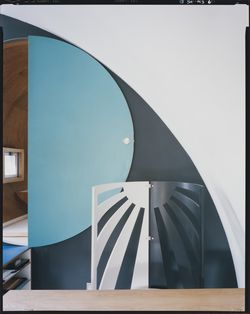
Figure ayant profondément marqué l’architecture d’après-guerre au Japon, Kazuo Shinohara s’est surtout fait connaître pour ses maisons individuelles. Or il reste peu étudié de nos jours, particulièrement à l’extérieur du Japon. Il a joint certaines formes traditionnelles et l’exploration de principes modernistes au moment des technologies de pointe et de l’information(...)
Figure ayant profondément marqué l’architecture d’après-guerre au Japon, Kazuo Shinohara s’est surtout fait connaître pour ses maisons individuelles. Or il reste peu étudié de nos jours, particulièrement à l’extérieur du Japon. Il a joint certaines formes traditionnelles et l’exploration de principes modernistes au moment des technologies de pointe et de l’information(...)
Date:
21 septembre 2017, 18h30
21 septembre 2017, 18h30
Titre:
David B. Stewart, quel sens avait l’histoire pour Kazuo Shinohara?
Actions:
Description:
Figure ayant profondément marqué l’architecture d’après-guerre au Japon, Kazuo Shinohara s’est surtout fait connaître pour ses maisons individuelles. Or il reste peu étudié de nos jours, particulièrement à l’extérieur du Japon. Il a joint certaines formes traditionnelles et l’exploration de principes modernistes au moment des technologies de pointe et de l’information(...)
David B. Stewart, quel sens avait l’histoire pour Kazuo Shinohara?
Actions:
Description:
Figure ayant profondément marqué l’architecture d’après-guerre au Japon, Kazuo Shinohara s’est surtout fait connaître pour ses maisons individuelles. Or il reste peu étudié de nos jours, particulièrement à l’extérieur du Japon. Il a joint certaines formes traditionnelles et l’exploration de principes modernistes au moment des technologies de pointe et de l’information(...)
Classification:
événements
événements
Date:
21 septembre 2017
18h30
21 septembre 2017
18h30
Classification:
événements
événements
Actions:
Description:
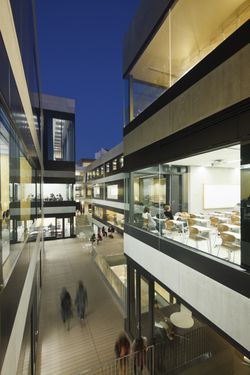
Dans cette causerie intitulée « Design the place for people to meet » (Concevoir le lieu pour que les gens se rencontrent), Manabu Chiba expliquera sa démarche de conception, soulignant la réalisation d’une architecture qui favorise les nouvelles interactions de lieu à lieu, de personne à personne et de personne à lieu. Son travail vise à révéler le contexte d’un(...)
Dans cette causerie intitulée « Design the place for people to meet » (Concevoir le lieu pour que les gens se rencontrent), Manabu Chiba expliquera sa démarche de conception, soulignant la réalisation d’une architecture qui favorise les nouvelles interactions de lieu à lieu, de personne à personne et de personne à lieu. Son travail vise à révéler le contexte d’un(...)
Date:
11 février 2016
11 février 2016
Titre:
Manabu Chiba veut vous parler
Actions:
Description:
Dans cette causerie intitulée « Design the place for people to meet » (Concevoir le lieu pour que les gens se rencontrent), Manabu Chiba expliquera sa démarche de conception, soulignant la réalisation d’une architecture qui favorise les nouvelles interactions de lieu à lieu, de personne à personne et de personne à lieu. Son travail vise à révéler le contexte d’un(...)
Manabu Chiba veut vous parler
Actions:
Description:
Dans cette causerie intitulée « Design the place for people to meet » (Concevoir le lieu pour que les gens se rencontrent), Manabu Chiba expliquera sa démarche de conception, soulignant la réalisation d’une architecture qui favorise les nouvelles interactions de lieu à lieu, de personne à personne et de personne à lieu. Son travail vise à révéler le contexte d’un(...)
Classification:
événements
événements
Date:
11 février 2016
11 février 2016
Classification:
expositions
expositions
Titre:
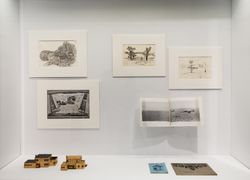
Sur les traces de... voyage
Sur les traces de... voyage
Actions:
Description:
Interprétant de la manière la plus large le thème des voyages lointains, l’exposition cartographie et élargit la notion de voyage qui s’étend aux expéditions imaginaires, aux sites étranges, aux points de fuite, aux maisons transportables et flottantes, aux caves sans fond, aux dômes de verre convolutés, aux tombeaux, aux cryptes et catacombes, aux aventures dans des(...)
Interprétant de la manière la plus large le thème des voyages lointains, l’exposition cartographie et élargit la notion de voyage qui s’étend aux expéditions imaginaires, aux sites étranges, aux points de fuite, aux maisons transportables et flottantes, aux caves sans fond, aux dômes de verre convolutés, aux tombeaux, aux cryptes et catacombes, aux aventures dans des(...)
Localisation:
Vitrines
Vitrines
Date:
3 décembre 2008 au 1 mai 2009
3 décembre 2008 au 1 mai 2009
Titre:
Sur les traces de... voyage
Actions:
Description:
Interprétant de la manière la plus large le thème des voyages lointains, l’exposition cartographie et élargit la notion de voyage qui s’étend aux expéditions imaginaires, aux sites étranges, aux points de fuite, aux maisons transportables et flottantes, aux caves sans fond, aux dômes de verre convolutés, aux tombeaux, aux cryptes et catacombes, aux aventures dans des(...)
Sur les traces de... voyage
Actions:
Description:
Interprétant de la manière la plus large le thème des voyages lointains, l’exposition cartographie et élargit la notion de voyage qui s’étend aux expéditions imaginaires, aux sites étranges, aux points de fuite, aux maisons transportables et flottantes, aux caves sans fond, aux dômes de verre convolutés, aux tombeaux, aux cryptes et catacombes, aux aventures dans des(...)
Classification:
expositions
expositions
Date:
3 décembre 2008 au
1 mai 2009
3 décembre 2008 au
1 mai 2009
Localisation:
Vitrines
Vitrines


