


1204 Résultats
Classification:
livres
livres
Exemplaires:
Description:
149 pages : illustrations ; 23 x 29 cm.
Description:
149 pages : illustrations ; 23 x 29 cm.
Auteur:
Sujet:
Publication:
Toronto : Coles Pub. Co., ©1978.
Toronto : Coles Pub. Co., ©1978.
Titre:
Yesterday's Toronto, 1870-1910 / edited by Linda Shapiro.
Actions:
Exemplaires:
Description:
149 pages : illustrations ; 23 x 29 cm.
Yesterday's Toronto, 1870-1910 / edited by Linda Shapiro.
Actions:
Exemplaires:
Description:
149 pages : illustrations ; 23 x 29 cm.
Classification:
livres
livres
Publication:
Toronto : Coles Pub. Co., ©1978.
Toronto : Coles Pub. Co., ©1978.
Auteur:
Sujet:
Classification:
livres
livres
Actions:
Prix:
$114.00
(disponible sur commande)
Résumé:
The award-winning First Edition of A Global History of Architecture was a publishing event that forever changed the way architectural history is viewed and studied. This Second Edition surpasses the first with a lavish new design, illustrated throughout with drawings and photographs in full color, and even more maps and diagrams detailing global interconnections. The(...)
$114.00
(disponible sur commande)
Résumé:
The award-winning First Edition of A Global History of Architecture was a publishing event that forever changed the way architectural history is viewed and studied. This Second Edition surpasses the first with a lavish new design, illustrated throughout with drawings and photographs in full color, and even more maps and diagrams detailing global interconnections. The(...)
Publication:
octobre 2010
octobre 2010
Titre:
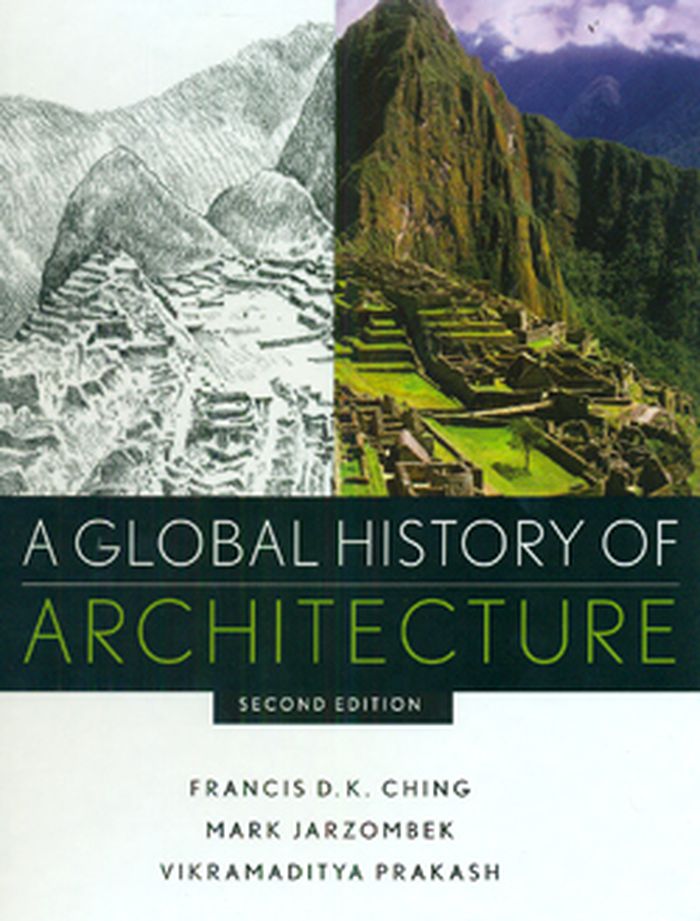
A global history of architecture 2nd edition
Actions:
Prix:
$114.00
(disponible sur commande)
Résumé:
The award-winning First Edition of A Global History of Architecture was a publishing event that forever changed the way architectural history is viewed and studied. This Second Edition surpasses the first with a lavish new design, illustrated throughout with drawings and photographs in full color, and even more maps and diagrams detailing global interconnections. The signature drawings of Francis D.K. Ching are more informative than ever, updated with scale, annotation, and function added where needed. This revision is sure to remain the most relevant book on the topic.
A global history of architecture 2nd edition
Actions:
Prix:
$114.00
(disponible sur commande)
Résumé:
The award-winning First Edition of A Global History of Architecture was a publishing event that forever changed the way architectural history is viewed and studied. This Second Edition surpasses the first with a lavish new design, illustrated throughout with drawings and photographs in full color, and even more maps and diagrams detailing global interconnections. The signature drawings of Francis D.K. Ching are more informative than ever, updated with scale, annotation, and function added where needed. This revision is sure to remain the most relevant book on the topic.
Classification:
livres
livres
Publication:
octobre 2010
octobre 2010
Classification:
livres
livres
Actions:
Prix:
$70.00
(disponible sur commande)
Résumé:
Santiago Calatrava established his reputation as the preeminent engineer of our time with a series of bridges designed for cities around the globe. Renowned for being a universal designer, devoting equal time to architecture, engineering, and sculpture, Calatrava has been a singular force in reviving an excitement for construction technology and ambitious architecture(...)
$70.00
(disponible sur commande)
Résumé:
Santiago Calatrava established his reputation as the preeminent engineer of our time with a series of bridges designed for cities around the globe. Renowned for being a universal designer, devoting equal time to architecture, engineering, and sculpture, Calatrava has been a singular force in reviving an excitement for construction technology and ambitious architecture(...)
Sujet:
Architecture, monographies
Architecture, monographies
Publication:
janvier 2006, New York
janvier 2006, New York
Titre:
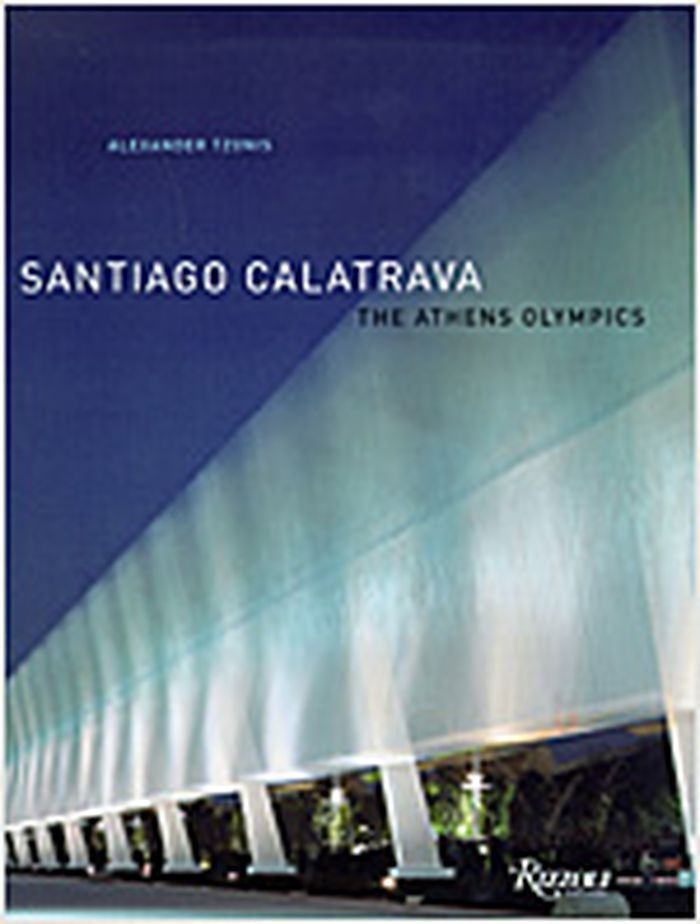
Santiago Calatrava : the Athens olympics
Actions:
Prix:
$70.00
(disponible sur commande)
Résumé:
Santiago Calatrava established his reputation as the preeminent engineer of our time with a series of bridges designed for cities around the globe. Renowned for being a universal designer, devoting equal time to architecture, engineering, and sculpture, Calatrava has been a singular force in reviving an excitement for construction technology and ambitious architecture projects. This monograph on Calatrava's designs for the 2004 Olympic Games in Athens is an illustrated presentation of the architect's stadium as well as the various plazas and ceremonial spaces created for the event.
Santiago Calatrava : the Athens olympics
Actions:
Prix:
$70.00
(disponible sur commande)
Résumé:
Santiago Calatrava established his reputation as the preeminent engineer of our time with a series of bridges designed for cities around the globe. Renowned for being a universal designer, devoting equal time to architecture, engineering, and sculpture, Calatrava has been a singular force in reviving an excitement for construction technology and ambitious architecture projects. This monograph on Calatrava's designs for the 2004 Olympic Games in Athens is an illustrated presentation of the architect's stadium as well as the various plazas and ceremonial spaces created for the event.
Classification:
livres
livres
Publication:
janvier 2006, New York
janvier 2006, New York
Sujet:
Architecture, monographies
Architecture, monographies
Classification:
livres
livres
Titre:
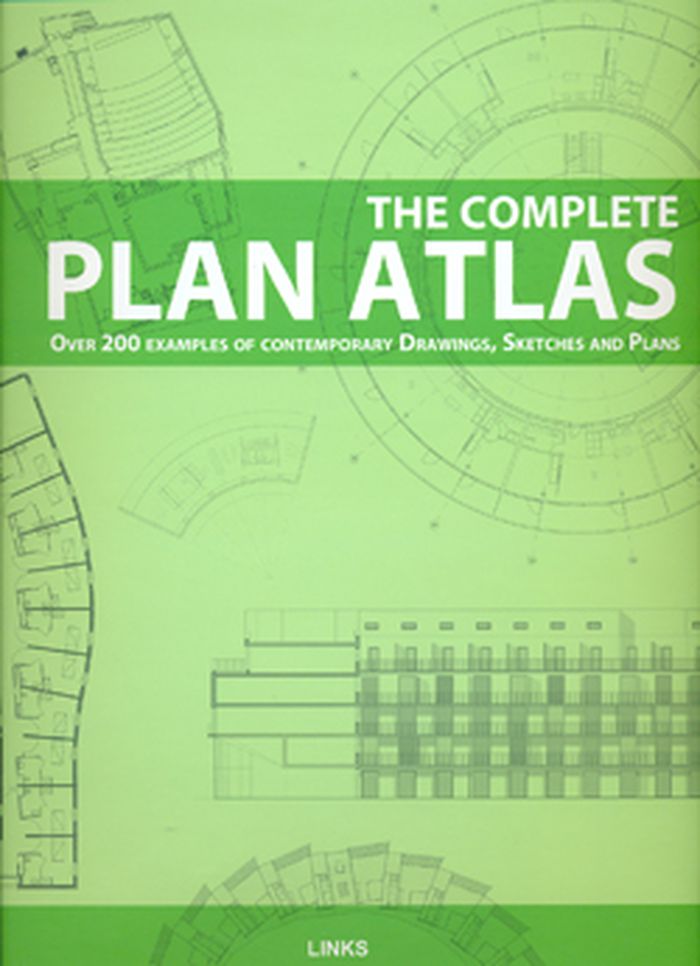
The complete plan atlas
The complete plan atlas
Actions:
Prix:
$75.95
(disponible sur commande)
Résumé:
Event design offers exciting new opportunities for architects, designers, and creative thinkers of every kind. Events Design presents a selection of projects specially designed for corporate or institutional events. Space design, graphics, lighting, and other innovative solutions are spotlighted, and every project is illustrated with full-color photographs, plans,(...)
$75.95
(disponible sur commande)
Résumé:
Event design offers exciting new opportunities for architects, designers, and creative thinkers of every kind. Events Design presents a selection of projects specially designed for corporate or institutional events. Space design, graphics, lighting, and other innovative solutions are spotlighted, and every project is illustrated with full-color photographs, plans,(...)
Publication:
mai 2009
mai 2009
Titre:
The complete plan atlas
Actions:
Prix:
$75.95
(disponible sur commande)
Résumé:
Event design offers exciting new opportunities for architects, designers, and creative thinkers of every kind. Events Design presents a selection of projects specially designed for corporate or institutional events. Space design, graphics, lighting, and other innovative solutions are spotlighted, and every project is illustrated with full-color photographs, plans, drawings, and descriptive text from the planning architects and designers themselves.
The complete plan atlas
Actions:
Prix:
$75.95
(disponible sur commande)
Résumé:
Event design offers exciting new opportunities for architects, designers, and creative thinkers of every kind. Events Design presents a selection of projects specially designed for corporate or institutional events. Space design, graphics, lighting, and other innovative solutions are spotlighted, and every project is illustrated with full-color photographs, plans, drawings, and descriptive text from the planning architects and designers themselves.
Classification:
livres
livres
Publication:
mai 2009
mai 2009
Classification:
livres
livres
Actions:
Prix:
$39.95
(disponible sur commande)
Résumé:
Beyond a design school, the Harvard Graduate School of Design (GSD) is an immersive environment — a dense atmosphere saturated with creative and intellectual activity. Platform 4 represents a selective sampling of agendas cultivated at the GSD during the last academic year, revealing a diverse mixture of projects, research, and events. Organized as a searchable database,(...)
$39.95
(disponible sur commande)
Résumé:
Beyond a design school, the Harvard Graduate School of Design (GSD) is an immersive environment — a dense atmosphere saturated with creative and intellectual activity. Platform 4 represents a selective sampling of agendas cultivated at the GSD during the last academic year, revealing a diverse mixture of projects, research, and events. Organized as a searchable database,(...)
Titre:
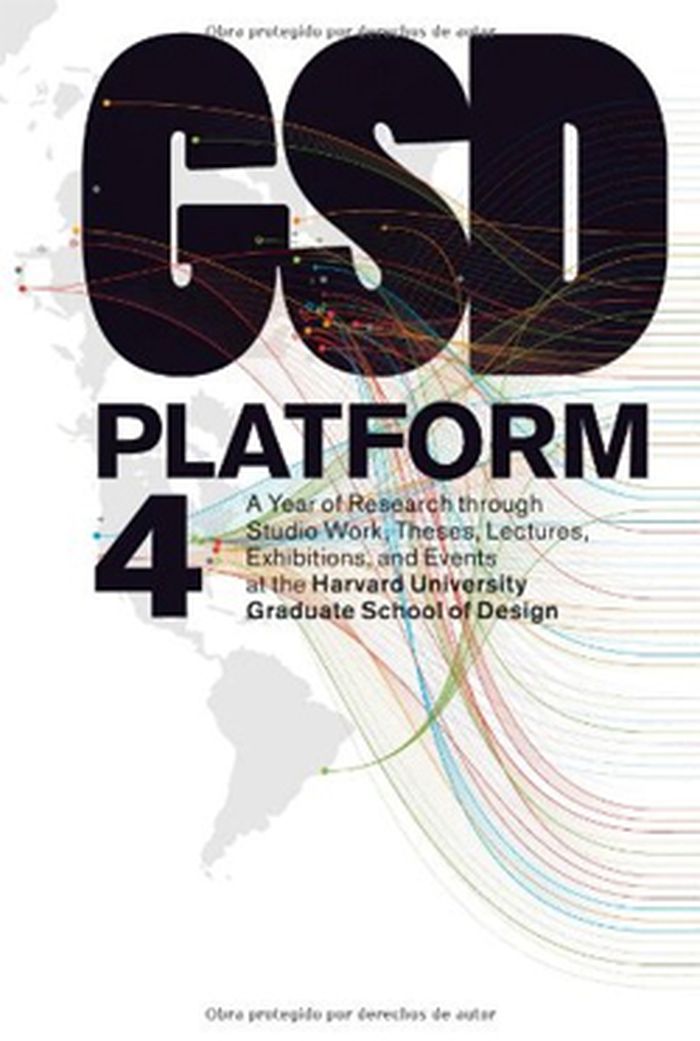
GSD Platform 4 : a year of reseach through studio work, theses, lectures, exhibitions, and events at the Harvard University Graduate School of Design
Actions:
Prix:
$39.95
(disponible sur commande)
Résumé:
Beyond a design school, the Harvard Graduate School of Design (GSD) is an immersive environment — a dense atmosphere saturated with creative and intellectual activity. Platform 4 represents a selective sampling of agendas cultivated at the GSD during the last academic year, revealing a diverse mixture of projects, research, and events. Organized as a searchable database, this publication documents both site and situation at the GSD—it is an institutional index. While Platform 4 records research trajectories from the past year, it also has the capacity to set agendas for future work. By framing a set of issues and topics, Platform 4 focuses attention towards particular areas of interest, allowing individual work to build on and contribute to a larger body of disciplinary knowledge. In that sense, the themes within this book become projective, they provide frameworks for future inquiry.
GSD Platform 4 : a year of reseach through studio work, theses, lectures, exhibitions, and events at the Harvard University Graduate School of Design
Actions:
Prix:
$39.95
(disponible sur commande)
Résumé:
Beyond a design school, the Harvard Graduate School of Design (GSD) is an immersive environment — a dense atmosphere saturated with creative and intellectual activity. Platform 4 represents a selective sampling of agendas cultivated at the GSD during the last academic year, revealing a diverse mixture of projects, research, and events. Organized as a searchable database, this publication documents both site and situation at the GSD—it is an institutional index. While Platform 4 records research trajectories from the past year, it also has the capacity to set agendas for future work. By framing a set of issues and topics, Platform 4 focuses attention towards particular areas of interest, allowing individual work to build on and contribute to a larger body of disciplinary knowledge. In that sense, the themes within this book become projective, they provide frameworks for future inquiry.
Classification:
livres
livres
Publication:
février 2012
février 2012
Sujet:
Architecture contemporaine
Architecture contemporaine
Classification:
audio
audio
Description:
1 online resource.
Auteur:
Sujet:
Publication:
[Place of publication not identified] : Lateral Addition, 2018.
[Place of publication not identified] : Lateral Addition, 2018.
Titre:
June 21, 2018 : Listening for Southwest Key in San Diego.
Actions:
Description:
1 online resource.
June 21, 2018 : Listening for Southwest Key in San Diego.
Actions:
Description:
1 online resource.
Classification:
audio
audio
Publication:
[Place of publication not identified] : Lateral Addition, 2018.
[Place of publication not identified] : Lateral Addition, 2018.
Auteur:
Sujet:
Classification:
livres
livres
Actions:
Prix:
$84.95
(disponible sur commande)
Résumé:
In 2002, the Fundacion Antonio Camunas celebrated its 20th anniversary, and decided to mark the event with the publication of this book. The foundation was created in 1982 as a private non-profit organisation in the memory of Professor Antonio Camunas Paredes, the architect and member of the Madrid School of Architecture. The aims of the foundation are to promote,(...)
$84.95
(disponible sur commande)
Résumé:
In 2002, the Fundacion Antonio Camunas celebrated its 20th anniversary, and decided to mark the event with the publication of this book. The foundation was created in 1982 as a private non-profit organisation in the memory of Professor Antonio Camunas Paredes, the architect and member of the Madrid School of Architecture. The aims of the foundation are to promote,(...)
Publication:
mai 2004, Barcelona
mai 2004, Barcelona
Titre:
The critical years : 10 Spanish architects
Actions:
Prix:
$84.95
(disponible sur commande)
Résumé:
In 2002, the Fundacion Antonio Camunas celebrated its 20th anniversary, and decided to mark the event with the publication of this book. The foundation was created in 1982 as a private non-profit organisation in the memory of Professor Antonio Camunas Paredes, the architect and member of the Madrid School of Architecture. The aims of the foundation are to promote, encourage and make more widely known all activities relating to Fine Arts especially within architectural environments. This volume recalls the 10 Spanish architects who have received the Antonio Camunas Award for Architecture, created by the foundation to reward outstanding architects, and brings together their works in this illustrated publication, in order to raise awareness of contemporary Spanish architecture.
The critical years : 10 Spanish architects
Actions:
Prix:
$84.95
(disponible sur commande)
Résumé:
In 2002, the Fundacion Antonio Camunas celebrated its 20th anniversary, and decided to mark the event with the publication of this book. The foundation was created in 1982 as a private non-profit organisation in the memory of Professor Antonio Camunas Paredes, the architect and member of the Madrid School of Architecture. The aims of the foundation are to promote, encourage and make more widely known all activities relating to Fine Arts especially within architectural environments. This volume recalls the 10 Spanish architects who have received the Antonio Camunas Award for Architecture, created by the foundation to reward outstanding architects, and brings together their works in this illustrated publication, in order to raise awareness of contemporary Spanish architecture.
Classification:
livres
livres
Publication:
mai 2004, Barcelona
mai 2004, Barcelona
Classification:
livres
livres
Actions:
Prix:
$60.00
(disponible sur commande)
Résumé:
Many people are not familiar with Kumbh Mela, and yet it is the largest celebration on earth: depending on the positions of Jupiter, the sun and the moon, Hindus travel to certain places along holy rivers, the Ganges for example, to bathe and cleanse themselves of sin. With a 2013 attendance of approximately 34 million, the triennial pilgrimage requires that the(...)
$60.00
(disponible sur commande)
Résumé:
Many people are not familiar with Kumbh Mela, and yet it is the largest celebration on earth: depending on the positions of Jupiter, the sun and the moon, Hindus travel to certain places along holy rivers, the Ganges for example, to bathe and cleanse themselves of sin. With a 2013 attendance of approximately 34 million, the triennial pilgrimage requires that the(...)
Titre:
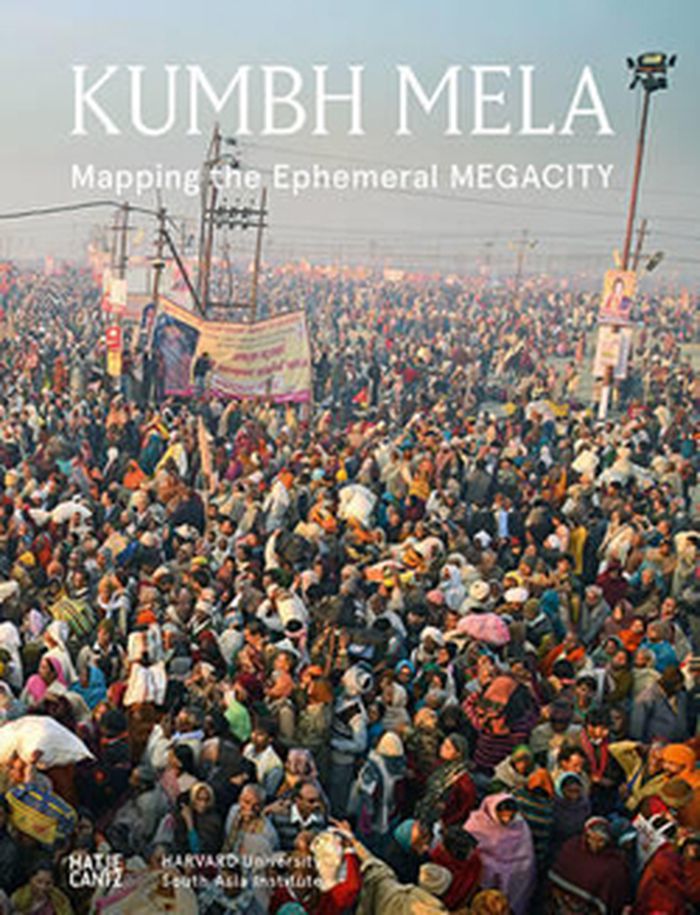
Kumbh Mela: mapping the ephemeral Megacity
Actions:
Prix:
$60.00
(disponible sur commande)
Résumé:
Many people are not familiar with Kumbh Mela, and yet it is the largest celebration on earth: depending on the positions of Jupiter, the sun and the moon, Hindus travel to certain places along holy rivers, the Ganges for example, to bathe and cleanse themselves of sin. With a 2013 attendance of approximately 34 million, the triennial pilgrimage requires that the communities hosting the gatherings create functioning temporary structures to transport, house and feed enormous crowds of people. In 2013, a team from Harvard University monitored the large-scale event from its preparation through to the actual celebration, investigating and documenting the prototypes for flexible urban planning and offering organizers advice on issues around environmental protection. This substantial hardcover presents their comprehensive research findings along with city maps, aerial images and photographs of this most fascinating feat of urban planning.
Kumbh Mela: mapping the ephemeral Megacity
Actions:
Prix:
$60.00
(disponible sur commande)
Résumé:
Many people are not familiar with Kumbh Mela, and yet it is the largest celebration on earth: depending on the positions of Jupiter, the sun and the moon, Hindus travel to certain places along holy rivers, the Ganges for example, to bathe and cleanse themselves of sin. With a 2013 attendance of approximately 34 million, the triennial pilgrimage requires that the communities hosting the gatherings create functioning temporary structures to transport, house and feed enormous crowds of people. In 2013, a team from Harvard University monitored the large-scale event from its preparation through to the actual celebration, investigating and documenting the prototypes for flexible urban planning and offering organizers advice on issues around environmental protection. This substantial hardcover presents their comprehensive research findings along with city maps, aerial images and photographs of this most fascinating feat of urban planning.
Classification:
livres
livres
Publication:
août 2015
août 2015
Sujet:
Théorie de l’architecture
Théorie de l’architecture
Classification:
livres
livres

Actions:
Prix:
$38.95
(disponible sur commande)
Résumé:
The architecture biennal Beijing 2004 -ABB2004- is an historic event in the history of Chinese architecture. It is the first ever architecture biennal to be held in China, and it occurs at a very special moment in history. For not only is China opening up to the influence of world architecture as never before, but the city of Beijing is preparing itself to become a(...)
$38.95
(disponible sur commande)
Résumé:
The architecture biennal Beijing 2004 -ABB2004- is an historic event in the history of Chinese architecture. It is the first ever architecture biennal to be held in China, and it occurs at a very special moment in history. For not only is China opening up to the influence of world architecture as never before, but the city of Beijing is preparing itself to become a(...)
Publication:
mars 2005, New York
mars 2005, New York
Titre:
Fast forward, hot spots, brain cells : architecture biennal Beijing, 2004
Actions:
Prix:
$38.95
(disponible sur commande)
Résumé:
The architecture biennal Beijing 2004 -ABB2004- is an historic event in the history of Chinese architecture. It is the first ever architecture biennal to be held in China, and it occurs at a very special moment in history. For not only is China opening up to the influence of world architecture as never before, but the city of Beijing is preparing itself to become a world stage for the 2008 Olympics, an event which will endow the city with a rich array of new buildings, designed by some of the leading architects in the world.
Fast forward, hot spots, brain cells : architecture biennal Beijing, 2004
Actions:
Prix:
$38.95
(disponible sur commande)
Résumé:
The architecture biennal Beijing 2004 -ABB2004- is an historic event in the history of Chinese architecture. It is the first ever architecture biennal to be held in China, and it occurs at a very special moment in history. For not only is China opening up to the influence of world architecture as never before, but the city of Beijing is preparing itself to become a world stage for the 2008 Olympics, an event which will endow the city with a rich array of new buildings, designed by some of the leading architects in the world.
Classification:
livres
livres
Publication:
mars 2005, New York
mars 2005, New York
Classification:
livres
livres

Actions:
Prix:
$19.50
(disponible sur commande)
Résumé:
The most pivotal and yet least understood event of Frank Lloyd Wright’s celebrated life involves the brutal murders in 1914 of seven adults and children dear to the architect and the destruction by fire of Taliesin, his landmark residence, near Spring Green, Wisconsin. Supplying both a gripping mystery story and a portrait of the artist in his prime, William Drennan wades(...)
$19.50
(disponible sur commande)
Résumé:
The most pivotal and yet least understood event of Frank Lloyd Wright’s celebrated life involves the brutal murders in 1914 of seven adults and children dear to the architect and the destruction by fire of Taliesin, his landmark residence, near Spring Green, Wisconsin. Supplying both a gripping mystery story and a portrait of the artist in his prime, William Drennan wades(...)
Titre:
Death in a prairie house: Frank Lloyd Wright and the Taliesin murders
Actions:
Prix:
$19.50
(disponible sur commande)
Résumé:
The most pivotal and yet least understood event of Frank Lloyd Wright’s celebrated life involves the brutal murders in 1914 of seven adults and children dear to the architect and the destruction by fire of Taliesin, his landmark residence, near Spring Green, Wisconsin. Supplying both a gripping mystery story and a portrait of the artist in his prime, William Drennan wades through the myths surrounding Wright and the massacre, casting fresh light on the formulation of Wright’s architectural ideology and the cataclysmic effects that the Taliesin murders exerted on the fabled architect and on his subsequent designs.
Death in a prairie house: Frank Lloyd Wright and the Taliesin murders
Actions:
Prix:
$19.50
(disponible sur commande)
Résumé:
The most pivotal and yet least understood event of Frank Lloyd Wright’s celebrated life involves the brutal murders in 1914 of seven adults and children dear to the architect and the destruction by fire of Taliesin, his landmark residence, near Spring Green, Wisconsin. Supplying both a gripping mystery story and a portrait of the artist in his prime, William Drennan wades through the myths surrounding Wright and the massacre, casting fresh light on the formulation of Wright’s architectural ideology and the cataclysmic effects that the Taliesin murders exerted on the fabled architect and on his subsequent designs.
Classification:
livres
livres
Publication:
novembre 2008, Madison
novembre 2008, Madison
Sujet:
Architecture, monographies
Architecture, monographies


