


1221 Résultats
Classification:
livres
livres
Actions:
Prix:
$33.95
(disponible sur commande)
Résumé:
Writing About Architecture: Mastering the Language of Buildings and Cities, the latest addition to the Architecture Briefs series, is a handbook on how to write effectively and critically about the contemporary city. The book offers works by architecture critics of the twentieth century -including Ada Louise Huxtable, Lewis Mumford, Herbert Muschamp, Michael Sorkin,(...)
$33.95
(disponible sur commande)
Résumé:
Writing About Architecture: Mastering the Language of Buildings and Cities, the latest addition to the Architecture Briefs series, is a handbook on how to write effectively and critically about the contemporary city. The book offers works by architecture critics of the twentieth century -including Ada Louise Huxtable, Lewis Mumford, Herbert Muschamp, Michael Sorkin,(...)
Titre:
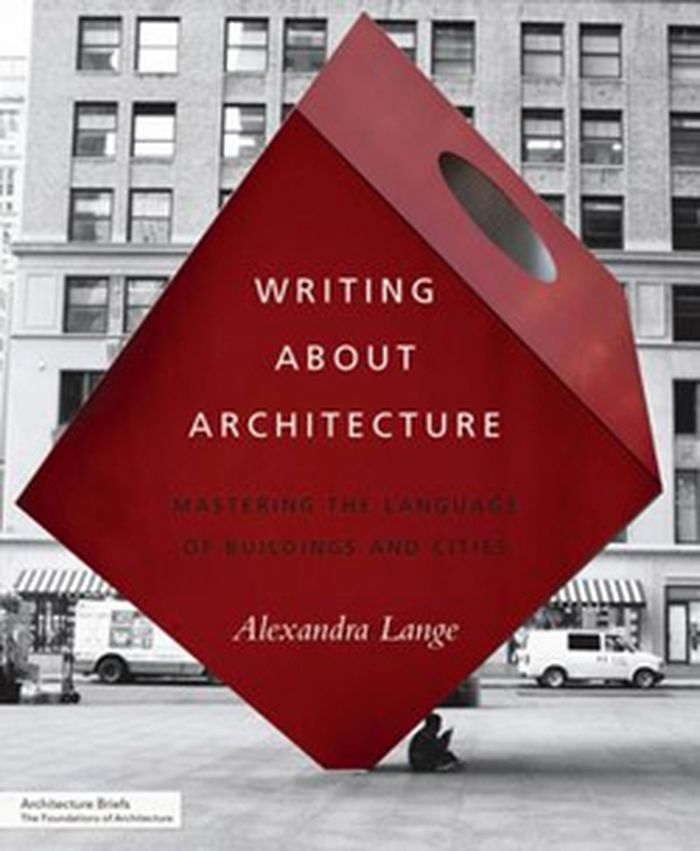
Writing about architecture: mastering the language of buildings and cities
Actions:
Prix:
$33.95
(disponible sur commande)
Résumé:
Writing About Architecture: Mastering the Language of Buildings and Cities, the latest addition to the Architecture Briefs series, is a handbook on how to write effectively and critically about the contemporary city. The book offers works by architecture critics of the twentieth century -including Ada Louise Huxtable, Lewis Mumford, Herbert Muschamp, Michael Sorkin, Charles Moore, Frederick Law Olmsted, and Jane Jacobs- to explains some of the most successful methods with which to approach architectural criticism. Each chapter opens with a reprint of a historically significant essay discussing a specific building or urban project. The author, Alexandra Lange, then offers a close reading of that essay, as well as her own analysis through contemporary examples, to further enlighten the reader about how to write an effective piece of architectural criticism.
Writing about architecture: mastering the language of buildings and cities
Actions:
Prix:
$33.95
(disponible sur commande)
Résumé:
Writing About Architecture: Mastering the Language of Buildings and Cities, the latest addition to the Architecture Briefs series, is a handbook on how to write effectively and critically about the contemporary city. The book offers works by architecture critics of the twentieth century -including Ada Louise Huxtable, Lewis Mumford, Herbert Muschamp, Michael Sorkin, Charles Moore, Frederick Law Olmsted, and Jane Jacobs- to explains some of the most successful methods with which to approach architectural criticism. Each chapter opens with a reprint of a historically significant essay discussing a specific building or urban project. The author, Alexandra Lange, then offers a close reading of that essay, as well as her own analysis through contemporary examples, to further enlighten the reader about how to write an effective piece of architectural criticism.
Classification:
livres
livres
Publication:
mars 2012
mars 2012
Sujet:
Théorie de l’architecture
Théorie de l’architecture
Classification:
livres
livres
Actions:
Prix:
$33.95
(disponible en magasin)
Résumé:
With the many additions to the campus of Stanford university since the publication of this book, including the Frances Arrillaga alumni center by Hoover Associates / The SWA Group, the James H. Clark center for bio sciences – bio engineering by Foster and Partners / Peter Walker and Partners, and the Carnegie institution by Esherik Homsey Dodge and Davis, it is time for(...)
$33.95
(disponible en magasin)
Résumé:
With the many additions to the campus of Stanford university since the publication of this book, including the Frances Arrillaga alumni center by Hoover Associates / The SWA Group, the James H. Clark center for bio sciences – bio engineering by Foster and Partners / Peter Walker and Partners, and the Carnegie institution by Esherik Homsey Dodge and Davis, it is time for(...)
Publication:
février 2006, New York
février 2006, New York
Titre:
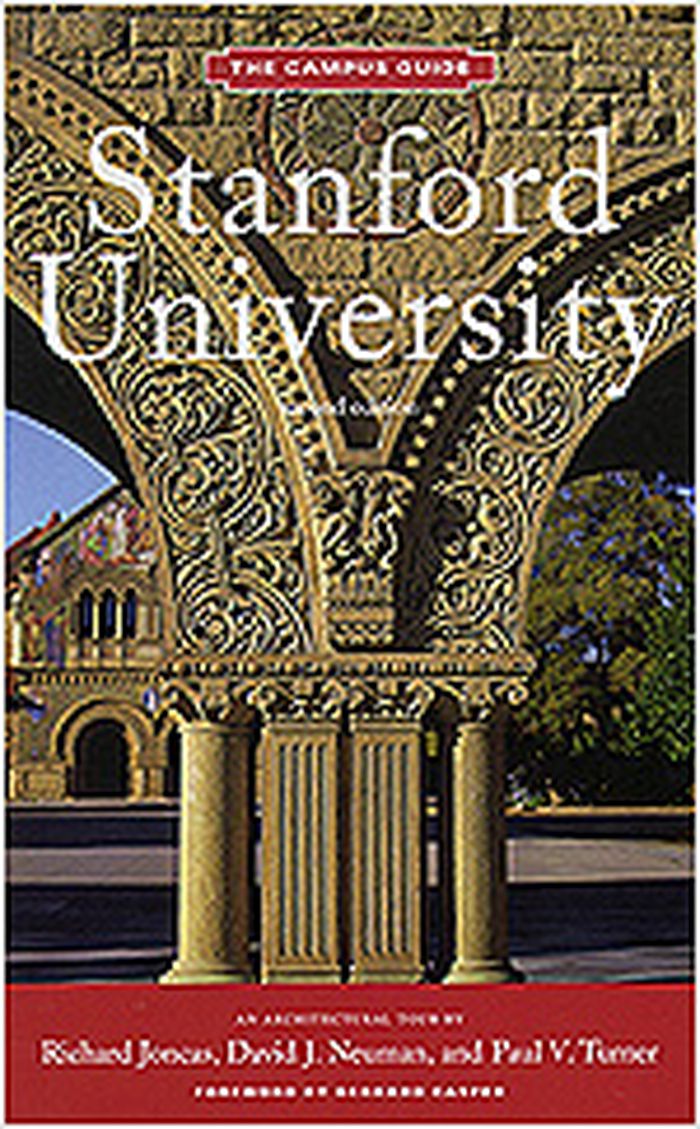
Stanford university, second edition
Actions:
Prix:
$33.95
(disponible en magasin)
Résumé:
With the many additions to the campus of Stanford university since the publication of this book, including the Frances Arrillaga alumni center by Hoover Associates / The SWA Group, the James H. Clark center for bio sciences – bio engineering by Foster and Partners / Peter Walker and Partners, and the Carnegie institution by Esherik Homsey Dodge and Davis, it is time for a revised edition of this guide. The original 1891 campus, conceived by Frederick Law Olmsted and executed by architects Shepley, Rutan and Coolidge, balances architecture, landscapes, and the natural surroundings in a composition of classic formal beauty. Stanford is a model of university design, from the nineteenth-century Memorial court and Main quad to twentieth-century buildings and restorations that respect the historic campus while contributing to modern design. This revised edition features 16 new pages on the additions to the campus and many updated entries with new photography.
Stanford university, second edition
Actions:
Prix:
$33.95
(disponible en magasin)
Résumé:
With the many additions to the campus of Stanford university since the publication of this book, including the Frances Arrillaga alumni center by Hoover Associates / The SWA Group, the James H. Clark center for bio sciences – bio engineering by Foster and Partners / Peter Walker and Partners, and the Carnegie institution by Esherik Homsey Dodge and Davis, it is time for a revised edition of this guide. The original 1891 campus, conceived by Frederick Law Olmsted and executed by architects Shepley, Rutan and Coolidge, balances architecture, landscapes, and the natural surroundings in a composition of classic formal beauty. Stanford is a model of university design, from the nineteenth-century Memorial court and Main quad to twentieth-century buildings and restorations that respect the historic campus while contributing to modern design. This revised edition features 16 new pages on the additions to the campus and many updated entries with new photography.
Classification:
livres
livres
Publication:
février 2006, New York
février 2006, New York
Classification:
livres
livres
Titre:
The language of landscape
The language of landscape
Actions:
Prix:
$25.95
(disponible sur commande)
Résumé:
Offering examples that range across thousands of years and five continents, Spirn examines urban, rural, and natural landscapes. She discusses the thought of renowned landscape authors--Thomas Jefferson, Frank Lloyd Wright, Frederick Law Olmsted, Lawrence Halprin--and of less well known pioneers, including Australian architect Glenn Murcutt and Danish landscape artist C.(...)
$25.95
(disponible sur commande)
Résumé:
Offering examples that range across thousands of years and five continents, Spirn examines urban, rural, and natural landscapes. She discusses the thought of renowned landscape authors--Thomas Jefferson, Frank Lloyd Wright, Frederick Law Olmsted, Lawrence Halprin--and of less well known pioneers, including Australian architect Glenn Murcutt and Danish landscape artist C.(...)
Titre:
The language of landscape
Actions:
Prix:
$25.95
(disponible sur commande)
Résumé:
Offering examples that range across thousands of years and five continents, Spirn examines urban, rural, and natural landscapes. She discusses the thought of renowned landscape authors--Thomas Jefferson, Frank Lloyd Wright, Frederick Law Olmsted, Lawrence Halprin--and of less well known pioneers, including Australian architect Glenn Murcutt and Danish landscape artist C. Th. Sørensen. She discusses instances of great landscape designers using landscape fluently, masterfully, and sometimes cynically. And, in a probing analysis of the many meanings of landscape, Spirn shows how one person’s ideal landscape may be another’s nightmare, how Utopian landscapes can be dark. There is danger when we lose the connection between a place and our understanding of it, Spirn warns, and she calls for change in the way we shape our environment, based on the notions of nature as a set of ideas and landscape as the expression of action and ideas in place.
The language of landscape
Actions:
Prix:
$25.95
(disponible sur commande)
Résumé:
Offering examples that range across thousands of years and five continents, Spirn examines urban, rural, and natural landscapes. She discusses the thought of renowned landscape authors--Thomas Jefferson, Frank Lloyd Wright, Frederick Law Olmsted, Lawrence Halprin--and of less well known pioneers, including Australian architect Glenn Murcutt and Danish landscape artist C. Th. Sørensen. She discusses instances of great landscape designers using landscape fluently, masterfully, and sometimes cynically. And, in a probing analysis of the many meanings of landscape, Spirn shows how one person’s ideal landscape may be another’s nightmare, how Utopian landscapes can be dark. There is danger when we lose the connection between a place and our understanding of it, Spirn warns, and she calls for change in the way we shape our environment, based on the notions of nature as a set of ideas and landscape as the expression of action and ideas in place.
Classification:
livres
livres
Publication:
mai 2000, New haven
mai 2000, New haven
Sujet:
Théorie du paysage
Théorie du paysage
Classification:
livres
livres
Actions:
Prix:
$34.95
(disponible sur commande)
Résumé:
Leland and Jane Stanford built Stanford University as a memorial to their son, Leland Stanford Jr. The original 1891 campus, conceived by Frederick Law Olmsted and executed by architects Shepley, Rutan and Coolidge, balances architecture, landscapes, and the (...)
$34.95
(disponible sur commande)
Résumé:
Leland and Jane Stanford built Stanford University as a memorial to their son, Leland Stanford Jr. The original 1891 campus, conceived by Frederick Law Olmsted and executed by architects Shepley, Rutan and Coolidge, balances architecture, landscapes, and the (...)
Publication:
avril 1999, New York
avril 1999, New York
Titre:
Stanford University : the campus guide
Actions:
Prix:
$34.95
(disponible sur commande)
Résumé:
Leland and Jane Stanford built Stanford University as a memorial to their son, Leland Stanford Jr. The original 1891 campus, conceived by Frederick Law Olmsted and executed by architects Shepley, Rutan and Coolidge, balances architecture, landscapes, and the natural surroundings in a composition of classic formal beauty. Stanford is a model of university design, from the nineteenth-century Memorial Court and Main Quad to twentieth-century buildings and restorations that respect the historic campus while contributing to modern design. This architectural tour offers an insider's view of the most interesting buildings on campus and around town, from the historic designs of Memorial Court and Hoover Tower to twentieth-century interpretations of Stanford's red-tile-roof tradition in Antoine Predock's Allen Center for Integrated Systems and Polshek and Partners' Cantor Center for Visual Arts at Stanford University. It includes the work of Frank Lloyd Wright, Arthur Erickson, William Turnbull, James Ingo Freed, Sir Norman Foster, and Polshek.
Stanford University : the campus guide
Actions:
Prix:
$34.95
(disponible sur commande)
Résumé:
Leland and Jane Stanford built Stanford University as a memorial to their son, Leland Stanford Jr. The original 1891 campus, conceived by Frederick Law Olmsted and executed by architects Shepley, Rutan and Coolidge, balances architecture, landscapes, and the natural surroundings in a composition of classic formal beauty. Stanford is a model of university design, from the nineteenth-century Memorial Court and Main Quad to twentieth-century buildings and restorations that respect the historic campus while contributing to modern design. This architectural tour offers an insider's view of the most interesting buildings on campus and around town, from the historic designs of Memorial Court and Hoover Tower to twentieth-century interpretations of Stanford's red-tile-roof tradition in Antoine Predock's Allen Center for Integrated Systems and Polshek and Partners' Cantor Center for Visual Arts at Stanford University. It includes the work of Frank Lloyd Wright, Arthur Erickson, William Turnbull, James Ingo Freed, Sir Norman Foster, and Polshek.
Classification:
livres
livres
Publication:
avril 1999, New York
avril 1999, New York
Classification:
livres
livres
Actions:
Prix:
$24.95
(disponible sur commande)
Résumé:
Pour Michel Desvigne, Grand Prix de l'urbanisme 2011, le paysage initie la recomposition urbaine, notamment celle des grands territoires, telle sa récente intervention sur le plateau de Saclay. Il remet au goût du jour les enseignements du plus grand paysagiste américain, Frederick Law Olmsted, pour refonder une pensée du projet durable à la bonne échelle, mêlant(...)
$24.95
(disponible sur commande)
Résumé:
Pour Michel Desvigne, Grand Prix de l'urbanisme 2011, le paysage initie la recomposition urbaine, notamment celle des grands territoires, telle sa récente intervention sur le plateau de Saclay. Il remet au goût du jour les enseignements du plus grand paysagiste américain, Frederick Law Olmsted, pour refonder une pensée du projet durable à la bonne échelle, mêlant(...)
Titre:
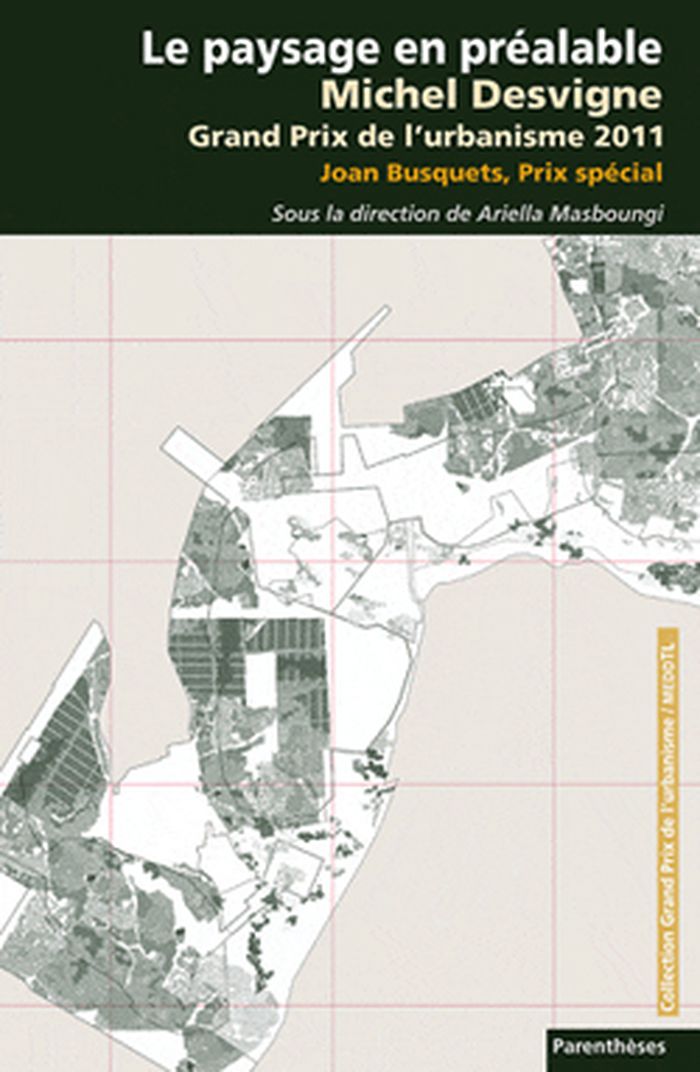
Le paysage en préalable : Michel Desvigne, Grand Prix de l'urbanisme 2011
Actions:
Prix:
$24.95
(disponible sur commande)
Résumé:
Pour Michel Desvigne, Grand Prix de l'urbanisme 2011, le paysage initie la recomposition urbaine, notamment celle des grands territoires, telle sa récente intervention sur le plateau de Saclay. Il remet au goût du jour les enseignements du plus grand paysagiste américain, Frederick Law Olmsted, pour refonder une pensée du projet durable à la bonne échelle, mêlant l'existant et l'artifice, réunissant les conditions du lien entre hommes, espaces et fonctions. De plus, il développe un mode d intervention multiscalaire : jardins, parcs (Millenium à Londres), plans directeurs (entrée de ville à Montpellier), recompositions territoriales (rive droite de la Garonne à Bordeaux), places urbaines (à Dallas, à Anvers, à Marseille) ou ensemble des espaces publics (Lyon Confluence). Joan Busquets, Prix spécial, élargit à l'échelle européenne l'expérience barcelonaise qui a fondé l'urbanisme sur la recomposition de l'espace public, incluant les infrastructures lourdes et la création de nouvelles centralités. Deux approches qui ouvrent la voie de l'urbanisme contemporain durable, posant le paysage en préalable.
Le paysage en préalable : Michel Desvigne, Grand Prix de l'urbanisme 2011
Actions:
Prix:
$24.95
(disponible sur commande)
Résumé:
Pour Michel Desvigne, Grand Prix de l'urbanisme 2011, le paysage initie la recomposition urbaine, notamment celle des grands territoires, telle sa récente intervention sur le plateau de Saclay. Il remet au goût du jour les enseignements du plus grand paysagiste américain, Frederick Law Olmsted, pour refonder une pensée du projet durable à la bonne échelle, mêlant l'existant et l'artifice, réunissant les conditions du lien entre hommes, espaces et fonctions. De plus, il développe un mode d intervention multiscalaire : jardins, parcs (Millenium à Londres), plans directeurs (entrée de ville à Montpellier), recompositions territoriales (rive droite de la Garonne à Bordeaux), places urbaines (à Dallas, à Anvers, à Marseille) ou ensemble des espaces publics (Lyon Confluence). Joan Busquets, Prix spécial, élargit à l'échelle européenne l'expérience barcelonaise qui a fondé l'urbanisme sur la recomposition de l'espace public, incluant les infrastructures lourdes et la création de nouvelles centralités. Deux approches qui ouvrent la voie de l'urbanisme contemporain durable, posant le paysage en préalable.
Classification:
livres
livres
Publication:
mars 2012
mars 2012
Sujet:
Théorie de l’urbanisme
Théorie de l’urbanisme
Classification:
livres
livres
Titre:
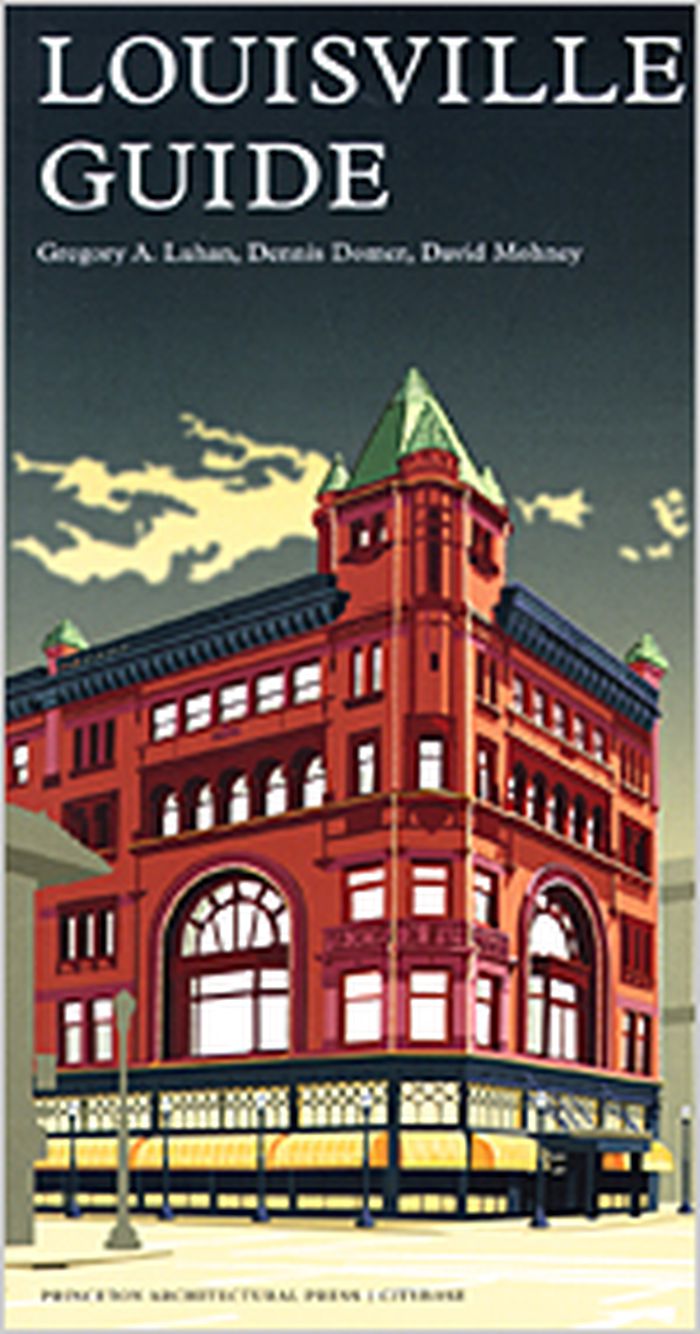
Louisville guide
Louisville guide
Actions:
Prix:
$27.95
(disponible sur commande)
Résumé:
Louisville is one of the overlooked gems of American architecture, a city of Southern charm and grace with a catalogue of buildings by such masters as D.H. Burnham, Bruce Goff, and Herb Greene. An important destination for people interested in everything from colonial to postmodern architecture, this riverfront city is historically rich, while being beautifully planned(...)
$27.95
(disponible sur commande)
Résumé:
Louisville is one of the overlooked gems of American architecture, a city of Southern charm and grace with a catalogue of buildings by such masters as D.H. Burnham, Bruce Goff, and Herb Greene. An important destination for people interested in everything from colonial to postmodern architecture, this riverfront city is historically rich, while being beautifully planned(...)
Sujet:
Guides des villes
Guides des villes
Publication:
août 2004, New York
août 2004, New York
Titre:
Louisville guide
Actions:
Prix:
$27.95
(disponible sur commande)
Résumé:
Louisville is one of the overlooked gems of American architecture, a city of Southern charm and grace with a catalogue of buildings by such masters as D.H. Burnham, Bruce Goff, and Herb Greene. An important destination for people interested in everything from colonial to postmodern architecture, this riverfront city is historically rich, while being beautifully planned with a boulevard and park system designed by Frederick Law Olmsted. The Louisville Guide takes readers on a journey through the city, describing its most notable buildings while providing a complete overview of its architectural history. Essays by Louisville scholars Grady Clay and Edie Bingham add colour and life to the story of the city and its makers. From Carrére and Hastings's Memorial Hall to Michael Graves's Humana Building, The Louisville Guide offers visitors and residents alike never-before published scholarship of the city's rich architectural heritage. At the University of Kentucky, Gregory A. Luhan is an Assistant Professor and David Mohney is the Dean of the College of Architecture, while Dennis Domer is Helen Edwards Abell Chair in Historic Preservation.
Louisville guide
Actions:
Prix:
$27.95
(disponible sur commande)
Résumé:
Louisville is one of the overlooked gems of American architecture, a city of Southern charm and grace with a catalogue of buildings by such masters as D.H. Burnham, Bruce Goff, and Herb Greene. An important destination for people interested in everything from colonial to postmodern architecture, this riverfront city is historically rich, while being beautifully planned with a boulevard and park system designed by Frederick Law Olmsted. The Louisville Guide takes readers on a journey through the city, describing its most notable buildings while providing a complete overview of its architectural history. Essays by Louisville scholars Grady Clay and Edie Bingham add colour and life to the story of the city and its makers. From Carrére and Hastings's Memorial Hall to Michael Graves's Humana Building, The Louisville Guide offers visitors and residents alike never-before published scholarship of the city's rich architectural heritage. At the University of Kentucky, Gregory A. Luhan is an Assistant Professor and David Mohney is the Dean of the College of Architecture, while Dennis Domer is Helen Edwards Abell Chair in Historic Preservation.
Classification:
livres
livres
Publication:
août 2004, New York
août 2004, New York
Sujet:
Guides des villes
Guides des villes
Classification:
livres
livres
Prix:
$75.99
(disponible sur commande)
Résumé:
In this lavishly illustrated volume, Robin Karson traces the development of a distinctly American style of landscape design through an analysis of seven country places created by some of the nation's most talented landscape practitioners. In the mid-nineteenth century Frederick Law Olmsted, the designer of New York's Central Park, developed an approach to landscape(...)
$75.99
(disponible sur commande)
Résumé:
In this lavishly illustrated volume, Robin Karson traces the development of a distinctly American style of landscape design through an analysis of seven country places created by some of the nation's most talented landscape practitioners. In the mid-nineteenth century Frederick Law Olmsted, the designer of New York's Central Park, developed an approach to landscape(...)
Titre:
A genius for place: American landscapes of the country place era
Actions:
Prix:
$75.99
(disponible sur commande)
Résumé:
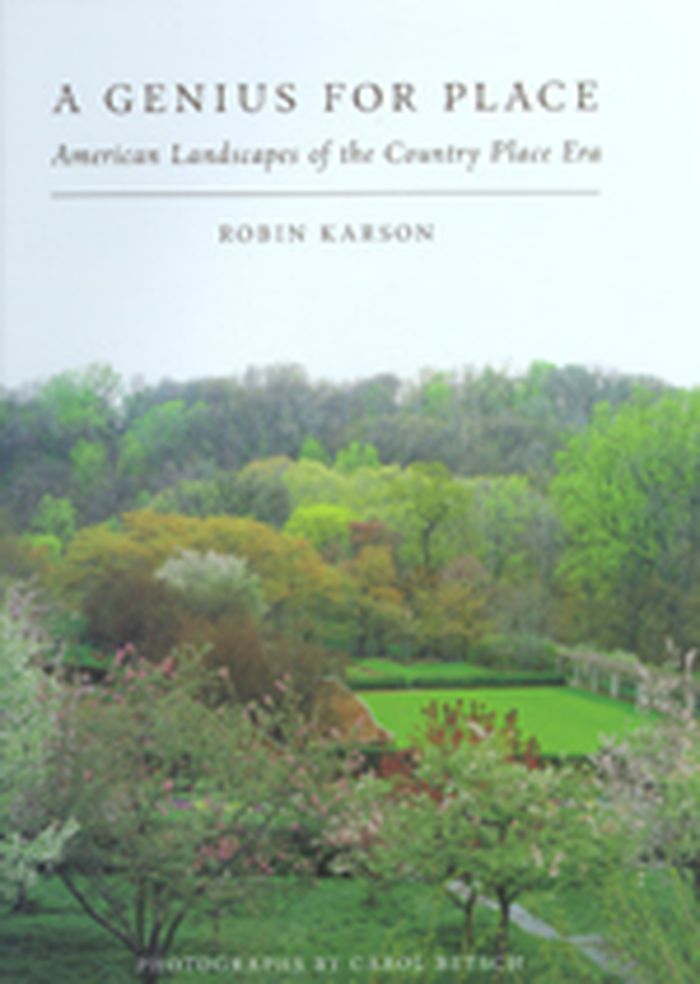
In this lavishly illustrated volume, Robin Karson traces the development of a distinctly American style of landscape design through an analysis of seven country places created by some of the nation's most talented landscape practitioners. In the mid-nineteenth century Frederick Law Olmsted, the designer of New York's Central Park, developed an approach to landscape design based on the principles of the English Picturesque which also emphasized a specifically American experience of nature and scenery. After Olmsted's retirement in 1897, these precepts continued to ground a new generation of American landscape architects through the next four decades, a period known as the “country place era,” a time of rapid economic, social, and cultural change. The chapters in this book trace a progression in the period from the naturalistic wild gardens of Warren Manning to the mysterious “Prairie style” landscapes of Jens Jensen to the proto-modernist gardens of Fletcher Steele. Other practitioners cov ered are Charles Platt, Ellen Biddle Shipman, Beatrix Farrand, Marian Coffin, and Lockwood de Forest Jr. The projects profiled follow a broad geographic arc, from Stockbridge, Massachusetts, to Santa Barbara, California. All seven landscapes are now open to visitors.
A genius for place: American landscapes of the country place era
Actions:
Prix:
$75.99
(disponible sur commande)
Résumé:
In this lavishly illustrated volume, Robin Karson traces the development of a distinctly American style of landscape design through an analysis of seven country places created by some of the nation's most talented landscape practitioners. In the mid-nineteenth century Frederick Law Olmsted, the designer of New York's Central Park, developed an approach to landscape design based on the principles of the English Picturesque which also emphasized a specifically American experience of nature and scenery. After Olmsted's retirement in 1897, these precepts continued to ground a new generation of American landscape architects through the next four decades, a period known as the “country place era,” a time of rapid economic, social, and cultural change. The chapters in this book trace a progression in the period from the naturalistic wild gardens of Warren Manning to the mysterious “Prairie style” landscapes of Jens Jensen to the proto-modernist gardens of Fletcher Steele. Other practitioners cov ered are Charles Platt, Ellen Biddle Shipman, Beatrix Farrand, Marian Coffin, and Lockwood de Forest Jr. The projects profiled follow a broad geographic arc, from Stockbridge, Massachusetts, to Santa Barbara, California. All seven landscapes are now open to visitors.
Classification:
livres
livres
Publication:
novembre 2007, Amherst
novembre 2007, Amherst
Sujet:
Jardins
Jardins
Classification:
livres
livres
Prix:
$18.99
(disponible sur commande)
Résumé:
Ferruccio Vitale is America's forgotten landscape architect. Though his works like Skylands and Longwood Gardens are well known, his name has been eclipsed by his contemporary, Frederick Law Olmsted, Jr. Yet Vitale's influence on the modern direction of landscape design and his promotion of it as a profession is arguably more significant than Olmsted's. His unique designs(...)
$18.99
(disponible sur commande)
Résumé:
Ferruccio Vitale is America's forgotten landscape architect. Though his works like Skylands and Longwood Gardens are well known, his name has been eclipsed by his contemporary, Frederick Law Olmsted, Jr. Yet Vitale's influence on the modern direction of landscape design and his promotion of it as a profession is arguably more significant than Olmsted's. His unique designs(...)
Titre:
Ferruccio Vitale : landscape architect of the country place Era
Actions:
Prix:
$18.99
(disponible sur commande)
Résumé:
Ferruccio Vitale is America's forgotten landscape architect. Though his works like Skylands and Longwood Gardens are well known, his name has been eclipsed by his contemporary, Frederick Law Olmsted, Jr. Yet Vitale's influence on the modern direction of landscape design and his promotion of it as a profession is arguably more significant than Olmsted's. His unique designs and philosophy, which challenged the then-dominant pictorial mode of landscape architecture, influenced generations of followerss, and is still felt today. Vitale (1875-1933) developed his rationale designs, based on the principles of composition from the fine arts and architecture, in both civic commissions and, most notably, at the country estates of captains of industry and finance, such as Rodman Wanamaker, Pierre S. DuPont, Solomon R. Guggenheim, and Condé Nast. He introduced an idealized and abstracted type of formal design that created beautiful spaces, structured large sites, and reflected informal and relaxed plant compositions. "Ferruccio Vitale" tours over 40 of his masterworks, photographed by some of the best landscape photographers of the time, including Samuel Gottscho. It recounts the compelling story of a life in the twentieth century, influenced by immigrant dreams, social clubs, and professional connections, and its culmination in some of the greatest landscapes of the 20th century.
Ferruccio Vitale : landscape architect of the country place Era
Actions:
Prix:
$18.99
(disponible sur commande)
Résumé:
Ferruccio Vitale is America's forgotten landscape architect. Though his works like Skylands and Longwood Gardens are well known, his name has been eclipsed by his contemporary, Frederick Law Olmsted, Jr. Yet Vitale's influence on the modern direction of landscape design and his promotion of it as a profession is arguably more significant than Olmsted's. His unique designs and philosophy, which challenged the then-dominant pictorial mode of landscape architecture, influenced generations of followerss, and is still felt today. Vitale (1875-1933) developed his rationale designs, based on the principles of composition from the fine arts and architecture, in both civic commissions and, most notably, at the country estates of captains of industry and finance, such as Rodman Wanamaker, Pierre S. DuPont, Solomon R. Guggenheim, and Condé Nast. He introduced an idealized and abstracted type of formal design that created beautiful spaces, structured large sites, and reflected informal and relaxed plant compositions. "Ferruccio Vitale" tours over 40 of his masterworks, photographed by some of the best landscape photographers of the time, including Samuel Gottscho. It recounts the compelling story of a life in the twentieth century, influenced by immigrant dreams, social clubs, and professional connections, and its culmination in some of the greatest landscapes of the 20th century.
Classification:
livres
livres
Publication:
novembre 2001, New York
novembre 2001, New York
Sujet:
Jardins
Jardins
Classification:
livres
livres
Actions:
Prix:
$98.00
(disponible sur commande)
Résumé:
Gilmore D. Clarke and Michael Rapuano were the foremost spatial designers of the American century. Their vast portfolio of public landscapes propelled the legacy of Frederick Law Olmsted and Calvert Vaux into the motor age, touching the lives of millions and changing the face of the nation. This book recovers the forgotten legacy of Clarke and Rapuano, whose parks and(...)
$98.00
(disponible sur commande)
Résumé:
Gilmore D. Clarke and Michael Rapuano were the foremost spatial designers of the American century. Their vast portfolio of public landscapes propelled the legacy of Frederick Law Olmsted and Calvert Vaux into the motor age, touching the lives of millions and changing the face of the nation. This book recovers the forgotten legacy of Clarke and Rapuano, whose parks and(...)
Titre:
Designing the American century: The public landscapes of Clarke and Rapuano, 1915-1965
Actions:
Prix:
$98.00
(disponible sur commande)
Résumé:
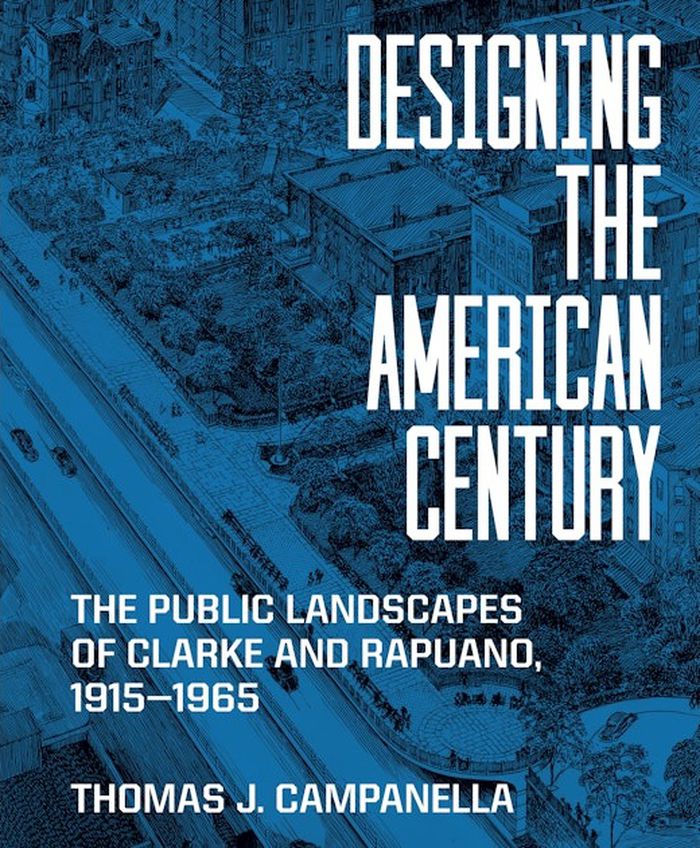
Gilmore D. Clarke and Michael Rapuano were the foremost spatial designers of the American century. Their vast portfolio of public landscapes propelled the legacy of Frederick Law Olmsted and Calvert Vaux into the motor age, touching the lives of millions and changing the face of the nation. This book recovers the forgotten legacy of Clarke and Rapuano, whose parks and parkways, highways and housing estates helped modernize—for better or worse—the American metropolis. With the patronage of public-works titan Robert Moses, Clarke and Rapuano transformed New York over a span of fifty years, revitalizing the city’s immense park system but also planning expressways, public housing, and urban renewal projects that laid waste to entire sections of the city. In this work, Thomas J. Campanella describes how Clarke and Rapuano helped create some of the metropolitan region’s most iconic landscapes, from the Central Park Zoo and Conservatory Garden to the Henry Hudson Parkway and Riverside Park, Jones Beach, the Palisades and Taconic State Parkways, and the Brooklyn Heights Promenade. He shows how they left their mark far beyond Gotham as well, with projects as diverse as Yellowstone’s Mammoth Hot Springs, the Mount Vernon Memorial Highway, site plans for the Pentagon and CIA headquarters, and Montreal’s Olympic Park.
Designing the American century: The public landscapes of Clarke and Rapuano, 1915-1965
Actions:
Prix:
$98.00
(disponible sur commande)
Résumé:
Gilmore D. Clarke and Michael Rapuano were the foremost spatial designers of the American century. Their vast portfolio of public landscapes propelled the legacy of Frederick Law Olmsted and Calvert Vaux into the motor age, touching the lives of millions and changing the face of the nation. This book recovers the forgotten legacy of Clarke and Rapuano, whose parks and parkways, highways and housing estates helped modernize—for better or worse—the American metropolis. With the patronage of public-works titan Robert Moses, Clarke and Rapuano transformed New York over a span of fifty years, revitalizing the city’s immense park system but also planning expressways, public housing, and urban renewal projects that laid waste to entire sections of the city. In this work, Thomas J. Campanella describes how Clarke and Rapuano helped create some of the metropolitan region’s most iconic landscapes, from the Central Park Zoo and Conservatory Garden to the Henry Hudson Parkway and Riverside Park, Jones Beach, the Palisades and Taconic State Parkways, and the Brooklyn Heights Promenade. He shows how they left their mark far beyond Gotham as well, with projects as diverse as Yellowstone’s Mammoth Hot Springs, the Mount Vernon Memorial Highway, site plans for the Pentagon and CIA headquarters, and Montreal’s Olympic Park.
Classification:
livres
livres
Publication:
juillet 2025
juillet 2025
Classification:
livres
livres
Prix:
$36.00
(disponible sur commande)
Résumé:
Riverside, Illinois, was designed in 1869 by landscape architect Frederick Law Olmsted and his architect partner Calvert Vaux. Their unique design, which followed the contours of the landscape and emphasized open spaces, inspired the greatest architects of the time to undertake projects in Riverside. Among those projects was the Avery Coonley Estate, a rare joint effort(...)
$36.00
(disponible sur commande)
Résumé:
Riverside, Illinois, was designed in 1869 by landscape architect Frederick Law Olmsted and his architect partner Calvert Vaux. Their unique design, which followed the contours of the landscape and emphasized open spaces, inspired the greatest architects of the time to undertake projects in Riverside. Among those projects was the Avery Coonley Estate, a rare joint effort(...)
Titre:
The gardener's cottage in Riverside, Illinois: Living in a
Actions:
Prix:
$36.00
(disponible sur commande)
Résumé:
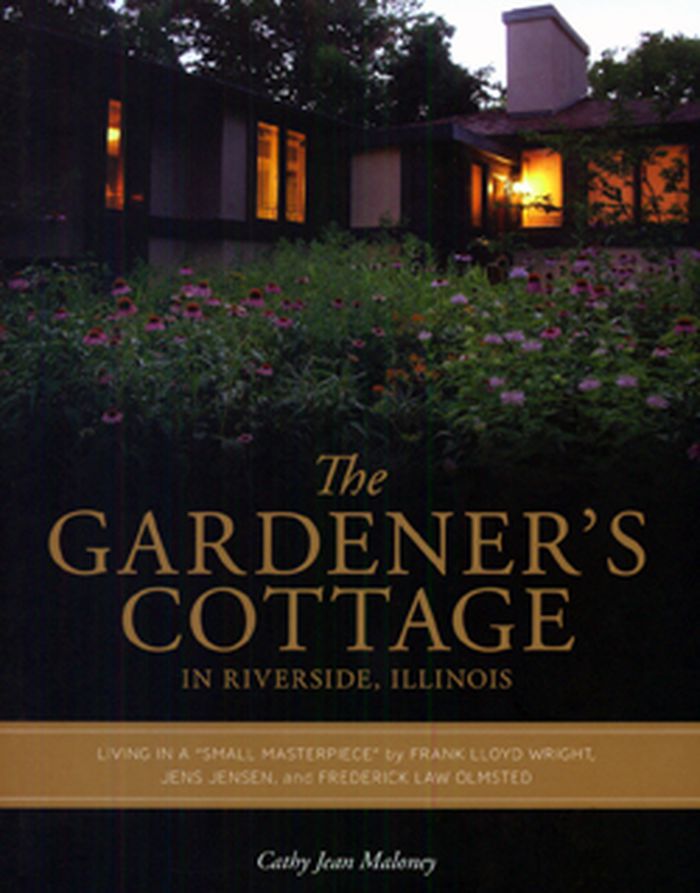
Riverside, Illinois, was designed in 1869 by landscape architect Frederick Law Olmsted and his architect partner Calvert Vaux. Their unique design, which followed the contours of the landscape and emphasized open spaces, inspired the greatest architects of the time to undertake projects in Riverside. Among those projects was the Avery Coonley Estate, a rare joint effort by Frank Lloyd Wright and landscape architect Jens Jensen. At the center of the estate, itself a National Historic Landmark, sits the Gardener’s Cottage, a small but unassuming masterpiece built for the estate’s gardener and his wife. The cottage matches the architectural aesthetic of the estate, and its naturalistic, stunning gardens reflect the overall emphasis on landscape and nature in Riverside. But what is it truly like to live within a historic work of architectural art? Current owner and gardening writer Cathy Jean Maloney here records her discoveries and personal reflections on living in the Gardener’s Cottage with her family. In The Gardener’s Cottage in Riverside, Illinois, Maloney describes the cottage’s beginnings, providing biographical background and design insight into the house itself and Riverside’s key creators. She also highlights the often overlooked beauty of the cottage and illustrates how it is emblematic of Wright and Jensen’s holistic Prairie Style approach to building and landscape architecture. The size of the Gardener’s Cottage allows us to witness Wright’s aesthetic concerns in small detail and to understand his ideas on a more accessible and livable scale.
The gardener's cottage in Riverside, Illinois: Living in a
Actions:
Prix:
$36.00
(disponible sur commande)
Résumé:
Riverside, Illinois, was designed in 1869 by landscape architect Frederick Law Olmsted and his architect partner Calvert Vaux. Their unique design, which followed the contours of the landscape and emphasized open spaces, inspired the greatest architects of the time to undertake projects in Riverside. Among those projects was the Avery Coonley Estate, a rare joint effort by Frank Lloyd Wright and landscape architect Jens Jensen. At the center of the estate, itself a National Historic Landmark, sits the Gardener’s Cottage, a small but unassuming masterpiece built for the estate’s gardener and his wife. The cottage matches the architectural aesthetic of the estate, and its naturalistic, stunning gardens reflect the overall emphasis on landscape and nature in Riverside. But what is it truly like to live within a historic work of architectural art? Current owner and gardening writer Cathy Jean Maloney here records her discoveries and personal reflections on living in the Gardener’s Cottage with her family. In The Gardener’s Cottage in Riverside, Illinois, Maloney describes the cottage’s beginnings, providing biographical background and design insight into the house itself and Riverside’s key creators. She also highlights the often overlooked beauty of the cottage and illustrates how it is emblematic of Wright and Jensen’s holistic Prairie Style approach to building and landscape architecture. The size of the Gardener’s Cottage allows us to witness Wright’s aesthetic concerns in small detail and to understand his ideas on a more accessible and livable scale.
Classification:
livres
livres
Publication:
février 2009
février 2009
Sujet:
Architecture, monographies
Architecture, monographies


