


1222 Résultats
Classification:
livres
livres
Prix:
$40.00
(disponible sur commande)
Résumé:
In 2030, the world's population will be a staggering eight billion people. Of these, two-thirds will live in cities; most will be poor. With limited resources, this unbalanced growth will be one of the greatest challenges faced by societies across the globe. In the coming years, city authorities, urban planners, designers, economists and others will have to join forces to(...)
$40.00
(disponible sur commande)
Résumé:
In 2030, the world's population will be a staggering eight billion people. Of these, two-thirds will live in cities; most will be poor. With limited resources, this unbalanced growth will be one of the greatest challenges faced by societies across the globe. In the coming years, city authorities, urban planners, designers, economists and others will have to join forces to(...)
Titre:
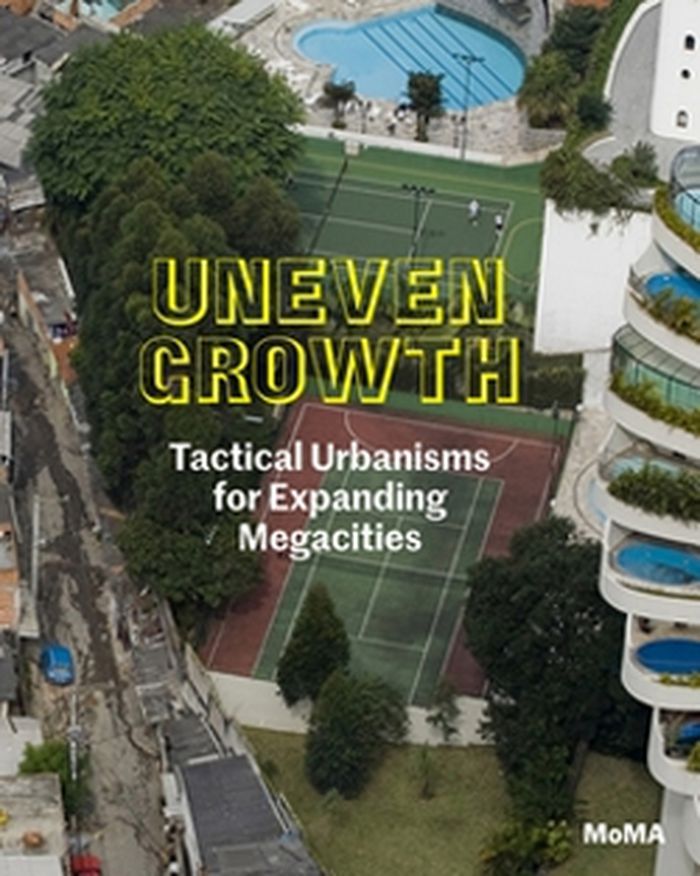
Uneven growth: tactical urbanisms for expanding megacities
Actions:
Prix:
$40.00
(disponible sur commande)
Résumé:
In 2030, the world's population will be a staggering eight billion people. Of these, two-thirds will live in cities; most will be poor. With limited resources, this unbalanced growth will be one of the greatest challenges faced by societies across the globe. In the coming years, city authorities, urban planners, designers, economists and others will have to join forces to avoid a major social and economic catastrophe and to ensure that these expanding megacities will be habitable. Exploring how emergent forms of tactical urbanism could address rapid and uneven urban growth around the globe, The Museum of Modern Art presents Uneven Growth: Tactical Urbanisms for Expanding Megacities, its third iteration of the Issues in Contemporary Architecture series. Uneven Growth is a combination of workshop, exhibition and publication that brings together ideas from an international group of scholars, practitioners and other experts on architecture and urbanism. Featuring proposals for six cities on five continents-New York, Mumbai, Rio de Janeiro, Istanbul, Hong Kong and Lagos, each developed by a pair of teams (one local to the host city and one abroad)-Uneven Growth also documents the brainstorming processes and the workshops. Contributions from each of the teams and essays by leading scholars on the issue make the publication a rich resource for students and professionals alike. Participating teams include Cohabitation Strategies with Situ Studio, POP Lab with URBZ, MAS Urban Design ETH with Rua Arquitetos, Atelier d'Architecture Autogérée with Superpool, Network Architecture Lab with MAP Office and Inteligencias Colectivas with NLÉ Architects.
Uneven growth: tactical urbanisms for expanding megacities
Actions:
Prix:
$40.00
(disponible sur commande)
Résumé:
In 2030, the world's population will be a staggering eight billion people. Of these, two-thirds will live in cities; most will be poor. With limited resources, this unbalanced growth will be one of the greatest challenges faced by societies across the globe. In the coming years, city authorities, urban planners, designers, economists and others will have to join forces to avoid a major social and economic catastrophe and to ensure that these expanding megacities will be habitable. Exploring how emergent forms of tactical urbanism could address rapid and uneven urban growth around the globe, The Museum of Modern Art presents Uneven Growth: Tactical Urbanisms for Expanding Megacities, its third iteration of the Issues in Contemporary Architecture series. Uneven Growth is a combination of workshop, exhibition and publication that brings together ideas from an international group of scholars, practitioners and other experts on architecture and urbanism. Featuring proposals for six cities on five continents-New York, Mumbai, Rio de Janeiro, Istanbul, Hong Kong and Lagos, each developed by a pair of teams (one local to the host city and one abroad)-Uneven Growth also documents the brainstorming processes and the workshops. Contributions from each of the teams and essays by leading scholars on the issue make the publication a rich resource for students and professionals alike. Participating teams include Cohabitation Strategies with Situ Studio, POP Lab with URBZ, MAS Urban Design ETH with Rua Arquitetos, Atelier d'Architecture Autogérée with Superpool, Network Architecture Lab with MAP Office and Inteligencias Colectivas with NLÉ Architects.
Classification:
livres
livres
Publication:
août 2014
août 2014
Sujet:
Théorie de l’urbanisme
Théorie de l’urbanisme
Classification:
livres
livres
Actions:
Exemplaires:
Description:
x, 305 pages : illustrations (some color) ; 31 cm
Description:
x, 305 pages : illustrations (some color) ; 31 cm
Auteur:
Sujet:
Publication:
New York : PPP Editions in association with Roth Horowitz, LLC, 2001., New York, NY : D.A.P./Distributed Art Publishers, Inc.
New York : PPP Editions in association with Roth Horowitz, LLC, 2001., New York, NY : D.A.P./Distributed Art Publishers, Inc.
Titre:
The book of 101 books : seminal photographic books of the twentieth century / edited by Andrew Roth ; essays by Richard Benson, May Castleberry, Jeffrey Fraenkel, Daido Moriyama, Shelley Rice, Neville Wakefield ; catalogue by Vince Aletti and David Levi Strauss.
Actions:
Exemplaires:
Description:
x, 305 pages : illustrations (some color) ; 31 cm
The book of 101 books : seminal photographic books of the twentieth century / edited by Andrew Roth ; essays by Richard Benson, May Castleberry, Jeffrey Fraenkel, Daido Moriyama, Shelley Rice, Neville Wakefield ; catalogue by Vince Aletti and David Levi Strauss.
Actions:
Exemplaires:
Description:
x, 305 pages : illustrations (some color) ; 31 cm
Classification:
livres
livres
Publication:
New York : PPP Editions in association with Roth Horowitz, LLC, 2001., New York, NY : D.A.P./Distributed Art Publishers, Inc.
New York : PPP Editions in association with Roth Horowitz, LLC, 2001., New York, NY : D.A.P./Distributed Art Publishers, Inc.
Auteur:
Sujet:
Classification:
livres
livres
Actions:
Prix:
$70.50
(disponible sur commande)
Résumé:
What is the role of the museum in society today? In this time of fundamental economic and social change, should museums be safe civic spaces or open a floor for challenge and change? Can museums contribute to the economic development of communities? If so, how best to guard against the effects of gentrification so that they do not further limit opportunity for low-income(...)
$70.50
(disponible sur commande)
Résumé:
What is the role of the museum in society today? In this time of fundamental economic and social change, should museums be safe civic spaces or open a floor for challenge and change? Can museums contribute to the economic development of communities? If so, how best to guard against the effects of gentrification so that they do not further limit opportunity for low-income(...)
Titre:
New museums: intentions, expectations, challenges
Actions:
Prix:
$70.50
(disponible sur commande)
Résumé:
What is the role of the museum in society today? In this time of fundamental economic and social change, should museums be safe civic spaces or open a floor for challenge and change? Can museums contribute to the economic development of communities? If so, how best to guard against the effects of gentrification so that they do not further limit opportunity for low-income residents? How should museums respond to concerns about environmental sustainability? These are just a few of the questions museum professionals, planners, and architects must carefully consider when developing plans and choosing a location for a new museum. "New museums" explores these questions by talking to the people behind twenty different museums on six continents, both realized projects and speculative design proposals. Among the museums discussed in the book are the Smithsonian Institute’s National Museum of African American History and Culture in Washington, DC, by Adjaye Associates; the Guggenheim Helsinki by Moreau Kusunoki Architectes; the Comic and Animation Museum in Hangzhou by MVRDV; the Munch Museum in Oslo by Estudio Herreros, the Zeitz Museum of Contemporary Art Africa in Cape Town by Heatherwick Studio; the Long Museum West Bund in Shanghai by Atelier Deshaus; and the recent extension of the Art Gallery of New South Wales in Sydney by SANAA. With more than 250 color illustrations and contributions by leading museum and architecture experts, the book sheds light on current trends and the state-of-the-art technological advances in architecture, while also providing insight into the careful thought and decision processes that go into the development of new museums.
New museums: intentions, expectations, challenges
Actions:
Prix:
$70.50
(disponible sur commande)
Résumé:
What is the role of the museum in society today? In this time of fundamental economic and social change, should museums be safe civic spaces or open a floor for challenge and change? Can museums contribute to the economic development of communities? If so, how best to guard against the effects of gentrification so that they do not further limit opportunity for low-income residents? How should museums respond to concerns about environmental sustainability? These are just a few of the questions museum professionals, planners, and architects must carefully consider when developing plans and choosing a location for a new museum. "New museums" explores these questions by talking to the people behind twenty different museums on six continents, both realized projects and speculative design proposals. Among the museums discussed in the book are the Smithsonian Institute’s National Museum of African American History and Culture in Washington, DC, by Adjaye Associates; the Guggenheim Helsinki by Moreau Kusunoki Architectes; the Comic and Animation Museum in Hangzhou by MVRDV; the Munch Museum in Oslo by Estudio Herreros, the Zeitz Museum of Contemporary Art Africa in Cape Town by Heatherwick Studio; the Long Museum West Bund in Shanghai by Atelier Deshaus; and the recent extension of the Art Gallery of New South Wales in Sydney by SANAA. With more than 250 color illustrations and contributions by leading museum and architecture experts, the book sheds light on current trends and the state-of-the-art technological advances in architecture, while also providing insight into the careful thought and decision processes that go into the development of new museums.
Classification:
livres
livres
Publication:
août 2017
août 2017
Sujet:
Muséologie
Muséologie
Classification:
livres
livres
Actions:
Prix:
$85.00
(disponible en magasin)
Résumé:
Published for a major exhibition at The Museum of Modern Art, this catalog reveals new perspectives on the work of Frank Lloyd Wright, a designer so prolific and familiar as to nearly preclude critical reexamination. Structured as a series of inquiries into the Frank Lloyd Wright Foundation Archives at Taliesin West, Arizona (recently acquired by MoMA and Avery(...)
$85.00
(disponible en magasin)
Résumé:
Published for a major exhibition at The Museum of Modern Art, this catalog reveals new perspectives on the work of Frank Lloyd Wright, a designer so prolific and familiar as to nearly preclude critical reexamination. Structured as a series of inquiries into the Frank Lloyd Wright Foundation Archives at Taliesin West, Arizona (recently acquired by MoMA and Avery(...)
Titre:
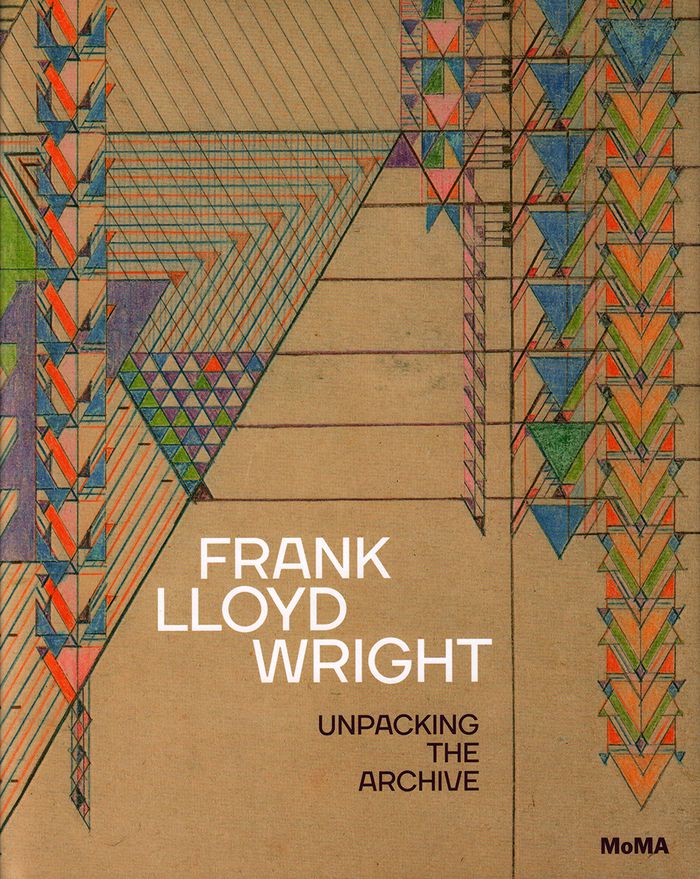
Frank Lloyd Wright: unpacking the archive
Actions:
Prix:
$85.00
(disponible en magasin)
Résumé:
Published for a major exhibition at The Museum of Modern Art, this catalog reveals new perspectives on the work of Frank Lloyd Wright, a designer so prolific and familiar as to nearly preclude critical reexamination. Structured as a series of inquiries into the Frank Lloyd Wright Foundation Archives at Taliesin West, Arizona (recently acquired by MoMA and Avery Architectural & Fine Arts Library, Columbia University), the book is a collection of scholarly explorations rather than an attempt to construct a master narrative. Each chapter centers on a key object from the archive that an invited author has “unpacked”— tracing its meanings and connections, and juxtaposing it with other works from the archive, from MoMA, or from outside collections. Wright’s quest to build a mile-high skyscraper reveals him to be one of the earliest celebrity architects, using television, press relations and other forms of mass media to advance his own self-crafted image. A little-known project for a Rosenwald School for African-American children, together with other projects that engage Japanese and Native American culture, ask provocative questions about Wright’s positions on race and cultural identity. Still other investigations engage the architect’s lifelong dedication to affordable and do-it-yourself housing, as well as the ecological systems, both social and environmental, that informed his approach to cities, landscapes and even ornament. The publication aims to open up Wright’s work to questions, interrogations and debates, and to highlight interpretations by contemporary scholars, both established Wright experts and others considering this iconic figure from new and illuminating perspectives.
Frank Lloyd Wright: unpacking the archive
Actions:
Prix:
$85.00
(disponible en magasin)
Résumé:
Published for a major exhibition at The Museum of Modern Art, this catalog reveals new perspectives on the work of Frank Lloyd Wright, a designer so prolific and familiar as to nearly preclude critical reexamination. Structured as a series of inquiries into the Frank Lloyd Wright Foundation Archives at Taliesin West, Arizona (recently acquired by MoMA and Avery Architectural & Fine Arts Library, Columbia University), the book is a collection of scholarly explorations rather than an attempt to construct a master narrative. Each chapter centers on a key object from the archive that an invited author has “unpacked”— tracing its meanings and connections, and juxtaposing it with other works from the archive, from MoMA, or from outside collections. Wright’s quest to build a mile-high skyscraper reveals him to be one of the earliest celebrity architects, using television, press relations and other forms of mass media to advance his own self-crafted image. A little-known project for a Rosenwald School for African-American children, together with other projects that engage Japanese and Native American culture, ask provocative questions about Wright’s positions on race and cultural identity. Still other investigations engage the architect’s lifelong dedication to affordable and do-it-yourself housing, as well as the ecological systems, both social and environmental, that informed his approach to cities, landscapes and even ornament. The publication aims to open up Wright’s work to questions, interrogations and debates, and to highlight interpretations by contemporary scholars, both established Wright experts and others considering this iconic figure from new and illuminating perspectives.
Classification:
livres
livres
Publication:
juin 2017
juin 2017
Sujet:
Architecture, monographies
Architecture, monographies
Classification:
livres
livres
Titre:
999 design classics
999 design classics
Actions:
Prix:
$225.00
(disponible sur commande)
Résumé:
A design classic is an industrially manufactured object with timeless aesthetic value. It serves as a standard of its kind and, despite the year in which it was designed, is still up to date. The collection presented in these three volumes has been put together by a group of experts following the above criteria. The objects are presented chronologically, beginning with(...)
$225.00
(disponible sur commande)
Résumé:
A design classic is an industrially manufactured object with timeless aesthetic value. It serves as a standard of its kind and, despite the year in which it was designed, is still up to date. The collection presented in these three volumes has been put together by a group of experts following the above criteria. The objects are presented chronologically, beginning with(...)
Titre:
999 design classics
Actions:
Prix:
$225.00
(disponible sur commande)
Résumé:
A design classic is an industrially manufactured object with timeless aesthetic value. It serves as a standard of its kind and, despite the year in which it was designed, is still up to date. The collection presented in these three volumes has been put together by a group of experts following the above criteria. The objects are presented chronologically, beginning with an elegant pair of Chinese bonsai scissors from the early 1600s, still in production today, and ending with Jasper Morrison`s recent brunch set, which is destined to become a classic. The book includes not only classic objects created by internationally renowned designers, such as Breuer, Le Corbusier, Dreyfuss, Eames, Yanagi and Castiglioni, to name but a few, but also anonymously designed pieces, such as the clothes peg, the deck chair, the corkscrew and the chopstick, which, in spite of lacking a specific designer, have achieved such perfection in design and functionality that they have eliminated the possibility of improvement. Each product is presented on two, four or six pages and accompanied by a text. The texts provide a historical context, with information about the development of the design, and an explanation as to why that particular design is important. The texts also uncover curious anecdotes about the design, and the process involved in creating it. In many cases the products are described with details that have not been published before, informing the reader about materials and process, in addition to providing insights into each designer's oeuvre.
999 design classics
Actions:
Prix:
$225.00
(disponible sur commande)
Résumé:
A design classic is an industrially manufactured object with timeless aesthetic value. It serves as a standard of its kind and, despite the year in which it was designed, is still up to date. The collection presented in these three volumes has been put together by a group of experts following the above criteria. The objects are presented chronologically, beginning with an elegant pair of Chinese bonsai scissors from the early 1600s, still in production today, and ending with Jasper Morrison`s recent brunch set, which is destined to become a classic. The book includes not only classic objects created by internationally renowned designers, such as Breuer, Le Corbusier, Dreyfuss, Eames, Yanagi and Castiglioni, to name but a few, but also anonymously designed pieces, such as the clothes peg, the deck chair, the corkscrew and the chopstick, which, in spite of lacking a specific designer, have achieved such perfection in design and functionality that they have eliminated the possibility of improvement. Each product is presented on two, four or six pages and accompanied by a text. The texts provide a historical context, with information about the development of the design, and an explanation as to why that particular design is important. The texts also uncover curious anecdotes about the design, and the process involved in creating it. In many cases the products are described with details that have not been published before, informing the reader about materials and process, in addition to providing insights into each designer's oeuvre.
Classification:
livres
livres
Publication:
février 2006, London, New York
février 2006, London, New York
Sujet:
Design d’intérieur
Design d’intérieur
Classification:
livres
livres
Titre:
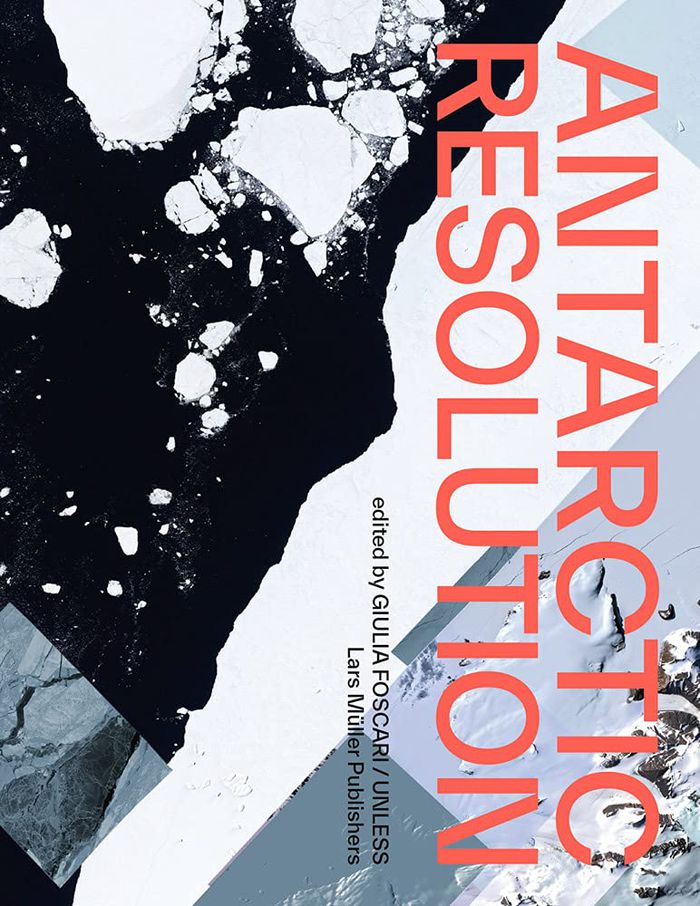
Antarctic resolution
Antarctic resolution
Actions:
Prix:
$110.00
(disponible sur commande)
Résumé:
Accounting for approximately 10% of the land mass of Planet Earth, the Antarctic is a global commons we collectively neglect. Far from being a pristine natural landscape, the continent is a contested territory which conceals resources that might prove irresistible in a world with ever-increasing population growth. The 26 quadrillion tons of ice accumulated on its bedrock,(...)
$110.00
(disponible sur commande)
Résumé:
Accounting for approximately 10% of the land mass of Planet Earth, the Antarctic is a global commons we collectively neglect. Far from being a pristine natural landscape, the continent is a contested territory which conceals resources that might prove irresistible in a world with ever-increasing population growth. The 26 quadrillion tons of ice accumulated on its bedrock,(...)
Titre:
Antarctic resolution
Actions:
Prix:
$110.00
(disponible sur commande)
Résumé:
Accounting for approximately 10% of the land mass of Planet Earth, the Antarctic is a global commons we collectively neglect. Far from being a pristine natural landscape, the continent is a contested territory which conceals resources that might prove irresistible in a world with ever-increasing population growth. The 26 quadrillion tons of ice accumulated on its bedrock, equivalent to around 70% of the fresh water on our planet, represent at once the most significant repository of scientific data available, providing crucial information for future environmental policies, and the greatest menace to global coastal settlements threatened by the rise in sea levels induced by anthropogenic global warming. ''Antarctic Resolution'' advocates the rejection of the pixelated view of Antarctica offered to us by big data companies and urges the construction of a high-resolution image focusing on the continent’s unique geography, unparalleled scientific potential, contemporary geopolitical significance, experimental governance system and its extreme inhabitation model. Only the concerted determination of a transnational network of multidisciplinary polar experts—represented here in the form of authored texts, photographic essays and data-based visual portfolios—could construct such an image and reveal the intricate web of growing economic and strategic interests, tensions and international rivalries, which are enveloped in darkness, as is the continent for six months of the year. Learning from Antarctica’s spirit of cooperation, ''Antarctic Resolution'' aspires to launch a platform, an agency for change, where citizens can undertake a true Antarctic resolution and engage in a unanimous effort—independent of nation—to shape the future of the Antarctic and, in turn, of our planet.
Antarctic resolution
Actions:
Prix:
$110.00
(disponible sur commande)
Résumé:
Accounting for approximately 10% of the land mass of Planet Earth, the Antarctic is a global commons we collectively neglect. Far from being a pristine natural landscape, the continent is a contested territory which conceals resources that might prove irresistible in a world with ever-increasing population growth. The 26 quadrillion tons of ice accumulated on its bedrock, equivalent to around 70% of the fresh water on our planet, represent at once the most significant repository of scientific data available, providing crucial information for future environmental policies, and the greatest menace to global coastal settlements threatened by the rise in sea levels induced by anthropogenic global warming. ''Antarctic Resolution'' advocates the rejection of the pixelated view of Antarctica offered to us by big data companies and urges the construction of a high-resolution image focusing on the continent’s unique geography, unparalleled scientific potential, contemporary geopolitical significance, experimental governance system and its extreme inhabitation model. Only the concerted determination of a transnational network of multidisciplinary polar experts—represented here in the form of authored texts, photographic essays and data-based visual portfolios—could construct such an image and reveal the intricate web of growing economic and strategic interests, tensions and international rivalries, which are enveloped in darkness, as is the continent for six months of the year. Learning from Antarctica’s spirit of cooperation, ''Antarctic Resolution'' aspires to launch a platform, an agency for change, where citizens can undertake a true Antarctic resolution and engage in a unanimous effort—independent of nation—to shape the future of the Antarctic and, in turn, of our planet.
Classification:
livres
livres
Publication:
août 2021
août 2021
Sujet:
Architecture contemporaine
Architecture contemporaine
Classification:
livres
livres
Prix:
$29.95
(disponible en magasin)
Résumé:
Le patrimoine n’a plus de contours précis et n’a plus de frontière. L’expression du «tout patrimoine» résumerait d’ailleurs le constat posé depuis quelques années. L’extension de la notion aurait entraîné un flou conceptuel et, possiblement, un relativisme patrimonial. «À chacun son patrimoine», pourrait-on désormais affirmer sans ambages. Si la formule démocratique(...)
$29.95
(disponible en magasin)
Résumé:
Le patrimoine n’a plus de contours précis et n’a plus de frontière. L’expression du «tout patrimoine» résumerait d’ailleurs le constat posé depuis quelques années. L’extension de la notion aurait entraîné un flou conceptuel et, possiblement, un relativisme patrimonial. «À chacun son patrimoine», pourrait-on désormais affirmer sans ambages. Si la formule démocratique(...)
Titre:
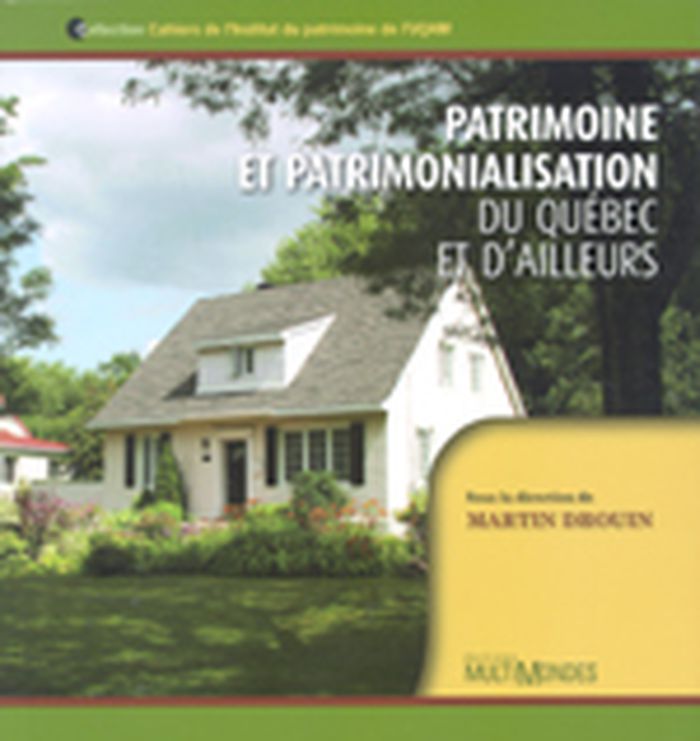
Patrimoine et patrimonialisation du Québec et d'ailleurs
Actions:
Prix:
$29.95
(disponible en magasin)
Résumé:
Le patrimoine n’a plus de contours précis et n’a plus de frontière. L’expression du «tout patrimoine» résumerait d’ailleurs le constat posé depuis quelques années. L’extension de la notion aurait entraîné un flou conceptuel et, possiblement, un relativisme patrimonial. «À chacun son patrimoine», pourrait-on désormais affirmer sans ambages. Si la formule démocratique apporte son lot d’heureuses réalités, elle complexifie considérablement les conditions de patrimonialisation. Les valeurs traditionnellement utilisées pour juger de l’importance des objets sont, en effet, difficilement transposables dans les nouveaux contextes. Les outils réglementaires pensés par l’institution patrimoniale semblent parfois désuets. Tout doit alors être remis en cause pour s’accorder aux paramètres renouvelés. Était-ce plus simple avant, quand le patrimoine s’appelait monument historique ou oeuvre d’art ? Lorsque les experts savaient départager le bon grain de l’ivraie, identifier le beau du laid, valoriser la rareté du commun et encenser le bien contre le mauvais ? Les textes réunis dans ce collectif ont choisi de prendre le contre-pied du constat globalisant. La profusion des objets et des pratiques dénote, au contraire, la très grande sensibilité de nos contemporains envers ce qu’ils sont, ont été et veulent être. Du Québec à la France, en passant par les États-Unis, la Roumanie et le Viêt-nam, les chercheurs convoqués pour cet ouvrage ont arpenté bien des territoires. Ils explorent avec le même zèle trois facettes du patrimoine et de la patrimonialisation : les paysages urbains, les médiateurs et les interprétations. Les thèmes abordent l’architecture et l’aménagement des villes. Ils touchent aussi les acteurs par un regard sur les communautés migrantes, les collectionneurs et les militants. Ils traitent enfin de discours par la commémoration et les hauts lieux de la patrimonialisation, de même que par l’imagerie et les représentations patrimoniales.
Patrimoine et patrimonialisation du Québec et d'ailleurs
Actions:
Prix:
$29.95
(disponible en magasin)
Résumé:
Le patrimoine n’a plus de contours précis et n’a plus de frontière. L’expression du «tout patrimoine» résumerait d’ailleurs le constat posé depuis quelques années. L’extension de la notion aurait entraîné un flou conceptuel et, possiblement, un relativisme patrimonial. «À chacun son patrimoine», pourrait-on désormais affirmer sans ambages. Si la formule démocratique apporte son lot d’heureuses réalités, elle complexifie considérablement les conditions de patrimonialisation. Les valeurs traditionnellement utilisées pour juger de l’importance des objets sont, en effet, difficilement transposables dans les nouveaux contextes. Les outils réglementaires pensés par l’institution patrimoniale semblent parfois désuets. Tout doit alors être remis en cause pour s’accorder aux paramètres renouvelés. Était-ce plus simple avant, quand le patrimoine s’appelait monument historique ou oeuvre d’art ? Lorsque les experts savaient départager le bon grain de l’ivraie, identifier le beau du laid, valoriser la rareté du commun et encenser le bien contre le mauvais ? Les textes réunis dans ce collectif ont choisi de prendre le contre-pied du constat globalisant. La profusion des objets et des pratiques dénote, au contraire, la très grande sensibilité de nos contemporains envers ce qu’ils sont, ont été et veulent être. Du Québec à la France, en passant par les États-Unis, la Roumanie et le Viêt-nam, les chercheurs convoqués pour cet ouvrage ont arpenté bien des territoires. Ils explorent avec le même zèle trois facettes du patrimoine et de la patrimonialisation : les paysages urbains, les médiateurs et les interprétations. Les thèmes abordent l’architecture et l’aménagement des villes. Ils touchent aussi les acteurs par un regard sur les communautés migrantes, les collectionneurs et les militants. Ils traitent enfin de discours par la commémoration et les hauts lieux de la patrimonialisation, de même que par l’imagerie et les représentations patrimoniales.
Classification:
livres
livres
Publication:
janvier 2006, Québec
janvier 2006, Québec
Sujet:
Architecture du Québec
Architecture du Québec
Classification:
livres
livres
Titre:
The Hive at Kew
The Hive at Kew
Actions:
Prix:
$34.95
(disponible sur commande)
Résumé:
The Hive was the centrepiece of the gold medal winning UK Pavilion at the 2015 Milan Expo, and from June 2016 takes up its new home within Kew Gardens. Soaring 17 metres in the air, designed by Wolfgang Buttress and created by BDP, Simmonds Studio and Stage One, The Hive is an immersive, multi-sensory experience inspired by ground-breaking UK scientific research into the(...)
$34.95
(disponible sur commande)
Résumé:
The Hive was the centrepiece of the gold medal winning UK Pavilion at the 2015 Milan Expo, and from June 2016 takes up its new home within Kew Gardens. Soaring 17 metres in the air, designed by Wolfgang Buttress and created by BDP, Simmonds Studio and Stage One, The Hive is an immersive, multi-sensory experience inspired by ground-breaking UK scientific research into the(...)
Titre:
The Hive at Kew
Actions:
Prix:
$34.95
(disponible sur commande)
Résumé:
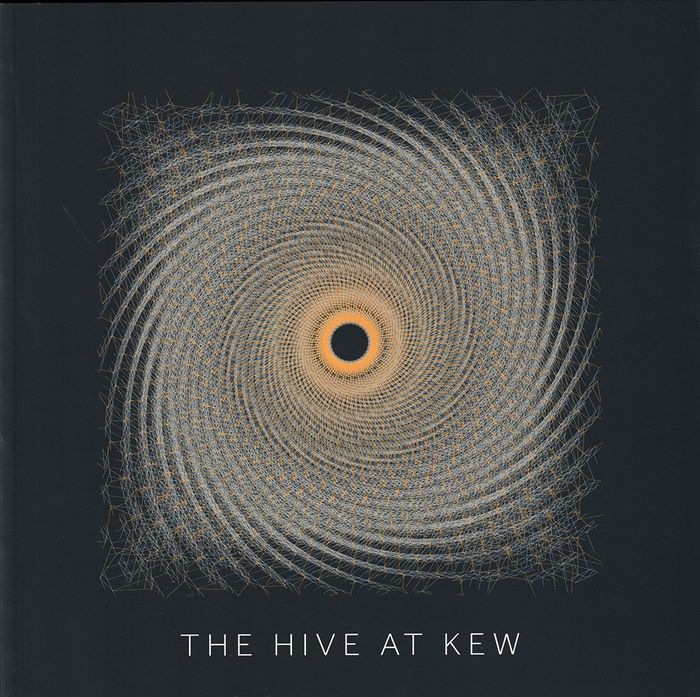
The Hive was the centrepiece of the gold medal winning UK Pavilion at the 2015 Milan Expo, and from June 2016 takes up its new home within Kew Gardens. Soaring 17 metres in the air, designed by Wolfgang Buttress and created by BDP, Simmonds Studio and Stage One, The Hive is an immersive, multi-sensory experience inspired by ground-breaking UK scientific research into the health of bees. Showcasing British creativity, innovation and leadership in overcoming global challenges, this magnificent aluminium structure draws visitors into the space via a wildflower meadow, as though they are worker bees returning to the hive. Hundreds of glowing LED lights bring this 40 tonne lattice structure to life, while a beautiful symphony of orchestral sounds fills the air, with an atmospheric undercurrent of buzzes and pulses. Triggered by vibration sensors within a real beehive, the sound and light intensity within the pavilion increases as the energy levels in the living hive surge, giving visitors an incredible insight into the ever-moving life of a bee colony.The Hive at Kew is a beautifully illustrated celebration of this fascinating project. The book is divided into three sections, with James Haldane, Design Editor for The Architectural Review focusing first on the origins and the architecture of the Hive and its creation led by artist Wolfgang Buttress. The central body of the book focusses on the immersion of the Hive at Kew and the surrounding wildflower meadow designed to attract a variety of bees. This section includes features on the team behind the Hive, as well as Kew's horticultural experts. Finally, Martin Bencsik of Nottingham Trent University and Kew's Phil Stephenson explain the pioneering research into bee health and communication that inspired the Hive, and how Kew is working to help bees in their vital role as pollinators. Beautifully illustrated throughout with photographs of the Hive itself, its construction, and the wildflower meadow surrounding it, as well as architectural plans of the structure.
The Hive at Kew
Actions:
Prix:
$34.95
(disponible sur commande)
Résumé:
The Hive was the centrepiece of the gold medal winning UK Pavilion at the 2015 Milan Expo, and from June 2016 takes up its new home within Kew Gardens. Soaring 17 metres in the air, designed by Wolfgang Buttress and created by BDP, Simmonds Studio and Stage One, The Hive is an immersive, multi-sensory experience inspired by ground-breaking UK scientific research into the health of bees. Showcasing British creativity, innovation and leadership in overcoming global challenges, this magnificent aluminium structure draws visitors into the space via a wildflower meadow, as though they are worker bees returning to the hive. Hundreds of glowing LED lights bring this 40 tonne lattice structure to life, while a beautiful symphony of orchestral sounds fills the air, with an atmospheric undercurrent of buzzes and pulses. Triggered by vibration sensors within a real beehive, the sound and light intensity within the pavilion increases as the energy levels in the living hive surge, giving visitors an incredible insight into the ever-moving life of a bee colony.The Hive at Kew is a beautifully illustrated celebration of this fascinating project. The book is divided into three sections, with James Haldane, Design Editor for The Architectural Review focusing first on the origins and the architecture of the Hive and its creation led by artist Wolfgang Buttress. The central body of the book focusses on the immersion of the Hive at Kew and the surrounding wildflower meadow designed to attract a variety of bees. This section includes features on the team behind the Hive, as well as Kew's horticultural experts. Finally, Martin Bencsik of Nottingham Trent University and Kew's Phil Stephenson explain the pioneering research into bee health and communication that inspired the Hive, and how Kew is working to help bees in their vital role as pollinators. Beautifully illustrated throughout with photographs of the Hive itself, its construction, and the wildflower meadow surrounding it, as well as architectural plans of the structure.
Classification:
livres
livres
Publication:
mars 2017
mars 2017
Sujet:
Jardins
Jardins
Classification:
livres
livres
Actions:
Prix:
$30.00
(disponible sur commande)
Résumé:
Du Plan Nord à Énergie-Est, en passant par la construction d’un méga-barrage hydroélectrique ou de vastes projets de condos à flanc de montagne, le concept d’acceptabilité sociale est au coeur des débats sociaux et politiques entourant tous les projets de développement d’envergure depuis une dizaine d’années. Si tout le monde en parle, la définition du concept ne fait pas(...)
$30.00
(disponible sur commande)
Résumé:
Du Plan Nord à Énergie-Est, en passant par la construction d’un méga-barrage hydroélectrique ou de vastes projets de condos à flanc de montagne, le concept d’acceptabilité sociale est au coeur des débats sociaux et politiques entourant tous les projets de développement d’envergure depuis une dizaine d’années. Si tout le monde en parle, la définition du concept ne fait pas(...)
Publication:
avril 2017
avril 2017
Titre:
Acceptabilité sociale : sans oui, c'est non
Actions:
Prix:
$30.00
(disponible sur commande)
Résumé:
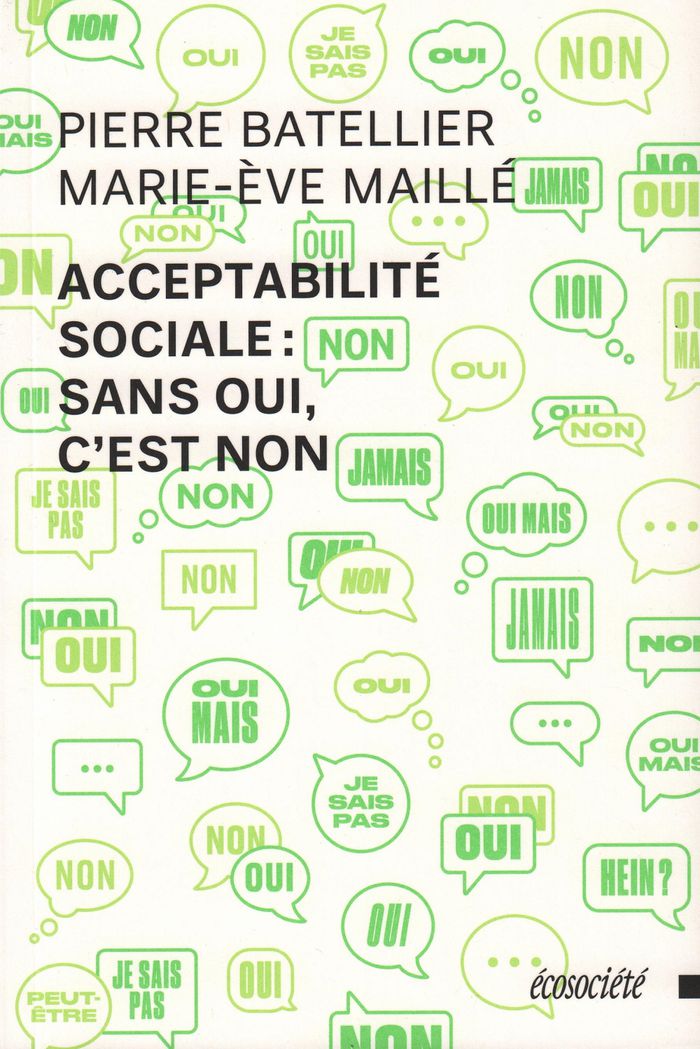
Du Plan Nord à Énergie-Est, en passant par la construction d’un méga-barrage hydroélectrique ou de vastes projets de condos à flanc de montagne, le concept d’acceptabilité sociale est au coeur des débats sociaux et politiques entourant tous les projets de développement d’envergure depuis une dizaine d’années. Si tout le monde en parle, la définition du concept ne fait pas l’unanimité. Pour les uns, l’acceptabilité sociale émane d’un jargon de décideurs et de technocrates qui ne savent plus quoi inventer pour envelopper de flou ce qui est imposé à la population. Pour les autres, c’est un concept fourre-tout qui ouvre la porte à tout et son contraire. Dans le discours public, toutefois, tout se passe comme si l’utilisation de l’acceptabilité sociale répondait au principe de base de la novlangue de Gorge Orwell dans son roman 1984: elle évacue les nuances et tend à réduire les éléments du débat à des dichotomies qui renforcent le pouvoir des élites en place, du type « vous êtes pour ou vous êtes contre ». Le concept d’acceptabilité sociale n’est inscrit dans aucune loi, ni québécoise ni canadienne, ce qui complique encore plus les choses. Avec rigueur et une bonne dose d’humour, Marie-Ève Maillé et Pierre Battelier nous invitent à un exercice de déconstruction des 10 dichotomies présentes dans le discours entourant l’acceptabilité sociale: 1) les promoteurs et les opposants; 2) les « pour » et les « contre »; 3) les faits des experts et l’opinion des citoyens; 4) la rigueur et les émotions; 5) la pertinence de la majorité et la futilité de la minorité; 6) le conflit et la paix sociale; 7) Des hommes et d’autres hommes; 8) ce qui se compte et ce qui compte; 9) les gens concernés et les opportunistes; 10) l’égoïste et le bon citoyen. Tous les chapitres commencent par une introduction exagérément cynique où un certain discours dominant est caricaturé, parfois malicieusement et toujours avec beaucoup d’humour.
Acceptabilité sociale : sans oui, c'est non
Actions:
Prix:
$30.00
(disponible sur commande)
Résumé:
Du Plan Nord à Énergie-Est, en passant par la construction d’un méga-barrage hydroélectrique ou de vastes projets de condos à flanc de montagne, le concept d’acceptabilité sociale est au coeur des débats sociaux et politiques entourant tous les projets de développement d’envergure depuis une dizaine d’années. Si tout le monde en parle, la définition du concept ne fait pas l’unanimité. Pour les uns, l’acceptabilité sociale émane d’un jargon de décideurs et de technocrates qui ne savent plus quoi inventer pour envelopper de flou ce qui est imposé à la population. Pour les autres, c’est un concept fourre-tout qui ouvre la porte à tout et son contraire. Dans le discours public, toutefois, tout se passe comme si l’utilisation de l’acceptabilité sociale répondait au principe de base de la novlangue de Gorge Orwell dans son roman 1984: elle évacue les nuances et tend à réduire les éléments du débat à des dichotomies qui renforcent le pouvoir des élites en place, du type « vous êtes pour ou vous êtes contre ». Le concept d’acceptabilité sociale n’est inscrit dans aucune loi, ni québécoise ni canadienne, ce qui complique encore plus les choses. Avec rigueur et une bonne dose d’humour, Marie-Ève Maillé et Pierre Battelier nous invitent à un exercice de déconstruction des 10 dichotomies présentes dans le discours entourant l’acceptabilité sociale: 1) les promoteurs et les opposants; 2) les « pour » et les « contre »; 3) les faits des experts et l’opinion des citoyens; 4) la rigueur et les émotions; 5) la pertinence de la majorité et la futilité de la minorité; 6) le conflit et la paix sociale; 7) Des hommes et d’autres hommes; 8) ce qui se compte et ce qui compte; 9) les gens concernés et les opportunistes; 10) l’égoïste et le bon citoyen. Tous les chapitres commencent par une introduction exagérément cynique où un certain discours dominant est caricaturé, parfois malicieusement et toujours avec beaucoup d’humour.
Classification:
livres
livres
Publication:
avril 2017
avril 2017
Classification:
livres
livres
Actions:
Exemplaires:
Description:
399 pages : illustrations (some color) ; 32 cm
Description:
399 pages : illustrations (some color) ; 32 cm
Auteur:
Sujet:
Publication:
Paris : Hazan ; Montréal : Musée des Beaux-Arts ; Toulouse : Musée des Augustins-Musée des beaux-arts de Toulouse, [2014]
Paris : Hazan ; Montréal : Musée des Beaux-Arts ; Toulouse : Musée des Augustins-Musée des beaux-arts de Toulouse, [2014]
Titre:
Benjamin-Constant : merveilles et mirages de l'orientalisme / sous la direction de Nathalie Bondil ; commissaires, Nathalie Bondil, Axel Hémery ; assistés de Samuel Montiège.
Actions:
Exemplaires:
Description:
399 pages : illustrations (some color) ; 32 cm
Benjamin-Constant : merveilles et mirages de l'orientalisme / sous la direction de Nathalie Bondil ; commissaires, Nathalie Bondil, Axel Hémery ; assistés de Samuel Montiège.
Actions:
Exemplaires:
Description:
399 pages : illustrations (some color) ; 32 cm
Classification:
livres
livres
Publication:
Paris : Hazan ; Montréal : Musée des Beaux-Arts ; Toulouse : Musée des Augustins-Musée des beaux-arts de Toulouse, [2014]
Paris : Hazan ; Montréal : Musée des Beaux-Arts ; Toulouse : Musée des Augustins-Musée des beaux-arts de Toulouse, [2014]
Auteur:
Sujet:


