


1339 Résultats
Classification:
livres
livres
Actions:
Prix:
$104.00
(disponible en magasin)
Résumé:
This comparative history of American architecture, social spaces, and engineered environments — organized by style, and then by chronology — is for the general reader. Within its heavily illustrated pages, Tom Martinson traces two millennia of the built environment of this endlessly fascinating, extraordinarily expansive, and utterly diverse nation. Pairing vibrant(...)
$104.00
(disponible en magasin)
Résumé:
This comparative history of American architecture, social spaces, and engineered environments — organized by style, and then by chronology — is for the general reader. Within its heavily illustrated pages, Tom Martinson traces two millennia of the built environment of this endlessly fascinating, extraordinarily expansive, and utterly diverse nation. Pairing vibrant(...)
Titre:
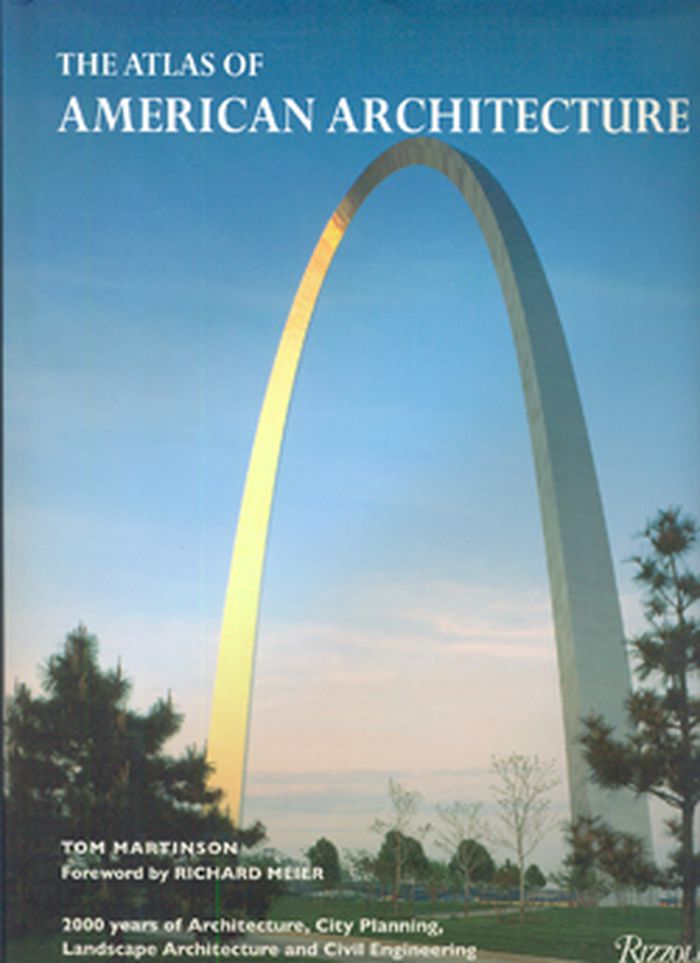
The atlas of American architecture : 2000 years of architecture, city planning, landscape architecture and civil engineering
Actions:
Prix:
$104.00
(disponible en magasin)
Résumé:
This comparative history of American architecture, social spaces, and engineered environments — organized by style, and then by chronology — is for the general reader. Within its heavily illustrated pages, Tom Martinson traces two millennia of the built environment of this endlessly fascinating, extraordinarily expansive, and utterly diverse nation. Pairing vibrant photography with a rich knowledge of the history of architecture in America — from the Hopi and Colonial years to neomodernism, Robert A. M. Stern, and Zaha Hadid — the book is a comprehensive overview of styles and developments, as well as telling the story of a country through its buildings.
The atlas of American architecture : 2000 years of architecture, city planning, landscape architecture and civil engineering
Actions:
Prix:
$104.00
(disponible en magasin)
Résumé:
This comparative history of American architecture, social spaces, and engineered environments — organized by style, and then by chronology — is for the general reader. Within its heavily illustrated pages, Tom Martinson traces two millennia of the built environment of this endlessly fascinating, extraordinarily expansive, and utterly diverse nation. Pairing vibrant photography with a rich knowledge of the history of architecture in America — from the Hopi and Colonial years to neomodernism, Robert A. M. Stern, and Zaha Hadid — the book is a comprehensive overview of styles and developments, as well as telling the story of a country through its buildings.
Classification:
livres
livres
Publication:
décembre 2009
décembre 2009
Classification:
livres
livres

Titre:
Safar 6 : Power
Safar 6 : Power
Actions:
Prix:
$32.00
(disponible en magasin)
Résumé:
In the sixth issue, "Power," Safar explores the commodification of academia as evaluation forms multiply and students worldwide stare out into computer screens; examines the extensive cultural and environmental narrative that Hezbollah has cultivated in Lebanon and beyond; discusses the process of dismantling racist and colonial powers structures in U.S. design(...)
$32.00
(disponible en magasin)
Résumé:
In the sixth issue, "Power," Safar explores the commodification of academia as evaluation forms multiply and students worldwide stare out into computer screens; examines the extensive cultural and environmental narrative that Hezbollah has cultivated in Lebanon and beyond; discusses the process of dismantling racist and colonial powers structures in U.S. design(...)
Titre:
Safar 6 : Power
Actions:
Prix:
$32.00
(disponible en magasin)
Résumé:
In the sixth issue, "Power," Safar explores the commodification of academia as evaluation forms multiply and students worldwide stare out into computer screens; examines the extensive cultural and environmental narrative that Hezbollah has cultivated in Lebanon and beyond; discusses the process of dismantling racist and colonial powers structures in U.S. design institutions; shares artifacts tracing the long and complicated history of electricity shortages in Lebanon; considers the revolutionary potential of Palestinian printed material; and more.
Safar 6 : Power
Actions:
Prix:
$32.00
(disponible en magasin)
Résumé:
In the sixth issue, "Power," Safar explores the commodification of academia as evaluation forms multiply and students worldwide stare out into computer screens; examines the extensive cultural and environmental narrative that Hezbollah has cultivated in Lebanon and beyond; discusses the process of dismantling racist and colonial powers structures in U.S. design institutions; shares artifacts tracing the long and complicated history of electricity shortages in Lebanon; considers the revolutionary potential of Palestinian printed material; and more.
Classification:
livres
livres
Publication:
août 2021
août 2021
Sujet:
Revues
Revues
Classification:
livres
livres
Actions:
Prix:
$33.95
(disponible sur commande)
Résumé:
This reader, edited and introduced by noted art historian and critic Gilda Williams, gathers the key critical writings across the artist’s essential works as explored through the lens of art history, post-colonial theory, film analysis, and more. Catalogue essays and exhibition reviews on individual works are set alongside Tan’s own substantial body of writing: essays,(...)
$33.95
(disponible sur commande)
Résumé:
This reader, edited and introduced by noted art historian and critic Gilda Williams, gathers the key critical writings across the artist’s essential works as explored through the lens of art history, post-colonial theory, film analysis, and more. Catalogue essays and exhibition reviews on individual works are set alongside Tan’s own substantial body of writing: essays,(...)
Titre:
Fiona Tan: With the other hand
Actions:
Prix:
$33.95
(disponible sur commande)
Résumé:
This reader, edited and introduced by noted art historian and critic Gilda Williams, gathers the key critical writings across the artist’s essential works as explored through the lens of art history, post-colonial theory, film analysis, and more. Catalogue essays and exhibition reviews on individual works are set alongside Tan’s own substantial body of writing: essays, letters, scripts, project notes, as well as discussions of other artists’ work, from Chantal Akerman to Jeff Wall.
Fiona Tan: With the other hand
Actions:
Prix:
$33.95
(disponible sur commande)
Résumé:
This reader, edited and introduced by noted art historian and critic Gilda Williams, gathers the key critical writings across the artist’s essential works as explored through the lens of art history, post-colonial theory, film analysis, and more. Catalogue essays and exhibition reviews on individual works are set alongside Tan’s own substantial body of writing: essays, letters, scripts, project notes, as well as discussions of other artists’ work, from Chantal Akerman to Jeff Wall.
Classification:
livres
livres
Publication:
avril 2021
avril 2021
Sujet:
Théorie de l’art
Théorie de l’art
Classification:
livres
livres
Prix:
$27.00
(disponible sur commande)
Résumé:
Los Angeles in the 1930s returns to print an invaluable document of Depression-era Los Angeles, illuminating a pivotal moment in L.A.’s history, when writers like Raymond Chandler, Nathanael West, and F. Scott Fitzgerald were creating the images and associations—and the mystique—for which the City of Angels is still known. Los Angeles in the 1930s revisits the Spanish(...)
$27.00
(disponible sur commande)
Résumé:
Los Angeles in the 1930s returns to print an invaluable document of Depression-era Los Angeles, illuminating a pivotal moment in L.A.’s history, when writers like Raymond Chandler, Nathanael West, and F. Scott Fitzgerald were creating the images and associations—and the mystique—for which the City of Angels is still known. Los Angeles in the 1930s revisits the Spanish(...)
Titre:
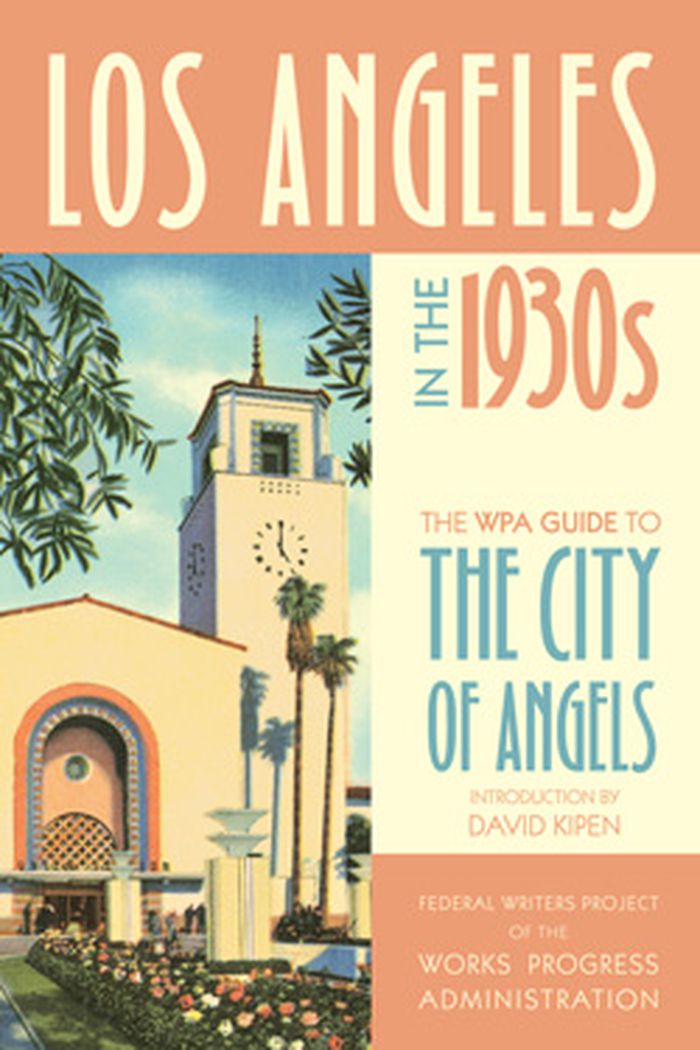
Los Angeles in the 1930s: The WPA guide to the city of angels
Actions:
Prix:
$27.00
(disponible sur commande)
Résumé:
Los Angeles in the 1930s returns to print an invaluable document of Depression-era Los Angeles, illuminating a pivotal moment in L.A.’s history, when writers like Raymond Chandler, Nathanael West, and F. Scott Fitzgerald were creating the images and associations—and the mystique—for which the City of Angels is still known. Los Angeles in the 1930s revisits the Spanish colonial period, the Mexican period, the brief California Republic, and finally American sovereignty.
Los Angeles in the 1930s: The WPA guide to the city of angels
Actions:
Prix:
$27.00
(disponible sur commande)
Résumé:
Los Angeles in the 1930s returns to print an invaluable document of Depression-era Los Angeles, illuminating a pivotal moment in L.A.’s history, when writers like Raymond Chandler, Nathanael West, and F. Scott Fitzgerald were creating the images and associations—and the mystique—for which the City of Angels is still known. Los Angeles in the 1930s revisits the Spanish colonial period, the Mexican period, the brief California Republic, and finally American sovereignty.
Classification:
livres
livres
Publication:
mars 2011
mars 2011
Classification:
livres
livres
Titre:
Deserts are not empty
Deserts are not empty
Actions:
Prix:
$31.00
(disponible en magasin)
Résumé:
Colonial and imperial powers have often portrayed arid lands as “empty” spaces ready to be occupied, exploited, extracted, and polluted. Despite the undeniable presence of human and nonhuman lives and forces in desert territories, the “regime of emptiness” has inhabited, and is still inhabiting, many imaginaries. This volume challenges this colonial tendency, questions(...)
$31.00
(disponible en magasin)
Résumé:
Colonial and imperial powers have often portrayed arid lands as “empty” spaces ready to be occupied, exploited, extracted, and polluted. Despite the undeniable presence of human and nonhuman lives and forces in desert territories, the “regime of emptiness” has inhabited, and is still inhabiting, many imaginaries. This volume challenges this colonial tendency, questions(...)
Titre:
Deserts are not empty
Actions:
Prix:
$31.00
(disponible en magasin)
Résumé:
Colonial and imperial powers have often portrayed arid lands as “empty” spaces ready to be occupied, exploited, extracted, and polluted. Despite the undeniable presence of human and nonhuman lives and forces in desert territories, the “regime of emptiness” has inhabited, and is still inhabiting, many imaginaries. This volume challenges this colonial tendency, questions its roots and ramifications, and remaps the representations, theories, histories, and stories of arid lands—which comprise approximately one-third of the Earth’s land surface. It brings together poems in original languages, conversations with collectives, and essays by scholars and professionals from the fields of architecture, architectural history and theory, curatorial studies, comparative literature, film studies, landscape architecture, and photography. These different approaches and diverse voices draw on a framework of decoloniality to unsettle and unlearn the desert, opening up possibilities to see, think, imagine it otherwise.
Deserts are not empty
Actions:
Prix:
$31.00
(disponible en magasin)
Résumé:
Colonial and imperial powers have often portrayed arid lands as “empty” spaces ready to be occupied, exploited, extracted, and polluted. Despite the undeniable presence of human and nonhuman lives and forces in desert territories, the “regime of emptiness” has inhabited, and is still inhabiting, many imaginaries. This volume challenges this colonial tendency, questions its roots and ramifications, and remaps the representations, theories, histories, and stories of arid lands—which comprise approximately one-third of the Earth’s land surface. It brings together poems in original languages, conversations with collectives, and essays by scholars and professionals from the fields of architecture, architectural history and theory, curatorial studies, comparative literature, film studies, landscape architecture, and photography. These different approaches and diverse voices draw on a framework of decoloniality to unsettle and unlearn the desert, opening up possibilities to see, think, imagine it otherwise.
Classification:
livres
livres
Publication:
octobre 2022
octobre 2022
Sujet:
L'écologie de l'architecure
L'écologie de l'architecure
Classification:
livres
livres
Actions:
Prix:
$91.95
(disponible sur commande)
Résumé:
Asmara, the capital of the small east African country of Eritrea, bordering the Red Sea, is one of the most important and exciting architectural ‘discoveries’ of recent years. Built almost entirely in the 1930s by the Italians, Asmara has one of the highest concentrations of modernist architecture anywhere in the world, and has evocatively been described as “the Miami of(...)
$91.95
(disponible sur commande)
Résumé:
Asmara, the capital of the small east African country of Eritrea, bordering the Red Sea, is one of the most important and exciting architectural ‘discoveries’ of recent years. Built almost entirely in the 1930s by the Italians, Asmara has one of the highest concentrations of modernist architecture anywhere in the world, and has evocatively been described as “the Miami of(...)
Publication:
septembre 2003, London
septembre 2003, London
Titre:
Asmara : Africa's secret modernist city
Actions:
Prix:
$91.95
(disponible sur commande)
Résumé:
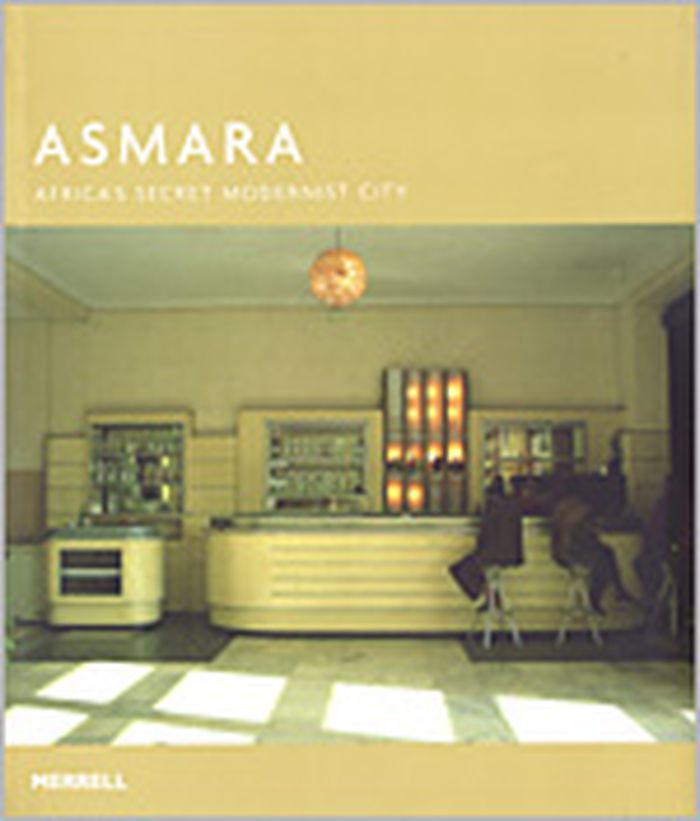
Asmara, the capital of the small east African country of Eritrea, bordering the Red Sea, is one of the most important and exciting architectural ‘discoveries’ of recent years. Built almost entirely in the 1930s by the Italians, Asmara has one of the highest concentrations of modernist architecture anywhere in the world, and has evocatively been described as “the Miami of Africa”. Desperate to build quickly, the colonial government of the time allowed radical architectural experimentation that would not have found favour in the more conservative European environment. Asmara therefore became one of the world’s prime locations for architectural innovation during the Modern Movement. That this occurred at all is remarkable enough, but that these buildings should have survived in such numbers today makes it one of the finest modernist cities in the world. This is a building-by-building survey, illustrated with rare archival material and specially commissioned photographs
Asmara : Africa's secret modernist city
Actions:
Prix:
$91.95
(disponible sur commande)
Résumé:
Asmara, the capital of the small east African country of Eritrea, bordering the Red Sea, is one of the most important and exciting architectural ‘discoveries’ of recent years. Built almost entirely in the 1930s by the Italians, Asmara has one of the highest concentrations of modernist architecture anywhere in the world, and has evocatively been described as “the Miami of Africa”. Desperate to build quickly, the colonial government of the time allowed radical architectural experimentation that would not have found favour in the more conservative European environment. Asmara therefore became one of the world’s prime locations for architectural innovation during the Modern Movement. That this occurred at all is remarkable enough, but that these buildings should have survived in such numbers today makes it one of the finest modernist cities in the world. This is a building-by-building survey, illustrated with rare archival material and specially commissioned photographs
Classification:
livres
livres
Publication:
septembre 2003, London
septembre 2003, London
Classification:
livres
livres
Titre:
Asmara, the frozen city
Asmara, the frozen city
Actions:
Prix:
$24.99
(disponible sur commande)
Résumé:
Asmara, capital of the state of Eritrea, located in North Eastern Africa, is considered to be an impressive example of European urban construction of the 20th century. To this day, the influence of the former colonial power of Italy on the architecture of the city from the early 20th century to the 1940’s remains visible. Many of the buildings, erected in the futuristic,(...)
$24.99
(disponible sur commande)
Résumé:
Asmara, capital of the state of Eritrea, located in North Eastern Africa, is considered to be an impressive example of European urban construction of the 20th century. To this day, the influence of the former colonial power of Italy on the architecture of the city from the early 20th century to the 1940’s remains visible. Many of the buildings, erected in the futuristic,(...)
Titre:
Asmara, the frozen city
Actions:
Prix:
$24.99
(disponible sur commande)
Résumé:
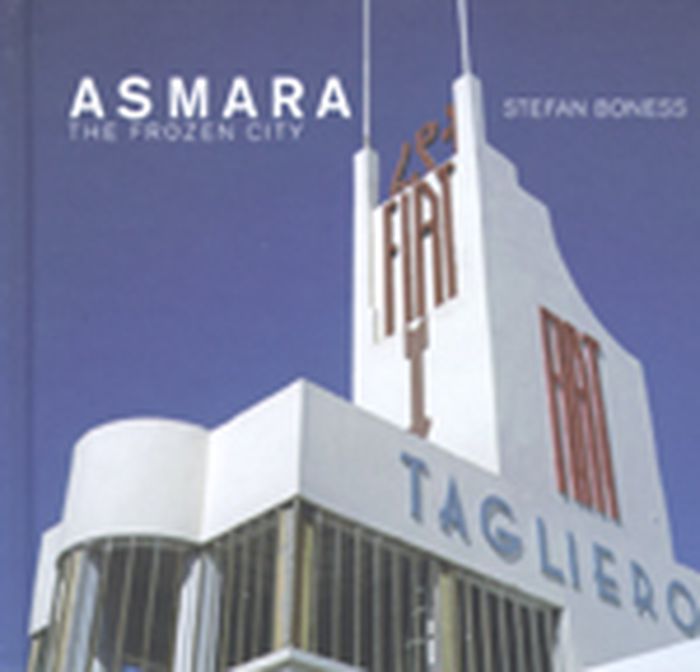
Asmara, capital of the state of Eritrea, located in North Eastern Africa, is considered to be an impressive example of European urban construction of the 20th century. To this day, the influence of the former colonial power of Italy on the architecture of the city from the early 20th century to the 1940’s remains visible. Many of the buildings, erected in the futuristic, monumentalist or rationalistic style have been preserved and dominate the cityscape of Asmara. In particular, architectural projects dating back to the late 1930’s and early 1940’s are the focal point of the work of photographer Stefan Boness. These include private, public and industrial buildings, which he photographed over the course of several months and which he staged incorporating their urban surroundings. Through his photographs, Stefan Boness has succeeded in expressing the unique atmosphere of Asmara, where time seemingly is standing still.
Asmara, the frozen city
Actions:
Prix:
$24.99
(disponible sur commande)
Résumé:
Asmara, capital of the state of Eritrea, located in North Eastern Africa, is considered to be an impressive example of European urban construction of the 20th century. To this day, the influence of the former colonial power of Italy on the architecture of the city from the early 20th century to the 1940’s remains visible. Many of the buildings, erected in the futuristic, monumentalist or rationalistic style have been preserved and dominate the cityscape of Asmara. In particular, architectural projects dating back to the late 1930’s and early 1940’s are the focal point of the work of photographer Stefan Boness. These include private, public and industrial buildings, which he photographed over the course of several months and which he staged incorporating their urban surroundings. Through his photographs, Stefan Boness has succeeded in expressing the unique atmosphere of Asmara, where time seemingly is standing still.
Classification:
livres
livres
Publication:
juillet 2007, Berlin
juillet 2007, Berlin
Classification:
livres
livres
Prix:
$49.95
(disponible sur commande)
Résumé:
This landmark collection of illustrated essays explores the vastly under-appreciated history of America's other cities — the great metropolises found south of our borders in Central and South America. Buenos Aires, Sao Paulo, Mexico City, Caracas, Havana, Santiago, Rio, Tijuana, and Quito are just some of the subjects of this diverse collection. How have desires to(...)
$49.95
(disponible sur commande)
Résumé:
This landmark collection of illustrated essays explores the vastly under-appreciated history of America's other cities — the great metropolises found south of our borders in Central and South America. Buenos Aires, Sao Paulo, Mexico City, Caracas, Havana, Santiago, Rio, Tijuana, and Quito are just some of the subjects of this diverse collection. How have desires to(...)
Titre:
Cruelty & utopia : cities and landscapes of Latin America
Actions:
Prix:
$49.95
(disponible sur commande)
Résumé:
This landmark collection of illustrated essays explores the vastly under-appreciated history of America's other cities — the great metropolises found south of our borders in Central and South America. Buenos Aires, Sao Paulo, Mexico City, Caracas, Havana, Santiago, Rio, Tijuana, and Quito are just some of the subjects of this diverse collection. How have desires to create modern societies shaped these cities, leading to both architectural masterworks (by the likes of Luis Barragan, Juan O'Gorman, Lucio Costa, Roberto Burle Marx, Carlos Raul Villanueva, and Lina Bo Bardi) and the most shocking favelas? How have they grappled with concepts of national identity, their colonial history, and the continued demands of a globalized economy? Lavishly illustrated, "Cruelty and Utopia" features the work of such leading scholars as Carlos Fuentes, Edward Burian, Lauro Cavalcanti, Fernando Oayrzun, Roberto Segre, and Eduardo Subirats, along with artwork ranging from colonial paintings to stills from Chantal Akerman's film "From the Other Side". Also included is a revised translation of Spanish King Philip II's influential planning treatise of 1573, the "Laws of the Indies," which did so much to define the form of the Latin American city.
Cruelty & utopia : cities and landscapes of Latin America
Actions:
Prix:
$49.95
(disponible sur commande)
Résumé:
This landmark collection of illustrated essays explores the vastly under-appreciated history of America's other cities — the great metropolises found south of our borders in Central and South America. Buenos Aires, Sao Paulo, Mexico City, Caracas, Havana, Santiago, Rio, Tijuana, and Quito are just some of the subjects of this diverse collection. How have desires to create modern societies shaped these cities, leading to both architectural masterworks (by the likes of Luis Barragan, Juan O'Gorman, Lucio Costa, Roberto Burle Marx, Carlos Raul Villanueva, and Lina Bo Bardi) and the most shocking favelas? How have they grappled with concepts of national identity, their colonial history, and the continued demands of a globalized economy? Lavishly illustrated, "Cruelty and Utopia" features the work of such leading scholars as Carlos Fuentes, Edward Burian, Lauro Cavalcanti, Fernando Oayrzun, Roberto Segre, and Eduardo Subirats, along with artwork ranging from colonial paintings to stills from Chantal Akerman's film "From the Other Side". Also included is a revised translation of Spanish King Philip II's influential planning treatise of 1573, the "Laws of the Indies," which did so much to define the form of the Latin American city.
Classification:
livres
livres
Publication:
janvier 2005, New York
janvier 2005, New York
Sujet:
Arch Moyen-Orient
Arch Moyen-Orient
Classification:
livres
livres
Titre:
A culture of stone
A culture of stone
Actions:
Prix:
$27.95
(disponible sur commande)
Résumé:
A major contribution to both art history and Latin American studies, A Culture of Stone offers new insights into Inka culture and the interpretation of non-Western art. Carolyn Dean focuses on rock outcrops masterfully integrated into Inka architecture, exquisitely worked masonry, and freestanding sacred rocks, explaining how certain stones took on lives of their own and(...)
$27.95
(disponible sur commande)
Résumé:
A major contribution to both art history and Latin American studies, A Culture of Stone offers new insights into Inka culture and the interpretation of non-Western art. Carolyn Dean focuses on rock outcrops masterfully integrated into Inka architecture, exquisitely worked masonry, and freestanding sacred rocks, explaining how certain stones took on lives of their own and(...)
Titre:
A culture of stone
Actions:
Prix:
$27.95
(disponible sur commande)
Résumé:
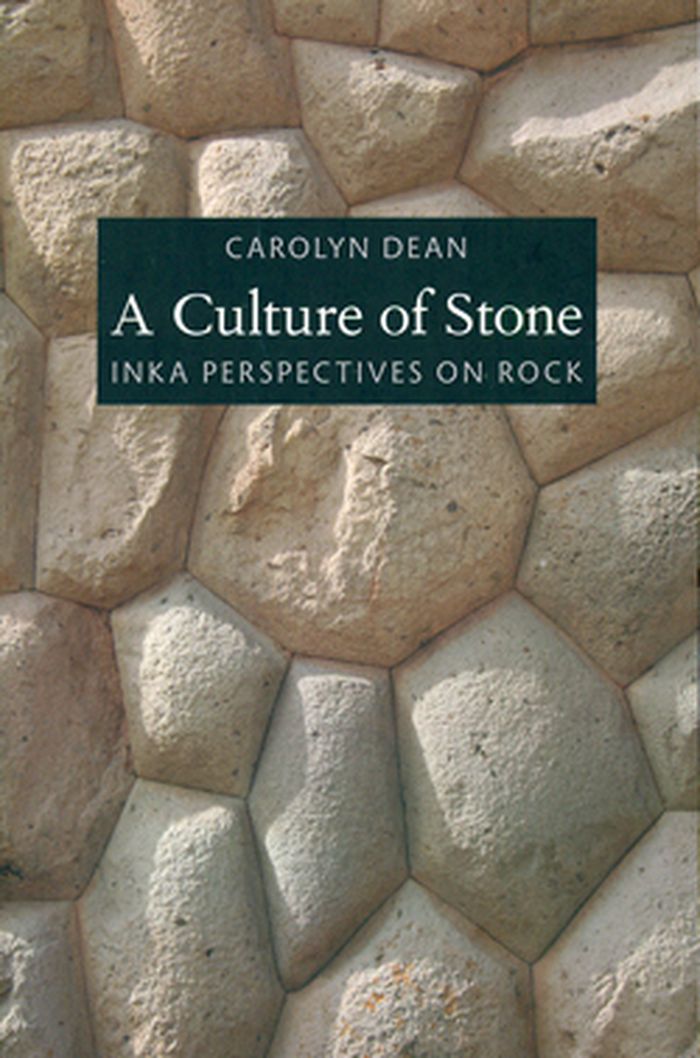
A major contribution to both art history and Latin American studies, A Culture of Stone offers new insights into Inka culture and the interpretation of non-Western art. Carolyn Dean focuses on rock outcrops masterfully integrated into Inka architecture, exquisitely worked masonry, and freestanding sacred rocks, explaining how certain stones took on lives of their own and played a vital role in the unfolding of Inka history. Examining the multiple uses of stone, she argues that the Inka understood building in stone as a way of ordering the chaos of unordered nature, converting untamed spaces into domesticated places, and laying claim to new territories. Dean contends that understanding what the rocks signified requires seeing them as the Inka saw them: as potentially animate, sentient, and sacred. Through careful analysis of Inka stonework, colonial-period accounts of the Inka, and contemporary ethnographic and folkloric studies of indigenous Andean culture, Dean reconstructs the relationships between stonework and other aspects of Inka life, including imperial expansion, worship, and agriculture. She also scrutinizes meanings imposed on Inka stone by the colonial Spanish and, later, by tourism and the tourist industry.
A culture of stone
Actions:
Prix:
$27.95
(disponible sur commande)
Résumé:
A major contribution to both art history and Latin American studies, A Culture of Stone offers new insights into Inka culture and the interpretation of non-Western art. Carolyn Dean focuses on rock outcrops masterfully integrated into Inka architecture, exquisitely worked masonry, and freestanding sacred rocks, explaining how certain stones took on lives of their own and played a vital role in the unfolding of Inka history. Examining the multiple uses of stone, she argues that the Inka understood building in stone as a way of ordering the chaos of unordered nature, converting untamed spaces into domesticated places, and laying claim to new territories. Dean contends that understanding what the rocks signified requires seeing them as the Inka saw them: as potentially animate, sentient, and sacred. Through careful analysis of Inka stonework, colonial-period accounts of the Inka, and contemporary ethnographic and folkloric studies of indigenous Andean culture, Dean reconstructs the relationships between stonework and other aspects of Inka life, including imperial expansion, worship, and agriculture. She also scrutinizes meanings imposed on Inka stone by the colonial Spanish and, later, by tourism and the tourist industry.
Classification:
livres
livres
Publication:
novembre 2010
novembre 2010
Classification:
livres
livres
Titre:
Deanna Bowen
Deanna Bowen
Actions:
Prix:
$91.00
(disponible sur commande)
Résumé:
This black-on-black book brings together over 20 years of Deanna Bowen’s commitment to the excavation and recontextualization of colonial legacies—particularly those which implicate her family history and the Black diaspora in North America—making her artworks vital, both in Canada and abroad. Working primarily with photography—both rediscovered and new, but also video,(...)
$91.00
(disponible sur commande)
Résumé:
This black-on-black book brings together over 20 years of Deanna Bowen’s commitment to the excavation and recontextualization of colonial legacies—particularly those which implicate her family history and the Black diaspora in North America—making her artworks vital, both in Canada and abroad. Working primarily with photography—both rediscovered and new, but also video,(...)
Titre:
Deanna Bowen
Actions:
Prix:
$91.00
(disponible sur commande)
Résumé:
This black-on-black book brings together over 20 years of Deanna Bowen’s commitment to the excavation and recontextualization of colonial legacies—particularly those which implicate her family history and the Black diaspora in North America—making her artworks vital, both in Canada and abroad. Working primarily with photography—both rediscovered and new, but also video, documentary film, sound, performance, publishing, found objects and installation art—Bowen introduces us to a re-reading of white historic and archival facts.
Deanna Bowen
Actions:
Prix:
$91.00
(disponible sur commande)
Résumé:
This black-on-black book brings together over 20 years of Deanna Bowen’s commitment to the excavation and recontextualization of colonial legacies—particularly those which implicate her family history and the Black diaspora in North America—making her artworks vital, both in Canada and abroad. Working primarily with photography—both rediscovered and new, but also video, documentary film, sound, performance, publishing, found objects and installation art—Bowen introduces us to a re-reading of white historic and archival facts.
Classification:
livres
livres
Publication:
avril 2023
avril 2023
Sujet:
Monographies photo
Monographies photo


