


1339 Résultats
Classification:
livres
livres
Actions:
Prix:
$29.95
(disponible sur commande)
Résumé:
One common feature of the wave of recent revolutions and revolts around the world is not political but rather architectural: many erupted on inner-city roundabouts. In thinking about the relation between protest and urban form, Eyal Weizman starts with the May 1980 uprising in Gwangju, South Korea, the first of the “roundabout revolutions,” and traces its lineage to the(...)
$29.95
(disponible sur commande)
Résumé:
One common feature of the wave of recent revolutions and revolts around the world is not political but rather architectural: many erupted on inner-city roundabouts. In thinking about the relation between protest and urban form, Eyal Weizman starts with the May 1980 uprising in Gwangju, South Korea, the first of the “roundabout revolutions,” and traces its lineage to the(...)
Titre:
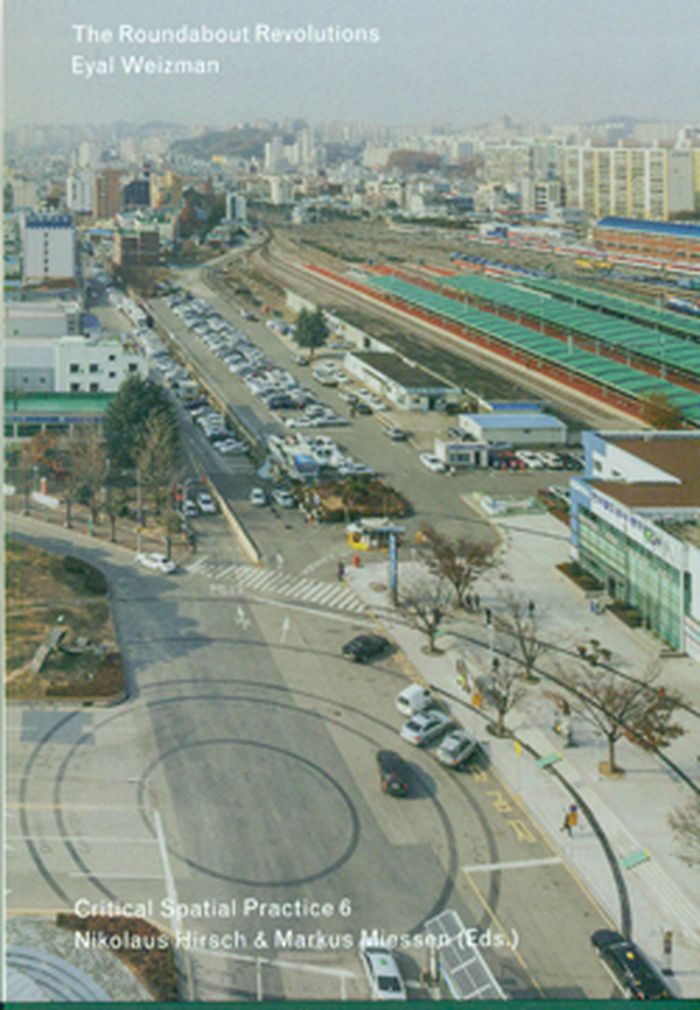
Critical spatial practice 6 : Eyal Weizman, the roundabout revolutions
Actions:
Prix:
$29.95
(disponible sur commande)
Résumé:
One common feature of the wave of recent revolutions and revolts around the world is not political but rather architectural: many erupted on inner-city roundabouts. In thinking about the relation between protest and urban form, Eyal Weizman starts with the May 1980 uprising in Gwangju, South Korea, the first of the “roundabout revolutions,” and traces its lineage to the Arab Spring and its hellish aftermath. Rereading the history of the roundabout through the vortices of history that traverse it, the book follows the development of the roundabout in Europe and North America in the early twentieth century, to its subsequent export to the colonial world in the context of attempts to discipline and police the “chaotic” non-Western city. How did an urban apparatus put in the service of authoritarian power became the locus of its undoing?
Critical spatial practice 6 : Eyal Weizman, the roundabout revolutions
Actions:
Prix:
$29.95
(disponible sur commande)
Résumé:
One common feature of the wave of recent revolutions and revolts around the world is not political but rather architectural: many erupted on inner-city roundabouts. In thinking about the relation between protest and urban form, Eyal Weizman starts with the May 1980 uprising in Gwangju, South Korea, the first of the “roundabout revolutions,” and traces its lineage to the Arab Spring and its hellish aftermath. Rereading the history of the roundabout through the vortices of history that traverse it, the book follows the development of the roundabout in Europe and North America in the early twentieth century, to its subsequent export to the colonial world in the context of attempts to discipline and police the “chaotic” non-Western city. How did an urban apparatus put in the service of authoritarian power became the locus of its undoing?
Classification:
livres
livres
Publication:
octobre 2015
octobre 2015
Sujet:
Théorie/ philosophie
Théorie/ philosophie
Classification:
livres
livres
Actions:
Prix:
$35.00
(disponible sur commande)
Résumé:
Wole Soyinka is also a longtime art collector. This book of essays offers a glimpse into the motivations of the collector, as well as a highly personal look at the politics of aesthetics and collecting. Detailing moments of first encounter with objects that drew him in and continue to affect him, Soyinka describes a world of mortals, muses, and deities that imbue the(...)
$35.00
(disponible sur commande)
Résumé:
Wole Soyinka is also a longtime art collector. This book of essays offers a glimpse into the motivations of the collector, as well as a highly personal look at the politics of aesthetics and collecting. Detailing moments of first encounter with objects that drew him in and continue to affect him, Soyinka describes a world of mortals, muses, and deities that imbue the(...)
Titre:
Beyond aesthetics: use, abuse, and dissonance in African art traditions
Actions:
Prix:
$35.00
(disponible sur commande)
Résumé:
Wole Soyinka is also a longtime art collector. This book of essays offers a glimpse into the motivations of the collector, as well as a highly personal look at the politics of aesthetics and collecting. Detailing moments of first encounter with objects that drew him in and continue to affect him, Soyinka describes a world of mortals, muses, and deities that imbue the artworks with history and meaning. Beyond Aesthetics is a passionate discussion of the role of identity, tradition, and originality in making, collecting, and exhibiting African art today. Soyinka considers objects that have stirred controversy, and he decries dogmatic efforts—whether colonial or religious—to suppress Africa’s artistic traditions.
Beyond aesthetics: use, abuse, and dissonance in African art traditions
Actions:
Prix:
$35.00
(disponible sur commande)
Résumé:
Wole Soyinka is also a longtime art collector. This book of essays offers a glimpse into the motivations of the collector, as well as a highly personal look at the politics of aesthetics and collecting. Detailing moments of first encounter with objects that drew him in and continue to affect him, Soyinka describes a world of mortals, muses, and deities that imbue the artworks with history and meaning. Beyond Aesthetics is a passionate discussion of the role of identity, tradition, and originality in making, collecting, and exhibiting African art today. Soyinka considers objects that have stirred controversy, and he decries dogmatic efforts—whether colonial or religious—to suppress Africa’s artistic traditions.
Classification:
livres
livres
Publication:
février 2020
février 2020
Sujet:
Théorie de l’art
Théorie de l’art
Classification:
livres
livres
Titre:
Cairo's Plaster Casts
Cairo's Plaster Casts
Actions:
Prix:
$87.95
(disponible sur commande)
Résumé:
Artisanal production in Cairo takes place in open-air workshops and directly on the street. Stucco producers in the city are grouped into clusters where interior walls and facades are covered with patterns and serve as a catalogue of ornaments. The result is often chaotic and grotesque. Decorative styles of the Belle Époque are deconstructed and reassembled as a spatial(...)
$87.95
(disponible sur commande)
Résumé:
Artisanal production in Cairo takes place in open-air workshops and directly on the street. Stucco producers in the city are grouped into clusters where interior walls and facades are covered with patterns and serve as a catalogue of ornaments. The result is often chaotic and grotesque. Decorative styles of the Belle Époque are deconstructed and reassembled as a spatial(...)
Titre:
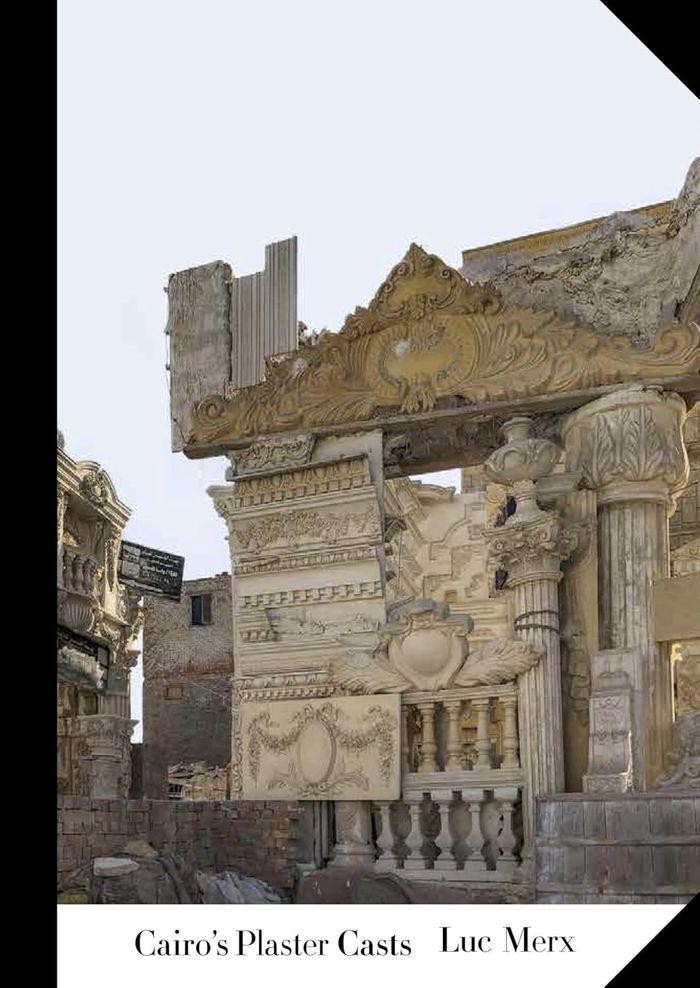
Cairo's Plaster Casts
Actions:
Prix:
$87.95
(disponible sur commande)
Résumé:
Artisanal production in Cairo takes place in open-air workshops and directly on the street. Stucco producers in the city are grouped into clusters where interior walls and facades are covered with patterns and serve as a catalogue of ornaments. The result is often chaotic and grotesque. Decorative styles of the Belle Époque are deconstructed and reassembled as a spatial collage, while symbols from pop culture are juxtaposed with historical forms. In his photos, Luc Merx reveals these unique aesthetics and diverse references to building practice and art history. The plaster casts reflect Egypt’s contradictory relationship to its colonial past, to modernity, and to the country’s own identity.
Cairo's Plaster Casts
Actions:
Prix:
$87.95
(disponible sur commande)
Résumé:
Artisanal production in Cairo takes place in open-air workshops and directly on the street. Stucco producers in the city are grouped into clusters where interior walls and facades are covered with patterns and serve as a catalogue of ornaments. The result is often chaotic and grotesque. Decorative styles of the Belle Époque are deconstructed and reassembled as a spatial collage, while symbols from pop culture are juxtaposed with historical forms. In his photos, Luc Merx reveals these unique aesthetics and diverse references to building practice and art history. The plaster casts reflect Egypt’s contradictory relationship to its colonial past, to modernity, and to the country’s own identity.
Classification:
livres
livres
Publication:
juin 2025
juin 2025
Sujet:
Monographies photo
Monographies photo
Classification:
livres
livres
Actions:
Prix:
$27.00
(disponible sur commande)
Résumé:
This new survey provides a complete history of American art and architecture from its seventeenth-century colonial beginnings to the latest installation and video work. Structured chronologically, the book defines the characteristics of the different periods and highlights the consistent forms, techniques, and styles that mark the art and architecture as distinctively(...)
$27.00
(disponible sur commande)
Résumé:
This new survey provides a complete history of American art and architecture from its seventeenth-century colonial beginnings to the latest installation and video work. Structured chronologically, the book defines the characteristics of the different periods and highlights the consistent forms, techniques, and styles that mark the art and architecture as distinctively(...)
Titre:
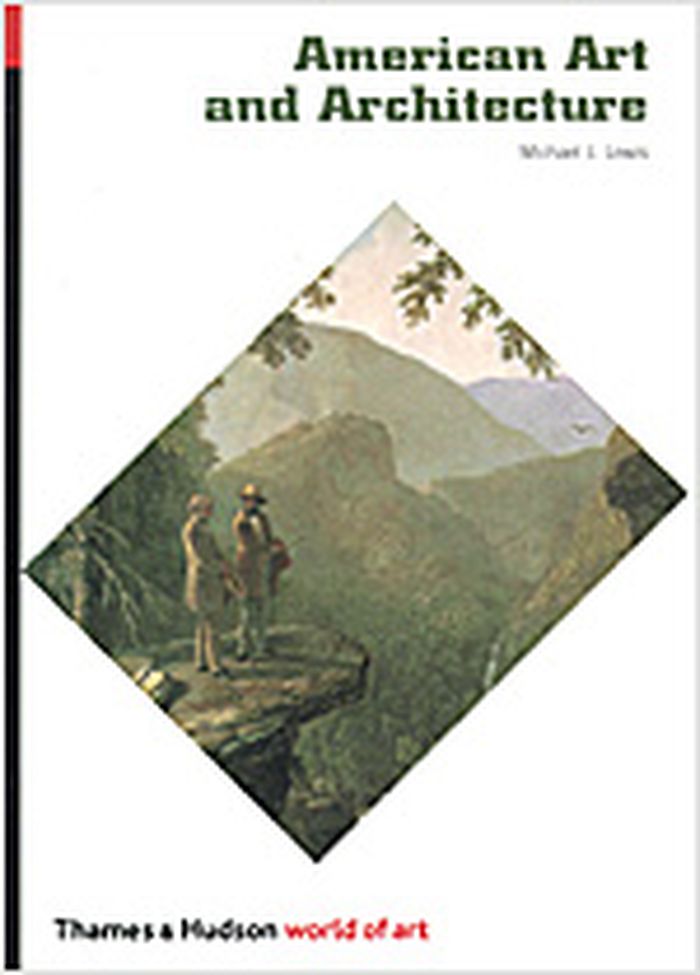
American art and architecture
Actions:
Prix:
$27.00
(disponible sur commande)
Résumé:
This new survey provides a complete history of American art and architecture from its seventeenth-century colonial beginnings to the latest installation and video work. Structured chronologically, the book defines the characteristics of the different periods and highlights the consistent forms, techniques, and styles that mark the art and architecture as distinctively American. Michael J. Lewis charts the ways in which American artists and architects both adopted and diverged from earlier European models to create an original visual language of their own. He also shows how that language in turn came to influence and eventually dominate art and architecture around the world. The author integrates discussions of both buildings and works of visual art, revealing the shared social and aesthetic concerns that underlie the two. Vernacular, religious, secular, and corporate architecture appears alongside paintings, sculpture, photography, and new-media art. Major American artists and works from the seventeenth century to today are included, such as epic history paintings by Benjamin West and John Singleton Copley; sublime landscapes by Thomas Cole, Albert Bierstadt, and Frederick Church; society portraits by John Singer Sargent; groundbreaking abstract expressionist and pop art by Jackson Pollock, Barnett Newman, and Andy Warhol; and challenging sculptural, installation, and video works from more recent years by Robert Gober, Fred Wilson, and Matthew Barney. In architecture, dozens of different building types are illustrated and discussed, from the earliest colonial houses and churches to the most spectacular modernist and postmodernist houses, stations, museums, and iconic skyscrapers. 275 illustrations, 175 in color.
American art and architecture
Actions:
Prix:
$27.00
(disponible sur commande)
Résumé:
This new survey provides a complete history of American art and architecture from its seventeenth-century colonial beginnings to the latest installation and video work. Structured chronologically, the book defines the characteristics of the different periods and highlights the consistent forms, techniques, and styles that mark the art and architecture as distinctively American. Michael J. Lewis charts the ways in which American artists and architects both adopted and diverged from earlier European models to create an original visual language of their own. He also shows how that language in turn came to influence and eventually dominate art and architecture around the world. The author integrates discussions of both buildings and works of visual art, revealing the shared social and aesthetic concerns that underlie the two. Vernacular, religious, secular, and corporate architecture appears alongside paintings, sculpture, photography, and new-media art. Major American artists and works from the seventeenth century to today are included, such as epic history paintings by Benjamin West and John Singleton Copley; sublime landscapes by Thomas Cole, Albert Bierstadt, and Frederick Church; society portraits by John Singer Sargent; groundbreaking abstract expressionist and pop art by Jackson Pollock, Barnett Newman, and Andy Warhol; and challenging sculptural, installation, and video works from more recent years by Robert Gober, Fred Wilson, and Matthew Barney. In architecture, dozens of different building types are illustrated and discussed, from the earliest colonial houses and churches to the most spectacular modernist and postmodernist houses, stations, museums, and iconic skyscrapers. 275 illustrations, 175 in color.
Classification:
livres
livres
Publication:
mai 2006, London
mai 2006, London
Sujet:
Modernisme
Modernisme
Classification:
livres
livres
Titre:
Decolonize museums
Decolonize museums
Actions:
Prix:
$24.95
(disponible en magasin)
Résumé:
The idealized Western museum, as typified by the Metropolitan Museum of Art, the British Museum, and the Museum of Natural History, has remained much the same for over a century: a uniquely rarified public space of cool stone, providing an experience of leisure and education for the general public while carefully tending fragile artifacts from distant lands. As questions(...)
$24.95
(disponible en magasin)
Résumé:
The idealized Western museum, as typified by the Metropolitan Museum of Art, the British Museum, and the Museum of Natural History, has remained much the same for over a century: a uniquely rarified public space of cool stone, providing an experience of leisure and education for the general public while carefully tending fragile artifacts from distant lands. As questions(...)
Titre:
Decolonize museums
Actions:
Prix:
$24.95
(disponible en magasin)
Résumé:
The idealized Western museum, as typified by the Metropolitan Museum of Art, the British Museum, and the Museum of Natural History, has remained much the same for over a century: a uniquely rarified public space of cool stone, providing an experience of leisure and education for the general public while carefully tending fragile artifacts from distant lands. As questions about representation and ethics have increasingly arisen, these institutions have proclaimed their interest in diversity and responsible conservation, asserting both their adaptability and their immovably essential role in a flourishing and culturally rich society. With "Decolonize museums," Shimrit Lee punctures this fantasy, tracing the essentially colonial origins of the concept of the museum.
Decolonize museums
Actions:
Prix:
$24.95
(disponible en magasin)
Résumé:
The idealized Western museum, as typified by the Metropolitan Museum of Art, the British Museum, and the Museum of Natural History, has remained much the same for over a century: a uniquely rarified public space of cool stone, providing an experience of leisure and education for the general public while carefully tending fragile artifacts from distant lands. As questions about representation and ethics have increasingly arisen, these institutions have proclaimed their interest in diversity and responsible conservation, asserting both their adaptability and their immovably essential role in a flourishing and culturally rich society. With "Decolonize museums," Shimrit Lee punctures this fantasy, tracing the essentially colonial origins of the concept of the museum.
Classification:
livres
livres
Publication:
février 2023
février 2023
Sujet:
Muséologie
Muséologie
Classification:
livres
livres
Titre:
Cabinet 62 : milk
Cabinet 62 : milk
Actions:
Prix:
$15.00
(disponible sur commande)
Résumé:
One of only a handful of substances produced in nature expressly as food, milk is fundamental for infant mammalian nutrition, but is also foundational in human myth and religion. Cabinet issue 62, with a special section on “Milk,” includes Renata Salecl on the psychoanalytical implications of the recent death of a child solely breastfed for the first five years of his(...)
$15.00
(disponible sur commande)
Résumé:
One of only a handful of substances produced in nature expressly as food, milk is fundamental for infant mammalian nutrition, but is also foundational in human myth and religion. Cabinet issue 62, with a special section on “Milk,” includes Renata Salecl on the psychoanalytical implications of the recent death of a child solely breastfed for the first five years of his(...)
Titre:
Cabinet 62 : milk
Actions:
Prix:
$15.00
(disponible sur commande)
Résumé:
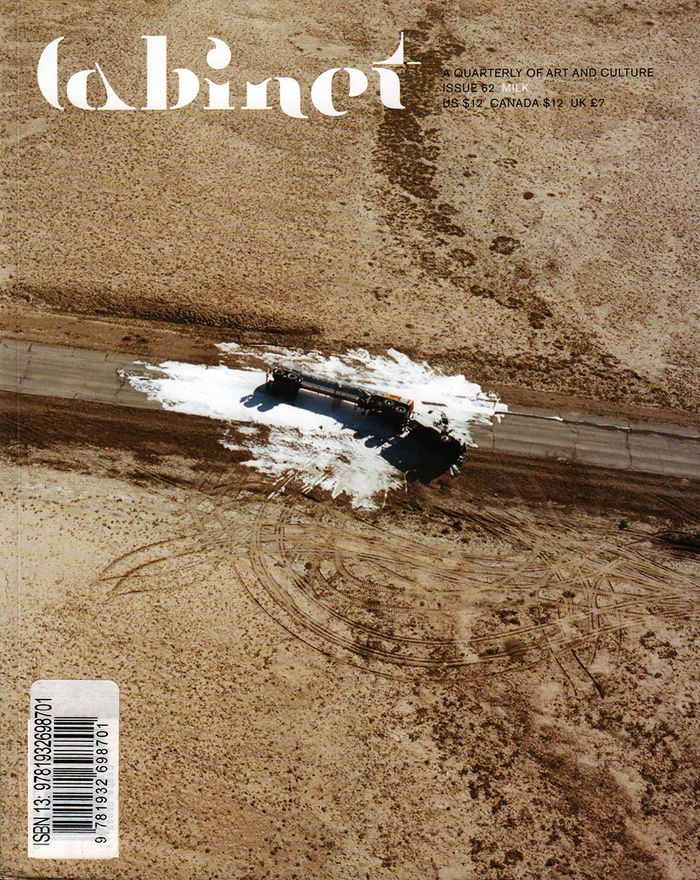
One of only a handful of substances produced in nature expressly as food, milk is fundamental for infant mammalian nutrition, but is also foundational in human myth and religion. Cabinet issue 62, with a special section on “Milk,” includes Renata Salecl on the psychoanalytical implications of the recent death of a child solely breastfed for the first five years of his life; Jeff Dolven on milk and luminosity; Esther Leslie and Melanie Jackson on the ways in which milk is transformed from primary material to metaphorical excess; and Melanie Tyson on the colonial history of condensed milk. Elsewhere in the issue: Daniel Rosenberg on Maurice Sendak’s beloved “Nutshell Library” and the fantasies of book classification; Richard Cooke on the history of live sex shows in Europe and their sudden decline in the 1980s; and an artist project by S. Billie Mandle exploring the varieties of Catholic confessionals.
Cabinet 62 : milk
Actions:
Prix:
$15.00
(disponible sur commande)
Résumé:
One of only a handful of substances produced in nature expressly as food, milk is fundamental for infant mammalian nutrition, but is also foundational in human myth and religion. Cabinet issue 62, with a special section on “Milk,” includes Renata Salecl on the psychoanalytical implications of the recent death of a child solely breastfed for the first five years of his life; Jeff Dolven on milk and luminosity; Esther Leslie and Melanie Jackson on the ways in which milk is transformed from primary material to metaphorical excess; and Melanie Tyson on the colonial history of condensed milk. Elsewhere in the issue: Daniel Rosenberg on Maurice Sendak’s beloved “Nutshell Library” and the fantasies of book classification; Richard Cooke on the history of live sex shows in Europe and their sudden decline in the 1980s; and an artist project by S. Billie Mandle exploring the varieties of Catholic confessionals.
Classification:
livres
livres
Publication:
juin 2017
juin 2017
Sujet:
Revues
Revues
Classification:
livres
livres
Titre:
Sydney XXXL
Sydney XXXL
Actions:
Prix:
$57.95
(disponible en magasin)
Résumé:
In less than 250 years Sydney has evolved from fledgling colonial outpost to thriving global city. But behind the perfect postcard images, it is a city that struggles with its own success. This is the point of departure for renowned Sydney architect Ed Lippmann, a first-hand witness to the problems that have emerged from the city’s lack of planning who offers perspectives(...)
$57.95
(disponible en magasin)
Résumé:
In less than 250 years Sydney has evolved from fledgling colonial outpost to thriving global city. But behind the perfect postcard images, it is a city that struggles with its own success. This is the point of departure for renowned Sydney architect Ed Lippmann, a first-hand witness to the problems that have emerged from the city’s lack of planning who offers perspectives(...)
Titre:
Sydney XXXL
Actions:
Prix:
$57.95
(disponible en magasin)
Résumé:
In less than 250 years Sydney has evolved from fledgling colonial outpost to thriving global city. But behind the perfect postcard images, it is a city that struggles with its own success. This is the point of departure for renowned Sydney architect Ed Lippmann, a first-hand witness to the problems that have emerged from the city’s lack of planning who offers perspectives on how such issues might be avoided in the future. ‘Sydney XXXL’ digs deeply into the city’s history, charting the financial and political interests that shaped its development and identifying the key decisions that need to be made to accommodate future population growth in a more liveable, sustainable city.
Sydney XXXL
Actions:
Prix:
$57.95
(disponible en magasin)
Résumé:
In less than 250 years Sydney has evolved from fledgling colonial outpost to thriving global city. But behind the perfect postcard images, it is a city that struggles with its own success. This is the point of departure for renowned Sydney architect Ed Lippmann, a first-hand witness to the problems that have emerged from the city’s lack of planning who offers perspectives on how such issues might be avoided in the future. ‘Sydney XXXL’ digs deeply into the city’s history, charting the financial and political interests that shaped its development and identifying the key decisions that need to be made to accommodate future population growth in a more liveable, sustainable city.
Classification:
livres
livres
Publication:
novembre 2019
novembre 2019
Classification:
livres
livres
Titre:
Los Angeles in maps
Los Angeles in maps
Actions:
Prix:
$60.00
(disponible sur commande)
Résumé:
An illustrated cartographic history of the City of Angels from the colonial era to the present. Los Angeles inhabits a place of the mind as much as it does a physical geographic space. Through seventy reproductions of seminal and historic documents, Los Angeles in Maps presents the evolution of this almost mythical place. Maps featured include historic Spanish explorers’(...)
$60.00
(disponible sur commande)
Résumé:
An illustrated cartographic history of the City of Angels from the colonial era to the present. Los Angeles inhabits a place of the mind as much as it does a physical geographic space. Through seventy reproductions of seminal and historic documents, Los Angeles in Maps presents the evolution of this almost mythical place. Maps featured include historic Spanish explorers’(...)
Titre:
Los Angeles in maps
Actions:
Prix:
$60.00
(disponible sur commande)
Résumé:
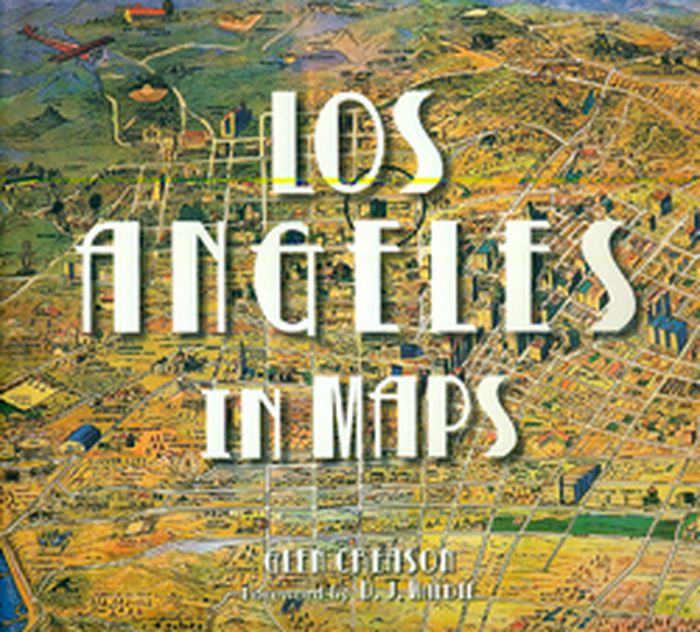
An illustrated cartographic history of the City of Angels from the colonial era to the present. Los Angeles inhabits a place of the mind as much as it does a physical geographic space. Through seventy reproductions of seminal and historic documents, Los Angeles in Maps presents the evolution of this almost mythical place. Maps featured include historic Spanish explorers’ charts from as early as 1791, as well as more recent topographic surveys, tourist guides, real estate maps, bird’s-eye views, and more. Like the course of the Los Angeles River, the book winds through essential terrain: the discovery of oil, the rise of Hollywood, the streetcar system, Los Angeles Harbor, earthquakes, sprawl, and splendor.
Los Angeles in maps
Actions:
Prix:
$60.00
(disponible sur commande)
Résumé:
An illustrated cartographic history of the City of Angels from the colonial era to the present. Los Angeles inhabits a place of the mind as much as it does a physical geographic space. Through seventy reproductions of seminal and historic documents, Los Angeles in Maps presents the evolution of this almost mythical place. Maps featured include historic Spanish explorers’ charts from as early as 1791, as well as more recent topographic surveys, tourist guides, real estate maps, bird’s-eye views, and more. Like the course of the Los Angeles River, the book winds through essential terrain: the discovery of oil, the rise of Hollywood, the streetcar system, Los Angeles Harbor, earthquakes, sprawl, and splendor.
Classification:
livres
livres
Publication:
octobre 2010
octobre 2010
Classification:
livres
livres
Actions:
Prix:
$84.00
(disponible en magasin)
Résumé:
Beatrice Minda examines private interiors in the context of historical events in her work. In Myanmar, which was isolated for decades by a rigid military dictatorship, she photographed houses and living spaces in both cities and remote regions. She captured the traces of the inhabitants’ lives and the signs of change. In 'Dark Whispers' the ambivalent aspects of the(...)
$84.00
(disponible en magasin)
Résumé:
Beatrice Minda examines private interiors in the context of historical events in her work. In Myanmar, which was isolated for decades by a rigid military dictatorship, she photographed houses and living spaces in both cities and remote regions. She captured the traces of the inhabitants’ lives and the signs of change. In 'Dark Whispers' the ambivalent aspects of the(...)
Titre:
Beatrice Minda: Dark whispers
Actions:
Prix:
$84.00
(disponible en magasin)
Résumé:
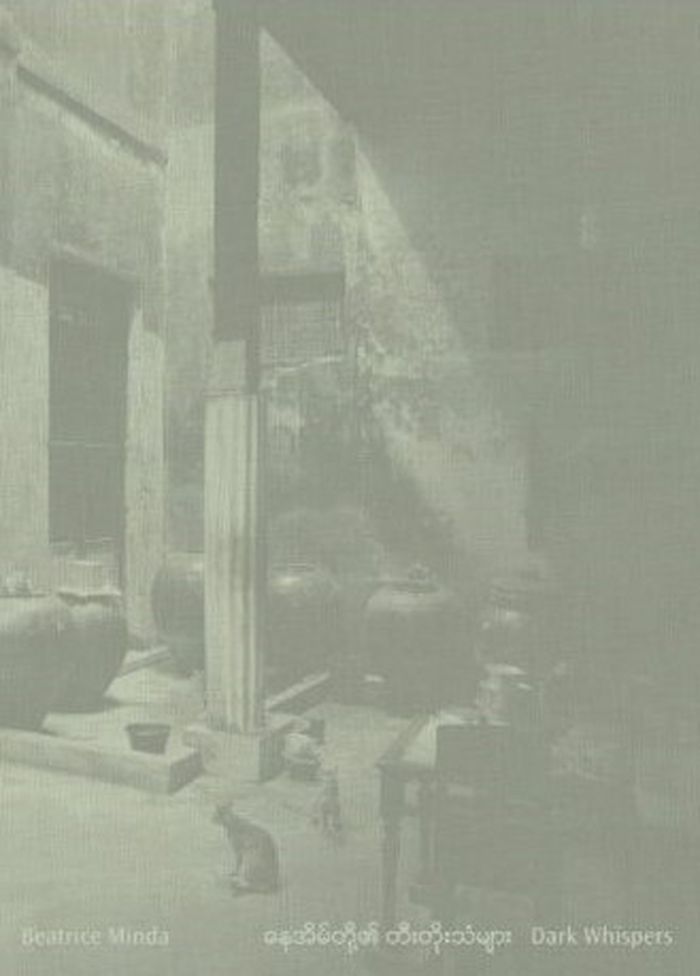
Beatrice Minda examines private interiors in the context of historical events in her work. In Myanmar, which was isolated for decades by a rigid military dictatorship, she photographed houses and living spaces in both cities and remote regions. She captured the traces of the inhabitants’ lives and the signs of change. In 'Dark Whispers' the ambivalent aspects of the British colonial period and its consequences are reflected and illuminated by short texts on the history of the houses as well as historical photographs. Minda’s photographs focus on the atmospheres of past lives and the forms of representation with which the inhabitants once sought to fulfill themselves. Often they are objects that have remained untouched for decades and bear witness to the cosmos of a vanished world. But there are also large gaps between then and now. An uncanny emptiness animates these spaces. Dark whispers echo through them — a memento mori to the many unspoken words of Burmese history.
Beatrice Minda: Dark whispers
Actions:
Prix:
$84.00
(disponible en magasin)
Résumé:
Beatrice Minda examines private interiors in the context of historical events in her work. In Myanmar, which was isolated for decades by a rigid military dictatorship, she photographed houses and living spaces in both cities and remote regions. She captured the traces of the inhabitants’ lives and the signs of change. In 'Dark Whispers' the ambivalent aspects of the British colonial period and its consequences are reflected and illuminated by short texts on the history of the houses as well as historical photographs. Minda’s photographs focus on the atmospheres of past lives and the forms of representation with which the inhabitants once sought to fulfill themselves. Often they are objects that have remained untouched for decades and bear witness to the cosmos of a vanished world. But there are also large gaps between then and now. An uncanny emptiness animates these spaces. Dark whispers echo through them — a memento mori to the many unspoken words of Burmese history.
Classification:
livres
livres
Publication:
avril 2021
avril 2021
Sujet:
Monographies photo
Monographies photo
Classification:
livres
livres

Prix:
$50.00
(disponible en magasin)
Résumé:
Since the beginning of humanity's existence, plants have provided us with everything we need for our survival - they sustain us with air to breathe, food to eat, materials to make clothes and shelter with, and medicine to treat and prevent disease. Their beauty can also enhance our mood and provide spiritual and emotional nourishment. Western science has 'discovered'(...)
$50.00
(disponible en magasin)
Résumé:
Since the beginning of humanity's existence, plants have provided us with everything we need for our survival - they sustain us with air to breathe, food to eat, materials to make clothes and shelter with, and medicine to treat and prevent disease. Their beauty can also enhance our mood and provide spiritual and emotional nourishment. Western science has 'discovered'(...)
Titre:
The Ethnobotanical: A world tour of indigenous plant knowledge
Actions:
Prix:
$50.00
(disponible en magasin)
Résumé:
Since the beginning of humanity's existence, plants have provided us with everything we need for our survival - they sustain us with air to breathe, food to eat, materials to make clothes and shelter with, and medicine to treat and prevent disease. Their beauty can also enhance our mood and provide spiritual and emotional nourishment. Western science has 'discovered' and named innumerable plant species over the course of its colonial history. To many Indigenous peoples, however, plants have been recognised for centuries as sentient beings, imbued with spirit and agency to help humanity. Publishing in partnership with the Royal Botanic Gardens at Kew, ''The Ethnobotanical'' offers a unique and beautiful perspective on plants and their roles in the lives of peoples from across the planet.
The Ethnobotanical: A world tour of indigenous plant knowledge
Actions:
Prix:
$50.00
(disponible en magasin)
Résumé:
Since the beginning of humanity's existence, plants have provided us with everything we need for our survival - they sustain us with air to breathe, food to eat, materials to make clothes and shelter with, and medicine to treat and prevent disease. Their beauty can also enhance our mood and provide spiritual and emotional nourishment. Western science has 'discovered' and named innumerable plant species over the course of its colonial history. To many Indigenous peoples, however, plants have been recognised for centuries as sentient beings, imbued with spirit and agency to help humanity. Publishing in partnership with the Royal Botanic Gardens at Kew, ''The Ethnobotanical'' offers a unique and beautiful perspective on plants and their roles in the lives of peoples from across the planet.
Classification:
livres
livres
Publication:
février 2024
février 2024
Sujet:
Faune et flore
Faune et flore


