


1385 Résultats
Classification:
livres
livres
Actions:
Prix:
$62.95
(disponible sur commande)
Résumé:
Considéré aujourd’hui comme l’un des plus célèbres graphistes américains, Paul Rand a marqué l’histoire du design graphique par sa production, notamment celle de logos pour de grandes entreprises telles que IBM, ABC ou UPS qui restent encore majoritairement inchangés aujourd’hui. Véritable artiste moderne, Paul Rand est parvenu à allier certaines influences(...)
$62.95
(disponible sur commande)
Résumé:
Considéré aujourd’hui comme l’un des plus célèbres graphistes américains, Paul Rand a marqué l’histoire du design graphique par sa production, notamment celle de logos pour de grandes entreprises telles que IBM, ABC ou UPS qui restent encore majoritairement inchangés aujourd’hui. Véritable artiste moderne, Paul Rand est parvenu à allier certaines influences(...)
Publication:
novembre 2021
novembre 2021
Titre:
Paul Rand : L'art du designer
Actions:
Prix:
$62.95
(disponible sur commande)
Résumé:
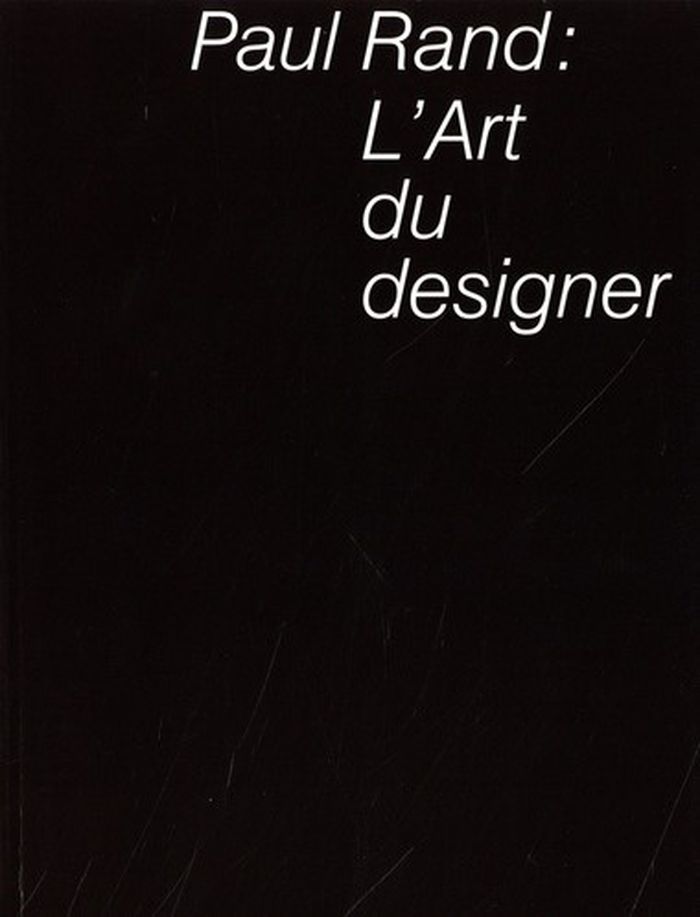
Considéré aujourd’hui comme l’un des plus célèbres graphistes américains, Paul Rand a marqué l’histoire du design graphique par sa production, notamment celle de logos pour de grandes entreprises telles que IBM, ABC ou UPS qui restent encore majoritairement inchangés aujourd’hui. Véritable artiste moderne, Paul Rand est parvenu à allier certaines influences avant-gardistes européennes (notamment celles du Bauhaus, du mouvement De Stijl, ou du constructivisme russe) au fonctionnalisme américain, donnant ainsi naissance à une nouvelle conception du design. Son travail sur les identités visuelles a ainsi transformé en profondeur le champ de la publicité en faisant du design un outil commercial à part entière. Ce livre sera accompagné de près de 150 images en noir et blanc et 70 en couleur qui donnent à voir l’ensemble du travail de Paul Rand, et d’une postface de Steven Heller, journaliste et directeur artistique américain.
Paul Rand : L'art du designer
Actions:
Prix:
$62.95
(disponible sur commande)
Résumé:
Considéré aujourd’hui comme l’un des plus célèbres graphistes américains, Paul Rand a marqué l’histoire du design graphique par sa production, notamment celle de logos pour de grandes entreprises telles que IBM, ABC ou UPS qui restent encore majoritairement inchangés aujourd’hui. Véritable artiste moderne, Paul Rand est parvenu à allier certaines influences avant-gardistes européennes (notamment celles du Bauhaus, du mouvement De Stijl, ou du constructivisme russe) au fonctionnalisme américain, donnant ainsi naissance à une nouvelle conception du design. Son travail sur les identités visuelles a ainsi transformé en profondeur le champ de la publicité en faisant du design un outil commercial à part entière. Ce livre sera accompagné de près de 150 images en noir et blanc et 70 en couleur qui donnent à voir l’ensemble du travail de Paul Rand, et d’une postface de Steven Heller, journaliste et directeur artistique américain.
Classification:
livres
livres
Publication:
novembre 2021
novembre 2021
Classification:
livres
livres

Actions:
Prix:
$21.00
(disponible sur commande)
Résumé:
Bitterfeld’s county museum, Kreismuseum Bitterfeld, contains a black box with herbaria dating from 1931. This collection, compiled by botanist Hans Weber, is an inventory of the flora gathered in the nearby Goitzsche region, a forested area of floodplain. It was not long before the plant life collected here was forced to give way to society’s demand for brown coal. Taking(...)
$21.00
(disponible sur commande)
Résumé:
Bitterfeld’s county museum, Kreismuseum Bitterfeld, contains a black box with herbaria dating from 1931. This collection, compiled by botanist Hans Weber, is an inventory of the flora gathered in the nearby Goitzsche region, a forested area of floodplain. It was not long before the plant life collected here was forced to give way to society’s demand for brown coal. Taking(...)
Titre:
Vegetation under power: heat, breath, growth
Actions:
Prix:
$21.00
(disponible sur commande)
Résumé:
Bitterfeld’s county museum, Kreismuseum Bitterfeld, contains a black box with herbaria dating from 1931. This collection, compiled by botanist Hans Weber, is an inventory of the flora gathered in the nearby Goitzsche region, a forested area of floodplain. It was not long before the plant life collected here was forced to give way to society’s demand for brown coal. Taking the herbaria as its starting point, this book interweaves stories about Bitterfeld’s energy-defined landscape with the modern legacy of the Bauhaus. Using archival documents, physical interventions, and field studies, the book proposes a new reading of the Bauhaus’s modernist motto ”Light! Air! Sun!“ recast as ”Heat, Breath, Growth“. The book thus points up the downside of resource extraction and environmental destruction in the ”clean modern age“, while also identifying movements in search of a nature-based culture characterized by care and stewardship.
Vegetation under power: heat, breath, growth
Actions:
Prix:
$21.00
(disponible sur commande)
Résumé:
Bitterfeld’s county museum, Kreismuseum Bitterfeld, contains a black box with herbaria dating from 1931. This collection, compiled by botanist Hans Weber, is an inventory of the flora gathered in the nearby Goitzsche region, a forested area of floodplain. It was not long before the plant life collected here was forced to give way to society’s demand for brown coal. Taking the herbaria as its starting point, this book interweaves stories about Bitterfeld’s energy-defined landscape with the modern legacy of the Bauhaus. Using archival documents, physical interventions, and field studies, the book proposes a new reading of the Bauhaus’s modernist motto ”Light! Air! Sun!“ recast as ”Heat, Breath, Growth“. The book thus points up the downside of resource extraction and environmental destruction in the ”clean modern age“, while also identifying movements in search of a nature-based culture characterized by care and stewardship.
Classification:
livres
livres
Publication:
octobre 2022
octobre 2022
Sujet:
Architecture contemporaine
Architecture contemporaine
Classification:
livres
livres
Titre:
Femmes designers
Femmes designers
Actions:
Prix:
$89.95
(disponible sur commande)
Résumé:
Né à l'aube du XXe siècle, le design a grandi dans un monde masculin, celui de l'industrie, des ingénieurs et des architectes. Les femmes ont longtemps été les grandes absentes du secteur. Certaines ont pourtant joué un rôle clé dans l'histoire du mobilier et plus largement de l'habitat. Entre Rodin et Camille Claudel, on sait aujourd'hui faire la différence. Peut-on en(...)
$89.95
(disponible sur commande)
Résumé:
Né à l'aube du XXe siècle, le design a grandi dans un monde masculin, celui de l'industrie, des ingénieurs et des architectes. Les femmes ont longtemps été les grandes absentes du secteur. Certaines ont pourtant joué un rôle clé dans l'histoire du mobilier et plus largement de l'habitat. Entre Rodin et Camille Claudel, on sait aujourd'hui faire la différence. Peut-on en(...)
Titre:
Femmes designers
Actions:
Prix:
$89.95
(disponible sur commande)
Résumé:
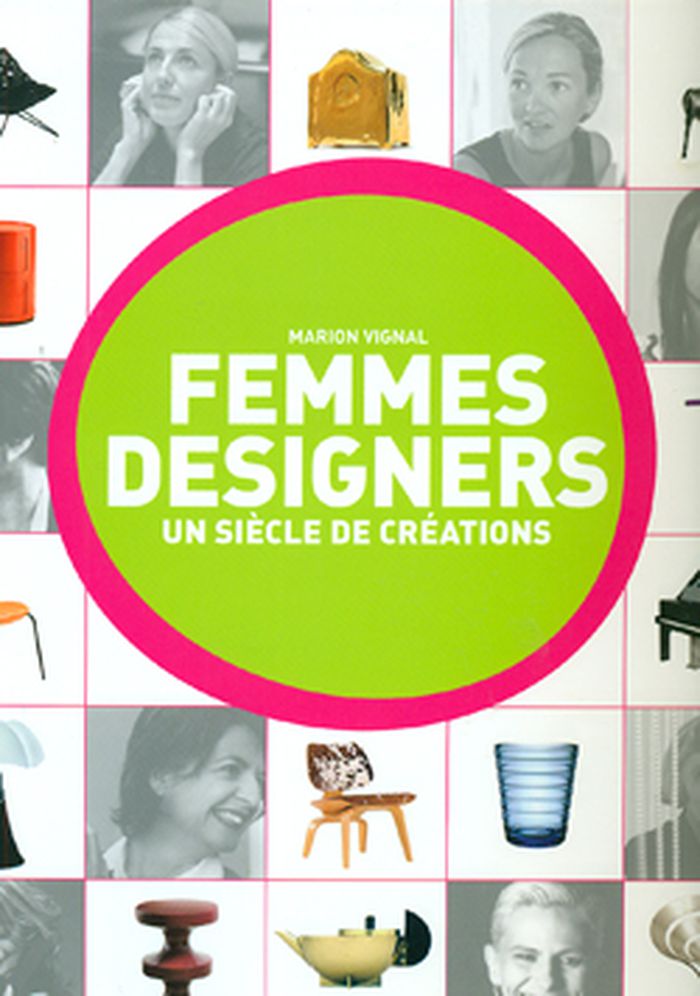
Né à l'aube du XXe siècle, le design a grandi dans un monde masculin, celui de l'industrie, des ingénieurs et des architectes. Les femmes ont longtemps été les grandes absentes du secteur. Certaines ont pourtant joué un rôle clé dans l'histoire du mobilier et plus largement de l'habitat. Entre Rodin et Camille Claudel, on sait aujourd'hui faire la différence. Peut-on en dire autant des pièces de Le Corbusier et de Charlotte Perriand ? Près d'un siècle plus tard, elles occupent le premier plan. Créatrices indépendantes, éditrices, galeristes, commissaires d'expositions, elles se sont emparées de la discipline à tous les niveaux. De Marianne Brandt, icône du Bauhaus, à Zaha Hadid en passant par Andrée Putman ou Matali Crasset, cet ouvrage passe en revue, à travers plus de 300 documents, les plus grands noms du design, de l'Art Nouveau à aujourd'hui.
Femmes designers
Actions:
Prix:
$89.95
(disponible sur commande)
Résumé:
Né à l'aube du XXe siècle, le design a grandi dans un monde masculin, celui de l'industrie, des ingénieurs et des architectes. Les femmes ont longtemps été les grandes absentes du secteur. Certaines ont pourtant joué un rôle clé dans l'histoire du mobilier et plus largement de l'habitat. Entre Rodin et Camille Claudel, on sait aujourd'hui faire la différence. Peut-on en dire autant des pièces de Le Corbusier et de Charlotte Perriand ? Près d'un siècle plus tard, elles occupent le premier plan. Créatrices indépendantes, éditrices, galeristes, commissaires d'expositions, elles se sont emparées de la discipline à tous les niveaux. De Marianne Brandt, icône du Bauhaus, à Zaha Hadid en passant par Andrée Putman ou Matali Crasset, cet ouvrage passe en revue, à travers plus de 300 documents, les plus grands noms du design, de l'Art Nouveau à aujourd'hui.
Classification:
livres
livres
Publication:
octobre 2009
octobre 2009
Sujet:
Théorie du design
Théorie du design
Classification:
livres
livres
Actions:
Prix:
$39.95
(disponible sur commande)
Résumé:
A partir de 1945, le Mouvement moderne international prend son envol en Europe, aux Etats-Unis sous l'impulsion des exilés du Bauhaus, en Amérique Latine puis aux Indes et au Japon. A Lyon comme ailleurs, le Mouvement moderne international naît de la croissance urbaine, de la révolution industrielle, du passage du rural à l'urbain et de la planification centralisée. Des(...)
$39.95
(disponible sur commande)
Résumé:
A partir de 1945, le Mouvement moderne international prend son envol en Europe, aux Etats-Unis sous l'impulsion des exilés du Bauhaus, en Amérique Latine puis aux Indes et au Japon. A Lyon comme ailleurs, le Mouvement moderne international naît de la croissance urbaine, de la révolution industrielle, du passage du rural à l'urbain et de la planification centralisée. Des(...)
Titre:
Lyon, cité radieuse: Une aventure du mouvement moderne international
Actions:
Prix:
$39.95
(disponible sur commande)
Résumé:
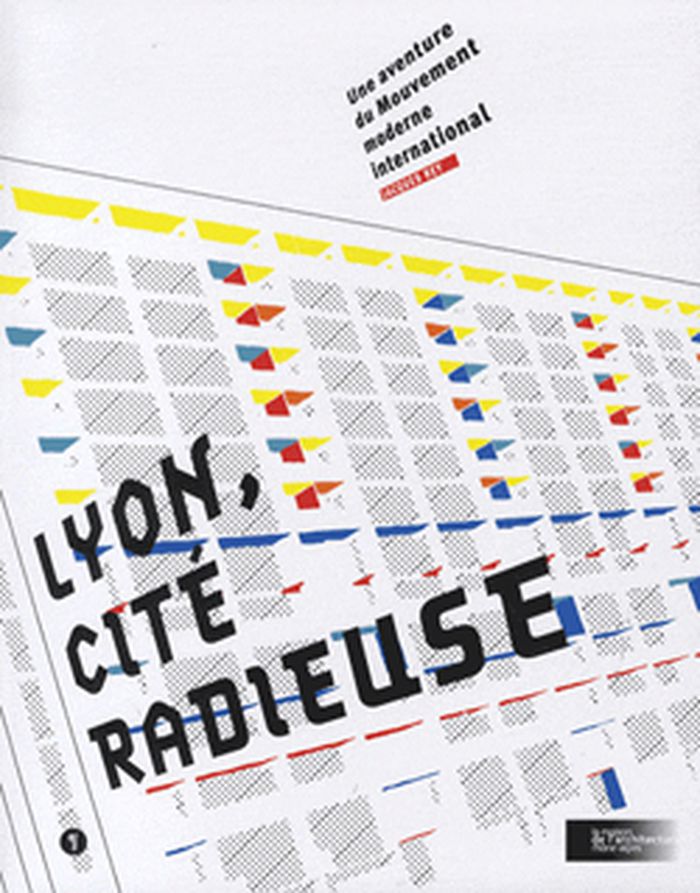
A partir de 1945, le Mouvement moderne international prend son envol en Europe, aux Etats-Unis sous l'impulsion des exilés du Bauhaus, en Amérique Latine puis aux Indes et au Japon. A Lyon comme ailleurs, le Mouvement moderne international naît de la croissance urbaine, de la révolution industrielle, du passage du rural à l'urbain et de la planification centralisée. Des expériences de Bron-Parilly puis de La Duchère naissent l'essentiel des architectes, dont les œuvres constituent l'apport spécifique de l'architecture lyonnaise au Mouvement moderne international : René Gagès, François-Régis Cottin, Franck Grimal, Pierre Tourret, Pierre Genton, Jean Zumbrunnen, Michel Marin. Se référant explicitement à ce mouvement, refusant tout localisme mais apportant une spécificité liée au génie de ces lieux, leur production architecturale eut, de 1945 à 1968, un impact bien au-delà de ses frontières, de Berlin à Alger.
Lyon, cité radieuse: Une aventure du mouvement moderne international
Actions:
Prix:
$39.95
(disponible sur commande)
Résumé:
A partir de 1945, le Mouvement moderne international prend son envol en Europe, aux Etats-Unis sous l'impulsion des exilés du Bauhaus, en Amérique Latine puis aux Indes et au Japon. A Lyon comme ailleurs, le Mouvement moderne international naît de la croissance urbaine, de la révolution industrielle, du passage du rural à l'urbain et de la planification centralisée. Des expériences de Bron-Parilly puis de La Duchère naissent l'essentiel des architectes, dont les œuvres constituent l'apport spécifique de l'architecture lyonnaise au Mouvement moderne international : René Gagès, François-Régis Cottin, Franck Grimal, Pierre Tourret, Pierre Genton, Jean Zumbrunnen, Michel Marin. Se référant explicitement à ce mouvement, refusant tout localisme mais apportant une spécificité liée au génie de ces lieux, leur production architecturale eut, de 1945 à 1968, un impact bien au-delà de ses frontières, de Berlin à Alger.
Classification:
livres
livres
Publication:
janvier 2011
janvier 2011
Classification:
livres
livres
Actions:
Prix:
$64.95
(disponible sur commande)
Résumé:
The effect of architectural and artistic forms is based on the phenomena of the basic elements: point, line and plane. Architectural space is defined by its boundaries, where each element is evaluated by its inherent energies. As architecture is also the organization of space, these elements are described in terms of their influence on each other and on their(...)
$64.95
(disponible sur commande)
Résumé:
The effect of architectural and artistic forms is based on the phenomena of the basic elements: point, line and plane. Architectural space is defined by its boundaries, where each element is evaluated by its inherent energies. As architecture is also the organization of space, these elements are described in terms of their influence on each other and on their(...)
Publication:
janvier 2011
janvier 2011
Titre:
Basics: architecture and dynamics
Actions:
Prix:
$64.95
(disponible sur commande)
Résumé:
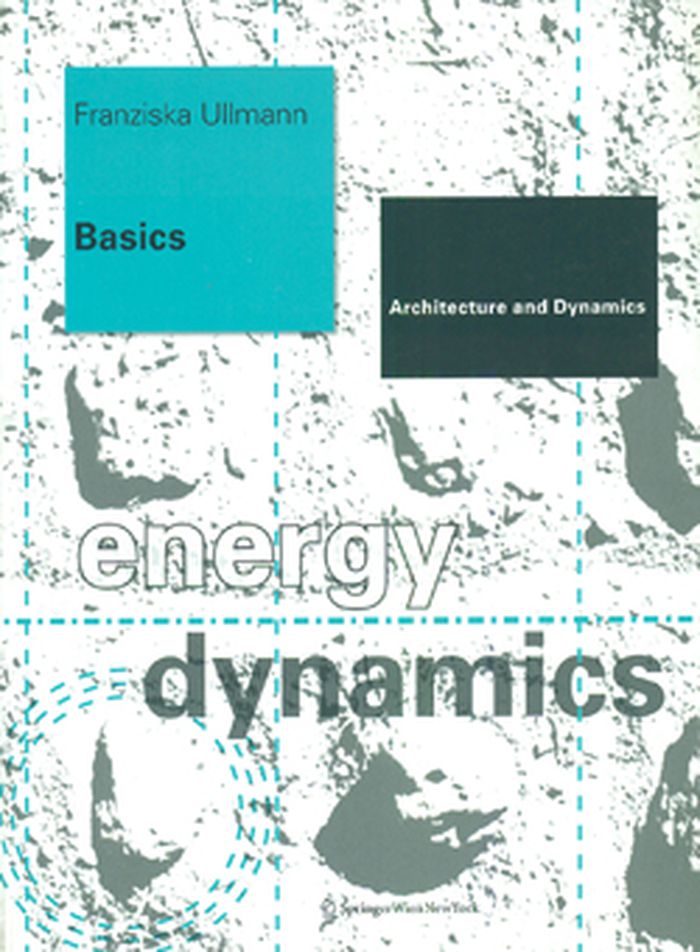
The effect of architectural and artistic forms is based on the phenomena of the basic elements: point, line and plane. Architectural space is defined by its boundaries, where each element is evaluated by its inherent energies. As architecture is also the organization of space, these elements are described in terms of their influence on each other and on their surroundings. In an attempt to understand these elements in terms of architecture, this book examines them based on the research of Bauhaus member Wassily Kandinsky. Through the inherent qualities of these elements we can understand the effect of energies, tensions, and dynamics in all existing objects, buildings and landscapes as the organization of movement and stillness. This book contains diagrams and examples especially selected to describe these elements and their architectural manifestations and to show the manifold ways in which they communicate with us.
Basics: architecture and dynamics
Actions:
Prix:
$64.95
(disponible sur commande)
Résumé:
The effect of architectural and artistic forms is based on the phenomena of the basic elements: point, line and plane. Architectural space is defined by its boundaries, where each element is evaluated by its inherent energies. As architecture is also the organization of space, these elements are described in terms of their influence on each other and on their surroundings. In an attempt to understand these elements in terms of architecture, this book examines them based on the research of Bauhaus member Wassily Kandinsky. Through the inherent qualities of these elements we can understand the effect of energies, tensions, and dynamics in all existing objects, buildings and landscapes as the organization of movement and stillness. This book contains diagrams and examples especially selected to describe these elements and their architectural manifestations and to show the manifold ways in which they communicate with us.
Classification:
livres
livres
Publication:
janvier 2011
janvier 2011
Classification:
livres
livres
Actions:
Exemplaires:
Description:
239 pages : illustrations (some color) ; 27 cm
Description:
239 pages : illustrations (some color) ; 27 cm
Auteur:
Sujet:
Publication:
New York : Bauer and Dean Publishers, [2018], ©2018
New York : Bauer and Dean Publishers, [2018], ©2018
Titre:
Making America modern : interior design in the 1930s / Marilyn F. Friedman.
Actions:
Exemplaires:
Description:
239 pages : illustrations (some color) ; 27 cm
Making America modern : interior design in the 1930s / Marilyn F. Friedman.
Actions:
Exemplaires:
Description:
239 pages : illustrations (some color) ; 27 cm
Classification:
livres
livres
Publication:
New York : Bauer and Dean Publishers, [2018], ©2018
New York : Bauer and Dean Publishers, [2018], ©2018
Auteur:
Sujet:
Classification:
livres
livres
Actions:
Prix:
$53.50
(disponible sur commande)
Résumé:
Otto Treumann (1919-2001) is regarded as a major pioneer in the modernization of graphic design in the Netherlands. Premised on Swiss typography and the Bauhaus, Treumann's oeuvre is distinguished by an easy-to-read combination of visual elements and an iconoclastic treatment of colour. These benefit from his(...)
$53.50
(disponible sur commande)
Résumé:
Otto Treumann (1919-2001) is regarded as a major pioneer in the modernization of graphic design in the Netherlands. Premised on Swiss typography and the Bauhaus, Treumann's oeuvre is distinguished by an easy-to-read combination of visual elements and an iconoclastic treatment of colour. These benefit from his(...)
Titre:
Otto Treumann : graphic design in the Netherlands
Actions:
Prix:
$53.50
(disponible sur commande)
Résumé:
Otto Treumann (1919-2001) is regarded as a major pioneer in the modernization of graphic design in the Netherlands. Premised on Swiss typography and the Bauhaus, Treumann's oeuvre is distinguished by an easy-to-read combination of visual elements and an iconoclastic treatment of colour. These benefit from his wide knowledge of printing techniques acquired during the Second World War when he forged documents for the resistance. He enjoyed a special relationship with industrial clients, invariably achieving top quality and innovation in the arena where economics meets culture. His work has proved eminently suitable for house styles and logos, including those for Wolters Noordhoff the publishers, the Kröller-Müller Museum, the Royal Institute of Dutch Architects and El Al Airlines. He also designed posters for the Industries Fair in Utrecht, the Rotterdam Ahoy' and Tattoo in Delft. The book is designed by Irma Boom.
Otto Treumann : graphic design in the Netherlands
Actions:
Prix:
$53.50
(disponible sur commande)
Résumé:
Otto Treumann (1919-2001) is regarded as a major pioneer in the modernization of graphic design in the Netherlands. Premised on Swiss typography and the Bauhaus, Treumann's oeuvre is distinguished by an easy-to-read combination of visual elements and an iconoclastic treatment of colour. These benefit from his wide knowledge of printing techniques acquired during the Second World War when he forged documents for the resistance. He enjoyed a special relationship with industrial clients, invariably achieving top quality and innovation in the arena where economics meets culture. His work has proved eminently suitable for house styles and logos, including those for Wolters Noordhoff the publishers, the Kröller-Müller Museum, the Royal Institute of Dutch Architects and El Al Airlines. He also designed posters for the Industries Fair in Utrecht, the Rotterdam Ahoy' and Tattoo in Delft. The book is designed by Irma Boom.
Classification:
livres
livres
Publication:
juin 2001, Rotterdam
juin 2001, Rotterdam
Classification:
livres
livres
Titre:
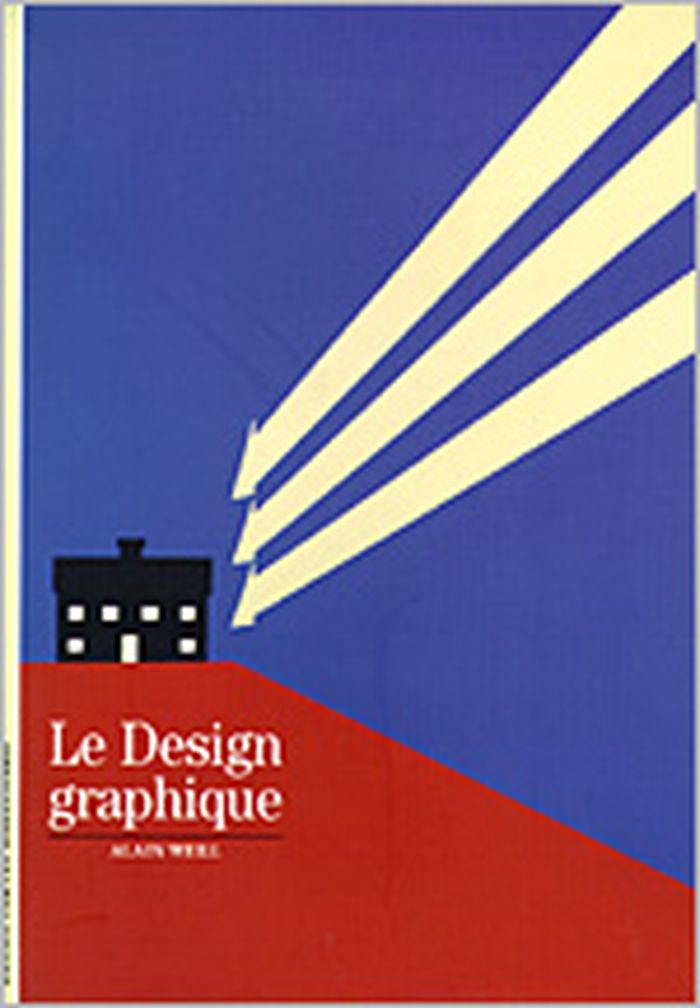
Le design graphique
Le design graphique
Actions:
Prix:
$24.95
(disponible sur commande)
Résumé:
C'est du renouveau des arts décoratifs en Europe, à l'orée du XXe siècle, qu'est né le design graphique - terme qui regroupe les arts appliqués au commerce et à l'industrie. Puis c'est entre Moscou, Berlin et Amsterdam, avec pour acteurs dadaïstes et constructivistes et pour lieux de rencontre De Stijl et le Bauhaus, qu'est né le graphisme moderne, à base de collages, de(...)
$24.95
(disponible sur commande)
Résumé:
C'est du renouveau des arts décoratifs en Europe, à l'orée du XXe siècle, qu'est né le design graphique - terme qui regroupe les arts appliqués au commerce et à l'industrie. Puis c'est entre Moscou, Berlin et Amsterdam, avec pour acteurs dadaïstes et constructivistes et pour lieux de rencontre De Stijl et le Bauhaus, qu'est né le graphisme moderne, à base de collages, de(...)
Titre:
Le design graphique
Actions:
Prix:
$24.95
(disponible sur commande)
Résumé:
C'est du renouveau des arts décoratifs en Europe, à l'orée du XXe siècle, qu'est né le design graphique - terme qui regroupe les arts appliqués au commerce et à l'industrie. Puis c'est entre Moscou, Berlin et Amsterdam, avec pour acteurs dadaïstes et constructivistes et pour lieux de rencontre De Stijl et le Bauhaus, qu'est né le graphisme moderne, à base de collages, de photomontages et d'une nouvelle typographie. Après la Seconde Guerre mondiale et l'exil de la plupart des talents européens vers les Etats-Unis, ce qui faisait figure d'avant-garde est adopté partout sous le nom de - style international. Et les agences de publicité partent à la conquête du monde... C'est à cette histoire de mise en image, des entreprises, qu'elles soient commerciales, culturelles ou institutionnelles, que nous convie Alain Weill, à travers toute l'Europe et les Etats-Unis, des premiers grands affichistes à l'avènement de l'ordinateur.
Le design graphique
Actions:
Prix:
$24.95
(disponible sur commande)
Résumé:
C'est du renouveau des arts décoratifs en Europe, à l'orée du XXe siècle, qu'est né le design graphique - terme qui regroupe les arts appliqués au commerce et à l'industrie. Puis c'est entre Moscou, Berlin et Amsterdam, avec pour acteurs dadaïstes et constructivistes et pour lieux de rencontre De Stijl et le Bauhaus, qu'est né le graphisme moderne, à base de collages, de photomontages et d'une nouvelle typographie. Après la Seconde Guerre mondiale et l'exil de la plupart des talents européens vers les Etats-Unis, ce qui faisait figure d'avant-garde est adopté partout sous le nom de - style international. Et les agences de publicité partent à la conquête du monde... C'est à cette histoire de mise en image, des entreprises, qu'elles soient commerciales, culturelles ou institutionnelles, que nous convie Alain Weill, à travers toute l'Europe et les Etats-Unis, des premiers grands affichistes à l'avènement de l'ordinateur.
Classification:
livres
livres
Publication:
janvier 2004, Paris
janvier 2004, Paris
Classification:
livres
livres
Actions:
Prix:
$52.50
(disponible sur commande)
Résumé:
A refugee from Nazi Germany, Nikolaus Pevsner became a central player in the intellectual and cultural life of his adopted country. Almost impossibly energetic, efficient and effective, his contribution both to scholarship and to the public appreciation of art and architecture was immense. In addition to the famous Buildings of England series - known commonly as(...)
$52.50
(disponible sur commande)
Résumé:
A refugee from Nazi Germany, Nikolaus Pevsner became a central player in the intellectual and cultural life of his adopted country. Almost impossibly energetic, efficient and effective, his contribution both to scholarship and to the public appreciation of art and architecture was immense. In addition to the famous Buildings of England series - known commonly as(...)
Sujet:
Théorie de l’architecture
Théorie de l’architecture
Publication:
janvier 2003, London
janvier 2003, London
Titre:
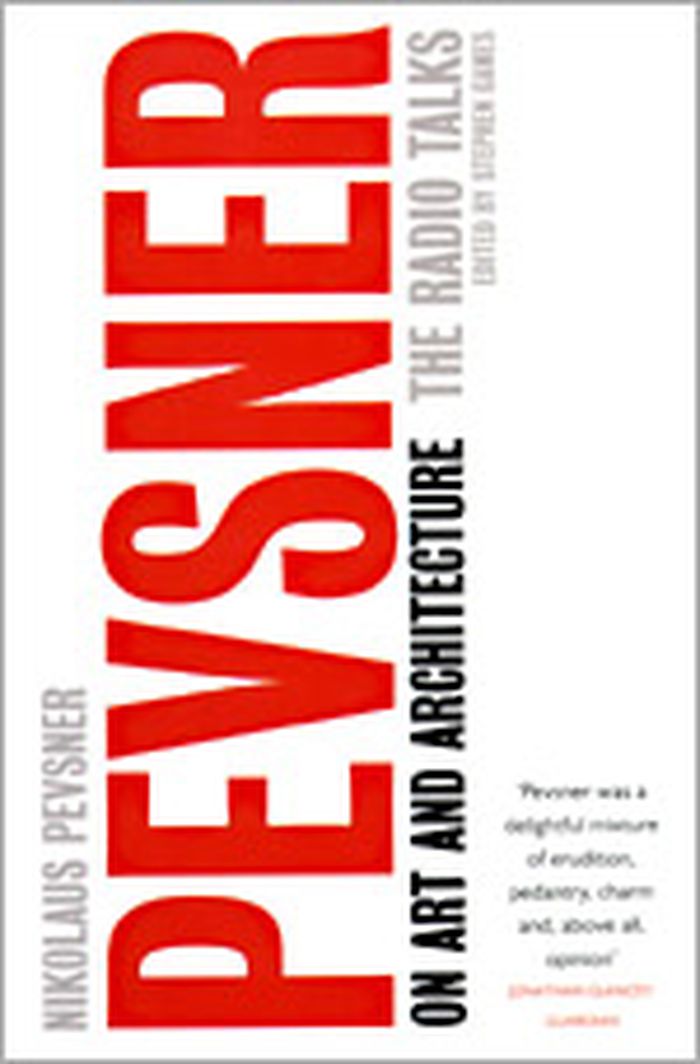
Pevsner on art and architecture : the radio talks
Actions:
Prix:
$52.50
(disponible sur commande)
Résumé:
A refugee from Nazi Germany, Nikolaus Pevsner became a central player in the intellectual and cultural life of his adopted country. Almost impossibly energetic, efficient and effective, his contribution both to scholarship and to the public appreciation of art and architecture was immense. In addition to the famous Buildings of England series - known commonly as "Pevsner" - he wrote standard textbooks, held professorships, delivered the Reith lectures, promoted with equal fervour Victorian and Bauhaus architecture; and for over twenty-five years from the end of the war was a regular broadcaster for the BBC. Here his talks ranged from a discussion of Breughel's art to the buildings of Gaudi; from a series on Englishmen's castles to meditations on modern town planning; from Elizabethan mannerism to contemporary American architecture - and of course to his ground-breaking series of Reith Lectures on "The Englishness of English Art".
Pevsner on art and architecture : the radio talks
Actions:
Prix:
$52.50
(disponible sur commande)
Résumé:
A refugee from Nazi Germany, Nikolaus Pevsner became a central player in the intellectual and cultural life of his adopted country. Almost impossibly energetic, efficient and effective, his contribution both to scholarship and to the public appreciation of art and architecture was immense. In addition to the famous Buildings of England series - known commonly as "Pevsner" - he wrote standard textbooks, held professorships, delivered the Reith lectures, promoted with equal fervour Victorian and Bauhaus architecture; and for over twenty-five years from the end of the war was a regular broadcaster for the BBC. Here his talks ranged from a discussion of Breughel's art to the buildings of Gaudi; from a series on Englishmen's castles to meditations on modern town planning; from Elizabethan mannerism to contemporary American architecture - and of course to his ground-breaking series of Reith Lectures on "The Englishness of English Art".
Classification:
livres
livres
Publication:
janvier 2003, London
janvier 2003, London
Sujet:
Théorie de l’architecture
Théorie de l’architecture
Classification:
livres
livres
Actions:
Prix:
$79.00
(disponible sur commande)
Résumé:
Life in the digital economy of information and images enriches us but often induces a sense of being overwhelmed. ''Sensing the Future: Moholy-Nagy, Media and the Arts'' considers the impact of technology by exploring ways it was addressed in the practice of the Hungarian polymath artist László Moholy-Nagy (1895-1946), a prominent professor at the Bauhaus and a key figure(...)
$79.00
(disponible sur commande)
Résumé:
Life in the digital economy of information and images enriches us but often induces a sense of being overwhelmed. ''Sensing the Future: Moholy-Nagy, Media and the Arts'' considers the impact of technology by exploring ways it was addressed in the practice of the Hungarian polymath artist László Moholy-Nagy (1895-1946), a prominent professor at the Bauhaus and a key figure(...)
Titre:
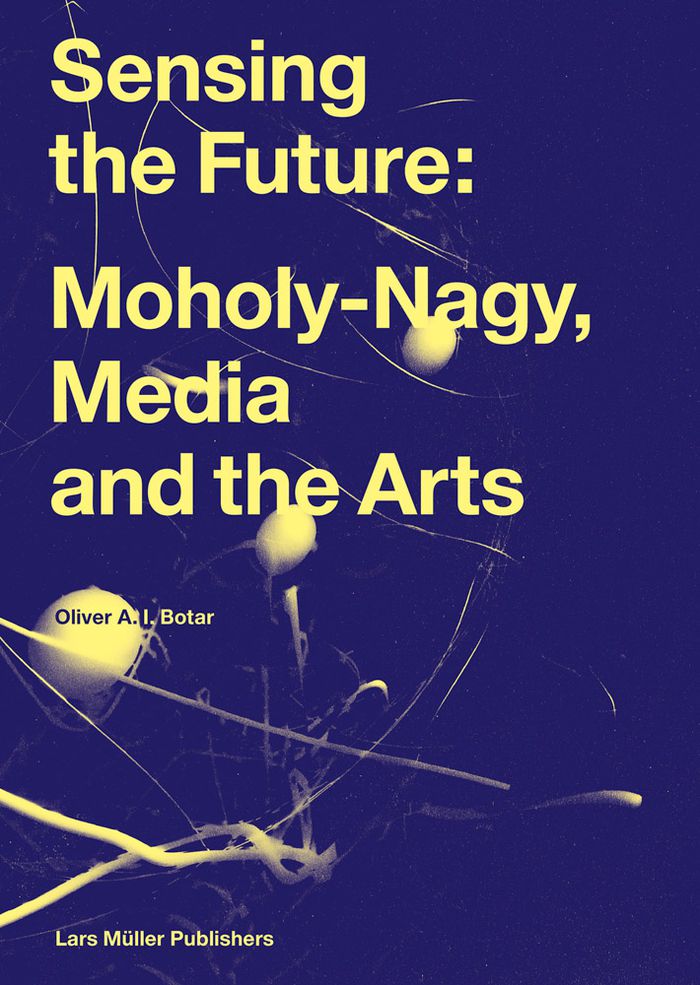
Sensing the future: Moholy-Nagy, media and the arts.Revised edition
Actions:
Prix:
$79.00
(disponible sur commande)
Résumé:
Life in the digital economy of information and images enriches us but often induces a sense of being overwhelmed. ''Sensing the Future: Moholy-Nagy, Media and the Arts'' considers the impact of technology by exploring ways it was addressed in the practice of the Hungarian polymath artist László Moholy-Nagy (1895-1946), a prominent professor at the Bauhaus and a key figure in the history of Modernism. Moholy-Nagy felt that people needed guidance to cope with the onslaught of sensory input in an increasingly technologized, mediatized, hyper-stimulating environment. His ideas informed media theorists such as Walter Benjamin, John Cage, Sigfried Giedion, and Marshall McLuhan, who anticipated digital culture as it emerged. Should we then regard Moholy-Nagy as a pioneer of the digital? His aesthetic engagement with the technology/body problematic broached the notions of immersion, interactivity and bodily participation, innately offering a critique of today’s disembodiment.
Sensing the future: Moholy-Nagy, media and the arts.Revised edition
Actions:
Prix:
$79.00
(disponible sur commande)
Résumé:
Life in the digital economy of information and images enriches us but often induces a sense of being overwhelmed. ''Sensing the Future: Moholy-Nagy, Media and the Arts'' considers the impact of technology by exploring ways it was addressed in the practice of the Hungarian polymath artist László Moholy-Nagy (1895-1946), a prominent professor at the Bauhaus and a key figure in the history of Modernism. Moholy-Nagy felt that people needed guidance to cope with the onslaught of sensory input in an increasingly technologized, mediatized, hyper-stimulating environment. His ideas informed media theorists such as Walter Benjamin, John Cage, Sigfried Giedion, and Marshall McLuhan, who anticipated digital culture as it emerged. Should we then regard Moholy-Nagy as a pioneer of the digital? His aesthetic engagement with the technology/body problematic broached the notions of immersion, interactivity and bodily participation, innately offering a critique of today’s disembodiment.
Classification:
livres
livres
Publication:
novembre 2023
novembre 2023


