


1385 Résultats
Classification:
livres
livres
Actions:
Prix:
$67.50
(disponible en magasin)
Résumé:
Linoleum is a natural material with quite an eventful history of use since its invention in 1864 by the British entrepreneur Frederik Walton. Its first golden age was between 1900 and 1930, when numerous renowned designers - among them Josef Hoffmann or Bruno Paul -(...)
$67.50
(disponible en magasin)
Résumé:
Linoleum is a natural material with quite an eventful history of use since its invention in 1864 by the British entrepreneur Frederik Walton. Its first golden age was between 1900 and 1930, when numerous renowned designers - among them Josef Hoffmann or Bruno Paul -(...)
Titre:
Linoleum : history, design, archtiecture 1882 - 2000
Actions:
Prix:
$67.50
(disponible en magasin)
Résumé:
Linoleum is a natural material with quite an eventful history of use since its invention in 1864 by the British entrepreneur Frederik Walton. Its first golden age was between 1900 and 1930, when numerous renowned designers - among them Josef Hoffmann or Bruno Paul - designed both collections and patterns. Even Peter Behrens - before he became the "artistic counselor" to AEG in Berlin in 1908 - tried his hand at designing linoleum patterns, to the point of developing a complete "corporate design" from stationary to catalogs to exhibition architecture for the Anker- Linoleum-Werke at Delmenhorst. Bauhaus architects such as Bruno Taut or Mies van der Rohe used linoleum in housing projects as an inexpensive and hardwearing but also decorative floor-covering. This book is the first to present this historically and ecologically equally important material in its various guises. Experts in the field contributed essays about the history of linoleum, its "discovery" by modernist designers and architects and its renaissance in contemporary design and architecture.
Linoleum : history, design, archtiecture 1882 - 2000
Actions:
Prix:
$67.50
(disponible en magasin)
Résumé:
Linoleum is a natural material with quite an eventful history of use since its invention in 1864 by the British entrepreneur Frederik Walton. Its first golden age was between 1900 and 1930, when numerous renowned designers - among them Josef Hoffmann or Bruno Paul - designed both collections and patterns. Even Peter Behrens - before he became the "artistic counselor" to AEG in Berlin in 1908 - tried his hand at designing linoleum patterns, to the point of developing a complete "corporate design" from stationary to catalogs to exhibition architecture for the Anker- Linoleum-Werke at Delmenhorst. Bauhaus architects such as Bruno Taut or Mies van der Rohe used linoleum in housing projects as an inexpensive and hardwearing but also decorative floor-covering. This book is the first to present this historically and ecologically equally important material in its various guises. Experts in the field contributed essays about the history of linoleum, its "discovery" by modernist designers and architects and its renaissance in contemporary design and architecture.
Classification:
livres
livres
Publication:
mars 2001, Ostfilden
mars 2001, Ostfilden
Sujet:
Matériaux et éclairage
Matériaux et éclairage
Classification:
livres
livres
Actions:
Prix:
$19.99
(disponible en magasin)
Résumé:
This sumptuously illustrated volume presents over 180 outstanding Viennese silver objects representing the period from Neoclassicism to the Wiener Werkstätte. Comparing early eighteenth-century works with examples of twentieth-century design and architecture, it offers a fascinating look at Vienna's contribution to the development of modern decorative arts. The authors(...)
$19.99
(disponible en magasin)
Résumé:
This sumptuously illustrated volume presents over 180 outstanding Viennese silver objects representing the period from Neoclassicism to the Wiener Werkstätte. Comparing early eighteenth-century works with examples of twentieth-century design and architecture, it offers a fascinating look at Vienna's contribution to the development of modern decorative arts. The authors(...)
Publication:
août 2003, Ostfildern
août 2003, Ostfildern
Titre:
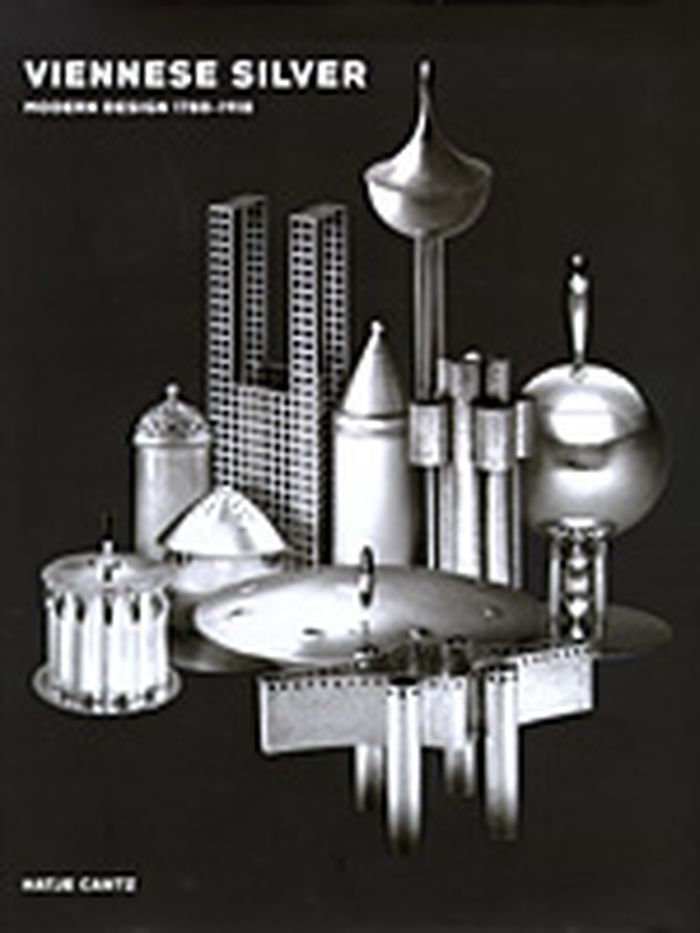
Viennese silver : modern design 1780-1918
Actions:
Prix:
$19.99
(disponible en magasin)
Résumé:
This sumptuously illustrated volume presents over 180 outstanding Viennese silver objects representing the period from Neoclassicism to the Wiener Werkstätte. Comparing early eighteenth-century works with examples of twentieth-century design and architecture, it offers a fascinating look at Vienna's contribution to the development of modern decorative arts. The authors demonstrate how the roots of modern design go back further than is generally assumed. Achieving remarkable clarity and formal reduction, Viennese Biedermeier designers created everyday objects of silver with astonishingly straightforward and purposeful forms that remain as progressive as ever today. In turn-of-the-century Vienna, Josef Hoffmann and Koloman Moser drew inspiration from the intellectual legacy of the period in their designs for the Wiener Werkstätte. Many of the ideas introduced by the Viennese avant-garde were later expressed in such movements as the Bauhaus and De Stijl. By examining this history in all its complexity, the book traces the development of the vocabulary for contemporary design.
Viennese silver : modern design 1780-1918
Actions:
Prix:
$19.99
(disponible en magasin)
Résumé:
This sumptuously illustrated volume presents over 180 outstanding Viennese silver objects representing the period from Neoclassicism to the Wiener Werkstätte. Comparing early eighteenth-century works with examples of twentieth-century design and architecture, it offers a fascinating look at Vienna's contribution to the development of modern decorative arts. The authors demonstrate how the roots of modern design go back further than is generally assumed. Achieving remarkable clarity and formal reduction, Viennese Biedermeier designers created everyday objects of silver with astonishingly straightforward and purposeful forms that remain as progressive as ever today. In turn-of-the-century Vienna, Josef Hoffmann and Koloman Moser drew inspiration from the intellectual legacy of the period in their designs for the Wiener Werkstätte. Many of the ideas introduced by the Viennese avant-garde were later expressed in such movements as the Bauhaus and De Stijl. By examining this history in all its complexity, the book traces the development of the vocabulary for contemporary design.
Classification:
livres
livres
Publication:
août 2003, Ostfildern
août 2003, Ostfildern
Classification:
livres
livres
Actions:
Prix:
$42.00
(disponible sur commande)
Résumé:
Showcasing selected works from The Museum of Modern Art's architecture and design collection, "Objects of Design" features a wide variety of industrial and domestic artifacts by great designers of the modern period, from early masters such as Hector Guimard, Frank Lloyd Wright and Josef Hoffmann to contemporary practitioners including Droog Design, Ettore Sottsas, Gaetano(...)
$42.00
(disponible sur commande)
Résumé:
Showcasing selected works from The Museum of Modern Art's architecture and design collection, "Objects of Design" features a wide variety of industrial and domestic artifacts by great designers of the modern period, from early masters such as Hector Guimard, Frank Lloyd Wright and Josef Hoffmann to contemporary practitioners including Droog Design, Ettore Sottsas, Gaetano(...)
Titre:
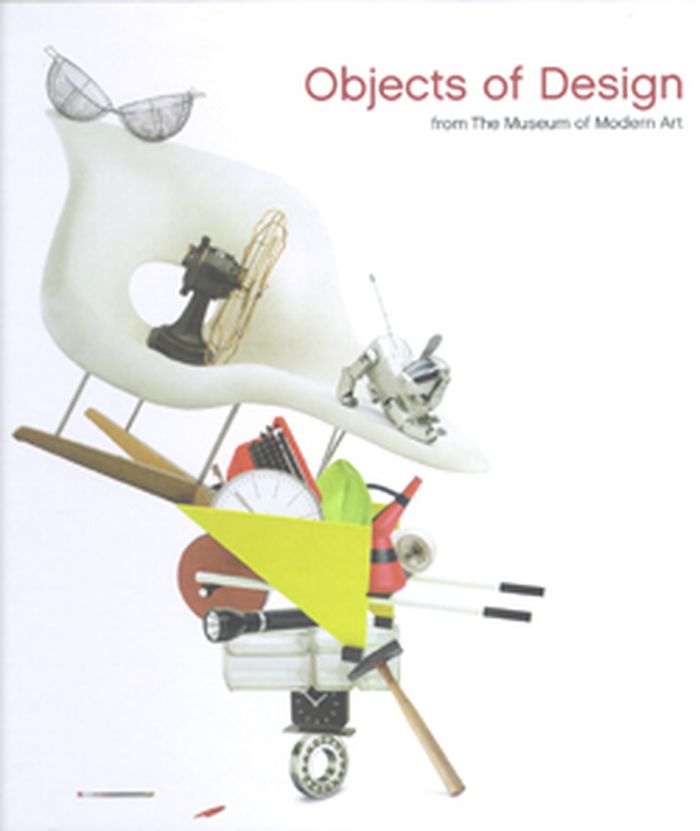
Objects of design : from the Museum of Modern Art
Actions:
Prix:
$42.00
(disponible sur commande)
Résumé:
Showcasing selected works from The Museum of Modern Art's architecture and design collection, "Objects of Design" features a wide variety of industrial and domestic artifacts by great designers of the modern period, from early masters such as Hector Guimard, Frank Lloyd Wright and Josef Hoffmann to contemporary practitioners including Droog Design, Ettore Sottsas, Gaetano Pesce, Hella Jongerius and others. Some of the objects represent turn-of-the-century designs of the Vienna Secession, Art Nouveau and the Arts and Crafts movement; others are Bauhaus and de Stijl explorations; still others show Charles and Ray Eames and other American designers of the second half of the 20th century; representations of the Italian design revolutions; and contemporary manifestations of familiar genres using radical new materials and techniques of manufacture. The book's 360 colour plates not only reveal the range of aesthetic viewpoints in design since the late 19th century but together trace the historical development of MOMA's celebrated design collection.
Objects of design : from the Museum of Modern Art
Actions:
Prix:
$42.00
(disponible sur commande)
Résumé:
Showcasing selected works from The Museum of Modern Art's architecture and design collection, "Objects of Design" features a wide variety of industrial and domestic artifacts by great designers of the modern period, from early masters such as Hector Guimard, Frank Lloyd Wright and Josef Hoffmann to contemporary practitioners including Droog Design, Ettore Sottsas, Gaetano Pesce, Hella Jongerius and others. Some of the objects represent turn-of-the-century designs of the Vienna Secession, Art Nouveau and the Arts and Crafts movement; others are Bauhaus and de Stijl explorations; still others show Charles and Ray Eames and other American designers of the second half of the 20th century; representations of the Italian design revolutions; and contemporary manifestations of familiar genres using radical new materials and techniques of manufacture. The book's 360 colour plates not only reveal the range of aesthetic viewpoints in design since the late 19th century but together trace the historical development of MOMA's celebrated design collection.
Classification:
livres
livres
Publication:
août 2003, New York
août 2003, New York
Sujet:
Design industriel
Design industriel
Classification:
livres
livres
Actions:
Prix:
$65.00
(disponible en magasin)
Résumé:
''Constructive Clarity: Max Bill and His Time, 1940–1952'', the second installment of art historian Angela Thomas’s multivolume biography, continues her meticulous exploration of the life and work of the influential artist. Max Bill was undoubtedly one of the most versatile artists of the twentieth century––a designer, painter, sculptor, architect, graphic designer,(...)
$65.00
(disponible en magasin)
Résumé:
''Constructive Clarity: Max Bill and His Time, 1940–1952'', the second installment of art historian Angela Thomas’s multivolume biography, continues her meticulous exploration of the life and work of the influential artist. Max Bill was undoubtedly one of the most versatile artists of the twentieth century––a designer, painter, sculptor, architect, graphic designer,(...)
Titre:
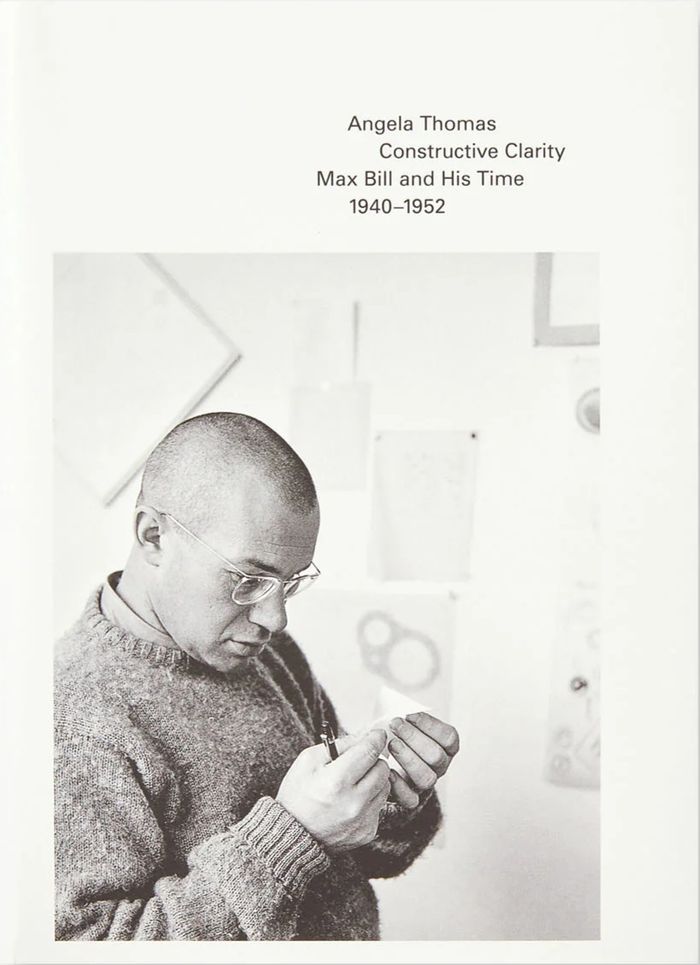
Constructive clarity: Max Bill and his time
Actions:
Prix:
$65.00
(disponible en magasin)
Résumé:
''Constructive Clarity: Max Bill and His Time, 1940–1952'', the second installment of art historian Angela Thomas’s multivolume biography, continues her meticulous exploration of the life and work of the influential artist. Max Bill was undoubtedly one of the most versatile artists of the twentieth century––a designer, painter, sculptor, architect, graphic designer, typographer, writer, curator, teacher, and politician––who influenced generations of artists. Picking up where the first volume left off,Thomas turns her attention to Bill’s life during World War II, exploring the ground-breaking artistic and intellectual networks to which Bill belonged: from his time at the Bauhaus in Dessau to his connections with the Parisian avant-garde and his lifelong friendship with Georges Vantongerloo. His importance as a writer, publisher, and exhibition organizer comes to the fore in this volume, as does his crucial influence on the development of Concrete art in South America and his active interest in urban planning and postwar reconstruction. contexts in which he worked.
Constructive clarity: Max Bill and his time
Actions:
Prix:
$65.00
(disponible en magasin)
Résumé:
''Constructive Clarity: Max Bill and His Time, 1940–1952'', the second installment of art historian Angela Thomas’s multivolume biography, continues her meticulous exploration of the life and work of the influential artist. Max Bill was undoubtedly one of the most versatile artists of the twentieth century––a designer, painter, sculptor, architect, graphic designer, typographer, writer, curator, teacher, and politician––who influenced generations of artists. Picking up where the first volume left off,Thomas turns her attention to Bill’s life during World War II, exploring the ground-breaking artistic and intellectual networks to which Bill belonged: from his time at the Bauhaus in Dessau to his connections with the Parisian avant-garde and his lifelong friendship with Georges Vantongerloo. His importance as a writer, publisher, and exhibition organizer comes to the fore in this volume, as does his crucial influence on the development of Concrete art in South America and his active interest in urban planning and postwar reconstruction. contexts in which he worked.
Classification:
livres
livres
Publication:
octobre 2024
octobre 2024
Classification:
livres
livres

Titre:
They laid the foundation
They laid the foundation
Actions:
Prix:
$48.00
(disponible en magasin)
Résumé:
Beginning in the 1920s, and especially after the Nazis introduced the Nuremberg Race Laws in the 1930s, more than 130 Jewish architects chose to leave their native Germany and begin afresh in Palestine. Many of them, including Alex Baerwald and Harry Rosenthal, left behind significant buildings that were already central to the urban image of Berlin. Nevertheless, upon(...)
$48.00
(disponible en magasin)
Résumé:
Beginning in the 1920s, and especially after the Nazis introduced the Nuremberg Race Laws in the 1930s, more than 130 Jewish architects chose to leave their native Germany and begin afresh in Palestine. Many of them, including Alex Baerwald and Harry Rosenthal, left behind significant buildings that were already central to the urban image of Berlin. Nevertheless, upon(...)
Publication:
septembre 2007, New York
septembre 2007, New York
Titre:
They laid the foundation
Actions:
Prix:
$48.00
(disponible en magasin)
Résumé:
Beginning in the 1920s, and especially after the Nazis introduced the Nuremberg Race Laws in the 1930s, more than 130 Jewish architects chose to leave their native Germany and begin afresh in Palestine. Many of them, including Alex Baerwald and Harry Rosenthal, left behind significant buildings that were already central to the urban image of Berlin. Nevertheless, upon arriving in their new desert home, completely unaccustomed to the climate, the culture or the language, these Bauhaus-era repatriates set about laying the foundations of a new society with amazing vigor. This volume, assembled by the Israeli architect Myra Warhaftig, provides comprehensive documentation of works by this first generation of Jewish-Palestinean architects, including kibbutzim, villages and cities with housing developments, hospitals, schools, universities, theaters, administrative buildings, etc. It also includes documentation of the lives and works of many of the most entrepreneurial individuals to escape in the diaspora, who, along with their descendents, laid the foundations of modern-day Israel.
They laid the foundation
Actions:
Prix:
$48.00
(disponible en magasin)
Résumé:
Beginning in the 1920s, and especially after the Nazis introduced the Nuremberg Race Laws in the 1930s, more than 130 Jewish architects chose to leave their native Germany and begin afresh in Palestine. Many of them, including Alex Baerwald and Harry Rosenthal, left behind significant buildings that were already central to the urban image of Berlin. Nevertheless, upon arriving in their new desert home, completely unaccustomed to the climate, the culture or the language, these Bauhaus-era repatriates set about laying the foundations of a new society with amazing vigor. This volume, assembled by the Israeli architect Myra Warhaftig, provides comprehensive documentation of works by this first generation of Jewish-Palestinean architects, including kibbutzim, villages and cities with housing developments, hospitals, schools, universities, theaters, administrative buildings, etc. It also includes documentation of the lives and works of many of the most entrepreneurial individuals to escape in the diaspora, who, along with their descendents, laid the foundations of modern-day Israel.
Classification:
livres
livres
Publication:
septembre 2007, New York
septembre 2007, New York
Classification:
livres
livres
Prix:
$33.95
(disponible en magasin)
Résumé:
Il y a un siècle, les architectes du Bauhaus s'étaient fixé pour objectif de civiliser et de démocratiser la ville moderne, avec une architecture sobre du less is more élaborée au rythme de l'évolution des sociétés. Cet impératif n'a rien perdu de son importance. Pourquoi les jeunes architectes du XXI? siècle ne pourraient-ils pas, pour combattre la brutalité de la ville(...)
$33.95
(disponible en magasin)
Résumé:
Il y a un siècle, les architectes du Bauhaus s'étaient fixé pour objectif de civiliser et de démocratiser la ville moderne, avec une architecture sobre du less is more élaborée au rythme de l'évolution des sociétés. Cet impératif n'a rien perdu de son importance. Pourquoi les jeunes architectes du XXI? siècle ne pourraient-ils pas, pour combattre la brutalité de la ville(...)
Titre:
L'architecte et l'existant: Construire avec ce qui est déjà là
Actions:
Prix:
$33.95
(disponible en magasin)
Résumé:
Il y a un siècle, les architectes du Bauhaus s'étaient fixé pour objectif de civiliser et de démocratiser la ville moderne, avec une architecture sobre du less is more élaborée au rythme de l'évolution des sociétés. Cet impératif n'a rien perdu de son importance. Pourquoi les jeunes architectes du XXI? siècle ne pourraient-ils pas, pour combattre la brutalité de la ville contemporaine, qui malmène ses habitants autant qu'elle est malmenée par les ruptures climatiques et écologiques, opérer le croisement de toutes les ressources existantes en termes matériels, historiques et symboliques, pour construire autrement ? Travail considérable certes, mais qui éviterait ce « fonctionnalisme vert », en vogue aujourd'hui, qui remplace les modèles dogmatiques et sans mémoire de l'architecture internationale par des écomodèles qui le sont tout autant. C'est à cette réflexion essentielle que se sont attelés les auteurs de cet ouvrage. Pour que nous puissions enfin passer du « less is more » au « better with less » !
L'architecte et l'existant: Construire avec ce qui est déjà là
Actions:
Prix:
$33.95
(disponible en magasin)
Résumé:
Il y a un siècle, les architectes du Bauhaus s'étaient fixé pour objectif de civiliser et de démocratiser la ville moderne, avec une architecture sobre du less is more élaborée au rythme de l'évolution des sociétés. Cet impératif n'a rien perdu de son importance. Pourquoi les jeunes architectes du XXI? siècle ne pourraient-ils pas, pour combattre la brutalité de la ville contemporaine, qui malmène ses habitants autant qu'elle est malmenée par les ruptures climatiques et écologiques, opérer le croisement de toutes les ressources existantes en termes matériels, historiques et symboliques, pour construire autrement ? Travail considérable certes, mais qui éviterait ce « fonctionnalisme vert », en vogue aujourd'hui, qui remplace les modèles dogmatiques et sans mémoire de l'architecture internationale par des écomodèles qui le sont tout autant. C'est à cette réflexion essentielle que se sont attelés les auteurs de cet ouvrage. Pour que nous puissions enfin passer du « less is more » au « better with less » !
Classification:
livres
livres
Publication:
mai 2022
mai 2022
Sujet:
Théorie de l’architecture
Théorie de l’architecture
Classification:
livres
livres
Titre:
Space as membrane
Space as membrane
Actions:
Prix:
$35.00
(disponible en magasin)
Résumé:
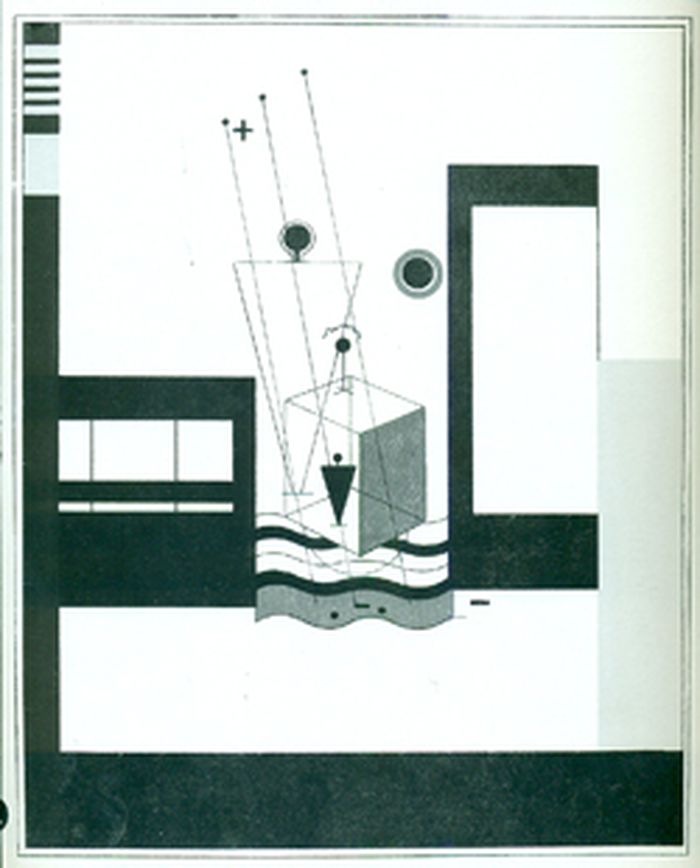
What if architecture was no longer 3D or 2D, mass or surface, object or space? And what if the architectural environment was envisioned not as an abstract continuum, but as a material envelope that grows organically from the human body, uniting its skin with the periphery of a city, a region or a continent, and even the entire earthly atmosphere? Such a sprawling(...)
$35.00
(disponible en magasin)
Résumé:
What if architecture was no longer 3D or 2D, mass or surface, object or space? And what if the architectural environment was envisioned not as an abstract continuum, but as a material envelope that grows organically from the human body, uniting its skin with the periphery of a city, a region or a continent, and even the entire earthly atmosphere? Such a sprawling(...)
Titre:
Space as membrane
Actions:
Prix:
$35.00
(disponible en magasin)
Résumé:
What if architecture was no longer 3D or 2D, mass or surface, object or space? And what if the architectural environment was envisioned not as an abstract continuum, but as a material envelope that grows organically from the human body, uniting its skin with the periphery of a city, a region or a continent, and even the entire earthly atmosphere? Such a sprawling hypothesis informs the theoretical premise of the 1926 essay Space as Membrane, written by former Bauhaus student, architect and cosmological theorist Siegfried Ebeling. Read and praised by Mies van der Rohe, denounced by Walter Gropius and presaging some of the technological innovations introduced across the Atlantic by Buckminster Fuller, Ebeling's treatise has been the subject of a number of recent commentaries, yet the text itself remains unread, due mainly to the scarcity of the original publication. This is the first English translation of Ebeling's original treatise, as well as the first contemporary edition of the text in any language.
Space as membrane
Actions:
Prix:
$35.00
(disponible en magasin)
Résumé:
What if architecture was no longer 3D or 2D, mass or surface, object or space? And what if the architectural environment was envisioned not as an abstract continuum, but as a material envelope that grows organically from the human body, uniting its skin with the periphery of a city, a region or a continent, and even the entire earthly atmosphere? Such a sprawling hypothesis informs the theoretical premise of the 1926 essay Space as Membrane, written by former Bauhaus student, architect and cosmological theorist Siegfried Ebeling. Read and praised by Mies van der Rohe, denounced by Walter Gropius and presaging some of the technological innovations introduced across the Atlantic by Buckminster Fuller, Ebeling's treatise has been the subject of a number of recent commentaries, yet the text itself remains unread, due mainly to the scarcity of the original publication. This is the first English translation of Ebeling's original treatise, as well as the first contemporary edition of the text in any language.
Classification:
livres
livres
Publication:
juin 2010
juin 2010
Sujet:
Théorie de l’architecture
Théorie de l’architecture
Classification:
livres
livres
Actions:
Prix:
$65.00
(disponible en magasin)
Résumé:
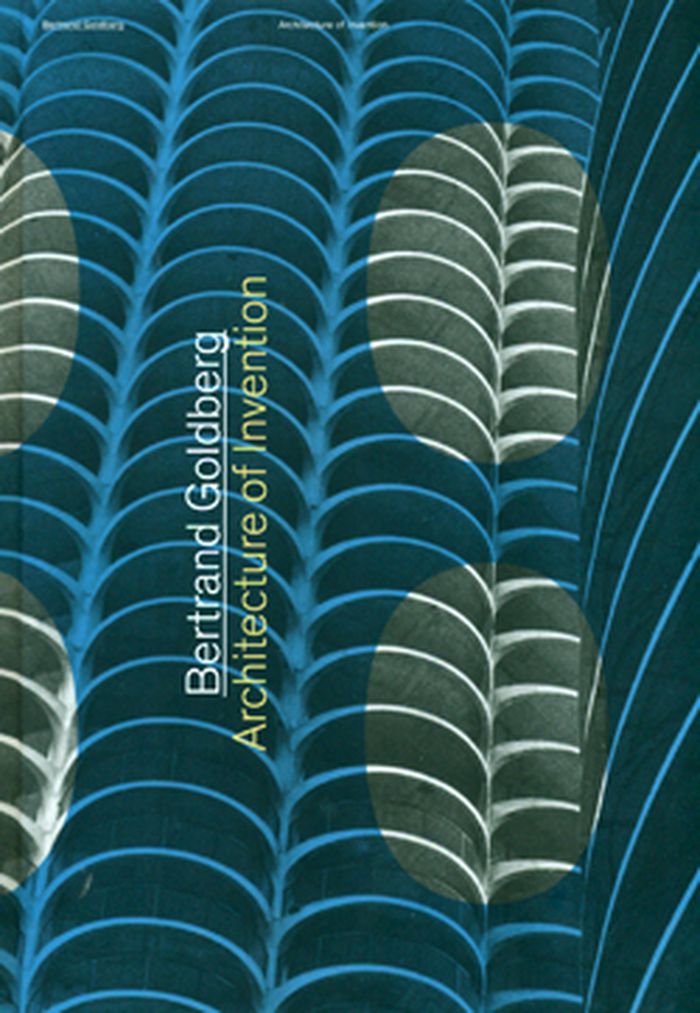
Bertrand Goldberg (1913-1997) was a visionary Chicago architect whose designs for housing, urban planning, and industrial design made a distinctive mark in the modern era. This handsome publication, the first to focus in-depth on the entirety of Goldberg's life and work, traces his development from his early Bauhaus training to his notable architectural achievements.(...)
$65.00
(disponible en magasin)
Résumé:
Bertrand Goldberg (1913-1997) was a visionary Chicago architect whose designs for housing, urban planning, and industrial design made a distinctive mark in the modern era. This handsome publication, the first to focus in-depth on the entirety of Goldberg's life and work, traces his development from his early Bauhaus training to his notable architectural achievements.(...)
Titre:
Bertrand Goldberg: architecture of invention
Actions:
Prix:
$65.00
(disponible en magasin)
Résumé:
Bertrand Goldberg (1913-1997) was a visionary Chicago architect whose designs for housing, urban planning, and industrial design made a distinctive mark in the modern era. This handsome publication, the first to focus in-depth on the entirety of Goldberg's life and work, traces his development from his early Bauhaus training to his notable architectural achievements. Featuring previously unpublished material, it also includes Goldberg's plans for unrealized projects as well as his collaborations with other prominent modern architects, such as Ludwig Mies van der Rohe and Buckminster Fuller. Goldberg's interest in the social dimension of architecture was reflected in many of his cutting-edge designs. In 1959, he conceived the plan for his most iconic structure, the sixty-story Marina City residential towers, in the heart of downtown Chicago. He created a number of hospitals that offered a new paradigm for how patients and staff interacted within the space. Goldberg's progressive designs also extended to schools, prefabricated structures, and furniture.
Bertrand Goldberg: architecture of invention
Actions:
Prix:
$65.00
(disponible en magasin)
Résumé:
Bertrand Goldberg (1913-1997) was a visionary Chicago architect whose designs for housing, urban planning, and industrial design made a distinctive mark in the modern era. This handsome publication, the first to focus in-depth on the entirety of Goldberg's life and work, traces his development from his early Bauhaus training to his notable architectural achievements. Featuring previously unpublished material, it also includes Goldberg's plans for unrealized projects as well as his collaborations with other prominent modern architects, such as Ludwig Mies van der Rohe and Buckminster Fuller. Goldberg's interest in the social dimension of architecture was reflected in many of his cutting-edge designs. In 1959, he conceived the plan for his most iconic structure, the sixty-story Marina City residential towers, in the heart of downtown Chicago. He created a number of hospitals that offered a new paradigm for how patients and staff interacted within the space. Goldberg's progressive designs also extended to schools, prefabricated structures, and furniture.
Classification:
livres
livres
Publication:
octobre 2011
octobre 2011
Sujet:
Architecture, monographies
Architecture, monographies
Classification:
livres
livres
Prix:
$58.00
(disponible sur commande)
Résumé:
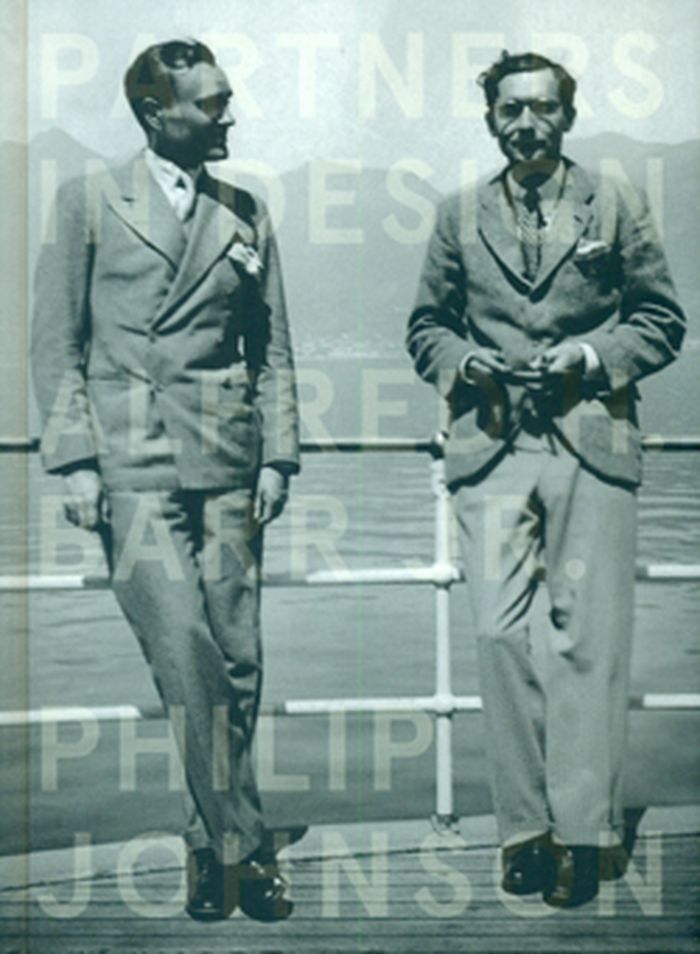
Partners in Design, which accompanies an exhibition opening at the Montreal Museum of Fine Arts in April 2016, chronicles their collaboration, placing it in the larger context of the avant-garde in New York—1930s salons where they mingled with Julien Levy, the gallerist who brought Surrealism to the United States, and Lincoln Kirstein, co-founder of the New York City(...)
$58.00
(disponible sur commande)
Résumé:
Partners in Design, which accompanies an exhibition opening at the Montreal Museum of Fine Arts in April 2016, chronicles their collaboration, placing it in the larger context of the avant-garde in New York—1930s salons where they mingled with Julien Levy, the gallerist who brought Surrealism to the United States, and Lincoln Kirstein, co-founder of the New York City(...)
Titre:
Partners in design: Alfred H. Barr Jr. and Philip Johnson
Actions:
Prix:
$58.00
(disponible sur commande)
Résumé:
Partners in Design, which accompanies an exhibition opening at the Montreal Museum of Fine Arts in April 2016, chronicles their collaboration, placing it in the larger context of the avant-garde in New York—1930s salons where they mingled with Julien Levy, the gallerist who brought Surrealism to the United States, and Lincoln Kirstein, co-founder of the New York City Ballet; their work to help Bauhaus artists like Josef and Anni Albers escape Nazi Germany—and the dissemination of their ideas across the United States through MoMA’s traveling exhibition program. Illustrated with icons of modernist design, MoMA installation views, and previously unpublished images of the Barr and Johnson apartments—domestic laboratories for modernism, and in Johnson’s case, designed and furnished by Ludwig Mies van der Rohe—this fascinating study sheds new light on the introduction and success in North America of a new kind of modernism, thanks to the combined efforts of two uniquely discerning and influential individuals.
Partners in design: Alfred H. Barr Jr. and Philip Johnson
Actions:
Prix:
$58.00
(disponible sur commande)
Résumé:
Partners in Design, which accompanies an exhibition opening at the Montreal Museum of Fine Arts in April 2016, chronicles their collaboration, placing it in the larger context of the avant-garde in New York—1930s salons where they mingled with Julien Levy, the gallerist who brought Surrealism to the United States, and Lincoln Kirstein, co-founder of the New York City Ballet; their work to help Bauhaus artists like Josef and Anni Albers escape Nazi Germany—and the dissemination of their ideas across the United States through MoMA’s traveling exhibition program. Illustrated with icons of modernist design, MoMA installation views, and previously unpublished images of the Barr and Johnson apartments—domestic laboratories for modernism, and in Johnson’s case, designed and furnished by Ludwig Mies van der Rohe—this fascinating study sheds new light on the introduction and success in North America of a new kind of modernism, thanks to the combined efforts of two uniquely discerning and influential individuals.
Classification:
livres
livres
Publication:
novembre 2015
novembre 2015
Sujet:
Architecture, monographies
Architecture, monographies
Classification:
livres
livres
Actions:
Prix:
$39.95
(disponible sur commande)
Résumé:
This book is the first to present in a single volume a complete guide to one of the most notorious and radical art movements of the 20th century, the Situationist International (SI). Comprising a comprehensive history that includes an examination of the SI's far-reaching ideas about our 'society of the spectacle', this book also provides an insight into the Situationist(...)
$39.95
(disponible sur commande)
Résumé:
This book is the first to present in a single volume a complete guide to one of the most notorious and radical art movements of the 20th century, the Situationist International (SI). Comprising a comprehensive history that includes an examination of the SI's far-reaching ideas about our 'society of the spectacle', this book also provides an insight into the Situationist(...)
Titre:
The Situationist International : a user's guide
Actions:
Prix:
$39.95
(disponible sur commande)
Résumé:
This book is the first to present in a single volume a complete guide to one of the most notorious and radical art movements of the 20th century, the Situationist International (SI). Comprising a comprehensive history that includes an examination of the SI's far-reaching ideas about our 'society of the spectacle', this book also provides an insight into the Situationist legacy together with extensive visual material. Tracing its development back to the European avant-garde and groups such as COBRA, Lettrism and the International Movement for an Imaginist Bauhaus, Ford provides a comprehensive historical background to the 1957 foundation of the Situationist International under its self-proclaimed leader, the brilliant Guy Debord. Looking at painting, architecture and cinema, Ford includes detailed profiles of the main members such as the Asger Jorn, Constant, Pinot-Gallizio and Ralph Rumney. With its disintegration in 1972 the final chapter looks at how the SI's legacy can be traced within subsequent artistic and activist movements, from punk through to culture jamming and media activism.
The Situationist International : a user's guide
Actions:
Prix:
$39.95
(disponible sur commande)
Résumé:
This book is the first to present in a single volume a complete guide to one of the most notorious and radical art movements of the 20th century, the Situationist International (SI). Comprising a comprehensive history that includes an examination of the SI's far-reaching ideas about our 'society of the spectacle', this book also provides an insight into the Situationist legacy together with extensive visual material. Tracing its development back to the European avant-garde and groups such as COBRA, Lettrism and the International Movement for an Imaginist Bauhaus, Ford provides a comprehensive historical background to the 1957 foundation of the Situationist International under its self-proclaimed leader, the brilliant Guy Debord. Looking at painting, architecture and cinema, Ford includes detailed profiles of the main members such as the Asger Jorn, Constant, Pinot-Gallizio and Ralph Rumney. With its disintegration in 1972 the final chapter looks at how the SI's legacy can be traced within subsequent artistic and activist movements, from punk through to culture jamming and media activism.
Classification:
livres
livres
Publication:
octobre 2004, London
octobre 2004, London
Sujet:
Situationnisme
Situationnisme


