


1385 Résultats
Classification:
livres
livres
Actions:
Prix:
$76.00
(disponible sur commande)
Résumé:
The first book to look back on Gautherot’s entire career, Marcel Gautherot: The Monograph takes readers through the architect and photographer’s time as an apprentice in Paris, where he attended evening classes and took an ardent interest in Esprit Nouveau and the Bauhaus, as well as their proponents, including Walter Gropius, Ludwig Mies van der Rohe, and Le Corbusier.(...)
$76.00
(disponible sur commande)
Résumé:
The first book to look back on Gautherot’s entire career, Marcel Gautherot: The Monograph takes readers through the architect and photographer’s time as an apprentice in Paris, where he attended evening classes and took an ardent interest in Esprit Nouveau and the Bauhaus, as well as their proponents, including Walter Gropius, Ludwig Mies van der Rohe, and Le Corbusier.(...)
Titre:
Marcel Gautherot: the monograph
Actions:
Prix:
$76.00
(disponible sur commande)
Résumé:
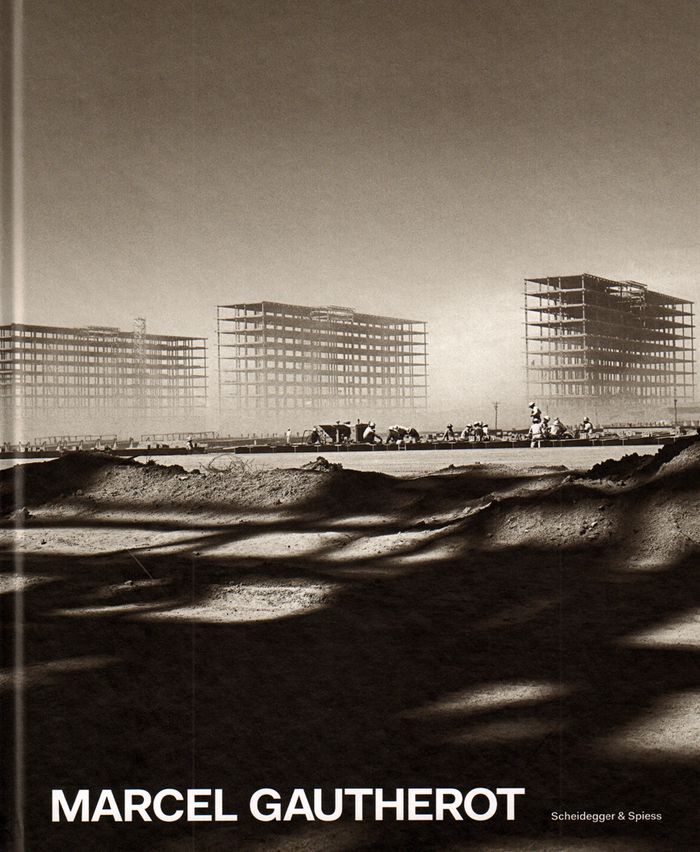
The first book to look back on Gautherot’s entire career, Marcel Gautherot: The Monograph takes readers through the architect and photographer’s time as an apprentice in Paris, where he attended evening classes and took an ardent interest in Esprit Nouveau and the Bauhaus, as well as their proponents, including Walter Gropius, Ludwig Mies van der Rohe, and Le Corbusier. In the 1930s, Gautherot abandoned his studies in architecture to follow his passion for photography. This led him to travel extensively, and he eventually came to live and work in the city of Rio de Janeiro, where he was welcomed by a circle of artists and intellectuals who became important figures in Brazilian culture, including the architects Oscar Niemeyer and Roberto Burle Marx. With 150 superbly reproduced photographs, the book also includes essays by art and photography historians Jacques Leenhardt, Michel Frizot, and Samuel Titan on Gautherot’s affinity for modern architecture and his contribution to the history of photography. It will make the perfect book to reintroduce this important Franco-Brazilian photographer.
Marcel Gautherot: the monograph
Actions:
Prix:
$76.00
(disponible sur commande)
Résumé:
The first book to look back on Gautherot’s entire career, Marcel Gautherot: The Monograph takes readers through the architect and photographer’s time as an apprentice in Paris, where he attended evening classes and took an ardent interest in Esprit Nouveau and the Bauhaus, as well as their proponents, including Walter Gropius, Ludwig Mies van der Rohe, and Le Corbusier. In the 1930s, Gautherot abandoned his studies in architecture to follow his passion for photography. This led him to travel extensively, and he eventually came to live and work in the city of Rio de Janeiro, where he was welcomed by a circle of artists and intellectuals who became important figures in Brazilian culture, including the architects Oscar Niemeyer and Roberto Burle Marx. With 150 superbly reproduced photographs, the book also includes essays by art and photography historians Jacques Leenhardt, Michel Frizot, and Samuel Titan on Gautherot’s affinity for modern architecture and his contribution to the history of photography. It will make the perfect book to reintroduce this important Franco-Brazilian photographer.
Classification:
livres
livres
Publication:
novembre 2016
novembre 2016
Sujet:
Monographies photo
Monographies photo
Classification:
livres
livres
Titre:
Modernism after Wagner
Modernism after Wagner
Actions:
Prix:
$34.00
(disponible sur commande)
Résumé:
In this publication, Juliet Koss explores the history and legacy of Wagner’s concept, laying out its genealogy and the political, aesthetic, and cultural context from which it emerged, and tracing its development and reception through the 1930s. Beginning with Wagner’s initial articulation of the Gesamtkunstwerk in the wake of the 1848–49 revolution, Koss addresses a(...)
$34.00
(disponible sur commande)
Résumé:
In this publication, Juliet Koss explores the history and legacy of Wagner’s concept, laying out its genealogy and the political, aesthetic, and cultural context from which it emerged, and tracing its development and reception through the 1930s. Beginning with Wagner’s initial articulation of the Gesamtkunstwerk in the wake of the 1848–49 revolution, Koss addresses a(...)
Titre:
Modernism after Wagner
Actions:
Prix:
$34.00
(disponible sur commande)
Résumé:
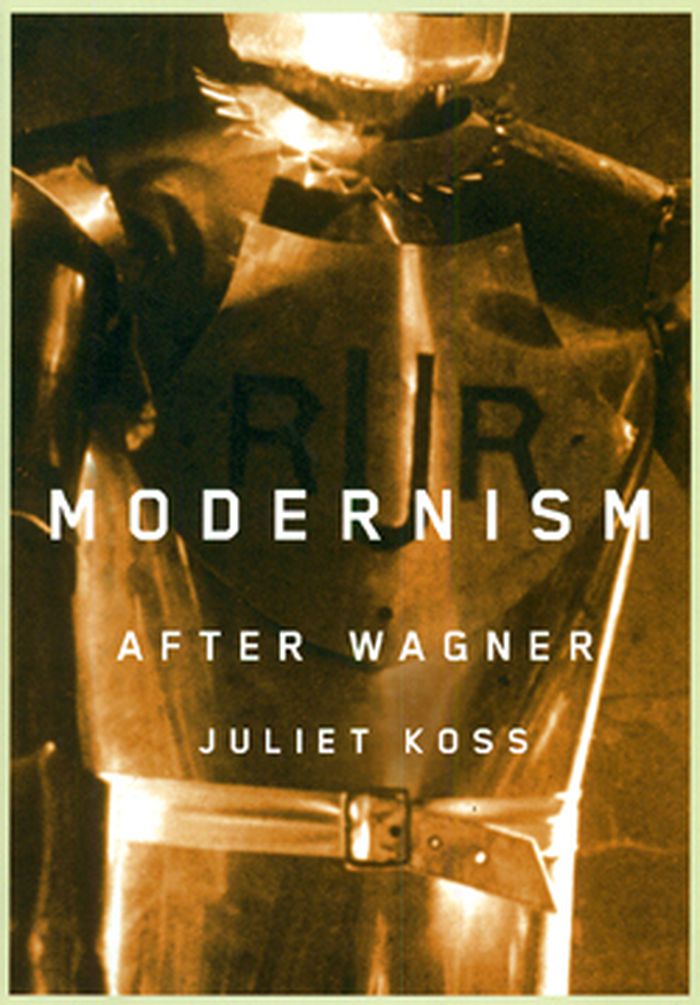
In this publication, Juliet Koss explores the history and legacy of Wagner’s concept, laying out its genealogy and the political, aesthetic, and cultural context from which it emerged, and tracing its development and reception through the 1930s. Beginning with Wagner’s initial articulation of the Gesamtkunstwerk in the wake of the 1848–49 revolution, Koss addresses a series of linked episodes in German aesthetic theory and artistic practice that include the composer’s efforts to build a theater to house his music dramas, culminating in the construction of the festival theater at Bayreuth in 1876; German aesthetic theory and criticism in the visual arts, theater, film, and radio from the 1870s to the 1920s; the founding of the Darmstadt Artists’ Colony in 1901 and that of the Munich Artists’ Theater in 1908; performances and parties at the Bauhaus in the 1920s and 1930s; and the legacy of the Gesamtkunstwerk under National Socialism. Attending to Wagner’s absorption into Fascist aesthetics, Koss foregrounds the revolutionary origins of the Gesamtkunstwerk and its emancipatory potential.
Modernism after Wagner
Actions:
Prix:
$34.00
(disponible sur commande)
Résumé:
In this publication, Juliet Koss explores the history and legacy of Wagner’s concept, laying out its genealogy and the political, aesthetic, and cultural context from which it emerged, and tracing its development and reception through the 1930s. Beginning with Wagner’s initial articulation of the Gesamtkunstwerk in the wake of the 1848–49 revolution, Koss addresses a series of linked episodes in German aesthetic theory and artistic practice that include the composer’s efforts to build a theater to house his music dramas, culminating in the construction of the festival theater at Bayreuth in 1876; German aesthetic theory and criticism in the visual arts, theater, film, and radio from the 1870s to the 1920s; the founding of the Darmstadt Artists’ Colony in 1901 and that of the Munich Artists’ Theater in 1908; performances and parties at the Bauhaus in the 1920s and 1930s; and the legacy of the Gesamtkunstwerk under National Socialism. Attending to Wagner’s absorption into Fascist aesthetics, Koss foregrounds the revolutionary origins of the Gesamtkunstwerk and its emancipatory potential.
Classification:
livres
livres
Publication:
mars 2010
mars 2010
Sujet:
Théorie de l’architecture
Théorie de l’architecture
Classification:
livres
livres
Actions:
Prix:
$69.95
(disponible sur commande)
Résumé:
L'ornementation typographique a connu diverses fortunes dans l'histoire de la création graphique. Elle a été portée aux nues par des mouvements comme l'Arts & Crafts ou rejetée par d'autres comme le Bauhaus. Après avoir longtemps disparu du paysage graphique, elle effectue aujourd'hui un retour en force spectaculaire. Cet ouvrage propose de montrer comment les(...)
$69.95
(disponible sur commande)
Résumé:
L'ornementation typographique a connu diverses fortunes dans l'histoire de la création graphique. Elle a été portée aux nues par des mouvements comme l'Arts & Crafts ou rejetée par d'autres comme le Bauhaus. Après avoir longtemps disparu du paysage graphique, elle effectue aujourd'hui un retour en force spectaculaire. Cet ouvrage propose de montrer comment les(...)
Titre:
Nouvelle typographie ornementale
Actions:
Prix:
$69.95
(disponible sur commande)
Résumé:
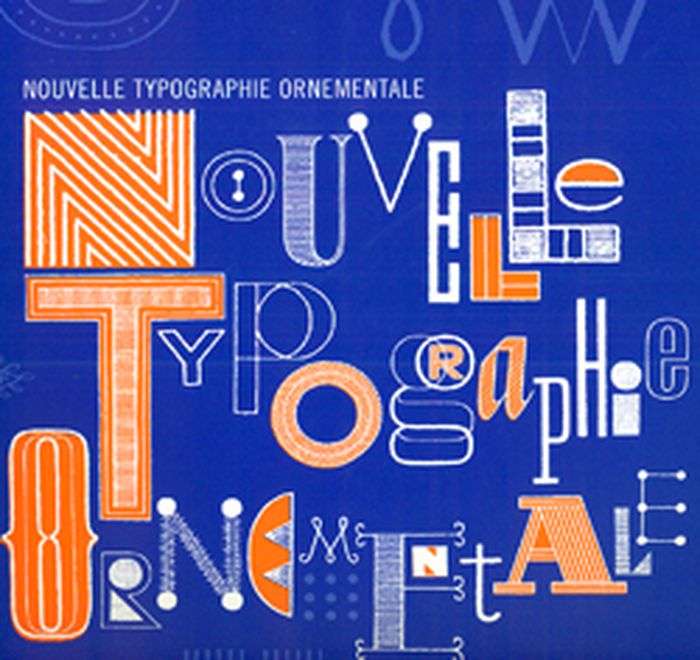
L'ornementation typographique a connu diverses fortunes dans l'histoire de la création graphique. Elle a été portée aux nues par des mouvements comme l'Arts & Crafts ou rejetée par d'autres comme le Bauhaus. Après avoir longtemps disparu du paysage graphique, elle effectue aujourd'hui un retour en force spectaculaire. Cet ouvrage propose de montrer comment les graphistes, illustrateurs et typographes actuels intègrent des caractères calligraphiés, illustrés, ornementés, expressifs, dans leurs projets personnels ou commerciaux. Ce panorama foisonnant est divisé en trois parties - la première consacrée aux influences des Styles et périodes du passé, la deuxième à la prédominance des motifs issus de la nature et la troisième au grand éclectisme qui règne dans ce domaine. Dans chaque partie, des modules thématiques présentent les principaux styles et motifs de ce renouveau typographique : " victorien ", " psychédélique ", " fleurs ", " liquide " ou encore " chaotique " et " puzzle ". Le point de vue passionnant des auteurs, leur sélection pointue et originale font de Nouvelle Typographie ornementale un ouvrage de référence et une superbe source d inspiration pour les amoureux de la typographie.
Nouvelle typographie ornementale
Actions:
Prix:
$69.95
(disponible sur commande)
Résumé:
L'ornementation typographique a connu diverses fortunes dans l'histoire de la création graphique. Elle a été portée aux nues par des mouvements comme l'Arts & Crafts ou rejetée par d'autres comme le Bauhaus. Après avoir longtemps disparu du paysage graphique, elle effectue aujourd'hui un retour en force spectaculaire. Cet ouvrage propose de montrer comment les graphistes, illustrateurs et typographes actuels intègrent des caractères calligraphiés, illustrés, ornementés, expressifs, dans leurs projets personnels ou commerciaux. Ce panorama foisonnant est divisé en trois parties - la première consacrée aux influences des Styles et périodes du passé, la deuxième à la prédominance des motifs issus de la nature et la troisième au grand éclectisme qui règne dans ce domaine. Dans chaque partie, des modules thématiques présentent les principaux styles et motifs de ce renouveau typographique : " victorien ", " psychédélique ", " fleurs ", " liquide " ou encore " chaotique " et " puzzle ". Le point de vue passionnant des auteurs, leur sélection pointue et originale font de Nouvelle Typographie ornementale un ouvrage de référence et une superbe source d inspiration pour les amoureux de la typographie.
Classification:
livres
livres
Publication:
février 2010
février 2010
Classification:
livres
livres
Actions:
Prix:
$27.95
(disponible sur commande)
Résumé:
Although grid systems are the foundation for almost all typographic design, they are often associated with rigid, formulaic solutions. However, the belief that all great design is nonetheless based on grid systems (even if only subverted ones) suggests that few designers truly understand the complexities and potential riches of grid composition. In her best-selling(...)
$27.95
(disponible sur commande)
Résumé:
Although grid systems are the foundation for almost all typographic design, they are often associated with rigid, formulaic solutions. However, the belief that all great design is nonetheless based on grid systems (even if only subverted ones) suggests that few designers truly understand the complexities and potential riches of grid composition. In her best-selling(...)
Titre:
Grid systems : principles of organizing type
Actions:
Prix:
$27.95
(disponible sur commande)
Résumé:
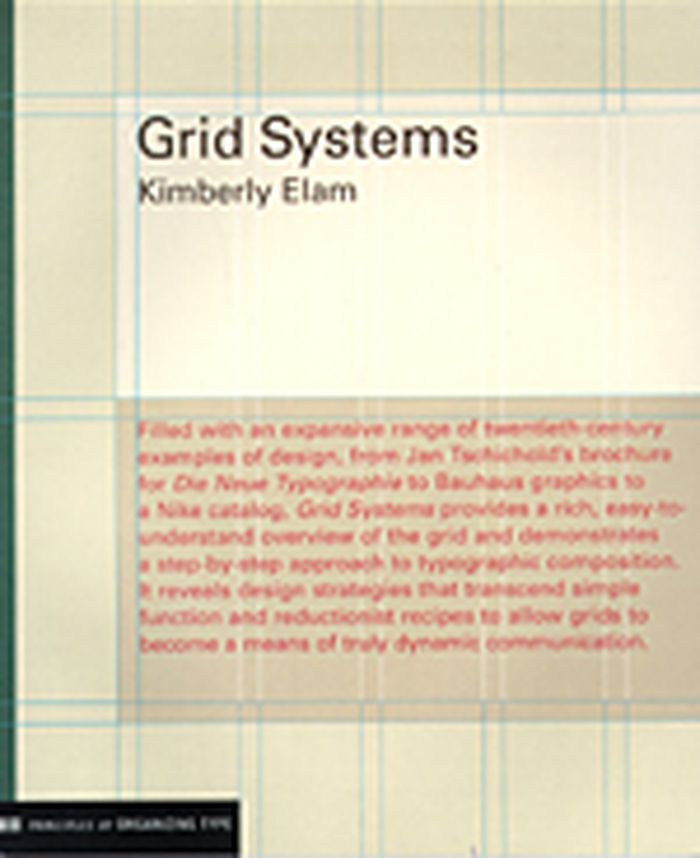
Although grid systems are the foundation for almost all typographic design, they are often associated with rigid, formulaic solutions. However, the belief that all great design is nonetheless based on grid systems (even if only subverted ones) suggests that few designers truly understand the complexities and potential riches of grid composition. In her best-selling Geometry of Design, Elam shows how proportion, symmetry, and other geometrical systems underlie many of the visual relationships that make for good design. Now, Elam brings the same keen eye and clear explanations to bear on the most prevalent, and maybe least understood, system of visual organization: the grid. Filled with extensive research and more than 100 informative examples from the Bauhaus to Nike ads, Grid Systems provides a rich, easy-to-understand overview and demonstrates a step-by-step approach to typographic composition. It suggests design strategies that transcend simple function and reductionist recipes to allow grids to become a means of truly dynamic communication. Any designer, educator, or student will benefit greatly from this elegant slim book, chock-a-block full of colourful examples, helpful vellum overlays, and Elam's insightful analysis.
Grid systems : principles of organizing type
Actions:
Prix:
$27.95
(disponible sur commande)
Résumé:
Although grid systems are the foundation for almost all typographic design, they are often associated with rigid, formulaic solutions. However, the belief that all great design is nonetheless based on grid systems (even if only subverted ones) suggests that few designers truly understand the complexities and potential riches of grid composition. In her best-selling Geometry of Design, Elam shows how proportion, symmetry, and other geometrical systems underlie many of the visual relationships that make for good design. Now, Elam brings the same keen eye and clear explanations to bear on the most prevalent, and maybe least understood, system of visual organization: the grid. Filled with extensive research and more than 100 informative examples from the Bauhaus to Nike ads, Grid Systems provides a rich, easy-to-understand overview and demonstrates a step-by-step approach to typographic composition. It suggests design strategies that transcend simple function and reductionist recipes to allow grids to become a means of truly dynamic communication. Any designer, educator, or student will benefit greatly from this elegant slim book, chock-a-block full of colourful examples, helpful vellum overlays, and Elam's insightful analysis.
Classification:
livres
livres
Publication:
novembre 2004, New York
novembre 2004, New York
Classification:
livres
livres
Titre:
Le monde comme projet
Le monde comme projet
Actions:
Prix:
$49.95
(disponible en magasin)
Résumé:
Depuis son décès accidentel en 1991, le graphiste allemand Otl Aicher n’a cessé de faire couler l’encre. Quelques mois avant de disparaître, il compila ses principaux écrits dans un ouvrage intitulé Die welt als entwurf (1992) – Le monde comme projet. Le designer, célèbre pour avoir conçu entre autre l’identité des Jeux Olympiques de Munich en 1972, celle de la Lufthansa(...)
$49.95
(disponible en magasin)
Résumé:
Depuis son décès accidentel en 1991, le graphiste allemand Otl Aicher n’a cessé de faire couler l’encre. Quelques mois avant de disparaître, il compila ses principaux écrits dans un ouvrage intitulé Die welt als entwurf (1992) – Le monde comme projet. Le designer, célèbre pour avoir conçu entre autre l’identité des Jeux Olympiques de Munich en 1972, celle de la Lufthansa(...)
Titre:
Le monde comme projet
Actions:
Prix:
$49.95
(disponible en magasin)
Résumé:
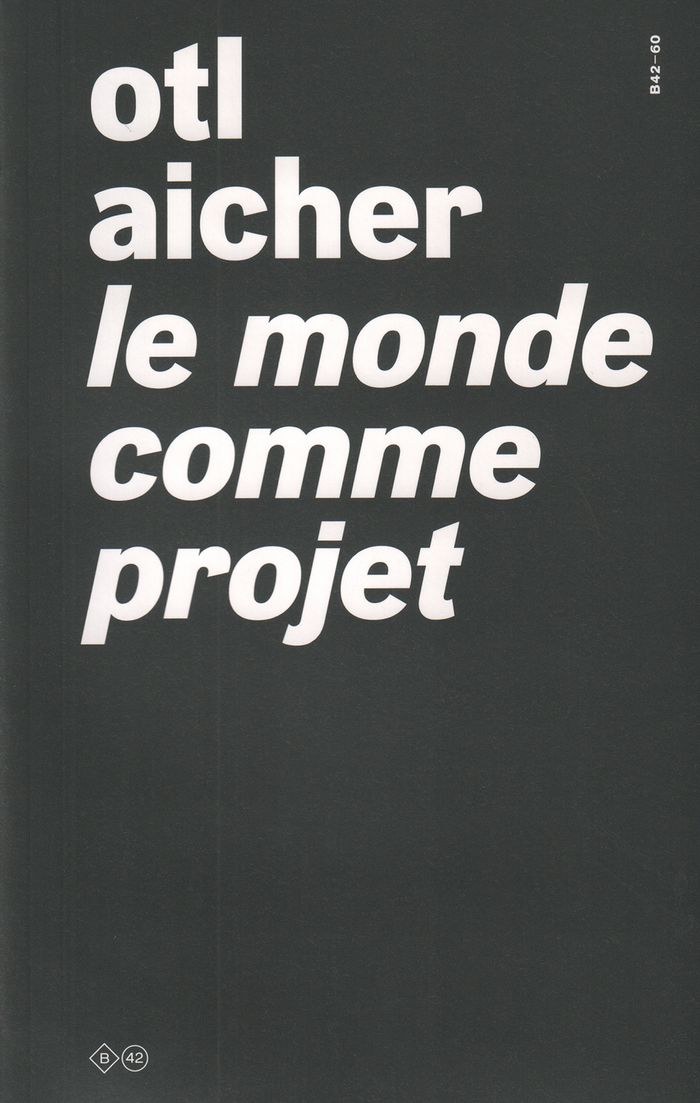
Depuis son décès accidentel en 1991, le graphiste allemand Otl Aicher n’a cessé de faire couler l’encre. Quelques mois avant de disparaître, il compila ses principaux écrits dans un ouvrage intitulé Die welt als entwurf (1992) – Le monde comme projet. Le designer, célèbre pour avoir conçu entre autre l’identité des Jeux Olympiques de Munich en 1972, celle de la Lufthansa et le caractère typographique Rotis, rappelle ainsi la définition qu’il donnait au modernisme et, par là même, explicite sa haine de l’univers postmoderne dans lequel «?les musées deviennent des parts de tartes et les machines à café des colonnes cannelées?». À travers les dix-huit essais réunis ici Aicher revient sur ses expériences pédagogiques et distingue avec précision l’école d’Ulm du Bauhaus. Il salue le travail de fameux architectes (Foster et Piano notamment) et confrères, designers «?moralistes?» dans le bon sens du terme, tels Hans Gugelot et Charles Eames. Enfin, il dessine les contours d’une pratique créative, le design graphique, dont l’éthique défie les cloisonnements disciplinaires établis. Il s’affirme ainsi comme un humaniste convaincu que le design abordé et pratiqué comme projet peut changer notre société.
Le monde comme projet
Actions:
Prix:
$49.95
(disponible en magasin)
Résumé:
Depuis son décès accidentel en 1991, le graphiste allemand Otl Aicher n’a cessé de faire couler l’encre. Quelques mois avant de disparaître, il compila ses principaux écrits dans un ouvrage intitulé Die welt als entwurf (1992) – Le monde comme projet. Le designer, célèbre pour avoir conçu entre autre l’identité des Jeux Olympiques de Munich en 1972, celle de la Lufthansa et le caractère typographique Rotis, rappelle ainsi la définition qu’il donnait au modernisme et, par là même, explicite sa haine de l’univers postmoderne dans lequel «?les musées deviennent des parts de tartes et les machines à café des colonnes cannelées?». À travers les dix-huit essais réunis ici Aicher revient sur ses expériences pédagogiques et distingue avec précision l’école d’Ulm du Bauhaus. Il salue le travail de fameux architectes (Foster et Piano notamment) et confrères, designers «?moralistes?» dans le bon sens du terme, tels Hans Gugelot et Charles Eames. Enfin, il dessine les contours d’une pratique créative, le design graphique, dont l’éthique défie les cloisonnements disciplinaires établis. Il s’affirme ainsi comme un humaniste convaincu que le design abordé et pratiqué comme projet peut changer notre société.
Classification:
livres
livres
Publication:
juin 2017
juin 2017
Classification:
livres
livres
Titre:
Nietzsche for architects
Nietzsche for architects
Actions:
Prix:
$48.95
(disponible sur commande)
Résumé:
Nietzsche’s philosophy is provocative and complex and has been hugely influential on modern intellectual history and European culture. But his critical approach and writing style invites misunderstandings, sometimes with disastrous consequences. His ideas—or those loosely associated with him—are often briefly cited in scholarly studies in architectural theory and history.(...)
$48.95
(disponible sur commande)
Résumé:
Nietzsche’s philosophy is provocative and complex and has been hugely influential on modern intellectual history and European culture. But his critical approach and writing style invites misunderstandings, sometimes with disastrous consequences. His ideas—or those loosely associated with him—are often briefly cited in scholarly studies in architectural theory and history.(...)
Titre:
Nietzsche for architects
Actions:
Prix:
$48.95
(disponible sur commande)
Résumé:
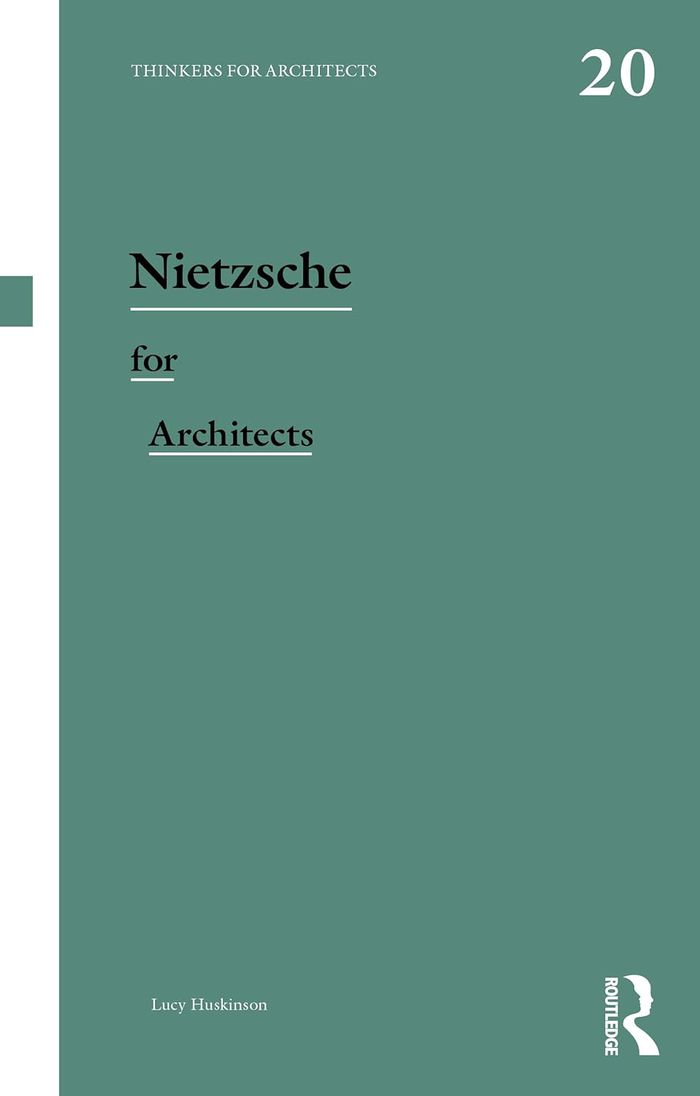
Nietzsche’s philosophy is provocative and complex and has been hugely influential on modern intellectual history and European culture. But his critical approach and writing style invites misunderstandings, sometimes with disastrous consequences. His ideas—or those loosely associated with him—are often briefly cited in scholarly studies in architectural theory and history. His ideas are thought to have influenced the theories and designs of such iconic architects as Le Corbusier, Henry van de Velde, Bruno Taut, Louis H. Sullivan, Lebbeus Woods, and Peter Eisenman, as well as competing approaches to architecture and design, such as those adopted by the Bauhaus School and the Nazis. In the bewildering array of architectural positions that lay claim to Nietzsche as an influence, how can we begin to make sense of Nietzsche’s own approach to architecture? And how can we identify within his complex philosophy the key ideas and themes we require to make sense of his contribution to architecture? This first introduction to Nietzsche’s philosophy written specifically for architects locates his evaluation of appropriate and inappropriate architecture in the body of his writings and presents a clear overview of Nietzsche’s insights into architectural design alongside his advice for architects and designers.
Nietzsche for architects
Actions:
Prix:
$48.95
(disponible sur commande)
Résumé:
Nietzsche’s philosophy is provocative and complex and has been hugely influential on modern intellectual history and European culture. But his critical approach and writing style invites misunderstandings, sometimes with disastrous consequences. His ideas—or those loosely associated with him—are often briefly cited in scholarly studies in architectural theory and history. His ideas are thought to have influenced the theories and designs of such iconic architects as Le Corbusier, Henry van de Velde, Bruno Taut, Louis H. Sullivan, Lebbeus Woods, and Peter Eisenman, as well as competing approaches to architecture and design, such as those adopted by the Bauhaus School and the Nazis. In the bewildering array of architectural positions that lay claim to Nietzsche as an influence, how can we begin to make sense of Nietzsche’s own approach to architecture? And how can we identify within his complex philosophy the key ideas and themes we require to make sense of his contribution to architecture? This first introduction to Nietzsche’s philosophy written specifically for architects locates his evaluation of appropriate and inappropriate architecture in the body of his writings and presents a clear overview of Nietzsche’s insights into architectural design alongside his advice for architects and designers.
Classification:
livres
livres
Publication:
novembre 2025
novembre 2025
Sujet:
Théorie/ philosophie
Théorie/ philosophie
Classification:
livres
livres
Actions:
Prix:
$78.00
(disponible sur commande)
Résumé:
László Moholy-Nagy (1895–1946) was one of the most ardent seekers of the ‘New Vision’ among the early twentieth century avant-garde artists. His ongoing preoccupation with the phenomenon of light defined all periods of his artistic creativity, and his strength lay in his effortless skill translating light and spatial dimensions from one medium to another. In the early(...)
$78.00
(disponible sur commande)
Résumé:
László Moholy-Nagy (1895–1946) was one of the most ardent seekers of the ‘New Vision’ among the early twentieth century avant-garde artists. His ongoing preoccupation with the phenomenon of light defined all periods of his artistic creativity, and his strength lay in his effortless skill translating light and spatial dimensions from one medium to another. In the early(...)
Sujet:
Monographies photo
Monographies photo
Publication:
janvier 1900, Göttingen
janvier 1900, Göttingen
Titre:
Laszlo Moholy-Nagy : color in transparency, photographic experiments in color
Actions:
Prix:
$78.00
(disponible sur commande)
Résumé:
László Moholy-Nagy (1895–1946) was one of the most ardent seekers of the ‘New Vision’ among the early twentieth century avant-garde artists. His ongoing preoccupation with the phenomenon of light defined all periods of his artistic creativity, and his strength lay in his effortless skill translating light and spatial dimensions from one medium to another. In the early 1930s the first color processes became widely available. After he had mastered the different fields of black/white photography, it was only to be expected that Moholy would focus his creative energy on the next hot issue among photographers. Color photography proved to be one of Moholy’s most important media of artistic production, but until now, with a few exceptions, his work in the field of color photography is unknown. This book presents 100 works — advertisements, portraits, urban views, New Bauhaus studies, and abstract compositions — from the early days of Moholy’s experimentation with color in 1934 until his death in 1946. A foreword by Hattula Moholy-Nagy, an introductory essay and extended captions by Jeannine Fiedler, a chronology and bibliography will present the history of color photography and the significance of these works in Moholy’s own oeuvre.
Laszlo Moholy-Nagy : color in transparency, photographic experiments in color
Actions:
Prix:
$78.00
(disponible sur commande)
Résumé:
László Moholy-Nagy (1895–1946) was one of the most ardent seekers of the ‘New Vision’ among the early twentieth century avant-garde artists. His ongoing preoccupation with the phenomenon of light defined all periods of his artistic creativity, and his strength lay in his effortless skill translating light and spatial dimensions from one medium to another. In the early 1930s the first color processes became widely available. After he had mastered the different fields of black/white photography, it was only to be expected that Moholy would focus his creative energy on the next hot issue among photographers. Color photography proved to be one of Moholy’s most important media of artistic production, but until now, with a few exceptions, his work in the field of color photography is unknown. This book presents 100 works — advertisements, portraits, urban views, New Bauhaus studies, and abstract compositions — from the early days of Moholy’s experimentation with color in 1934 until his death in 1946. A foreword by Hattula Moholy-Nagy, an introductory essay and extended captions by Jeannine Fiedler, a chronology and bibliography will present the history of color photography and the significance of these works in Moholy’s own oeuvre.
Classification:
livres
livres
Publication:
janvier 1900, Göttingen
janvier 1900, Göttingen
Sujet:
Monographies photo
Monographies photo
Classification:
livres
livres
Actions:
Prix:
$97.95
(disponible sur commande)
Résumé:
Durant l'entre-deux-guerres, l'habitat bruxellois connaît une expansion considérable. Coexistent à cette époque deux grands courants : l'un résolument moderniste et avant-gardiste, dans la mouvance du Stijl et du Bauhaus, et inspiré par des novateurs, tels Walter Gropius ou Le Corbusier ; l'autre, à la fois réaction à l'Art nouveau et son prolongement naturel... qui se(...)
$97.95
(disponible sur commande)
Résumé:
Durant l'entre-deux-guerres, l'habitat bruxellois connaît une expansion considérable. Coexistent à cette époque deux grands courants : l'un résolument moderniste et avant-gardiste, dans la mouvance du Stijl et du Bauhaus, et inspiré par des novateurs, tels Walter Gropius ou Le Corbusier ; l'autre, à la fois réaction à l'Art nouveau et son prolongement naturel... qui se(...)
Sujet:
Design d’intérieur
Design d’intérieur
Publication:
janvier 1900, Bruxelles
janvier 1900, Bruxelles
Titre:
Intérieurs bruxellois : modernisme & art déco
Actions:
Prix:
$97.95
(disponible sur commande)
Résumé:
Durant l'entre-deux-guerres, l'habitat bruxellois connaît une expansion considérable. Coexistent à cette époque deux grands courants : l'un résolument moderniste et avant-gardiste, dans la mouvance du Stijl et du Bauhaus, et inspiré par des novateurs, tels Walter Gropius ou Le Corbusier ; l'autre, à la fois réaction à l'Art nouveau et son prolongement naturel... qui se verra consacré lors de l'Exposition des Arts décoratifs, en 1925, à Paris. Cette évolution formelle s'appuie sur un progrès technique dans de nombreux domaines et sur la mise en œuvre de matériaux nouveaux, béton armé, brique de verre, acier, aluminium. Dans le même temps, l'habitat lui-même s'enrichit du concept de cité-jardin et voit se multiplier les immeubles d'appartements. Tous ces aspects - conceptuels, formels, stylistiques, techniques, culturels et sociaux - sont illustrés dans le présent ouvrage par des intérieurs choisis pour leur pertinence, tant des hôtels de prestige que des logements plus modestes, tous représentatifs de la façon de vivre et de l'art de construire de cet âge d'or. Illustré, cet ouvrage présente des intérieurs bruxellois typiques de l'entre-deux-guerres et d'aujourd'hui ;et y restitue dans toutes ses composantes le contexte de leur développement.
Intérieurs bruxellois : modernisme & art déco
Actions:
Prix:
$97.95
(disponible sur commande)
Résumé:
Durant l'entre-deux-guerres, l'habitat bruxellois connaît une expansion considérable. Coexistent à cette époque deux grands courants : l'un résolument moderniste et avant-gardiste, dans la mouvance du Stijl et du Bauhaus, et inspiré par des novateurs, tels Walter Gropius ou Le Corbusier ; l'autre, à la fois réaction à l'Art nouveau et son prolongement naturel... qui se verra consacré lors de l'Exposition des Arts décoratifs, en 1925, à Paris. Cette évolution formelle s'appuie sur un progrès technique dans de nombreux domaines et sur la mise en œuvre de matériaux nouveaux, béton armé, brique de verre, acier, aluminium. Dans le même temps, l'habitat lui-même s'enrichit du concept de cité-jardin et voit se multiplier les immeubles d'appartements. Tous ces aspects - conceptuels, formels, stylistiques, techniques, culturels et sociaux - sont illustrés dans le présent ouvrage par des intérieurs choisis pour leur pertinence, tant des hôtels de prestige que des logements plus modestes, tous représentatifs de la façon de vivre et de l'art de construire de cet âge d'or. Illustré, cet ouvrage présente des intérieurs bruxellois typiques de l'entre-deux-guerres et d'aujourd'hui ;et y restitue dans toutes ses composantes le contexte de leur développement.
Classification:
livres
livres
Publication:
janvier 1900, Bruxelles
janvier 1900, Bruxelles
Sujet:
Design d’intérieur
Design d’intérieur
Classification:
livres
livres
Actions:
Prix:
$79.00
(disponible sur commande)
Résumé:
This volume showcases the best illustrated architecture books ever published. The author, John Hill, is the founder of the influential architecture blog "A Daily Dose of Architecture," which recently shifted course to focus entirely on architecture books of all kinds. His selection for this volume spans centuries, continents, and genres to include Le Corbusier’s "Towards(...)
$79.00
(disponible sur commande)
Résumé:
This volume showcases the best illustrated architecture books ever published. The author, John Hill, is the founder of the influential architecture blog "A Daily Dose of Architecture," which recently shifted course to focus entirely on architecture books of all kinds. His selection for this volume spans centuries, continents, and genres to include Le Corbusier’s "Towards(...)
Titre:
Buildings in print: 100 influential and inspiring illustrated architecture books
Actions:
Prix:
$79.00
(disponible sur commande)
Résumé:
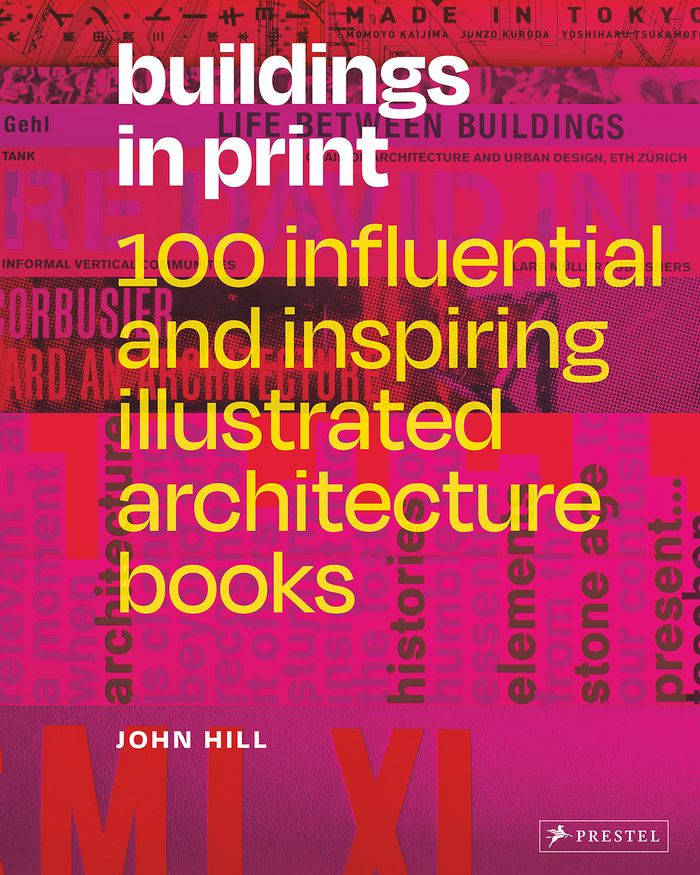
This volume showcases the best illustrated architecture books ever published. The author, John Hill, is the founder of the influential architecture blog "A Daily Dose of Architecture," which recently shifted course to focus entirely on architecture books of all kinds. His selection for this volume spans centuries, continents, and genres to include Le Corbusier’s "Towards a New Architecture," "Project Japan" by Rem Koolhaas, "Atlas of Another America: An Architectural Fiction by Keith Krumwiede," "X-Ray Architecture" by Beatriz Colomina and Thomas Wolfe’s "From Bauhaus to Our House." The books selected are organized into the categories of Manifestos, Histories, Education, Housing, Monographs, Buildings, Exhibitions, Building Cities, and Critiques, and each one has a reproduction of the book’s cover along with selected spreads which are accompanied by Hill’s informed, personal, and engaging take on what makes the title unique and indispensable. In addition, sidebar "Top 10" lists from many of today’s leading critics and architects are scattered throughout. Capturing the best of Hill’s insightful and curious mind, this invaluable resource will broaden the world of anyone interested in the field of architecture– and provide irrefutable arguments for these works’ continued relevance.
Buildings in print: 100 influential and inspiring illustrated architecture books
Actions:
Prix:
$79.00
(disponible sur commande)
Résumé:
This volume showcases the best illustrated architecture books ever published. The author, John Hill, is the founder of the influential architecture blog "A Daily Dose of Architecture," which recently shifted course to focus entirely on architecture books of all kinds. His selection for this volume spans centuries, continents, and genres to include Le Corbusier’s "Towards a New Architecture," "Project Japan" by Rem Koolhaas, "Atlas of Another America: An Architectural Fiction by Keith Krumwiede," "X-Ray Architecture" by Beatriz Colomina and Thomas Wolfe’s "From Bauhaus to Our House." The books selected are organized into the categories of Manifestos, Histories, Education, Housing, Monographs, Buildings, Exhibitions, Building Cities, and Critiques, and each one has a reproduction of the book’s cover along with selected spreads which are accompanied by Hill’s informed, personal, and engaging take on what makes the title unique and indispensable. In addition, sidebar "Top 10" lists from many of today’s leading critics and architects are scattered throughout. Capturing the best of Hill’s insightful and curious mind, this invaluable resource will broaden the world of anyone interested in the field of architecture– and provide irrefutable arguments for these works’ continued relevance.
Classification:
livres
livres
Publication:
juin 2021
juin 2021
Classification:
livres
livres
Actions:
Prix:
$34.99
(disponible sur commande)
Résumé:
The last explosive change in art education came nearly a century ago, when the German Bauhaus was formed. Today, dramatic changes in the art world—its increasing professionalization, the pervasive power of the art market, and fundamental shifts in art-making itself in our post-Duchampian era—combined with a revolution in information technology, raise fundamental questions(...)
$34.99
(disponible sur commande)
Résumé:
The last explosive change in art education came nearly a century ago, when the German Bauhaus was formed. Today, dramatic changes in the art world—its increasing professionalization, the pervasive power of the art market, and fundamental shifts in art-making itself in our post-Duchampian era—combined with a revolution in information technology, raise fundamental questions(...)
Titre:
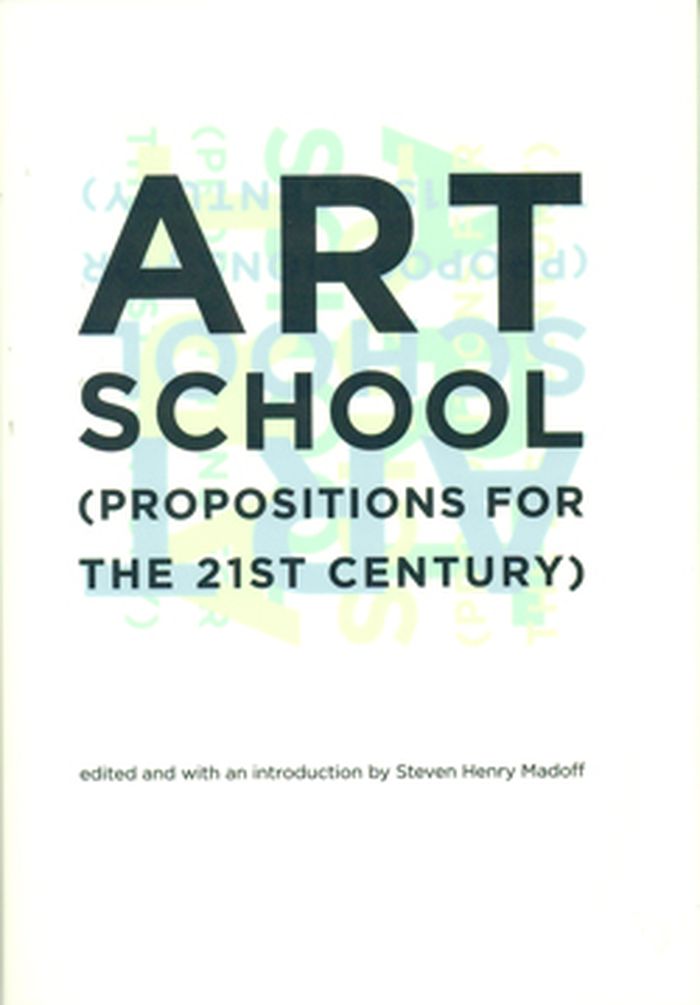
Art school (propositions for the 21st century)
Actions:
Prix:
$34.99
(disponible sur commande)
Résumé:
The last explosive change in art education came nearly a century ago, when the German Bauhaus was formed. Today, dramatic changes in the art world—its increasing professionalization, the pervasive power of the art market, and fundamental shifts in art-making itself in our post-Duchampian era—combined with a revolution in information technology, raise fundamental questions about the education of today's artists. This book brings together more than thirty leading international artists and art educators to reconsider the practices of art education in academic, practical, ethical, and philosophical terms. The essays in the book range over continents, histories, traditions, experiments, and fantasies of education. Accompanying the essays are conversations with such prominent artist/educators as John Baldessari, Michael Craig-Martin, Hans Haacke, and Marina Abramovi, as well as questionnaire responses from a dozen important artists—among them Mike Kelley, Ann Hamilton, Guillermo Kuitca, and Shirin Neshat—about their own experiences as students. A fascinating analysis of the architecture of major historical art schools throughout the world looks at the relationship of the principles of their designs to the principles of the pedagogy practiced within their halls.
Art school (propositions for the 21st century)
Actions:
Prix:
$34.99
(disponible sur commande)
Résumé:
The last explosive change in art education came nearly a century ago, when the German Bauhaus was formed. Today, dramatic changes in the art world—its increasing professionalization, the pervasive power of the art market, and fundamental shifts in art-making itself in our post-Duchampian era—combined with a revolution in information technology, raise fundamental questions about the education of today's artists. This book brings together more than thirty leading international artists and art educators to reconsider the practices of art education in academic, practical, ethical, and philosophical terms. The essays in the book range over continents, histories, traditions, experiments, and fantasies of education. Accompanying the essays are conversations with such prominent artist/educators as John Baldessari, Michael Craig-Martin, Hans Haacke, and Marina Abramovi, as well as questionnaire responses from a dozen important artists—among them Mike Kelley, Ann Hamilton, Guillermo Kuitca, and Shirin Neshat—about their own experiences as students. A fascinating analysis of the architecture of major historical art schools throughout the world looks at the relationship of the principles of their designs to the principles of the pedagogy practiced within their halls.
Classification:
livres
livres
Publication:
octobre 2009
octobre 2009
Sujet:
Théorie de l’art
Théorie de l’art


