


37711 Résultats
Classification:
livres, oeuvres d'art
livres, oeuvres d'art
Actions:
Numéro de référence:
DR1974:0002:004:001-022
Description:
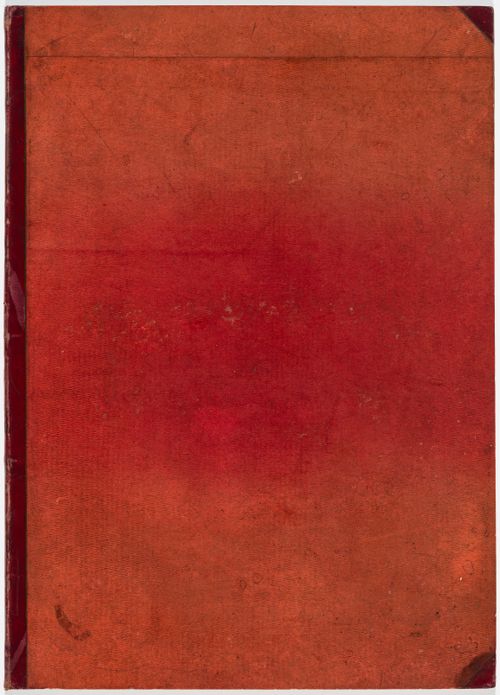
- This book contains 8 pages of text primarily describing projects by Charles Rohault de Fleury for the Muséum national d'histoire naturelle. The text is followed by a lithograph after Lemaitre, which depicts the exterior of the "serres chaudes", and by 14 prints engraved/etched by Marlier depicting the buildings designed by Rohault de Fleury for the Muséum national d'histoire naturelle between 1833 and 1839. The "serres chaudes" are illustrated by 8 prints: interior perspectives, plans, elevations, sections and details of the prefabricated columns. Four prints are included for the Galerie de minéralogie et de géologie, the monkey house and the reservoirs - mostly elevations, plans and sections. Also included is a site plan of the Muséum national d'histoire naturelle and one print of comparative examples - mostly plans, sections and details - of English "serres chaudes", including the Warm House and the Temperate House at the Colosseum in London, the Temperate House at the Royal Botanic Gardens in Kew, Camellia House and Palm House at Loddiges Nursery in Hackney, and a glasshouse with a semidome, also in Hackney.
DR1974:0002:004:001-022
Description:
- This book contains 8 pages of text primarily describing projects by Charles Rohault de Fleury for the Muséum national d'histoire naturelle. The text is followed by a lithograph after Lemaitre, which depicts the exterior of the "serres chaudes", and by 14 prints engraved/etched by Marlier depicting the buildings designed by Rohault de Fleury for the Muséum national d'histoire naturelle between 1833 and 1839. The "serres chaudes" are illustrated by 8 prints: interior perspectives, plans, elevations, sections and details of the prefabricated columns. Four prints are included for the Galerie de minéralogie et de géologie, the monkey house and the reservoirs - mostly elevations, plans and sections. Also included is a site plan of the Muséum national d'histoire naturelle and one print of comparative examples - mostly plans, sections and details - of English "serres chaudes", including the Warm House and the Temperate House at the Colosseum in London, the Temperate House at the Royal Botanic Gardens in Kew, Camellia House and Palm House at Loddiges Nursery in Hackney, and a glasshouse with a semidome, also in Hackney.
Personnes et institutions:
Sujet:
architecture, architecture de paysage, ingénierie
architecture, architecture de paysage, ingénierie
Date:
published 1837
published 1837
Titre:
MUSÉUM / D'HISTOIRE NATURELLE / SERRES CHAUDES, / GALERIE DE MINÉRALOGIE, / ETC. ETC. / PAR. CH. ROHAULT FILS, / ARCHITECTE DU MUSÉUM, ANCIEN ÉLEVE DE L'ECOLE POLYTECHNIQUE
Actions:
DR1974:0002:004:001-022
Description:
- This book contains 8 pages of text primarily describing projects by Charles Rohault de Fleury for the Muséum national d'histoire naturelle. The text is followed by a lithograph after Lemaitre, which depicts the exterior of the "serres chaudes", and by 14 prints engraved/etched by Marlier depicting the buildings designed by Rohault de Fleury for the Muséum national d'histoire naturelle between 1833 and 1839. The "serres chaudes" are illustrated by 8 prints: interior perspectives, plans, elevations, sections and details of the prefabricated columns. Four prints are included for the Galerie de minéralogie et de géologie, the monkey house and the reservoirs - mostly elevations, plans and sections. Also included is a site plan of the Muséum national d'histoire naturelle and one print of comparative examples - mostly plans, sections and details - of English "serres chaudes", including the Warm House and the Temperate House at the Colosseum in London, the Temperate House at the Royal Botanic Gardens in Kew, Camellia House and Palm House at Loddiges Nursery in Hackney, and a glasshouse with a semidome, also in Hackney.
MUSÉUM / D'HISTOIRE NATURELLE / SERRES CHAUDES, / GALERIE DE MINÉRALOGIE, / ETC. ETC. / PAR. CH. ROHAULT FILS, / ARCHITECTE DU MUSÉUM, ANCIEN ÉLEVE DE L'ECOLE POLYTECHNIQUE
Actions:
DR1974:0002:004:001-022
Description:
- This book contains 8 pages of text primarily describing projects by Charles Rohault de Fleury for the Muséum national d'histoire naturelle. The text is followed by a lithograph after Lemaitre, which depicts the exterior of the "serres chaudes", and by 14 prints engraved/etched by Marlier depicting the buildings designed by Rohault de Fleury for the Muséum national d'histoire naturelle between 1833 and 1839. The "serres chaudes" are illustrated by 8 prints: interior perspectives, plans, elevations, sections and details of the prefabricated columns. Four prints are included for the Galerie de minéralogie et de géologie, the monkey house and the reservoirs - mostly elevations, plans and sections. Also included is a site plan of the Muséum national d'histoire naturelle and one print of comparative examples - mostly plans, sections and details - of English "serres chaudes", including the Warm House and the Temperate House at the Colosseum in London, the Temperate House at the Royal Botanic Gardens in Kew, Camellia House and Palm House at Loddiges Nursery in Hackney, and a glasshouse with a semidome, also in Hackney.
Classification:
livres, oeuvres d'art
livres, oeuvres d'art
Date:
published 1837
published 1837
Personnes et institutions:
Sujet:
architecture, architecture de paysage, ingénierie
architecture, architecture de paysage, ingénierie
Classification:
expositions
expositions
Actions:
Description:
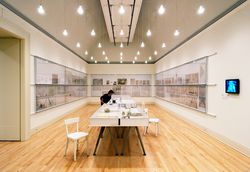
À partir d’hypothèses et de points de vue différents, Cedric Price, Aldo Rossi, James Stirling et Gordon Matta-Clark se sont engagés dans un processus de reformulation radicale du statut, de l’histoire et du rôle de l’architecture. sortis du cadre: price rossi stirling + matta-clark fait entrer en dialogue les réflexions de quatre figures marquantes des années 1970 à(...)
À partir d’hypothèses et de points de vue différents, Cedric Price, Aldo Rossi, James Stirling et Gordon Matta-Clark se sont engagés dans un processus de reformulation radicale du statut, de l’histoire et du rôle de l’architecture. sortis du cadre: price rossi stirling + matta-clark fait entrer en dialogue les réflexions de quatre figures marquantes des années 1970 à(...)
Localisation:
Salles principales
Salles principales
Date:
23 octobre 2003 au 6 septembre 2004
23 octobre 2003 au 6 septembre 2004
Titre:
sortis du cadre : price rossi stirling + matta-clark
Actions:
Description:
À partir d’hypothèses et de points de vue différents, Cedric Price, Aldo Rossi, James Stirling et Gordon Matta-Clark se sont engagés dans un processus de reformulation radicale du statut, de l’histoire et du rôle de l’architecture. sortis du cadre: price rossi stirling + matta-clark fait entrer en dialogue les réflexions de quatre figures marquantes des années 1970 à(...)
sortis du cadre : price rossi stirling + matta-clark
Actions:
Description:
À partir d’hypothèses et de points de vue différents, Cedric Price, Aldo Rossi, James Stirling et Gordon Matta-Clark se sont engagés dans un processus de reformulation radicale du statut, de l’histoire et du rôle de l’architecture. sortis du cadre: price rossi stirling + matta-clark fait entrer en dialogue les réflexions de quatre figures marquantes des années 1970 à(...)
Classification:
expositions
expositions
Date:
23 octobre 2003 au
6 septembre 2004
23 octobre 2003 au
6 septembre 2004
Localisation:
Salles principales
Salles principales
Classification:
expositions
expositions

Description:
L’Esprit nouveau : l’architecture moderne à Vancouver, 1938–1963, étudie les bâtiments et les ensembles marquants de cette période passionnante de l’histoire de Vancouver. L’exposition réunit des dessins de conception et des photographies d’époque ainsi que des éléments de mobilier et de décoration. Au sortir de la Seconde Guerre mondiale, Vancouver s’affirme comme une(...)
L’Esprit nouveau : l’architecture moderne à Vancouver, 1938–1963, étudie les bâtiments et les ensembles marquants de cette période passionnante de l’histoire de Vancouver. L’exposition réunit des dessins de conception et des photographies d’époque ainsi que des éléments de mobilier et de décoration. Au sortir de la Seconde Guerre mondiale, Vancouver s’affirme comme une(...)
Localisation:
Salles principales
Salles principales
Date:
5 mars 1997 au 25 mai 1997
5 mars 1997 au 25 mai 1997
Titre:
L'Esprit nouveau : l'architecture moderne à Vancouver, 1938-1963
Actions:
Description:
L’Esprit nouveau : l’architecture moderne à Vancouver, 1938–1963, étudie les bâtiments et les ensembles marquants de cette période passionnante de l’histoire de Vancouver. L’exposition réunit des dessins de conception et des photographies d’époque ainsi que des éléments de mobilier et de décoration. Au sortir de la Seconde Guerre mondiale, Vancouver s’affirme comme une(...)
L'Esprit nouveau : l'architecture moderne à Vancouver, 1938-1963
Actions:
Description:
L’Esprit nouveau : l’architecture moderne à Vancouver, 1938–1963, étudie les bâtiments et les ensembles marquants de cette période passionnante de l’histoire de Vancouver. L’exposition réunit des dessins de conception et des photographies d’époque ainsi que des éléments de mobilier et de décoration. Au sortir de la Seconde Guerre mondiale, Vancouver s’affirme comme une(...)
Classification:
expositions
expositions
Date:
5 mars 1997 au
25 mai 1997
5 mars 1997 au
25 mai 1997
Localisation:
Salles principales
Salles principales
Classification:
dessins, documents textuels
dessins, documents textuels
Numéro de référence:
DR2012:0015:025:022
Description:
File containing documents in French, including correspondence, notes, installation guides, photographs, printouts, and sketches and related to the following works: - Fragments d'une histoire du génie... la parade, nos. 2 and 4. File containing documents in French, including correspondence and printouts related to a proposed installation Original folder inscribed in graphite: HYDRO-QUÉBEC 2007+
DR2012:0015:025:022
Description:
File containing documents in French, including correspondence, notes, installation guides, photographs, printouts, and sketches and related to the following works: - Fragments d'une histoire du génie... la parade, nos. 2 and 4. File containing documents in French, including correspondence and printouts related to a proposed installation Original folder inscribed in graphite: HYDRO-QUÉBEC 2007+
Personnes et institutions:
Date:
2006-2008
2006-2008
Titre:
Correspondence, notes, installation guides, photographs, printouts, and sketches, Fragments d'une histoire de génie...
Actions:
DR2012:0015:025:022
Description:
File containing documents in French, including correspondence, notes, installation guides, photographs, printouts, and sketches and related to the following works: - Fragments d'une histoire du génie... la parade, nos. 2 and 4. File containing documents in French, including correspondence and printouts related to a proposed installation Original folder inscribed in graphite: HYDRO-QUÉBEC 2007+
Correspondence, notes, installation guides, photographs, printouts, and sketches, Fragments d'une histoire de génie...
Actions:
DR2012:0015:025:022
Description:
File containing documents in French, including correspondence, notes, installation guides, photographs, printouts, and sketches and related to the following works: - Fragments d'une histoire du génie... la parade, nos. 2 and 4. File containing documents in French, including correspondence and printouts related to a proposed installation Original folder inscribed in graphite: HYDRO-QUÉBEC 2007+
Classification:
dessins, documents textuels
dessins, documents textuels
Date:
2006-2008
2006-2008
Personnes et institutions:
Classification:
articles
articles
Titre:
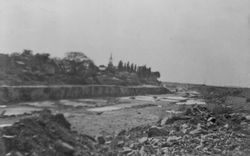
Tout pouvoir requis
Tout pouvoir requis
Actions:
Mot(s)-clé(s):
Kahnawà:ke, autochtone, colonisation, colonialisme, espaces médians, Voie maritime du Saint-Laurent
Kahnawà:ke, autochtone, colonisation, colonialisme, espaces médians, Voie maritime du Saint-Laurent
Publié:
16 août 2021
16 août 2021
Classification:
expositions
expositions
Description:
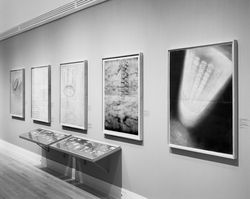
L’exposition explore certains des moments les plus intenses et les plus marquants de l’histoire de l’architecture : ceux qui ont constitué la période fertile et explosive qui a succédé à la Révolution d’Octobre. Le travail des architectes et graphistes de l’avant-garde était motivé aussi bien par le productivisme que par un souci esthétique. Pour eux, l’architecture et(...)
L’exposition explore certains des moments les plus intenses et les plus marquants de l’histoire de l’architecture : ceux qui ont constitué la période fertile et explosive qui a succédé à la Révolution d’Octobre. Le travail des architectes et graphistes de l’avant-garde était motivé aussi bien par le productivisme que par un souci esthétique. Pour eux, l’architecture et(...)
Localisation:
Salles principales
Salles principales
Date:
19 juin 1991 au 8 septembre 1991
19 juin 1991 au 8 septembre 1991
Titre:
Dessins d'architecture de l'avant-garde russe, 1917-1935
Actions:
Description:
L’exposition explore certains des moments les plus intenses et les plus marquants de l’histoire de l’architecture : ceux qui ont constitué la période fertile et explosive qui a succédé à la Révolution d’Octobre. Le travail des architectes et graphistes de l’avant-garde était motivé aussi bien par le productivisme que par un souci esthétique. Pour eux, l’architecture et(...)
Dessins d'architecture de l'avant-garde russe, 1917-1935
Actions:
Description:
L’exposition explore certains des moments les plus intenses et les plus marquants de l’histoire de l’architecture : ceux qui ont constitué la période fertile et explosive qui a succédé à la Révolution d’Octobre. Le travail des architectes et graphistes de l’avant-garde était motivé aussi bien par le productivisme que par un souci esthétique. Pour eux, l’architecture et(...)
Classification:
expositions
expositions
Date:
19 juin 1991 au
8 septembre 1991
19 juin 1991 au
8 septembre 1991
Localisation:
Salles principales
Salles principales
Classification:
événements
événements
Titre:
Dénouer le paysage numérique
Dénouer le paysage numérique
Actions:
Description:
Dans cette conférence, Christophe Girot aborde les modèles de paysage numérique : Le design et l’analyse du paysage numérique ont traversé une révolution tranquille au cours des dix dernières années, suscitée par l’introduction de modèles numériques de nuages de points. La portée et la précision de ces modèles de paysages numériques créés à l’aide de lecteurs laser(...)
Dans cette conférence, Christophe Girot aborde les modèles de paysage numérique : Le design et l’analyse du paysage numérique ont traversé une révolution tranquille au cours des dix dernières années, suscitée par l’introduction de modèles numériques de nuages de points. La portée et la précision de ces modèles de paysages numériques créés à l’aide de lecteurs laser(...)
Localisation:
Théâtre Paul-Desmarais
Théâtre Paul-Desmarais
Date:
6 octobre 2016, 18h
6 octobre 2016, 18h
Titre:
Dénouer le paysage numérique
Actions:
Description:
Dans cette conférence, Christophe Girot aborde les modèles de paysage numérique : Le design et l’analyse du paysage numérique ont traversé une révolution tranquille au cours des dix dernières années, suscitée par l’introduction de modèles numériques de nuages de points. La portée et la précision de ces modèles de paysages numériques créés à l’aide de lecteurs laser(...)
Dénouer le paysage numérique
Actions:
Description:
Dans cette conférence, Christophe Girot aborde les modèles de paysage numérique : Le design et l’analyse du paysage numérique ont traversé une révolution tranquille au cours des dix dernières années, suscitée par l’introduction de modèles numériques de nuages de points. La portée et la précision de ces modèles de paysages numériques créés à l’aide de lecteurs laser(...)
Classification:
événements
événements
Date:
6 octobre 2016
18h
6 octobre 2016
18h
Localisation:
Théâtre Paul-Desmarais
Théâtre Paul-Desmarais
Classification:
articles
articles
Actions:
Ikem Stanley Okoye redéfinit les origines du modernisme africain
Titre:
Où n’y avait-il pas de modernisme?
Ikem Stanley Okoye redéfinit les origines du modernisme africain
Actions:
Où n’y avait-il pas de modernisme?
Ikem Stanley Okoye redéfinit les origines du modernisme africain
Actions:
Niveau de description archivistique:
Sous-série
Sous-série
Numéro de référence:
CI001.S2.D5
Description:
Charles Rohault de Fleury was architect for the Muséum national d'histoire naturelle from 1833 to 1862. His work for the Muséum is represented in the CCA collection by a diverse group of prints and drawings. In addition to documenting his built and unbuilt projects, the inclusion of prints and drawings of museum and zoo buildings by other architects record, if only partially, the resources available to Charles in designing his buildings. This reference material provides insight into the influences on Charles' work as well as the nature of the design process itself. His built works, with the exception of the 1854 addition to the greenhouses, are illustrated in a book of prints with a brief accompanying text - "Muséum d'histoire naturelle: serres chaudes, galeries de minéralogie, etc. etc." (published 1837) (DR1974:0002:004:001; a second copy is held by the CCA library) (1). While prints are included for the Galerie de minéralogie et de géologie, the monkey house and the reservoirs, the majority of the prints are of the greenhouses (serres chaudes) begun 1833 (2). Known for their technological innovations in iron construction, these greenhouses utilized the first multi-storey load-bearing cast-iron façades for the central pavilions as well as space frame roof structures and prefabricated parts. This structural system is well documented in the prints in the CCA collection. The design was apparently inspired by the English greenhouses - a plate of which are included in the book - that Charles saw on a tour of England. The use of prestressed beams and curved roofs in the lateral wings attest to this influence. Charles' greenhouses, in turn, influenced the design of other greenhouses in Europe especially those at the Jardins Botanique in Liège and Ghent, Belgium (3). Although Joseph Paxton saw the greenhouses in 1833, it is unclear if they had an impact on the design of the Crystal Palace constructed 1850-1851 (4). The innovations of Charles' greenhouses continued to be acknowledged into the 20th century. Giedion in "Space, Time and Architecture", while erroneously attributing them to Rouhault (5)(6), refers to the greenhouses as "the prototype of all large iron-framed conservatories" (7). In addition to the greenhouses for the Muséum, the CCA collection includes three proposals (dated 1841) for a private greenhouse designed by Charles Rohault de Fleury (DR1974:0002:002:008 - DR1974:0002:002:013). The designs utilize the same curved roofs as the wings of the greenhouses at the Muséum combined with classically detailed stonework. An different aspect of Charles' work for the Muséum national d'histoire naturelle is represented in the album of unexecuted proposals -the only design drawings for the Muséum in the collection - for a Galerie de zoologie (DR1974:0002:024:001-079). Building on the typology of his earlier classical Galerie de minéralogie et de géologie (constructed 1833 -1841), the proposals, which date from between 1838 and 1862, illustrate a gradual enrichment of Charles' classical architectural vocabulary (8). They vary in their spatial configurations and façade treatments ranging from austere colonnaded designs with little ornament to more elaborate ones with richly encrusted facades, complex rooflines and more dramatic interior spaces characteristic of the Second Empire. The majority of the proposals consist of preliminary drawings illustrating the essential formal, spatial and ornamental aspects of the building. One proposal, dated January 1846, is substantially more developed than the others; in addition to general plans, sections and elevations, more detailed drawings are included for the layout of spaces, the elaboration of the facades, the configuration of the structure and even the designs for the specimen display cases. It is also worth noting that this album includes several plans outlining Rohault de Fleury's ideas for the overall development of the Muséum national d'histoire naturelle. In 1846, an album of prints of the Museo di fiscia e storia naturelle in Florence (DR1974:0002:005:001-018) was presented to Charles by the Grand Duke of Tuscany in response to his request for tracings of that building. These prints were probably used as reference material for the design of the new Galerie de zoologie described above. The portfolio of record drawings (ca. 1862) of the zoos in Antwerp, Brussels, Marseille and Amsterdam (DR1974:0002:018:001-027) is probably a dummy for a publication on zoological gardens as well as background documentation for the renovation and expansion of the zoo at the Muséum national d'histoire naturelle in Paris. Both drawings of the facilities for the animals and visitors and general plans of the zoological gardens are included. The Paris zoo project was apparently never undertaken. (1) These prints were reused in the "Oeuvre de C. Rohault de Fleury, architecte" (published 1884) (DR1974:0002:029:001-044). (2) Rohault de Fleury's greenhouses were destroyed in the Prussian bombardments of 1870. The greenhouses, which now stand in their place, are similar in layout and appearance to the original design, but their structural system is different. (3) John Hix, 'The Glass House' (Cambridge, Mass.: The MIT Press, 1981), p. 115. (4) Ibid., p. 115. (5) This error has been repeated by other authors including Henry-Russell Hitchcock, 'Architecture: Nineteenth and Twentieth Centuries' (Baltimore, Maryland: Penguin Books, 1968), p. 120. (6) Leonardo Benevolo, 'History of Modern Architecture' Volume 1: The tradition of modern architecture (Cambridge, Mass.: The M.I.T. Press, 1971), p. 22. (7) Sigfried Giedion, 'Space, Time and Architecture; the growth of a new tradition' (Cambridge: Harvard University Press, 1941), p. 181. (8) Barry Bergdoll, "Charles Rohault de Fleury: Part two: Muséum d'Histoire Naturelle and Studies on analogous Constructions in Europe", 'CCA Research Report", n.d., p. 1.
CI001.S2.D5
Description:
Charles Rohault de Fleury was architect for the Muséum national d'histoire naturelle from 1833 to 1862. His work for the Muséum is represented in the CCA collection by a diverse group of prints and drawings. In addition to documenting his built and unbuilt projects, the inclusion of prints and drawings of museum and zoo buildings by other architects record, if only partially, the resources available to Charles in designing his buildings. This reference material provides insight into the influences on Charles' work as well as the nature of the design process itself. His built works, with the exception of the 1854 addition to the greenhouses, are illustrated in a book of prints with a brief accompanying text - "Muséum d'histoire naturelle: serres chaudes, galeries de minéralogie, etc. etc." (published 1837) (DR1974:0002:004:001; a second copy is held by the CCA library) (1). While prints are included for the Galerie de minéralogie et de géologie, the monkey house and the reservoirs, the majority of the prints are of the greenhouses (serres chaudes) begun 1833 (2). Known for their technological innovations in iron construction, these greenhouses utilized the first multi-storey load-bearing cast-iron façades for the central pavilions as well as space frame roof structures and prefabricated parts. This structural system is well documented in the prints in the CCA collection. The design was apparently inspired by the English greenhouses - a plate of which are included in the book - that Charles saw on a tour of England. The use of prestressed beams and curved roofs in the lateral wings attest to this influence. Charles' greenhouses, in turn, influenced the design of other greenhouses in Europe especially those at the Jardins Botanique in Liège and Ghent, Belgium (3). Although Joseph Paxton saw the greenhouses in 1833, it is unclear if they had an impact on the design of the Crystal Palace constructed 1850-1851 (4). The innovations of Charles' greenhouses continued to be acknowledged into the 20th century. Giedion in "Space, Time and Architecture", while erroneously attributing them to Rouhault (5)(6), refers to the greenhouses as "the prototype of all large iron-framed conservatories" (7). In addition to the greenhouses for the Muséum, the CCA collection includes three proposals (dated 1841) for a private greenhouse designed by Charles Rohault de Fleury (DR1974:0002:002:008 - DR1974:0002:002:013). The designs utilize the same curved roofs as the wings of the greenhouses at the Muséum combined with classically detailed stonework. An different aspect of Charles' work for the Muséum national d'histoire naturelle is represented in the album of unexecuted proposals -the only design drawings for the Muséum in the collection - for a Galerie de zoologie (DR1974:0002:024:001-079). Building on the typology of his earlier classical Galerie de minéralogie et de géologie (constructed 1833 -1841), the proposals, which date from between 1838 and 1862, illustrate a gradual enrichment of Charles' classical architectural vocabulary (8). They vary in their spatial configurations and façade treatments ranging from austere colonnaded designs with little ornament to more elaborate ones with richly encrusted facades, complex rooflines and more dramatic interior spaces characteristic of the Second Empire. The majority of the proposals consist of preliminary drawings illustrating the essential formal, spatial and ornamental aspects of the building. One proposal, dated January 1846, is substantially more developed than the others; in addition to general plans, sections and elevations, more detailed drawings are included for the layout of spaces, the elaboration of the facades, the configuration of the structure and even the designs for the specimen display cases. It is also worth noting that this album includes several plans outlining Rohault de Fleury's ideas for the overall development of the Muséum national d'histoire naturelle. In 1846, an album of prints of the Museo di fiscia e storia naturelle in Florence (DR1974:0002:005:001-018) was presented to Charles by the Grand Duke of Tuscany in response to his request for tracings of that building. These prints were probably used as reference material for the design of the new Galerie de zoologie described above. The portfolio of record drawings (ca. 1862) of the zoos in Antwerp, Brussels, Marseille and Amsterdam (DR1974:0002:018:001-027) is probably a dummy for a publication on zoological gardens as well as background documentation for the renovation and expansion of the zoo at the Muséum national d'histoire naturelle in Paris. Both drawings of the facilities for the animals and visitors and general plans of the zoological gardens are included. The Paris zoo project was apparently never undertaken. (1) These prints were reused in the "Oeuvre de C. Rohault de Fleury, architecte" (published 1884) (DR1974:0002:029:001-044). (2) Rohault de Fleury's greenhouses were destroyed in the Prussian bombardments of 1870. The greenhouses, which now stand in their place, are similar in layout and appearance to the original design, but their structural system is different. (3) John Hix, 'The Glass House' (Cambridge, Mass.: The MIT Press, 1981), p. 115. (4) Ibid., p. 115. (5) This error has been repeated by other authors including Henry-Russell Hitchcock, 'Architecture: Nineteenth and Twentieth Centuries' (Baltimore, Maryland: Penguin Books, 1968), p. 120. (6) Leonardo Benevolo, 'History of Modern Architecture' Volume 1: The tradition of modern architecture (Cambridge, Mass.: The M.I.T. Press, 1971), p. 22. (7) Sigfried Giedion, 'Space, Time and Architecture; the growth of a new tradition' (Cambridge: Harvard University Press, 1941), p. 181. (8) Barry Bergdoll, "Charles Rohault de Fleury: Part two: Muséum d'Histoire Naturelle and Studies on analogous Constructions in Europe", 'CCA Research Report", n.d., p. 1.
Personnes et institutions:
Date:
[1837-ca. 1862]
[1837-ca. 1862]
Titre:
Muséum nationale d'histoire naturelle
CI001.S2.D5
Description:
Charles Rohault de Fleury was architect for the Muséum national d'histoire naturelle from 1833 to 1862. His work for the Muséum is represented in the CCA collection by a diverse group of prints and drawings. In addition to documenting his built and unbuilt projects, the inclusion of prints and drawings of museum and zoo buildings by other architects record, if only partially, the resources available to Charles in designing his buildings. This reference material provides insight into the influences on Charles' work as well as the nature of the design process itself. His built works, with the exception of the 1854 addition to the greenhouses, are illustrated in a book of prints with a brief accompanying text - "Muséum d'histoire naturelle: serres chaudes, galeries de minéralogie, etc. etc." (published 1837) (DR1974:0002:004:001; a second copy is held by the CCA library) (1). While prints are included for the Galerie de minéralogie et de géologie, the monkey house and the reservoirs, the majority of the prints are of the greenhouses (serres chaudes) begun 1833 (2). Known for their technological innovations in iron construction, these greenhouses utilized the first multi-storey load-bearing cast-iron façades for the central pavilions as well as space frame roof structures and prefabricated parts. This structural system is well documented in the prints in the CCA collection. The design was apparently inspired by the English greenhouses - a plate of which are included in the book - that Charles saw on a tour of England. The use of prestressed beams and curved roofs in the lateral wings attest to this influence. Charles' greenhouses, in turn, influenced the design of other greenhouses in Europe especially those at the Jardins Botanique in Liège and Ghent, Belgium (3). Although Joseph Paxton saw the greenhouses in 1833, it is unclear if they had an impact on the design of the Crystal Palace constructed 1850-1851 (4). The innovations of Charles' greenhouses continued to be acknowledged into the 20th century. Giedion in "Space, Time and Architecture", while erroneously attributing them to Rouhault (5)(6), refers to the greenhouses as "the prototype of all large iron-framed conservatories" (7). In addition to the greenhouses for the Muséum, the CCA collection includes three proposals (dated 1841) for a private greenhouse designed by Charles Rohault de Fleury (DR1974:0002:002:008 - DR1974:0002:002:013). The designs utilize the same curved roofs as the wings of the greenhouses at the Muséum combined with classically detailed stonework. An different aspect of Charles' work for the Muséum national d'histoire naturelle is represented in the album of unexecuted proposals -the only design drawings for the Muséum in the collection - for a Galerie de zoologie (DR1974:0002:024:001-079). Building on the typology of his earlier classical Galerie de minéralogie et de géologie (constructed 1833 -1841), the proposals, which date from between 1838 and 1862, illustrate a gradual enrichment of Charles' classical architectural vocabulary (8). They vary in their spatial configurations and façade treatments ranging from austere colonnaded designs with little ornament to more elaborate ones with richly encrusted facades, complex rooflines and more dramatic interior spaces characteristic of the Second Empire. The majority of the proposals consist of preliminary drawings illustrating the essential formal, spatial and ornamental aspects of the building. One proposal, dated January 1846, is substantially more developed than the others; in addition to general plans, sections and elevations, more detailed drawings are included for the layout of spaces, the elaboration of the facades, the configuration of the structure and even the designs for the specimen display cases. It is also worth noting that this album includes several plans outlining Rohault de Fleury's ideas for the overall development of the Muséum national d'histoire naturelle. In 1846, an album of prints of the Museo di fiscia e storia naturelle in Florence (DR1974:0002:005:001-018) was presented to Charles by the Grand Duke of Tuscany in response to his request for tracings of that building. These prints were probably used as reference material for the design of the new Galerie de zoologie described above. The portfolio of record drawings (ca. 1862) of the zoos in Antwerp, Brussels, Marseille and Amsterdam (DR1974:0002:018:001-027) is probably a dummy for a publication on zoological gardens as well as background documentation for the renovation and expansion of the zoo at the Muséum national d'histoire naturelle in Paris. Both drawings of the facilities for the animals and visitors and general plans of the zoological gardens are included. The Paris zoo project was apparently never undertaken. (1) These prints were reused in the "Oeuvre de C. Rohault de Fleury, architecte" (published 1884) (DR1974:0002:029:001-044). (2) Rohault de Fleury's greenhouses were destroyed in the Prussian bombardments of 1870. The greenhouses, which now stand in their place, are similar in layout and appearance to the original design, but their structural system is different. (3) John Hix, 'The Glass House' (Cambridge, Mass.: The MIT Press, 1981), p. 115. (4) Ibid., p. 115. (5) This error has been repeated by other authors including Henry-Russell Hitchcock, 'Architecture: Nineteenth and Twentieth Centuries' (Baltimore, Maryland: Penguin Books, 1968), p. 120. (6) Leonardo Benevolo, 'History of Modern Architecture' Volume 1: The tradition of modern architecture (Cambridge, Mass.: The M.I.T. Press, 1971), p. 22. (7) Sigfried Giedion, 'Space, Time and Architecture; the growth of a new tradition' (Cambridge: Harvard University Press, 1941), p. 181. (8) Barry Bergdoll, "Charles Rohault de Fleury: Part two: Muséum d'Histoire Naturelle and Studies on analogous Constructions in Europe", 'CCA Research Report", n.d., p. 1.
Muséum nationale d'histoire naturelle
CI001.S2.D5
Description:
Charles Rohault de Fleury was architect for the Muséum national d'histoire naturelle from 1833 to 1862. His work for the Muséum is represented in the CCA collection by a diverse group of prints and drawings. In addition to documenting his built and unbuilt projects, the inclusion of prints and drawings of museum and zoo buildings by other architects record, if only partially, the resources available to Charles in designing his buildings. This reference material provides insight into the influences on Charles' work as well as the nature of the design process itself. His built works, with the exception of the 1854 addition to the greenhouses, are illustrated in a book of prints with a brief accompanying text - "Muséum d'histoire naturelle: serres chaudes, galeries de minéralogie, etc. etc." (published 1837) (DR1974:0002:004:001; a second copy is held by the CCA library) (1). While prints are included for the Galerie de minéralogie et de géologie, the monkey house and the reservoirs, the majority of the prints are of the greenhouses (serres chaudes) begun 1833 (2). Known for their technological innovations in iron construction, these greenhouses utilized the first multi-storey load-bearing cast-iron façades for the central pavilions as well as space frame roof structures and prefabricated parts. This structural system is well documented in the prints in the CCA collection. The design was apparently inspired by the English greenhouses - a plate of which are included in the book - that Charles saw on a tour of England. The use of prestressed beams and curved roofs in the lateral wings attest to this influence. Charles' greenhouses, in turn, influenced the design of other greenhouses in Europe especially those at the Jardins Botanique in Liège and Ghent, Belgium (3). Although Joseph Paxton saw the greenhouses in 1833, it is unclear if they had an impact on the design of the Crystal Palace constructed 1850-1851 (4). The innovations of Charles' greenhouses continued to be acknowledged into the 20th century. Giedion in "Space, Time and Architecture", while erroneously attributing them to Rouhault (5)(6), refers to the greenhouses as "the prototype of all large iron-framed conservatories" (7). In addition to the greenhouses for the Muséum, the CCA collection includes three proposals (dated 1841) for a private greenhouse designed by Charles Rohault de Fleury (DR1974:0002:002:008 - DR1974:0002:002:013). The designs utilize the same curved roofs as the wings of the greenhouses at the Muséum combined with classically detailed stonework. An different aspect of Charles' work for the Muséum national d'histoire naturelle is represented in the album of unexecuted proposals -the only design drawings for the Muséum in the collection - for a Galerie de zoologie (DR1974:0002:024:001-079). Building on the typology of his earlier classical Galerie de minéralogie et de géologie (constructed 1833 -1841), the proposals, which date from between 1838 and 1862, illustrate a gradual enrichment of Charles' classical architectural vocabulary (8). They vary in their spatial configurations and façade treatments ranging from austere colonnaded designs with little ornament to more elaborate ones with richly encrusted facades, complex rooflines and more dramatic interior spaces characteristic of the Second Empire. The majority of the proposals consist of preliminary drawings illustrating the essential formal, spatial and ornamental aspects of the building. One proposal, dated January 1846, is substantially more developed than the others; in addition to general plans, sections and elevations, more detailed drawings are included for the layout of spaces, the elaboration of the facades, the configuration of the structure and even the designs for the specimen display cases. It is also worth noting that this album includes several plans outlining Rohault de Fleury's ideas for the overall development of the Muséum national d'histoire naturelle. In 1846, an album of prints of the Museo di fiscia e storia naturelle in Florence (DR1974:0002:005:001-018) was presented to Charles by the Grand Duke of Tuscany in response to his request for tracings of that building. These prints were probably used as reference material for the design of the new Galerie de zoologie described above. The portfolio of record drawings (ca. 1862) of the zoos in Antwerp, Brussels, Marseille and Amsterdam (DR1974:0002:018:001-027) is probably a dummy for a publication on zoological gardens as well as background documentation for the renovation and expansion of the zoo at the Muséum national d'histoire naturelle in Paris. Both drawings of the facilities for the animals and visitors and general plans of the zoological gardens are included. The Paris zoo project was apparently never undertaken. (1) These prints were reused in the "Oeuvre de C. Rohault de Fleury, architecte" (published 1884) (DR1974:0002:029:001-044). (2) Rohault de Fleury's greenhouses were destroyed in the Prussian bombardments of 1870. The greenhouses, which now stand in their place, are similar in layout and appearance to the original design, but their structural system is different. (3) John Hix, 'The Glass House' (Cambridge, Mass.: The MIT Press, 1981), p. 115. (4) Ibid., p. 115. (5) This error has been repeated by other authors including Henry-Russell Hitchcock, 'Architecture: Nineteenth and Twentieth Centuries' (Baltimore, Maryland: Penguin Books, 1968), p. 120. (6) Leonardo Benevolo, 'History of Modern Architecture' Volume 1: The tradition of modern architecture (Cambridge, Mass.: The M.I.T. Press, 1971), p. 22. (7) Sigfried Giedion, 'Space, Time and Architecture; the growth of a new tradition' (Cambridge: Harvard University Press, 1941), p. 181. (8) Barry Bergdoll, "Charles Rohault de Fleury: Part two: Muséum d'Histoire Naturelle and Studies on analogous Constructions in Europe", 'CCA Research Report", n.d., p. 1.
Niveau de description archivistique:
File 5
File 5
Date:
[1837-ca. 1862]
[1837-ca. 1862]
Personnes et institutions:
Classification:
événements
événements
Titre:
L'enseignement de... Caracas
L'enseignement de... Caracas
Actions:
Description:
Au Venezuela, la législation autorise la création de consejos communales (conseils communaux), un organe qui permet aux citoyens de se réunir en conseils de quartier formés de membres élus afin de lancer des projets de développement local. Les premières images du film Comuna under construction (2010), de Dario Azzellini et Olivier Ressler, retracent l’histoire d’une(...)
Au Venezuela, la législation autorise la création de consejos communales (conseils communaux), un organe qui permet aux citoyens de se réunir en conseils de quartier formés de membres élus afin de lancer des projets de développement local. Les premières images du film Comuna under construction (2010), de Dario Azzellini et Olivier Ressler, retracent l’histoire d’une(...)
Localisation:
Théâtre Paul-Desmarais
Théâtre Paul-Desmarais
Date:
8 mai 2014 , 18h
8 mai 2014 , 18h
Titre:
L'enseignement de... Caracas
Actions:
Description:
Au Venezuela, la législation autorise la création de consejos communales (conseils communaux), un organe qui permet aux citoyens de se réunir en conseils de quartier formés de membres élus afin de lancer des projets de développement local. Les premières images du film Comuna under construction (2010), de Dario Azzellini et Olivier Ressler, retracent l’histoire d’une(...)
L'enseignement de... Caracas
Actions:
Description:
Au Venezuela, la législation autorise la création de consejos communales (conseils communaux), un organe qui permet aux citoyens de se réunir en conseils de quartier formés de membres élus afin de lancer des projets de développement local. Les premières images du film Comuna under construction (2010), de Dario Azzellini et Olivier Ressler, retracent l’histoire d’une(...)
Classification:
événements
événements
Date:
8 mai 2014
18h
8 mai 2014
18h
Localisation:
Théâtre Paul-Desmarais
Théâtre Paul-Desmarais


