


178 Résultats
Classification:
livres
livres
Actions:
Prix:
$50.00
(disponible sur commande)
Résumé:
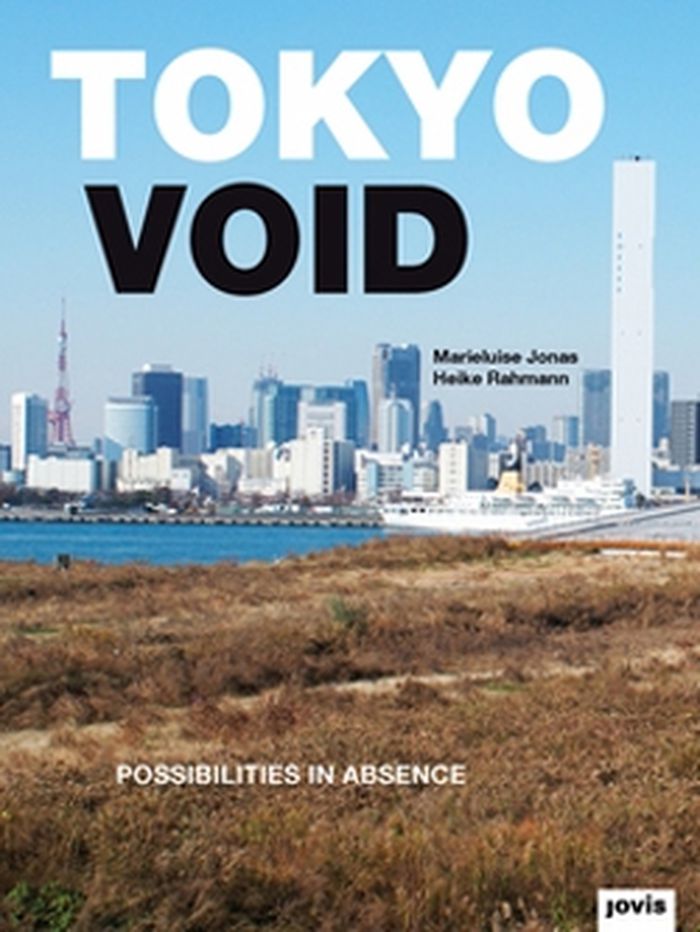
Tokyo's urban landscape is full of contradictions: a densely packed megalopolis, it affords thousands of vacant spaces. This volume explores possibilities for rethinking these spaces in creative ways such as "space agencies" and various architectural interventions.
$50.00
(disponible sur commande)
Résumé:
Tokyo's urban landscape is full of contradictions: a densely packed megalopolis, it affords thousands of vacant spaces. This volume explores possibilities for rethinking these spaces in creative ways such as "space agencies" and various architectural interventions.
Publication:
août 2014
août 2014
Titre:
Tokyo void : possiblilities in absence
Actions:
Prix:
$50.00
(disponible sur commande)
Résumé:
Tokyo's urban landscape is full of contradictions: a densely packed megalopolis, it affords thousands of vacant spaces. This volume explores possibilities for rethinking these spaces in creative ways such as "space agencies" and various architectural interventions.
Tokyo void : possiblilities in absence
Actions:
Prix:
$50.00
(disponible sur commande)
Résumé:
Tokyo's urban landscape is full of contradictions: a densely packed megalopolis, it affords thousands of vacant spaces. This volume explores possibilities for rethinking these spaces in creative ways such as "space agencies" and various architectural interventions.
Classification:
livres
livres
Publication:
août 2014
août 2014
Classification:
livres
livres
Prix:
$60.00
(disponible sur commande)
Résumé:
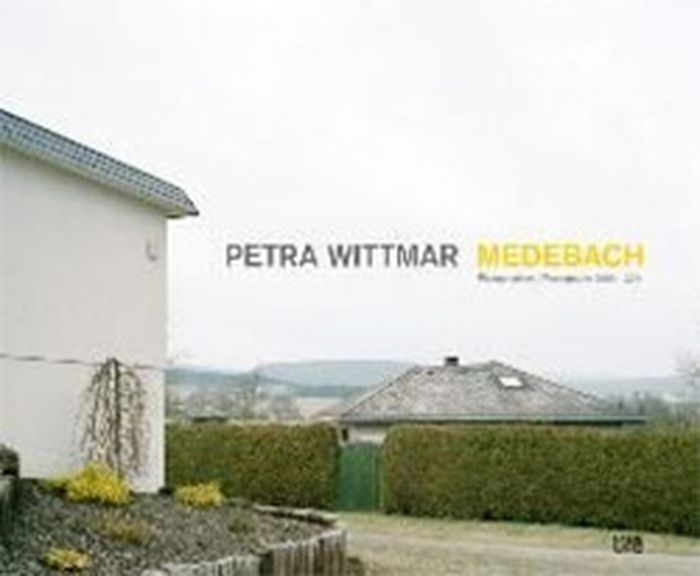
In her latest photo series, Petra Wittmar (born 1955) captures the eerie orderliness of her hometown in Medebach. Her quiet pictures depict its odd blandness and improbable juxtapositions, from vacant lots and playing fields to an Alpine chalet or a Mediterranean villa.
$60.00
(disponible sur commande)
Résumé:
In her latest photo series, Petra Wittmar (born 1955) captures the eerie orderliness of her hometown in Medebach. Her quiet pictures depict its odd blandness and improbable juxtapositions, from vacant lots and playing fields to an Alpine chalet or a Mediterranean villa.
Titre:
Petra Wittmar: Medebach Fotografien / Photographs 2009-2011
Actions:
Prix:
$60.00
(disponible sur commande)
Résumé:
In her latest photo series, Petra Wittmar (born 1955) captures the eerie orderliness of her hometown in Medebach. Her quiet pictures depict its odd blandness and improbable juxtapositions, from vacant lots and playing fields to an Alpine chalet or a Mediterranean villa.
Petra Wittmar: Medebach Fotografien / Photographs 2009-2011
Actions:
Prix:
$60.00
(disponible sur commande)
Résumé:
In her latest photo series, Petra Wittmar (born 1955) captures the eerie orderliness of her hometown in Medebach. Her quiet pictures depict its odd blandness and improbable juxtapositions, from vacant lots and playing fields to an Alpine chalet or a Mediterranean villa.
Classification:
livres
livres
Publication:
août 2014
août 2014
Sujet:
Monographies photo
Monographies photo
Classification:
livres
livres
Actions:
Prix:
$75.00
(disponible sur commande)
Résumé:
Since 2009, photographer Armin Linke and architect Srdjan Jovanovic Weiss have been documenting ex-Yugoslav Socialist architecture-buildings that were either left vacant or only recently repurposed when the Socialist Federation of Yugoslavia was dismantled in the early 1990s. "Socialist Architecture" commemorates these structures in present-day Croatia,(...)
$75.00
(disponible sur commande)
Résumé:
Since 2009, photographer Armin Linke and architect Srdjan Jovanovic Weiss have been documenting ex-Yugoslav Socialist architecture-buildings that were either left vacant or only recently repurposed when the Socialist Federation of Yugoslavia was dismantled in the early 1990s. "Socialist Architecture" commemorates these structures in present-day Croatia,(...)
Titre:
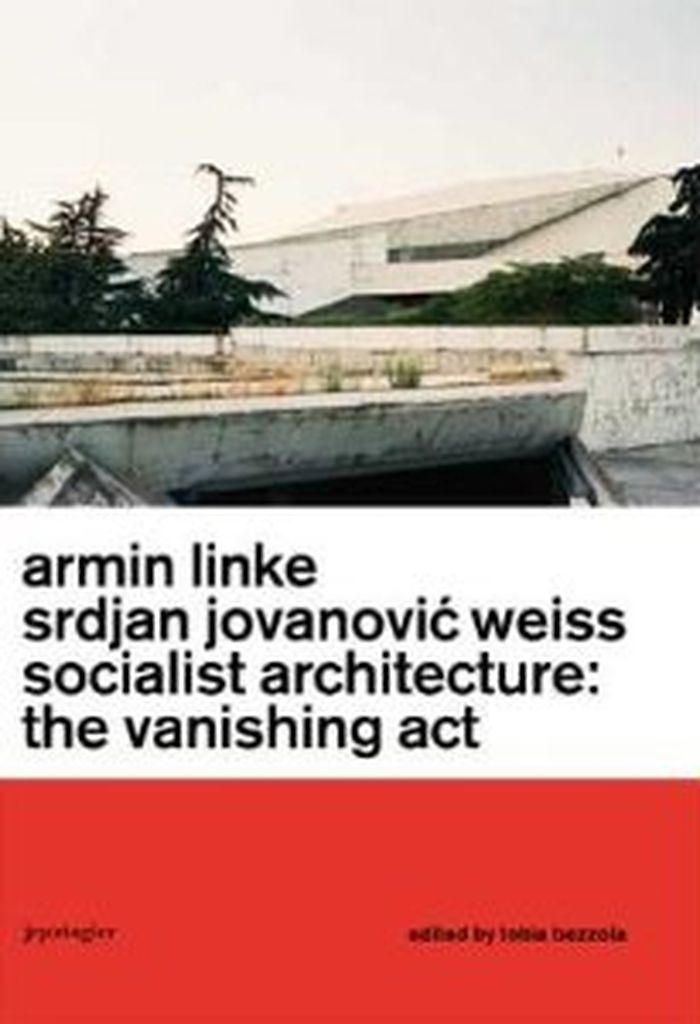
Armin Linke, Srdjan Jovanovic Weiss: Socialist architecture, the vanishing act
Actions:
Prix:
$75.00
(disponible sur commande)
Résumé:
Since 2009, photographer Armin Linke and architect Srdjan Jovanovic Weiss have been documenting ex-Yugoslav Socialist architecture-buildings that were either left vacant or only recently repurposed when the Socialist Federation of Yugoslavia was dismantled in the early 1990s. "Socialist Architecture" commemorates these structures in present-day Croatia, Bosnia-Herzegovina, Montenegro, Macedonia, and Serbia.
Armin Linke, Srdjan Jovanovic Weiss: Socialist architecture, the vanishing act
Actions:
Prix:
$75.00
(disponible sur commande)
Résumé:
Since 2009, photographer Armin Linke and architect Srdjan Jovanovic Weiss have been documenting ex-Yugoslav Socialist architecture-buildings that were either left vacant or only recently repurposed when the Socialist Federation of Yugoslavia was dismantled in the early 1990s. "Socialist Architecture" commemorates these structures in present-day Croatia, Bosnia-Herzegovina, Montenegro, Macedonia, and Serbia.
Classification:
livres
livres
Publication:
mars 2012
mars 2012
Sujet:
Monographies photo
Monographies photo
Classification:
livres
livres
Actions:
Prix:
$40.00
(disponible sur commande)
Résumé:
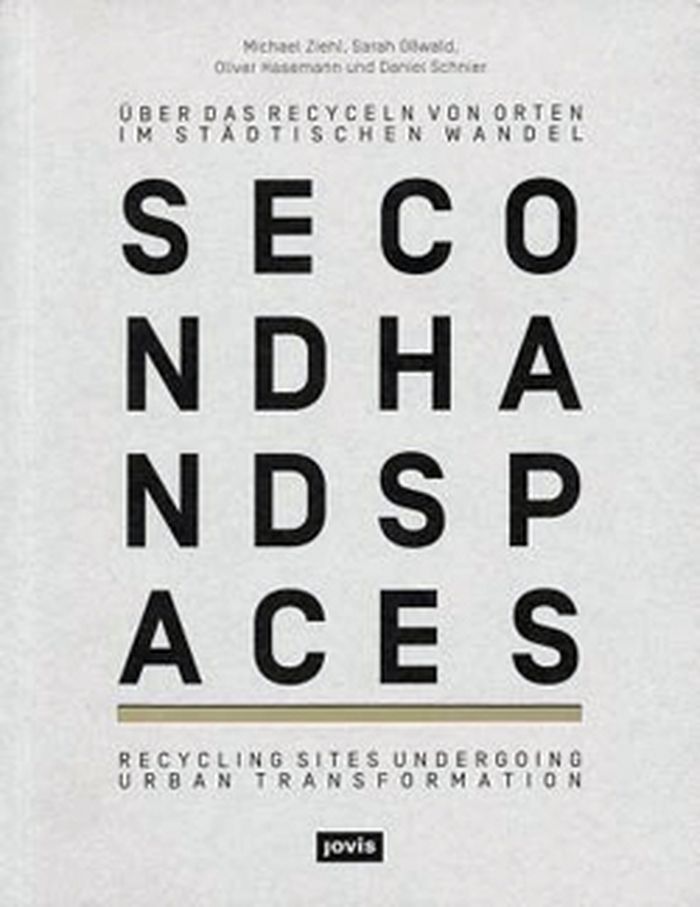
In this volume, 27 urban planning experts highlight the backgrounds, users and effects of so-called “second hand spaces”--vacant sites which have been repurposed in areas undergoing urban change. The new functions of these spaces range from activities as simple as sunbathing in a defunct swimming pool to the installation of an open-air boxing ring.
$40.00
(disponible sur commande)
Résumé:
In this volume, 27 urban planning experts highlight the backgrounds, users and effects of so-called “second hand spaces”--vacant sites which have been repurposed in areas undergoing urban change. The new functions of these spaces range from activities as simple as sunbathing in a defunct swimming pool to the installation of an open-air boxing ring.
Sujet:
Théorie de l’urbanisme
Théorie de l’urbanisme
Publication:
août 2012
août 2012
Titre:
Second hand spaces: recycling sites undergoing urban transformation
Actions:
Prix:
$40.00
(disponible sur commande)
Résumé:
In this volume, 27 urban planning experts highlight the backgrounds, users and effects of so-called “second hand spaces”--vacant sites which have been repurposed in areas undergoing urban change. The new functions of these spaces range from activities as simple as sunbathing in a defunct swimming pool to the installation of an open-air boxing ring.
Second hand spaces: recycling sites undergoing urban transformation
Actions:
Prix:
$40.00
(disponible sur commande)
Résumé:
In this volume, 27 urban planning experts highlight the backgrounds, users and effects of so-called “second hand spaces”--vacant sites which have been repurposed in areas undergoing urban change. The new functions of these spaces range from activities as simple as sunbathing in a defunct swimming pool to the installation of an open-air boxing ring.
Classification:
livres
livres
Publication:
août 2012
août 2012
Sujet:
Théorie de l’urbanisme
Théorie de l’urbanisme
Classification:
livres
livres
Titre:
Office renovation graphics: creating new value renovating, remodeling and restoring existing offices
Office renovation graphics: creating new value renovating, remodeling and restoring existing offices
Actions:
Prix:
$58.95
(disponible sur commande)
Résumé:
This second title in the Renovation Graphics series showcases creative and unconventional renovations of offices. In this book, 'office' is defined as 'workspace' and includes not only a room in an office building but also an atelier, a workshop, a vacant house and a school renovated into an office. Unlike other books, this collection presents spatial design along with(...)
$58.95
(disponible sur commande)
Résumé:
This second title in the Renovation Graphics series showcases creative and unconventional renovations of offices. In this book, 'office' is defined as 'workspace' and includes not only a room in an office building but also an atelier, a workshop, a vacant house and a school renovated into an office. Unlike other books, this collection presents spatial design along with(...)
Titre:
Office renovation graphics: creating new value renovating, remodeling and restoring existing offices
Actions:
Prix:
$58.95
(disponible sur commande)
Résumé:
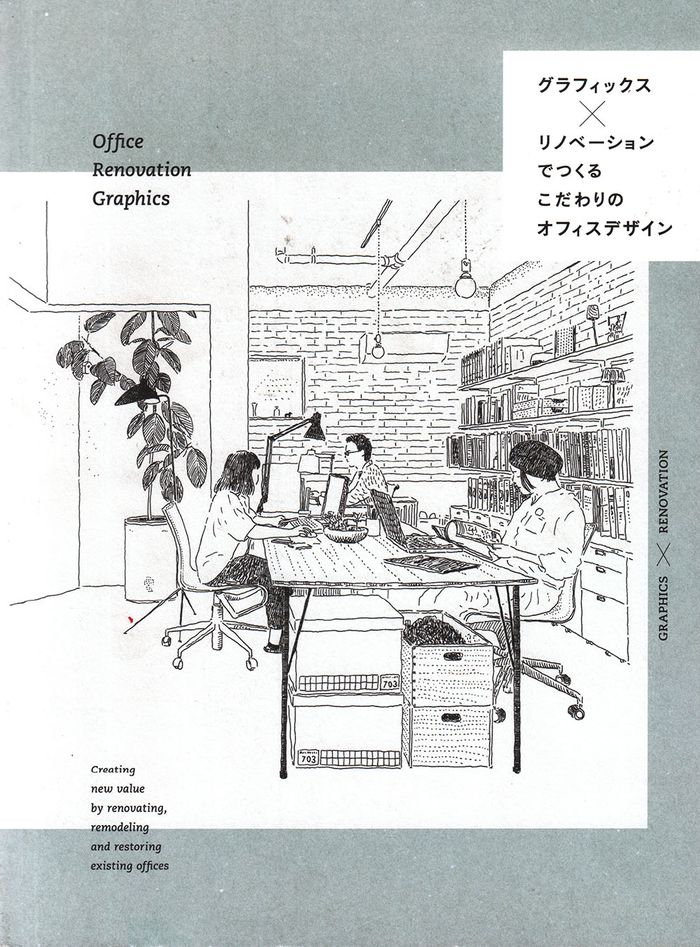
This second title in the Renovation Graphics series showcases creative and unconventional renovations of offices. In this book, 'office' is defined as 'workspace' and includes not only a room in an office building but also an atelier, a workshop, a vacant house and a school renovated into an office. Unlike other books, this collection presents spatial design along with graphic design, introducing many graphic design tools such as company logos, signage, business cards, brochures, letter head and package design.
Office renovation graphics: creating new value renovating, remodeling and restoring existing offices
Actions:
Prix:
$58.95
(disponible sur commande)
Résumé:
This second title in the Renovation Graphics series showcases creative and unconventional renovations of offices. In this book, 'office' is defined as 'workspace' and includes not only a room in an office building but also an atelier, a workshop, a vacant house and a school renovated into an office. Unlike other books, this collection presents spatial design along with graphic design, introducing many graphic design tools such as company logos, signage, business cards, brochures, letter head and package design.
Classification:
livres
livres
Publication:
août 2019
août 2019
Classification:
livres
livres
Actions:
Prix:
$60.00
(disponible sur commande)
Résumé:
No longer the Motor City of boom-time industry, the city of Detroit has fallen into an incredible state of dilapidation since the decline of the American auto industry after the Second World War. Today, whole sections of the city resemble a war zone, its once-spectacular architectural grandeur reduced to vacant ruins. In Detroit Disassembled, photographer Andrew Moore(...)
$60.00
(disponible sur commande)
Résumé:
No longer the Motor City of boom-time industry, the city of Detroit has fallen into an incredible state of dilapidation since the decline of the American auto industry after the Second World War. Today, whole sections of the city resemble a war zone, its once-spectacular architectural grandeur reduced to vacant ruins. In Detroit Disassembled, photographer Andrew Moore(...)
Titre:
Andrew Moore: Detroit disassembled
Actions:
Prix:
$60.00
(disponible sur commande)
Résumé:
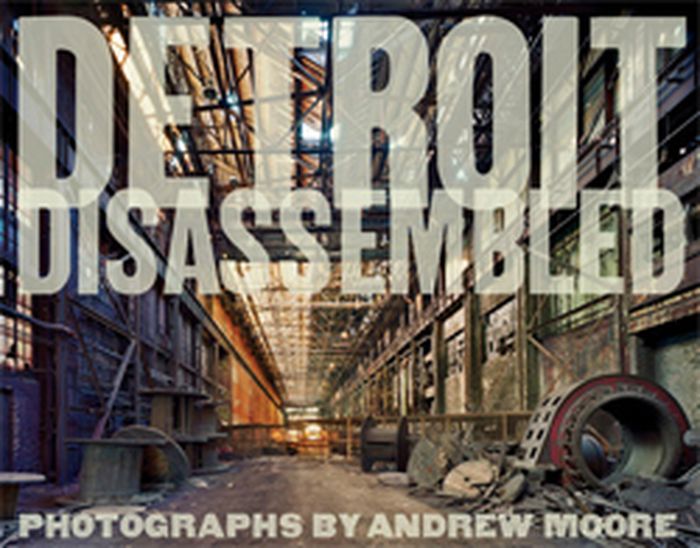
No longer the Motor City of boom-time industry, the city of Detroit has fallen into an incredible state of dilapidation since the decline of the American auto industry after the Second World War. Today, whole sections of the city resemble a war zone, its once-spectacular architectural grandeur reduced to vacant ruins. In Detroit Disassembled, photographer Andrew Moore records a territory in which the ordinary flow of time-or the forward march of the assembly line-appears to have been thrown spectacularly into reverse.
Andrew Moore: Detroit disassembled
Actions:
Prix:
$60.00
(disponible sur commande)
Résumé:
No longer the Motor City of boom-time industry, the city of Detroit has fallen into an incredible state of dilapidation since the decline of the American auto industry after the Second World War. Today, whole sections of the city resemble a war zone, its once-spectacular architectural grandeur reduced to vacant ruins. In Detroit Disassembled, photographer Andrew Moore records a territory in which the ordinary flow of time-or the forward march of the assembly line-appears to have been thrown spectacularly into reverse.
Classification:
livres
livres
Publication:
avril 2010
avril 2010
Sujet:
Monographies photo
Monographies photo
Classification:
livres
livres
Titre:
Urban wildscapes
Urban wildscapes
Actions:
Prix:
$55.50
(disponible sur commande)
Résumé:
Urban Wildscapes is one of the first edited collections of writings about urban ‘wilderness’ landscapes. Evolved, rather than designed or planned, these derelict, abandoned and marginal spaces are frequently overgrown with vegetation and host to a wide range of human activities. They include former industrial sites, landfill, allotments, cemeteries, woods, infrastructural(...)
$55.50
(disponible sur commande)
Résumé:
Urban Wildscapes is one of the first edited collections of writings about urban ‘wilderness’ landscapes. Evolved, rather than designed or planned, these derelict, abandoned and marginal spaces are frequently overgrown with vegetation and host to a wide range of human activities. They include former industrial sites, landfill, allotments, cemeteries, woods, infrastructural(...)
Titre:
Urban wildscapes
Actions:
Prix:
$55.50
(disponible sur commande)
Résumé:
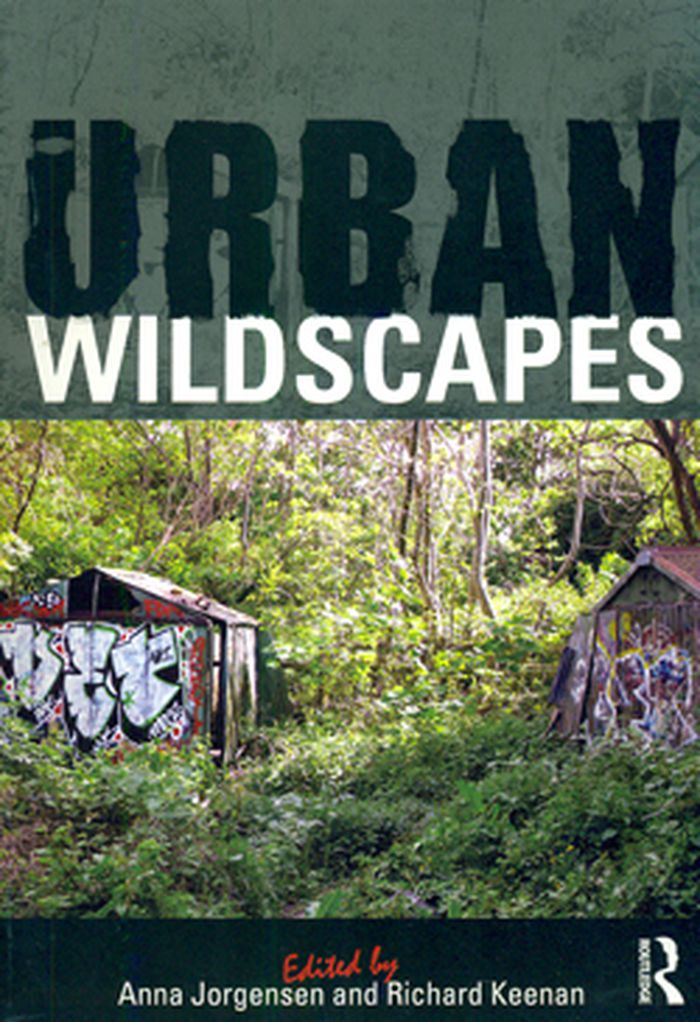
Urban Wildscapes is one of the first edited collections of writings about urban ‘wilderness’ landscapes. Evolved, rather than designed or planned, these derelict, abandoned and marginal spaces are frequently overgrown with vegetation and host to a wide range of human activities. They include former industrial sites, landfill, allotments, cemeteries, woods, infrastructural corridors, vacant lots and a whole array of urban wastelands at a variety of different scales. Frequently maligned in the media, these landscapes have recently been re-evaluated and this collection assembles these fresh perspectives in one volume.
Urban wildscapes
Actions:
Prix:
$55.50
(disponible sur commande)
Résumé:
Urban Wildscapes is one of the first edited collections of writings about urban ‘wilderness’ landscapes. Evolved, rather than designed or planned, these derelict, abandoned and marginal spaces are frequently overgrown with vegetation and host to a wide range of human activities. They include former industrial sites, landfill, allotments, cemeteries, woods, infrastructural corridors, vacant lots and a whole array of urban wastelands at a variety of different scales. Frequently maligned in the media, these landscapes have recently been re-evaluated and this collection assembles these fresh perspectives in one volume.
Classification:
livres
livres
Publication:
septembre 2011
septembre 2011
Sujet:
Paysages urbains
Paysages urbains
Classification:
livres
livres
Actions:
Prix:
$68.00
(disponible sur commande)
Résumé:
Photographer Gerry Badger only brought out his camera on overcast days in Berlin between 2007 and 2011. His portrait of the citys back streets and dilapidated spaces is rough, full of refuse and graffiti, and almost completely devoid of human presence. This series of images depicts the forgotten corners of a living city, full of history; a fact that has seemingly been(...)
$68.00
(disponible sur commande)
Résumé:
Photographer Gerry Badger only brought out his camera on overcast days in Berlin between 2007 and 2011. His portrait of the citys back streets and dilapidated spaces is rough, full of refuse and graffiti, and almost completely devoid of human presence. This series of images depicts the forgotten corners of a living city, full of history; a fact that has seemingly been(...)
Titre:
Gerry Badger: it was a grey day
Actions:
Prix:
$68.00
(disponible sur commande)
Résumé:
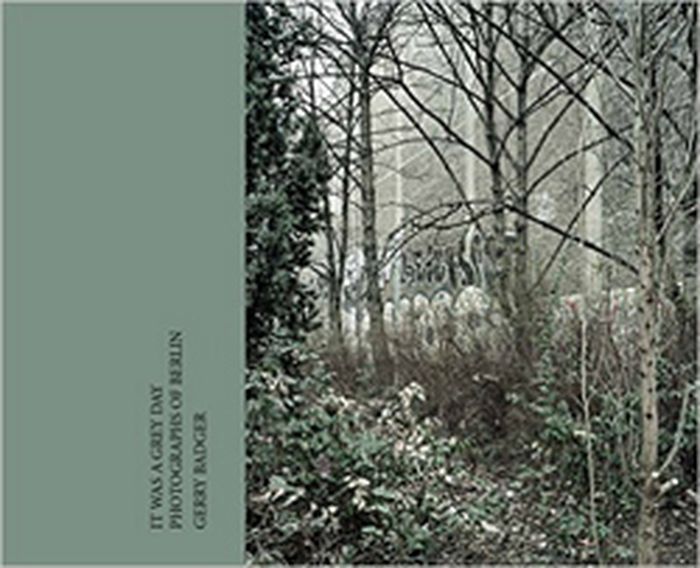
Photographer Gerry Badger only brought out his camera on overcast days in Berlin between 2007 and 2011. His portrait of the citys back streets and dilapidated spaces is rough, full of refuse and graffiti, and almost completely devoid of human presence. This series of images depicts the forgotten corners of a living city, full of history; a fact that has seemingly been banished outside the fringes of the frame. What is left is emptiness, broken architecture, neglected parks, vacant lots, discarded things all fading under a metallic, unfeeling sky.
Gerry Badger: it was a grey day
Actions:
Prix:
$68.00
(disponible sur commande)
Résumé:
Photographer Gerry Badger only brought out his camera on overcast days in Berlin between 2007 and 2011. His portrait of the citys back streets and dilapidated spaces is rough, full of refuse and graffiti, and almost completely devoid of human presence. This series of images depicts the forgotten corners of a living city, full of history; a fact that has seemingly been banished outside the fringes of the frame. What is left is emptiness, broken architecture, neglected parks, vacant lots, discarded things all fading under a metallic, unfeeling sky.
Classification:
livres
livres
Publication:
octobre 2015
octobre 2015
Sujet:
Monographies photo
Monographies photo
Classification:
livres
livres
Actions:
Prix:
$45.00
(disponible sur commande)
Résumé:
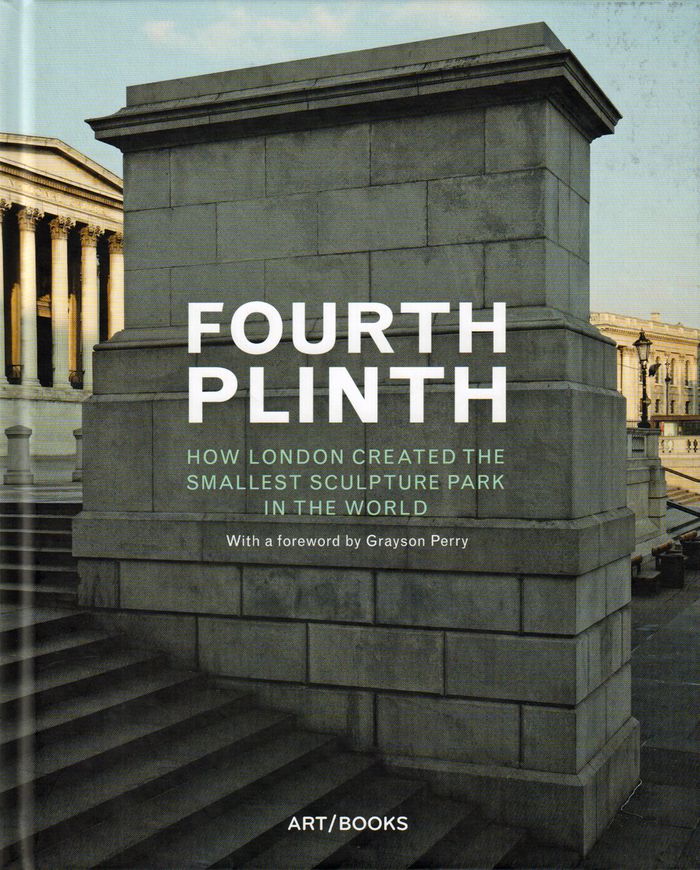
The vacant plinth in the north-west corner of London’s Trafalgar Square has provoked controversy for generations. Originally intended to hold an equestrian statue of William IV, it remained empty because of a lack of funds. For a century and half, debate over the plinth’s fate raged until 1998, when it was decided to use the spot as a site of temporary commissions of(...)
$45.00
(disponible sur commande)
Résumé:
The vacant plinth in the north-west corner of London’s Trafalgar Square has provoked controversy for generations. Originally intended to hold an equestrian statue of William IV, it remained empty because of a lack of funds. For a century and half, debate over the plinth’s fate raged until 1998, when it was decided to use the spot as a site of temporary commissions of(...)
Publication:
août 2016
août 2016
Titre:
Fourth plinth: how London created the smallest sculpture park in the world
Actions:
Prix:
$45.00
(disponible sur commande)
Résumé:
The vacant plinth in the north-west corner of London’s Trafalgar Square has provoked controversy for generations. Originally intended to hold an equestrian statue of William IV, it remained empty because of a lack of funds. For a century and half, debate over the plinth’s fate raged until 1998, when it was decided to use the spot as a site of temporary commissions of contemporary art by leading artists.This book tells the story of the ongoing Fourth Plinth program from its inception to the very latest commission, David Shrigley’s "Really Good," to be unveiled in September 2016
Fourth plinth: how London created the smallest sculpture park in the world
Actions:
Prix:
$45.00
(disponible sur commande)
Résumé:
The vacant plinth in the north-west corner of London’s Trafalgar Square has provoked controversy for generations. Originally intended to hold an equestrian statue of William IV, it remained empty because of a lack of funds. For a century and half, debate over the plinth’s fate raged until 1998, when it was decided to use the spot as a site of temporary commissions of contemporary art by leading artists.This book tells the story of the ongoing Fourth Plinth program from its inception to the very latest commission, David Shrigley’s "Really Good," to be unveiled in September 2016
Classification:
livres
livres
Publication:
août 2016
août 2016
Classification:
livres
livres
Titre:
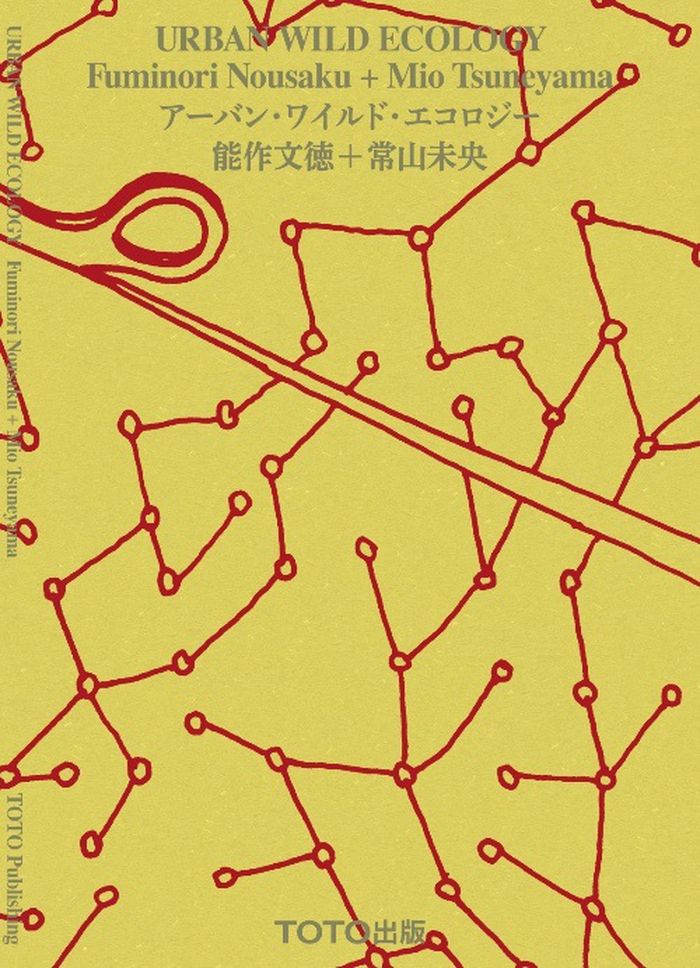
Urban wild ecology
Urban wild ecology
Actions:
Prix:
$85.00
(disponible sur commande)
Résumé:
Following the calamitous events of 2011 in Japan, Fuminori Nousaku and Mio Tsuneyama began to look at the link between materials and energy related to daily life, such as household goods, homes, food, and waste. They sought ways to reinvent how we live, from dependence on infrastructure and industry to another relationship: off-grid homes that generate solar power,(...)
$85.00
(disponible sur commande)
Résumé:
Following the calamitous events of 2011 in Japan, Fuminori Nousaku and Mio Tsuneyama began to look at the link between materials and energy related to daily life, such as household goods, homes, food, and waste. They sought ways to reinvent how we live, from dependence on infrastructure and industry to another relationship: off-grid homes that generate solar power,(...)
Titre:
Urban wild ecology
Actions:
Prix:
$85.00
(disponible sur commande)
Résumé:
Following the calamitous events of 2011 in Japan, Fuminori Nousaku and Mio Tsuneyama began to look at the link between materials and energy related to daily life, such as household goods, homes, food, and waste. They sought ways to reinvent how we live, from dependence on infrastructure and industry to another relationship: off-grid homes that generate solar power, gardens that harness the power of microbes in the soil, shared homes in vacant buildings, and construction using discarded materials. The wildness that survives the city enjoys fluctuation and overcomes inconvenience. This book introduces the collectives involved in these activities along with practices and resources.
Urban wild ecology
Actions:
Prix:
$85.00
(disponible sur commande)
Résumé:
Following the calamitous events of 2011 in Japan, Fuminori Nousaku and Mio Tsuneyama began to look at the link between materials and energy related to daily life, such as household goods, homes, food, and waste. They sought ways to reinvent how we live, from dependence on infrastructure and industry to another relationship: off-grid homes that generate solar power, gardens that harness the power of microbes in the soil, shared homes in vacant buildings, and construction using discarded materials. The wildness that survives the city enjoys fluctuation and overcomes inconvenience. This book introduces the collectives involved in these activities along with practices and resources.
Classification:
livres
livres
Publication:
janvier 2024
janvier 2024
Sujet:
Paysages urbains
Paysages urbains


