


1699 Résultats
Classification:
livres
livres
Actions:
Prix:
$52.00
(disponible sur commande)
Résumé:
This book is the first definitive history of the corridor, from its origins in country houses and utopian communities in the seventeenth and eighteenth centuries, through reformist Victorian prisons, hospitals and asylums, to the ‘corridors of power’, bureaucratic labyrinths, and housing estates of the twentieth century. The book takes in wide range of sources, from(...)
$52.00
(disponible sur commande)
Résumé:
This book is the first definitive history of the corridor, from its origins in country houses and utopian communities in the seventeenth and eighteenth centuries, through reformist Victorian prisons, hospitals and asylums, to the ‘corridors of power’, bureaucratic labyrinths, and housing estates of the twentieth century. The book takes in wide range of sources, from(...)
Titre:
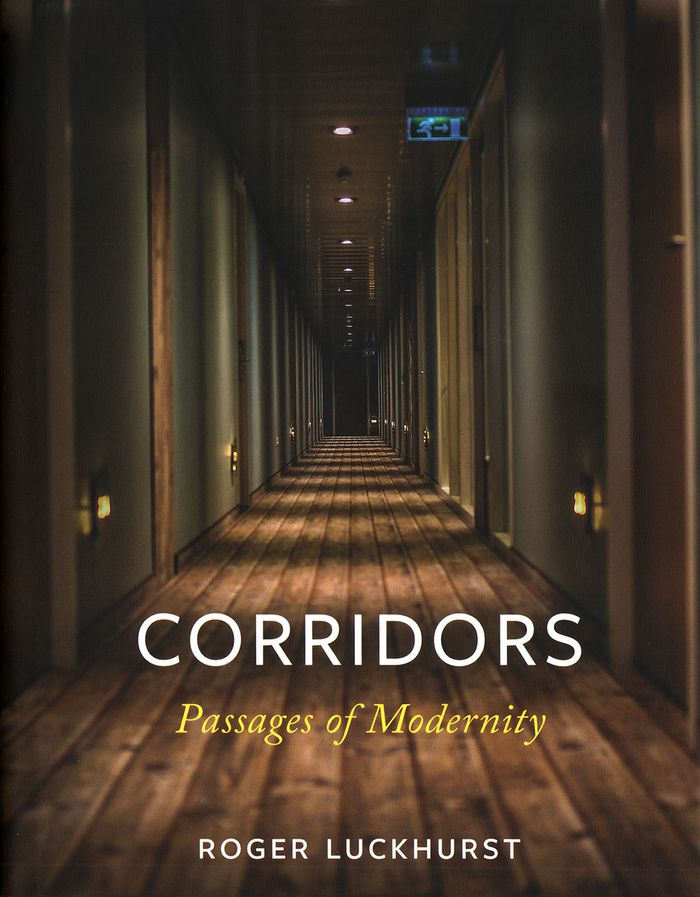
Corridors: passages of modernity
Actions:
Prix:
$52.00
(disponible sur commande)
Résumé:
This book is the first definitive history of the corridor, from its origins in country houses and utopian communities in the seventeenth and eighteenth centuries, through reformist Victorian prisons, hospitals and asylums, to the ‘corridors of power’, bureaucratic labyrinths, and housing estates of the twentieth century. The book takes in wide range of sources, from architectural history to fiction, film and TV, to explore how the corridor went from a utopian ideal to a place of unease: the archetypal stuff of nightmares.
Corridors: passages of modernity
Actions:
Prix:
$52.00
(disponible sur commande)
Résumé:
This book is the first definitive history of the corridor, from its origins in country houses and utopian communities in the seventeenth and eighteenth centuries, through reformist Victorian prisons, hospitals and asylums, to the ‘corridors of power’, bureaucratic labyrinths, and housing estates of the twentieth century. The book takes in wide range of sources, from architectural history to fiction, film and TV, to explore how the corridor went from a utopian ideal to a place of unease: the archetypal stuff of nightmares.
Classification:
livres
livres
Publication:
avril 2019
avril 2019
Sujet:
Théorie de l’architecture
Théorie de l’architecture
Classification:
livres
livres
Actions:
Prix:
$34.95
(disponible en magasin)
Résumé:
In recent works, Heather and Ivan Morison have explored the currency of shelter and the escape vehicle – things that can either transport you physically or mentally away from the here and now and help avoid, or offer refuge, from future disaster. Continuing their explorations and investigations into cultures of self-sufficiency, this publication brings many elements of(...)
$34.95
(disponible en magasin)
Résumé:
In recent works, Heather and Ivan Morison have explored the currency of shelter and the escape vehicle – things that can either transport you physically or mentally away from the here and now and help avoid, or offer refuge, from future disaster. Continuing their explorations and investigations into cultures of self-sufficiency, this publication brings many elements of(...)
Titre:
Heather and Ivan Morison: Falling into place
Actions:
Prix:
$34.95
(disponible en magasin)
Résumé:
In recent works, Heather and Ivan Morison have explored the currency of shelter and the escape vehicle – things that can either transport you physically or mentally away from the here and now and help avoid, or offer refuge, from future disaster. Continuing their explorations and investigations into cultures of self-sufficiency, this publication brings many elements of the artist’s research together with sketches and drawings, through a narrative which is part-science fiction, part-history, part-auto-biography and part-fairytale.
Heather and Ivan Morison: Falling into place
Actions:
Prix:
$34.95
(disponible en magasin)
Résumé:
In recent works, Heather and Ivan Morison have explored the currency of shelter and the escape vehicle – things that can either transport you physically or mentally away from the here and now and help avoid, or offer refuge, from future disaster. Continuing their explorations and investigations into cultures of self-sufficiency, this publication brings many elements of the artist’s research together with sketches and drawings, through a narrative which is part-science fiction, part-history, part-auto-biography and part-fairytale.
Classification:
livres
livres
Publication:
mai 2010
mai 2010
Classification:
livres
livres
Actions:
Prix:
$29.95
(disponible en magasin)
Résumé:
Dans la forêt, un chien s’engouffre dans un arbre et disparaît… avant de refaire surface dans un atelier d'artiste à Montréal. Troquant ses ciseaux à bois pour le crayon à mine, Myriam Simard-Parent raconte, dans une forme bédéesque, l’histoire d’une sculptrice ensorcelée par la matière. Par le jeu de la fiction, Les chiens dans les arbres propose une réflexion inédite(...)
$29.95
(disponible en magasin)
Résumé:
Dans la forêt, un chien s’engouffre dans un arbre et disparaît… avant de refaire surface dans un atelier d'artiste à Montréal. Troquant ses ciseaux à bois pour le crayon à mine, Myriam Simard-Parent raconte, dans une forme bédéesque, l’histoire d’une sculptrice ensorcelée par la matière. Par le jeu de la fiction, Les chiens dans les arbres propose une réflexion inédite(...)
Titre:
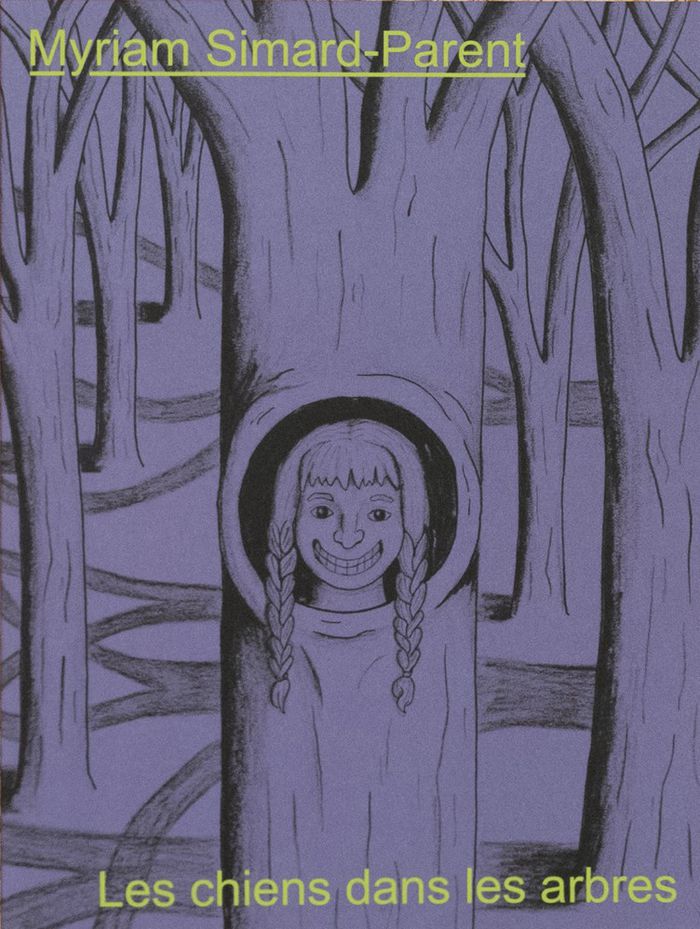
Myriam Simard-Parent : Les chiens dans les arbres
Actions:
Prix:
$29.95
(disponible en magasin)
Résumé:
Dans la forêt, un chien s’engouffre dans un arbre et disparaît… avant de refaire surface dans un atelier d'artiste à Montréal. Troquant ses ciseaux à bois pour le crayon à mine, Myriam Simard-Parent raconte, dans une forme bédéesque, l’histoire d’une sculptrice ensorcelée par la matière. Par le jeu de la fiction, Les chiens dans les arbres propose une réflexion inédite sur l'interrelation entre les artistes et leur médium de prédilection, dont le potentiel transfigurateur comporte aussi le risque d’une métamorphose vampirique.
Myriam Simard-Parent : Les chiens dans les arbres
Actions:
Prix:
$29.95
(disponible en magasin)
Résumé:
Dans la forêt, un chien s’engouffre dans un arbre et disparaît… avant de refaire surface dans un atelier d'artiste à Montréal. Troquant ses ciseaux à bois pour le crayon à mine, Myriam Simard-Parent raconte, dans une forme bédéesque, l’histoire d’une sculptrice ensorcelée par la matière. Par le jeu de la fiction, Les chiens dans les arbres propose une réflexion inédite sur l'interrelation entre les artistes et leur médium de prédilection, dont le potentiel transfigurateur comporte aussi le risque d’une métamorphose vampirique.
Classification:
livres
livres
Publication:
juin 2026
juin 2026
Classification:
livres
livres
Actions:
Prix:
$35.95
(disponible sur commande)
Résumé:
This book offers a vision of the London Underground written in the form of a ficto-historical narrative, which combines history and fiction in the creation of a set of theoretical propositions for London's subterranean transportation network. Its amateur-scholar protagonist takes the reader on a labyrinthine journey into the world of research, with sources personified and(...)
$35.95
(disponible sur commande)
Résumé:
This book offers a vision of the London Underground written in the form of a ficto-historical narrative, which combines history and fiction in the creation of a set of theoretical propositions for London's subterranean transportation network. Its amateur-scholar protagonist takes the reader on a labyrinthine journey into the world of research, with sources personified and(...)
Titre:
A ficto-historical theory of the London Underground
Actions:
Prix:
$35.95
(disponible sur commande)
Résumé:
This book offers a vision of the London Underground written in the form of a ficto-historical narrative, which combines history and fiction in the creation of a set of theoretical propositions for London's subterranean transportation network. Its amateur-scholar protagonist takes the reader on a labyrinthine journey into the world of research, with sources personified and their works appropriated and subverted. The book offers a model for practising writing and research in the context of architectural history and theory.
A ficto-historical theory of the London Underground
Actions:
Prix:
$35.95
(disponible sur commande)
Résumé:
This book offers a vision of the London Underground written in the form of a ficto-historical narrative, which combines history and fiction in the creation of a set of theoretical propositions for London's subterranean transportation network. Its amateur-scholar protagonist takes the reader on a labyrinthine journey into the world of research, with sources personified and their works appropriated and subverted. The book offers a model for practising writing and research in the context of architectural history and theory.
Classification:
livres
livres
Publication:
janvier 2018
janvier 2018
Sujet:
Théorie/ philosophie
Théorie/ philosophie
Classification:
livres
livres
Titre:
Warhol's dream
Warhol's dream
Actions:
Prix:
$26.00
(disponible sur commande)
Résumé:
"12 February 1972--I had slept badly. I decided to go out for breakfast, but when I got down to the street, there was no one there, and I thought, Andy, you must be still dreaming. It was like New York at eight in the morning on New Year's Day. Completely deserted. Everything shut. It's my favorite time to be out, actually. I decided to go to my favorite diner, the Star(...)
$26.00
(disponible sur commande)
Résumé:
"12 February 1972--I had slept badly. I decided to go out for breakfast, but when I got down to the street, there was no one there, and I thought, Andy, you must be still dreaming. It was like New York at eight in the morning on New Year's Day. Completely deserted. Everything shut. It's my favorite time to be out, actually. I decided to go to my favorite diner, the Star(...)
Sujet:
Théorie de l’art
Théorie de l’art
Publication:
janvier 1900, Paris Zurich
janvier 1900, Paris Zurich
Titre:
Warhol's dream
Actions:
Prix:
$26.00
(disponible sur commande)
Résumé:
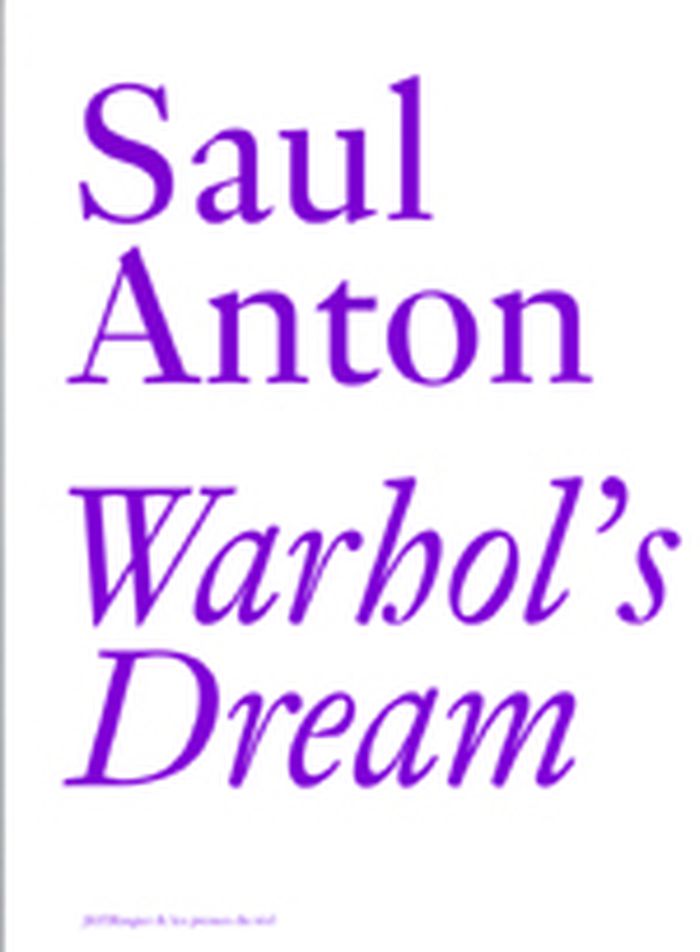
"12 February 1972--I had slept badly. I decided to go out for breakfast, but when I got down to the street, there was no one there, and I thought, Andy, you must be still dreaming. It was like New York at eight in the morning on New Year's Day. Completely deserted. Everything shut. It's my favorite time to be out, actually. I decided to go to my favorite diner, the Star Palace, on 37th and Madison. And there, sitting alone at the window was, believe it or not, Robert Smithson, who I've met a few times. They all think he's a genius. But I still can't get through the stuff he writes in Artforum. I get a headache almost right away." Saul Anton, an Editor-at-Large at Cabinet magazine who has written for Salon and Artforum, among other publications, describes an imaginary encounter between Robert Smithson and Andy Warhol, drifting together for a day through an empty New York City, talking about entropy, glamour, science fiction, cinema and the art of their times. Published in conjunction with les Presses du reel, this highly informative and witty essay on both artists' works in the form of a fiction could be considered a contemporary Platonic Symposium.
Warhol's dream
Actions:
Prix:
$26.00
(disponible sur commande)
Résumé:
"12 February 1972--I had slept badly. I decided to go out for breakfast, but when I got down to the street, there was no one there, and I thought, Andy, you must be still dreaming. It was like New York at eight in the morning on New Year's Day. Completely deserted. Everything shut. It's my favorite time to be out, actually. I decided to go to my favorite diner, the Star Palace, on 37th and Madison. And there, sitting alone at the window was, believe it or not, Robert Smithson, who I've met a few times. They all think he's a genius. But I still can't get through the stuff he writes in Artforum. I get a headache almost right away." Saul Anton, an Editor-at-Large at Cabinet magazine who has written for Salon and Artforum, among other publications, describes an imaginary encounter between Robert Smithson and Andy Warhol, drifting together for a day through an empty New York City, talking about entropy, glamour, science fiction, cinema and the art of their times. Published in conjunction with les Presses du reel, this highly informative and witty essay on both artists' works in the form of a fiction could be considered a contemporary Platonic Symposium.
Classification:
livres
livres
Publication:
janvier 1900, Paris Zurich
janvier 1900, Paris Zurich
Sujet:
Théorie de l’art
Théorie de l’art
Classification:
livres
livres
Titre:
What comes after farce?
What comes after farce?
Actions:
Prix:
$33.95
(disponible sur commande)
Résumé:
If farce follows tragedy, what follows farce? Where does the double predicament of a post-truth and post-shame politics leave artists and critics on the left? How to demystify a hegemonic order that dismisses its own contradictions? How to belittle a political elite that cannot be embarrassed, or to mock party leaders who thrive on the absurd? How to out-dada President(...)
$33.95
(disponible sur commande)
Résumé:
If farce follows tragedy, what follows farce? Where does the double predicament of a post-truth and post-shame politics leave artists and critics on the left? How to demystify a hegemonic order that dismisses its own contradictions? How to belittle a political elite that cannot be embarrassed, or to mock party leaders who thrive on the absurd? How to out-dada President(...)
Titre:
What comes after farce?
Actions:
Prix:
$33.95
(disponible sur commande)
Résumé:
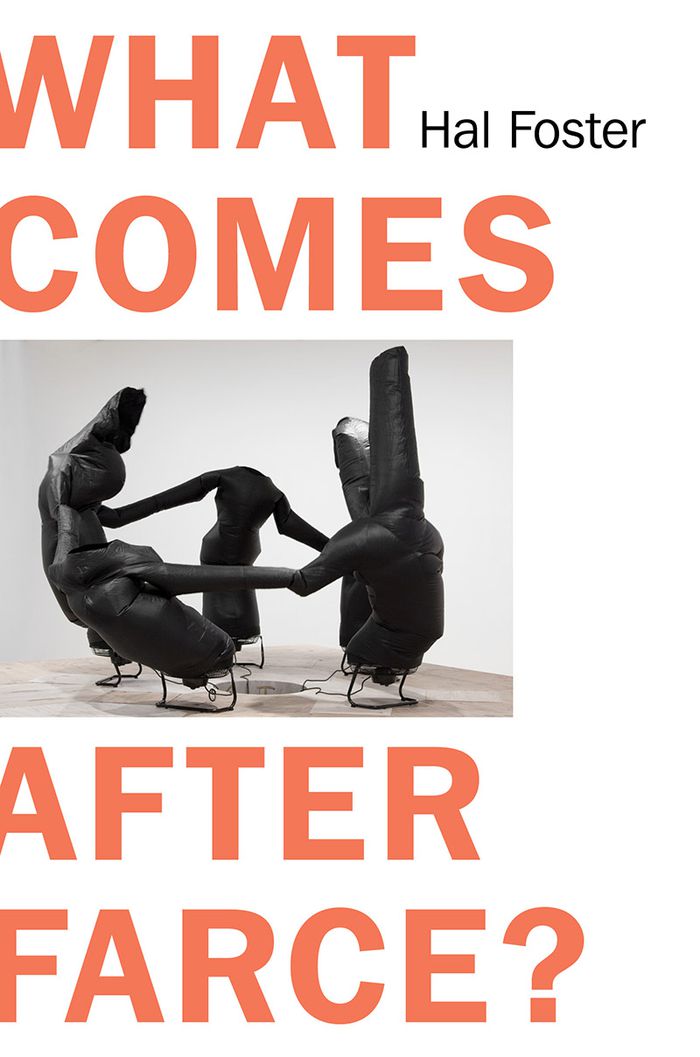
If farce follows tragedy, what follows farce? Where does the double predicament of a post-truth and post-shame politics leave artists and critics on the left? How to demystify a hegemonic order that dismisses its own contradictions? How to belittle a political elite that cannot be embarrassed, or to mock party leaders who thrive on the absurd? How to out-dada President Ubu? And, in any event, why add outrage to a media economy that thrives on the same? 'What Comes After Farce?' comments on shifts in art, criticism, and fiction in the face of the current regime of war, surveillance, extreme inequality, and media disruption. A first section focuses on the cultural politics of emergency since 9/11, including the use and abuse of trauma, paranoia, and kitsch. A second reviews the neoliberal makeover of art institutions during the same period. Finally, a third section surveys transformations in media as reflected in recent art, film, and fiction. Among the phenomena explored here are “machine vision” (images produced by machines for other machines without a human interface),“operational images” (images that do not represent the world so much as intervene in it), and the algorithmic scripting of information so pervasive in our everyday lives.
What comes after farce?
Actions:
Prix:
$33.95
(disponible sur commande)
Résumé:
If farce follows tragedy, what follows farce? Where does the double predicament of a post-truth and post-shame politics leave artists and critics on the left? How to demystify a hegemonic order that dismisses its own contradictions? How to belittle a political elite that cannot be embarrassed, or to mock party leaders who thrive on the absurd? How to out-dada President Ubu? And, in any event, why add outrage to a media economy that thrives on the same? 'What Comes After Farce?' comments on shifts in art, criticism, and fiction in the face of the current regime of war, surveillance, extreme inequality, and media disruption. A first section focuses on the cultural politics of emergency since 9/11, including the use and abuse of trauma, paranoia, and kitsch. A second reviews the neoliberal makeover of art institutions during the same period. Finally, a third section surveys transformations in media as reflected in recent art, film, and fiction. Among the phenomena explored here are “machine vision” (images produced by machines for other machines without a human interface),“operational images” (images that do not represent the world so much as intervene in it), and the algorithmic scripting of information so pervasive in our everyday lives.
Classification:
livres
livres
Publication:
juin 2020
juin 2020
Sujet:
Théorie/ philosophie
Théorie/ philosophie
Classification:
livres
livres
Titre:
Binge
Binge
Actions:
Prix:
$29.95
(disponible sur commande)
Résumé:
'' Imagine feeling 100% alive every moment of every minute of the day! Maybe that’s how animals live. Or trees, even. I sometimes stare at the plastic bag tree visible from my apartment window and marvel that both it and I are equally alive and that there’s no sliding scale of life. You’re either alive, or you’re not. Or you’re dead or you’re not.'' Thirty years after(...)
$29.95
(disponible sur commande)
Résumé:
'' Imagine feeling 100% alive every moment of every minute of the day! Maybe that’s how animals live. Or trees, even. I sometimes stare at the plastic bag tree visible from my apartment window and marvel that both it and I are equally alive and that there’s no sliding scale of life. You’re either alive, or you’re not. Or you’re dead or you’re not.'' Thirty years after(...)
Titre:
Binge
Actions:
Prix:
$29.95
(disponible sur commande)
Résumé:
'' Imagine feeling 100% alive every moment of every minute of the day! Maybe that’s how animals live. Or trees, even. I sometimes stare at the plastic bag tree visible from my apartment window and marvel that both it and I are equally alive and that there’s no sliding scale of life. You’re either alive, or you’re not. Or you’re dead or you’re not.'' Thirty years after Douglas Coupland broke the fiction mould and defined a generation with ''Generation X,'' he is back with ''Binge,'' 60 stories laced with his observational profundity about the way we live and his existential worry about how we should be living: the very things that have made him such an influential and bestselling writer. Not to mention that he can also be really funny. Here the narrators vary from story to story as Doug catches what he calls “the voice of the people,” inspired by the way we write about ourselves and our experiences in online forums. The characters, of course, are Doug’s own: crackpots, cranks and sweetie-pies, dad dancers and perpetrators of carbecues. People in the grip of unconscionable urges; lonely people; dying people; silly people. If you love Doug’s fiction, this collection is like rain on the desert.
Binge
Actions:
Prix:
$29.95
(disponible sur commande)
Résumé:
'' Imagine feeling 100% alive every moment of every minute of the day! Maybe that’s how animals live. Or trees, even. I sometimes stare at the plastic bag tree visible from my apartment window and marvel that both it and I are equally alive and that there’s no sliding scale of life. You’re either alive, or you’re not. Or you’re dead or you’re not.'' Thirty years after Douglas Coupland broke the fiction mould and defined a generation with ''Generation X,'' he is back with ''Binge,'' 60 stories laced with his observational profundity about the way we live and his existential worry about how we should be living: the very things that have made him such an influential and bestselling writer. Not to mention that he can also be really funny. Here the narrators vary from story to story as Doug catches what he calls “the voice of the people,” inspired by the way we write about ourselves and our experiences in online forums. The characters, of course, are Doug’s own: crackpots, cranks and sweetie-pies, dad dancers and perpetrators of carbecues. People in the grip of unconscionable urges; lonely people; dying people; silly people. If you love Doug’s fiction, this collection is like rain on the desert.
Classification:
livres
livres
Publication:
octobre 2021
octobre 2021
Sujet:
Expositions en cours
Expositions en cours
Classification:
livres
livres
Titre:
An ecotopian lexicon
An ecotopian lexicon
Actions:
Prix:
$38.95
(disponible sur commande)
Résumé:
As the scale and gravity of climate change becomes undeniable, a cultural revolution must ultimately match progress in the realms of policy, infrastructure, and technology. Proceeding from the notion that dominant Western cultures lack the terms and concepts to describe or respond to our environmental crisis, ''An ecotopian lexicon'' is a collaborative volume of short,(...)
$38.95
(disponible sur commande)
Résumé:
As the scale and gravity of climate change becomes undeniable, a cultural revolution must ultimately match progress in the realms of policy, infrastructure, and technology. Proceeding from the notion that dominant Western cultures lack the terms and concepts to describe or respond to our environmental crisis, ''An ecotopian lexicon'' is a collaborative volume of short,(...)
Publication:
octobre 2019
octobre 2019
Titre:
An ecotopian lexicon
Actions:
Prix:
$38.95
(disponible sur commande)
Résumé:
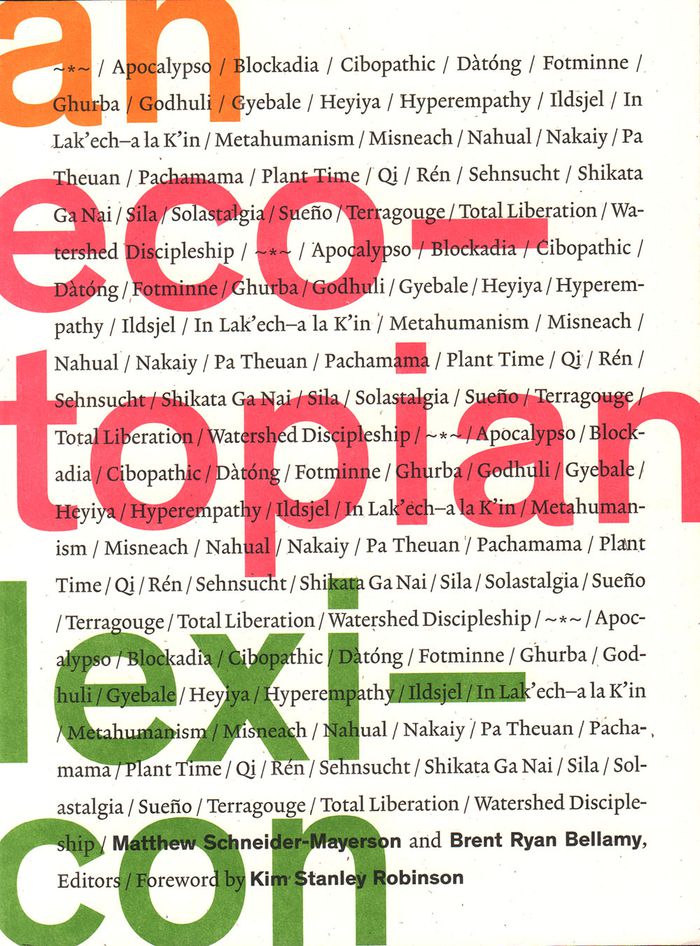
As the scale and gravity of climate change becomes undeniable, a cultural revolution must ultimately match progress in the realms of policy, infrastructure, and technology. Proceeding from the notion that dominant Western cultures lack the terms and concepts to describe or respond to our environmental crisis, ''An ecotopian lexicon'' is a collaborative volume of short, engaging essays that offer ecologically productive terms—drawn from other languages, science fiction, and subcultures of resistance—to envision and inspire responses and alternatives to fossil-fueled neoliberal capitalism.
An ecotopian lexicon
Actions:
Prix:
$38.95
(disponible sur commande)
Résumé:
As the scale and gravity of climate change becomes undeniable, a cultural revolution must ultimately match progress in the realms of policy, infrastructure, and technology. Proceeding from the notion that dominant Western cultures lack the terms and concepts to describe or respond to our environmental crisis, ''An ecotopian lexicon'' is a collaborative volume of short, engaging essays that offer ecologically productive terms—drawn from other languages, science fiction, and subcultures of resistance—to envision and inspire responses and alternatives to fossil-fueled neoliberal capitalism.
Classification:
livres
livres
Publication:
octobre 2019
octobre 2019
Classification:
livres
livres
Prix:
$29.95
(disponible sur commande)
Résumé:
Castillo closely follows the course of this escalating rivalry between competing consumer cultures through the 1950s, concluding that the Soviet bloc's inability to make good on the claim that it could emulate goods and living standards offered by the West was a contributing factor in communism's eventual demise. Using a mosaic of sources ranging from recently(...)
$29.95
(disponible sur commande)
Résumé:
Castillo closely follows the course of this escalating rivalry between competing consumer cultures through the 1950s, concluding that the Soviet bloc's inability to make good on the claim that it could emulate goods and living standards offered by the West was a contributing factor in communism's eventual demise. Using a mosaic of sources ranging from recently(...)
Titre:
Cold war on the home front, the soft power of midcentury design
Actions:
Prix:
$29.95
(disponible sur commande)
Résumé:
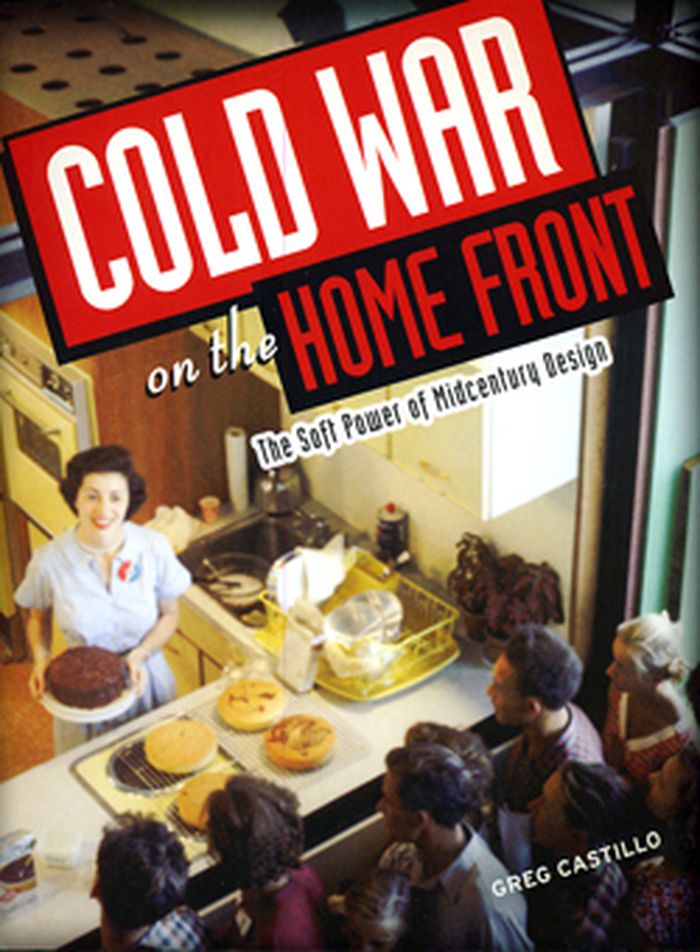
Castillo closely follows the course of this escalating rivalry between competing consumer cultures through the 1950s, concluding that the Soviet bloc's inability to make good on the claim that it could emulate goods and living standards offered by the West was a contributing factor in communism's eventual demise. Using a mosaic of sources ranging from recently declassified government documents to homemaking journals and popular fiction, this book contributes an engaging new perspective on midcentury modernist style and its political uses at the dawn of the cold war.
Cold war on the home front, the soft power of midcentury design
Actions:
Prix:
$29.95
(disponible sur commande)
Résumé:
Castillo closely follows the course of this escalating rivalry between competing consumer cultures through the 1950s, concluding that the Soviet bloc's inability to make good on the claim that it could emulate goods and living standards offered by the West was a contributing factor in communism's eventual demise. Using a mosaic of sources ranging from recently declassified government documents to homemaking journals and popular fiction, this book contributes an engaging new perspective on midcentury modernist style and its political uses at the dawn of the cold war.
Classification:
livres
livres
Publication:
février 2010
février 2010
Sujet:
Théorie du design
Théorie du design
Classification:
livres
livres
Prix:
$72.00
(disponible sur commande)
Résumé:
Allen Ruppersberg came of age as an artist in late-1960s Los Angeles, where he was part of the burgeoning L.A. Conceptual movement—that unique band of artists that included Bas Jan Ader, Allan McColllum and other. Like these artists and other L.A. Conceptual pioneers such as Ed Ruscha and John Baldessari, Ruppersberg used photographs (both made and found) in combination(...)
$72.00
(disponible sur commande)
Résumé:
Allen Ruppersberg came of age as an artist in late-1960s Los Angeles, where he was part of the burgeoning L.A. Conceptual movement—that unique band of artists that included Bas Jan Ader, Allan McColllum and other. Like these artists and other L.A. Conceptual pioneers such as Ed Ruscha and John Baldessari, Ruppersberg used photographs (both made and found) in combination(...)
Titre:
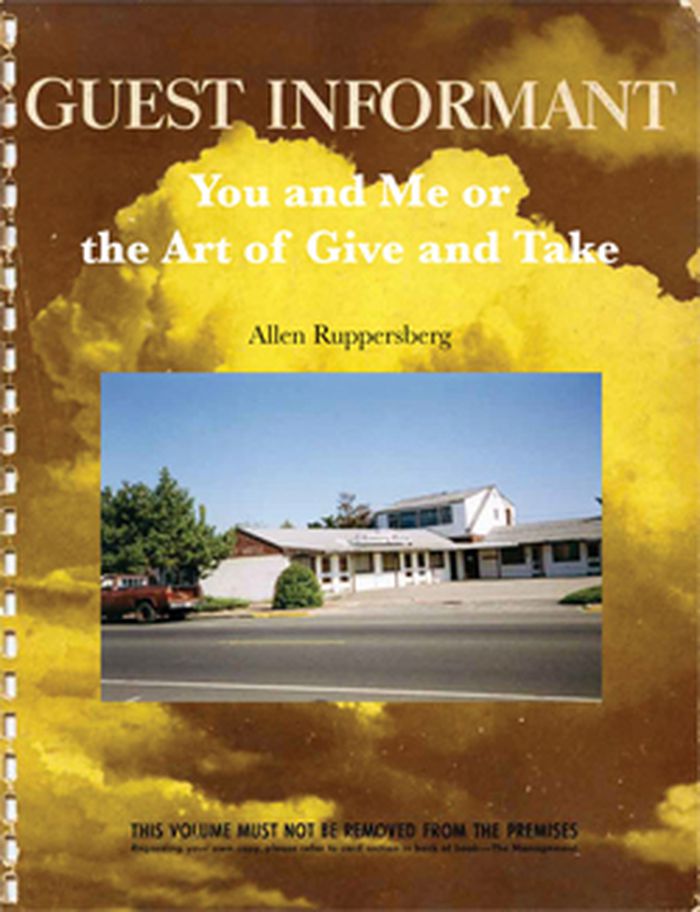
Alan Ruppersberg: you and me or the art of give and take
Actions:
Prix:
$72.00
(disponible sur commande)
Résumé:
Allen Ruppersberg came of age as an artist in late-1960s Los Angeles, where he was part of the burgeoning L.A. Conceptual movement—that unique band of artists that included Bas Jan Ader, Allan McColllum and other. Like these artists and other L.A. Conceptual pioneers such as Ed Ruscha and John Baldessari, Ruppersberg used photographs (both made and found) in combination with text and narrative strategies to mingle, blend and upend both fiction and fact—most famously in “Where's Al?” (1972) and “Between the Scenes”(1973).
Alan Ruppersberg: you and me or the art of give and take
Actions:
Prix:
$72.00
(disponible sur commande)
Résumé:
Allen Ruppersberg came of age as an artist in late-1960s Los Angeles, where he was part of the burgeoning L.A. Conceptual movement—that unique band of artists that included Bas Jan Ader, Allan McColllum and other. Like these artists and other L.A. Conceptual pioneers such as Ed Ruscha and John Baldessari, Ruppersberg used photographs (both made and found) in combination with text and narrative strategies to mingle, blend and upend both fiction and fact—most famously in “Where's Al?” (1972) and “Between the Scenes”(1973).
Classification:
livres
livres
Publication:
février 2010
février 2010


