


1559 Résultats
Classification:
livres
livres

Actions:
Prix:
$42.00
(disponible sur commande)
Résumé:
In the late fifteenth century, clocks acquired minute hands. A century later, second hands appeared. But it wasn't until the 1850s that instruments could recognize a tenth of a second, and, once they did, their impact on modern science and society was profound. Tracing debates about the nature of time, causality, and free will, as well as the introduction of modern(...)
$42.00
(disponible sur commande)
Résumé:
In the late fifteenth century, clocks acquired minute hands. A century later, second hands appeared. But it wasn't until the 1850s that instruments could recognize a tenth of a second, and, once they did, their impact on modern science and society was profound. Tracing debates about the nature of time, causality, and free will, as well as the introduction of modern(...)
Publication:
septembre 2011
septembre 2011
Titre:
A tenth of a second: a history
Actions:
Prix:
$42.00
(disponible sur commande)
Résumé:
In the late fifteenth century, clocks acquired minute hands. A century later, second hands appeared. But it wasn't until the 1850s that instruments could recognize a tenth of a second, and, once they did, their impact on modern science and society was profound. Tracing debates about the nature of time, causality, and free will, as well as the introduction of modern technologies - telegraphy, photography, cinematography - Jimena Canales locates the reverberations of this "perceptual moment" throughout culture. Revealing the history behind this infinitesimal interval, Revealing the history behind this infinitesimal interval, A Tenth of a Second sheds new light on modernity and illuminates the work of important thinkers of the last two centuries.
A tenth of a second: a history
Actions:
Prix:
$42.00
(disponible sur commande)
Résumé:
In the late fifteenth century, clocks acquired minute hands. A century later, second hands appeared. But it wasn't until the 1850s that instruments could recognize a tenth of a second, and, once they did, their impact on modern science and society was profound. Tracing debates about the nature of time, causality, and free will, as well as the introduction of modern technologies - telegraphy, photography, cinematography - Jimena Canales locates the reverberations of this "perceptual moment" throughout culture. Revealing the history behind this infinitesimal interval, Revealing the history behind this infinitesimal interval, A Tenth of a Second sheds new light on modernity and illuminates the work of important thinkers of the last two centuries.
Classification:
livres
livres
Publication:
septembre 2011
septembre 2011
Classification:
livres
livres
Actions:
Prix:
$31.95
(disponible sur commande)
Résumé:
In The Right to Look, Nicholas Mirzoeff develops a comparative decolonial framework for visual culture studies, the field that he helped to create and shape. Casting modernity as an ongoing contest between visuality and countervisuality, or "the right to look," he explains how visuality sutures authority to power and renders the association natural. An(...)
$31.95
(disponible sur commande)
Résumé:
In The Right to Look, Nicholas Mirzoeff develops a comparative decolonial framework for visual culture studies, the field that he helped to create and shape. Casting modernity as an ongoing contest between visuality and countervisuality, or "the right to look," he explains how visuality sutures authority to power and renders the association natural. An(...)
Titre:
The right to look: a counterhistory of visuality
Actions:
Prix:
$31.95
(disponible sur commande)
Résumé:
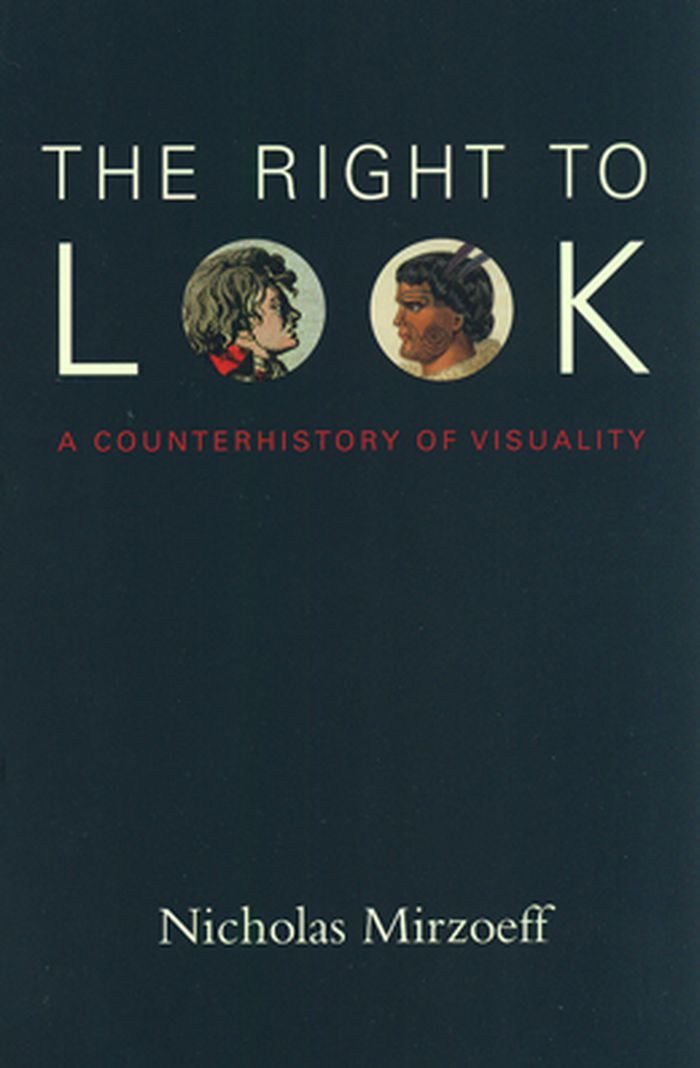
In The Right to Look, Nicholas Mirzoeff develops a comparative decolonial framework for visual culture studies, the field that he helped to create and shape. Casting modernity as an ongoing contest between visuality and countervisuality, or "the right to look," he explains how visuality sutures authority to power and renders the association natural. An early-nineteenth-century concept, meaning the visualization of history, visuality has been central to the legitimization of Western hegemony. Mirzoeff identifies three "complexes of visuality"--plantation slavery, imperialism, and the present-day military-industrial complex--and explains how, within each, power is made to seem self-evident through techniques of classification, separation, and aestheticization. This publication is a work of geographic, temporal, and conceptual reach.
The right to look: a counterhistory of visuality
Actions:
Prix:
$31.95
(disponible sur commande)
Résumé:
In The Right to Look, Nicholas Mirzoeff develops a comparative decolonial framework for visual culture studies, the field that he helped to create and shape. Casting modernity as an ongoing contest between visuality and countervisuality, or "the right to look," he explains how visuality sutures authority to power and renders the association natural. An early-nineteenth-century concept, meaning the visualization of history, visuality has been central to the legitimization of Western hegemony. Mirzoeff identifies three "complexes of visuality"--plantation slavery, imperialism, and the present-day military-industrial complex--and explains how, within each, power is made to seem self-evident through techniques of classification, separation, and aestheticization. This publication is a work of geographic, temporal, and conceptual reach.
Classification:
livres
livres
Publication:
novembre 2011
novembre 2011
Sujet:
Théorie/ philosophie
Théorie/ philosophie
Classification:
périodiques
périodiques
Actions:
Prix:
$29.99
(disponible sur commande)
Résumé:
Conditions is a new Scandinavian magazine focusing on the conditions of architecture and Urbanism. Presenting new perspectives, in the way of conceiving and analyzing designs, works and theory for architecture. In pre-modern epochs, renewal of practice was always initiated by looking backwards, as a return to the fundamentals. The cult of the new/young first came(...)
$29.99
(disponible sur commande)
Résumé:
Conditions is a new Scandinavian magazine focusing on the conditions of architecture and Urbanism. Presenting new perspectives, in the way of conceiving and analyzing designs, works and theory for architecture. In pre-modern epochs, renewal of practice was always initiated by looking backwards, as a return to the fundamentals. The cult of the new/young first came(...)
Titre:
Conditions 9: New knowledge, new practices?
Actions:
Prix:
$29.99
(disponible sur commande)
Résumé:
Conditions is a new Scandinavian magazine focusing on the conditions of architecture and Urbanism. Presenting new perspectives, in the way of conceiving and analyzing designs, works and theory for architecture. In pre-modern epochs, renewal of practice was always initiated by looking backwards, as a return to the fundamentals. The cult of the new/young first came with modernity. Are young offices still obsessed with the ideas of idols, former employers and teachers? Or are young practices in architecture today considered to be especially innovative? Are they generating new knowledge or just recycling winning formulas? If truly innovative new practices still exist, from what fields of knowledge do they get their input?
Conditions 9: New knowledge, new practices?
Actions:
Prix:
$29.99
(disponible sur commande)
Résumé:
Conditions is a new Scandinavian magazine focusing on the conditions of architecture and Urbanism. Presenting new perspectives, in the way of conceiving and analyzing designs, works and theory for architecture. In pre-modern epochs, renewal of practice was always initiated by looking backwards, as a return to the fundamentals. The cult of the new/young first came with modernity. Are young offices still obsessed with the ideas of idols, former employers and teachers? Or are young practices in architecture today considered to be especially innovative? Are they generating new knowledge or just recycling winning formulas? If truly innovative new practices still exist, from what fields of knowledge do they get their input?
Classification:
périodiques
périodiques
Publication:
janvier 2012
janvier 2012
Classification:
livres
livres
Titre:
Metropolis Berlin: 1880-1940
Metropolis Berlin: 1880-1940
Actions:
Prix:
$90.00
(disponible sur commande)
Résumé:
Metropolis Berlin: 1880-1940 reconstitutes the built environment of Berlin during the period of its classical modernity using over two hundred contemporary texts, virtually all of which are published in English translation for the first time. They are from the pens of those who created Berlin as one of the world's great cities and those who observed this process:(...)
$90.00
(disponible sur commande)
Résumé:
Metropolis Berlin: 1880-1940 reconstitutes the built environment of Berlin during the period of its classical modernity using over two hundred contemporary texts, virtually all of which are published in English translation for the first time. They are from the pens of those who created Berlin as one of the world's great cities and those who observed this process:(...)
Titre:
Metropolis Berlin: 1880-1940
Actions:
Prix:
$90.00
(disponible sur commande)
Résumé:
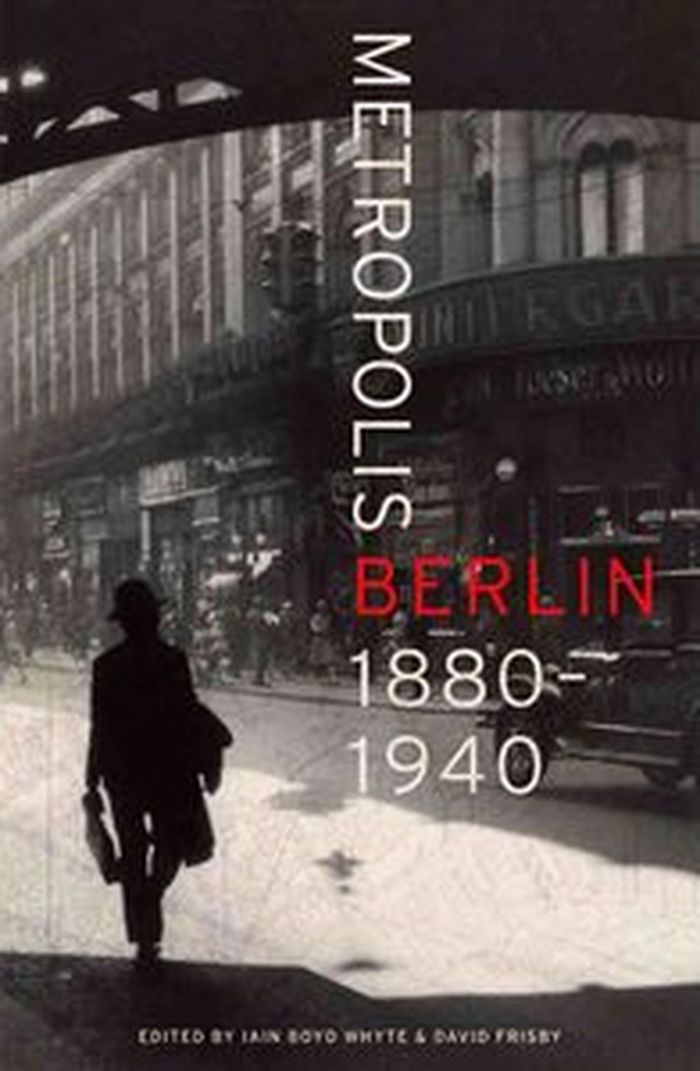
Metropolis Berlin: 1880-1940 reconstitutes the built environment of Berlin during the period of its classical modernity using over two hundred contemporary texts, virtually all of which are published in English translation for the first time. They are from the pens of those who created Berlin as one of the world's great cities and those who observed this process: architects, city planners, sociologists, political theorists, historians, cultural critics, novelists, essayists, and journalists. Divided into nineteen sections, each prefaced by an introductory essay, the account unfolds chronologically, with the particular structural concerns of the moment addressed in sequence--be they department stores in 1900, housing in the 1920s, or parade grounds in 1940.
Metropolis Berlin: 1880-1940
Actions:
Prix:
$90.00
(disponible sur commande)
Résumé:
Metropolis Berlin: 1880-1940 reconstitutes the built environment of Berlin during the period of its classical modernity using over two hundred contemporary texts, virtually all of which are published in English translation for the first time. They are from the pens of those who created Berlin as one of the world's great cities and those who observed this process: architects, city planners, sociologists, political theorists, historians, cultural critics, novelists, essayists, and journalists. Divided into nineteen sections, each prefaced by an introductory essay, the account unfolds chronologically, with the particular structural concerns of the moment addressed in sequence--be they department stores in 1900, housing in the 1920s, or parade grounds in 1940.
Classification:
livres
livres
Publication:
mai 2012
mai 2012
Sujet:
Théorie de l’urbanisme
Théorie de l’urbanisme
Classification:
livres
livres
Prix:
$89.00
(disponible sur commande)
Résumé:
By examining notions of what was extraordinary, re-evaluating medieval ideas of authorship, and restoring economic considerations to the debate, Binski sets English visual art of the early 14th century in a broad European context and also within the aesthetic discourses of the medieval period. The author, stressing the continuum between art and architecture, challenges(...)
$89.00
(disponible sur commande)
Résumé:
By examining notions of what was extraordinary, re-evaluating medieval ideas of authorship, and restoring economic considerations to the debate, Binski sets English visual art of the early 14th century in a broad European context and also within the aesthetic discourses of the medieval period. The author, stressing the continuum between art and architecture, challenges(...)
Titre:
Gothic wonder: art, artifice, and the decorated style, 1290–1350
Actions:
Prix:
$89.00
(disponible sur commande)
Résumé:
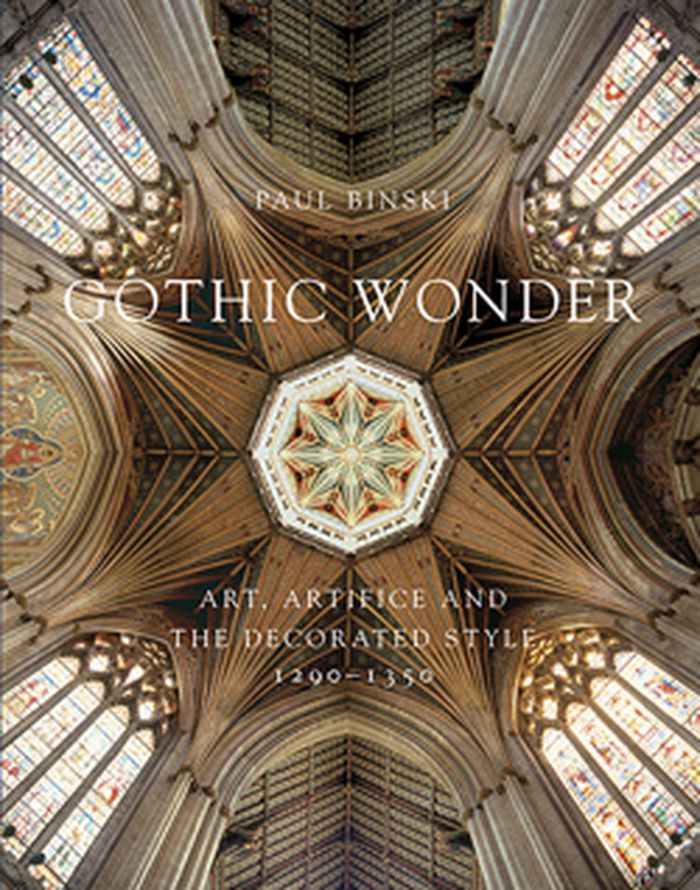
By examining notions of what was extraordinary, re-evaluating medieval ideas of authorship, and restoring economic considerations to the debate, Binski sets English visual art of the early 14th century in a broad European context and also within the aesthetic discourses of the medieval period. The author, stressing the continuum between art and architecture, challenges understandings about agency, modernity, hierarchy, and marginality. His book makes a powerful case for the restoration of the category of the aesthetic to the understanding of medieval art. Gothic Wonder traces the impact of English art in Continental Europe, ending with the Black Death and the literary uses of the architectural in works by Geoffrey Chaucer and other writers.
Gothic wonder: art, artifice, and the decorated style, 1290–1350
Actions:
Prix:
$89.00
(disponible sur commande)
Résumé:
By examining notions of what was extraordinary, re-evaluating medieval ideas of authorship, and restoring economic considerations to the debate, Binski sets English visual art of the early 14th century in a broad European context and also within the aesthetic discourses of the medieval period. The author, stressing the continuum between art and architecture, challenges understandings about agency, modernity, hierarchy, and marginality. His book makes a powerful case for the restoration of the category of the aesthetic to the understanding of medieval art. Gothic Wonder traces the impact of English art in Continental Europe, ending with the Black Death and the literary uses of the architectural in works by Geoffrey Chaucer and other writers.
Classification:
livres
livres
Publication:
décembre 2014
décembre 2014
Classification:
livres
livres
Actions:
Prix:
$49.95
(disponible sur commande)
Résumé:
Through a series of comprehensive contextual essays The Beaver Hall Group: 1920s Modernism in Montreal interweaves the work of this pioneering artistic collective within a broader narrative of the arts in the first half of the twentieth century. Exploring the groups’ greater role in the modernity of Canada—and more specifically the cultural context of Montreal—the book(...)
$49.95
(disponible sur commande)
Résumé:
Through a series of comprehensive contextual essays The Beaver Hall Group: 1920s Modernism in Montreal interweaves the work of this pioneering artistic collective within a broader narrative of the arts in the first half of the twentieth century. Exploring the groups’ greater role in the modernity of Canada—and more specifically the cultural context of Montreal—the book(...)
Titre:
The Beaver Hall Group: 1920s modernism in Montreal
Actions:
Prix:
$49.95
(disponible sur commande)
Résumé:
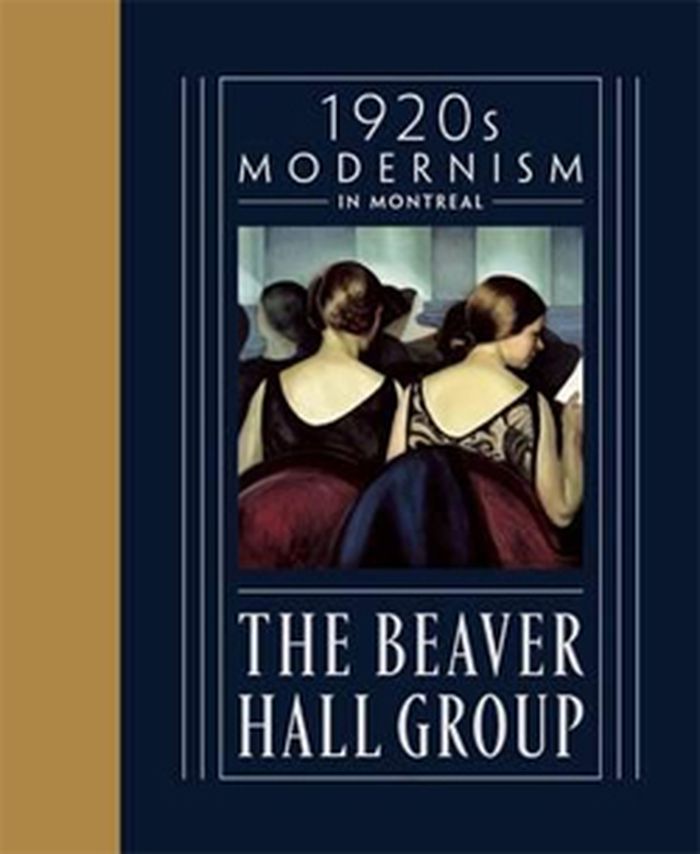
Through a series of comprehensive contextual essays The Beaver Hall Group: 1920s Modernism in Montreal interweaves the work of this pioneering artistic collective within a broader narrative of the arts in the first half of the twentieth century. Exploring the groups’ greater role in the modernity of Canada—and more specifically the cultural context of Montreal—the book takes on core themes such as the rise of the metropolis, juxtapositions between economic progress and cultural development, and the impact of gender on critical approaches to both artists and their work. The Beaver Hall Group: 1920s Modernism in Montreal sits alongside a major exhibition and is published in partnership with the Montreal Museum of Fine Art.
The Beaver Hall Group: 1920s modernism in Montreal
Actions:
Prix:
$49.95
(disponible sur commande)
Résumé:
Through a series of comprehensive contextual essays The Beaver Hall Group: 1920s Modernism in Montreal interweaves the work of this pioneering artistic collective within a broader narrative of the arts in the first half of the twentieth century. Exploring the groups’ greater role in the modernity of Canada—and more specifically the cultural context of Montreal—the book takes on core themes such as the rise of the metropolis, juxtapositions between economic progress and cultural development, and the impact of gender on critical approaches to both artists and their work. The Beaver Hall Group: 1920s Modernism in Montreal sits alongside a major exhibition and is published in partnership with the Montreal Museum of Fine Art.
Classification:
livres
livres
Publication:
novembre 2015
novembre 2015
Sujet:
Art canadien
Art canadien
Classification:
livres
livres
Actions:
Prix:
$25.00
(disponible sur commande)
Résumé:
Monogamy has played a central role in modernity, shaping our concepts of love, relationships, and family. In ''Monogamous Mind, Polyamorous Terror'', Spanish writer Brigitte Vasallo explores how mechanisms of love are deeply rooted in societal and individual norms, rather than being freely chosen. Originally published in Spanish and now a global bestseller, this(...)
$25.00
(disponible sur commande)
Résumé:
Monogamy has played a central role in modernity, shaping our concepts of love, relationships, and family. In ''Monogamous Mind, Polyamorous Terror'', Spanish writer Brigitte Vasallo explores how mechanisms of love are deeply rooted in societal and individual norms, rather than being freely chosen. Originally published in Spanish and now a global bestseller, this(...)
Titre:
Monogamous mind, Polyamorous terror
Actions:
Prix:
$25.00
(disponible sur commande)
Résumé:
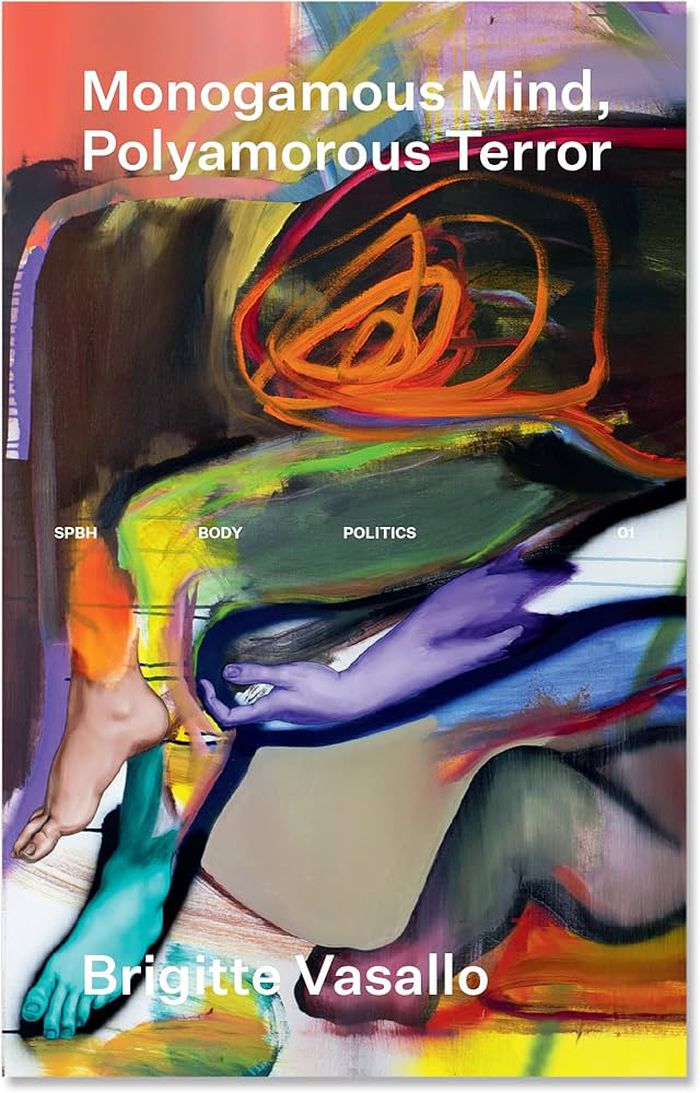
Monogamy has played a central role in modernity, shaping our concepts of love, relationships, and family. In ''Monogamous Mind, Polyamorous Terror'', Spanish writer Brigitte Vasallo explores how mechanisms of love are deeply rooted in societal and individual norms, rather than being freely chosen. Originally published in Spanish and now a global bestseller, this groundbreaking text reveals how the notions of state, nation, and identity – founded on codes of exclusivity, possession, and hierarchy – are intertwined with monogamy. Drawing on extensive historical research through the lens of social and affective organisation, Vasallo challenges one of the most entrenched pillars of Western society. She unveils the potential for a radical transformation in our relationships – whether erotic, familial, or communal – pointing towards a new, inclusive approach for a different world.
Monogamous mind, Polyamorous terror
Actions:
Prix:
$25.00
(disponible sur commande)
Résumé:
Monogamy has played a central role in modernity, shaping our concepts of love, relationships, and family. In ''Monogamous Mind, Polyamorous Terror'', Spanish writer Brigitte Vasallo explores how mechanisms of love are deeply rooted in societal and individual norms, rather than being freely chosen. Originally published in Spanish and now a global bestseller, this groundbreaking text reveals how the notions of state, nation, and identity – founded on codes of exclusivity, possession, and hierarchy – are intertwined with monogamy. Drawing on extensive historical research through the lens of social and affective organisation, Vasallo challenges one of the most entrenched pillars of Western society. She unveils the potential for a radical transformation in our relationships – whether erotic, familial, or communal – pointing towards a new, inclusive approach for a different world.
Classification:
livres
livres
Publication:
novembre 2024
novembre 2024
Sujet:
Théorie/ philosophie
Théorie/ philosophie
Classification:
livres
livres
Titre:
The rational factory : architecture, technology, and work in America's age of mass production
The rational factory : architecture, technology, and work in America's age of mass production
Actions:
Prix:
$31.50
(disponible sur commande)
Résumé:
Searching for a "rational" workplace, turn-of-the-century engineers and industrial architects recast the factory itself in the image of the machine. Indeed, they considered the factory building the "master machine," containing and coordinating all of the machinery within. Such rational factory planning improved production speed and the management of workers. Once(...)
$31.50
(disponible sur commande)
Résumé:
Searching for a "rational" workplace, turn-of-the-century engineers and industrial architects recast the factory itself in the image of the machine. Indeed, they considered the factory building the "master machine," containing and coordinating all of the machinery within. Such rational factory planning improved production speed and the management of workers. Once(...)
Titre:
The rational factory : architecture, technology, and work in America's age of mass production
Actions:
Prix:
$31.50
(disponible sur commande)
Résumé:
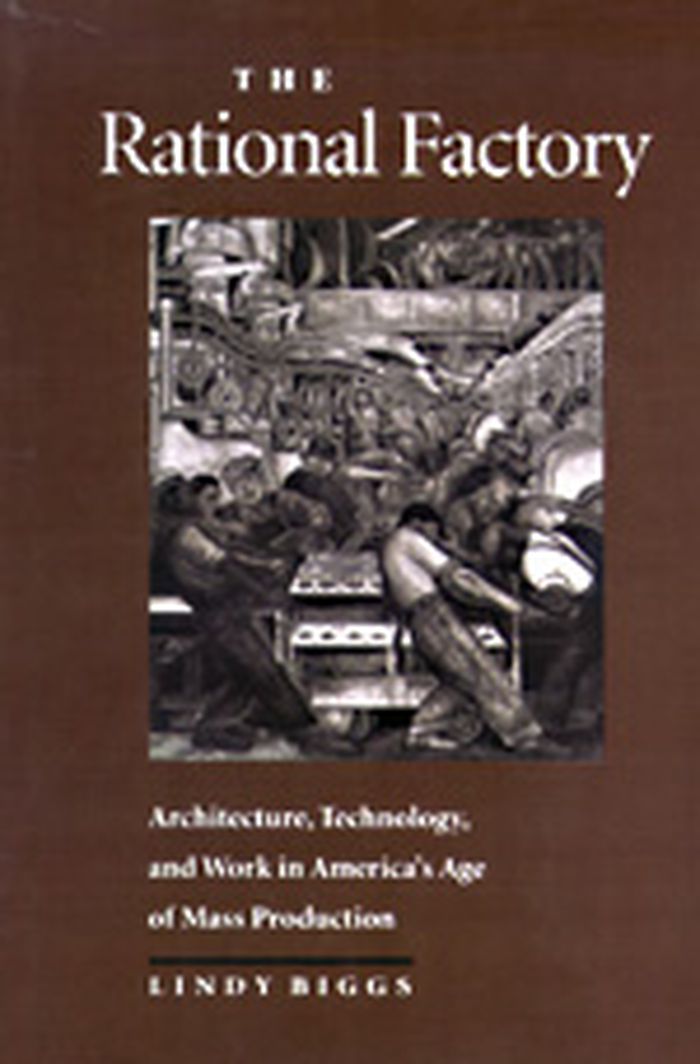
Searching for a "rational" workplace, turn-of-the-century engineers and industrial architects recast the factory itself in the image of the machine. Indeed, they considered the factory building the "master machine," containing and coordinating all of the machinery within. Such rational factory planning improved production speed and the management of workers. Once created, the rational factory transformed the nature of work, both human and mechanical. In "The rational factory", Lindy Biggs contends that factory design played a crucial role in the development of American mass production. Her interdisciplinary study draws from the fields of business history, engineering, technology, architecture, and theories of modernity. Why did some people want to rationalize the factory, she asks, and how did the system impact those who worked under it?
The rational factory : architecture, technology, and work in America's age of mass production
Actions:
Prix:
$31.50
(disponible sur commande)
Résumé:
Searching for a "rational" workplace, turn-of-the-century engineers and industrial architects recast the factory itself in the image of the machine. Indeed, they considered the factory building the "master machine," containing and coordinating all of the machinery within. Such rational factory planning improved production speed and the management of workers. Once created, the rational factory transformed the nature of work, both human and mechanical. In "The rational factory", Lindy Biggs contends that factory design played a crucial role in the development of American mass production. Her interdisciplinary study draws from the fields of business history, engineering, technology, architecture, and theories of modernity. Why did some people want to rationalize the factory, she asks, and how did the system impact those who worked under it?
Classification:
livres
livres
Publication:
mars 2003, Baltimore / London
mars 2003, Baltimore / London
Sujet:
Structures d’ingénierie
Structures d’ingénierie
Classification:
livres
livres
Actions:
Prix:
$55.95
(disponible en magasin)
Résumé:
Walter Benjamin's "Arcades project" suggests that space can become a storyteller: if so, plenty of fleeting stories can be read in the space of modernity, where repetition and the unexpected cross-pollinate. In "Space as storyteller", Laura Chiesa explores several stories across a wide range of time that narrate spatial jumps, from Benjamin's tangential take on the(...)
$55.95
(disponible en magasin)
Résumé:
Walter Benjamin's "Arcades project" suggests that space can become a storyteller: if so, plenty of fleeting stories can be read in the space of modernity, where repetition and the unexpected cross-pollinate. In "Space as storyteller", Laura Chiesa explores several stories across a wide range of time that narrate spatial jumps, from Benjamin's tangential take on the(...)
Titre:
Space as storyteller: spatial jumps in architecture, critical theory, and literature
Actions:
Prix:
$55.95
(disponible en magasin)
Résumé:
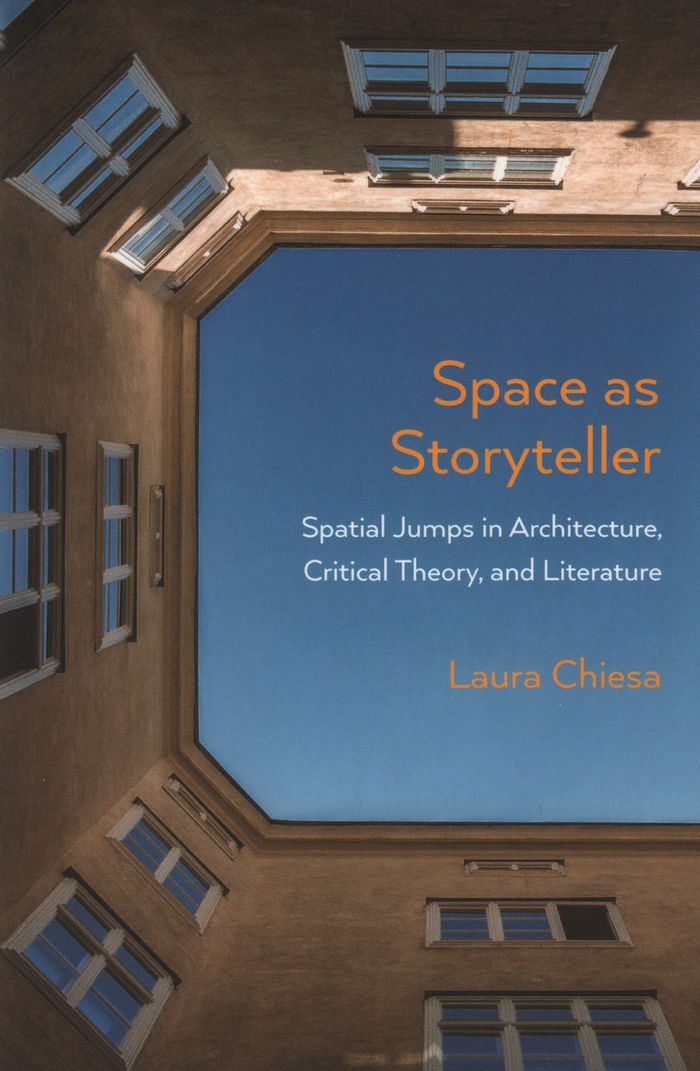
Walter Benjamin's "Arcades project" suggests that space can become a storyteller: if so, plenty of fleeting stories can be read in the space of modernity, where repetition and the unexpected cross-pollinate. In "Space as storyteller", Laura Chiesa explores several stories across a wide range of time that narrate spatial jumps, from Benjamin's tangential take on the cityscape, the experimentalism of Futurist theatricality, the multiple and potential atlases narrated by Italo Calvino and Georges Perec, and the posturban thought and practice of Bernard Tschumi and Rem Koolhaas/OMA. Space as Storyteller diverts attention from isolated disciplines and historical or geographical contexts toward transdisciplinary encounters that mobilize the potential to invent new spaces of comparison, a potential the author describes as "architecturability."
Space as storyteller: spatial jumps in architecture, critical theory, and literature
Actions:
Prix:
$55.95
(disponible en magasin)
Résumé:
Walter Benjamin's "Arcades project" suggests that space can become a storyteller: if so, plenty of fleeting stories can be read in the space of modernity, where repetition and the unexpected cross-pollinate. In "Space as storyteller", Laura Chiesa explores several stories across a wide range of time that narrate spatial jumps, from Benjamin's tangential take on the cityscape, the experimentalism of Futurist theatricality, the multiple and potential atlases narrated by Italo Calvino and Georges Perec, and the posturban thought and practice of Bernard Tschumi and Rem Koolhaas/OMA. Space as Storyteller diverts attention from isolated disciplines and historical or geographical contexts toward transdisciplinary encounters that mobilize the potential to invent new spaces of comparison, a potential the author describes as "architecturability."
Classification:
livres
livres
Publication:
juillet 2016
juillet 2016
Sujet:
Théorie de l’architecture
Théorie de l’architecture
Classification:
livres
livres
Prix:
$58.00
(disponible sur commande)
Résumé:
Between 1949 and 1989, remarkable buildings of late modernity were constructed in the coastal city of Kuwait. Within these four decades, the city state on the Arabian Gulf was comprehensively restructured and practically redesigned. Following a first volume with 150 carefully selected exemplary buildings, this second volume features interviews, essays and arguments, as(...)
$58.00
(disponible sur commande)
Résumé:
Between 1949 and 1989, remarkable buildings of late modernity were constructed in the coastal city of Kuwait. Within these four decades, the city state on the Arabian Gulf was comprehensively restructured and practically redesigned. Following a first volume with 150 carefully selected exemplary buildings, this second volume features interviews, essays and arguments, as(...)
Publication:
décembre 2017
décembre 2017
Titre:
Modern architecture Kuwait: essays, arguments, interviews
Actions:
Prix:
$58.00
(disponible sur commande)
Résumé:
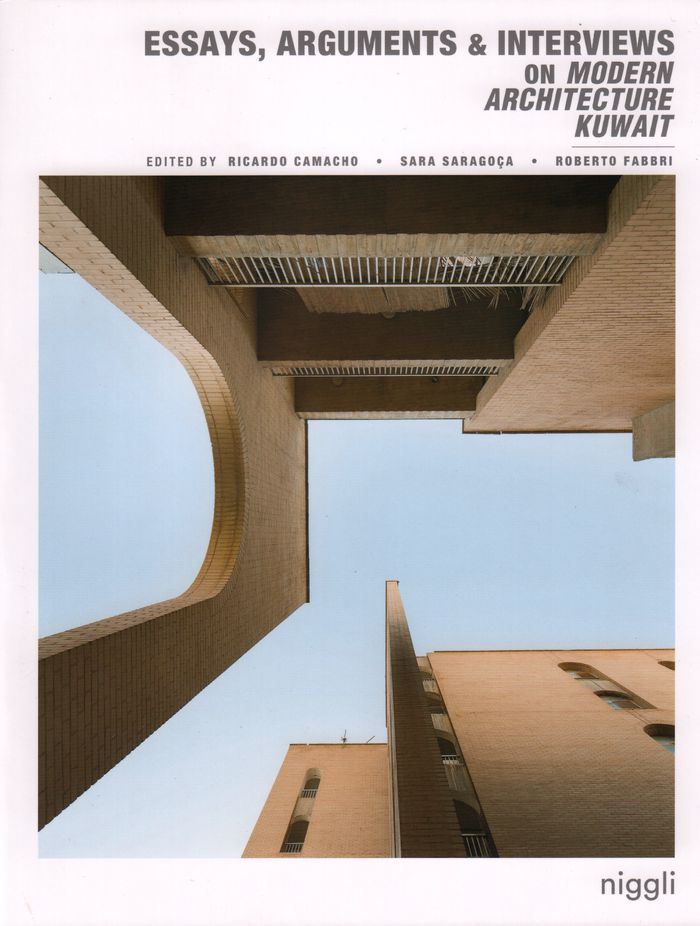
Between 1949 and 1989, remarkable buildings of late modernity were constructed in the coastal city of Kuwait. Within these four decades, the city state on the Arabian Gulf was comprehensively restructured and practically redesigned. Following a first volume with 150 carefully selected exemplary buildings, this second volume features interviews, essays and arguments, as well as transcripts of contemporary publications of these years. The texts by local and international scholars focus on questions regarding the significance and function of the buildings along with the role of individual and corporate protagonists that influenced, defined and created this highly dynamic restructuring process. Furthermore, all aspects are integrated into a wider regional and international context. The contributions are complemented by an array of photographic, layout, and archive materials.
Modern architecture Kuwait: essays, arguments, interviews
Actions:
Prix:
$58.00
(disponible sur commande)
Résumé:
Between 1949 and 1989, remarkable buildings of late modernity were constructed in the coastal city of Kuwait. Within these four decades, the city state on the Arabian Gulf was comprehensively restructured and practically redesigned. Following a first volume with 150 carefully selected exemplary buildings, this second volume features interviews, essays and arguments, as well as transcripts of contemporary publications of these years. The texts by local and international scholars focus on questions regarding the significance and function of the buildings along with the role of individual and corporate protagonists that influenced, defined and created this highly dynamic restructuring process. Furthermore, all aspects are integrated into a wider regional and international context. The contributions are complemented by an array of photographic, layout, and archive materials.
Classification:
livres
livres
Publication:
décembre 2017
décembre 2017


