


1559 Résultats
Classification:
livres
livres
Prix:
$88.00
(disponible sur commande)
Résumé:
Gio Ponti - architect, designer, art director, writer, poet, professor, and critic - was one of the most renowned protagonists of Italian architecture and design in the 20th century. Forty years after his death, the Museo nazionale delle arti del XXI secolo (MAXXI) in Rome is dedicating a major retrospective to this exceptional figure. Beginning with his architecture,(...)
$88.00
(disponible sur commande)
Résumé:
Gio Ponti - architect, designer, art director, writer, poet, professor, and critic - was one of the most renowned protagonists of Italian architecture and design in the 20th century. Forty years after his death, the Museo nazionale delle arti del XXI secolo (MAXXI) in Rome is dedicating a major retrospective to this exceptional figure. Beginning with his architecture,(...)
Sujet:
Architecture, monographies
Architecture, monographies
Publication:
février 2020
février 2020
Titre:
Gio Ponti: Loving architecture / Amare l'architettura
Actions:
Prix:
$88.00
(disponible sur commande)
Résumé:
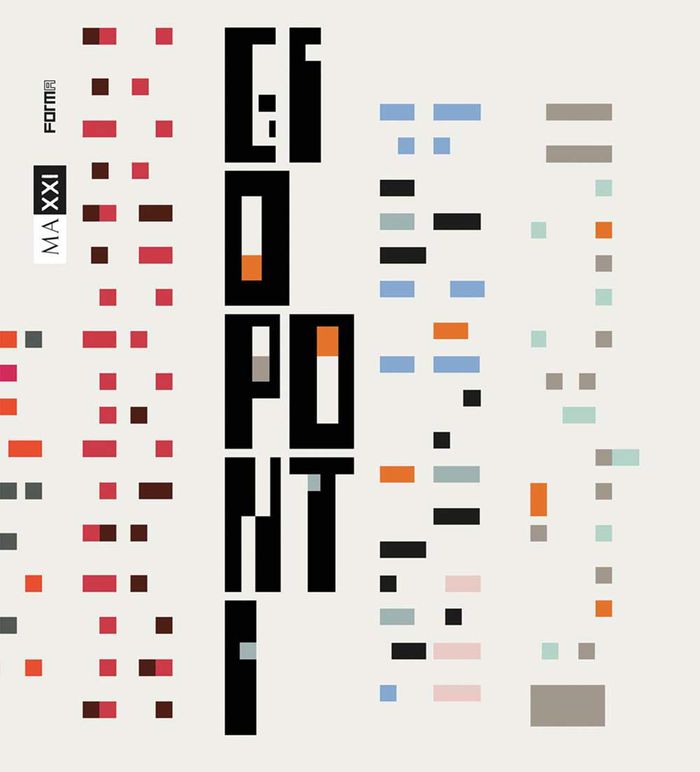
Gio Ponti - architect, designer, art director, writer, poet, professor, and critic - was one of the most renowned protagonists of Italian architecture and design in the 20th century. Forty years after his death, the Museo nazionale delle arti del XXI secolo (MAXXI) in Rome is dedicating a major retrospective to this exceptional figure. Beginning with his architecture, which can be charaterised as a unique and original synthesis of tradition and modernity, history and design, elite culture and everyday life, the show explores his many-faceted talent, selecting projects that concretely illustrate the key concepts found throughout his architecture and design work. Included here are archival materials, models, photographs, books, magazines and objects which illustrate the many achievements of his six decade career.
Gio Ponti: Loving architecture / Amare l'architettura
Actions:
Prix:
$88.00
(disponible sur commande)
Résumé:
Gio Ponti - architect, designer, art director, writer, poet, professor, and critic - was one of the most renowned protagonists of Italian architecture and design in the 20th century. Forty years after his death, the Museo nazionale delle arti del XXI secolo (MAXXI) in Rome is dedicating a major retrospective to this exceptional figure. Beginning with his architecture, which can be charaterised as a unique and original synthesis of tradition and modernity, history and design, elite culture and everyday life, the show explores his many-faceted talent, selecting projects that concretely illustrate the key concepts found throughout his architecture and design work. Included here are archival materials, models, photographs, books, magazines and objects which illustrate the many achievements of his six decade career.
Classification:
livres
livres
Publication:
février 2020
février 2020
Sujet:
Architecture, monographies
Architecture, monographies
Classification:
livres
livres
Actions:
Prix:
$68.95
(disponible sur commande)
Résumé:
The aesthetic of architect Hector Guimard (1867–1942) has long characterized French Art Nouveau in the popular imagination. This groundbreaking book showcases all aspects of his artistry and recognizes the fundamental modernity of his work. Known for, among other things, the decorative entrances to the Paris Métro and the associated lettering, he often looked to nature(...)
$68.95
(disponible sur commande)
Résumé:
The aesthetic of architect Hector Guimard (1867–1942) has long characterized French Art Nouveau in the popular imagination. This groundbreaking book showcases all aspects of his artistry and recognizes the fundamental modernity of his work. Known for, among other things, the decorative entrances to the Paris Métro and the associated lettering, he often looked to nature(...)
Titre:
Hector Guimard: Art Nouveau to modernism
Actions:
Prix:
$68.95
(disponible sur commande)
Résumé:
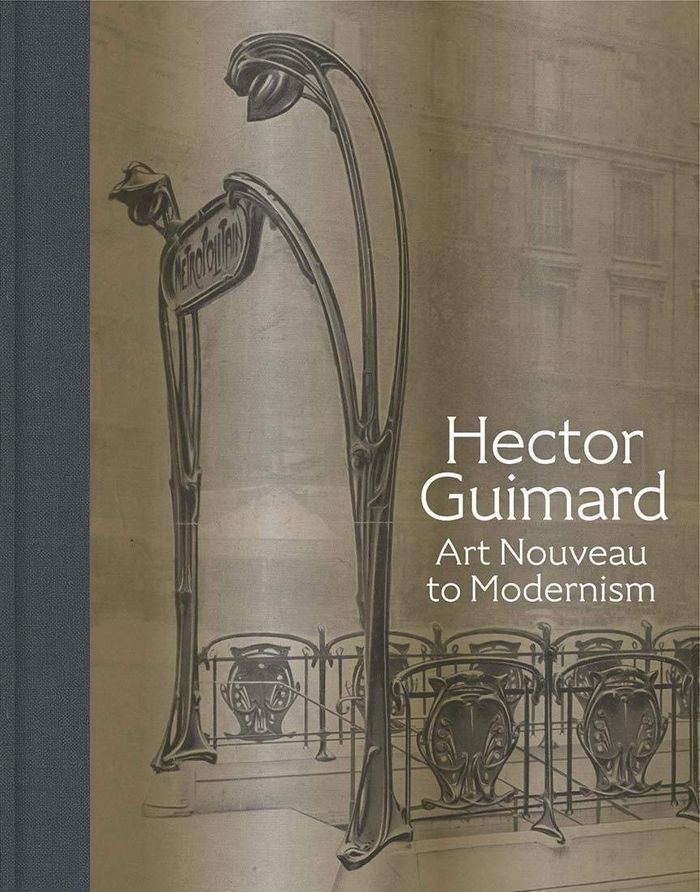
The aesthetic of architect Hector Guimard (1867–1942) has long characterized French Art Nouveau in the popular imagination. This groundbreaking book showcases all aspects of his artistry and recognizes the fundamental modernity of his work. Known for, among other things, the decorative entrances to the Paris Métro and the associated lettering, he often looked to nature for inspiration, and combined materials such as stone and cast iron in unique ways to create designs composed of curves and waves that evoked movement. Guimard broke away from his classical Beaux-Arts training to advocate a modern, abstract style; he also pioneered the use of standardized models for his design objects and experimented with prefabricated designs in his social housing commissions, advancing the technology of the time.
Hector Guimard: Art Nouveau to modernism
Actions:
Prix:
$68.95
(disponible sur commande)
Résumé:
The aesthetic of architect Hector Guimard (1867–1942) has long characterized French Art Nouveau in the popular imagination. This groundbreaking book showcases all aspects of his artistry and recognizes the fundamental modernity of his work. Known for, among other things, the decorative entrances to the Paris Métro and the associated lettering, he often looked to nature for inspiration, and combined materials such as stone and cast iron in unique ways to create designs composed of curves and waves that evoked movement. Guimard broke away from his classical Beaux-Arts training to advocate a modern, abstract style; he also pioneered the use of standardized models for his design objects and experimented with prefabricated designs in his social housing commissions, advancing the technology of the time.
Classification:
livres
livres
Publication:
mai 2021
mai 2021
Sujet:
Architecture, monographies
Architecture, monographies
Classification:
livres
livres
Actions:
Prix:
$47.95
(disponible sur commande)
Résumé:
This book is about the everyday life of memorials. It explores their relationship to the pulses of daily life, their meaning within a quotidian context, and their place within the development of modern cities. Through Andrew Shanken’s close historical readings of memorials, both well-known and obscure, two distinct strands of scholarship are thus brought together: the(...)
$47.95
(disponible sur commande)
Résumé:
This book is about the everyday life of memorials. It explores their relationship to the pulses of daily life, their meaning within a quotidian context, and their place within the development of modern cities. Through Andrew Shanken’s close historical readings of memorials, both well-known and obscure, two distinct strands of scholarship are thus brought together: the(...)
Titre:
The everyday life of memorials
Actions:
Prix:
$47.95
(disponible sur commande)
Résumé:
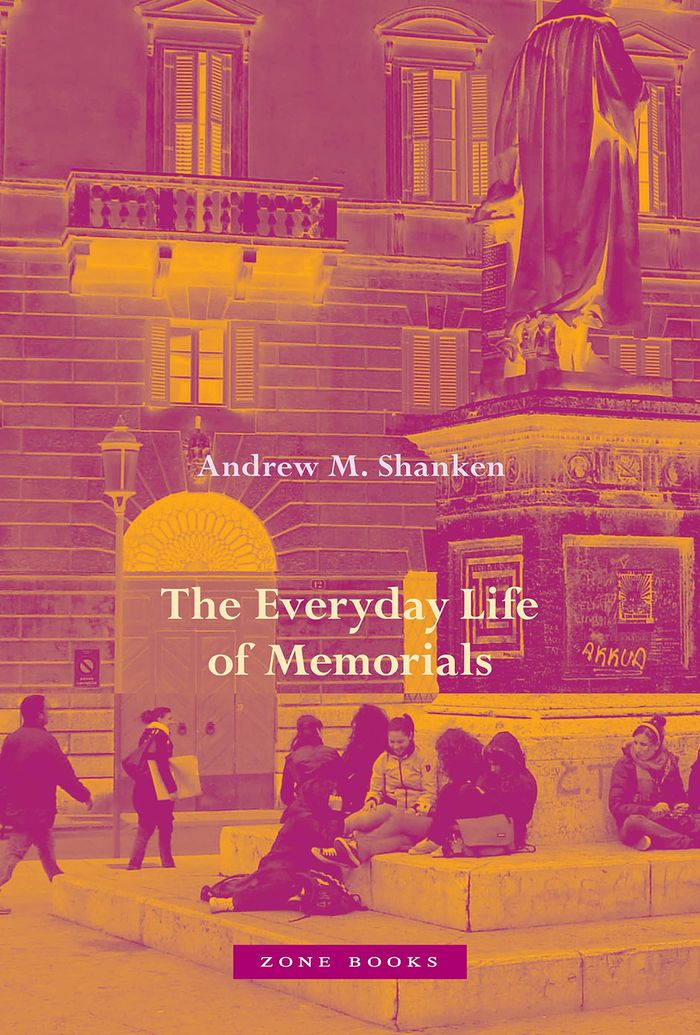
This book is about the everyday life of memorials. It explores their relationship to the pulses of daily life, their meaning within a quotidian context, and their place within the development of modern cities. Through Andrew Shanken’s close historical readings of memorials, both well-known and obscure, two distinct strands of scholarship are thus brought together: the study of the everyday and memory studies. This book explores how memorials end up where they are, grow invisible, fight with traffic, get moved, are assembled into memorial zones, and are drawn anew into commemorations and political maelstroms that their original sponsors never could have imagined. Finally, exploring how people behave at memorials and what memorials ask of people reveals just how strange the commemorative infrastructure of modernity is.
The everyday life of memorials
Actions:
Prix:
$47.95
(disponible sur commande)
Résumé:
This book is about the everyday life of memorials. It explores their relationship to the pulses of daily life, their meaning within a quotidian context, and their place within the development of modern cities. Through Andrew Shanken’s close historical readings of memorials, both well-known and obscure, two distinct strands of scholarship are thus brought together: the study of the everyday and memory studies. This book explores how memorials end up where they are, grow invisible, fight with traffic, get moved, are assembled into memorial zones, and are drawn anew into commemorations and political maelstroms that their original sponsors never could have imagined. Finally, exploring how people behave at memorials and what memorials ask of people reveals just how strange the commemorative infrastructure of modernity is.
Classification:
livres
livres
Publication:
septembre 2022
septembre 2022
Sujet:
Théorie de l’architecture
Théorie de l’architecture
Classification:
livres
livres
Actions:
Prix:
$79.95
(disponible en magasin)
Résumé:
Over more than two decades of writing, Aaron Betsky has used his knowledge of architecture and urbanism to argue for the ways in which buildings, cities and landscapes help us understand where we are, where we have come from, and where we are going. He argues for modernist design as a way of making ourselves at home in the ever-changing world of modernity. In At Home(...)
$79.95
(disponible en magasin)
Résumé:
Over more than two decades of writing, Aaron Betsky has used his knowledge of architecture and urbanism to argue for the ways in which buildings, cities and landscapes help us understand where we are, where we have come from, and where we are going. He argues for modernist design as a way of making ourselves at home in the ever-changing world of modernity. In At Home(...)
Titre:
At home in sprawl: selected essays on architecture
Actions:
Prix:
$79.95
(disponible en magasin)
Résumé:
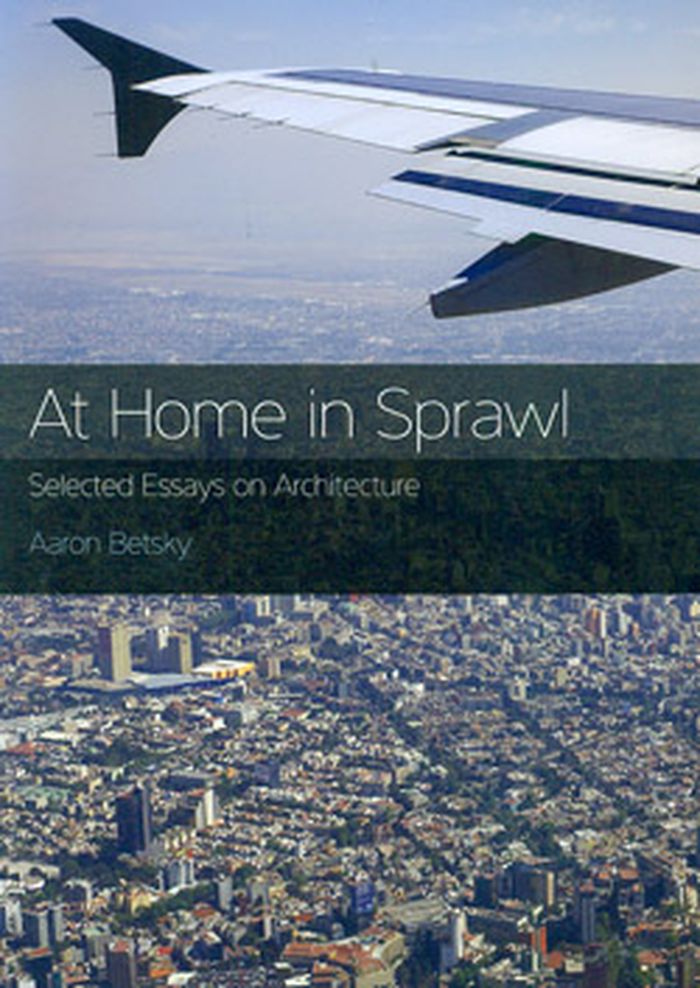
Over more than two decades of writing, Aaron Betsky has used his knowledge of architecture and urbanism to argue for the ways in which buildings, cities and landscapes help us understand where we are, where we have come from, and where we are going. He argues for modernist design as a way of making ourselves at home in the ever-changing world of modernity. In At Home in Sprawl, using such disparate examples as California and the Netherlands, he offers possible building blocks for better sprawl. He also believes that buildings are no longer enough to make us at home in the modern world, and that architects must look beyond such structures to landscapes, interiors, and imaginary structures to find appropriate and critical architecture.
At home in sprawl: selected essays on architecture
Actions:
Prix:
$79.95
(disponible en magasin)
Résumé:
Over more than two decades of writing, Aaron Betsky has used his knowledge of architecture and urbanism to argue for the ways in which buildings, cities and landscapes help us understand where we are, where we have come from, and where we are going. He argues for modernist design as a way of making ourselves at home in the ever-changing world of modernity. In At Home in Sprawl, using such disparate examples as California and the Netherlands, he offers possible building blocks for better sprawl. He also believes that buildings are no longer enough to make us at home in the modern world, and that architects must look beyond such structures to landscapes, interiors, and imaginary structures to find appropriate and critical architecture.
Classification:
livres
livres
Publication:
octobre 2012
octobre 2012
Sujet:
Théorie de l’urbanisme
Théorie de l’urbanisme
Classification:
livres
livres
Prix:
$58.50
(disponible en magasin)
Résumé:
This book examines the ways in which a historic, and so-called 'traditional' city quietly mutated into one that was modern in its own terms not only in form but also in its use and meaning. Through a study of Delhi, the author challenges some prevalent dichotomies and myths in architecture and urbanism and identifies an interpretation of modernism that expands upon(...)
$58.50
(disponible en magasin)
Résumé:
This book examines the ways in which a historic, and so-called 'traditional' city quietly mutated into one that was modern in its own terms not only in form but also in its use and meaning. Through a study of Delhi, the author challenges some prevalent dichotomies and myths in architecture and urbanism and identifies an interpretation of modernism that expands upon(...)
Publication:
avril 2005, London
avril 2005, London
Titre:
Indigenous modernities : negotiating architecture and urbanism
Actions:
Prix:
$58.50
(disponible en magasin)
Résumé:
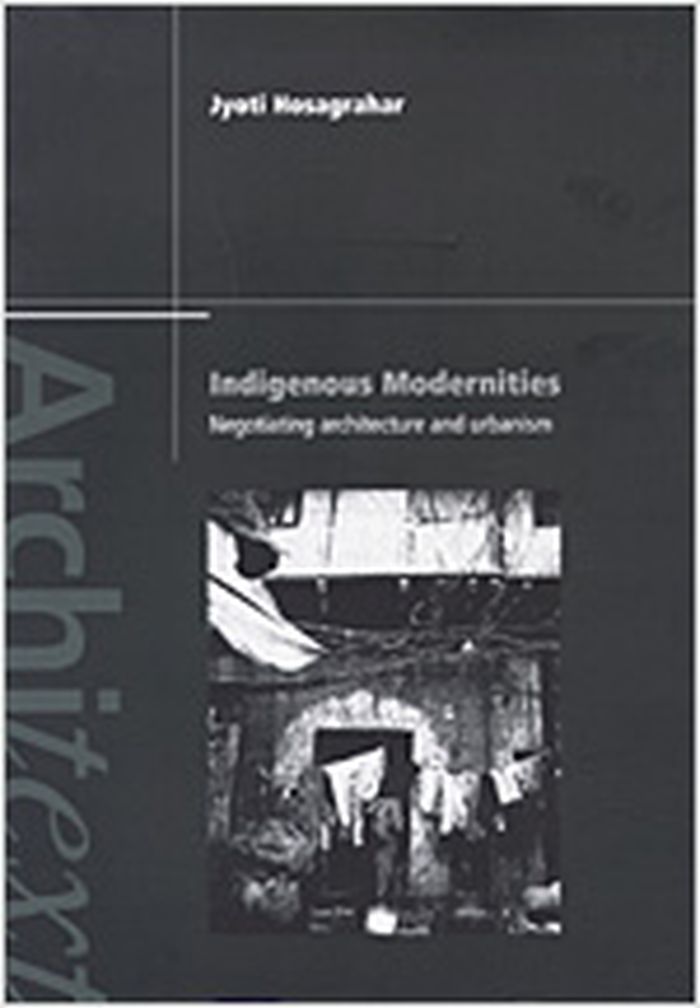
This book examines the ways in which a historic, and so-called 'traditional' city quietly mutated into one that was modern in its own terms not only in form but also in its use and meaning. Through a study of Delhi, the author challenges some prevalent dichotomies and myths in architecture and urbanism and identifies an interpretation of modernism that expands upon conventional understandings of it. Conventional discourse in the West defines modern as the antithesis of that which is 'not-modern' or is 'traditional.' Many scholars have debated the significance of the words and most agree that the very word 'tradition' was a modernist creation that variously implied backwardness, threatened by change, resistance to innovation. The first part of this book reflects on the transformations and discontinuities in built form and spatial culture and calls into question accepted notions of the static nature of what is normally referred to as 'traditional' and 'non-Western' architecture. The second part is a critical discussion of Delhi in the nineteenth and early twentieth centuries. It expands upon conventional understandings of modernity in a way that wrenches free the city's architecture and the society from the objectified realm of the exotic while also acknowledging cultural conditions of modernity and modern architecture outside the West. Stepping outside Western canons, this project looks at late nineteenth and early twentieth century architecture to include them in a conversation on architecture that has typically focused on Western Europe and North America. Finally, the author seeks out the 'indigenous modernities': the irregular, the uneven, and the unexpected in what uncritical observers might label a perfectly coherent 'traditional' built environment; or in the influence of local society and institutions on forms that appear modern by conventional standards in the West.
Indigenous modernities : negotiating architecture and urbanism
Actions:
Prix:
$58.50
(disponible en magasin)
Résumé:
This book examines the ways in which a historic, and so-called 'traditional' city quietly mutated into one that was modern in its own terms not only in form but also in its use and meaning. Through a study of Delhi, the author challenges some prevalent dichotomies and myths in architecture and urbanism and identifies an interpretation of modernism that expands upon conventional understandings of it. Conventional discourse in the West defines modern as the antithesis of that which is 'not-modern' or is 'traditional.' Many scholars have debated the significance of the words and most agree that the very word 'tradition' was a modernist creation that variously implied backwardness, threatened by change, resistance to innovation. The first part of this book reflects on the transformations and discontinuities in built form and spatial culture and calls into question accepted notions of the static nature of what is normally referred to as 'traditional' and 'non-Western' architecture. The second part is a critical discussion of Delhi in the nineteenth and early twentieth centuries. It expands upon conventional understandings of modernity in a way that wrenches free the city's architecture and the society from the objectified realm of the exotic while also acknowledging cultural conditions of modernity and modern architecture outside the West. Stepping outside Western canons, this project looks at late nineteenth and early twentieth century architecture to include them in a conversation on architecture that has typically focused on Western Europe and North America. Finally, the author seeks out the 'indigenous modernities': the irregular, the uneven, and the unexpected in what uncritical observers might label a perfectly coherent 'traditional' built environment; or in the influence of local society and institutions on forms that appear modern by conventional standards in the West.
Classification:
livres
livres
Publication:
avril 2005, London
avril 2005, London
Classification:
livres
livres
Actions:
Prix:
$62.50
(disponible sur commande)
Résumé:
Dalibor Vesely proposes an alternative to the narrow vision of contemporary architecture as a discipline that can be treated as an instrument or commodity. In doing so, he offers nothing less than an account of the ontological and cultural foundations of modern architecture and, consequently, of the nature and cultural role of architecture through history. Vesely's(...)
$62.50
(disponible sur commande)
Résumé:
Dalibor Vesely proposes an alternative to the narrow vision of contemporary architecture as a discipline that can be treated as an instrument or commodity. In doing so, he offers nothing less than an account of the ontological and cultural foundations of modern architecture and, consequently, of the nature and cultural role of architecture through history. Vesely's(...)
Titre:
Architecture in the age of divided representation : the question of creativity in the shadow of production
Actions:
Prix:
$62.50
(disponible sur commande)
Résumé:
Dalibor Vesely proposes an alternative to the narrow vision of contemporary architecture as a discipline that can be treated as an instrument or commodity. In doing so, he offers nothing less than an account of the ontological and cultural foundations of modern architecture and, consequently, of the nature and cultural role of architecture through history. Vesely's argument, structured as a critical dialogue, discovers the first plausible anticipation of modernity in the formation of Renaissance perspective. Understanding this notion of perspective against the background of the medieval philosophy of light, he argues, leads to an understanding of architectural space as formed by typical human situations and by light before it is structured geometrically. The central part of the book addresses the question of divided representation - the tension between the instrumental and the communicative roles of architecture - in the period of the baroque, when architectural thinking was seriously challenged by the emergence of modern science. Vesely argues that to resolve the dilemma of modernity - reconciling the inventions and achievements of modern technology with the human condition and the natural world - we can turn to architecture and its latent capacity to reconcile different levels of reality, its ability to relate abstract ideas and conceptual structures to the concrete situations of everyday life. Vesely sees the restoration of this communicative role of architecture as the key to the restoration of architecture as the topological and corporeal foundation of culture; what the book is to our literacy, he argues, architecture is to culture as a whole. He concludes by proposing a new poetics of architecture that will serve as a framework for the restoration of the humanistic role of architecture in the age of technology.
Architecture in the age of divided representation : the question of creativity in the shadow of production
Actions:
Prix:
$62.50
(disponible sur commande)
Résumé:
Dalibor Vesely proposes an alternative to the narrow vision of contemporary architecture as a discipline that can be treated as an instrument or commodity. In doing so, he offers nothing less than an account of the ontological and cultural foundations of modern architecture and, consequently, of the nature and cultural role of architecture through history. Vesely's argument, structured as a critical dialogue, discovers the first plausible anticipation of modernity in the formation of Renaissance perspective. Understanding this notion of perspective against the background of the medieval philosophy of light, he argues, leads to an understanding of architectural space as formed by typical human situations and by light before it is structured geometrically. The central part of the book addresses the question of divided representation - the tension between the instrumental and the communicative roles of architecture - in the period of the baroque, when architectural thinking was seriously challenged by the emergence of modern science. Vesely argues that to resolve the dilemma of modernity - reconciling the inventions and achievements of modern technology with the human condition and the natural world - we can turn to architecture and its latent capacity to reconcile different levels of reality, its ability to relate abstract ideas and conceptual structures to the concrete situations of everyday life. Vesely sees the restoration of this communicative role of architecture as the key to the restoration of architecture as the topological and corporeal foundation of culture; what the book is to our literacy, he argues, architecture is to culture as a whole. He concludes by proposing a new poetics of architecture that will serve as a framework for the restoration of the humanistic role of architecture in the age of technology.
Classification:
livres
livres
Publication:
juin 2004, Cambridge, Mass.
juin 2004, Cambridge, Mass.
Sujet:
Théorie de l’architecture
Théorie de l’architecture
Classification:
livres
livres
Actions:
Prix:
$31.50
(disponible sur commande)
Résumé:
In this long-awaited work, Dalibor Vesely proposes an alternative to the narrow vision of contemporary architecture as a discipline that can be treated as an instrument or commodity. In doing so, he offers an account of the ontological and cultural foundations of modern architecture and, consequently, of the nature and cultural role of architecture through history.(...)
$31.50
(disponible sur commande)
Résumé:
In this long-awaited work, Dalibor Vesely proposes an alternative to the narrow vision of contemporary architecture as a discipline that can be treated as an instrument or commodity. In doing so, he offers an account of the ontological and cultural foundations of modern architecture and, consequently, of the nature and cultural role of architecture through history.(...)
Sujet:
Théorie de l’architecture
Théorie de l’architecture
Publication:
octobre 2006, Cambridge (MA), London
octobre 2006, Cambridge (MA), London
Titre:
Architecture in the age of divided representation : the question of creativity in the shadow of production
Actions:
Prix:
$31.50
(disponible sur commande)
Résumé:
In this long-awaited work, Dalibor Vesely proposes an alternative to the narrow vision of contemporary architecture as a discipline that can be treated as an instrument or commodity. In doing so, he offers an account of the ontological and cultural foundations of modern architecture and, consequently, of the nature and cultural role of architecture through history. Vesely's argument, structured as a critical dialogue, discovers the first plausible anticipation of modernity in the formation of Renaissance perspective. Understanding this notion of perspective against the background of the medieval philosophy of light, he argues, leads to an understanding of architectural space as formed by typical human situations and by light before it is structured geometrically. The central part of the book addresses the question of divided representation - the tension between the instrumental and the communicative roles of architecture - in the period of the baroque, when architectural thinking was seriously challenged by the emergence of modern science. Vesely argues that to resolve the dilemma of modernity - reconciling the inventions and achievements of modern technology with the human condition and the natural world - we can turn to architecture and its latent capacity to reconcile different levels of reality, its ability to relate abstract ideas and conceptual structures to the concrete situations of everyday life. Vesely sees the restoration of this communicative role of architecture as the key to the restoration of architecture as the topological and corporeal foundation of culture; what the book is to our literacy, he argues, architecture is to culture as a whole. He concludes by proposing a new poetics of architecture that will serve as a framework for the restoration of the humanistic role of architecture in the age of technology.
Architecture in the age of divided representation : the question of creativity in the shadow of production
Actions:
Prix:
$31.50
(disponible sur commande)
Résumé:
In this long-awaited work, Dalibor Vesely proposes an alternative to the narrow vision of contemporary architecture as a discipline that can be treated as an instrument or commodity. In doing so, he offers an account of the ontological and cultural foundations of modern architecture and, consequently, of the nature and cultural role of architecture through history. Vesely's argument, structured as a critical dialogue, discovers the first plausible anticipation of modernity in the formation of Renaissance perspective. Understanding this notion of perspective against the background of the medieval philosophy of light, he argues, leads to an understanding of architectural space as formed by typical human situations and by light before it is structured geometrically. The central part of the book addresses the question of divided representation - the tension between the instrumental and the communicative roles of architecture - in the period of the baroque, when architectural thinking was seriously challenged by the emergence of modern science. Vesely argues that to resolve the dilemma of modernity - reconciling the inventions and achievements of modern technology with the human condition and the natural world - we can turn to architecture and its latent capacity to reconcile different levels of reality, its ability to relate abstract ideas and conceptual structures to the concrete situations of everyday life. Vesely sees the restoration of this communicative role of architecture as the key to the restoration of architecture as the topological and corporeal foundation of culture; what the book is to our literacy, he argues, architecture is to culture as a whole. He concludes by proposing a new poetics of architecture that will serve as a framework for the restoration of the humanistic role of architecture in the age of technology.
Classification:
livres
livres
Publication:
octobre 2006, Cambridge (MA), London
octobre 2006, Cambridge (MA), London
Sujet:
Théorie de l’architecture
Théorie de l’architecture
Classification:
livres
livres
Titre:
Richard Meier : recent works
Richard Meier : recent works
Actions:
Prix:
$42.00
(disponible sur commande)
Résumé:
Collected here for the first time in paperback are the large-scale projects Meier developed during the last decade–mature works that coincide with his celebration as one of the world’s foremost architects. His reflections on being heir to an abstract modernist ethic meld together with his concepts of the city and the contemporary landscape. Meier’s architecture(...)
$42.00
(disponible sur commande)
Résumé:
Collected here for the first time in paperback are the large-scale projects Meier developed during the last decade–mature works that coincide with his celebration as one of the world’s foremost architects. His reflections on being heir to an abstract modernist ethic meld together with his concepts of the city and the contemporary landscape. Meier’s architecture(...)
Titre:
Richard Meier : recent works
Actions:
Prix:
$42.00
(disponible sur commande)
Résumé:
Collected here for the first time in paperback are the large-scale projects Meier developed during the last decade–mature works that coincide with his celebration as one of the world’s foremost architects. His reflections on being heir to an abstract modernist ethic meld together with his concepts of the city and the contemporary landscape. Meier’s architecture privileges large public works above others, using their monumentality to imagine the possibilities of contemporary civic spaces. The recent Church for the Jubilee in Rome demonstrates the conjunction of modernity with simplicity and emotion of form, light, and material. But Meier also uses smaller-scale private commissions–such as the celebrated 173/176 Perry Street residential towers in New York–as an opportunity to explore the limits of his unique and immediately recognizable brand of modernism.
Richard Meier : recent works
Actions:
Prix:
$42.00
(disponible sur commande)
Résumé:
Collected here for the first time in paperback are the large-scale projects Meier developed during the last decade–mature works that coincide with his celebration as one of the world’s foremost architects. His reflections on being heir to an abstract modernist ethic meld together with his concepts of the city and the contemporary landscape. Meier’s architecture privileges large public works above others, using their monumentality to imagine the possibilities of contemporary civic spaces. The recent Church for the Jubilee in Rome demonstrates the conjunction of modernity with simplicity and emotion of form, light, and material. But Meier also uses smaller-scale private commissions–such as the celebrated 173/176 Perry Street residential towers in New York–as an opportunity to explore the limits of his unique and immediately recognizable brand of modernism.
Classification:
livres
livres
Publication:
janvier 1900, New York
janvier 1900, New York
Sujet:
Architecture, monographies
Architecture, monographies
Classification:
livres
livres
Actions:
Prix:
$79.95
(disponible sur commande)
Résumé:
Modern hygienic urbanism originated in the airy boulevards, public parks, and sewer system that transformed the Parisian cityscape in the mid-nineteenth century. Yet these well-known developments in public health built on a previous moment of anxiety about the hygiene of modern city dwellers. These forgotten efforts to renew and reform the physical and moral health of the(...)
$79.95
(disponible sur commande)
Résumé:
Modern hygienic urbanism originated in the airy boulevards, public parks, and sewer system that transformed the Parisian cityscape in the mid-nineteenth century. Yet these well-known developments in public health built on a previous moment of anxiety about the hygiene of modern city dwellers. These forgotten efforts to renew and reform the physical and moral health of the(...)
Titre:
Ideals of the body: architecture, urbanism, and hygiene in postrevolutionary Paris
Actions:
Prix:
$79.95
(disponible sur commande)
Résumé:
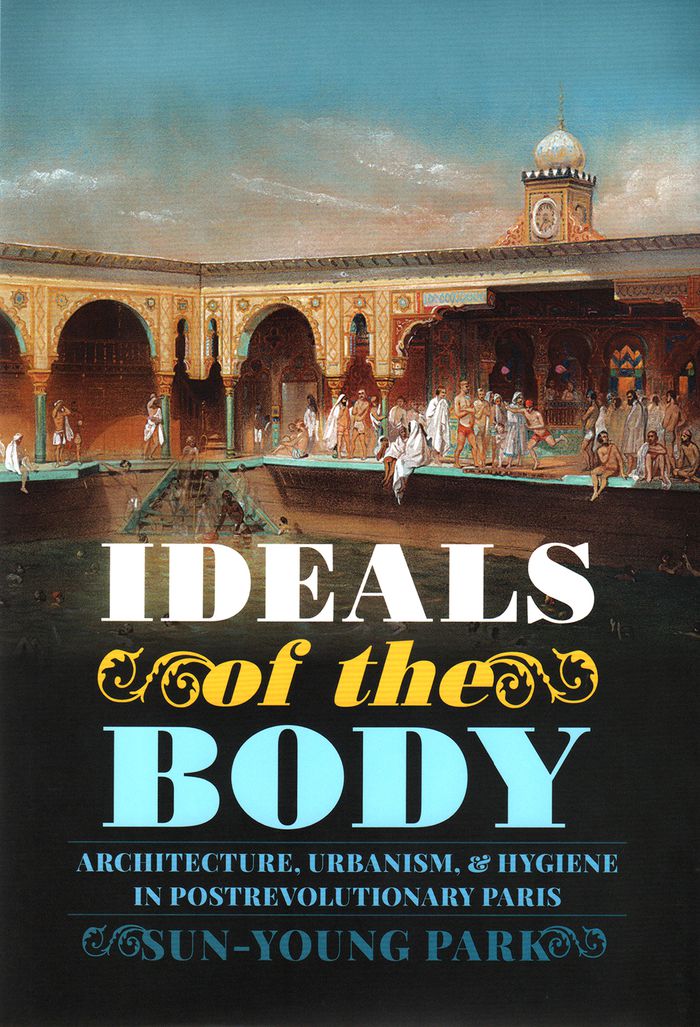
Modern hygienic urbanism originated in the airy boulevards, public parks, and sewer system that transformed the Parisian cityscape in the mid-nineteenth century. Yet these well-known developments in public health built on a previous moment of anxiety about the hygiene of modern city dwellers. These forgotten efforts to renew and reform the physical and moral health of the urban subject found expression in the built environment of the city—in the gymnasiums, swimming pools, and green spaces of private and public institutions, from the pedagogical to the recreational. Sun-Young Park reveals how these anxieties about health and social order, which manifested in emerging ideals of the body, created a uniquely spatial and urban experience of modernity in the postrevolutionary capital, one profoundly impacted by hygiene, mobility, productivity, leisure, spectacle, and technology.
Ideals of the body: architecture, urbanism, and hygiene in postrevolutionary Paris
Actions:
Prix:
$79.95
(disponible sur commande)
Résumé:
Modern hygienic urbanism originated in the airy boulevards, public parks, and sewer system that transformed the Parisian cityscape in the mid-nineteenth century. Yet these well-known developments in public health built on a previous moment of anxiety about the hygiene of modern city dwellers. These forgotten efforts to renew and reform the physical and moral health of the urban subject found expression in the built environment of the city—in the gymnasiums, swimming pools, and green spaces of private and public institutions, from the pedagogical to the recreational. Sun-Young Park reveals how these anxieties about health and social order, which manifested in emerging ideals of the body, created a uniquely spatial and urban experience of modernity in the postrevolutionary capital, one profoundly impacted by hygiene, mobility, productivity, leisure, spectacle, and technology.
Classification:
livres
livres
Publication:
mai 2018
mai 2018
Sujet:
Théorie de l’architecture
Théorie de l’architecture
Classification:
livres
livres
Titre:
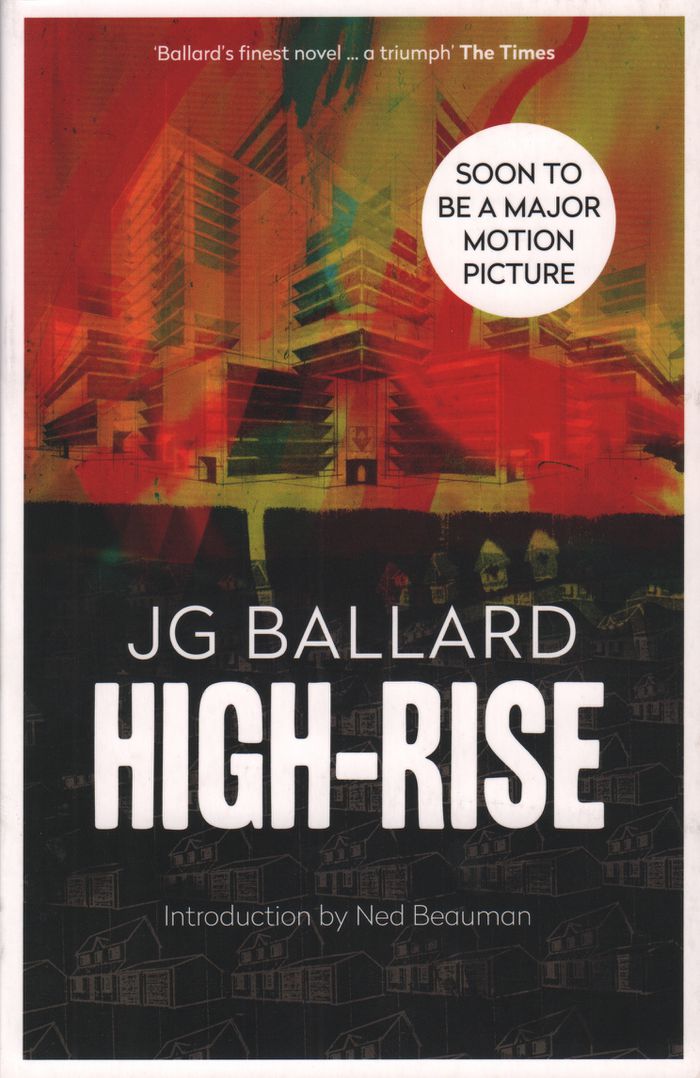
High-rise
High-rise
Actions:
Prix:
$17.99
(disponible en magasin)
Résumé:
J.G. Ballard's 1975 novel "High Rise" contains all of the qualities we have come to expect from this author: alarming psychological insights, a study of the profoundly disturbing connections between technology and the human condition, and an intriguing plot masterfully executed. Ballard, who wrote the tremendously troubling "Crash," really knows how to dig deep into our(...)
$17.99
(disponible en magasin)
Résumé:
J.G. Ballard's 1975 novel "High Rise" contains all of the qualities we have come to expect from this author: alarming psychological insights, a study of the profoundly disturbing connections between technology and the human condition, and an intriguing plot masterfully executed. Ballard, who wrote the tremendously troubling "Crash," really knows how to dig deep into our(...)
Titre:
High-rise
Actions:
Prix:
$17.99
(disponible en magasin)
Résumé:
J.G. Ballard's 1975 novel "High Rise" contains all of the qualities we have come to expect from this author: alarming psychological insights, a study of the profoundly disturbing connections between technology and the human condition, and an intriguing plot masterfully executed. Ballard, who wrote the tremendously troubling "Crash," really knows how to dig deep into our troubling times in order to expose our tentative grasp of modernity. Some compare this book to William Golding's "Lord of the Flies," and there are definite characteristics the two novels share. I would argue, however, that "High Rise" is more eloquent and more relevant than Golding's book. Unfortunately, this Ballard novel is out of print. Try and locate a copy at your local library because the payoff is well worth the effort.
High-rise
Actions:
Prix:
$17.99
(disponible en magasin)
Résumé:
J.G. Ballard's 1975 novel "High Rise" contains all of the qualities we have come to expect from this author: alarming psychological insights, a study of the profoundly disturbing connections between technology and the human condition, and an intriguing plot masterfully executed. Ballard, who wrote the tremendously troubling "Crash," really knows how to dig deep into our troubling times in order to expose our tentative grasp of modernity. Some compare this book to William Golding's "Lord of the Flies," and there are definite characteristics the two novels share. I would argue, however, that "High Rise" is more eloquent and more relevant than Golding's book. Unfortunately, this Ballard novel is out of print. Try and locate a copy at your local library because the payoff is well worth the effort.
Classification:
livres
livres
Publication:
octobre 2014
octobre 2014
Sujet:
Littérature et poésie
Littérature et poésie


