


153 Résultats
Classification:
livres
livres
Actions:
Prix:
$124.00
(disponible sur commande)
Résumé:
Featuring photographs and video stills made over more than a decade, "The distance within" reflects on Nicola Brandt’s German and Namibian inheritance and deconstructs certain established ways of seeing Namibia. Brandt traveled the country extensively, documenting landscapes and people, structures and encounters, to reveal ensnared histories of German colonialism,(...)
$124.00
(disponible sur commande)
Résumé:
Featuring photographs and video stills made over more than a decade, "The distance within" reflects on Nicola Brandt’s German and Namibian inheritance and deconstructs certain established ways of seeing Namibia. Brandt traveled the country extensively, documenting landscapes and people, structures and encounters, to reveal ensnared histories of German colonialism,(...)
Titre:
Nicola Brandt: The distance within
Actions:
Prix:
$124.00
(disponible sur commande)
Résumé:
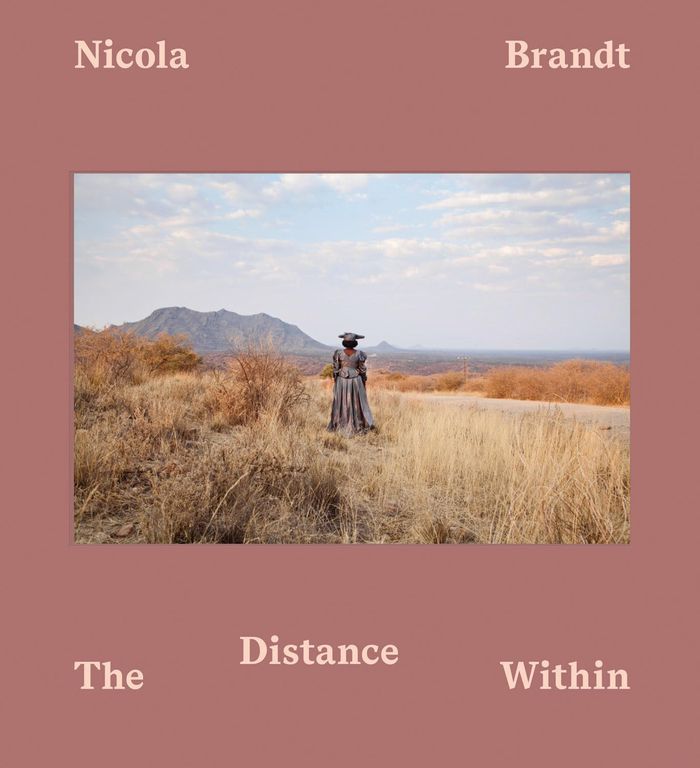
Featuring photographs and video stills made over more than a decade, "The distance within" reflects on Nicola Brandt’s German and Namibian inheritance and deconstructs certain established ways of seeing Namibia. Brandt traveled the country extensively, documenting landscapes and people, structures and encounters, to reveal ensnared histories of German colonialism, National Socialism and apartheid. Markers of these histories range from the ephemeral and private, such as a dilapidated mound of stones as a roadside memorial, to official sites of remembrance and resistance, particularly for colonial atrocities. Alongside her images, Brandt assembles texts by thought leaders in photography, postcolonial cultures, memory and genocide studies, as well as material from private and public archives, to understand enduring blind spots. The result is an intersectional argument in favor of reclaiming suppressed indigenous stories and identities, undoing romantic notions of whiteness, and, ultimately, illuminating what has not been visible.
Nicola Brandt: The distance within
Actions:
Prix:
$124.00
(disponible sur commande)
Résumé:
Featuring photographs and video stills made over more than a decade, "The distance within" reflects on Nicola Brandt’s German and Namibian inheritance and deconstructs certain established ways of seeing Namibia. Brandt traveled the country extensively, documenting landscapes and people, structures and encounters, to reveal ensnared histories of German colonialism, National Socialism and apartheid. Markers of these histories range from the ephemeral and private, such as a dilapidated mound of stones as a roadside memorial, to official sites of remembrance and resistance, particularly for colonial atrocities. Alongside her images, Brandt assembles texts by thought leaders in photography, postcolonial cultures, memory and genocide studies, as well as material from private and public archives, to understand enduring blind spots. The result is an intersectional argument in favor of reclaiming suppressed indigenous stories and identities, undoing romantic notions of whiteness, and, ultimately, illuminating what has not been visible.
Classification:
livres
livres
Publication:
mai 2024
mai 2024
Sujet:
Monographies photo
Monographies photo
Classification:
livres
livres
Titre:
Detail 5 2025 : Facades
Detail 5 2025 : Facades
Actions:
Prix:
$55.00
(disponible en magasin)
Résumé:
The facade is a building’s most outward-facing element. The interplay of materials, textures, colours, and transparent or opaque surfaces defines not only its external character but also its contribution to the urban fabric. While facades in past centuries evolved from traditional construction methods and locally sourced materials, today’s design possibilities are far(...)
$55.00
(disponible en magasin)
Résumé:
The facade is a building’s most outward-facing element. The interplay of materials, textures, colours, and transparent or opaque surfaces defines not only its external character but also its contribution to the urban fabric. While facades in past centuries evolved from traditional construction methods and locally sourced materials, today’s design possibilities are far(...)
Titre:
Detail 5 2025 : Facades
Actions:
Prix:
$55.00
(disponible en magasin)
Résumé:
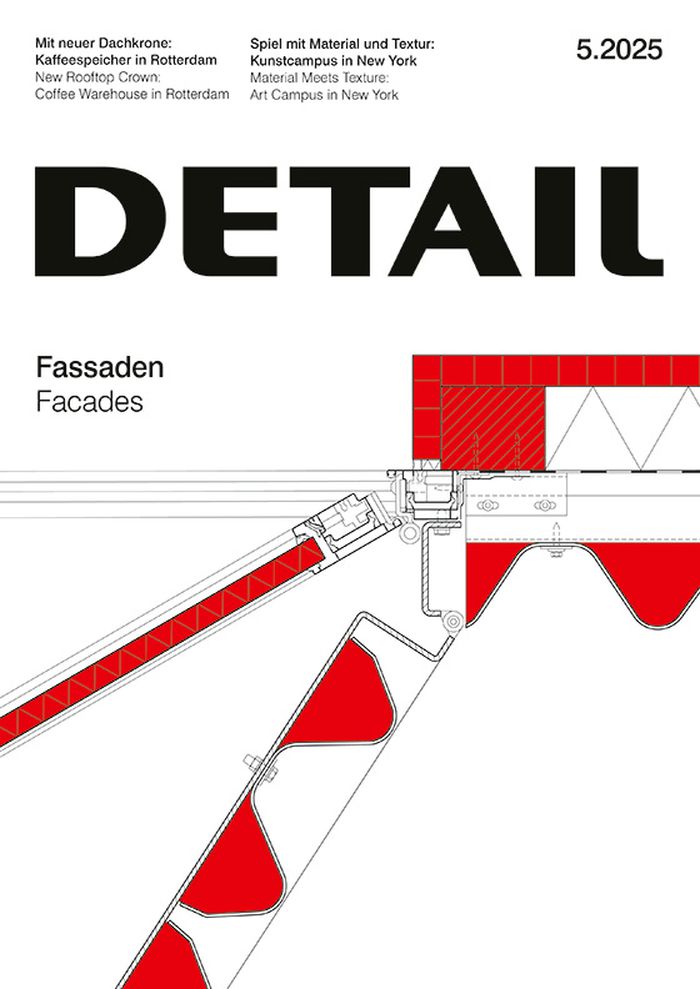
The facade is a building’s most outward-facing element. The interplay of materials, textures, colours, and transparent or opaque surfaces defines not only its external character but also its contribution to the urban fabric. While facades in past centuries evolved from traditional construction methods and locally sourced materials, today’s design possibilities are far more varied. Technical advances have extended the range of materials we can use and combine across various construction systems. Windows can be any size – from fully enclosed to fully transparent, virtually anything is possible. However, stricter regulations on thermal insulation and airtightness have introduced new constraints. Single-skin facade systems are now the exception; in most cases, a double- skin wall structure with a protective outer layer – the cladding – has become the standard. The projects featured in this issue reveal the diverse ways architecture firms approach the art of cladding – from used roadside safety barriers repurposed for a Swiss maintenance depot to a rich mix of textures shaping an art complex in New York.
Detail 5 2025 : Facades
Actions:
Prix:
$55.00
(disponible en magasin)
Résumé:
The facade is a building’s most outward-facing element. The interplay of materials, textures, colours, and transparent or opaque surfaces defines not only its external character but also its contribution to the urban fabric. While facades in past centuries evolved from traditional construction methods and locally sourced materials, today’s design possibilities are far more varied. Technical advances have extended the range of materials we can use and combine across various construction systems. Windows can be any size – from fully enclosed to fully transparent, virtually anything is possible. However, stricter regulations on thermal insulation and airtightness have introduced new constraints. Single-skin facade systems are now the exception; in most cases, a double- skin wall structure with a protective outer layer – the cladding – has become the standard. The projects featured in this issue reveal the diverse ways architecture firms approach the art of cladding – from used roadside safety barriers repurposed for a Swiss maintenance depot to a rich mix of textures shaping an art complex in New York.
Classification:
livres
livres
Publication:
septembre 2025
septembre 2025
Sujet:
Revues
Revues
Classification:
livres
livres
Titre:
David Freund: gas stop
David Freund: gas stop
Actions:
Prix:
$162.50
(disponible sur commande)
Résumé:
In the twentieth century, any American driver or passenger would stop at gas stations at least weekly, and not just for gas. Gas stations were also oases offering food and drink, car repairs, directions, maps and, importantly, bathrooms. Yet, beyond their appreciation as roadside novelties, their offerings to American culture, landscape and history have been little(...)
$162.50
(disponible sur commande)
Résumé:
In the twentieth century, any American driver or passenger would stop at gas stations at least weekly, and not just for gas. Gas stations were also oases offering food and drink, car repairs, directions, maps and, importantly, bathrooms. Yet, beyond their appreciation as roadside novelties, their offerings to American culture, landscape and history have been little(...)
Titre:
David Freund: gas stop
Actions:
Prix:
$162.50
(disponible sur commande)
Résumé:
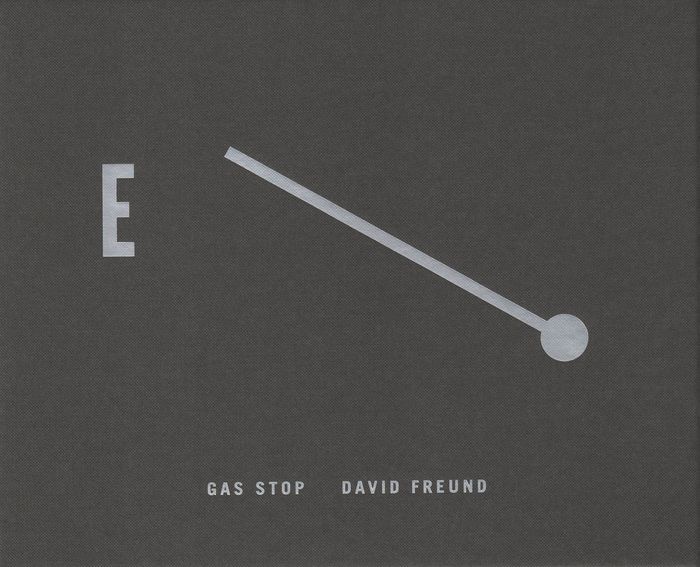
In the twentieth century, any American driver or passenger would stop at gas stations at least weekly, and not just for gas. Gas stations were also oases offering food and drink, car repairs, directions, maps and, importantly, bathrooms. Yet, beyond their appreciation as roadside novelties, their offerings to American culture, landscape and history have been little photographed. From 1978 to 1981, David Freund analyzed the culture, architecture and landscape of gas stations in more than forty states. The photographs show customers and workers in postures and actions peculiar to gassing up, or just hanging out. Architecture and signage, both corporate and vernacular, beckon passing drivers. Regional landscapes hold and surround gas stations, each with its own landscape of designed plantings or scrappy volunteers. Stations were also outposts for American networks other than petroleum, seen in telephone booths, mailboxes and powerlines. These and all that surrounds them spark recognition and recollection, accruing as elements of a nonlinear American narrative. While Freund’s primary concern is for his photographs to engage and surprise, he acknowledges nostalgia and uses it to imbue his subjects with a compelling sense of belonging. Of more than 200,000 gas stations in the United States at the time of this project, today they and their roles are mostly gone, existing now in memory and in this work. Four hardcover books housed in a slipcase
David Freund: gas stop
Actions:
Prix:
$162.50
(disponible sur commande)
Résumé:
In the twentieth century, any American driver or passenger would stop at gas stations at least weekly, and not just for gas. Gas stations were also oases offering food and drink, car repairs, directions, maps and, importantly, bathrooms. Yet, beyond their appreciation as roadside novelties, their offerings to American culture, landscape and history have been little photographed. From 1978 to 1981, David Freund analyzed the culture, architecture and landscape of gas stations in more than forty states. The photographs show customers and workers in postures and actions peculiar to gassing up, or just hanging out. Architecture and signage, both corporate and vernacular, beckon passing drivers. Regional landscapes hold and surround gas stations, each with its own landscape of designed plantings or scrappy volunteers. Stations were also outposts for American networks other than petroleum, seen in telephone booths, mailboxes and powerlines. These and all that surrounds them spark recognition and recollection, accruing as elements of a nonlinear American narrative. While Freund’s primary concern is for his photographs to engage and surprise, he acknowledges nostalgia and uses it to imbue his subjects with a compelling sense of belonging. Of more than 200,000 gas stations in the United States at the time of this project, today they and their roles are mostly gone, existing now in memory and in this work. Four hardcover books housed in a slipcase
Classification:
livres
livres
Publication:
janvier 2017
janvier 2017
Sujet:
Monographies photo
Monographies photo


