


2990 Résultats
Niveau de description archivistique:
Projet
Projet
Numéro de référence:
AP018.S1.1983.PR14
Description:
This project series documents the National Aviation Museum which is part of Rockliffe Airport in Ottawa Ontario from 1983-1987. The office identified the project number as 8320. This project consisted of a building, commissioned by Public Works Canada, to house Canada's aviation museum collections. The basementless building was approximately five storeys in height, triangular shaped, and located between a runway and base building at the Rockcliffe Airport. This project is recorded through drawings, photographic materials and textual records dating from 1983-1987. The majority of the drawings are reprographic copies of details, arranged within the textual materials. Photographs and negative strips show the construction progress of the project. The textual records include correspondence, specifications, instructions to tenderers, schedules and financial documentation.
AP018.S1.1983.PR14
Description:
This project series documents the National Aviation Museum which is part of Rockliffe Airport in Ottawa Ontario from 1983-1987. The office identified the project number as 8320. This project consisted of a building, commissioned by Public Works Canada, to house Canada's aviation museum collections. The basementless building was approximately five storeys in height, triangular shaped, and located between a runway and base building at the Rockcliffe Airport. This project is recorded through drawings, photographic materials and textual records dating from 1983-1987. The majority of the drawings are reprographic copies of details, arranged within the textual materials. Photographs and negative strips show the construction progress of the project. The textual records include correspondence, specifications, instructions to tenderers, schedules and financial documentation.
Personnes et institutions:
Date:
1983-1987
1983-1987
Titre:
National Aviation Museum, Rockcliffe Airport, Ottawa, Ontario (1983-1987)
Actions:
AP018.S1.1983.PR14
Description:
This project series documents the National Aviation Museum which is part of Rockliffe Airport in Ottawa Ontario from 1983-1987. The office identified the project number as 8320. This project consisted of a building, commissioned by Public Works Canada, to house Canada's aviation museum collections. The basementless building was approximately five storeys in height, triangular shaped, and located between a runway and base building at the Rockcliffe Airport. This project is recorded through drawings, photographic materials and textual records dating from 1983-1987. The majority of the drawings are reprographic copies of details, arranged within the textual materials. Photographs and negative strips show the construction progress of the project. The textual records include correspondence, specifications, instructions to tenderers, schedules and financial documentation.
National Aviation Museum, Rockcliffe Airport, Ottawa, Ontario (1983-1987)
Actions:
AP018.S1.1983.PR14
Description:
This project series documents the National Aviation Museum which is part of Rockliffe Airport in Ottawa Ontario from 1983-1987. The office identified the project number as 8320. This project consisted of a building, commissioned by Public Works Canada, to house Canada's aviation museum collections. The basementless building was approximately five storeys in height, triangular shaped, and located between a runway and base building at the Rockcliffe Airport. This project is recorded through drawings, photographic materials and textual records dating from 1983-1987. The majority of the drawings are reprographic copies of details, arranged within the textual materials. Photographs and negative strips show the construction progress of the project. The textual records include correspondence, specifications, instructions to tenderers, schedules and financial documentation.
Niveau de description archivistique:
Project
Project
Date:
1983-1987
1983-1987
Personnes et institutions:
Classification:
expositions
expositions
Actions:
Description:
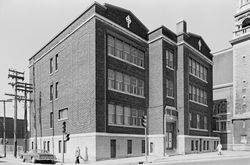
Dans la première moitié du XXe siècle, chacun des trois architectes que présente l’exposition a marqué par ses réalisations un quartier ou un secteur de la ville : Ludger Lemieux (1872-1953), le quartier Saint-Henri; Ernest lsbell Barott (1884-1966), le quartier Saint-Antoine, plus précisément les versants sud et ouest du Mont-Royal; et Ernest Cormier (1885-1980), le(...)
Dans la première moitié du XXe siècle, chacun des trois architectes que présente l’exposition a marqué par ses réalisations un quartier ou un secteur de la ville : Ludger Lemieux (1872-1953), le quartier Saint-Henri; Ernest lsbell Barott (1884-1966), le quartier Saint-Antoine, plus précisément les versants sud et ouest du Mont-Royal; et Ernest Cormier (1885-1980), le(...)
Localisation:
1440 rue Sainte-Catherine Ouest
1440 rue Sainte-Catherine Ouest
Date:
20 mai 1983 au 19 août 1983
20 mai 1983 au 19 août 1983
Titre:
Trois architectes, trois quartiers : Ludger Lemieux (St. Henri), Ernest Cormier (Cité universitaire), Ernest Isbell Barott (St. Antoine)
Actions:
Description:
Dans la première moitié du XXe siècle, chacun des trois architectes que présente l’exposition a marqué par ses réalisations un quartier ou un secteur de la ville : Ludger Lemieux (1872-1953), le quartier Saint-Henri; Ernest lsbell Barott (1884-1966), le quartier Saint-Antoine, plus précisément les versants sud et ouest du Mont-Royal; et Ernest Cormier (1885-1980), le(...)
Trois architectes, trois quartiers : Ludger Lemieux (St. Henri), Ernest Cormier (Cité universitaire), Ernest Isbell Barott (St. Antoine)
Actions:
Description:
Dans la première moitié du XXe siècle, chacun des trois architectes que présente l’exposition a marqué par ses réalisations un quartier ou un secteur de la ville : Ludger Lemieux (1872-1953), le quartier Saint-Henri; Ernest lsbell Barott (1884-1966), le quartier Saint-Antoine, plus précisément les versants sud et ouest du Mont-Royal; et Ernest Cormier (1885-1980), le(...)
Classification:
expositions
expositions
Date:
20 mai 1983 au
19 août 1983
20 mai 1983 au
19 août 1983
Localisation:
1440 rue Sainte-Catherine Ouest
1440 rue Sainte-Catherine Ouest
Classification:
expositions
expositions
Description:
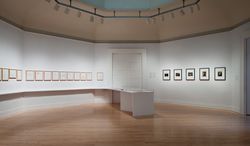
L’architecte portugais Álvaro Siza s’est rendu en 1995 au Pérou, emportant dans ses bagages, comme à l’accoutumée, quelques vêtements, quelques livres de poésie et un seul carnet de croquis. C’était là son nécessaire pour interpréter son voyage et l’intégrer dans son architecture. Plus d’un demi-siècle auparavant, le photographe péruvien Martín Chambi avait réalisé des(...)
L’architecte portugais Álvaro Siza s’est rendu en 1995 au Pérou, emportant dans ses bagages, comme à l’accoutumée, quelques vêtements, quelques livres de poésie et un seul carnet de croquis. C’était là son nécessaire pour interpréter son voyage et l’intégrer dans son architecture. Plus d’un demi-siècle auparavant, le photographe péruvien Martín Chambi avait réalisé des(...)
Localisation:
Salle octogonale
Salle octogonale
Date:
26 janvier 2012 au 29 avril 2012
26 janvier 2012 au 29 avril 2012
Titre:
Alturas de Machu Picchu : Martín Chambi – Álvaro Siza à l'œuvre
Actions:
Description:
L’architecte portugais Álvaro Siza s’est rendu en 1995 au Pérou, emportant dans ses bagages, comme à l’accoutumée, quelques vêtements, quelques livres de poésie et un seul carnet de croquis. C’était là son nécessaire pour interpréter son voyage et l’intégrer dans son architecture. Plus d’un demi-siècle auparavant, le photographe péruvien Martín Chambi avait réalisé des(...)
Alturas de Machu Picchu : Martín Chambi – Álvaro Siza à l'œuvre
Actions:
Description:
L’architecte portugais Álvaro Siza s’est rendu en 1995 au Pérou, emportant dans ses bagages, comme à l’accoutumée, quelques vêtements, quelques livres de poésie et un seul carnet de croquis. C’était là son nécessaire pour interpréter son voyage et l’intégrer dans son architecture. Plus d’un demi-siècle auparavant, le photographe péruvien Martín Chambi avait réalisé des(...)
Classification:
expositions
expositions
Date:
26 janvier 2012 au
29 avril 2012
26 janvier 2012 au
29 avril 2012
Localisation:
Salle octogonale
Salle octogonale
Classification:
expositions
expositions
Titre:
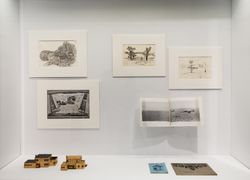
Sur les traces de... voyage
Sur les traces de... voyage
Actions:
Description:
Interprétant de la manière la plus large le thème des voyages lointains, l’exposition cartographie et élargit la notion de voyage qui s’étend aux expéditions imaginaires, aux sites étranges, aux points de fuite, aux maisons transportables et flottantes, aux caves sans fond, aux dômes de verre convolutés, aux tombeaux, aux cryptes et catacombes, aux aventures dans des(...)
Interprétant de la manière la plus large le thème des voyages lointains, l’exposition cartographie et élargit la notion de voyage qui s’étend aux expéditions imaginaires, aux sites étranges, aux points de fuite, aux maisons transportables et flottantes, aux caves sans fond, aux dômes de verre convolutés, aux tombeaux, aux cryptes et catacombes, aux aventures dans des(...)
Localisation:
Vitrines
Vitrines
Date:
3 décembre 2008 au 1 mai 2009
3 décembre 2008 au 1 mai 2009
Titre:
Sur les traces de... voyage
Actions:
Description:
Interprétant de la manière la plus large le thème des voyages lointains, l’exposition cartographie et élargit la notion de voyage qui s’étend aux expéditions imaginaires, aux sites étranges, aux points de fuite, aux maisons transportables et flottantes, aux caves sans fond, aux dômes de verre convolutés, aux tombeaux, aux cryptes et catacombes, aux aventures dans des(...)
Sur les traces de... voyage
Actions:
Description:
Interprétant de la manière la plus large le thème des voyages lointains, l’exposition cartographie et élargit la notion de voyage qui s’étend aux expéditions imaginaires, aux sites étranges, aux points de fuite, aux maisons transportables et flottantes, aux caves sans fond, aux dômes de verre convolutés, aux tombeaux, aux cryptes et catacombes, aux aventures dans des(...)
Classification:
expositions
expositions
Date:
3 décembre 2008 au
1 mai 2009
3 décembre 2008 au
1 mai 2009
Localisation:
Vitrines
Vitrines
Classification:
événements
événements
Titre:
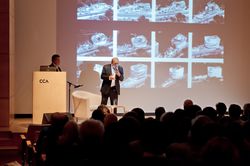
La parole à Siza
La parole à Siza
Actions:
Description:
Álvaro Siza, architecte portugais lauréat du prix Pritzker, présente exceptionnellement une conférence en Amérique du Nord qui porte sur l’élaboration du concept du Iberê Camargo Museum, à Porto Alegre, dont la structure est reconnue pour ses volumes sculpturaux et sa remarquable intégration à l’escarpement côtier. L’architecte discutera de l’importance des croquis(...)
Álvaro Siza, architecte portugais lauréat du prix Pritzker, présente exceptionnellement une conférence en Amérique du Nord qui porte sur l’élaboration du concept du Iberê Camargo Museum, à Porto Alegre, dont la structure est reconnue pour ses volumes sculpturaux et sa remarquable intégration à l’escarpement côtier. L’architecte discutera de l’importance des croquis(...)
Localisation:
Théâtre Paul-Desmarais
Théâtre Paul-Desmarais
Date:
26 avril 2012 , 19h
26 avril 2012 , 19h
Titre:
La parole à Siza
Actions:
Description:
Álvaro Siza, architecte portugais lauréat du prix Pritzker, présente exceptionnellement une conférence en Amérique du Nord qui porte sur l’élaboration du concept du Iberê Camargo Museum, à Porto Alegre, dont la structure est reconnue pour ses volumes sculpturaux et sa remarquable intégration à l’escarpement côtier. L’architecte discutera de l’importance des croquis(...)
La parole à Siza
Actions:
Description:
Álvaro Siza, architecte portugais lauréat du prix Pritzker, présente exceptionnellement une conférence en Amérique du Nord qui porte sur l’élaboration du concept du Iberê Camargo Museum, à Porto Alegre, dont la structure est reconnue pour ses volumes sculpturaux et sa remarquable intégration à l’escarpement côtier. L’architecte discutera de l’importance des croquis(...)
Classification:
événements
événements
Date:
26 avril 2012
19h
26 avril 2012
19h
Localisation:
Théâtre Paul-Desmarais
Théâtre Paul-Desmarais
Classification:
archives
Niveau de description archivistique:
Fonds
archives
Niveau de description archivistique:
Fonds
Titre:
Fonds Pierre Jeanneret
Fonds Pierre Jeanneret
Numéro de référence:
AP156
Résumé:
Le Fonds Pierre Jeanneret documente la pratique professionnelle et la vie personnelle de l'architect Pierre Jeanneret de ses études et ses projets professionels en Europe à ses projets architecturaux à Chandigarh, en Inde. Les documents du Fonds consistent en des photographies, des dessins et des documents textuels relatifs à plus de 100 projets, principalement son travail pour le projet de la nouvelle ville de Chandigarh, en Inde, en 1951 à 1965. *** The Pierre Jeanneret fonds documents the professional practice and the personal life of architect Pierre Jeanneret from student and professional work in Europe to architectural projects in Chandigarh, India. The documents in the fonds consist of photographs, drawings and textual records relating to over 100 projects, predominantly his work for the project of the new city of Chandigarh, in India, in 1951 to 1965.
AP156
Résumé:
Le Fonds Pierre Jeanneret documente la pratique professionnelle et la vie personnelle de l'architect Pierre Jeanneret de ses études et ses projets professionels en Europe à ses projets architecturaux à Chandigarh, en Inde. Les documents du Fonds consistent en des photographies, des dessins et des documents textuels relatifs à plus de 100 projets, principalement son travail pour le projet de la nouvelle ville de Chandigarh, en Inde, en 1951 à 1965. *** The Pierre Jeanneret fonds documents the professional practice and the personal life of architect Pierre Jeanneret from student and professional work in Europe to architectural projects in Chandigarh, India. The documents in the fonds consist of photographs, drawings and textual records relating to over 100 projects, predominantly his work for the project of the new city of Chandigarh, in India, in 1951 to 1965.
Personnes et institutions:
Date:
1870s-2011
1870s-2011
Titre:
Fonds Pierre Jeanneret
Actions:
AP156
Résumé:
Le Fonds Pierre Jeanneret documente la pratique professionnelle et la vie personnelle de l'architect Pierre Jeanneret de ses études et ses projets professionels en Europe à ses projets architecturaux à Chandigarh, en Inde. Les documents du Fonds consistent en des photographies, des dessins et des documents textuels relatifs à plus de 100 projets, principalement son travail pour le projet de la nouvelle ville de Chandigarh, en Inde, en 1951 à 1965. *** The Pierre Jeanneret fonds documents the professional practice and the personal life of architect Pierre Jeanneret from student and professional work in Europe to architectural projects in Chandigarh, India. The documents in the fonds consist of photographs, drawings and textual records relating to over 100 projects, predominantly his work for the project of the new city of Chandigarh, in India, in 1951 to 1965.
Fonds Pierre Jeanneret
Actions:
AP156
Résumé:
Le Fonds Pierre Jeanneret documente la pratique professionnelle et la vie personnelle de l'architect Pierre Jeanneret de ses études et ses projets professionels en Europe à ses projets architecturaux à Chandigarh, en Inde. Les documents du Fonds consistent en des photographies, des dessins et des documents textuels relatifs à plus de 100 projets, principalement son travail pour le projet de la nouvelle ville de Chandigarh, en Inde, en 1951 à 1965. *** The Pierre Jeanneret fonds documents the professional practice and the personal life of architect Pierre Jeanneret from student and professional work in Europe to architectural projects in Chandigarh, India. The documents in the fonds consist of photographs, drawings and textual records relating to over 100 projects, predominantly his work for the project of the new city of Chandigarh, in India, in 1951 to 1965.
Classification:
archives
Niveau de description archivistique:
Fonds
archives
Niveau de description archivistique:
Fonds
Date:
1870s-2011
1870s-2011
Personnes et institutions:
Classification:
expositions
expositions

Description:
Dans les débuts de l’aviation, la plupart des avions n’avaient besoin que d’un champ gazonné de 1 500 pieds de long pour décoller et atterrir, et l’infrastructure se limitait à une grange servant à la fois de hangar et d’aérogare. La nécessité de véritables installations aéroportuaires n’apparaît qu’à la fin des années 1920, quelque vingt-cinq ans après le vol historique(...)
Dans les débuts de l’aviation, la plupart des avions n’avaient besoin que d’un champ gazonné de 1 500 pieds de long pour décoller et atterrir, et l’infrastructure se limitait à une grange servant à la fois de hangar et d’aérogare. La nécessité de véritables installations aéroportuaires n’apparaît qu’à la fin des années 1920, quelque vingt-cinq ans après le vol historique(...)
Localisation:
Vitrines
Vitrines
Date:
12 juin 1990 au 16 septembre 1990
12 juin 1990 au 16 septembre 1990
Titre:
Les aéroports à leurs débuts : trois projets de Lloyd Wright
Actions:
Description:
Dans les débuts de l’aviation, la plupart des avions n’avaient besoin que d’un champ gazonné de 1 500 pieds de long pour décoller et atterrir, et l’infrastructure se limitait à une grange servant à la fois de hangar et d’aérogare. La nécessité de véritables installations aéroportuaires n’apparaît qu’à la fin des années 1920, quelque vingt-cinq ans après le vol historique(...)
Les aéroports à leurs débuts : trois projets de Lloyd Wright
Actions:
Description:
Dans les débuts de l’aviation, la plupart des avions n’avaient besoin que d’un champ gazonné de 1 500 pieds de long pour décoller et atterrir, et l’infrastructure se limitait à une grange servant à la fois de hangar et d’aérogare. La nécessité de véritables installations aéroportuaires n’apparaît qu’à la fin des années 1920, quelque vingt-cinq ans après le vol historique(...)
Classification:
expositions
expositions
Date:
12 juin 1990 au
16 septembre 1990
12 juin 1990 au
16 septembre 1990
Localisation:
Vitrines
Vitrines
Classification:
archives
Niveau de description archivistique:
Fonds
archives
Niveau de description archivistique:
Fonds
Titre:
Aditya Prakash fonds
Aditya Prakash fonds
Numéro de référence:
AP206
Résumé:
The Aditya Prakash fonds documents the professional practice of modernist Indian architect Aditya Prakash from his studies in London in 1947 to his death in 2008. His seminal work as a junior architect on the Chandigarh Capitol Project in the 1950s is recorded along with documentation from his solo career after 1960, including approximately 82 architectural projects. His professional work as an artist, photographer, writer, academic and theatre enthusiast are also well documented through drawings, photographic materials and textual records.
AP206
Résumé:
The Aditya Prakash fonds documents the professional practice of modernist Indian architect Aditya Prakash from his studies in London in 1947 to his death in 2008. His seminal work as a junior architect on the Chandigarh Capitol Project in the 1950s is recorded along with documentation from his solo career after 1960, including approximately 82 architectural projects. His professional work as an artist, photographer, writer, academic and theatre enthusiast are also well documented through drawings, photographic materials and textual records.
Personnes et institutions:
Date:
1947-2008
1947-2008
Titre:
Aditya Prakash fonds
Actions:
AP206
Résumé:
The Aditya Prakash fonds documents the professional practice of modernist Indian architect Aditya Prakash from his studies in London in 1947 to his death in 2008. His seminal work as a junior architect on the Chandigarh Capitol Project in the 1950s is recorded along with documentation from his solo career after 1960, including approximately 82 architectural projects. His professional work as an artist, photographer, writer, academic and theatre enthusiast are also well documented through drawings, photographic materials and textual records.
Aditya Prakash fonds
Actions:
AP206
Résumé:
The Aditya Prakash fonds documents the professional practice of modernist Indian architect Aditya Prakash from his studies in London in 1947 to his death in 2008. His seminal work as a junior architect on the Chandigarh Capitol Project in the 1950s is recorded along with documentation from his solo career after 1960, including approximately 82 architectural projects. His professional work as an artist, photographer, writer, academic and theatre enthusiast are also well documented through drawings, photographic materials and textual records.
Classification:
archives
Niveau de description archivistique:
Fonds
archives
Niveau de description archivistique:
Fonds
Date:
1947-2008
1947-2008
Personnes et institutions:
Classification:
photographies
photographies
Actions:
Numéro de référence:
PH1989:0147
Description:
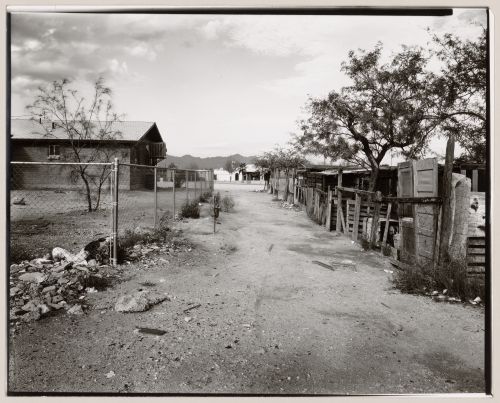
One of a series of forty-four photographs of the Yaqui community of Old Pascua by Lorne Greenberg. The photographs document the relationship of household and church in the Yaqui community. The photographs were exhibited at the Arizona State Museum in 1983. The CCA collection includes ten photographs from the series (PH1989:0147 - PH1989:0156). In 1978, the San Ignacio Yaqui Council applied for Community Development Block Grants (CDBG), which had been established by the United States Government in 1974. The community first received CDBG funding in 1979/1980. Since that time, most of the owner-occupied houses in Pascua Village have been torn down and new homes have been built.
PH1989:0147
Description:
One of a series of forty-four photographs of the Yaqui community of Old Pascua by Lorne Greenberg. The photographs document the relationship of household and church in the Yaqui community. The photographs were exhibited at the Arizona State Museum in 1983. The CCA collection includes ten photographs from the series (PH1989:0147 - PH1989:0156). In 1978, the San Ignacio Yaqui Council applied for Community Development Block Grants (CDBG), which had been established by the United States Government in 1974. The community first received CDBG funding in 1979/1980. Since that time, most of the owner-occupied houses in Pascua Village have been torn down and new homes have been built.
Personnes et institutions:
Sujet:
architecture
architecture
Date:
1981
1981
Titre:
View of path to church, Old Pascua, Tucson, Arizona, United States (from a series documenting the Yaqui community of Old Pascua)
Actions:
PH1989:0147
Description:
One of a series of forty-four photographs of the Yaqui community of Old Pascua by Lorne Greenberg. The photographs document the relationship of household and church in the Yaqui community. The photographs were exhibited at the Arizona State Museum in 1983. The CCA collection includes ten photographs from the series (PH1989:0147 - PH1989:0156). In 1978, the San Ignacio Yaqui Council applied for Community Development Block Grants (CDBG), which had been established by the United States Government in 1974. The community first received CDBG funding in 1979/1980. Since that time, most of the owner-occupied houses in Pascua Village have been torn down and new homes have been built.
View of path to church, Old Pascua, Tucson, Arizona, United States (from a series documenting the Yaqui community of Old Pascua)
Actions:
PH1989:0147
Description:
One of a series of forty-four photographs of the Yaqui community of Old Pascua by Lorne Greenberg. The photographs document the relationship of household and church in the Yaqui community. The photographs were exhibited at the Arizona State Museum in 1983. The CCA collection includes ten photographs from the series (PH1989:0147 - PH1989:0156). In 1978, the San Ignacio Yaqui Council applied for Community Development Block Grants (CDBG), which had been established by the United States Government in 1974. The community first received CDBG funding in 1979/1980. Since that time, most of the owner-occupied houses in Pascua Village have been torn down and new homes have been built.
Classification:
photographies
photographies
Date:
1981
1981
Personnes et institutions:
Sujet:
architecture
architecture
Classification:
photographies
photographies
Actions:
Numéro de référence:
PH1989:0148
Description:
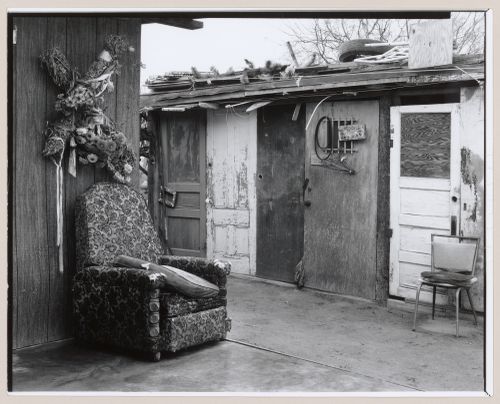
One of a series of forty-four photographs of the Yaqui community of Old Pascua by Lorne Greenberg. The photographs document the relationship of household and church in the Yaqui community. The photographs were exhibited at the Arizona State Museum in 1983. The CCA collection includes ten photographs from the series (PH1989:0147 - PH1989:0156). In 1978, the San Ignacio Yaqui Council applied for Community Development Block Grants (CDBG), which had been established by the United States Government in 1974. The community first received CDBG funding in 1979/1980. Since that time, most of the owner-occupied houses in Pascua Village have been torn down and new homes have been built.
PH1989:0148
Description:
One of a series of forty-four photographs of the Yaqui community of Old Pascua by Lorne Greenberg. The photographs document the relationship of household and church in the Yaqui community. The photographs were exhibited at the Arizona State Museum in 1983. The CCA collection includes ten photographs from the series (PH1989:0147 - PH1989:0156). In 1978, the San Ignacio Yaqui Council applied for Community Development Block Grants (CDBG), which had been established by the United States Government in 1974. The community first received CDBG funding in 1979/1980. Since that time, most of the owner-occupied houses in Pascua Village have been torn down and new homes have been built.
Personnes et institutions:
Sujet:
architecture
architecture
Date:
1980
1980
Titre:
View of cross decorated with flowers hung above upholstered chair in outdoor space, Old Pascua, Tucson, Arizona, United States (from a series documenting the Yaqui community of Old Pascua)
Actions:
PH1989:0148
Description:
One of a series of forty-four photographs of the Yaqui community of Old Pascua by Lorne Greenberg. The photographs document the relationship of household and church in the Yaqui community. The photographs were exhibited at the Arizona State Museum in 1983. The CCA collection includes ten photographs from the series (PH1989:0147 - PH1989:0156). In 1978, the San Ignacio Yaqui Council applied for Community Development Block Grants (CDBG), which had been established by the United States Government in 1974. The community first received CDBG funding in 1979/1980. Since that time, most of the owner-occupied houses in Pascua Village have been torn down and new homes have been built.
View of cross decorated with flowers hung above upholstered chair in outdoor space, Old Pascua, Tucson, Arizona, United States (from a series documenting the Yaqui community of Old Pascua)
Actions:
PH1989:0148
Description:
One of a series of forty-four photographs of the Yaqui community of Old Pascua by Lorne Greenberg. The photographs document the relationship of household and church in the Yaqui community. The photographs were exhibited at the Arizona State Museum in 1983. The CCA collection includes ten photographs from the series (PH1989:0147 - PH1989:0156). In 1978, the San Ignacio Yaqui Council applied for Community Development Block Grants (CDBG), which had been established by the United States Government in 1974. The community first received CDBG funding in 1979/1980. Since that time, most of the owner-occupied houses in Pascua Village have been torn down and new homes have been built.
Classification:
photographies
photographies
Date:
1980
1980
Personnes et institutions:
Sujet:
architecture
architecture


