


178 Résultats
Classification:
livres
livres
Titre:
New SubUrbanisms
New SubUrbanisms
Actions:
Prix:
$56.95
(disponible sur commande)
Résumé:
Historically, we see the city as the cramped, crumbling core of development and culture, and the suburb as the vast outlying wasteland – convenient, but vacant. Contemporary urban design proves this wrong. In New SubUrbanisms, Judith De Jong explains the on going "flattening" of the American Metropolis, as suburbs are becoming more like their central cities – and cities(...)
$56.95
(disponible sur commande)
Résumé:
Historically, we see the city as the cramped, crumbling core of development and culture, and the suburb as the vast outlying wasteland – convenient, but vacant. Contemporary urban design proves this wrong. In New SubUrbanisms, Judith De Jong explains the on going "flattening" of the American Metropolis, as suburbs are becoming more like their central cities – and cities(...)
Titre:
New SubUrbanisms
Actions:
Prix:
$56.95
(disponible sur commande)
Résumé:
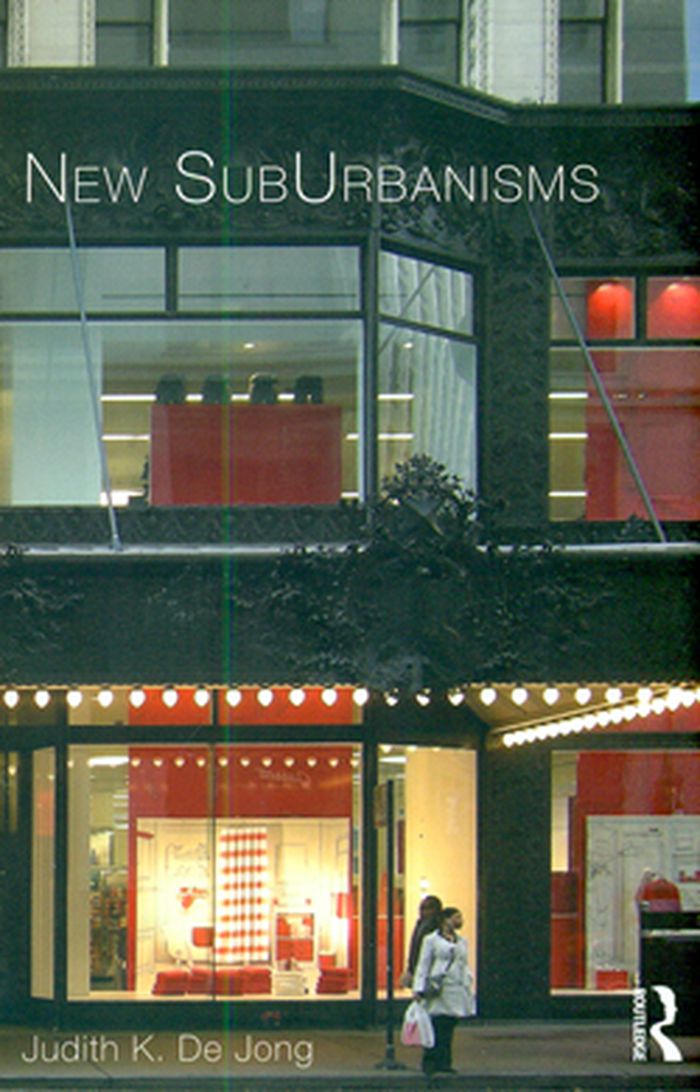
Historically, we see the city as the cramped, crumbling core of development and culture, and the suburb as the vast outlying wasteland – convenient, but vacant. Contemporary urban design proves this wrong. In New SubUrbanisms, Judith De Jong explains the on going "flattening" of the American Metropolis, as suburbs are becoming more like their central cities – and cities more like their suburbs through significant changes in spatial and formal practice as well as demographic and cultural changes. These revisionist practices are exemplified in the emergence of hybrid sub/urban conditions such as parking practices, the residential densification of suburbia, hyper-programmed public spaces and inner city big-box retail, among others.
New SubUrbanisms
Actions:
Prix:
$56.95
(disponible sur commande)
Résumé:
Historically, we see the city as the cramped, crumbling core of development and culture, and the suburb as the vast outlying wasteland – convenient, but vacant. Contemporary urban design proves this wrong. In New SubUrbanisms, Judith De Jong explains the on going "flattening" of the American Metropolis, as suburbs are becoming more like their central cities – and cities more like their suburbs through significant changes in spatial and formal practice as well as demographic and cultural changes. These revisionist practices are exemplified in the emergence of hybrid sub/urban conditions such as parking practices, the residential densification of suburbia, hyper-programmed public spaces and inner city big-box retail, among others.
Classification:
livres
livres
Publication:
octobre 2013
octobre 2013
Sujet:
Théorie de l’urbanisme
Théorie de l’urbanisme
Classification:
livres
livres
Titre:
John Divola: Vandalism
John Divola: Vandalism
Actions:
Prix:
$58.00
(disponible en magasin)
Résumé:
Between 1974 and 1975, the American photographer John Divola – then in his mid twenties and without a studio of his own – travelled across Los Angeles in search of dilapidated properties in which to make photographs. Armed with a camera, spray paint, string and cardboard, the artist would produce one of his most significant photographic projects entitled Vandalism. In(...)
$58.00
(disponible en magasin)
Résumé:
Between 1974 and 1975, the American photographer John Divola – then in his mid twenties and without a studio of his own – travelled across Los Angeles in search of dilapidated properties in which to make photographs. Armed with a camera, spray paint, string and cardboard, the artist would produce one of his most significant photographic projects entitled Vandalism. In(...)
Titre:
John Divola: Vandalism
Actions:
Prix:
$58.00
(disponible en magasin)
Résumé:
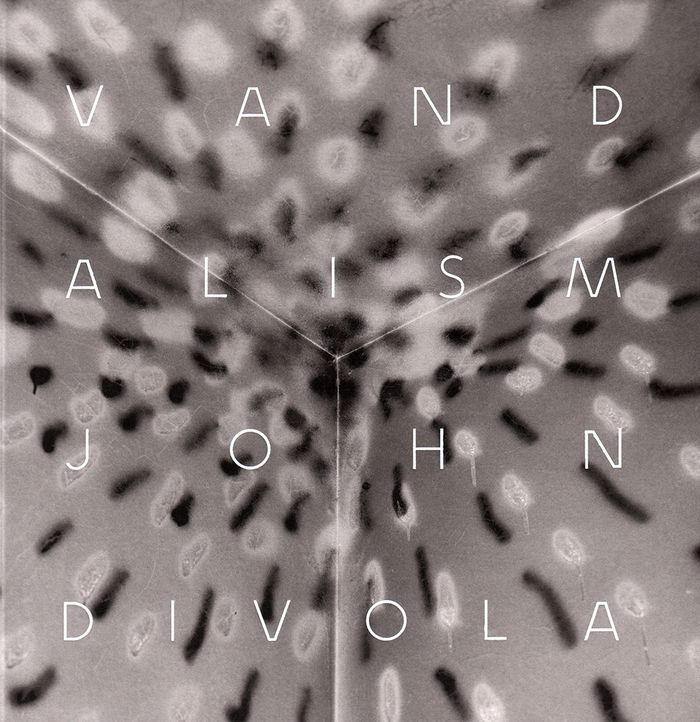
Between 1974 and 1975, the American photographer John Divola – then in his mid twenties and without a studio of his own – travelled across Los Angeles in search of dilapidated properties in which to make photographs. Armed with a camera, spray paint, string and cardboard, the artist would produce one of his most significant photographic projects entitled Vandalism. In this visceral, black and white series of images Divola vandalised vacant homes with abstract constellations of graffiti-like marks, ritualistic configurations of string hooked to pins, and torn arrangements of card, before cataloguing the results. The project vigorously merged the documentary approach of forensic photography with staged interventions echoing performance, sculpture and installation art.
John Divola: Vandalism
Actions:
Prix:
$58.00
(disponible en magasin)
Résumé:
Between 1974 and 1975, the American photographer John Divola – then in his mid twenties and without a studio of his own – travelled across Los Angeles in search of dilapidated properties in which to make photographs. Armed with a camera, spray paint, string and cardboard, the artist would produce one of his most significant photographic projects entitled Vandalism. In this visceral, black and white series of images Divola vandalised vacant homes with abstract constellations of graffiti-like marks, ritualistic configurations of string hooked to pins, and torn arrangements of card, before cataloguing the results. The project vigorously merged the documentary approach of forensic photography with staged interventions echoing performance, sculpture and installation art.
Classification:
livres
livres
Publication:
mars 2018
mars 2018
Sujet:
Monographies photo
Monographies photo
Classification:
livres
livres
Prix:
$19.50
(disponible sur commande)
Résumé:
Join Julius Knipl, real estate photographer, on a leisurely stroll past the Institute for Soup-Nut Research and The Municipal Birthmark Registry. Savor the smell of a phone booth, circa 1961. Sign up for a guided tour of the oldest continually vacant storefront in America. Attend a championship grave-digging competition, or should you feel you've wasted yet another day,(...)
$19.50
(disponible sur commande)
Résumé:
Join Julius Knipl, real estate photographer, on a leisurely stroll past the Institute for Soup-Nut Research and The Municipal Birthmark Registry. Savor the smell of a phone booth, circa 1961. Sign up for a guided tour of the oldest continually vacant storefront in America. Attend a championship grave-digging competition, or should you feel you've wasted yet another day,(...)
Titre:
Julius Knipl, real estate photographer: the beauty supply district
Actions:
Prix:
$19.50
(disponible sur commande)
Résumé:
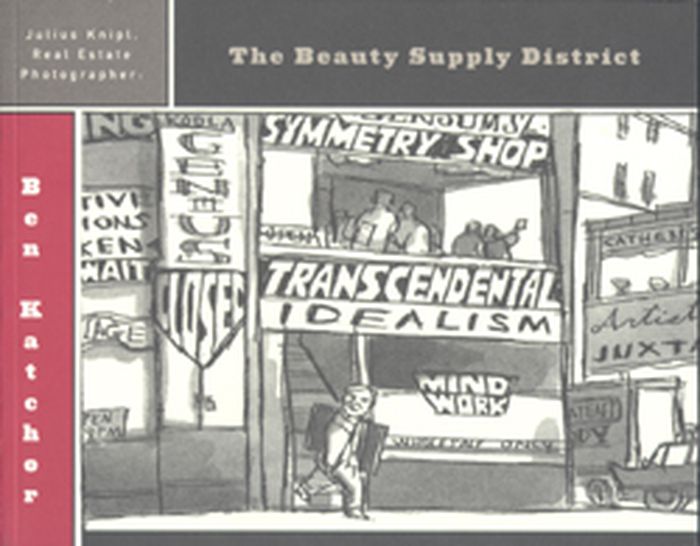
Join Julius Knipl, real estate photographer, on a leisurely stroll past the Institute for Soup-Nut Research and The Municipal Birthmark Registry. Savor the smell of a phone booth, circa 1961. Sign up for a guided tour of the oldest continually vacant storefront in America. Attend a championship grave-digging competition, or should you feel you've wasted yet another day, you can check in for help at a local Misspent Youth Center. Ben Katchor is the author of The Jew of New York. His weekly comic strips, Julius Knipl, Real Estate Photographer and The Cardboard Valise, appear in The Forward and other newspapers. Katchor also produces a monthly strip for Metropolis magazine. He lives in New York city.
Julius Knipl, real estate photographer: the beauty supply district
Actions:
Prix:
$19.50
(disponible sur commande)
Résumé:
Join Julius Knipl, real estate photographer, on a leisurely stroll past the Institute for Soup-Nut Research and The Municipal Birthmark Registry. Savor the smell of a phone booth, circa 1961. Sign up for a guided tour of the oldest continually vacant storefront in America. Attend a championship grave-digging competition, or should you feel you've wasted yet another day, you can check in for help at a local Misspent Youth Center. Ben Katchor is the author of The Jew of New York. His weekly comic strips, Julius Knipl, Real Estate Photographer and The Cardboard Valise, appear in The Forward and other newspapers. Katchor also produces a monthly strip for Metropolis magazine. He lives in New York city.
Classification:
livres
livres
Publication:
août 2003, New York
août 2003, New York
Sujet:
Illustration
Illustration
Classification:
livres
livres
Prix:
$42.00
(disponible sur commande)
Résumé:
Are small homes going to be the new norm? By mid-century, a large number of people will be living by themselves, meaning it is time the building industry gave small homes more attention. In the Dutch city of Almere, BouwEXPO Tiny Housing launched an open ideas competition in 2016. The winners built sixteen permanent and greatly varied houses at one location in the city,(...)
$42.00
(disponible sur commande)
Résumé:
Are small homes going to be the new norm? By mid-century, a large number of people will be living by themselves, meaning it is time the building industry gave small homes more attention. In the Dutch city of Almere, BouwEXPO Tiny Housing launched an open ideas competition in 2016. The winners built sixteen permanent and greatly varied houses at one location in the city,(...)
Titre:
Small homes: the making of Bouwexpo Tiny Housing in Almere
Actions:
Prix:
$42.00
(disponible sur commande)
Résumé:
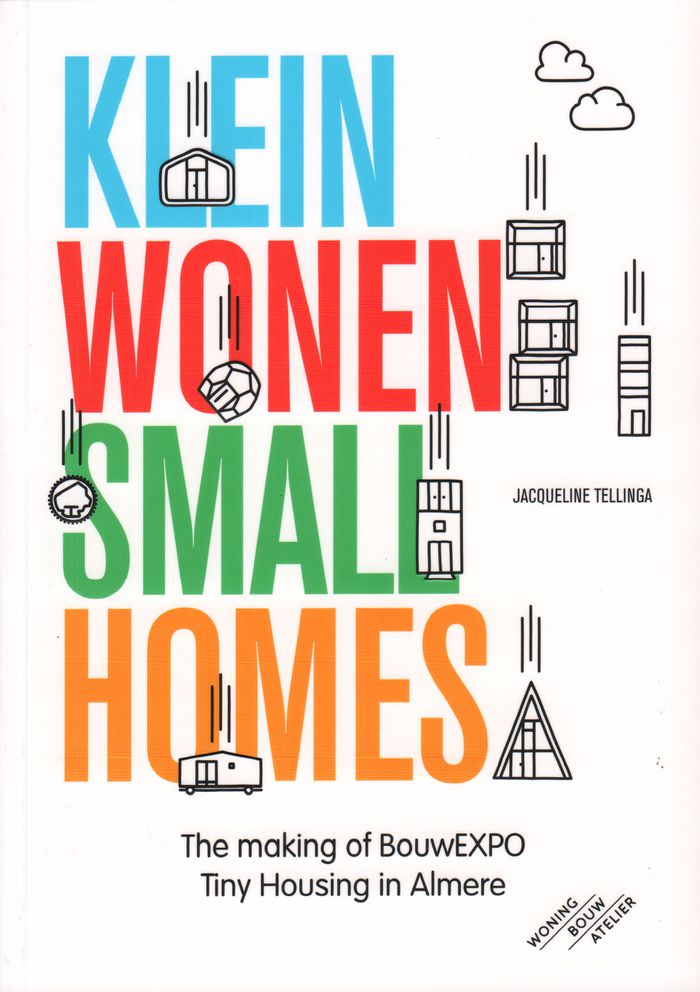
Are small homes going to be the new norm? By mid-century, a large number of people will be living by themselves, meaning it is time the building industry gave small homes more attention. In the Dutch city of Almere, BouwEXPO Tiny Housing launched an open ideas competition in 2016. The winners built sixteen permanent and greatly varied houses at one location in the city, all of which are actually lived in today. The houses naturally serve as inspiration for small dwellings elsewhere, whether on vacant lots, as infill, on a roof, or in completely new neighbourhoods. This book offers an in-depth reportage on the entire design, funding, and building process of the awarded small homes.
Small homes: the making of Bouwexpo Tiny Housing in Almere
Actions:
Prix:
$42.00
(disponible sur commande)
Résumé:
Are small homes going to be the new norm? By mid-century, a large number of people will be living by themselves, meaning it is time the building industry gave small homes more attention. In the Dutch city of Almere, BouwEXPO Tiny Housing launched an open ideas competition in 2016. The winners built sixteen permanent and greatly varied houses at one location in the city, all of which are actually lived in today. The houses naturally serve as inspiration for small dwellings elsewhere, whether on vacant lots, as infill, on a roof, or in completely new neighbourhoods. This book offers an in-depth reportage on the entire design, funding, and building process of the awarded small homes.
Classification:
livres
livres
Publication:
janvier 2020
janvier 2020
Sujet:
Architecture miniature
Architecture miniature
Classification:
livres
livres
Actions:
Prix:
$66.00
(disponible sur commande)
Résumé:
With Skies of Concrete, Austrian architectural photographer Gisela Erlacher explores a fascinating subject for urbanization—our ability to live, work, and play in what might seem like the most inhospitable of places. Erlacher had long been fascinated with the ways existing structures are modified to meet new transport needs, but a house wedged between two bridges in her(...)
$66.00
(disponible sur commande)
Résumé:
With Skies of Concrete, Austrian architectural photographer Gisela Erlacher explores a fascinating subject for urbanization—our ability to live, work, and play in what might seem like the most inhospitable of places. Erlacher had long been fascinated with the ways existing structures are modified to meet new transport needs, but a house wedged between two bridges in her(...)
Titre:
Gisela Erlacher: Skies of concrete
Actions:
Prix:
$66.00
(disponible sur commande)
Résumé:
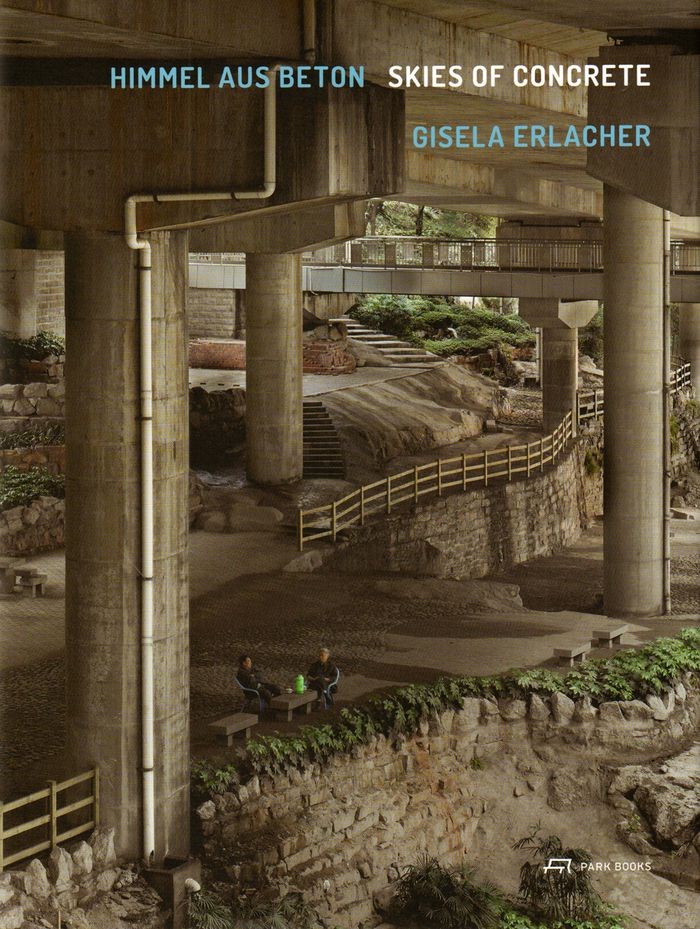
With Skies of Concrete, Austrian architectural photographer Gisela Erlacher explores a fascinating subject for urbanization—our ability to live, work, and play in what might seem like the most inhospitable of places. Erlacher had long been fascinated with the ways existing structures are modified to meet new transport needs, but a house wedged between two bridges in her native Vienna inspired a more extensive exploration of the leftover spaces. Erlacher traveled to China, Britain, and the Netherlands, capturing exquisite photographs of bridges, viaducts, and multistory highways, which focus specifically on the vacant and disused spaces and situations created by their construction. Beneath and between these structures, we find housing, parking, and storage, but also skate parks, tea houses, and food stalls in varying shades of legality.
Gisela Erlacher: Skies of concrete
Actions:
Prix:
$66.00
(disponible sur commande)
Résumé:
With Skies of Concrete, Austrian architectural photographer Gisela Erlacher explores a fascinating subject for urbanization—our ability to live, work, and play in what might seem like the most inhospitable of places. Erlacher had long been fascinated with the ways existing structures are modified to meet new transport needs, but a house wedged between two bridges in her native Vienna inspired a more extensive exploration of the leftover spaces. Erlacher traveled to China, Britain, and the Netherlands, capturing exquisite photographs of bridges, viaducts, and multistory highways, which focus specifically on the vacant and disused spaces and situations created by their construction. Beneath and between these structures, we find housing, parking, and storage, but also skate parks, tea houses, and food stalls in varying shades of legality.
Classification:
livres
livres
Publication:
février 2016
février 2016
Sujet:
Monographies photo
Monographies photo
Classification:
livres
livres
Prix:
$29.95
(disponible sur commande)
Résumé:
All urban dwellers have seen them: vacant apartment blocks, blighted business districts, destitute streets, industrial wastelands. Exurban growth has led to shrinking cities, a perennial problem. Grappling with this change, both philosophically and practically, is the purpose of this illustrated collection of essays, a rich resource for the generation of architects,(...)
$29.95
(disponible sur commande)
Résumé:
All urban dwellers have seen them: vacant apartment blocks, blighted business districts, destitute streets, industrial wastelands. Exurban growth has led to shrinking cities, a perennial problem. Grappling with this change, both philosophically and practically, is the purpose of this illustrated collection of essays, a rich resource for the generation of architects,(...)
Titre:
Work place city : perspectives of an urban redevelopment culture
Actions:
Prix:
$29.95
(disponible sur commande)
Résumé:
All urban dwellers have seen them: vacant apartment blocks, blighted business districts, destitute streets, industrial wastelands. Exurban growth has led to shrinking cities, a perennial problem. Grappling with this change, both philosophically and practically, is the purpose of this illustrated collection of essays, a rich resource for the generation of architects, engineers, and urban planners who must face the decay. The contributions by a range of politicians, scholars, and planners arose out of the series of "Tatort Stadt" ("Work Place City") events, conferences, and exhibitions sponsored by the German government and the Bauhaus Dessau Foundation (the research and design center carrying forward the Bauhaus legacy). Exploring both current and proposed projects, these approaches recognize the need for structural change, acknowledging that urban redevelopment requires much more than demolition.
Work place city : perspectives of an urban redevelopment culture
Actions:
Prix:
$29.95
(disponible sur commande)
Résumé:
All urban dwellers have seen them: vacant apartment blocks, blighted business districts, destitute streets, industrial wastelands. Exurban growth has led to shrinking cities, a perennial problem. Grappling with this change, both philosophically and practically, is the purpose of this illustrated collection of essays, a rich resource for the generation of architects, engineers, and urban planners who must face the decay. The contributions by a range of politicians, scholars, and planners arose out of the series of "Tatort Stadt" ("Work Place City") events, conferences, and exhibitions sponsored by the German government and the Bauhaus Dessau Foundation (the research and design center carrying forward the Bauhaus legacy). Exploring both current and proposed projects, these approaches recognize the need for structural change, acknowledging that urban redevelopment requires much more than demolition.
Classification:
livres
livres
Publication:
août 2005, Berlin
août 2005, Berlin
Sujet:
Théorie de l’urbanisme
Théorie de l’urbanisme
Classification:
livres
livres
Actions:
Prix:
$65.00
(disponible en magasin)
Résumé:
How has Berlin’s urban landscape changed in its remarkable transformation from divided city to creative capital? Despite the monumental heritage and grand development projects, Berlin still conjures up images of urban fragmentation and vacant inner-city land. The book reveals the changing nature and complex politics of this open space. A rephotographing of sites between(...)
$65.00
(disponible en magasin)
Résumé:
How has Berlin’s urban landscape changed in its remarkable transformation from divided city to creative capital? Despite the monumental heritage and grand development projects, Berlin still conjures up images of urban fragmentation and vacant inner-city land. The book reveals the changing nature and complex politics of this open space. A rephotographing of sites between(...)
Titre:
Spaces of uncertainty: Berlin revisited
Actions:
Prix:
$65.00
(disponible en magasin)
Résumé:
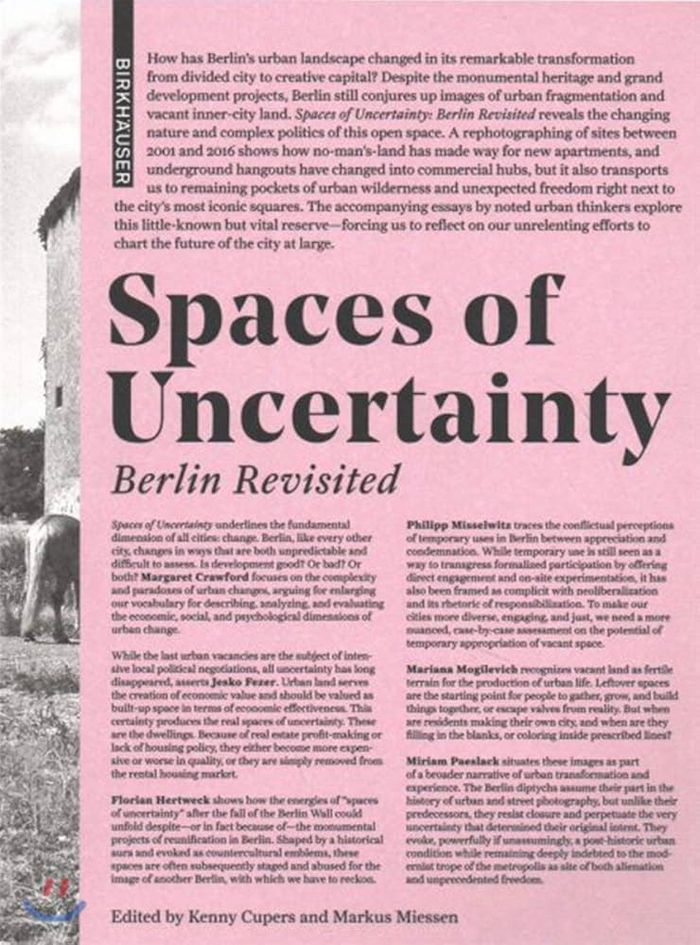
How has Berlin’s urban landscape changed in its remarkable transformation from divided city to creative capital? Despite the monumental heritage and grand development projects, Berlin still conjures up images of urban fragmentation and vacant inner-city land. The book reveals the changing nature and complex politics of this open space. A rephotographing of sites between 2001 and 2016 shows how no man’s land has made way for new apartments and underground hangouts have changed into commercial hubs, but it also transports us to remaining pockets of urban wilderness and unexpected freedom right next to the city’s most iconic squares. The accompanying essays by noted urban thinkers explore this little-known but vital reserve—forcing us to reflect on our unrelenting efforts to chart the future of the city at large.
Spaces of uncertainty: Berlin revisited
Actions:
Prix:
$65.00
(disponible en magasin)
Résumé:
How has Berlin’s urban landscape changed in its remarkable transformation from divided city to creative capital? Despite the monumental heritage and grand development projects, Berlin still conjures up images of urban fragmentation and vacant inner-city land. The book reveals the changing nature and complex politics of this open space. A rephotographing of sites between 2001 and 2016 shows how no man’s land has made way for new apartments and underground hangouts have changed into commercial hubs, but it also transports us to remaining pockets of urban wilderness and unexpected freedom right next to the city’s most iconic squares. The accompanying essays by noted urban thinkers explore this little-known but vital reserve—forcing us to reflect on our unrelenting efforts to chart the future of the city at large.
Classification:
livres
livres
Publication:
mars 2018
mars 2018
Sujet:
Théorie de l’urbanisme
Théorie de l’urbanisme
Classification:
livres
livres
Titre:
Subconscious city
Subconscious city
Actions:
Prix:
$30.00
(disponible sur commande)
Résumé:
"Subsconscious city" examines the often hidden underpinnings of Winnipeg - its myths, its vacant lots, its forgotten communities, its hidden gems - and reveals a complicated picture of place. Created as a companion to the contemporary art exhibition of the same name curated by Shawna Dempsey and Lori Millan, this publication delves into the nature of our urban social and(...)
$30.00
(disponible sur commande)
Résumé:
"Subsconscious city" examines the often hidden underpinnings of Winnipeg - its myths, its vacant lots, its forgotten communities, its hidden gems - and reveals a complicated picture of place. Created as a companion to the contemporary art exhibition of the same name curated by Shawna Dempsey and Lori Millan, this publication delves into the nature of our urban social and(...)
Titre:
Subconscious city
Actions:
Prix:
$30.00
(disponible sur commande)
Résumé:
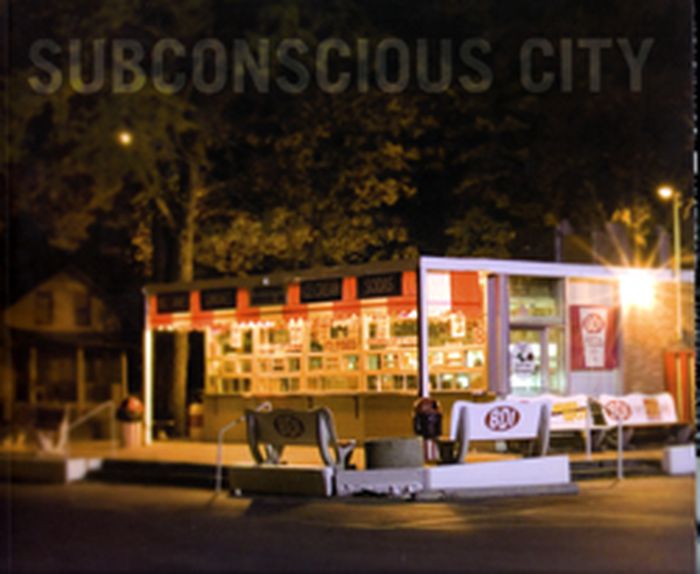
"Subsconscious city" examines the often hidden underpinnings of Winnipeg - its myths, its vacant lots, its forgotten communities, its hidden gems - and reveals a complicated picture of place. Created as a companion to the contemporary art exhibition of the same name curated by Shawna Dempsey and Lori Millan, this publication delves into the nature of our urban social and physical landscape, and its power to shape identity. This volume includes poetry and lyrics by John K. Samson, new fiction by Guy Maddin, creative meditations by Jeanne Randolph and Marvin Francis, and essays by Sigrid Dahle, Molly Johnson and Richard Milgrom, Claudine Majzels, and Dempsey and Millan, ranging in topics from the benefits of zero growth to the Aboriginal urban experience. Artworks of KC Adams, Keith Berens, Simon Hughes' Bonnie Marin, Diana Thorneycroft and many others.
Subconscious city
Actions:
Prix:
$30.00
(disponible sur commande)
Résumé:
"Subsconscious city" examines the often hidden underpinnings of Winnipeg - its myths, its vacant lots, its forgotten communities, its hidden gems - and reveals a complicated picture of place. Created as a companion to the contemporary art exhibition of the same name curated by Shawna Dempsey and Lori Millan, this publication delves into the nature of our urban social and physical landscape, and its power to shape identity. This volume includes poetry and lyrics by John K. Samson, new fiction by Guy Maddin, creative meditations by Jeanne Randolph and Marvin Francis, and essays by Sigrid Dahle, Molly Johnson and Richard Milgrom, Claudine Majzels, and Dempsey and Millan, ranging in topics from the benefits of zero growth to the Aboriginal urban experience. Artworks of KC Adams, Keith Berens, Simon Hughes' Bonnie Marin, Diana Thorneycroft and many others.
Classification:
livres
livres
Publication:
mars 2008, Winnipeg
mars 2008, Winnipeg
Sujet:
Architecture du Canada
Architecture du Canada
Classification:
périodiques
périodiques
Actions:
Prix:
$9.00
(disponible sur commande)
Résumé:
Continuité no. 158, automne 2018 : Nous faisons la différence. En patrimoine, la participation citoyenne prend diverses formes : une communauté se mobilise pour sauver un bâtiment qui lui tient à cœur ou pour dénoncer un projet qu'elle juge inapproprié, des gens s'impliquent dans un processus de consultation publique ou un projet de codesign, des voisins décident d'animer(...)
$9.00
(disponible sur commande)
Résumé:
Continuité no. 158, automne 2018 : Nous faisons la différence. En patrimoine, la participation citoyenne prend diverses formes : une communauté se mobilise pour sauver un bâtiment qui lui tient à cœur ou pour dénoncer un projet qu'elle juge inapproprié, des gens s'impliquent dans un processus de consultation publique ou un projet de codesign, des voisins décident d'animer(...)
Titre:
Continuité 158 : Nous faisons la différence
Actions:
Prix:
$9.00
(disponible sur commande)
Résumé:
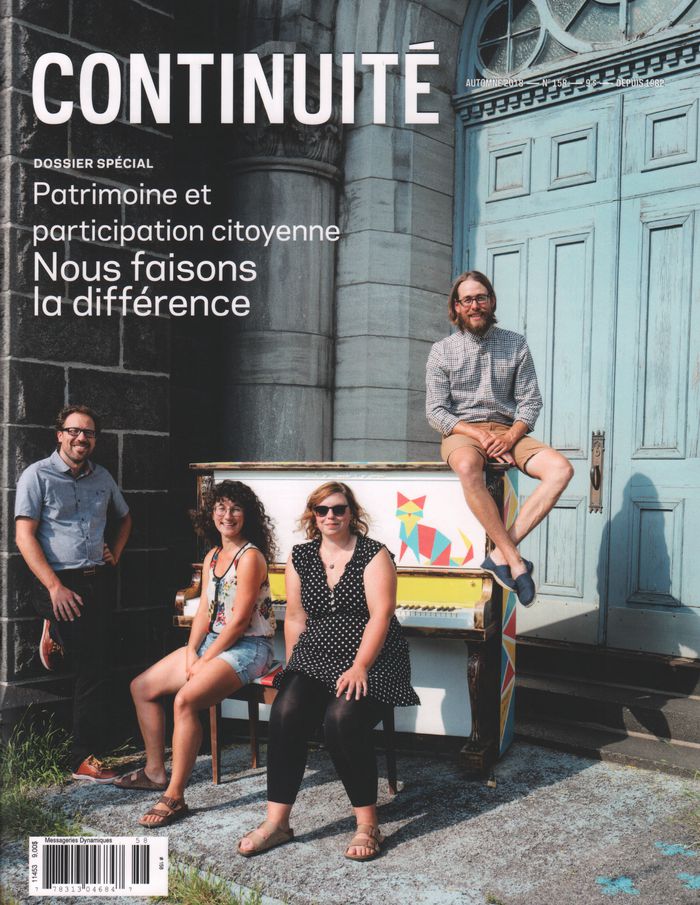
Continuité no. 158, automne 2018 : Nous faisons la différence. En patrimoine, la participation citoyenne prend diverses formes : une communauté se mobilise pour sauver un bâtiment qui lui tient à cœur ou pour dénoncer un projet qu'elle juge inapproprié, des gens s'impliquent dans un processus de consultation publique ou un projet de codesign, des voisins décident d'animer un espace vacant de leur quartier, etc. Tantôt, les initiatives naissent de la population ; tantôt, il faut stimuler l'engagement. À l'heure de l'urbanisme participatif et tactique, le dossier du numéro d’automne de Continuité se penche sur le rôle que chacun peut jouer dans la préservation de notre héritage collectif et de la qualité de nos milieux de vie, mais aussi, sur la manière d’amener monsieur et madame Tout-le-monde à passer à l’action.
Continuité 158 : Nous faisons la différence
Actions:
Prix:
$9.00
(disponible sur commande)
Résumé:
Continuité no. 158, automne 2018 : Nous faisons la différence. En patrimoine, la participation citoyenne prend diverses formes : une communauté se mobilise pour sauver un bâtiment qui lui tient à cœur ou pour dénoncer un projet qu'elle juge inapproprié, des gens s'impliquent dans un processus de consultation publique ou un projet de codesign, des voisins décident d'animer un espace vacant de leur quartier, etc. Tantôt, les initiatives naissent de la population ; tantôt, il faut stimuler l'engagement. À l'heure de l'urbanisme participatif et tactique, le dossier du numéro d’automne de Continuité se penche sur le rôle que chacun peut jouer dans la préservation de notre héritage collectif et de la qualité de nos milieux de vie, mais aussi, sur la manière d’amener monsieur et madame Tout-le-monde à passer à l’action.
Classification:
périodiques
périodiques
Publication:
septembre 2018
septembre 2018
Sujet:
Revues
Revues
Classification:
livres
livres
Actions:
Prix:
$35.95
(disponible sur commande)
Résumé:
The book guides the readers through the community gardens created in vacant lots in the little Manhattan neighborhood called Loisaida, born to accomodate the waves of immigrants moving to the USA. Michela Pasquali tells the gardens’ story and their development and evolution over the past thirty years, including the recent risk of their being demolished due to building(...)
$35.95
(disponible sur commande)
Résumé:
The book guides the readers through the community gardens created in vacant lots in the little Manhattan neighborhood called Loisaida, born to accomodate the waves of immigrants moving to the USA. Michela Pasquali tells the gardens’ story and their development and evolution over the past thirty years, including the recent risk of their being demolished due to building(...)
Titre:
Loisaida : NYC community gardens
Actions:
Prix:
$35.95
(disponible sur commande)
Résumé:
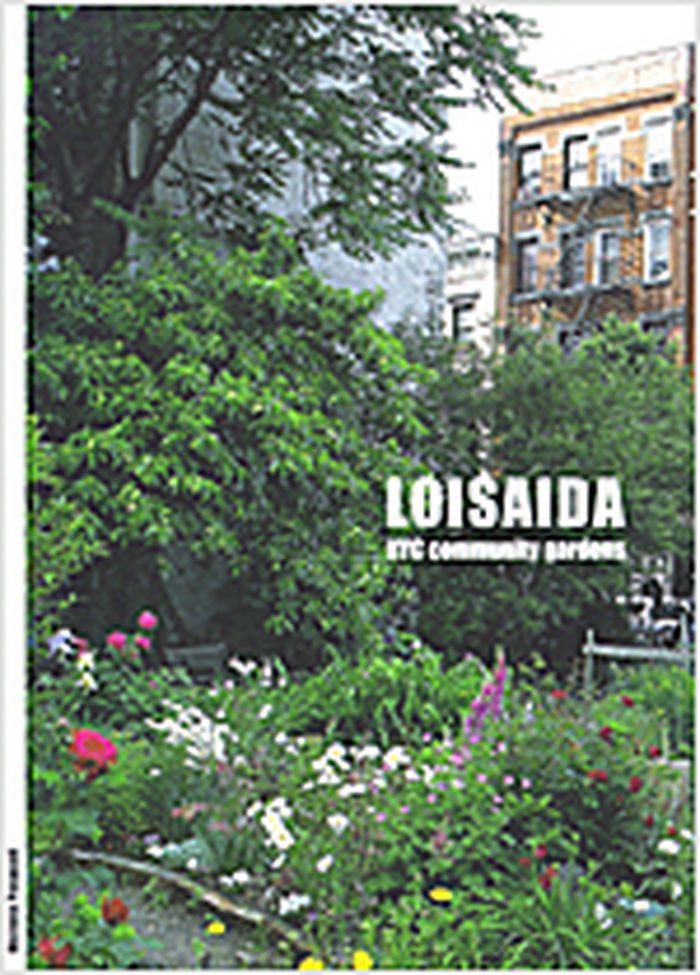
The book guides the readers through the community gardens created in vacant lots in the little Manhattan neighborhood called Loisaida, born to accomodate the waves of immigrants moving to the USA. Michela Pasquali tells the gardens’ story and their development and evolution over the past thirty years, including the recent risk of their being demolished due to building speculation in the area. First created at the beginning of the 1970s, thanks to the initiative of a group of local residents, the Loisaida community gardens stand out as one of the most interesting examples of New York’s hidden green urban spaces. A blend of different cultures, languages, religions and habits which overlap and come together in the evocative names chosen for the gardens: El Sol Brillante, Brisas del Caribe, Miracle Garden...
Loisaida : NYC community gardens
Actions:
Prix:
$35.95
(disponible sur commande)
Résumé:
The book guides the readers through the community gardens created in vacant lots in the little Manhattan neighborhood called Loisaida, born to accomodate the waves of immigrants moving to the USA. Michela Pasquali tells the gardens’ story and their development and evolution over the past thirty years, including the recent risk of their being demolished due to building speculation in the area. First created at the beginning of the 1970s, thanks to the initiative of a group of local residents, the Loisaida community gardens stand out as one of the most interesting examples of New York’s hidden green urban spaces. A blend of different cultures, languages, religions and habits which overlap and come together in the evocative names chosen for the gardens: El Sol Brillante, Brisas del Caribe, Miracle Garden...
Classification:
livres
livres
Publication:
juin 2006, Milano
juin 2006, Milano
Sujet:
Jardins
Jardins


