


163 Résultats
Classification:
livres
livres
Titre:
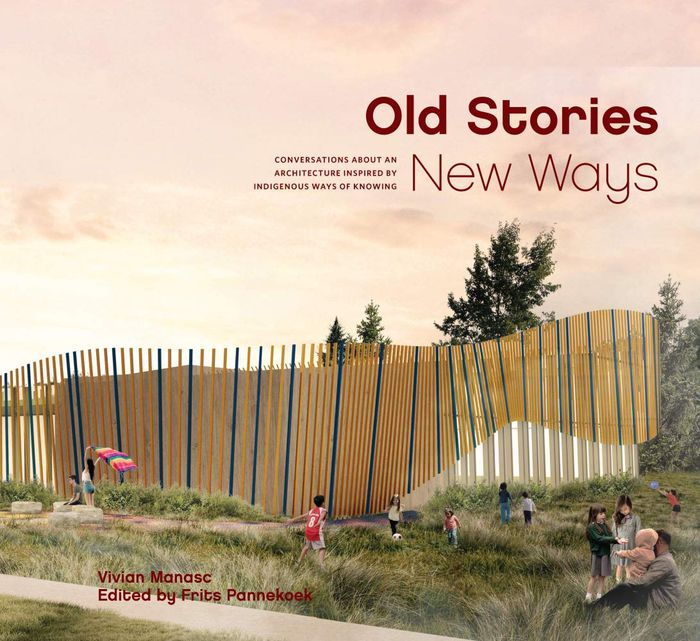
Old stories, new ways: Conversations about an architecture inspired by indigenous ways of knowing
Old stories, new ways: Conversations about an architecture inspired by indigenous ways of knowing
Actions:
Prix:
$39.95
(disponible sur commande)
Résumé:
Vivian Manasc, one of the founders of Manasc Isaac Architects, has pioneered sustainable architecture in Canada. Her work in partnership with Indigenous communities has been her greatest inspiration, and it has transformed the very nature of her practice. Through the profound lessons of the seven Grandfather Teachings, Vivian came to understand that the process of(...)
$39.95
(disponible sur commande)
Résumé:
Vivian Manasc, one of the founders of Manasc Isaac Architects, has pioneered sustainable architecture in Canada. Her work in partnership with Indigenous communities has been her greatest inspiration, and it has transformed the very nature of her practice. Through the profound lessons of the seven Grandfather Teachings, Vivian came to understand that the process of(...)
Publication:
décembre 2020
décembre 2020
Titre:
Old stories, new ways: Conversations about an architecture inspired by indigenous ways of knowing
Actions:
Prix:
$39.95
(disponible sur commande)
Résumé:
Vivian Manasc, one of the founders of Manasc Isaac Architects, has pioneered sustainable architecture in Canada. Her work in partnership with Indigenous communities has been her greatest inspiration, and it has transformed the very nature of her practice. Through the profound lessons of the seven Grandfather Teachings, Vivian came to understand that the process of planning and designing a building should be a circle, with the beginning and end of the story linked together. The stories Vivian tells in this book are also framed by these teachings of Courage, Love, Wisdom, Respect, Truth, Humility and Honesty, with each teaching illuminating an aspect of how working with Dene, Cree, Saulteaux, Métis, Inuit and Inuvialuit communities has influenced her design practice.
Old stories, new ways: Conversations about an architecture inspired by indigenous ways of knowing
Actions:
Prix:
$39.95
(disponible sur commande)
Résumé:
Vivian Manasc, one of the founders of Manasc Isaac Architects, has pioneered sustainable architecture in Canada. Her work in partnership with Indigenous communities has been her greatest inspiration, and it has transformed the very nature of her practice. Through the profound lessons of the seven Grandfather Teachings, Vivian came to understand that the process of planning and designing a building should be a circle, with the beginning and end of the story linked together. The stories Vivian tells in this book are also framed by these teachings of Courage, Love, Wisdom, Respect, Truth, Humility and Honesty, with each teaching illuminating an aspect of how working with Dene, Cree, Saulteaux, Métis, Inuit and Inuvialuit communities has influenced her design practice.
Classification:
livres
livres
Publication:
décembre 2020
décembre 2020
Classification:
livres
livres
Actions:
Prix:
$40.00
(disponible sur commande)
Résumé:
Born in Kinngait (Cape Dorset) in 1961, Shuvinai is part of a famed dynasty of artists that includes her grandmother Pitseolak Ashoona and her Sobey Art Award–winning cousin, the late Annie Pootoogook. Shuvinai is recognized as a member of a new generation of artists that engage with drawing in innovative ways. Her highly imaginative work combines aspects of traditional(...)
$40.00
(disponible sur commande)
Résumé:
Born in Kinngait (Cape Dorset) in 1961, Shuvinai is part of a famed dynasty of artists that includes her grandmother Pitseolak Ashoona and her Sobey Art Award–winning cousin, the late Annie Pootoogook. Shuvinai is recognized as a member of a new generation of artists that engage with drawing in innovative ways. Her highly imaginative work combines aspects of traditional(...)
Publication:
mars 2019
mars 2019
Titre:
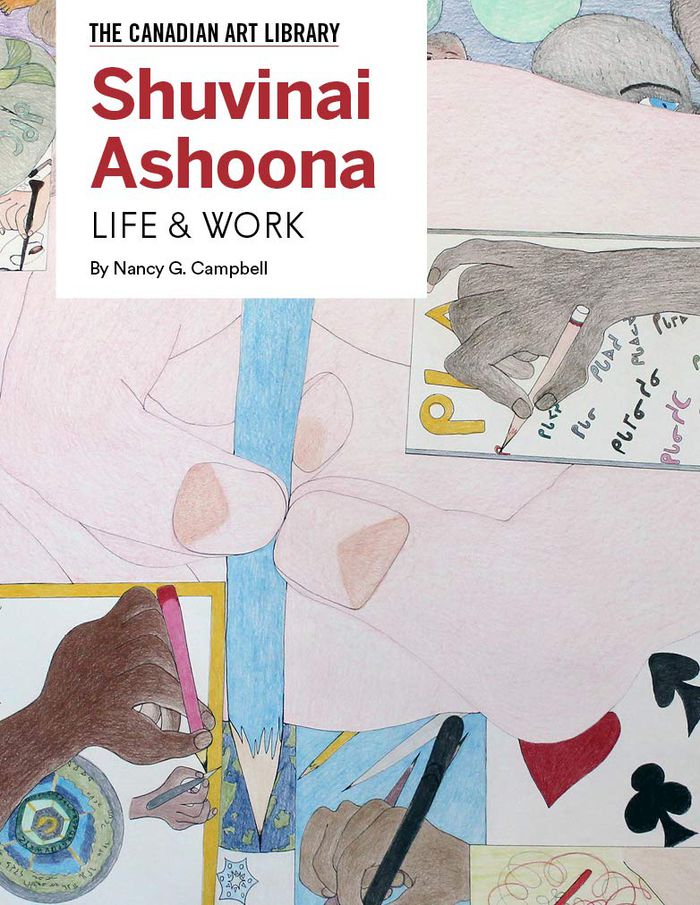
Shuvinai Ashoona : life & work
Actions:
Prix:
$40.00
(disponible sur commande)
Résumé:
Born in Kinngait (Cape Dorset) in 1961, Shuvinai is part of a famed dynasty of artists that includes her grandmother Pitseolak Ashoona and her Sobey Art Award–winning cousin, the late Annie Pootoogook. Shuvinai is recognized as a member of a new generation of artists that engage with drawing in innovative ways. Her highly imaginative work combines aspects of traditional Inuit culture and mythology with influences derived from the non-Arctic world. This publication explores the world of an artist whose rich graphic imagery conveys an intricate and textured personal vision. Using pencil, pen and ink, and markers to render dense, highly imaginative drawings, Shuvinai creates art that reflects the intersection of values between the traditional and the contemporary in the North.
Shuvinai Ashoona : life & work
Actions:
Prix:
$40.00
(disponible sur commande)
Résumé:
Born in Kinngait (Cape Dorset) in 1961, Shuvinai is part of a famed dynasty of artists that includes her grandmother Pitseolak Ashoona and her Sobey Art Award–winning cousin, the late Annie Pootoogook. Shuvinai is recognized as a member of a new generation of artists that engage with drawing in innovative ways. Her highly imaginative work combines aspects of traditional Inuit culture and mythology with influences derived from the non-Arctic world. This publication explores the world of an artist whose rich graphic imagery conveys an intricate and textured personal vision. Using pencil, pen and ink, and markers to render dense, highly imaginative drawings, Shuvinai creates art that reflects the intersection of values between the traditional and the contemporary in the North.
Classification:
livres
livres
Publication:
mars 2019
mars 2019
Classification:
livres
livres
Titre:
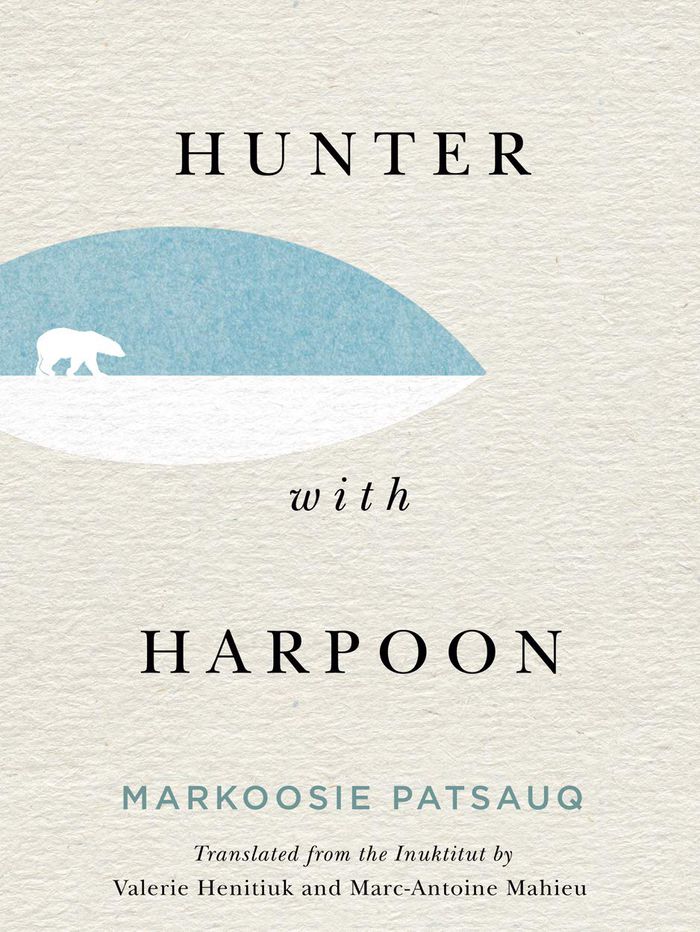
Hunter with harpoon
Hunter with harpoon
Actions:
Prix:
$22.95
(disponible en magasin)
Résumé:
Published fifty years ago under the title "Harpoon of the hunter", Markoosie Patsauq's novel helped establish the genre of Indigenous fiction in Canada. This new English translation unfolds the story of Kamik, a young hero who comes to manhood while on a perilous hunt for a wounded polar bear. In this astonishing tale of a people struggling for survival in a brutal(...)
$22.95
(disponible en magasin)
Résumé:
Published fifty years ago under the title "Harpoon of the hunter", Markoosie Patsauq's novel helped establish the genre of Indigenous fiction in Canada. This new English translation unfolds the story of Kamik, a young hero who comes to manhood while on a perilous hunt for a wounded polar bear. In this astonishing tale of a people struggling for survival in a brutal(...)
Titre:
Hunter with harpoon
Actions:
Prix:
$22.95
(disponible en magasin)
Résumé:
Published fifty years ago under the title "Harpoon of the hunter", Markoosie Patsauq's novel helped establish the genre of Indigenous fiction in Canada. This new English translation unfolds the story of Kamik, a young hero who comes to manhood while on a perilous hunt for a wounded polar bear. In this astonishing tale of a people struggling for survival in a brutal environment, Patsauq describes a life in the Canadian Arctic as one that is reliant on cooperation and vigilance. Whether revisiting this classic or discovering it for the first time, readers will find in this book a sophisticated coming-of-age tale illustrating a way of life not as it appeared to southerners, but as it has survived in the memory of the Inuit themselves.
Hunter with harpoon
Actions:
Prix:
$22.95
(disponible en magasin)
Résumé:
Published fifty years ago under the title "Harpoon of the hunter", Markoosie Patsauq's novel helped establish the genre of Indigenous fiction in Canada. This new English translation unfolds the story of Kamik, a young hero who comes to manhood while on a perilous hunt for a wounded polar bear. In this astonishing tale of a people struggling for survival in a brutal environment, Patsauq describes a life in the Canadian Arctic as one that is reliant on cooperation and vigilance. Whether revisiting this classic or discovering it for the first time, readers will find in this book a sophisticated coming-of-age tale illustrating a way of life not as it appeared to southerners, but as it has survived in the memory of the Inuit themselves.
Classification:
livres
livres
Publication:
juillet 2022
juillet 2022
Classification:
livres
livres
Prix:
$64.00
(disponible en magasin)
Résumé:
Native artists are at the vanguard of performance art practices and discourse, using humor as a strategy for cultural critique and reflection, parsing the relationships between objecthood and agency. This reader centers performance and theater as origin points for the development of contemporary art by Native American, First Nations, Métis, Inuit and Alaska Native(...)
$64.00
(disponible en magasin)
Résumé:
Native artists are at the vanguard of performance art practices and discourse, using humor as a strategy for cultural critique and reflection, parsing the relationships between objecthood and agency. This reader centers performance and theater as origin points for the development of contemporary art by Native American, First Nations, Métis, Inuit and Alaska Native(...)
Titre:
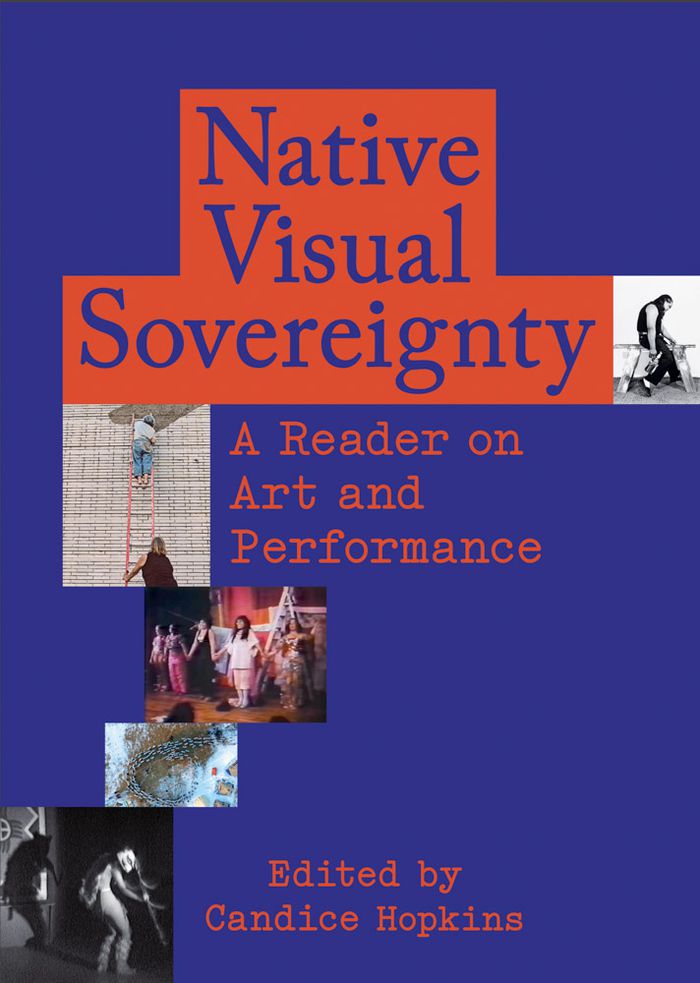
Native visual sovereignty: A reader on art and performance
Actions:
Prix:
$64.00
(disponible en magasin)
Résumé:
Native artists are at the vanguard of performance art practices and discourse, using humor as a strategy for cultural critique and reflection, parsing the relationships between objecthood and agency. This reader centers performance and theater as origin points for the development of contemporary art by Native American, First Nations, Métis, Inuit and Alaska Native artists. Song, dance and music are also posited as a basis for collectivity and resistance and a means to speak to a time when Native traditional ceremony and public gatherings were illegal in both the United States and Canada. Featuring excerpts from the 1969 document Indian Theatre: An Artistic Experiment in Process, this illustrated reader also includes four long-form essays by leading Indigenous scholars, nine artist contributions, oral history interviews and a selection of key texts from the fields of Native contemporary art, art history and theory.
Native visual sovereignty: A reader on art and performance
Actions:
Prix:
$64.00
(disponible en magasin)
Résumé:
Native artists are at the vanguard of performance art practices and discourse, using humor as a strategy for cultural critique and reflection, parsing the relationships between objecthood and agency. This reader centers performance and theater as origin points for the development of contemporary art by Native American, First Nations, Métis, Inuit and Alaska Native artists. Song, dance and music are also posited as a basis for collectivity and resistance and a means to speak to a time when Native traditional ceremony and public gatherings were illegal in both the United States and Canada. Featuring excerpts from the 1969 document Indian Theatre: An Artistic Experiment in Process, this illustrated reader also includes four long-form essays by leading Indigenous scholars, nine artist contributions, oral history interviews and a selection of key texts from the fields of Native contemporary art, art history and theory.
Classification:
livres
livres
Publication:
décembre 2025
décembre 2025
Sujet:
Théorie de l’art
Théorie de l’art
Classification:
livres
livres
Actions:
Prix:
$20.00
(disponible sur commande)
Résumé:
Oarjemáilmmi dáiddárat ja cállit leat govvádallan ja ovdanbuktán Davviriikkaid jahkecudiid cada, mii lea dagahan ahte, logijagiid suksessiva akkumulašuvnnain diskurssaiguin, leat ráhkaduvvon “davi govvádallamat” - mat vulget “Davvin” Skandinávias, Ruonáeatnamis ja Ruoššas, “davvi allagassii” dahje Davvináhpái. Oarjemáilmmálaccat leat johtán davvináhpái beare jahkecuodi(...)
$20.00
(disponible sur commande)
Résumé:
Oarjemáilmmi dáiddárat ja cállit leat govvádallan ja ovdanbuktán Davviriikkaid jahkecudiid cada, mii lea dagahan ahte, logijagiid suksessiva akkumulašuvnnain diskurssaiguin, leat ráhkaduvvon “davi govvádallamat” - mat vulget “Davvin” Skandinávias, Ruonáeatnamis ja Ruoššas, “davvi allagassii” dahje Davvináhpái. Oarjemáilmmálaccat leat johtán davvináhpái beare jahkecuodi(...)
Titre:
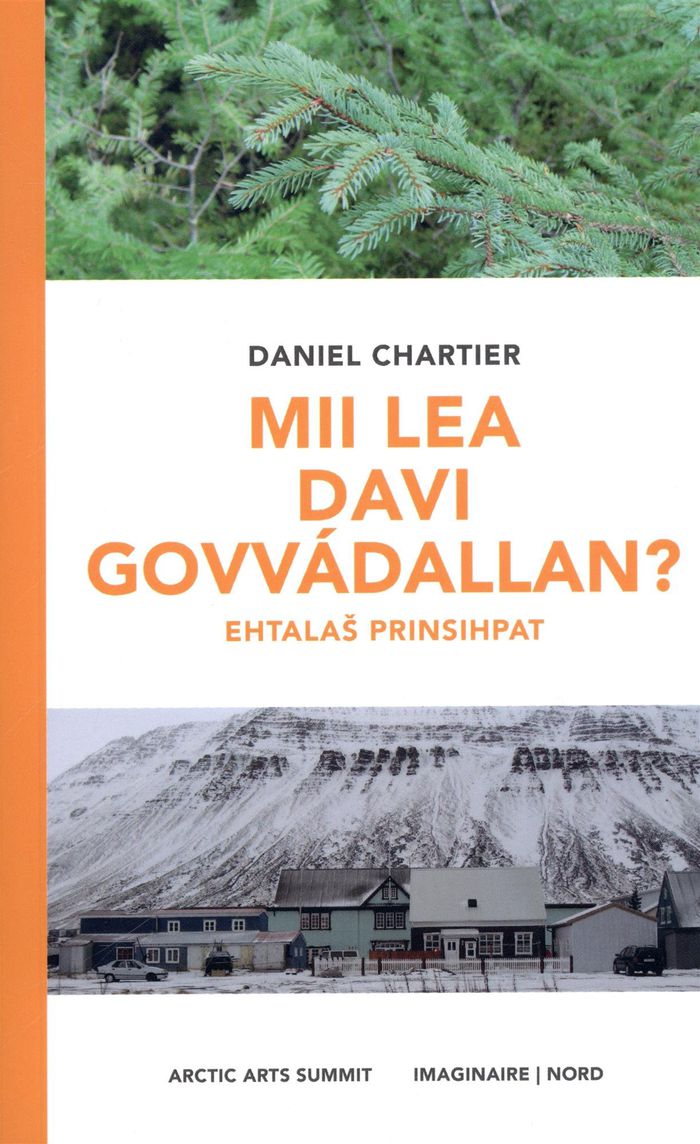
Mii lea "davi govvádallan"? Ehtalaš prinsihpat
Actions:
Prix:
$20.00
(disponible sur commande)
Résumé:
Oarjemáilmmi dáiddárat ja cállit leat govvádallan ja ovdanbuktán Davviriikkaid jahkecudiid cada, mii lea dagahan ahte, logijagiid suksessiva akkumulašuvnnain diskurssaiguin, leat ráhkaduvvon “davi govvádallamat” - mat vulget “Davvin” Skandinávias, Ruonáeatnamis ja Ruoššas, “davvi allagassii” dahje Davvináhpái. Oarjemáilmmálaccat leat johtán davvináhpái beare jahkecuodi dás ovdal, mii dagaha ahte “Davvi” lea buodus duppalgeahcastagas: Geahcastat mii boahtá olggobealde - hábmejuvvon erenoamážit oarjemáilmmálaš govvádallamiiguin - ja geahcastat mii boahtá siskkáldasat - Davi kultuvrrain (Inuit, Skandináva, Cree, jna.). Dat vuosttaš dávjá álkiduvvo ja nubbi hilgojuvvo. Jus mii háliidat áddet mii “Davvi” lea oppalaš perspektiivvas, fertet jearrat guokte jearaldaga: mo definerejit govvádallamat davi, ja makkár ehtalaš prinsihpat berrejit stivret mo mii dulkot davi kultuvrraid oažžun dihte ollislaš oainnu das (maiddá, erenoamážit daid maid lullin leat badjelgeahccan)? Dán artihkkalis geahccala cálli loktet dán guokte jearaldaga, vuos dan bokte ahte definere mat leat govvádallamat daviin, ja dasto evttohusain fátmmastit prográmma “rekomplekseret” kultuvrralaš Árktisa.
Mii lea "davi govvádallan"? Ehtalaš prinsihpat
Actions:
Prix:
$20.00
(disponible sur commande)
Résumé:
Oarjemáilmmi dáiddárat ja cállit leat govvádallan ja ovdanbuktán Davviriikkaid jahkecudiid cada, mii lea dagahan ahte, logijagiid suksessiva akkumulašuvnnain diskurssaiguin, leat ráhkaduvvon “davi govvádallamat” - mat vulget “Davvin” Skandinávias, Ruonáeatnamis ja Ruoššas, “davvi allagassii” dahje Davvináhpái. Oarjemáilmmálaccat leat johtán davvináhpái beare jahkecuodi dás ovdal, mii dagaha ahte “Davvi” lea buodus duppalgeahcastagas: Geahcastat mii boahtá olggobealde - hábmejuvvon erenoamážit oarjemáilmmálaš govvádallamiiguin - ja geahcastat mii boahtá siskkáldasat - Davi kultuvrrain (Inuit, Skandináva, Cree, jna.). Dat vuosttaš dávjá álkiduvvo ja nubbi hilgojuvvo. Jus mii háliidat áddet mii “Davvi” lea oppalaš perspektiivvas, fertet jearrat guokte jearaldaga: mo definerejit govvádallamat davi, ja makkár ehtalaš prinsihpat berrejit stivret mo mii dulkot davi kultuvrraid oažžun dihte ollislaš oainnu das (maiddá, erenoamážit daid maid lullin leat badjelgeahccan)? Dán artihkkalis geahccala cálli loktet dán guokte jearaldaga, vuos dan bokte ahte definere mat leat govvádallamat daviin, ja dasto evttohusain fátmmastit prográmma “rekomplekseret” kultuvrralaš Árktisa.
Classification:
livres
livres
Publication:
janvier 2018
janvier 2018
Sujet:
Expositions en cours
Expositions en cours
Classification:
périodiques
périodiques
Titre:
Border crossings issue 145
Border crossings issue 145
Actions:
Prix:
$9.95
(disponible sur commande)
Résumé:
Border Crossings takes an in-depth look at California-based American artist Nancy Rubins. For over forty years, Rubins’ work has contained unpredictable elements as she has transformed industrial materials such as mattresses, television sets, RV campers and boat parts into large-scale installations. This issue also includes a look into the world of one of Canada’s most(...)
$9.95
(disponible sur commande)
Résumé:
Border Crossings takes an in-depth look at California-based American artist Nancy Rubins. For over forty years, Rubins’ work has contained unpredictable elements as she has transformed industrial materials such as mattresses, television sets, RV campers and boat parts into large-scale installations. This issue also includes a look into the world of one of Canada’s most(...)
Titre:
Border crossings issue 145
Actions:
Prix:
$9.95
(disponible sur commande)
Résumé:
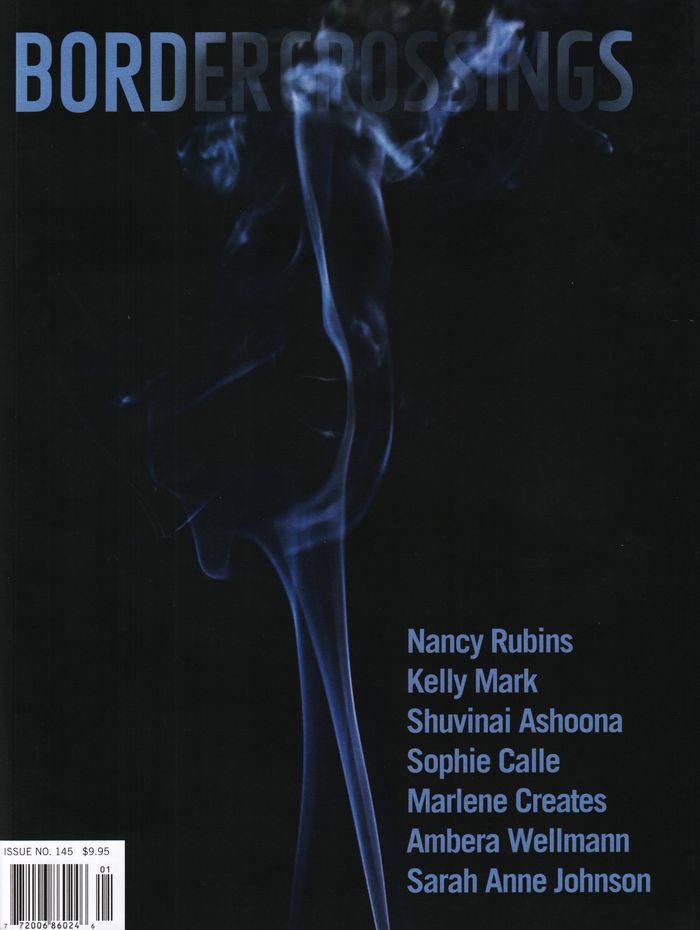
Border Crossings takes an in-depth look at California-based American artist Nancy Rubins. For over forty years, Rubins’ work has contained unpredictable elements as she has transformed industrial materials such as mattresses, television sets, RV campers and boat parts into large-scale installations. This issue also includes a look into the world of one of Canada’s most important conceptual artists, Toronto-based Kelly Mark; a portfolio of charcoal drawings by Berlin-based Canadian artist Ambera Wellmann, winner of the 2017 RBC painting competition; Stephen Horne looks at artifact and artifice in Sophie Calle’s and Serena Carone’s quiet insertions into the quirky, lavish and eccentric Paris museum, La Musée de la Chasse et de la Nature; Robin Laurence presents a profile of Inuit artist Shuvinai Ashoona and writes about the work recently presented at the Marion Scott Gallery; Ray Cronin looks at "Places, paths and pauses", a retrospective of Newfoundland photographer Marlene Creates.
Border crossings issue 145
Actions:
Prix:
$9.95
(disponible sur commande)
Résumé:
Border Crossings takes an in-depth look at California-based American artist Nancy Rubins. For over forty years, Rubins’ work has contained unpredictable elements as she has transformed industrial materials such as mattresses, television sets, RV campers and boat parts into large-scale installations. This issue also includes a look into the world of one of Canada’s most important conceptual artists, Toronto-based Kelly Mark; a portfolio of charcoal drawings by Berlin-based Canadian artist Ambera Wellmann, winner of the 2017 RBC painting competition; Stephen Horne looks at artifact and artifice in Sophie Calle’s and Serena Carone’s quiet insertions into the quirky, lavish and eccentric Paris museum, La Musée de la Chasse et de la Nature; Robin Laurence presents a profile of Inuit artist Shuvinai Ashoona and writes about the work recently presented at the Marion Scott Gallery; Ray Cronin looks at "Places, paths and pauses", a retrospective of Newfoundland photographer Marlene Creates.
Classification:
périodiques
périodiques
Publication:
mars 2018
mars 2018
Sujet:
Revues
Revues
Classification:
livres
livres
Titre:
Trois cents ans après
Trois cents ans après
Actions:
Prix:
$18.00
(disponible en magasin)
Résumé:
En lisant ce roman, le deuxième de la littérature groenlandaise, le lecteur découvrira la vision de l’avenir de l’Arctique en 2021 telle qu’imaginée en 1931 par Augo Lynge, auteur né à Qeqertarsuatsiaat. Selon Per Kunuk Lynge, qui en signe l’avant-propos, «?à la lecture de ses anticipations, dont certaines se sont réalisées longtemps après la publication de son roman, on(...)
$18.00
(disponible en magasin)
Résumé:
En lisant ce roman, le deuxième de la littérature groenlandaise, le lecteur découvrira la vision de l’avenir de l’Arctique en 2021 telle qu’imaginée en 1931 par Augo Lynge, auteur né à Qeqertarsuatsiaat. Selon Per Kunuk Lynge, qui en signe l’avant-propos, «?à la lecture de ses anticipations, dont certaines se sont réalisées longtemps après la publication de son roman, on(...)
Titre:
Trois cents ans après
Actions:
Prix:
$18.00
(disponible en magasin)
Résumé:
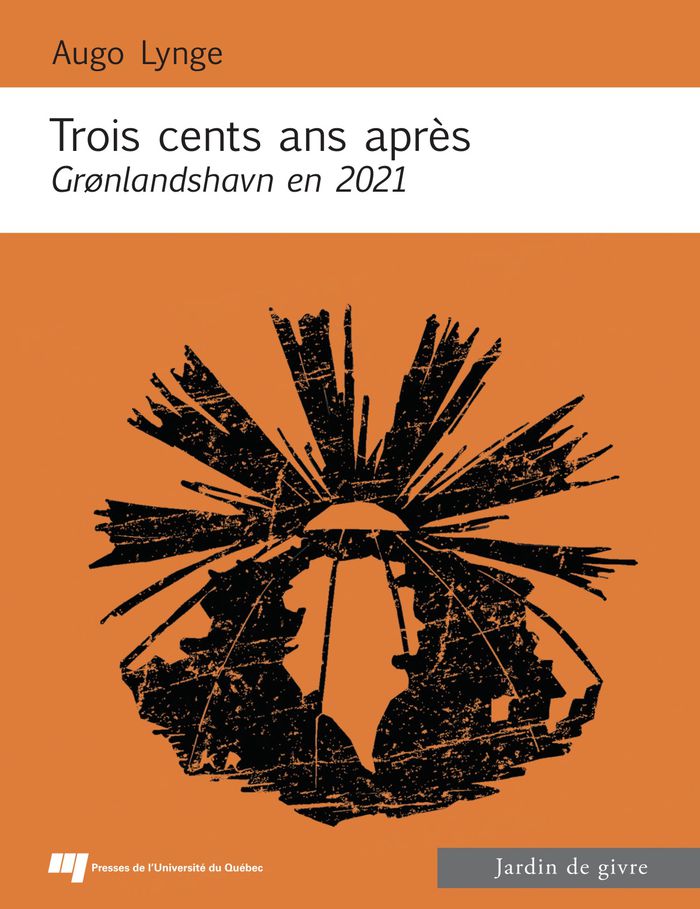
En lisant ce roman, le deuxième de la littérature groenlandaise, le lecteur découvrira la vision de l’avenir de l’Arctique en 2021 telle qu’imaginée en 1931 par Augo Lynge, auteur né à Qeqertarsuatsiaat. Selon Per Kunuk Lynge, qui en signe l’avant-propos, «?à la lecture de ses anticipations, dont certaines se sont réalisées longtemps après la publication de son roman, on ne peut s’empêcher de voir en l’auteur le chaman inuit d’autrefois, qui voyageait librement autour du monde et était capable de prédire l’avenir?». La vision que nous offre Lynge dans cette intrigue policière entre les villages et l’immense inlandsis glacé est celle d’un pays technologiquement avancé et socialement serein, où les personnages inuits sont devenus ce que sont les Groenlandais d’aujourd’hui?: une preuve vivante d’un peuple qui a la capacité de «?s’adapter à l’un des climats les plus froids et les plus rudes de la planète?» tout en conservant sa langue et sa culture.
Trois cents ans après
Actions:
Prix:
$18.00
(disponible en magasin)
Résumé:
En lisant ce roman, le deuxième de la littérature groenlandaise, le lecteur découvrira la vision de l’avenir de l’Arctique en 2021 telle qu’imaginée en 1931 par Augo Lynge, auteur né à Qeqertarsuatsiaat. Selon Per Kunuk Lynge, qui en signe l’avant-propos, «?à la lecture de ses anticipations, dont certaines se sont réalisées longtemps après la publication de son roman, on ne peut s’empêcher de voir en l’auteur le chaman inuit d’autrefois, qui voyageait librement autour du monde et était capable de prédire l’avenir?». La vision que nous offre Lynge dans cette intrigue policière entre les villages et l’immense inlandsis glacé est celle d’un pays technologiquement avancé et socialement serein, où les personnages inuits sont devenus ce que sont les Groenlandais d’aujourd’hui?: une preuve vivante d’un peuple qui a la capacité de «?s’adapter à l’un des climats les plus froids et les plus rudes de la planète?» tout en conservant sa langue et sa culture.
Classification:
livres
livres
Publication:
mars 2019
mars 2019
Sujet:
Autochtone
Autochtone
Classification:
livres
livres
Actions:
Exemplaires:
Description:
157 pages ; 21 cm
Description:
157 pages ; 21 cm
Auteur:
Sujet:
Publication:
Harstad, Norvège : Artic Arts Summit ; Montréal, Québec : Imaginaire/Nord, 2018., ©2018
Harstad, Norvège : Artic Arts Summit ; Montréal, Québec : Imaginaire/Nord, 2018., ©2018
Titre:
Qu'est-ce que l'imaginaire du Nord? : principes éthiques / Daniel Chartier.
Actions:
Exemplaires:
Description:
157 pages ; 21 cm
Qu'est-ce que l'imaginaire du Nord? : principes éthiques / Daniel Chartier.
Actions:
Exemplaires:
Description:
157 pages ; 21 cm
Classification:
livres
livres
Publication:
Harstad, Norvège : Artic Arts Summit ; Montréal, Québec : Imaginaire/Nord, 2018., ©2018
Harstad, Norvège : Artic Arts Summit ; Montréal, Québec : Imaginaire/Nord, 2018., ©2018
Auteur:
Sujet:
Classification:
livres
livres
Actions:
Prix:
$45.00
(disponible sur commande)
Résumé:
Itee Pootoogook belonged to a new generation of Inuit artists who are transforming and reshaping the creative traditions that were successfully pioneered by their parents and grandparents in the second half of the 20th century. A meticulous draughtsman who worked with graphite and coloured pencil, Itee depicted buildings in Kinngait that incorporated a perspectival view,(...)
$45.00
(disponible sur commande)
Résumé:
Itee Pootoogook belonged to a new generation of Inuit artists who are transforming and reshaping the creative traditions that were successfully pioneered by their parents and grandparents in the second half of the 20th century. A meticulous draughtsman who worked with graphite and coloured pencil, Itee depicted buildings in Kinngait that incorporated a perspectival view,(...)
Publication:
juin 2021
juin 2021
Titre:
Itee Pootoogook : hymns to the silence
Actions:
Prix:
$45.00
(disponible sur commande)
Résumé:
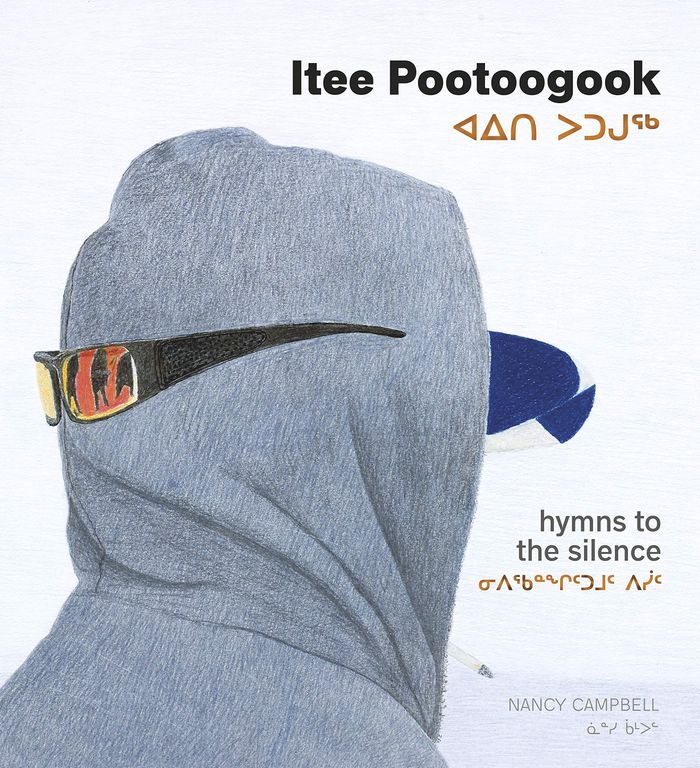
Itee Pootoogook belonged to a new generation of Inuit artists who are transforming and reshaping the creative traditions that were successfully pioneered by their parents and grandparents in the second half of the 20th century. A meticulous draughtsman who worked with graphite and coloured pencil, Itee depicted buildings in Kinngait that incorporated a perspectival view, a relatively recent practice influenced by his training as a carpenter and his interest in photography. His portraits of acquaintances and family members similarly bear witness to the contemporary North. Whether he depicts them at work or resting, his subjects are engaged in a range of activities from preparing carcasses brought in from hunting to playing music or contemplating the landscape of the North. Itee was also an inventive landscapist. Many of his finest Arctic scenes emphasize the open horizon that separates land from sky and the ever-shifting colours of the Arctic. Rendering the variable light of the landscape with precision, he brought a level of attention that contributed, over time, to his style.
Itee Pootoogook : hymns to the silence
Actions:
Prix:
$45.00
(disponible sur commande)
Résumé:
Itee Pootoogook belonged to a new generation of Inuit artists who are transforming and reshaping the creative traditions that were successfully pioneered by their parents and grandparents in the second half of the 20th century. A meticulous draughtsman who worked with graphite and coloured pencil, Itee depicted buildings in Kinngait that incorporated a perspectival view, a relatively recent practice influenced by his training as a carpenter and his interest in photography. His portraits of acquaintances and family members similarly bear witness to the contemporary North. Whether he depicts them at work or resting, his subjects are engaged in a range of activities from preparing carcasses brought in from hunting to playing music or contemplating the landscape of the North. Itee was also an inventive landscapist. Many of his finest Arctic scenes emphasize the open horizon that separates land from sky and the ever-shifting colours of the Arctic. Rendering the variable light of the landscape with precision, he brought a level of attention that contributed, over time, to his style.
Classification:
livres
livres
Publication:
juin 2021
juin 2021
Classification:
livres
livres
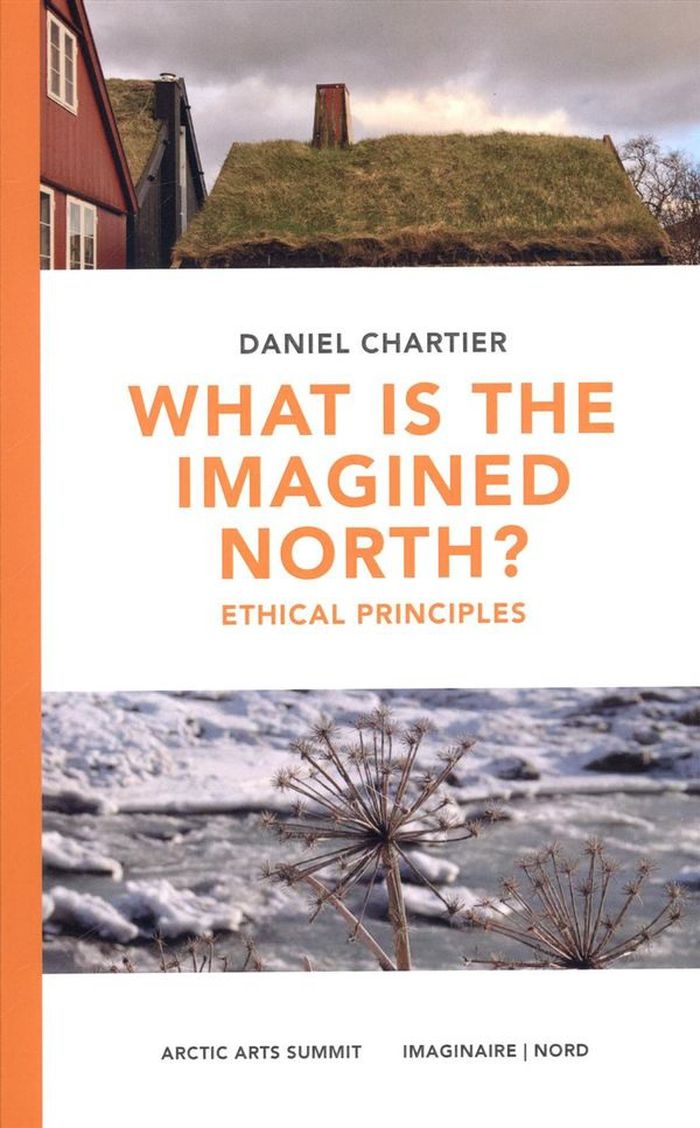
Titre:
What is the imagined North?
What is the imagined North?
Actions:
Prix:
$20.00
(disponible sur commande)
Résumé:
The North has been imagined and represented for centuries by artists and writers of the Western world, which has led, over time and the accumulation of successive layers of discourse, to the creation of an “imagined North” – ranging from the “North” of Scandinavia, Greenland, Russia, to the “Far North” or the poles. Westerners have reached the North Pole only a century(...)
$20.00
(disponible sur commande)
Résumé:
The North has been imagined and represented for centuries by artists and writers of the Western world, which has led, over time and the accumulation of successive layers of discourse, to the creation of an “imagined North” – ranging from the “North” of Scandinavia, Greenland, Russia, to the “Far North” or the poles. Westerners have reached the North Pole only a century(...)
Titre:
What is the imagined North?
Actions:
Prix:
$20.00
(disponible sur commande)
Résumé:
The North has been imagined and represented for centuries by artists and writers of the Western world, which has led, over time and the accumulation of successive layers of discourse, to the creation of an “imagined North” – ranging from the “North” of Scandinavia, Greenland, Russia, to the “Far North” or the poles. Westerners have reached the North Pole only a century ago, which makes the “North” the product of a double perspective: an outside one – made especially of Western images – and an inside one – that of Northern cultures (Inuit, Sami, Cree, etc.). The first are often simplified and the second, ignored. If we wish to understand what the “North” is in an overall perspective, we must ask ourselves two questions: how do images define the North, and which ethical principles should govern how we consider Northern cultures in order to have a complete view (including, in particular, those that have been undervalued by the South)? In this article, I try to address these two questions, first by defining what is the imagined North and then by proposing an inclusive program to “recomplexify” the cultural Arctic.
What is the imagined North?
Actions:
Prix:
$20.00
(disponible sur commande)
Résumé:
The North has been imagined and represented for centuries by artists and writers of the Western world, which has led, over time and the accumulation of successive layers of discourse, to the creation of an “imagined North” – ranging from the “North” of Scandinavia, Greenland, Russia, to the “Far North” or the poles. Westerners have reached the North Pole only a century ago, which makes the “North” the product of a double perspective: an outside one – made especially of Western images – and an inside one – that of Northern cultures (Inuit, Sami, Cree, etc.). The first are often simplified and the second, ignored. If we wish to understand what the “North” is in an overall perspective, we must ask ourselves two questions: how do images define the North, and which ethical principles should govern how we consider Northern cultures in order to have a complete view (including, in particular, those that have been undervalued by the South)? In this article, I try to address these two questions, first by defining what is the imagined North and then by proposing an inclusive program to “recomplexify” the cultural Arctic.
Classification:
livres
livres
Publication:
juin 2022
juin 2022
Sujet:
Expositions en cours
Expositions en cours


