


2052 Résultats
Classification:
livres
livres
Titre:
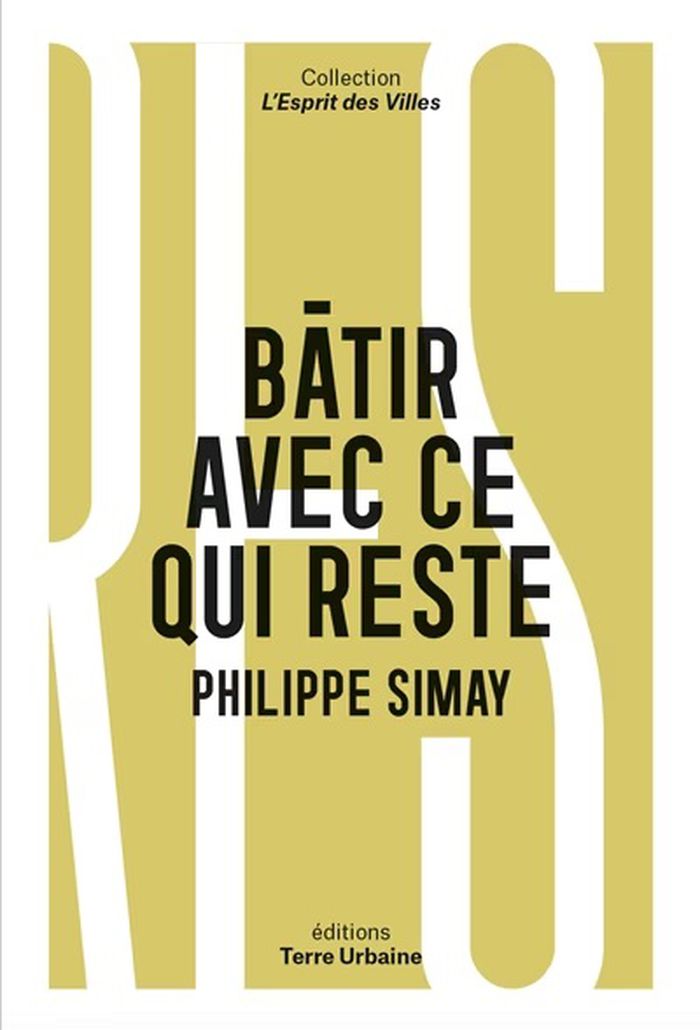
Bâtir avec ce qui reste
Bâtir avec ce qui reste
Actions:
Prix:
$31.95
(disponible en magasin)
Résumé:
Nos sociétés occidentales sont fondées sur une approche extractiviste des ressources, sans considération pour la matière qu'elle soit d'origine végétale, animale ou minérale. Dans cet essai incisif et personnel, l'auteur propose de sortir d'une approche anthropocentrée de la ressource pour construire avec ce qui reste et arrêter de prendre à la Terre tout ce qui pourrait(...)
$31.95
(disponible en magasin)
Résumé:
Nos sociétés occidentales sont fondées sur une approche extractiviste des ressources, sans considération pour la matière qu'elle soit d'origine végétale, animale ou minérale. Dans cet essai incisif et personnel, l'auteur propose de sortir d'une approche anthropocentrée de la ressource pour construire avec ce qui reste et arrêter de prendre à la Terre tout ce qui pourrait(...)
Titre:
Bâtir avec ce qui reste
Actions:
Prix:
$31.95
(disponible en magasin)
Résumé:
Nos sociétés occidentales sont fondées sur une approche extractiviste des ressources, sans considération pour la matière qu'elle soit d'origine végétale, animale ou minérale. Dans cet essai incisif et personnel, l'auteur propose de sortir d'une approche anthropocentrée de la ressource pour construire avec ce qui reste et arrêter de prendre à la Terre tout ce qui pourrait être issu du réemploi vernaculaire.
Bâtir avec ce qui reste
Actions:
Prix:
$31.95
(disponible en magasin)
Résumé:
Nos sociétés occidentales sont fondées sur une approche extractiviste des ressources, sans considération pour la matière qu'elle soit d'origine végétale, animale ou minérale. Dans cet essai incisif et personnel, l'auteur propose de sortir d'une approche anthropocentrée de la ressource pour construire avec ce qui reste et arrêter de prendre à la Terre tout ce qui pourrait être issu du réemploi vernaculaire.
Classification:
livres
livres
Publication:
mai 2024
mai 2024
Sujet:
Architecture écologique
Architecture écologique
Classification:
livres
livres
Actions:
Prix:
$66.00
(disponible sur commande)
Résumé:
"Architecture follows fish" is set in the North Atlantic, and its protagonist is fish. In this book author and architect André Tavares explores the notion of fishing architecture, a concept coined to describe architectural practices that are spawned by fisheries. To encompass the scope of fishing architecture, and to establish the connections between marine ecology and(...)
$66.00
(disponible sur commande)
Résumé:
"Architecture follows fish" is set in the North Atlantic, and its protagonist is fish. In this book author and architect André Tavares explores the notion of fishing architecture, a concept coined to describe architectural practices that are spawned by fisheries. To encompass the scope of fishing architecture, and to establish the connections between marine ecology and(...)
Titre:
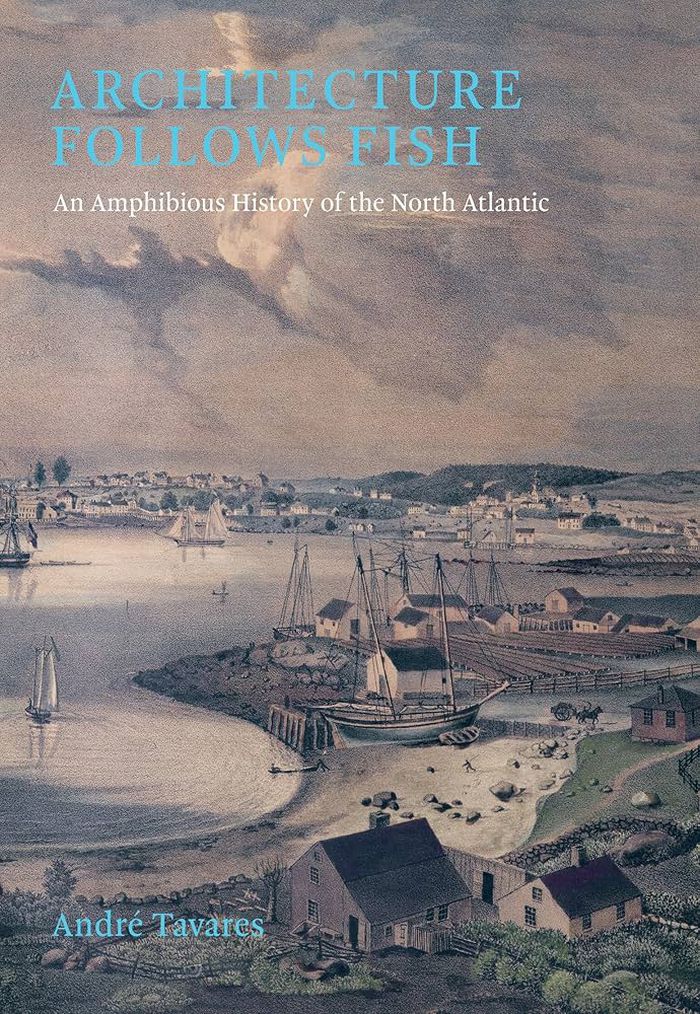
Architecture follows fish: An amphibious history of the North Atlantic
Actions:
Prix:
$66.00
(disponible sur commande)
Résumé:
"Architecture follows fish" is set in the North Atlantic, and its protagonist is fish. In this book author and architect André Tavares explores the notion of fishing architecture, a concept coined to describe architectural practices that are spawned by fisheries. To encompass the scope of fishing architecture, and to establish the connections between marine ecology and architectural practice, the book oscillates between different continents, centuries, and species. Fisheries are unique, and this book sheds light on that uniqueness through an articulated narrative and a wealth of iconography. Up until now there has been no history of architecture from the perspective of fish, although there are counterparts for meat, timber, oil, and many other industries. Tavares provides a counternarrative to the traditional history of marine environments, which tends to focus on water ecosystems, and instead forms a bridge between what happens at sea and what happens on land. The hope is that, after reading this book, readers will better understand life in the sea in relation to urban growth and terrestrial landscapes.
Architecture follows fish: An amphibious history of the North Atlantic
Actions:
Prix:
$66.00
(disponible sur commande)
Résumé:
"Architecture follows fish" is set in the North Atlantic, and its protagonist is fish. In this book author and architect André Tavares explores the notion of fishing architecture, a concept coined to describe architectural practices that are spawned by fisheries. To encompass the scope of fishing architecture, and to establish the connections between marine ecology and architectural practice, the book oscillates between different continents, centuries, and species. Fisheries are unique, and this book sheds light on that uniqueness through an articulated narrative and a wealth of iconography. Up until now there has been no history of architecture from the perspective of fish, although there are counterparts for meat, timber, oil, and many other industries. Tavares provides a counternarrative to the traditional history of marine environments, which tends to focus on water ecosystems, and instead forms a bridge between what happens at sea and what happens on land. The hope is that, after reading this book, readers will better understand life in the sea in relation to urban growth and terrestrial landscapes.
Classification:
livres
livres
Publication:
octobre 2024
octobre 2024
Sujet:
L'écologie de l'architecure
L'écologie de l'architecure
Classification:
livres
livres
Prix:
$25.00
(disponible en magasin)
Résumé:
This essay-led book project by Izabella Scott and Skye Arundhati Thomas examines ongoing land disputes, military occupation, and communication blackouts. Through an extended text and a selection of photo essays made in collaboration with photographers, the project gathers together records produced under daily surveillance and confrontation. It seeks a new register of(...)
$25.00
(disponible en magasin)
Résumé:
This essay-led book project by Izabella Scott and Skye Arundhati Thomas examines ongoing land disputes, military occupation, and communication blackouts. Through an extended text and a selection of photo essays made in collaboration with photographers, the project gathers together records produced under daily surveillance and confrontation. It seeks a new register of(...)
Sujet:
L'écologie de l'architecure
L'écologie de l'architecure
Publication:
mai 2024
mai 2024
Titre:
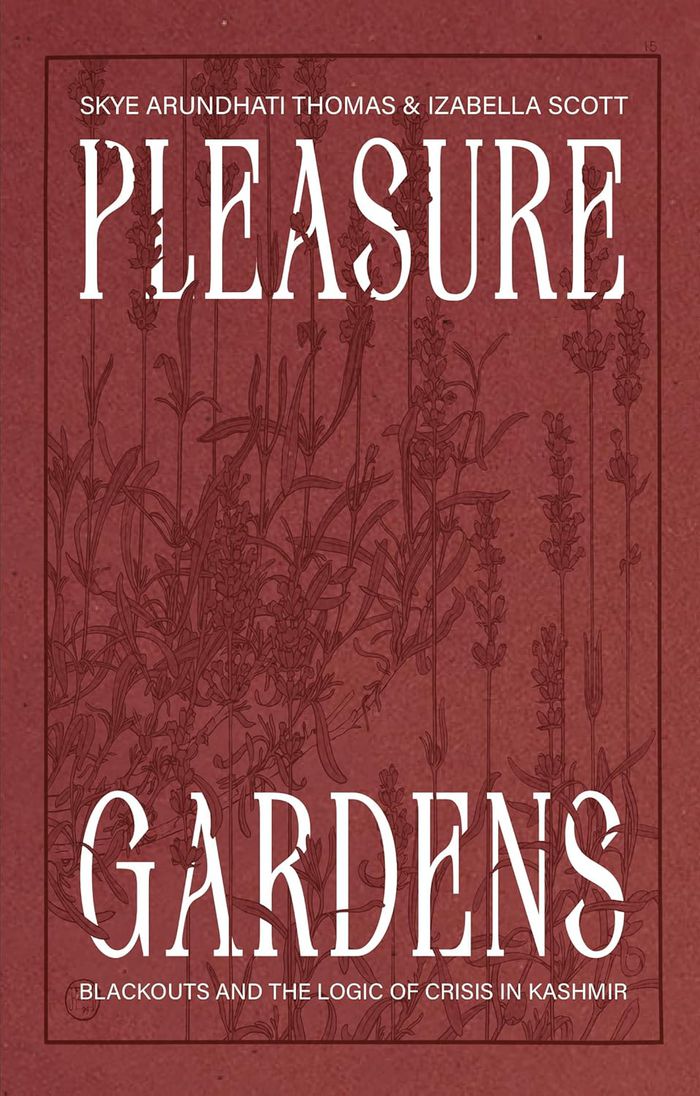
Pleasure gardens: Blackouts and the logic of crisis in Kashmir
Actions:
Prix:
$25.00
(disponible en magasin)
Résumé:
This essay-led book project by Izabella Scott and Skye Arundhati Thomas examines ongoing land disputes, military occupation, and communication blackouts. Through an extended text and a selection of photo essays made in collaboration with photographers, the project gathers together records produced under daily surveillance and confrontation. It seeks a new register of writing and image to make visible the conditions of military occupation and the protracted violence of the blackout.
Pleasure gardens: Blackouts and the logic of crisis in Kashmir
Actions:
Prix:
$25.00
(disponible en magasin)
Résumé:
This essay-led book project by Izabella Scott and Skye Arundhati Thomas examines ongoing land disputes, military occupation, and communication blackouts. Through an extended text and a selection of photo essays made in collaboration with photographers, the project gathers together records produced under daily surveillance and confrontation. It seeks a new register of writing and image to make visible the conditions of military occupation and the protracted violence of the blackout.
Classification:
livres
livres
Publication:
mai 2024
mai 2024
Sujet:
L'écologie de l'architecure
L'écologie de l'architecure
Classification:
livres
livres
Actions:
Prix:
$62.00
(disponible sur commande)
Résumé:
When we look at trees, we see a form of natural architecture, and yet we have seemingly always exploited trees to make new buildings of our own. Whereas a tree creates its own structure, humans generally destroy other things to build, with increasingly disastrous consequences. In "Botanical architecture", Paul Dobraszczyk looks closely at how elements of plants—seeds,(...)
$62.00
(disponible sur commande)
Résumé:
When we look at trees, we see a form of natural architecture, and yet we have seemingly always exploited trees to make new buildings of our own. Whereas a tree creates its own structure, humans generally destroy other things to build, with increasingly disastrous consequences. In "Botanical architecture", Paul Dobraszczyk looks closely at how elements of plants—seeds,(...)
Titre:
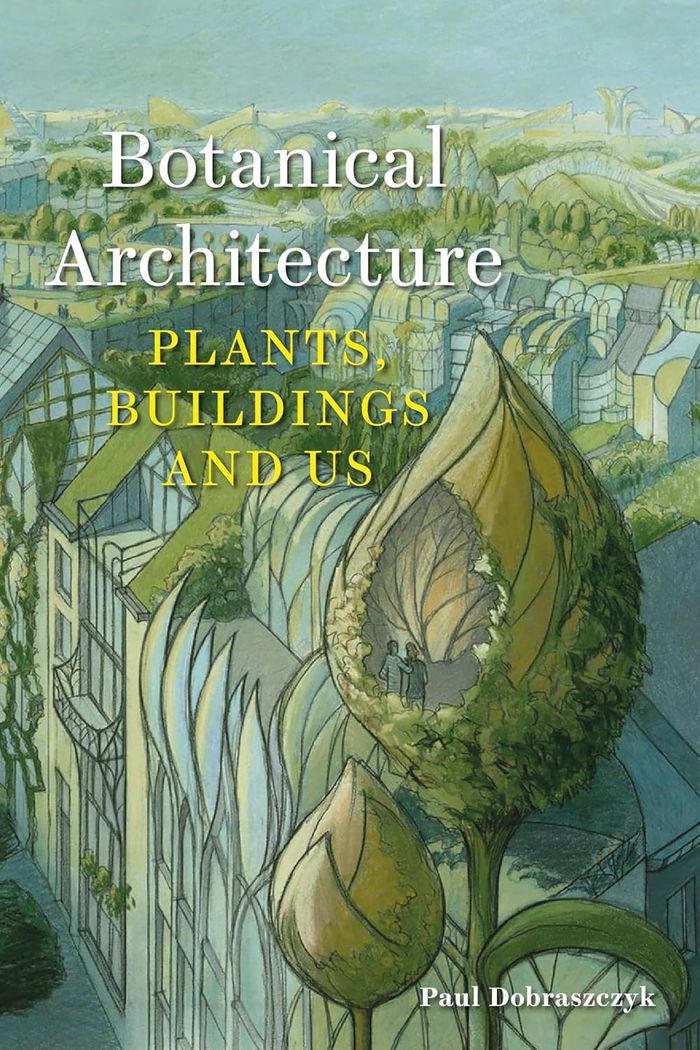
Botanical architecture: Plants, buildings and us
Actions:
Prix:
$62.00
(disponible sur commande)
Résumé:
When we look at trees, we see a form of natural architecture, and yet we have seemingly always exploited trees to make new buildings of our own. Whereas a tree creates its own structure, humans generally destroy other things to build, with increasingly disastrous consequences. In "Botanical architecture", Paul Dobraszczyk looks closely at how elements of plants—seeds, roots, trunks, branches, leaves, flowers, and canopies—compare with and constitute human-made buildings. Given the omnipresence of plant life in and around our structures, Dobraszczyk argues that we ought to build as much for plants as for ourselves, understanding that our lives are always totally dependent on theirs. "Botanical architecture" offers a provocative and original take on the relationship between ecology and architecture.
Botanical architecture: Plants, buildings and us
Actions:
Prix:
$62.00
(disponible sur commande)
Résumé:
When we look at trees, we see a form of natural architecture, and yet we have seemingly always exploited trees to make new buildings of our own. Whereas a tree creates its own structure, humans generally destroy other things to build, with increasingly disastrous consequences. In "Botanical architecture", Paul Dobraszczyk looks closely at how elements of plants—seeds, roots, trunks, branches, leaves, flowers, and canopies—compare with and constitute human-made buildings. Given the omnipresence of plant life in and around our structures, Dobraszczyk argues that we ought to build as much for plants as for ourselves, understanding that our lives are always totally dependent on theirs. "Botanical architecture" offers a provocative and original take on the relationship between ecology and architecture.
Classification:
livres
livres
Publication:
décembre 2024
décembre 2024
Sujet:
Architecture écologique
Architecture écologique
Classification:
livres
livres
Titre:
Eco-operations
Eco-operations
Actions:
Prix:
$88.00
(disponible sur commande)
Résumé:
The climate change crisis has become part of aesthetic discourse and critical research in culture and the arts. Future-oriented, ecologically conceived possibilities for action are being explored by artists, curators, and scholars alike. eco-operations addresses these emerging aesthetic ecologies and new technologies of cooperation that both challenge and shape a(...)
$88.00
(disponible sur commande)
Résumé:
The climate change crisis has become part of aesthetic discourse and critical research in culture and the arts. Future-oriented, ecologically conceived possibilities for action are being explored by artists, curators, and scholars alike. eco-operations addresses these emerging aesthetic ecologies and new technologies of cooperation that both challenge and shape a(...)
Titre:
Eco-operations
Actions:
Prix:
$88.00
(disponible sur commande)
Résumé:
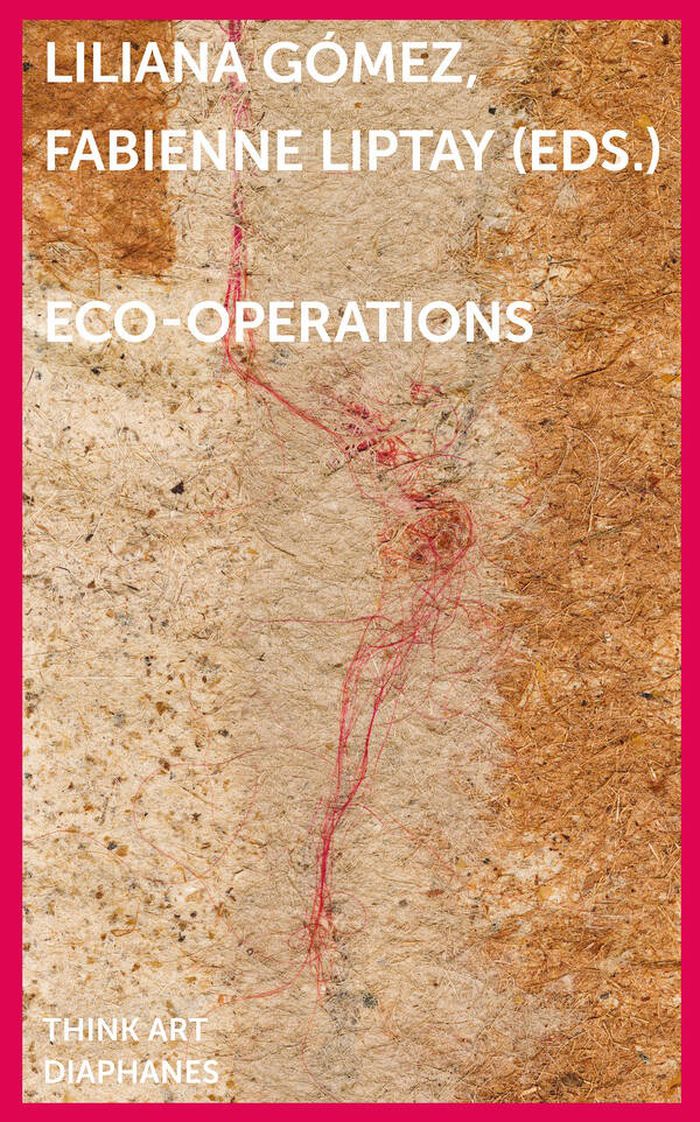
The climate change crisis has become part of aesthetic discourse and critical research in culture and the arts. Future-oriented, ecologically conceived possibilities for action are being explored by artists, curators, and scholars alike. eco-operations addresses these emerging aesthetic ecologies and new technologies of cooperation that both challenge and shape a sustainable future, foregrounding interruptions, ruptures, disconnections, dissonances, exclusions, and allochronism. Moving beyond the concepts of “flow” and “network” as a single, coherent (ecological or technological) system, "eco-operations" instead emphasizes the frictions within asynchronously running systems. The infrastructures and formats of artistic production and exhibition play a central role here, as they themselves constitute ecosystems that invite and regulate processes of sharing and exchange. Artists and activists are embedded in these ecosystems, in which they simultaneously intervene when searching for alternative ways of creating collaborative practice. Bringing together scholars, artists, writers, and curators, and working across a range of disciplines, "eco-operations" explores this field of tension between global and local ecologies and aims to speculate on where dissonances imply both creative potential and political challenges.
Eco-operations
Actions:
Prix:
$88.00
(disponible sur commande)
Résumé:
The climate change crisis has become part of aesthetic discourse and critical research in culture and the arts. Future-oriented, ecologically conceived possibilities for action are being explored by artists, curators, and scholars alike. eco-operations addresses these emerging aesthetic ecologies and new technologies of cooperation that both challenge and shape a sustainable future, foregrounding interruptions, ruptures, disconnections, dissonances, exclusions, and allochronism. Moving beyond the concepts of “flow” and “network” as a single, coherent (ecological or technological) system, "eco-operations" instead emphasizes the frictions within asynchronously running systems. The infrastructures and formats of artistic production and exhibition play a central role here, as they themselves constitute ecosystems that invite and regulate processes of sharing and exchange. Artists and activists are embedded in these ecosystems, in which they simultaneously intervene when searching for alternative ways of creating collaborative practice. Bringing together scholars, artists, writers, and curators, and working across a range of disciplines, "eco-operations" explores this field of tension between global and local ecologies and aims to speculate on where dissonances imply both creative potential and political challenges.
Classification:
livres
livres
Publication:
mars 2025
mars 2025
Sujet:
L'écologie de l'architecure
L'écologie de l'architecure
Classification:
livres
livres
Prix:
$45.99
(disponible en magasin)
Résumé:
Against the backdrop of a global energy crisis, a widespread movement embracing the use of raw earth materials for building construction emerged in the 1970s. "Solar Adobe" examines this new wave of architectural experimentation taking place in the United States, detailing how an ancient tradition became a point of convergence for issues of environmentalism, architecture,(...)
$45.99
(disponible en magasin)
Résumé:
Against the backdrop of a global energy crisis, a widespread movement embracing the use of raw earth materials for building construction emerged in the 1970s. "Solar Adobe" examines this new wave of architectural experimentation taking place in the United States, detailing how an ancient tradition became a point of convergence for issues of environmentalism, architecture,(...)
Titre:
Solar adobe: Energy, ecology and earthen architecture
Actions:
Prix:
$45.99
(disponible en magasin)
Résumé:
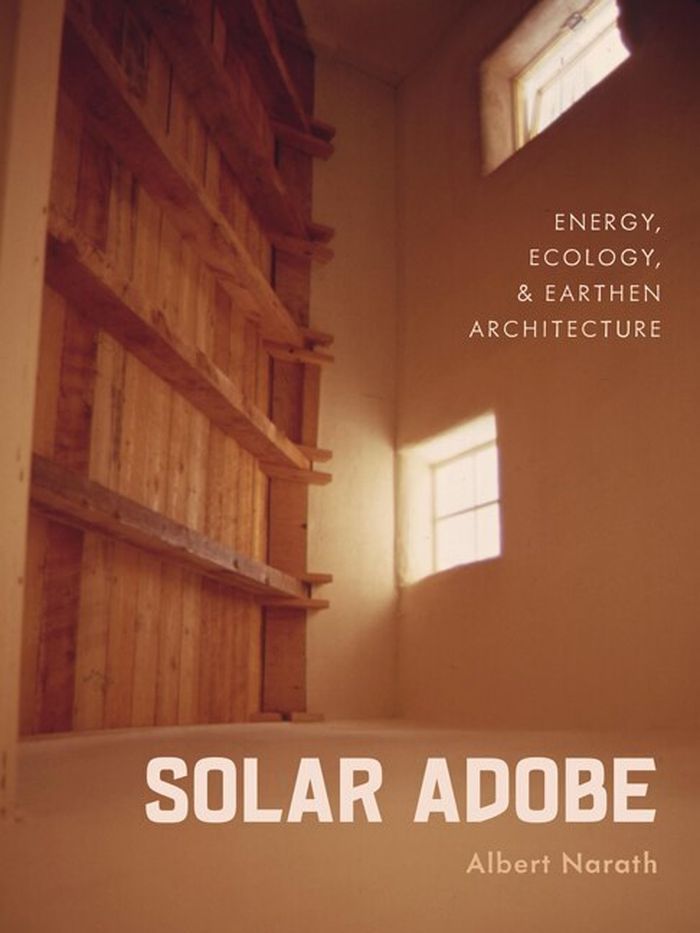
Against the backdrop of a global energy crisis, a widespread movement embracing the use of raw earth materials for building construction emerged in the 1970s. "Solar Adobe" examines this new wave of architectural experimentation taking place in the United States, detailing how an ancient tradition became a point of convergence for issues of environmentalism, architecture, technology, and Indigenous resistance. Utilized for centuries by the Pueblo people of the American Southwest and by Spanish colonialists, adobe construction found renewed interest as various groups contended with the troubled legacies of modern architecture and an increasingly urgent need for sustainable design practices. In this period of critical experimentation, design networks that included architects, historians, counterculture communities, government weapons labs, and Indigenous activists all looked to adobe as a means to address pressing environmental and political issues.
Solar adobe: Energy, ecology and earthen architecture
Actions:
Prix:
$45.99
(disponible en magasin)
Résumé:
Against the backdrop of a global energy crisis, a widespread movement embracing the use of raw earth materials for building construction emerged in the 1970s. "Solar Adobe" examines this new wave of architectural experimentation taking place in the United States, detailing how an ancient tradition became a point of convergence for issues of environmentalism, architecture, technology, and Indigenous resistance. Utilized for centuries by the Pueblo people of the American Southwest and by Spanish colonialists, adobe construction found renewed interest as various groups contended with the troubled legacies of modern architecture and an increasingly urgent need for sustainable design practices. In this period of critical experimentation, design networks that included architects, historians, counterculture communities, government weapons labs, and Indigenous activists all looked to adobe as a means to address pressing environmental and political issues.
Classification:
livres
livres
Publication:
mars 2024
mars 2024
Sujet:
Architecture écologique
Architecture écologique
Classification:
livres
livres
Titre:
Héritage architectural et mutations environnementales: typologies, représentations, transitions
Héritage architectural et mutations environnementales: typologies, représentations, transitions
Actions:
Prix:
$22.50
(disponible en magasin)
Résumé:
Actes du 6e séminaire du réseau pédagogique et scientifique « Architecture, Patrimoine et Création. » Le séminaire s'est déroulé à l'ENSA de Paris-Val de Seine, du 12 et 13 mai 2022. Malgré de nombreux travaux et discussions autour de la question d’une architecture « écologique », peu d’entre eux évoquent le patrimoine architectural existant et ancien. De ce fait, le(...)
$22.50
(disponible en magasin)
Résumé:
Actes du 6e séminaire du réseau pédagogique et scientifique « Architecture, Patrimoine et Création. » Le séminaire s'est déroulé à l'ENSA de Paris-Val de Seine, du 12 et 13 mai 2022. Malgré de nombreux travaux et discussions autour de la question d’une architecture « écologique », peu d’entre eux évoquent le patrimoine architectural existant et ancien. De ce fait, le(...)
Titre:
Héritage architectural et mutations environnementales: typologies, représentations, transitions
Actions:
Prix:
$22.50
(disponible en magasin)
Résumé:
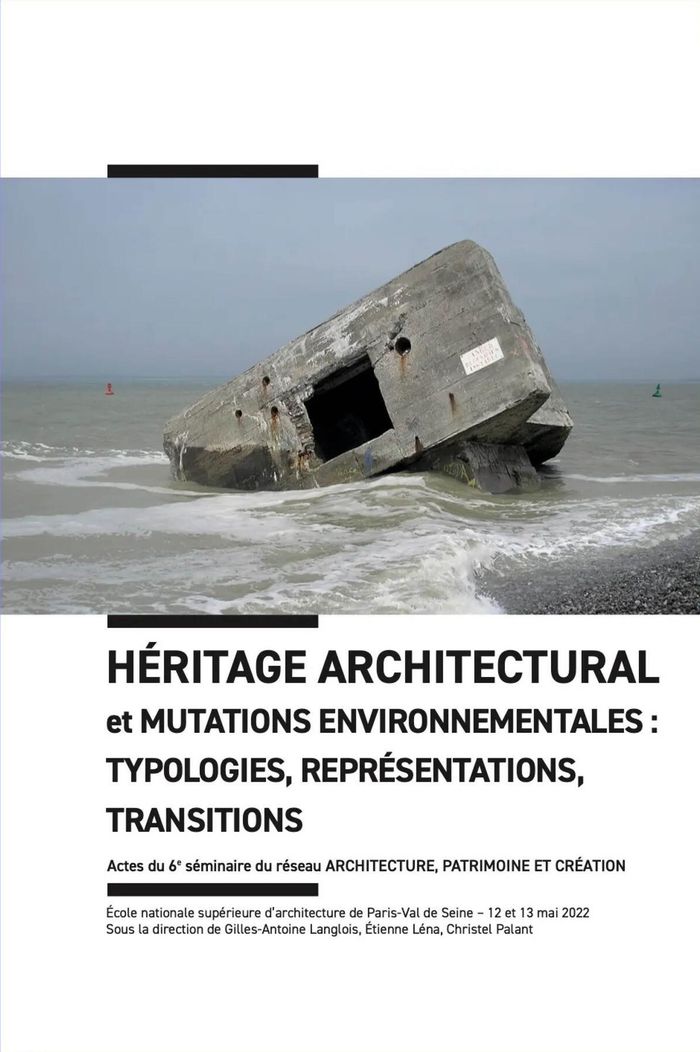
Actes du 6e séminaire du réseau pédagogique et scientifique « Architecture, Patrimoine et Création. » Le séminaire s'est déroulé à l'ENSA de Paris-Val de Seine, du 12 et 13 mai 2022. Malgré de nombreux travaux et discussions autour de la question d’une architecture « écologique », peu d’entre eux évoquent le patrimoine architectural existant et ancien. De ce fait, le réseau pédagogique et scientifique « Architecture, patrimoine et création », souhaite élargir cette préoccupation à d’autres périodes mais aussi, aux architectures ordinaires et vernaculaires. Les travaux du colloque s’inscrivent dans une histoire environnementale de l’architecture, de l’urbain et du paysage. En effet, cette préoccupation pousse l’architecte, l’urbaniste et le paysagiste à faire face à de nombreux questionnements et redéfinir le périmètre de la notion de patrimoine.
Héritage architectural et mutations environnementales: typologies, représentations, transitions
Actions:
Prix:
$22.50
(disponible en magasin)
Résumé:
Actes du 6e séminaire du réseau pédagogique et scientifique « Architecture, Patrimoine et Création. » Le séminaire s'est déroulé à l'ENSA de Paris-Val de Seine, du 12 et 13 mai 2022. Malgré de nombreux travaux et discussions autour de la question d’une architecture « écologique », peu d’entre eux évoquent le patrimoine architectural existant et ancien. De ce fait, le réseau pédagogique et scientifique « Architecture, patrimoine et création », souhaite élargir cette préoccupation à d’autres périodes mais aussi, aux architectures ordinaires et vernaculaires. Les travaux du colloque s’inscrivent dans une histoire environnementale de l’architecture, de l’urbain et du paysage. En effet, cette préoccupation pousse l’architecte, l’urbaniste et le paysagiste à faire face à de nombreux questionnements et redéfinir le périmètre de la notion de patrimoine.
Classification:
livres
livres
Publication:
décembre 2023
décembre 2023
Sujet:
L'écologie de l'architecure
L'écologie de l'architecure
Classification:
livres
livres
Prix:
$81.50
(disponible en magasin)
Résumé:
Do you know how to design for a circular economy? A truly sustainable, circular economy is both a robust and viable option for architecture. Through 24 inspirational case studies, interviews and essays, this book is an accessible and practical guide to how architects can move from a linear economy towards a circular economy. This atlas to sustainable, closed-loop systems(...)
$81.50
(disponible en magasin)
Résumé:
Do you know how to design for a circular economy? A truly sustainable, circular economy is both a robust and viable option for architecture. Through 24 inspirational case studies, interviews and essays, this book is an accessible and practical guide to how architects can move from a linear economy towards a circular economy. This atlas to sustainable, closed-loop systems(...)
Titre:
The re-use atlas: A designer's guide towards a circular economy
Actions:
Prix:
$81.50
(disponible en magasin)
Résumé:
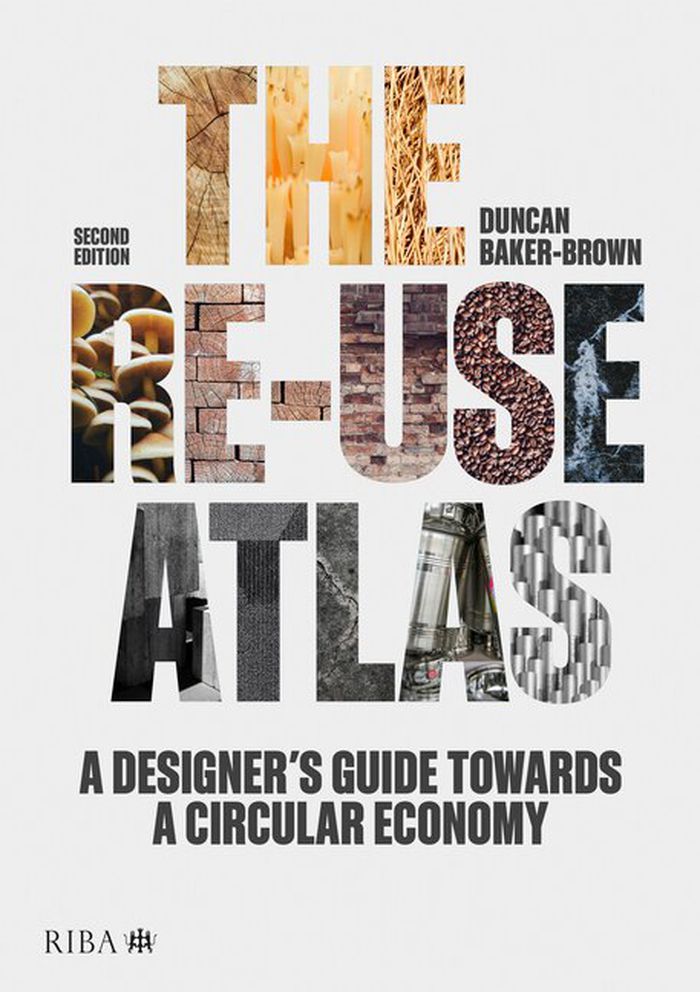
Do you know how to design for a circular economy? A truly sustainable, circular economy is both a robust and viable option for architecture. Through 24 inspirational case studies, interviews and essays, this book is an accessible and practical guide to how architects can move from a linear economy towards a circular economy. This atlas to sustainable, closed-loop systems takes the reader on a journey through four distinct steps (Recycle, Reuse, Reduce, Circular Economy) that show how they can dramatically reduce the negative impact humans have on the planet. It gives architects the skills and knowledge to navigate through the emerging fields of resource management towards a true Circular Economy. Each step is supplemented with an in-depth interview with an expert who is successfully tacking one or more of the challenges facing all designers today. If we change our behaviour, we enable humanity to work with nature rather than against it.
The re-use atlas: A designer's guide towards a circular economy
Actions:
Prix:
$81.50
(disponible en magasin)
Résumé:
Do you know how to design for a circular economy? A truly sustainable, circular economy is both a robust and viable option for architecture. Through 24 inspirational case studies, interviews and essays, this book is an accessible and practical guide to how architects can move from a linear economy towards a circular economy. This atlas to sustainable, closed-loop systems takes the reader on a journey through four distinct steps (Recycle, Reuse, Reduce, Circular Economy) that show how they can dramatically reduce the negative impact humans have on the planet. It gives architects the skills and knowledge to navigate through the emerging fields of resource management towards a true Circular Economy. Each step is supplemented with an in-depth interview with an expert who is successfully tacking one or more of the challenges facing all designers today. If we change our behaviour, we enable humanity to work with nature rather than against it.
Classification:
livres
livres
Publication:
novembre 2024
novembre 2024
Sujet:
Architecture écologique
Architecture écologique
Classification:
livres
livres
Actions:
Prix:
$75.00
(disponible en magasin)
Résumé:
There is a creative explosion of work taking place in architecture and design schools exploring materials such as mycelium, clay/earth, engineered timber, bio-based plastics and algae. This handbook of low- and no-carbon materials for architects and designers focuses on sustainable materials, their sourcing, technical properties and the processes required for their use in(...)
$75.00
(disponible en magasin)
Résumé:
There is a creative explosion of work taking place in architecture and design schools exploring materials such as mycelium, clay/earth, engineered timber, bio-based plastics and algae. This handbook of low- and no-carbon materials for architects and designers focuses on sustainable materials, their sourcing, technical properties and the processes required for their use in(...)
Titre:
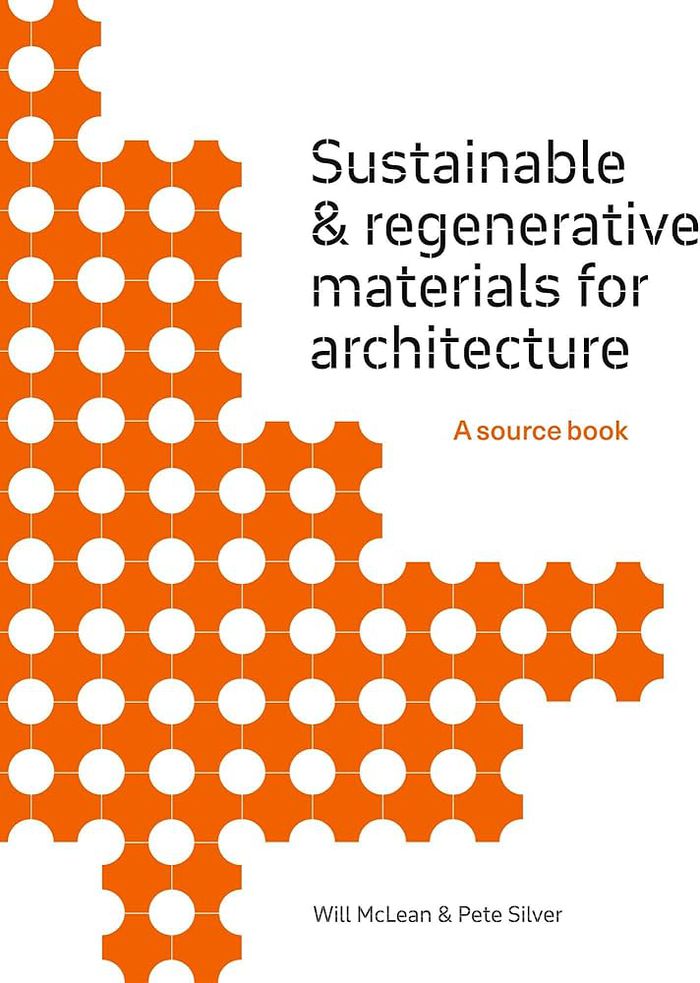
Sustainable and Regenerative Materials for Architecture: A Sourcebook
Actions:
Prix:
$75.00
(disponible en magasin)
Résumé:
There is a creative explosion of work taking place in architecture and design schools exploring materials such as mycelium, clay/earth, engineered timber, bio-based plastics and algae. This handbook of low- and no-carbon materials for architects and designers focuses on sustainable materials, their sourcing, technical properties and the processes required for their use in architecture. The book showcases new and rediscovered processes for material fabrication, responsible sourcing and creative material design. Material properties (structural, thermal, fire, health and life safety) are described and case studies from around the world illustrate the inventive ways in which these materials have been deployed in the built environment. The book is designed as an introduction to the exciting and rapidly changing world of construction materials. With a better understanding of the social, environmental and economic sustainability of any given material - alongside its technical properties - students of architecture can lead the change in responsible and creative material use.
Sustainable and Regenerative Materials for Architecture: A Sourcebook
Actions:
Prix:
$75.00
(disponible en magasin)
Résumé:
There is a creative explosion of work taking place in architecture and design schools exploring materials such as mycelium, clay/earth, engineered timber, bio-based plastics and algae. This handbook of low- and no-carbon materials for architects and designers focuses on sustainable materials, their sourcing, technical properties and the processes required for their use in architecture. The book showcases new and rediscovered processes for material fabrication, responsible sourcing and creative material design. Material properties (structural, thermal, fire, health and life safety) are described and case studies from around the world illustrate the inventive ways in which these materials have been deployed in the built environment. The book is designed as an introduction to the exciting and rapidly changing world of construction materials. With a better understanding of the social, environmental and economic sustainability of any given material - alongside its technical properties - students of architecture can lead the change in responsible and creative material use.
Classification:
livres
livres
Publication:
février 2025
février 2025
Sujet:
Architecture écologique
Architecture écologique
Classification:
livres
livres
Actions:
Prix:
$69.95
(disponible en magasin)
Résumé:
Sediment is an unseen infrastructure that shapes and enables modern life. Silt is scooped from sea floors to deepen underwater highways for container ships. It is diverted from river basins to control flooding. It is collected, sorted, managed, and moved to reshape deltas, marshes, and beaches. Anthropogenic action now moves more sediment annually than "natural" geologic(...)
$69.95
(disponible en magasin)
Résumé:
Sediment is an unseen infrastructure that shapes and enables modern life. Silt is scooped from sea floors to deepen underwater highways for container ships. It is diverted from river basins to control flooding. It is collected, sorted, managed, and moved to reshape deltas, marshes, and beaches. Anthropogenic action now moves more sediment annually than "natural" geologic(...)
Titre:
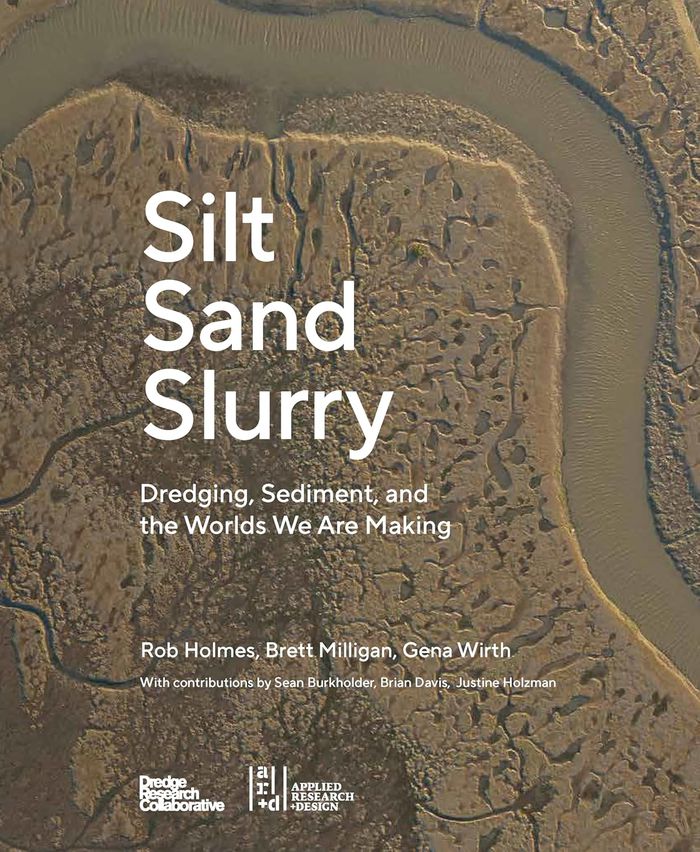
Silt, sand and slurry: dredging, sediment and the world we are making
Actions:
Prix:
$69.95
(disponible en magasin)
Résumé:
Sediment is an unseen infrastructure that shapes and enables modern life. Silt is scooped from sea floors to deepen underwater highways for container ships. It is diverted from river basins to control flooding. It is collected, sorted, managed, and moved to reshape deltas, marshes, and beaches. Anthropogenic action now moves more sediment annually than "natural" geologic processes — yet this global reshaping of the earth’s surface is rarely-discussed and poorly-understood.
Silt, sand and slurry: dredging, sediment and the world we are making
Actions:
Prix:
$69.95
(disponible en magasin)
Résumé:
Sediment is an unseen infrastructure that shapes and enables modern life. Silt is scooped from sea floors to deepen underwater highways for container ships. It is diverted from river basins to control flooding. It is collected, sorted, managed, and moved to reshape deltas, marshes, and beaches. Anthropogenic action now moves more sediment annually than "natural" geologic processes — yet this global reshaping of the earth’s surface is rarely-discussed and poorly-understood.
Classification:
livres
livres
Publication:
mars 2024
mars 2024
Sujet:
Architecture écologique
Architecture écologique


