


1537 Résultats
Classification:
livres
livres
Titre:
Loving the High Line
Loving the High Line
Actions:
Prix:
$20.00
(disponible sur commande)
Résumé:
As an elevated rail line, designed to lift freight trains serving the Hudson River docks above street level circulation, The High Line was originally constructed as material infrastructure for an industrial city. It was closed in 1960s and stood abandoned for the next forty years. In this time organic debris accumulated and decayed, and seeds landed on the newly forming(...)
$20.00
(disponible sur commande)
Résumé:
As an elevated rail line, designed to lift freight trains serving the Hudson River docks above street level circulation, The High Line was originally constructed as material infrastructure for an industrial city. It was closed in 1960s and stood abandoned for the next forty years. In this time organic debris accumulated and decayed, and seeds landed on the newly forming(...)
Titre:
Loving the High Line
Actions:
Prix:
$20.00
(disponible sur commande)
Résumé:
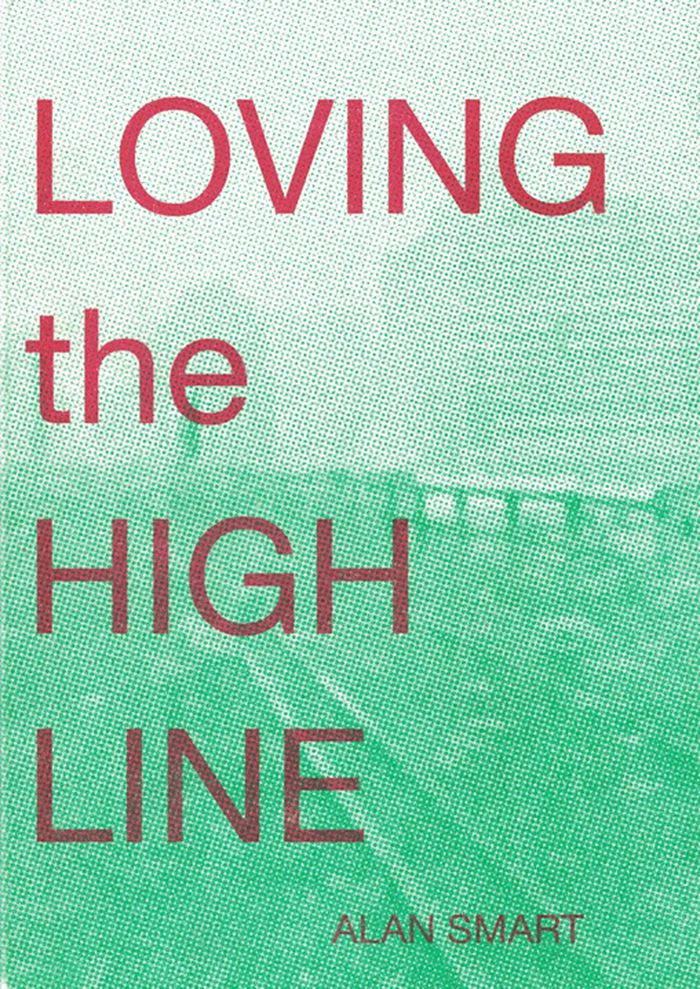
As an elevated rail line, designed to lift freight trains serving the Hudson River docks above street level circulation, The High Line was originally constructed as material infrastructure for an industrial city. It was closed in 1960s and stood abandoned for the next forty years. In this time organic debris accumulated and decayed, and seeds landed on the newly forming soil creating a meadow on the derelict railbed. This microcosmic biome then also became a heterotopic, other space, in the social ecology of the city as an efflorescence of new art forms and underground subcultures flourished in the evacuated post-industrial spaces of Chelsea. These processes would unfold as New York City was being transformed into a global center in an emerging political-economy defined by the integration of finance capital with media and information industries. In this, marginal spaces of the kind that developed in Chelsea, and the cultures that create them, became important sources of new aesthetic and cultural innovation, that offer an exploitable social ground from which to extract semiotic value. As the Bloomberg administration gave shape to this new regime, a project was initiated to convert the High Line into a publicly accessible, linear park. This would be realized through a convoluted process in which the manifold tensions and contradictions of the postmodern city would be dramatically played out and the disjunctions between ideal image regimes and the reality of the material substrates that support them would be brought to light, if only to be newly obscured. The High Line urban park has been both heralded as a definitive model for new urban development, and denounced as a driver, or at least a morbid symptom, of devastating gentrification, and the destructive financialization of urban space. This text, originally published in 2015 as part of the Deconstructing the High Line anthology, edited by Mark Linder and Brian Rosa, tracks a collection of interconnected historical treads that converge in the reconstruction of the High Line, and situates the project within architectural discourse and practice, and social and material conditions with which it struggles to engage.
Loving the High Line
Actions:
Prix:
$20.00
(disponible sur commande)
Résumé:
As an elevated rail line, designed to lift freight trains serving the Hudson River docks above street level circulation, The High Line was originally constructed as material infrastructure for an industrial city. It was closed in 1960s and stood abandoned for the next forty years. In this time organic debris accumulated and decayed, and seeds landed on the newly forming soil creating a meadow on the derelict railbed. This microcosmic biome then also became a heterotopic, other space, in the social ecology of the city as an efflorescence of new art forms and underground subcultures flourished in the evacuated post-industrial spaces of Chelsea. These processes would unfold as New York City was being transformed into a global center in an emerging political-economy defined by the integration of finance capital with media and information industries. In this, marginal spaces of the kind that developed in Chelsea, and the cultures that create them, became important sources of new aesthetic and cultural innovation, that offer an exploitable social ground from which to extract semiotic value. As the Bloomberg administration gave shape to this new regime, a project was initiated to convert the High Line into a publicly accessible, linear park. This would be realized through a convoluted process in which the manifold tensions and contradictions of the postmodern city would be dramatically played out and the disjunctions between ideal image regimes and the reality of the material substrates that support them would be brought to light, if only to be newly obscured. The High Line urban park has been both heralded as a definitive model for new urban development, and denounced as a driver, or at least a morbid symptom, of devastating gentrification, and the destructive financialization of urban space. This text, originally published in 2015 as part of the Deconstructing the High Line anthology, edited by Mark Linder and Brian Rosa, tracks a collection of interconnected historical treads that converge in the reconstruction of the High Line, and situates the project within architectural discourse and practice, and social and material conditions with which it struggles to engage.
Classification:
livres
livres
Publication:
novembre 2022
novembre 2022
Sujet:
Paysages urbains
Paysages urbains
Classification:
livres
livres
Actions:
Prix:
$60.00
(disponible sur commande)
Résumé:
Gordon Matta-Clark died at only 35 of pancreatic cancer and has since become a cult figure of late 20th-century art. Trained in architecture at Cornell, he went on to question the field’s conventions in vivid projects—performance and recycling pieces, space and texture works and word games—some of which excised holes into existing buildings or assembled deeds to New York(...)
$60.00
(disponible sur commande)
Résumé:
Gordon Matta-Clark died at only 35 of pancreatic cancer and has since become a cult figure of late 20th-century art. Trained in architecture at Cornell, he went on to question the field’s conventions in vivid projects—performance and recycling pieces, space and texture works and word games—some of which excised holes into existing buildings or assembled deeds to New York(...)
Publication:
août 2016
août 2016
Titre:
Gordon Matta-Clark: Experience becomes the object
Actions:
Prix:
$60.00
(disponible sur commande)
Résumé:
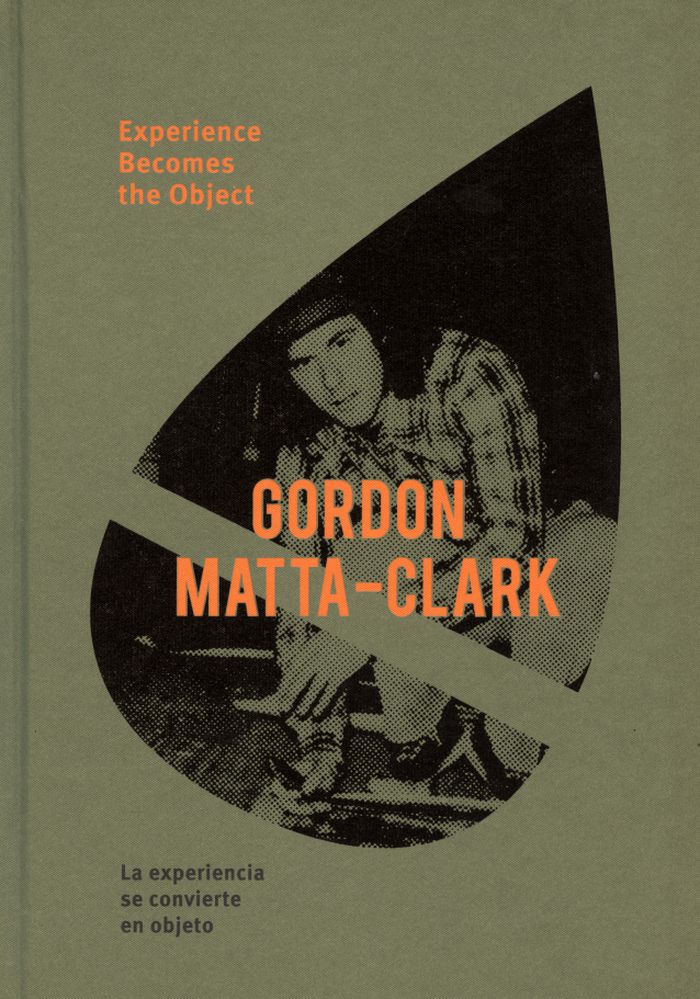
Gordon Matta-Clark died at only 35 of pancreatic cancer and has since become a cult figure of late 20th-century art. Trained in architecture at Cornell, he went on to question the field’s conventions in vivid projects—performance and recycling pieces, space and texture works and word games—some of which excised holes into existing buildings or assembled deeds to New York City alleys and curbs. The artist used a variety of media to document his work, including film, video and photography. His work and words, while sophisticated enough to make him an "artist’s artist," and colossal and outgoing enough to draw public attention and affection, were always also grounded in social or political convictions. In the early 1970s, Matta-Clark developed the idea of "anarchitecture," which encompassed his interest in voids, gaps and left-over spaces. Gordon Matta-Clark: Experience Becomes the Object collects five essays and ten individual interviews with various friends and family members of Matta-Clark’s. Together, they outline a biographical profile and offer an analysis of the historical period in which the artist developed his short but successful career. New, never-before-published material and photographs as well as an exclusive link to the documentary Crosswords: Matta-Clark’s Friends by Matias Cardone are also included.
Gordon Matta-Clark: Experience becomes the object
Actions:
Prix:
$60.00
(disponible sur commande)
Résumé:
Gordon Matta-Clark died at only 35 of pancreatic cancer and has since become a cult figure of late 20th-century art. Trained in architecture at Cornell, he went on to question the field’s conventions in vivid projects—performance and recycling pieces, space and texture works and word games—some of which excised holes into existing buildings or assembled deeds to New York City alleys and curbs. The artist used a variety of media to document his work, including film, video and photography. His work and words, while sophisticated enough to make him an "artist’s artist," and colossal and outgoing enough to draw public attention and affection, were always also grounded in social or political convictions. In the early 1970s, Matta-Clark developed the idea of "anarchitecture," which encompassed his interest in voids, gaps and left-over spaces. Gordon Matta-Clark: Experience Becomes the Object collects five essays and ten individual interviews with various friends and family members of Matta-Clark’s. Together, they outline a biographical profile and offer an analysis of the historical period in which the artist developed his short but successful career. New, never-before-published material and photographs as well as an exclusive link to the documentary Crosswords: Matta-Clark’s Friends by Matias Cardone are also included.
Classification:
livres
livres
Publication:
août 2016
août 2016
Classification:
livres
livres
Actions:
Prix:
$84.00
(disponible sur commande)
Résumé:
Otto Neurath’s famous "Modern man in the making," first published by Alfred A. Knopf in 1939, captures and describes the state of the world in the 1930s by using text and figurative illustrations. From 1925 on, Neurath and his team had worked on a new visual language termed "Isotype" (International System of Typographic Picture Education). At a time that saw new mass(...)
$84.00
(disponible sur commande)
Résumé:
Otto Neurath’s famous "Modern man in the making," first published by Alfred A. Knopf in 1939, captures and describes the state of the world in the 1930s by using text and figurative illustrations. From 1925 on, Neurath and his team had worked on a new visual language termed "Isotype" (International System of Typographic Picture Education). At a time that saw new mass(...)
Titre:
Modern man in the making. Facsimile
Actions:
Prix:
$84.00
(disponible sur commande)
Résumé:
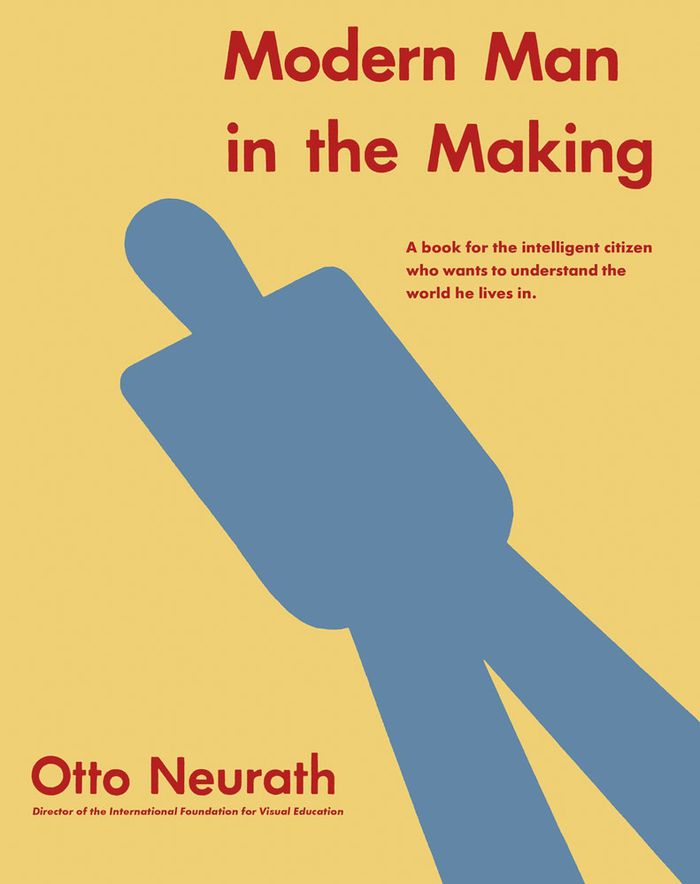
Otto Neurath’s famous "Modern man in the making," first published by Alfred A. Knopf in 1939, captures and describes the state of the world in the 1930s by using text and figurative illustrations. From 1925 on, Neurath and his team had worked on a new visual language termed "Isotype" (International System of Typographic Picture Education). At a time that saw new mass media making hitherto unthinkable amounts of information available, Neurath felt the need for a systematic visualization explaining facts, statistical data and comparative numbers in simple ways. The book can be seen as one of the most influential predecessors of today’s infographics. In the visuals, each symbol and color represents a certain group of objects or people, often compared repetitively over a certain time span. The topics covered in the book include diverse social issues of the time like mortality, health, employment, trade, education, mobility, migration and demographics. "Modern man in the making" shows Neurath’s democratic endeavor to make knowledge intelligible and available to all. It is a reminder of graphic art’s ability to inform and create context instead of presenting aesthetic qualities only. The book has inspired generations of designers and has led to sometimes peculiar imitations and further developments.
Modern man in the making. Facsimile
Actions:
Prix:
$84.00
(disponible sur commande)
Résumé:
Otto Neurath’s famous "Modern man in the making," first published by Alfred A. Knopf in 1939, captures and describes the state of the world in the 1930s by using text and figurative illustrations. From 1925 on, Neurath and his team had worked on a new visual language termed "Isotype" (International System of Typographic Picture Education). At a time that saw new mass media making hitherto unthinkable amounts of information available, Neurath felt the need for a systematic visualization explaining facts, statistical data and comparative numbers in simple ways. The book can be seen as one of the most influential predecessors of today’s infographics. In the visuals, each symbol and color represents a certain group of objects or people, often compared repetitively over a certain time span. The topics covered in the book include diverse social issues of the time like mortality, health, employment, trade, education, mobility, migration and demographics. "Modern man in the making" shows Neurath’s democratic endeavor to make knowledge intelligible and available to all. It is a reminder of graphic art’s ability to inform and create context instead of presenting aesthetic qualities only. The book has inspired generations of designers and has led to sometimes peculiar imitations and further developments.
Classification:
livres
livres
Publication:
avril 2024
avril 2024
Classification:
livres
livres
Titre:
Education
Education
Actions:
Prix:
$27.95
(disponible sur commande)
Résumé:
This book will be a resource for all who believe in the importance of art in the wider educational realm. Framing the recent "educational turn" in the arts within a broad historical and social context, this anthology raises fundamental questions about how and what should be taught in an era of distributive rather than media-based practices. Among the many sources and(...)
$27.95
(disponible sur commande)
Résumé:
This book will be a resource for all who believe in the importance of art in the wider educational realm. Framing the recent "educational turn" in the arts within a broad historical and social context, this anthology raises fundamental questions about how and what should be taught in an era of distributive rather than media-based practices. Among the many sources and(...)
Titre:
Education
Actions:
Prix:
$27.95
(disponible sur commande)
Résumé:
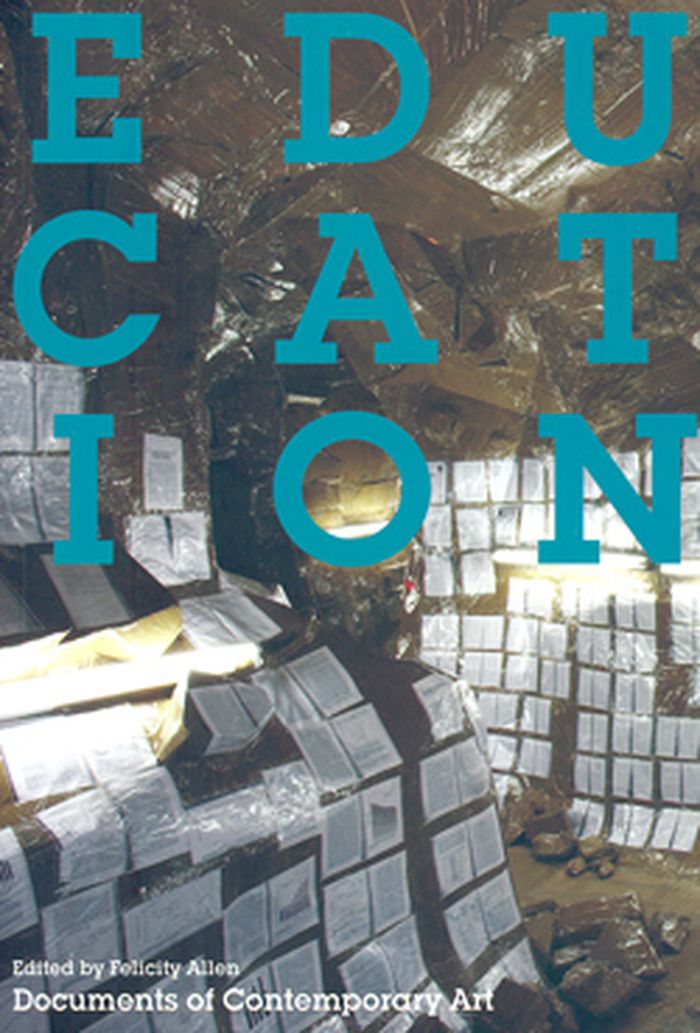
This book will be a resource for all who believe in the importance of art in the wider educational realm. Framing the recent "educational turn" in the arts within a broad historical and social context, this anthology raises fundamental questions about how and what should be taught in an era of distributive rather than media-based practices. Among the many sources and arguments traced here is second-wave feminism, which questioned dominant notions of personal and institutional freedom as enacted through art teaching and practice. Similarly, education-based responses by the art community to the catastrophes of World War II and postcolonial conflict critically inform contemporary art confronting the interrelationships of education, power, market capitalism, and--as Michael Hardt and Antonio Negri describe it--the global condition of war. These writings by artists, philosophers, educators, poets, and activists center on three recurring and interrelated themes: the notion of "indiscipline" in theories and practices that challenge boundaries of all kinds; the present and future role of the art school; and the turn to pedagogy as medium in a diverse range of recent projects. Other writings address such issues as instrumentalism and control, liberation and equality, the production and the politics of culture, and the roots of research-based practice and experimental participatory works.
Education
Actions:
Prix:
$27.95
(disponible sur commande)
Résumé:
This book will be a resource for all who believe in the importance of art in the wider educational realm. Framing the recent "educational turn" in the arts within a broad historical and social context, this anthology raises fundamental questions about how and what should be taught in an era of distributive rather than media-based practices. Among the many sources and arguments traced here is second-wave feminism, which questioned dominant notions of personal and institutional freedom as enacted through art teaching and practice. Similarly, education-based responses by the art community to the catastrophes of World War II and postcolonial conflict critically inform contemporary art confronting the interrelationships of education, power, market capitalism, and--as Michael Hardt and Antonio Negri describe it--the global condition of war. These writings by artists, philosophers, educators, poets, and activists center on three recurring and interrelated themes: the notion of "indiscipline" in theories and practices that challenge boundaries of all kinds; the present and future role of the art school; and the turn to pedagogy as medium in a diverse range of recent projects. Other writings address such issues as instrumentalism and control, liberation and equality, the production and the politics of culture, and the roots of research-based practice and experimental participatory works.
Classification:
livres
livres
Publication:
septembre 2011
septembre 2011
Sujet:
Théorie de l’art
Théorie de l’art
Classification:
livres
livres
Prix:
$47.95
(disponible sur commande)
Résumé:
Builders, Housewives and the Construction of Modern Athens reassesses the explosive growth of postwar Athens through its most distinctive building type, the polykatoikía, and its different connotations through the decades: from a monotonous and ugly element of the city to the role it might play in the urban sustainability. Sprawling beneath the Acropolis, modern Athens(...)
$47.95
(disponible sur commande)
Résumé:
Builders, Housewives and the Construction of Modern Athens reassesses the explosive growth of postwar Athens through its most distinctive building type, the polykatoikía, and its different connotations through the decades: from a monotonous and ugly element of the city to the role it might play in the urban sustainability. Sprawling beneath the Acropolis, modern Athens(...)
Titre:
Builders, housewives, and the construction of modern Athens
Actions:
Prix:
$47.95
(disponible sur commande)
Résumé:
Builders, Housewives and the Construction of Modern Athens reassesses the explosive growth of postwar Athens through its most distinctive building type, the polykatoikía, and its different connotations through the decades: from a monotonous and ugly element of the city to the role it might play in the urban sustainability. Sprawling beneath the Acropolis, modern Athens is commonly viewed in negative terms: congested, ugly and monotonous. Builders, Housewives and the Construction of Modern Athens questions this stereotype, reassessing the explosive growth of postwar Athens through its most distinctive building type: the polykatoikía (a small-scale multistory apartment block). Theocharopoulou re-evaluates the polykatoikía as a low-tech, easily constructible innovation that stimulated the postwar urban economy, triggering the city's social mid-twentieth-century transformation. The interiors of the polykatoikía apartments reflect a desire for modernity as marketed to housewives through film and magazines. Regular builders became unlikely allies in designing these polykatoikía interiors, enabling inhabitants to exert agency over their daily lives and the shape of the postwar city. This revised edition of Theocharopoulou's study draws on popular media as well as urban and regional planning theory, cultural studies and anthropology to examine the evolution of this phenomenon. Written in the light of Greece's recent financial crisis, the book's updated Postscript considers the role polykatoikía might play in building an equitable and sustainable twenty-first-century city.
Builders, housewives, and the construction of modern Athens
Actions:
Prix:
$47.95
(disponible sur commande)
Résumé:
Builders, Housewives and the Construction of Modern Athens reassesses the explosive growth of postwar Athens through its most distinctive building type, the polykatoikía, and its different connotations through the decades: from a monotonous and ugly element of the city to the role it might play in the urban sustainability. Sprawling beneath the Acropolis, modern Athens is commonly viewed in negative terms: congested, ugly and monotonous. Builders, Housewives and the Construction of Modern Athens questions this stereotype, reassessing the explosive growth of postwar Athens through its most distinctive building type: the polykatoikía (a small-scale multistory apartment block). Theocharopoulou re-evaluates the polykatoikía as a low-tech, easily constructible innovation that stimulated the postwar urban economy, triggering the city's social mid-twentieth-century transformation. The interiors of the polykatoikía apartments reflect a desire for modernity as marketed to housewives through film and magazines. Regular builders became unlikely allies in designing these polykatoikía interiors, enabling inhabitants to exert agency over their daily lives and the shape of the postwar city. This revised edition of Theocharopoulou's study draws on popular media as well as urban and regional planning theory, cultural studies and anthropology to examine the evolution of this phenomenon. Written in the light of Greece's recent financial crisis, the book's updated Postscript considers the role polykatoikía might play in building an equitable and sustainable twenty-first-century city.
Classification:
livres
livres
Publication:
septembre 2022
septembre 2022
Sujet:
Théorie de l’urbanisme
Théorie de l’urbanisme
Classification:
livres
livres
Actions:
Prix:
$68.95
(disponible sur commande)
Résumé:
This collection contains studies written by art historian James Ackerman over the past decade. Whereas Ackerman’s earlier work assumed a development of the arts as they responded to social, economic, political, and cultural change, his recent work reflects the poststructural critique of the presumption of progress that characterized Renaissance and modernist history and(...)
$68.95
(disponible sur commande)
Résumé:
This collection contains studies written by art historian James Ackerman over the past decade. Whereas Ackerman’s earlier work assumed a development of the arts as they responded to social, economic, political, and cultural change, his recent work reflects the poststructural critique of the presumption of progress that characterized Renaissance and modernist history and(...)
Sujet:
Théorie de l’architecture
Théorie de l’architecture
Publication:
novembre 2001, Cambridge, Mass.
novembre 2001, Cambridge, Mass.
Titre:
Origins, imitation, conventions : representation in the visual arts
Actions:
Prix:
$68.95
(disponible sur commande)
Résumé:
This collection contains studies written by art historian James Ackerman over the past decade. Whereas Ackerman’s earlier work assumed a development of the arts as they responded to social, economic, political, and cultural change, his recent work reflects the poststructural critique of the presumption of progress that characterized Renaissance and modernist history and criticism. In this book he explores the tension between the authority of the past--which may act not only as a restraint but as a challenge and stimulus--and the potentially liberating gift of invention. He examines the ways in which artists and writers on art have related to ancestors and to established modes of representation, as well as to contemporary experiences. The "origins" studied here include the earliest art history and criticism; the beginnings of architectural drawing in the Middle Ages and Renaissance; Leonardo Da Vinci’s sketches for churches, the first in the Renaissance to propose supporting domes on sculpted walls and piers; and the first architectural photographs. "Imitation" refers to artistic achievements that in part depended on the imitation of forms established in practices outside the fine arts, such as ancient Roman rhetoric and print media. "Conventions," like language, facilitate communication between the artist and viewer, but are both more universal (understood across cultures) and more fixed (resisting variation that might diminish their clarity). The three categories are closely linked throughout the book, as most acts of representation partake to some degree of all three.
Origins, imitation, conventions : representation in the visual arts
Actions:
Prix:
$68.95
(disponible sur commande)
Résumé:
This collection contains studies written by art historian James Ackerman over the past decade. Whereas Ackerman’s earlier work assumed a development of the arts as they responded to social, economic, political, and cultural change, his recent work reflects the poststructural critique of the presumption of progress that characterized Renaissance and modernist history and criticism. In this book he explores the tension between the authority of the past--which may act not only as a restraint but as a challenge and stimulus--and the potentially liberating gift of invention. He examines the ways in which artists and writers on art have related to ancestors and to established modes of representation, as well as to contemporary experiences. The "origins" studied here include the earliest art history and criticism; the beginnings of architectural drawing in the Middle Ages and Renaissance; Leonardo Da Vinci’s sketches for churches, the first in the Renaissance to propose supporting domes on sculpted walls and piers; and the first architectural photographs. "Imitation" refers to artistic achievements that in part depended on the imitation of forms established in practices outside the fine arts, such as ancient Roman rhetoric and print media. "Conventions," like language, facilitate communication between the artist and viewer, but are both more universal (understood across cultures) and more fixed (resisting variation that might diminish their clarity). The three categories are closely linked throughout the book, as most acts of representation partake to some degree of all three.
Classification:
livres
livres
Publication:
novembre 2001, Cambridge, Mass.
novembre 2001, Cambridge, Mass.
Sujet:
Théorie de l’architecture
Théorie de l’architecture
Classification:
livres
livres
Titre:
On the digital humanities
On the digital humanities
Actions:
Prix:
$35.99
(disponible sur commande)
Résumé:
Since its inception, the digital humanities has been repeatedly attacked as a threat to the humanities: warnings from literary and cultural theorists of technology overtaking English departments and the mechanization of teaching have peppered popular media. Stephen Ramsay’s ''On the digital humanities'', a collection of essays spanning the personal to the polemic, is a(...)
$35.99
(disponible sur commande)
Résumé:
Since its inception, the digital humanities has been repeatedly attacked as a threat to the humanities: warnings from literary and cultural theorists of technology overtaking English departments and the mechanization of teaching have peppered popular media. Stephen Ramsay’s ''On the digital humanities'', a collection of essays spanning the personal to the polemic, is a(...)
Titre:
On the digital humanities
Actions:
Prix:
$35.99
(disponible sur commande)
Résumé:
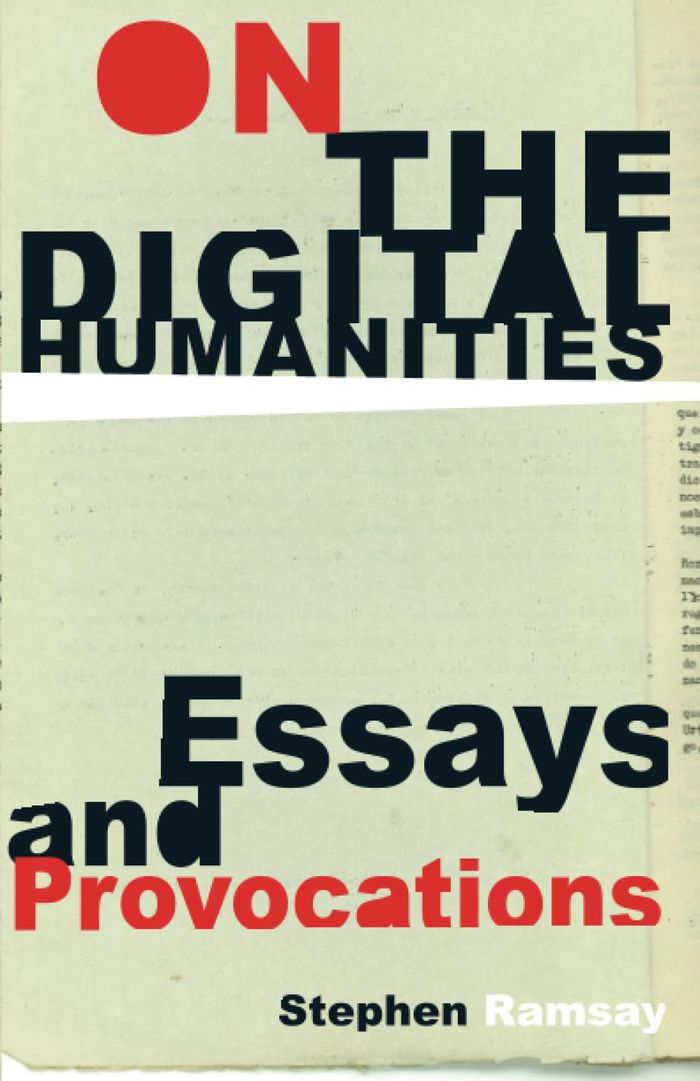
Since its inception, the digital humanities has been repeatedly attacked as a threat to the humanities: warnings from literary and cultural theorists of technology overtaking English departments and the mechanization of teaching have peppered popular media. Stephen Ramsay’s ''On the digital humanities'', a collection of essays spanning the personal to the polemic, is a spirited defense of the field of digital humanities. A founding figure in what was once known as 'humanities computing,' Ramsay has a well-known and contentious relationship with what is now called the digital humanities (DH). Here Ramsay collects and updates his most influential and notorious essays and speeches from the past fifteen years, considering DH from an array of practical and theoretical perspectives. The essays pursue a broad variety of themes, including the nature of data and its place in more conventional notions of text and interpretation, the relationship between the constraints of computation and the more open-ended nature of the humanities, the positioning of practical skills and infrastructures in both research and pedagogical contexts, the status of DH as a program for political and social action, and personal reflections on the author’s journey into the field as both a theorist and a technologist. These wide-ranging essays all center around one idea: that DH not forsake its connection to the humanities. While 'digital humanities' may sound like an entirely new form of engagement with the artifacts of human culture, Ramsay argues that the field well reveals what is most essential to humanistic inquiry.
On the digital humanities
Actions:
Prix:
$35.99
(disponible sur commande)
Résumé:
Since its inception, the digital humanities has been repeatedly attacked as a threat to the humanities: warnings from literary and cultural theorists of technology overtaking English departments and the mechanization of teaching have peppered popular media. Stephen Ramsay’s ''On the digital humanities'', a collection of essays spanning the personal to the polemic, is a spirited defense of the field of digital humanities. A founding figure in what was once known as 'humanities computing,' Ramsay has a well-known and contentious relationship with what is now called the digital humanities (DH). Here Ramsay collects and updates his most influential and notorious essays and speeches from the past fifteen years, considering DH from an array of practical and theoretical perspectives. The essays pursue a broad variety of themes, including the nature of data and its place in more conventional notions of text and interpretation, the relationship between the constraints of computation and the more open-ended nature of the humanities, the positioning of practical skills and infrastructures in both research and pedagogical contexts, the status of DH as a program for political and social action, and personal reflections on the author’s journey into the field as both a theorist and a technologist. These wide-ranging essays all center around one idea: that DH not forsake its connection to the humanities. While 'digital humanities' may sound like an entirely new form of engagement with the artifacts of human culture, Ramsay argues that the field well reveals what is most essential to humanistic inquiry.
Classification:
livres
livres
Publication:
août 2023
août 2023
Classification:
livres
livres
Actions:
Prix:
$27.00
(disponible sur commande)
Résumé:
This new survey provides a complete history of American art and architecture from its seventeenth-century colonial beginnings to the latest installation and video work. Structured chronologically, the book defines the characteristics of the different periods and highlights the consistent forms, techniques, and styles that mark the art and architecture as distinctively(...)
$27.00
(disponible sur commande)
Résumé:
This new survey provides a complete history of American art and architecture from its seventeenth-century colonial beginnings to the latest installation and video work. Structured chronologically, the book defines the characteristics of the different periods and highlights the consistent forms, techniques, and styles that mark the art and architecture as distinctively(...)
Titre:
American art and architecture
Actions:
Prix:
$27.00
(disponible sur commande)
Résumé:
This new survey provides a complete history of American art and architecture from its seventeenth-century colonial beginnings to the latest installation and video work. Structured chronologically, the book defines the characteristics of the different periods and highlights the consistent forms, techniques, and styles that mark the art and architecture as distinctively American. Michael J. Lewis charts the ways in which American artists and architects both adopted and diverged from earlier European models to create an original visual language of their own. He also shows how that language in turn came to influence and eventually dominate art and architecture around the world. The author integrates discussions of both buildings and works of visual art, revealing the shared social and aesthetic concerns that underlie the two. Vernacular, religious, secular, and corporate architecture appears alongside paintings, sculpture, photography, and new-media art. Major American artists and works from the seventeenth century to today are included, such as epic history paintings by Benjamin West and John Singleton Copley; sublime landscapes by Thomas Cole, Albert Bierstadt, and Frederick Church; society portraits by John Singer Sargent; groundbreaking abstract expressionist and pop art by Jackson Pollock, Barnett Newman, and Andy Warhol; and challenging sculptural, installation, and video works from more recent years by Robert Gober, Fred Wilson, and Matthew Barney. In architecture, dozens of different building types are illustrated and discussed, from the earliest colonial houses and churches to the most spectacular modernist and postmodernist houses, stations, museums, and iconic skyscrapers. 275 illustrations, 175 in color.
American art and architecture
Actions:
Prix:
$27.00
(disponible sur commande)
Résumé:
This new survey provides a complete history of American art and architecture from its seventeenth-century colonial beginnings to the latest installation and video work. Structured chronologically, the book defines the characteristics of the different periods and highlights the consistent forms, techniques, and styles that mark the art and architecture as distinctively American. Michael J. Lewis charts the ways in which American artists and architects both adopted and diverged from earlier European models to create an original visual language of their own. He also shows how that language in turn came to influence and eventually dominate art and architecture around the world. The author integrates discussions of both buildings and works of visual art, revealing the shared social and aesthetic concerns that underlie the two. Vernacular, religious, secular, and corporate architecture appears alongside paintings, sculpture, photography, and new-media art. Major American artists and works from the seventeenth century to today are included, such as epic history paintings by Benjamin West and John Singleton Copley; sublime landscapes by Thomas Cole, Albert Bierstadt, and Frederick Church; society portraits by John Singer Sargent; groundbreaking abstract expressionist and pop art by Jackson Pollock, Barnett Newman, and Andy Warhol; and challenging sculptural, installation, and video works from more recent years by Robert Gober, Fred Wilson, and Matthew Barney. In architecture, dozens of different building types are illustrated and discussed, from the earliest colonial houses and churches to the most spectacular modernist and postmodernist houses, stations, museums, and iconic skyscrapers. 275 illustrations, 175 in color.
Classification:
livres
livres
Publication:
mai 2006, London
mai 2006, London
Sujet:
Modernisme
Modernisme
Classification:
livres
livres
Titre:
The new downtown library
The new downtown library
Actions:
Prix:
$45.00
(disponible sur commande)
Résumé:
The past twenty years have seen a building boom for downtown public libraries. From Brooklyn to Seattle, architects, civic leaders, and citizens in major U.S. cities have worked to reassert the relevance of the central library. While the libraries’ primary functions—as public spaces where information is gathered, organized, preserved, and made available for use—have not(...)
$45.00
(disponible sur commande)
Résumé:
The past twenty years have seen a building boom for downtown public libraries. From Brooklyn to Seattle, architects, civic leaders, and citizens in major U.S. cities have worked to reassert the relevance of the central library. While the libraries’ primary functions—as public spaces where information is gathered, organized, preserved, and made available for use—have not(...)
Publication:
janvier 2007, Minneapolis / London
janvier 2007, Minneapolis / London
Titre:
The new downtown library
Actions:
Prix:
$45.00
(disponible sur commande)
Résumé:
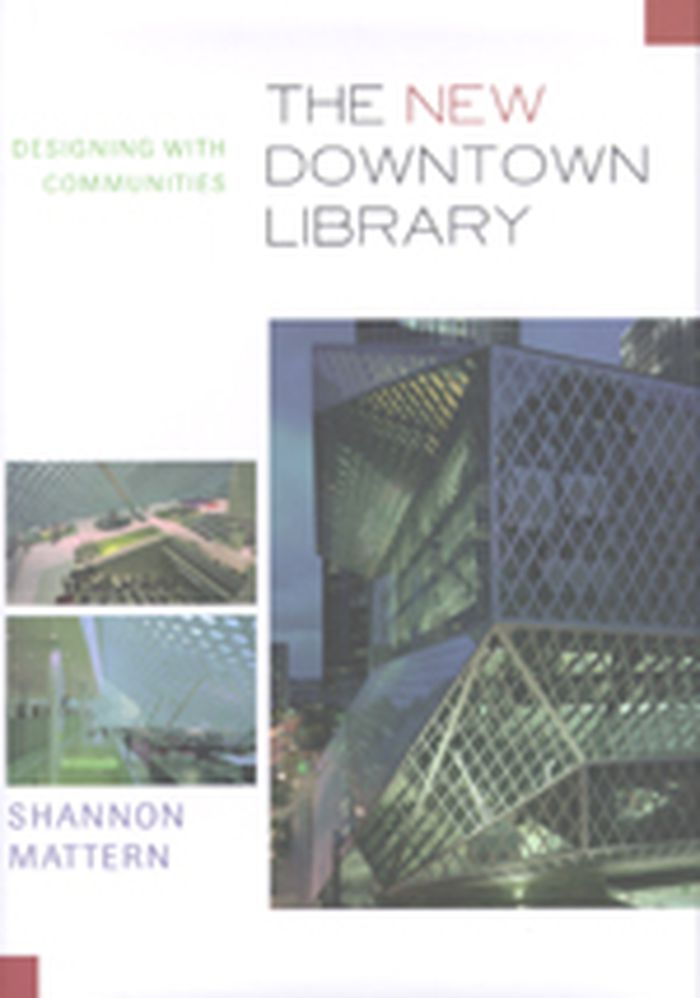
The past twenty years have seen a building boom for downtown public libraries. From Brooklyn to Seattle, architects, civic leaders, and citizens in major U.S. cities have worked to reassert the relevance of the central library. While the libraries’ primary functions—as public spaces where information is gathered, organized, preserved, and made available for use—have not changed over the years, the processes by which they accomplish these goals have. These new processes, and the public debates surrounding them, have radically influenced the utility and design of new library buildings. In The New Downtown Library, Shannon Mattern draws on a diverse range of sources to investigate how libraries serve as multiuse public spaces, anchors in urban redevelopment, civic icons, and showcases of renowned architects like Rem Koolhaas, Cesar Pelli, and Enrique Norton. Mattern’s clear and careful analysis reveals the complexity of contemporary dialogues in library design, highlighting the roles that staff, the public, and other special interest groups play. Mattern also describes how the libraries manifest changing demographics, new ways of organizing collections and delivering media, and current philosophies of librarianship. By identifying unifying themes as well as examining the differences among various design projects, Mattern brings to light the social forces, as well as their architectural expressions, that form the essence of new libraries and their vital place in public life. Featured libraries are located in Brooklyn, Cincinnati, Cleveland, Chicago, Denver, Los Angeles, Minneapolis, Nashville, New York, Phoenix, Salt Lake City, San Antonio, San Francisco, Seattle, and Toledo.
The new downtown library
Actions:
Prix:
$45.00
(disponible sur commande)
Résumé:
The past twenty years have seen a building boom for downtown public libraries. From Brooklyn to Seattle, architects, civic leaders, and citizens in major U.S. cities have worked to reassert the relevance of the central library. While the libraries’ primary functions—as public spaces where information is gathered, organized, preserved, and made available for use—have not changed over the years, the processes by which they accomplish these goals have. These new processes, and the public debates surrounding them, have radically influenced the utility and design of new library buildings. In The New Downtown Library, Shannon Mattern draws on a diverse range of sources to investigate how libraries serve as multiuse public spaces, anchors in urban redevelopment, civic icons, and showcases of renowned architects like Rem Koolhaas, Cesar Pelli, and Enrique Norton. Mattern’s clear and careful analysis reveals the complexity of contemporary dialogues in library design, highlighting the roles that staff, the public, and other special interest groups play. Mattern also describes how the libraries manifest changing demographics, new ways of organizing collections and delivering media, and current philosophies of librarianship. By identifying unifying themes as well as examining the differences among various design projects, Mattern brings to light the social forces, as well as their architectural expressions, that form the essence of new libraries and their vital place in public life. Featured libraries are located in Brooklyn, Cincinnati, Cleveland, Chicago, Denver, Los Angeles, Minneapolis, Nashville, New York, Phoenix, Salt Lake City, San Antonio, San Francisco, Seattle, and Toledo.
Classification:
livres
livres
Publication:
janvier 2007, Minneapolis / London
janvier 2007, Minneapolis / London
Classification:
livres
livres
Actions:
Prix:
$85.00
(disponible en magasin)
Résumé:
Published for a major exhibition at The Museum of Modern Art, this catalog reveals new perspectives on the work of Frank Lloyd Wright, a designer so prolific and familiar as to nearly preclude critical reexamination. Structured as a series of inquiries into the Frank Lloyd Wright Foundation Archives at Taliesin West, Arizona (recently acquired by MoMA and Avery(...)
$85.00
(disponible en magasin)
Résumé:
Published for a major exhibition at The Museum of Modern Art, this catalog reveals new perspectives on the work of Frank Lloyd Wright, a designer so prolific and familiar as to nearly preclude critical reexamination. Structured as a series of inquiries into the Frank Lloyd Wright Foundation Archives at Taliesin West, Arizona (recently acquired by MoMA and Avery(...)
Titre:
Frank Lloyd Wright: unpacking the archive
Actions:
Prix:
$85.00
(disponible en magasin)
Résumé:
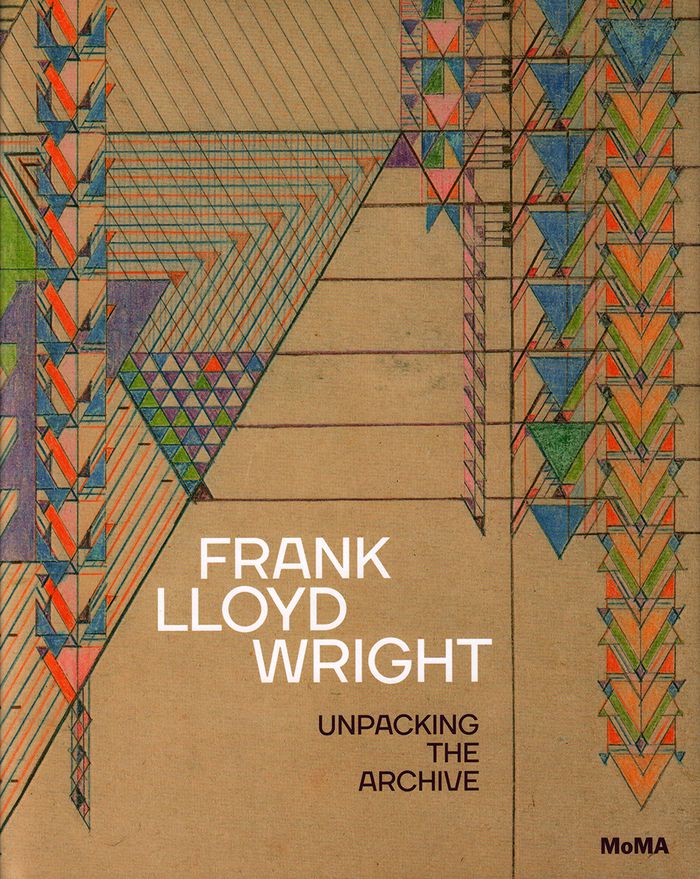
Published for a major exhibition at The Museum of Modern Art, this catalog reveals new perspectives on the work of Frank Lloyd Wright, a designer so prolific and familiar as to nearly preclude critical reexamination. Structured as a series of inquiries into the Frank Lloyd Wright Foundation Archives at Taliesin West, Arizona (recently acquired by MoMA and Avery Architectural & Fine Arts Library, Columbia University), the book is a collection of scholarly explorations rather than an attempt to construct a master narrative. Each chapter centers on a key object from the archive that an invited author has “unpacked”— tracing its meanings and connections, and juxtaposing it with other works from the archive, from MoMA, or from outside collections. Wright’s quest to build a mile-high skyscraper reveals him to be one of the earliest celebrity architects, using television, press relations and other forms of mass media to advance his own self-crafted image. A little-known project for a Rosenwald School for African-American children, together with other projects that engage Japanese and Native American culture, ask provocative questions about Wright’s positions on race and cultural identity. Still other investigations engage the architect’s lifelong dedication to affordable and do-it-yourself housing, as well as the ecological systems, both social and environmental, that informed his approach to cities, landscapes and even ornament. The publication aims to open up Wright’s work to questions, interrogations and debates, and to highlight interpretations by contemporary scholars, both established Wright experts and others considering this iconic figure from new and illuminating perspectives.
Frank Lloyd Wright: unpacking the archive
Actions:
Prix:
$85.00
(disponible en magasin)
Résumé:
Published for a major exhibition at The Museum of Modern Art, this catalog reveals new perspectives on the work of Frank Lloyd Wright, a designer so prolific and familiar as to nearly preclude critical reexamination. Structured as a series of inquiries into the Frank Lloyd Wright Foundation Archives at Taliesin West, Arizona (recently acquired by MoMA and Avery Architectural & Fine Arts Library, Columbia University), the book is a collection of scholarly explorations rather than an attempt to construct a master narrative. Each chapter centers on a key object from the archive that an invited author has “unpacked”— tracing its meanings and connections, and juxtaposing it with other works from the archive, from MoMA, or from outside collections. Wright’s quest to build a mile-high skyscraper reveals him to be one of the earliest celebrity architects, using television, press relations and other forms of mass media to advance his own self-crafted image. A little-known project for a Rosenwald School for African-American children, together with other projects that engage Japanese and Native American culture, ask provocative questions about Wright’s positions on race and cultural identity. Still other investigations engage the architect’s lifelong dedication to affordable and do-it-yourself housing, as well as the ecological systems, both social and environmental, that informed his approach to cities, landscapes and even ornament. The publication aims to open up Wright’s work to questions, interrogations and debates, and to highlight interpretations by contemporary scholars, both established Wright experts and others considering this iconic figure from new and illuminating perspectives.
Classification:
livres
livres
Publication:
juin 2017
juin 2017
Sujet:
Architecture, monographies
Architecture, monographies


