


1751 Résultats
Classification:
livres
livres
Titre:
Baku: oil and urbanism
Baku: oil and urbanism
Actions:
Prix:
$75.00
(disponible sur commande)
Résumé:
Baku, the capital of Azerbaijan and formerly part of the Russian Empire and Soviet Union, is the original oil city, with oil and urbanism thoroughly intertwined—economically, politically, and physical—in the city’s fabric. Baku saw its first oil boom in the late nineteenth century, driven by the Russian branch of the Nobel family modernizing the oil fields around Baku as(...)
$75.00
(disponible sur commande)
Résumé:
Baku, the capital of Azerbaijan and formerly part of the Russian Empire and Soviet Union, is the original oil city, with oil and urbanism thoroughly intertwined—economically, politically, and physical—in the city’s fabric. Baku saw its first oil boom in the late nineteenth century, driven by the Russian branch of the Nobel family modernizing the oil fields around Baku as(...)
Publication:
février 2019
février 2019
Titre:
Baku: oil and urbanism
Actions:
Prix:
$75.00
(disponible sur commande)
Résumé:
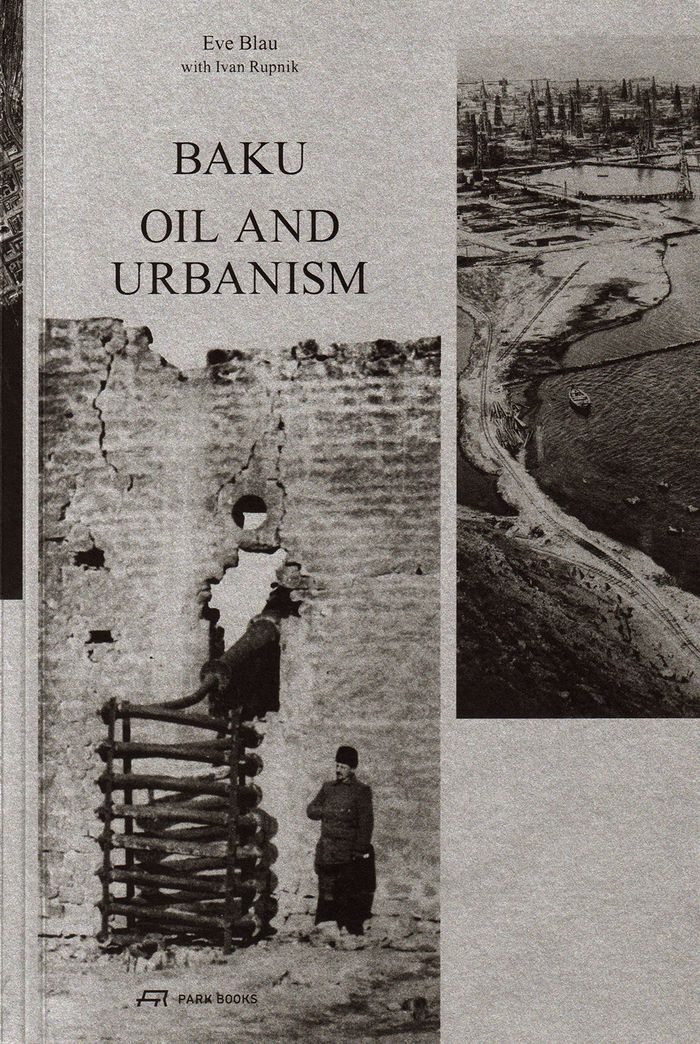
Baku, the capital of Azerbaijan and formerly part of the Russian Empire and Soviet Union, is the original oil city, with oil and urbanism thoroughly intertwined—economically, politically, and physical—in the city’s fabric. Baku saw its first oil boom in the late nineteenth century, driven by the Russian branch of the Nobel family modernizing the oil fields around Baku as local oil barons poured their new wealth into building a cosmopolitan city center. During the Soviet period, Baku became the site of an urban experiment: the shaping of an oil city of socialist man. That project included Neft Dashlari, a city built on trestles in the Caspian Sea and designed to house thousands of workers, schools, shops, gardens, clinics, and cinemas as well as 2,000 oil rigs, pipelines, and collecting stations. Today, as it heads into an uncertain post-oil future, Baku’s planners and business elites regard the legacy of its past as a resource that sustains new aspirations and identities.
Baku: oil and urbanism
Actions:
Prix:
$75.00
(disponible sur commande)
Résumé:
Baku, the capital of Azerbaijan and formerly part of the Russian Empire and Soviet Union, is the original oil city, with oil and urbanism thoroughly intertwined—economically, politically, and physical—in the city’s fabric. Baku saw its first oil boom in the late nineteenth century, driven by the Russian branch of the Nobel family modernizing the oil fields around Baku as local oil barons poured their new wealth into building a cosmopolitan city center. During the Soviet period, Baku became the site of an urban experiment: the shaping of an oil city of socialist man. That project included Neft Dashlari, a city built on trestles in the Caspian Sea and designed to house thousands of workers, schools, shops, gardens, clinics, and cinemas as well as 2,000 oil rigs, pipelines, and collecting stations. Today, as it heads into an uncertain post-oil future, Baku’s planners and business elites regard the legacy of its past as a resource that sustains new aspirations and identities.
Classification:
livres
livres
Publication:
février 2019
février 2019
Classification:
livres
livres
Actions:
Prix:
$26.00
(disponible en magasin)
Résumé:
Dans l'agencement de bureaux et de grands magasins de la fin des années 1960, les cloisonnements modulaires ou les systèmes artificiels d’éclairage et d’air conditionné intégrés aux plafonds créent une idée d’espace flexible héritier du plan libre : l’open space. Sur fond de contestation des jeunes et des ouvriers d'Italie, des avant-gardes florentines transposent ces(...)
$26.00
(disponible en magasin)
Résumé:
Dans l'agencement de bureaux et de grands magasins de la fin des années 1960, les cloisonnements modulaires ou les systèmes artificiels d’éclairage et d’air conditionné intégrés aux plafonds créent une idée d’espace flexible héritier du plan libre : l’open space. Sur fond de contestation des jeunes et des ouvriers d'Italie, des avant-gardes florentines transposent ces(...)
Publication:
octobre 2017
octobre 2017
Titre:
Inside No-Stop city : parkings résidentiels et système climatique universel. Archizoom.
Actions:
Prix:
$26.00
(disponible en magasin)
Résumé:
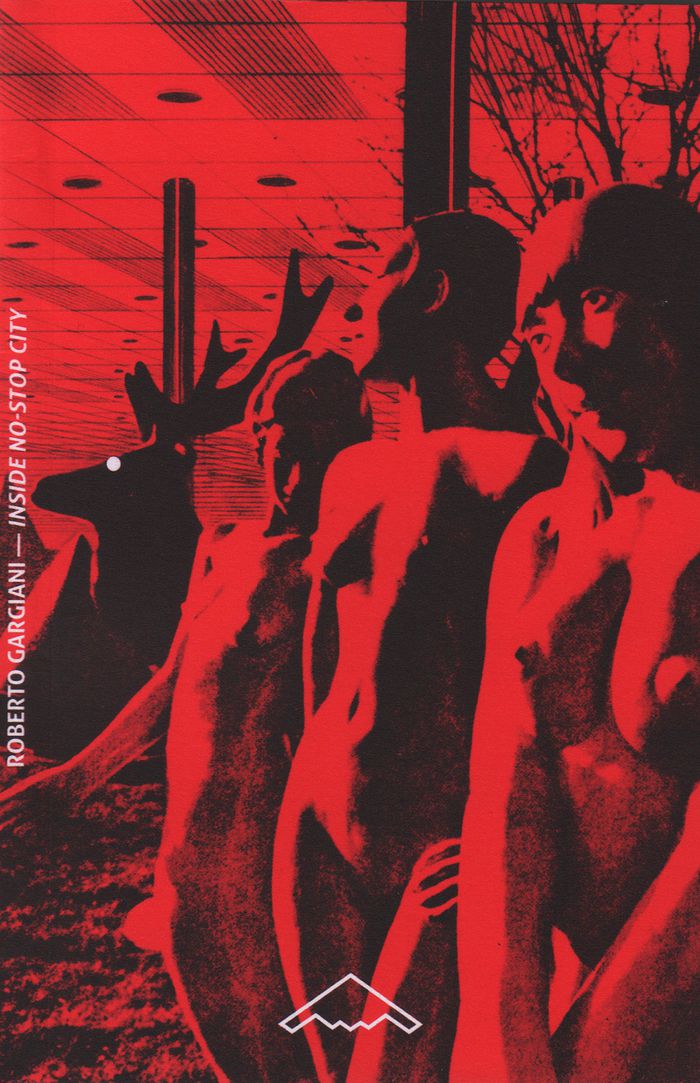
Dans l'agencement de bureaux et de grands magasins de la fin des années 1960, les cloisonnements modulaires ou les systèmes artificiels d’éclairage et d’air conditionné intégrés aux plafonds créent une idée d’espace flexible héritier du plan libre : l’open space. Sur fond de contestation des jeunes et des ouvriers d'Italie, des avant-gardes florentines transposent ces systèmes à l’échelle de l'espace public. C’est dans ce contexte, rendu particulier en Italie par les analyses marxistes de phénomènes métropolitains et territoriaux, que naît le projet des Archizoom de la No-Stop City, Residential Parkings, Climatic Universal System (1969-1972). C'est à un voyage intérieur au sein de ce pays de cocagne pop que nous convie Roberto Gargiani.
Inside No-Stop city : parkings résidentiels et système climatique universel. Archizoom.
Actions:
Prix:
$26.00
(disponible en magasin)
Résumé:
Dans l'agencement de bureaux et de grands magasins de la fin des années 1960, les cloisonnements modulaires ou les systèmes artificiels d’éclairage et d’air conditionné intégrés aux plafonds créent une idée d’espace flexible héritier du plan libre : l’open space. Sur fond de contestation des jeunes et des ouvriers d'Italie, des avant-gardes florentines transposent ces systèmes à l’échelle de l'espace public. C’est dans ce contexte, rendu particulier en Italie par les analyses marxistes de phénomènes métropolitains et territoriaux, que naît le projet des Archizoom de la No-Stop City, Residential Parkings, Climatic Universal System (1969-1972). C'est à un voyage intérieur au sein de ce pays de cocagne pop que nous convie Roberto Gargiani.
Classification:
livres
livres
Publication:
octobre 2017
octobre 2017
Classification:
livres
livres
Actions:
Prix:
$35.95
(disponible sur commande)
Résumé:
The Curious Mr. Pettena recounts various steps along a journey, through cities and wide open natural spaces, undertaken by the anarchitect Gianni Pettena at the start of the 1970s across the United States. Architect, artist and critic, professor of the History of Contemporary Architecture at the University of Florence and of Planning at California State University, Gianni(...)
$35.95
(disponible sur commande)
Résumé:
The Curious Mr. Pettena recounts various steps along a journey, through cities and wide open natural spaces, undertaken by the anarchitect Gianni Pettena at the start of the 1970s across the United States. Architect, artist and critic, professor of the History of Contemporary Architecture at the University of Florence and of Planning at California State University, Gianni(...)
Publication:
octobre 2017
octobre 2017
Titre:
The curious Mr. Pettena: rambling around USA 1971-73
Actions:
Prix:
$35.95
(disponible sur commande)
Résumé:
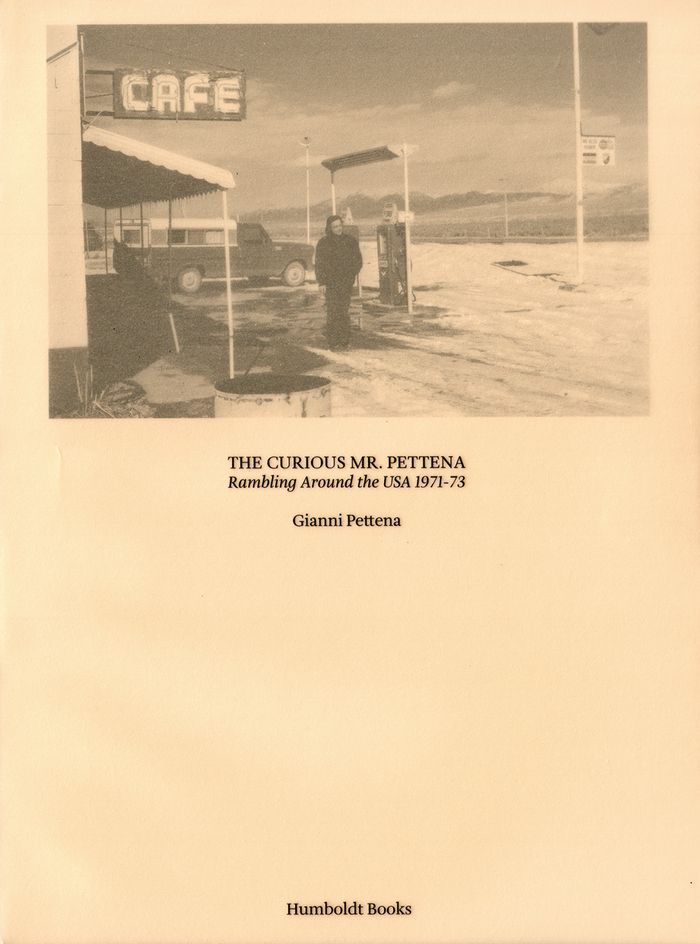
The Curious Mr. Pettena recounts various steps along a journey, through cities and wide open natural spaces, undertaken by the anarchitect Gianni Pettena at the start of the 1970s across the United States. Architect, artist and critic, professor of the History of Contemporary Architecture at the University of Florence and of Planning at California State University, Gianni Pettena (born 1970 in Bolzano) belongs to the original group—along with Archizoom, Superstudio and UFO—of radical Italian architecture. Without denying his background in architecture, he was convinced of the need to rethink the meaning of the discipline, just like the other “radicals”, using the languages of “spatial” research of Conceptual Art and American Land Art, instead of the traditional languages of architectural planning.
The curious Mr. Pettena: rambling around USA 1971-73
Actions:
Prix:
$35.95
(disponible sur commande)
Résumé:
The Curious Mr. Pettena recounts various steps along a journey, through cities and wide open natural spaces, undertaken by the anarchitect Gianni Pettena at the start of the 1970s across the United States. Architect, artist and critic, professor of the History of Contemporary Architecture at the University of Florence and of Planning at California State University, Gianni Pettena (born 1970 in Bolzano) belongs to the original group—along with Archizoom, Superstudio and UFO—of radical Italian architecture. Without denying his background in architecture, he was convinced of the need to rethink the meaning of the discipline, just like the other “radicals”, using the languages of “spatial” research of Conceptual Art and American Land Art, instead of the traditional languages of architectural planning.
Classification:
livres
livres
Publication:
octobre 2017
octobre 2017
Classification:
livres
livres
Prix:
$35.95
(disponible sur commande)
Résumé:
Les essais réunis dans ce volume par Emanuele Quinz contribuent à la définition d'une esthétique de l'interactivité en art, dans une perspective historique et interdisciplinaire. Emanuele Quinz est historien de l'art, maître de conférences à l'Université Paris 8 et enseignant-chercheur à l'École nationale supérieure des Arts décoratifs.
$35.95
(disponible sur commande)
Résumé:
Les essais réunis dans ce volume par Emanuele Quinz contribuent à la définition d'une esthétique de l'interactivité en art, dans une perspective historique et interdisciplinaire. Emanuele Quinz est historien de l'art, maître de conférences à l'Université Paris 8 et enseignant-chercheur à l'École nationale supérieure des Arts décoratifs.
Titre:
Le cercle invisible : environnements, systèmes, dispositifs
Actions:
Prix:
$35.95
(disponible sur commande)
Résumé:
Les essais réunis dans ce volume par Emanuele Quinz contribuent à la définition d'une esthétique de l'interactivité en art, dans une perspective historique et interdisciplinaire. Emanuele Quinz est historien de l'art, maître de conférences à l'Université Paris 8 et enseignant-chercheur à l'École nationale supérieure des Arts décoratifs.
Le cercle invisible : environnements, systèmes, dispositifs
Actions:
Prix:
$35.95
(disponible sur commande)
Résumé:
Les essais réunis dans ce volume par Emanuele Quinz contribuent à la définition d'une esthétique de l'interactivité en art, dans une perspective historique et interdisciplinaire. Emanuele Quinz est historien de l'art, maître de conférences à l'Université Paris 8 et enseignant-chercheur à l'École nationale supérieure des Arts décoratifs.
Classification:
livres
livres
Publication:
novembre 2017
novembre 2017
Classification:
livres
livres
Actions:
Prix:
$52.50
(disponible sur commande)
Résumé:
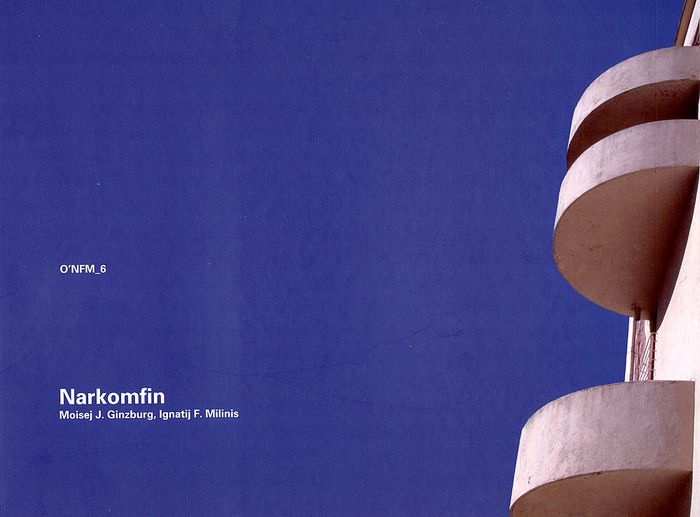
This volume documents the House of the Narkomfin, built (or “montaged,” as the Constructivist architect Moisej J. Ginzburg (1986–1946) preferred to call it) between 1928 and 1931. It is therefore contemporaneous with Le Corbusier’s Villa Savoye, as well as with Le Corbusier’s visit to Moscow. But the Narkomfin is more than a housing block with a recognizable style. It is(...)
$52.50
(disponible sur commande)
Résumé:
This volume documents the House of the Narkomfin, built (or “montaged,” as the Constructivist architect Moisej J. Ginzburg (1986–1946) preferred to call it) between 1928 and 1931. It is therefore contemporaneous with Le Corbusier’s Villa Savoye, as well as with Le Corbusier’s visit to Moscow. But the Narkomfin is more than a housing block with a recognizable style. It is(...)
Publication:
avril 2016
avril 2016
Titre:
Moisej J. Ginzburg and Ignatij F. Milinis: Narkomfin, Moscow 1928-1930
Actions:
Prix:
$52.50
(disponible sur commande)
Résumé:
This volume documents the House of the Narkomfin, built (or “montaged,” as the Constructivist architect Moisej J. Ginzburg (1986–1946) preferred to call it) between 1928 and 1931. It is therefore contemporaneous with Le Corbusier’s Villa Savoye, as well as with Le Corbusier’s visit to Moscow. But the Narkomfin is more than a housing block with a recognizable style. It is the converging point of the history of Constructivism, where purposefully reassembled functional spaces were given an active role in transforming everyday social life.
Moisej J. Ginzburg and Ignatij F. Milinis: Narkomfin, Moscow 1928-1930
Actions:
Prix:
$52.50
(disponible sur commande)
Résumé:
This volume documents the House of the Narkomfin, built (or “montaged,” as the Constructivist architect Moisej J. Ginzburg (1986–1946) preferred to call it) between 1928 and 1931. It is therefore contemporaneous with Le Corbusier’s Villa Savoye, as well as with Le Corbusier’s visit to Moscow. But the Narkomfin is more than a housing block with a recognizable style. It is the converging point of the history of Constructivism, where purposefully reassembled functional spaces were given an active role in transforming everyday social life.
Classification:
livres
livres
Publication:
avril 2016
avril 2016
Classification:
livres
livres
Prix:
$49.00
(disponible en magasin)
Résumé:
Il est maintenant possible de contrôler la structure de la matière à des échelles de taille si petites que les systèmes obtenus révèlent des propriétés hors du commun s'apparentant de plus en plus au vivant auquel ils sont parfois même hybridés. Dans ce monde en continuelle mouvance révélé par cette matière émergente, nos repères vacillent et il nous faut repenser(...)
$49.00
(disponible en magasin)
Résumé:
Il est maintenant possible de contrôler la structure de la matière à des échelles de taille si petites que les systèmes obtenus révèlent des propriétés hors du commun s'apparentant de plus en plus au vivant auquel ils sont parfois même hybridés. Dans ce monde en continuelle mouvance révélé par cette matière émergente, nos repères vacillent et il nous faut repenser(...)
Publication:
avril 2016
avril 2016
Titre:
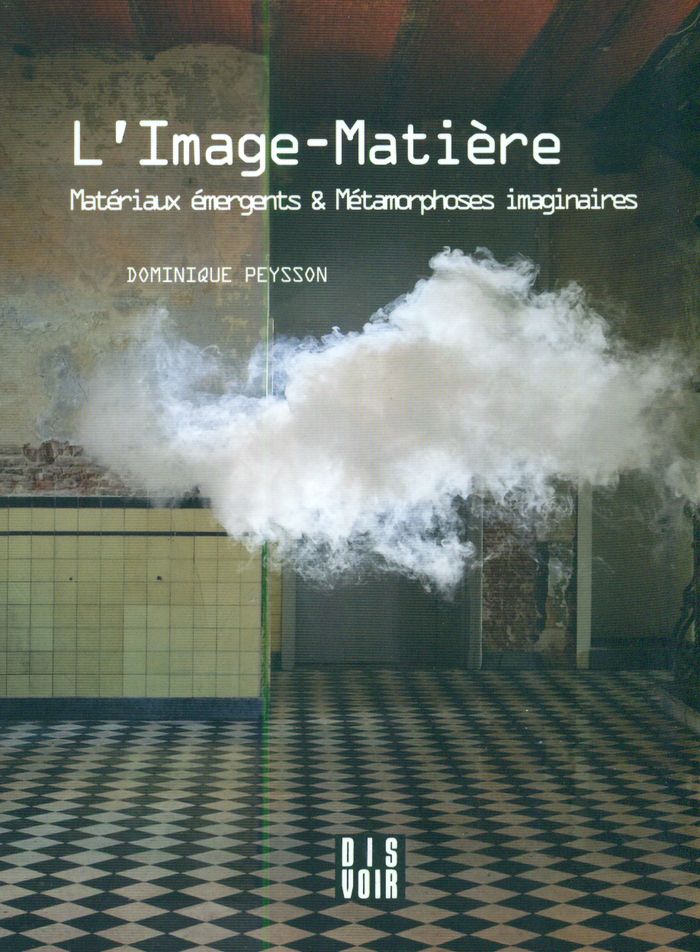
L’image-matière: matériaux émergents et métamorphoses imaginaires
Actions:
Prix:
$49.00
(disponible en magasin)
Résumé:
Il est maintenant possible de contrôler la structure de la matière à des échelles de taille si petites que les systèmes obtenus révèlent des propriétés hors du commun s'apparentant de plus en plus au vivant auquel ils sont parfois même hybridés. Dans ce monde en continuelle mouvance révélé par cette matière émergente, nos repères vacillent et il nous faut repenser autrement notre appréhension du réel. Or, les images dont nous disposons pour nous saisir mentalement de ces transformations sont devenues inopérantes. Elles sont à redessiner, à mettre en relation, à assembler autrement. C'est en ces lieux que l'art contemporain peut venir jouer son rôle d'intercesseur entre la matière-forme et ses mises en pratique, entre la méta-réalité de l'oeuvre et notre capacité à penser ces nouvelles émergences. Proposer des image-matières pour nous aider à métamorphoser notre imaginaire, tel est le but de cet essai.
L’image-matière: matériaux émergents et métamorphoses imaginaires
Actions:
Prix:
$49.00
(disponible en magasin)
Résumé:
Il est maintenant possible de contrôler la structure de la matière à des échelles de taille si petites que les systèmes obtenus révèlent des propriétés hors du commun s'apparentant de plus en plus au vivant auquel ils sont parfois même hybridés. Dans ce monde en continuelle mouvance révélé par cette matière émergente, nos repères vacillent et il nous faut repenser autrement notre appréhension du réel. Or, les images dont nous disposons pour nous saisir mentalement de ces transformations sont devenues inopérantes. Elles sont à redessiner, à mettre en relation, à assembler autrement. C'est en ces lieux que l'art contemporain peut venir jouer son rôle d'intercesseur entre la matière-forme et ses mises en pratique, entre la méta-réalité de l'oeuvre et notre capacité à penser ces nouvelles émergences. Proposer des image-matières pour nous aider à métamorphoser notre imaginaire, tel est le but de cet essai.
Classification:
livres
livres
Publication:
avril 2016
avril 2016
Classification:
livres
livres
Titre:
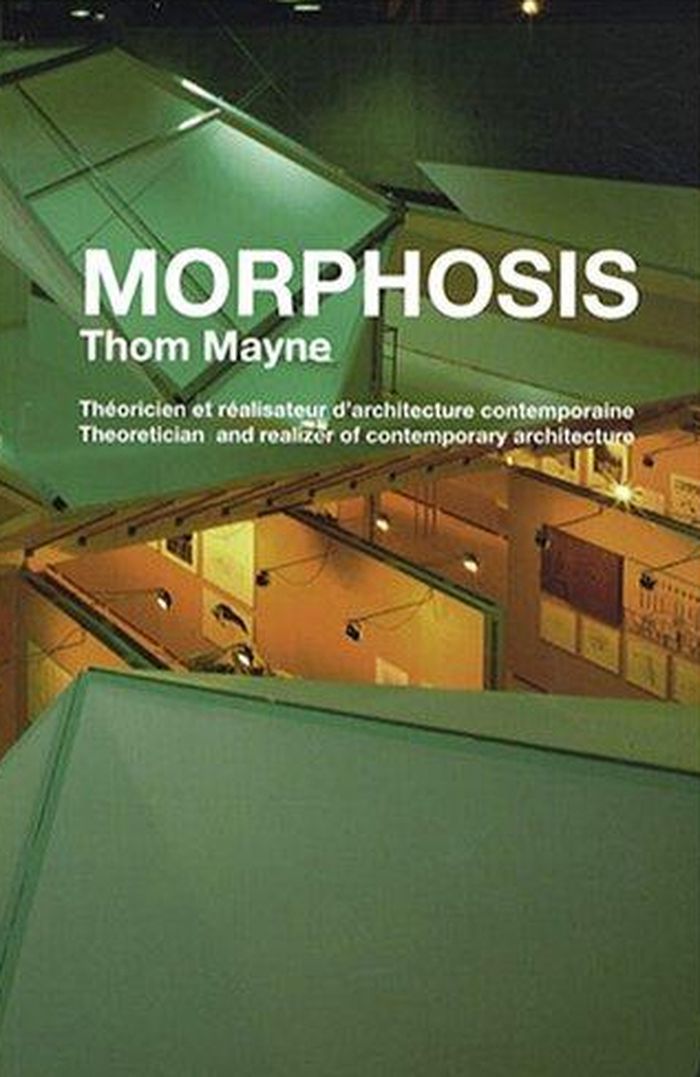
Morphosis
Morphosis
Actions:
Prix:
$38.00
(disponible en magasin)
Résumé:
Depuis 1994, l'Ecole National Supérieure d'Architecture de Marseille invite des architectes à présenter leurs projets au [mac] de Marseille avec l'espoir de mixer les deux publics de l'art et de l'architecture. Cependant, c'est une conférence de Thom Mayne, donnée le mardi 13 mars 2007 dans l'amphithéâtre de l'Ecole, qui fait l'objet d'une première publication : Thom(...)
$38.00
(disponible en magasin)
Résumé:
Depuis 1994, l'Ecole National Supérieure d'Architecture de Marseille invite des architectes à présenter leurs projets au [mac] de Marseille avec l'espoir de mixer les deux publics de l'art et de l'architecture. Cependant, c'est une conférence de Thom Mayne, donnée le mardi 13 mars 2007 dans l'amphithéâtre de l'Ecole, qui fait l'objet d'une première publication : Thom(...)
Titre:
Morphosis
Actions:
Prix:
$38.00
(disponible en magasin)
Résumé:
Depuis 1994, l'Ecole National Supérieure d'Architecture de Marseille invite des architectes à présenter leurs projets au [mac] de Marseille avec l'espoir de mixer les deux publics de l'art et de l'architecture. Cependant, c'est une conférence de Thom Mayne, donnée le mardi 13 mars 2007 dans l'amphithéâtre de l'Ecole, qui fait l'objet d'une première publication : Thom Mayne a accepté de faire une escale de trois jours ) Marseille entre Los Angeles et le MIPIM de Cannes. Cette présentation de trois heures de l'œuvre de MORPHOSIS nous a inspiré la volonté de garder une trace écrite pour partager ce moment de plaisir avec des lecteurs curieux.
Morphosis
Actions:
Prix:
$38.00
(disponible en magasin)
Résumé:
Depuis 1994, l'Ecole National Supérieure d'Architecture de Marseille invite des architectes à présenter leurs projets au [mac] de Marseille avec l'espoir de mixer les deux publics de l'art et de l'architecture. Cependant, c'est une conférence de Thom Mayne, donnée le mardi 13 mars 2007 dans l'amphithéâtre de l'Ecole, qui fait l'objet d'une première publication : Thom Mayne a accepté de faire une escale de trois jours ) Marseille entre Los Angeles et le MIPIM de Cannes. Cette présentation de trois heures de l'œuvre de MORPHOSIS nous a inspiré la volonté de garder une trace écrite pour partager ce moment de plaisir avec des lecteurs curieux.
Classification:
livres
livres
Publication:
octobre 2008
octobre 2008
Classification:
livres
livres
Prix:
$41.95
(disponible sur commande)
Résumé:
Inondations, incendies, effondrements, explosions industrielles… bien des territoires sont marqués par des aléas naturels ou technologiques qui conditionnent leur développement. Ces contraintes sont aussi des ressources, témoins de l’identité des lieux. Lorsque le projet de territoire intègre l’aléa comme élément fondateur, la difficulté est souvent une chance. Penser la(...)
$41.95
(disponible sur commande)
Résumé:
Inondations, incendies, effondrements, explosions industrielles… bien des territoires sont marqués par des aléas naturels ou technologiques qui conditionnent leur développement. Ces contraintes sont aussi des ressources, témoins de l’identité des lieux. Lorsque le projet de territoire intègre l’aléa comme élément fondateur, la difficulté est souvent une chance. Penser la(...)
Titre:
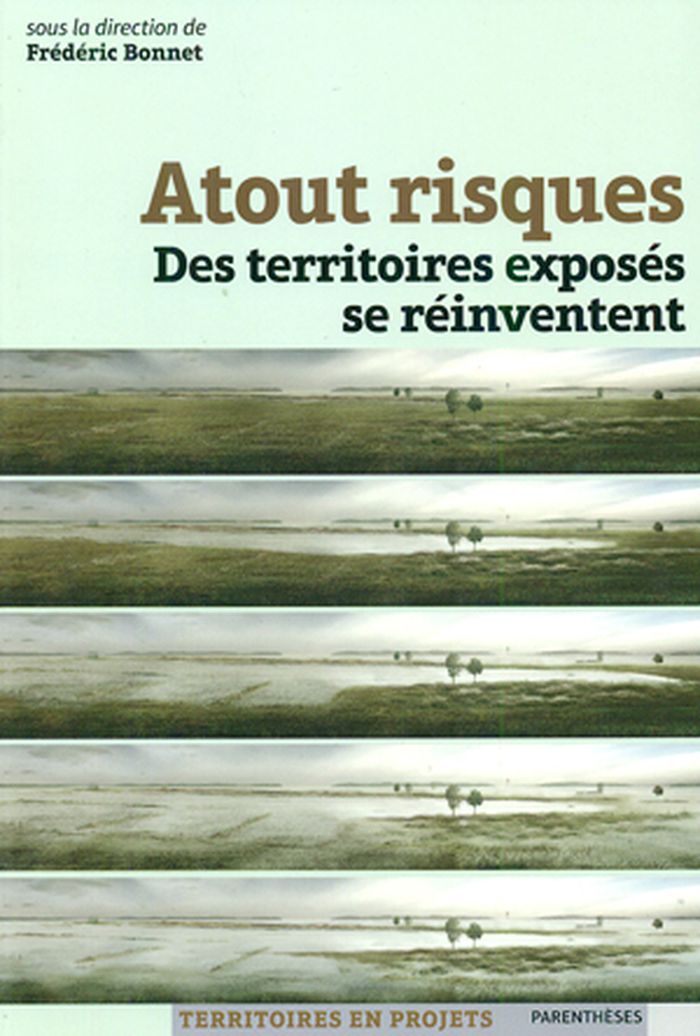
Atout risques : des territoires exposés se réinventent
Actions:
Prix:
$41.95
(disponible sur commande)
Résumé:
Inondations, incendies, effondrements, explosions industrielles… bien des territoires sont marqués par des aléas naturels ou technologiques qui conditionnent leur développement. Ces contraintes sont aussi des ressources, témoins de l’identité des lieux. Lorsque le projet de territoire intègre l’aléa comme élément fondateur, la difficulté est souvent une chance. Penser la ville avec l’aléa conduit à être plus inventif, à proposer des espaces urbains moins génériques, mieux ancrés sur leur sol. Ceci facilite le décloisonnement des certitudes et des métiers ; la règle et le projet collaborent très en amont. Cela profite à tous. À l’exemple des fleuves, qui ont été d’abord de féconds bienfaiteurs, offrant eau, connexions et paysages aux villes qu’ils traversent, l’aléa devient un atout.
Atout risques : des territoires exposés se réinventent
Actions:
Prix:
$41.95
(disponible sur commande)
Résumé:
Inondations, incendies, effondrements, explosions industrielles… bien des territoires sont marqués par des aléas naturels ou technologiques qui conditionnent leur développement. Ces contraintes sont aussi des ressources, témoins de l’identité des lieux. Lorsque le projet de territoire intègre l’aléa comme élément fondateur, la difficulté est souvent une chance. Penser la ville avec l’aléa conduit à être plus inventif, à proposer des espaces urbains moins génériques, mieux ancrés sur leur sol. Ceci facilite le décloisonnement des certitudes et des métiers ; la règle et le projet collaborent très en amont. Cela profite à tous. À l’exemple des fleuves, qui ont été d’abord de féconds bienfaiteurs, offrant eau, connexions et paysages aux villes qu’ils traversent, l’aléa devient un atout.
Classification:
livres
livres
Publication:
mai 2016
mai 2016
Classification:
livres
livres
Titre:
Junkspace / Running room
Junkspace / Running room
Actions:
Prix:
$25.95
(disponible sur commande)
Résumé:
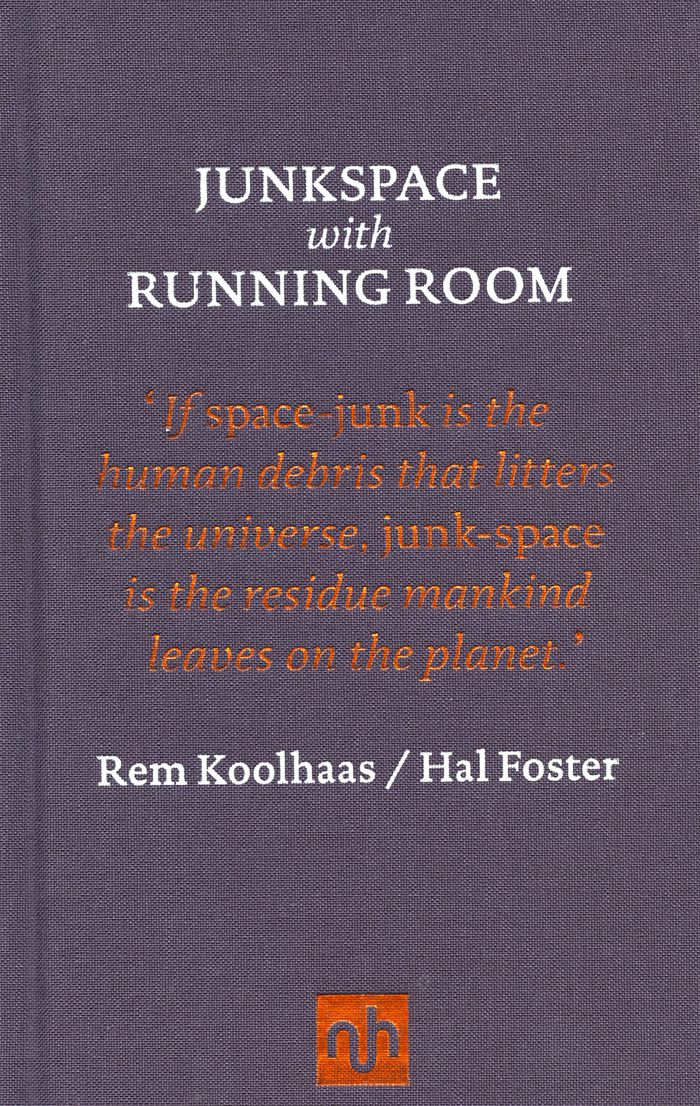
In Junkspace (2001), architect Rem Koolhaas itemised in delirious detail how our cities are being overwhelmed. His celebrated jeremiad is here updated and twinned with Running Room, a fresh response from architectural critic Hal Foster.
$25.95
(disponible sur commande)
Résumé:
In Junkspace (2001), architect Rem Koolhaas itemised in delirious detail how our cities are being overwhelmed. His celebrated jeremiad is here updated and twinned with Running Room, a fresh response from architectural critic Hal Foster.
Publication:
septembre 2016
septembre 2016
Titre:
Junkspace / Running room
Actions:
Prix:
$25.95
(disponible sur commande)
Résumé:
In Junkspace (2001), architect Rem Koolhaas itemised in delirious detail how our cities are being overwhelmed. His celebrated jeremiad is here updated and twinned with Running Room, a fresh response from architectural critic Hal Foster.
Junkspace / Running room
Actions:
Prix:
$25.95
(disponible sur commande)
Résumé:
In Junkspace (2001), architect Rem Koolhaas itemised in delirious detail how our cities are being overwhelmed. His celebrated jeremiad is here updated and twinned with Running Room, a fresh response from architectural critic Hal Foster.
Classification:
livres
livres
Publication:
septembre 2016
septembre 2016
Classification:
livres
livres
Actions:
Prix:
$92.00
(disponible sur commande)
Résumé:
Edward Burtynsky (b. 1955) is one of a generation of photographers who seek to portray the visible outcomes of a globalized economy and humankind’s impact on environments around the world. He has achieved global recognition with his large-scale photographs and project-based monographs, such as Quarries, Oil, and Water, all of which have resulted in popular touring(...)
$92.00
(disponible sur commande)
Résumé:
Edward Burtynsky (b. 1955) is one of a generation of photographers who seek to portray the visible outcomes of a globalized economy and humankind’s impact on environments around the world. He has achieved global recognition with his large-scale photographs and project-based monographs, such as Quarries, Oil, and Water, all of which have resulted in popular touring(...)
Publication:
septembre 2016
septembre 2016
Titre:
Edward Burtynsky: essential elements
Actions:
Prix:
$92.00
(disponible sur commande)
Résumé:
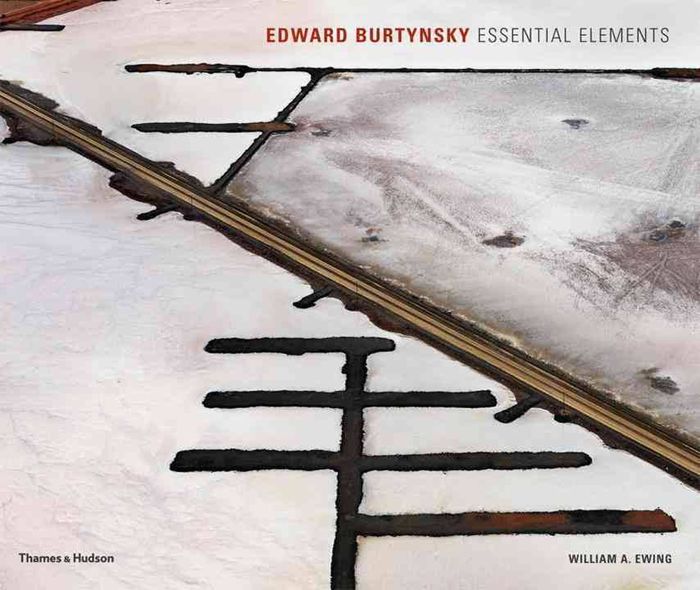
Edward Burtynsky (b. 1955) is one of a generation of photographers who seek to portray the visible outcomes of a globalized economy and humankind’s impact on environments around the world. He has achieved global recognition with his large-scale photographs and project-based monographs, such as Quarries, Oil, and Water, all of which have resulted in popular touring exhibitions and, in the case of Water, a feature-length documentary film entitled Watermark. However, while Burtynsky’s global standing is without question, no comprehensive retrospective of his career to date exists.
Edward Burtynsky: essential elements
Actions:
Prix:
$92.00
(disponible sur commande)
Résumé:
Edward Burtynsky (b. 1955) is one of a generation of photographers who seek to portray the visible outcomes of a globalized economy and humankind’s impact on environments around the world. He has achieved global recognition with his large-scale photographs and project-based monographs, such as Quarries, Oil, and Water, all of which have resulted in popular touring exhibitions and, in the case of Water, a feature-length documentary film entitled Watermark. However, while Burtynsky’s global standing is without question, no comprehensive retrospective of his career to date exists.
Classification:
livres
livres
Publication:
septembre 2016
septembre 2016


