


2052 Résultats
Classification:
livres
livres
Actions:
Prix:
$27.95
(disponible sur commande)
Résumé:
"Les choses changent. Les rêves et les visions d'aujourd'hui seront peut-être la réalité de demain. Nous pourrions faire un usage plus simple des technologies modernes. L'architecture et les installations climatiques devront changer, tout autant qu'évoluent nos idées sur l'utilisation de l'énergie. Les possibilités de capter les énergies passives naturelles pour(...)
$27.95
(disponible sur commande)
Résumé:
"Les choses changent. Les rêves et les visions d'aujourd'hui seront peut-être la réalité de demain. Nous pourrions faire un usage plus simple des technologies modernes. L'architecture et les installations climatiques devront changer, tout autant qu'évoluent nos idées sur l'utilisation de l'énergie. Les possibilités de capter les énergies passives naturelles pour(...)
Titre:
Manuel d'architecture naturelle
Actions:
Prix:
$27.95
(disponible sur commande)
Résumé:
"Les choses changent. Les rêves et les visions d'aujourd'hui seront peut-être la réalité de demain. Nous pourrions faire un usage plus simple des technologies modernes. L'architecture et les installations climatiques devront changer, tout autant qu'évoluent nos idées sur l'utilisation de l'énergie. Les possibilités de capter les énergies passives naturelles pour alimenter notre cadre de vie sont immenses. " David Wright
Manuel d'architecture naturelle
Actions:
Prix:
$27.95
(disponible sur commande)
Résumé:
"Les choses changent. Les rêves et les visions d'aujourd'hui seront peut-être la réalité de demain. Nous pourrions faire un usage plus simple des technologies modernes. L'architecture et les installations climatiques devront changer, tout autant qu'évoluent nos idées sur l'utilisation de l'énergie. Les possibilités de capter les énergies passives naturelles pour alimenter notre cadre de vie sont immenses. " David Wright
Classification:
livres
livres
Publication:
janvier 2005, Marseille
janvier 2005, Marseille
Sujet:
Architecture écologique
Architecture écologique
Classification:
livres
livres
Titre:
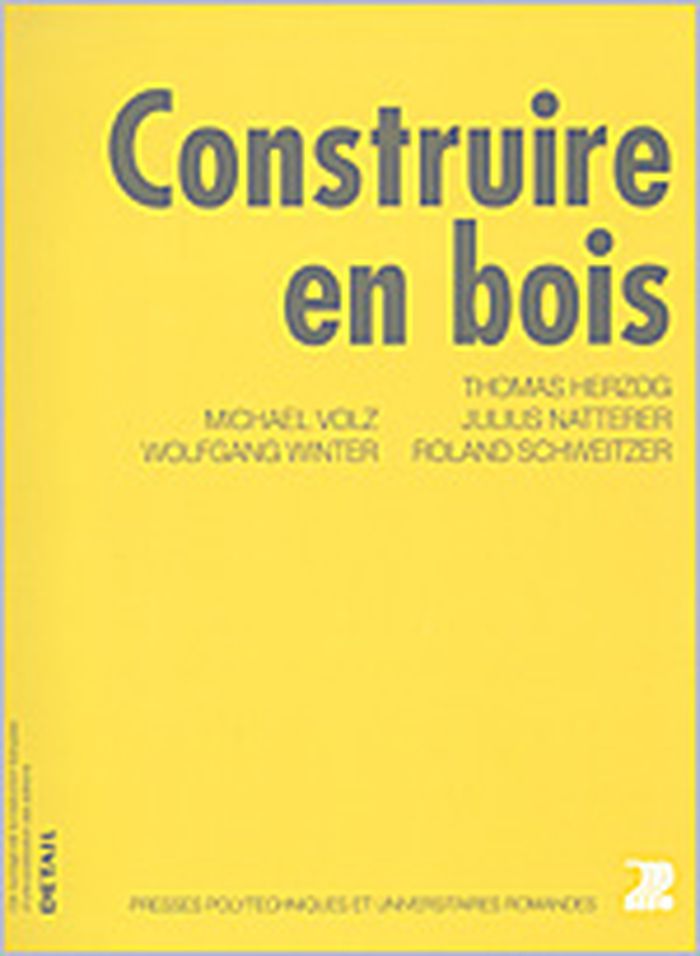
Construire en bois
Construire en bois
Actions:
Prix:
$152.00
(disponible sur commande)
Résumé:
Ce nouveau volume de "Construire en bois" propose une mise à jour complète, remaniée et augmentée des précédents volumes ("Construire en bois", "Construire en bois 2"), et se pose comme nouvel ouvrage de référence de la construction en bois pour les architectes et les ingénieurs. Les avantages de la construction en bois demeurent sous-estimés de nos jours. Peu de procédés(...)
$152.00
(disponible sur commande)
Résumé:
Ce nouveau volume de "Construire en bois" propose une mise à jour complète, remaniée et augmentée des précédents volumes ("Construire en bois", "Construire en bois 2"), et se pose comme nouvel ouvrage de référence de la construction en bois pour les architectes et les ingénieurs. Les avantages de la construction en bois demeurent sous-estimés de nos jours. Peu de procédés(...)
Sujet:
Architecture écologique
Architecture écologique
Publication:
novembre 2004, Lausanne
novembre 2004, Lausanne
Titre:
Construire en bois
Actions:
Prix:
$152.00
(disponible sur commande)
Résumé:
Ce nouveau volume de "Construire en bois" propose une mise à jour complète, remaniée et augmentée des précédents volumes ("Construire en bois", "Construire en bois 2"), et se pose comme nouvel ouvrage de référence de la construction en bois pour les architectes et les ingénieurs. Les avantages de la construction en bois demeurent sous-estimés de nos jours. Peu de procédés subissent autant de préjugés négatifs et infondés de la part des maîtres d'ouvrage, des assureurs et des planificateurs. Mais les avantages offerts part ce matériaux sont nombreux, tant d'un point de vue technologique qu'économique ou écologique. Fruit de l'expérience de deux ingénieurs et trois architectes, "Construire en bois" privilégie cette double approche dans le but d'améliorer sans cesse la conception des ouvrages en bois. Riche de centaines de photos noir et blanc et couleurs ainsi que de milliers de dessins au trait, il présente une vaste gamme de formes, de moyens et de techniques d'assemblage, de conceptions d'appui et de systèmes porteurs, et rassemble ainsi en un seul manuel toutes les informations relatives aux propriétés du matériau bois et ses possibilités d'utilisation dans le domaine de la construction. Illustré de plus de 3000 dessins et 700 photographies au travers de près de 200 exemples, imprimé en quadrichromie, cet ouvrage offre un panorama complet des dernières technologies à la base des grandes constructions en bois du monde actuel.
Construire en bois
Actions:
Prix:
$152.00
(disponible sur commande)
Résumé:
Ce nouveau volume de "Construire en bois" propose une mise à jour complète, remaniée et augmentée des précédents volumes ("Construire en bois", "Construire en bois 2"), et se pose comme nouvel ouvrage de référence de la construction en bois pour les architectes et les ingénieurs. Les avantages de la construction en bois demeurent sous-estimés de nos jours. Peu de procédés subissent autant de préjugés négatifs et infondés de la part des maîtres d'ouvrage, des assureurs et des planificateurs. Mais les avantages offerts part ce matériaux sont nombreux, tant d'un point de vue technologique qu'économique ou écologique. Fruit de l'expérience de deux ingénieurs et trois architectes, "Construire en bois" privilégie cette double approche dans le but d'améliorer sans cesse la conception des ouvrages en bois. Riche de centaines de photos noir et blanc et couleurs ainsi que de milliers de dessins au trait, il présente une vaste gamme de formes, de moyens et de techniques d'assemblage, de conceptions d'appui et de systèmes porteurs, et rassemble ainsi en un seul manuel toutes les informations relatives aux propriétés du matériau bois et ses possibilités d'utilisation dans le domaine de la construction. Illustré de plus de 3000 dessins et 700 photographies au travers de près de 200 exemples, imprimé en quadrichromie, cet ouvrage offre un panorama complet des dernières technologies à la base des grandes constructions en bois du monde actuel.
Classification:
livres
livres
Publication:
novembre 2004, Lausanne
novembre 2004, Lausanne
Sujet:
Architecture écologique
Architecture écologique
Classification:
livres
livres
Titre:
Who owns the water?
Who owns the water?
Actions:
Prix:
$60.00
(disponible sur commande)
Résumé:
Industrialization and population growth have brought about a global water crisis. Nature can no longer compensate the exploitation of our freshwater and our oceans. One billion people have no reliable access to clean drinking water; two billion live in precarious hygienic conditions. Famine, poverty, epidemics, and infant mortality are closely linked with the water(...)
$60.00
(disponible sur commande)
Résumé:
Industrialization and population growth have brought about a global water crisis. Nature can no longer compensate the exploitation of our freshwater and our oceans. One billion people have no reliable access to clean drinking water; two billion live in precarious hygienic conditions. Famine, poverty, epidemics, and infant mortality are closely linked with the water(...)
Titre:
Who owns the water?
Actions:
Prix:
$60.00
(disponible sur commande)
Résumé:
Industrialization and population growth have brought about a global water crisis. Nature can no longer compensate the exploitation of our freshwater and our oceans. One billion people have no reliable access to clean drinking water; two billion live in precarious hygienic conditions. Famine, poverty, epidemics, and infant mortality are closely linked with the water crisis. Social, ecological, political, and economic conflicts obstruct efforts to resolve the global water crisis. Water is an instrument of power. The key question reads: Is water a commodity or is free access to water an inalienable human right? By approaching water from a phenomenological perspective, Who owns the Water? seeks to persuade the reader that an element that is constantly flowing and changing defies all claims to own it, be they political or economic, and is instead the responsibility of the entire international community.
Who owns the water?
Actions:
Prix:
$60.00
(disponible sur commande)
Résumé:
Industrialization and population growth have brought about a global water crisis. Nature can no longer compensate the exploitation of our freshwater and our oceans. One billion people have no reliable access to clean drinking water; two billion live in precarious hygienic conditions. Famine, poverty, epidemics, and infant mortality are closely linked with the water crisis. Social, ecological, political, and economic conflicts obstruct efforts to resolve the global water crisis. Water is an instrument of power. The key question reads: Is water a commodity or is free access to water an inalienable human right? By approaching water from a phenomenological perspective, Who owns the Water? seeks to persuade the reader that an element that is constantly flowing and changing defies all claims to own it, be they political or economic, and is instead the responsibility of the entire international community.
Classification:
livres
livres
Publication:
mai 2006
mai 2006
Sujet:
Architecture écologique
Architecture écologique
Classification:
livres
livres
Prix:
$49.95
(disponible sur commande)
Résumé:
Six different climactic zones are presented in "The Green House" : waterfront, forest and mountain, tropical, desert, suburban, and urban, as well as a section on mobile dwellings. Each chapter features a series of homes that show the diversity and possibility of sustainable design. Projects are presented with large colour images, plans, drawings, and an accompanying text(...)
$49.95
(disponible sur commande)
Résumé:
Six different climactic zones are presented in "The Green House" : waterfront, forest and mountain, tropical, desert, suburban, and urban, as well as a section on mobile dwellings. Each chapter features a series of homes that show the diversity and possibility of sustainable design. Projects are presented with large colour images, plans, drawings, and an accompanying text(...)
Sujet:
Architecture écologique
Architecture écologique
Publication:
février 2005, New York
février 2005, New York
Titre:
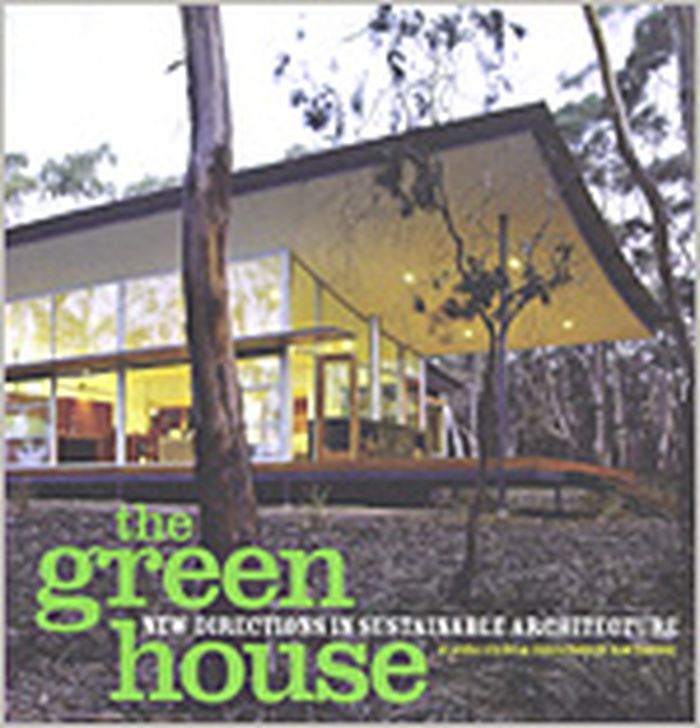
The green house : new directions in sustainable architecture
Actions:
Prix:
$49.95
(disponible sur commande)
Résumé:
Six different climactic zones are presented in "The Green House" : waterfront, forest and mountain, tropical, desert, suburban, and urban, as well as a section on mobile dwellings. Each chapter features a series of homes that show the diversity and possibility of sustainable design. Projects are presented with large colour images, plans, drawings, and an accompanying text that describes their green features and explains how they work with and in the environment. Architects included: Santiago Calatrava, Shigeru Ban, Miller/Hull, Rick Joy, Lake Flato, Kengo Kuma, Glenn Murcutt, Pugh – Scarpa, Werner Sobek, and others.
The green house : new directions in sustainable architecture
Actions:
Prix:
$49.95
(disponible sur commande)
Résumé:
Six different climactic zones are presented in "The Green House" : waterfront, forest and mountain, tropical, desert, suburban, and urban, as well as a section on mobile dwellings. Each chapter features a series of homes that show the diversity and possibility of sustainable design. Projects are presented with large colour images, plans, drawings, and an accompanying text that describes their green features and explains how they work with and in the environment. Architects included: Santiago Calatrava, Shigeru Ban, Miller/Hull, Rick Joy, Lake Flato, Kengo Kuma, Glenn Murcutt, Pugh – Scarpa, Werner Sobek, and others.
Classification:
livres
livres
Publication:
février 2005, New York
février 2005, New York
Sujet:
Architecture écologique
Architecture écologique
Classification:
livres
livres
Actions:
Prix:
$20.95
(disponible sur commande)
Résumé:
À quoi faut-il veiller lorsque l’on décide de faire construire ? Quels pièges éviter ? Comment planifier avec efficacité son temps et gérer son investissement ? Quels organismes contacter ? Faut-il prendre un maître d’œuvre, un architecte ? Quels détails techniques ne pas oublier ? Le cadre de la construction d’une maison individuelle est si vaste et tant de questions se(...)
$20.95
(disponible sur commande)
Résumé:
À quoi faut-il veiller lorsque l’on décide de faire construire ? Quels pièges éviter ? Comment planifier avec efficacité son temps et gérer son investissement ? Quels organismes contacter ? Faut-il prendre un maître d’œuvre, un architecte ? Quels détails techniques ne pas oublier ? Le cadre de la construction d’une maison individuelle est si vaste et tant de questions se(...)
Titre:
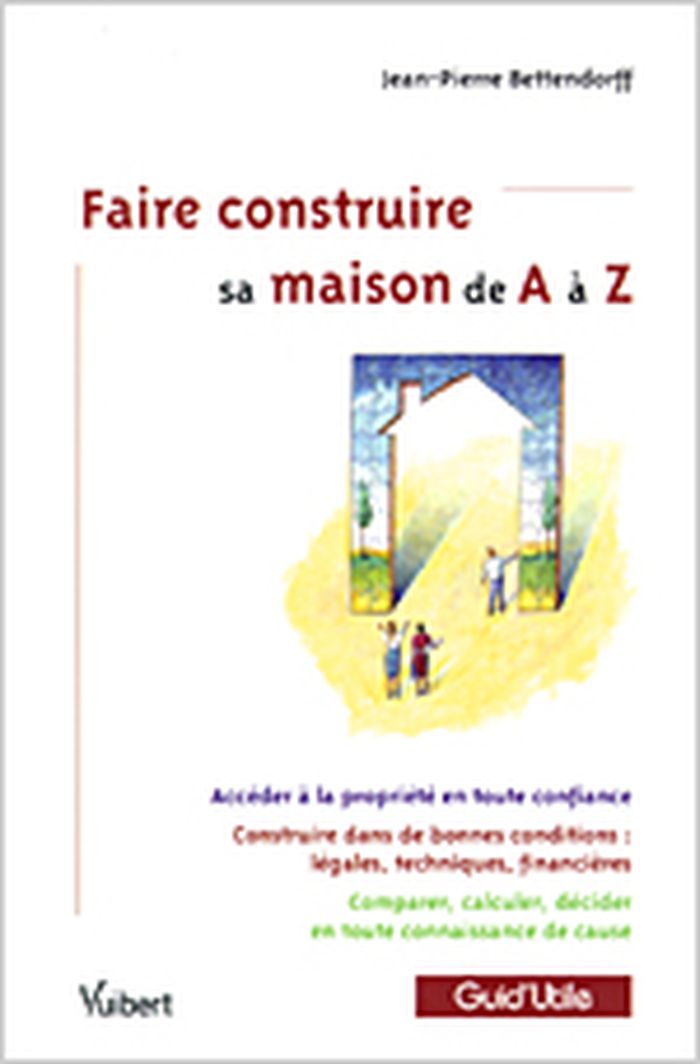
Faire construire sa maison de a à z
Actions:
Prix:
$20.95
(disponible sur commande)
Résumé:
À quoi faut-il veiller lorsque l’on décide de faire construire ? Quels pièges éviter ? Comment planifier avec efficacité son temps et gérer son investissement ? Quels organismes contacter ? Faut-il prendre un maître d’œuvre, un architecte ? Quels détails techniques ne pas oublier ? Le cadre de la construction d’une maison individuelle est si vaste et tant de questions se posent qu’il s’avère nécessaire, pour le futur propriétaire non professionnel, de bien connaître les étapes à suivre afin d’accéder à son rêve avec confiance et efficacité. Finances, architecture, technique, matériaux, organisation, lois et règlements, etc., aucun de ces éléments ne doit être négligé pour maximiser son investissement personnel et financier.
Faire construire sa maison de a à z
Actions:
Prix:
$20.95
(disponible sur commande)
Résumé:
À quoi faut-il veiller lorsque l’on décide de faire construire ? Quels pièges éviter ? Comment planifier avec efficacité son temps et gérer son investissement ? Quels organismes contacter ? Faut-il prendre un maître d’œuvre, un architecte ? Quels détails techniques ne pas oublier ? Le cadre de la construction d’une maison individuelle est si vaste et tant de questions se posent qu’il s’avère nécessaire, pour le futur propriétaire non professionnel, de bien connaître les étapes à suivre afin d’accéder à son rêve avec confiance et efficacité. Finances, architecture, technique, matériaux, organisation, lois et règlements, etc., aucun de ces éléments ne doit être négligé pour maximiser son investissement personnel et financier.
Classification:
livres
livres
Publication:
avril 2004, Paris
avril 2004, Paris
Sujet:
Architecture écologique
Architecture écologique
Classification:
livres
livres
Actions:
Prix:
$24.95
(disponible sur commande)
Résumé:
"The Good House Book" offers an intelligent look at how a home is supposed to function and a variety of different building approaches. What’s important is finding the right solution to fit your individual needs, local climate, and natural resources. The broad range of topics covered include choosing a site; selecting materials; building with straw bale, cob, adobe, or(...)
$24.95
(disponible sur commande)
Résumé:
"The Good House Book" offers an intelligent look at how a home is supposed to function and a variety of different building approaches. What’s important is finding the right solution to fit your individual needs, local climate, and natural resources. The broad range of topics covered include choosing a site; selecting materials; building with straw bale, cob, adobe, or(...)
Titre:
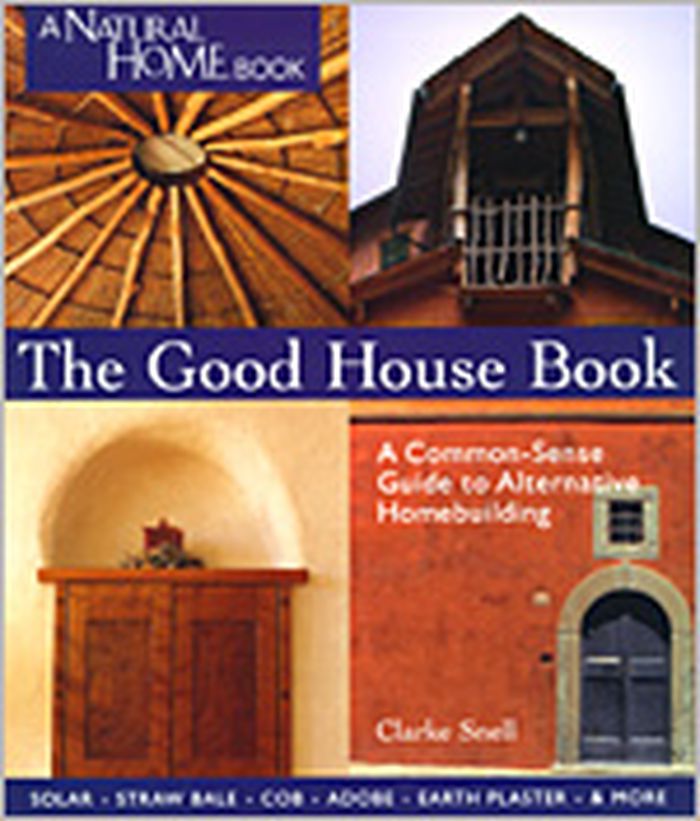
The good house book : a common-sense guide to alternative homebuilding
Actions:
Prix:
$24.95
(disponible sur commande)
Résumé:
"The Good House Book" offers an intelligent look at how a home is supposed to function and a variety of different building approaches. What’s important is finding the right solution to fit your individual needs, local climate, and natural resources. The broad range of topics covered include choosing a site; selecting materials; building with straw bale, cob, adobe, or rammed earth; and plugging into alternative home power systems. This book includes interviews with six homeowners and photographs of the homes they built.
The good house book : a common-sense guide to alternative homebuilding
Actions:
Prix:
$24.95
(disponible sur commande)
Résumé:
"The Good House Book" offers an intelligent look at how a home is supposed to function and a variety of different building approaches. What’s important is finding the right solution to fit your individual needs, local climate, and natural resources. The broad range of topics covered include choosing a site; selecting materials; building with straw bale, cob, adobe, or rammed earth; and plugging into alternative home power systems. This book includes interviews with six homeowners and photographs of the homes they built.
Classification:
livres
livres
Publication:
avril 2004, New York
avril 2004, New York
Sujet:
Architecture écologique
Architecture écologique
Classification:
livres
livres
Titre:
Tree houses by architects
Tree houses by architects
Actions:
Prix:
$44.95
(disponible sur commande)
Résumé:
In this volume, tree houses of fantasy become reality as we explore 20 actual tree houses from around the world. While providing many of the comforts of a home on the ground, they add the advantages of a gentle swaying and the spectacular, leafy views that only a tree house can offer. These projects exhibit gorgeous designs that utilize innovative materials and methods(...)
$44.95
(disponible sur commande)
Résumé:
In this volume, tree houses of fantasy become reality as we explore 20 actual tree houses from around the world. While providing many of the comforts of a home on the ground, they add the advantages of a gentle swaying and the spectacular, leafy views that only a tree house can offer. These projects exhibit gorgeous designs that utilize innovative materials and methods(...)
Titre:
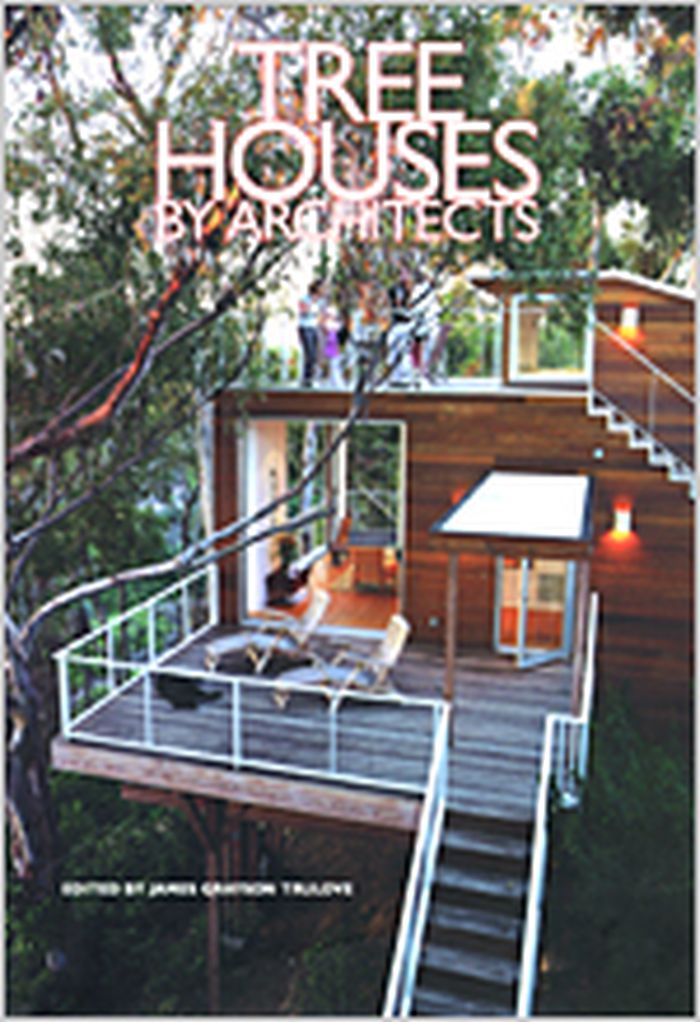
Tree houses by architects
Actions:
Prix:
$44.95
(disponible sur commande)
Résumé:
In this volume, tree houses of fantasy become reality as we explore 20 actual tree houses from around the world. While providing many of the comforts of a home on the ground, they add the advantages of a gentle swaying and the spectacular, leafy views that only a tree house can offer. These projects exhibit gorgeous designs that utilize innovative materials and methods of construction.
Tree houses by architects
Actions:
Prix:
$44.95
(disponible sur commande)
Résumé:
In this volume, tree houses of fantasy become reality as we explore 20 actual tree houses from around the world. While providing many of the comforts of a home on the ground, they add the advantages of a gentle swaying and the spectacular, leafy views that only a tree house can offer. These projects exhibit gorgeous designs that utilize innovative materials and methods of construction.
Classification:
livres
livres
Publication:
juin 2004, New York
juin 2004, New York
Sujet:
Architecture écologique
Architecture écologique
Classification:
livres
livres
Titre:
The other architects
The other architects
Actions:
Prix:
$32.95
(disponible sur commande)
Résumé:
This book shows how animal structures present an amazing variety of materials, construction techniques, skills, and resultant designs. they may serve a great many purposes depending not only on the needs and characteristics of each species but also on what is available in their environment. These structures can provide instructive examples for humans.
$32.95
(disponible sur commande)
Résumé:
This book shows how animal structures present an amazing variety of materials, construction techniques, skills, and resultant designs. they may serve a great many purposes depending not only on the needs and characteristics of each species but also on what is available in their environment. These structures can provide instructive examples for humans.
Titre:
The other architects
Actions:
Prix:
$32.95
(disponible sur commande)
Résumé:
This book shows how animal structures present an amazing variety of materials, construction techniques, skills, and resultant designs. they may serve a great many purposes depending not only on the needs and characteristics of each species but also on what is available in their environment. These structures can provide instructive examples for humans.
The other architects
Actions:
Prix:
$32.95
(disponible sur commande)
Résumé:
This book shows how animal structures present an amazing variety of materials, construction techniques, skills, and resultant designs. they may serve a great many purposes depending not only on the needs and characteristics of each species but also on what is available in their environment. These structures can provide instructive examples for humans.
Classification:
livres
livres
Publication:
février 2004, Barcelona
février 2004, Barcelona
Sujet:
Architecture écologique
Architecture écologique
Classification:
livres
livres
Actions:
Prix:
$116.00
(disponible sur commande)
Résumé:
Ecological and artistic approaches to designing our environment raise important questions which have to be faced by all designers of urban spaces, gardens or landscape: whether to conserve or to intervene, to rely on natural order or apply man-made means and whether to lend nature a romantic or a technocratic appearance. Which approaches to design and artistic concepts(...)
$116.00
(disponible sur commande)
Résumé:
Ecological and artistic approaches to designing our environment raise important questions which have to be faced by all designers of urban spaces, gardens or landscape: whether to conserve or to intervene, to rely on natural order or apply man-made means and whether to lend nature a romantic or a technocratic appearance. Which approaches to design and artistic concepts(...)
Titre:
Ecological aesthetics : art in environmental design : theory and practice
Actions:
Prix:
$116.00
(disponible sur commande)
Résumé:
Ecological and artistic approaches to designing our environment raise important questions which have to be faced by all designers of urban spaces, gardens or landscape: whether to conserve or to intervene, to rely on natural order or apply man-made means and whether to lend nature a romantic or a technocratic appearance. Which approaches to design and artistic concepts are able to unite these seemingly contradictory poles to create sophisticated projects in harmony with nature? In this publication landscape architects, artists, philosophers, social scientists and natural scientists provide answers to these central questions in landscape design and environmental art. Amongst the 17 authors are Jacques Leenhardt (F), Massimo Venturi Ferriolo (I), Udo Weilacher (D), Malcom Miles (GB), Tim Collins (USA) and Jochen Boberg from the MD Berlin with whom this book is co-produced. This volume contains works by more than 50 international artists and landscape architects, among them the internationally renowned Herman Prigann, one of the most active landscape artists. His work is extensively presented here for the first time, and represents four decades of continuing commitment to artistic and ecologically oriented landscape design.
Ecological aesthetics : art in environmental design : theory and practice
Actions:
Prix:
$116.00
(disponible sur commande)
Résumé:
Ecological and artistic approaches to designing our environment raise important questions which have to be faced by all designers of urban spaces, gardens or landscape: whether to conserve or to intervene, to rely on natural order or apply man-made means and whether to lend nature a romantic or a technocratic appearance. Which approaches to design and artistic concepts are able to unite these seemingly contradictory poles to create sophisticated projects in harmony with nature? In this publication landscape architects, artists, philosophers, social scientists and natural scientists provide answers to these central questions in landscape design and environmental art. Amongst the 17 authors are Jacques Leenhardt (F), Massimo Venturi Ferriolo (I), Udo Weilacher (D), Malcom Miles (GB), Tim Collins (USA) and Jochen Boberg from the MD Berlin with whom this book is co-produced. This volume contains works by more than 50 international artists and landscape architects, among them the internationally renowned Herman Prigann, one of the most active landscape artists. His work is extensively presented here for the first time, and represents four decades of continuing commitment to artistic and ecologically oriented landscape design.
Classification:
livres
livres
Publication:
juin 2004, Basel
juin 2004, Basel
Sujet:
Architecture écologique
Architecture écologique
Classification:
livres
livres
Titre:
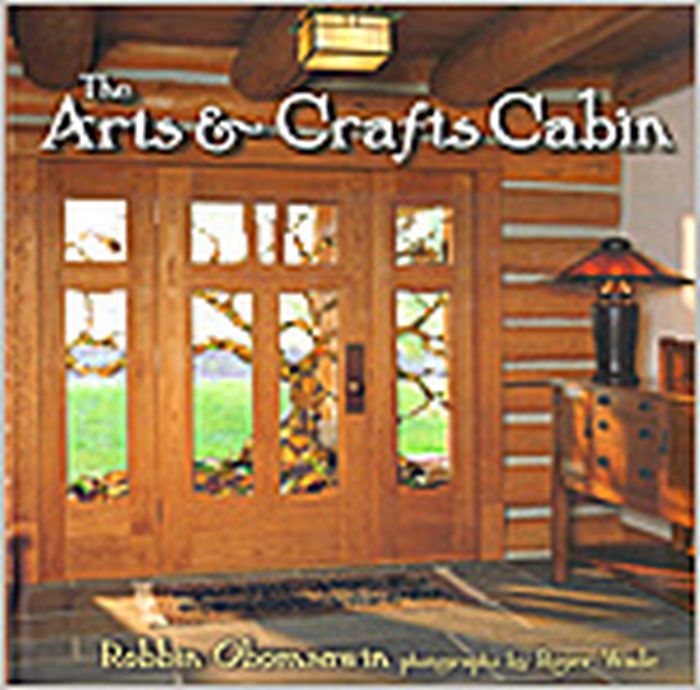
The Arts & Crafts cabin
The Arts & Crafts cabin
Actions:
Prix:
$49.95
(disponible sur commande)
Résumé:
Take a tour through twenty-five modern log homes reborn in the Arts & Crafts tradition, and witness how Craftsman style combines with the latest in log hybrid architecture to create a totally new and unique genre of building in "The Arts & Crafts Cabin". In this new title from log building expert Robbin Obomsawin, the rich Arts & Crafts heritage of the late 1800s that(...)
$49.95
(disponible sur commande)
Résumé:
Take a tour through twenty-five modern log homes reborn in the Arts & Crafts tradition, and witness how Craftsman style combines with the latest in log hybrid architecture to create a totally new and unique genre of building in "The Arts & Crafts Cabin". In this new title from log building expert Robbin Obomsawin, the rich Arts & Crafts heritage of the late 1800s that(...)
Titre:
The Arts & Crafts cabin
Actions:
Prix:
$49.95
(disponible sur commande)
Résumé:
Take a tour through twenty-five modern log homes reborn in the Arts & Crafts tradition, and witness how Craftsman style combines with the latest in log hybrid architecture to create a totally new and unique genre of building in "The Arts & Crafts Cabin". In this new title from log building expert Robbin Obomsawin, the rich Arts & Crafts heritage of the late 1800s that rebelled against mass-produced goods and the opulence of the Victorian era melds beautifully with the ideals of log home design and cabin living, where a simple life and appreciation for fine craftsmanship are held in the highest esteem. This new hybrid style incorporates the exquisite workmanship and sophistication that have become hallmarks of Arts & Crafts design with the warmth and comfort of log elements to create homes inspired by nature, creativity, and simple beauty. With one of the industry's premier photographers, Roger Wade, and the log industry's most prolific and respected author, Robbin Obomsawin, "The Arts & Crafts Cabin" uses spectacular colour photography, floor plans, and compelling historical text to showcase how the principles and philosophy of William Morris, Gustav Stickley, and Charles and Henry Greene combine with modern artistry to create some of the most exciting residential and recreational architecture being created today.
The Arts & Crafts cabin
Actions:
Prix:
$49.95
(disponible sur commande)
Résumé:
Take a tour through twenty-five modern log homes reborn in the Arts & Crafts tradition, and witness how Craftsman style combines with the latest in log hybrid architecture to create a totally new and unique genre of building in "The Arts & Crafts Cabin". In this new title from log building expert Robbin Obomsawin, the rich Arts & Crafts heritage of the late 1800s that rebelled against mass-produced goods and the opulence of the Victorian era melds beautifully with the ideals of log home design and cabin living, where a simple life and appreciation for fine craftsmanship are held in the highest esteem. This new hybrid style incorporates the exquisite workmanship and sophistication that have become hallmarks of Arts & Crafts design with the warmth and comfort of log elements to create homes inspired by nature, creativity, and simple beauty. With one of the industry's premier photographers, Roger Wade, and the log industry's most prolific and respected author, Robbin Obomsawin, "The Arts & Crafts Cabin" uses spectacular colour photography, floor plans, and compelling historical text to showcase how the principles and philosophy of William Morris, Gustav Stickley, and Charles and Henry Greene combine with modern artistry to create some of the most exciting residential and recreational architecture being created today.
Classification:
livres
livres
Publication:
avril 2004, Salt Lake City
avril 2004, Salt Lake City
Sujet:
Architecture écologique
Architecture écologique


