


1664 Résultats
Classification:
livres
livres
Actions:
Prix:
$45.95
(disponible sur commande)
Résumé:
For centuries, monuments have telegraphed the values and origin myths of dominant culture in public space and on massive scale. They have signaled both who is part of a culture and who is not, often overlooking histories that complicate the stories they tell. Yet in the last 50 years in the United States, the role of monuments has changed significantly. Numerous(...)
$45.95
(disponible sur commande)
Résumé:
For centuries, monuments have telegraphed the values and origin myths of dominant culture in public space and on massive scale. They have signaled both who is part of a culture and who is not, often overlooking histories that complicate the stories they tell. Yet in the last 50 years in the United States, the role of monuments has changed significantly. Numerous(...)
Titre:
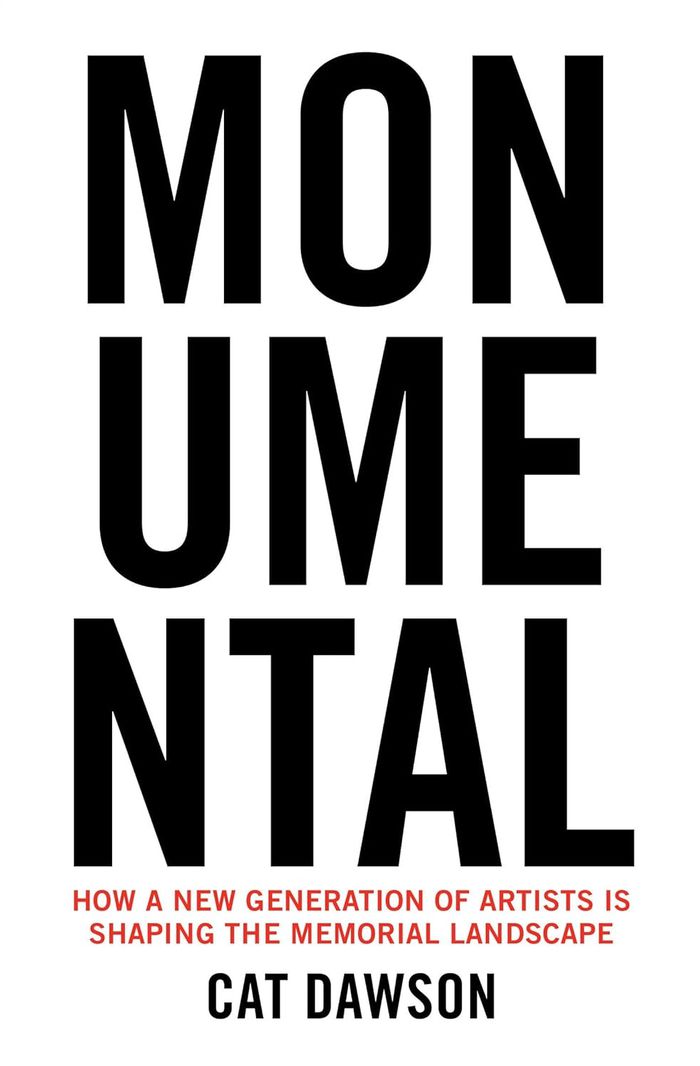
Monumental: How a new generation of artists is shaping the memorial landscape
Actions:
Prix:
$45.95
(disponible sur commande)
Résumé:
For centuries, monuments have telegraphed the values and origin myths of dominant culture in public space and on massive scale. They have signaled both who is part of a culture and who is not, often overlooking histories that complicate the stories they tell. Yet in the last 50 years in the United States, the role of monuments has changed significantly. Numerous historical monuments have been removed or toppled, bringing to the fore a long-repressed conversation about the relationship between the monumental landscape and national identity. In Monumental, Cat Dawson takes up the social, political, and art historical causes and ramifications of this important shift. Examining the conditions that have led to and define this new era, Dawson reveals that these interventions are as indebted to the monumental tradition as they are to representational strategies that grew out of twentieth-century social justice efforts, from the Civil Rights movement to queer organizing during the AIDS crisis.
Monumental: How a new generation of artists is shaping the memorial landscape
Actions:
Prix:
$45.95
(disponible sur commande)
Résumé:
For centuries, monuments have telegraphed the values and origin myths of dominant culture in public space and on massive scale. They have signaled both who is part of a culture and who is not, often overlooking histories that complicate the stories they tell. Yet in the last 50 years in the United States, the role of monuments has changed significantly. Numerous historical monuments have been removed or toppled, bringing to the fore a long-repressed conversation about the relationship between the monumental landscape and national identity. In Monumental, Cat Dawson takes up the social, political, and art historical causes and ramifications of this important shift. Examining the conditions that have led to and define this new era, Dawson reveals that these interventions are as indebted to the monumental tradition as they are to representational strategies that grew out of twentieth-century social justice efforts, from the Civil Rights movement to queer organizing during the AIDS crisis.
Classification:
livres
livres
Publication:
août 2025
août 2025
Sujet:
Théorie de l’art
Théorie de l’art
Classification:
livres
livres
Actions:
Prix:
$35.95
(disponible en magasin)
Résumé:
Architecture, as we know it, is in crisis. The authority of architects is crumbling, their methods no longer tenable. In a highly critical introspection, architect and writer Reinier de Graaf explores the tough choices ahead and the course of action that must follow. ''Architecture Against Architecture'' demands we rethink both how and why we build. With wit and(...)
$35.95
(disponible en magasin)
Résumé:
Architecture, as we know it, is in crisis. The authority of architects is crumbling, their methods no longer tenable. In a highly critical introspection, architect and writer Reinier de Graaf explores the tough choices ahead and the course of action that must follow. ''Architecture Against Architecture'' demands we rethink both how and why we build. With wit and(...)
Titre:
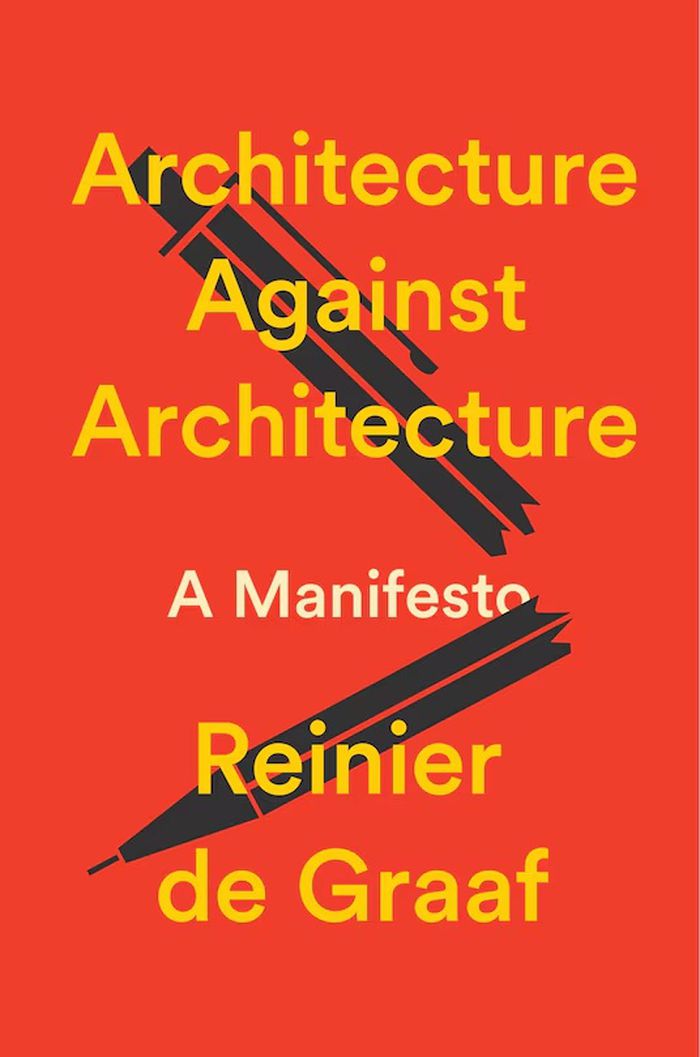
Architecture against architecture: A manifesto
Actions:
Prix:
$35.95
(disponible en magasin)
Résumé:
Architecture, as we know it, is in crisis. The authority of architects is crumbling, their methods no longer tenable. In a highly critical introspection, architect and writer Reinier de Graaf explores the tough choices ahead and the course of action that must follow. ''Architecture Against Architecture'' demands we rethink both how and why we build. With wit and insight, De Graaf lays out the future of the profession, challenging readers to question the fundamental assumptions of the discipline. How do we end the feudal veneration of starchitects? When will architects finally recognize that it is in their own best interest to unionize? Why aren’t more practices collectively owned? Why do so many architects over sixty-seven refuse to retire? How do we stop buildings from being copy-righted? What will remain of architecture after AI? What can prevent iconic structures from being embroiled in money laundering? And the vital question: What projects should architects refuse on moral grounds?
Architecture against architecture: A manifesto
Actions:
Prix:
$35.95
(disponible en magasin)
Résumé:
Architecture, as we know it, is in crisis. The authority of architects is crumbling, their methods no longer tenable. In a highly critical introspection, architect and writer Reinier de Graaf explores the tough choices ahead and the course of action that must follow. ''Architecture Against Architecture'' demands we rethink both how and why we build. With wit and insight, De Graaf lays out the future of the profession, challenging readers to question the fundamental assumptions of the discipline. How do we end the feudal veneration of starchitects? When will architects finally recognize that it is in their own best interest to unionize? Why aren’t more practices collectively owned? Why do so many architects over sixty-seven refuse to retire? How do we stop buildings from being copy-righted? What will remain of architecture after AI? What can prevent iconic structures from being embroiled in money laundering? And the vital question: What projects should architects refuse on moral grounds?
Classification:
livres
livres
Publication:
mars 2026
mars 2026
Sujet:
Théorie de l’architecture
Théorie de l’architecture
Classification:
livres
livres
Titre:
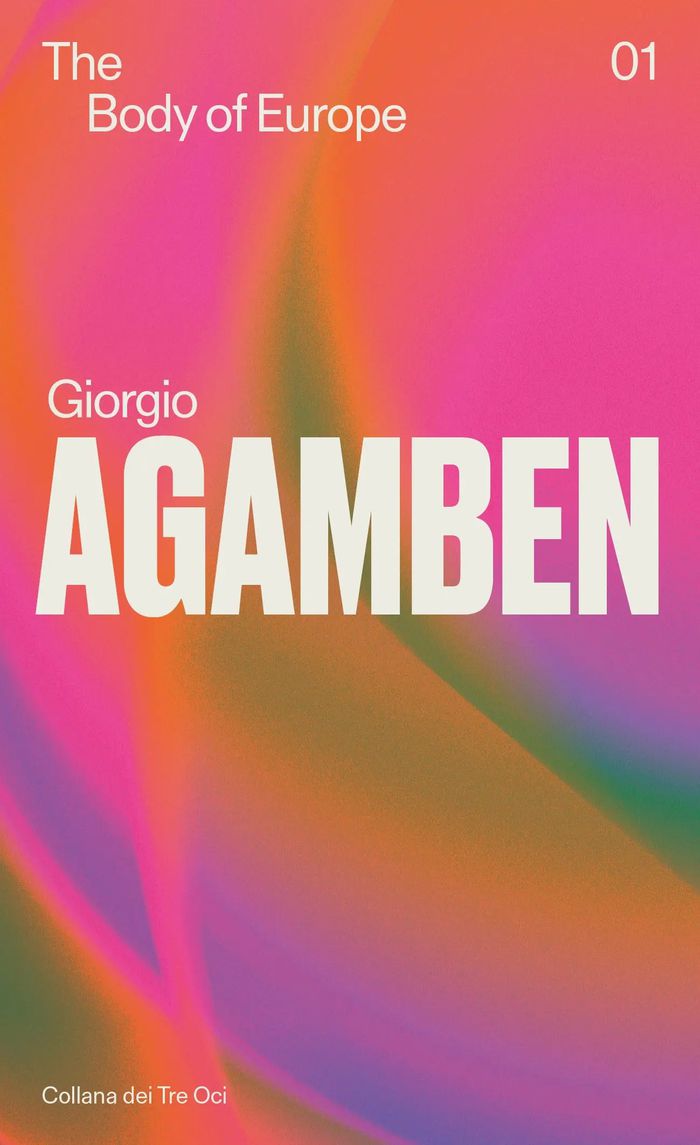
The body of Europe
The body of Europe
Actions:
Prix:
$15.75
(disponible en magasin)
Résumé:
A ghost is haunting Europe: the ghost of Europe itself. It is a ghost without flesh and bone – a vanishing body that seems to satisfy itself with a vague geographical description. At best Europe refers to the sister of Cadmus, once upon a time abducted by Zeus. Can’t we do better? Is Europe condemned to incarnate itself in a name whose sole reality is to be the one of a(...)
$15.75
(disponible en magasin)
Résumé:
A ghost is haunting Europe: the ghost of Europe itself. It is a ghost without flesh and bone – a vanishing body that seems to satisfy itself with a vague geographical description. At best Europe refers to the sister of Cadmus, once upon a time abducted by Zeus. Can’t we do better? Is Europe condemned to incarnate itself in a name whose sole reality is to be the one of a(...)
Titre:
The body of Europe
Actions:
Prix:
$15.75
(disponible en magasin)
Résumé:
A ghost is haunting Europe: the ghost of Europe itself. It is a ghost without flesh and bone – a vanishing body that seems to satisfy itself with a vague geographical description. At best Europe refers to the sister of Cadmus, once upon a time abducted by Zeus. Can’t we do better? Is Europe condemned to incarnate itself in a name whose sole reality is to be the one of a political strategy, of a way to deal with crisis? Wouldn’t it be time that we start to interrogate what Europe could mean beyond ghosts and petty politics? After all, it is very well possible that what we call Europe has a body, has a corpus – and that this corpus is no other than the ensemble composed by the fragments of its literary history. What if Europe was not a matter of geography or politics, but a matter of literature – a matter of sense and sensibility: a way to welcome what, in a human body, makes it alive?
The body of Europe
Actions:
Prix:
$15.75
(disponible en magasin)
Résumé:
A ghost is haunting Europe: the ghost of Europe itself. It is a ghost without flesh and bone – a vanishing body that seems to satisfy itself with a vague geographical description. At best Europe refers to the sister of Cadmus, once upon a time abducted by Zeus. Can’t we do better? Is Europe condemned to incarnate itself in a name whose sole reality is to be the one of a political strategy, of a way to deal with crisis? Wouldn’t it be time that we start to interrogate what Europe could mean beyond ghosts and petty politics? After all, it is very well possible that what we call Europe has a body, has a corpus – and that this corpus is no other than the ensemble composed by the fragments of its literary history. What if Europe was not a matter of geography or politics, but a matter of literature – a matter of sense and sensibility: a way to welcome what, in a human body, makes it alive?
Classification:
livres
livres
Publication:
octobre 2025
octobre 2025
Sujet:
Théorie/ philosophie
Théorie/ philosophie
Classification:
livres
livres
Prix:
$53.95
(disponible sur commande)
Résumé:
Dependent on the extractive practices of fossil-fueled industrial capitalism, chemical photography’s emulsions and films were highly sensitive to polluted atmospheres, and photographic companies had to work hard to control this sensitivity. Drawing on histories of empire, coal, and chemistry and from the archives of British photographic manufacturer Ilford Limited,(...)
$53.95
(disponible sur commande)
Résumé:
Dependent on the extractive practices of fossil-fueled industrial capitalism, chemical photography’s emulsions and films were highly sensitive to polluted atmospheres, and photographic companies had to work hard to control this sensitivity. Drawing on histories of empire, coal, and chemistry and from the archives of British photographic manufacturer Ilford Limited,(...)
Titre:
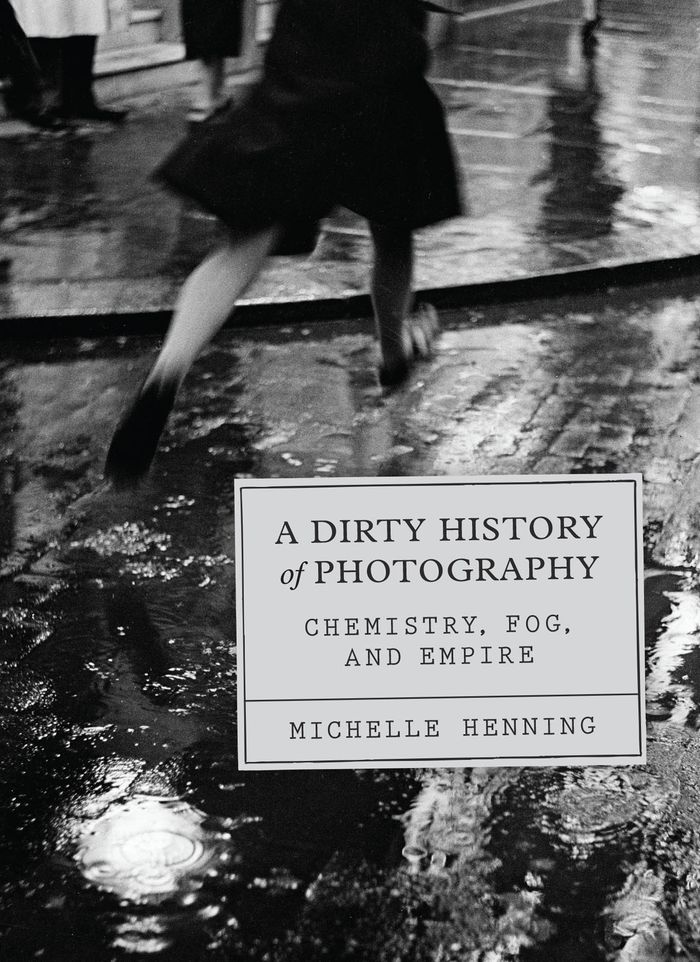
A dirty history of photography: Chemistry, fog, and empire
Actions:
Prix:
$53.95
(disponible sur commande)
Résumé:
Dependent on the extractive practices of fossil-fueled industrial capitalism, chemical photography’s emulsions and films were highly sensitive to polluted atmospheres, and photographic companies had to work hard to control this sensitivity. Drawing on histories of empire, coal, and chemistry and from the archives of British photographic manufacturer Ilford Limited, Michelle Henning exposes the ways photography shaped how we see and understand the atmosphere while leaving its toxic residues in the air, soil, and water. Structured as thirty-six short chapters and with over seventy illustrations, this innovative book begins in interwar London, follows the supply of Ilford products to photographers on the West African coast, and considers photography as a military technology linked to the development of chemical warfare. Combining close readings of photographs with discussions of low-light, tropical, and aerial photography, Henning examines the extraction and development of photographic materials, their role in the current environmental crisis, and how they have shaped experiences of time and the environment.
A dirty history of photography: Chemistry, fog, and empire
Actions:
Prix:
$53.95
(disponible sur commande)
Résumé:
Dependent on the extractive practices of fossil-fueled industrial capitalism, chemical photography’s emulsions and films were highly sensitive to polluted atmospheres, and photographic companies had to work hard to control this sensitivity. Drawing on histories of empire, coal, and chemistry and from the archives of British photographic manufacturer Ilford Limited, Michelle Henning exposes the ways photography shaped how we see and understand the atmosphere while leaving its toxic residues in the air, soil, and water. Structured as thirty-six short chapters and with over seventy illustrations, this innovative book begins in interwar London, follows the supply of Ilford products to photographers on the West African coast, and considers photography as a military technology linked to the development of chemical warfare. Combining close readings of photographs with discussions of low-light, tropical, and aerial photography, Henning examines the extraction and development of photographic materials, their role in the current environmental crisis, and how they have shaped experiences of time and the environment.
Classification:
livres
livres
Publication:
janvier 2026
janvier 2026
Sujet:
Monographies photo
Monographies photo
Classification:
livres
livres
Actions:
Prix:
$108.00
(disponible sur commande)
Résumé:
"At one with nature" showcases Ken Yeang’s latest ideas, built projects designs, research work and advances in the field of designing with nature, a topic that Yeang has pioneered and developed over many decades since receiving his doctorate in ecological design and planning from Cambridge University. His ideas and work are even more pertinent today with the current state(...)
$108.00
(disponible sur commande)
Résumé:
"At one with nature" showcases Ken Yeang’s latest ideas, built projects designs, research work and advances in the field of designing with nature, a topic that Yeang has pioneered and developed over many decades since receiving his doctorate in ecological design and planning from Cambridge University. His ideas and work are even more pertinent today with the current state(...)
Titre:
At one with nature: Advances in ecological architecture in the work of Ken Yeang
Actions:
Prix:
$108.00
(disponible sur commande)
Résumé:
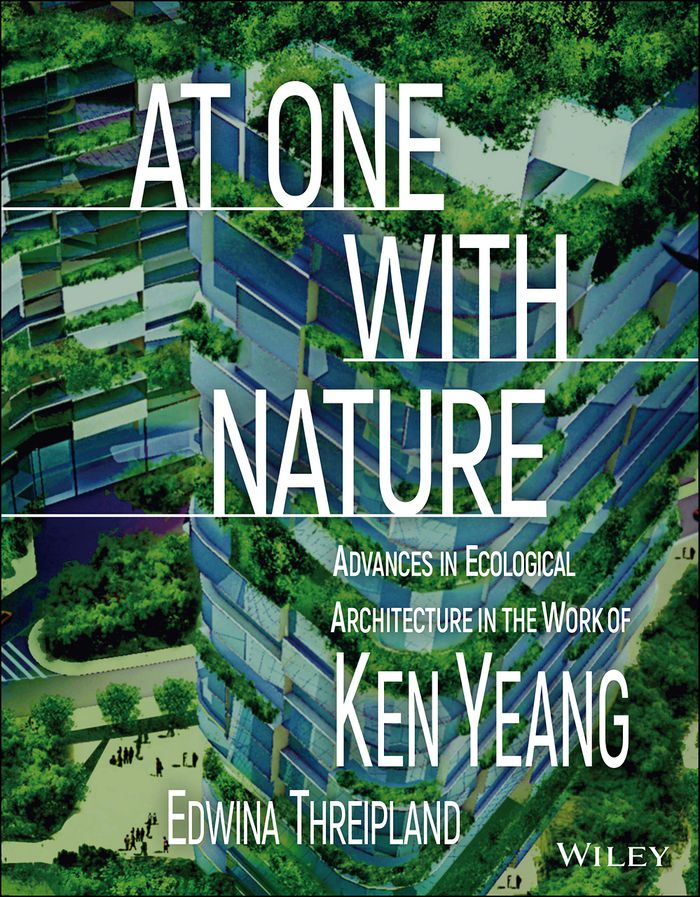
"At one with nature" showcases Ken Yeang’s latest ideas, built projects designs, research work and advances in the field of designing with nature, a topic that Yeang has pioneered and developed over many decades since receiving his doctorate in ecological design and planning from Cambridge University. His ideas and work are even more pertinent today with the current state of devastation of Earth’s natural systems and a biogeochemical cycle that has been extensively and severely impacted by human society. The global environment today is in a state of crisis, but what can society do to address the issues? Yeang’s recent projects are presented with instructive diagrams that provide a basis for action for architects, planners, designers, engineers, and anyone whose daily work impinges on the natural environment. Offered in a highly visual, annotated format, with instructive illustrations of Yeang’s theoretical books on the topic, "At one with nature" is an invaluable resource that students and academics interested in designing with nature will find both informative and relevant.
At one with nature: Advances in ecological architecture in the work of Ken Yeang
Actions:
Prix:
$108.00
(disponible sur commande)
Résumé:
"At one with nature" showcases Ken Yeang’s latest ideas, built projects designs, research work and advances in the field of designing with nature, a topic that Yeang has pioneered and developed over many decades since receiving his doctorate in ecological design and planning from Cambridge University. His ideas and work are even more pertinent today with the current state of devastation of Earth’s natural systems and a biogeochemical cycle that has been extensively and severely impacted by human society. The global environment today is in a state of crisis, but what can society do to address the issues? Yeang’s recent projects are presented with instructive diagrams that provide a basis for action for architects, planners, designers, engineers, and anyone whose daily work impinges on the natural environment. Offered in a highly visual, annotated format, with instructive illustrations of Yeang’s theoretical books on the topic, "At one with nature" is an invaluable resource that students and academics interested in designing with nature will find both informative and relevant.
Classification:
livres
livres
Publication:
août 2021
août 2021
Sujet:
Architecture, monographies
Architecture, monographies
Classification:
livres
livres
Prix:
$59.99
(disponible sur commande)
Résumé:
The North is changing at an unprecedented rate as industrial development and the climate crisis disrupt not only the environment but also long-standing relationships to the land and traditional means of livelihood. This publication explores the ways in which Indigenous peoples in the Arctic have adapted to challenging circumstances, including past cultural and(...)
$59.99
(disponible sur commande)
Résumé:
The North is changing at an unprecedented rate as industrial development and the climate crisis disrupt not only the environment but also long-standing relationships to the land and traditional means of livelihood. This publication explores the ways in which Indigenous peoples in the Arctic have adapted to challenging circumstances, including past cultural and(...)
Titre:
Memory and landscape: Indigenous responses to a changing North
Actions:
Prix:
$59.99
(disponible sur commande)
Résumé:
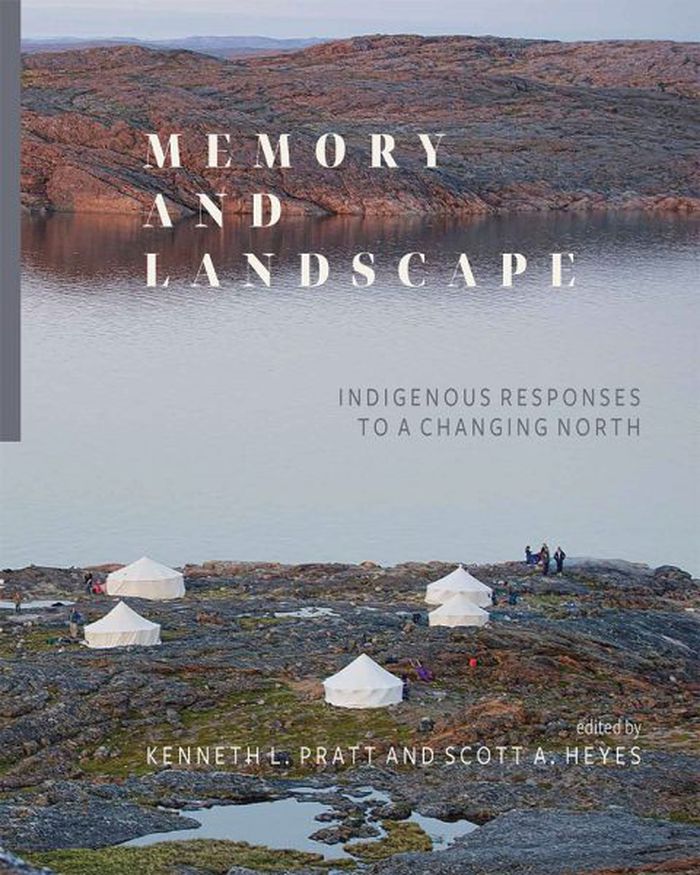
The North is changing at an unprecedented rate as industrial development and the climate crisis disrupt not only the environment but also long-standing relationships to the land and traditional means of livelihood. This publication explores the ways in which Indigenous peoples in the Arctic have adapted to challenging circumstances, including past cultural and environmental changes. Contributors document how Indigenous communities in Alaska, northern Canada, Greenland, and Siberia are seeking ways to maintain and strengthen their cultural identity while also embracing forces of disruption. Indigenous and non-Indigenous contributors bring together oral history and scholarly research from disciplines such as linguistics, archaeology, and ethnohistory. With an emphasis on Indigenous place names, this volume illuminates how the land—and the memories that are inextricably tied to it—continue to define Indigenous identity. The perspectives presented here also serve to underscore the value of Indigenous knowledge and its essential place in future studies of the Arctic.
Memory and landscape: Indigenous responses to a changing North
Actions:
Prix:
$59.99
(disponible sur commande)
Résumé:
The North is changing at an unprecedented rate as industrial development and the climate crisis disrupt not only the environment but also long-standing relationships to the land and traditional means of livelihood. This publication explores the ways in which Indigenous peoples in the Arctic have adapted to challenging circumstances, including past cultural and environmental changes. Contributors document how Indigenous communities in Alaska, northern Canada, Greenland, and Siberia are seeking ways to maintain and strengthen their cultural identity while also embracing forces of disruption. Indigenous and non-Indigenous contributors bring together oral history and scholarly research from disciplines such as linguistics, archaeology, and ethnohistory. With an emphasis on Indigenous place names, this volume illuminates how the land—and the memories that are inextricably tied to it—continue to define Indigenous identity. The perspectives presented here also serve to underscore the value of Indigenous knowledge and its essential place in future studies of the Arctic.
Classification:
livres
livres
Publication:
juillet 2022
juillet 2022
Sujet:
Expositions en cours
Expositions en cours
Classification:
livres
livres
Actions:
Prix:
$42.95
(disponible sur commande)
Résumé:
Samuel Zipp sheds new light on the rise and fall of New York's urban renewal in the decades after World War II. Focusing on four iconic "Manhattan projects"--the United Nations building, Stuyvesant Town, Lincoln Center, and the great swaths of public housing in East Harlem--Zipp unearths a host of forgotten stories and characters that flesh out the conventional history of(...)
$42.95
(disponible sur commande)
Résumé:
Samuel Zipp sheds new light on the rise and fall of New York's urban renewal in the decades after World War II. Focusing on four iconic "Manhattan projects"--the United Nations building, Stuyvesant Town, Lincoln Center, and the great swaths of public housing in East Harlem--Zipp unearths a host of forgotten stories and characters that flesh out the conventional history of(...)
Publication:
juin 2010
juin 2010
Titre:
Manhattan projects: The rise and fall of urban renewal in Cold War New York
Actions:
Prix:
$42.95
(disponible sur commande)
Résumé:
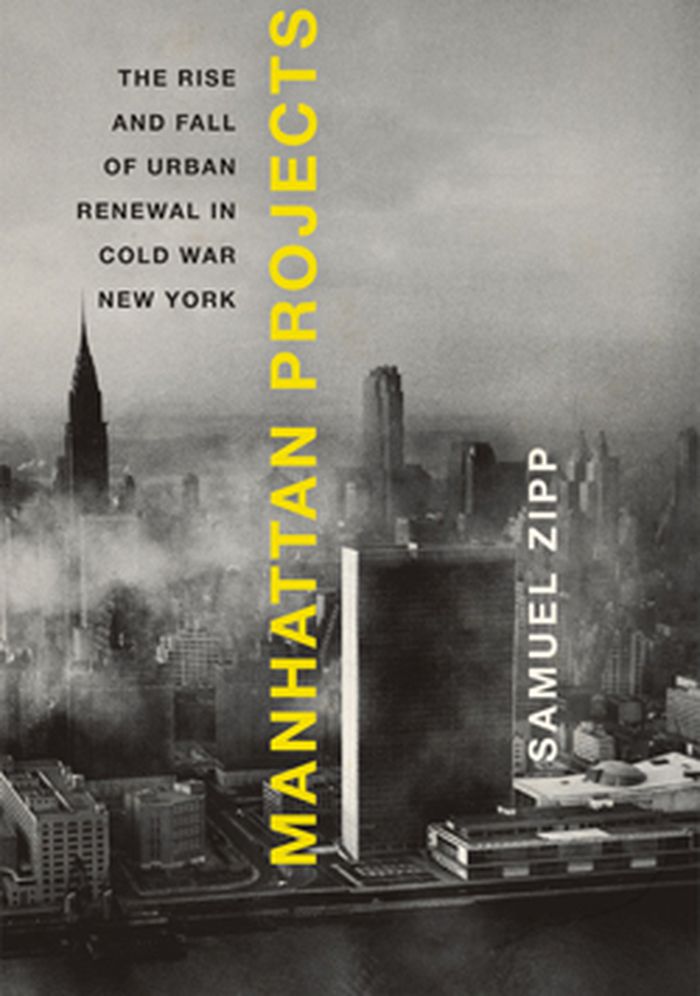
Samuel Zipp sheds new light on the rise and fall of New York's urban renewal in the decades after World War II. Focusing on four iconic "Manhattan projects"--the United Nations building, Stuyvesant Town, Lincoln Center, and the great swaths of public housing in East Harlem--Zipp unearths a host of forgotten stories and characters that flesh out the conventional history of urban renewal. He shows how boosters hoped to make Manhattan the capital of modernity and a symbol of American power, but even as the builders executed their plans, a chorus of critics revealed the dark side of those Cold War visions, attacking urban renewal for perpetuating deindustrialization, racial segregation, and class division; for uprooting thousands, and for implanting a new, alienating cityscape. Cold War-era urban renewal was not merely a failed planning ideal, Zipp concludes, but also a crucial phase in the transformation of New York into both a world city and one mired in urban crisis.
Manhattan projects: The rise and fall of urban renewal in Cold War New York
Actions:
Prix:
$42.95
(disponible sur commande)
Résumé:
Samuel Zipp sheds new light on the rise and fall of New York's urban renewal in the decades after World War II. Focusing on four iconic "Manhattan projects"--the United Nations building, Stuyvesant Town, Lincoln Center, and the great swaths of public housing in East Harlem--Zipp unearths a host of forgotten stories and characters that flesh out the conventional history of urban renewal. He shows how boosters hoped to make Manhattan the capital of modernity and a symbol of American power, but even as the builders executed their plans, a chorus of critics revealed the dark side of those Cold War visions, attacking urban renewal for perpetuating deindustrialization, racial segregation, and class division; for uprooting thousands, and for implanting a new, alienating cityscape. Cold War-era urban renewal was not merely a failed planning ideal, Zipp concludes, but also a crucial phase in the transformation of New York into both a world city and one mired in urban crisis.
Classification:
livres
livres
Publication:
juin 2010
juin 2010
Classification:
livres
livres
Prix:
$27.50
(disponible en magasin)
Résumé:
French cultural theorist and urbanist Paul Virilio is best known for his writings on media, technology, and architecture. Gathered here in this publication are four conversations in which Virilio and architectural writer Marianne Brausch look at a twentieth century characterized by enormous technological acceleration and by technocultural accidents of barbarism and(...)
$27.50
(disponible en magasin)
Résumé:
French cultural theorist and urbanist Paul Virilio is best known for his writings on media, technology, and architecture. Gathered here in this publication are four conversations in which Virilio and architectural writer Marianne Brausch look at a twentieth century characterized by enormous technological acceleration and by technocultural accidents of barbarism and(...)
Titre:
A winter's journey: four conversations with Marianne Brausch
Actions:
Prix:
$27.50
(disponible en magasin)
Résumé:
French cultural theorist and urbanist Paul Virilio is best known for his writings on media, technology, and architecture. Gathered here in this publication are four conversations in which Virilio and architectural writer Marianne Brausch look at a twentieth century characterized by enormous technological acceleration and by technocultural accidents of barbarism and horror. The dialogues in "A Winter’s Journey" —structured loosely around the dates 1940, 1950, 1960, and 1980— chart Virilio’s intimate intellectual biography, from his childhood lived against the unstable backdrop of a heavily bombed, wartime Nantes to maturity in a crisis space that is neither entirely militarized nor yet fully civilian, but somewhere between the two. In the course of these conversations, Virilio and Brausch ultimately find hope that in understanding the events of the last century and the cultural responses spawned by them, we can create a more humane era that is more adept at handling the transformations of its technology and culture.
A winter's journey: four conversations with Marianne Brausch
Actions:
Prix:
$27.50
(disponible en magasin)
Résumé:
French cultural theorist and urbanist Paul Virilio is best known for his writings on media, technology, and architecture. Gathered here in this publication are four conversations in which Virilio and architectural writer Marianne Brausch look at a twentieth century characterized by enormous technological acceleration and by technocultural accidents of barbarism and horror. The dialogues in "A Winter’s Journey" —structured loosely around the dates 1940, 1950, 1960, and 1980— chart Virilio’s intimate intellectual biography, from his childhood lived against the unstable backdrop of a heavily bombed, wartime Nantes to maturity in a crisis space that is neither entirely militarized nor yet fully civilian, but somewhere between the two. In the course of these conversations, Virilio and Brausch ultimately find hope that in understanding the events of the last century and the cultural responses spawned by them, we can create a more humane era that is more adept at handling the transformations of its technology and culture.
Classification:
livres
livres
Publication:
mai 2011
mai 2011
Sujet:
Théorie/ philosophie
Théorie/ philosophie
Classification:
livres
livres
Titre:
The Immaterial
The Immaterial
Actions:
Prix:
$23.95
(disponible sur commande)
Résumé:
In ''The Immaterial'', French social philosopher André Gorz (1923–2007) argues that the economic boom that accelerated in the 1990s and crashed so spectacularly in 2008 was based largely on an immaterial consumption of symbols and ideas, as capitalism tried to overcome the crisis of the formally industrial regime by throwing itself into a new, so-called knowledge economy.(...)
$23.95
(disponible sur commande)
Résumé:
In ''The Immaterial'', French social philosopher André Gorz (1923–2007) argues that the economic boom that accelerated in the 1990s and crashed so spectacularly in 2008 was based largely on an immaterial consumption of symbols and ideas, as capitalism tried to overcome the crisis of the formally industrial regime by throwing itself into a new, so-called knowledge economy.(...)
Titre:
The Immaterial
Actions:
Prix:
$23.95
(disponible sur commande)
Résumé:
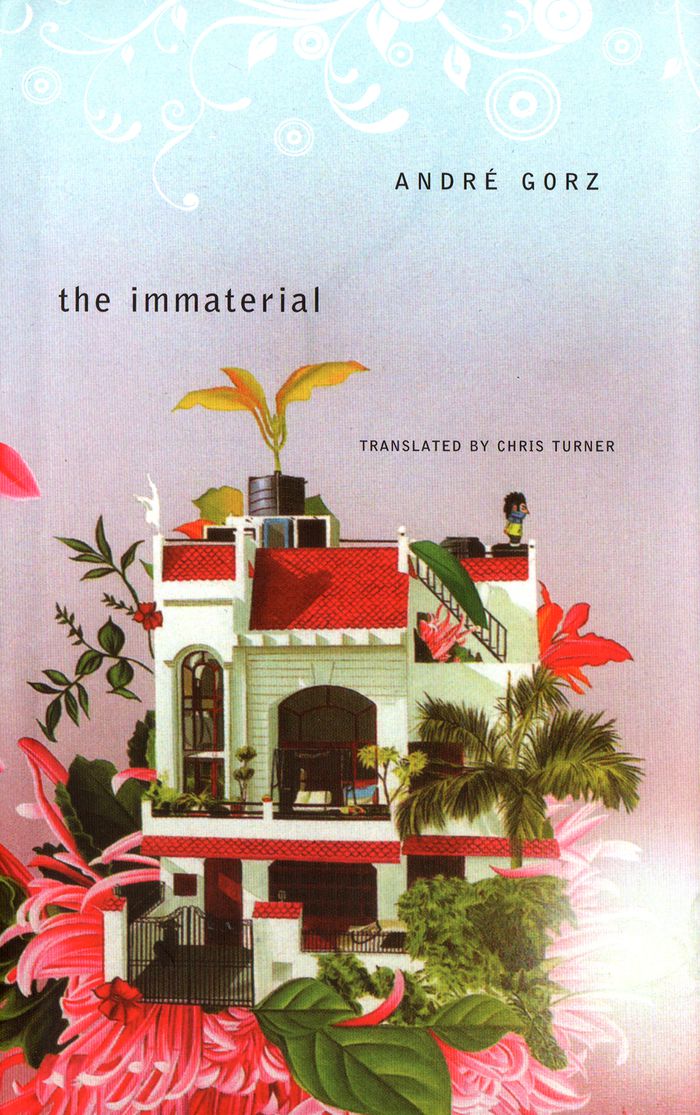
In ''The Immaterial'', French social philosopher André Gorz (1923–2007) argues that the economic boom that accelerated in the 1990s and crashed so spectacularly in 2008 was based largely on an immaterial consumption of symbols and ideas, as capitalism tried to overcome the crisis of the formally industrial regime by throwing itself into a new, so-called knowledge economy. In this volume, Gorz argues instead for the creation of a true knowledge economy. This economy would be based on zero-cost exchange and pooled resources, and knowledge would be treated as humanity's common property. Currently, in order to exploit knowledge and turn it into capital, the capitalist enterprise privatizes specialized knowledge and claims ownership through private licenses and copyright. But as Gorz shows, the traditional foundations of such capitalist economics have begun to crumble because of the immaterial nature of this new form of product, which makes it almost impossible to measure in monetary terms.
The Immaterial
Actions:
Prix:
$23.95
(disponible sur commande)
Résumé:
In ''The Immaterial'', French social philosopher André Gorz (1923–2007) argues that the economic boom that accelerated in the 1990s and crashed so spectacularly in 2008 was based largely on an immaterial consumption of symbols and ideas, as capitalism tried to overcome the crisis of the formally industrial regime by throwing itself into a new, so-called knowledge economy. In this volume, Gorz argues instead for the creation of a true knowledge economy. This economy would be based on zero-cost exchange and pooled resources, and knowledge would be treated as humanity's common property. Currently, in order to exploit knowledge and turn it into capital, the capitalist enterprise privatizes specialized knowledge and claims ownership through private licenses and copyright. But as Gorz shows, the traditional foundations of such capitalist economics have begun to crumble because of the immaterial nature of this new form of product, which makes it almost impossible to measure in monetary terms.
Classification:
livres
livres
Publication:
décembre 2010
décembre 2010
Sujet:
Théorie de l’art
Théorie de l’art
Classification:
livres
livres
Actions:
Prix:
$20.00
(disponible sur commande)
Résumé:
The Second World War came hard on the heels of a devastating Depression in which families struggled to survive. Life on the Home Front paints a poignant portrait of a city coping with the demandsof war. Montrealers, along with other Canadians, were being asked for more sacrifice but this time it would include sending their sons, brothers, fathers and husbands off to war.(...)
$20.00
(disponible sur commande)
Résumé:
The Second World War came hard on the heels of a devastating Depression in which families struggled to survive. Life on the Home Front paints a poignant portrait of a city coping with the demandsof war. Montrealers, along with other Canadians, were being asked for more sacrifice but this time it would include sending their sons, brothers, fathers and husbands off to war.(...)
Titre:
Life on the home front: Montreal 1939-1945
Actions:
Prix:
$20.00
(disponible sur commande)
Résumé:
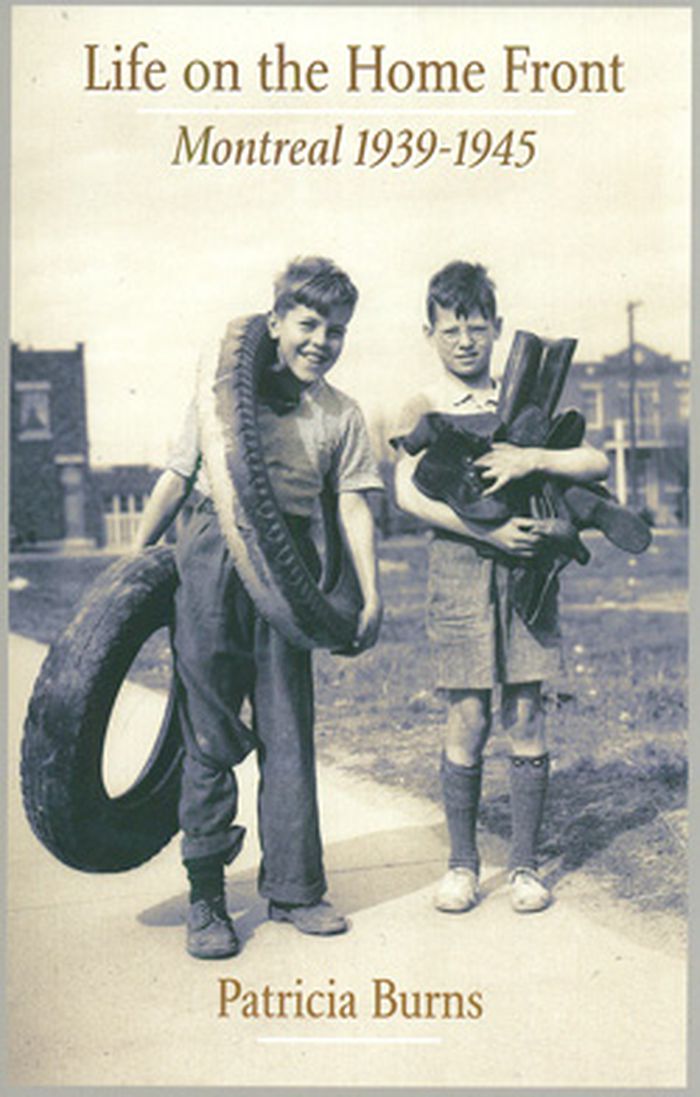
The Second World War came hard on the heels of a devastating Depression in which families struggled to survive. Life on the Home Front paints a poignant portrait of a city coping with the demandsof war. Montrealers, along with other Canadians, were being asked for more sacrifice but this time it would include sending their sons, brothers, fathers and husbands off to war. Montrealers had to “Use it Up, Wear it Out, Make it Do, and Do Without” as one slogan cautioned, and this they did. Many women went to work for the firsttime and often enjoyed the heady success of doing “a man’s job” and earning a regular salary. Life on the Home Front describes how dissent was also an ever-present reality. Montreal was often awash with anti-war banners and angry speeches which kept the police and journalists busy. Prime Minister William Lyon Mackenzie King had to walk a fine line in keeping the country together and united at a time of grave crisis.
Life on the home front: Montreal 1939-1945
Actions:
Prix:
$20.00
(disponible sur commande)
Résumé:
The Second World War came hard on the heels of a devastating Depression in which families struggled to survive. Life on the Home Front paints a poignant portrait of a city coping with the demandsof war. Montrealers, along with other Canadians, were being asked for more sacrifice but this time it would include sending their sons, brothers, fathers and husbands off to war. Montrealers had to “Use it Up, Wear it Out, Make it Do, and Do Without” as one slogan cautioned, and this they did. Many women went to work for the firsttime and often enjoyed the heady success of doing “a man’s job” and earning a regular salary. Life on the Home Front describes how dissent was also an ever-present reality. Montreal was often awash with anti-war banners and angry speeches which kept the police and journalists busy. Prime Minister William Lyon Mackenzie King had to walk a fine line in keeping the country together and united at a time of grave crisis.
Classification:
livres
livres
Publication:
novembre 2012
novembre 2012
Sujet:
Architecture de Montréal
Architecture de Montréal


