


1664 Résultats
Classification:
livres
livres

Titre:
Global Design
Global Design
Actions:
Prix:
$54.95
(disponible sur commande)
Résumé:
This book examines the possibilities for scaling design solutions to address global warming. Global warming poses new challenges to the architecture, landscape architecture, and urban design communities. The immediate response has been a turn toward a host of energy-saving technologies. What has rarely been addressed, however, is the problem of scale. How can designers(...)
$54.95
(disponible sur commande)
Résumé:
This book examines the possibilities for scaling design solutions to address global warming. Global warming poses new challenges to the architecture, landscape architecture, and urban design communities. The immediate response has been a turn toward a host of energy-saving technologies. What has rarely been addressed, however, is the problem of scale. How can designers(...)
Sujet:
Architecture écologique
Architecture écologique
Publication:
juin 2014
juin 2014
Titre:
Global Design
Actions:
Prix:
$54.95
(disponible sur commande)
Résumé:
This book examines the possibilities for scaling design solutions to address global warming. Global warming poses new challenges to the architecture, landscape architecture, and urban design communities. The immediate response has been a turn toward a host of energy-saving technologies. What has rarely been addressed, however, is the problem of scale. How can designers make sure that global solutions do not come at the expense of local cultures and environments? By placing human rational, emotional, technological, and social needs at the center of our environmental concerns, this book proposes a new global design initiative. The aim is to develop a language of design that can create proximity between individual responsibility and the current global environmental crisis. These featured projects showcase leading-edge design innovations at multiple scales. Global Design directors Peder Anker, Louise Harpman, and Mitchell Joachim discuss various ways in which design can reformat the unfortunate separation between humans and the natural world.
Global Design
Actions:
Prix:
$54.95
(disponible sur commande)
Résumé:
This book examines the possibilities for scaling design solutions to address global warming. Global warming poses new challenges to the architecture, landscape architecture, and urban design communities. The immediate response has been a turn toward a host of energy-saving technologies. What has rarely been addressed, however, is the problem of scale. How can designers make sure that global solutions do not come at the expense of local cultures and environments? By placing human rational, emotional, technological, and social needs at the center of our environmental concerns, this book proposes a new global design initiative. The aim is to develop a language of design that can create proximity between individual responsibility and the current global environmental crisis. These featured projects showcase leading-edge design innovations at multiple scales. Global Design directors Peder Anker, Louise Harpman, and Mitchell Joachim discuss various ways in which design can reformat the unfortunate separation between humans and the natural world.
Classification:
livres
livres
Publication:
juin 2014
juin 2014
Sujet:
Architecture écologique
Architecture écologique
Classification:
livres
livres
Actions:
Prix:
$66.00
(disponible en magasin)
Résumé:
American cities underwent seismic transformations in the 1960s and '70s, from shifting demographics and political protests to reshaping through highways and urban renewal. Amid this climate of upheaval, photographers, architects, activists, performance artists, and filmmakers turned conditions of crisis into sites for civic discourse and artistic expression. The City Lost(...)
$66.00
(disponible en magasin)
Résumé:
American cities underwent seismic transformations in the 1960s and '70s, from shifting demographics and political protests to reshaping through highways and urban renewal. Amid this climate of upheaval, photographers, architects, activists, performance artists, and filmmakers turned conditions of crisis into sites for civic discourse and artistic expression. The City Lost(...)
Sujet:
Théorie de l’urbanisme
Théorie de l’urbanisme
Publication:
novembre 2014
novembre 2014
Titre:
The city lost & found: capturing New York, Chicago, and Los Angeles
Actions:
Prix:
$66.00
(disponible en magasin)
Résumé:
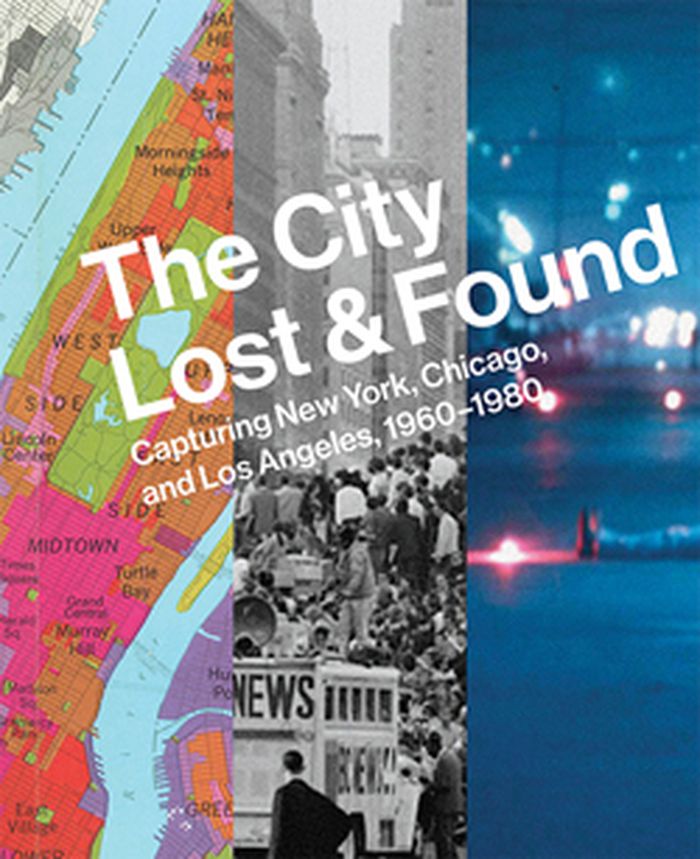
American cities underwent seismic transformations in the 1960s and '70s, from shifting demographics and political protests to reshaping through highways and urban renewal. Amid this climate of upheaval, photographers, architects, activists, performance artists, and filmmakers turned conditions of crisis into sites for civic discourse and artistic expression. The City Lost and Found explores photographic and cinematic responses to the changing fabric of New York, Chicago, and Los Angeles that contributed to a reconsideration of cities in popular media and urban policy during this period. This book raises timely questions about the role of art within the social, political, and physical landscape of cities. Featuring contributions from more than 20 noted scholars in fields including art history, urban planning, architecture, and cultural studies, this is the first publication to address an important shift in photographic, cinematic, and planning practices based on close observations of streets, neighborhoods, and seminal events in the country's three largest cities.
The city lost & found: capturing New York, Chicago, and Los Angeles
Actions:
Prix:
$66.00
(disponible en magasin)
Résumé:
American cities underwent seismic transformations in the 1960s and '70s, from shifting demographics and political protests to reshaping through highways and urban renewal. Amid this climate of upheaval, photographers, architects, activists, performance artists, and filmmakers turned conditions of crisis into sites for civic discourse and artistic expression. The City Lost and Found explores photographic and cinematic responses to the changing fabric of New York, Chicago, and Los Angeles that contributed to a reconsideration of cities in popular media and urban policy during this period. This book raises timely questions about the role of art within the social, political, and physical landscape of cities. Featuring contributions from more than 20 noted scholars in fields including art history, urban planning, architecture, and cultural studies, this is the first publication to address an important shift in photographic, cinematic, and planning practices based on close observations of streets, neighborhoods, and seminal events in the country's three largest cities.
Classification:
livres
livres
Publication:
novembre 2014
novembre 2014
Sujet:
Théorie de l’urbanisme
Théorie de l’urbanisme
Classification:
livres
livres
Titre:
Lynn Saville: Dark City
Lynn Saville: Dark City
Actions:
Prix:
$60.00
(disponible sur commande)
Résumé:
Arthur Danto has described Lynn Saville as New York's answer to Eugène Atget, because she "prowls her city at the other end of the day, picking up pieces of the past in the present, just before it is swallowed by shadows." For her new monograph, Dark City, Saville focused on vacant spaces--shuttered storefronts, back alleys, blank billboards, empty lots--with the(...)
$60.00
(disponible sur commande)
Résumé:
Arthur Danto has described Lynn Saville as New York's answer to Eugène Atget, because she "prowls her city at the other end of the day, picking up pieces of the past in the present, just before it is swallowed by shadows." For her new monograph, Dark City, Saville focused on vacant spaces--shuttered storefronts, back alleys, blank billboards, empty lots--with the(...)
Titre:
Lynn Saville: Dark City
Actions:
Prix:
$60.00
(disponible sur commande)
Résumé:
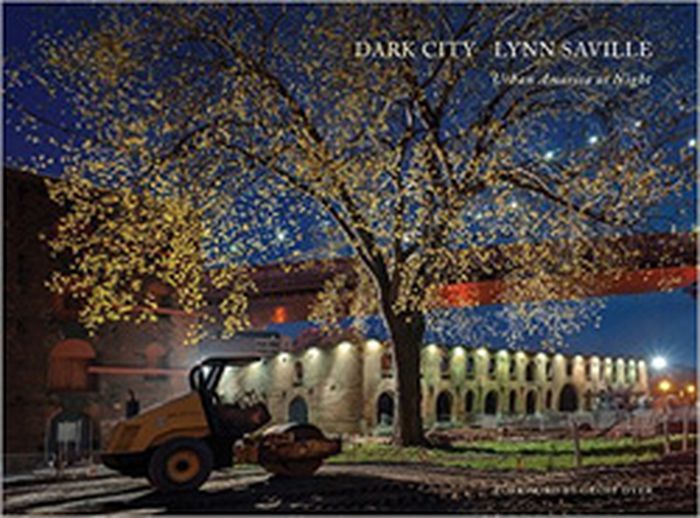
Arthur Danto has described Lynn Saville as New York's answer to Eugène Atget, because she "prowls her city at the other end of the day, picking up pieces of the past in the present, just before it is swallowed by shadows." For her new monograph, Dark City, Saville focused on vacant spaces--shuttered storefronts, back alleys, blank billboards, empty lots--with the occasional ghostly figure hurrying through the frame. Working at twilight and dawn with a medium-format camera (setting up her tripod quickly so as not to attract police attention), Saville captured busy city streets depopulated and emptied out, industrial spaces and storefronts alike gone quiet. Color and light come from the sky, streetlights, neon signs or surveillance lighting. Seemingly otherworldly, the images in Dark City also tell a more pragmatic story of the changing urban landscape--vacancies caused by financial crisis, and construction projects spurred on by economic recovery, gentrification and development.
Lynn Saville: Dark City
Actions:
Prix:
$60.00
(disponible sur commande)
Résumé:
Arthur Danto has described Lynn Saville as New York's answer to Eugène Atget, because she "prowls her city at the other end of the day, picking up pieces of the past in the present, just before it is swallowed by shadows." For her new monograph, Dark City, Saville focused on vacant spaces--shuttered storefronts, back alleys, blank billboards, empty lots--with the occasional ghostly figure hurrying through the frame. Working at twilight and dawn with a medium-format camera (setting up her tripod quickly so as not to attract police attention), Saville captured busy city streets depopulated and emptied out, industrial spaces and storefronts alike gone quiet. Color and light come from the sky, streetlights, neon signs or surveillance lighting. Seemingly otherworldly, the images in Dark City also tell a more pragmatic story of the changing urban landscape--vacancies caused by financial crisis, and construction projects spurred on by economic recovery, gentrification and development.
Classification:
livres
livres
Publication:
juin 2015
juin 2015
Sujet:
Monographies photo
Monographies photo
Classification:
livres
livres
Actions:
Prix:
$35.00
(disponible sur commande)
Résumé:
Forecolosed: Rehousing the American Dream is an exploration of new architectural possibilities for American cities and suburbs in the aftermath of the recent foreclosure crisis in the United States. During the summer of 2011, five interdisciplinary teams of architects, urban planners, ecologists, engineers and landscape designers were enlisted by The Museum of Modern(...)
$35.00
(disponible sur commande)
Résumé:
Forecolosed: Rehousing the American Dream is an exploration of new architectural possibilities for American cities and suburbs in the aftermath of the recent foreclosure crisis in the United States. During the summer of 2011, five interdisciplinary teams of architects, urban planners, ecologists, engineers and landscape designers were enlisted by The Museum of Modern(...)
Titre:
Foreclosed: rehousing the American dream
Actions:
Prix:
$35.00
(disponible sur commande)
Résumé:
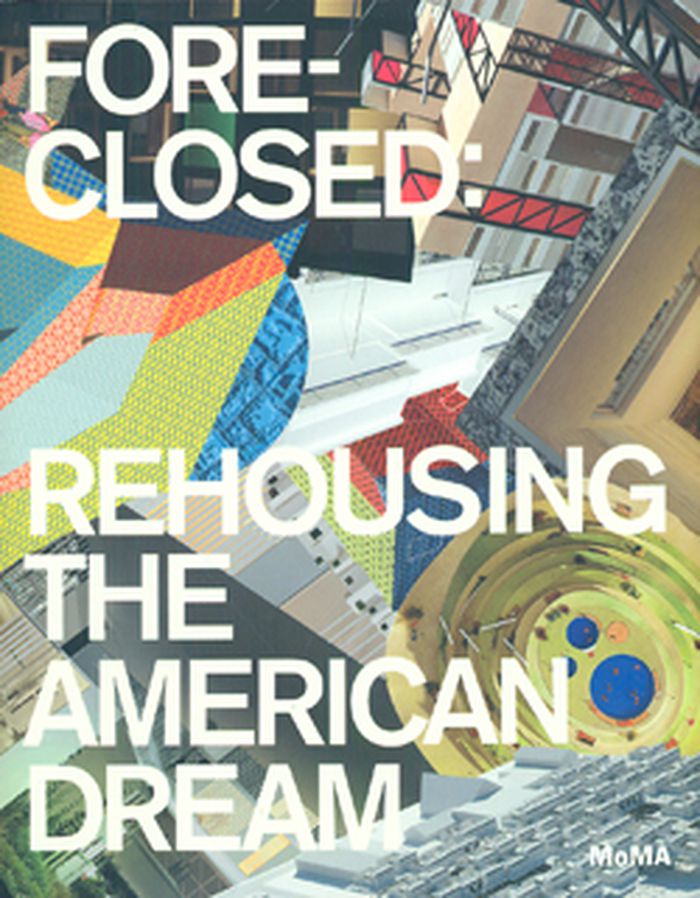
Forecolosed: Rehousing the American Dream is an exploration of new architectural possibilities for American cities and suburbs in the aftermath of the recent foreclosure crisis in the United States. During the summer of 2011, five interdisciplinary teams of architects, urban planners, ecologists, engineers and landscape designers were enlisted by The Museum of Modern Art, New York, and MoMA PS1 to envision new housing infrastructures that could catalyze urban transformation, particularly in the country’s suburbs. Drawing on ideas proposed in The Buell Hypothesis, a research publication prepared by the Temple Hoyne Buell Center for the Study of American Architecture at Columbia University, each team focused on a specific location within a “megaregion” to come up with inventive solutions for the future of housing and cities. This publication presents each of these proposals (exhibited at MoMA in Spring 2012) in detail, through photographs, drawings and renderings as well as interviews with the team leaders. Foreclosedexamines the relationship between land, infrastructure and urban form, exploring potential futures for America’s extended metropolises.
Foreclosed: rehousing the American dream
Actions:
Prix:
$35.00
(disponible sur commande)
Résumé:
Forecolosed: Rehousing the American Dream is an exploration of new architectural possibilities for American cities and suburbs in the aftermath of the recent foreclosure crisis in the United States. During the summer of 2011, five interdisciplinary teams of architects, urban planners, ecologists, engineers and landscape designers were enlisted by The Museum of Modern Art, New York, and MoMA PS1 to envision new housing infrastructures that could catalyze urban transformation, particularly in the country’s suburbs. Drawing on ideas proposed in The Buell Hypothesis, a research publication prepared by the Temple Hoyne Buell Center for the Study of American Architecture at Columbia University, each team focused on a specific location within a “megaregion” to come up with inventive solutions for the future of housing and cities. This publication presents each of these proposals (exhibited at MoMA in Spring 2012) in detail, through photographs, drawings and renderings as well as interviews with the team leaders. Foreclosedexamines the relationship between land, infrastructure and urban form, exploring potential futures for America’s extended metropolises.
Classification:
livres
livres
Publication:
mars 2012
mars 2012
Sujet:
Logements collectifs
Logements collectifs
Classification:
livres
livres
Titre:
te magazine n.3: Mirroring
te magazine n.3: Mirroring
Actions:
Prix:
$63.95
(disponible en magasin)
Résumé:
Much in our life at this moment is often marked by an absence of clarity. Many have experienced a malaise and come to know its persistence. We seem to have become used to stasis and theoretical discussions, lingering in silence and hoping from time to time for something extraordinary to happen. Yet it might also have been a blessing; an opportunity to free ourselves from(...)
$63.95
(disponible en magasin)
Résumé:
Much in our life at this moment is often marked by an absence of clarity. Many have experienced a malaise and come to know its persistence. We seem to have become used to stasis and theoretical discussions, lingering in silence and hoping from time to time for something extraordinary to happen. Yet it might also have been a blessing; an opportunity to free ourselves from(...)
Titre:
te magazine n.3: Mirroring
Actions:
Prix:
$63.95
(disponible en magasin)
Résumé:
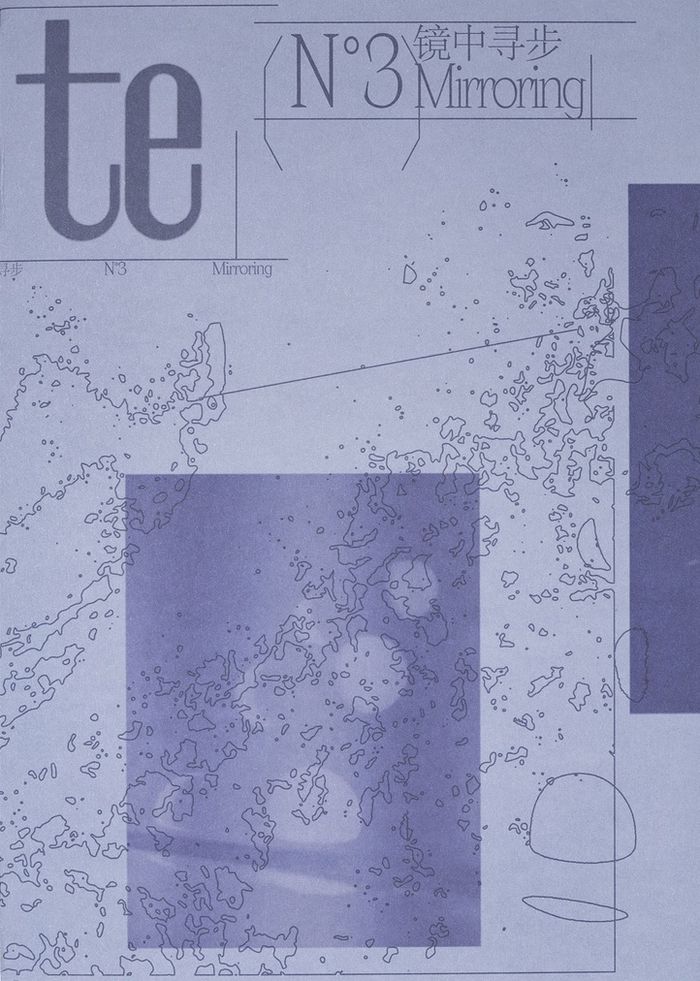
Much in our life at this moment is often marked by an absence of clarity. Many have experienced a malaise and come to know its persistence. We seem to have become used to stasis and theoretical discussions, lingering in silence and hoping from time to time for something extraordinary to happen. Yet it might also have been a blessing; an opportunity to free ourselves from overarching narratives, to direct our attention to the individual, the local, and to subjects that have long been part of our own lives—a more agile, intuitive mindset. The third issue of te magazine took shape in this context, and chose to confront experiences of 'plight'—plight of the persecuted, of the artists, of the forgotten, and of those living with colonial legacies. How might we, as individuals, transmute plights in order to learn to live in this world? If each piece in this issue can be said to propose a mode of healing, the aim is not only about specific pathologies, but rather to recommend adjustments and defenses in moments of crisis.
te magazine n.3: Mirroring
Actions:
Prix:
$63.95
(disponible en magasin)
Résumé:
Much in our life at this moment is often marked by an absence of clarity. Many have experienced a malaise and come to know its persistence. We seem to have become used to stasis and theoretical discussions, lingering in silence and hoping from time to time for something extraordinary to happen. Yet it might also have been a blessing; an opportunity to free ourselves from overarching narratives, to direct our attention to the individual, the local, and to subjects that have long been part of our own lives—a more agile, intuitive mindset. The third issue of te magazine took shape in this context, and chose to confront experiences of 'plight'—plight of the persecuted, of the artists, of the forgotten, and of those living with colonial legacies. How might we, as individuals, transmute plights in order to learn to live in this world? If each piece in this issue can be said to propose a mode of healing, the aim is not only about specific pathologies, but rather to recommend adjustments and defenses in moments of crisis.
Classification:
livres
livres
Publication:
septembre 2024
septembre 2024
Sujet:
Revues
Revues
Classification:
livres
livres
Titre:
Eco-operations
Eco-operations
Actions:
Prix:
$88.00
(disponible sur commande)
Résumé:
The climate change crisis has become part of aesthetic discourse and critical research in culture and the arts. Future-oriented, ecologically conceived possibilities for action are being explored by artists, curators, and scholars alike. eco-operations addresses these emerging aesthetic ecologies and new technologies of cooperation that both challenge and shape a(...)
$88.00
(disponible sur commande)
Résumé:
The climate change crisis has become part of aesthetic discourse and critical research in culture and the arts. Future-oriented, ecologically conceived possibilities for action are being explored by artists, curators, and scholars alike. eco-operations addresses these emerging aesthetic ecologies and new technologies of cooperation that both challenge and shape a(...)
Titre:
Eco-operations
Actions:
Prix:
$88.00
(disponible sur commande)
Résumé:
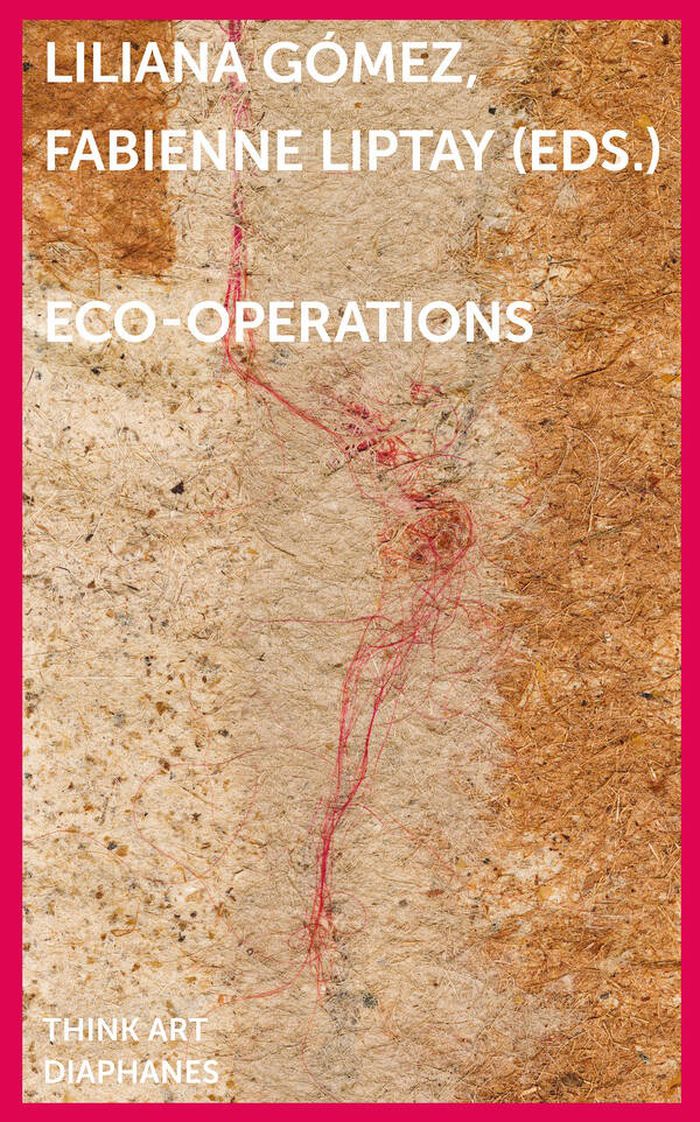
The climate change crisis has become part of aesthetic discourse and critical research in culture and the arts. Future-oriented, ecologically conceived possibilities for action are being explored by artists, curators, and scholars alike. eco-operations addresses these emerging aesthetic ecologies and new technologies of cooperation that both challenge and shape a sustainable future, foregrounding interruptions, ruptures, disconnections, dissonances, exclusions, and allochronism. Moving beyond the concepts of “flow” and “network” as a single, coherent (ecological or technological) system, "eco-operations" instead emphasizes the frictions within asynchronously running systems. The infrastructures and formats of artistic production and exhibition play a central role here, as they themselves constitute ecosystems that invite and regulate processes of sharing and exchange. Artists and activists are embedded in these ecosystems, in which they simultaneously intervene when searching for alternative ways of creating collaborative practice. Bringing together scholars, artists, writers, and curators, and working across a range of disciplines, "eco-operations" explores this field of tension between global and local ecologies and aims to speculate on where dissonances imply both creative potential and political challenges.
Eco-operations
Actions:
Prix:
$88.00
(disponible sur commande)
Résumé:
The climate change crisis has become part of aesthetic discourse and critical research in culture and the arts. Future-oriented, ecologically conceived possibilities for action are being explored by artists, curators, and scholars alike. eco-operations addresses these emerging aesthetic ecologies and new technologies of cooperation that both challenge and shape a sustainable future, foregrounding interruptions, ruptures, disconnections, dissonances, exclusions, and allochronism. Moving beyond the concepts of “flow” and “network” as a single, coherent (ecological or technological) system, "eco-operations" instead emphasizes the frictions within asynchronously running systems. The infrastructures and formats of artistic production and exhibition play a central role here, as they themselves constitute ecosystems that invite and regulate processes of sharing and exchange. Artists and activists are embedded in these ecosystems, in which they simultaneously intervene when searching for alternative ways of creating collaborative practice. Bringing together scholars, artists, writers, and curators, and working across a range of disciplines, "eco-operations" explores this field of tension between global and local ecologies and aims to speculate on where dissonances imply both creative potential and political challenges.
Classification:
livres
livres
Publication:
mars 2025
mars 2025
Sujet:
L'écologie de l'architecure
L'écologie de l'architecure
Classification:
livres
livres

Prix:
$32.95
(disponible en magasin)
Résumé:
There have been many things written about Canada’s violent siege of Kanehsatà:ke and Kahnawà:ke in the summer of 1990, but "When the pine needles fall: Indigenous acts of resistance" is the first book from the perspective of Katsi’tsakwas Ellen Gabriel, who was the Kanien’kehá:ka (Mohawk) spokesperson during the siege. "When the pine needles fall," written in a(...)
$32.95
(disponible en magasin)
Résumé:
There have been many things written about Canada’s violent siege of Kanehsatà:ke and Kahnawà:ke in the summer of 1990, but "When the pine needles fall: Indigenous acts of resistance" is the first book from the perspective of Katsi’tsakwas Ellen Gabriel, who was the Kanien’kehá:ka (Mohawk) spokesperson during the siege. "When the pine needles fall," written in a(...)
Titre:
When the pine needles fall: Indigenous acts of resistance
Actions:
Prix:
$32.95
(disponible en magasin)
Résumé:
There have been many things written about Canada’s violent siege of Kanehsatà:ke and Kahnawà:ke in the summer of 1990, but "When the pine needles fall: Indigenous acts of resistance" is the first book from the perspective of Katsi’tsakwas Ellen Gabriel, who was the Kanien’kehá:ka (Mohawk) spokesperson during the siege. "When the pine needles fall," written in a conversational style by Gabriel with historian Sean Carleton, offers an intimate look at Gabriel’s life leading up to the 1990 siege, her experiences as spokesperson for her community, and her work since then as an Indigenous land defender, human rights activist, and feminist leader. More than just the memoir of an extraordinary individual, "When the pine needles fall" offers insight into Indigenous language, history, and philosophy, reflections on our relationship with the land, and calls to action against both colonialism and capitalism as we face the climate crisis. Gabriel’s hopes for a decolonial future make clear why protecting Indigenous homelands is vital not only for the survival of Indigenous peoples, but for all who live on this planet.
When the pine needles fall: Indigenous acts of resistance
Actions:
Prix:
$32.95
(disponible en magasin)
Résumé:
There have been many things written about Canada’s violent siege of Kanehsatà:ke and Kahnawà:ke in the summer of 1990, but "When the pine needles fall: Indigenous acts of resistance" is the first book from the perspective of Katsi’tsakwas Ellen Gabriel, who was the Kanien’kehá:ka (Mohawk) spokesperson during the siege. "When the pine needles fall," written in a conversational style by Gabriel with historian Sean Carleton, offers an intimate look at Gabriel’s life leading up to the 1990 siege, her experiences as spokesperson for her community, and her work since then as an Indigenous land defender, human rights activist, and feminist leader. More than just the memoir of an extraordinary individual, "When the pine needles fall" offers insight into Indigenous language, history, and philosophy, reflections on our relationship with the land, and calls to action against both colonialism and capitalism as we face the climate crisis. Gabriel’s hopes for a decolonial future make clear why protecting Indigenous homelands is vital not only for the survival of Indigenous peoples, but for all who live on this planet.
Classification:
livres
livres
Publication:
septembre 2024
septembre 2024
Sujet:
Autochtone
Autochtone
Classification:
livres
livres
Actions:
Prix:
$33.00
(disponible sur commande)
Résumé:
Urbanization is a system of power and knowledge, and today’s city functions through the expansive material infrastructures of the urban order. In The Urban Apparatus, Reinhold Martin analyzes urbanization and the contemporary city in aesthetic, socioeconomic, and mediapolitical terms. He argues that understanding the city as infrastructure reveals urbanization to be a way(...)
$33.00
(disponible sur commande)
Résumé:
Urbanization is a system of power and knowledge, and today’s city functions through the expansive material infrastructures of the urban order. In The Urban Apparatus, Reinhold Martin analyzes urbanization and the contemporary city in aesthetic, socioeconomic, and mediapolitical terms. He argues that understanding the city as infrastructure reveals urbanization to be a way(...)
Titre:
The urban apparatus: mediapolitics and the city
Actions:
Prix:
$33.00
(disponible sur commande)
Résumé:
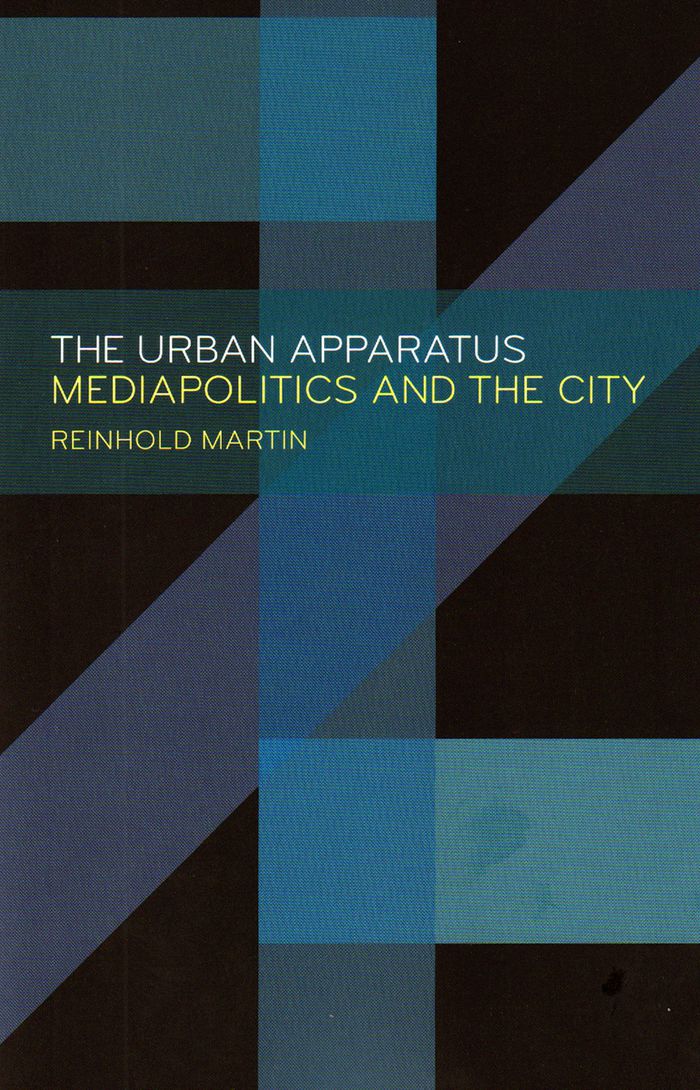
Urbanization is a system of power and knowledge, and today’s city functions through the expansive material infrastructures of the urban order. In The Urban Apparatus, Reinhold Martin analyzes urbanization and the contemporary city in aesthetic, socioeconomic, and mediapolitical terms. He argues that understanding the city as infrastructure reveals urbanization to be a way of imparting functional, aesthetic, and cognitive order to a contradictory, doubly bound neoliberal regime. Blending critical philosophy, political theory, and media theory, The Urban Apparatus explores how the aesthetics of cities and their political economies overlap. In a series of ten essays, with a detailed theoretical introduction, Martin explores questions related to urban life, drawn from a wide range of global topics—from the fiscal crisis in Detroit to speculative development in Mumbai to the landscape of Mars, from discussions of race and the environment to housing and economic inequality. Each essay proposes a particular “mediator” (or a material complex) that is shaped by imaginative practices, each answering the question “What is a city, today?”
The urban apparatus: mediapolitics and the city
Actions:
Prix:
$33.00
(disponible sur commande)
Résumé:
Urbanization is a system of power and knowledge, and today’s city functions through the expansive material infrastructures of the urban order. In The Urban Apparatus, Reinhold Martin analyzes urbanization and the contemporary city in aesthetic, socioeconomic, and mediapolitical terms. He argues that understanding the city as infrastructure reveals urbanization to be a way of imparting functional, aesthetic, and cognitive order to a contradictory, doubly bound neoliberal regime. Blending critical philosophy, political theory, and media theory, The Urban Apparatus explores how the aesthetics of cities and their political economies overlap. In a series of ten essays, with a detailed theoretical introduction, Martin explores questions related to urban life, drawn from a wide range of global topics—from the fiscal crisis in Detroit to speculative development in Mumbai to the landscape of Mars, from discussions of race and the environment to housing and economic inequality. Each essay proposes a particular “mediator” (or a material complex) that is shaped by imaginative practices, each answering the question “What is a city, today?”
Classification:
livres
livres
Publication:
octobre 2016
octobre 2016
Sujet:
Théorie de l’urbanisme
Théorie de l’urbanisme
Classification:
livres
livres
Prix:
$23.95
(disponible en magasin)
Résumé:
Geomedia offers critical analysis of the new possibilities and power relations emerging in the public space of contemporary cities. As ubiquitous digital networks enable embedded and mobile devices to integrate place-specific data with real-time feedback circuits, everyday experience of public space has become subject to new demands. Looking beyond debates framed by the(...)
$23.95
(disponible en magasin)
Résumé:
Geomedia offers critical analysis of the new possibilities and power relations emerging in the public space of contemporary cities. As ubiquitous digital networks enable embedded and mobile devices to integrate place-specific data with real-time feedback circuits, everyday experience of public space has become subject to new demands. Looking beyond debates framed by the(...)
Titre:
Geomedia: networked cities and the future of public space
Actions:
Prix:
$23.95
(disponible en magasin)
Résumé:
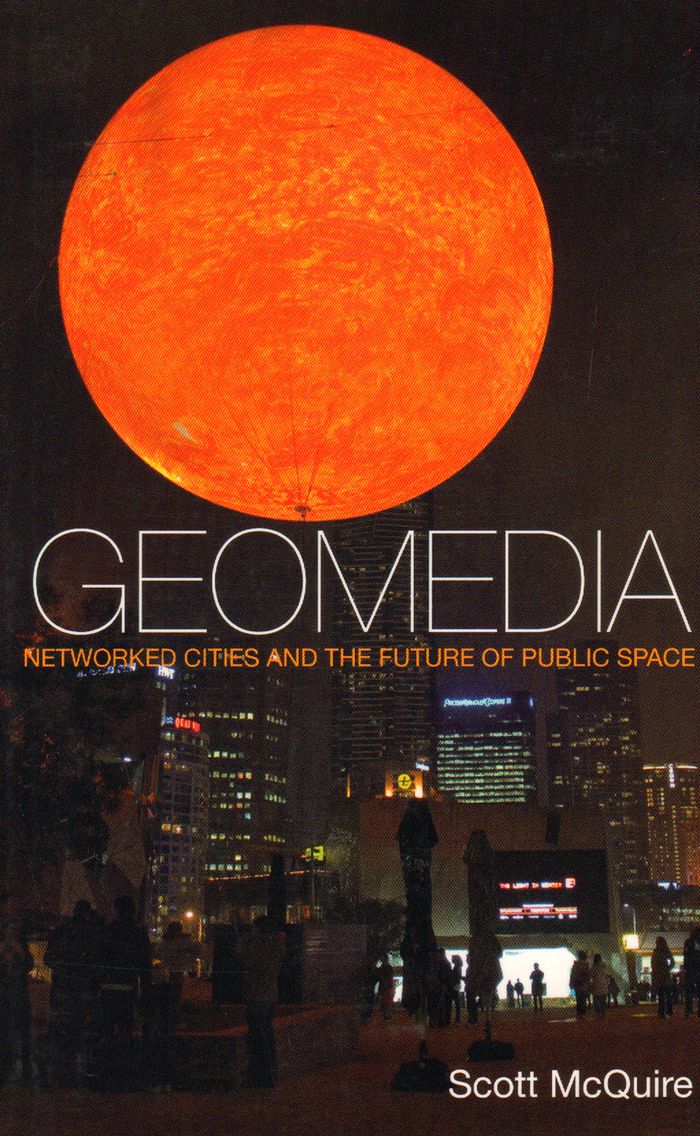
Geomedia offers critical analysis of the new possibilities and power relations emerging in the public space of contemporary cities. As ubiquitous digital networks enable embedded and mobile devices to integrate place-specific data with real-time feedback circuits, everyday experience of public space has become subject to new demands. Looking beyond debates framed by the dominance of surveillance and spectacle, McQuire asks: how might the kind of collaborative practices that have flourished in art and online cultures be translated into urban space? In the urban crisis of the 1960s, Henri Lefebvre argued that the capacity for a city’s inhabitants to actively appropriate the time and space of their surroundings was a critical dimension of modern democracy. What does it mean to speak of ‘the right to the city’ in the context of the networked city? Addressing this question through a series of case studies, this cutting-edge text highlights the tensions between citizen and consumer, communication and surveillance, participation and control, which define contemporary struggles over public space.
Geomedia: networked cities and the future of public space
Actions:
Prix:
$23.95
(disponible en magasin)
Résumé:
Geomedia offers critical analysis of the new possibilities and power relations emerging in the public space of contemporary cities. As ubiquitous digital networks enable embedded and mobile devices to integrate place-specific data with real-time feedback circuits, everyday experience of public space has become subject to new demands. Looking beyond debates framed by the dominance of surveillance and spectacle, McQuire asks: how might the kind of collaborative practices that have flourished in art and online cultures be translated into urban space? In the urban crisis of the 1960s, Henri Lefebvre argued that the capacity for a city’s inhabitants to actively appropriate the time and space of their surroundings was a critical dimension of modern democracy. What does it mean to speak of ‘the right to the city’ in the context of the networked city? Addressing this question through a series of case studies, this cutting-edge text highlights the tensions between citizen and consumer, communication and surveillance, participation and control, which define contemporary struggles over public space.
Classification:
livres
livres
Publication:
décembre 2016
décembre 2016
Sujet:
Théorie de l’urbanisme
Théorie de l’urbanisme
Classification:
livres
livres
Actions:
Prix:
$38.50
(disponible sur commande)
Résumé:
"SOUPERgreen!" features projects and essays that offer a long overdue critique of the current approach to “green” architecture and, in turn, demonstrate a more appropriate way for architects to address the challenges posed by the environmental crisis. In sharp contrast to contemporary examples of “green” or “sustainable” architecture—which primarily rely upon the(...)
$38.50
(disponible sur commande)
Résumé:
"SOUPERgreen!" features projects and essays that offer a long overdue critique of the current approach to “green” architecture and, in turn, demonstrate a more appropriate way for architects to address the challenges posed by the environmental crisis. In sharp contrast to contemporary examples of “green” or “sustainable” architecture—which primarily rely upon the(...)
Titre:
SOUPERgreen!: souped-up green architecture
Actions:
Prix:
$38.50
(disponible sur commande)
Résumé:
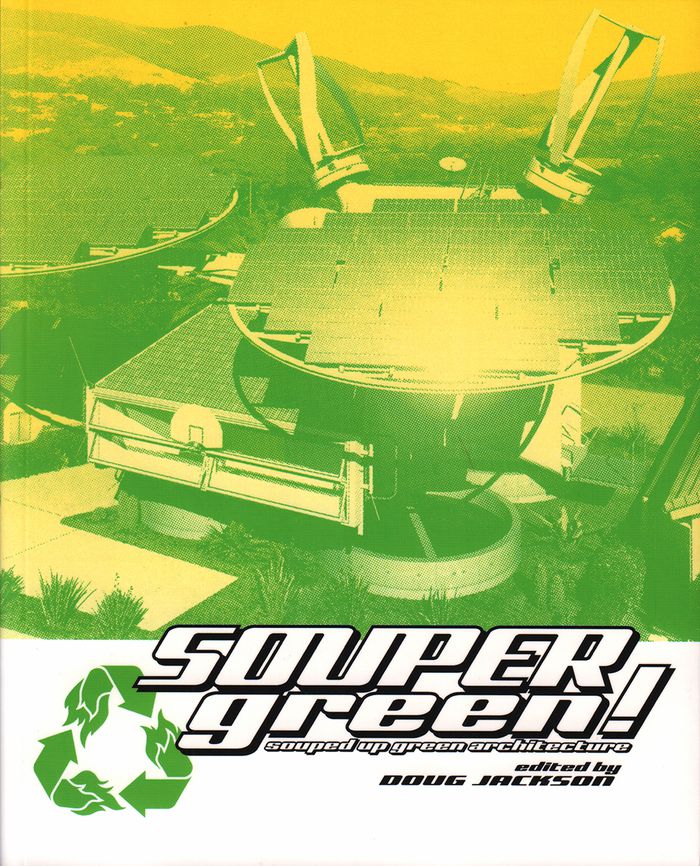
"SOUPERgreen!" features projects and essays that offer a long overdue critique of the current approach to “green” architecture and, in turn, demonstrate a more appropriate way for architects to address the challenges posed by the environmental crisis. In sharp contrast to contemporary examples of “green” or “sustainable” architecture—which primarily rely upon the invisible agency of unremarkable technologies and materials to reduce resource consumption, but which do so without producing a necessary shift in the public’s perception of the environment or behavior towards it—"SOUPERgreen!" demonstrates how green technology can not only perform from a measurable standpoint, but can also produce engaging experiences that profoundly alter, enhance, and transform the public’s understanding of the environment. By leveraging the inherently expressive nature of technology in order to dramatize the constantly negotiated relationship between humanity and the natural world, the “souped-up” green architecture featured in "SOUPERgreen!" transforms “greenness” from a mere measurement of environmental performance into an actively engaged and highly conscious lived reality—resulting in a new way of experiencing and understanding the environment that is inherently more ecological.
SOUPERgreen!: souped-up green architecture
Actions:
Prix:
$38.50
(disponible sur commande)
Résumé:
"SOUPERgreen!" features projects and essays that offer a long overdue critique of the current approach to “green” architecture and, in turn, demonstrate a more appropriate way for architects to address the challenges posed by the environmental crisis. In sharp contrast to contemporary examples of “green” or “sustainable” architecture—which primarily rely upon the invisible agency of unremarkable technologies and materials to reduce resource consumption, but which do so without producing a necessary shift in the public’s perception of the environment or behavior towards it—"SOUPERgreen!" demonstrates how green technology can not only perform from a measurable standpoint, but can also produce engaging experiences that profoundly alter, enhance, and transform the public’s understanding of the environment. By leveraging the inherently expressive nature of technology in order to dramatize the constantly negotiated relationship between humanity and the natural world, the “souped-up” green architecture featured in "SOUPERgreen!" transforms “greenness” from a mere measurement of environmental performance into an actively engaged and highly conscious lived reality—resulting in a new way of experiencing and understanding the environment that is inherently more ecological.
Classification:
livres
livres
Publication:
mars 2017
mars 2017
Sujet:
Architecture écologique
Architecture écologique


