


1608 Résultats
Classification:
livres
livres
Actions:
Prix:
$81.50
(disponible sur commande)
Résumé:
The years around 1700 were marked by transformations in European and colonial capital cities. This era saw the creation not only of palatial complexes and urban spaces appropriate to autocratic power, but also of essential infrastructure such as roads, ports, and fortifications. In addition, many of the civic structures and background buildings that form the familiar(...)
$81.50
(disponible sur commande)
Résumé:
The years around 1700 were marked by transformations in European and colonial capital cities. This era saw the creation not only of palatial complexes and urban spaces appropriate to autocratic power, but also of essential infrastructure such as roads, ports, and fortifications. In addition, many of the civic structures and background buildings that form the familiar(...)
Titre:
Circa 1700 : architecture in Europe and the Americas
Actions:
Prix:
$81.50
(disponible sur commande)
Résumé:
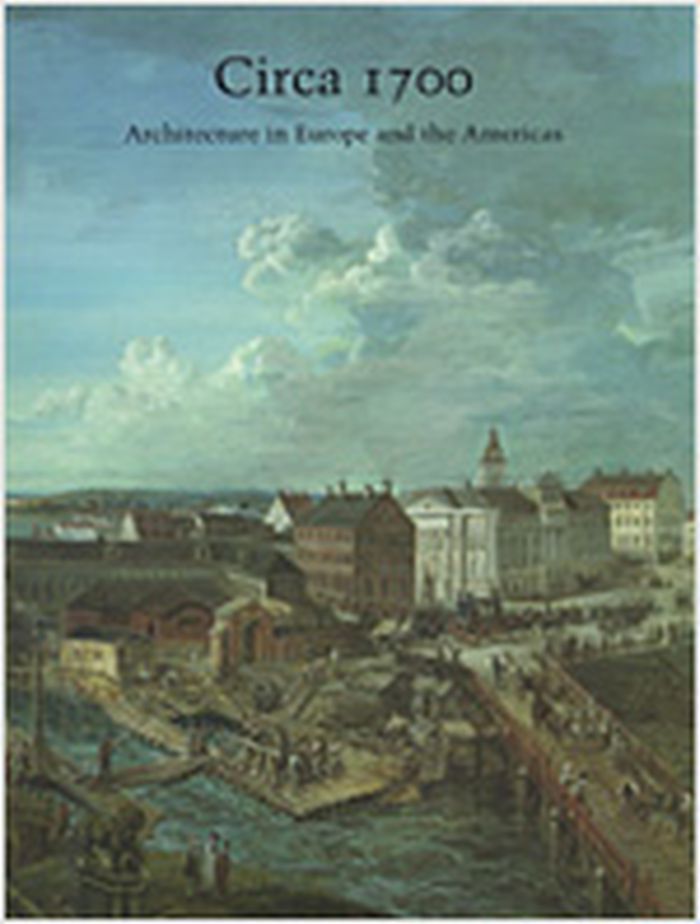
The years around 1700 were marked by transformations in European and colonial capital cities. This era saw the creation not only of palatial complexes and urban spaces appropriate to autocratic power, but also of essential infrastructure such as roads, ports, and fortifications. In addition, many of the civic structures and background buildings that form the familiar urban images of the eighteenth century date from this period. In all of this activity, architects and architectural ideas, formed mostly in Italy and influenced by the baroque architecture of Rome, especially the late works of Francesco Borromini and Gian Lorenzo Bernini, played a central role. Twelve contributors provide a comprehensive look at the design, renewal, and expansion of capitals and countries including Naples, Rome, Vienna, Stockholm, Saint Petersburg, England, Amsterdam, Cádiz, Lisbon, Quebec City, and Lima. The result is a fascinating cross section that allows a comparative reading of baroque architecture: from country to country, from region to region, and from the Old World to the New.
Circa 1700 : architecture in Europe and the Americas
Actions:
Prix:
$81.50
(disponible sur commande)
Résumé:
The years around 1700 were marked by transformations in European and colonial capital cities. This era saw the creation not only of palatial complexes and urban spaces appropriate to autocratic power, but also of essential infrastructure such as roads, ports, and fortifications. In addition, many of the civic structures and background buildings that form the familiar urban images of the eighteenth century date from this period. In all of this activity, architects and architectural ideas, formed mostly in Italy and influenced by the baroque architecture of Rome, especially the late works of Francesco Borromini and Gian Lorenzo Bernini, played a central role. Twelve contributors provide a comprehensive look at the design, renewal, and expansion of capitals and countries including Naples, Rome, Vienna, Stockholm, Saint Petersburg, England, Amsterdam, Cádiz, Lisbon, Quebec City, and Lima. The result is a fascinating cross section that allows a comparative reading of baroque architecture: from country to country, from region to region, and from the Old World to the New.
Classification:
livres
livres
Publication:
janvier 1900, Washington
janvier 1900, Washington
Sujet:
Histoire jusqu’à 1900
Histoire jusqu’à 1900
Classification:
livres
livres
Actions:
Prix:
$25.00
(disponible en magasin)
Résumé:
This publication unfolds an inside view of the installation by Elizabeth Hatz at the 16th International Architecture Exhibition of La Biennale di Venezia. It shows how the installation has been made using 133 pigmented prints of original drawings from Drawing Matter in Somerset, ArkDes in Stockholm, the architects' private archives and a large hand drawing by Hatz on a(...)
$25.00
(disponible en magasin)
Résumé:
This publication unfolds an inside view of the installation by Elizabeth Hatz at the 16th International Architecture Exhibition of La Biennale di Venezia. It shows how the installation has been made using 133 pigmented prints of original drawings from Drawing Matter in Somerset, ArkDes in Stockholm, the architects' private archives and a large hand drawing by Hatz on a(...)
Sujet:
Biennale
Biennale
Publication:
mai 2018
mai 2018
Titre:
Line, light, locus: Elizabeth Hatz
Actions:
Prix:
$25.00
(disponible en magasin)
Résumé:
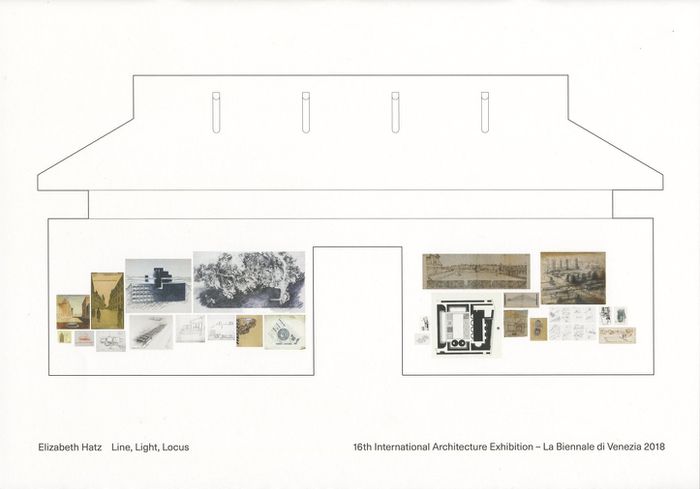
This publication unfolds an inside view of the installation by Elizabeth Hatz at the 16th International Architecture Exhibition of La Biennale di Venezia. It shows how the installation has been made using 133 pigmented prints of original drawings from Drawing Matter in Somerset, ArkDes in Stockholm, the architects' private archives and a large hand drawing by Hatz on a specially designed table-bench. The fold-out cover illustrates the room's four walls, each of which organise four concept-sets relating to the Biennale theme of Freespace: Ground–Floor, Temple–Shed, Niche–Stoa and Mind–Space. The full-sized colour plates inside show in more detail the collage of drawings on each wall, illustrating how the printing process allowed Hatz to orchestrate the size as well as position of each drawing within these exploratory fields. Hatz's accompanying essay invokes the spatial experience created by the room-drawings and the rich conversations they capture.
Line, light, locus: Elizabeth Hatz
Actions:
Prix:
$25.00
(disponible en magasin)
Résumé:
This publication unfolds an inside view of the installation by Elizabeth Hatz at the 16th International Architecture Exhibition of La Biennale di Venezia. It shows how the installation has been made using 133 pigmented prints of original drawings from Drawing Matter in Somerset, ArkDes in Stockholm, the architects' private archives and a large hand drawing by Hatz on a specially designed table-bench. The fold-out cover illustrates the room's four walls, each of which organise four concept-sets relating to the Biennale theme of Freespace: Ground–Floor, Temple–Shed, Niche–Stoa and Mind–Space. The full-sized colour plates inside show in more detail the collage of drawings on each wall, illustrating how the printing process allowed Hatz to orchestrate the size as well as position of each drawing within these exploratory fields. Hatz's accompanying essay invokes the spatial experience created by the room-drawings and the rich conversations they capture.
Classification:
livres
livres
Publication:
mai 2018
mai 2018
Sujet:
Biennale
Biennale
Classification:
livres
livres
Actions:
Prix:
$36.95
(disponible sur commande)
Résumé:
This exhibition catalog explores the remarkable theatrical designs of Italy’s influential Bibiena family in the seventeenth and eighteenth centuries. For nearly a century, members of three generations of the Bibiena family were the most highly sought theater designers in Europe. Their elaborate stage designs were used for operas, festivals, and courtly performances across(...)
$36.95
(disponible sur commande)
Résumé:
This exhibition catalog explores the remarkable theatrical designs of Italy’s influential Bibiena family in the seventeenth and eighteenth centuries. For nearly a century, members of three generations of the Bibiena family were the most highly sought theater designers in Europe. Their elaborate stage designs were used for operas, festivals, and courtly performances across(...)
Sujet:
Dessin d’architecture
Dessin d’architecture
Publication:
juillet 2021
juillet 2021
Titre:
Architecture, theater and fantasy: Bibena drawings from the Jules Fisher collection
Actions:
Prix:
$36.95
(disponible sur commande)
Résumé:
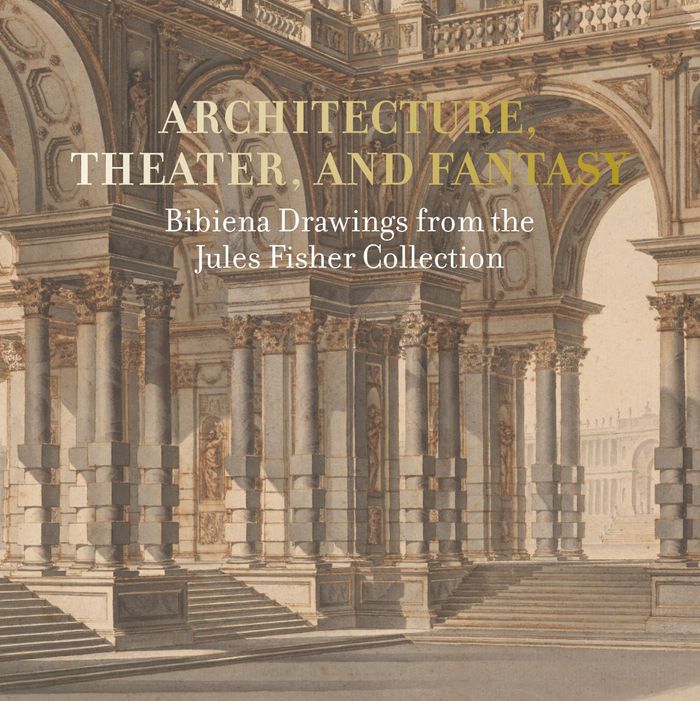
This exhibition catalog explores the remarkable theatrical designs of Italy’s influential Bibiena family in the seventeenth and eighteenth centuries. For nearly a century, members of three generations of the Bibiena family were the most highly sought theater designers in Europe. Their elaborate stage designs were used for operas, festivals, and courtly performances across Europe, from their native Italy to cities as far afield as Vienna, Prague, Stockholm, St. Petersburg, and Lisbon. Beyond these performances, the distinctive Bibiena style survives through their remarkable drawings. "Architecture, theater, and fantasy" commemorates a group of Bibiena drawings from the collection of Jules Fisher, the Tony Award–winning lighting designer, gifted to the Morgan Library and Museum in New York. Accompanying the first US exhibition of these works in more than thirty years, these drawings demonstrate the range of the Bibienas’ output, from energetic sketches to detailed watercolors. Representations of imagined palace interiors and lavish illusionistic architecture illuminate the visual splendor of the Baroque period.
Architecture, theater and fantasy: Bibena drawings from the Jules Fisher collection
Actions:
Prix:
$36.95
(disponible sur commande)
Résumé:
This exhibition catalog explores the remarkable theatrical designs of Italy’s influential Bibiena family in the seventeenth and eighteenth centuries. For nearly a century, members of three generations of the Bibiena family were the most highly sought theater designers in Europe. Their elaborate stage designs were used for operas, festivals, and courtly performances across Europe, from their native Italy to cities as far afield as Vienna, Prague, Stockholm, St. Petersburg, and Lisbon. Beyond these performances, the distinctive Bibiena style survives through their remarkable drawings. "Architecture, theater, and fantasy" commemorates a group of Bibiena drawings from the collection of Jules Fisher, the Tony Award–winning lighting designer, gifted to the Morgan Library and Museum in New York. Accompanying the first US exhibition of these works in more than thirty years, these drawings demonstrate the range of the Bibienas’ output, from energetic sketches to detailed watercolors. Representations of imagined palace interiors and lavish illusionistic architecture illuminate the visual splendor of the Baroque period.
Classification:
livres
livres
Publication:
juillet 2021
juillet 2021
Sujet:
Dessin d’architecture
Dessin d’architecture
Classification:
livres
livres
Actions:
Prix:
$54.95
(disponible en magasin)
Résumé:
¨Depuis 1997, nous avons parcouru et photographié, par intermittence, la vieille et la nouvelle Europe. Nous tentions de capter ce qui passait de Bordeaux, où jadis s'essayait Montaigne, à Bilbao. Ou de Rotterdam à Stockholm. Ou de Sarajevo à Sarapoul. Ou de Prague à Kiev. Nous revenions pourtant en Grèce, en Crète, à Chypre, au Maroc ou au Liban... Ce retour aux sources(...)
$54.95
(disponible en magasin)
Résumé:
¨Depuis 1997, nous avons parcouru et photographié, par intermittence, la vieille et la nouvelle Europe. Nous tentions de capter ce qui passait de Bordeaux, où jadis s'essayait Montaigne, à Bilbao. Ou de Rotterdam à Stockholm. Ou de Sarajevo à Sarapoul. Ou de Prague à Kiev. Nous revenions pourtant en Grèce, en Crète, à Chypre, au Maroc ou au Liban... Ce retour aux sources(...)
Titre:
Valérie Frey et Yves Laplace: archipel des passants
Actions:
Prix:
$54.95
(disponible en magasin)
Résumé:
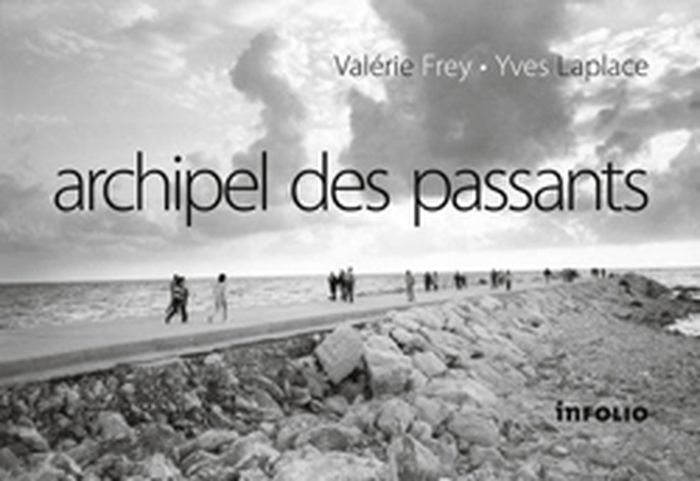
¨Depuis 1997, nous avons parcouru et photographié, par intermittence, la vieille et la nouvelle Europe. Nous tentions de capter ce qui passait de Bordeaux, où jadis s'essayait Montaigne, à Bilbao. Ou de Rotterdam à Stockholm. Ou de Sarajevo à Sarapoul. Ou de Prague à Kiev. Nous revenions pourtant en Grèce, en Crète, à Chypre, au Maroc ou au Liban... Ce retour aux sources nous aura encore entraînés vers les territoires d'outre-mer. Partout, nous avons croisé les témoins fugitifs d'une géographie et d'une histoire éclatées, mais aussi partagées. Comme s'ils habitaient à leur insu l'archipel des passants : un archipel né, tels nous tous, d'une rencontre ou d'un conflit entre la mer et la terre, entre le signe et l'horizon, entre la langue et l'esprit, entre la contrainte et la liberté. Sans les passants, qui témoignent par leur présence même de ce que nous appelons la réalité, le monde nous resterait invisible.¨ Valérie Frey et Yves Laplace
Valérie Frey et Yves Laplace: archipel des passants
Actions:
Prix:
$54.95
(disponible en magasin)
Résumé:
¨Depuis 1997, nous avons parcouru et photographié, par intermittence, la vieille et la nouvelle Europe. Nous tentions de capter ce qui passait de Bordeaux, où jadis s'essayait Montaigne, à Bilbao. Ou de Rotterdam à Stockholm. Ou de Sarajevo à Sarapoul. Ou de Prague à Kiev. Nous revenions pourtant en Grèce, en Crète, à Chypre, au Maroc ou au Liban... Ce retour aux sources nous aura encore entraînés vers les territoires d'outre-mer. Partout, nous avons croisé les témoins fugitifs d'une géographie et d'une histoire éclatées, mais aussi partagées. Comme s'ils habitaient à leur insu l'archipel des passants : un archipel né, tels nous tous, d'une rencontre ou d'un conflit entre la mer et la terre, entre le signe et l'horizon, entre la langue et l'esprit, entre la contrainte et la liberté. Sans les passants, qui témoignent par leur présence même de ce que nous appelons la réalité, le monde nous resterait invisible.¨ Valérie Frey et Yves Laplace
Classification:
livres
livres
Publication:
novembre 2014
novembre 2014
Sujet:
Monographies photo
Monographies photo
Classification:
livres
livres
Prix:
$56.95
(disponible en magasin)
Résumé:
The book collects five vacation homes in Sweden designed by Stockholm-based architect Mikael Bergquist. Realized over more than two decades, they are all located in the Swedish countryside and rooted in the Nordic tradition of timber construction and the simplicity and economy of Sweden’s historic farm buildings. Bergquist’s great care for detail and choice of materials(...)
$56.95
(disponible en magasin)
Résumé:
The book collects five vacation homes in Sweden designed by Stockholm-based architect Mikael Bergquist. Realized over more than two decades, they are all located in the Swedish countryside and rooted in the Nordic tradition of timber construction and the simplicity and economy of Sweden’s historic farm buildings. Bergquist’s great care for detail and choice of materials(...)
Titre:
Center and periphery: Five houses by Mikael Bergquist
Actions:
Prix:
$56.95
(disponible en magasin)
Résumé:
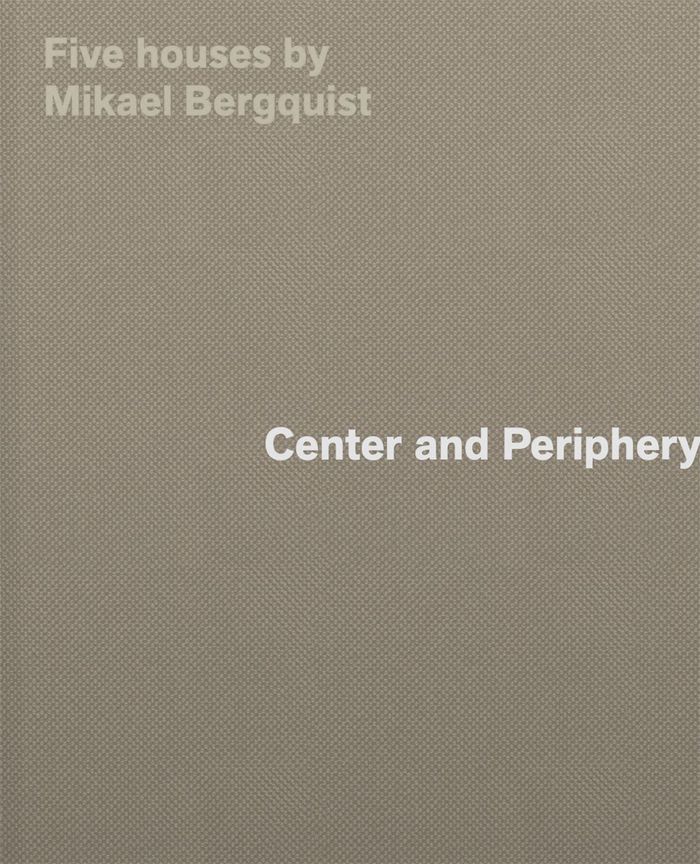
The book collects five vacation homes in Sweden designed by Stockholm-based architect Mikael Bergquist. Realized over more than two decades, they are all located in the Swedish countryside and rooted in the Nordic tradition of timber construction and the simplicity and economy of Sweden’s historic farm buildings. Bergquist’s great care for detail and choice of materials characterize these houses. They are united also by a close relationship to the surrounding nature, the experience of which is enhanced by the concepts of movement and the placement of passages between the outside and inside. The houses are documented with photographs as well as with plans and sections. In his supplementary essay, Bergquist writes about the special position of working as an architect on the periphery of Europe. He draws a picture of Swedish architecture that is marked by what he calls "fruitful misunderstandings" of current movements, and in which poverty of the rural population has been a major factor in the evolution of the design and construction of dwellings.
Center and periphery: Five houses by Mikael Bergquist
Actions:
Prix:
$56.95
(disponible en magasin)
Résumé:
The book collects five vacation homes in Sweden designed by Stockholm-based architect Mikael Bergquist. Realized over more than two decades, they are all located in the Swedish countryside and rooted in the Nordic tradition of timber construction and the simplicity and economy of Sweden’s historic farm buildings. Bergquist’s great care for detail and choice of materials characterize these houses. They are united also by a close relationship to the surrounding nature, the experience of which is enhanced by the concepts of movement and the placement of passages between the outside and inside. The houses are documented with photographs as well as with plans and sections. In his supplementary essay, Bergquist writes about the special position of working as an architect on the periphery of Europe. He draws a picture of Swedish architecture that is marked by what he calls "fruitful misunderstandings" of current movements, and in which poverty of the rural population has been a major factor in the evolution of the design and construction of dwellings.
Classification:
livres
livres
Publication:
mai 2025
mai 2025
Sujet:
Architecture, monographies
Architecture, monographies
Classification:
livres
livres
Prix:
$62.00
(disponible sur commande)
Résumé:
Best defined as the art of shaping the built environment, urban design seeks to understand and analyze the variety of forces—social, economic, cultural, legal, ecological, and aesthetic—that affect how we live. The complex challenges facing cities today—scarcity of resources, growing economic divisions, and rampant sprawl, among others—are forcing a reconsideration of(...)
$62.00
(disponible sur commande)
Résumé:
Best defined as the art of shaping the built environment, urban design seeks to understand and analyze the variety of forces—social, economic, cultural, legal, ecological, and aesthetic—that affect how we live. The complex challenges facing cities today—scarcity of resources, growing economic divisions, and rampant sprawl, among others—are forcing a reconsideration of(...)
Titre:
New urbanism and beyond: designing cities for the future
Actions:
Prix:
$62.00
(disponible sur commande)
Résumé:
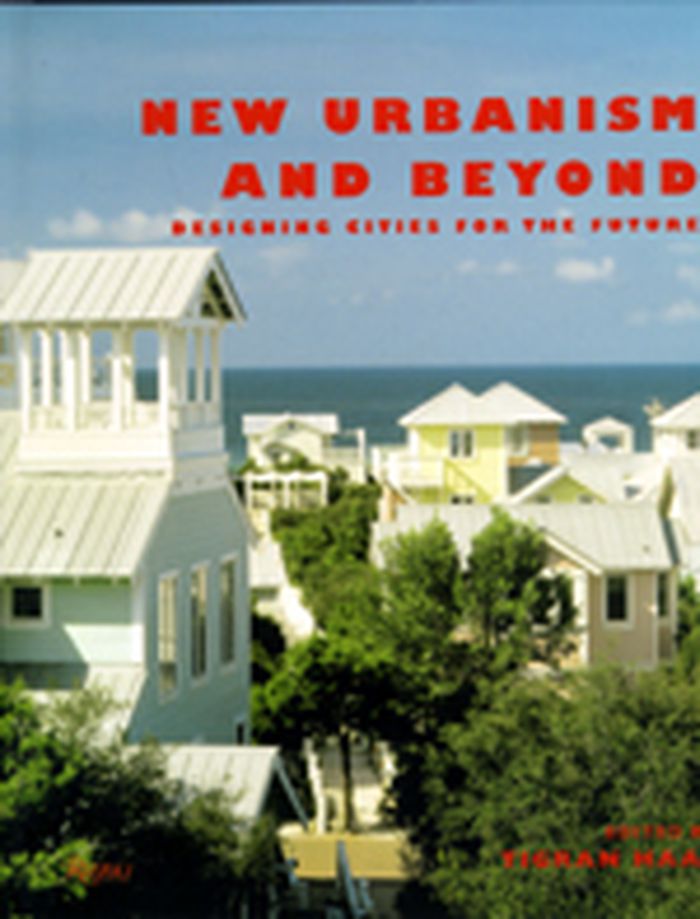
Best defined as the art of shaping the built environment, urban design seeks to understand and analyze the variety of forces—social, economic, cultural, legal, ecological, and aesthetic—that affect how we live. The complex challenges facing cities today—scarcity of resources, growing economic divisions, and rampant sprawl, among others—are forcing a reconsideration of urban design. New Urbanism, a leading movement within urban design, advocates a return to small-town urban forms: human-scale, pedestrian-friendly streets, a reinvigoration of cities, and a stop to suburban sprawl. This new volume, drawing on a conference and debates at the Royal Institute of Technology in Stockholm, Sweden, comprehensively examines New Urbanism today and speculates about it’s future. With contributions from Christopher Alexander, Leon Krier, Peter Hall, Andrés Duany, Elizabeth Plater-Zyberk, Jeff Speck, William McDonough, Peter Calthorpe, Jan Gehl, Lars Lerup, Edward Soja, and Saskia Sassen, among others, New Urbanism and Beyond is both a comprehensive primer on urban design and a provocation for practitioners, historians, and citizens everywhere.
New urbanism and beyond: designing cities for the future
Actions:
Prix:
$62.00
(disponible sur commande)
Résumé:
Best defined as the art of shaping the built environment, urban design seeks to understand and analyze the variety of forces—social, economic, cultural, legal, ecological, and aesthetic—that affect how we live. The complex challenges facing cities today—scarcity of resources, growing economic divisions, and rampant sprawl, among others—are forcing a reconsideration of urban design. New Urbanism, a leading movement within urban design, advocates a return to small-town urban forms: human-scale, pedestrian-friendly streets, a reinvigoration of cities, and a stop to suburban sprawl. This new volume, drawing on a conference and debates at the Royal Institute of Technology in Stockholm, Sweden, comprehensively examines New Urbanism today and speculates about it’s future. With contributions from Christopher Alexander, Leon Krier, Peter Hall, Andrés Duany, Elizabeth Plater-Zyberk, Jeff Speck, William McDonough, Peter Calthorpe, Jan Gehl, Lars Lerup, Edward Soja, and Saskia Sassen, among others, New Urbanism and Beyond is both a comprehensive primer on urban design and a provocation for practitioners, historians, and citizens everywhere.
Classification:
livres
livres
Publication:
avril 2008, New York
avril 2008, New York
Sujet:
Théorie de l’urbanisme
Théorie de l’urbanisme
Classification:
livres
livres
Titre:
Josef Frank : life and work
Josef Frank : life and work
Actions:
Prix:
$112.00
(disponible en magasin)
Résumé:
Educated in Vienna just after the turn of the century, Frank became the leader of the younger generation of architects in Austria after the First World War. But Frank fell from grace when he emerged as a forceful critic of the extremes of modern architecture and design during the early 1930s. Dismissing the demands for a unified modern style, Frank insisted that it was(...)
$112.00
(disponible en magasin)
Résumé:
Educated in Vienna just after the turn of the century, Frank became the leader of the younger generation of architects in Austria after the First World War. But Frank fell from grace when he emerged as a forceful critic of the extremes of modern architecture and design during the early 1930s. Dismissing the demands for a unified modern style, Frank insisted that it was(...)
Titre:
Josef Frank : life and work
Actions:
Prix:
$112.00
(disponible en magasin)
Résumé:
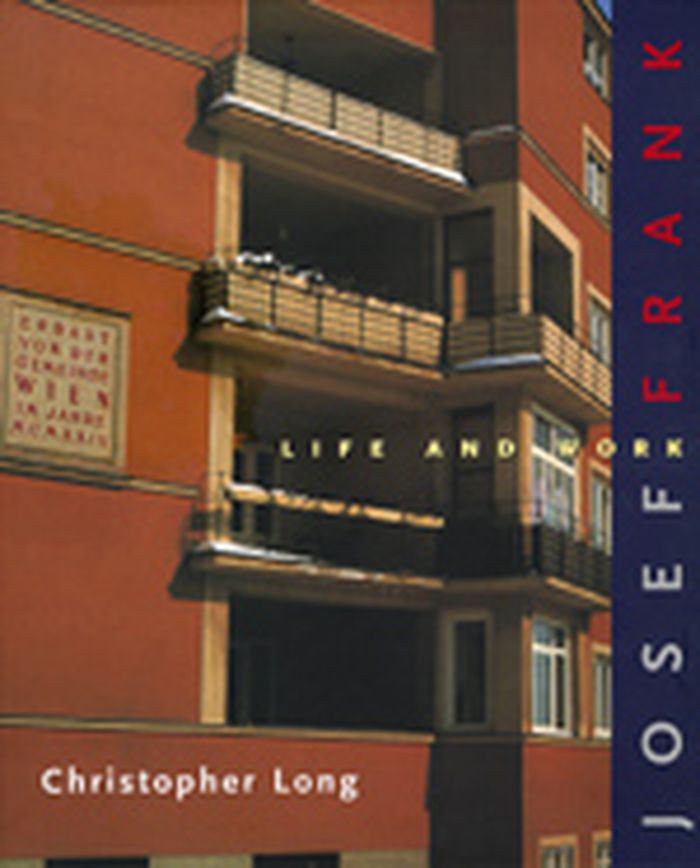
Educated in Vienna just after the turn of the century, Frank became the leader of the younger generation of architects in Austria after the First World War. But Frank fell from grace when he emerged as a forceful critic of the extremes of modern architecture and design during the early 1930s. Dismissing the demands for a unified modern style, Frank insisted that it was pluralism, not uniformity, that most characterized life in the new machine age. He called instead for a more humane modernism, one that responded to people's everyday needs and left room for sentimentality and historical influences. He was able to put these ideas into practice when, in 1933, he was forced to leave Vienna for Sweden. There his work came to define Swedish (or Scandinavian) modern design. For more than thirty years he was the chief designer for the Stockholm furnishings firm Svenskt Tenn, producing colorful, cozy, and eclectic designs that provided a refreshing alternative to the architectural mainstream of the day and presaged the coming revolt against modernism in the 1960s.
Josef Frank : life and work
Actions:
Prix:
$112.00
(disponible en magasin)
Résumé:
Educated in Vienna just after the turn of the century, Frank became the leader of the younger generation of architects in Austria after the First World War. But Frank fell from grace when he emerged as a forceful critic of the extremes of modern architecture and design during the early 1930s. Dismissing the demands for a unified modern style, Frank insisted that it was pluralism, not uniformity, that most characterized life in the new machine age. He called instead for a more humane modernism, one that responded to people's everyday needs and left room for sentimentality and historical influences. He was able to put these ideas into practice when, in 1933, he was forced to leave Vienna for Sweden. There his work came to define Swedish (or Scandinavian) modern design. For more than thirty years he was the chief designer for the Stockholm furnishings firm Svenskt Tenn, producing colorful, cozy, and eclectic designs that provided a refreshing alternative to the architectural mainstream of the day and presaged the coming revolt against modernism in the 1960s.
Classification:
livres
livres
Publication:
novembre 2002, Chicago
novembre 2002, Chicago
Sujet:
Architecture, monographies
Architecture, monographies
Classification:
livres
livres

Titre:
Katso Koota/ Look at K
Katso Koota/ Look at K
Actions:
Prix:
$26.00
(disponible sur commande)
Résumé:
Olavi Laiho (1907-1944) was a writer, political organiser, and communist agitator, who was first imprisoned in 1932—a time when "communist laws" were in effect in Finland—for producing political material and running an illegal printing press in his home. He opposed Finland's WW2 era fighting alongside Nazi Germany against the Soviet Union, edited illegal journals, but(...)
$26.00
(disponible sur commande)
Résumé:
Olavi Laiho (1907-1944) was a writer, political organiser, and communist agitator, who was first imprisoned in 1932—a time when "communist laws" were in effect in Finland—for producing political material and running an illegal printing press in his home. He opposed Finland's WW2 era fighting alongside Nazi Germany against the Soviet Union, edited illegal journals, but(...)
Titre:
Katso Koota/ Look at K
Actions:
Prix:
$26.00
(disponible sur commande)
Résumé:
Olavi Laiho (1907-1944) was a writer, political organiser, and communist agitator, who was first imprisoned in 1932—a time when "communist laws" were in effect in Finland—for producing political material and running an illegal printing press in his home. He opposed Finland's WW2 era fighting alongside Nazi Germany against the Soviet Union, edited illegal journals, but also planned armed resistance and facilitated correspondence between the party's leadership in Helsinki and the Soviet embassy in Stockholm. Just a couple of weeks before his execution, Laiho wrote a remarkable essay "Katso Koota" [Look at K], using only words starting with the letter K. "Katso Koota" is an early example of Finnish modern alliterative writing, a lipogram, a literary technique in which every word must start with the same letter. Laiho's "Katso Koota" predates the French Oulipo ("workshop of potential literature") of the 1960s. Considering that he produced his "constrained writing" under conditions of extreme political and cultural confinement, it can be considered a true form of avant-garde subversion.
Katso Koota/ Look at K
Actions:
Prix:
$26.00
(disponible sur commande)
Résumé:
Olavi Laiho (1907-1944) was a writer, political organiser, and communist agitator, who was first imprisoned in 1932—a time when "communist laws" were in effect in Finland—for producing political material and running an illegal printing press in his home. He opposed Finland's WW2 era fighting alongside Nazi Germany against the Soviet Union, edited illegal journals, but also planned armed resistance and facilitated correspondence between the party's leadership in Helsinki and the Soviet embassy in Stockholm. Just a couple of weeks before his execution, Laiho wrote a remarkable essay "Katso Koota" [Look at K], using only words starting with the letter K. "Katso Koota" is an early example of Finnish modern alliterative writing, a lipogram, a literary technique in which every word must start with the same letter. Laiho's "Katso Koota" predates the French Oulipo ("workshop of potential literature") of the 1960s. Considering that he produced his "constrained writing" under conditions of extreme political and cultural confinement, it can be considered a true form of avant-garde subversion.
Classification:
livres
livres
Publication:
décembre 2025
décembre 2025
Sujet:
Théorie/ philosophie
Théorie/ philosophie
Classification:
livres
livres
Titre:
Desire lines
Desire lines
Actions:
Prix:
$62.95
(disponible sur commande)
Résumé:
Un trajet en métro, en taxi, un moment à la table d’un café : chaque instant libre, chaque pause ou temps mort est l’occasion pour l'auteur de tracer, au feutre ou au stylo, une impression fugitive, une scène captée sur le vif, un paysage qui évolue… Si desire lines désigne en anglais le plus court chemin, l’expression est ici synonyme d’instants capturés puis restitués,(...)
$62.95
(disponible sur commande)
Résumé:
Un trajet en métro, en taxi, un moment à la table d’un café : chaque instant libre, chaque pause ou temps mort est l’occasion pour l'auteur de tracer, au feutre ou au stylo, une impression fugitive, une scène captée sur le vif, un paysage qui évolue… Si desire lines désigne en anglais le plus court chemin, l’expression est ici synonyme d’instants capturés puis restitués,(...)
Titre:
Desire lines
Actions:
Prix:
$62.95
(disponible sur commande)
Résumé:
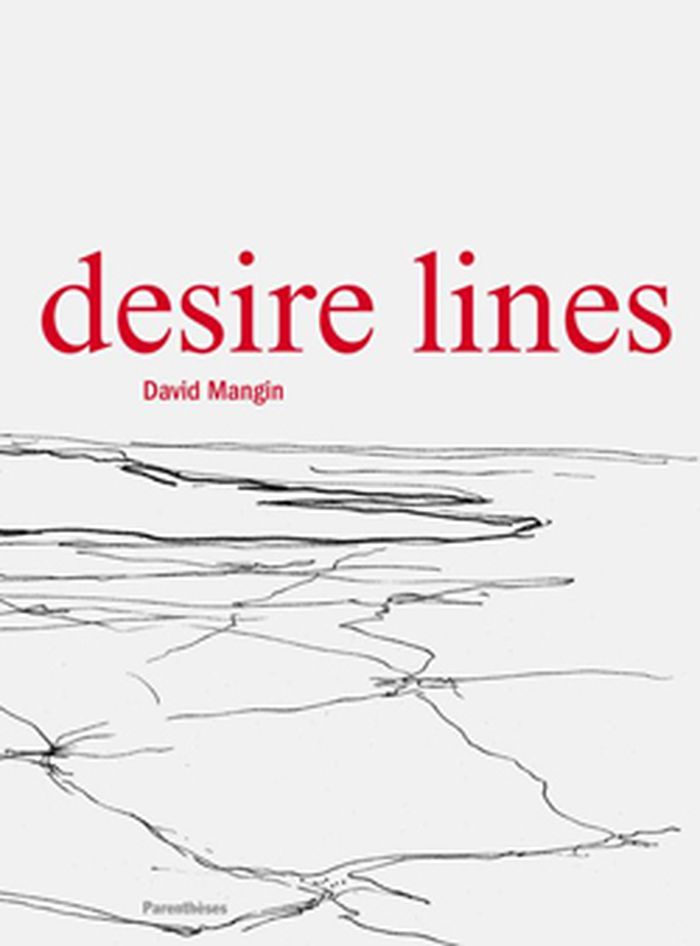
Un trajet en métro, en taxi, un moment à la table d’un café : chaque instant libre, chaque pause ou temps mort est l’occasion pour l'auteur de tracer, au feutre ou au stylo, une impression fugitive, une scène captée sur le vif, un paysage qui évolue… Si desire lines désigne en anglais le plus court chemin, l’expression est ici synonyme d’instants capturés puis restitués, dans des carnets, en autant de croquis au trait rapide, urgent. Au gré de ces esquisses se révèlent des parcours, des itinéraires, des empreintes de voyages : chemins buissonniers, tracés au fil des pas, chemins hors plan, chemins pressés qui parlent de la ville et disent la campagne. De la manière dont elles se font et se défont, de Sébastopol à Hong Kong, de la Volga à New York, de Ras el-Barr sur le delta du Nil au Cap Ferret entre bassin d’Arcachon et océan, du Cambodge à la Finlande, de SaintLouis à Stockholm, de Jaipur à Paris, et en Italie bien sûr ; vues du ciel, vues du sol.
Desire lines
Actions:
Prix:
$62.95
(disponible sur commande)
Résumé:
Un trajet en métro, en taxi, un moment à la table d’un café : chaque instant libre, chaque pause ou temps mort est l’occasion pour l'auteur de tracer, au feutre ou au stylo, une impression fugitive, une scène captée sur le vif, un paysage qui évolue… Si desire lines désigne en anglais le plus court chemin, l’expression est ici synonyme d’instants capturés puis restitués, dans des carnets, en autant de croquis au trait rapide, urgent. Au gré de ces esquisses se révèlent des parcours, des itinéraires, des empreintes de voyages : chemins buissonniers, tracés au fil des pas, chemins hors plan, chemins pressés qui parlent de la ville et disent la campagne. De la manière dont elles se font et se défont, de Sébastopol à Hong Kong, de la Volga à New York, de Ras el-Barr sur le delta du Nil au Cap Ferret entre bassin d’Arcachon et océan, du Cambodge à la Finlande, de SaintLouis à Stockholm, de Jaipur à Paris, et en Italie bien sûr ; vues du ciel, vues du sol.
Classification:
livres
livres
Publication:
avril 2015
avril 2015
Sujet:
Dessin d’architecture
Dessin d’architecture
Classification:
livres
livres
Titre:
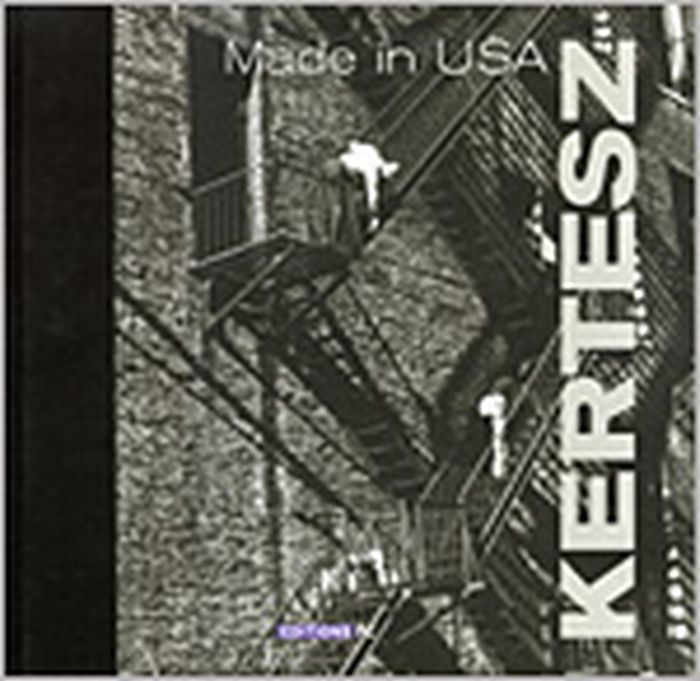
Kertész : made in USA
Kertész : made in USA
Actions:
Prix:
$84.95
(disponible sur commande)
Résumé:
André Kertész fait partie de ces photographes cultes tout comme le sont Doisneau, Corbeau et Cartier Bresson. Né en 1894 à Budapest, André Kertész a inspiré un grand nombre de nos photographes contemporains par la qualité et la diversité de son travail. Après quelques années passées en France, c’est à New-York qu’il va s’installer pour travailler pour plusieurs magazines.(...)
$84.95
(disponible sur commande)
Résumé:
André Kertész fait partie de ces photographes cultes tout comme le sont Doisneau, Corbeau et Cartier Bresson. Né en 1894 à Budapest, André Kertész a inspiré un grand nombre de nos photographes contemporains par la qualité et la diversité de son travail. Après quelques années passées en France, c’est à New-York qu’il va s’installer pour travailler pour plusieurs magazines.(...)
Titre:
Kertész : made in USA
Actions:
Prix:
$84.95
(disponible sur commande)
Résumé:
André Kertész fait partie de ces photographes cultes tout comme le sont Doisneau, Corbeau et Cartier Bresson. Né en 1894 à Budapest, André Kertész a inspiré un grand nombre de nos photographes contemporains par la qualité et la diversité de son travail. Après quelques années passées en France, c’est à New-York qu’il va s’installer pour travailler pour plusieurs magazines. Son regard sur l’architecture, l’ombre et les distorsions le font se distinguer dans de nombreuses expositions à Paris, au Museum of Modern Art de New-York (1964), Tokyo (1965), Stockholm (1967), Invité d’honneur à Arles (1974), Centre Georges Pompidou (1977), University of Salford (1980), Jérusalem, Musée Israël (1980), Norfolk Chrysler Museum (1982), New-York Susan Halder Gallery (1982), Grand international de la photographie (1982), Art Institute of Chicago (1985), Metropolitan Museum of Art of New-York (1985). André Kertész est de ces grands qui ont su travailler sans cesse pour contribuer à donner à la photographie ses lettres de noblesse dans le domaine de l’art et inspirer toute une génération de grands photographes qui témoignent dans cet ouvrage de tout le talent d’André Kertész et de son incontournable influence.
Kertész : made in USA
Actions:
Prix:
$84.95
(disponible sur commande)
Résumé:
André Kertész fait partie de ces photographes cultes tout comme le sont Doisneau, Corbeau et Cartier Bresson. Né en 1894 à Budapest, André Kertész a inspiré un grand nombre de nos photographes contemporains par la qualité et la diversité de son travail. Après quelques années passées en France, c’est à New-York qu’il va s’installer pour travailler pour plusieurs magazines. Son regard sur l’architecture, l’ombre et les distorsions le font se distinguer dans de nombreuses expositions à Paris, au Museum of Modern Art de New-York (1964), Tokyo (1965), Stockholm (1967), Invité d’honneur à Arles (1974), Centre Georges Pompidou (1977), University of Salford (1980), Jérusalem, Musée Israël (1980), Norfolk Chrysler Museum (1982), New-York Susan Halder Gallery (1982), Grand international de la photographie (1982), Art Institute of Chicago (1985), Metropolitan Museum of Art of New-York (1985). André Kertész est de ces grands qui ont su travailler sans cesse pour contribuer à donner à la photographie ses lettres de noblesse dans le domaine de l’art et inspirer toute une génération de grands photographes qui témoignent dans cet ouvrage de tout le talent d’André Kertész et de son incontournable influence.
Classification:
livres
livres
Publication:
janvier 2004, Paris
janvier 2004, Paris
Sujet:
Monographies photo
Monographies photo


