


1734 Résultats
Classification:
livres
livres
Titre:
Norway: Architectural Guide
Norway: Architectural Guide
Actions:
Prix:
$80.00
(disponible sur commande)
Résumé:
This architectural guide showcases 270 buildings, primarily from the twentieth and early twenty-first centuries. These buildings are located not only in the largest and most visited cities, such as Oslo, Stavanger, Bergen, and Trondheim, but also in the northern regions of Bodø, Tromsø, and Svalbard. There is also a special chapter devoted to the Norwegian Scenic Routes,(...)
$80.00
(disponible sur commande)
Résumé:
This architectural guide showcases 270 buildings, primarily from the twentieth and early twenty-first centuries. These buildings are located not only in the largest and most visited cities, such as Oslo, Stavanger, Bergen, and Trondheim, but also in the northern regions of Bodø, Tromsø, and Svalbard. There is also a special chapter devoted to the Norwegian Scenic Routes,(...)
Titre:
Norway: Architectural Guide
Actions:
Prix:
$80.00
(disponible sur commande)
Résumé:
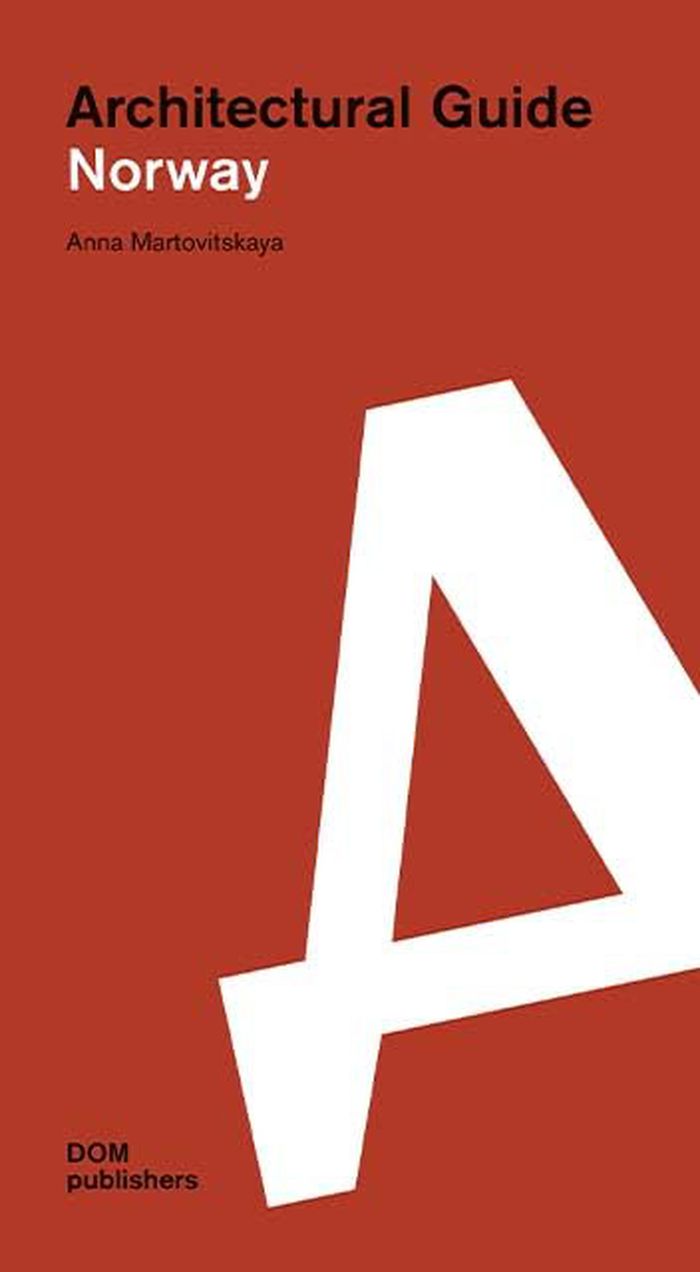
This architectural guide showcases 270 buildings, primarily from the twentieth and early twenty-first centuries. These buildings are located not only in the largest and most visited cities, such as Oslo, Stavanger, Bergen, and Trondheim, but also in the northern regions of Bodø, Tromsø, and Svalbard. There is also a special chapter devoted to the Norwegian Scenic Routes, which are currently the country’s most important infrastructure project. Norway is already consistently implementing environmental protection measures in construction, not only through innovative technologies, but also through the design of buildings and urban spaces. From pedestrian bridges to office complexes and residential buildings, Norwegian architects face a variety of challenges, but their work always focuses on the relationship between people and nature.
Norway: Architectural Guide
Actions:
Prix:
$80.00
(disponible sur commande)
Résumé:
This architectural guide showcases 270 buildings, primarily from the twentieth and early twenty-first centuries. These buildings are located not only in the largest and most visited cities, such as Oslo, Stavanger, Bergen, and Trondheim, but also in the northern regions of Bodø, Tromsø, and Svalbard. There is also a special chapter devoted to the Norwegian Scenic Routes, which are currently the country’s most important infrastructure project. Norway is already consistently implementing environmental protection measures in construction, not only through innovative technologies, but also through the design of buildings and urban spaces. From pedestrian bridges to office complexes and residential buildings, Norwegian architects face a variety of challenges, but their work always focuses on the relationship between people and nature.
Classification:
livres
livres
Publication:
mai 2026
mai 2026
Sujet:
Guides des villes
Guides des villes
Classification:
livres
livres
Actions:
Prix:
$24.95
(disponible sur commande)
Résumé:
"Open: New Designs for Public Space" puts forth the simple proposition that new public spaces need not be the banal leftovers of design neglect. "Open" showcases the best recent public projects from some of the world's most talented designers, including Elizabeth Diller and Ricardo Scofidio, Craig Dykers, Peter Eisenman, Zaha Hadid, Walter Hood, UN Studio, Norman(...)
$24.95
(disponible sur commande)
Résumé:
"Open: New Designs for Public Space" puts forth the simple proposition that new public spaces need not be the banal leftovers of design neglect. "Open" showcases the best recent public projects from some of the world's most talented designers, including Elizabeth Diller and Ricardo Scofidio, Craig Dykers, Peter Eisenman, Zaha Hadid, Walter Hood, UN Studio, Norman(...)
Titre:
Open : new designs for public space
Actions:
Prix:
$24.95
(disponible sur commande)
Résumé:
"Open: New Designs for Public Space" puts forth the simple proposition that new public spaces need not be the banal leftovers of design neglect. "Open" showcases the best recent public projects from some of the world's most talented designers, including Elizabeth Diller and Ricardo Scofidio, Craig Dykers, Peter Eisenman, Zaha Hadid, Walter Hood, UN Studio, Norman Foster, Weiss/Manfredi, and Will Alsop. More than 300 images illustrate a range of projects from memorials to new types of urban plazas and parks. Essays by Raymond Gastil, Linda Pollak, and Zoë Ryan, argue that the most successful urban spaces are those that combine large-scale operations and small-scale experiences, major infrastructure with recreation and culture, and grand civic events with intimate daily interaction.
Open : new designs for public space
Actions:
Prix:
$24.95
(disponible sur commande)
Résumé:
"Open: New Designs for Public Space" puts forth the simple proposition that new public spaces need not be the banal leftovers of design neglect. "Open" showcases the best recent public projects from some of the world's most talented designers, including Elizabeth Diller and Ricardo Scofidio, Craig Dykers, Peter Eisenman, Zaha Hadid, Walter Hood, UN Studio, Norman Foster, Weiss/Manfredi, and Will Alsop. More than 300 images illustrate a range of projects from memorials to new types of urban plazas and parks. Essays by Raymond Gastil, Linda Pollak, and Zoë Ryan, argue that the most successful urban spaces are those that combine large-scale operations and small-scale experiences, major infrastructure with recreation and culture, and grand civic events with intimate daily interaction.
Classification:
livres
livres
Publication:
mars 2004, New York
mars 2004, New York
Sujet:
Théorie de l’urbanisme
Théorie de l’urbanisme
Classification:
livres
livres
Actions:
Prix:
$95.00
(disponible sur commande)
Résumé:
The Valparaíso School, as it became known, acquired an international reputation for its radical stance and its commitment to dialogue between architects and other disciplines. Since 1970 the Valparaíso School has focused much of its research and design activity on the open city (ciudad abierta) project, created by a group of architects, artists, poets, and engineers(...)
$95.00
(disponible sur commande)
Résumé:
The Valparaíso School, as it became known, acquired an international reputation for its radical stance and its commitment to dialogue between architects and other disciplines. Since 1970 the Valparaíso School has focused much of its research and design activity on the open city (ciudad abierta) project, created by a group of architects, artists, poets, and engineers(...)
Sujet:
Théorie de l’architecture
Théorie de l’architecture
Publication:
août 2003, Montreal / Kingston
août 2003, Montreal / Kingston
Titre:
Valparaiso School : open city group
Actions:
Prix:
$95.00
(disponible sur commande)
Résumé:
The Valparaíso School, as it became known, acquired an international reputation for its radical stance and its commitment to dialogue between architects and other disciplines. Since 1970 the Valparaíso School has focused much of its research and design activity on the open city (ciudad abierta) project, created by a group of architects, artists, poets, and engineers with a vision of a city with "no master plan, no imposed ordering devices, and no hierarchical networks of infrastructure." Originally set up as a laboratory-type environment, this alternative community has since become the place of residence and work for many people. "Valparaíso School: open city group" provides insight into this radical experiment in urban development through a series of essays and photographs.
Valparaiso School : open city group
Actions:
Prix:
$95.00
(disponible sur commande)
Résumé:
The Valparaíso School, as it became known, acquired an international reputation for its radical stance and its commitment to dialogue between architects and other disciplines. Since 1970 the Valparaíso School has focused much of its research and design activity on the open city (ciudad abierta) project, created by a group of architects, artists, poets, and engineers with a vision of a city with "no master plan, no imposed ordering devices, and no hierarchical networks of infrastructure." Originally set up as a laboratory-type environment, this alternative community has since become the place of residence and work for many people. "Valparaíso School: open city group" provides insight into this radical experiment in urban development through a series of essays and photographs.
Classification:
livres
livres
Publication:
août 2003, Montreal / Kingston
août 2003, Montreal / Kingston
Sujet:
Théorie de l’architecture
Théorie de l’architecture
Classification:
livres
livres
Prix:
$82.50
(disponible sur commande)
Résumé:
Since 2008, for the first time in human history, more people reside in cities than in the countryside. As a result, suburban housing development is one of the most important construction tasks of our times. Architects and urban planners face the challenge of creating residential space and the associated infrastructure in the periphery or vicinity of modern cities. Whether(...)
$82.50
(disponible sur commande)
Résumé:
Since 2008, for the first time in human history, more people reside in cities than in the countryside. As a result, suburban housing development is one of the most important construction tasks of our times. Architects and urban planners face the challenge of creating residential space and the associated infrastructure in the periphery or vicinity of modern cities. Whether(...)
Titre:
The sub/urban idea: from terraced houses to residential estates
Actions:
Prix:
$82.50
(disponible sur commande)
Résumé:
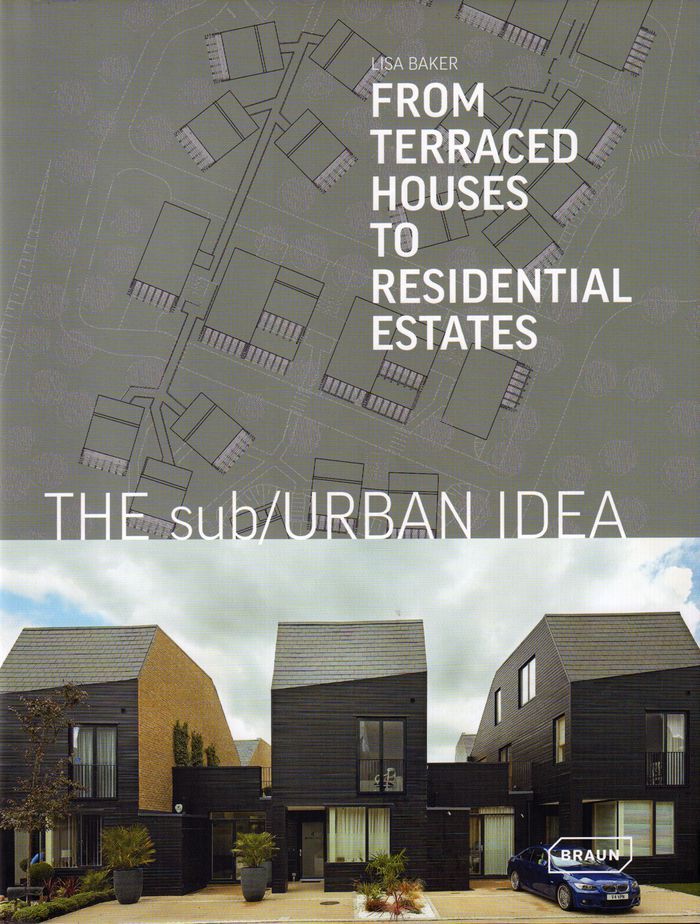
Since 2008, for the first time in human history, more people reside in cities than in the countryside. As a result, suburban housing development is one of the most important construction tasks of our times. Architects and urban planners face the challenge of creating residential space and the associated infrastructure in the periphery or vicinity of modern cities. Whether large or small, such projects offer the opportunity of combining the advantages of urban and rural life. While many such housing developments were designed in isolation in the past, there are increasingly successful projects today that can serve as templates for future construction projects. The contents of this volume focus on the architectural aspects of row houses, residential parks, gated communities, and large housing developments.
The sub/urban idea: from terraced houses to residential estates
Actions:
Prix:
$82.50
(disponible sur commande)
Résumé:
Since 2008, for the first time in human history, more people reside in cities than in the countryside. As a result, suburban housing development is one of the most important construction tasks of our times. Architects and urban planners face the challenge of creating residential space and the associated infrastructure in the periphery or vicinity of modern cities. Whether large or small, such projects offer the opportunity of combining the advantages of urban and rural life. While many such housing developments were designed in isolation in the past, there are increasingly successful projects today that can serve as templates for future construction projects. The contents of this volume focus on the architectural aspects of row houses, residential parks, gated communities, and large housing developments.
Classification:
livres
livres
Publication:
septembre 2016
septembre 2016
Sujet:
Architecture résidentielle
Architecture résidentielle
Classification:
livres
livres
Titre:
Urban planning today
Urban planning today
Actions:
Prix:
$22.95
(disponible sur commande)
Résumé:
American cities' penchants for single-use zoning and free-market development in pursuit of economic growth have produced problems that have long been recognized: grueling commutes and dependency on automobiles, social isolation, expensive public infrastructure, needless destruction of countryside. Eminent domain disputes rage on, despite recent Supreme Court decisions.(...)
$22.95
(disponible sur commande)
Résumé:
American cities' penchants for single-use zoning and free-market development in pursuit of economic growth have produced problems that have long been recognized: grueling commutes and dependency on automobiles, social isolation, expensive public infrastructure, needless destruction of countryside. Eminent domain disputes rage on, despite recent Supreme Court decisions.(...)
Titre:
Urban planning today
Actions:
Prix:
$22.95
(disponible sur commande)
Résumé:
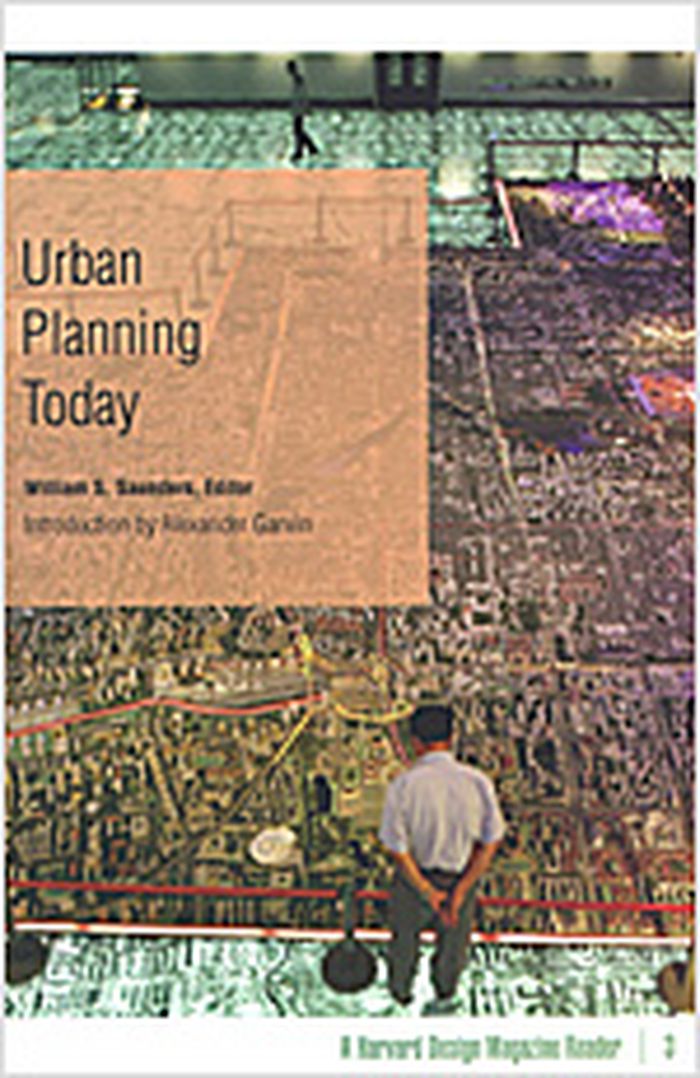
American cities' penchants for single-use zoning and free-market development in pursuit of economic growth have produced problems that have long been recognized: grueling commutes and dependency on automobiles, social isolation, expensive public infrastructure, needless destruction of countryside. Eminent domain disputes rage on, despite recent Supreme Court decisions. Outdated public housing and failed single-function projects litter the landscape. Addressing these urgent problems and debating the public's role in urban planning, the contributors to Urban Planning Today report on real projects in Atlanta, Boston, Chicago, New York, Omaha, Portland, and Vancouver. They bring varying, and sometimes divergent, perspectives from backgrounds in urban design and development, city and regional planning, criticism, and law to bear on the mixed bag of results observed in these cities.
Urban planning today
Actions:
Prix:
$22.95
(disponible sur commande)
Résumé:
American cities' penchants for single-use zoning and free-market development in pursuit of economic growth have produced problems that have long been recognized: grueling commutes and dependency on automobiles, social isolation, expensive public infrastructure, needless destruction of countryside. Eminent domain disputes rage on, despite recent Supreme Court decisions. Outdated public housing and failed single-function projects litter the landscape. Addressing these urgent problems and debating the public's role in urban planning, the contributors to Urban Planning Today report on real projects in Atlanta, Boston, Chicago, New York, Omaha, Portland, and Vancouver. They bring varying, and sometimes divergent, perspectives from backgrounds in urban design and development, city and regional planning, criticism, and law to bear on the mixed bag of results observed in these cities.
Classification:
livres
livres
Publication:
janvier 1900, Minneapolis
janvier 1900, Minneapolis
Sujet:
Théorie de l’urbanisme
Théorie de l’urbanisme
Classification:
livres
livres
Prix:
$25.95
(disponible sur commande)
Résumé:
Ann Pendleton-Jullian tells the story of the Open City in Ritoque, Chile, a designed city still in formation that has no master plan, no imposed ordering devices, and no hierarchical networks of infrastructure. The strange buildings placed among dunes and grasslands (...)
$25.95
(disponible sur commande)
Résumé:
Ann Pendleton-Jullian tells the story of the Open City in Ritoque, Chile, a designed city still in formation that has no master plan, no imposed ordering devices, and no hierarchical networks of infrastructure. The strange buildings placed among dunes and grasslands (...)
Sujet:
Théorie de l’urbanisme
Théorie de l’urbanisme
Publication:
novembre 1996, Cambridge, Mass.
novembre 1996, Cambridge, Mass.
Titre:
The road that is not a road and the open city, Ritoque, Chile
Actions:
Prix:
$25.95
(disponible sur commande)
Résumé:
Ann Pendleton-Jullian tells the story of the Open City in Ritoque, Chile, a designed city still in formation that has no master plan, no imposed ordering devices, and no hierarchical networks of infrastructure. The strange buildings placed among dunes and grasslands reflect instead the mind's translation of urban phenomena and natural phenomena relative to the construction of memory, and a process of composition that is not dependent on stylistic precedents, drawing boards, or academic discourse. Teaching takes place on site and employs poetic methods to activate the design process; the endeavor is considered more important than the result. More than 100 photographs are included, capturing the mystical spirit of the place and of its architecture. With a foreword by Joseph Rykwert.
The road that is not a road and the open city, Ritoque, Chile
Actions:
Prix:
$25.95
(disponible sur commande)
Résumé:
Ann Pendleton-Jullian tells the story of the Open City in Ritoque, Chile, a designed city still in formation that has no master plan, no imposed ordering devices, and no hierarchical networks of infrastructure. The strange buildings placed among dunes and grasslands reflect instead the mind's translation of urban phenomena and natural phenomena relative to the construction of memory, and a process of composition that is not dependent on stylistic precedents, drawing boards, or academic discourse. Teaching takes place on site and employs poetic methods to activate the design process; the endeavor is considered more important than the result. More than 100 photographs are included, capturing the mystical spirit of the place and of its architecture. With a foreword by Joseph Rykwert.
Classification:
livres
livres
Publication:
novembre 1996, Cambridge, Mass.
novembre 1996, Cambridge, Mass.
Sujet:
Théorie de l’urbanisme
Théorie de l’urbanisme
Classification:
livres
livres
Prix:
$59.95
(disponible sur commande)
Résumé:
This book investigates the relationship architecture has with the underground. It provides a broad ranging historical and theoretical survey of, and critical reflection on, ideas pertaining to the creation and occupation of underground space. It overturns the classic dictates of construction on the surface and through numerous examples explores recoveries of existing(...)
$59.95
(disponible sur commande)
Résumé:
This book investigates the relationship architecture has with the underground. It provides a broad ranging historical and theoretical survey of, and critical reflection on, ideas pertaining to the creation and occupation of underground space. It overturns the classic dictates of construction on the surface and through numerous examples explores recoveries of existing(...)
Titre:
Poetics of underground space: Architecture, literature, cinema
Actions:
Prix:
$59.95
(disponible sur commande)
Résumé:
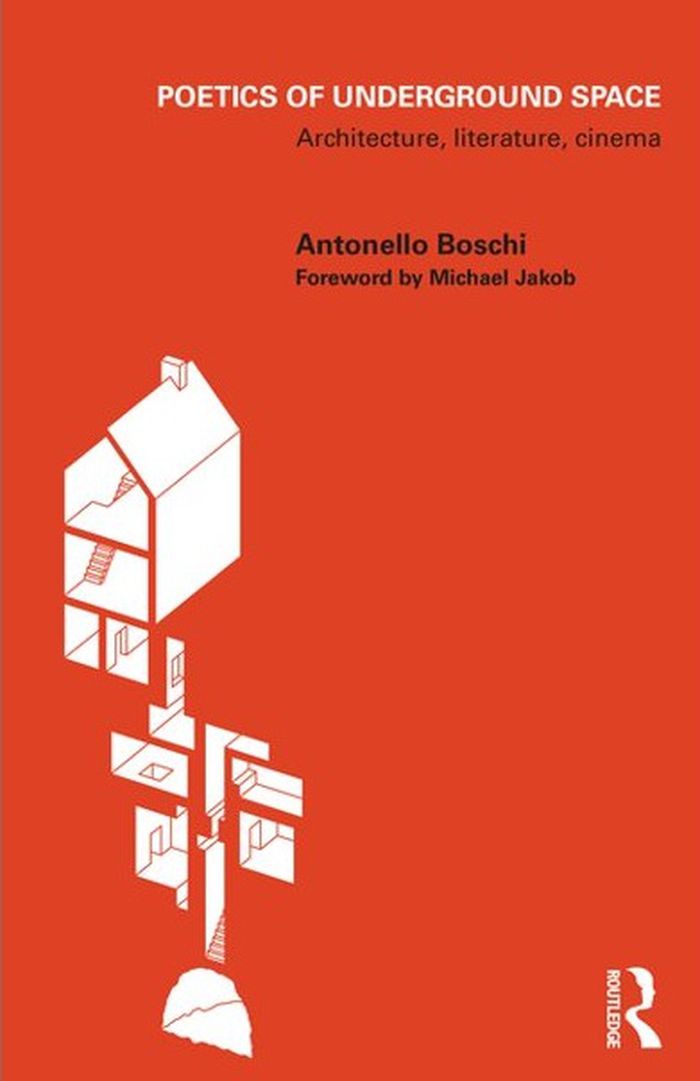
This book investigates the relationship architecture has with the underground. It provides a broad ranging historical and theoretical survey of, and critical reflection on, ideas pertaining to the creation and occupation of underground space. It overturns the classic dictates of construction on the surface and through numerous examples explores recoveries of existing voids, excavations, caves, quarries, grottos and burrows. If the development of urban sprawl, its infrastructure and its networks, generates increasingly compromised landscapes, what are the possible strategies to transform, expand and change the usual relationship between abuse of soil and unused subsoil? Psychological, philosophical, literary and cinematographic legacies of underground architecture are mixed with the compositional, typological and constructive expedients, to produce a rich, diverse and compelling argument for these spaces.
Poetics of underground space: Architecture, literature, cinema
Actions:
Prix:
$59.95
(disponible sur commande)
Résumé:
This book investigates the relationship architecture has with the underground. It provides a broad ranging historical and theoretical survey of, and critical reflection on, ideas pertaining to the creation and occupation of underground space. It overturns the classic dictates of construction on the surface and through numerous examples explores recoveries of existing voids, excavations, caves, quarries, grottos and burrows. If the development of urban sprawl, its infrastructure and its networks, generates increasingly compromised landscapes, what are the possible strategies to transform, expand and change the usual relationship between abuse of soil and unused subsoil? Psychological, philosophical, literary and cinematographic legacies of underground architecture are mixed with the compositional, typological and constructive expedients, to produce a rich, diverse and compelling argument for these spaces.
Classification:
livres
livres
Publication:
décembre 2021
décembre 2021
Sujet:
Théorie de l’architecture
Théorie de l’architecture
Classification:
livres
livres
Actions:
Prix:
$47.95
(disponible sur commande)
Résumé:
This book is about the everyday life of memorials. It explores their relationship to the pulses of daily life, their meaning within a quotidian context, and their place within the development of modern cities. Through Andrew Shanken’s close historical readings of memorials, both well-known and obscure, two distinct strands of scholarship are thus brought together: the(...)
$47.95
(disponible sur commande)
Résumé:
This book is about the everyday life of memorials. It explores their relationship to the pulses of daily life, their meaning within a quotidian context, and their place within the development of modern cities. Through Andrew Shanken’s close historical readings of memorials, both well-known and obscure, two distinct strands of scholarship are thus brought together: the(...)
Titre:
The everyday life of memorials
Actions:
Prix:
$47.95
(disponible sur commande)
Résumé:
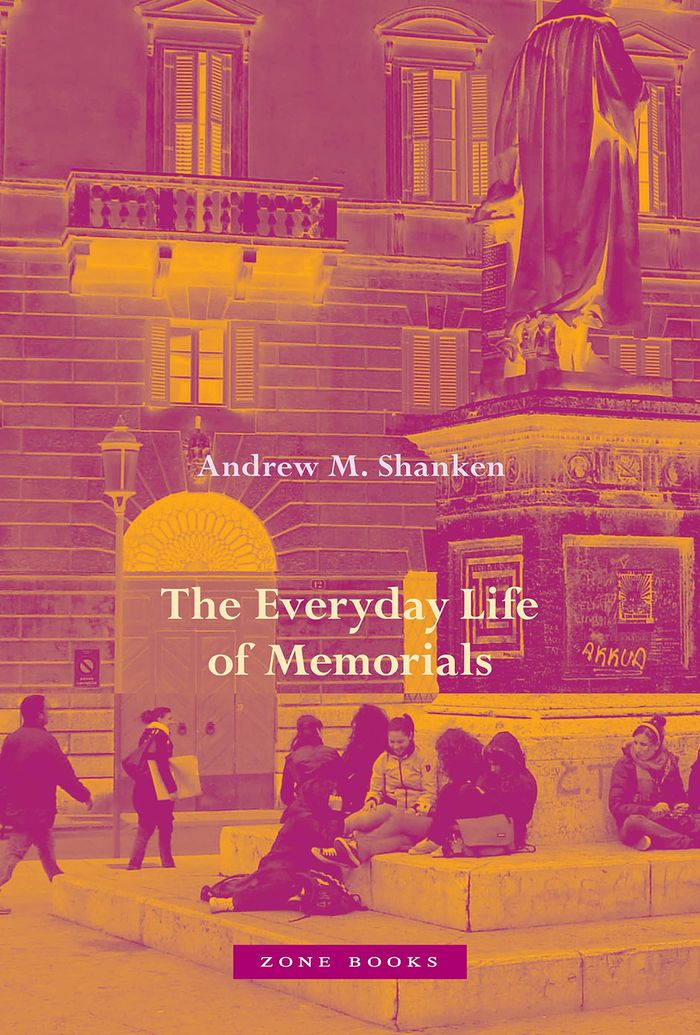
This book is about the everyday life of memorials. It explores their relationship to the pulses of daily life, their meaning within a quotidian context, and their place within the development of modern cities. Through Andrew Shanken’s close historical readings of memorials, both well-known and obscure, two distinct strands of scholarship are thus brought together: the study of the everyday and memory studies. This book explores how memorials end up where they are, grow invisible, fight with traffic, get moved, are assembled into memorial zones, and are drawn anew into commemorations and political maelstroms that their original sponsors never could have imagined. Finally, exploring how people behave at memorials and what memorials ask of people reveals just how strange the commemorative infrastructure of modernity is.
The everyday life of memorials
Actions:
Prix:
$47.95
(disponible sur commande)
Résumé:
This book is about the everyday life of memorials. It explores their relationship to the pulses of daily life, their meaning within a quotidian context, and their place within the development of modern cities. Through Andrew Shanken’s close historical readings of memorials, both well-known and obscure, two distinct strands of scholarship are thus brought together: the study of the everyday and memory studies. This book explores how memorials end up where they are, grow invisible, fight with traffic, get moved, are assembled into memorial zones, and are drawn anew into commemorations and political maelstroms that their original sponsors never could have imagined. Finally, exploring how people behave at memorials and what memorials ask of people reveals just how strange the commemorative infrastructure of modernity is.
Classification:
livres
livres
Publication:
septembre 2022
septembre 2022
Sujet:
Théorie de l’architecture
Théorie de l’architecture
Classification:
livres
livres
Actions:
Exemplaires:
Description:
xxv, 414 pages, 13 unnumbered pages of plates (one folded) : color illustrations, color maps ; 27 cm
Description:
xxv, 414 pages, 13 unnumbered pages of plates (one folded) : color illustrations, color maps ; 27 cm
Auteur:
Sujet:
Publication:
Durham ; London : Duke University Press, 2024.
Durham ; London : Duke University Press, 2024.
Titre:
A view of Venice : portrait of a Renaissance city / Kristin Love Huffman, editor.
Actions:
Exemplaires:
Description:
xxv, 414 pages, 13 unnumbered pages of plates (one folded) : color illustrations, color maps ; 27 cm
A view of Venice : portrait of a Renaissance city / Kristin Love Huffman, editor.
Actions:
Exemplaires:
Description:
xxv, 414 pages, 13 unnumbered pages of plates (one folded) : color illustrations, color maps ; 27 cm
Classification:
livres
livres
Publication:
Durham ; London : Duke University Press, 2024.
Durham ; London : Duke University Press, 2024.
Auteur:
Sujet:
Classification:
livres
livres
Actions:
Exemplaires:
Description:
303 pages : illustrations (chiefly color) ; 24 cm
Description:
303 pages : illustrations (chiefly color) ; 24 cm
Auteur:
Sujet:
Publication:
Vienna [Austria] : Architekturzentrum Wien ; Cambridge, MA : MIT Press, [2019]
Vienna [Austria] : Architekturzentrum Wien ; Cambridge, MA : MIT Press, [2019]
Titre:
Critical care : architecture and urbanism for a broken planet / Angelika Fitz and Elke Krasny, editors.
Actions:
Exemplaires:
Description:
303 pages : illustrations (chiefly color) ; 24 cm
Critical care : architecture and urbanism for a broken planet / Angelika Fitz and Elke Krasny, editors.
Actions:
Exemplaires:
Description:
303 pages : illustrations (chiefly color) ; 24 cm
Classification:
livres
livres
Publication:
Vienna [Austria] : Architekturzentrum Wien ; Cambridge, MA : MIT Press, [2019]
Vienna [Austria] : Architekturzentrum Wien ; Cambridge, MA : MIT Press, [2019]
Auteur:
Sujet:


