


1664 Résultats
Classification:
livres
livres
Actions:
Prix:
$178.50
(disponible sur commande)
Résumé:
Tower and Slab looks at the contradictory history of the modernist mass housing block - home to millions of city dwellers around the world. Few urban forms have roused as much controversy. While in the United States decades-long criticism caused the demolition of most mass housing projects for the poor, in the booming metropolises of Shanghai and Mumbai remarkably similar(...)
$178.50
(disponible sur commande)
Résumé:
Tower and Slab looks at the contradictory history of the modernist mass housing block - home to millions of city dwellers around the world. Few urban forms have roused as much controversy. While in the United States decades-long criticism caused the demolition of most mass housing projects for the poor, in the booming metropolises of Shanghai and Mumbai remarkably similar(...)
Titre:
Tower and slab : histories of global mass housing
Actions:
Prix:
$178.50
(disponible sur commande)
Résumé:
Tower and Slab looks at the contradictory history of the modernist mass housing block - home to millions of city dwellers around the world. Few urban forms have roused as much controversy. While in the United States decades-long criticism caused the demolition of most mass housing projects for the poor, in the booming metropolises of Shanghai and Mumbai remarkably similar developments are being built for the wealthy middle class. While on the surface the modernist apartment block appears universal, it is in fact diverse in its significance and connotations as its many different cultural contexts. Florian Urban studies the history of mass housing in seven narratives: Chicago, Paris, Berlin, Brasilia, Mumbai, Moscow, and Shanghai. Investigating the complex interactions between city planning and social history, Tower and Slab shows how the modernist vision to house the masses in serial blocks succeeded in certain contexts and failed in others. Success and failure, in this respect, refers not only to the original goals to solve the housing crisis and provide modern standards for the entire society but equally to changing significance of the housing blocks within the respective societies and their perception by architects, politicians, and inhabitants.
Tower and slab : histories of global mass housing
Actions:
Prix:
$178.50
(disponible sur commande)
Résumé:
Tower and Slab looks at the contradictory history of the modernist mass housing block - home to millions of city dwellers around the world. Few urban forms have roused as much controversy. While in the United States decades-long criticism caused the demolition of most mass housing projects for the poor, in the booming metropolises of Shanghai and Mumbai remarkably similar developments are being built for the wealthy middle class. While on the surface the modernist apartment block appears universal, it is in fact diverse in its significance and connotations as its many different cultural contexts. Florian Urban studies the history of mass housing in seven narratives: Chicago, Paris, Berlin, Brasilia, Mumbai, Moscow, and Shanghai. Investigating the complex interactions between city planning and social history, Tower and Slab shows how the modernist vision to house the masses in serial blocks succeeded in certain contexts and failed in others. Success and failure, in this respect, refers not only to the original goals to solve the housing crisis and provide modern standards for the entire society but equally to changing significance of the housing blocks within the respective societies and their perception by architects, politicians, and inhabitants.
Classification:
livres
livres
Publication:
avril 2012
avril 2012
Sujet:
Logements collectifs
Logements collectifs
Classification:
livres
livres
Actions:
Prix:
$27.95
(disponible sur commande)
Résumé:
The Transatlantic Collapse of Urban Renewal examines how postwar thinkers from both sides of the Atlantic considered urban landscapes radically changed by the political and physical realities of sprawl, urban decay, and urban renewal. With a sweep that encompasses New York, London, Berlin, Philadelphia, and Toronto, among others, Christopher Klemek traces changing(...)
$27.95
(disponible sur commande)
Résumé:
The Transatlantic Collapse of Urban Renewal examines how postwar thinkers from both sides of the Atlantic considered urban landscapes radically changed by the political and physical realities of sprawl, urban decay, and urban renewal. With a sweep that encompasses New York, London, Berlin, Philadelphia, and Toronto, among others, Christopher Klemek traces changing(...)
Titre:
The transatlantic collapse of urban renewal : postwar urbanism from New York to Berlin
Actions:
Prix:
$27.95
(disponible sur commande)
Résumé:
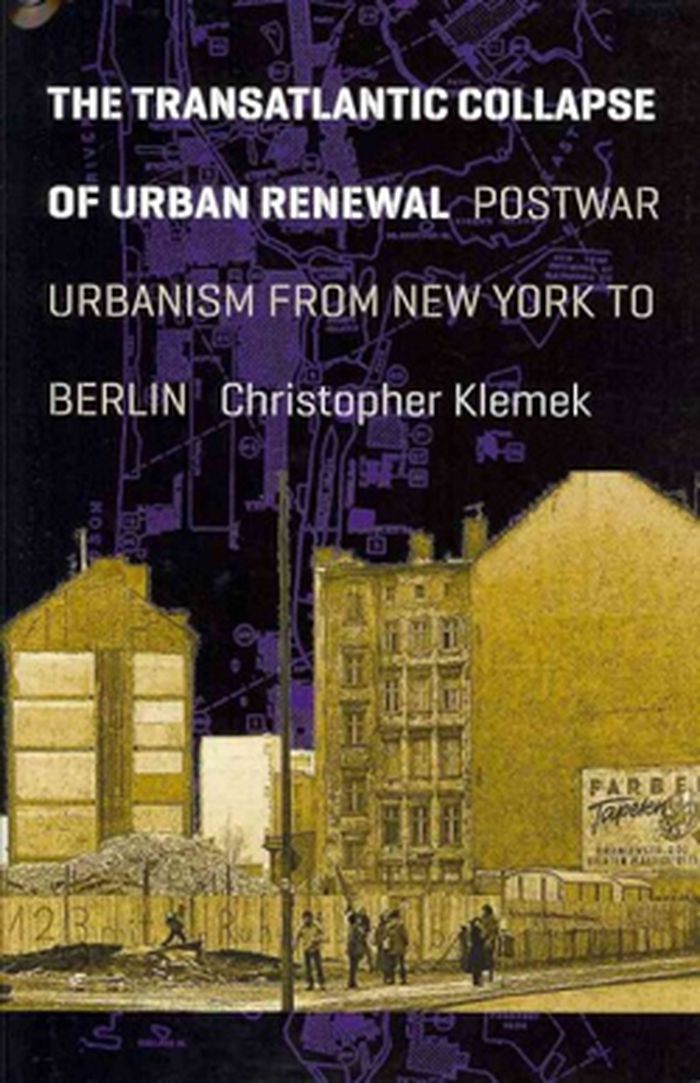
The Transatlantic Collapse of Urban Renewal examines how postwar thinkers from both sides of the Atlantic considered urban landscapes radically changed by the political and physical realities of sprawl, urban decay, and urban renewal. With a sweep that encompasses New York, London, Berlin, Philadelphia, and Toronto, among others, Christopher Klemek traces changing responses to the challenging issues that most affected the lives of the world’s cities. In the postwar decades, the principles of modernist planning came to be challenged — in the grassroots revolts against the building of freeways through urban neighborhoods, for instance, or by academic critiques of slum clearance policy agendas — and then began to collapse entirely. Over the 1960s, several alternative views of city life emerged among neighborhood activists, New Left social scientists, and neoconservative critics. Ultimately, while a pessimistic view of urban crisis may have won out in the United States and Great Britain, Klemek demonstrates that other countries more successfully harmonized urban renewal and its alternatives. This much anticipated book provides one of the first truly international perspectives on issues central to historians and planners alike, making it essential reading for anyone engaged with either field.
The transatlantic collapse of urban renewal : postwar urbanism from New York to Berlin
Actions:
Prix:
$27.95
(disponible sur commande)
Résumé:
The Transatlantic Collapse of Urban Renewal examines how postwar thinkers from both sides of the Atlantic considered urban landscapes radically changed by the political and physical realities of sprawl, urban decay, and urban renewal. With a sweep that encompasses New York, London, Berlin, Philadelphia, and Toronto, among others, Christopher Klemek traces changing responses to the challenging issues that most affected the lives of the world’s cities. In the postwar decades, the principles of modernist planning came to be challenged — in the grassroots revolts against the building of freeways through urban neighborhoods, for instance, or by academic critiques of slum clearance policy agendas — and then began to collapse entirely. Over the 1960s, several alternative views of city life emerged among neighborhood activists, New Left social scientists, and neoconservative critics. Ultimately, while a pessimistic view of urban crisis may have won out in the United States and Great Britain, Klemek demonstrates that other countries more successfully harmonized urban renewal and its alternatives. This much anticipated book provides one of the first truly international perspectives on issues central to historians and planners alike, making it essential reading for anyone engaged with either field.
Classification:
livres
livres
Publication:
octobre 2012
octobre 2012
Sujet:
Théorie de l’urbanisme
Théorie de l’urbanisme
Classification:
livres
livres
Actions:
Prix:
$39.95
(disponible sur commande)
Résumé:
How human behavior brought our world to the brink, and how human behavior can save us. The world is a mess. Our dire predicament, from collapsing social structures to the climate crisis, has been millennia in the making and can be traced back to the erroneous belief that the earth's resources are infinite. The key to change, says Don Norman, is human behavior, covered(...)
$39.95
(disponible sur commande)
Résumé:
How human behavior brought our world to the brink, and how human behavior can save us. The world is a mess. Our dire predicament, from collapsing social structures to the climate crisis, has been millennia in the making and can be traced back to the erroneous belief that the earth's resources are infinite. The key to change, says Don Norman, is human behavior, covered(...)
Titre:
Design for a better world: meaningful, sustainable, humanity centered
Actions:
Prix:
$39.95
(disponible sur commande)
Résumé:
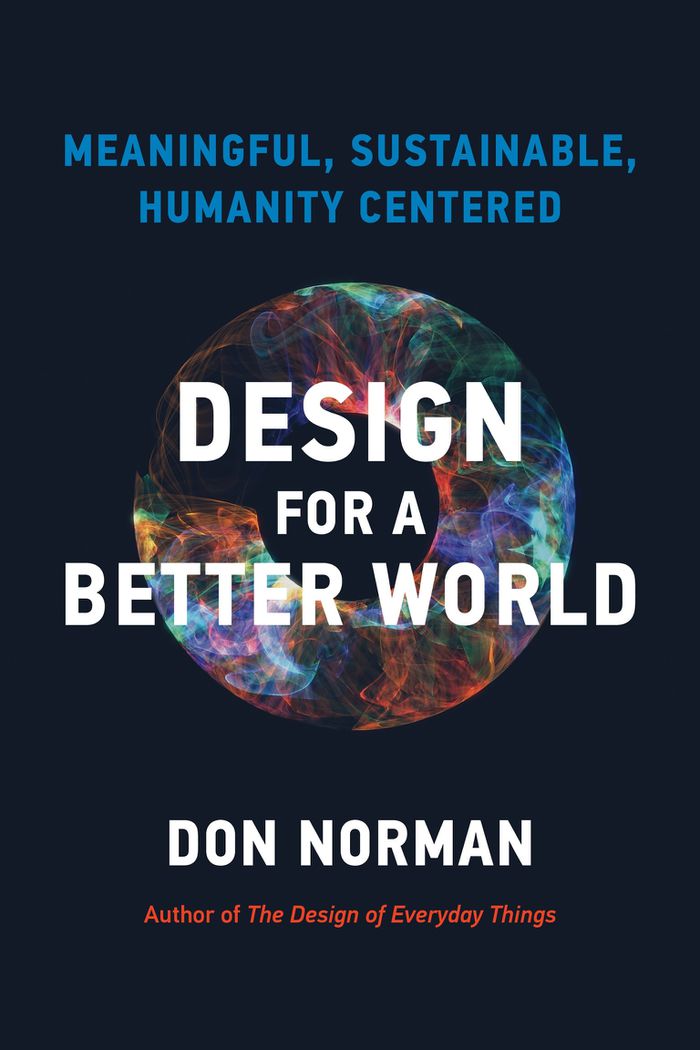
How human behavior brought our world to the brink, and how human behavior can save us. The world is a mess. Our dire predicament, from collapsing social structures to the climate crisis, has been millennia in the making and can be traced back to the erroneous belief that the earth's resources are infinite. The key to change, says Don Norman, is human behavior, covered in the book's three major themes: meaning, sustainability, and humanity-centeredness. Emphasize quality of life, not monetary rewards; restructure how we live to better protect the environment; and focus on all of humanity. ''Design for a better world'' presents an eye-opening diagnosis of where we've gone wrong and a clear prescription for making things better. Norman proposes a new way of thinking, one that recognizes our place in a complex global system where even simple behaviors affect the entire world. He identifies the economic metrics that contribute to the harmful effects of commerce and manufacturing and proposes a recalibration of what we consider important in life. His experience as both a scientist and business executive gives him the perspective to show how to make these changes while maintaining a thriving economy. Let the change begin with this book before it's too late.
Design for a better world: meaningful, sustainable, humanity centered
Actions:
Prix:
$39.95
(disponible sur commande)
Résumé:
How human behavior brought our world to the brink, and how human behavior can save us. The world is a mess. Our dire predicament, from collapsing social structures to the climate crisis, has been millennia in the making and can be traced back to the erroneous belief that the earth's resources are infinite. The key to change, says Don Norman, is human behavior, covered in the book's three major themes: meaning, sustainability, and humanity-centeredness. Emphasize quality of life, not monetary rewards; restructure how we live to better protect the environment; and focus on all of humanity. ''Design for a better world'' presents an eye-opening diagnosis of where we've gone wrong and a clear prescription for making things better. Norman proposes a new way of thinking, one that recognizes our place in a complex global system where even simple behaviors affect the entire world. He identifies the economic metrics that contribute to the harmful effects of commerce and manufacturing and proposes a recalibration of what we consider important in life. His experience as both a scientist and business executive gives him the perspective to show how to make these changes while maintaining a thriving economy. Let the change begin with this book before it's too late.
Classification:
livres
livres
Publication:
mars 2023
mars 2023
Sujet:
Théorie du design
Théorie du design
Classification:
livres
livres

Actions:
Prix:
$19.95
(disponible en magasin)
Résumé:
In our busy and hurried lives, we are losing the ability to be inactive. Human existence becomes fully absorbed by activity – even leisure, treated as a respite from work, becomes part of the same logic. Intense life today means first of all more performance or more consumption. We have forgotten that it is precisely inactivity, which does not produce anything, that(...)
$19.95
(disponible en magasin)
Résumé:
In our busy and hurried lives, we are losing the ability to be inactive. Human existence becomes fully absorbed by activity – even leisure, treated as a respite from work, becomes part of the same logic. Intense life today means first of all more performance or more consumption. We have forgotten that it is precisely inactivity, which does not produce anything, that(...)
Titre:
Vita Contemplativa: In praise of inactivity
Actions:
Prix:
$19.95
(disponible en magasin)
Résumé:
In our busy and hurried lives, we are losing the ability to be inactive. Human existence becomes fully absorbed by activity – even leisure, treated as a respite from work, becomes part of the same logic. Intense life today means first of all more performance or more consumption. We have forgotten that it is precisely inactivity, which does not produce anything, that represents an intense and radiant form of life. For Byung-Chul Han, inactivity constitutes the human. Without moments of pause or hesitation, acting deteriorates into blind action and reaction. When life follows the rule of stimulus–response and need–satisfaction, it atrophies into pure survival: naked biological life. If we lose the ability to be inactive, we begin to resemble machines that simply function. True life begins when concern for survival, for the exigencies of mere life, ends. The ultimate purpose of all human endeavour is inactivity. In a beautifully crafted ode to the art of being still, Han shows that the current crisis in our society calls for a very different way of life: one based on the "vita contemplative." He pleads for bringing our ceaseless activities to a stop and making room for the magic that happens in between. Life receives its radiance only from inactivity.
Vita Contemplativa: In praise of inactivity
Actions:
Prix:
$19.95
(disponible en magasin)
Résumé:
In our busy and hurried lives, we are losing the ability to be inactive. Human existence becomes fully absorbed by activity – even leisure, treated as a respite from work, becomes part of the same logic. Intense life today means first of all more performance or more consumption. We have forgotten that it is precisely inactivity, which does not produce anything, that represents an intense and radiant form of life. For Byung-Chul Han, inactivity constitutes the human. Without moments of pause or hesitation, acting deteriorates into blind action and reaction. When life follows the rule of stimulus–response and need–satisfaction, it atrophies into pure survival: naked biological life. If we lose the ability to be inactive, we begin to resemble machines that simply function. True life begins when concern for survival, for the exigencies of mere life, ends. The ultimate purpose of all human endeavour is inactivity. In a beautifully crafted ode to the art of being still, Han shows that the current crisis in our society calls for a very different way of life: one based on the "vita contemplative." He pleads for bringing our ceaseless activities to a stop and making room for the magic that happens in between. Life receives its radiance only from inactivity.
Classification:
livres
livres
Publication:
janvier 2024
janvier 2024
Sujet:
Théorie/ philosophie
Théorie/ philosophie
Classification:
livres
livres
Actions:
Prix:
$45.00
(disponible en magasin)
Résumé:
Dating from the early 1970s, ‘'Design and the Building Site'’ is Sérgio Ferro’s most influential theoretical work. Written just after Ferro had arrived in France after fleeing the military dictatorship that took power in Brazil in 1964 and arrested him in 1970 for his involvement in active resistance, the essay reflects much of what he had left behind: encounters with(...)
$45.00
(disponible en magasin)
Résumé:
Dating from the early 1970s, ‘'Design and the Building Site'’ is Sérgio Ferro’s most influential theoretical work. Written just after Ferro had arrived in France after fleeing the military dictatorship that took power in Brazil in 1964 and arrested him in 1970 for his involvement in active resistance, the essay reflects much of what he had left behind: encounters with(...)
Sujet:
Théorie de l’architecture
Théorie de l’architecture
Publication:
avril 2025
avril 2025
Titre:
The building site and the design
Actions:
Prix:
$45.00
(disponible en magasin)
Résumé:
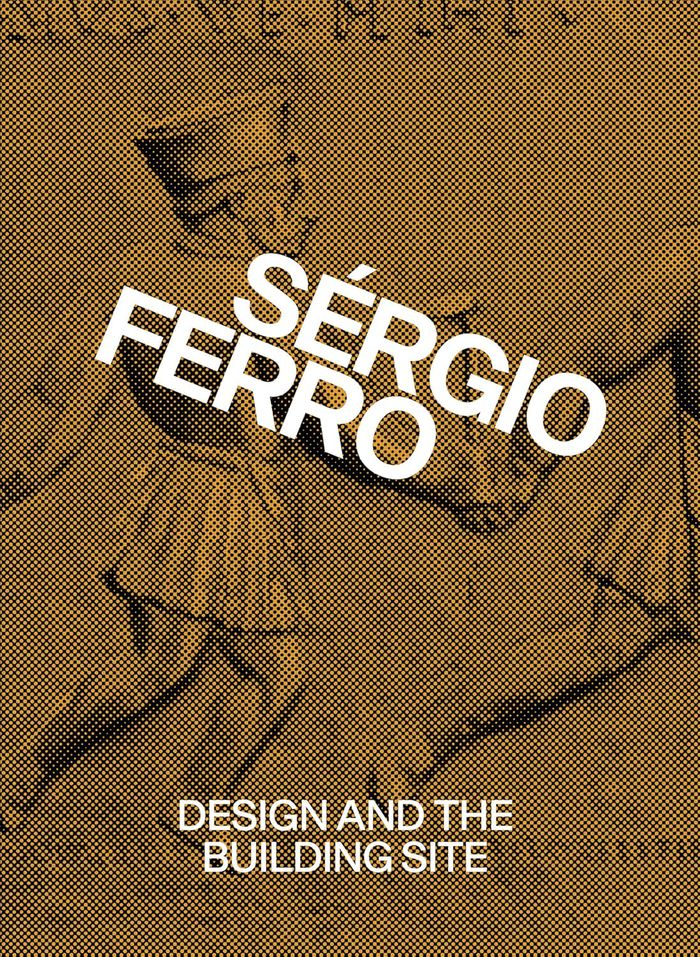
Dating from the early 1970s, ‘'Design and the Building Site'’ is Sérgio Ferro’s most influential theoretical work. Written just after Ferro had arrived in France after fleeing the military dictatorship that took power in Brazil in 1964 and arrested him in 1970 for his involvement in active resistance, the essay reflects much of what he had left behind: encounters with Brasilia’s harsh construction sites; experiences with the collective ''Arquitetura Nova''; work on the editorial committee of the journal ''Teoria e Prática''; and the year Ferro spent in prison, befriending construction workers and reading Freud. The text constitutes a critique of architectural production under capitalism, surveying the political economy of architectural production and its influence on the contemporary practice of architecture. Half a century after its first publication, and in the face of capitalism’s greatest crisis, it has never offered such a pressingly relevant call for action. This edition contextualises and expands on Ferro’s essay with earlier and later texts, clarifying both the contextual and theoretical elements at play in its argument. A preface written by Ferro especially for this first English-language edition recounts his journey from Brasilia’s building sites to the experiments of ''Arquitetura Nova'', as well as a topic he has rarely touched on before: postmodernism.
The building site and the design
Actions:
Prix:
$45.00
(disponible en magasin)
Résumé:
Dating from the early 1970s, ‘'Design and the Building Site'’ is Sérgio Ferro’s most influential theoretical work. Written just after Ferro had arrived in France after fleeing the military dictatorship that took power in Brazil in 1964 and arrested him in 1970 for his involvement in active resistance, the essay reflects much of what he had left behind: encounters with Brasilia’s harsh construction sites; experiences with the collective ''Arquitetura Nova''; work on the editorial committee of the journal ''Teoria e Prática''; and the year Ferro spent in prison, befriending construction workers and reading Freud. The text constitutes a critique of architectural production under capitalism, surveying the political economy of architectural production and its influence on the contemporary practice of architecture. Half a century after its first publication, and in the face of capitalism’s greatest crisis, it has never offered such a pressingly relevant call for action. This edition contextualises and expands on Ferro’s essay with earlier and later texts, clarifying both the contextual and theoretical elements at play in its argument. A preface written by Ferro especially for this first English-language edition recounts his journey from Brasilia’s building sites to the experiments of ''Arquitetura Nova'', as well as a topic he has rarely touched on before: postmodernism.
Classification:
livres
livres
Publication:
avril 2025
avril 2025
Sujet:
Théorie de l’architecture
Théorie de l’architecture
Classification:
livres
livres
Titre:
Imagine 02 Deflateables
Imagine 02 Deflateables
Actions:
Prix:
$43.50
(disponible sur commande)
Résumé:
Pneumatic structures have been thoroughly investigated and developed during the 1960s. However, the energy crisis and aesthetic developments stopped the process of employing these structures as a mainstream construction method. Deflateables concentrates on the very limited knowledge of vacuum constructions and develops a range of aesthetic, technical and functional design(...)
$43.50
(disponible sur commande)
Résumé:
Pneumatic structures have been thoroughly investigated and developed during the 1960s. However, the energy crisis and aesthetic developments stopped the process of employing these structures as a mainstream construction method. Deflateables concentrates on the very limited knowledge of vacuum constructions and develops a range of aesthetic, technical and functional design(...)
Sujet:
Structures d’ingénierie
Structures d’ingénierie
Publication:
octobre 2007, Rotterdam
octobre 2007, Rotterdam
Titre:
Imagine 02 Deflateables
Actions:
Prix:
$43.50
(disponible sur commande)
Résumé:
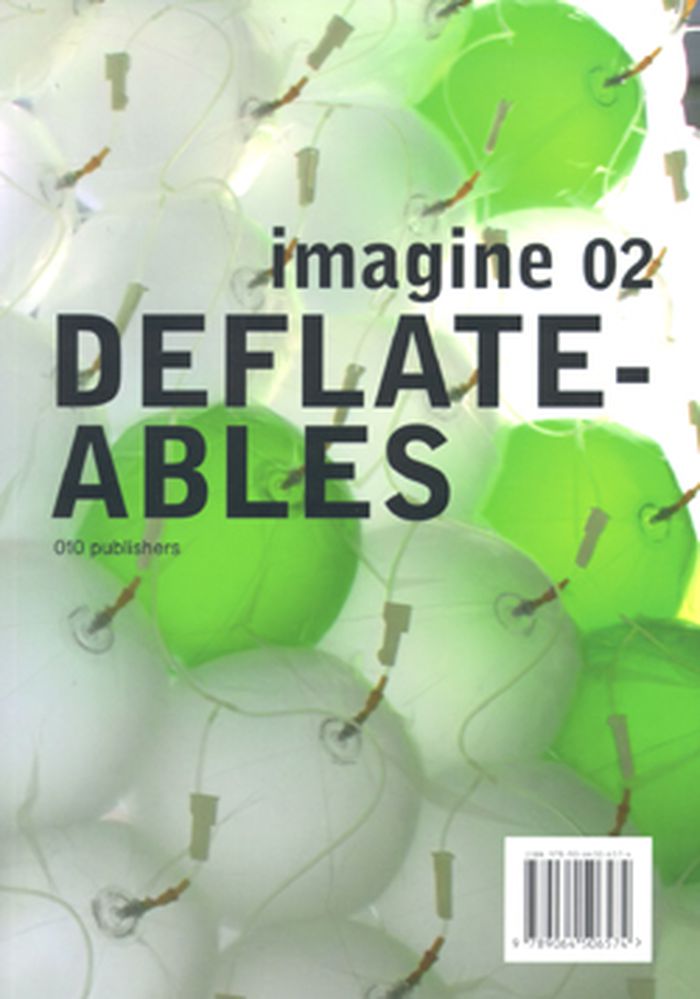
Pneumatic structures have been thoroughly investigated and developed during the 1960s. However, the energy crisis and aesthetic developments stopped the process of employing these structures as a mainstream construction method. Deflateables concentrates on the very limited knowledge of vacuum constructions and develops a range of aesthetic, technical and functional design possibilities. Until today, there has been a very limited number of designs developed and realized using pressurized constructions – despite the fact that this technology could lead to positive aspects: the air pressure of the earth can be used as a stabilizing and form-giving parameter, creating a specific and inspiring shape. In addition, the very nature of this technology offers varying degrees of thermal and acoustic insulation. Exploiting the possibilities of extremely light and, at the same time, energetically active constructions, deflateables are one of the promising fields of architectural and design developments. The chance to create structures that can move and react to requests such as user and climate requirements as well as formative demands, lifts this topic onto the level of a realistic and usable technology for as yet unknown design possibilities. Two volumes of the Imagine series are planned annually. Façades and Deflateables will appear in May 2008. Performance Driven Envelopes and Rapids will appear at the beginning of 2009.
Imagine 02 Deflateables
Actions:
Prix:
$43.50
(disponible sur commande)
Résumé:
Pneumatic structures have been thoroughly investigated and developed during the 1960s. However, the energy crisis and aesthetic developments stopped the process of employing these structures as a mainstream construction method. Deflateables concentrates on the very limited knowledge of vacuum constructions and develops a range of aesthetic, technical and functional design possibilities. Until today, there has been a very limited number of designs developed and realized using pressurized constructions – despite the fact that this technology could lead to positive aspects: the air pressure of the earth can be used as a stabilizing and form-giving parameter, creating a specific and inspiring shape. In addition, the very nature of this technology offers varying degrees of thermal and acoustic insulation. Exploiting the possibilities of extremely light and, at the same time, energetically active constructions, deflateables are one of the promising fields of architectural and design developments. The chance to create structures that can move and react to requests such as user and climate requirements as well as formative demands, lifts this topic onto the level of a realistic and usable technology for as yet unknown design possibilities. Two volumes of the Imagine series are planned annually. Façades and Deflateables will appear in May 2008. Performance Driven Envelopes and Rapids will appear at the beginning of 2009.
Classification:
livres
livres
Publication:
octobre 2007, Rotterdam
octobre 2007, Rotterdam
Sujet:
Structures d’ingénierie
Structures d’ingénierie
Classification:
livres
livres
Prix:
$45.00
(disponible sur commande)
Résumé:
Increasingly and forebodingly, contemporary artists are turning their attention to the subject of climate change, in poignant and often confrontational ways. "The edge of the Earth: climate change in photography and video" explores recent and historic work in the context of present-day environmental concerns, considering the future consequences of the age of the(...)
$45.00
(disponible sur commande)
Résumé:
Increasingly and forebodingly, contemporary artists are turning their attention to the subject of climate change, in poignant and often confrontational ways. "The edge of the Earth: climate change in photography and video" explores recent and historic work in the context of present-day environmental concerns, considering the future consequences of the age of the(...)
Publication:
novembre 2016
novembre 2016
Titre:
The edge of the earth: climate change in photography and video
Actions:
Prix:
$45.00
(disponible sur commande)
Résumé:
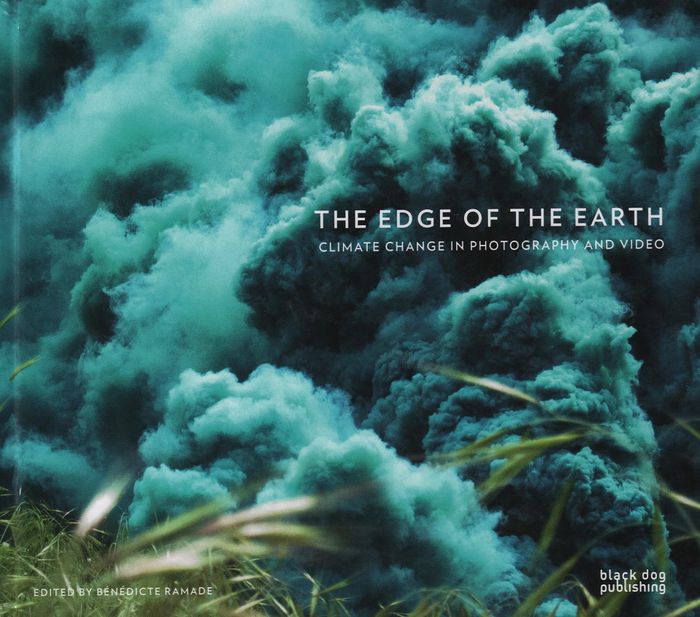
Increasingly and forebodingly, contemporary artists are turning their attention to the subject of climate change, in poignant and often confrontational ways. "The edge of the Earth: climate change in photography and video" explores recent and historic work in the context of present-day environmental concerns, considering the future consequences of the age of the anthropocene, and humanity's harsh imprint on our planet. "The edge of the Earth" accompanies a major exhibition at the Ryerson Image Centre in Toronto, and includes works by pioneering and renowned artists such as Edward Burtynsky, Naoya Hatakeyama, Richard Misrach and Robert Rauschenberg; critical propositions on present situations by Chris Jordan, Gideon Mendel and Brandi Merolla; plus visionary works by Jean-Pierre Aube, Adrien Missika, Evariste Richer and Andreas Rutkauskas. Photojournalism from the RIC s Black Star Collection is also included, contextualising artistic reflections within half a century of historical reportage on the environment. Produced as a large-format book with high-quality reproductions throughout, "The edge of the Earth" includes critical texts by Benedicte Ramade and TJ Demos and an introduction by Paul Roth. This critical overview offers the insight of artists into the present climate crisis, with the motive of prompting reconsideration of our increasingly perilous relationship to our planet.
The edge of the earth: climate change in photography and video
Actions:
Prix:
$45.00
(disponible sur commande)
Résumé:
Increasingly and forebodingly, contemporary artists are turning their attention to the subject of climate change, in poignant and often confrontational ways. "The edge of the Earth: climate change in photography and video" explores recent and historic work in the context of present-day environmental concerns, considering the future consequences of the age of the anthropocene, and humanity's harsh imprint on our planet. "The edge of the Earth" accompanies a major exhibition at the Ryerson Image Centre in Toronto, and includes works by pioneering and renowned artists such as Edward Burtynsky, Naoya Hatakeyama, Richard Misrach and Robert Rauschenberg; critical propositions on present situations by Chris Jordan, Gideon Mendel and Brandi Merolla; plus visionary works by Jean-Pierre Aube, Adrien Missika, Evariste Richer and Andreas Rutkauskas. Photojournalism from the RIC s Black Star Collection is also included, contextualising artistic reflections within half a century of historical reportage on the environment. Produced as a large-format book with high-quality reproductions throughout, "The edge of the Earth" includes critical texts by Benedicte Ramade and TJ Demos and an introduction by Paul Roth. This critical overview offers the insight of artists into the present climate crisis, with the motive of prompting reconsideration of our increasingly perilous relationship to our planet.
Classification:
livres
livres
Publication:
novembre 2016
novembre 2016
Classification:
livres
livres
Titre:
Inverted world
Inverted world
Actions:
Prix:
$16.95
(disponible sur commande)
Résumé:
The city is winched along tracks through a devastated land full of hostile tribes. Rails must be freshly laid ahead of the city and carefully removed in its wake. Rivers and mountains present nearly insurmountable challenges to the ingenuity of the city’s engineers. But if the city does not move, it will fall farther and farther behind the “optimum” into the crushing(...)
$16.95
(disponible sur commande)
Résumé:
The city is winched along tracks through a devastated land full of hostile tribes. Rails must be freshly laid ahead of the city and carefully removed in its wake. Rivers and mountains present nearly insurmountable challenges to the ingenuity of the city’s engineers. But if the city does not move, it will fall farther and farther behind the “optimum” into the crushing(...)
Titre:
Inverted world
Actions:
Prix:
$16.95
(disponible sur commande)
Résumé:
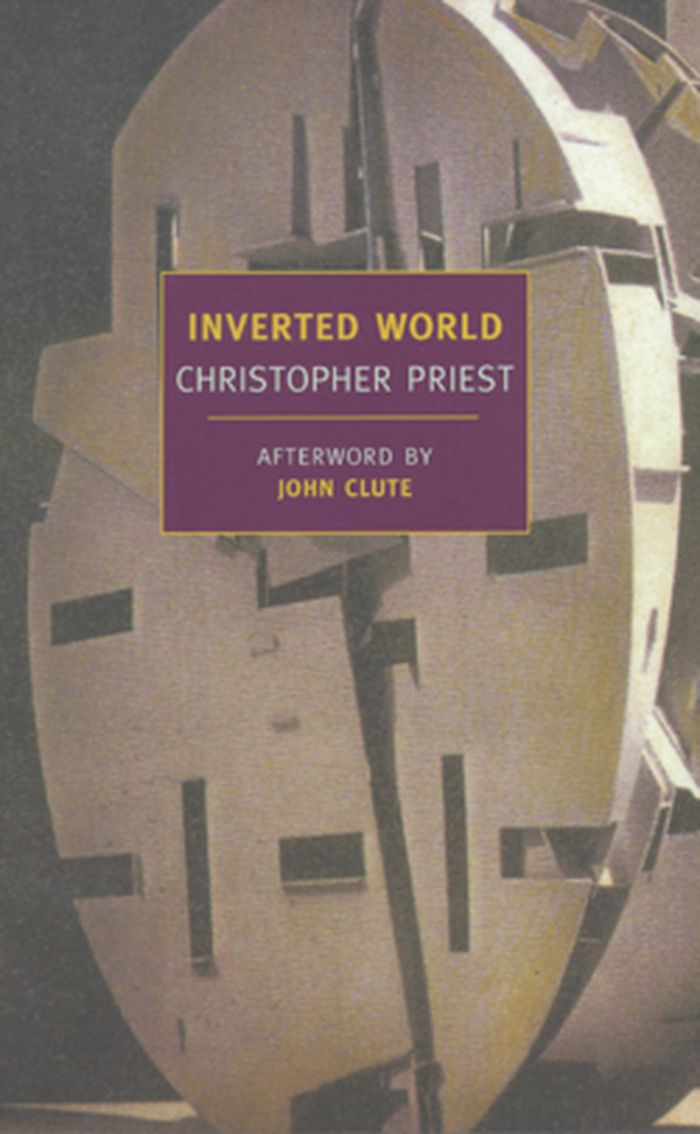
The city is winched along tracks through a devastated land full of hostile tribes. Rails must be freshly laid ahead of the city and carefully removed in its wake. Rivers and mountains present nearly insurmountable challenges to the ingenuity of the city’s engineers. But if the city does not move, it will fall farther and farther behind the “optimum” into the crushing gravitational field that has transformed life on Earth. The only alternative to progress is death. The secret directorate that governs the city makes sure that its inhabitants know nothing of this. Raised in common in crèches, nurtured on synthetic food, prevented above all from venturing outside the closed circuit of the city, they are carefully sheltered from the dire necessities that have come to define human existence. And yet the city is in crisis. The people are growing restive, the population is dwindling, and the rulers know that, for all their efforts, slowly but surely the city is slipping ever farther behind the optimum. Helward Mann is a member of the city’s elite. Better than anyone, he knows how tenuous is the city’s continued existence. But the world—he is about to discover—is infinitely stranger than the strange world he believes he knows so well.
Inverted world
Actions:
Prix:
$16.95
(disponible sur commande)
Résumé:
The city is winched along tracks through a devastated land full of hostile tribes. Rails must be freshly laid ahead of the city and carefully removed in its wake. Rivers and mountains present nearly insurmountable challenges to the ingenuity of the city’s engineers. But if the city does not move, it will fall farther and farther behind the “optimum” into the crushing gravitational field that has transformed life on Earth. The only alternative to progress is death. The secret directorate that governs the city makes sure that its inhabitants know nothing of this. Raised in common in crèches, nurtured on synthetic food, prevented above all from venturing outside the closed circuit of the city, they are carefully sheltered from the dire necessities that have come to define human existence. And yet the city is in crisis. The people are growing restive, the population is dwindling, and the rulers know that, for all their efforts, slowly but surely the city is slipping ever farther behind the optimum. Helward Mann is a member of the city’s elite. Better than anyone, he knows how tenuous is the city’s continued existence. But the world—he is about to discover—is infinitely stranger than the strange world he believes he knows so well.
Classification:
livres
livres
Publication:
juillet 2008, New York
juillet 2008, New York
Sujet:
Théorie de l’architecture
Théorie de l’architecture
Classification:
livres
livres
Titre:
Architecture and dystopia
Architecture and dystopia
Actions:
Prix:
$45.00
(disponible sur commande)
Résumé:
As a response to the profound crisis of Western culture the emerged in the 1960s, radical artists from Italy, Austria, England and Japan called into question the foundations of modernist utopias. They transmuted the difficulties of capitalism into a repertory of startling images that revealed the disturbing realities of consumer society, even in those places still(...)
$45.00
(disponible sur commande)
Résumé:
As a response to the profound crisis of Western culture the emerged in the 1960s, radical artists from Italy, Austria, England and Japan called into question the foundations of modernist utopias. They transmuted the difficulties of capitalism into a repertory of startling images that revealed the disturbing realities of consumer society, even in those places still(...)
Titre:
Architecture and dystopia
Actions:
Prix:
$45.00
(disponible sur commande)
Résumé:
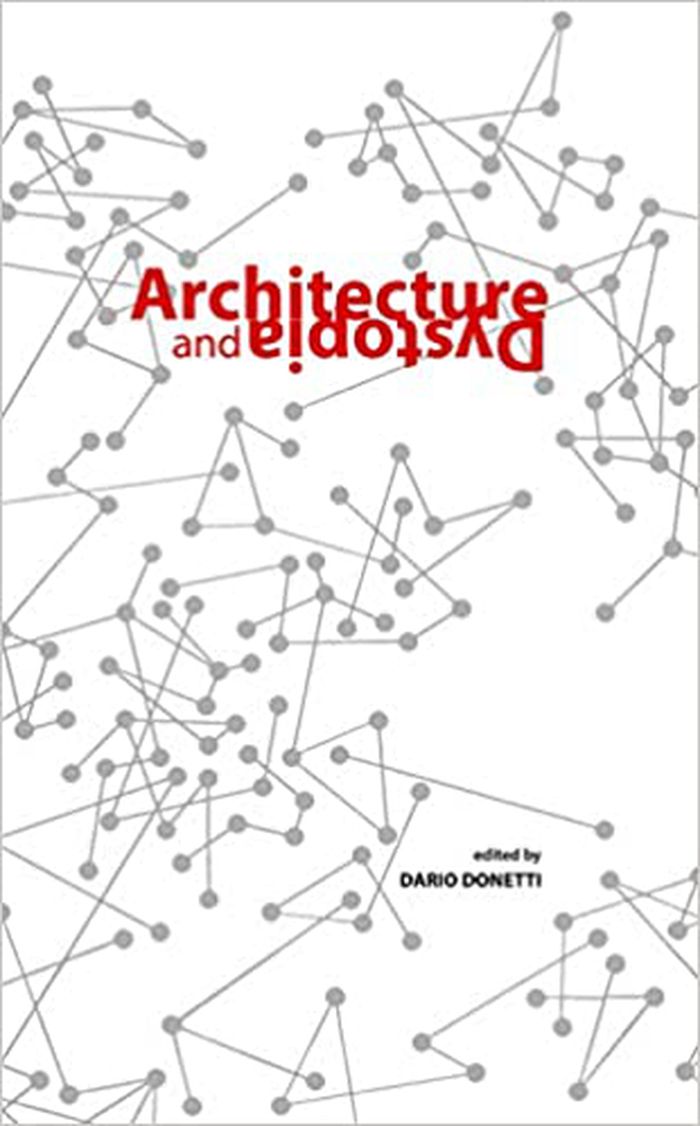
As a response to the profound crisis of Western culture the emerged in the 1960s, radical artists from Italy, Austria, England and Japan called into question the foundations of modernist utopias. They transmuted the difficulties of capitalism into a repertory of startling images that revealed the disturbing realities of consumer society, even in those places still resistant to the penetration of modern architecture, such as Superstudio and Archizoom’s Florence. Their model, though exhausted in the space of experimentation, went on to inspire a generation of architects, from the High Tech movement to Rem Koolhaas.. In the light of these examples, how to define a unified 'dystopian' method of design, i.e. a common ground for an architecture that, by its very nature, seems to resist systematization? Are the most recognizable architectural expressions of this theoretical framework — characterized by brazen displays of technology and structures of overwhelming scale — merely isolated cases, albeit of particular iconic power? Or do they belong to a wider landscape of antirational architectural projects? And to what extent are these disturbing expressions premised on the utopian tradition or, better yet, the conceptual model of 'negative thought'? The goal of this book is to respond to such questions, thus initiating an open dialogue about the legitimacy of this critical category.
Architecture and dystopia
Actions:
Prix:
$45.00
(disponible sur commande)
Résumé:
As a response to the profound crisis of Western culture the emerged in the 1960s, radical artists from Italy, Austria, England and Japan called into question the foundations of modernist utopias. They transmuted the difficulties of capitalism into a repertory of startling images that revealed the disturbing realities of consumer society, even in those places still resistant to the penetration of modern architecture, such as Superstudio and Archizoom’s Florence. Their model, though exhausted in the space of experimentation, went on to inspire a generation of architects, from the High Tech movement to Rem Koolhaas.. In the light of these examples, how to define a unified 'dystopian' method of design, i.e. a common ground for an architecture that, by its very nature, seems to resist systematization? Are the most recognizable architectural expressions of this theoretical framework — characterized by brazen displays of technology and structures of overwhelming scale — merely isolated cases, albeit of particular iconic power? Or do they belong to a wider landscape of antirational architectural projects? And to what extent are these disturbing expressions premised on the utopian tradition or, better yet, the conceptual model of 'negative thought'? The goal of this book is to respond to such questions, thus initiating an open dialogue about the legitimacy of this critical category.
Classification:
livres
livres
Publication:
décembre 2019
décembre 2019
Sujet:
Théorie de l’architecture
Théorie de l’architecture
Classification:
livres
livres
Actions:
Prix:
$38.99
(disponible sur commande)
Résumé:
In 1982, the protests of antiporn feminists sparked the censorship of the ''Diary of a Conference on Sexuality'', a radical and sexually evocative image-text volume whose silencing became a symbol for the irresolvable feminist sex wars. ''In Visible archives'' documents the community networks that produced this resonant artifact and others, analyzing how visual culture(...)
$38.99
(disponible sur commande)
Résumé:
In 1982, the protests of antiporn feminists sparked the censorship of the ''Diary of a Conference on Sexuality'', a radical and sexually evocative image-text volume whose silencing became a symbol for the irresolvable feminist sex wars. ''In Visible archives'' documents the community networks that produced this resonant artifact and others, analyzing how visual culture(...)
Titre:
In Visible archives: Queer and feminist visual culture in the 1980s
Actions:
Prix:
$38.99
(disponible sur commande)
Résumé:
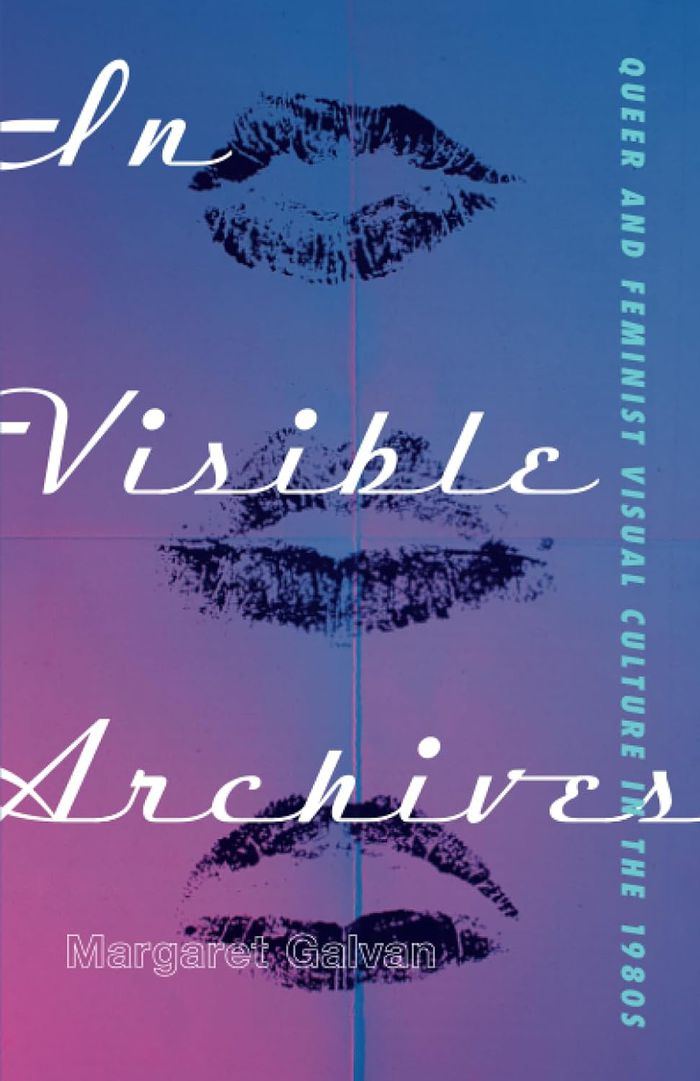
In 1982, the protests of antiporn feminists sparked the censorship of the ''Diary of a Conference on Sexuality'', a radical and sexually evocative image-text volume whose silencing became a symbol for the irresolvable feminist sex wars. ''In Visible archives'' documents the community networks that produced this resonant artifact and others, analyzing how visual culture provided a vital space for women artists to theorize and visualize their own bodies and sexualities. Margaret Galvan explores a number of feminist and cultural touchstones—the feminist sex wars, the HIV/AIDS crisis, the women in print movement, and countercultural grassroots periodical networks—and examines how visual culture interacts with these pivotal moments. She goes deep into the records to bring together a decade’s worth of research in grassroots and university archives that include comics, collages, photographs, drawings, and other image-text media produced by women, including Hannah Alderfer, Beth Jaker, Marybeth Nelson, Roberta Gregory, Lee Marrs, Alison Bechdel, Gloria Anzaldúa, and Nan Goldin. The art highlighted in ''In Visible archives'' demonstrates how women represented their bodies and sexualities on their own terms and created visibility for new, diverse identities, thus serving as blueprints for future activism and advocacy—work that is urgent now more than ever as LGBTQ+ and women’s rights face challenges and restrictions across the nation.
In Visible archives: Queer and feminist visual culture in the 1980s
Actions:
Prix:
$38.99
(disponible sur commande)
Résumé:
In 1982, the protests of antiporn feminists sparked the censorship of the ''Diary of a Conference on Sexuality'', a radical and sexually evocative image-text volume whose silencing became a symbol for the irresolvable feminist sex wars. ''In Visible archives'' documents the community networks that produced this resonant artifact and others, analyzing how visual culture provided a vital space for women artists to theorize and visualize their own bodies and sexualities. Margaret Galvan explores a number of feminist and cultural touchstones—the feminist sex wars, the HIV/AIDS crisis, the women in print movement, and countercultural grassroots periodical networks—and examines how visual culture interacts with these pivotal moments. She goes deep into the records to bring together a decade’s worth of research in grassroots and university archives that include comics, collages, photographs, drawings, and other image-text media produced by women, including Hannah Alderfer, Beth Jaker, Marybeth Nelson, Roberta Gregory, Lee Marrs, Alison Bechdel, Gloria Anzaldúa, and Nan Goldin. The art highlighted in ''In Visible archives'' demonstrates how women represented their bodies and sexualities on their own terms and created visibility for new, diverse identities, thus serving as blueprints for future activism and advocacy—work that is urgent now more than ever as LGBTQ+ and women’s rights face challenges and restrictions across the nation.
Classification:
livres
livres
Publication:
septembre 2023
septembre 2023
Sujet:
Social
Social


