


12613 Résultats
Classification:
événements
événements

Actions:
Description:
Tamar Zinguer, chercheure au Programme d’accueil 2014 et professeure associée à la Cooper Union, analyse la propension dans la discipline architecturale pour un terme littéraire « degré zéro ». Cliquez ici pour lévénement Facebook.
Tamar Zinguer, chercheure au Programme d’accueil 2014 et professeure associée à la Cooper Union, analyse la propension dans la discipline architecturale pour un terme littéraire « degré zéro ». Cliquez ici pour lévénement Facebook.
Localisation:
Maison Shaughnessy
Maison Shaughnessy
Date:
10 juillet 2014, 18h
10 juillet 2014, 18h
Titre:
Séminaire de chercheur en résidence : Tamar Zinguer
Actions:
Description:
Tamar Zinguer, chercheure au Programme d’accueil 2014 et professeure associée à la Cooper Union, analyse la propension dans la discipline architecturale pour un terme littéraire « degré zéro ». Cliquez ici pour lévénement Facebook.
Séminaire de chercheur en résidence : Tamar Zinguer
Actions:
Description:
Tamar Zinguer, chercheure au Programme d’accueil 2014 et professeure associée à la Cooper Union, analyse la propension dans la discipline architecturale pour un terme littéraire « degré zéro ». Cliquez ici pour lévénement Facebook.
Classification:
événements
événements
Date:
10 juillet 2014
18h
10 juillet 2014
18h
Localisation:
Maison Shaughnessy
Maison Shaughnessy
Classification:
événements
événements
Actions:
Description:
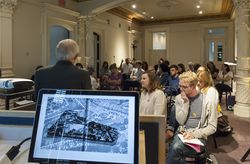
Le CCA présente Outils daujourdhui 2014, un séminaire dété tenu dans le cadre du Programme de subventions de recherche dans la Collection CCA-Groupe Banque TD. Cette année, le séminaire abordes des questions en architecture contemporaine en montrant comment des projets divergent et senrichissent mutuellement, et comment leur différences résultent de points de vue(...)
Le CCA présente Outils daujourdhui 2014, un séminaire dété tenu dans le cadre du Programme de subventions de recherche dans la Collection CCA-Groupe Banque TD. Cette année, le séminaire abordes des questions en architecture contemporaine en montrant comment des projets divergent et senrichissent mutuellement, et comment leur différences résultent de points de vue(...)
Date:
23 juin 2014 au 28 juin 2014
23 juin 2014 au 28 juin 2014
Titre:
Outils d’aujourd’hui : Matériels et atmosphères
Actions:
Description:
Le CCA présente Outils daujourdhui 2014, un séminaire dété tenu dans le cadre du Programme de subventions de recherche dans la Collection CCA-Groupe Banque TD. Cette année, le séminaire abordes des questions en architecture contemporaine en montrant comment des projets divergent et senrichissent mutuellement, et comment leur différences résultent de points de vue(...)
Outils d’aujourd’hui : Matériels et atmosphères
Actions:
Description:
Le CCA présente Outils daujourdhui 2014, un séminaire dété tenu dans le cadre du Programme de subventions de recherche dans la Collection CCA-Groupe Banque TD. Cette année, le séminaire abordes des questions en architecture contemporaine en montrant comment des projets divergent et senrichissent mutuellement, et comment leur différences résultent de points de vue(...)
Classification:
événements
événements
Date:
23 juin 2014 au
28 juin 2014
23 juin 2014 au
28 juin 2014
Classification:
événements
événements
Actions:
Description:
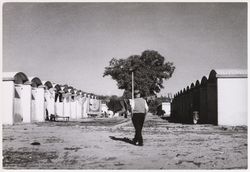
Farhan Karim, chercheur en résidence 2016, présente ses recherches : Dans l’évolution récente de l’histoire de l’architecture, l’engagement d’architectes occidentaux auprès des nations postcoloniales émergentes a fait l’objet d’une relecture dans une perspective géopolitique plus vaste de décolonisation et de guerre froide planétaire. Une telle analyse n’est certes pas(...)
Farhan Karim, chercheur en résidence 2016, présente ses recherches : Dans l’évolution récente de l’histoire de l’architecture, l’engagement d’architectes occidentaux auprès des nations postcoloniales émergentes a fait l’objet d’une relecture dans une perspective géopolitique plus vaste de décolonisation et de guerre froide planétaire. Une telle analyse n’est certes pas(...)
Localisation:
Maison Shaughnessy
Maison Shaughnessy
Date:
7 juillet 2016, 18h
7 juillet 2016, 18h
Titre:
Séminaire de chercheur en résidence : Farhan Karim
Actions:
Description:
Farhan Karim, chercheur en résidence 2016, présente ses recherches : Dans l’évolution récente de l’histoire de l’architecture, l’engagement d’architectes occidentaux auprès des nations postcoloniales émergentes a fait l’objet d’une relecture dans une perspective géopolitique plus vaste de décolonisation et de guerre froide planétaire. Une telle analyse n’est certes pas(...)
Séminaire de chercheur en résidence : Farhan Karim
Actions:
Description:
Farhan Karim, chercheur en résidence 2016, présente ses recherches : Dans l’évolution récente de l’histoire de l’architecture, l’engagement d’architectes occidentaux auprès des nations postcoloniales émergentes a fait l’objet d’une relecture dans une perspective géopolitique plus vaste de décolonisation et de guerre froide planétaire. Une telle analyse n’est certes pas(...)
Classification:
événements
événements
Date:
7 juillet 2016
18h
7 juillet 2016
18h
Localisation:
Maison Shaughnessy
Maison Shaughnessy
Classification:
événements
événements
Actions:
Description:
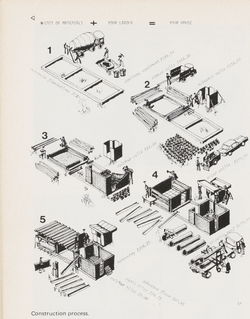
Les trois lauréates du prix Power Corporation du Canada, Lisa Chow (McGill University), Michèle Curtis (Carleton University) et Geneviève Depelteau (University of British Columbia), présentent les résultats de leur résidence de recherche de trois mois au CCA. Au cours de cette résidence, elles ont étudié l’émergence d’une conscience environnementale en architecture et en(...)
Les trois lauréates du prix Power Corporation du Canada, Lisa Chow (McGill University), Michèle Curtis (Carleton University) et Geneviève Depelteau (University of British Columbia), présentent les résultats de leur résidence de recherche de trois mois au CCA. Au cours de cette résidence, elles ont étudié l’émergence d’une conscience environnementale en architecture et en(...)
Localisation:
Maison Shaughnessy
Maison Shaughnessy
Date:
1 septembre 2016, 18h
1 septembre 2016, 18h
Titre:
Le problème est-il… encore l’environnement?
Actions:
Description:
Les trois lauréates du prix Power Corporation du Canada, Lisa Chow (McGill University), Michèle Curtis (Carleton University) et Geneviève Depelteau (University of British Columbia), présentent les résultats de leur résidence de recherche de trois mois au CCA. Au cours de cette résidence, elles ont étudié l’émergence d’une conscience environnementale en architecture et en(...)
Le problème est-il… encore l’environnement?
Actions:
Description:
Les trois lauréates du prix Power Corporation du Canada, Lisa Chow (McGill University), Michèle Curtis (Carleton University) et Geneviève Depelteau (University of British Columbia), présentent les résultats de leur résidence de recherche de trois mois au CCA. Au cours de cette résidence, elles ont étudié l’émergence d’une conscience environnementale en architecture et en(...)
Classification:
événements
événements
Date:
1 septembre 2016
18h
1 septembre 2016
18h
Localisation:
Maison Shaughnessy
Maison Shaughnessy
Classification:
articles
articles
Titre:
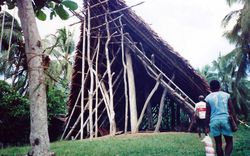
L’intérieur sensoriel
L’intérieur sensoriel
Actions:
Une présentation de David Howes
Dossier:
Autres sens, autres espaces
Autres sens, autres espaces
Classification:
photographies
photographies
Actions:
Numéro de référence:
PH1981:0786:001-052
Description:
Album showing exterior and interior views of the "Château de Madrid" in Bois de Boulogne (boulevard Richard Wallace, Neuilly-sur-Seine), France. This Château was built in 1912 (a drawing of the building in the album bears the date 1910) in the Renaissance style where used to stand the "Château de Boulogne", afterwards named the "Château de Madrid", built by François 1er between 1528 and 1568. The name evokes the short captivity of the King in Spain. The castle was sold in 1792 and demantled to recuperate the materials. The building showed in the album is also named "Château de Madrid" as seen on a post-sign in one of the photographs. This building is also visible on some old postcards (cf. documentation). Also visible on another post-sign, is the street name 'Avenue Richard Wallace'. Corbel writes (p. 57), that in 1851, the 'Madrid Restaurant' was located at the end of Saint-James, in a secluded area of the Bois de Boulogne. On page 58, he states that in 1870, the restaurant became one of the general quarters for the defense of Paris and that in 1912, it was reconstructed, probably referring to the same building. Also, in 1922, a special dinner was given in honour of the emperor Khaï-Dinh. Further research may provide more information on this specific building which seems to have since disappeared. Other views in this album, show the Café Meyer, the Café Restaurant Cardinal in Paris (one of the oldest of Paris) and other views of buildings and interiors of Paris.
PH1981:0786:001-052
Description:
Album showing exterior and interior views of the "Château de Madrid" in Bois de Boulogne (boulevard Richard Wallace, Neuilly-sur-Seine), France. This Château was built in 1912 (a drawing of the building in the album bears the date 1910) in the Renaissance style where used to stand the "Château de Boulogne", afterwards named the "Château de Madrid", built by François 1er between 1528 and 1568. The name evokes the short captivity of the King in Spain. The castle was sold in 1792 and demantled to recuperate the materials. The building showed in the album is also named "Château de Madrid" as seen on a post-sign in one of the photographs. This building is also visible on some old postcards (cf. documentation). Also visible on another post-sign, is the street name 'Avenue Richard Wallace'. Corbel writes (p. 57), that in 1851, the 'Madrid Restaurant' was located at the end of Saint-James, in a secluded area of the Bois de Boulogne. On page 58, he states that in 1870, the restaurant became one of the general quarters for the defense of Paris and that in 1912, it was reconstructed, probably referring to the same building. Also, in 1922, a special dinner was given in honour of the emperor Khaï-Dinh. Further research may provide more information on this specific building which seems to have since disappeared. Other views in this album, show the Café Meyer, the Café Restaurant Cardinal in Paris (one of the oldest of Paris) and other views of buildings and interiors of Paris.
Personnes et institutions:
Sujet:
architecture
architecture
Date:
ca. 1915
ca. 1915
Titre:
Album showing exterior and interior views of the 'Château de Madrid' in the Bois de Boulogne (Neuilly-sur-Seine), the Café Meyer, the Café Restaurant Cardinal and other views of buildings and interiors of Paris, France
Actions:
PH1981:0786:001-052
Description:
Album showing exterior and interior views of the "Château de Madrid" in Bois de Boulogne (boulevard Richard Wallace, Neuilly-sur-Seine), France. This Château was built in 1912 (a drawing of the building in the album bears the date 1910) in the Renaissance style where used to stand the "Château de Boulogne", afterwards named the "Château de Madrid", built by François 1er between 1528 and 1568. The name evokes the short captivity of the King in Spain. The castle was sold in 1792 and demantled to recuperate the materials. The building showed in the album is also named "Château de Madrid" as seen on a post-sign in one of the photographs. This building is also visible on some old postcards (cf. documentation). Also visible on another post-sign, is the street name 'Avenue Richard Wallace'. Corbel writes (p. 57), that in 1851, the 'Madrid Restaurant' was located at the end of Saint-James, in a secluded area of the Bois de Boulogne. On page 58, he states that in 1870, the restaurant became one of the general quarters for the defense of Paris and that in 1912, it was reconstructed, probably referring to the same building. Also, in 1922, a special dinner was given in honour of the emperor Khaï-Dinh. Further research may provide more information on this specific building which seems to have since disappeared. Other views in this album, show the Café Meyer, the Café Restaurant Cardinal in Paris (one of the oldest of Paris) and other views of buildings and interiors of Paris.
Album showing exterior and interior views of the 'Château de Madrid' in the Bois de Boulogne (Neuilly-sur-Seine), the Café Meyer, the Café Restaurant Cardinal and other views of buildings and interiors of Paris, France
Actions:
PH1981:0786:001-052
Description:
Album showing exterior and interior views of the "Château de Madrid" in Bois de Boulogne (boulevard Richard Wallace, Neuilly-sur-Seine), France. This Château was built in 1912 (a drawing of the building in the album bears the date 1910) in the Renaissance style where used to stand the "Château de Boulogne", afterwards named the "Château de Madrid", built by François 1er between 1528 and 1568. The name evokes the short captivity of the King in Spain. The castle was sold in 1792 and demantled to recuperate the materials. The building showed in the album is also named "Château de Madrid" as seen on a post-sign in one of the photographs. This building is also visible on some old postcards (cf. documentation). Also visible on another post-sign, is the street name 'Avenue Richard Wallace'. Corbel writes (p. 57), that in 1851, the 'Madrid Restaurant' was located at the end of Saint-James, in a secluded area of the Bois de Boulogne. On page 58, he states that in 1870, the restaurant became one of the general quarters for the defense of Paris and that in 1912, it was reconstructed, probably referring to the same building. Also, in 1922, a special dinner was given in honour of the emperor Khaï-Dinh. Further research may provide more information on this specific building which seems to have since disappeared. Other views in this album, show the Café Meyer, the Café Restaurant Cardinal in Paris (one of the oldest of Paris) and other views of buildings and interiors of Paris.
Classification:
photographies
photographies
Date:
ca. 1915
ca. 1915
Personnes et institutions:
Sujet:
architecture
architecture
Classification:
expositions
expositions
Actions:
Description:
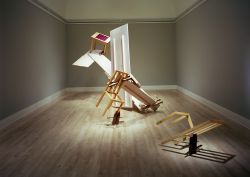
Paraboles et autres allégories : L’Œuvre de Melvin Charney 1975-1990 présente une centaine de dessins, dont plusieurs à grande échelle, des esquisses, des photographies, ainsi que trois grandes constructions. Réunissant des pièces issues de diverses collections publiques et privées, dont celle du CCA, l’exposition permet une analyse globale de la démarche artistique de(...)
Paraboles et autres allégories : L’Œuvre de Melvin Charney 1975-1990 présente une centaine de dessins, dont plusieurs à grande échelle, des esquisses, des photographies, ainsi que trois grandes constructions. Réunissant des pièces issues de diverses collections publiques et privées, dont celle du CCA, l’exposition permet une analyse globale de la démarche artistique de(...)
Localisation:
Salles principales
Salles principales
Date:
9 octobre 1991 au 12 janvier 1992
9 octobre 1991 au 12 janvier 1992
Titre:
Paraboles et autres allégories : L'oeuvre de Melvin Charney, 1975-1990
Actions:
Description:
Paraboles et autres allégories : L’Œuvre de Melvin Charney 1975-1990 présente une centaine de dessins, dont plusieurs à grande échelle, des esquisses, des photographies, ainsi que trois grandes constructions. Réunissant des pièces issues de diverses collections publiques et privées, dont celle du CCA, l’exposition permet une analyse globale de la démarche artistique de(...)
Paraboles et autres allégories : L'oeuvre de Melvin Charney, 1975-1990
Actions:
Description:
Paraboles et autres allégories : L’Œuvre de Melvin Charney 1975-1990 présente une centaine de dessins, dont plusieurs à grande échelle, des esquisses, des photographies, ainsi que trois grandes constructions. Réunissant des pièces issues de diverses collections publiques et privées, dont celle du CCA, l’exposition permet une analyse globale de la démarche artistique de(...)
Classification:
expositions
expositions
Date:
9 octobre 1991 au
12 janvier 1992
9 octobre 1991 au
12 janvier 1992
Localisation:
Salles principales
Salles principales
Classification:
expositions
expositions
Actions:
Description:
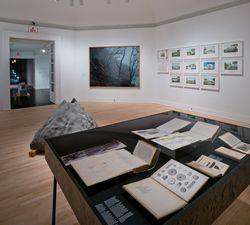
Entre 1836 et 1848, l’explorateur germano-néerlandais Franz Wilhelm Junghuhn mène plusieurs expéditions à Java pour le compte des autorités coloniales des Pays-Bas. Parmi les premiers Européens à gravir les nombreux volcans de l’île, il est surnommé le « Humboldt de Java » en raison de ses travaux scientifiques (livres, cartes et lithographies). L’exposition suit les(...)
Entre 1836 et 1848, l’explorateur germano-néerlandais Franz Wilhelm Junghuhn mène plusieurs expéditions à Java pour le compte des autorités coloniales des Pays-Bas. Parmi les premiers Européens à gravir les nombreux volcans de l’île, il est surnommé le « Humboldt de Java » en raison de ses travaux scientifiques (livres, cartes et lithographies). L’exposition suit les(...)
Localisation:
Salle octogonale
Salle octogonale
Date:
29 septembre 2016 au 22 janvier 2017
29 septembre 2016 au 22 janvier 2017
Titre:
17 volcans : oeuvres de Franz Wilhelm Junghuhn, Armin Linke et Bas Princen
Actions:
Description:
Entre 1836 et 1848, l’explorateur germano-néerlandais Franz Wilhelm Junghuhn mène plusieurs expéditions à Java pour le compte des autorités coloniales des Pays-Bas. Parmi les premiers Européens à gravir les nombreux volcans de l’île, il est surnommé le « Humboldt de Java » en raison de ses travaux scientifiques (livres, cartes et lithographies). L’exposition suit les(...)
17 volcans : oeuvres de Franz Wilhelm Junghuhn, Armin Linke et Bas Princen
Actions:
Description:
Entre 1836 et 1848, l’explorateur germano-néerlandais Franz Wilhelm Junghuhn mène plusieurs expéditions à Java pour le compte des autorités coloniales des Pays-Bas. Parmi les premiers Européens à gravir les nombreux volcans de l’île, il est surnommé le « Humboldt de Java » en raison de ses travaux scientifiques (livres, cartes et lithographies). L’exposition suit les(...)
Classification:
expositions
expositions
Date:
29 septembre 2016 au
22 janvier 2017
29 septembre 2016 au
22 janvier 2017
Localisation:
Salle octogonale
Salle octogonale
Classification:
archives
Niveau de description archivistique:
Fonds
archives
Niveau de description archivistique:
Fonds
Numéro de référence:
AP190
Résumé:
The Preston Scott Cohen Eyebeam project records, 2001-2016, consist of 281 digital files that document the architect’s competition entry for the Eyebeam Atelier Museum in New York City, developed in 2001. The archive includes 154 digital models in Rhinoceros, 30 digital models in STL, approximately 90 digital images, one video, and a number of Illustrator, Photoshop, PDF, and Microsoft Word files.
AP190
Résumé:
The Preston Scott Cohen Eyebeam project records, 2001-2016, consist of 281 digital files that document the architect’s competition entry for the Eyebeam Atelier Museum in New York City, developed in 2001. The archive includes 154 digital models in Rhinoceros, 30 digital models in STL, approximately 90 digital images, one video, and a number of Illustrator, Photoshop, PDF, and Microsoft Word files.
Personnes et institutions:
Date:
2001-2016
2001-2016
Titre:
Documents d’archives de Preston Scott Cohen pour le projet Eyebeam
Actions:
AP190
Résumé:
The Preston Scott Cohen Eyebeam project records, 2001-2016, consist of 281 digital files that document the architect’s competition entry for the Eyebeam Atelier Museum in New York City, developed in 2001. The archive includes 154 digital models in Rhinoceros, 30 digital models in STL, approximately 90 digital images, one video, and a number of Illustrator, Photoshop, PDF, and Microsoft Word files.
Documents d’archives de Preston Scott Cohen pour le projet Eyebeam
Actions:
AP190
Résumé:
The Preston Scott Cohen Eyebeam project records, 2001-2016, consist of 281 digital files that document the architect’s competition entry for the Eyebeam Atelier Museum in New York City, developed in 2001. The archive includes 154 digital models in Rhinoceros, 30 digital models in STL, approximately 90 digital images, one video, and a number of Illustrator, Photoshop, PDF, and Microsoft Word files.
Classification:
archives
Niveau de description archivistique:
Fonds
archives
Niveau de description archivistique:
Fonds
Date:
2001-2016
2001-2016
Personnes et institutions:
Niveau de description archivistique:
Sous-série
Sous-série
Titre:
Miscellanea
Miscellanea
Numéro de référence:
CI001.S1.D4
Description:
The three portfolios of "Croquis", originally attributed to Hubert Rohault de Fleury, but probably also including work by Charles, are particularly informative of the range of artistic and architectural interests of these architects. While some of the drawings in these portfolios may be travel sketches or based on travel sketches (Charles is known to have visited some of the locations depicted (1)), the majority are probably copied or adapted from books and prints. In some cases, these sources have been identified. The stylistic range of the drawings is eclectic; in addition to the expected Classical material, Gothic, Romanesque, Islamic, Exotic Revival (namely Etruscan and Egyptian), Renaissance and Baroque periods and styles as well as contemporary 19th century architecture are all represented. The subject matter is equally varied. DR1974:0002:032:001-066, two portfolios, includes arabesque ornament (some from Palazzo del Te and Palazzo Ducal in Mantua (2)), Islamic ornament motifs, tile patterns, Sicilian architectural subjects - mainly church interiors, and stonework and woodwork from Romanesque and Gothic structures . DR1974:0002:031:001-055, three portfolios, contains drawings of classical figures, Christian imagery and architectural sculpture from antique, medieval [?] and 19th century sources, sculpture from the 16th century sepulchral monument of Maximillian I, Italian Classical structures and contemporary classically-inspired subject matter including a number of Parisian fountains and monuments, and several English townhouses. DR1974:0002:030:001-065, four portfolios, includes drawings of Classical, Gothic and Exotic Revival buildings and interiors as well as a number of drawings of non-architectural subject matter including military subjects - fortification, armaments, soldiers, and revolutionary battle scenes - and topographic views. A folder of Italian views and buildings in this portfolio may have been intended for publication. The designs for interiors, Empire furniture, garden structures and several of the buildings are probably original designs by Hubert. (1) A description of Charles' travels based on his sketchbooks held by the Académie d'architecture is found in Académie d'architecture, 'Catalogue des collection' (Paris: Académie d'architecture, 1988) 35-36 and 230-241. (2) These drawings were copied from Wilhelm Zahn, 'Gemalte Ornamente von Julio Romano' (s.l., s.n, ca. 1833)., The three portfolios of "Croquis" were originally attributed to Hubert Rohault de Fleury, but probably also including work by Charles. The source and purpose of many of these drawings is unclear; some may be record drawings and travel sketches or based on travel sketches, but the majority are probably copied or adapted from books and prints. The stylistic range and subject matter of the drawings is broad and eclectic: arabesques, Islamic ornament, stonework and woodwork from Romanesque and Gothic structures (DR1974:0002:032:001-066); classical and Christian imagery, architectural sculpture from antique, medieval [?] and 19th century sources, Italian Classical structures, nineteenth century classically-inspired subject matter (DR1974:0002:031:001-055); non-architectural subject matter including military subjects, topographic views, and Italian views and buildings, possibly intended for publication (DR1974:0002:030:001-065). Portfolio, DR1974:0002:030:001-065 also includes interiors, Empire furniture, garden structures and Classical, Gothic and Exotic Revival buildings, some of which are probably original designs by Hubert Rohault de Fleury. Bibliography: - Bergdoll, Barry. "Hubert Rohault de Fleury: Cinquième Partie: Équisses et Dessins d'Ornament." 'CCA Research Report.' n.d. - Académie d'architecture (France). 'Catalogue des collections' (Paris: L'Academie, 1988), 35-37 and 230-241.
CI001.S1.D4
Description:
The three portfolios of "Croquis", originally attributed to Hubert Rohault de Fleury, but probably also including work by Charles, are particularly informative of the range of artistic and architectural interests of these architects. While some of the drawings in these portfolios may be travel sketches or based on travel sketches (Charles is known to have visited some of the locations depicted (1)), the majority are probably copied or adapted from books and prints. In some cases, these sources have been identified. The stylistic range of the drawings is eclectic; in addition to the expected Classical material, Gothic, Romanesque, Islamic, Exotic Revival (namely Etruscan and Egyptian), Renaissance and Baroque periods and styles as well as contemporary 19th century architecture are all represented. The subject matter is equally varied. DR1974:0002:032:001-066, two portfolios, includes arabesque ornament (some from Palazzo del Te and Palazzo Ducal in Mantua (2)), Islamic ornament motifs, tile patterns, Sicilian architectural subjects - mainly church interiors, and stonework and woodwork from Romanesque and Gothic structures . DR1974:0002:031:001-055, three portfolios, contains drawings of classical figures, Christian imagery and architectural sculpture from antique, medieval [?] and 19th century sources, sculpture from the 16th century sepulchral monument of Maximillian I, Italian Classical structures and contemporary classically-inspired subject matter including a number of Parisian fountains and monuments, and several English townhouses. DR1974:0002:030:001-065, four portfolios, includes drawings of Classical, Gothic and Exotic Revival buildings and interiors as well as a number of drawings of non-architectural subject matter including military subjects - fortification, armaments, soldiers, and revolutionary battle scenes - and topographic views. A folder of Italian views and buildings in this portfolio may have been intended for publication. The designs for interiors, Empire furniture, garden structures and several of the buildings are probably original designs by Hubert. (1) A description of Charles' travels based on his sketchbooks held by the Académie d'architecture is found in Académie d'architecture, 'Catalogue des collection' (Paris: Académie d'architecture, 1988) 35-36 and 230-241. (2) These drawings were copied from Wilhelm Zahn, 'Gemalte Ornamente von Julio Romano' (s.l., s.n, ca. 1833)., The three portfolios of "Croquis" were originally attributed to Hubert Rohault de Fleury, but probably also including work by Charles. The source and purpose of many of these drawings is unclear; some may be record drawings and travel sketches or based on travel sketches, but the majority are probably copied or adapted from books and prints. The stylistic range and subject matter of the drawings is broad and eclectic: arabesques, Islamic ornament, stonework and woodwork from Romanesque and Gothic structures (DR1974:0002:032:001-066); classical and Christian imagery, architectural sculpture from antique, medieval [?] and 19th century sources, Italian Classical structures, nineteenth century classically-inspired subject matter (DR1974:0002:031:001-055); non-architectural subject matter including military subjects, topographic views, and Italian views and buildings, possibly intended for publication (DR1974:0002:030:001-065). Portfolio, DR1974:0002:030:001-065 also includes interiors, Empire furniture, garden structures and Classical, Gothic and Exotic Revival buildings, some of which are probably original designs by Hubert Rohault de Fleury. Bibliography: - Bergdoll, Barry. "Hubert Rohault de Fleury: Cinquième Partie: Équisses et Dessins d'Ornament." 'CCA Research Report.' n.d. - Académie d'architecture (France). 'Catalogue des collections' (Paris: L'Academie, 1988), 35-37 and 230-241.
Personnes et institutions:
Date:
[1800-1868]
[1800-1868]
Titre:
Miscellanea
CI001.S1.D4
Description:
The three portfolios of "Croquis", originally attributed to Hubert Rohault de Fleury, but probably also including work by Charles, are particularly informative of the range of artistic and architectural interests of these architects. While some of the drawings in these portfolios may be travel sketches or based on travel sketches (Charles is known to have visited some of the locations depicted (1)), the majority are probably copied or adapted from books and prints. In some cases, these sources have been identified. The stylistic range of the drawings is eclectic; in addition to the expected Classical material, Gothic, Romanesque, Islamic, Exotic Revival (namely Etruscan and Egyptian), Renaissance and Baroque periods and styles as well as contemporary 19th century architecture are all represented. The subject matter is equally varied. DR1974:0002:032:001-066, two portfolios, includes arabesque ornament (some from Palazzo del Te and Palazzo Ducal in Mantua (2)), Islamic ornament motifs, tile patterns, Sicilian architectural subjects - mainly church interiors, and stonework and woodwork from Romanesque and Gothic structures . DR1974:0002:031:001-055, three portfolios, contains drawings of classical figures, Christian imagery and architectural sculpture from antique, medieval [?] and 19th century sources, sculpture from the 16th century sepulchral monument of Maximillian I, Italian Classical structures and contemporary classically-inspired subject matter including a number of Parisian fountains and monuments, and several English townhouses. DR1974:0002:030:001-065, four portfolios, includes drawings of Classical, Gothic and Exotic Revival buildings and interiors as well as a number of drawings of non-architectural subject matter including military subjects - fortification, armaments, soldiers, and revolutionary battle scenes - and topographic views. A folder of Italian views and buildings in this portfolio may have been intended for publication. The designs for interiors, Empire furniture, garden structures and several of the buildings are probably original designs by Hubert. (1) A description of Charles' travels based on his sketchbooks held by the Académie d'architecture is found in Académie d'architecture, 'Catalogue des collection' (Paris: Académie d'architecture, 1988) 35-36 and 230-241. (2) These drawings were copied from Wilhelm Zahn, 'Gemalte Ornamente von Julio Romano' (s.l., s.n, ca. 1833)., The three portfolios of "Croquis" were originally attributed to Hubert Rohault de Fleury, but probably also including work by Charles. The source and purpose of many of these drawings is unclear; some may be record drawings and travel sketches or based on travel sketches, but the majority are probably copied or adapted from books and prints. The stylistic range and subject matter of the drawings is broad and eclectic: arabesques, Islamic ornament, stonework and woodwork from Romanesque and Gothic structures (DR1974:0002:032:001-066); classical and Christian imagery, architectural sculpture from antique, medieval [?] and 19th century sources, Italian Classical structures, nineteenth century classically-inspired subject matter (DR1974:0002:031:001-055); non-architectural subject matter including military subjects, topographic views, and Italian views and buildings, possibly intended for publication (DR1974:0002:030:001-065). Portfolio, DR1974:0002:030:001-065 also includes interiors, Empire furniture, garden structures and Classical, Gothic and Exotic Revival buildings, some of which are probably original designs by Hubert Rohault de Fleury. Bibliography: - Bergdoll, Barry. "Hubert Rohault de Fleury: Cinquième Partie: Équisses et Dessins d'Ornament." 'CCA Research Report.' n.d. - Académie d'architecture (France). 'Catalogue des collections' (Paris: L'Academie, 1988), 35-37 and 230-241.
Miscellanea
CI001.S1.D4
Description:
The three portfolios of "Croquis", originally attributed to Hubert Rohault de Fleury, but probably also including work by Charles, are particularly informative of the range of artistic and architectural interests of these architects. While some of the drawings in these portfolios may be travel sketches or based on travel sketches (Charles is known to have visited some of the locations depicted (1)), the majority are probably copied or adapted from books and prints. In some cases, these sources have been identified. The stylistic range of the drawings is eclectic; in addition to the expected Classical material, Gothic, Romanesque, Islamic, Exotic Revival (namely Etruscan and Egyptian), Renaissance and Baroque periods and styles as well as contemporary 19th century architecture are all represented. The subject matter is equally varied. DR1974:0002:032:001-066, two portfolios, includes arabesque ornament (some from Palazzo del Te and Palazzo Ducal in Mantua (2)), Islamic ornament motifs, tile patterns, Sicilian architectural subjects - mainly church interiors, and stonework and woodwork from Romanesque and Gothic structures . DR1974:0002:031:001-055, three portfolios, contains drawings of classical figures, Christian imagery and architectural sculpture from antique, medieval [?] and 19th century sources, sculpture from the 16th century sepulchral monument of Maximillian I, Italian Classical structures and contemporary classically-inspired subject matter including a number of Parisian fountains and monuments, and several English townhouses. DR1974:0002:030:001-065, four portfolios, includes drawings of Classical, Gothic and Exotic Revival buildings and interiors as well as a number of drawings of non-architectural subject matter including military subjects - fortification, armaments, soldiers, and revolutionary battle scenes - and topographic views. A folder of Italian views and buildings in this portfolio may have been intended for publication. The designs for interiors, Empire furniture, garden structures and several of the buildings are probably original designs by Hubert. (1) A description of Charles' travels based on his sketchbooks held by the Académie d'architecture is found in Académie d'architecture, 'Catalogue des collection' (Paris: Académie d'architecture, 1988) 35-36 and 230-241. (2) These drawings were copied from Wilhelm Zahn, 'Gemalte Ornamente von Julio Romano' (s.l., s.n, ca. 1833)., The three portfolios of "Croquis" were originally attributed to Hubert Rohault de Fleury, but probably also including work by Charles. The source and purpose of many of these drawings is unclear; some may be record drawings and travel sketches or based on travel sketches, but the majority are probably copied or adapted from books and prints. The stylistic range and subject matter of the drawings is broad and eclectic: arabesques, Islamic ornament, stonework and woodwork from Romanesque and Gothic structures (DR1974:0002:032:001-066); classical and Christian imagery, architectural sculpture from antique, medieval [?] and 19th century sources, Italian Classical structures, nineteenth century classically-inspired subject matter (DR1974:0002:031:001-055); non-architectural subject matter including military subjects, topographic views, and Italian views and buildings, possibly intended for publication (DR1974:0002:030:001-065). Portfolio, DR1974:0002:030:001-065 also includes interiors, Empire furniture, garden structures and Classical, Gothic and Exotic Revival buildings, some of which are probably original designs by Hubert Rohault de Fleury. Bibliography: - Bergdoll, Barry. "Hubert Rohault de Fleury: Cinquième Partie: Équisses et Dessins d'Ornament." 'CCA Research Report.' n.d. - Académie d'architecture (France). 'Catalogue des collections' (Paris: L'Academie, 1988), 35-37 and 230-241.
Niveau de description archivistique:
File 4
File 4
Date:
[1800-1868]
[1800-1868]
Personnes et institutions:


