


1664 Résultats
Classification:
vidéo
vidéo
Titre:
The end of suburbia
The end of suburbia
Actions:
Prix:
$25.00
(disponible sur commande)
Résumé:
Since World War II North Americans have invested much of their newfound wealth in suburbia. It has promised a sense of space, affordability, family life and upward mobility. As the population of suburban sprawl has exploded in the past 50 years, so too has the suburban way of life become embedded in the American consciousness. Suburbia, and all it promises, has become(...)
$25.00
(disponible sur commande)
Résumé:
Since World War II North Americans have invested much of their newfound wealth in suburbia. It has promised a sense of space, affordability, family life and upward mobility. As the population of suburban sprawl has exploded in the past 50 years, so too has the suburban way of life become embedded in the American consciousness. Suburbia, and all it promises, has become(...)
Titre:
The end of suburbia
Actions:
Prix:
$25.00
(disponible sur commande)
Résumé:
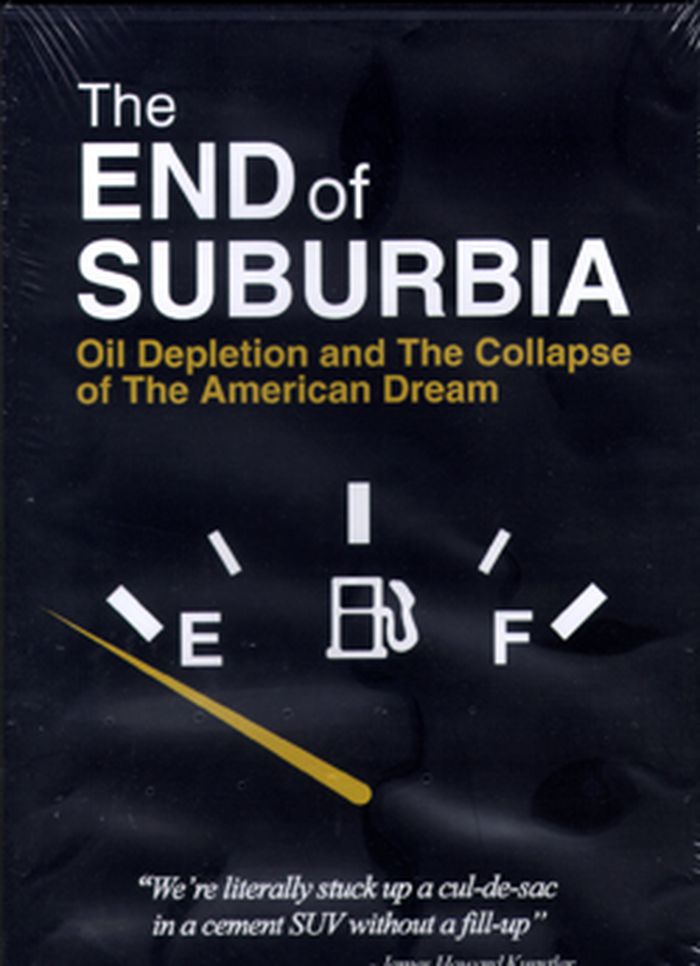
Since World War II North Americans have invested much of their newfound wealth in suburbia. It has promised a sense of space, affordability, family life and upward mobility. As the population of suburban sprawl has exploded in the past 50 years, so too has the suburban way of life become embedded in the American consciousness. Suburbia, and all it promises, has become the American Dream. But as we enter the 21st century, serious questions are beginning to emerge about the sustainability of this way of life. With brutal honesty and a touch of irony, "The End of Suburbia" explores the American Way of Life and its prospects as the planet approaches a critical era, as global demand for fossil fuels begins to outstrip supply. World Oil Peak and the inevitable decline of fossil fuels are upon us now, some scientists and policy makers argue in this documentary. The consequences of inaction in the face of this global crisis are enormous. What does Oil Peak mean for North America? As energy prices skyrocket in the coming years, how will the populations of suburbia react to the collapse of their dream? Are today's suburbs destined to become the slums of tomorrow? And what can be done NOW, individually and collectively, to avoid The End of Suburbia ? Hosted by Barrie Zwicker. Featuring James Howard Kunstler, Peter Calthorpe, Michael Klare, Richard Heinberg, Matthew Simmons, Michael C. Ruppert, Julian Darley, Colin Campbell, Kenneth Deffeyes, Ali Samsam Bakhtiari and Steve Andrews. Directed by Gregory Greene. Produced by Barry Silverthorn. Duration: 78 minutes DVD BONUS: Includes the vintage short films, "In the Suburbs" and "Destination Earth", and producer/director commentary.
The end of suburbia
Actions:
Prix:
$25.00
(disponible sur commande)
Résumé:
Since World War II North Americans have invested much of their newfound wealth in suburbia. It has promised a sense of space, affordability, family life and upward mobility. As the population of suburban sprawl has exploded in the past 50 years, so too has the suburban way of life become embedded in the American consciousness. Suburbia, and all it promises, has become the American Dream. But as we enter the 21st century, serious questions are beginning to emerge about the sustainability of this way of life. With brutal honesty and a touch of irony, "The End of Suburbia" explores the American Way of Life and its prospects as the planet approaches a critical era, as global demand for fossil fuels begins to outstrip supply. World Oil Peak and the inevitable decline of fossil fuels are upon us now, some scientists and policy makers argue in this documentary. The consequences of inaction in the face of this global crisis are enormous. What does Oil Peak mean for North America? As energy prices skyrocket in the coming years, how will the populations of suburbia react to the collapse of their dream? Are today's suburbs destined to become the slums of tomorrow? And what can be done NOW, individually and collectively, to avoid The End of Suburbia ? Hosted by Barrie Zwicker. Featuring James Howard Kunstler, Peter Calthorpe, Michael Klare, Richard Heinberg, Matthew Simmons, Michael C. Ruppert, Julian Darley, Colin Campbell, Kenneth Deffeyes, Ali Samsam Bakhtiari and Steve Andrews. Directed by Gregory Greene. Produced by Barry Silverthorn. Duration: 78 minutes DVD BONUS: Includes the vintage short films, "In the Suburbs" and "Destination Earth", and producer/director commentary.
Classification:
vidéo
vidéo
Publication:
novembre 2007, Toronto
novembre 2007, Toronto
Sujet:
DVD vidéo
DVD vidéo
Classification:
livres
livres
Prix:
$39.95
(disponible sur commande)
Résumé:
With this richly illustrated history of industrial design reform in nineteenth-century Britain, Lara Kriegel demonstrates that preoccupations with trade, labor, and manufacture lay at the heart of Victorian-era debates about cultural institutions. Through aesthetic reform, Victorians sought to redress the inferiority of British crafts in comparison to those made on the(...)
$39.95
(disponible sur commande)
Résumé:
With this richly illustrated history of industrial design reform in nineteenth-century Britain, Lara Kriegel demonstrates that preoccupations with trade, labor, and manufacture lay at the heart of Victorian-era debates about cultural institutions. Through aesthetic reform, Victorians sought to redress the inferiority of British crafts in comparison to those made on the(...)
Titre:
Grand Designs: Labor, empire and the museum in Victorian culture
Actions:
Prix:
$39.95
(disponible sur commande)
Résumé:
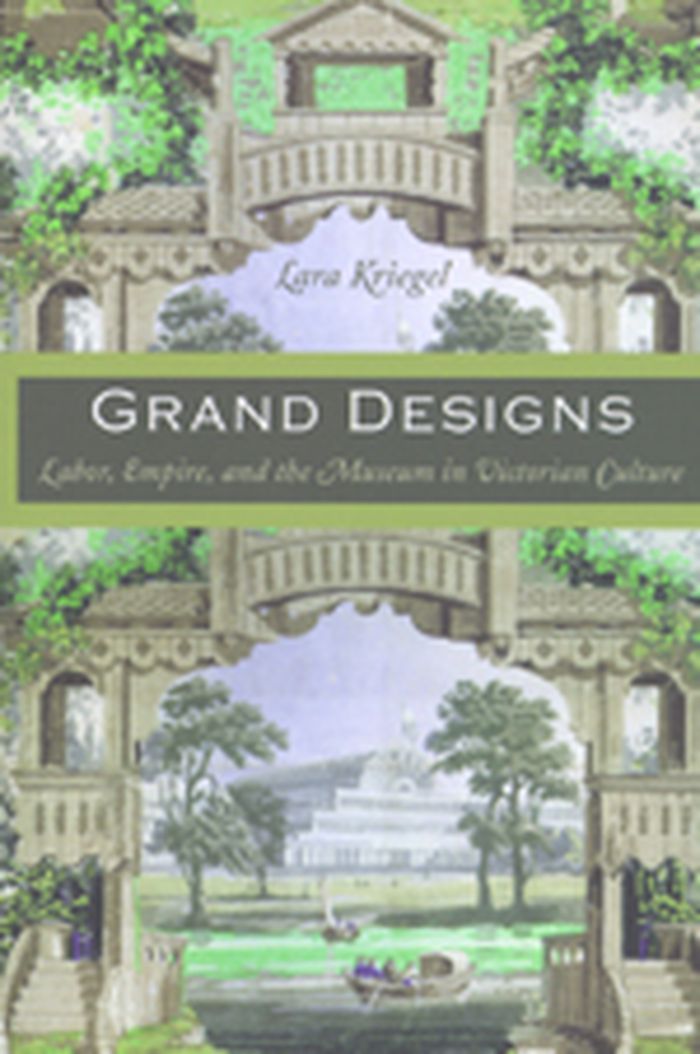
With this richly illustrated history of industrial design reform in nineteenth-century Britain, Lara Kriegel demonstrates that preoccupations with trade, labor, and manufacture lay at the heart of Victorian-era debates about cultural institutions. Through aesthetic reform, Victorians sought to redress the inferiority of British crafts in comparison to those made on the continent and in the colonies. Declaring a crisis of design and workmanship among the British laboring classes, reformers pioneered schools of design, copyright protections, and spectacular displays of industrial and imperial wares, most notably the Great Exhibition of 1851. Their efforts culminated with the establishment of the South Kensington Museum, predecessor to the Victoria and Albert Museum, which stands today as home to the world’s foremost collection of the decorative and applied arts. Kriegel’s identification of the significant links between markets and museums, and between economics and aesthetics, amounts to a rethinking of Victorian cultural formation. Drawing on a wide range of sources, including museum guidebooks, design manuals, illustrated newspapers, pattern books, and government reports, Kriegel brings to life the many Victorians who claimed a stake in aesthetic reform during the middle years of the nineteenth century. The aspiring artists who attended the Government School of Design, the embattled provincial printers who sought a strengthened industrial copyright, the Exhibition-going millions who visited the Crystal Palace, the lower-middle-class consumers who learned new principles of taste in metropolitan museums, and the working men of London who critiqued the city’s art and design collections are all cast by Kriegel as leading cultural actors of their day. Grand Designs shows how these Victorians vied to upend aesthetic hierarchies in an imperial age and, in the process, to refashion London’s public culture.
Grand Designs: Labor, empire and the museum in Victorian culture
Actions:
Prix:
$39.95
(disponible sur commande)
Résumé:
With this richly illustrated history of industrial design reform in nineteenth-century Britain, Lara Kriegel demonstrates that preoccupations with trade, labor, and manufacture lay at the heart of Victorian-era debates about cultural institutions. Through aesthetic reform, Victorians sought to redress the inferiority of British crafts in comparison to those made on the continent and in the colonies. Declaring a crisis of design and workmanship among the British laboring classes, reformers pioneered schools of design, copyright protections, and spectacular displays of industrial and imperial wares, most notably the Great Exhibition of 1851. Their efforts culminated with the establishment of the South Kensington Museum, predecessor to the Victoria and Albert Museum, which stands today as home to the world’s foremost collection of the decorative and applied arts. Kriegel’s identification of the significant links between markets and museums, and between economics and aesthetics, amounts to a rethinking of Victorian cultural formation. Drawing on a wide range of sources, including museum guidebooks, design manuals, illustrated newspapers, pattern books, and government reports, Kriegel brings to life the many Victorians who claimed a stake in aesthetic reform during the middle years of the nineteenth century. The aspiring artists who attended the Government School of Design, the embattled provincial printers who sought a strengthened industrial copyright, the Exhibition-going millions who visited the Crystal Palace, the lower-middle-class consumers who learned new principles of taste in metropolitan museums, and the working men of London who critiqued the city’s art and design collections are all cast by Kriegel as leading cultural actors of their day. Grand Designs shows how these Victorians vied to upend aesthetic hierarchies in an imperial age and, in the process, to refashion London’s public culture.
Classification:
livres
livres
Publication:
novembre 2007
novembre 2007
Sujet:
Muséologie
Muséologie
Classification:
livres
livres

Prix:
$58.95
(disponible sur commande)
Résumé:
After seizing Jerusalem's eastern precincts from Jordan at the conclusion of the Six-Day War in 1967, Israel unilaterally unified the city and plunged into an ambitious building program, eager to transform the very meaning of one of the world's most emotionally charged urban spaces. The goal was as simple as it was controversial: to both Judaize and modernize Jerusalem.(...)
$58.95
(disponible sur commande)
Résumé:
After seizing Jerusalem's eastern precincts from Jordan at the conclusion of the Six-Day War in 1967, Israel unilaterally unified the city and plunged into an ambitious building program, eager to transform the very meaning of one of the world's most emotionally charged urban spaces. The goal was as simple as it was controversial: to both Judaize and modernize Jerusalem.(...)
Titre:
Seizing Jerusalem: the architectures of unilateral unification
Actions:
Prix:
$58.95
(disponible sur commande)
Résumé:
After seizing Jerusalem's eastern precincts from Jordan at the conclusion of the Six-Day War in 1967, Israel unilaterally unified the city and plunged into an ambitious building program, eager to transform the very meaning of one of the world's most emotionally charged urban spaces. The goal was as simple as it was controversial: to both Judaize and modernize Jerusalem. Seizing Jerusalem, the first architectural history of "united Jerusalem," chronicles how numerous disciplines, including architecture, landscape design, and urban planning, as well as everyone from municipal politicians to state bureaucrats, from Israeli-born architects to international luminaries such as Louis Kahn, Buckminster Fuller, and Bruno Zevi, competed to create Jerusalem's new image. This decade-long competition happened with the Palestinian residents still living in the city, even as the new image was inspired by the city's Arab legacy. The politics of space in the Holy City, still contested today, were shaped in this post-1967 decade not only by the legacy of the war and the politics of dispossession, but curiously also by emerging trends in postwar architectural culture.Drawing on previously unexamined archival documents and in-depth interviews with architects, planners, and politicians, Alona Nitzan-Shiftan analyzes the cultural politics of the Israeli state and, in particular, of Jerusalem's influential mayor, Teddy Kollek, whose efforts to legitimate Israeli rule over Jerusalem provided architects a unique, real-world laboratory to explore the possibilities and limits of modernist design--as built form as well as political and social action. Seizing Jerusalem reveals architecture as an active agent in the formation of urban and national identity, and demonstrates how contemporary debates about Zionism, and the crisis within the discipline of architecture over postwar modernism, affected Jerusalem's built environment in ways that continue to resonate today.
Seizing Jerusalem: the architectures of unilateral unification
Actions:
Prix:
$58.95
(disponible sur commande)
Résumé:
After seizing Jerusalem's eastern precincts from Jordan at the conclusion of the Six-Day War in 1967, Israel unilaterally unified the city and plunged into an ambitious building program, eager to transform the very meaning of one of the world's most emotionally charged urban spaces. The goal was as simple as it was controversial: to both Judaize and modernize Jerusalem. Seizing Jerusalem, the first architectural history of "united Jerusalem," chronicles how numerous disciplines, including architecture, landscape design, and urban planning, as well as everyone from municipal politicians to state bureaucrats, from Israeli-born architects to international luminaries such as Louis Kahn, Buckminster Fuller, and Bruno Zevi, competed to create Jerusalem's new image. This decade-long competition happened with the Palestinian residents still living in the city, even as the new image was inspired by the city's Arab legacy. The politics of space in the Holy City, still contested today, were shaped in this post-1967 decade not only by the legacy of the war and the politics of dispossession, but curiously also by emerging trends in postwar architectural culture.Drawing on previously unexamined archival documents and in-depth interviews with architects, planners, and politicians, Alona Nitzan-Shiftan analyzes the cultural politics of the Israeli state and, in particular, of Jerusalem's influential mayor, Teddy Kollek, whose efforts to legitimate Israeli rule over Jerusalem provided architects a unique, real-world laboratory to explore the possibilities and limits of modernist design--as built form as well as political and social action. Seizing Jerusalem reveals architecture as an active agent in the formation of urban and national identity, and demonstrates how contemporary debates about Zionism, and the crisis within the discipline of architecture over postwar modernism, affected Jerusalem's built environment in ways that continue to resonate today.
Classification:
livres
livres
Publication:
juin 2017
juin 2017
Sujet:
Arch Moyen-Orient
Arch Moyen-Orient
Classification:
livres
livres
Actions:
Prix:
$22.99
(disponible sur commande)
Résumé:
In 1923, a group of young radical German thinkers and intellectuals came together to at Victoria Alle 7, Frankfurt, determined to explain the workings of the modern world. Among the most prominent members of what became the Frankfurt School were the philosophers Walter Benjamin, Theodor Adorno, Max Horkheimer, and Herbert Marcuse. Not only would they change the way we(...)
$22.99
(disponible sur commande)
Résumé:
In 1923, a group of young radical German thinkers and intellectuals came together to at Victoria Alle 7, Frankfurt, determined to explain the workings of the modern world. Among the most prominent members of what became the Frankfurt School were the philosophers Walter Benjamin, Theodor Adorno, Max Horkheimer, and Herbert Marcuse. Not only would they change the way we(...)
Titre:
Grand Hotel Abyss: the lives of the Frankfurt school
Actions:
Prix:
$22.99
(disponible sur commande)
Résumé:
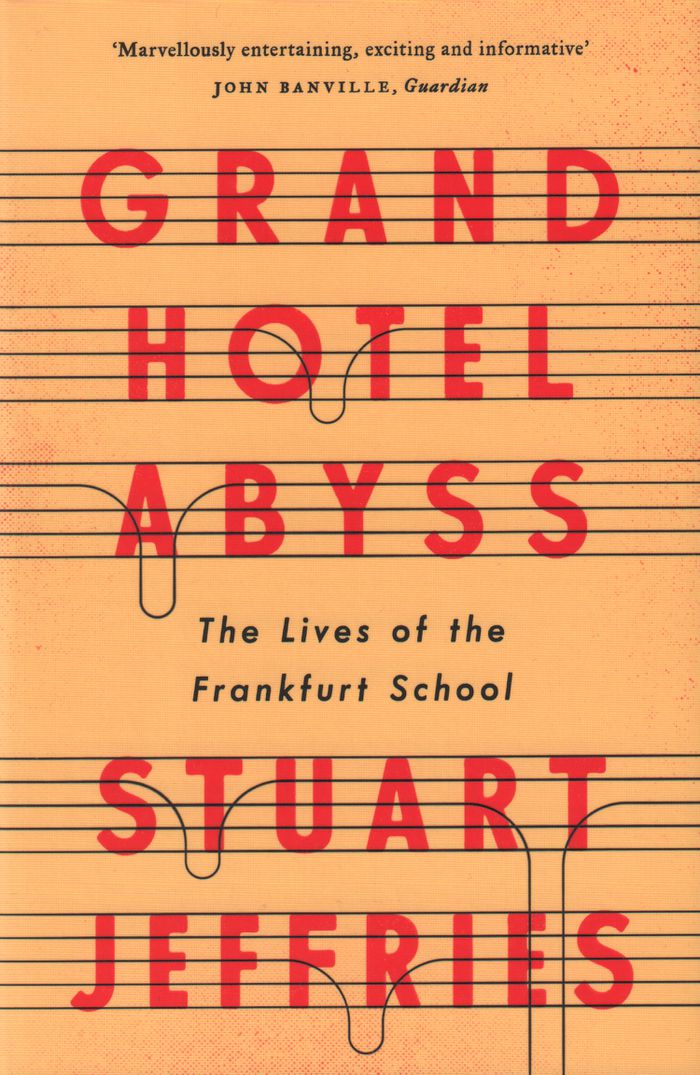
In 1923, a group of young radical German thinkers and intellectuals came together to at Victoria Alle 7, Frankfurt, determined to explain the workings of the modern world. Among the most prominent members of what became the Frankfurt School were the philosophers Walter Benjamin, Theodor Adorno, Max Horkheimer, and Herbert Marcuse. Not only would they change the way we think, but also the subjects we deem worthy of intellectual investigation. Their lives, like their ideas, profoundly, sometimes tragically, reflected and shaped the shattering events of the twentieth century. "Grand Hotel Abyss" combines biography, philosophy, and storytelling to reveal how the Frankfurt thinkers gathered in hopes of understanding the politics of culture during the rise of fascism. Some of them, forced to escape the horrors of Nazi Germany, later found exile in the United States. Benjamin, with his last great work—the incomplete Arcades Project—in his suitcase, was arrested in Spain and committed suicide when threatened with deportation to Nazi-occupied France. On the other side of the Atlantic, Adorno failed in his bid to become a Hollywood screenwriter, denounced jazz, and even met Charlie Chaplin in Malibu. After the war, there was a resurgence of interest in the School. From the relative comfort of sun-drenched California, Herbert Marcuse wrote the classic One Dimensional Man, which influenced the 1960s counterculture and thinkers such as Angela Davis; while in a tragic coda, Adorno died from a heart attack following confrontations with student radicals in Berlin. By taking popular culture seriously as an object of study—whether it was film, music, ideas, or consumerism—the Frankfurt School elaborated upon the nature and crisis of our mass-produced, mechanised society. Grand Hotel Abyss shows how much these ideas still tell us about our age of social media and runaway consumption.
Grand Hotel Abyss: the lives of the Frankfurt school
Actions:
Prix:
$22.99
(disponible sur commande)
Résumé:
In 1923, a group of young radical German thinkers and intellectuals came together to at Victoria Alle 7, Frankfurt, determined to explain the workings of the modern world. Among the most prominent members of what became the Frankfurt School were the philosophers Walter Benjamin, Theodor Adorno, Max Horkheimer, and Herbert Marcuse. Not only would they change the way we think, but also the subjects we deem worthy of intellectual investigation. Their lives, like their ideas, profoundly, sometimes tragically, reflected and shaped the shattering events of the twentieth century. "Grand Hotel Abyss" combines biography, philosophy, and storytelling to reveal how the Frankfurt thinkers gathered in hopes of understanding the politics of culture during the rise of fascism. Some of them, forced to escape the horrors of Nazi Germany, later found exile in the United States. Benjamin, with his last great work—the incomplete Arcades Project—in his suitcase, was arrested in Spain and committed suicide when threatened with deportation to Nazi-occupied France. On the other side of the Atlantic, Adorno failed in his bid to become a Hollywood screenwriter, denounced jazz, and even met Charlie Chaplin in Malibu. After the war, there was a resurgence of interest in the School. From the relative comfort of sun-drenched California, Herbert Marcuse wrote the classic One Dimensional Man, which influenced the 1960s counterculture and thinkers such as Angela Davis; while in a tragic coda, Adorno died from a heart attack following confrontations with student radicals in Berlin. By taking popular culture seriously as an object of study—whether it was film, music, ideas, or consumerism—the Frankfurt School elaborated upon the nature and crisis of our mass-produced, mechanised society. Grand Hotel Abyss shows how much these ideas still tell us about our age of social media and runaway consumption.
Classification:
livres
livres
Publication:
septembre 2017
septembre 2017
Sujet:
Théorie/ philosophie
Théorie/ philosophie


