


1699 Résultats
Classification:
livres
livres
Actions:
Prix:
$85.95
(disponible en magasin)
Résumé:
Cette monographie grand format propose de parcourir l’œuvre de Marina Gadonneix à l’occasion de son exposition au Centre Pompidou. Le corpus visuel, composé de ses plus importantes séries, est accompagné de textes critiques de Florian Ebner et Marcelline Delbecq, ainsi que d’un entretien avec l’artiste. En début et fin d’ouvrage, un atlas iconographique déploie un(...)
$85.95
(disponible en magasin)
Résumé:
Cette monographie grand format propose de parcourir l’œuvre de Marina Gadonneix à l’occasion de son exposition au Centre Pompidou. Le corpus visuel, composé de ses plus importantes séries, est accompagné de textes critiques de Florian Ebner et Marcelline Delbecq, ainsi que d’un entretien avec l’artiste. En début et fin d’ouvrage, un atlas iconographique déploie un(...)
Titre:
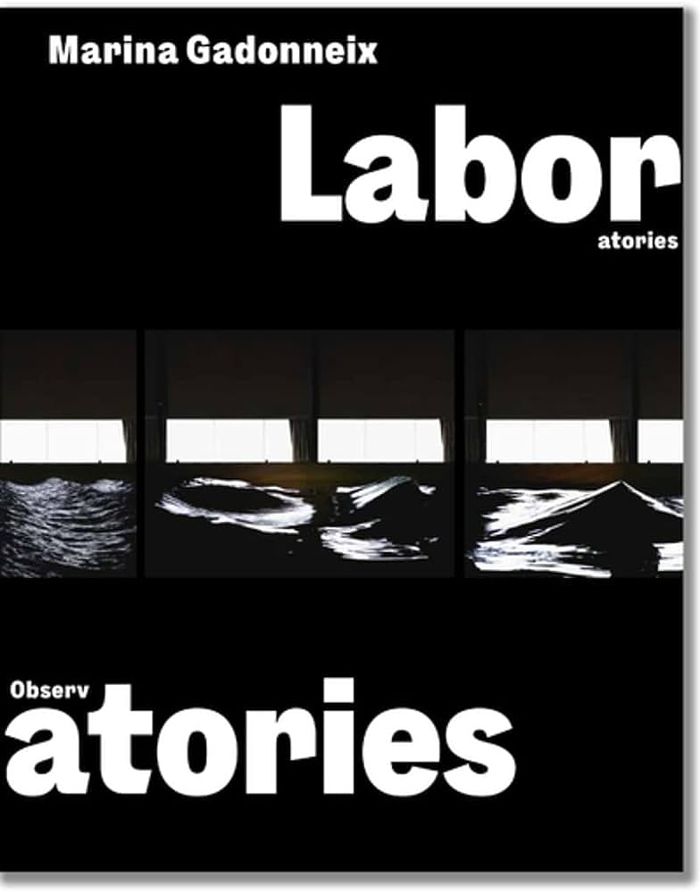
Marina Gadonneix : Laboratoires / observatoires
Actions:
Prix:
$85.95
(disponible en magasin)
Résumé:
Cette monographie grand format propose de parcourir l’œuvre de Marina Gadonneix à l’occasion de son exposition au Centre Pompidou. Le corpus visuel, composé de ses plus importantes séries, est accompagné de textes critiques de Florian Ebner et Marcelline Delbecq, ainsi que d’un entretien avec l’artiste. En début et fin d’ouvrage, un atlas iconographique déploie un ensemble d’images scientifiques et artistiques, qui inspire la pratique de l’artiste et donne à voir ses recherches menées en amont de chaque projet. Marina Gadonneix questionne les diverses représentations du réel et inscrit son travail entre fiction et réalité, matérialité et immatérialité, simulation et illusion. Elle s’attache à vider, déconstruire, décadrer afin de révéler l’artificialité du monde moderne. Fondée sur de longues recherches, sa pratique photographique interroge la fabrication de l’image, qu’elle soit issue du monde du spectacle ou des sciences, et sa mise en scène à travers un objectif social et documentaire qui tend vers l’abstraction. Avec sa chambre photographique, elle nous emmène dans l’envers de l’image. Le concept de laboratoire guide ainsi tout son travail dans un style de plus en plus épuré, dépouillé, qui joue sur le potentiel d’émerveillement de l’image.
Marina Gadonneix : Laboratoires / observatoires
Actions:
Prix:
$85.95
(disponible en magasin)
Résumé:
Cette monographie grand format propose de parcourir l’œuvre de Marina Gadonneix à l’occasion de son exposition au Centre Pompidou. Le corpus visuel, composé de ses plus importantes séries, est accompagné de textes critiques de Florian Ebner et Marcelline Delbecq, ainsi que d’un entretien avec l’artiste. En début et fin d’ouvrage, un atlas iconographique déploie un ensemble d’images scientifiques et artistiques, qui inspire la pratique de l’artiste et donne à voir ses recherches menées en amont de chaque projet. Marina Gadonneix questionne les diverses représentations du réel et inscrit son travail entre fiction et réalité, matérialité et immatérialité, simulation et illusion. Elle s’attache à vider, déconstruire, décadrer afin de révéler l’artificialité du monde moderne. Fondée sur de longues recherches, sa pratique photographique interroge la fabrication de l’image, qu’elle soit issue du monde du spectacle ou des sciences, et sa mise en scène à travers un objectif social et documentaire qui tend vers l’abstraction. Avec sa chambre photographique, elle nous emmène dans l’envers de l’image. Le concept de laboratoire guide ainsi tout son travail dans un style de plus en plus épuré, dépouillé, qui joue sur le potentiel d’émerveillement de l’image.
Classification:
livres
livres
Publication:
juillet 2023
juillet 2023
Sujet:
Monographies photo
Monographies photo
Classification:
livres
livres

Titre:
White rapids
White rapids
Actions:
Prix:
$29.95
(disponible sur commande)
Résumé:
Award-winning Quebecois cartoonist Pascal Blanchet’s graphic novel is a compelling account of the rise and fall of the small northern town of White Rapids. In the first English translation of his work, Blanchet seamlessly blends fact and fiction as he weaves together the official history of the town and snapshots of the quotidian life of its residents. Founded in 1928 in(...)
$29.95
(disponible sur commande)
Résumé:
Award-winning Quebecois cartoonist Pascal Blanchet’s graphic novel is a compelling account of the rise and fall of the small northern town of White Rapids. In the first English translation of his work, Blanchet seamlessly blends fact and fiction as he weaves together the official history of the town and snapshots of the quotidian life of its residents. Founded in 1928 in(...)
Titre:
White rapids
Actions:
Prix:
$29.95
(disponible sur commande)
Résumé:
Award-winning Quebecois cartoonist Pascal Blanchet’s graphic novel is a compelling account of the rise and fall of the small northern town of White Rapids. In the first English translation of his work, Blanchet seamlessly blends fact and fiction as he weaves together the official history of the town and snapshots of the quotidian life of its residents. Founded in 1928 in an isolated region of Quebec forest, the town was conceived and constructed by the Shawinigan Water & Power Company to function as a fully equipped, self-contained living community for workers at the nearby dam and their families. Intended as an incentive to lure workers to the remote and inaccessible region, White Rapids provided its residents with all the luxuries of middle-class modern life in a pastoral setting—until the town was abruptly shut down in 1971, when the company changed hands. Blanchet’s unique, streamlined, retro-inspired aesthetic draws on art deco and fifties modernist design to vividly conjure up idyllic scenes of lazy summer days and crisp winter nights in White Rapids, transporting the reader back to a more innocent time.
White rapids
Actions:
Prix:
$29.95
(disponible sur commande)
Résumé:
Award-winning Quebecois cartoonist Pascal Blanchet’s graphic novel is a compelling account of the rise and fall of the small northern town of White Rapids. In the first English translation of his work, Blanchet seamlessly blends fact and fiction as he weaves together the official history of the town and snapshots of the quotidian life of its residents. Founded in 1928 in an isolated region of Quebec forest, the town was conceived and constructed by the Shawinigan Water & Power Company to function as a fully equipped, self-contained living community for workers at the nearby dam and their families. Intended as an incentive to lure workers to the remote and inaccessible region, White Rapids provided its residents with all the luxuries of middle-class modern life in a pastoral setting—until the town was abruptly shut down in 1971, when the company changed hands. Blanchet’s unique, streamlined, retro-inspired aesthetic draws on art deco and fifties modernist design to vividly conjure up idyllic scenes of lazy summer days and crisp winter nights in White Rapids, transporting the reader back to a more innocent time.
Classification:
livres
livres
Publication:
septembre 2007
septembre 2007
Sujet:
Architecture du Québec
Architecture du Québec
Classification:
périodiques
périodiques

Titre:
Cabinet 27 : mountains
Cabinet 27 : mountains
Actions:
Prix:
$12.00
(disponible sur commande)
Résumé:
Looming large in both geological fact and sociocultural significance, mountains promise grandeur, picturesque natural beauty, good health and the chance to literally rise above the everyday - yet they also menace our imaginations with their harsh conditions, dangerous terrain and deep sense of isolation. These multivalent moods have proved an enticement to sportsmen,(...)
$12.00
(disponible sur commande)
Résumé:
Looming large in both geological fact and sociocultural significance, mountains promise grandeur, picturesque natural beauty, good health and the chance to literally rise above the everyday - yet they also menace our imaginations with their harsh conditions, dangerous terrain and deep sense of isolation. These multivalent moods have proved an enticement to sportsmen,(...)
Titre:
Cabinet 27 : mountains
Actions:
Prix:
$12.00
(disponible sur commande)
Résumé:
Looming large in both geological fact and sociocultural significance, mountains promise grandeur, picturesque natural beauty, good health and the chance to literally rise above the everyday - yet they also menace our imaginations with their harsh conditions, dangerous terrain and deep sense of isolation. These multivalent moods have proved an enticement to sportsmen, scientists, poets and philosophers. Indeed, our modern notion of the "sublime" was born in the Alps - where, as the English critic John Dennis wrote in 1693, nature was revealed as not solely a "delight that is consistent with reason," but also an experience "mingled with Horrours, and sometimes almost with despair." Cabinet 27 features Brian Dillon on the Cold War fact and Faustian fiction of Germany's Brocken; Allen S. Weiss on Petrarch and the winds of Mount Ventoux; and Jeffrey Kastner on the eighteenth-century Alpine panoramas of Hans Conrad Escher von der Linth. It also features Christopher Turner on the "lunar photographs" of James Nasmyth; Viktoria Tkaczyk on scientist Robert Hooke; biologist J.S.B. Haldane on being the right size; artist projects by Casey Logan and Walead Beshty; and Peter Lamborn Wilson's examination of the alchemical properties of building materials.
Cabinet 27 : mountains
Actions:
Prix:
$12.00
(disponible sur commande)
Résumé:
Looming large in both geological fact and sociocultural significance, mountains promise grandeur, picturesque natural beauty, good health and the chance to literally rise above the everyday - yet they also menace our imaginations with their harsh conditions, dangerous terrain and deep sense of isolation. These multivalent moods have proved an enticement to sportsmen, scientists, poets and philosophers. Indeed, our modern notion of the "sublime" was born in the Alps - where, as the English critic John Dennis wrote in 1693, nature was revealed as not solely a "delight that is consistent with reason," but also an experience "mingled with Horrours, and sometimes almost with despair." Cabinet 27 features Brian Dillon on the Cold War fact and Faustian fiction of Germany's Brocken; Allen S. Weiss on Petrarch and the winds of Mount Ventoux; and Jeffrey Kastner on the eighteenth-century Alpine panoramas of Hans Conrad Escher von der Linth. It also features Christopher Turner on the "lunar photographs" of James Nasmyth; Viktoria Tkaczyk on scientist Robert Hooke; biologist J.S.B. Haldane on being the right size; artist projects by Casey Logan and Walead Beshty; and Peter Lamborn Wilson's examination of the alchemical properties of building materials.
Classification:
périodiques
périodiques
Publication:
octobre 2007, Brooklyn
octobre 2007, Brooklyn
Sujet:
Revues
Revues
Classification:
livres
livres
Titre:
Baldness and modernism
Baldness and modernism
Actions:
Prix:
$63.00
(disponible en magasin)
Résumé:
The original bald and unconvincing narrative that triggered this book is that put about by Alison and Peter Smithson in their 1981 Heroic Period of Modern Architecture, limiting modernism to 1915–1929. This fiction is re-contextualized with studies of iconic Bauhaus bald heads – Schlemmer, Itten, etc., such Literal Baldness is the subject of Part 1. Part 2 of Phenomenal(...)
$63.00
(disponible en magasin)
Résumé:
The original bald and unconvincing narrative that triggered this book is that put about by Alison and Peter Smithson in their 1981 Heroic Period of Modern Architecture, limiting modernism to 1915–1929. This fiction is re-contextualized with studies of iconic Bauhaus bald heads – Schlemmer, Itten, etc., such Literal Baldness is the subject of Part 1. Part 2 of Phenomenal(...)
Titre:
Baldness and modernism
Actions:
Prix:
$63.00
(disponible en magasin)
Résumé:
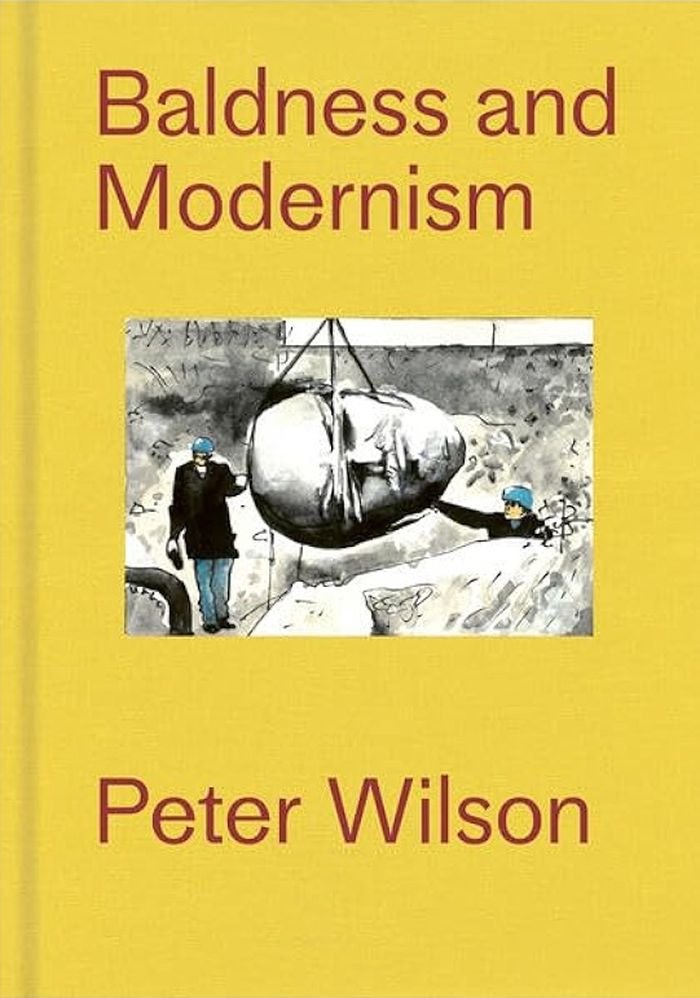
The original bald and unconvincing narrative that triggered this book is that put about by Alison and Peter Smithson in their 1981 Heroic Period of Modern Architecture, limiting modernism to 1915–1929. This fiction is re-contextualized with studies of iconic Bauhaus bald heads – Schlemmer, Itten, etc., such Literal Baldness is the subject of Part 1. Part 2 of Phenomenal Baldness unwinds the Bauhaus narrative put about by Walter Gropius, one that has held water for 100 years. Spin doctor Gropius manipulated his Bauhaus successes into a cornerstone of post WW2 modernism. Cracks in this story are now emerging along with the fact that Gropius was in hindsight, not a very good architect. Attacks on the Bauhaus like those by Rudolph Schwartz or Tom Wolf as well as a comprehensive list of Gropius hand-holders, and those edited out of his narrative are here explored. To conclude Gropius is compared to his contemporary Bruno Taut, a far more interesting and talented architect. This book like Peter Wilson’s previous "Bedtime Stories for Architects" or "Some Reasons for Traveling to Italy" is written in his unique anecdotal style, savoring Shandyisms and the quirks of history.
Baldness and modernism
Actions:
Prix:
$63.00
(disponible en magasin)
Résumé:
The original bald and unconvincing narrative that triggered this book is that put about by Alison and Peter Smithson in their 1981 Heroic Period of Modern Architecture, limiting modernism to 1915–1929. This fiction is re-contextualized with studies of iconic Bauhaus bald heads – Schlemmer, Itten, etc., such Literal Baldness is the subject of Part 1. Part 2 of Phenomenal Baldness unwinds the Bauhaus narrative put about by Walter Gropius, one that has held water for 100 years. Spin doctor Gropius manipulated his Bauhaus successes into a cornerstone of post WW2 modernism. Cracks in this story are now emerging along with the fact that Gropius was in hindsight, not a very good architect. Attacks on the Bauhaus like those by Rudolph Schwartz or Tom Wolf as well as a comprehensive list of Gropius hand-holders, and those edited out of his narrative are here explored. To conclude Gropius is compared to his contemporary Bruno Taut, a far more interesting and talented architect. This book like Peter Wilson’s previous "Bedtime Stories for Architects" or "Some Reasons for Traveling to Italy" is written in his unique anecdotal style, savoring Shandyisms and the quirks of history.
Classification:
livres
livres
Publication:
juin 2025
juin 2025
Sujet:
Théorie de l’architecture
Théorie de l’architecture
Classification:
livres
livres

Actions:
Prix:
$35.00
(disponible sur commande)
Résumé:
Ever since the creation of the first Penguin paperbacks in 1935, their jackets have become a constantly evolving part of Britain's culture and design history. Rich with stunning illustrations and filled with detail of individual titles, designers and even the changing size and shape of the Penguin logo itself, this book shows how covers become design classics. By looking(...)
$35.00
(disponible sur commande)
Résumé:
Ever since the creation of the first Penguin paperbacks in 1935, their jackets have become a constantly evolving part of Britain's culture and design history. Rich with stunning illustrations and filled with detail of individual titles, designers and even the changing size and shape of the Penguin logo itself, this book shows how covers become design classics. By looking(...)
Titre:
Penguin by design : a cover story 1935-2005
Actions:
Prix:
$35.00
(disponible sur commande)
Résumé:
Ever since the creation of the first Penguin paperbacks in 1935, their jackets have become a constantly evolving part of Britain's culture and design history. Rich with stunning illustrations and filled with detail of individual titles, designers and even the changing size and shape of the Penguin logo itself, this book shows how covers become design classics. By looking back at seventy years of Penguin paperbacks, Phil Baines charts the development of British publishing, book-cover design and the role of artists and designers in creating and defining the Penguin look. Coupling in-depth analysis of designers - from Jan Tschichold to Romek Marber - with a wide-ranging look at the range of series and titles published - from early Penguins and Pelicans, to wartime Specials, fiction and reference, this is a distinctive picture of how Penguin has consistently established its identity through its covers, influenced by - and influencing - the wider development of graphic design and the changing fashions in typography, photography, illustration or printing techniques. Filled with inspiring images, "Penguin by Design" demonstrates just how difficult it is not to judge a book by its cover.
Penguin by design : a cover story 1935-2005
Actions:
Prix:
$35.00
(disponible sur commande)
Résumé:
Ever since the creation of the first Penguin paperbacks in 1935, their jackets have become a constantly evolving part of Britain's culture and design history. Rich with stunning illustrations and filled with detail of individual titles, designers and even the changing size and shape of the Penguin logo itself, this book shows how covers become design classics. By looking back at seventy years of Penguin paperbacks, Phil Baines charts the development of British publishing, book-cover design and the role of artists and designers in creating and defining the Penguin look. Coupling in-depth analysis of designers - from Jan Tschichold to Romek Marber - with a wide-ranging look at the range of series and titles published - from early Penguins and Pelicans, to wartime Specials, fiction and reference, this is a distinctive picture of how Penguin has consistently established its identity through its covers, influenced by - and influencing - the wider development of graphic design and the changing fashions in typography, photography, illustration or printing techniques. Filled with inspiring images, "Penguin by Design" demonstrates just how difficult it is not to judge a book by its cover.
Classification:
livres
livres
Publication:
janvier 1900, London
janvier 1900, London
Classification:
livres
livres

Titre:
When site lost the plot
When site lost the plot
Actions:
Prix:
$37.95
(disponible sur commande)
Résumé:
The critical concept of site-specificity once seemed to harbour the potential for disruption. But site-specific work has become increasingly assimilated into the capitalist logic of regeneration and value creation. The materialist critique of the art object has been shortcircuited by the franchised idiosyncrasies of international nomad flâneurs. And on a planet whose(...)
$37.95
(disponible sur commande)
Résumé:
The critical concept of site-specificity once seemed to harbour the potential for disruption. But site-specific work has become increasingly assimilated into the capitalist logic of regeneration and value creation. The materialist critique of the art object has been shortcircuited by the franchised idiosyncrasies of international nomad flâneurs. And on a planet whose(...)
Titre:
When site lost the plot
Actions:
Prix:
$37.95
(disponible sur commande)
Résumé:
The critical concept of site-specificity once seemed to harbour the potential for disruption. But site-specific work has become increasingly assimilated into the capitalist logic of regeneration and value creation. The materialist critique of the art object has been shortcircuited by the franchised idiosyncrasies of international nomad flâneurs. And on a planet whose entire surface is mapped and apped, the concept of ‘site’ itself becomes ever more problematic. How can we do justice to the particularity of local sites while unearthing their material conditions? What do a contemporary ‘geo-philosophy’ and the historical legacy of site-specific art have to offer each other? Can we develop methods for the controlled unpacking of the local into the global, avoiding trivial reconciliations between local sites and their global conditions? "When site lost the plot" charts some of the ways in which site continues to be a concern for contemporary practice; and introduces the concept of ‘plot’ as an alternative approach. Alongside artists discussing their practice and their approach to site and plot, contributors from various disciplines introduce concepts from cartography, mathematics, film, fiction, design, and philosophy.
When site lost the plot
Actions:
Prix:
$37.95
(disponible sur commande)
Résumé:
The critical concept of site-specificity once seemed to harbour the potential for disruption. But site-specific work has become increasingly assimilated into the capitalist logic of regeneration and value creation. The materialist critique of the art object has been shortcircuited by the franchised idiosyncrasies of international nomad flâneurs. And on a planet whose entire surface is mapped and apped, the concept of ‘site’ itself becomes ever more problematic. How can we do justice to the particularity of local sites while unearthing their material conditions? What do a contemporary ‘geo-philosophy’ and the historical legacy of site-specific art have to offer each other? Can we develop methods for the controlled unpacking of the local into the global, avoiding trivial reconciliations between local sites and their global conditions? "When site lost the plot" charts some of the ways in which site continues to be a concern for contemporary practice; and introduces the concept of ‘plot’ as an alternative approach. Alongside artists discussing their practice and their approach to site and plot, contributors from various disciplines introduce concepts from cartography, mathematics, film, fiction, design, and philosophy.
Classification:
livres
livres
Publication:
mars 2015
mars 2015
Sujet:
Théorie de l’art
Théorie de l’art
Classification:
livres
livres

Titre:
Fairy tale architecture
Fairy tale architecture
Actions:
Prix:
$38.95
(disponible sur commande)
Résumé:
Little Red Riding Hood, Baba Yaga, Rapunzel, Jack and the Beanstalk, The Snow Queen: these and more than fifteen other stories designed by Bernheimer Architecture, Snøhetta, Rural Studio, LEVENBETTS, and LTL Architects and many other international vanguards have created stunning works for this groundbreaking collection of architectural fairy tales. Story by story, Andrew(...)
$38.95
(disponible sur commande)
Résumé:
Little Red Riding Hood, Baba Yaga, Rapunzel, Jack and the Beanstalk, The Snow Queen: these and more than fifteen other stories designed by Bernheimer Architecture, Snøhetta, Rural Studio, LEVENBETTS, and LTL Architects and many other international vanguards have created stunning works for this groundbreaking collection of architectural fairy tales. Story by story, Andrew(...)
Sujet:
Théorie de l’architecture
Théorie de l’architecture
Publication:
décembre 2020
décembre 2020
Titre:
Fairy tale architecture
Actions:
Prix:
$38.95
(disponible sur commande)
Résumé:
Little Red Riding Hood, Baba Yaga, Rapunzel, Jack and the Beanstalk, The Snow Queen: these and more than fifteen other stories designed by Bernheimer Architecture, Snøhetta, Rural Studio, LEVENBETTS, and LTL Architects and many other international vanguards have created stunning works for this groundbreaking collection of architectural fairy tales. Story by story, Andrew Bernheimer and Kate Bernheimer- a brother and sister team as in an old fairy tale- have built the ultimate home for lovers of fiction and design. Snow girls and spinning houses. Paper capes and engineered hair braids. Resin bee hives and infinite libraries. Here are futuristic structures made from traditional stories, inspired by everything from Hans Christian Andersen’s The Snow Queen and The Little Match Girl to the Brothers Grimm’s Rapunzel and The Juniper Tree to fairy tales by Jorge Luis Borges and Joy Williams and from China, Japan, Russia, Nigeria, and Mexico. A desire for story and shelter counts as among our most ancient instincts, and this dual desire continues to inspire our most imaginative architects and authors today. ''Fairy Tale Architecture'' invites the reader into a space of wonder, into a new form that will endure ever after.
Fairy tale architecture
Actions:
Prix:
$38.95
(disponible sur commande)
Résumé:
Little Red Riding Hood, Baba Yaga, Rapunzel, Jack and the Beanstalk, The Snow Queen: these and more than fifteen other stories designed by Bernheimer Architecture, Snøhetta, Rural Studio, LEVENBETTS, and LTL Architects and many other international vanguards have created stunning works for this groundbreaking collection of architectural fairy tales. Story by story, Andrew Bernheimer and Kate Bernheimer- a brother and sister team as in an old fairy tale- have built the ultimate home for lovers of fiction and design. Snow girls and spinning houses. Paper capes and engineered hair braids. Resin bee hives and infinite libraries. Here are futuristic structures made from traditional stories, inspired by everything from Hans Christian Andersen’s The Snow Queen and The Little Match Girl to the Brothers Grimm’s Rapunzel and The Juniper Tree to fairy tales by Jorge Luis Borges and Joy Williams and from China, Japan, Russia, Nigeria, and Mexico. A desire for story and shelter counts as among our most ancient instincts, and this dual desire continues to inspire our most imaginative architects and authors today. ''Fairy Tale Architecture'' invites the reader into a space of wonder, into a new form that will endure ever after.
Classification:
livres
livres
Publication:
décembre 2020
décembre 2020
Sujet:
Théorie de l’architecture
Théorie de l’architecture
Classification:
livres
livres
Actions:
Prix:
$79.00
(disponible sur commande)
Résumé:
This volume showcases the best illustrated architecture books ever published. The author, John Hill, is the founder of the influential architecture blog "A Daily Dose of Architecture," which recently shifted course to focus entirely on architecture books of all kinds. His selection for this volume spans centuries, continents, and genres to include Le Corbusier’s "Towards(...)
$79.00
(disponible sur commande)
Résumé:
This volume showcases the best illustrated architecture books ever published. The author, John Hill, is the founder of the influential architecture blog "A Daily Dose of Architecture," which recently shifted course to focus entirely on architecture books of all kinds. His selection for this volume spans centuries, continents, and genres to include Le Corbusier’s "Towards(...)
Titre:
Buildings in print: 100 influential and inspiring illustrated architecture books
Actions:
Prix:
$79.00
(disponible sur commande)
Résumé:
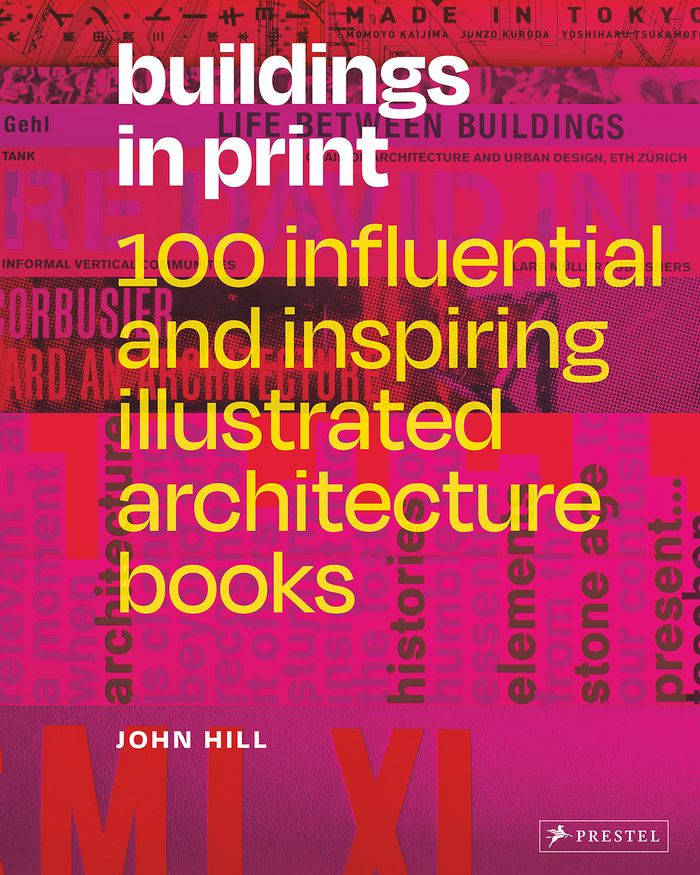
This volume showcases the best illustrated architecture books ever published. The author, John Hill, is the founder of the influential architecture blog "A Daily Dose of Architecture," which recently shifted course to focus entirely on architecture books of all kinds. His selection for this volume spans centuries, continents, and genres to include Le Corbusier’s "Towards a New Architecture," "Project Japan" by Rem Koolhaas, "Atlas of Another America: An Architectural Fiction by Keith Krumwiede," "X-Ray Architecture" by Beatriz Colomina and Thomas Wolfe’s "From Bauhaus to Our House." The books selected are organized into the categories of Manifestos, Histories, Education, Housing, Monographs, Buildings, Exhibitions, Building Cities, and Critiques, and each one has a reproduction of the book’s cover along with selected spreads which are accompanied by Hill’s informed, personal, and engaging take on what makes the title unique and indispensable. In addition, sidebar "Top 10" lists from many of today’s leading critics and architects are scattered throughout. Capturing the best of Hill’s insightful and curious mind, this invaluable resource will broaden the world of anyone interested in the field of architecture– and provide irrefutable arguments for these works’ continued relevance.
Buildings in print: 100 influential and inspiring illustrated architecture books
Actions:
Prix:
$79.00
(disponible sur commande)
Résumé:
This volume showcases the best illustrated architecture books ever published. The author, John Hill, is the founder of the influential architecture blog "A Daily Dose of Architecture," which recently shifted course to focus entirely on architecture books of all kinds. His selection for this volume spans centuries, continents, and genres to include Le Corbusier’s "Towards a New Architecture," "Project Japan" by Rem Koolhaas, "Atlas of Another America: An Architectural Fiction by Keith Krumwiede," "X-Ray Architecture" by Beatriz Colomina and Thomas Wolfe’s "From Bauhaus to Our House." The books selected are organized into the categories of Manifestos, Histories, Education, Housing, Monographs, Buildings, Exhibitions, Building Cities, and Critiques, and each one has a reproduction of the book’s cover along with selected spreads which are accompanied by Hill’s informed, personal, and engaging take on what makes the title unique and indispensable. In addition, sidebar "Top 10" lists from many of today’s leading critics and architects are scattered throughout. Capturing the best of Hill’s insightful and curious mind, this invaluable resource will broaden the world of anyone interested in the field of architecture– and provide irrefutable arguments for these works’ continued relevance.
Classification:
livres
livres
Publication:
juin 2021
juin 2021
Classification:
livres
livres
Actions:
Prix:
$29.00
(disponible en magasin)
Résumé:
En 1974 à New York, Sylvère Lotringer, un jeune philosophe français fraichement engagé à Columbia University, décide de démarrer une revue avec ses étudiant·e·s. Semiotext(e) devient rapidement une courroie de transmission entre les divers courants de la pensée critique de l'après 68 français et les États-Unis et s'émancipe de l'université pour s'ouvrir sur toutes les(...)
$29.00
(disponible en magasin)
Résumé:
En 1974 à New York, Sylvère Lotringer, un jeune philosophe français fraichement engagé à Columbia University, décide de démarrer une revue avec ses étudiant·e·s. Semiotext(e) devient rapidement une courroie de transmission entre les divers courants de la pensée critique de l'après 68 français et les États-Unis et s'émancipe de l'université pour s'ouvrir sur toutes les(...)
Titre:
Ce que Sylvère Lotringer n'écrivait pas
Actions:
Prix:
$29.00
(disponible en magasin)
Résumé:
En 1974 à New York, Sylvère Lotringer, un jeune philosophe français fraichement engagé à Columbia University, décide de démarrer une revue avec ses étudiant·e·s. Semiotext(e) devient rapidement une courroie de transmission entre les divers courants de la pensée critique de l'après 68 français et les États-Unis et s'émancipe de l'université pour s'ouvrir sur toutes les contre-cultures du moment. Le sémioticien Lotringer se réinvente en éditeur, en intervieweur, mais aussi en cinéaste et en catalyseur de toute une scène artistique et intellectuelle alternative qui contribue, un peu par hasard, à instaurer les « Cultural Studies » au cours des années 1980. Avec l'autrice Chris Kraus, Lotringer ouvre la maison d'édition Semiotext(e) à la poésie et à la fiction de nombreuses autrices américaines. Dans cet entretien au long cours donné à une autre collectivité étudiante (un groupe d'étudiant·es de l'école nationale supérieure des beaux-arts de Lyon, animé par François Aubart et François Piron), Sylvère Lotringer raconte l'histoire d'une aventure éditoriale encore vivante aujourd'hui et des manières de faire qu'il a développées pour maintenir pendant 40 ans une ligne politique fidèle en amitiés et attentive aux pulsations du monde contemporain.
Ce que Sylvère Lotringer n'écrivait pas
Actions:
Prix:
$29.00
(disponible en magasin)
Résumé:
En 1974 à New York, Sylvère Lotringer, un jeune philosophe français fraichement engagé à Columbia University, décide de démarrer une revue avec ses étudiant·e·s. Semiotext(e) devient rapidement une courroie de transmission entre les divers courants de la pensée critique de l'après 68 français et les États-Unis et s'émancipe de l'université pour s'ouvrir sur toutes les contre-cultures du moment. Le sémioticien Lotringer se réinvente en éditeur, en intervieweur, mais aussi en cinéaste et en catalyseur de toute une scène artistique et intellectuelle alternative qui contribue, un peu par hasard, à instaurer les « Cultural Studies » au cours des années 1980. Avec l'autrice Chris Kraus, Lotringer ouvre la maison d'édition Semiotext(e) à la poésie et à la fiction de nombreuses autrices américaines. Dans cet entretien au long cours donné à une autre collectivité étudiante (un groupe d'étudiant·es de l'école nationale supérieure des beaux-arts de Lyon, animé par François Aubart et François Piron), Sylvère Lotringer raconte l'histoire d'une aventure éditoriale encore vivante aujourd'hui et des manières de faire qu'il a développées pour maintenir pendant 40 ans une ligne politique fidèle en amitiés et attentive aux pulsations du monde contemporain.
Classification:
livres
livres
Publication:
mars 2022
mars 2022
Sujet:
Théorie/ philosophie
Théorie/ philosophie
Classification:
livres
livres

Titre:
I love Dick
I love Dick
Actions:
Prix:
$22.95
(disponible sur commande)
Résumé:
In "I Love Dick", published in 1997, Chris Kraus, author of Aliens & Anorexia, Torpor, and Video Green, boldly tore away the veil that separates fiction from reality and privacy from self-expression. It's no wonder that "I Love Dick" instantly elicited violent controversies and attracted a host of passionate admirers.The story is gripping enough: in 1994 a married, failed(...)
$22.95
(disponible sur commande)
Résumé:
In "I Love Dick", published in 1997, Chris Kraus, author of Aliens & Anorexia, Torpor, and Video Green, boldly tore away the veil that separates fiction from reality and privacy from self-expression. It's no wonder that "I Love Dick" instantly elicited violent controversies and attracted a host of passionate admirers.The story is gripping enough: in 1994 a married, failed(...)
Titre:
I love Dick
Actions:
Prix:
$22.95
(disponible sur commande)
Résumé:
In "I Love Dick", published in 1997, Chris Kraus, author of Aliens & Anorexia, Torpor, and Video Green, boldly tore away the veil that separates fiction from reality and privacy from self-expression. It's no wonder that "I Love Dick" instantly elicited violent controversies and attracted a host of passionate admirers.The story is gripping enough: in 1994 a married, failed independent filmmaker, turning forty, falls in love with a well-known theorist and endeavors to seduce him with the help of her husband. But when the theorist refuses to answer her letters, the husband and wife continue the correspondence for each other instead, imagining the fling the wife wishes to have with Dick. What follows is a breathless pursuit that takes the woman across America and away from her husband—and far beyond her original infatuation into a discovery of the transformative power of first person narrative.I Love Dick is a manifesto for a new kind of feminist who isn't afraid to burn through her own narcissism in order to assume responsibility for herself and for all the injustice in world—and it's a book you won't put down until the author's final, heroic acts of self-revelation and transformation.
I love Dick
Actions:
Prix:
$22.95
(disponible sur commande)
Résumé:
In "I Love Dick", published in 1997, Chris Kraus, author of Aliens & Anorexia, Torpor, and Video Green, boldly tore away the veil that separates fiction from reality and privacy from self-expression. It's no wonder that "I Love Dick" instantly elicited violent controversies and attracted a host of passionate admirers.The story is gripping enough: in 1994 a married, failed independent filmmaker, turning forty, falls in love with a well-known theorist and endeavors to seduce him with the help of her husband. But when the theorist refuses to answer her letters, the husband and wife continue the correspondence for each other instead, imagining the fling the wife wishes to have with Dick. What follows is a breathless pursuit that takes the woman across America and away from her husband—and far beyond her original infatuation into a discovery of the transformative power of first person narrative.I Love Dick is a manifesto for a new kind of feminist who isn't afraid to burn through her own narcissism in order to assume responsibility for herself and for all the injustice in world—and it's a book you won't put down until the author's final, heroic acts of self-revelation and transformation.
Classification:
livres
livres
Publication:
janvier 2007
janvier 2007
Sujet:
Littérature et poésie
Littérature et poésie


