


12614 Résultats
Classification:
événements
événements
Actions:
Description:
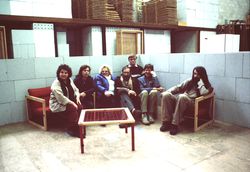
Après une intense période de travail au milieu des années 1970 consacrée au initiatives d’habitation lancées au Portugal après la révolution, Álvaro Siza participe dans les années 1980 à deux des plus importants programmes de renouveau urbain en Europe : l’Exposition internationale d’architecture (IBA) de Berlin et le Stadsvernieuwing als Kulturel Aktiviteit (le renouveau(...)
Après une intense période de travail au milieu des années 1970 consacrée au initiatives d’habitation lancées au Portugal après la révolution, Álvaro Siza participe dans les années 1980 à deux des plus importants programmes de renouveau urbain en Europe : l’Exposition internationale d’architecture (IBA) de Berlin et le Stadsvernieuwing als Kulturel Aktiviteit (le renouveau(...)
Date:
26 novembre 2015
26 novembre 2015
Titre:
L’archéologie de l’ordinaire d’Álvaro Siza
Actions:
Description:
Après une intense période de travail au milieu des années 1970 consacrée au initiatives d’habitation lancées au Portugal après la révolution, Álvaro Siza participe dans les années 1980 à deux des plus importants programmes de renouveau urbain en Europe : l’Exposition internationale d’architecture (IBA) de Berlin et le Stadsvernieuwing als Kulturel Aktiviteit (le renouveau(...)
L’archéologie de l’ordinaire d’Álvaro Siza
Actions:
Description:
Après une intense période de travail au milieu des années 1970 consacrée au initiatives d’habitation lancées au Portugal après la révolution, Álvaro Siza participe dans les années 1980 à deux des plus importants programmes de renouveau urbain en Europe : l’Exposition internationale d’architecture (IBA) de Berlin et le Stadsvernieuwing als Kulturel Aktiviteit (le renouveau(...)
Classification:
événements
événements
Date:
26 novembre 2015
26 novembre 2015
Classification:
événements
événements
Actions:
Description:
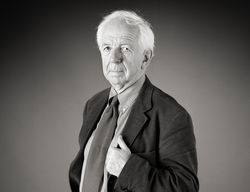
Hubert Damisch, chercheur principal et boursier Mellon au CCA en 2003-2004, examine la conséquence qu’aura, pour l’avenir de la pensée structurale, l’édifice-nuage Blur. Créé par la firme d’architectes new-yorkais Diller + Scofidio sur le lac de Neuchâtel en Suisse, cet édifice est la plus récente et radicale expression d’un désir de fluidité et d’évanescence en(...)
Hubert Damisch, chercheur principal et boursier Mellon au CCA en 2003-2004, examine la conséquence qu’aura, pour l’avenir de la pensée structurale, l’édifice-nuage Blur. Créé par la firme d’architectes new-yorkais Diller + Scofidio sur le lac de Neuchâtel en Suisse, cet édifice est la plus récente et radicale expression d’un désir de fluidité et d’évanescence en(...)
Localisation:
Théâtre Paul-Desmarais
Théâtre Paul-Desmarais
Date:
8 mai 2003
8 mai 2003
Titre:
Hubert Damisch : Effacer l’architecture?
Actions:
Description:
Hubert Damisch, chercheur principal et boursier Mellon au CCA en 2003-2004, examine la conséquence qu’aura, pour l’avenir de la pensée structurale, l’édifice-nuage Blur. Créé par la firme d’architectes new-yorkais Diller + Scofidio sur le lac de Neuchâtel en Suisse, cet édifice est la plus récente et radicale expression d’un désir de fluidité et d’évanescence en(...)
Hubert Damisch : Effacer l’architecture?
Actions:
Description:
Hubert Damisch, chercheur principal et boursier Mellon au CCA en 2003-2004, examine la conséquence qu’aura, pour l’avenir de la pensée structurale, l’édifice-nuage Blur. Créé par la firme d’architectes new-yorkais Diller + Scofidio sur le lac de Neuchâtel en Suisse, cet édifice est la plus récente et radicale expression d’un désir de fluidité et d’évanescence en(...)
Classification:
événements
événements
Date:
8 mai 2003
8 mai 2003
Localisation:
Théâtre Paul-Desmarais
Théâtre Paul-Desmarais
Classification:
expositions
expositions
Titre:
Miroirs / Mirrors
Miroirs / Mirrors
Actions:
Description:
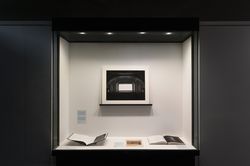
Miroirs/ Mirrors prend forme à travers un dialogue indirect avec l’exposition L’histoire, par ailleurs: Go Hasegawa, Kersten Geers, David Van Severen, qui prend racine dans les références et les résonnances partagées entre les travaux de deux pratiques contemporaines mises en présence de l’histoire. Alors que L’histoire, par ailleurs se fonde sur limpression que lon a du(...)
Miroirs/ Mirrors prend forme à travers un dialogue indirect avec l’exposition L’histoire, par ailleurs: Go Hasegawa, Kersten Geers, David Van Severen, qui prend racine dans les références et les résonnances partagées entre les travaux de deux pratiques contemporaines mises en présence de l’histoire. Alors que L’histoire, par ailleurs se fonde sur limpression que lon a du(...)
Localisation:
Vitrines
Vitrines
Date:
22 juin 2017 au 14 janvier 2018
22 juin 2017 au 14 janvier 2018
Titre:
Miroirs / Mirrors
Actions:
Description:
Miroirs/ Mirrors prend forme à travers un dialogue indirect avec l’exposition L’histoire, par ailleurs: Go Hasegawa, Kersten Geers, David Van Severen, qui prend racine dans les références et les résonnances partagées entre les travaux de deux pratiques contemporaines mises en présence de l’histoire. Alors que L’histoire, par ailleurs se fonde sur limpression que lon a du(...)
Miroirs / Mirrors
Actions:
Description:
Miroirs/ Mirrors prend forme à travers un dialogue indirect avec l’exposition L’histoire, par ailleurs: Go Hasegawa, Kersten Geers, David Van Severen, qui prend racine dans les références et les résonnances partagées entre les travaux de deux pratiques contemporaines mises en présence de l’histoire. Alors que L’histoire, par ailleurs se fonde sur limpression que lon a du(...)
Classification:
expositions
expositions
Date:
22 juin 2017 au
14 janvier 2018
22 juin 2017 au
14 janvier 2018
Localisation:
Vitrines
Vitrines
Classification:
événements
événements
Actions:
Description:
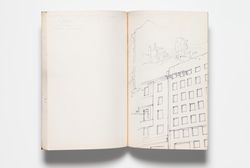
Le chercheur en résidence Gregorio Carboni Maestri présente sa recherche. Des années 1930 à la fin des années 1980, l’architecture portugaise s’est construite sur une relation frustrante avec la modernité, et sur un dialogue crucial avec l’Italie. Ce séminaire portera sur la façon dont l’architecture portugaise a observé les modèles italiens et y a réagi, notamment le(...)
Le chercheur en résidence Gregorio Carboni Maestri présente sa recherche. Des années 1930 à la fin des années 1980, l’architecture portugaise s’est construite sur une relation frustrante avec la modernité, et sur un dialogue crucial avec l’Italie. Ce séminaire portera sur la façon dont l’architecture portugaise a observé les modèles italiens et y a réagi, notamment le(...)
Localisation:
Maison Shaughnessy Mot(s)-clé(s):
Gregorio Carboni Maestri, chercheur en résidence, Portugal, Tendenza
Maison Shaughnessy Mot(s)-clé(s):
Gregorio Carboni Maestri, chercheur en résidence, Portugal, Tendenza
Date:
3 août 2017, 18h
3 août 2017, 18h
Titre:
Séminaire de chercheur en résidence : Gregorio Carboni Maestri
Actions:
Description:
Le chercheur en résidence Gregorio Carboni Maestri présente sa recherche. Des années 1930 à la fin des années 1980, l’architecture portugaise s’est construite sur une relation frustrante avec la modernité, et sur un dialogue crucial avec l’Italie. Ce séminaire portera sur la façon dont l’architecture portugaise a observé les modèles italiens et y a réagi, notamment le(...)
Séminaire de chercheur en résidence : Gregorio Carboni Maestri
Actions:
Description:
Le chercheur en résidence Gregorio Carboni Maestri présente sa recherche. Des années 1930 à la fin des années 1980, l’architecture portugaise s’est construite sur une relation frustrante avec la modernité, et sur un dialogue crucial avec l’Italie. Ce séminaire portera sur la façon dont l’architecture portugaise a observé les modèles italiens et y a réagi, notamment le(...)
Classification:
événements
événements
Date:
3 août 2017
18h
3 août 2017
18h
Localisation:
Maison Shaughnessy Mot(s)-clé(s):
Gregorio Carboni Maestri, chercheur en résidence, Portugal, Tendenza
Maison Shaughnessy Mot(s)-clé(s):
Gregorio Carboni Maestri, chercheur en résidence, Portugal, Tendenza
Classification:
événements
événements
Actions:
Description:
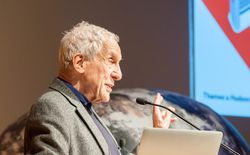
Dans cette conversation, Kenneth Frampton discute les approches de l’histoire de l’architecture aujourd’hui, avec Esra Akcan (Cornell University) et Mark Jarzombek (Massachusetts Institute of Technology). Que signifie l’écriture d’une histoire globale de l’architecture au regard de l’urgence des enjeux contemporains? Au cours d’une discussion modérée par Kim Förster,(...)
Dans cette conversation, Kenneth Frampton discute les approches de l’histoire de l’architecture aujourd’hui, avec Esra Akcan (Cornell University) et Mark Jarzombek (Massachusetts Institute of Technology). Que signifie l’écriture d’une histoire globale de l’architecture au regard de l’urgence des enjeux contemporains? Au cours d’une discussion modérée par Kim Förster,(...)
Date:
6 avril 2017
6 avril 2017
Titre:
Une conversation avec Kenneth Frampton : Peut-il y avoir une histoire globale de l’architecture aujourd’hui?
Actions:
Description:
Dans cette conversation, Kenneth Frampton discute les approches de l’histoire de l’architecture aujourd’hui, avec Esra Akcan (Cornell University) et Mark Jarzombek (Massachusetts Institute of Technology). Que signifie l’écriture d’une histoire globale de l’architecture au regard de l’urgence des enjeux contemporains? Au cours d’une discussion modérée par Kim Förster,(...)
Une conversation avec Kenneth Frampton : Peut-il y avoir une histoire globale de l’architecture aujourd’hui?
Actions:
Description:
Dans cette conversation, Kenneth Frampton discute les approches de l’histoire de l’architecture aujourd’hui, avec Esra Akcan (Cornell University) et Mark Jarzombek (Massachusetts Institute of Technology). Que signifie l’écriture d’une histoire globale de l’architecture au regard de l’urgence des enjeux contemporains? Au cours d’une discussion modérée par Kim Förster,(...)
Classification:
événements
événements
Date:
6 avril 2017
6 avril 2017
Classification:
événements
événements
Description:
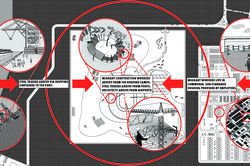
Mabel O. Wilson et Jordan Carver présentent le projet de plaidoyer en cours intitulé « Who Builds Your Architecture ? » (WBYA?), qui demande aux architectes et aux professionnels des disciplines associées de mieux comprendre comment la production de bâtiments lie leurs pratiques aux travailleurs migrants de la construction qui construisent leur design. WBYA?, un groupe de(...)
Mabel O. Wilson et Jordan Carver présentent le projet de plaidoyer en cours intitulé « Who Builds Your Architecture ? » (WBYA?), qui demande aux architectes et aux professionnels des disciplines associées de mieux comprendre comment la production de bâtiments lie leurs pratiques aux travailleurs migrants de la construction qui construisent leur design. WBYA?, un groupe de(...)
Date:
28 janvier 2016
28 janvier 2016
Titre:
Pratiquer le plaidoyer : Who Builds Your Architecture?
Actions:
Description:
Mabel O. Wilson et Jordan Carver présentent le projet de plaidoyer en cours intitulé « Who Builds Your Architecture ? » (WBYA?), qui demande aux architectes et aux professionnels des disciplines associées de mieux comprendre comment la production de bâtiments lie leurs pratiques aux travailleurs migrants de la construction qui construisent leur design. WBYA?, un groupe de(...)
Pratiquer le plaidoyer : Who Builds Your Architecture?
Actions:
Description:
Mabel O. Wilson et Jordan Carver présentent le projet de plaidoyer en cours intitulé « Who Builds Your Architecture ? » (WBYA?), qui demande aux architectes et aux professionnels des disciplines associées de mieux comprendre comment la production de bâtiments lie leurs pratiques aux travailleurs migrants de la construction qui construisent leur design. WBYA?, un groupe de(...)
Classification:
événements
événements
Date:
28 janvier 2016
28 janvier 2016
Classification:
dessins, documents textuels, oeuvres d'art
Quantité:
2 album(s)
dessins, documents textuels, oeuvres d'art
Quantité:
2 album(s)
Actions:
Numéro de référence:
DR1974:0002:037:001-031
Description:
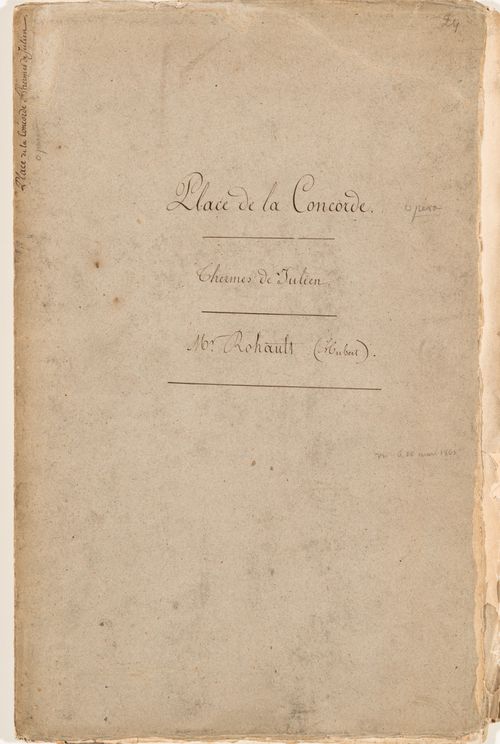
- This album contains drawings, prints and manuscripts chiefly related to two projects: the restoration of the Thermes de Julien and the development of the place de la Concorde, then known as place Louis XV. The ruins of the baths are documented in five drawings by Hubert Rohault de Fleury. The portfolio of manuscripts includes letters from the "Préfecture du Départment de la Seine" appointing Hubert Rohault de Fleury and Etienne Goddes to direct the restoration of the baths, a report by Rohault de Fleury and Goddes, and subsequent letters. The report includes a description of the baths, historical research, suggestions for earth removal and the purchase of adjacent buildings to be demolished. Both proposals made by Hubert Rohault de Fleury to the "Ministre de l'interior" for place Louis XV include central fountains and streets bisecting the square into four quadrants, each with fenced lawns and central fountains. One proposal shows the outer corner of each quadrant bordered by colonnades and loggias overlooking the "jardins des Tuileries", while the other proposal shows promenades bordered by a row of sculptures (DR1974:0002:037:004 - DR1974:0002:037:013). Also by Hubert Rohault de Fleury are several sketches for urban squares and five sketches for fountains, probably for place Louis XV (DR1974:0002:037:003, DR1974:0002:037:014 R/V - DR1974:0002:037:018 R/V). Projects by other architects for place Louis XV in the album include: a print by an unknown engraver of a project by Poyet for place Louis XV, including an opera house; engravings by Ollivier and Hibon of plans and fountains for place Louis XVI by Destouches and by Lusson; a lithograph by Roux of an obelisk with a fountain, probably a proposal for the base of the obelisk from Luxor. - Material unrelated to the Thermes de Julien and place Louis XV in this album includes one sheet of sketches of plans and elevations of unidentified buildings (DR1974:0002:037:001:045 R/V) and a plan showing the location of trees on the edge of place du Cirque Olympique, Paris (DR1974:0002:037:025). In addition to place Louis XVI, the engravings by Hibon and Ollivier depict a fountain for the ville de Toulouse designed by either Etienne Jacques or Etienne Jules Tierry and details of the acanthus foliage finial of the "Lanterne de Démosthénes", often known as the Choragic monument of Lysicrates, Greece (DR1974:0002:037:020 and DR1974:0002:037:021).
DR1974:0002:037:001-031
Description:
- This album contains drawings, prints and manuscripts chiefly related to two projects: the restoration of the Thermes de Julien and the development of the place de la Concorde, then known as place Louis XV. The ruins of the baths are documented in five drawings by Hubert Rohault de Fleury. The portfolio of manuscripts includes letters from the "Préfecture du Départment de la Seine" appointing Hubert Rohault de Fleury and Etienne Goddes to direct the restoration of the baths, a report by Rohault de Fleury and Goddes, and subsequent letters. The report includes a description of the baths, historical research, suggestions for earth removal and the purchase of adjacent buildings to be demolished. Both proposals made by Hubert Rohault de Fleury to the "Ministre de l'interior" for place Louis XV include central fountains and streets bisecting the square into four quadrants, each with fenced lawns and central fountains. One proposal shows the outer corner of each quadrant bordered by colonnades and loggias overlooking the "jardins des Tuileries", while the other proposal shows promenades bordered by a row of sculptures (DR1974:0002:037:004 - DR1974:0002:037:013). Also by Hubert Rohault de Fleury are several sketches for urban squares and five sketches for fountains, probably for place Louis XV (DR1974:0002:037:003, DR1974:0002:037:014 R/V - DR1974:0002:037:018 R/V). Projects by other architects for place Louis XV in the album include: a print by an unknown engraver of a project by Poyet for place Louis XV, including an opera house; engravings by Ollivier and Hibon of plans and fountains for place Louis XVI by Destouches and by Lusson; a lithograph by Roux of an obelisk with a fountain, probably a proposal for the base of the obelisk from Luxor. - Material unrelated to the Thermes de Julien and place Louis XV in this album includes one sheet of sketches of plans and elevations of unidentified buildings (DR1974:0002:037:001:045 R/V) and a plan showing the location of trees on the edge of place du Cirque Olympique, Paris (DR1974:0002:037:025). In addition to place Louis XVI, the engravings by Hibon and Ollivier depict a fountain for the ville de Toulouse designed by either Etienne Jacques or Etienne Jules Tierry and details of the acanthus foliage finial of the "Lanterne de Démosthénes", often known as the Choragic monument of Lysicrates, Greece (DR1974:0002:037:020 and DR1974:0002:037:021).
Personnes et institutions:
Sujet:
architecture, urbanisme
architecture, urbanisme
Date:
1754-1875
1754-1875
Titre:
Album of drawings, prints and documents for place de la Concorde and the restoration of the Thermes de Julien, Paris
Actions:
DR1974:0002:037:001-031
Description:
- This album contains drawings, prints and manuscripts chiefly related to two projects: the restoration of the Thermes de Julien and the development of the place de la Concorde, then known as place Louis XV. The ruins of the baths are documented in five drawings by Hubert Rohault de Fleury. The portfolio of manuscripts includes letters from the "Préfecture du Départment de la Seine" appointing Hubert Rohault de Fleury and Etienne Goddes to direct the restoration of the baths, a report by Rohault de Fleury and Goddes, and subsequent letters. The report includes a description of the baths, historical research, suggestions for earth removal and the purchase of adjacent buildings to be demolished. Both proposals made by Hubert Rohault de Fleury to the "Ministre de l'interior" for place Louis XV include central fountains and streets bisecting the square into four quadrants, each with fenced lawns and central fountains. One proposal shows the outer corner of each quadrant bordered by colonnades and loggias overlooking the "jardins des Tuileries", while the other proposal shows promenades bordered by a row of sculptures (DR1974:0002:037:004 - DR1974:0002:037:013). Also by Hubert Rohault de Fleury are several sketches for urban squares and five sketches for fountains, probably for place Louis XV (DR1974:0002:037:003, DR1974:0002:037:014 R/V - DR1974:0002:037:018 R/V). Projects by other architects for place Louis XV in the album include: a print by an unknown engraver of a project by Poyet for place Louis XV, including an opera house; engravings by Ollivier and Hibon of plans and fountains for place Louis XVI by Destouches and by Lusson; a lithograph by Roux of an obelisk with a fountain, probably a proposal for the base of the obelisk from Luxor. - Material unrelated to the Thermes de Julien and place Louis XV in this album includes one sheet of sketches of plans and elevations of unidentified buildings (DR1974:0002:037:001:045 R/V) and a plan showing the location of trees on the edge of place du Cirque Olympique, Paris (DR1974:0002:037:025). In addition to place Louis XVI, the engravings by Hibon and Ollivier depict a fountain for the ville de Toulouse designed by either Etienne Jacques or Etienne Jules Tierry and details of the acanthus foliage finial of the "Lanterne de Démosthénes", often known as the Choragic monument of Lysicrates, Greece (DR1974:0002:037:020 and DR1974:0002:037:021).
Album of drawings, prints and documents for place de la Concorde and the restoration of the Thermes de Julien, Paris
Actions:
DR1974:0002:037:001-031
Description:
- This album contains drawings, prints and manuscripts chiefly related to two projects: the restoration of the Thermes de Julien and the development of the place de la Concorde, then known as place Louis XV. The ruins of the baths are documented in five drawings by Hubert Rohault de Fleury. The portfolio of manuscripts includes letters from the "Préfecture du Départment de la Seine" appointing Hubert Rohault de Fleury and Etienne Goddes to direct the restoration of the baths, a report by Rohault de Fleury and Goddes, and subsequent letters. The report includes a description of the baths, historical research, suggestions for earth removal and the purchase of adjacent buildings to be demolished. Both proposals made by Hubert Rohault de Fleury to the "Ministre de l'interior" for place Louis XV include central fountains and streets bisecting the square into four quadrants, each with fenced lawns and central fountains. One proposal shows the outer corner of each quadrant bordered by colonnades and loggias overlooking the "jardins des Tuileries", while the other proposal shows promenades bordered by a row of sculptures (DR1974:0002:037:004 - DR1974:0002:037:013). Also by Hubert Rohault de Fleury are several sketches for urban squares and five sketches for fountains, probably for place Louis XV (DR1974:0002:037:003, DR1974:0002:037:014 R/V - DR1974:0002:037:018 R/V). Projects by other architects for place Louis XV in the album include: a print by an unknown engraver of a project by Poyet for place Louis XV, including an opera house; engravings by Ollivier and Hibon of plans and fountains for place Louis XVI by Destouches and by Lusson; a lithograph by Roux of an obelisk with a fountain, probably a proposal for the base of the obelisk from Luxor. - Material unrelated to the Thermes de Julien and place Louis XV in this album includes one sheet of sketches of plans and elevations of unidentified buildings (DR1974:0002:037:001:045 R/V) and a plan showing the location of trees on the edge of place du Cirque Olympique, Paris (DR1974:0002:037:025). In addition to place Louis XVI, the engravings by Hibon and Ollivier depict a fountain for the ville de Toulouse designed by either Etienne Jacques or Etienne Jules Tierry and details of the acanthus foliage finial of the "Lanterne de Démosthénes", often known as the Choragic monument of Lysicrates, Greece (DR1974:0002:037:020 and DR1974:0002:037:021).
Classification:
dessins, documents textuels, oeuvres d'art
Quantité:
2 album(s)
dessins, documents textuels, oeuvres d'art
Quantité:
2 album(s)
Date:
1754-1875
1754-1875
Personnes et institutions:
Sujet:
architecture, urbanisme
architecture, urbanisme
Classification:
événements
événements
Titre:
L’enseignement de… Toronto
L’enseignement de… Toronto
Actions:
Description:
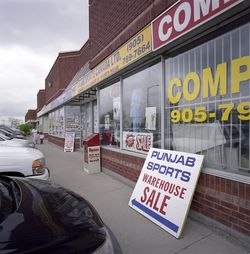
Ian Chodikoff, architecte, urbaniste et rédacteur en chef du magazine Canadian Architect, présente ses recherches sur la banlieue contemporaine, et sur les influences qu’exercent la diversité ethnique et le multiculturalisme sur l’architecture et l’esthétique urbaine dans les paysages suburbains de la région du Grand Toronto (RGT). Les banlieues d’aujourd’hui sont plus(...)
Ian Chodikoff, architecte, urbaniste et rédacteur en chef du magazine Canadian Architect, présente ses recherches sur la banlieue contemporaine, et sur les influences qu’exercent la diversité ethnique et le multiculturalisme sur l’architecture et l’esthétique urbaine dans les paysages suburbains de la région du Grand Toronto (RGT). Les banlieues d’aujourd’hui sont plus(...)
Localisation:
Théâtre Paul-Desmarais
Théâtre Paul-Desmarais
Date:
4 mars 2010 , 19h
4 mars 2010 , 19h
Titre:
L’enseignement de… Toronto
Actions:
Description:
Ian Chodikoff, architecte, urbaniste et rédacteur en chef du magazine Canadian Architect, présente ses recherches sur la banlieue contemporaine, et sur les influences qu’exercent la diversité ethnique et le multiculturalisme sur l’architecture et l’esthétique urbaine dans les paysages suburbains de la région du Grand Toronto (RGT). Les banlieues d’aujourd’hui sont plus(...)
L’enseignement de… Toronto
Actions:
Description:
Ian Chodikoff, architecte, urbaniste et rédacteur en chef du magazine Canadian Architect, présente ses recherches sur la banlieue contemporaine, et sur les influences qu’exercent la diversité ethnique et le multiculturalisme sur l’architecture et l’esthétique urbaine dans les paysages suburbains de la région du Grand Toronto (RGT). Les banlieues d’aujourd’hui sont plus(...)
Classification:
événements
événements
Date:
4 mars 2010
19h
4 mars 2010
19h
Localisation:
Théâtre Paul-Desmarais
Théâtre Paul-Desmarais
Niveau de description archivistique:
Sous-série
Sous-série
Numéro de référence:
CI001.S2.D5
Description:
Charles Rohault de Fleury was architect for the Muséum national d'histoire naturelle from 1833 to 1862. His work for the Muséum is represented in the CCA collection by a diverse group of prints and drawings. In addition to documenting his built and unbuilt projects, the inclusion of prints and drawings of museum and zoo buildings by other architects record, if only partially, the resources available to Charles in designing his buildings. This reference material provides insight into the influences on Charles' work as well as the nature of the design process itself. His built works, with the exception of the 1854 addition to the greenhouses, are illustrated in a book of prints with a brief accompanying text - "Muséum d'histoire naturelle: serres chaudes, galeries de minéralogie, etc. etc." (published 1837) (DR1974:0002:004:001; a second copy is held by the CCA library) (1). While prints are included for the Galerie de minéralogie et de géologie, the monkey house and the reservoirs, the majority of the prints are of the greenhouses (serres chaudes) begun 1833 (2). Known for their technological innovations in iron construction, these greenhouses utilized the first multi-storey load-bearing cast-iron façades for the central pavilions as well as space frame roof structures and prefabricated parts. This structural system is well documented in the prints in the CCA collection. The design was apparently inspired by the English greenhouses - a plate of which are included in the book - that Charles saw on a tour of England. The use of prestressed beams and curved roofs in the lateral wings attest to this influence. Charles' greenhouses, in turn, influenced the design of other greenhouses in Europe especially those at the Jardins Botanique in Liège and Ghent, Belgium (3). Although Joseph Paxton saw the greenhouses in 1833, it is unclear if they had an impact on the design of the Crystal Palace constructed 1850-1851 (4). The innovations of Charles' greenhouses continued to be acknowledged into the 20th century. Giedion in "Space, Time and Architecture", while erroneously attributing them to Rouhault (5)(6), refers to the greenhouses as "the prototype of all large iron-framed conservatories" (7). In addition to the greenhouses for the Muséum, the CCA collection includes three proposals (dated 1841) for a private greenhouse designed by Charles Rohault de Fleury (DR1974:0002:002:008 - DR1974:0002:002:013). The designs utilize the same curved roofs as the wings of the greenhouses at the Muséum combined with classically detailed stonework. An different aspect of Charles' work for the Muséum national d'histoire naturelle is represented in the album of unexecuted proposals -the only design drawings for the Muséum in the collection - for a Galerie de zoologie (DR1974:0002:024:001-079). Building on the typology of his earlier classical Galerie de minéralogie et de géologie (constructed 1833 -1841), the proposals, which date from between 1838 and 1862, illustrate a gradual enrichment of Charles' classical architectural vocabulary (8). They vary in their spatial configurations and façade treatments ranging from austere colonnaded designs with little ornament to more elaborate ones with richly encrusted facades, complex rooflines and more dramatic interior spaces characteristic of the Second Empire. The majority of the proposals consist of preliminary drawings illustrating the essential formal, spatial and ornamental aspects of the building. One proposal, dated January 1846, is substantially more developed than the others; in addition to general plans, sections and elevations, more detailed drawings are included for the layout of spaces, the elaboration of the facades, the configuration of the structure and even the designs for the specimen display cases. It is also worth noting that this album includes several plans outlining Rohault de Fleury's ideas for the overall development of the Muséum national d'histoire naturelle. In 1846, an album of prints of the Museo di fiscia e storia naturelle in Florence (DR1974:0002:005:001-018) was presented to Charles by the Grand Duke of Tuscany in response to his request for tracings of that building. These prints were probably used as reference material for the design of the new Galerie de zoologie described above. The portfolio of record drawings (ca. 1862) of the zoos in Antwerp, Brussels, Marseille and Amsterdam (DR1974:0002:018:001-027) is probably a dummy for a publication on zoological gardens as well as background documentation for the renovation and expansion of the zoo at the Muséum national d'histoire naturelle in Paris. Both drawings of the facilities for the animals and visitors and general plans of the zoological gardens are included. The Paris zoo project was apparently never undertaken. (1) These prints were reused in the "Oeuvre de C. Rohault de Fleury, architecte" (published 1884) (DR1974:0002:029:001-044). (2) Rohault de Fleury's greenhouses were destroyed in the Prussian bombardments of 1870. The greenhouses, which now stand in their place, are similar in layout and appearance to the original design, but their structural system is different. (3) John Hix, 'The Glass House' (Cambridge, Mass.: The MIT Press, 1981), p. 115. (4) Ibid., p. 115. (5) This error has been repeated by other authors including Henry-Russell Hitchcock, 'Architecture: Nineteenth and Twentieth Centuries' (Baltimore, Maryland: Penguin Books, 1968), p. 120. (6) Leonardo Benevolo, 'History of Modern Architecture' Volume 1: The tradition of modern architecture (Cambridge, Mass.: The M.I.T. Press, 1971), p. 22. (7) Sigfried Giedion, 'Space, Time and Architecture; the growth of a new tradition' (Cambridge: Harvard University Press, 1941), p. 181. (8) Barry Bergdoll, "Charles Rohault de Fleury: Part two: Muséum d'Histoire Naturelle and Studies on analogous Constructions in Europe", 'CCA Research Report", n.d., p. 1.
CI001.S2.D5
Description:
Charles Rohault de Fleury was architect for the Muséum national d'histoire naturelle from 1833 to 1862. His work for the Muséum is represented in the CCA collection by a diverse group of prints and drawings. In addition to documenting his built and unbuilt projects, the inclusion of prints and drawings of museum and zoo buildings by other architects record, if only partially, the resources available to Charles in designing his buildings. This reference material provides insight into the influences on Charles' work as well as the nature of the design process itself. His built works, with the exception of the 1854 addition to the greenhouses, are illustrated in a book of prints with a brief accompanying text - "Muséum d'histoire naturelle: serres chaudes, galeries de minéralogie, etc. etc." (published 1837) (DR1974:0002:004:001; a second copy is held by the CCA library) (1). While prints are included for the Galerie de minéralogie et de géologie, the monkey house and the reservoirs, the majority of the prints are of the greenhouses (serres chaudes) begun 1833 (2). Known for their technological innovations in iron construction, these greenhouses utilized the first multi-storey load-bearing cast-iron façades for the central pavilions as well as space frame roof structures and prefabricated parts. This structural system is well documented in the prints in the CCA collection. The design was apparently inspired by the English greenhouses - a plate of which are included in the book - that Charles saw on a tour of England. The use of prestressed beams and curved roofs in the lateral wings attest to this influence. Charles' greenhouses, in turn, influenced the design of other greenhouses in Europe especially those at the Jardins Botanique in Liège and Ghent, Belgium (3). Although Joseph Paxton saw the greenhouses in 1833, it is unclear if they had an impact on the design of the Crystal Palace constructed 1850-1851 (4). The innovations of Charles' greenhouses continued to be acknowledged into the 20th century. Giedion in "Space, Time and Architecture", while erroneously attributing them to Rouhault (5)(6), refers to the greenhouses as "the prototype of all large iron-framed conservatories" (7). In addition to the greenhouses for the Muséum, the CCA collection includes three proposals (dated 1841) for a private greenhouse designed by Charles Rohault de Fleury (DR1974:0002:002:008 - DR1974:0002:002:013). The designs utilize the same curved roofs as the wings of the greenhouses at the Muséum combined with classically detailed stonework. An different aspect of Charles' work for the Muséum national d'histoire naturelle is represented in the album of unexecuted proposals -the only design drawings for the Muséum in the collection - for a Galerie de zoologie (DR1974:0002:024:001-079). Building on the typology of his earlier classical Galerie de minéralogie et de géologie (constructed 1833 -1841), the proposals, which date from between 1838 and 1862, illustrate a gradual enrichment of Charles' classical architectural vocabulary (8). They vary in their spatial configurations and façade treatments ranging from austere colonnaded designs with little ornament to more elaborate ones with richly encrusted facades, complex rooflines and more dramatic interior spaces characteristic of the Second Empire. The majority of the proposals consist of preliminary drawings illustrating the essential formal, spatial and ornamental aspects of the building. One proposal, dated January 1846, is substantially more developed than the others; in addition to general plans, sections and elevations, more detailed drawings are included for the layout of spaces, the elaboration of the facades, the configuration of the structure and even the designs for the specimen display cases. It is also worth noting that this album includes several plans outlining Rohault de Fleury's ideas for the overall development of the Muséum national d'histoire naturelle. In 1846, an album of prints of the Museo di fiscia e storia naturelle in Florence (DR1974:0002:005:001-018) was presented to Charles by the Grand Duke of Tuscany in response to his request for tracings of that building. These prints were probably used as reference material for the design of the new Galerie de zoologie described above. The portfolio of record drawings (ca. 1862) of the zoos in Antwerp, Brussels, Marseille and Amsterdam (DR1974:0002:018:001-027) is probably a dummy for a publication on zoological gardens as well as background documentation for the renovation and expansion of the zoo at the Muséum national d'histoire naturelle in Paris. Both drawings of the facilities for the animals and visitors and general plans of the zoological gardens are included. The Paris zoo project was apparently never undertaken. (1) These prints were reused in the "Oeuvre de C. Rohault de Fleury, architecte" (published 1884) (DR1974:0002:029:001-044). (2) Rohault de Fleury's greenhouses were destroyed in the Prussian bombardments of 1870. The greenhouses, which now stand in their place, are similar in layout and appearance to the original design, but their structural system is different. (3) John Hix, 'The Glass House' (Cambridge, Mass.: The MIT Press, 1981), p. 115. (4) Ibid., p. 115. (5) This error has been repeated by other authors including Henry-Russell Hitchcock, 'Architecture: Nineteenth and Twentieth Centuries' (Baltimore, Maryland: Penguin Books, 1968), p. 120. (6) Leonardo Benevolo, 'History of Modern Architecture' Volume 1: The tradition of modern architecture (Cambridge, Mass.: The M.I.T. Press, 1971), p. 22. (7) Sigfried Giedion, 'Space, Time and Architecture; the growth of a new tradition' (Cambridge: Harvard University Press, 1941), p. 181. (8) Barry Bergdoll, "Charles Rohault de Fleury: Part two: Muséum d'Histoire Naturelle and Studies on analogous Constructions in Europe", 'CCA Research Report", n.d., p. 1.
Personnes et institutions:
Date:
[1837-ca. 1862]
[1837-ca. 1862]
Titre:
Muséum nationale d'histoire naturelle
CI001.S2.D5
Description:
Charles Rohault de Fleury was architect for the Muséum national d'histoire naturelle from 1833 to 1862. His work for the Muséum is represented in the CCA collection by a diverse group of prints and drawings. In addition to documenting his built and unbuilt projects, the inclusion of prints and drawings of museum and zoo buildings by other architects record, if only partially, the resources available to Charles in designing his buildings. This reference material provides insight into the influences on Charles' work as well as the nature of the design process itself. His built works, with the exception of the 1854 addition to the greenhouses, are illustrated in a book of prints with a brief accompanying text - "Muséum d'histoire naturelle: serres chaudes, galeries de minéralogie, etc. etc." (published 1837) (DR1974:0002:004:001; a second copy is held by the CCA library) (1). While prints are included for the Galerie de minéralogie et de géologie, the monkey house and the reservoirs, the majority of the prints are of the greenhouses (serres chaudes) begun 1833 (2). Known for their technological innovations in iron construction, these greenhouses utilized the first multi-storey load-bearing cast-iron façades for the central pavilions as well as space frame roof structures and prefabricated parts. This structural system is well documented in the prints in the CCA collection. The design was apparently inspired by the English greenhouses - a plate of which are included in the book - that Charles saw on a tour of England. The use of prestressed beams and curved roofs in the lateral wings attest to this influence. Charles' greenhouses, in turn, influenced the design of other greenhouses in Europe especially those at the Jardins Botanique in Liège and Ghent, Belgium (3). Although Joseph Paxton saw the greenhouses in 1833, it is unclear if they had an impact on the design of the Crystal Palace constructed 1850-1851 (4). The innovations of Charles' greenhouses continued to be acknowledged into the 20th century. Giedion in "Space, Time and Architecture", while erroneously attributing them to Rouhault (5)(6), refers to the greenhouses as "the prototype of all large iron-framed conservatories" (7). In addition to the greenhouses for the Muséum, the CCA collection includes three proposals (dated 1841) for a private greenhouse designed by Charles Rohault de Fleury (DR1974:0002:002:008 - DR1974:0002:002:013). The designs utilize the same curved roofs as the wings of the greenhouses at the Muséum combined with classically detailed stonework. An different aspect of Charles' work for the Muséum national d'histoire naturelle is represented in the album of unexecuted proposals -the only design drawings for the Muséum in the collection - for a Galerie de zoologie (DR1974:0002:024:001-079). Building on the typology of his earlier classical Galerie de minéralogie et de géologie (constructed 1833 -1841), the proposals, which date from between 1838 and 1862, illustrate a gradual enrichment of Charles' classical architectural vocabulary (8). They vary in their spatial configurations and façade treatments ranging from austere colonnaded designs with little ornament to more elaborate ones with richly encrusted facades, complex rooflines and more dramatic interior spaces characteristic of the Second Empire. The majority of the proposals consist of preliminary drawings illustrating the essential formal, spatial and ornamental aspects of the building. One proposal, dated January 1846, is substantially more developed than the others; in addition to general plans, sections and elevations, more detailed drawings are included for the layout of spaces, the elaboration of the facades, the configuration of the structure and even the designs for the specimen display cases. It is also worth noting that this album includes several plans outlining Rohault de Fleury's ideas for the overall development of the Muséum national d'histoire naturelle. In 1846, an album of prints of the Museo di fiscia e storia naturelle in Florence (DR1974:0002:005:001-018) was presented to Charles by the Grand Duke of Tuscany in response to his request for tracings of that building. These prints were probably used as reference material for the design of the new Galerie de zoologie described above. The portfolio of record drawings (ca. 1862) of the zoos in Antwerp, Brussels, Marseille and Amsterdam (DR1974:0002:018:001-027) is probably a dummy for a publication on zoological gardens as well as background documentation for the renovation and expansion of the zoo at the Muséum national d'histoire naturelle in Paris. Both drawings of the facilities for the animals and visitors and general plans of the zoological gardens are included. The Paris zoo project was apparently never undertaken. (1) These prints were reused in the "Oeuvre de C. Rohault de Fleury, architecte" (published 1884) (DR1974:0002:029:001-044). (2) Rohault de Fleury's greenhouses were destroyed in the Prussian bombardments of 1870. The greenhouses, which now stand in their place, are similar in layout and appearance to the original design, but their structural system is different. (3) John Hix, 'The Glass House' (Cambridge, Mass.: The MIT Press, 1981), p. 115. (4) Ibid., p. 115. (5) This error has been repeated by other authors including Henry-Russell Hitchcock, 'Architecture: Nineteenth and Twentieth Centuries' (Baltimore, Maryland: Penguin Books, 1968), p. 120. (6) Leonardo Benevolo, 'History of Modern Architecture' Volume 1: The tradition of modern architecture (Cambridge, Mass.: The M.I.T. Press, 1971), p. 22. (7) Sigfried Giedion, 'Space, Time and Architecture; the growth of a new tradition' (Cambridge: Harvard University Press, 1941), p. 181. (8) Barry Bergdoll, "Charles Rohault de Fleury: Part two: Muséum d'Histoire Naturelle and Studies on analogous Constructions in Europe", 'CCA Research Report", n.d., p. 1.
Muséum nationale d'histoire naturelle
CI001.S2.D5
Description:
Charles Rohault de Fleury was architect for the Muséum national d'histoire naturelle from 1833 to 1862. His work for the Muséum is represented in the CCA collection by a diverse group of prints and drawings. In addition to documenting his built and unbuilt projects, the inclusion of prints and drawings of museum and zoo buildings by other architects record, if only partially, the resources available to Charles in designing his buildings. This reference material provides insight into the influences on Charles' work as well as the nature of the design process itself. His built works, with the exception of the 1854 addition to the greenhouses, are illustrated in a book of prints with a brief accompanying text - "Muséum d'histoire naturelle: serres chaudes, galeries de minéralogie, etc. etc." (published 1837) (DR1974:0002:004:001; a second copy is held by the CCA library) (1). While prints are included for the Galerie de minéralogie et de géologie, the monkey house and the reservoirs, the majority of the prints are of the greenhouses (serres chaudes) begun 1833 (2). Known for their technological innovations in iron construction, these greenhouses utilized the first multi-storey load-bearing cast-iron façades for the central pavilions as well as space frame roof structures and prefabricated parts. This structural system is well documented in the prints in the CCA collection. The design was apparently inspired by the English greenhouses - a plate of which are included in the book - that Charles saw on a tour of England. The use of prestressed beams and curved roofs in the lateral wings attest to this influence. Charles' greenhouses, in turn, influenced the design of other greenhouses in Europe especially those at the Jardins Botanique in Liège and Ghent, Belgium (3). Although Joseph Paxton saw the greenhouses in 1833, it is unclear if they had an impact on the design of the Crystal Palace constructed 1850-1851 (4). The innovations of Charles' greenhouses continued to be acknowledged into the 20th century. Giedion in "Space, Time and Architecture", while erroneously attributing them to Rouhault (5)(6), refers to the greenhouses as "the prototype of all large iron-framed conservatories" (7). In addition to the greenhouses for the Muséum, the CCA collection includes three proposals (dated 1841) for a private greenhouse designed by Charles Rohault de Fleury (DR1974:0002:002:008 - DR1974:0002:002:013). The designs utilize the same curved roofs as the wings of the greenhouses at the Muséum combined with classically detailed stonework. An different aspect of Charles' work for the Muséum national d'histoire naturelle is represented in the album of unexecuted proposals -the only design drawings for the Muséum in the collection - for a Galerie de zoologie (DR1974:0002:024:001-079). Building on the typology of his earlier classical Galerie de minéralogie et de géologie (constructed 1833 -1841), the proposals, which date from between 1838 and 1862, illustrate a gradual enrichment of Charles' classical architectural vocabulary (8). They vary in their spatial configurations and façade treatments ranging from austere colonnaded designs with little ornament to more elaborate ones with richly encrusted facades, complex rooflines and more dramatic interior spaces characteristic of the Second Empire. The majority of the proposals consist of preliminary drawings illustrating the essential formal, spatial and ornamental aspects of the building. One proposal, dated January 1846, is substantially more developed than the others; in addition to general plans, sections and elevations, more detailed drawings are included for the layout of spaces, the elaboration of the facades, the configuration of the structure and even the designs for the specimen display cases. It is also worth noting that this album includes several plans outlining Rohault de Fleury's ideas for the overall development of the Muséum national d'histoire naturelle. In 1846, an album of prints of the Museo di fiscia e storia naturelle in Florence (DR1974:0002:005:001-018) was presented to Charles by the Grand Duke of Tuscany in response to his request for tracings of that building. These prints were probably used as reference material for the design of the new Galerie de zoologie described above. The portfolio of record drawings (ca. 1862) of the zoos in Antwerp, Brussels, Marseille and Amsterdam (DR1974:0002:018:001-027) is probably a dummy for a publication on zoological gardens as well as background documentation for the renovation and expansion of the zoo at the Muséum national d'histoire naturelle in Paris. Both drawings of the facilities for the animals and visitors and general plans of the zoological gardens are included. The Paris zoo project was apparently never undertaken. (1) These prints were reused in the "Oeuvre de C. Rohault de Fleury, architecte" (published 1884) (DR1974:0002:029:001-044). (2) Rohault de Fleury's greenhouses were destroyed in the Prussian bombardments of 1870. The greenhouses, which now stand in their place, are similar in layout and appearance to the original design, but their structural system is different. (3) John Hix, 'The Glass House' (Cambridge, Mass.: The MIT Press, 1981), p. 115. (4) Ibid., p. 115. (5) This error has been repeated by other authors including Henry-Russell Hitchcock, 'Architecture: Nineteenth and Twentieth Centuries' (Baltimore, Maryland: Penguin Books, 1968), p. 120. (6) Leonardo Benevolo, 'History of Modern Architecture' Volume 1: The tradition of modern architecture (Cambridge, Mass.: The M.I.T. Press, 1971), p. 22. (7) Sigfried Giedion, 'Space, Time and Architecture; the growth of a new tradition' (Cambridge: Harvard University Press, 1941), p. 181. (8) Barry Bergdoll, "Charles Rohault de Fleury: Part two: Muséum d'Histoire Naturelle and Studies on analogous Constructions in Europe", 'CCA Research Report", n.d., p. 1.
Niveau de description archivistique:
File 5
File 5
Date:
[1837-ca. 1862]
[1837-ca. 1862]
Personnes et institutions:
Classification:
archives
Niveau de description archivistique:
Fonds
archives
Niveau de description archivistique:
Fonds
Numéro de référence:
AP177
Résumé:
The RUR Architecture Kansai-kan of the National Diet Library project records, circa 1996, document the New York based firm’s competition entry for the Kansai Science City branch of Japan’s National Diet Library. Records show integration of landscape in the building’s design, exploration of the relationship between structure and surface, and a multimedia approach to building design. Records include 169 digital files, mostly CAD models and images; 42 drawings and printed renderings; and 5 models and casts.
AP177
Résumé:
The RUR Architecture Kansai-kan of the National Diet Library project records, circa 1996, document the New York based firm’s competition entry for the Kansai Science City branch of Japan’s National Diet Library. Records show integration of landscape in the building’s design, exploration of the relationship between structure and surface, and a multimedia approach to building design. Records include 169 digital files, mostly CAD models and images; 42 drawings and printed renderings; and 5 models and casts.
Personnes et institutions:
Date:
1996-2015
1996-2015
Titre:
Documents d’archives de RUR Architecture pour le projet Kansai-kan, National Diet Library
Actions:
AP177
Résumé:
The RUR Architecture Kansai-kan of the National Diet Library project records, circa 1996, document the New York based firm’s competition entry for the Kansai Science City branch of Japan’s National Diet Library. Records show integration of landscape in the building’s design, exploration of the relationship between structure and surface, and a multimedia approach to building design. Records include 169 digital files, mostly CAD models and images; 42 drawings and printed renderings; and 5 models and casts.
Documents d’archives de RUR Architecture pour le projet Kansai-kan, National Diet Library
Actions:
AP177
Résumé:
The RUR Architecture Kansai-kan of the National Diet Library project records, circa 1996, document the New York based firm’s competition entry for the Kansai Science City branch of Japan’s National Diet Library. Records show integration of landscape in the building’s design, exploration of the relationship between structure and surface, and a multimedia approach to building design. Records include 169 digital files, mostly CAD models and images; 42 drawings and printed renderings; and 5 models and casts.
Classification:
archives
Niveau de description archivistique:
Fonds
archives
Niveau de description archivistique:
Fonds
Date:
1996-2015
1996-2015
Personnes et institutions:


