


3314 Résultats
Classification:
expositions
expositions
Actions:
Description:
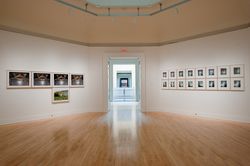
Dans cette exposition, Guido Guidi, photographe italien, explore les notions de temps, d’espace et de lumière dans son essai photographique sur le mausolée de la famille Brion en Italie, considéré comme le chef-d’œuvre de l’architecte Carlo Scarpa. Révélée par les 54 photographies couleur de l’artiste exposées, la beauté de l’architecture de cet complexe funéraire, aux(...)
Dans cette exposition, Guido Guidi, photographe italien, explore les notions de temps, d’espace et de lumière dans son essai photographique sur le mausolée de la famille Brion en Italie, considéré comme le chef-d’œuvre de l’architecte Carlo Scarpa. Révélée par les 54 photographies couleur de l’artiste exposées, la beauté de l’architecture de cet complexe funéraire, aux(...)
Localisation:
Salle octogonale
Salle octogonale
Date:
11 septembre 2009 au 10 janvier 2010
11 septembre 2009 au 10 janvier 2010
Titre:
La tombe Brion de Carlo Scarpa : photographies de Guido Guidi, 1997-2007
Actions:
Description:
Dans cette exposition, Guido Guidi, photographe italien, explore les notions de temps, d’espace et de lumière dans son essai photographique sur le mausolée de la famille Brion en Italie, considéré comme le chef-d’œuvre de l’architecte Carlo Scarpa. Révélée par les 54 photographies couleur de l’artiste exposées, la beauté de l’architecture de cet complexe funéraire, aux(...)
La tombe Brion de Carlo Scarpa : photographies de Guido Guidi, 1997-2007
Actions:
Description:
Dans cette exposition, Guido Guidi, photographe italien, explore les notions de temps, d’espace et de lumière dans son essai photographique sur le mausolée de la famille Brion en Italie, considéré comme le chef-d’œuvre de l’architecte Carlo Scarpa. Révélée par les 54 photographies couleur de l’artiste exposées, la beauté de l’architecture de cet complexe funéraire, aux(...)
Classification:
expositions
expositions
Date:
11 septembre 2009 au
10 janvier 2010
11 septembre 2009 au
10 janvier 2010
Localisation:
Salle octogonale
Salle octogonale
Niveau de description archivistique:
Projet
Projet
Numéro de référence:
AP143.S4.D14
Description:
File documents an executed project for House VI, a weekend/vacation house designed for Richard and Suzanne Frank for a six-acre lot at Great Hollow Road, Cornwall, Connecticut. The file also includes material for renovations to House VI undertaken in 1983, 1986, and 1989-1990. Material in this file was produced between 1971 and 1989. The 1,500 square foot plan of House VI comprises a kitchen, dining room, living room and study on the ground floor, and a bedroom and bathroom on the second floor. The most notable formal and compositional ambiguities of House VI are the two staircases, one green, and the other red and positioned on the ceiling. Documents include drawings by Eisenman concerning the geometric operations at the origin of House VI (DR1994:0134:055-067), conceptual drawings (DR1994:0134:001-068; DR1994:0134:086-130; DR1994:0134:131-160), numerous colour studies of the elevations (DR1994:0134:262-343), a presentation panel (DR1994:0134:521) notes (DR1994:0134:779-782), and a first set of working drawings and "check set," completed on 30 Aug. 1973, (DR1994:0134:667-689). Documents also include drawings for major revisions which occurred from 3 October 1973 through August 1974, photocopies of photographs of the house under construction (DR1994:0134:783-805), and a copy of the site survey (DR1994:0134:806). Planned and executed renovations to House VI began in 1983. Documents relating to unexecuted renovations and additions of 1983 includes drawings (DR1994:0134:604-615), a "bid set" and annotated copies (DR1994:0134:552 and DR1994:0134:554-570; copies: DR1994:0134:646-655), and a photocopy of the site plan indicating Eisenman's initial ideas (DR1994:0134:224). Documents relating to unexecuted renovations and additions of 1986 includes seven drawings (DR1994:0134:553 and DR1994:0134:628-633). House VI was extensively rebuilt between 1988 and 1990. The renovations included the replacement of the exterior plywood walls, the insertion of steel reinforcement, a new roof with skylights, the replacement of the original stucco by a coat of Finestone, the repainting of the interior, and the addition of a plexiglas barrier to the staircase. Documents relating to the renovations of 1988-90 include original and photocopied detail drawings, an interior paint schedule by Eisenman's office, correspondence, original and photocopied technical literature, an incomplete copy of the specifications, and a copy of the original survey map (identical to DR1994:0134:806). There are also numerous photographs of the building before, during and after renovation, one photograph of presentation axonometrics for House VI, and one photograph of Eisenman's office. Documents relating to a publication on House VI include: notes (DR1994:0134:807-853), the book mock-up (DR1994:0134:854-855), and fragments of the original coloured transformation diagrams (DR1994:0134:530-531). File contains conceptual drawings, including plans, axonometrics, and sections - many black felt-tip pen and/or coloured felt-tip pen on tracing paper; and reprographic copies - mostly photocopies on wove paper. Design development drawings include site plans, plans, elevations, sections, and axonometrics - some graphite and/or coloured pencil on tracing paper and some pen and black ink and/or graphite on tracing vellum; and reprographic copies - some photocopies on wove paper and some sepia prints on mylar. Schematic drawings include site plans, plans, elevations, and sections - all pen and black ink on mylar; and reprographic copies - many blackline prints on wove paper. Working drawings include site plans, plans, elevations, sections, electrical drawings, HVAC drawings, structural drawings, and detail drawings - some coloured pencil on blueline prints on wove paper; and reprographic copies - mostly blueline prints on wove paper. Presentation drawings include plans, elevations, and axonometrics - some pen and black ink and/or transparent coloured adhesive film on mylar and some translucent adhesive coloured film on cardboard; and reprographic copies - mostly photocopies on wove paper. Model includes one finished model - grey, white, and silver paint on wood and Fome-Cor with plastic sheets. Notes and documents include manuscripts - mostly black felt-tip pen on wove paper; reprographic copies - mostly photocopies on wove paper; and a land surveyor plan - one blueline print on wove paper. Book project includes layout drawings - some black felt-tip pen on ruled paper; reprographic copies - all photocopies on wove paper; manuscripts - mostly black felt-tip pen on wove or ruled paper; one sample piece of grey cardboard used as backing for some of the presentation drawings; and sets of drawings in the form of book dummies - mostly pen and coloured ink and/or black felt-tip pen on photocopies on wove paper. Detail drawings include elevations, sections, details - mostly graphite on tracing paper. The linear cm of documents includes sets, reprographic copies and manuscripts. Notes and documents include elevations, sections, and details - some graphite on photocopies on wove paper; two sets of drawing copies, some with changes - mostly photocopies on wove paper; reprographic copies - mostly photocopies on wove paper; manuscripts - many graphite on wove paper; ephemera includes trade pamphlets; and photographs include colour images of House X prior to and during one of the renovations.
AP143.S4.D14
Description:
File documents an executed project for House VI, a weekend/vacation house designed for Richard and Suzanne Frank for a six-acre lot at Great Hollow Road, Cornwall, Connecticut. The file also includes material for renovations to House VI undertaken in 1983, 1986, and 1989-1990. Material in this file was produced between 1971 and 1989. The 1,500 square foot plan of House VI comprises a kitchen, dining room, living room and study on the ground floor, and a bedroom and bathroom on the second floor. The most notable formal and compositional ambiguities of House VI are the two staircases, one green, and the other red and positioned on the ceiling. Documents include drawings by Eisenman concerning the geometric operations at the origin of House VI (DR1994:0134:055-067), conceptual drawings (DR1994:0134:001-068; DR1994:0134:086-130; DR1994:0134:131-160), numerous colour studies of the elevations (DR1994:0134:262-343), a presentation panel (DR1994:0134:521) notes (DR1994:0134:779-782), and a first set of working drawings and "check set," completed on 30 Aug. 1973, (DR1994:0134:667-689). Documents also include drawings for major revisions which occurred from 3 October 1973 through August 1974, photocopies of photographs of the house under construction (DR1994:0134:783-805), and a copy of the site survey (DR1994:0134:806). Planned and executed renovations to House VI began in 1983. Documents relating to unexecuted renovations and additions of 1983 includes drawings (DR1994:0134:604-615), a "bid set" and annotated copies (DR1994:0134:552 and DR1994:0134:554-570; copies: DR1994:0134:646-655), and a photocopy of the site plan indicating Eisenman's initial ideas (DR1994:0134:224). Documents relating to unexecuted renovations and additions of 1986 includes seven drawings (DR1994:0134:553 and DR1994:0134:628-633). House VI was extensively rebuilt between 1988 and 1990. The renovations included the replacement of the exterior plywood walls, the insertion of steel reinforcement, a new roof with skylights, the replacement of the original stucco by a coat of Finestone, the repainting of the interior, and the addition of a plexiglas barrier to the staircase. Documents relating to the renovations of 1988-90 include original and photocopied detail drawings, an interior paint schedule by Eisenman's office, correspondence, original and photocopied technical literature, an incomplete copy of the specifications, and a copy of the original survey map (identical to DR1994:0134:806). There are also numerous photographs of the building before, during and after renovation, one photograph of presentation axonometrics for House VI, and one photograph of Eisenman's office. Documents relating to a publication on House VI include: notes (DR1994:0134:807-853), the book mock-up (DR1994:0134:854-855), and fragments of the original coloured transformation diagrams (DR1994:0134:530-531). File contains conceptual drawings, including plans, axonometrics, and sections - many black felt-tip pen and/or coloured felt-tip pen on tracing paper; and reprographic copies - mostly photocopies on wove paper. Design development drawings include site plans, plans, elevations, sections, and axonometrics - some graphite and/or coloured pencil on tracing paper and some pen and black ink and/or graphite on tracing vellum; and reprographic copies - some photocopies on wove paper and some sepia prints on mylar. Schematic drawings include site plans, plans, elevations, and sections - all pen and black ink on mylar; and reprographic copies - many blackline prints on wove paper. Working drawings include site plans, plans, elevations, sections, electrical drawings, HVAC drawings, structural drawings, and detail drawings - some coloured pencil on blueline prints on wove paper; and reprographic copies - mostly blueline prints on wove paper. Presentation drawings include plans, elevations, and axonometrics - some pen and black ink and/or transparent coloured adhesive film on mylar and some translucent adhesive coloured film on cardboard; and reprographic copies - mostly photocopies on wove paper. Model includes one finished model - grey, white, and silver paint on wood and Fome-Cor with plastic sheets. Notes and documents include manuscripts - mostly black felt-tip pen on wove paper; reprographic copies - mostly photocopies on wove paper; and a land surveyor plan - one blueline print on wove paper. Book project includes layout drawings - some black felt-tip pen on ruled paper; reprographic copies - all photocopies on wove paper; manuscripts - mostly black felt-tip pen on wove or ruled paper; one sample piece of grey cardboard used as backing for some of the presentation drawings; and sets of drawings in the form of book dummies - mostly pen and coloured ink and/or black felt-tip pen on photocopies on wove paper. Detail drawings include elevations, sections, details - mostly graphite on tracing paper. The linear cm of documents includes sets, reprographic copies and manuscripts. Notes and documents include elevations, sections, and details - some graphite on photocopies on wove paper; two sets of drawing copies, some with changes - mostly photocopies on wove paper; reprographic copies - mostly photocopies on wove paper; manuscripts - many graphite on wove paper; ephemera includes trade pamphlets; and photographs include colour images of House X prior to and during one of the renovations.
Personnes et institutions:
Date:
1971-1989
1971-1989
Titre:
House VI, Cornwall, Connecticut
Actions:
AP143.S4.D14
Description:
File documents an executed project for House VI, a weekend/vacation house designed for Richard and Suzanne Frank for a six-acre lot at Great Hollow Road, Cornwall, Connecticut. The file also includes material for renovations to House VI undertaken in 1983, 1986, and 1989-1990. Material in this file was produced between 1971 and 1989. The 1,500 square foot plan of House VI comprises a kitchen, dining room, living room and study on the ground floor, and a bedroom and bathroom on the second floor. The most notable formal and compositional ambiguities of House VI are the two staircases, one green, and the other red and positioned on the ceiling. Documents include drawings by Eisenman concerning the geometric operations at the origin of House VI (DR1994:0134:055-067), conceptual drawings (DR1994:0134:001-068; DR1994:0134:086-130; DR1994:0134:131-160), numerous colour studies of the elevations (DR1994:0134:262-343), a presentation panel (DR1994:0134:521) notes (DR1994:0134:779-782), and a first set of working drawings and "check set," completed on 30 Aug. 1973, (DR1994:0134:667-689). Documents also include drawings for major revisions which occurred from 3 October 1973 through August 1974, photocopies of photographs of the house under construction (DR1994:0134:783-805), and a copy of the site survey (DR1994:0134:806). Planned and executed renovations to House VI began in 1983. Documents relating to unexecuted renovations and additions of 1983 includes drawings (DR1994:0134:604-615), a "bid set" and annotated copies (DR1994:0134:552 and DR1994:0134:554-570; copies: DR1994:0134:646-655), and a photocopy of the site plan indicating Eisenman's initial ideas (DR1994:0134:224). Documents relating to unexecuted renovations and additions of 1986 includes seven drawings (DR1994:0134:553 and DR1994:0134:628-633). House VI was extensively rebuilt between 1988 and 1990. The renovations included the replacement of the exterior plywood walls, the insertion of steel reinforcement, a new roof with skylights, the replacement of the original stucco by a coat of Finestone, the repainting of the interior, and the addition of a plexiglas barrier to the staircase. Documents relating to the renovations of 1988-90 include original and photocopied detail drawings, an interior paint schedule by Eisenman's office, correspondence, original and photocopied technical literature, an incomplete copy of the specifications, and a copy of the original survey map (identical to DR1994:0134:806). There are also numerous photographs of the building before, during and after renovation, one photograph of presentation axonometrics for House VI, and one photograph of Eisenman's office. Documents relating to a publication on House VI include: notes (DR1994:0134:807-853), the book mock-up (DR1994:0134:854-855), and fragments of the original coloured transformation diagrams (DR1994:0134:530-531). File contains conceptual drawings, including plans, axonometrics, and sections - many black felt-tip pen and/or coloured felt-tip pen on tracing paper; and reprographic copies - mostly photocopies on wove paper. Design development drawings include site plans, plans, elevations, sections, and axonometrics - some graphite and/or coloured pencil on tracing paper and some pen and black ink and/or graphite on tracing vellum; and reprographic copies - some photocopies on wove paper and some sepia prints on mylar. Schematic drawings include site plans, plans, elevations, and sections - all pen and black ink on mylar; and reprographic copies - many blackline prints on wove paper. Working drawings include site plans, plans, elevations, sections, electrical drawings, HVAC drawings, structural drawings, and detail drawings - some coloured pencil on blueline prints on wove paper; and reprographic copies - mostly blueline prints on wove paper. Presentation drawings include plans, elevations, and axonometrics - some pen and black ink and/or transparent coloured adhesive film on mylar and some translucent adhesive coloured film on cardboard; and reprographic copies - mostly photocopies on wove paper. Model includes one finished model - grey, white, and silver paint on wood and Fome-Cor with plastic sheets. Notes and documents include manuscripts - mostly black felt-tip pen on wove paper; reprographic copies - mostly photocopies on wove paper; and a land surveyor plan - one blueline print on wove paper. Book project includes layout drawings - some black felt-tip pen on ruled paper; reprographic copies - all photocopies on wove paper; manuscripts - mostly black felt-tip pen on wove or ruled paper; one sample piece of grey cardboard used as backing for some of the presentation drawings; and sets of drawings in the form of book dummies - mostly pen and coloured ink and/or black felt-tip pen on photocopies on wove paper. Detail drawings include elevations, sections, details - mostly graphite on tracing paper. The linear cm of documents includes sets, reprographic copies and manuscripts. Notes and documents include elevations, sections, and details - some graphite on photocopies on wove paper; two sets of drawing copies, some with changes - mostly photocopies on wove paper; reprographic copies - mostly photocopies on wove paper; manuscripts - many graphite on wove paper; ephemera includes trade pamphlets; and photographs include colour images of House X prior to and during one of the renovations.
House VI, Cornwall, Connecticut
Actions:
AP143.S4.D14
Description:
File documents an executed project for House VI, a weekend/vacation house designed for Richard and Suzanne Frank for a six-acre lot at Great Hollow Road, Cornwall, Connecticut. The file also includes material for renovations to House VI undertaken in 1983, 1986, and 1989-1990. Material in this file was produced between 1971 and 1989. The 1,500 square foot plan of House VI comprises a kitchen, dining room, living room and study on the ground floor, and a bedroom and bathroom on the second floor. The most notable formal and compositional ambiguities of House VI are the two staircases, one green, and the other red and positioned on the ceiling. Documents include drawings by Eisenman concerning the geometric operations at the origin of House VI (DR1994:0134:055-067), conceptual drawings (DR1994:0134:001-068; DR1994:0134:086-130; DR1994:0134:131-160), numerous colour studies of the elevations (DR1994:0134:262-343), a presentation panel (DR1994:0134:521) notes (DR1994:0134:779-782), and a first set of working drawings and "check set," completed on 30 Aug. 1973, (DR1994:0134:667-689). Documents also include drawings for major revisions which occurred from 3 October 1973 through August 1974, photocopies of photographs of the house under construction (DR1994:0134:783-805), and a copy of the site survey (DR1994:0134:806). Planned and executed renovations to House VI began in 1983. Documents relating to unexecuted renovations and additions of 1983 includes drawings (DR1994:0134:604-615), a "bid set" and annotated copies (DR1994:0134:552 and DR1994:0134:554-570; copies: DR1994:0134:646-655), and a photocopy of the site plan indicating Eisenman's initial ideas (DR1994:0134:224). Documents relating to unexecuted renovations and additions of 1986 includes seven drawings (DR1994:0134:553 and DR1994:0134:628-633). House VI was extensively rebuilt between 1988 and 1990. The renovations included the replacement of the exterior plywood walls, the insertion of steel reinforcement, a new roof with skylights, the replacement of the original stucco by a coat of Finestone, the repainting of the interior, and the addition of a plexiglas barrier to the staircase. Documents relating to the renovations of 1988-90 include original and photocopied detail drawings, an interior paint schedule by Eisenman's office, correspondence, original and photocopied technical literature, an incomplete copy of the specifications, and a copy of the original survey map (identical to DR1994:0134:806). There are also numerous photographs of the building before, during and after renovation, one photograph of presentation axonometrics for House VI, and one photograph of Eisenman's office. Documents relating to a publication on House VI include: notes (DR1994:0134:807-853), the book mock-up (DR1994:0134:854-855), and fragments of the original coloured transformation diagrams (DR1994:0134:530-531). File contains conceptual drawings, including plans, axonometrics, and sections - many black felt-tip pen and/or coloured felt-tip pen on tracing paper; and reprographic copies - mostly photocopies on wove paper. Design development drawings include site plans, plans, elevations, sections, and axonometrics - some graphite and/or coloured pencil on tracing paper and some pen and black ink and/or graphite on tracing vellum; and reprographic copies - some photocopies on wove paper and some sepia prints on mylar. Schematic drawings include site plans, plans, elevations, and sections - all pen and black ink on mylar; and reprographic copies - many blackline prints on wove paper. Working drawings include site plans, plans, elevations, sections, electrical drawings, HVAC drawings, structural drawings, and detail drawings - some coloured pencil on blueline prints on wove paper; and reprographic copies - mostly blueline prints on wove paper. Presentation drawings include plans, elevations, and axonometrics - some pen and black ink and/or transparent coloured adhesive film on mylar and some translucent adhesive coloured film on cardboard; and reprographic copies - mostly photocopies on wove paper. Model includes one finished model - grey, white, and silver paint on wood and Fome-Cor with plastic sheets. Notes and documents include manuscripts - mostly black felt-tip pen on wove paper; reprographic copies - mostly photocopies on wove paper; and a land surveyor plan - one blueline print on wove paper. Book project includes layout drawings - some black felt-tip pen on ruled paper; reprographic copies - all photocopies on wove paper; manuscripts - mostly black felt-tip pen on wove or ruled paper; one sample piece of grey cardboard used as backing for some of the presentation drawings; and sets of drawings in the form of book dummies - mostly pen and coloured ink and/or black felt-tip pen on photocopies on wove paper. Detail drawings include elevations, sections, details - mostly graphite on tracing paper. The linear cm of documents includes sets, reprographic copies and manuscripts. Notes and documents include elevations, sections, and details - some graphite on photocopies on wove paper; two sets of drawing copies, some with changes - mostly photocopies on wove paper; reprographic copies - mostly photocopies on wove paper; manuscripts - many graphite on wove paper; ephemera includes trade pamphlets; and photographs include colour images of House X prior to and during one of the renovations.
Niveau de description archivistique:
File 14
File 14
Date:
1971-1989
1971-1989
Personnes et institutions:
Classification:
dessins
Quantité:
22 File
dessins
Quantité:
22 File
Numéro de référence:
ARCH44877
Description:
Building "A", panels over toilet openings; Building "B", 1st floor arrangement, locker bases, partitions, ward screens, lockers, cupboard doors; "C" Building, basketball backstops, badminton courts, transformer pit, window sill, exterior sash, partition, projection room openings, chapel confessional, stairs to stage, toilet and scrub-up-room, entrance canopy, sink and cupboard, tile pattern in dining room
ARCH44877
Description:
Building "A", panels over toilet openings; Building "B", 1st floor arrangement, locker bases, partitions, ward screens, lockers, cupboard doors; "C" Building, basketball backstops, badminton courts, transformer pit, window sill, exterior sash, partition, projection room openings, chapel confessional, stairs to stage, toilet and scrub-up-room, entrance canopy, sink and cupboard, tile pattern in dining room
Personnes et institutions:
Titre:
Building "A", Building "B", Building "C"
Actions:
ARCH44877
Description:
Building "A", panels over toilet openings; Building "B", 1st floor arrangement, locker bases, partitions, ward screens, lockers, cupboard doors; "C" Building, basketball backstops, badminton courts, transformer pit, window sill, exterior sash, partition, projection room openings, chapel confessional, stairs to stage, toilet and scrub-up-room, entrance canopy, sink and cupboard, tile pattern in dining room
Building "A", Building "B", Building "C"
Actions:
ARCH44877
Description:
Building "A", panels over toilet openings; Building "B", 1st floor arrangement, locker bases, partitions, ward screens, lockers, cupboard doors; "C" Building, basketball backstops, badminton courts, transformer pit, window sill, exterior sash, partition, projection room openings, chapel confessional, stairs to stage, toilet and scrub-up-room, entrance canopy, sink and cupboard, tile pattern in dining room
Classification:
dessins
Quantité:
22 File
dessins
Quantité:
22 File
Personnes et institutions:
Classification:
archives
Niveau de description archivistique:
Fonds
archives
Niveau de description archivistique:
Fonds
Numéro de référence:
CP138
Résumé:
The Gordon Matta-Clark collection documents the personal and professional activities of Gordon Matta-Clark through his correspondence, texts, library, artwork and films, created predominantly between 1969 and 1978. Additionally the collection contains correspondence and photographs collected by Anne Alpert, Matta-Clark's mother, and documentation on his work collected by his widow Jane Crawford following his death.
CP138
Résumé:
The Gordon Matta-Clark collection documents the personal and professional activities of Gordon Matta-Clark through his correspondence, texts, library, artwork and films, created predominantly between 1969 and 1978. Additionally the collection contains correspondence and photographs collected by Anne Alpert, Matta-Clark's mother, and documentation on his work collected by his widow Jane Crawford following his death.
Personnes et institutions:
Date:
1914-2008
1914-2008
Titre:
Collection Gordon Matta-Clark
Actions:
CP138
Résumé:
The Gordon Matta-Clark collection documents the personal and professional activities of Gordon Matta-Clark through his correspondence, texts, library, artwork and films, created predominantly between 1969 and 1978. Additionally the collection contains correspondence and photographs collected by Anne Alpert, Matta-Clark's mother, and documentation on his work collected by his widow Jane Crawford following his death.
Collection Gordon Matta-Clark
Actions:
CP138
Résumé:
The Gordon Matta-Clark collection documents the personal and professional activities of Gordon Matta-Clark through his correspondence, texts, library, artwork and films, created predominantly between 1969 and 1978. Additionally the collection contains correspondence and photographs collected by Anne Alpert, Matta-Clark's mother, and documentation on his work collected by his widow Jane Crawford following his death.
Classification:
archives
Niveau de description archivistique:
Collection
archives
Niveau de description archivistique:
Collection
Date:
1914-2008
1914-2008
Personnes et institutions:
Classification:
archives
Niveau de description archivistique:
Collection
archives
Niveau de description archivistique:
Collection
Numéro de référence:
AP172
Description:
The Mies in America Research Collection documents an exhibition and publication project produced by Curator and Architectural Historian, Phyllis Lambert (1927-), and associated researchers between 1996-2002. The project explored German-born architect Ludwig Mies van der Rohe's (1886-1969) contributions to the American architectural landscape following his immigration from Germany to Chicago in 1938. The resulting book, a collaboration between the Canadian Centre for Architecture and the Whitney Museum of American Art, was published in 2001. The exhibition ran from 2001-2002 with stops at the Whitney Museum of American Art (New York), the Canadian Centre for Architecture, (Montreal), and the Museum of Contemporary Art (Chicago). The Mies in America research collection consists of correspondence, research, and administrative, manuscript, and curatorial files created by Phyllis Lambert and the project team for the book and exhibition project Mies in America, originally housed in the Mies research office at the Canadian Centre for Architecture. Throughout the process, the team of researchers consulted previously unstudied material on Mies van der Rhoe from major repositories across North America, including drawings, collages, photographs, project documents, letters, and extensive interviews , which are represented in photocopy throughout the collection to document the research activities as well as curatorial choices and manuscript development. Subsequent curatorial decisions based on this research are detailed through notes, correspondence, manuscript drafts, and object lists as the book and exhibition projects took shape. Original annotations, edits, and comments made by Phyllis Lambert and her research associates are present throughout. The administrative activities of the research team are also documented through correspondence, research assistant assignments, research trips, and photography requests. Files from the assistant curator (Cammie McAtee), and research assistants (primarily Elspeth Cowell, Nathalie Senecal, and Deborah Miller) are integrated throughout the collection.
AP172
Description:
The Mies in America Research Collection documents an exhibition and publication project produced by Curator and Architectural Historian, Phyllis Lambert (1927-), and associated researchers between 1996-2002. The project explored German-born architect Ludwig Mies van der Rohe's (1886-1969) contributions to the American architectural landscape following his immigration from Germany to Chicago in 1938. The resulting book, a collaboration between the Canadian Centre for Architecture and the Whitney Museum of American Art, was published in 2001. The exhibition ran from 2001-2002 with stops at the Whitney Museum of American Art (New York), the Canadian Centre for Architecture, (Montreal), and the Museum of Contemporary Art (Chicago). The Mies in America research collection consists of correspondence, research, and administrative, manuscript, and curatorial files created by Phyllis Lambert and the project team for the book and exhibition project Mies in America, originally housed in the Mies research office at the Canadian Centre for Architecture. Throughout the process, the team of researchers consulted previously unstudied material on Mies van der Rhoe from major repositories across North America, including drawings, collages, photographs, project documents, letters, and extensive interviews , which are represented in photocopy throughout the collection to document the research activities as well as curatorial choices and manuscript development. Subsequent curatorial decisions based on this research are detailed through notes, correspondence, manuscript drafts, and object lists as the book and exhibition projects took shape. Original annotations, edits, and comments made by Phyllis Lambert and her research associates are present throughout. The administrative activities of the research team are also documented through correspondence, research assistant assignments, research trips, and photography requests. Files from the assistant curator (Cammie McAtee), and research assistants (primarily Elspeth Cowell, Nathalie Senecal, and Deborah Miller) are integrated throughout the collection.
Personnes et institutions:
Date:
1957-2002
1957-2002
Titre:
Dossier de recherche Mies in America
Actions:
AP172
Description:
The Mies in America Research Collection documents an exhibition and publication project produced by Curator and Architectural Historian, Phyllis Lambert (1927-), and associated researchers between 1996-2002. The project explored German-born architect Ludwig Mies van der Rohe's (1886-1969) contributions to the American architectural landscape following his immigration from Germany to Chicago in 1938. The resulting book, a collaboration between the Canadian Centre for Architecture and the Whitney Museum of American Art, was published in 2001. The exhibition ran from 2001-2002 with stops at the Whitney Museum of American Art (New York), the Canadian Centre for Architecture, (Montreal), and the Museum of Contemporary Art (Chicago). The Mies in America research collection consists of correspondence, research, and administrative, manuscript, and curatorial files created by Phyllis Lambert and the project team for the book and exhibition project Mies in America, originally housed in the Mies research office at the Canadian Centre for Architecture. Throughout the process, the team of researchers consulted previously unstudied material on Mies van der Rhoe from major repositories across North America, including drawings, collages, photographs, project documents, letters, and extensive interviews , which are represented in photocopy throughout the collection to document the research activities as well as curatorial choices and manuscript development. Subsequent curatorial decisions based on this research are detailed through notes, correspondence, manuscript drafts, and object lists as the book and exhibition projects took shape. Original annotations, edits, and comments made by Phyllis Lambert and her research associates are present throughout. The administrative activities of the research team are also documented through correspondence, research assistant assignments, research trips, and photography requests. Files from the assistant curator (Cammie McAtee), and research assistants (primarily Elspeth Cowell, Nathalie Senecal, and Deborah Miller) are integrated throughout the collection.
Dossier de recherche Mies in America
Actions:
AP172
Description:
The Mies in America Research Collection documents an exhibition and publication project produced by Curator and Architectural Historian, Phyllis Lambert (1927-), and associated researchers between 1996-2002. The project explored German-born architect Ludwig Mies van der Rohe's (1886-1969) contributions to the American architectural landscape following his immigration from Germany to Chicago in 1938. The resulting book, a collaboration between the Canadian Centre for Architecture and the Whitney Museum of American Art, was published in 2001. The exhibition ran from 2001-2002 with stops at the Whitney Museum of American Art (New York), the Canadian Centre for Architecture, (Montreal), and the Museum of Contemporary Art (Chicago). The Mies in America research collection consists of correspondence, research, and administrative, manuscript, and curatorial files created by Phyllis Lambert and the project team for the book and exhibition project Mies in America, originally housed in the Mies research office at the Canadian Centre for Architecture. Throughout the process, the team of researchers consulted previously unstudied material on Mies van der Rhoe from major repositories across North America, including drawings, collages, photographs, project documents, letters, and extensive interviews , which are represented in photocopy throughout the collection to document the research activities as well as curatorial choices and manuscript development. Subsequent curatorial decisions based on this research are detailed through notes, correspondence, manuscript drafts, and object lists as the book and exhibition projects took shape. Original annotations, edits, and comments made by Phyllis Lambert and her research associates are present throughout. The administrative activities of the research team are also documented through correspondence, research assistant assignments, research trips, and photography requests. Files from the assistant curator (Cammie McAtee), and research assistants (primarily Elspeth Cowell, Nathalie Senecal, and Deborah Miller) are integrated throughout the collection.
Classification:
archives
Niveau de description archivistique:
Collection 172
archives
Niveau de description archivistique:
Collection 172
Date:
1957-2002
1957-2002
Personnes et institutions:
Classification:
événements
événements
Actions:
Description:
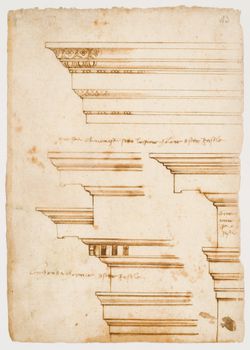
Cara Rachele, chercheure en résidence 2016, présente ses recherches: Cette conférence se penche sur l’explosion de dessins détaillés produits pendant la Renaissance. Elle établit le lien entre l’émergence, au XVIe siècle, du détail devenu un canon du dessin et l’évocation de l’antique matériel. L’évolution organique de la façon de dessiner les détails transparaît dans(...)
Cara Rachele, chercheure en résidence 2016, présente ses recherches: Cette conférence se penche sur l’explosion de dessins détaillés produits pendant la Renaissance. Elle établit le lien entre l’émergence, au XVIe siècle, du détail devenu un canon du dessin et l’évocation de l’antique matériel. L’évolution organique de la façon de dessiner les détails transparaît dans(...)
Date:
11 août 2016, 18h
11 août 2016, 18h
Titre:
Séminaire de chercheur en résidence : Cara Rachele
Actions:
Description:
Cara Rachele, chercheure en résidence 2016, présente ses recherches: Cette conférence se penche sur l’explosion de dessins détaillés produits pendant la Renaissance. Elle établit le lien entre l’émergence, au XVIe siècle, du détail devenu un canon du dessin et l’évocation de l’antique matériel. L’évolution organique de la façon de dessiner les détails transparaît dans(...)
Séminaire de chercheur en résidence : Cara Rachele
Actions:
Description:
Cara Rachele, chercheure en résidence 2016, présente ses recherches: Cette conférence se penche sur l’explosion de dessins détaillés produits pendant la Renaissance. Elle établit le lien entre l’émergence, au XVIe siècle, du détail devenu un canon du dessin et l’évocation de l’antique matériel. L’évolution organique de la façon de dessiner les détails transparaît dans(...)
Classification:
événements
événements
Date:
11 août 2016
18h
11 août 2016
18h
Classification:
documents textuels
documents textuels
Numéro de référence:
ARCH6373
Description:
Compte rendu du cas juridique de la Ville de Montréal contre James Morgan à la Cour du banc du roi, Montréal, pour l'audition de l'appel interjeté à la Cour suprême du Canada, Ottawa, [après le 8 août 1919]. Coupures de journaux. Devis estimatif et calcul des frais de démolition du garage, 1921. Notes de Cormier au sujet de l'affaire, incluant son opinion sur l'impossibilité de la proposition de transformer le garage en appartements. Correspondance avec L. E. Beaulieu, avocat; Léon-Mercier Gouin, avocat; J. C. Lamothe, avocat, et Omer Lapierre, shérif du district de Montréal, au sujet du procès et des honoraires dus à Cormier.
ARCH6373
Description:
Compte rendu du cas juridique de la Ville de Montréal contre James Morgan à la Cour du banc du roi, Montréal, pour l'audition de l'appel interjeté à la Cour suprême du Canada, Ottawa, [après le 8 août 1919]. Coupures de journaux. Devis estimatif et calcul des frais de démolition du garage, 1921. Notes de Cormier au sujet de l'affaire, incluant son opinion sur l'impossibilité de la proposition de transformer le garage en appartements. Correspondance avec L. E. Beaulieu, avocat; Léon-Mercier Gouin, avocat; J. C. Lamothe, avocat, et Omer Lapierre, shérif du district de Montréal, au sujet du procès et des honoraires dus à Cormier.
Personnes et institutions:
Date:
1921, 1925-1926
1921, 1925-1926
Titre:
Compte rendu du cas juridique de la Ville de Montréal contre James Morgan à la Cour du banc du roi
Actions:
ARCH6373
Description:
Compte rendu du cas juridique de la Ville de Montréal contre James Morgan à la Cour du banc du roi, Montréal, pour l'audition de l'appel interjeté à la Cour suprême du Canada, Ottawa, [après le 8 août 1919]. Coupures de journaux. Devis estimatif et calcul des frais de démolition du garage, 1921. Notes de Cormier au sujet de l'affaire, incluant son opinion sur l'impossibilité de la proposition de transformer le garage en appartements. Correspondance avec L. E. Beaulieu, avocat; Léon-Mercier Gouin, avocat; J. C. Lamothe, avocat, et Omer Lapierre, shérif du district de Montréal, au sujet du procès et des honoraires dus à Cormier.
Compte rendu du cas juridique de la Ville de Montréal contre James Morgan à la Cour du banc du roi
Actions:
ARCH6373
Description:
Compte rendu du cas juridique de la Ville de Montréal contre James Morgan à la Cour du banc du roi, Montréal, pour l'audition de l'appel interjeté à la Cour suprême du Canada, Ottawa, [après le 8 août 1919]. Coupures de journaux. Devis estimatif et calcul des frais de démolition du garage, 1921. Notes de Cormier au sujet de l'affaire, incluant son opinion sur l'impossibilité de la proposition de transformer le garage en appartements. Correspondance avec L. E. Beaulieu, avocat; Léon-Mercier Gouin, avocat; J. C. Lamothe, avocat, et Omer Lapierre, shérif du district de Montréal, au sujet du procès et des honoraires dus à Cormier.
Classification:
documents textuels
documents textuels
Date:
1921, 1925-1926
1921, 1925-1926
Personnes et institutions:
Classification:
expositions
expositions
Actions:
Description:
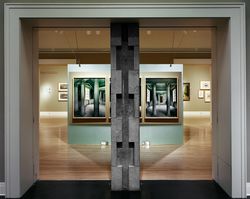
Tout comme la villa Rotonda d’Andrea Palladio a contribué à définir, pour les générations suivantes, l’architecture de la Renaissance en Italie, Chiswick est le locus classicus du renouveau palladien au XVIIIe siècle. L’exposition suit le déroulement de la pensée d’un grand architecte qui transforme successivement ses sources d’inspiration en projet architectural, puis(...)
Tout comme la villa Rotonda d’Andrea Palladio a contribué à définir, pour les générations suivantes, l’architecture de la Renaissance en Italie, Chiswick est le locus classicus du renouveau palladien au XVIIIe siècle. L’exposition suit le déroulement de la pensée d’un grand architecte qui transforme successivement ses sources d’inspiration en projet architectural, puis(...)
Localisation:
Salles principales
Salles principales
Date:
19 juillet 1994 au 25 septembre 1994
19 juillet 1994 au 25 septembre 1994
Titre:
Le renouveau palladien : la villa et les jardins de Lord Burlington à Chiswick
Actions:
Description:
Tout comme la villa Rotonda d’Andrea Palladio a contribué à définir, pour les générations suivantes, l’architecture de la Renaissance en Italie, Chiswick est le locus classicus du renouveau palladien au XVIIIe siècle. L’exposition suit le déroulement de la pensée d’un grand architecte qui transforme successivement ses sources d’inspiration en projet architectural, puis(...)
Le renouveau palladien : la villa et les jardins de Lord Burlington à Chiswick
Actions:
Description:
Tout comme la villa Rotonda d’Andrea Palladio a contribué à définir, pour les générations suivantes, l’architecture de la Renaissance en Italie, Chiswick est le locus classicus du renouveau palladien au XVIIIe siècle. L’exposition suit le déroulement de la pensée d’un grand architecte qui transforme successivement ses sources d’inspiration en projet architectural, puis(...)
Classification:
expositions
expositions
Date:
19 juillet 1994 au
25 septembre 1994
19 juillet 1994 au
25 septembre 1994
Localisation:
Salles principales
Salles principales
Classification:
expositions
expositions
Description:
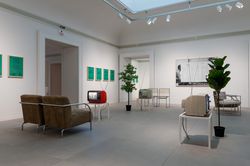
Cette exposition abordera le cours d’art de troisième année universitaire « A305: History of Architecture and Design, 1890-1939 » offert par la Open University par l’entremise de programmes télévisuels et radiophoniques diffusés entre 1975 et 1982. Au-delà de ses nombreuses innovations en matière d’enseignement supérieur, l’Open University, fondée en 1969 et ayant son(...)
Cette exposition abordera le cours d’art de troisième année universitaire « A305: History of Architecture and Design, 1890-1939 » offert par la Open University par l’entremise de programmes télévisuels et radiophoniques diffusés entre 1975 et 1982. Au-delà de ses nombreuses innovations en matière d’enseignement supérieur, l’Open University, fondée en 1969 et ayant son(...)
Date:
15 novembre 2017 au 1 avril 2018
15 novembre 2017 au 1 avril 2018
Titre:
L’université à l’antenne : diffuser l’architecture moderne
Actions:
Description:
Cette exposition abordera le cours d’art de troisième année universitaire « A305: History of Architecture and Design, 1890-1939 » offert par la Open University par l’entremise de programmes télévisuels et radiophoniques diffusés entre 1975 et 1982. Au-delà de ses nombreuses innovations en matière d’enseignement supérieur, l’Open University, fondée en 1969 et ayant son(...)
L’université à l’antenne : diffuser l’architecture moderne
Actions:
Description:
Cette exposition abordera le cours d’art de troisième année universitaire « A305: History of Architecture and Design, 1890-1939 » offert par la Open University par l’entremise de programmes télévisuels et radiophoniques diffusés entre 1975 et 1982. Au-delà de ses nombreuses innovations en matière d’enseignement supérieur, l’Open University, fondée en 1969 et ayant son(...)
Classification:
expositions
expositions
Date:
15 novembre 2017 au
1 avril 2018
15 novembre 2017 au
1 avril 2018
Classification:
expositions
expositions
Actions:
Description:
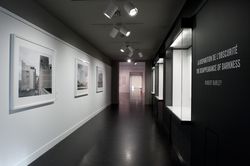
L’exposition Robert Burley : La disparition de l’obscurité présente une série de photographies de l’artiste canadien Robert Burley documentant la disparition des industries de produits photographiques traditionnels en réponse à l’impact des nouvelles technologies. Depuis 2005, la mutation de la technologie photographique, qui est passée de l’analogique au numérique, (...)
L’exposition Robert Burley : La disparition de l’obscurité présente une série de photographies de l’artiste canadien Robert Burley documentant la disparition des industries de produits photographiques traditionnels en réponse à l’impact des nouvelles technologies. Depuis 2005, la mutation de la technologie photographique, qui est passée de l’analogique au numérique, (...)
Localisation:
Vitrines
Vitrines
Date:
11 septembre 2009 au 15 novembre 2009
11 septembre 2009 au 15 novembre 2009
Titre:
Robert Burley : La disparition de l'obscurité
Actions:
Description:
L’exposition Robert Burley : La disparition de l’obscurité présente une série de photographies de l’artiste canadien Robert Burley documentant la disparition des industries de produits photographiques traditionnels en réponse à l’impact des nouvelles technologies. Depuis 2005, la mutation de la technologie photographique, qui est passée de l’analogique au numérique, (...)
Robert Burley : La disparition de l'obscurité
Actions:
Description:
L’exposition Robert Burley : La disparition de l’obscurité présente une série de photographies de l’artiste canadien Robert Burley documentant la disparition des industries de produits photographiques traditionnels en réponse à l’impact des nouvelles technologies. Depuis 2005, la mutation de la technologie photographique, qui est passée de l’analogique au numérique, (...)
Classification:
expositions
expositions
Date:
11 septembre 2009 au
15 novembre 2009
11 septembre 2009 au
15 novembre 2009
Localisation:
Vitrines
Vitrines


