


9271 Résultats
Classification:
photographies
photographies
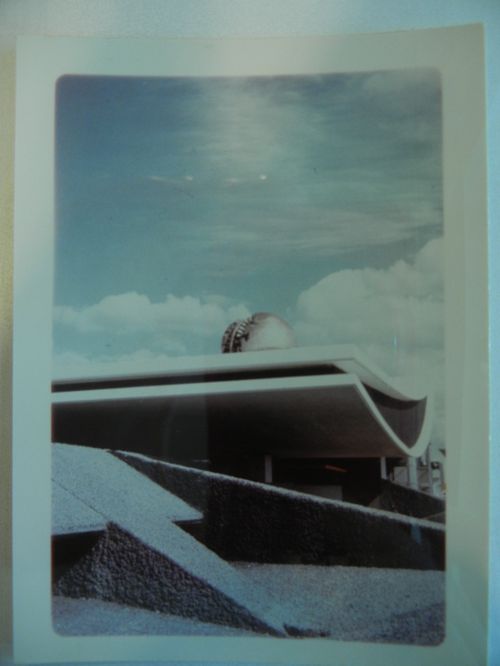
Numéro de référence:
ARCH261612
ARCH261612
Personnes et institutions:
Date:
1967?
1967?
Classification:
photographies
photographies
Date:
1967?
1967?
Personnes et institutions:
Classification:
photographies
photographies
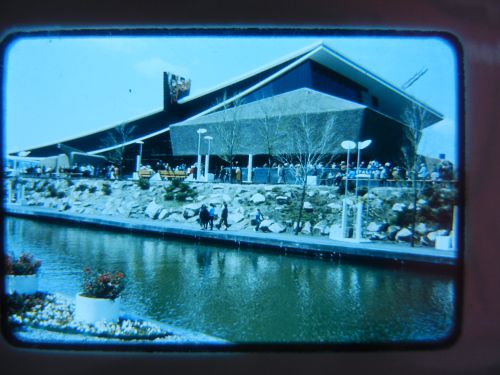
Numéro de référence:
ARCH261663
ARCH261663
Personnes et institutions:
Date:
1967
1967
Classification:
photographies
photographies
Date:
1967
1967
Personnes et institutions:
Classification:
photographies
photographies
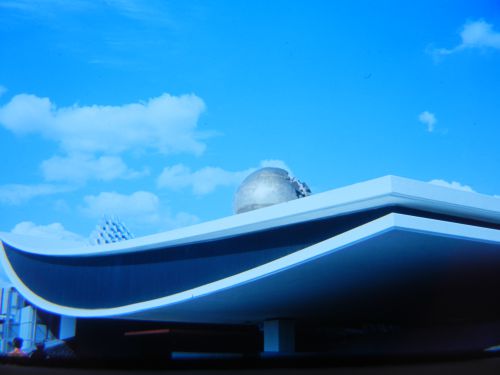
Numéro de référence:
ARCH261722
ARCH261722
Personnes et institutions:
Date:
1967
1967
Classification:
photographies
photographies
Date:
1967
1967
Personnes et institutions:
Classification:
documents textuels
documents textuels
Numéro de référence:
ARCH255577
Description:
20 publications including: Tall building structure: a world view / Council on Tall Buildings and Urban Habitat; Bauwelt 6 Aug. 1962 Hugo Weber: Mies van der Rohe; L'architettura July-Aug. 1955 annotated in graphite "M.G. Thesis"; Bauen & Wohnen July 1972; Arts & Architecture Nov. 1956; Western Architect & Engineer Feb. 1961; Architectural Forum Feb. 1959, June 1959, April 1961 and May 1962; Polytechnisch Tydschrift 12 Sept. 1957; Architectural Review Oct. 1977; Architectural Record Oct. 1960; Document Architettura v.1 no.14; Casabella Jan-Feb 1988; Columus Indiana: central area plan; Elkhart Indiana: Comprehensive plan for parks, recreation and open land; Elkhat Indiana: central area plan; Mauna City: a city within a city
ARCH255577
Description:
20 publications including: Tall building structure: a world view / Council on Tall Buildings and Urban Habitat; Bauwelt 6 Aug. 1962 Hugo Weber: Mies van der Rohe; L'architettura July-Aug. 1955 annotated in graphite "M.G. Thesis"; Bauen & Wohnen July 1972; Arts & Architecture Nov. 1956; Western Architect & Engineer Feb. 1961; Architectural Forum Feb. 1959, June 1959, April 1961 and May 1962; Polytechnisch Tydschrift 12 Sept. 1957; Architectural Review Oct. 1977; Architectural Record Oct. 1960; Document Architettura v.1 no.14; Casabella Jan-Feb 1988; Columus Indiana: central area plan; Elkhart Indiana: Comprehensive plan for parks, recreation and open land; Elkhat Indiana: central area plan; Mauna City: a city within a city
Personnes et institutions:
Date:
1951-1966
1951-1966
Titre:
Misc. publications and magazines of architecture
Actions:
ARCH255577
Description:
20 publications including: Tall building structure: a world view / Council on Tall Buildings and Urban Habitat; Bauwelt 6 Aug. 1962 Hugo Weber: Mies van der Rohe; L'architettura July-Aug. 1955 annotated in graphite "M.G. Thesis"; Bauen & Wohnen July 1972; Arts & Architecture Nov. 1956; Western Architect & Engineer Feb. 1961; Architectural Forum Feb. 1959, June 1959, April 1961 and May 1962; Polytechnisch Tydschrift 12 Sept. 1957; Architectural Review Oct. 1977; Architectural Record Oct. 1960; Document Architettura v.1 no.14; Casabella Jan-Feb 1988; Columus Indiana: central area plan; Elkhart Indiana: Comprehensive plan for parks, recreation and open land; Elkhat Indiana: central area plan; Mauna City: a city within a city
Misc. publications and magazines of architecture
Actions:
ARCH255577
Description:
20 publications including: Tall building structure: a world view / Council on Tall Buildings and Urban Habitat; Bauwelt 6 Aug. 1962 Hugo Weber: Mies van der Rohe; L'architettura July-Aug. 1955 annotated in graphite "M.G. Thesis"; Bauen & Wohnen July 1972; Arts & Architecture Nov. 1956; Western Architect & Engineer Feb. 1961; Architectural Forum Feb. 1959, June 1959, April 1961 and May 1962; Polytechnisch Tydschrift 12 Sept. 1957; Architectural Review Oct. 1977; Architectural Record Oct. 1960; Document Architettura v.1 no.14; Casabella Jan-Feb 1988; Columus Indiana: central area plan; Elkhart Indiana: Comprehensive plan for parks, recreation and open land; Elkhat Indiana: central area plan; Mauna City: a city within a city
Classification:
documents textuels
documents textuels
Date:
1951-1966
1951-1966
Personnes et institutions:
Niveau de description archivistique:
Projet
Projet
Numéro de référence:
AP056.S1.1987.PR06.SS1
Description:
This project series documents the design of the Victoria University Hotel in Toronto from 1987-1988. The office identified the project numbers as 18723 and 18725. This project, headed by Bruce Kuwabara, consisted of a proposed nine floor hotel with 22,000 square metres of space. Located at the corner of Charles Street and St. Thomas Streets, the hotel contained a lobby, bar, restaurant, kitchen, and meeting rooms on the ground floor, with a mezzanine for additional meeting rooms directly above it. The other floors were proposed to hold between 274-320 rooms, including a penthouse with its own bar, kitchen and meeting rooms. Three levels of underground parking were also proposed, holding between 183-220 vehicles. The L-shaped building integrated old houses that already existed along Charles Street, into its facade. Houses along St. Thomas Street were to be left as separate buildings, with the L shape wrapping around them. This project was never realized. The project is recorded through drawings and a project model dating from 1986-1990. The drawings include sketches, surveys and area plans, floor plans, elevations, perspectives, sections and details. This project was designed simultaneously with the Victoria University Student Housing across the street (see project subseries AP056.S1.1987.PR06.SS2). These two projects have been arranged in two subseries because their project numbers and the site plans and surveys for each project overlap. The housing project was assigned the project number 19723, the same number as materials for this hotel project. It may be that the architects separated the two projects later on, assigning a second project number, 18725, to this hotel project. These two project subseries should be viewed together.
AP056.S1.1987.PR06.SS1
Description:
This project series documents the design of the Victoria University Hotel in Toronto from 1987-1988. The office identified the project numbers as 18723 and 18725. This project, headed by Bruce Kuwabara, consisted of a proposed nine floor hotel with 22,000 square metres of space. Located at the corner of Charles Street and St. Thomas Streets, the hotel contained a lobby, bar, restaurant, kitchen, and meeting rooms on the ground floor, with a mezzanine for additional meeting rooms directly above it. The other floors were proposed to hold between 274-320 rooms, including a penthouse with its own bar, kitchen and meeting rooms. Three levels of underground parking were also proposed, holding between 183-220 vehicles. The L-shaped building integrated old houses that already existed along Charles Street, into its facade. Houses along St. Thomas Street were to be left as separate buildings, with the L shape wrapping around them. This project was never realized. The project is recorded through drawings and a project model dating from 1986-1990. The drawings include sketches, surveys and area plans, floor plans, elevations, perspectives, sections and details. This project was designed simultaneously with the Victoria University Student Housing across the street (see project subseries AP056.S1.1987.PR06.SS2). These two projects have been arranged in two subseries because their project numbers and the site plans and surveys for each project overlap. The housing project was assigned the project number 19723, the same number as materials for this hotel project. It may be that the architects separated the two projects later on, assigning a second project number, 18725, to this hotel project. These two project subseries should be viewed together.
Personnes et institutions:
Date:
1986-1990
1986-1990
Titre:
Victoria University Hotel, Toronto (1987-1988)
Actions:
AP056.S1.1987.PR06.SS1
Description:
This project series documents the design of the Victoria University Hotel in Toronto from 1987-1988. The office identified the project numbers as 18723 and 18725. This project, headed by Bruce Kuwabara, consisted of a proposed nine floor hotel with 22,000 square metres of space. Located at the corner of Charles Street and St. Thomas Streets, the hotel contained a lobby, bar, restaurant, kitchen, and meeting rooms on the ground floor, with a mezzanine for additional meeting rooms directly above it. The other floors were proposed to hold between 274-320 rooms, including a penthouse with its own bar, kitchen and meeting rooms. Three levels of underground parking were also proposed, holding between 183-220 vehicles. The L-shaped building integrated old houses that already existed along Charles Street, into its facade. Houses along St. Thomas Street were to be left as separate buildings, with the L shape wrapping around them. This project was never realized. The project is recorded through drawings and a project model dating from 1986-1990. The drawings include sketches, surveys and area plans, floor plans, elevations, perspectives, sections and details. This project was designed simultaneously with the Victoria University Student Housing across the street (see project subseries AP056.S1.1987.PR06.SS2). These two projects have been arranged in two subseries because their project numbers and the site plans and surveys for each project overlap. The housing project was assigned the project number 19723, the same number as materials for this hotel project. It may be that the architects separated the two projects later on, assigning a second project number, 18725, to this hotel project. These two project subseries should be viewed together.
Victoria University Hotel, Toronto (1987-1988)
Actions:
AP056.S1.1987.PR06.SS1
Description:
This project series documents the design of the Victoria University Hotel in Toronto from 1987-1988. The office identified the project numbers as 18723 and 18725. This project, headed by Bruce Kuwabara, consisted of a proposed nine floor hotel with 22,000 square metres of space. Located at the corner of Charles Street and St. Thomas Streets, the hotel contained a lobby, bar, restaurant, kitchen, and meeting rooms on the ground floor, with a mezzanine for additional meeting rooms directly above it. The other floors were proposed to hold between 274-320 rooms, including a penthouse with its own bar, kitchen and meeting rooms. Three levels of underground parking were also proposed, holding between 183-220 vehicles. The L-shaped building integrated old houses that already existed along Charles Street, into its facade. Houses along St. Thomas Street were to be left as separate buildings, with the L shape wrapping around them. This project was never realized. The project is recorded through drawings and a project model dating from 1986-1990. The drawings include sketches, surveys and area plans, floor plans, elevations, perspectives, sections and details. This project was designed simultaneously with the Victoria University Student Housing across the street (see project subseries AP056.S1.1987.PR06.SS2). These two projects have been arranged in two subseries because their project numbers and the site plans and surveys for each project overlap. The housing project was assigned the project number 19723, the same number as materials for this hotel project. It may be that the architects separated the two projects later on, assigning a second project number, 18725, to this hotel project. These two project subseries should be viewed together.
Niveau de description archivistique:
Project
Project
Date:
1986-1990
1986-1990
Personnes et institutions:
Classification:
photographies
photographies
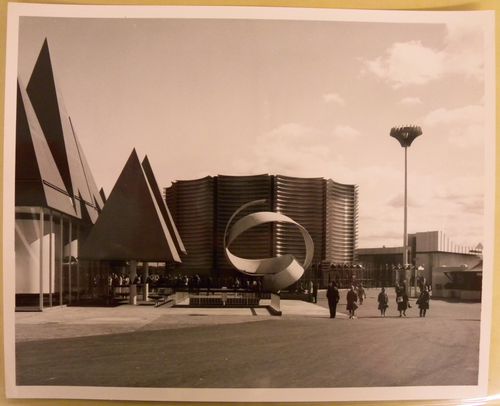
Numéro de référence:
ARCH256470
ARCH256470
Personnes et institutions:
Date:
1967
1967
Classification:
photographies
photographies
Date:
1967
1967
Personnes et institutions:
Classification:
documents textuels
documents textuels
Titre:
DDR [Miscellaneous, 1981]
DDR [Miscellaneous, 1981]
Numéro de référence:
ARCH153880
Description:
Announcement from Rizzoli: publication of The Making of an Architect; Nov. 25, 1981. Two b&w prints of Peter Eisenman Program of the AIA National Convention, Minneapolis, Minnesota, May 17-21, 1981. Letter from Milan about the exhibition "Oggetto banale", 15 June 1981. Bill of a carpet sent to P. Eisenman's home and paid by Jacquelin Robertson, March 11, 1981. Letter from the Daily News answering a request for funding the retrospective of Raymond Hood's work, August 4, 1981. Telephone bill of Peter Eisenman's home, 12-16 August 1981. Three pages of information about Middle School. Page 5 of an article by Joan Copjec. Notes by P. Eisenman: "Colin when did you come"
ARCH153880
Description:
Announcement from Rizzoli: publication of The Making of an Architect; Nov. 25, 1981. Two b&w prints of Peter Eisenman Program of the AIA National Convention, Minneapolis, Minnesota, May 17-21, 1981. Letter from Milan about the exhibition "Oggetto banale", 15 June 1981. Bill of a carpet sent to P. Eisenman's home and paid by Jacquelin Robertson, March 11, 1981. Letter from the Daily News answering a request for funding the retrospective of Raymond Hood's work, August 4, 1981. Telephone bill of Peter Eisenman's home, 12-16 August 1981. Three pages of information about Middle School. Page 5 of an article by Joan Copjec. Notes by P. Eisenman: "Colin when did you come"
Personnes et institutions:
Date:
1981
1981
Titre:
DDR [Miscellaneous, 1981]
Actions:
ARCH153880
Description:
Announcement from Rizzoli: publication of The Making of an Architect; Nov. 25, 1981. Two b&w prints of Peter Eisenman Program of the AIA National Convention, Minneapolis, Minnesota, May 17-21, 1981. Letter from Milan about the exhibition "Oggetto banale", 15 June 1981. Bill of a carpet sent to P. Eisenman's home and paid by Jacquelin Robertson, March 11, 1981. Letter from the Daily News answering a request for funding the retrospective of Raymond Hood's work, August 4, 1981. Telephone bill of Peter Eisenman's home, 12-16 August 1981. Three pages of information about Middle School. Page 5 of an article by Joan Copjec. Notes by P. Eisenman: "Colin when did you come"
DDR [Miscellaneous, 1981]
Actions:
ARCH153880
Description:
Announcement from Rizzoli: publication of The Making of an Architect; Nov. 25, 1981. Two b&w prints of Peter Eisenman Program of the AIA National Convention, Minneapolis, Minnesota, May 17-21, 1981. Letter from Milan about the exhibition "Oggetto banale", 15 June 1981. Bill of a carpet sent to P. Eisenman's home and paid by Jacquelin Robertson, March 11, 1981. Letter from the Daily News answering a request for funding the retrospective of Raymond Hood's work, August 4, 1981. Telephone bill of Peter Eisenman's home, 12-16 August 1981. Three pages of information about Middle School. Page 5 of an article by Joan Copjec. Notes by P. Eisenman: "Colin when did you come"
Classification:
documents textuels
documents textuels
Date:
1981
1981
Personnes et institutions:
Niveau de description archivistique:
Projet
Projet
Numéro de référence:
AP207.S1.2002.PR01
Description:
The project series documents a series of performances entitled "Il Mestiere Dell'Architetto". The first edition was performed by Pettena in Maiano, near Florence in 2002. It consisted of a series of images of Pettena rock climbing that represents the work of the architect "and the role of those who work in the discipline, what is represented here is the need to make choices and at the same time the difficulty of doing so, of taking routes that, while they may appear impassable, are actually the very essence of the artist’s thought and language [...]." [1] Another version was performed in 2004 at the Ex-Meccanotessile complex, in Florence, 2004, and consisted of a series of photographs of a man climbing the interior roof structure of the building. Unlike the 2002 edition of this performance, "not even nature offers its support to those who, despite moving with caution, often find themselves in a situation of impasse." [2] A final version of the performance was created in 2012 by Pettena. The digitally created installation consisted of a gradually fading shape of a climber drawn in leaves that slowly disperse. In this installation, compared to the two previous ones, the architect "seems to find here a solution and ultimate freedom through the final choice of ‘giving in’ to the prevalence of natural environment." [3] The project series contains a sketch and photographs of the 2002 performance, photographs of the 2004 performance, and a drawing for the 2012 performance. Source: [1] Gianni Pettena website, https://www.giannipettena.it/italiano/opere-1/perf-the-craft-2002/ (last accessed 22 January 2020). [2] Gianni Pettena website, https://www.giannipettena.it/italiano/opere-1/perf-the-craft-ii-2004/ (last accessed 22 January 2020). [3] Gianni Pettena website, https://www.giannipettena.it/italiano/opere-1/nat-the-craft-of-the-architect-3-2012/ (last accessed 27 January 2020).
AP207.S1.2002.PR01
Description:
The project series documents a series of performances entitled "Il Mestiere Dell'Architetto". The first edition was performed by Pettena in Maiano, near Florence in 2002. It consisted of a series of images of Pettena rock climbing that represents the work of the architect "and the role of those who work in the discipline, what is represented here is the need to make choices and at the same time the difficulty of doing so, of taking routes that, while they may appear impassable, are actually the very essence of the artist’s thought and language [...]." [1] Another version was performed in 2004 at the Ex-Meccanotessile complex, in Florence, 2004, and consisted of a series of photographs of a man climbing the interior roof structure of the building. Unlike the 2002 edition of this performance, "not even nature offers its support to those who, despite moving with caution, often find themselves in a situation of impasse." [2] A final version of the performance was created in 2012 by Pettena. The digitally created installation consisted of a gradually fading shape of a climber drawn in leaves that slowly disperse. In this installation, compared to the two previous ones, the architect "seems to find here a solution and ultimate freedom through the final choice of ‘giving in’ to the prevalence of natural environment." [3] The project series contains a sketch and photographs of the 2002 performance, photographs of the 2004 performance, and a drawing for the 2012 performance. Source: [1] Gianni Pettena website, https://www.giannipettena.it/italiano/opere-1/perf-the-craft-2002/ (last accessed 22 January 2020). [2] Gianni Pettena website, https://www.giannipettena.it/italiano/opere-1/perf-the-craft-ii-2004/ (last accessed 22 January 2020). [3] Gianni Pettena website, https://www.giannipettena.it/italiano/opere-1/nat-the-craft-of-the-architect-3-2012/ (last accessed 27 January 2020).
Personnes et institutions:
Date:
2002-2015
2002-2015
Titre:
Il Mestiere Dell'Architetto [The Craft of the Architect] (2002)
Actions:
AP207.S1.2002.PR01
Description:
The project series documents a series of performances entitled "Il Mestiere Dell'Architetto". The first edition was performed by Pettena in Maiano, near Florence in 2002. It consisted of a series of images of Pettena rock climbing that represents the work of the architect "and the role of those who work in the discipline, what is represented here is the need to make choices and at the same time the difficulty of doing so, of taking routes that, while they may appear impassable, are actually the very essence of the artist’s thought and language [...]." [1] Another version was performed in 2004 at the Ex-Meccanotessile complex, in Florence, 2004, and consisted of a series of photographs of a man climbing the interior roof structure of the building. Unlike the 2002 edition of this performance, "not even nature offers its support to those who, despite moving with caution, often find themselves in a situation of impasse." [2] A final version of the performance was created in 2012 by Pettena. The digitally created installation consisted of a gradually fading shape of a climber drawn in leaves that slowly disperse. In this installation, compared to the two previous ones, the architect "seems to find here a solution and ultimate freedom through the final choice of ‘giving in’ to the prevalence of natural environment." [3] The project series contains a sketch and photographs of the 2002 performance, photographs of the 2004 performance, and a drawing for the 2012 performance. Source: [1] Gianni Pettena website, https://www.giannipettena.it/italiano/opere-1/perf-the-craft-2002/ (last accessed 22 January 2020). [2] Gianni Pettena website, https://www.giannipettena.it/italiano/opere-1/perf-the-craft-ii-2004/ (last accessed 22 January 2020). [3] Gianni Pettena website, https://www.giannipettena.it/italiano/opere-1/nat-the-craft-of-the-architect-3-2012/ (last accessed 27 January 2020).
Il Mestiere Dell'Architetto [The Craft of the Architect] (2002)
Actions:
AP207.S1.2002.PR01
Description:
The project series documents a series of performances entitled "Il Mestiere Dell'Architetto". The first edition was performed by Pettena in Maiano, near Florence in 2002. It consisted of a series of images of Pettena rock climbing that represents the work of the architect "and the role of those who work in the discipline, what is represented here is the need to make choices and at the same time the difficulty of doing so, of taking routes that, while they may appear impassable, are actually the very essence of the artist’s thought and language [...]." [1] Another version was performed in 2004 at the Ex-Meccanotessile complex, in Florence, 2004, and consisted of a series of photographs of a man climbing the interior roof structure of the building. Unlike the 2002 edition of this performance, "not even nature offers its support to those who, despite moving with caution, often find themselves in a situation of impasse." [2] A final version of the performance was created in 2012 by Pettena. The digitally created installation consisted of a gradually fading shape of a climber drawn in leaves that slowly disperse. In this installation, compared to the two previous ones, the architect "seems to find here a solution and ultimate freedom through the final choice of ‘giving in’ to the prevalence of natural environment." [3] The project series contains a sketch and photographs of the 2002 performance, photographs of the 2004 performance, and a drawing for the 2012 performance. Source: [1] Gianni Pettena website, https://www.giannipettena.it/italiano/opere-1/perf-the-craft-2002/ (last accessed 22 January 2020). [2] Gianni Pettena website, https://www.giannipettena.it/italiano/opere-1/perf-the-craft-ii-2004/ (last accessed 22 January 2020). [3] Gianni Pettena website, https://www.giannipettena.it/italiano/opere-1/nat-the-craft-of-the-architect-3-2012/ (last accessed 27 January 2020).
Niveau de description archivistique:
Project
Project
Date:
2002-2015
2002-2015
Personnes et institutions:
Niveau de description archivistique:
Projet
Projet
Numéro de référence:
AP194.S1.1997.PR01
Description:
Project records document OCEAN North’s design for their competition entry for the Töölö Football Stadium in Helsinki in 1997. The project was titled Open Arena by OCEAN North. The site for the football stadium was in the Töölö neighbourhood and adjoining the Helsinki Olympic Stadium, located in a park area. OCEAN North’s entry was a building that would integrate with its natural surroundings while being able to accommodate a variety of activities and events. The structure has three topological surfaces that were devised through an iterative process: initial drawings made in Adobe Illustrator, modelling made with form*Z and manually transferred on Plexiglas sections, modifications made on the Plexiglas sections captured back into the CAD drawing, etc. At some point in the design process, the Channelling Systems approach was developed and used to analyze the structure’s dynamic relationship with its surroundings. Records show different stages of the design process and include at least one photograph of the Plexiglas sections referenced above. Digital files are grouped according to their function: Channelling Systems analysis, 2D graft spatial exploration, and plans and sections. There are also libraries of images and textures which may have been used for other drawings and models. Over half of the files are raster or vector images likely created by CAD software. This includes images of renderings. CAD drawings are in the native Microstation format, although one is in form*Z format. Textual records present the project and for the most part are the accompanying documentation for the competition entry, including legends for plans and sections. Timestamps for some of the digital files extend past the date of the competition. It is likely that these dates reflect when files were transferred to the Jaz drive for storage.
AP194.S1.1997.PR01
Description:
Project records document OCEAN North’s design for their competition entry for the Töölö Football Stadium in Helsinki in 1997. The project was titled Open Arena by OCEAN North. The site for the football stadium was in the Töölö neighbourhood and adjoining the Helsinki Olympic Stadium, located in a park area. OCEAN North’s entry was a building that would integrate with its natural surroundings while being able to accommodate a variety of activities and events. The structure has three topological surfaces that were devised through an iterative process: initial drawings made in Adobe Illustrator, modelling made with form*Z and manually transferred on Plexiglas sections, modifications made on the Plexiglas sections captured back into the CAD drawing, etc. At some point in the design process, the Channelling Systems approach was developed and used to analyze the structure’s dynamic relationship with its surroundings. Records show different stages of the design process and include at least one photograph of the Plexiglas sections referenced above. Digital files are grouped according to their function: Channelling Systems analysis, 2D graft spatial exploration, and plans and sections. There are also libraries of images and textures which may have been used for other drawings and models. Over half of the files are raster or vector images likely created by CAD software. This includes images of renderings. CAD drawings are in the native Microstation format, although one is in form*Z format. Textual records present the project and for the most part are the accompanying documentation for the competition entry, including legends for plans and sections. Timestamps for some of the digital files extend past the date of the competition. It is likely that these dates reflect when files were transferred to the Jaz drive for storage.
Personnes et institutions:
Date:
1997-2000
1997-2000
Titre:
Open Arena – Töölö Football Stadium, international competition entry, Helsinki, Finland (1997)
Actions:
AP194.S1.1997.PR01
Description:
Project records document OCEAN North’s design for their competition entry for the Töölö Football Stadium in Helsinki in 1997. The project was titled Open Arena by OCEAN North. The site for the football stadium was in the Töölö neighbourhood and adjoining the Helsinki Olympic Stadium, located in a park area. OCEAN North’s entry was a building that would integrate with its natural surroundings while being able to accommodate a variety of activities and events. The structure has three topological surfaces that were devised through an iterative process: initial drawings made in Adobe Illustrator, modelling made with form*Z and manually transferred on Plexiglas sections, modifications made on the Plexiglas sections captured back into the CAD drawing, etc. At some point in the design process, the Channelling Systems approach was developed and used to analyze the structure’s dynamic relationship with its surroundings. Records show different stages of the design process and include at least one photograph of the Plexiglas sections referenced above. Digital files are grouped according to their function: Channelling Systems analysis, 2D graft spatial exploration, and plans and sections. There are also libraries of images and textures which may have been used for other drawings and models. Over half of the files are raster or vector images likely created by CAD software. This includes images of renderings. CAD drawings are in the native Microstation format, although one is in form*Z format. Textual records present the project and for the most part are the accompanying documentation for the competition entry, including legends for plans and sections. Timestamps for some of the digital files extend past the date of the competition. It is likely that these dates reflect when files were transferred to the Jaz drive for storage.
Open Arena – Töölö Football Stadium, international competition entry, Helsinki, Finland (1997)
Actions:
AP194.S1.1997.PR01
Description:
Project records document OCEAN North’s design for their competition entry for the Töölö Football Stadium in Helsinki in 1997. The project was titled Open Arena by OCEAN North. The site for the football stadium was in the Töölö neighbourhood and adjoining the Helsinki Olympic Stadium, located in a park area. OCEAN North’s entry was a building that would integrate with its natural surroundings while being able to accommodate a variety of activities and events. The structure has three topological surfaces that were devised through an iterative process: initial drawings made in Adobe Illustrator, modelling made with form*Z and manually transferred on Plexiglas sections, modifications made on the Plexiglas sections captured back into the CAD drawing, etc. At some point in the design process, the Channelling Systems approach was developed and used to analyze the structure’s dynamic relationship with its surroundings. Records show different stages of the design process and include at least one photograph of the Plexiglas sections referenced above. Digital files are grouped according to their function: Channelling Systems analysis, 2D graft spatial exploration, and plans and sections. There are also libraries of images and textures which may have been used for other drawings and models. Over half of the files are raster or vector images likely created by CAD software. This includes images of renderings. CAD drawings are in the native Microstation format, although one is in form*Z format. Textual records present the project and for the most part are the accompanying documentation for the competition entry, including legends for plans and sections. Timestamps for some of the digital files extend past the date of the competition. It is likely that these dates reflect when files were transferred to the Jaz drive for storage.
Niveau de description archivistique:
Project
Project
Date:
1997-2000
1997-2000
Personnes et institutions:
Classification:
photographies
photographies
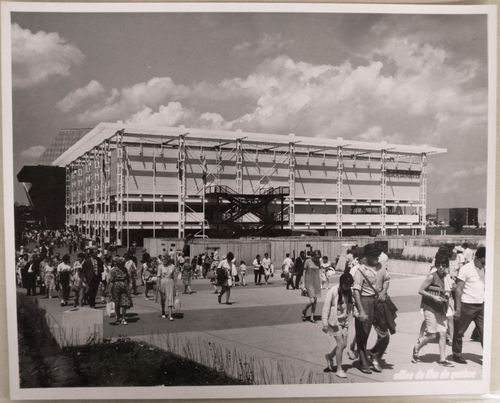
Numéro de référence:
ARCH256351
ARCH256351
Personnes et institutions:
Date:
1967
1967
Classification:
photographies
photographies
Date:
1967
1967
Personnes et institutions:


