


2052 Résultats
Classification:
livres
livres
Actions:
Prix:
$32.00
(disponible en magasin)
Résumé:
Architecture is a constant presence in the study of human interaction- acting as both the ground on which human social behavior is performed and a means of shaping subjectivity itself. ''Proxemics'' was an attempt to visualize and instrumentalize these dynamics, appealing to both the social sciences and the emerging field of environmental design. Founded by anthropologist(...)
$32.00
(disponible en magasin)
Résumé:
Architecture is a constant presence in the study of human interaction- acting as both the ground on which human social behavior is performed and a means of shaping subjectivity itself. ''Proxemics'' was an attempt to visualize and instrumentalize these dynamics, appealing to both the social sciences and the emerging field of environmental design. Founded by anthropologist(...)
Titre:
Proxemics and the architecture of social interaction
Actions:
Prix:
$32.00
(disponible en magasin)
Résumé:
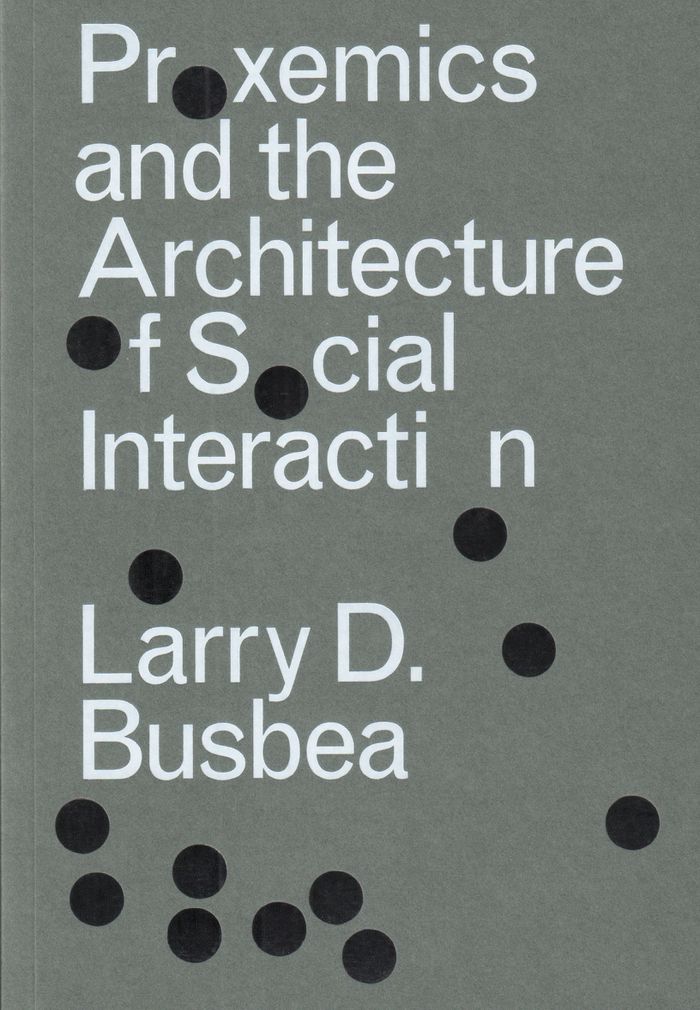
Architecture is a constant presence in the study of human interaction- acting as both the ground on which human social behavior is performed and a means of shaping subjectivity itself. ''Proxemics'' was an attempt to visualize and instrumentalize these dynamics, appealing to both the social sciences and the emerging field of environmental design. Founded by anthropologist Edward T. Hall and taking shape between the departments of architecture and anthropology at the Illinois Institute of Technology, proxemics developed amidst cold war political tensions and intense social and civil unrest. ''Proxemics and the Architecture of Social Interaction'' presents selections from Hall’s extensive archive of visual materials alongside a critical analysis that traces transformations in the fields of design and science. Together these materials illuminate a moment in American history when new spatial practices arose to challenge the environmental conditions of cultural, political, and racial identity.
Proxemics and the architecture of social interaction
Actions:
Prix:
$32.00
(disponible en magasin)
Résumé:
Architecture is a constant presence in the study of human interaction- acting as both the ground on which human social behavior is performed and a means of shaping subjectivity itself. ''Proxemics'' was an attempt to visualize and instrumentalize these dynamics, appealing to both the social sciences and the emerging field of environmental design. Founded by anthropologist Edward T. Hall and taking shape between the departments of architecture and anthropology at the Illinois Institute of Technology, proxemics developed amidst cold war political tensions and intense social and civil unrest. ''Proxemics and the Architecture of Social Interaction'' presents selections from Hall’s extensive archive of visual materials alongside a critical analysis that traces transformations in the fields of design and science. Together these materials illuminate a moment in American history when new spatial practices arose to challenge the environmental conditions of cultural, political, and racial identity.
Classification:
livres
livres
Publication:
janvier 2021
janvier 2021
Sujet:
L'écologie de l'architecure
L'écologie de l'architecure
Classification:
livres
livres
Titre:
Comment saboter un pipeline
Comment saboter un pipeline
Actions:
Prix:
$18.95
(disponible sur commande)
Résumé:
Confrontant l’histoire des luttes passées à l’immense défi du réchauffement climatique, Andreas Malm interroge un précepte tenace du mouvement pour le climat : la non-violence et le respect de la propriété privée. Contre lui, il rappelle que les combats des suffragettes ou pour les droits civiques n’ont pas été gagnés sans perte ni fracas, et ravive une longue tradition(...)
$18.95
(disponible sur commande)
Résumé:
Confrontant l’histoire des luttes passées à l’immense défi du réchauffement climatique, Andreas Malm interroge un précepte tenace du mouvement pour le climat : la non-violence et le respect de la propriété privée. Contre lui, il rappelle que les combats des suffragettes ou pour les droits civiques n’ont pas été gagnés sans perte ni fracas, et ravive une longue tradition(...)
Titre:
Comment saboter un pipeline
Actions:
Prix:
$18.95
(disponible sur commande)
Résumé:
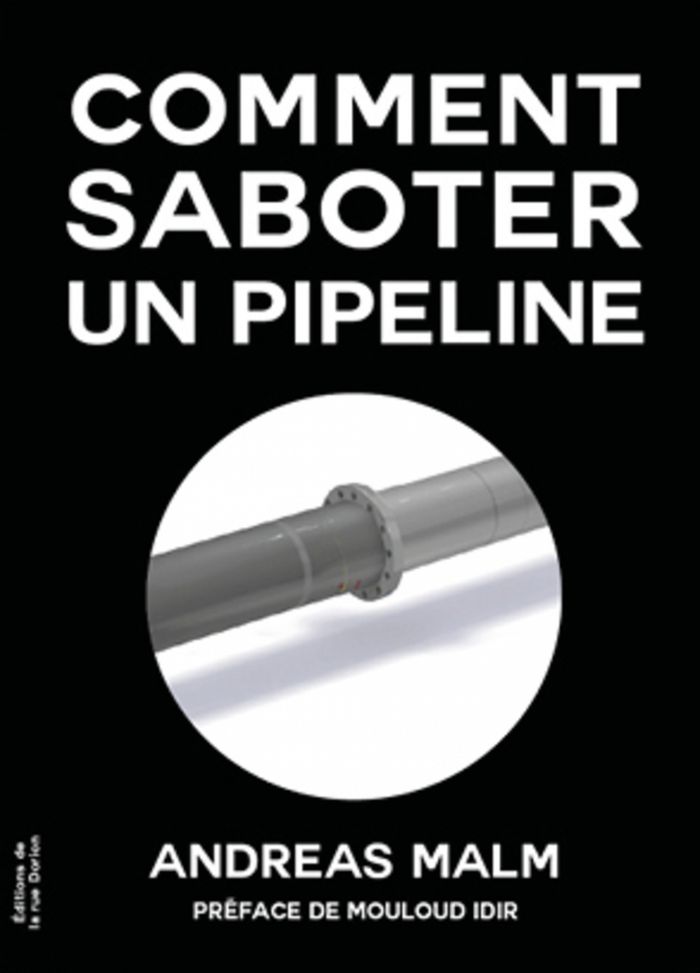
Confrontant l’histoire des luttes passées à l’immense défi du réchauffement climatique, Andreas Malm interroge un précepte tenace du mouvement pour le climat : la non-violence et le respect de la propriété privée. Contre lui, il rappelle que les combats des suffragettes ou pour les droits civiques n’ont pas été gagnés sans perte ni fracas, et ravive une longue tradition de sabotage des infrastructures fossiles. La violence comporte des périls, mais le statu quo nous condamne. Nous devons apprendre à lutter dans un monde en feu.
Comment saboter un pipeline
Actions:
Prix:
$18.95
(disponible sur commande)
Résumé:
Confrontant l’histoire des luttes passées à l’immense défi du réchauffement climatique, Andreas Malm interroge un précepte tenace du mouvement pour le climat : la non-violence et le respect de la propriété privée. Contre lui, il rappelle que les combats des suffragettes ou pour les droits civiques n’ont pas été gagnés sans perte ni fracas, et ravive une longue tradition de sabotage des infrastructures fossiles. La violence comporte des périls, mais le statu quo nous condamne. Nous devons apprendre à lutter dans un monde en feu.
Classification:
livres
livres
Publication:
octobre 2020
octobre 2020
Sujet:
Architecture écologique
Architecture écologique
Classification:
livres
livres
Actions:
Prix:
$35.95
(disponible en magasin)
Résumé:
From the late nineteenth through most of the twentieth century, the evangelical Protestant Grenfell Mission in Newfoundland and Labrador, Canada, created a network of hospitals, schools, orphanages, stores, and industries with the goal of bringing health and organized society to settler fisherfolk and Indigenous populations. This infrastructure also served to support(...)
$35.95
(disponible en magasin)
Résumé:
From the late nineteenth through most of the twentieth century, the evangelical Protestant Grenfell Mission in Newfoundland and Labrador, Canada, created a network of hospitals, schools, orphanages, stores, and industries with the goal of bringing health and organized society to settler fisherfolk and Indigenous populations. This infrastructure also served to support(...)
Titre:
Slow disturbance: infrastructural mediation on the settler colonial resource frontier
Actions:
Prix:
$35.95
(disponible en magasin)
Résumé:
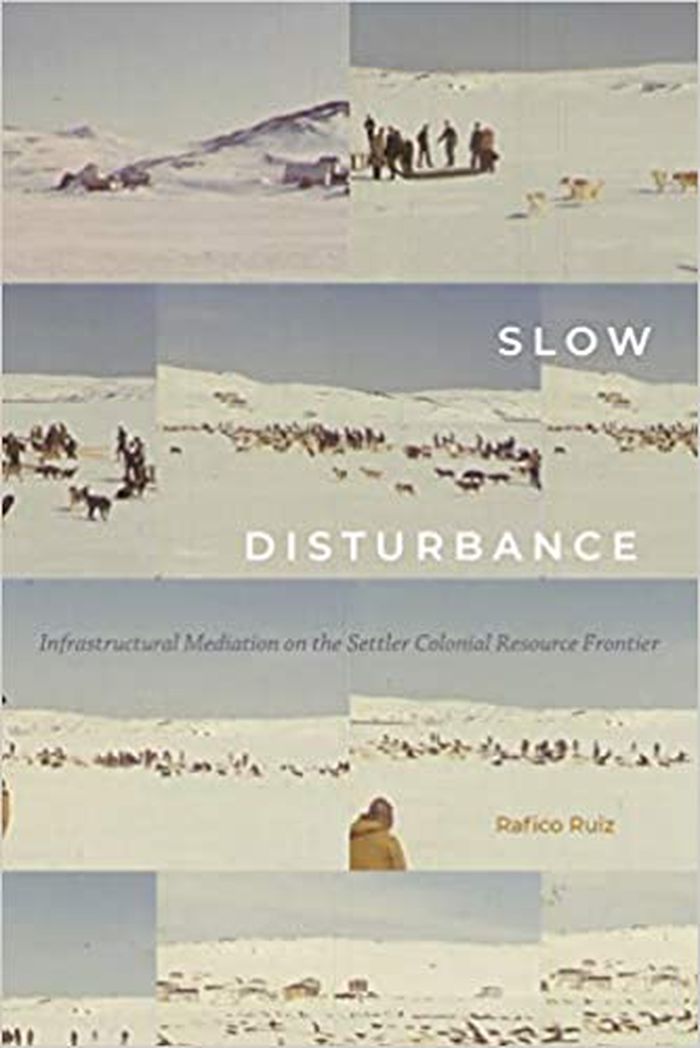
From the late nineteenth through most of the twentieth century, the evangelical Protestant Grenfell Mission in Newfoundland and Labrador, Canada, created a network of hospitals, schools, orphanages, stores, and industries with the goal of bringing health and organized society to settler fisherfolk and Indigenous populations. This infrastructure also served to support resource extraction of fisheries off Labrador's coast. In 'Slow Disturbance' Rafico Ruiz engages with the Grenfell Mission to theorize how settler colonialism establishes itself through what he calls infrastructural mediation—the ways in which colonial lifeworlds, subjectivities, and affects come into being through the creation and maintenance of infrastructures. Drawing on archival documents, maps, interviews with municipal officials, teachers, and residents, as well as his field photography, Ruiz shows how the mission's infrastructural mediation—from its attempts to restructure the local economy to the aerial surveying and mapping of the coastline—responded to the colony's environmental conditions in ways that expanded the bounds of the settler frontier. By tracing the mission's history and the mechanisms that enabled its functioning, Ruiz complicates understandings of mediation and infrastructure while expanding current debates surrounding settler colonialism and extractive capitalism.
Slow disturbance: infrastructural mediation on the settler colonial resource frontier
Actions:
Prix:
$35.95
(disponible en magasin)
Résumé:
From the late nineteenth through most of the twentieth century, the evangelical Protestant Grenfell Mission in Newfoundland and Labrador, Canada, created a network of hospitals, schools, orphanages, stores, and industries with the goal of bringing health and organized society to settler fisherfolk and Indigenous populations. This infrastructure also served to support resource extraction of fisheries off Labrador's coast. In 'Slow Disturbance' Rafico Ruiz engages with the Grenfell Mission to theorize how settler colonialism establishes itself through what he calls infrastructural mediation—the ways in which colonial lifeworlds, subjectivities, and affects come into being through the creation and maintenance of infrastructures. Drawing on archival documents, maps, interviews with municipal officials, teachers, and residents, as well as his field photography, Ruiz shows how the mission's infrastructural mediation—from its attempts to restructure the local economy to the aerial surveying and mapping of the coastline—responded to the colony's environmental conditions in ways that expanded the bounds of the settler frontier. By tracing the mission's history and the mechanisms that enabled its functioning, Ruiz complicates understandings of mediation and infrastructure while expanding current debates surrounding settler colonialism and extractive capitalism.
Classification:
livres
livres
Publication:
avril 2021
avril 2021
Sujet:
L'écologie de l'architecure
L'écologie de l'architecure
Classification:
livres
livres
Actions:
Prix:
$14.95
(disponible sur commande)
Résumé:
Fort McMurray, dans le nord de l’Alberta, est une ville-champignon au milieu d’un enfer écologique, où des travailleurs affluent de partout, attirés par les promesses de boom économique. L’or qu’ils convoitent : les gisements de sables bitumineux, le pétrole le plus sale qui existe, paroxysme du délire extractiviste. "Brut" réunit les voix de celles et ceux qui ont vu de(...)
$14.95
(disponible sur commande)
Résumé:
Fort McMurray, dans le nord de l’Alberta, est une ville-champignon au milieu d’un enfer écologique, où des travailleurs affluent de partout, attirés par les promesses de boom économique. L’or qu’ils convoitent : les gisements de sables bitumineux, le pétrole le plus sale qui existe, paroxysme du délire extractiviste. "Brut" réunit les voix de celles et ceux qui ont vu de(...)
Titre:
Brut : la ruée vers l'horreur
Actions:
Prix:
$14.95
(disponible sur commande)
Résumé:
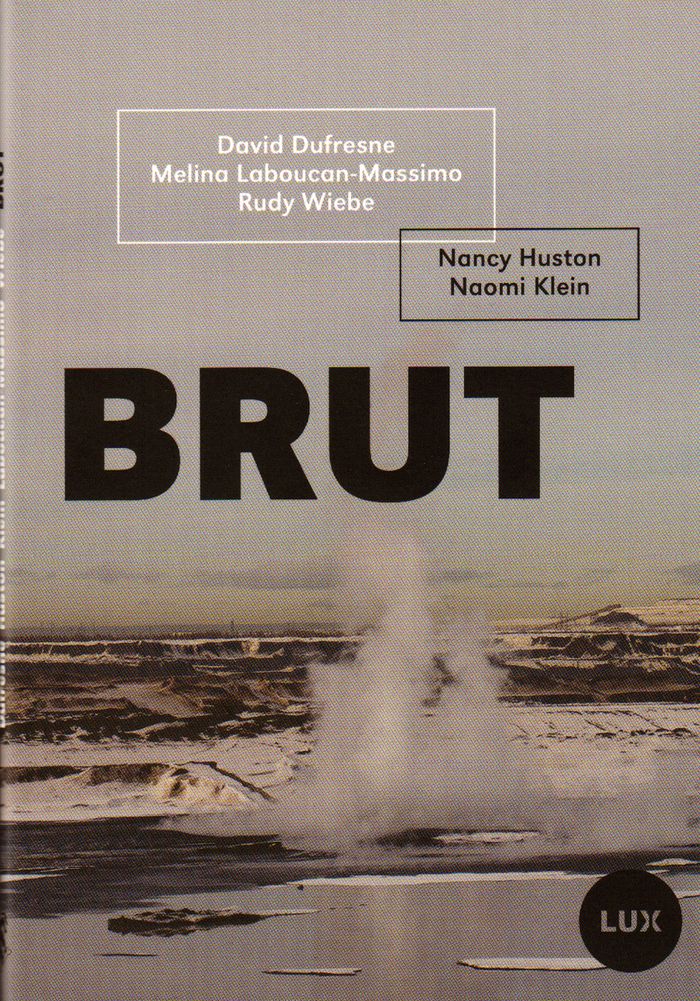
Fort McMurray, dans le nord de l’Alberta, est une ville-champignon au milieu d’un enfer écologique, où des travailleurs affluent de partout, attirés par les promesses de boom économique. L’or qu’ils convoitent : les gisements de sables bitumineux, le pétrole le plus sale qui existe, paroxysme du délire extractiviste. "Brut" réunit les voix de celles et ceux qui ont vu de près cette catastrophe : Melina Laboucan-Massimo, militante amérindienne, décrit la terre où elle est née et le jour où le pétrole s’y est répandu ; David Dufresne brosse le portrait des personnages de ce nouveau Klondike; Nancy Huston raconte un effrayant séjour dans son Alberta natale, puis discute avec Naomi Klein de la misère culturelle liée à ce ravage écologique. En guise de coda littéraire, une nouvelle prémonitoire du romancier canadien Rudy Wiebe, inscrit Fort Mac dans l’atlas des lieux du désastre.
Brut : la ruée vers l'horreur
Actions:
Prix:
$14.95
(disponible sur commande)
Résumé:
Fort McMurray, dans le nord de l’Alberta, est une ville-champignon au milieu d’un enfer écologique, où des travailleurs affluent de partout, attirés par les promesses de boom économique. L’or qu’ils convoitent : les gisements de sables bitumineux, le pétrole le plus sale qui existe, paroxysme du délire extractiviste. "Brut" réunit les voix de celles et ceux qui ont vu de près cette catastrophe : Melina Laboucan-Massimo, militante amérindienne, décrit la terre où elle est née et le jour où le pétrole s’y est répandu ; David Dufresne brosse le portrait des personnages de ce nouveau Klondike; Nancy Huston raconte un effrayant séjour dans son Alberta natale, puis discute avec Naomi Klein de la misère culturelle liée à ce ravage écologique. En guise de coda littéraire, une nouvelle prémonitoire du romancier canadien Rudy Wiebe, inscrit Fort Mac dans l’atlas des lieux du désastre.
Classification:
livres
livres
Publication:
avril 2015
avril 2015
Sujet:
Architecture écologique
Architecture écologique
Classification:
livres
livres
Actions:
Prix:
$41.90
(disponible sur commande)
Résumé:
The laws of thermodynamics—and their implications for architecture—have not been fully integrated into architectural design. Architecture and building science too often remain constrained by linear concepts and methodologies regarding energy that occlude significant quantities and qualities of energy. This publication addresses this situation by providing a clear overview(...)
$41.90
(disponible sur commande)
Résumé:
The laws of thermodynamics—and their implications for architecture—have not been fully integrated into architectural design. Architecture and building science too often remain constrained by linear concepts and methodologies regarding energy that occlude significant quantities and qualities of energy. This publication addresses this situation by providing a clear overview(...)
Titre:
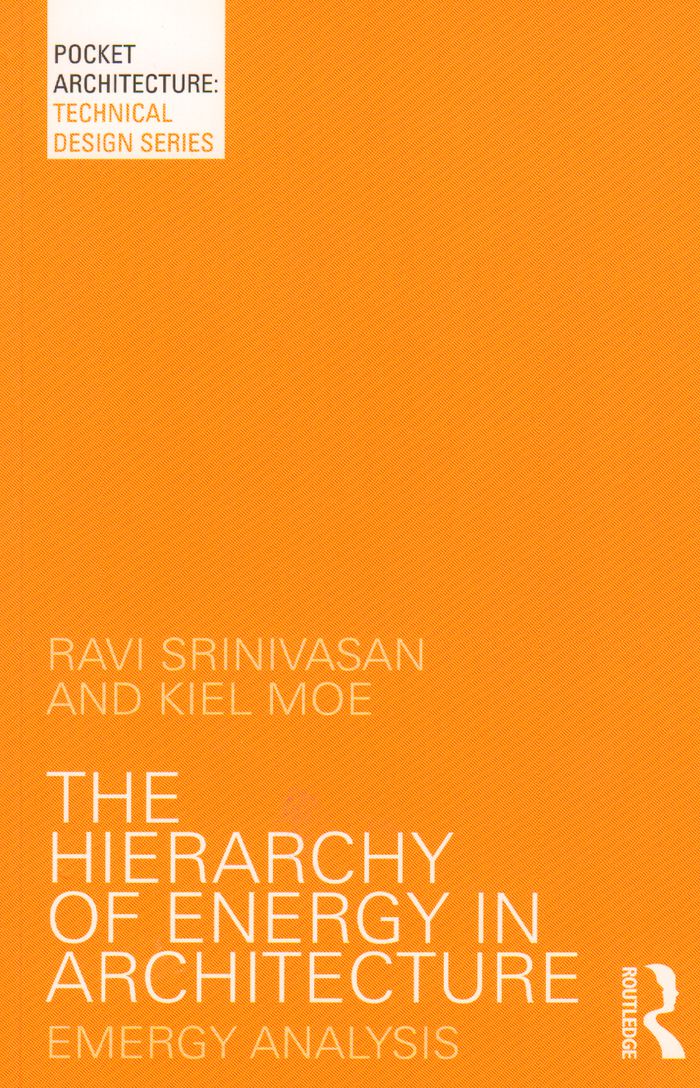
The hierarchy of energy in architecture
Actions:
Prix:
$41.90
(disponible sur commande)
Résumé:
The laws of thermodynamics—and their implications for architecture—have not been fully integrated into architectural design. Architecture and building science too often remain constrained by linear concepts and methodologies regarding energy that occlude significant quantities and qualities of energy. This publication addresses this situation by providing a clear overview of what energy is and what architects can do with it. Building on the emergy method pioneered by systems ecologist Howard T. Odum, the authors situate the energy practices of architecture within the hierarchies of energy and the thermodynamics of the large, non-equilibrium, non-linear energy systems that drive buildings, cities, the planet and universe.
The hierarchy of energy in architecture
Actions:
Prix:
$41.90
(disponible sur commande)
Résumé:
The laws of thermodynamics—and their implications for architecture—have not been fully integrated into architectural design. Architecture and building science too often remain constrained by linear concepts and methodologies regarding energy that occlude significant quantities and qualities of energy. This publication addresses this situation by providing a clear overview of what energy is and what architects can do with it. Building on the emergy method pioneered by systems ecologist Howard T. Odum, the authors situate the energy practices of architecture within the hierarchies of energy and the thermodynamics of the large, non-equilibrium, non-linear energy systems that drive buildings, cities, the planet and universe.
Classification:
livres
livres
Publication:
septembre 2015
septembre 2015
Sujet:
Architecture écologique
Architecture écologique
Classification:
livres
livres
Actions:
Prix:
$52.50
(disponible sur commande)
Résumé:
"Rebuild by Design" (RBD) was developed for the "Presidential Hurricane Sandy Rebuilding Task Force" after hurricane Sandy hit the North-East Coast of the United States in 2012. Using an innovative, design-driven process based on the design competition model. 'RBD' places local communities and civic leaders at the heart of a robust, interdisciplinary creative process to(...)
$52.50
(disponible sur commande)
Résumé:
"Rebuild by Design" (RBD) was developed for the "Presidential Hurricane Sandy Rebuilding Task Force" after hurricane Sandy hit the North-East Coast of the United States in 2012. Using an innovative, design-driven process based on the design competition model. 'RBD' places local communities and civic leaders at the heart of a robust, interdisciplinary creative process to(...)
Titre:
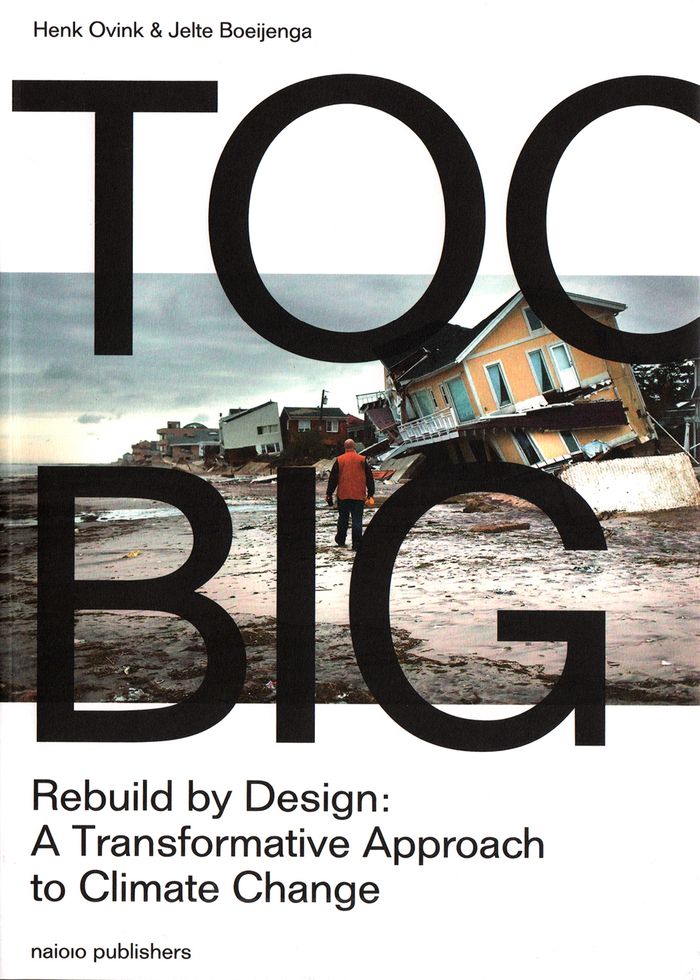
Rebuild by design: new approaches to climate change
Actions:
Prix:
$52.50
(disponible sur commande)
Résumé:
"Rebuild by Design" (RBD) was developed for the "Presidential Hurricane Sandy Rebuilding Task Force" after hurricane Sandy hit the North-East Coast of the United States in 2012. Using an innovative, design-driven process based on the design competition model. 'RBD' places local communities and civic leaders at the heart of a robust, interdisciplinary creative process to generate implementable solutions for a more resilient region. This book aims to reflect 'RBD', assess all its aspects, and embed it in a broader context to offer a guide for politicians, designers, researchers, activists, and others.
Rebuild by design: new approaches to climate change
Actions:
Prix:
$52.50
(disponible sur commande)
Résumé:
"Rebuild by Design" (RBD) was developed for the "Presidential Hurricane Sandy Rebuilding Task Force" after hurricane Sandy hit the North-East Coast of the United States in 2012. Using an innovative, design-driven process based on the design competition model. 'RBD' places local communities and civic leaders at the heart of a robust, interdisciplinary creative process to generate implementable solutions for a more resilient region. This book aims to reflect 'RBD', assess all its aspects, and embed it in a broader context to offer a guide for politicians, designers, researchers, activists, and others.
Classification:
livres
livres
Publication:
mai 2018
mai 2018
Sujet:
Architecture écologique
Architecture écologique
Classification:
livres
livres
Actions:
Prix:
$46.95
(disponible sur commande)
Résumé:
"XXL-XS" represents the emerging discipline of ecological design by assembling a wide range of innovators with diverse interests. Geo-engineering, synthetic biology, construction site co-robotics, low-energy fabrication, up-cycling waste, minimally invasive design, living materials, and molecular self-assembly are just a few of the important advances explored in the book.(...)
$46.95
(disponible sur commande)
Résumé:
"XXL-XS" represents the emerging discipline of ecological design by assembling a wide range of innovators with diverse interests. Geo-engineering, synthetic biology, construction site co-robotics, low-energy fabrication, up-cycling waste, minimally invasive design, living materials, and molecular self-assembly are just a few of the important advances explored in the book.(...)
Titre:
XXL-XS: new directions on ecological design
Actions:
Prix:
$46.95
(disponible sur commande)
Résumé:
"XXL-XS" represents the emerging discipline of ecological design by assembling a wide range of innovators with diverse interests. Geo-engineering, synthetic biology, construction site co-robotics, low-energy fabrication, up-cycling waste, minimally invasive design, living materials, and molecular self-assembly are just a few of the important advances explored in the book. At one extreme are massive public works, at the other, micro to nano-sized interventions that can have equally profound impacts on our world. From terraforming to bio-manufacturing, a whole new generation of designers is proposing unique ways of confronting the difficult challenges ahead. In this way design becomes a totality of relationships that affects all disciplines, which can no-longer be thought of as self-contained fields, each handled separately by narrowly focused specialists. Globalization demands a restructuring of the profession, as we know it. This requires a new breed of generalists who can work across fields and engage research on multiple sites around the globe. Today we need planetary designers versed in the craft of integral design. Our thesis is therefore both global and performative in scope. We need an architecture that is more than just a constellation of bio-picturesque images, digitally generated surface effects, and conventional materials. We seek a holistic architecture that uses the best techniques to connect directly with existing natural systems while creating a renewed ecology that can sustain itself well into the future. Along these lines, many of the projects featured in this book simply abandon the old tropes and construction processes of the past by creating numerous green alternatives that proliferate along unexpected pathways.
XXL-XS: new directions on ecological design
Actions:
Prix:
$46.95
(disponible sur commande)
Résumé:
"XXL-XS" represents the emerging discipline of ecological design by assembling a wide range of innovators with diverse interests. Geo-engineering, synthetic biology, construction site co-robotics, low-energy fabrication, up-cycling waste, minimally invasive design, living materials, and molecular self-assembly are just a few of the important advances explored in the book. At one extreme are massive public works, at the other, micro to nano-sized interventions that can have equally profound impacts on our world. From terraforming to bio-manufacturing, a whole new generation of designers is proposing unique ways of confronting the difficult challenges ahead. In this way design becomes a totality of relationships that affects all disciplines, which can no-longer be thought of as self-contained fields, each handled separately by narrowly focused specialists. Globalization demands a restructuring of the profession, as we know it. This requires a new breed of generalists who can work across fields and engage research on multiple sites around the globe. Today we need planetary designers versed in the craft of integral design. Our thesis is therefore both global and performative in scope. We need an architecture that is more than just a constellation of bio-picturesque images, digitally generated surface effects, and conventional materials. We seek a holistic architecture that uses the best techniques to connect directly with existing natural systems while creating a renewed ecology that can sustain itself well into the future. Along these lines, many of the projects featured in this book simply abandon the old tropes and construction processes of the past by creating numerous green alternatives that proliferate along unexpected pathways.
Classification:
livres
livres
Publication:
juin 2017
juin 2017
Sujet:
Architecture écologique
Architecture écologique
Classification:
livres
livres
Actions:
Prix:
$38.50
(disponible sur commande)
Résumé:
"SOUPERgreen!" features projects and essays that offer a long overdue critique of the current approach to “green” architecture and, in turn, demonstrate a more appropriate way for architects to address the challenges posed by the environmental crisis. In sharp contrast to contemporary examples of “green” or “sustainable” architecture—which primarily rely upon the(...)
$38.50
(disponible sur commande)
Résumé:
"SOUPERgreen!" features projects and essays that offer a long overdue critique of the current approach to “green” architecture and, in turn, demonstrate a more appropriate way for architects to address the challenges posed by the environmental crisis. In sharp contrast to contemporary examples of “green” or “sustainable” architecture—which primarily rely upon the(...)
Titre:
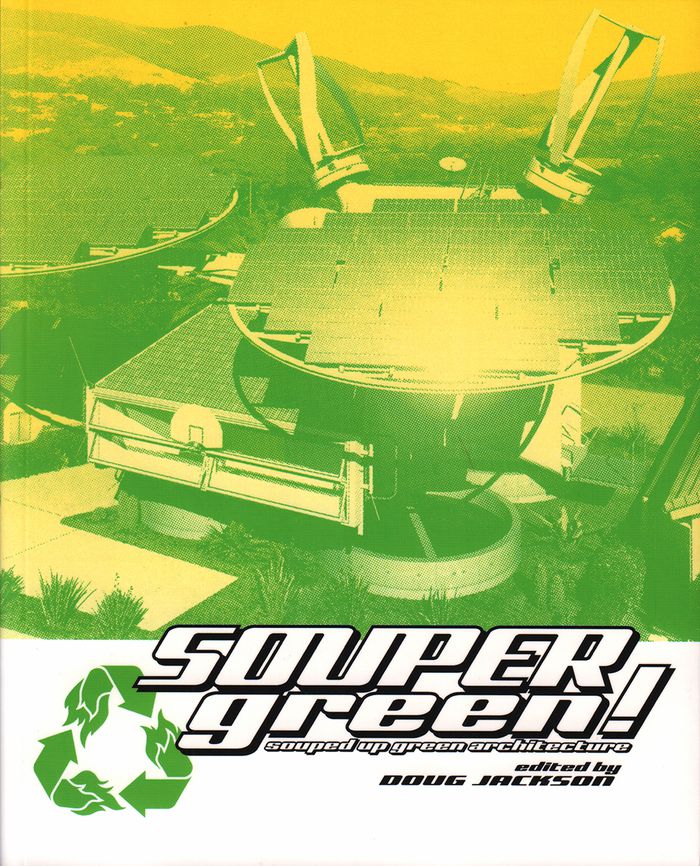
SOUPERgreen!: souped-up green architecture
Actions:
Prix:
$38.50
(disponible sur commande)
Résumé:
"SOUPERgreen!" features projects and essays that offer a long overdue critique of the current approach to “green” architecture and, in turn, demonstrate a more appropriate way for architects to address the challenges posed by the environmental crisis. In sharp contrast to contemporary examples of “green” or “sustainable” architecture—which primarily rely upon the invisible agency of unremarkable technologies and materials to reduce resource consumption, but which do so without producing a necessary shift in the public’s perception of the environment or behavior towards it—"SOUPERgreen!" demonstrates how green technology can not only perform from a measurable standpoint, but can also produce engaging experiences that profoundly alter, enhance, and transform the public’s understanding of the environment. By leveraging the inherently expressive nature of technology in order to dramatize the constantly negotiated relationship between humanity and the natural world, the “souped-up” green architecture featured in "SOUPERgreen!" transforms “greenness” from a mere measurement of environmental performance into an actively engaged and highly conscious lived reality—resulting in a new way of experiencing and understanding the environment that is inherently more ecological.
SOUPERgreen!: souped-up green architecture
Actions:
Prix:
$38.50
(disponible sur commande)
Résumé:
"SOUPERgreen!" features projects and essays that offer a long overdue critique of the current approach to “green” architecture and, in turn, demonstrate a more appropriate way for architects to address the challenges posed by the environmental crisis. In sharp contrast to contemporary examples of “green” or “sustainable” architecture—which primarily rely upon the invisible agency of unremarkable technologies and materials to reduce resource consumption, but which do so without producing a necessary shift in the public’s perception of the environment or behavior towards it—"SOUPERgreen!" demonstrates how green technology can not only perform from a measurable standpoint, but can also produce engaging experiences that profoundly alter, enhance, and transform the public’s understanding of the environment. By leveraging the inherently expressive nature of technology in order to dramatize the constantly negotiated relationship between humanity and the natural world, the “souped-up” green architecture featured in "SOUPERgreen!" transforms “greenness” from a mere measurement of environmental performance into an actively engaged and highly conscious lived reality—resulting in a new way of experiencing and understanding the environment that is inherently more ecological.
Classification:
livres
livres
Publication:
mars 2017
mars 2017
Sujet:
Architecture écologique
Architecture écologique
Classification:
livres
livres
Actions:
Prix:
$56.95
(disponible sur commande)
Résumé:
This book presents a refreshed, design-led approach to waste-to-energy (WTE) plants, reflecting work done at Harvard’s Graduate School of Design over a period of three years. Architecture and design currently play a minor role in the design and construction of industrial building types, especially waste-to-energy facilities. As densities increase and consumption patterns(...)
$56.95
(disponible sur commande)
Résumé:
This book presents a refreshed, design-led approach to waste-to-energy (WTE) plants, reflecting work done at Harvard’s Graduate School of Design over a period of three years. Architecture and design currently play a minor role in the design and construction of industrial building types, especially waste-to-energy facilities. As densities increase and consumption patterns(...)
Sujet:
Architecture écologique
Architecture écologique
Publication:
juin 2017
juin 2017
Titre:
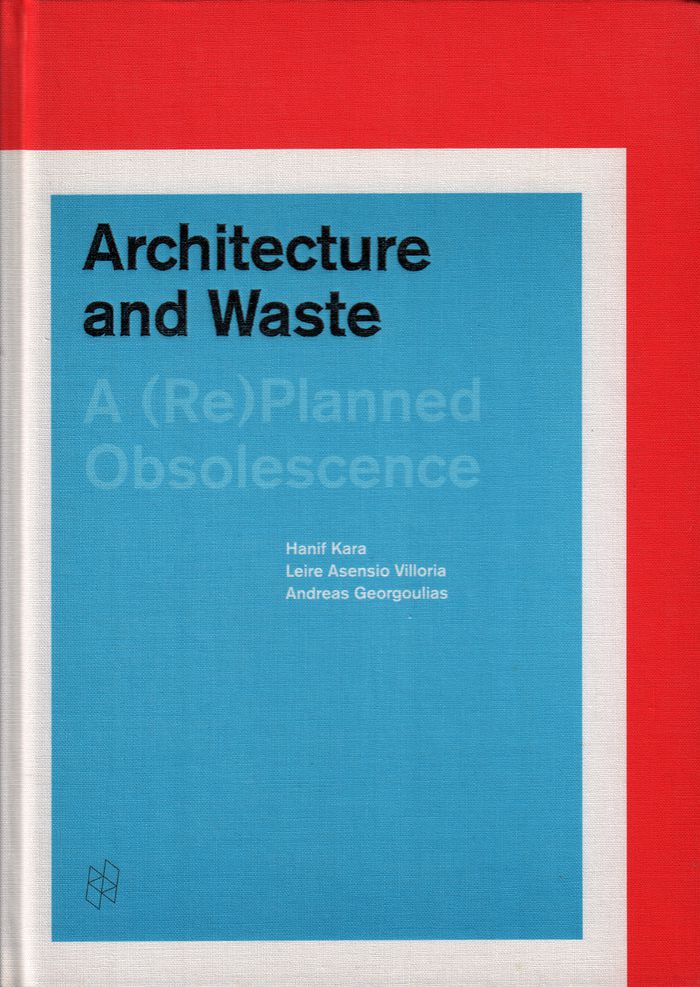
Architecture and waste: a (re)planned obsolescence
Actions:
Prix:
$56.95
(disponible sur commande)
Résumé:
This book presents a refreshed, design-led approach to waste-to-energy (WTE) plants, reflecting work done at Harvard’s Graduate School of Design over a period of three years. Architecture and design currently play a minor role in the design and construction of industrial building types, especially waste-to-energy facilities. As densities increase and consumption patterns change, the need for more waste-to-energy facilities is only going to increase. Through comparing the well-established waste-to-energy industries in Sweden with less established engagements in the northeast of the United States, opportunities and lessons are revealed. Architects have a role to play in integrating waste-to-energy plants physically and programmatically within their urban or suburban contexts, as well as potentially lessening the generally negative perception of energy recovery plants. These hybrid WTE building typologies have the potential not only re-connect and communicate to the public, but also weave new public or institutional programs with energy production in a mutually beneficial way.
Architecture and waste: a (re)planned obsolescence
Actions:
Prix:
$56.95
(disponible sur commande)
Résumé:
This book presents a refreshed, design-led approach to waste-to-energy (WTE) plants, reflecting work done at Harvard’s Graduate School of Design over a period of three years. Architecture and design currently play a minor role in the design and construction of industrial building types, especially waste-to-energy facilities. As densities increase and consumption patterns change, the need for more waste-to-energy facilities is only going to increase. Through comparing the well-established waste-to-energy industries in Sweden with less established engagements in the northeast of the United States, opportunities and lessons are revealed. Architects have a role to play in integrating waste-to-energy plants physically and programmatically within their urban or suburban contexts, as well as potentially lessening the generally negative perception of energy recovery plants. These hybrid WTE building typologies have the potential not only re-connect and communicate to the public, but also weave new public or institutional programs with energy production in a mutually beneficial way.
Classification:
livres
livres
Publication:
juin 2017
juin 2017
Sujet:
Architecture écologique
Architecture écologique
Classification:
livres
livres
Prix:
$31.95
(disponible sur commande)
Résumé:
Material intelligence, simulations, sensors, actuators, as well as the bio-mimetic and digital manufacturing innovations provide revolutionary ideas on growth, adaptability, repair, sensitivity, replication and energy savings in architecture. Should we continue constructing rigid and fixed structures? Or can our habitats begin to think?
$31.95
(disponible sur commande)
Résumé:
Material intelligence, simulations, sensors, actuators, as well as the bio-mimetic and digital manufacturing innovations provide revolutionary ideas on growth, adaptability, repair, sensitivity, replication and energy savings in architecture. Should we continue constructing rigid and fixed structures? Or can our habitats begin to think?
Titre:
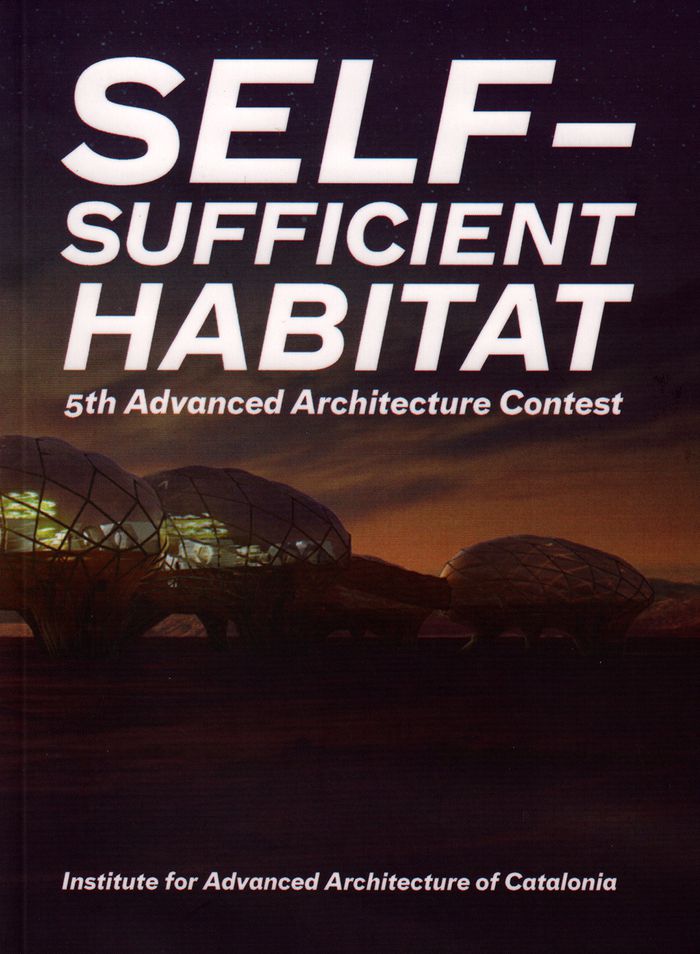
Self-sufficient habitat: 5th advanced architecture contest
Actions:
Prix:
$31.95
(disponible sur commande)
Résumé:
Material intelligence, simulations, sensors, actuators, as well as the bio-mimetic and digital manufacturing innovations provide revolutionary ideas on growth, adaptability, repair, sensitivity, replication and energy savings in architecture. Should we continue constructing rigid and fixed structures? Or can our habitats begin to think?
Self-sufficient habitat: 5th advanced architecture contest
Actions:
Prix:
$31.95
(disponible sur commande)
Résumé:
Material intelligence, simulations, sensors, actuators, as well as the bio-mimetic and digital manufacturing innovations provide revolutionary ideas on growth, adaptability, repair, sensitivity, replication and energy savings in architecture. Should we continue constructing rigid and fixed structures? Or can our habitats begin to think?
Classification:
livres
livres
Publication:
septembre 2017
septembre 2017
Sujet:
Architecture écologique
Architecture écologique


